When Alien Plants Invade – The Four Stages of Invasion, part one

As humans move around the globe, they are regularly accompanied by plants. Some plant species are intentional guests, while others are interlopers. This steady movement of plants from one region to another results in plants being introduced to areas where they are not native. In this regard, they are aliens. Some of these alien species will take up permanent residence and, as a result, can disrupt ecosystems, compete with native plant species, and cause economic damage. This earns them the title “invasive”. But not all introduced plant species achieve this. In fact, many will find themselves in a new region but will be unable to colonize. Others will colonize but not become fully established. Still others become established but will not spread. In all cases there are factors at play that either aid or limit an introduced plant species in becoming invasive.

In a review published in New Phytologist (2007), Kathleen Theoharides and Jeffrey Dukes examine four stages of invasion (transport, colonization, establishment, and landscape spread) and some of the “filters” that occur in each stage that help determine whether or not an alien plant species will become invasive. In their introduction they clarify, “these stages are not discrete, and filters will likely affect more than one stage,” but by analyzing each of the stages we can better determine how and why some introduced species are successful at becoming invasive while others are not. Generalities derived from this investigation can “be used to predict the outcome of invasion events, or to explore mechanisms responsible for deviations from these generalizations.”

Theoharides, K. A. and Dukes, J. S. (2007), Plant invasion across space and time: factors affecting nonindigenous species success during four stages of invasion. New Phytologist, 176: 256–273. doi:10.1111/j.1469-8137.2007.02207.x

In part one, we will look at the first two stages of invasion: transport and colonization.

Species have always moved around from region to region by various means. However, as Theoharides and Dukes write, “current species movements are happening faster than before and from more distant regions, primarily as a result of global commerce and travel.” When it comes to human-mediated dispersal, many plants may never be transported by humans, while others simply won’t survive the journey. Species that are widespread may have a better chance of being transported because they are more likely to make contact with humans. Transporting high numbers of propagules (i.e. seeds, spores, cuttings) generally increases the likelihood that a species will survive the journey.
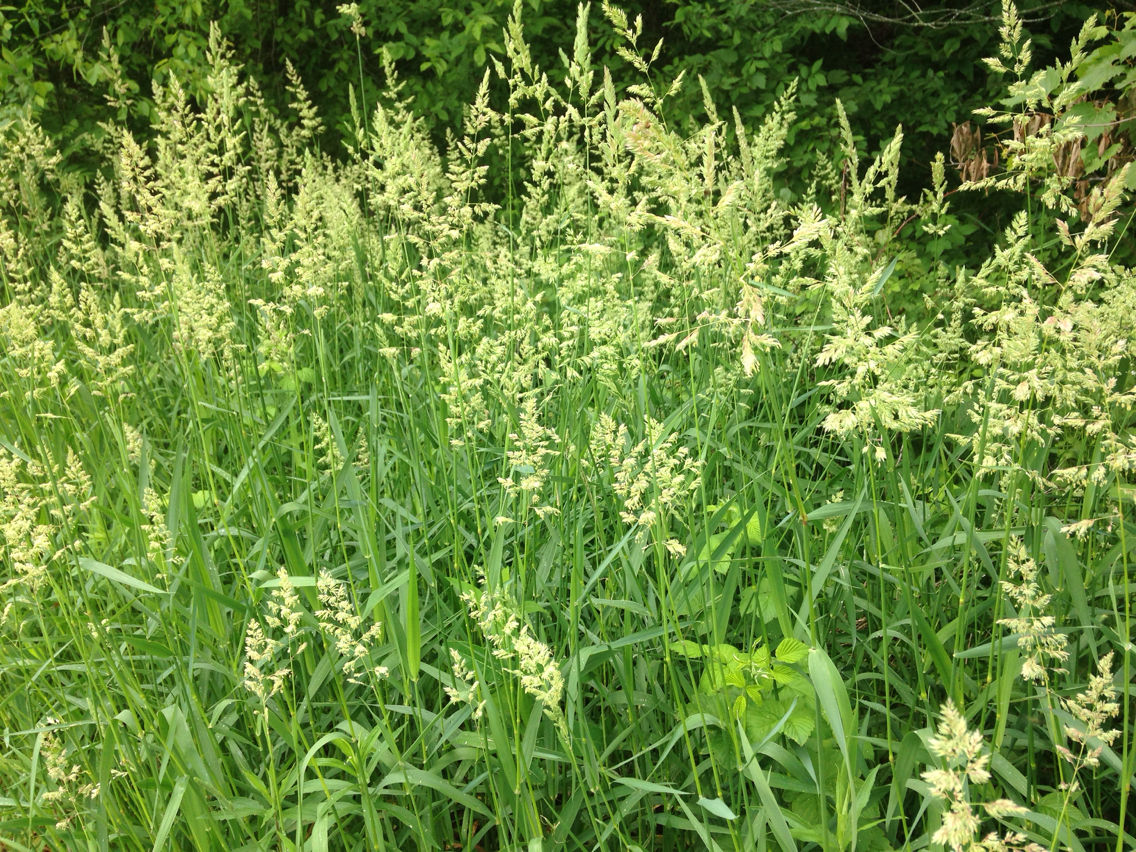
The invasion of Phalaris arundinacea (reed canary grass) was facilitated by multiple introduction events from a variety of sources within the native European range.” — Theoharides, K. A. and Dukes, J. S. (2007) [photo credit: eol.org]

Plants are transported by humans for many reasons. Sometimes its accidental, but often it is purposeful for either utilitarian or aesthetic purposes. Plants provide us with food, fuel, forage, building materials, clothing, and medicine. Over millennia, we have selected suites of species that are ideal for such purposes, and we have carried them with us into new regions or brought them home from other parts of the world. Not all of these species are well-behaved in their new homes, and many have become invasive. These species are given an advantage because they have been selected for traits like cold hardiness, disease resistance, and high yield. When they are transported, they are brought to locations with similar climates. “Climate matching, combined with intentional cultivation, greatly increases the likelihood that [these] species will escape cultivation.”

Surviving transportation is not a guarantee that alien plants will successfully colonize a new area. Myriad environmental conditions and biological processes stand in their way. Much depends on propagule pressure – “the combined measure of the number of individuals reaching a new area in any one release event and the number of discrete release events.” Where propagule pressure is high, colonization is more likely. Repeated introductions across a large area offer the species a greater chance of finding itself in a suitable location as well as a greater level of genetic variation. Disturbed environments with less competitors and increased resources (i.e. light, moisture, soil nutrients) are often easier to colonize than locations with a high level of biodiversity and fewer available resources.
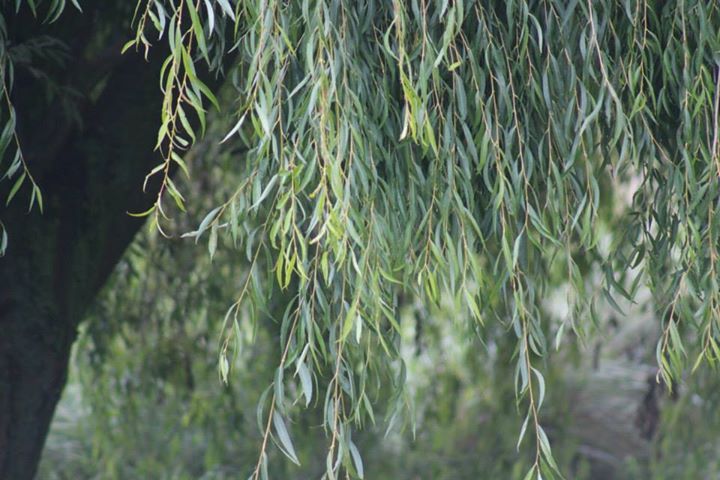
“Populations of Salix babylonica (weeping willow) in New Zealand may have invaded from a single cutting.” — Theoharides, K. A. and Dukes, J. S. (2007) [photo credit: eol.org]

Climate is one of the main filters of colonization, yet plant species have still managed to colonize regions with very different climates compared to what they’re used to, while other plant species have been unsuccessful in colonizing regions with similar climates. Plant species that originate from wide geographic ranges tend to have “broader climatic tolerances” – a trait that along with phenotypic plasticity and a high level of genetic variability can enable a species to adapt to new and challenging environments. Other advantageous traits include “fast growth, self-compatibility, a short juvenile period, and seeds that germinate without a pre-treatment.”

If and when colonization is achieved, establishment is no guarantee. “In order for a plant to establish itself it must continue to increase from low density over the long term.” Small numbers of plants may successfully reproduce, but environmental factors, genetic issues, and biological competition may still stand in their way. Species that invade disturbed sites where resource availability is temporarily high, may soon find themselves in a resource-limited situation. As a result, their populations may dwindle.

With transport and colonization accomplished, establishment is the next goal. Establishment and landscape spread will be covered in part two.
Seed Dispersal via Caching – The Story of Antelope Bitterbrush

Generally speaking, individual plants produce an enormous amount of seeds. This may seem like a huge waste of resources, but the reality is that while each seed has the potential to grow into an adult plant that will one day produce seeds of its own, relatively few may achieve this. Some seeds will be eaten before they get a chance to germinate. Others germinate and soon die from lack of water, disease, or herbivory. Those that make it past the seedling stage continue to face similar pressures. Reaching adulthood, then, is a remarkable achievement.

Antelope bitterbrush is a shrub that produces hundreds of seeds per individual. Each seed is about the size of an apple seed. Some seeds may be eaten right away. Others fall to the ground and are ignored. But a large number are collected by rodents and either stored in burrows (larder hoarding) or in shallow depressions in the soil (scatter hoarding). It is through caching that antelope bitterbrush seeds are best dispersed. When rodents fail to return to caches during the winter, the seeds are free to sprout in the spring. Some of the seedlings will dry out and others will be eaten, but a few will survive, making the effort to produce all those seeds worth it in the end.

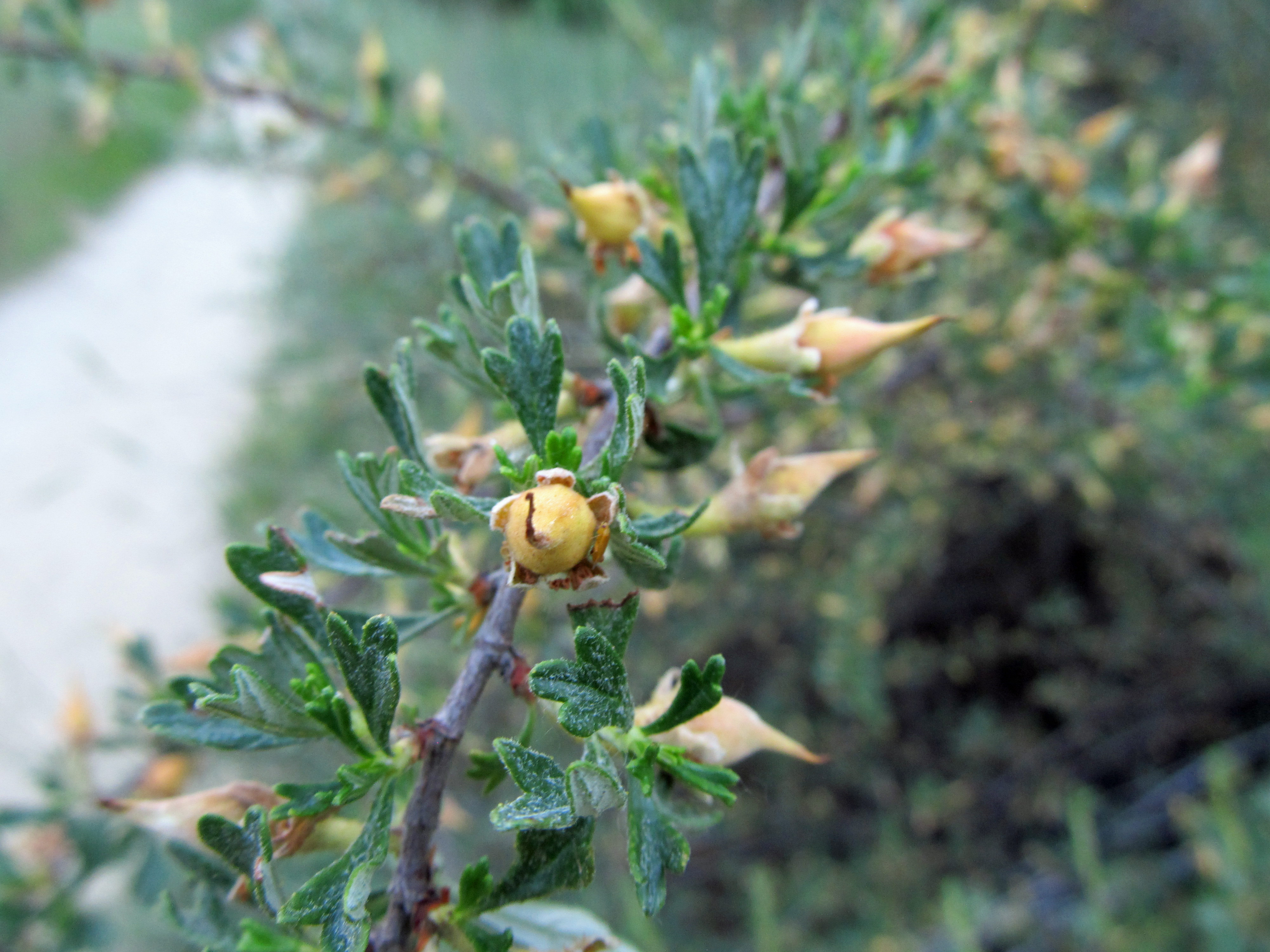
Fruits forming on antelope bitterbrush (Purshia tridentata)

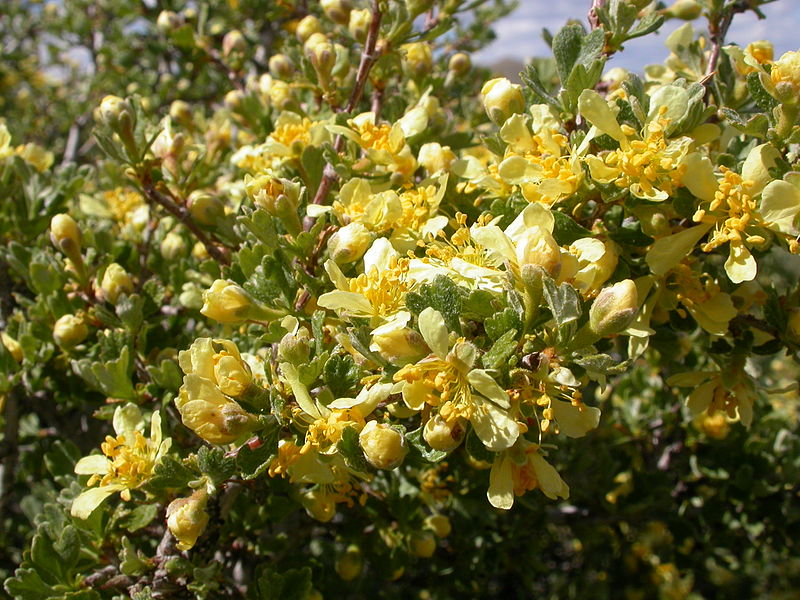
Antelope bitterbrush (Purshia tridentata) is in the rose family and is often simply referred to as bitterbrush. It occurs in grasslands, shrub steppes, and dry woodlands throughout large sections of western North America. It is a deciduous shrub that generally reaches between three and nine feet tall but can grow up to twelve feet. It has wedge-shaped leaves that are green on top, grayish on bottom, and three-lobed. Flowers are yellow, strongly fragrant, and similar in appearance to others in the rose family. Flowering occurs mid-spring to early summer. Fruits are achenes – single seeds surrounded by papery or leathery coverings. The covering must rot away or be removed by animals before the seed can germinate.

Bitterbrush is an important species for wildlife. It is browsed by mule deer, pronghorn antelope, bighorn sheep, and other ungulates, including livestock. It provides cover for birds, rodents, reptiles, and ungulates. Its seeds are collected by harvester ants and rodents, its foliage is consumed by tent caterpillars and other insects, and its flowers are visited by a suite of pollinators. For all that it offers to the animal kingdom, it also relies on it for pollination and seed dispersal. The flowers of bitterbrush are self-incompatible, and if it wasn’t for ants and rodents, the heavy seeds – left to rely on wind and gravity – would have trouble getting any further than just a few feet from the parent plant.

Antelope bitterbrush (Purshia tridentata) in full bloom – photo credit: wikimedia commons

In a study published in The American Naturalist (February 1993), Stephen Vander Wall reported that yellow pine chipmunks were the primary dispersal agents of bitterbrush seeds in his Sierra Nevada study area. The optimal depth for seedling establishment was between 10-30 millimeters. Seeds that are cached too near the surface risk being pushed out of the ground during freeze and thaw cycles where they can desiccate upon germination. Cached bitterbrush seeds benefit when there are several seeds per cache because, as Vander Wall notes, “clumps of seedlings are better able to push through the soil and can establish from greater depths than single seedlings.”

Another study by Vander Wall, published in Ecology (October 1994), reiterated the importance of seed caching by yellow pine chipmunks in the establishment of bitterbrush seedlings. Seed caches, which consisted of anywhere from two to over a hundred seeds, were located as far as 25 meters from the parent plant. Cached seeds are occasionally moved to another location, but Vander Wall found that even these secondary caches produce seedlings. Of course, not all of the seedlings that sprout grow to maturity. Vander Wall states, “attrition over the years gradually reduces the number of seedlings within clumps.” Yet, more than half of the mature shrubs he observed in his study consisted of two or more individuals, leading him to conclude that “they arose from rodent caches.”

A study published in the Journal of Range Management (January 1996) looked at the herbivory of bitterbrush seedlings by rodents. In the introduction the authors discuss how “rodents [may] not only benefit from antelope bitterbrush seed caches as a future seed source, but also benefit from the sprouting of their caches as they return to graze the cotyledons of germinating seeds.”  In this study, Ord’s kangaroo rats, deer mice, and Great Basin pocket mice were all observed consuming bitterbrush seedlings, preferring them even when millet was offered as an alternative. The two species of mice also dug up seedlings, possibly searching for ungerminated seeds. Despite seed dispersal via caching, an overabundance of rodents can result in few bitterbrush seedlings reaching maturity.

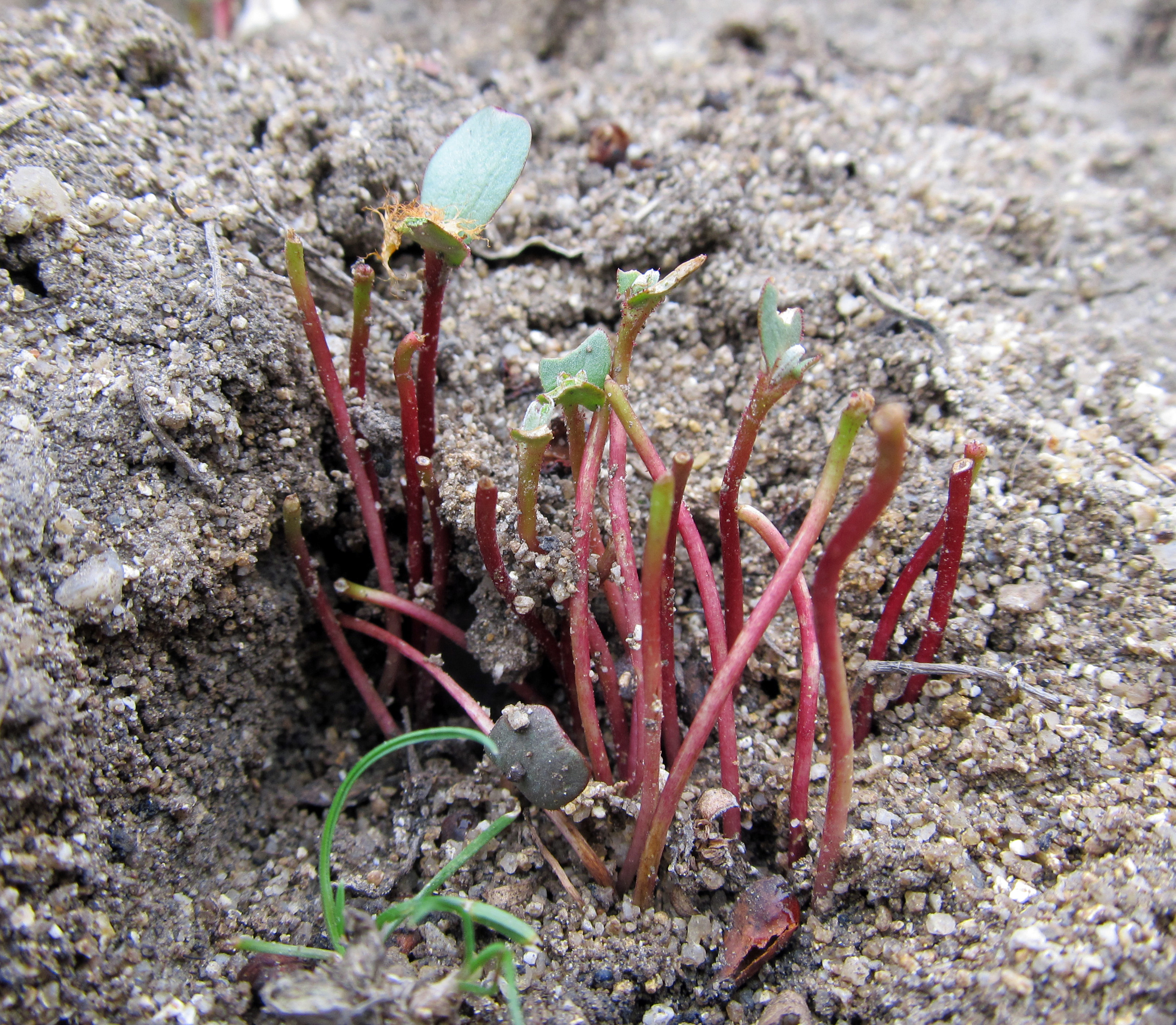
A cluster of antelope bitterbrush seedlings that has been browsed. “Succulent, young seedlings are thought to be important in the diets of rodents during early spring because of the nutrients and water they contain.” — Vander Wall (1994)

———————

Photos of antelope bitterbrush seedling clusters were taken at Idaho Botanical Garden, where numerous clusters are presently on display along the pathways of the native plant gardens and the adjoining natural areas. 

Alien Plant Invasions and the Extinction Trajectory

One of the concerns about introduced species becoming invasive is that they threaten to reduce the biodiversity of the ecosystems they have invaded. They do this by spreading rampantly, using up resources and space, altering ecosystem functions, and ultimately pushing other species out. In the case of certain invasive animals, species may be eliminated via predation; but plants don’t eat each other (generally), so if one plant species is to snuff out another plant species it must use other means. Presently, we have no evidence that a native plant species has been rendered extinct solely as a result of an invasive plant species. That does not mean, however, that invasive plants are not doing harm.

In a paper published in AoB Plants in August 2016, Paul O. Downey and David M. Richardson argue that, when it comes to plants, focusing our attention on extinctions masks the real impact that invasive species can have. In general, plants go extinct more slowly than animals, and it is difficult to determine that a plant species has truly gone extinct. Some plants are very long-lived, so the march towards extinction can extend across centuries. But the real challenge – after determining that there are no above-ground signs of life – is determining that no viable seeds remain in the soil (i.e. seed bank). Depending on the species, seeds can remain viable for dozens (even hundreds) of years, so when conditions are right, a species thought to be extinct can emerge once again. (Consider the story of the Kankakee mallow.)

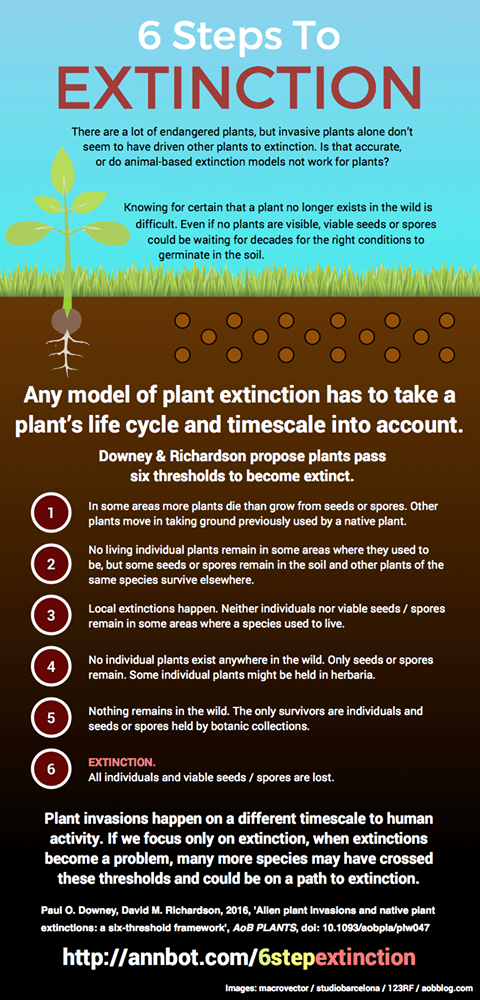
On the other hand, there is plenty of evidence that invasive plant species have had significant impacts on certain native plant populations and have placed such species on, what Downey and Richardson call, an extinction trajectory. It is this trajectory that deserves our attention if our goal is to save native plant species from extinction. As described in the paper, the extinction trajectory has six steps – or thresholds – which are defined in the infographic below:

6-threshold-extinction-trajectory

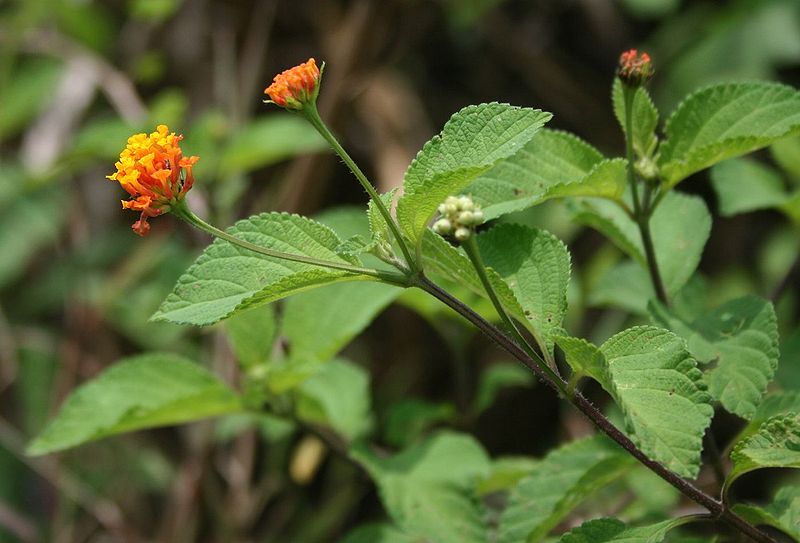
Downey and Richardson spend a portion of the paper summarizing research that demonstrates how invasive plants have driven native plants into thresholds 1-3, thereby placing them on an extinction trajectory. In New Zealand, Lantana camara (introduced from the American tropics) creates dense thickets, outcompeting native plants. Researchers found that species richness of native plants declined once L. camara achieved 75% cover in the test sites. In the U.S., researchers found reduced seed set in three native perennial herbs as a result of sharing space with Lonicera mackii (introduced from Asia), suggesting that the alien species is likely to have a negative impact on the long-term survivability of these native plants. Citing such research, Downy and Richardson conclude that “it is the direction of change that is fundamentally important – the extinction trajectory and the thresholds that have been breached – not whether a native plant species has actually been documented as going extinct due to an alien plant species based on a snapshot view.”

Introduced to New Zealand from the American tropics, largeleaf lantana (Lantana camara) forms dense thickets that can outcompete native plant species. (photo credit: wikimedia commons)

Introduced to New Zealand from the American tropics, largeleaf lantana (Lantana camara) forms dense thickets that can outcompete native plant species. (photo credit: wikimedia commons)

In support of their argument, they also address problems with the way some research is done (“in many instances appropriate data are not collected over sufficiently long periods,” etc.), and they highlight the dearth of data and research (“impacts associated with most invasive alien plants have not been studied or are poorly understood or documented”). With those things in mind, they make recommendations for improving research and they encourage long-term studies and collaboration in order to address the current “lack of meta analyses or global datasets.” A similar recommendation was made in American Journal of Botany in June 2015.

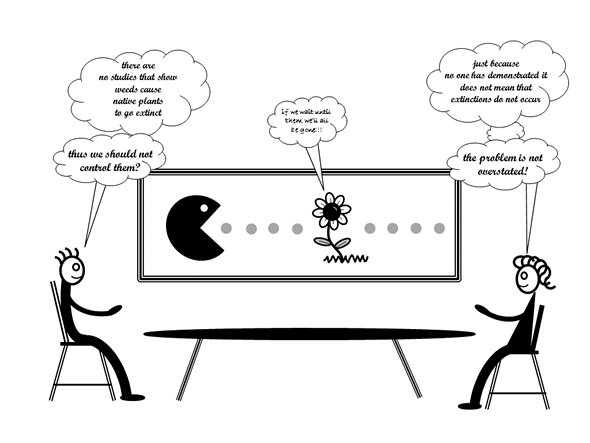
The language in this report makes it clear that the authors are responding to a certain group of people that have questioned whether or not the threat of invasive plants has been overstated and if the measures we are taking to control invasive plants are justified. The following cartoon that appeared along with a summary of the article way oversimplifies the debate:

04_figure2

Boy: There are no studies that show weeds cause native plants to go extinct, thus we should not control them. Plant: If we wait until then, we’ll all be gone!!! Girl: Just because no one has demonstrated it does not mean that extinctions do not occur. The problem is not overstated!

It seems to me that a big part of why we have not linked an invasive plant species to a native plant species extinction (apart from the difficulty of determining with certainty that a plant has gone extinct) is that extinctions are often the result of a number of factors. The authors do eventually say that: “it is rare that one threatening process in isolation leads to the extinction of a species.” So, as much as it is important to fully understand the impacts that invasive plant species are having, it is also important to look at the larger picture. What else is going on that may be contributing to population declines?

Observing invaded plant populations over a long period seems like our best bet in determining the real effects that invasive species are having. In some cases, as Downey and Richardson admit, “decreased effects over time” have been documented, and so “the effects [of invasive species] are dynamic, not static.” And speaking of things that are dynamic, extinction is a dynamic process and one that we generally consider to be wholly negative. But why? What if that isn’t always the case? Extinctions have been a part of life on earth as long as life has been around. Is there anything “good” that can come out of them?

Biodiversity Dips When Japanese Rice Paddies Go Fallow

Large-scale farms that generally grow a single crop at a time and are managed conventionally are, by design, lacking in biodiversity. Abandoning such farms and allowing nature to take its course should, not surprisingly, result in a dramatic uptick in biodiversity. Plant colonization of abandoned farmland (also referred to as old field succession) is well studied and is regularly used as an example of secondary succession in ecology textbooks. The scenario seems obvious: cease agriculture operations, relinquish the land back to nature, and given enough time it will be transformed into a thriving natural community replete with diverse forms of plants and animals. This is an oversimplification, of course, and results will vary with each abandoned piece of land depending on the circumstances, but it generally seems to be the story. So what about when it isn’t?

Rice farming in Japan began at least 2400 years ago. Rice had been domesticated in China long before that, and when it eventually arrived in Japan it shaped the culture dramatically. For hundreds of years rice was farmed in small, terraced paddies in the mountains of Japan. Dennis Normile writes about these traditional, rice paddies in a recent issue of Science. He describes how they were found in villages “nestled in a forested valley” accompanied by vegetable plots, orchards, and pasture. Today, farms like these are “endangered,” and as they have become increasingly abandoned, plants, insects, and other wildlife that have historically thrived there are suffering.

Since the 1960’s, a combination of factors has resulted in the decline of traditional rice farming in Japan. For one, large scale farming has led to the consolidation of paddies, which are farmed more intensively. Diets in Japan have also shifted, resulting in a preference for bread and pasta over rice. Additionally, Japan’s population is shrinking, and residents of rural areas are migrating to cities. Traditional rice farmers are aging, and younger generations are showing little interest in pursuing this career.

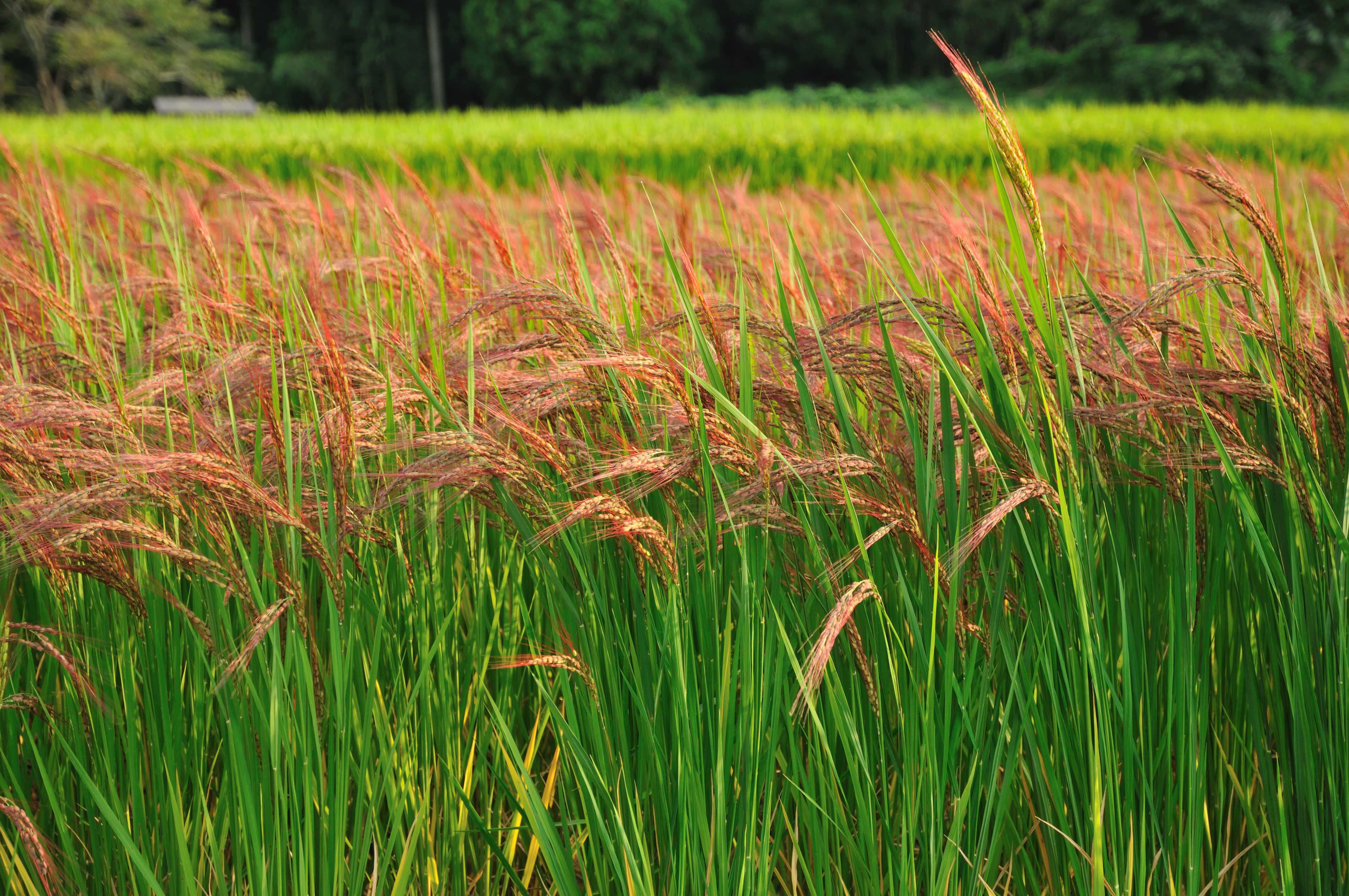
Red rice paddy in Japan - photo credit: wikimedia commons

Red rice paddy in Japan – photo credit: wikimedia commons

Demographic and dietary concerns aside, why in this case is the abandonment of agriculture imperiling species? The answer appears to be in both the way that the rice paddies have been historically managed and the length of time that they have been managed that way. Agriculture, by its very nature, creates novel ecosystems, and if the practice continues long enough, surrounding flora and fauna could theoretically coevolve along with the practice. When the practice is discontinued, species that have come to rely on it become threatened.

Traditional rice paddies are, as Normile describes, “rimmed by banks so that they can be flooded and drained.” Farmers “encouraged wild grassland plants to grow on the banks because the roots stabilize the soil.” The banks are mowed at least twice a year, which helps keep woody shrubs and trees from establishing on the banks. In some areas, rice farming began where primitive people of Japan were burning frequently to encourage grassland habitat. Maintaining grassland species around rice paddies perpetuated the grassland habitat engineered by primitive cultures.

As rice paddies are abandoned and the surrounding grasslands are no longer maintained, invasive species like kudzu and a North American species of goldenrod have been moving in and dominating the landscape resulting in the decline of native plants and insects. Normile reports that the abandoned grasslands are not expected to return to native forests either since “surrounding forests…are a shadow of their old selves.”

Additionally, like most other parts of the world, Japan has lost much of its natural wetland habitat to development. Rice paddies provide habitat for wetland bird species. On paddies that have been abandoned or consolidated, researchers are finding fewer wetland bird species compared to paddies that are managed traditionally.

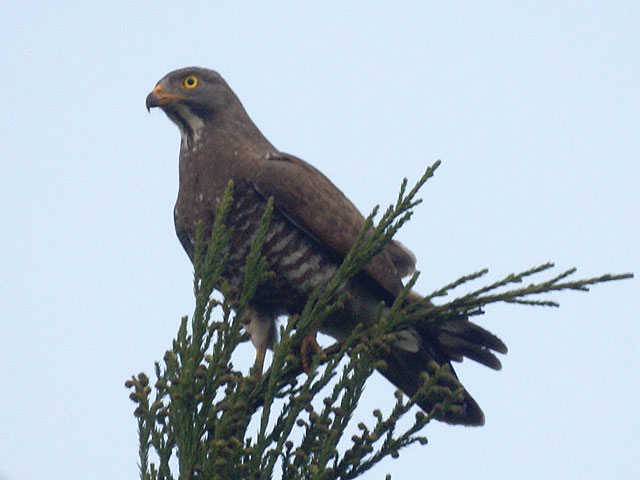
The gray-faced buzzard (Butastur indicus) is listed as vulnerable in Japan. It nests in forests and preys on insects, frogs, and other animals found in grasslands and rice paddies. It's decline has been linked to the abandonment and development of traditionally farmed rice paddies. (photo credit: wikimedia commons)

The gray-faced buzzard (Butastur indicus) is listed as vulnerable in Japan. It nests in forests and preys on insects, frogs, and other animals found in grasslands and rice paddies. Its decline has been linked to the abandonment and development of traditionally farmed rice paddies. (photo credit: wikimedia commons)

All of this adds fodder to an ongoing debate: “whether allowing farmland to revert to nature is a boon to biodiversity or actually harms it.” Where agriculture is a relatively new practice or where conventional practices dominate, abandoning agriculture would be expected to preserve and promote biodiversity. However, where certain agricultural practices have persisted for millenia, abandoning agriculture or converting  to modern day practices could result in endangerment and even extinction of some species. In the latter case, “rewilding” would require thoughtful consideration.

The thing that fascinates me the most about this report is just how intertwined humans are in the ecology of this planet. In many ways humans have done great harm to our environment and to the myriad other species that share it. We are a force to be reckoned with. Yet, the popular view that we are separate, above, apart, or even dominant over nature is an absurd one. For someone who cares deeply about the environment, this view has too often been accompanied by a sort of self-flagellation, cursing myself and my species for what we have done and continue to do to our home planet. Stories like this, however, offer an alternative perspective.

Humans are components of the natural world. We evolved just like every other living thing here, and so our actions as well as the actions of other species have helped shape the way the world looks. If our species had met its demise early in its evolutionary trajectory, the world would look very different. But we persisted, and as it turns out, despite the destruction we have caused and the species we have eliminated, we have simultaneously played a role in the evolution and persistence of many other species as well. We must learn to tread lightly – for the sake of our own species as well as others – but we should also quit considering ourselves “other than” nature, and we should stop beating ourselves up for our collective “mistakes.” It seems that when we come to recognize how connected we are to nature we will have greater motivation to protect it.

Additional Resources:

Attract Pollinators, Grow More Food

It seems obvious to say that on farms that rely on insect pollinators for crops to set fruit, having more pollinators around can lead to higher yields. Beyond that, there are questions to consider. How many pollinators and which ones? To what extent can yields be increased? How does the size and location of the farm come into play? Etc. Thanks to a recent study, one that Science News appropriately referred to as “massive,” some of these questions are being addressed, offering compelling evidence that yields grow dramatically simply by increasing and diversifying pollinator populations.

It is also stating the obvious to say that some farms are more productive than others. The difference between a high yield farm and a low yield farm in a given crop system is referred to as a yield gap. Yield gaps are the result of a combination of factors, including soil health, climate, water availability, and management. For crops that depend on insects for pollination, reduced numbers of pollinators can contribute to yield gaps. This five year study by Lucas A. Garibaldi, et al., pubished in a January 2016 issue of Science, involving 344 fields and 33 different crops on farms located in Africa, Asia, and Latin America demonstrates the importance of managing for pollinator abundance and diversity.

The study locations, which ranged from 0.1 hectare to 327.2 hecatares, were separated into large and small farms. Small farms were considered 2 ha and under. In the developing world, more than 2 billion people rely on farms of this size, and many of these farms have low yields. In this study, low yielding farms on average had yields that were a mere 47% of high yielding farms. Researchers wanted to know to what degree enhancing pollinator density and diversity could help increase yields and close this yield gap.

By performing coordinated experiments for five years on farms all over the world and by using a standardized sampling protocol, the researchers were able to determine that higher pollinator densities could close the yield gap on small farms by 24%. For larger farms, such yield increases were seen only when there was both higher pollinator density and diversity. Honeybees were found to be the dominant pollinator in larger fields, and having additional pollinator species present helped to enhance yields.

These results suggest that, as the authors state, “there are large opportunities to increase flower-visitor densities and yields” on low yielding farms to better match the levels of “the best farms.” Poor performing farms can be improved simply by managing for increased pollinator populations. The authors advise that such farms employ “a combination of practices,” such as “sowing flower strips and planting hedgerows, providing nesting resources, [practicing] more targeted use of pesticides, and/or [restoring] semi-natural and natural areas adjacent to crops.” The authors conclude that this case study offers evidence that “ecological intensification [improving agriculture by enhancing ecological functions and biodiversity] can create mutually beneficial scenarios between biodiversity and crop yields worldwide.”

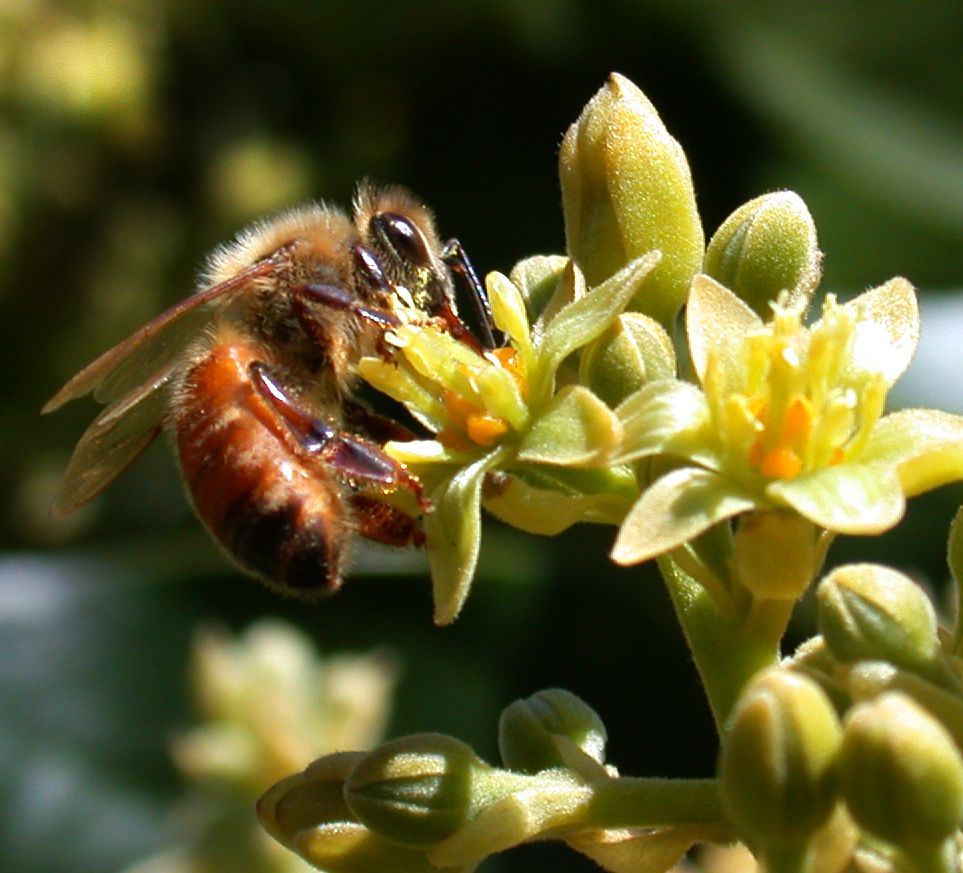
photo credit: wikimedia commons

photo credit: wikimedia commons

A study like this, while aimed at improving crop yields in developing nations, should be viewed as evidence for the importance of protecting and strengthening pollinator populations throughout the world. Modern, industrial farms that plant monocultures from one edge of the field to the other and that include little or no natural area – or weedy, overgrown area for that matter – are helping to place pollinator populations in peril. In this study, after considering numerous covariables, the authors concluded that, “among all the variables we tested, flower-visitor density was the most important predictor of crop yield.”

Back to stating the obvious, if pollinators aren’t present yields decline, and as far as I’m aware, we don’t have a suitable replacement for what nature does best.

This study is available to read free of charge at ResearchGate. If you are interested in improving pollinator habitat in your neighborhood, check out these past Awkward Botany posts: Planting for Pollinators, Ground Nesting Bees in the Garden, and Hellstrip Pollinator Garden.

Confidential Carnivore

This is a guest post. Words and images by Jeremiah Sandler

———————

If you live in North America or Europe, chances are you have seen Dipsacus fullonum, commonly called teasel.  Its tall (up to 2 meters), spiky flower stalks with large purple flowers are easy to spot in low-lands, ditches, or along highways.  Since this prolific seeder’s introduction to North America from Europe, it has steadily increased its habitat to occupy nearly each region of the United States. Of course, like all plants, teasel has its preferences and is more frequent in some areas than in others.

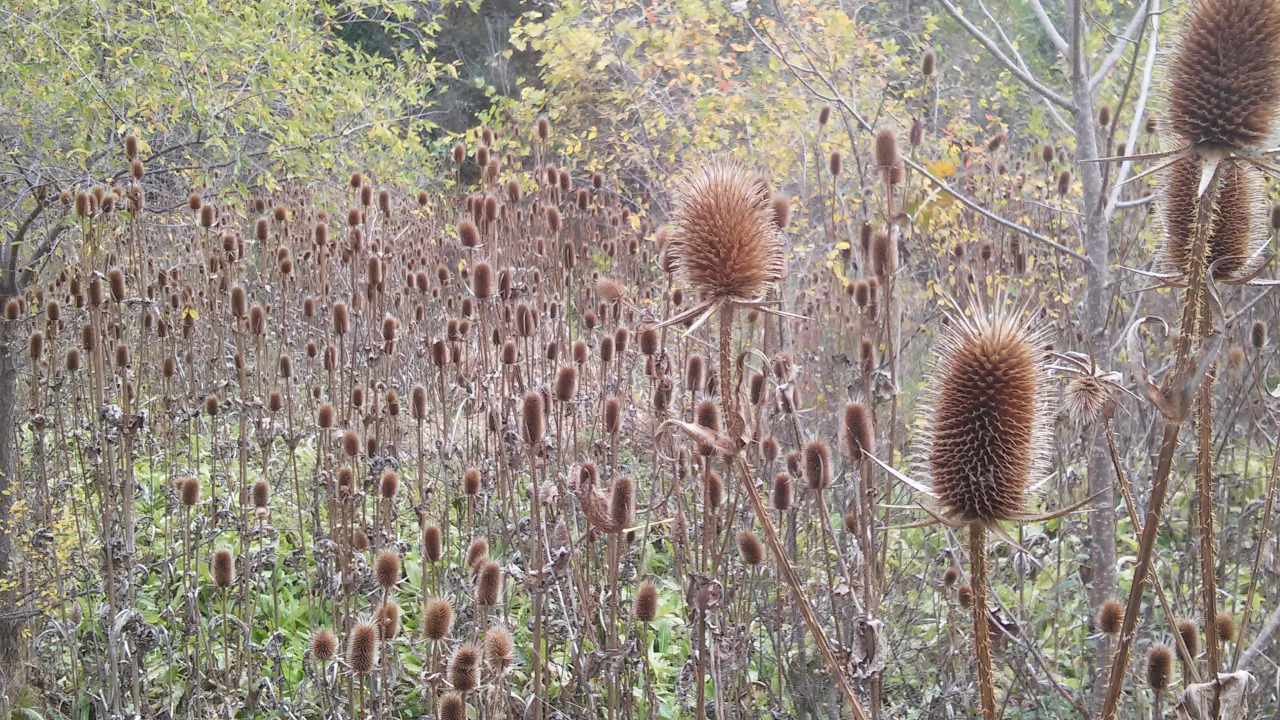
dipsacus fullonum_jeremiah sandler

Teasel is an unassuming, herbaceous biennial.  It takes two years to complete its life cycle: First-year growth is spent as a basal rosette, and second-year growth is devoted to flowering.  Standard biennial, right?  As of 2011, an experiment was conducted on this plant that changed the way we see teasel, and possibly all other similar plants.

“Here we report on evidence for reproductive benefits from carnivory in a plant showing none of the ecological or life history traits of standard carnivorous species.” -Excerpt from the report titled Carnivory in the Teasel Dipsacus fullonum — The Effect of Experimental Feeding on Growth and Seed Set by Peter J.A. Shaw and Kyle Shackleton.

We all have favorite carnivorous plants, Venus flytraps, pitcher plants, sundews, etc.. Their showy traps and various means of attracting insects are all marvels of evolution in the plant kingdom.  These insectivorous plants evolved these means of nutrient acquisition in an answer to the lack of nutrients in their environment’s soil.  In some of these plants, there is a direct relationship between number of insects consumed and the size of the entire plant. In others, there is no such relationship.

The unassuming, biennial teasel can now join the ranks of carnivore, or protocarnivore.  It didn’t evolve in bogs or swamps where soil nutrients are depleted.  It has no relationship to the standard carnivorous species. It doesn’t have any flashy traps. In fact, it has no obvious traits which suggest it can gain nutrients from insects. Teasel’s carnivorous habits can be likened somewhat to the carnivorous habits of bromeliads; water gathered in their leaves traps insects.

In Shaw and Shackleton’s experiment (done in two field populations), maggots were placed in water gathered in the center of some first-year rosettes of teasel.  Other rosettes in the same population were left alone as controls.  Not surprisingly, the teasels which were ‘fed’ larvae did not change in overall size.  The size of the overwintering rosette did not offer any predictability towards the size of flower shoots for the coming year. However, something strange did happen:

“…addition of dead dipteran larvae to leaf bases caused a 30% increase in seed set and the seed mass:biomass ratio.”…“These results provide the first empirical evidence for Dipsacus displaying one of the principal criteria for carnivory”

Teasel has some physiology to absorb nutrients from other macroorganisms despite teasel evolving in an entirely different setting than typical carnivorous plants.  Teasel’s already proficient reproductive capacity is enhanced by using insects as a form of nutrients in a controlled setting.  

Many exciting questions have been raised by this experiment. How has this absorption mechanism come about, without the obvious use of lures or other structures to attract insects? And how does teasel maximize upon its own morphology in the wild, if at all?  What would the results be if these experiments were recreated on other similar species?

There are studies being conducted all the time that further the boundaries of what we know about these stationary organisms. There are new discoveries waiting just around the corner. Carnivory in plants is amazing because it transcends common notions about plants; especially in the case of the unassuming teasel.

Selected Resources:

———————

Jeremiah Sandler lives in southeast Michigan where he works in the plant health care industry. He has a degree in horticultural sciences and is an ISA certified arborist. He is interested in all things plant related and plans to own a horticulture business where he can share his passion with others. Follow Jeremiah on Instagram: @j.deepsea

———————

Would you like to write a guest post? Or contribute to Awkward Botany in some other way? Find out how.

Harvester Ants – Seed Predators and Seed Dispersers

“The abundance of ants is legendary. A worker is less than one-millionth the size of a human being, yet ants taken collectively rival people as dominant organisms on the land. …  When combined, all ants in the world taken together weigh about as much as all human beings.” – Journey to the Ants by Bert Hölldobler and Edward O. Wilson

Considering how abundant and widely distributed ants are, it is easy to imagine the profound role they might play in the ecosystems of which they are a part. In fact, in the epilogue to Hölldobler and Wilson’s popular book about ants (quoted above), they conclude that in a world without ants, “species extinction would increase even more over the present rate, and the land ecosystems would shrivel more rapidly as the considerable services provided by these insects were pulled away.” It is no doubt then that ants, through their myriad interactions with their surroundings, are key players in terrestrial ecosystems.

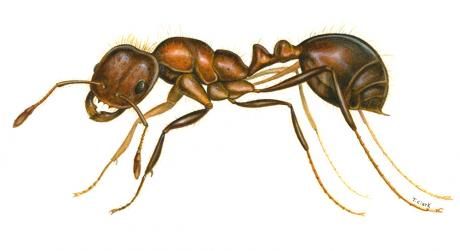
photo credit: www.eol.org

photo credit: www.eol.org

Harvester ants offer a prime example of the important roles that ants can play. In the process of collecting seeds for consumption, harvester ants can help shape the abundance and distribution of the plants in their immediate environment. They do this by selecting the types and amounts of seeds they collect, by abandoning seeds along their collection routes, and by leaving viable seeds to germinate in and around their nests. Hölldobler and Wilson have this to say about harvester ants:

[The] numerical success [of ants] has allowed them to alter not just their nest environments, but the entire habitats in which they live. Harvesting ants, species that regularly include seeds in their diet, have an especially high impact. They consume a large percentage of the seeds produced by plants of many kinds in nearly all terrestrial habitats, from dense tropical forests to deserts. Their influence is not wholly negative. The mistakes they make by losing seeds along the way also disperse plants and compensate at least in part for the damage caused by their predation.

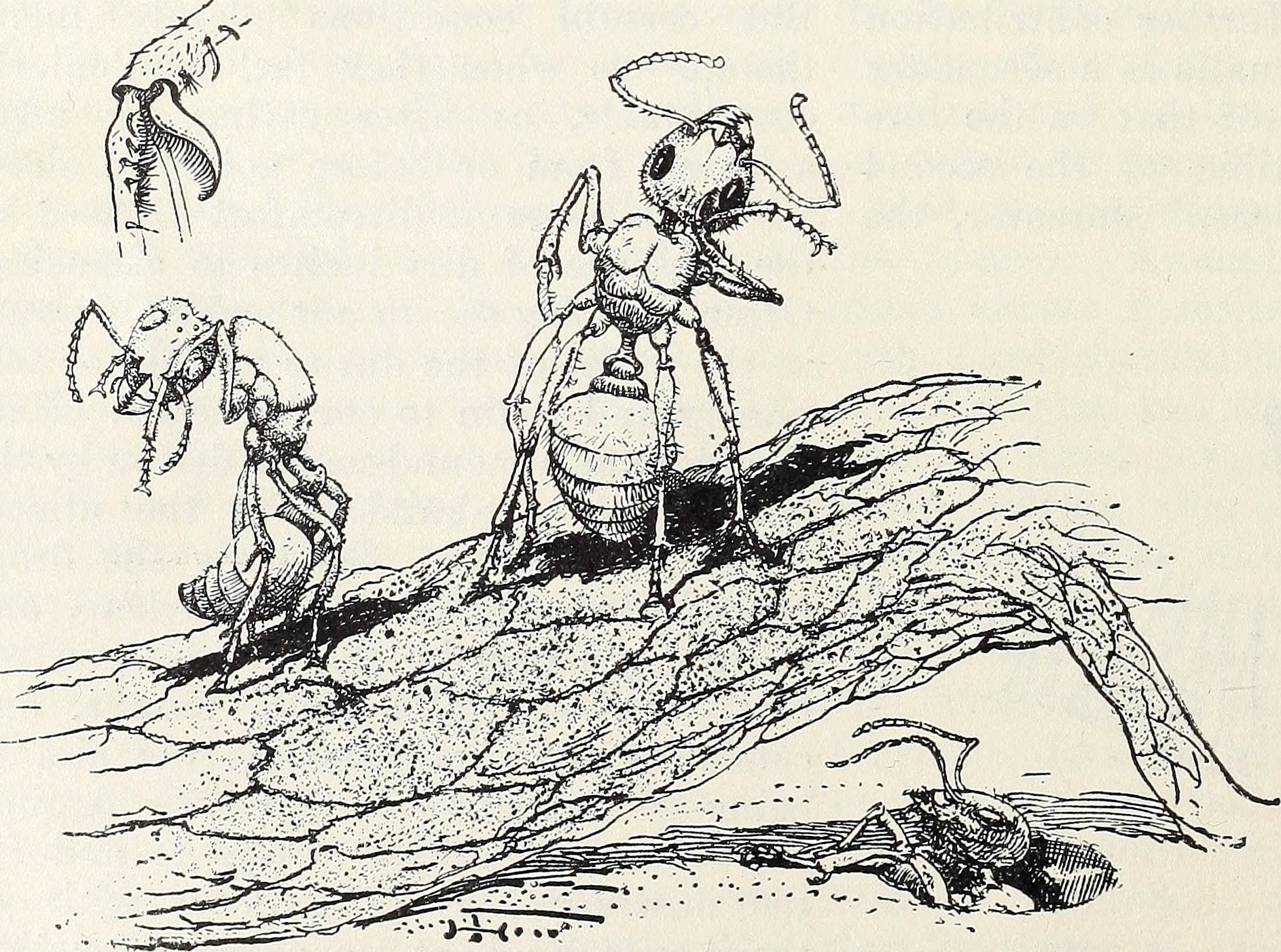
There are more than 150 species of harvester ants, spanning at least 18 genera. They are found throughout the world (except extreme cold locales) and are particularly common in arid to semi-arid environments. Pogonomyrmex is one the largest genera of harvester ants with nearly 70 species occurring throughout North, Central, and South America. Messor is another large genus of harvester ant species that mainly occurs in Europe, Asia, and Africa. Both genera build large nests and move massive amounts of soil in the process.

Seed dispersal by harvester ants (also known as diszoochory) is a type of secondary (or Phase II) seed dispersal. It is a case of serendipity, as the dispersal occurs largely by accident. Some plants, on the other hand, have developed a mutualistic relationship with ants, enlisting them to disperse their seeds by way of an elaiosome – a fleshy, nutritious structure attached to seeds that attracts ants. Seeds with such structures are picked up by ants and brought to their nests where the elaiosome is consumed and the seed is left to germinate. This form of ant-mediated dispersal is called myrmecochory and is typically not carried out by harvester ants.

photo credit: wikimedia commons

photo credit: wikimedia commons

Harvester ant colonies have both direct and indirect influences on their surrounding environments; however, there is a dearth of research elucidating the exact details of such influences. A paper published in the Annual Review of Ecology and Systematics in 2000 by MacMahon et. al. reviewed available studies concerning harvester ants and explored our current understanding of the influences that harvester ants (particularly those in the genus Pogonomyrmex) can potentially have on community structure and ecosystem functions. Following are some of the direct influences the authors listed:

  • Removal and consumption of seeds and other materials – The relative abundance of plant species can be affected by the selective removal of seeds. Harvester ants also collect leaves, twigs, pollen, flowers, vertebrate feces, and arthropod body parts.
  • Storage and rejection of seeds – Collected seeds can be dropped during transport, rejected after arriving at the nest, or abandoned in nest granaries. All result in the transport of seeds away from the parent plant and dispersal beyond the plant’s primary dispersal mechanisms.
  • Construction and maintenance of nests – All vegetation and debris is removed from the area immediately surrounding the nest including mature and emerging plants. This area is kept clear for the duration of the life of the colony and, in some cases, can be quite extensive.

Harvester ants can also influence soil properties and soil food webs within and in the vicinity of their nests. They bring large amounts of organic matter down into the soil and redistribute vast amounts of soil particles. Their actions also influence the amount of moisture in the soil surrounding their nests.

This is a mere distillation of the influences that harvester ants might have; see the paper by MacMahon et al. to learn more.

In an effort to better understand how the seed predation and seed dispersal behaviors of harvester ants might influence plant population dynamics, a research team in Spain used data obtained from field research to build a computer model that would predict changes over time. The study site was described as “open and heterogeneous shrubland” and the vegetation was stated to be in “a very early stage in the secondary succession” after being subject to “recurring fires.” The harvester ant colonies involved in the study consisted of three species in the genus Messor. The plant species selected for the study were three native shrubs whose seeds were known to be collected by the harvester ants. Each plant species differed slightly in the amount and size of seeds it produced and in its primary seed dispersal mechanism, which is important because the researchers hypothesized that “the effect of seed predation and seed dispersal may depend on plant attributes.”

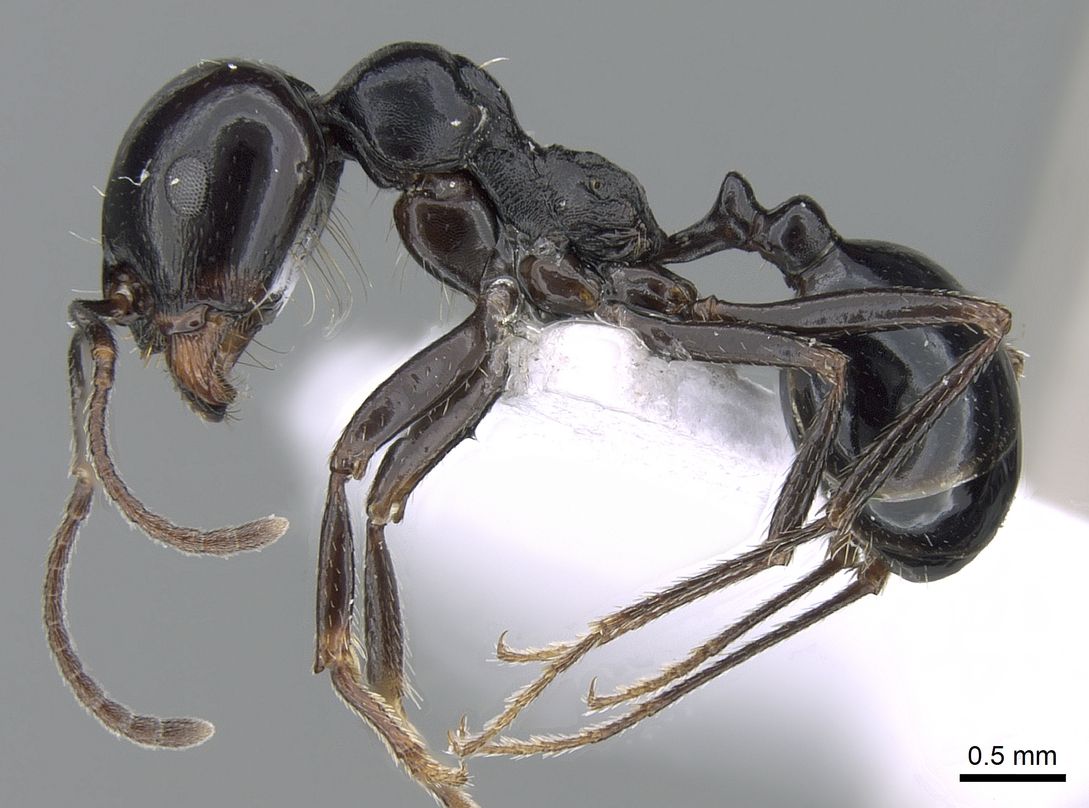
Messor bouvieri (photo credit: www.eol.org)

Messor bouvieri (photo credit: www.eol.org)

Data obtained from simulated scenarios and field observations appeared to support this hypothesis; each shrub species interacted differently with the harvester ants. Coronilla minima benefited from “accidental” seed dispersal. Comparatively, it produces a high amount of large seeds, which are primarily dispersed by gravity. Despite predation, ant-mediated dispersal was an advantage. Dorycnium pentaphyllum produced the highest amount of seeds among the three shrub species; however, seed predation was found to have negative effects on its population dynamics. Its primary seed dispersal mechanism involves ballistics (the mechanical ejection of its seeds), so ant-mediated dispersal may not offer an advantage. Finally, Fumana ericoides, despite its limited primary seed dispersal and its comparatively low production of seeds was not affected by the actions of the harvester ants. The authors concluded that “some unknown factor is driving the population dynamics of this species, more than the action of ants.”

Studies such as this, while leaving many unanswered questions, help us understand the important role that harvester ants play in our world. Harvester ants, and ants in general, are truly among Earth’s most enthralling and influential creatures. Learn more about their complex behaviors and countless interactions with flora and fauna by checking out these three documentaries recommended by ANTfinity.

Artificial Photosynthesis – A Case of Biomimicry

Humans have long sought solutions to their problems by observing nature and trying to mimic it. These endeavors have lead to improvements in the designs and production processes of countless things. In recent decades there has been a growing movement composed of scientists, engineers, and innovators of all types to expressly seek for answers to today’s most pressing problems by deeply observing and analyzing the natural world. These efforts are coupled with a desire to learn how to work with nature rather than against it in an attempt to secure a more sustainable future for life on Earth. This is the essence of biomimicry.

To this end, plants have much to teach us. Everything from their basic forms and functions to the way they fight off pests and diseases to the way they communicate with each other is worth exploring for biomimicry purposes. A plant-based phenomenon that has probably received the most attention – and for good reason – is photosynthesis, the process that enables plants to use the sun to make food.

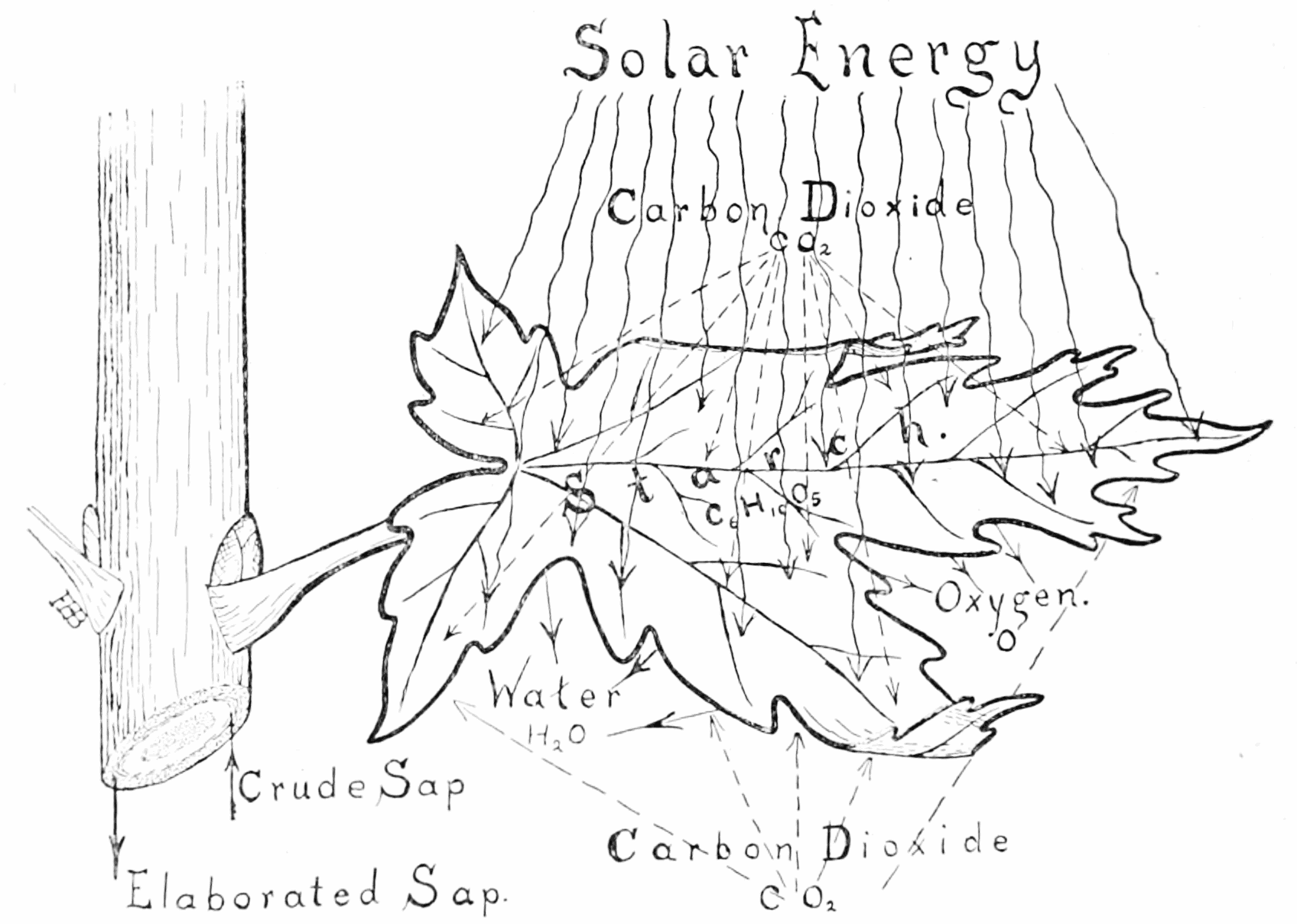
Put another way, photosynthesis is the process of converting light energy into chemical energy. Specialized proteins in plant cells absorb particles of light which initiates the passing of electrons across a series of molecules. Subsequently, water is split by a protein complex into oxygen and hydrogen protons. The oxygen is released from the plant, while the electrons and hydrogen protons go on to help generate two compounds – NADPH and ATP – which are later used to power the reaction that transforms atmospheric carbon dioxide into sugars. The concept of photosynthesis, while fairly simple to grasp from a high level (i.e. light + water + carbon dioxide = sugars + oxygen), is actually quite complex, and there is still much too discover concerning it.

photo credit: wikimedia commons

photo credit: wikimedia commons

One thing is certain, photosynthesis is ubiquitous. As long as the sun is overhead, most plants, algae, and cyanobacteria are photosynthesizing at a steady clip and are thereby helping to power just about every other living organism on the planet. Without plants, most of the rest of us could not survive. Janine M. Benyus offers this human-centric view in her book Biomimicry:

Consider that everything we consume, from a carrot stick to a peppercorn filet, is the product of plants turning sunlight into chemical energy. Our cars, our computers, our Christmas tree lights all feed on photosynthesis as well, because the fossil fuels they use are merely the compressed remains of 600 million years worth of plants and animals that grew their bodies with sunlight. All of our petroleum-born plastics, pharmaceuticals and chemicals also spring from the loins of ancient photosynthesis. … Plants gather our solar energy for us and store it as fuel. To release that energy, we burn the plants or plant products, either internally, inside our cells, or externally, with fire.

Since plants are so well-versed in using sunlight to create food and energy, it only makes sense that we would look to them to learn how we might improve and expand upon our quest for renewable energy production. We already use the sun to produce electricity by way of photovoltaic systems; however, these systems are limited in that they can only produce electricity when the sun is shining, and electricity is difficult to store. Artificial photosynthesis involves using that electricity to power catalysts that can split water into hydrogen and oxygen. The hydrogen can be used as a fuel or can be fed into reactions involving carbon dioxide, ultimately resulting in a carbon-based fuel source. Fuels produced this way – referred to as solar fuels – could be stored and used regardless of whether or not the sun is out.

Artificial photosynthesis has largely moved beyond the theoretical stage. Multiple efforts have demonstrated ways in which water can be split using the light of the sun and solar fuels can thereby be produced. Mass production is the next step, and that is where the real limitations lie. The production of solar fuels has to be done cheaply enough to compete with other available fuels, and the infrastructure to use such fuels has to be available. These hurdles may very well be overcome, but it will take time. Meanwhile, research continues, adding to the mountains of studies already published.

photo credit: wikimedia commons

photo credit: wikimedia commons

On such study published in 2011 describes an “artificial leaf” that was developed at the Massachusetts Institute of Technology by Daniel Nocera and a team of researchers. Listen to an interview with Nocera on Science Friday and watch this BBC Worldwide video to learn more about this discovery. This Nature article explains why the artificial leaf is not yet commercially available, and why we are not likely to see it any time soon.

Another development in artificial photosynthesis was published earlier this year in Nano Letters. It is the product of Peidong Yang and the Kavli Energy NanoSciences Institute. While Nocera and his team stopped at the production of hydrogen gas, Yang’s lab added bacteria to the mix and were able to use the sun’s energy to transform carbon dioxide into acetate. If passed along to another species of bacteria, the acetate could be used to produce various synthetic fuels. Learn more about this by reading this livescience article and watching this FW: Thinking video. As with other artificial photosynthesis developments, limitations abound, but the research is promising.

Artificial photosynthesis is a compelling subject and one worth keeping an eye on. Follow the links below to learn more:

Biomimicry is an equally compelling subject and one I hope to explore further in future Awkward Botany posts. Meanwhile, check out these links:

Growing and Eating Lettuce in Space

Journeying outside of low-earth orbit and setting up long-term or permanent colonies on other planets or moons is fraught with challenges. One obvious challenge is food production. Regular deliveries from Earth are costly and risky, and freshness isn’t always an option. So, perhaps food can be grown on site? NASA is currently exploring this question by carrying out a series of experiments using an aptly named piece of hardware called Veggie, which was delivered and installed on the International Space Station in the spring of 2014. Experiments began shortly thereafter, and last month NASA astronauts finally got to taste the leaves of their labor for the first time.

Veggie is a plant growth chamber that was developed by Orbital Technologies Corporation. It provides environmental conditions – such as light, temperature, and airflow – that are suitable for plant growth. Accompanying the delivery of Veggie were three sets of planting pillows – specially designed pouches that contain growing media, fertilizer, and seeds. The pillows are placed on rooting mats inside Veggie and watered using a wicking system . Light is delivered by red, blue, and green LEDs. The red and blue wavelengths are necessary for plant growth, and the green wavelength helps the plants look more appealing to the astronauts.

Veggie: an expandable plant growth facility designed for the International Space Station - photo credit: NASA/Bryan Onate

Veggie: an expandable plant growth facility designed for growing plants on the International Space Station – photo credit: NASA/Bryan Onate

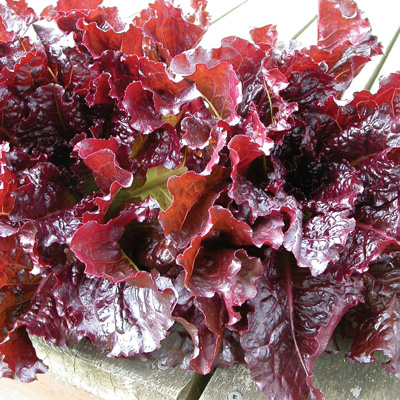
Two sets of pillows were seeded with a variety of red romaine lettuce called ‘Outredgeous.’ This particular plant was chosen because it is easy to grow, tastes good, and has high nutritional value. The first lettuce harvest was sent back to earth last October for a food safety analysis. Once it was deemed free of harmful bacteria and safe to eat, the astronauts were cleared to start the second round of red romaine, which they did in early July 2015. The third set of planting pillows contain zinnia seeds, and according to statements made by astronaut Scott Kelly on Twitter, it doesn’t sound like those have been grown yet.

After caring for the second round of lettuce plants for 33 days, it was finally time to taste them. The astronauts first cleaned each leaf with citric acid based sanitizing wipes and then sampled the leaves plain. Next they tried them with a little olive oil and balsamic vinegar. They shared their experience in real time via Twitter, which is documented in this New York Times article. They saved a few leaves for their Russian friends who were out on a spacewalk, and then packaged the rest up to be frozen and sent back to Earth for analysis.

Outredgeous Territorial Seed Company

Lactuca sativa ‘Outredgeous’ – the variety of red romaine lettuce grown and eaten by NASA astronauts on the International Space Station (photo credit: Territorial Seed Company)

This isn’t the first time plants have been grown and eaten in space. Russian cosmonauts grew and consumed mizuna (Japanese mustard) back in 2002 using a plant growth chamber developed in collaboration with a lab at Utah State University. They have also used the growth chamber to grow peas, radishes, and other plants. Read more about these experiments here.

Growing plants in space, apart from providing fresh food, offers psychological benefits. In an otherwise sterile and metallic environment, having something green (or red, in the case of the lettuce) to look at and care for has the potential to lift the moods of crew members aboard the space station. NASA scientist, Dr. Gioia Massa, who is overseeing the project sums it up nicely, “The farther and longer humans go away from Earth, the greater the need to grow plants for food, atmosphere recycling, and psychological benefits. I think that plant systems will become important components of any long-duration exploration scenario.”

Want to learn more? Read about the project here, here, and here. Also watch this video about growing plants in space.


Just for fun, there is a great children’s fiction book involving plants in space called June 29, 1999 by David Wiesner which is definitely worth a look.

More “Plants in Space” Posts on Awkward Botany:

Growing Plants on the Moon

Growing Plants in Outer Space

Year of Pollination: Most Effective Pollinator Principle and Beyond, part two

“The most effective pollinator principle implies that floral characteristics often reflect adaptation to the pollinator that transfers the most pollen, through a combination of high rate of visitation to flowers and effective deposition of pollen during each visit.” – Mayfield, et al., Annals of Botany (2001) 88 (4): 591-596

In part one, I reviewed a chapter by Jose M. Gomez and Regino Zamora in the book Plant-Pollinator Interactions: From Specialization to Generalization that argues that the most effective pollinator principle (MEPP) “represents just one of multiple evolutionary solutions.” In part two, I summarize a chapter by Paul A. Aigner in the same book that further explains how floral characteristics can evolve without strictly adhering to the MEPP.

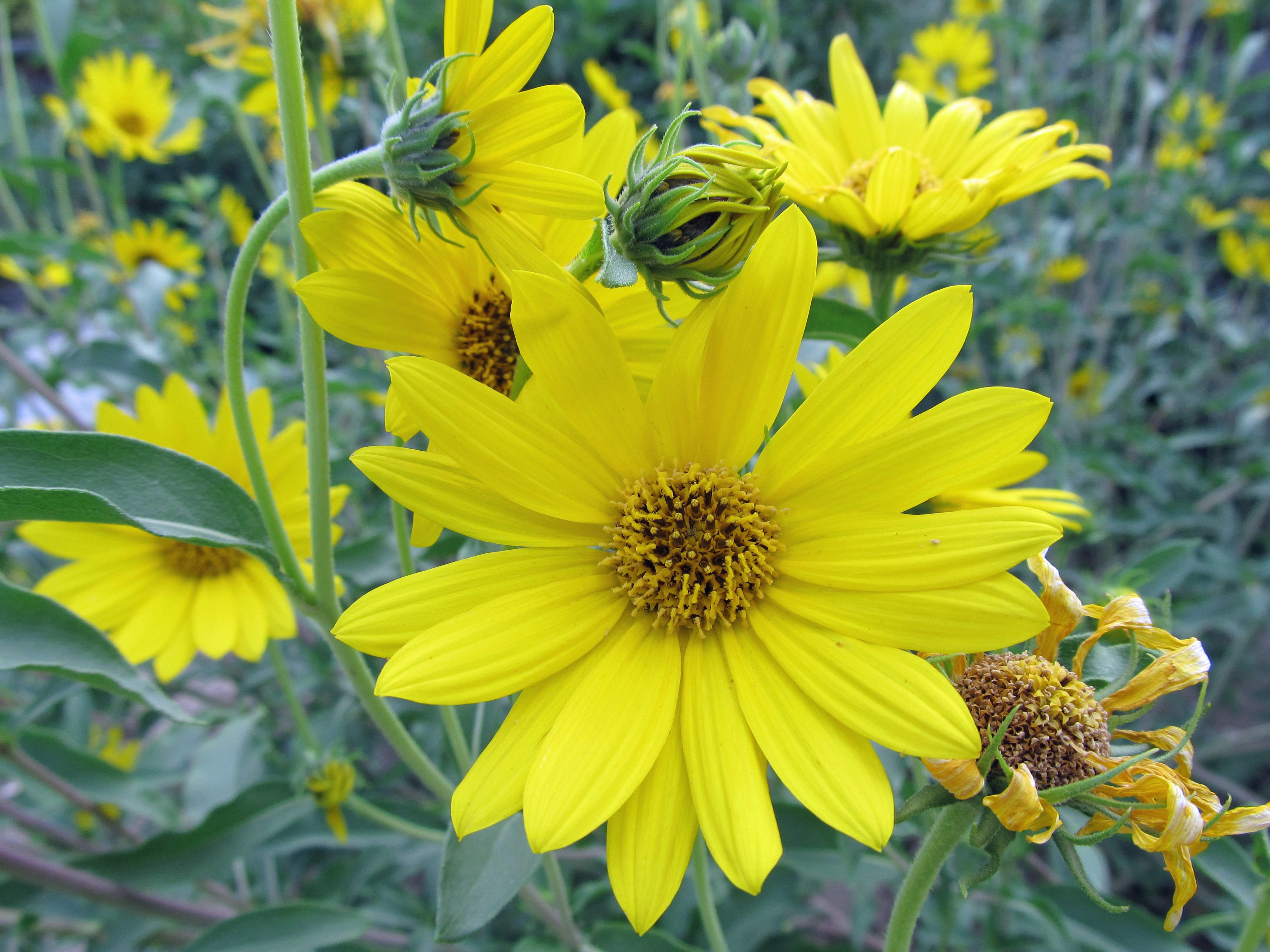
maximilian sunflower
Aigner is interested in how specialization develops in different environments and whether or not flowering plants, having adapted to interact with a limited number of pollinators, experience trade-offs. A trade-off occurs when a species or population adapts to a specific environmental state and, in the process, loses adaptation to another state. Or in other words, a beneficial change in one trait results in the deterioration of another. Trade-offs and specialization are often seen as going hand in hand, but Aigner argues that trade-offs are not always necessary for an organism to evolve towards specialization. Plant-pollinator interactions provide an excellent opportunity to test this.

“Flowers demand study of specialization and diversification,” Aigner writes, not only due to their ubiquity, “but because much of the remarkable diversity seen in these organisms is thought to have evolved in response to a single and conspicuous element of the environment – pollination by animals.” If pollinators have such a strong influence on shaping the appearance of flowers, pollination studies should be rife with evidence for trade-offs, but they are not. Apart from not being well-studied, Aigner has other ideas about why trade-offs are not often observed in this scenario.

Aigner is particularly interested in specialization occuring in fine-grained environments. A course-grained environment is “one in which an organism experiences a single environmental state for all of its life.” Specialization is well understood in this type of environment. A fine-grained environment is “one in which an organism experiences all environmental states within its lifetime,” such as “a flowering plant [being] visited by a succession of animal pollinators.” For specialization to develop in a fine-grained environment, a flowering plant must “evolve adaptations to a particular type of pollinator while other types of pollinators are also present.”

It’s important to note that the specialization that Aigner mainly refers to is phenotypic specialization. That is, a flower’s phenotype [observable features derived from genes + environment] appears to be adapted for pollination by a specific type of pollinator, but in fact may be pollinated by various types of pollinators. In other words, it is phenotypically specialized but ecologically generalized. Aigner uses a theoretical model to show that specialization can develop in a fine-grained environment with and without trade-offs. He also uses his model to demonstrates that a flower’s phenotype does not necessarily result from its most effective pollinator acting as the most important selection agent. Instead, specialization can evolve in response to a less-effective pollinator “when performance gains from adapting to the less-effective pollinator can be had with little loss in the performance contribution of the more effective pollinator.”

Essentially, Aigner’s argument is that the agents that are the most influential in shaping a particular organism are not necessarily the same agents that offer the greatest contribution to that organism’s overall fitness. This statement flies in the face of the MEPP, and Aigner backs up his argument with (among other examples) his studies involving the genus Dudleya.

Dudleya saxosa (panamint liveforever) - photo credit: wikimedia commons

Dudleya saxosa (panamint liveforever) – photo credit: wikimedia commons

Dudleya is ecologically generalized. Pollinators include hummingbirds, bumblebees, solitary bees, bee flies, hover flies, and butterflies. “Some Dudleya species and populations are visited by all of these taxa, whereas others seem to be visited by only a subset.” Aigner was curious to see if certain species or populations were experiencing trade-offs by adapting to a particular category of pollinators. Aigner found variations in flower characteristics among species and populations as well as differences in pollinator assemblages that visited the various groups of flowers over time but could not conclude that there were trade-offs “in pollination performance.”

In one study, he looked at pollination services provided by hummingbirds vs. bumblebees as corolla flare changed in size. In male flowers, bumblebees were efficient at removing pollen regardless of corolla flare size, while hummingbirds removed pollen more effectively as corolla flare decreased. Both groups deposited pollen more effectively as corolla flare decreased, but hummingbirds more strongly so. Ultimately, Aigner concluded that “the interactions did not take the form of trade-offs,” or, as stated in the abstract of the study, ” phenotypic specialization [for pollination by hummingbirds] might evolve without trading-off the effectiveness of bumblebees.”

Aigner goes on to explain why floral adaptations may occur without obvious trade-offs. One reason is that different groups of pollinators are acting as selective agents for different floral traits, “so that few functional trade-offs exist with respect to individual traits.” Pollinators have different reasons for visiting flowers and flowers use the pollination services of visitors differently. Another reason involves the “genetic architecture” of the traits being selected for. Results can differ depending on whether or not the genes being influenced are linked to other genes, and genetically based fitness trade-offs may not be observable phenotypically. Further studies involving the genetic architecure of specialized phenotypes are necessary.

And finally, as indicated in part one, pollinators are not the only floral visitors. In the words of Aigner, “if floral larcenists and herbivores select for floral traits in different directions than do pollinators, plants may face direct trade-offs in improving pollination service versus defending against enemies.” These “floral enemies” can have an effect on the visitation rates and per-visit effectiveness of pollinators, which can drastically alter their influence as selective agents.

Like pollination syndromes, the most effective pollinator principle seems to have encouraged and directed a huge amount of research in the field of pollination biology, despite not holding entirely true in the real world. As research continues, a more complete picture will develop. It doesn’t appear that it will conform to an easily digestible principle, but there is no question that, even in its complexity, it will be fascinating.

I will end as I began, with an excerpt from Thor Hanson’s book, The Triumph of Seeds: “The notion of coevolution implies that change in one organism can lead to change in another – if antelope run faster, then cheetahs must run faster still to catch them. Traditional definitions describe the process as a tango between familiar partners, where each step is met by an equal and elegant counter-step. In reality, the dance floor of evolution is usually a lot more crowded. Relationships like those between rodents and seeds [or pollinators and flowers] develop in the midst of something more like a square dance, with couples constantly switching partners in a whir of spins, promenades, and do-si-dos. The end result may appear like quid pro quo, but chances are a lot of other dancers influenced the outcome – leading, following, and stepping on toes along the way.”