Wise Management of Invaded Plant Communities

Late last year the journal Nature published an article by Katherine Suding called “A Leak in the Loop,” which discussed the findings from long-term observations of an invaded plant community in Hawai’i. (A report authored by the researchers can be found in the same issue of Nature.) Once introduced, exotic species can become invasive by modifying their surroundings in such a way that ensures their survival and spread. Examples include modifications to fire and disturbance regimes, nutrient cycles, hydrology, and soil microbe communities. This self-reinforcement strategy is called a positive feedback loop. However, positive feedback loops are not eternally stable and can at some point be interrupted by negative feedback. In the case of invasive species, these “leaks in the loop” can result in population declines  and opportunities for restoration.

Back in the 1960’s, woodlands in Hawai’i Volcanoes National Park that were traditionally dominated by Metrosideros polymorpha, a flowering evergreen tree in the myrtle family (Myrtaceae), were invaded by a perennial grass from Africa commonly known as molasses grass (Melinis minutiflora). Molasses grass was successful because its presence increased the frequency and size of fires which reduced populations of native plant species without negatively affecting itself. Additionally, accelerated nitrogen cycling rates resulted due to the presence of the exotic grass, which benefited the invader. But now things have changed.

Returning to these sites 50 years later, researches have discovered that nitrogen cycling rates have returned to pre-invasion levels. Since molasses grass requires high levels of nitrogen, it is now on the decline. What exactly caused this reduction in nitrogen availability is unclear. It could be because winter rains flush nitrogen from the soil, making it unavailable when the grass begins to actively grow again in the spring. Several years of reduced growth resulting from reduced nitrogen availability diminishes the grass’s initial contribution to accelerated nitrogen cycling, hence a breakdown in the positive feedback loop.

With the invader on the decline, the woodlands should be able to restore themselves. Ideally, anyway. Instead what the researchers observed is that another invader, Morella faya – a nitrogen fixing evergreen shrub from Europe, is moving in. Acacia koa, a native nitrogen fixing tree, is the ideal candidate for restoring these woodlands, however its seeds are heavy and don’t spread easily. Seeds of M. faya are bird-dispersed, and so they find their way into these sites first. In order to restore these sites and avoid further invasions, land managers must recognize when and where molasses grass is declining and start planting Acacia koa trees in large numbers, getting them established before M. faya arrives.
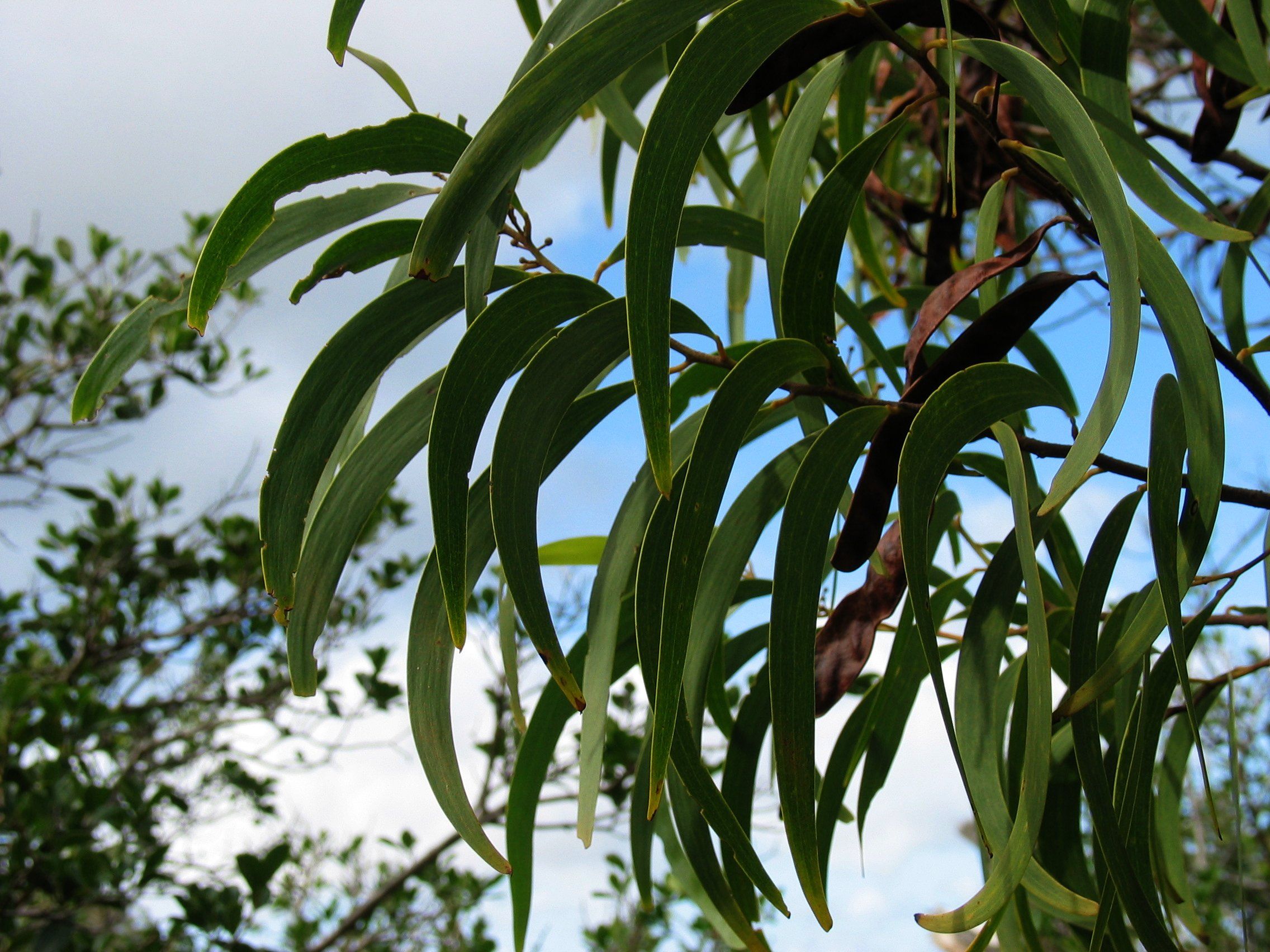
acacia koa

Acacia koa (photo credit: eol.org)

This research is important for anyone in the business of managing invaded plant communities. As Suding concludes in her article, “this new perspective will inform where and when we might best intervene in systems to capitalize on their changing dynamics.” Millions of dollars are spent each year in an attempt to reduce and ultimately eradicate invasive plant species. Long-term studies of invaded plant communities can help us recognize when the best times to employ restoration strategies might be. When we find a leak in the loop, we should take advantage of it, otherwise we may just be wasting resources.
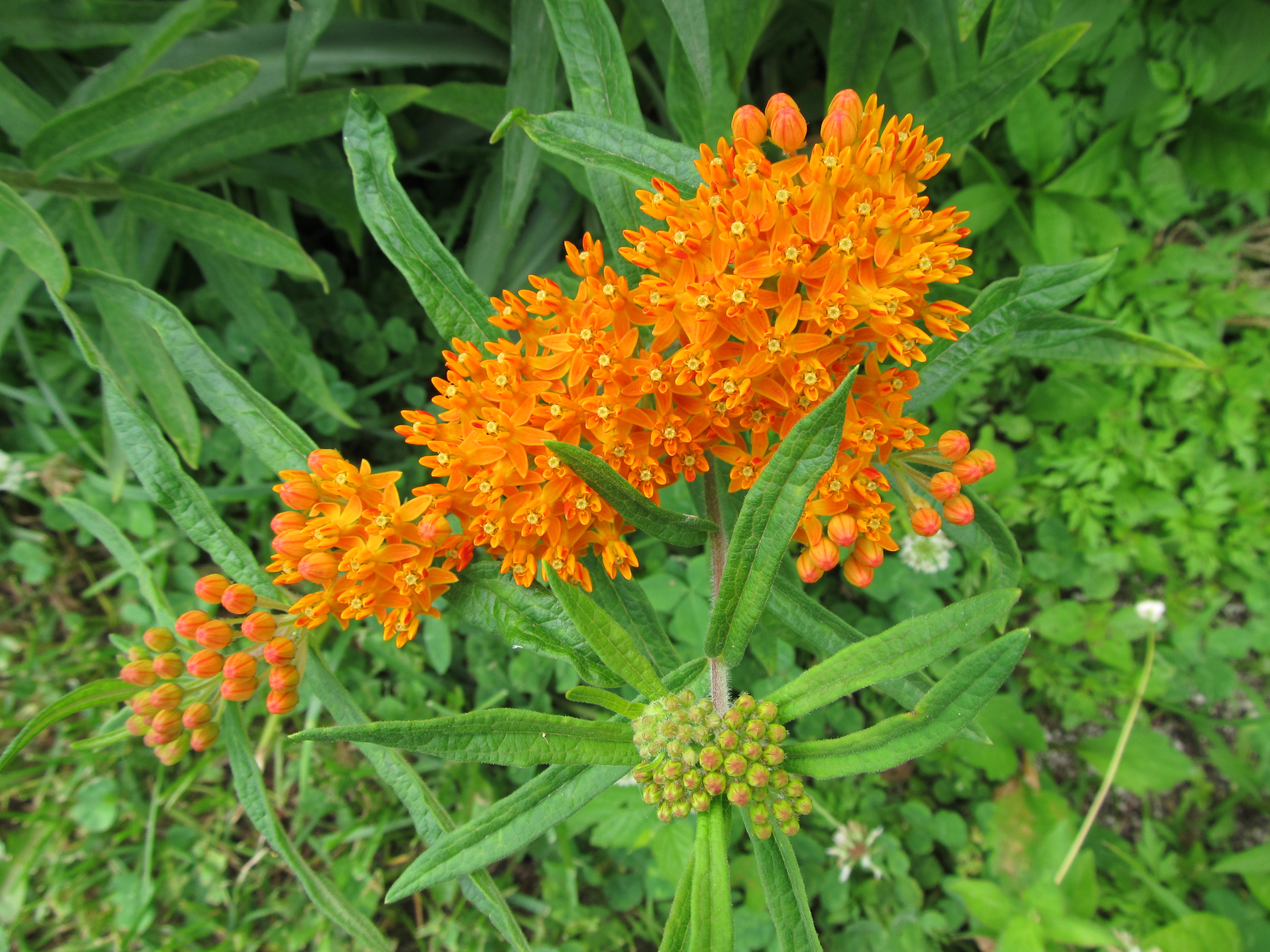
Related Post:

Invasivore: One Who Consumes Invasive Species

In the News: Declining Insect Populations

Last week the New York Times published an article about declining populations of insects in the United States, specifically monarch butterflies and wild bees. Monarch butterflies migrate south to Mexico each fall, typically arriving by the millions on the first of November. This year was tragically different, because the monarchs did not arrive on the first, and when they finally began trickling in a week late, there were significantly less of them. In his article, The Year the Monarch Didn’t Appear, Jim Robbins discusses why this and similar scenarios are becoming commonplace.

Increased pesticide use and global climate change are certainly contributing factors in the decline of insect populations; however, Robbins suggests that the loss of native habit is the major culprit. For example: monarch butterflies rely on milkweed (Asclepias spp.); in fact, their larvae feed exclusively on it. No milkweed = no new monarch butterflies. Urban sprawl, farmland expansion, Roundup Ready crops, and herbicide use along roadways all result in declining milkweed populations, as well as declines in the populations of other beneficial native plants.

And that’s not all. “Around the world people have replaced diverse natural habitat with the biological deserts that are roads, parking lots and bluegrass lawns, ” says Robbins, meanwhile landscape plants are selected for their ornamental appeal, “for their showy colors or shapes, not their ecological role.” In support of his argument, Robbins cites studies which found that native oak and willow species in the mid-Atlantic states are hosts to 537 and 456 species of caterpillars, respectively. On the other hand, non-native, ornamental ginkgoes host three.

Insects provide numerous ecosystem services. They help break down waste products, they are pollinators of countless species of plants (including many of our crops), and they are food sources for larger animals (including birds, reptiles, and amphibians)…and this is just the short list. As John Muir said, “When we try to pick out anything by itself, we find it hitched to everything else in the Universe.” Thus, the decline of native insect populations is a concern that should not be taken lightly.

IMG_0021

Asclepias tuberosa – butterfly milkweed

If you haven’t already, please consider including some native plants in your yard. If you don’t have a yard, suggest the idea of landscaping with native plants to your friends. To learn more about monarch butterflies and their plight (including information on how to grow milkweed), visit www.monarchwatch.org.

Invasivore: One Who Consumes Invasive Species

Invasive species are a major ecological concern, and so considerable effort is spent controlling them, with the ultimate goal (albeit a lofty one in most cases) of  eradicating them. The term “invasive species” describes plants, animals, and microorganisms that have been either intentionally or unintentionally introduced into an environment outside of their native range. They are “invasive” because they have established themselves and are causing adverse effects in their non-native habitats. Some introduced species cause no discernible adverse effects and so are not considered invasive. Species that are native to a specific habitat and exhibit adverse effects following a disturbance can also be considered invasive. (White-tailed deer are an example of this in areas where human activity and development have reduced or eliminated their natural predators resulting in considerably larger deer populations than would otherwise be expected.) Defining and describing invasive species is a challenging task, and so it will continue to be a topic of debate among ecologists and conservation biologists for the foreseeable future.

The adverse effects of invasive species are also not so straightforward. Typical examples include outcompeting native flora and fauna, disrupting nutrient cycles, shifting the functions of ecosystems, altering fire regimens, and causing genetic pollution. Countless hours of research and observation are required in order to determine the real effects of invaders. The cases are too numerous and the details are too extensive to explore in this post; however, I’m sure that I will cover more aspects of this topic in the future.

For now I would just like you to consider a novel approach to eradicating invasive species that has recently come to my attention. That is to simply eat them. Why not, right? The voracious appetite of humans has helped drive certain species to extinction in the past, so why can’t our stomachs assist in removing introduced species from their non-native habitats? The folks at Invasivore.org are suggesting just that, and by encouraging people to consume invasive species, they are also promoting awareness about invasive species, an awareness that they hope “will lead to decreasing the impacts of invasive species by preventing introductions, reducing spread, and encouraging informed management policies.”

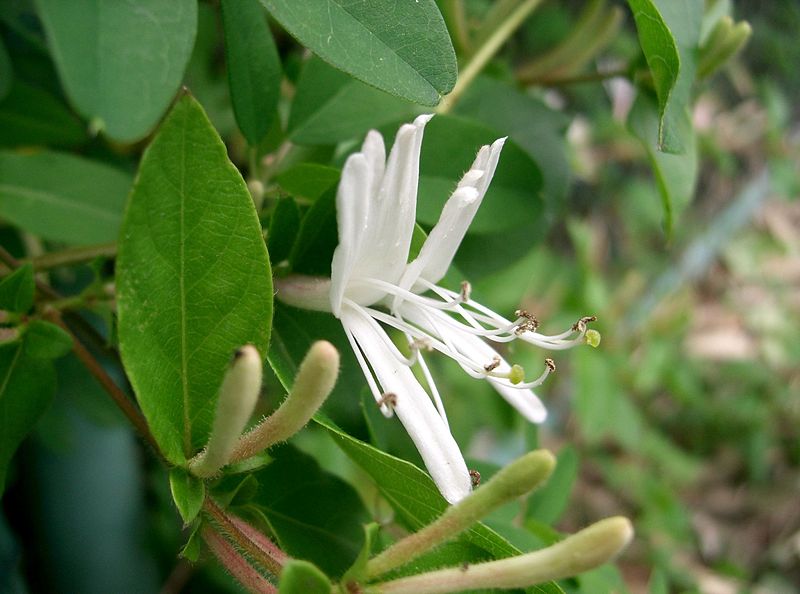
“If you can’t beat ’em, eat ’em!” And so they provide recipes in order to encourage people to harvest, prepare, and consume the invasive species in their areas. Some of the invasive plant species they recommend people eat are Autumn Olive (Autumn Olive Jam), garlic mustard (Garlic Mustard Ice Cream), Japanese honeysuckle (Honeysuckly Simple Syrup), purslane (Purslane Relish), and Canada goldenrod (Strawberry-Goldenrod Pesto). And that’s just a sampling. One might ask if we are encouraged to eat invasive species and ultimately find them palatable, won’t our demand result in the increased production of these species? The Invasivores have considered this, and that is why their ultimate goal is raising awareness about the deleterious effects of invasive species. In the end, we should expect to see our native habitats restored. Our craving for Burdock Chips on the other hand will have to be satisfied by some other means.

lonicera japonica

Japanese honeysuckle (Lonicera japonica)

photo credit: wikimedia commons

Other websites that encourage the consumption of invasive species:

www.eattheinvaders.org

www.eattheweeds.com

An Emerging Botanical Garden in Louisville, Kentucky

There is a new botanical garden being constructed in Louisville, Kentucky. It’s called Waterfront Botanical Gardens, and it is being built on top of an old landfill. The landfill was in use for several decades during the mid-1900’s and officially closed in 1973 when a new landfill site was opened. Recently, there was discussion about what to do with the old landfill site. Botanica, a group of plant lovers and devoted gardeners in Louisville, was able to work out a deal with the city to secure the 23 acre site and is currently moving forward with plans to turn it into a botanical garden.

Botanica’s vision for the garden is broad, but part of that vision includes educating the public about native flora and promoting environmental stewardship. Planning and construction are still at their early stages and there is tons of work ahead, but considering that people in Louisville have been wanting to see a botanical garden in their city for at least 30 years, watching it finally start to happen must be exciting. To celebrate the emergence of Waterfront Botanical Gardens, the Founders’ Garden was constructed and planted this spring. It is located near the site of the future botanical garden and is a small token of things to come. A picture of that garden (taken from the website) can be seen below.

I am excited to watch from afar as this new botanical garden emerges, and I hope to be able to visit someday after the garden has been constructed. To learn more about this garden and to follow its progress, visit their website: www.waterfrontgardens.org

waterfront botanical_founders garden

The Founder’s Garden at Waterfront Botanical Gardens

Louisville, Kentucky

Wildflower Walk: September 2013

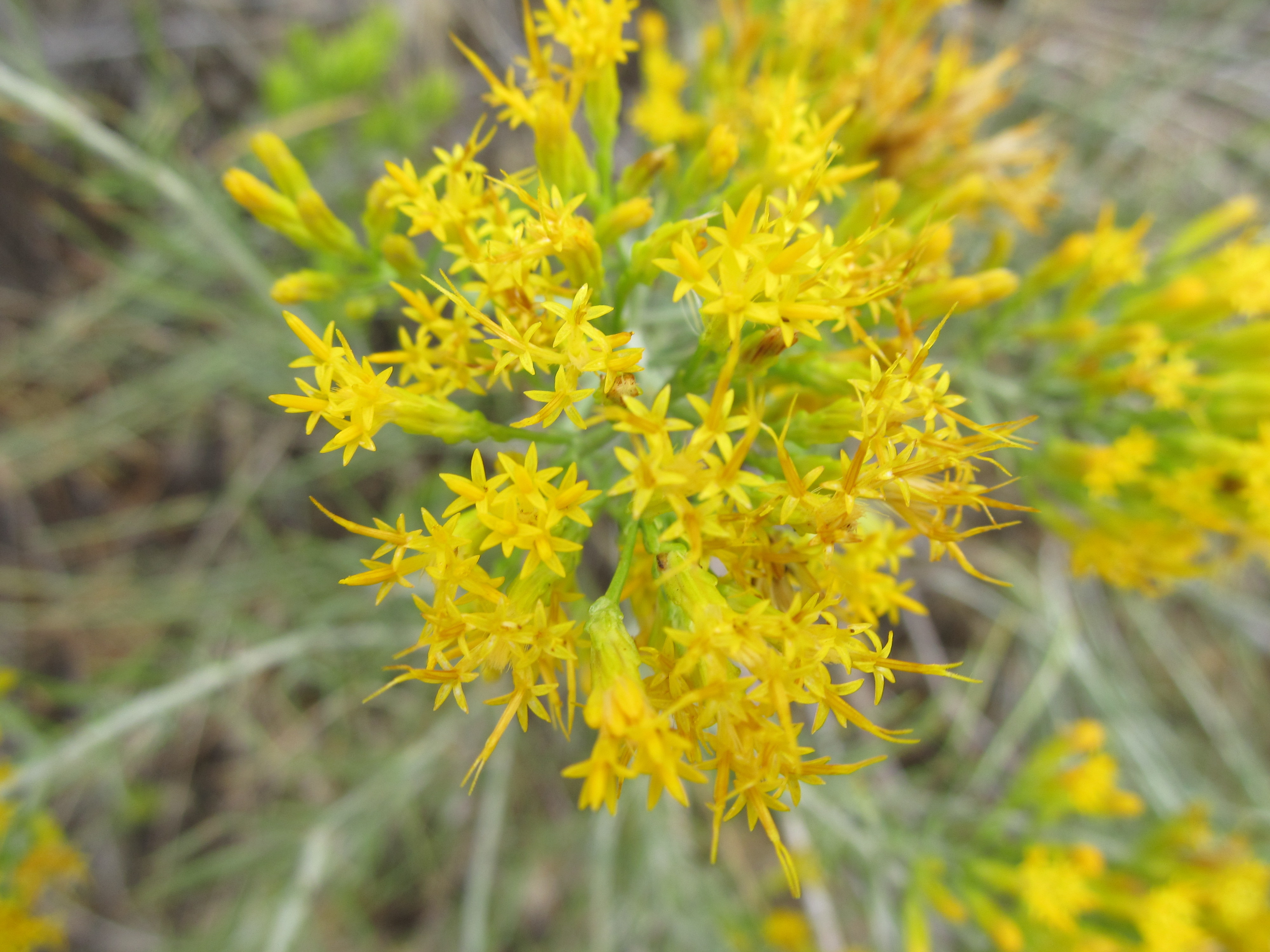
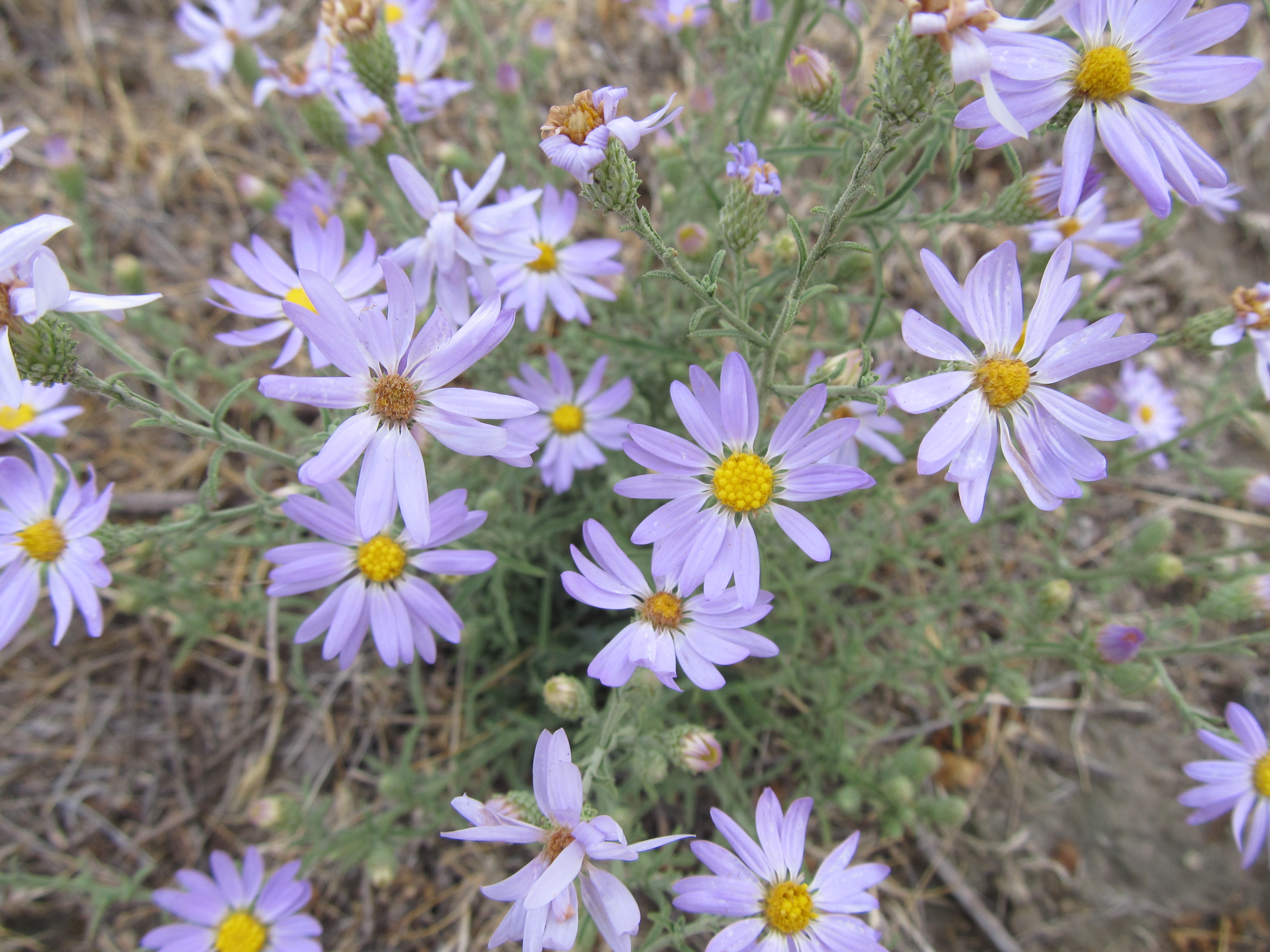
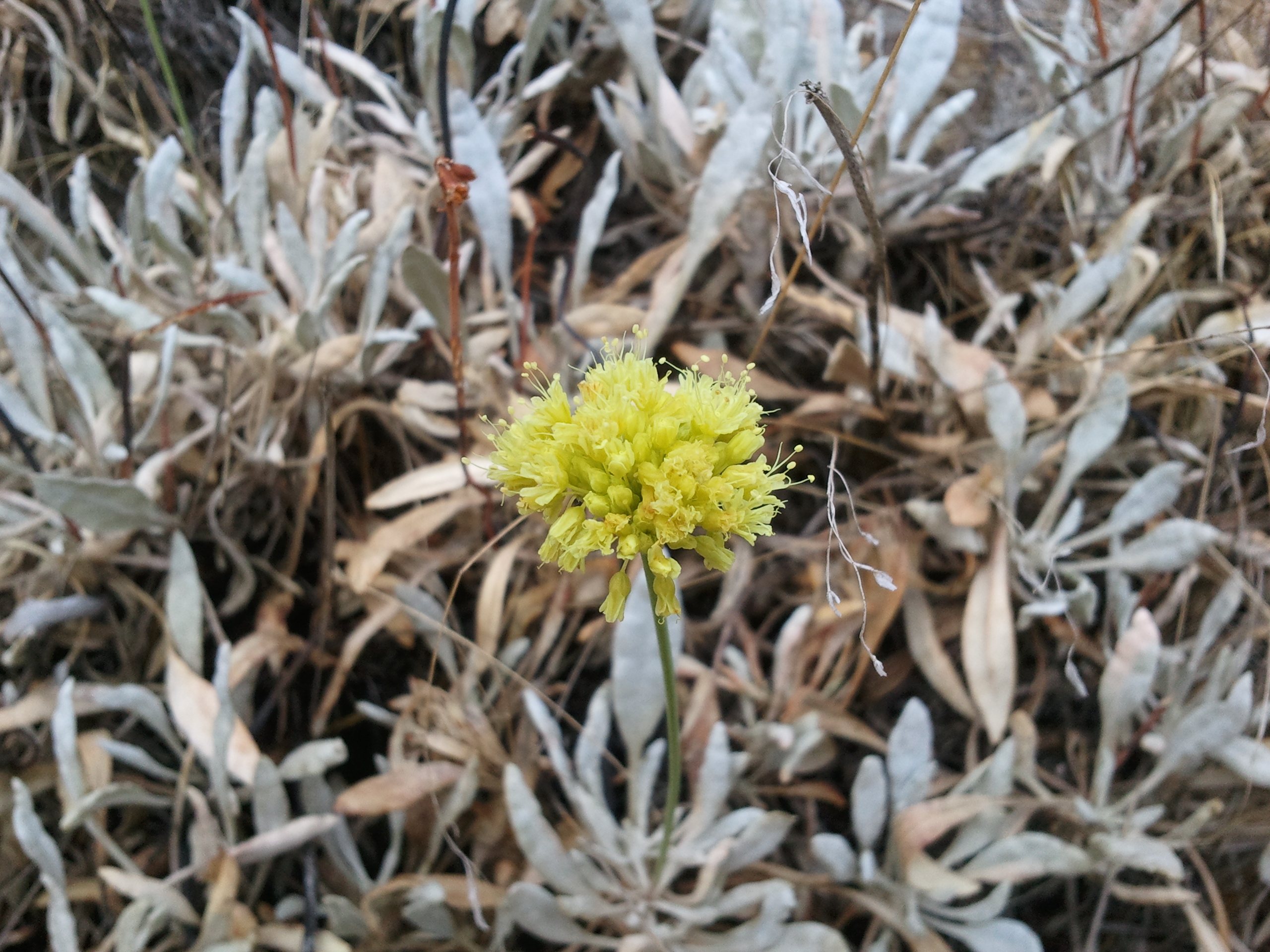
Recently I was on a seed collecting trip at Bannister Basin in Payette County, Idaho. From a distance, the area looks like a barren wasteland – especially this time of year. It is hot, dry, and brown. The rolling hills are mostly bare except for dried up weedy grasses and occasional shrubs, and there isn’t a single tree in sight. However, a short hike through the area reveals some interesting plants and bits of color scattered among the drab landscape. It was obviously not the best time or place for a wildflower walk, but the following pictures show a few of the flowers that I was able to find. These are tough species, flourishing in a harsh environment.

chrysothamnus viscidiflorus

Chrysothamnus viscidiflorus – green rabbitbrush

machaeranthera canescens

Machaeranthera canescens – hoary tansyaster

SAMSUNG

Eriogonum strictum – strict buckwheat

SAMSUNG

Eriogonum sp. – buckwheat

Plant vs. Bike

Summer is drawing to a close in the northern hemisphere. Days are getting shorter. Nights are getting cooler. Fall flowers are beginning to bloom. And bicycles are getting more flat tires.

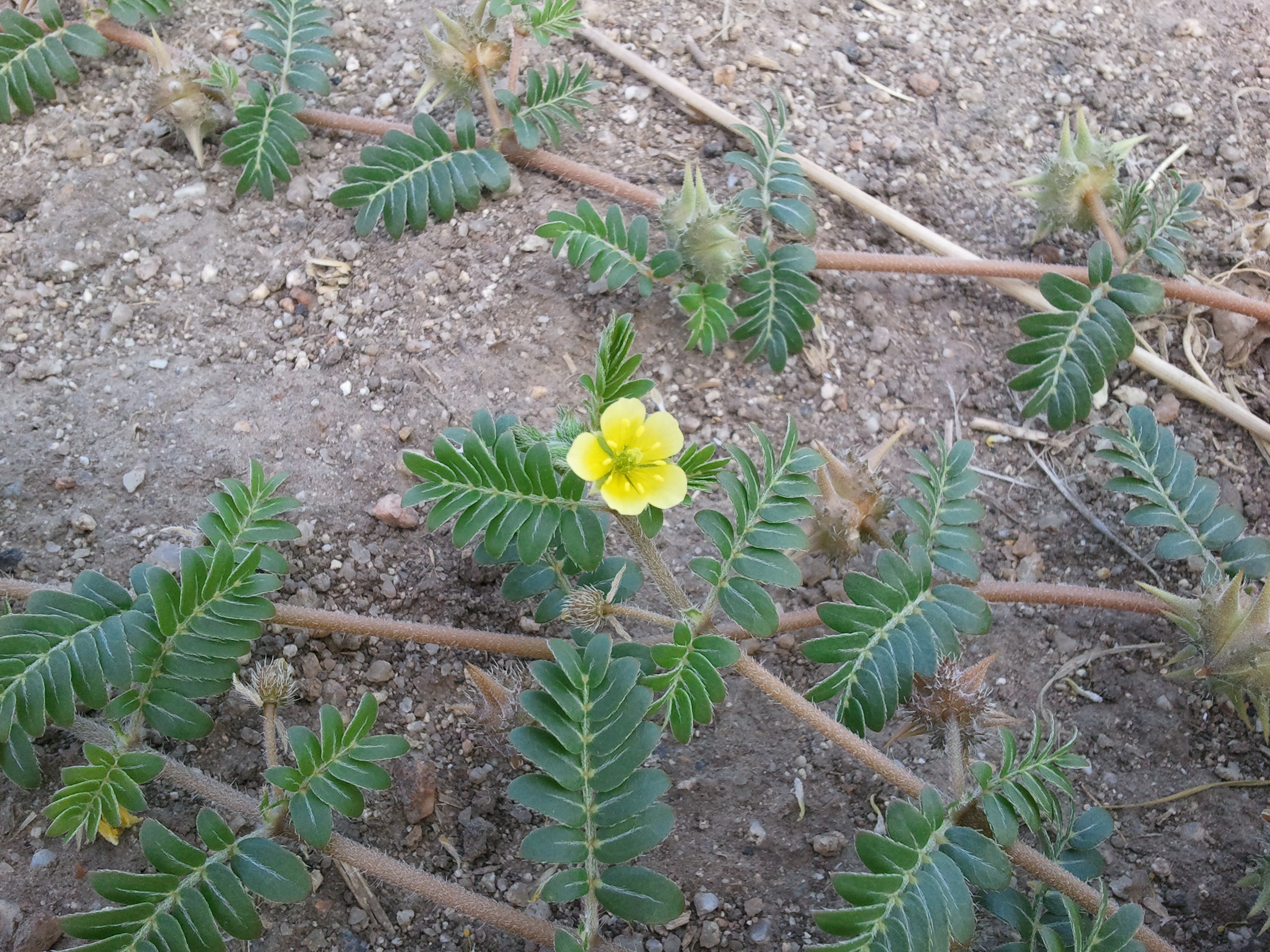
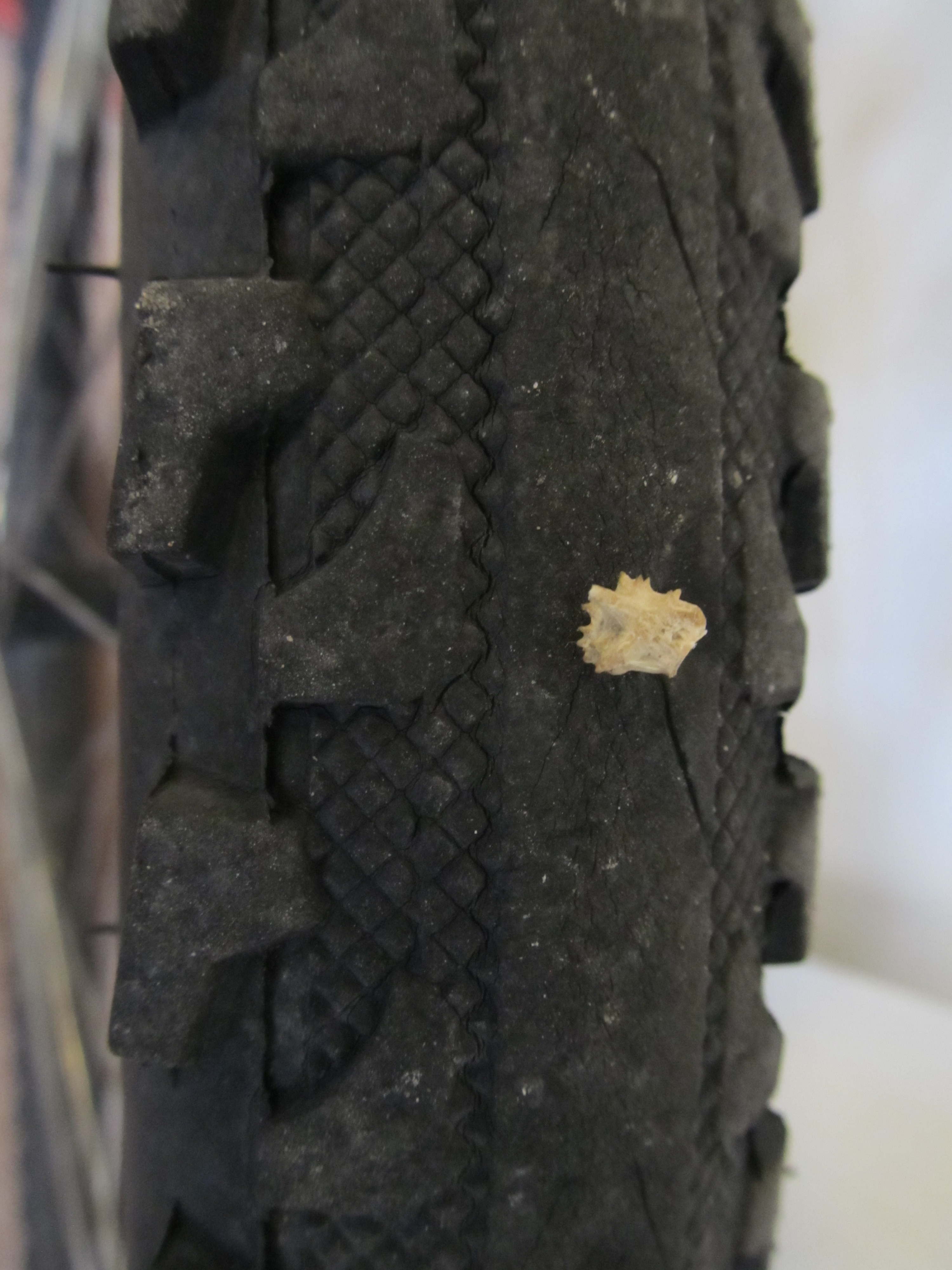
As an avid bicyclist, I am particularly aware of the waning summer season, especially since I live in a region where Tribulus terrestris is a prevalent weed. Commonly known as puncturevine or goathead, this nuisance plant is the bane of many cyclists’ existence. While the plant itself appears innocent, its fruit is quite the opposite. Rough around the edges and bearing large, rigid spines, puncturevine fruits easily penetrate bike tires, causing flats. They can also result in an uncomfortable experience for the bare-footed.

Native to the Mediterranean region, puncturevine made its way to North America sometime during the European immigration and has since spread across the continent. The fruit of puncturevine is called a bur. Plants with this type of fruit are benefited in two main ways: herbivory deterrent and seed dispersal. The spinyness of the burs deters insects and animals from eating their seeds, and the spines of the burs attach to the feet and fur of animals, etc., aiding in the dispersal of their seeds.

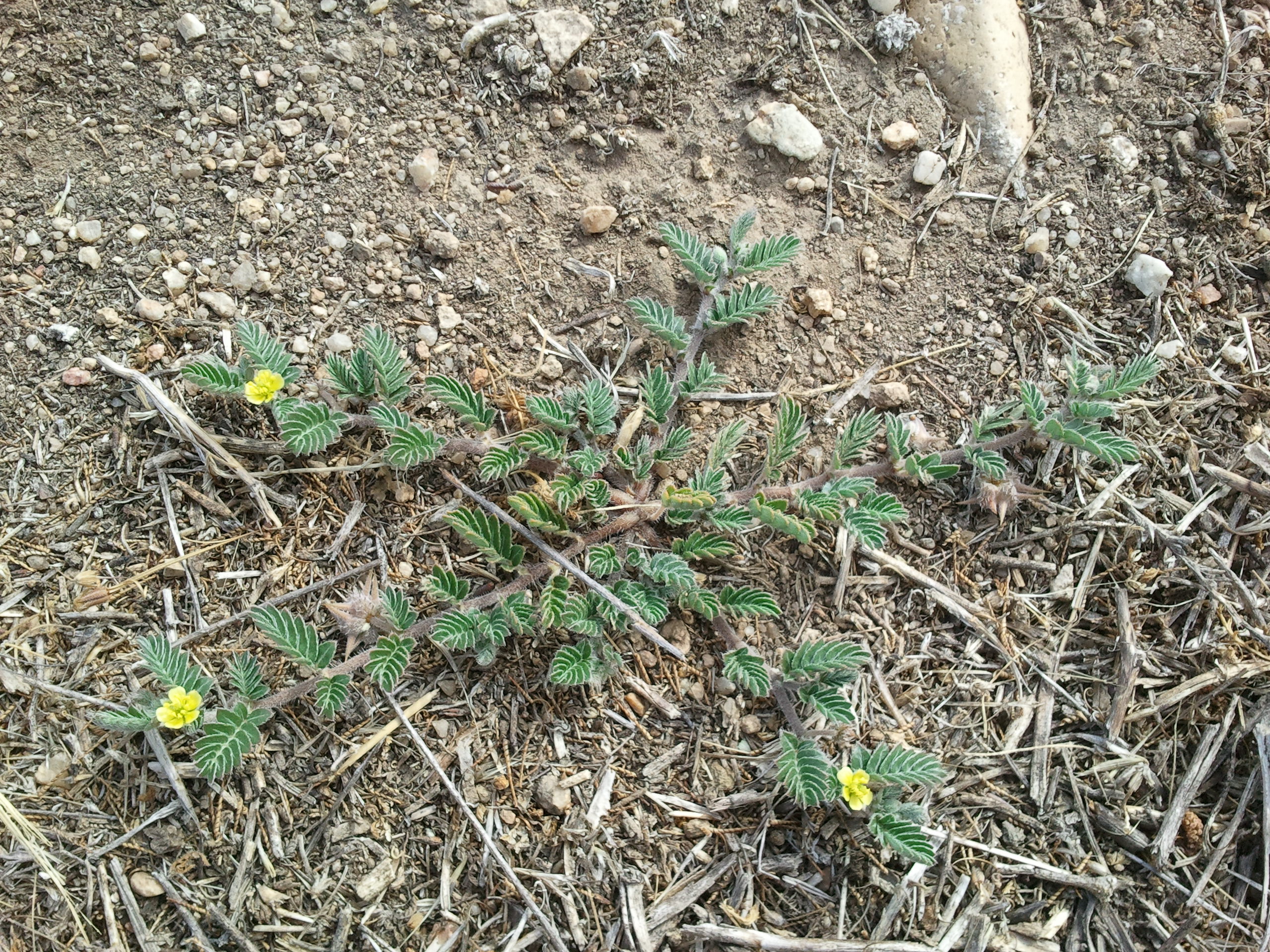
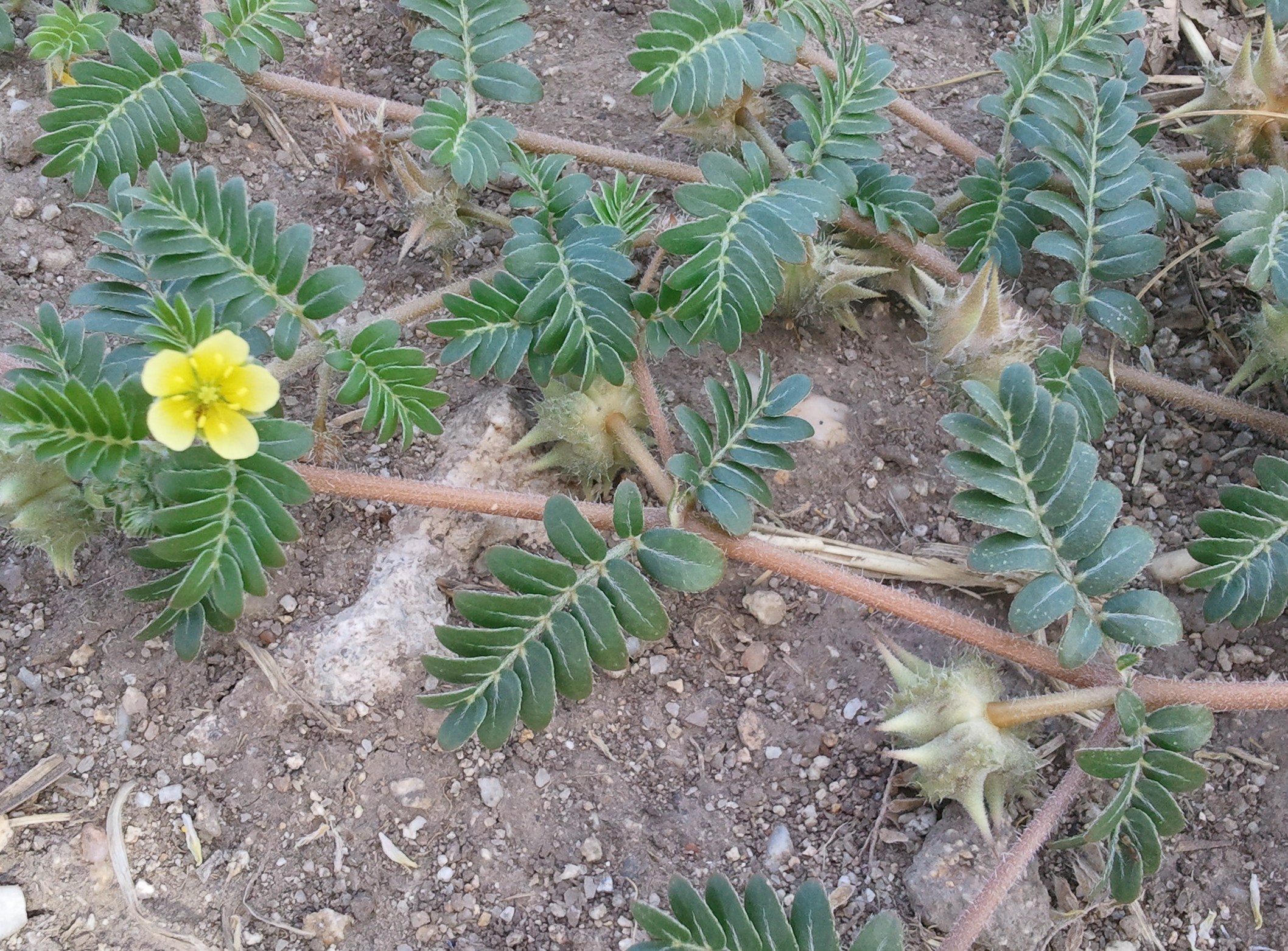
In cool climates, puncturevine is a summer annual. It appears in the heat of the summer, and by late summer the plants have mostly died off, leaving behind hordes of burs, awaiting the arrival of unsuspecting animals, bike tires, and otherwise. The spines of the burs attach themselves to these unsuspecting vicitims and are spread far and wide. The plants typically grow prostrate but can grow upright when they are in shade or being crowded out. They produce large mats that can spread as wide as 6 feet. Their leaves are oppositely oriented and are pinnately compound. Their flowers are small with five bright yellow petals that appear singularly in the axils of leaves. Their fruits are burs that split into 4-5 sections, each containing 1-2 large spines. Their seeds can remain viable for up to 20 years. Puncturevine is a fast growing, drought-tolerant plant with a long, slender taproot. It is commonly found in disturbed sites, along roadways and walkways, and in pastures and fields.

While I am fascinated by this plant, I also abhor it, and so I make an effort to remove and kill it whenever possible. If it weren’t for the countless flat tires it has caused me, I’d probably be more willing to let it be. Bike enthusiasts who have experienced this nuisance nod in agreement.

SAMSUNG

Tribulus terrestris looking sweet and innocent

SAMSUNG

???????????????????

Close-ups of pretty flowers, interesting leaves, and evil burs

puncture vine_1

Bur of puncturevine puncturing bike tire

A Plant Community’s Response to Climate Change

The threat of ensuing climate change has led many to consider what the future might look like for life on earth. Plant life will undoubtedly be affected, and numerous observations have already been made indicating that plants and plant communities are responding to changing climates.

A recent study, published in Ecology and Evolution, documented changes in the lower elevation boundaries and elevation ranges of common plants found on the Santa Catalina Mountains (near Tucson, Arizona). A study of this caliber is rare because there is relatively little data available to observe such changes over a long period of time. The scientists that carried out this study were able to use survey data collected by Robert Whittaker (the father of modern plant ecology) and William Niering in 1963. Whittaker and Niering conducted an extensive survey of plants along the Catalina Highway, which still exists today and runs along the southern slopes of the Santa Catalinas. Following similar data collection methods, researchers from the University of Arizona surveyed plants along the Catalina Highway nearly 50 years after the original survey. What they found confirmed predictions: montane plants in the southwest are responding to a warmer and drier climate by shifting their lower elevation limits upward.

The average annual air temperature in this region has increased an average of 0.25 degrees Celsius per decade since 1949. Also, rainfall has decreased significantly since Whittaker and Niering’s original plant survey. Twenty seven of the most common plant species were selected from the new survey and compared to the original survey data. Fifteen of the twenty seven species (56%) have significantly shifted their lower elevation boundaries, moving further up the slopes of the mountains to escape higher temperatures and reduced rainfall. Some of the plant species have also shifted their upper elevation boundaries, with four of them moving further upslope and eight of them moving further downslope.

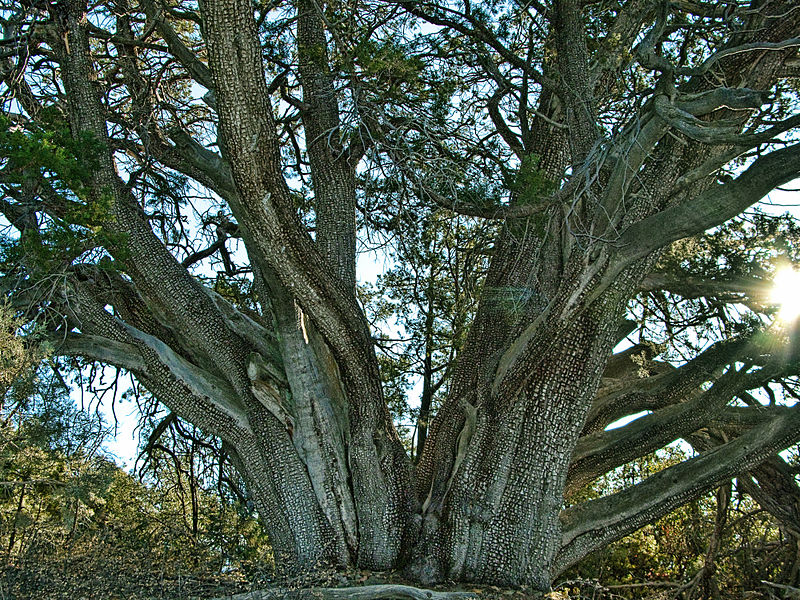
The authors of this study state that “even a casual observer could recognize changes in plant elevation boundaries.” Alligator juniper, bracken fern, beargrass, and sotol are examples of plants in the Catalinas that have noticeably migrated upslope and are no longer found at lower elevations where they were once common. Alligator Juniper (Juniperus deppeana), for one, was once documented growing at least as low as 3500 feet, but now does not occur until after the 5000 feet mark.

This rare opportunity to compare current plant survey data with old data paints a stark picture regarding the effects of climate change. As plants and animals are forced upslope to escape warmer and drier climates, they may eventually find themselves with nowhere to go and ultimately end up extinct, reducing overall biodiversity on the planet. The authors of this study conclude their findings with this statement: “The shifts in plant ranges we observed in the Santa Catalina Mountains indicate that the area occupied by montane woodland and conifer forests in the Desert Southwest is likely to decrease even more with predicted increases in temperature, and that regional plant community composition has and will continue to change with further warming as plant species respond individualistically to changing climates.”

Read more about this study at the University of Arizona news site.

alligator juniper_juniperus deppeana

Alligator Juniper (Juniperus deppeana)

photo credit: wikimedia commons

American Penstemon Society Field Trip

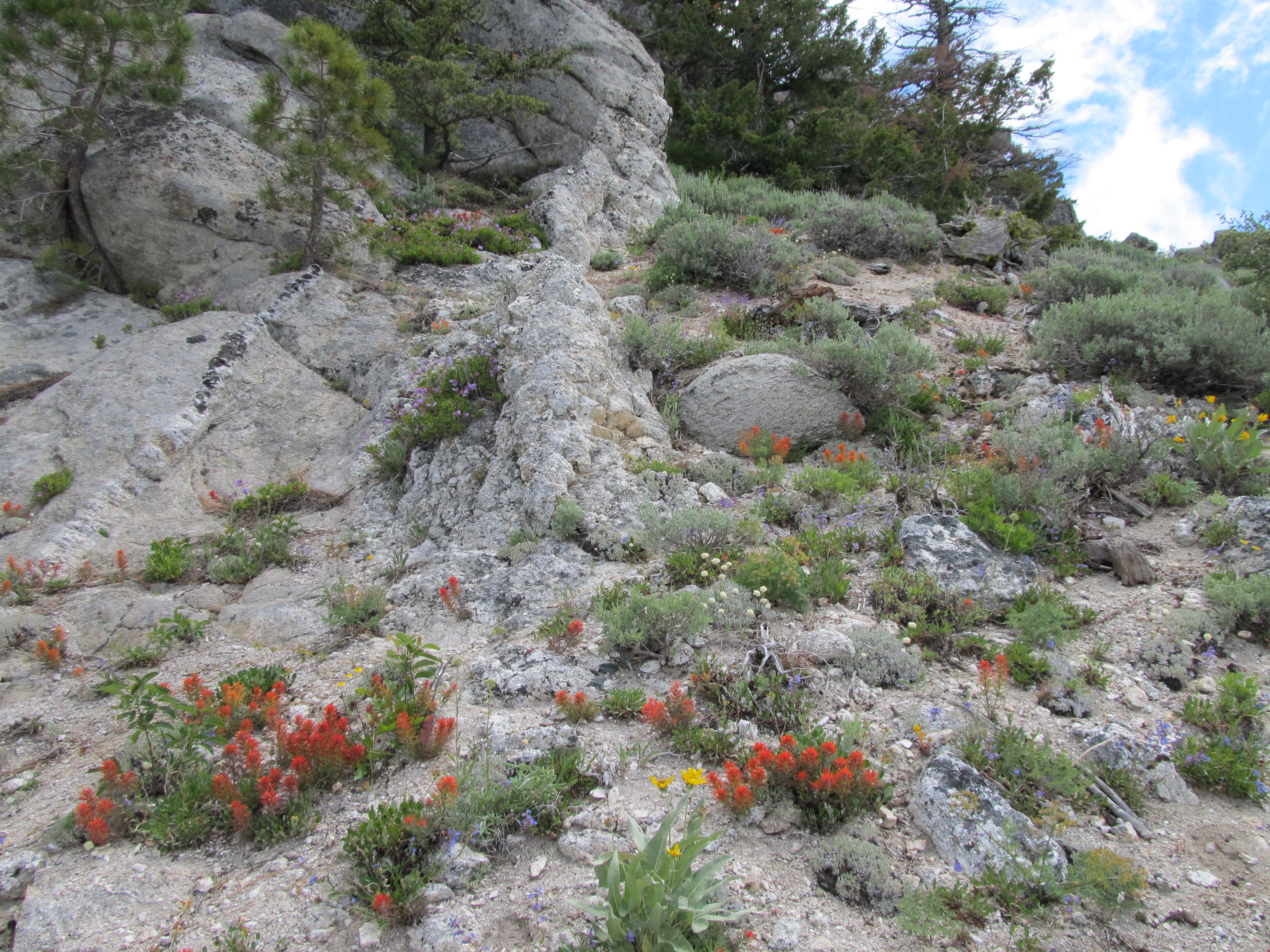
This past weekend, the American Penstemon Society held their annual meeting in Boise, Idaho. I was fortunate enough to attend their meeting and join them on one of their field trips. We visited Mores Mountain in the Boise National Forest, which is a short drive north of Boise. The hike was so much fun! There were tons of great plants to see, and the views from the top were incredible. My favorite sights were all the magical rock gardens that were scattered along the trail which were loaded with a diverse number of small plants eking out an existence on lichen splattered outcrops. If you ever find yourself in the Boise area, this is a spot that I am certain you don’t want to miss.

rock garden

Rock Garden on Mores Mountain, Boise National Forest

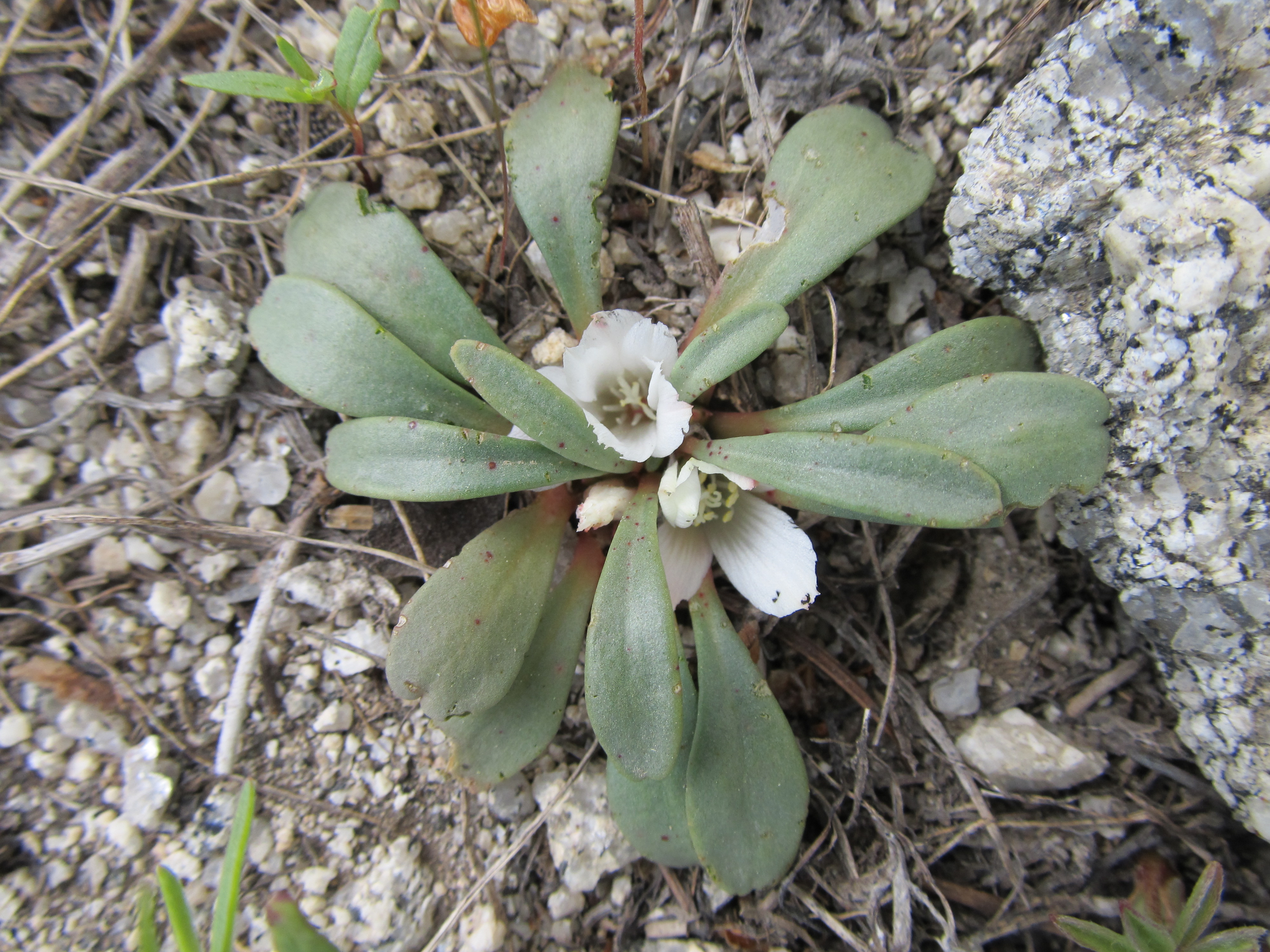
lewisia sacajaweana

Lewisia sacajaweana, Sacajawea bitter root

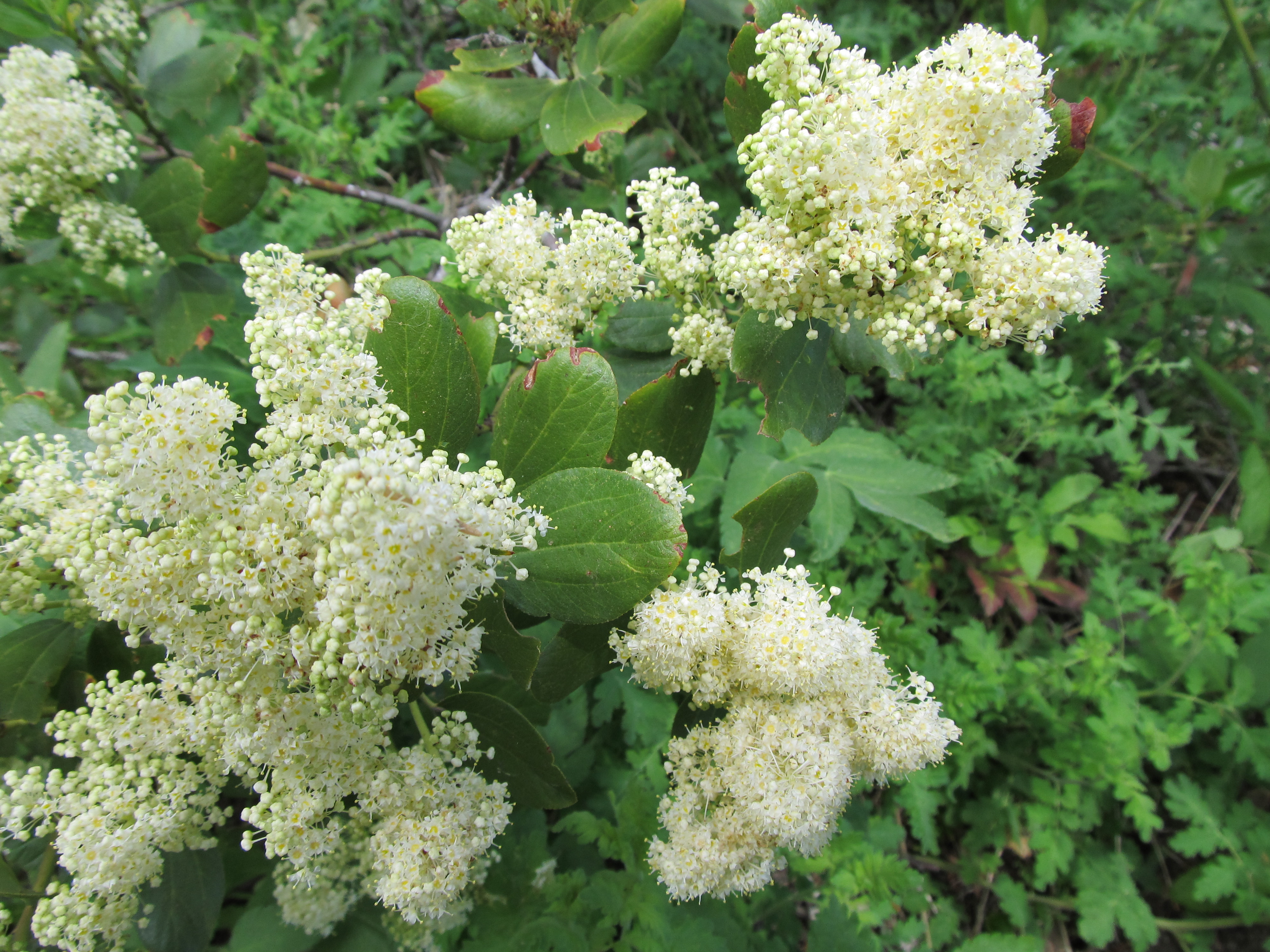
ceanothus velutinus

Ceanothus velutinus, snowbrush ceanothus

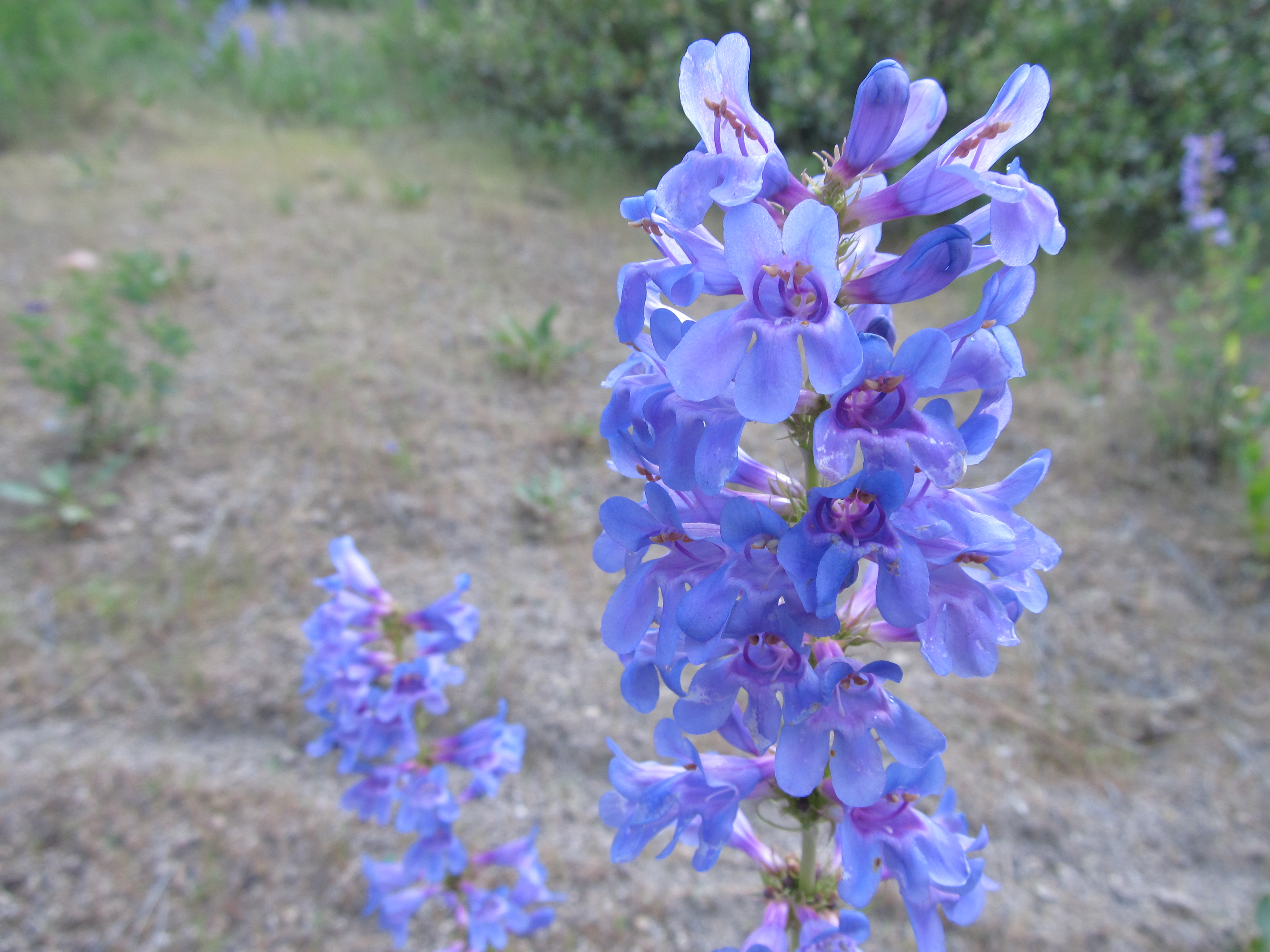
penstemon humilis

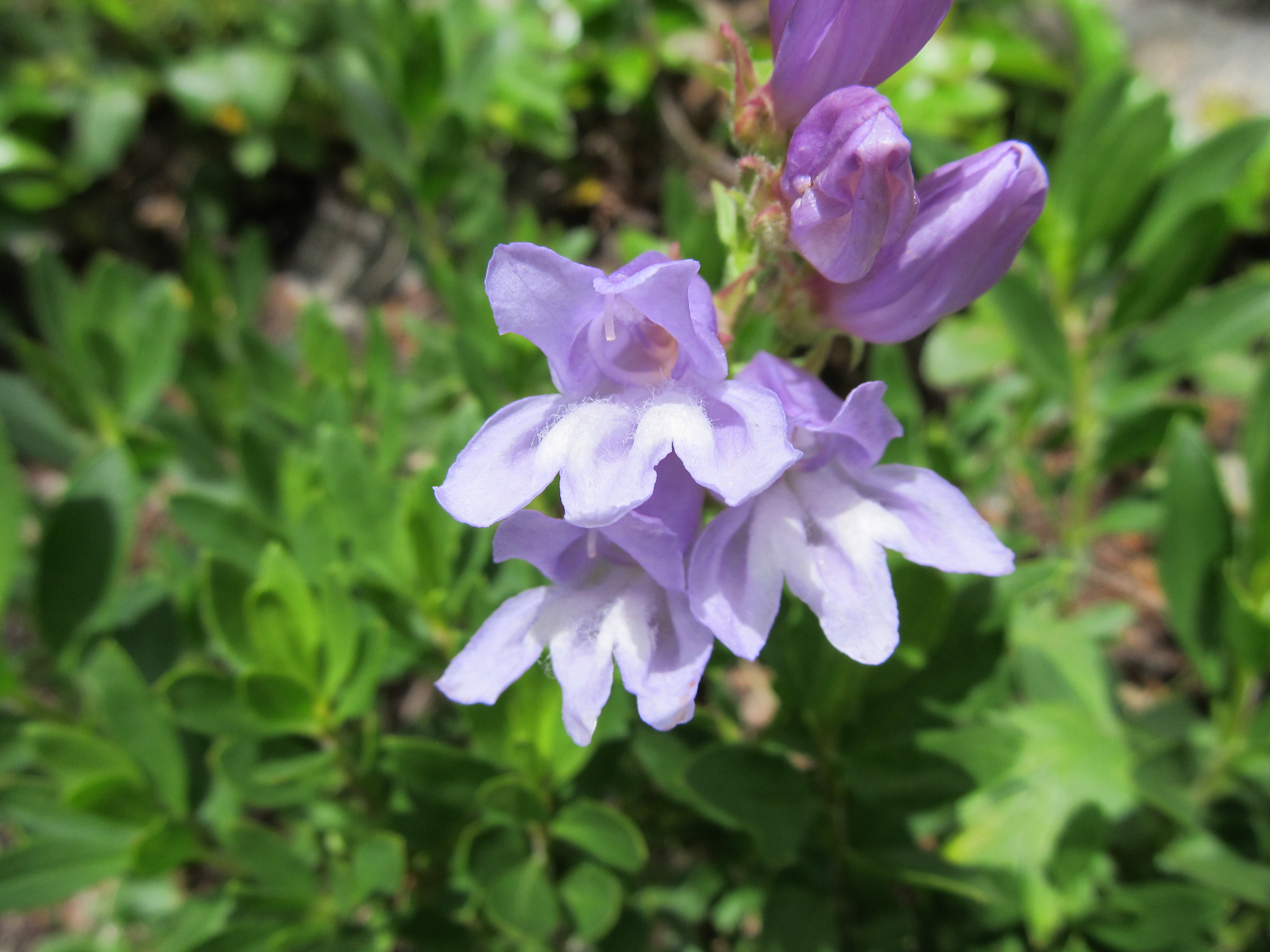
Penstemon humilis, low penstemon

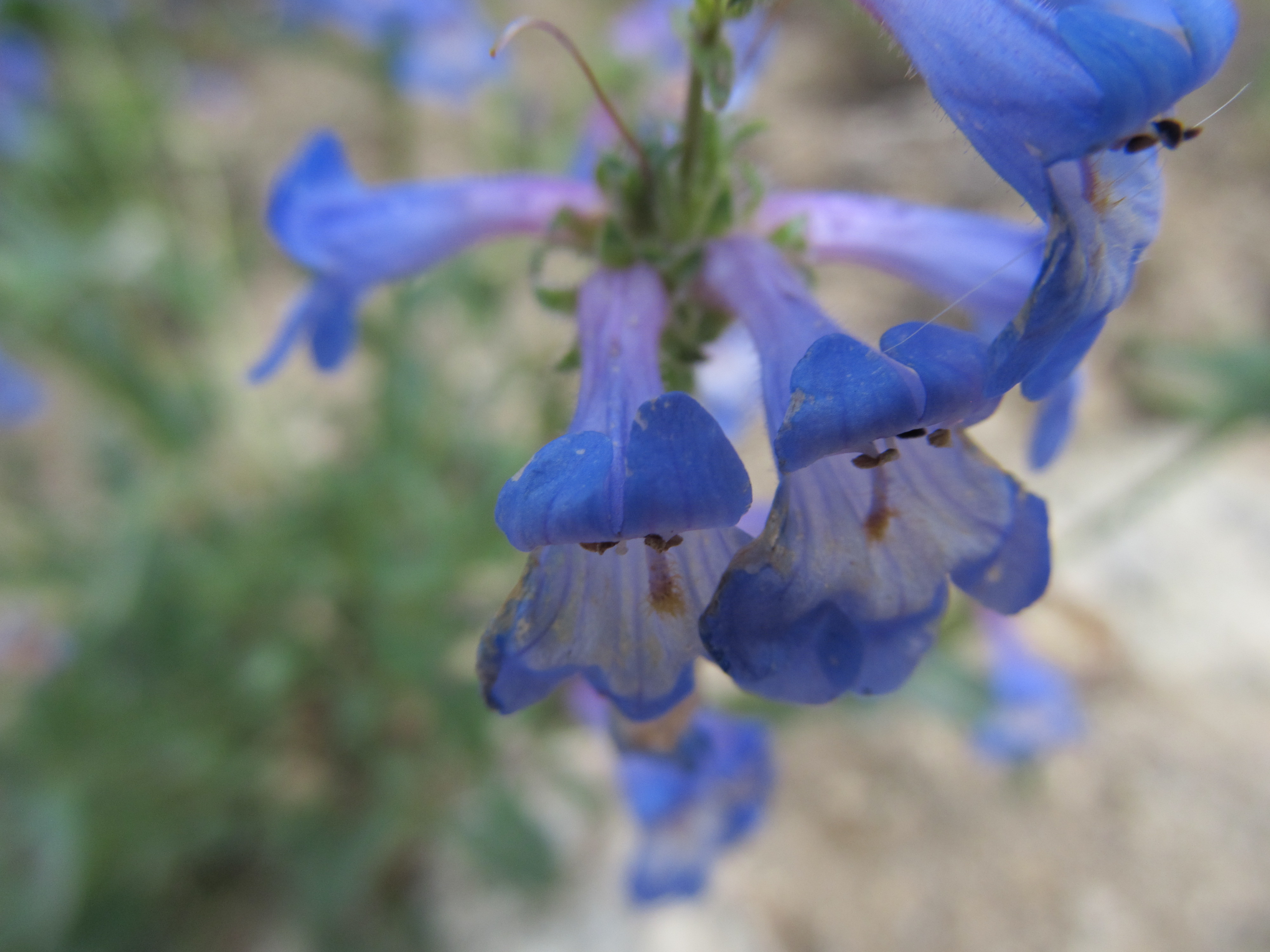
penstemon fruticosus

Penstemon fruticosus, shrubby penstemon

calochortus macrocarpus

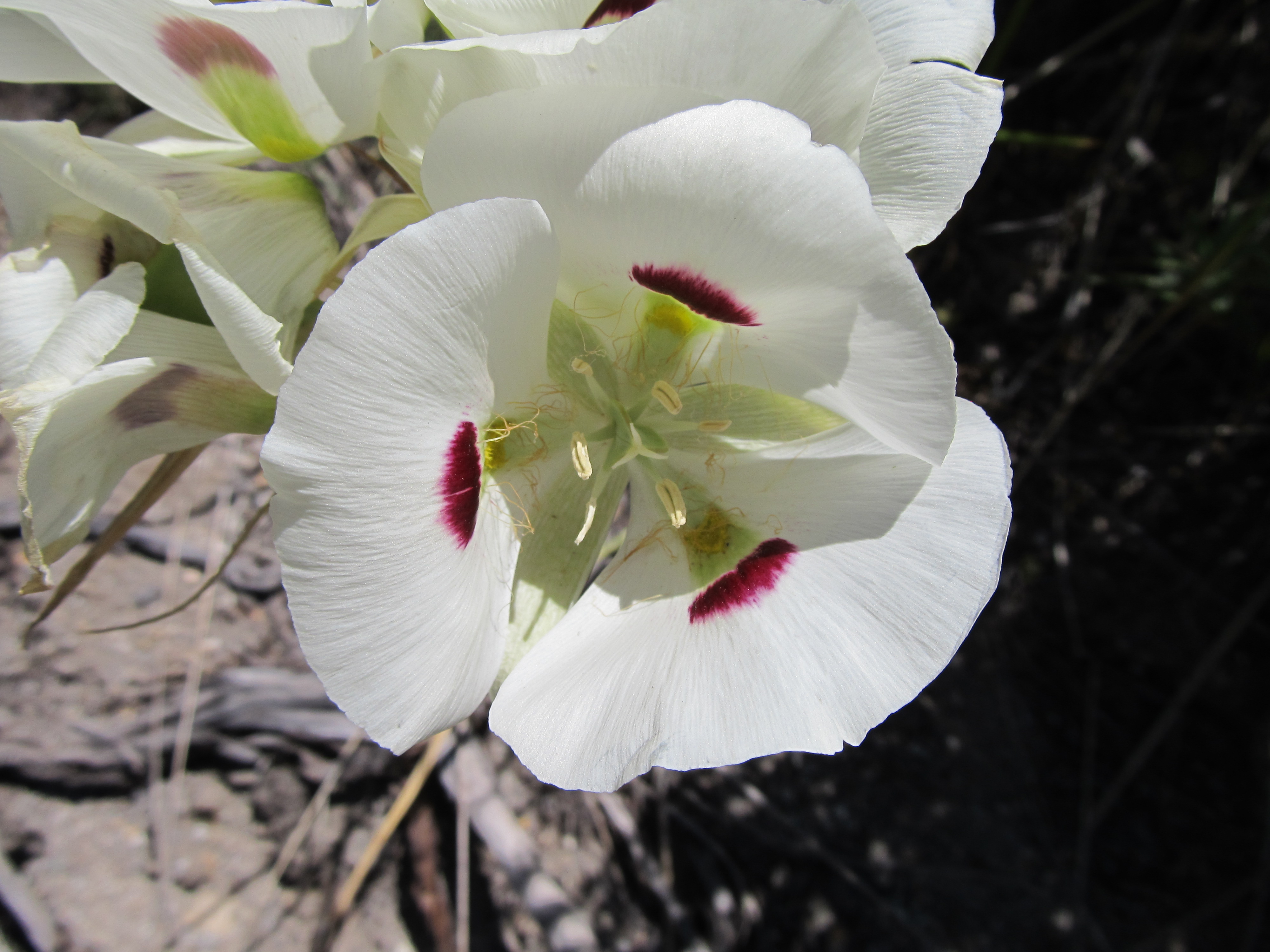
Calochortus macrocarpus, sagebrush mariposa lily

calochortus eurycarpus

Calochortus eurycarpus, white mariposa lily

Wildflower Walk: June 2013

Camping recently with family and friends affored me the opportunity to explore some early summer wildflowers near Grimes Creek in the Boise National Forest. Despite the noise and dust presented by regular ATV and dirt bike traffic, I had a very enjoyable weekend in the woods. What follows are some of the wildflowers I saw while exploring the area.

erigeron pumilus

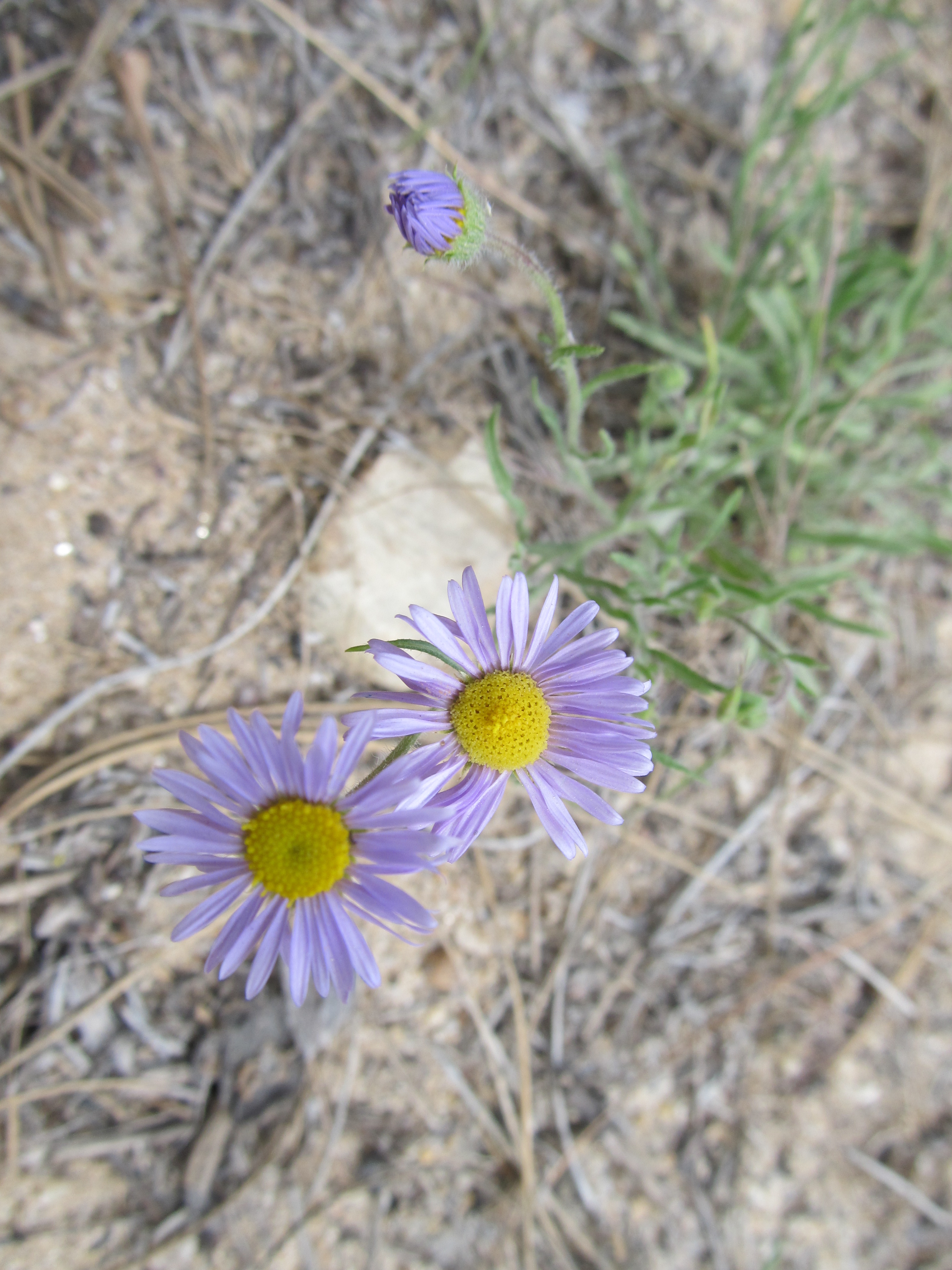
Erigeron pumilus, shaggy fleabane

geranium viscosissimum

Geranium viscosissimum, sticky purple geranium

ipomopsis aggregata

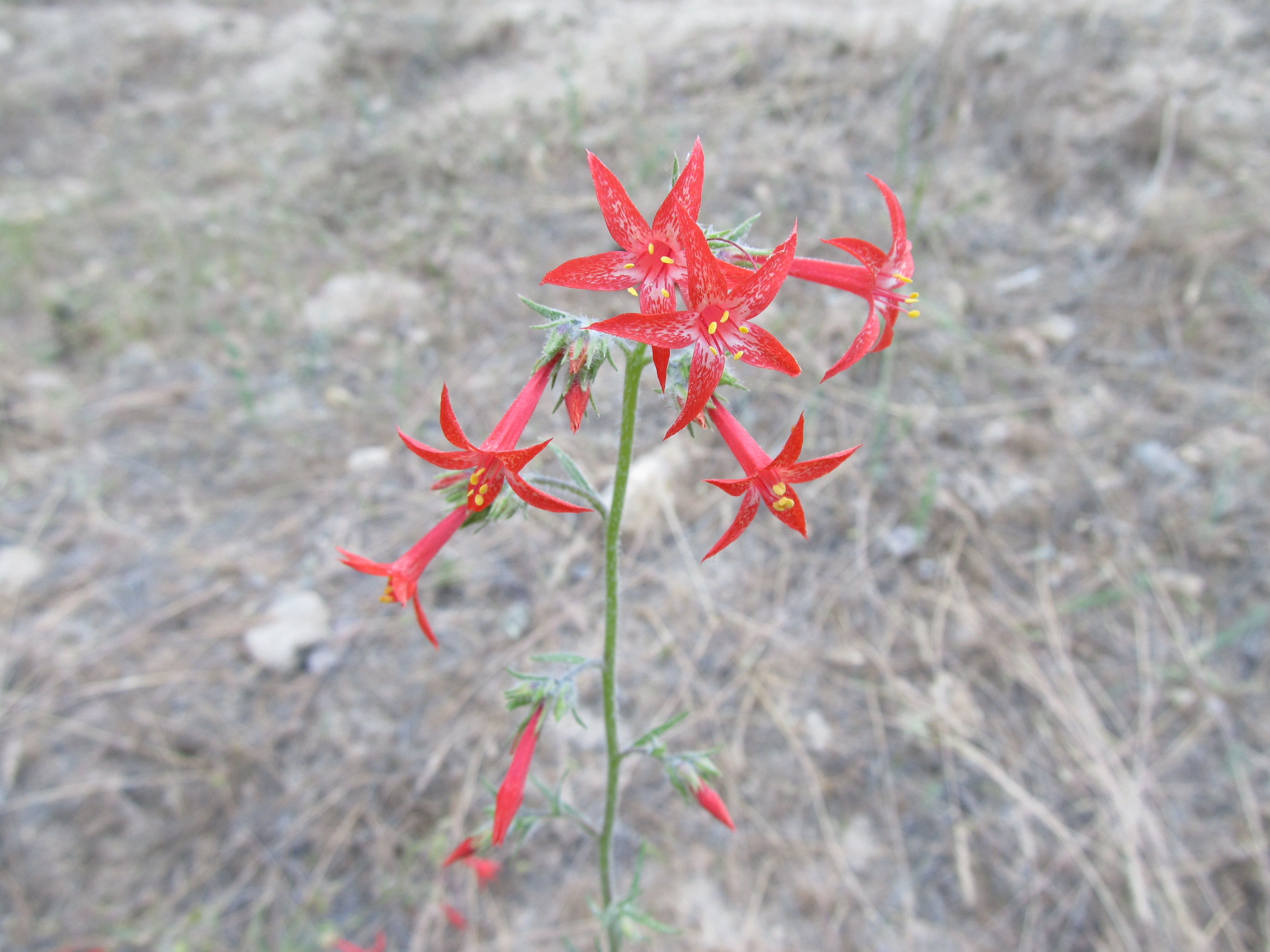
Ipomopsis aggregata, scarlet gilia

penstemon deustus

Penstemon deustus, hotrock or scabland penstemon

penstemon payettensis

Penstemon payettensis, Payette penstemon

Idaho State Flower

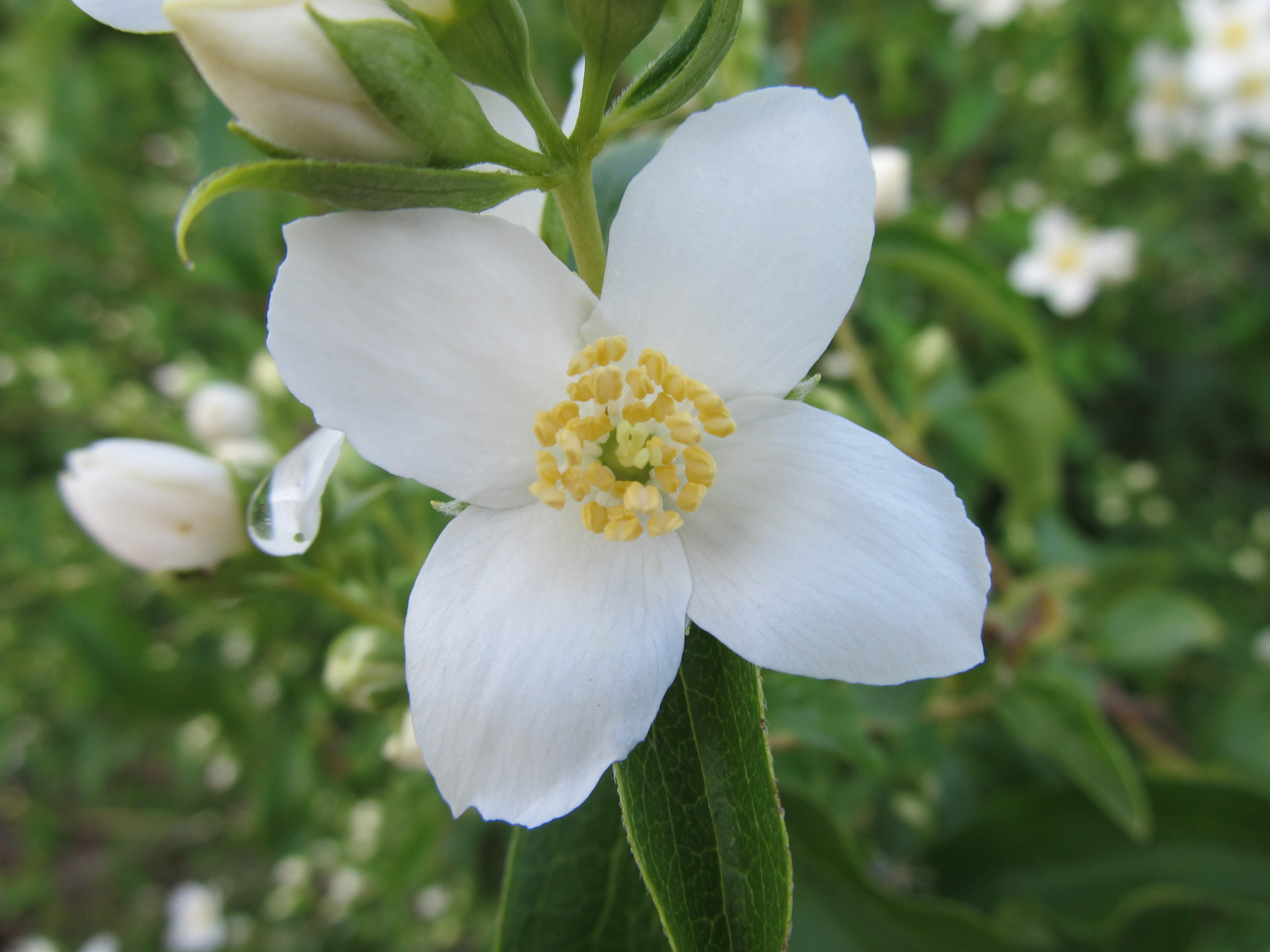
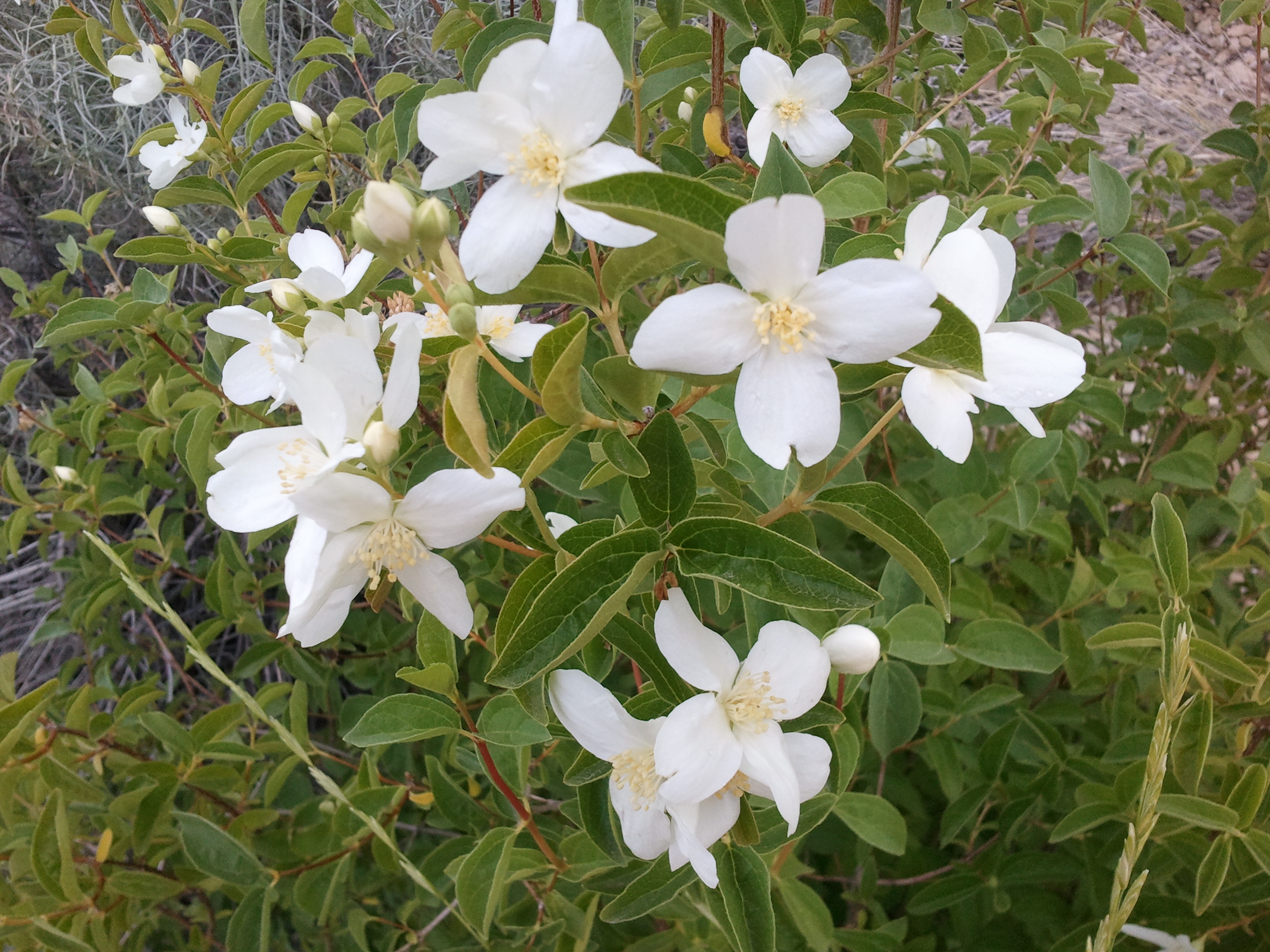
In 1931, the Idaho state legislature officially designated Philadelphus lewisii as the state flower of Idaho, several decades after it was originally selected by a committee of Boise women. Affectionately referred to as “syringa” by Idahoans, P. lewisii occurs from British Columbia down into northern California and across into Idaho and Montana. Its native habitats are the bases of rocky slopes, rocky crevices, and stream banks. It was among many plants collected during the Lewis and Clark Expedition (1804-1806) by Meriwether Lewis. Lewis collected two specimens while in north Idaho and eastern Montana – the first near the Clearwater River and the second near the Bitterroot River. The species was later described by Frederick Pursh and named after Meriwether Lewis. Another widely accepted common name for this species is Lewis’ mock orange.

P. lewisii is a deciduous shrub that reaches 6 to 10 feet tall. It has opposite leaves and white, four-petaled flowers that appear in clusters of 3 to 11 on lateral branches. Young branches have reddish-brown bark that eventually peels off to reveal gray bark as the branches age. Many flowers in the genus Philadelphus emit a scent similar to the blossoms of citrus plants and have a general appearance akin to orange blossoms, giving them their common name “mock orange.” The attractive flowers and their sweet aroma are reasons why many people look forward to these shrubs blooming each year. Additionally, Idahoans can be certain that when their beloved state flower is in bloom, summer is imminent.

Philadelphus lewisii

The leaves and bark of P. lewsii contain saponins and can be used to make soap when they are crushed and mixed with water. This quality also makes the plant fire-resistant. The branches and hollow stems of P. lewisii were used by Native Americans to make a variety of useful items including snowshoes, bows, arrows, and pipes. The common name “syringa” was derived from the greek word “syrinx” meaning “tube.” This helps explain why lilacs, an unrelated group of plants that also has hollow stems, was given the latin name Syringa.

Philadelphus is a genus in the Hydrangea family (Hydrangeaceae) that consists of at least 60 species found throughout North America into Central America and in various parts of Eurasia. All are shrubs – some growing to 20 feet tall while others only reach 3 feet at maturity. Most have deciduous leaves, but a few are evergreens. Many cultivars of Philadelphus have been developed by the horticulture industry and are commercially available. Cultivars are often selected for their compact growth habit, abundant and sometimes double flowers, and their strong, sweet aroma.

SAMSUNG

Check out this article in Pacific Horticulture to learn more about the genus Philadelphus.