Moss Reanimated After 1,500 Years in Permafrost

Some plants die hard. At least that seems to be the lesson learned after moss retrieved from deep within the frozen ground of Antarctica was found to still have life left in it. Following in the footsteps of the discovery by a separate research team of moss revived after spending 4oo years beneath glacial ice, researchers from the British Antarctic Survey and the University of Reading set out to determine the viability of the innards of a moss bank encased in permafrost.

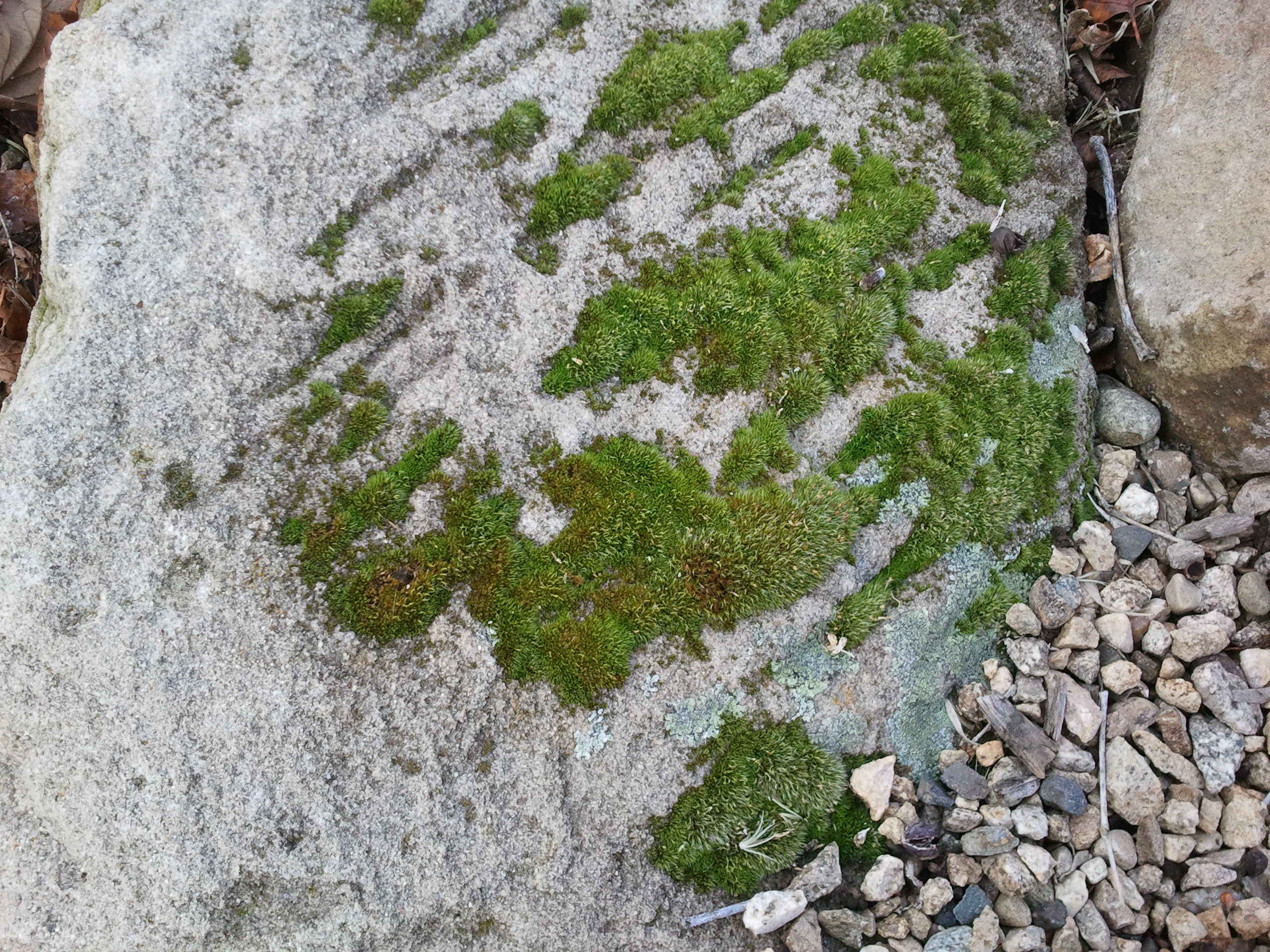
Mosses are ancient plants, predecessors to the more recently evolved (at least on a geological timescale) vascular plants. They produce no flowers or seeds and have no roots. Their leaves carry out photosynthesis – just like other plants – but they also absorb water and nutrients. There are about 12,000 species of mosses found in a wide range of habitats. Because they lack a vascular system, mosses require a damp environment (or at least one that is seasonally damp). While commonly seen growing in shady locations, there are some moss species that thrive in full sun, such as those growing on rocks in alpine environments. Mosses are the dominant vegetation in the polar regions where they can form thick moss banks in which an actively growing layer is underlain with moss that has slowly become incorporated into the permafrost.

SAMSUNG

The researchers in this study, which was published in the latest issue of Current Biology, took a core sample of a moss bank on Signy Island, Antarctica. The moss bank consisted of a single species – Chorisodontium aciphyllum. The sample core went 138 centimeters (4.5 feet) deep, and  radio carbon dating of material taken from near the bottom of the core gave it an age of between 1533-1697 years old. The core was cut into several sections and then exposed to temperature and light conditions similar to the moss’s native environment. New growth occurred in many of the sections, but the most impressive finding was that after only 22 days, growth was noted in the 121-138 cm section, demonstrating that even after being frozen for more than 1500 years the moss was still alive. It was simply in a cryptobiotic state – a state in which all metabolic processes pause due to adverse environmental conditions.

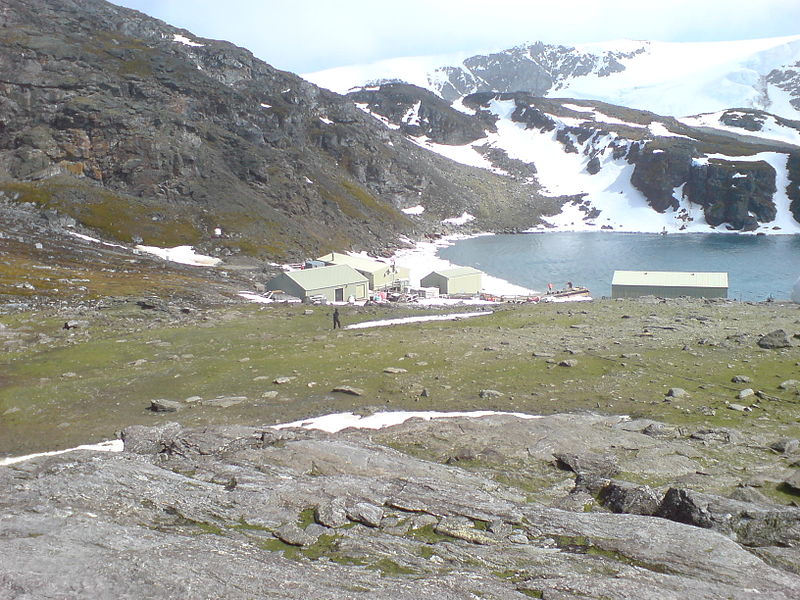
signy research stationSigny Research Station on Signy Island (photo credit: Wikimedia Commons)

Certain microbial life has been known to survive in a cryptobiotic state for tens of thousands of years, however this is the first time that a multicellular organism has been found to survive in such a state for longer than a few decades. So is their a moss species out there that has been surviving frozen conditions for even longer? It’s quite possible. And from an ecological standpoint, suspended animation is essential in order for polar mosses to survive periodic ice ages. Perhaps that’s why they have developed this remarkable trait.

Read more about this study here and here.

Article: The Intelligent Plant

The New Yorker’s last issue in 2013 included an article by Michael Pollan called “The Intelligent Plant” in which Pollan explores some of the latest research revealing the ability of plants to sense their environment in ways that are analogous to seeing, hearing, and smelling. In the article Pollan dialogs back and forth between plant scientists who call this line of research “plant neurobiology” and plant scientists who seem to abhor that term. As the article progresses, you learn that the arguments between the two groups are not necessarily about the science itself but about vocabulary. Can plants learn the way we understand the term, to learn? Can we really say that plants are intelligent or conscious? Aren’t those traits reserved for organisms with brains? And regarding brains, plants don’t have them, so why plant neurobiology? Neuroscience is the study of nervous systems, so plant neurobiology must be a misnomer, right?

Well, despite the arguments over language, the research is pretty compelling. Plants are proving to be more aware of their surroundings and their actions seem to be more calculated than we originally assumed. They are not simply sessile organisms being acted upon, but they are doing some acting – lots of it, in fact. It is a remarkable field of study (whether you choose to refer to it as plant neurobiology or something else), and it will be exciting to see where it takes us.

Pollan’s article is worth a read if you can find the time (be warned, it’s lengthy), and it’s getting some coverage. Pollan recently appeared on Science Friday with Ira Flatow where he talked about his experience researching the article. And Pollan, of course, isn’t the only one talking about this stuff, Wired featured an article about it last month as well.

Check out this video associated with Pollan’s article (narrated by Pollan) of bean plants that appear to be deliberately reaching out to grab onto a pole.

sensitive plant

sensitive plant – Mimosa pudica

photo credit: Wikimedia Commons

Related Posts

Book Review: What a Plant Knows

Documentary: What Plants Talk About

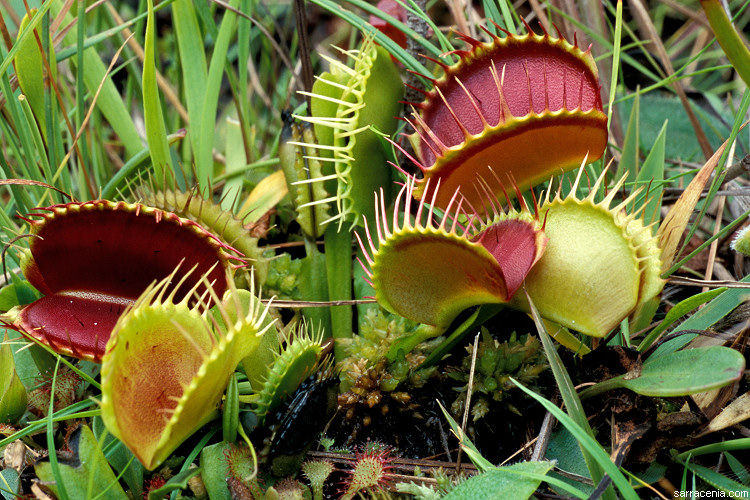
Venus Flytrap: A Species of Special Concern

The Venus flytrap is likely the most popular and well-known (as well as the most purchased and widely owned) of any carnivorous plant. It is a proud representative of a diverse group of plants that continues to astound most everyone from plant experts to plant amateurs and even the plant ambivalent. With its leaves shaped like gaping mouths with sharp teeth and its ability to snap shut and devour insect prey, it is a remarkable species, but would you believe that it is also a rare one?

The Venus flytrap (Dionaea muscipula) is native to a small region on the east coast of the United States near the border of North and South Carolina. Its range extends to about a 100 mile radius from Wilmington, NC. Within this region, the habitat of the Venus flytrap is mainly wet savannahs with sandy, peaty, acidic soils on the edges of swamps and fens. Thus with its limited range and specific habitat requirements, the Venus flytrap has always been a rare species, even before it became a popular houseplant.

Apart from being naturally rare, the Venus flytrap now faces numerous threats to its continued survival in the wild. The obvious one is its popularity, which has led to the harvesting of hundreds of thousands of wild plants to be cultivated and sold in the plant trade. Other threats involve its habitat. Wetlands are one of the most threatened ecosystems. They are frequently drained and developed for real estate, agriculture, and recreation, and they are regular victims of pollution and exotic species invasions. The wetlands that Venus flytraps call their home are no exception. Additionally, naturally occurring fires are being suppressed in this region, allowing larger plants normally kept in check by occasional fires to thrive and choke out low-growing Venus flytraps.

Despite these threats, the Venus flytrap has not yet been listed as a federally endangered species. However, it is currently listed as a species of special concern in North Carolina and is listed as Vulnerable on the IUCN Red List. Fortunately, wildlife officers in North Carolina do issue citations to anyone caught illegally harvesting Venus flytraps in order to deter such activity.

venus flytrap

Dionaea muscipula   © 2006 Barry Rice

If you are interested in owning a Venus flytrap, make certain that you are purchasing a nursery grown plant and not a wild harvested one. The plant label should specify this. To be sure you are purchasing a nursery grown plant, look for cultivar names, like ‘Red Dragon’ or ‘Royal Red’ (and many others). These are plant varieties that have been bred in tissue culture labs from cultivated plants.

To learn more about the Venus flytrap and its current conservation concerns, see this Encyclopedia of Life page.

Related Posts:

Northern Pitcher Plants: A Model for Understanding Food Webs

The Sundews

Overwintering Carnivorous Plants

Wetlands!

2013: Year in Review

The start of a new year is traditionally a time to be reflective and resolute. Awkward Botany is now a year old, so it is in the spirit of a new year that I look back at a year of blogging and look forward to the years to come. I did not initially set any concrete goals for this blog nor do I plan to. I am passionate about plants, and I enjoy writing – hence the blog. Any attention this blog receives is not only welcome, but celebrated. It is one of life’s great joys to be able to share your passions with others.

In 2013 – surprisingly enough – I managed to publish 42 posts. These posts covered a wide range of topics, including plant profiles (mountain kittentails, Lewis’ mock orange, sundews), wildflower walks (Spring, June, September), the latest in plant science research (cushion plants, northern pitcher plants, plant communities of the Catalinas), a book and movie review (What a Plant Knows & What Plants Talk About), gardening tips (starting seeds indoors, assessing your soil, pruning rosemary), and so much more. The years to come will bring more of the same, plus whatever else comes to mind or is requested (leave a comment below).  More importantly, my plan is for past and future posts to be organized into pages according to major categories – such as botany, horticulture, and ecology – which will make it easier to find posts on the topics you are most interested in. Also, a new year brings a new tagline – “for the phyto-curious” – because it is a deep, abiding curiosity about plant life that really drives this blog.

021

If you feel so inclined, please leave comments below and let me know what you like/dislike about the blog and/or tell me if you have any ideas for future posts. You can also leave comments and ask questions by visiting my Contact Page. Also, check out my twitter feed. Please be in touch, and let’s make 2014 our year!

For the plants, etc…

Winter Interest

We are well into winter in the northern hemisphere, and the plants in our landscapes have been dormant for weeks now. Trees and shrubs have dropped their leaves, grasses have gone brown, and perennial forbs have died back – their roots harboring the food they will need to return to life in the spring. What little green that is left is provided mainly by evergreen trees and shrubs, but even they are resting – metabolizing slowly and putting off further growth until warmer temperatures return. The view outside may appear largely bleak and dreary, but there is still beauty in a frozen landscape, and much of that beauty is provided by the same things that brought color and interest during the warmer months.

Many plants, though appearing dead, remain attractive throughout the winter. From fruits and cones to seed heads and seed pods, there are various structures that remain on certain plants even after leaves fall that provide winter interest. Deciduous trees and shrubs show off their branches in the winter months, which when freed from the camouflage of leaves are like sculptures – art pieces in their own right. Perennial grasses can continue to provide structure to a garden bed when left in place and upright, and color is provided by evergreen foliage and colored bark, such as the red and yellow bark of some dogwoods (Cornus spp.).

Beauty surrounds us, even in unlikely places. Things are quiet and frozen now, and foggy, dismal days abound. But winter won’t last forever. Plants can remind us of that. In them we find remnants of brighter days and an assurance that there are more to come.

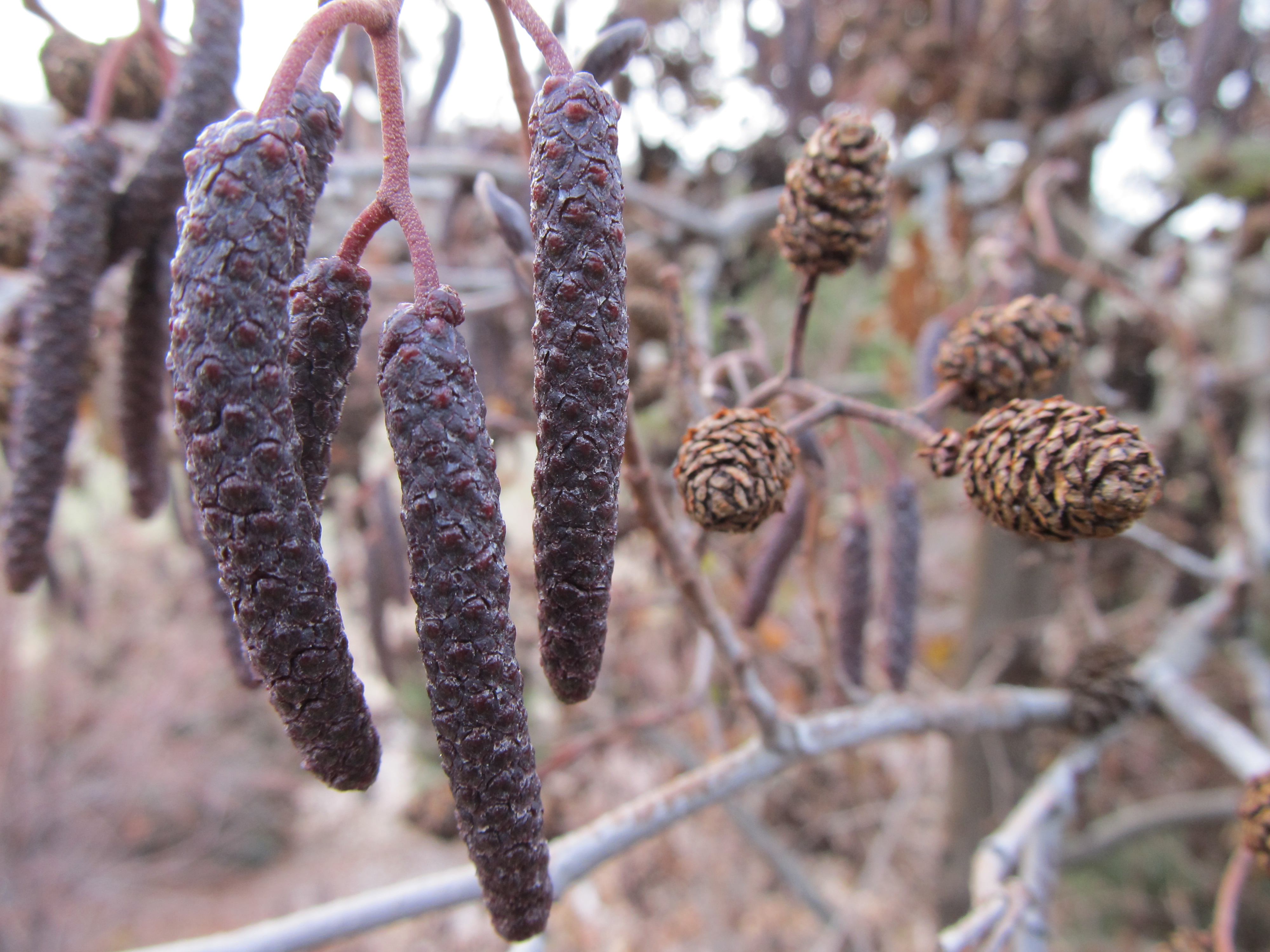
alnus viridis

Male and female cones on Sitka alder (Alnus viridis)

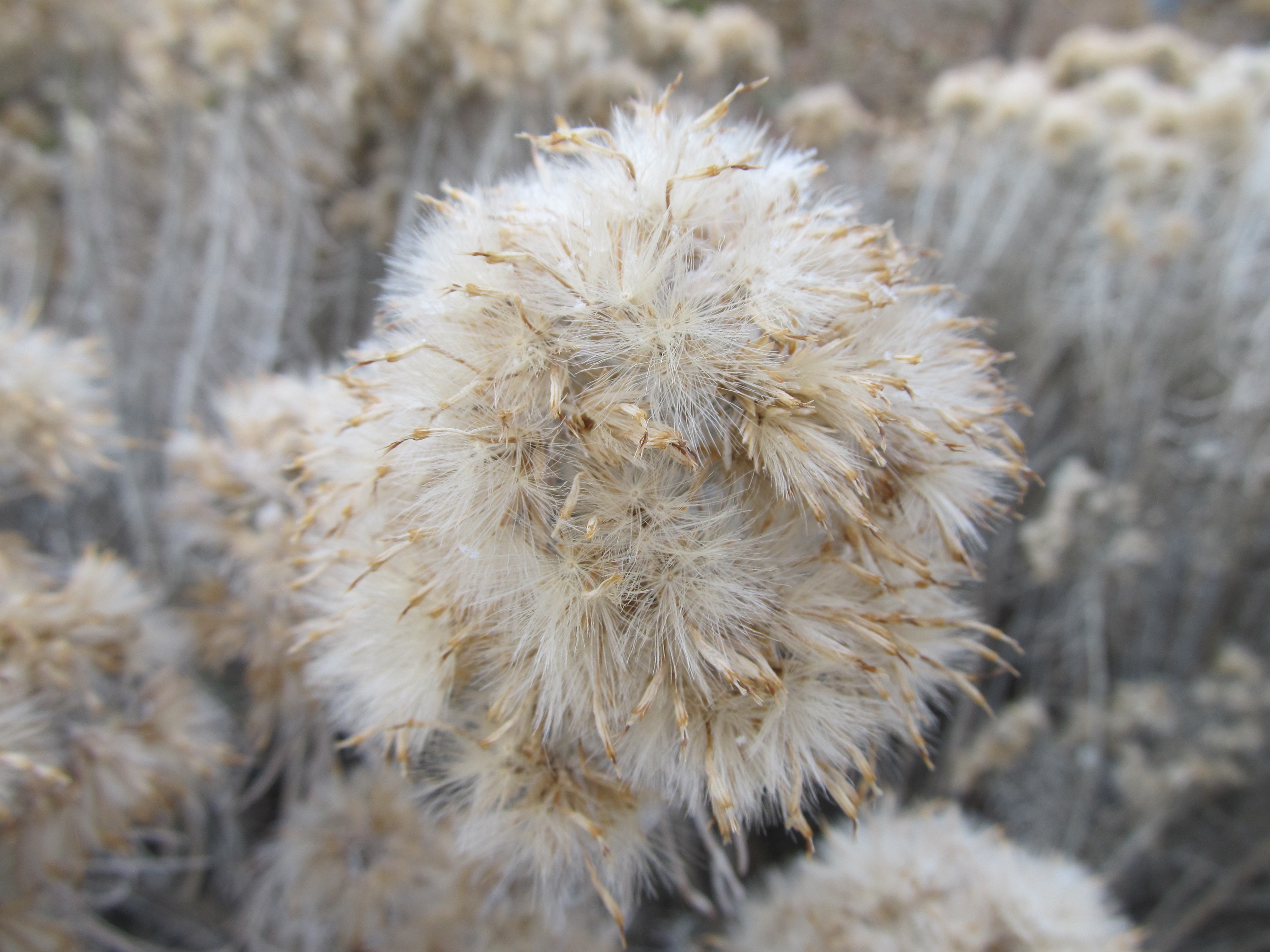
ericameria nauseosa

Seed head on rubber rabbitbrush (Ericameria nauseosa)

SAMSUNG

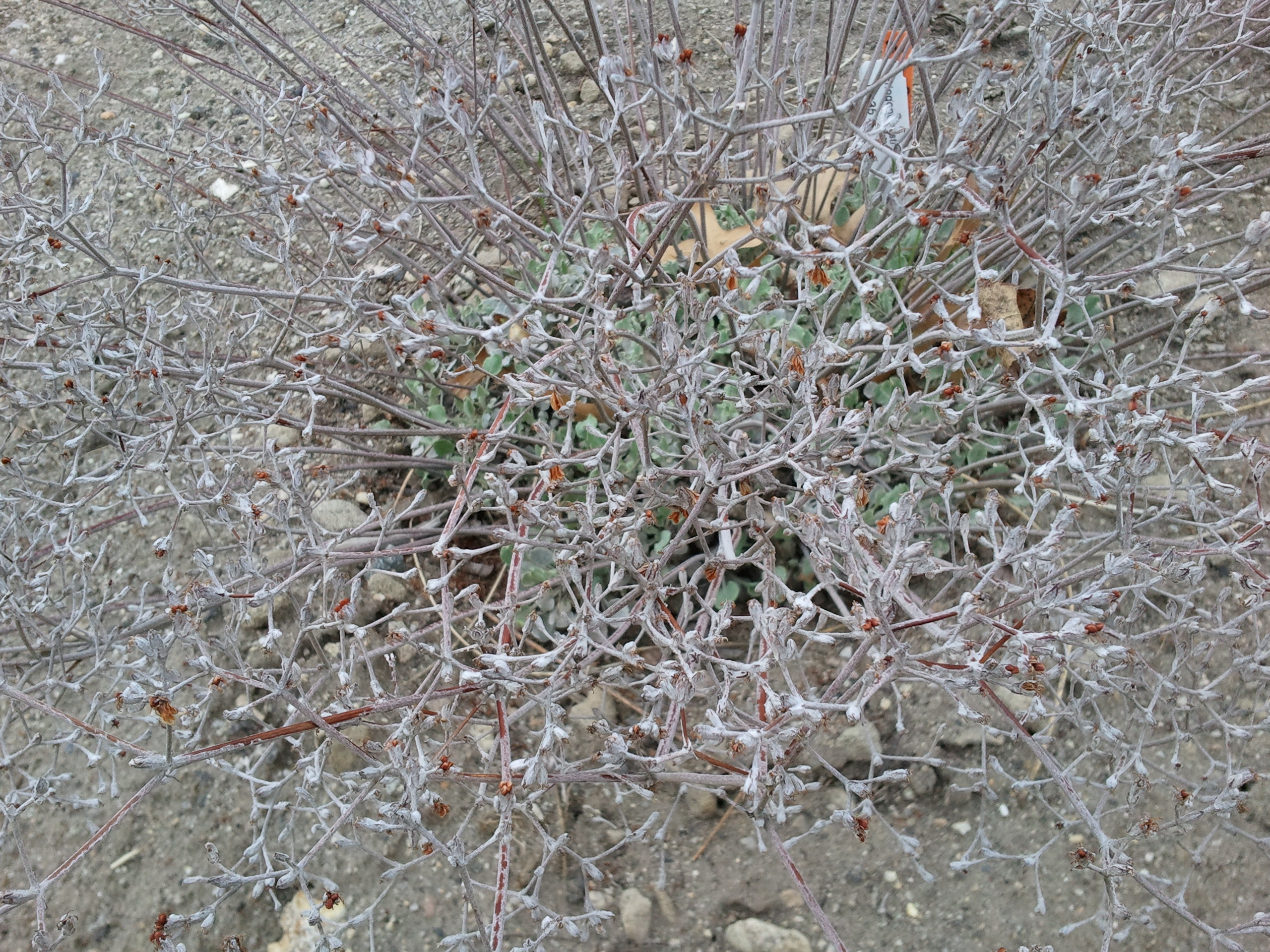
Flower stalks on strict buckwheat (Eriogonum strictum)

sorbus scopulina

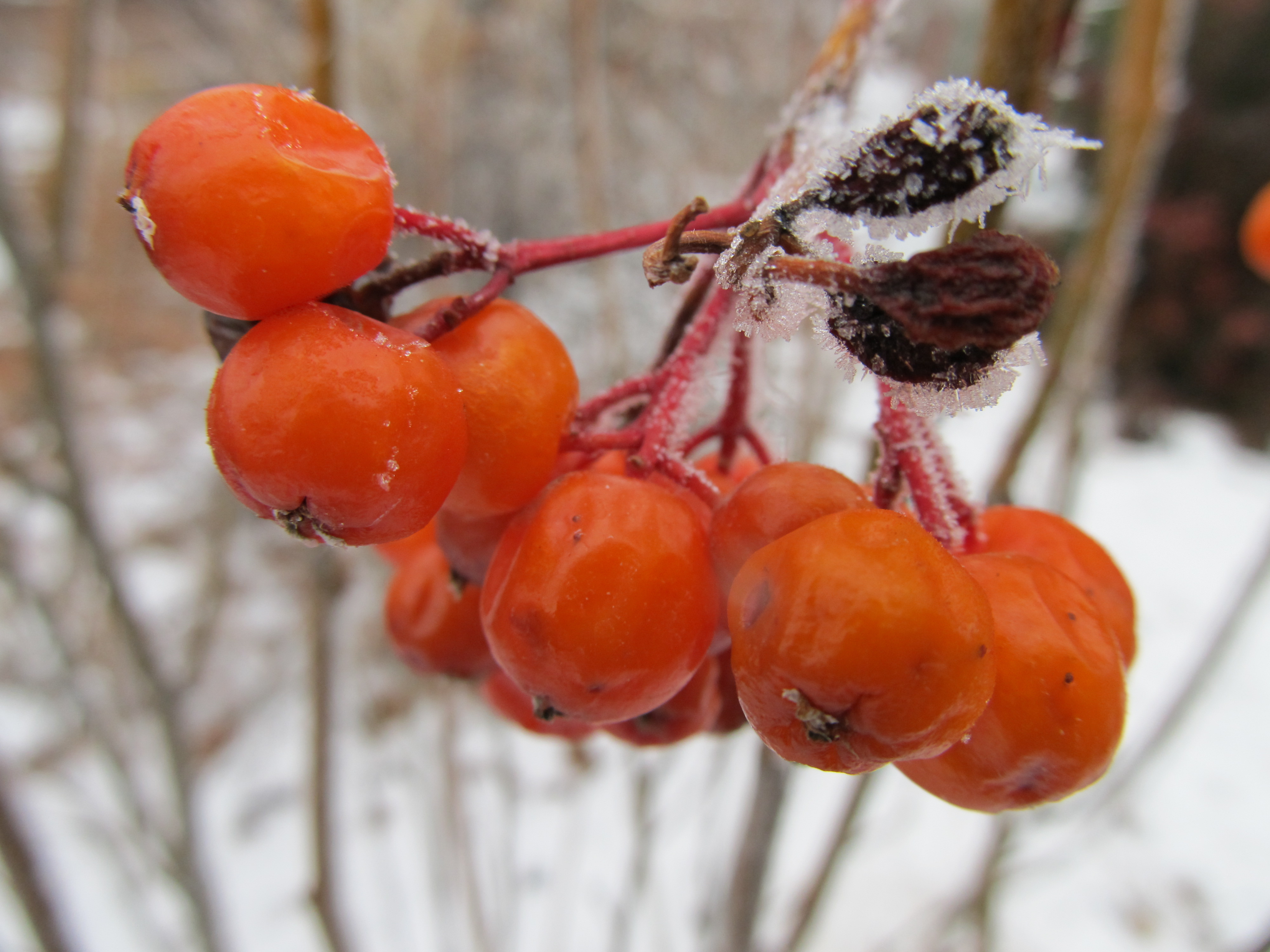
Cluster of berries on Cascade mountain-ash (Sorbus scopulina)

maclura pomifera

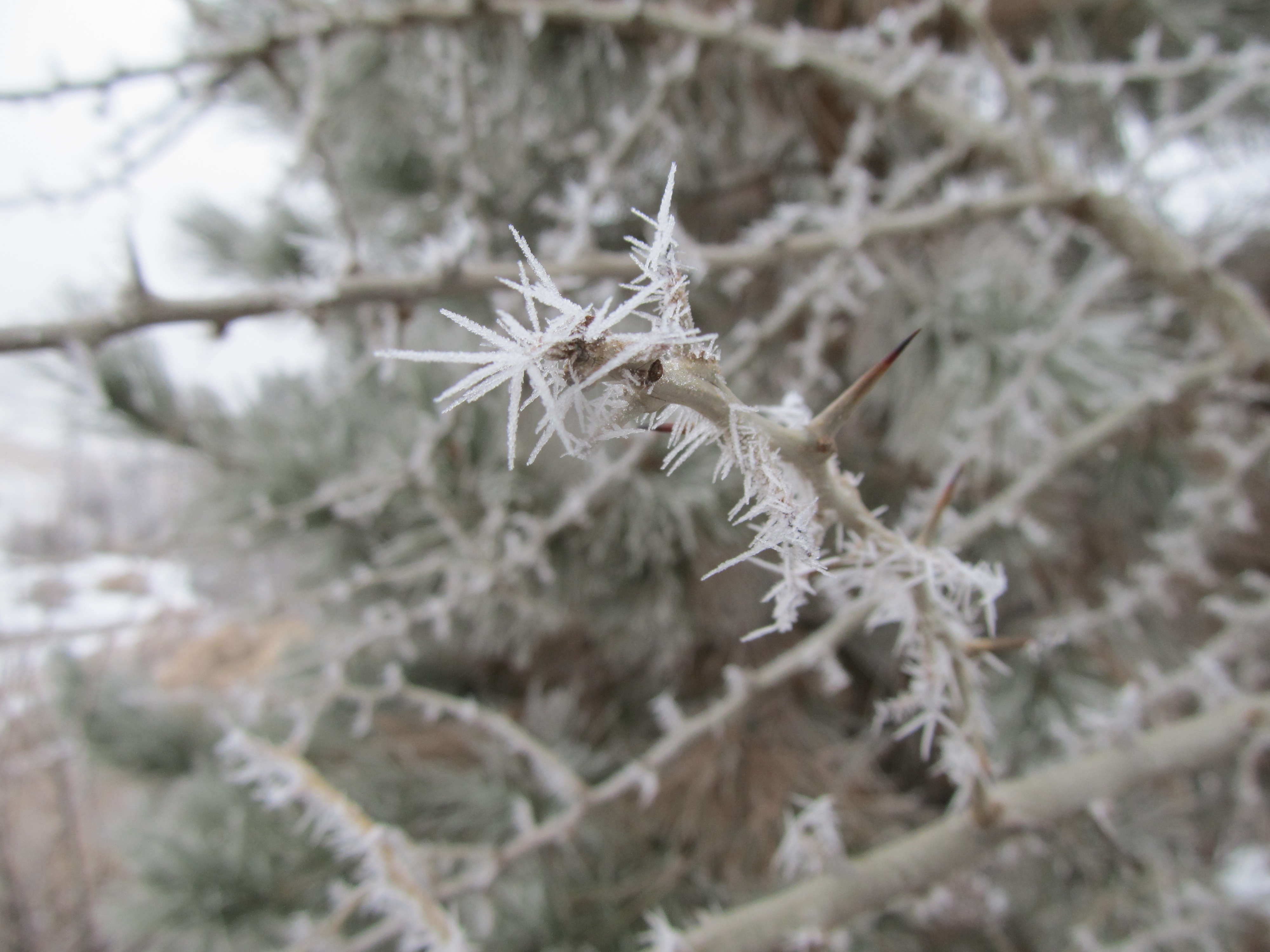
Ice crystals on the branches of young Osage-orange (Maclura pomifera)

rosa pisocarpa

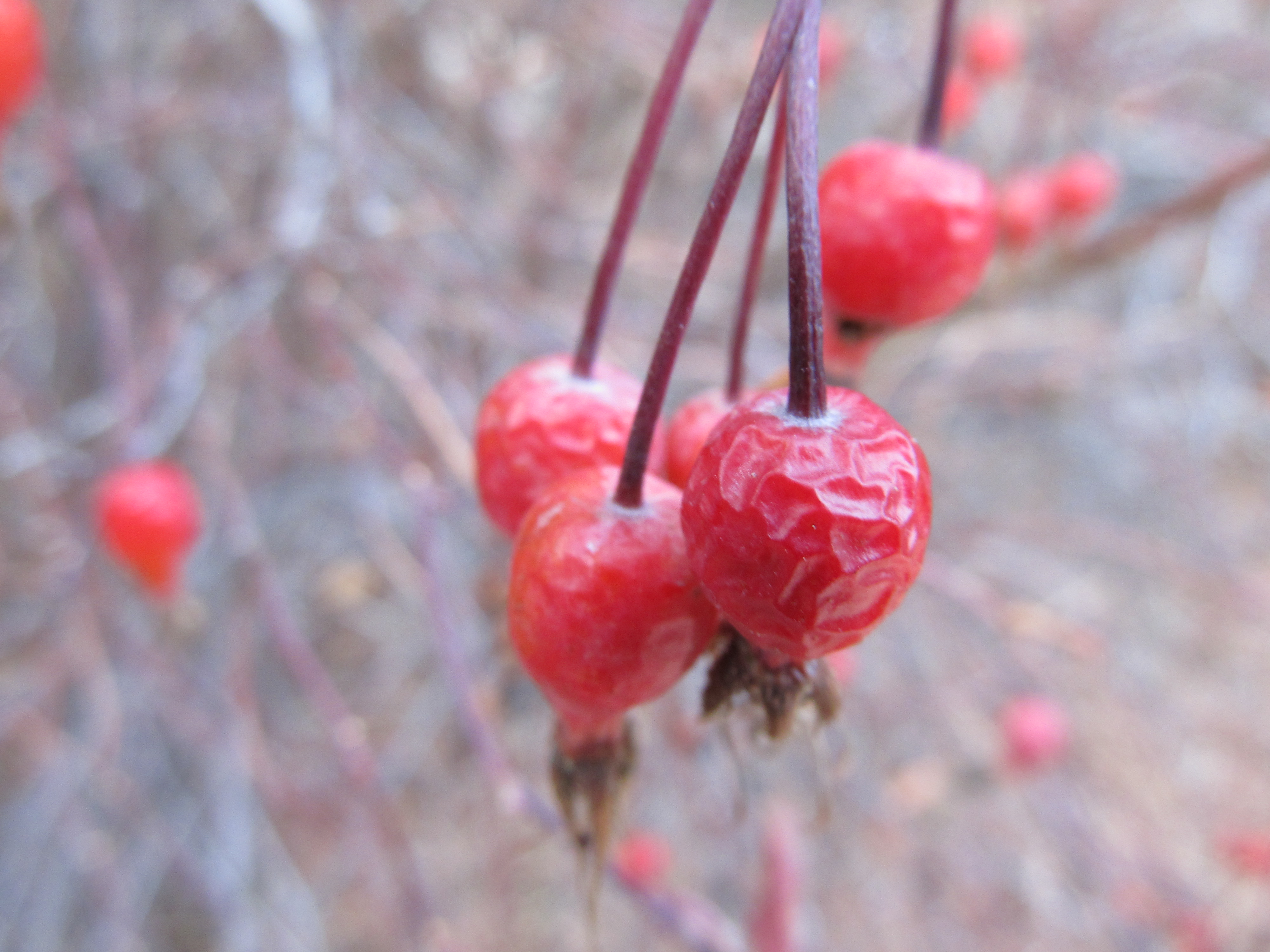
Rose hips on cluster rose (Rosa pisocarpa)

sedum sp. seed head

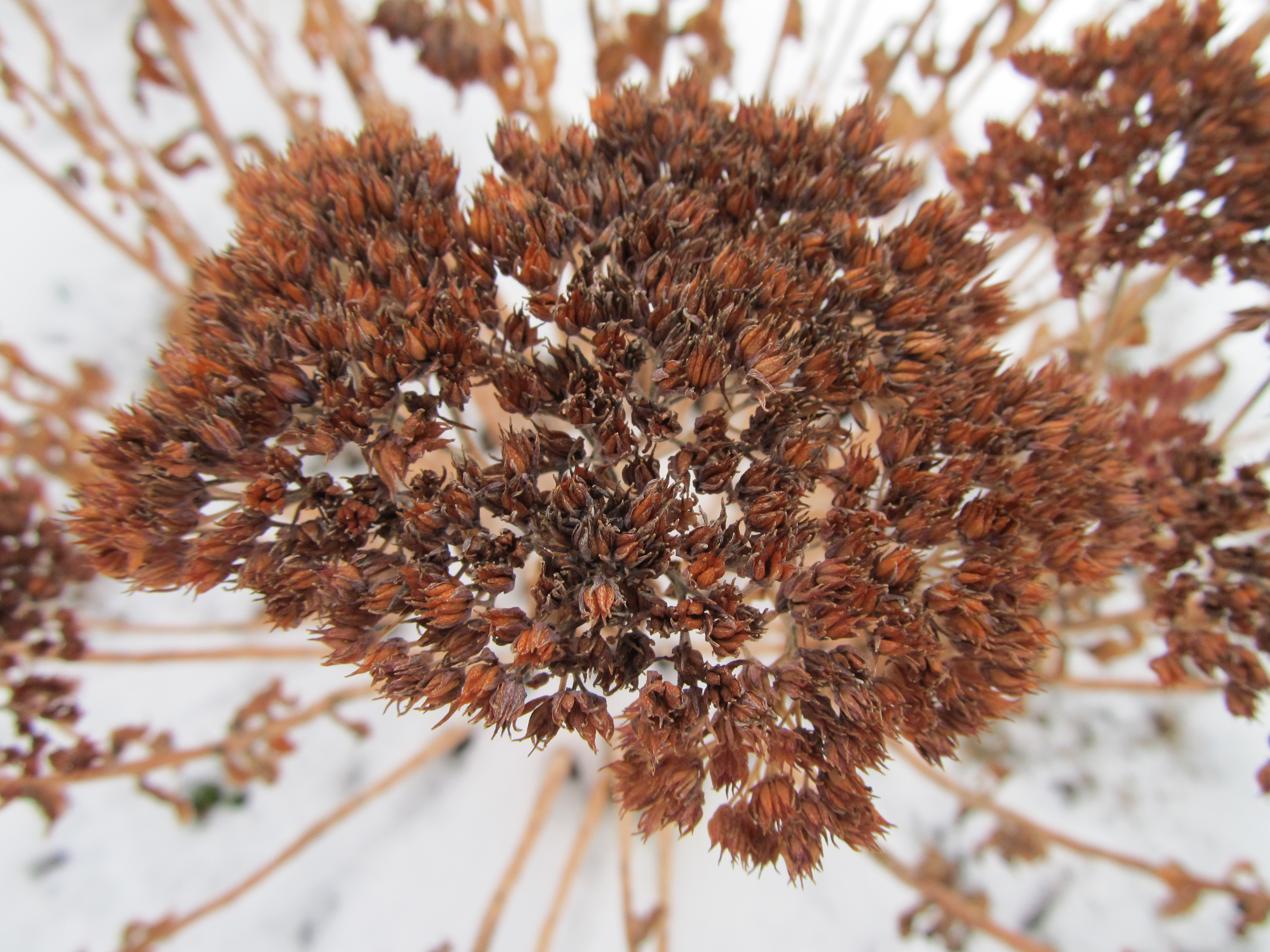
Seed head on showy stonecrop (Sedum telephium ‘Autumn Joy’)

All photos were taken at Idaho Botanical Garden in Boise, Idaho.

Figs and Fig Wasps

Recently I was listening to a past episode of Caustic Soda Podcast in which the hosts briefly discussed fig wasps. I was intrigued by this discussion, having previously never heard of fig wasps, and so I did a little research. As it turns out, what I am about to share with you here is just the tip of the iceberg. The relationship between figs and fig wasps is a complex topic, to the extent where you could easily spend a lifetime studying this relationship and there would still be more to discover.

Ficus is a genus of plants in the  family Moraceae that consists of trees, shrubs, and vines. They are commonly referred to as figs, and there are between 755 and 850 described species of them (depending on the source). The majority of fig species are found in tropical regions, however many of them are found in temperate regions as well. The domesticated fig (Ficus carica), also known as common fig, is widely cultivated throughout the world for its fruit.

common fig

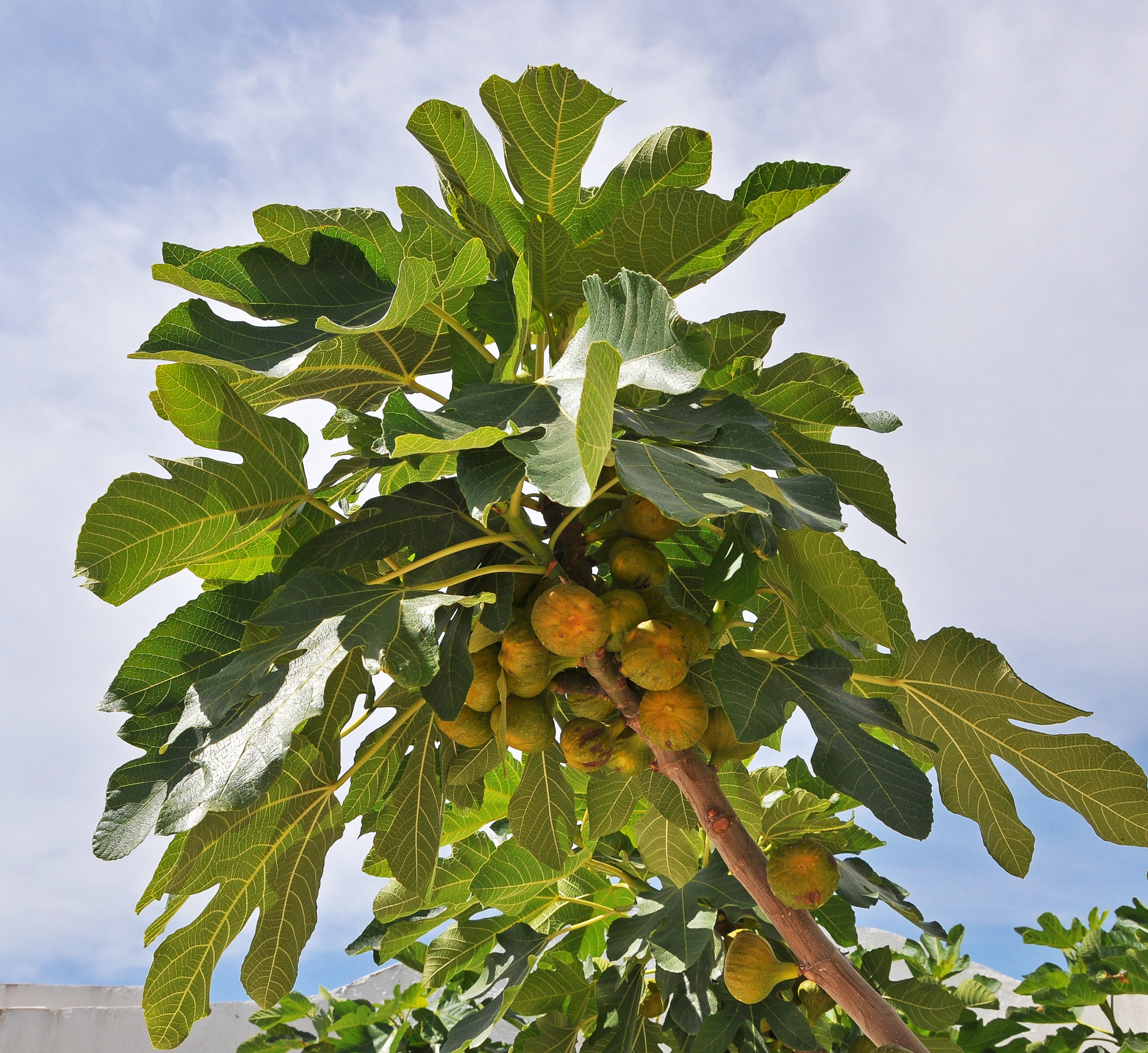
Ficus carica – common fig

photo credit: wikimedia commons

The fruit of figs, also called a fig, is a multiple fruit because it is formed from a cluster of flowers. A fruit is formed by each flower in the cluster, but they all grow together to form what appears to be a single fruit. Now here is where it starts to get bizarre. The flowers of figs are contained inside a structure called a syconium, which is essentially a modified fleshy stem. The syconium looks like an immature fig. Because they are contained inside syconia, the flowers are not visible from the outside, yet they must be pollinated in order to produce seeds and mature fruits.

This is where the fig wasps come in. “Fig wasp” is a term that refers to all species of chalcid wasps that breed exclusively inside of figs. Fig wasps are in the order Hymenoptera (superfamily Chalcidoidea) and represent at least five families of insects. Figs and fig wasps have coevolved over tens of millions of years, meaning that each species of fig could potentially have a specific species of fig wasp with which it has developed a mutualistic relationship. However, pollinator host sharing and host switching occurs frequently.

Fig wasps are tiny, mere millimeters in length, so they are not the same sort of wasps that you’ll find buzzing around you, disrupting your summer picnic. Fig wasps have to be small though, because in order to pollinate fig flowers they must find their way into a fig. Fortunately, there is a small opening at the base of the fig called an ostiole that has been adapted just for them. What follows is a very basic description of the interaction between fig and fig wasp – remember with the incredible diversity of figs and fig wasps, the specifics are sure to be equally diverse.

First a female wasp carrying the pollen of a fig from which she has recently emerged discovers a fig that is ready to be pollinated. She finds the ostiole and begins to enter the fig. She is tiny, but so is the opening, and so her wings and antennae are ripped off in the process. No worries though, she won’t be needing them anymore. Inside the fig there are two types of flowers – ones with long styles and others with short styles. The female wasp begins to lay her eggs inside the flowers, however she is not able to lay eggs inside the flowers with the long styles. Instead, these flowers get pollinated by the wasp. After all her eggs are laid, the female wasp dies. The fig wasp larvae develop inside galls in the ovaries of the fig flowers, and they emerge from the galls once they have matured into adults. The adult males mate with the females and then begin the arduous task of chewing through the wall of the fig in order to let the females out. After completing this task, they die. The females then leave the figs, bringing pollen with them, and search for a fig of their own to enter and lay eggs. And the cycle continues.

But there is so much more to the story. For example, there are non-pollinating fig wasps that breed inside of figs but do not assist in pollination – freeloaders essentially. And how is the cycle different if the species is monoecious (male and female flowers on the same plant) compared to dioecious (male and female flowers on different plants)? It’s too much to cover here, but visit figweb.org for more information. FigWeb is an excellent resource for learning all about the bizarre and fascinating world of the fig and fig wasp relationship. Also check out the PBS documentary, The Queen of Trees.

This is the first of hopefully many posts on plant and insect interactions. Leave a comment and let me know what plant and insect interactions interest you.

Documentary: What Plants Talk About

Earlier this summer I posted a review of a book called, What a Plant Knows, by Daniel Chamovitz. It’s a book that describes plant senses – senses that are similar to human senses (i.e. seeing, hearing, smelling, etc.). Plants are much more aware of their surroundings than we might initially think, and so I recommend this book to anyone interested in gaining a better understanding of plants and their “awareness”. However, I also understand that this can be an intimidating subject – especially for those who haven’t spent much time studying plants and their biology. Chamovitz wrote his book with the intention of making this subject accessible to everyone. Anyone with even a limited understanding of biology should be able to understand the basic concepts in Chamovitz’s book. However, the subject can still be challenging.

Luckily, a recent documentary by PBS explores similar concepts. It simplifies things even more – exploring the ways in which plants communicate with the world around them, even without having the organs we typically attribute to communication and awareness (i.e. brains, ears, eyes, etc.). The documentary is called What Plants Talk About. I watched it recently and was reminded of Chamovitz’s book. They fit together so well. If you have any interest in this subject at all, I recommend both. If all you are after is a simple introduction, watch the documentary. If the documentary intrigues you, read the book.

There is a lot more to learn about plants and their “awareness,” but these sources are a great start. Watch the documentary and/or read the book and then let me know what you think in the comments below. Meanwhile, we wait in anticipation of what science might discover next concerning this remarkable aspect of the plant kingdom.

Autumn Leaves

It’s October, so fall is in full force in the northern hemisphere. Days are shorter and temperatures are cooler, but one sure sign that fall is here is that the leaves on deciduous trees are changing colors. Every autumn, leaves that were once a familiar green turn brilliantly red, fiery orange, or vibrantly yellow. And then they fall to the ground leaving trees exposed – just trunks and branches  – skeletons of what they once were during warmer and brighter days.

But why?

Surprisingly enough, the colors seen in autumn are largely present in the leaves throughout their lives, but we don’t see them. We only see green. This is because chloroplasts (cell organelles responsible for carrying out photosynthesis) contain chlorophyll, one of three main pigments found in the cells of leaves throughout the growing season. Chlorophyll absorbs red and blue light and reflects green light. Because chloroplasts are so abundant in the cells of leaves, leaves look green.

But carotenoids are hanging around, too. The second of the three main pigments, carotenoids protect chlorophyll from oxidation and aid in photosynthesis. They reflect blue-green and blue light and appear yellow, however their population is considerably smaller compared to chlorophyll, so their yellow color is masked.

When day length decreases, the level of chlorophyll in plant cells diminishes. As a result, the yellow color of the carotenoids begins to show. Also, a layer of cells called the abscission layer forms between branches and petioles (i.e. leaf stems). This abscission layer is what eventually causes branches to drop their leaves. As the chlorophyll begins to die off and the abscission layer forms, anthocyanins (the third of the three main pigments found in plant cells) are synthesized. Anthocyanins absorb blue, blue-green, and green light and appear red.

With chlorophyll virtually absent (and photosynthesis brought to a halt) carotenoids and anthocyanins become the major pigments found in leaves, giving them the autumn colors we are accustomed to seeing. But here is where it gets tricky…

Fall leaf color is largely dependent on various environmental conditions, including temperature, amount of sunlight, and soil moisture. If autumn is warm and wet, chlorophyll may be slow to die, and anthocyanins may be slow to form. Chlorophyll drops off more readily when it is cool and dry, and anthocyanins synthesize more readily when days are sunny. Dry, sunny days followed by cool, dry nights are said to offer the most vibrant fall colors. Additionally, global climate change is now playing a role, so fall colors may start to appear earlier or later or last longer or shorter depending on the region.

Do you have a favorite place to view fall foliage? Add your comments below.

SAMSUNG

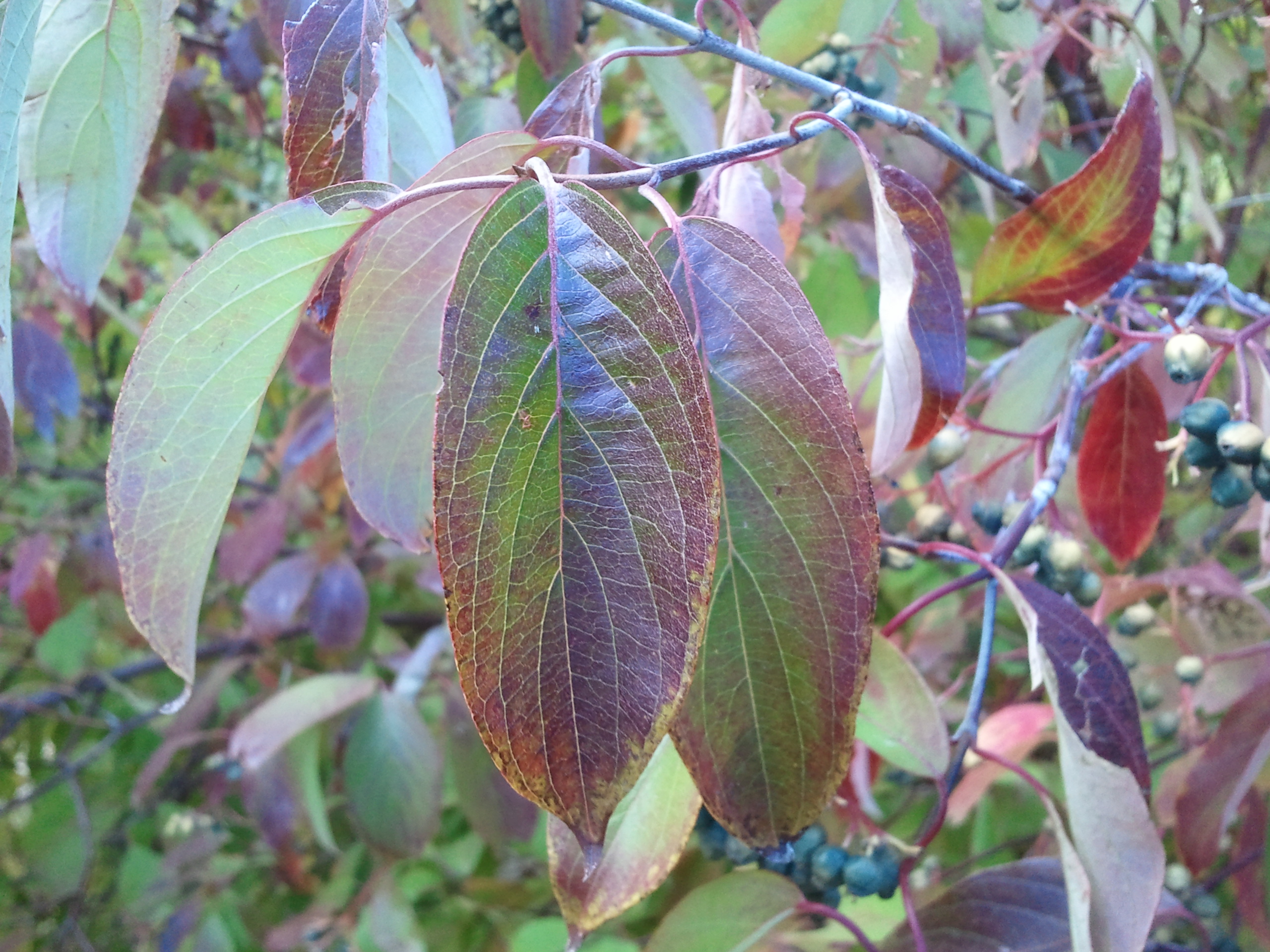
Cornus sericia – red-osier dogwood

SAMSUNG

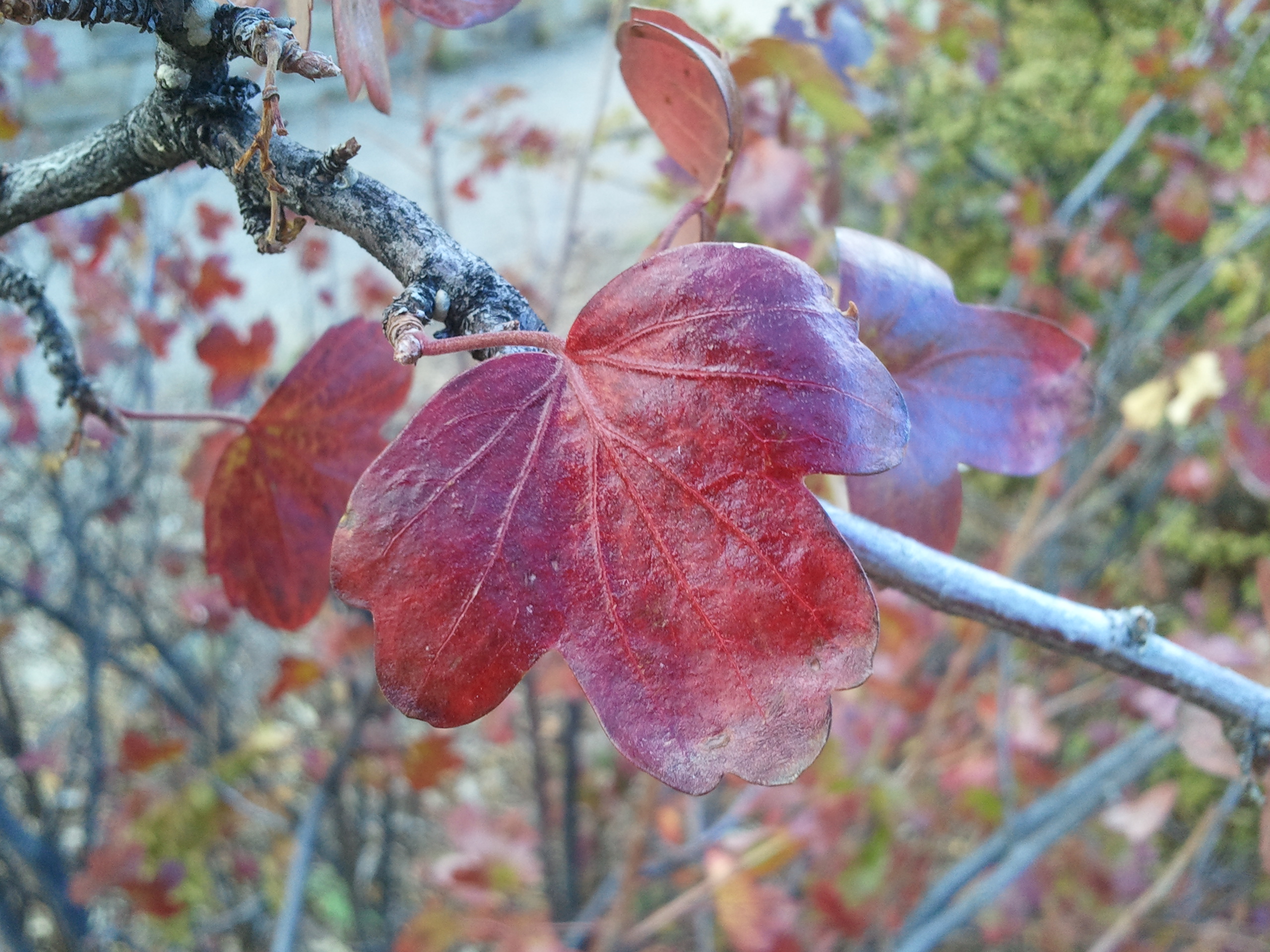
Ribes aureum – golden current

SAMSUNG

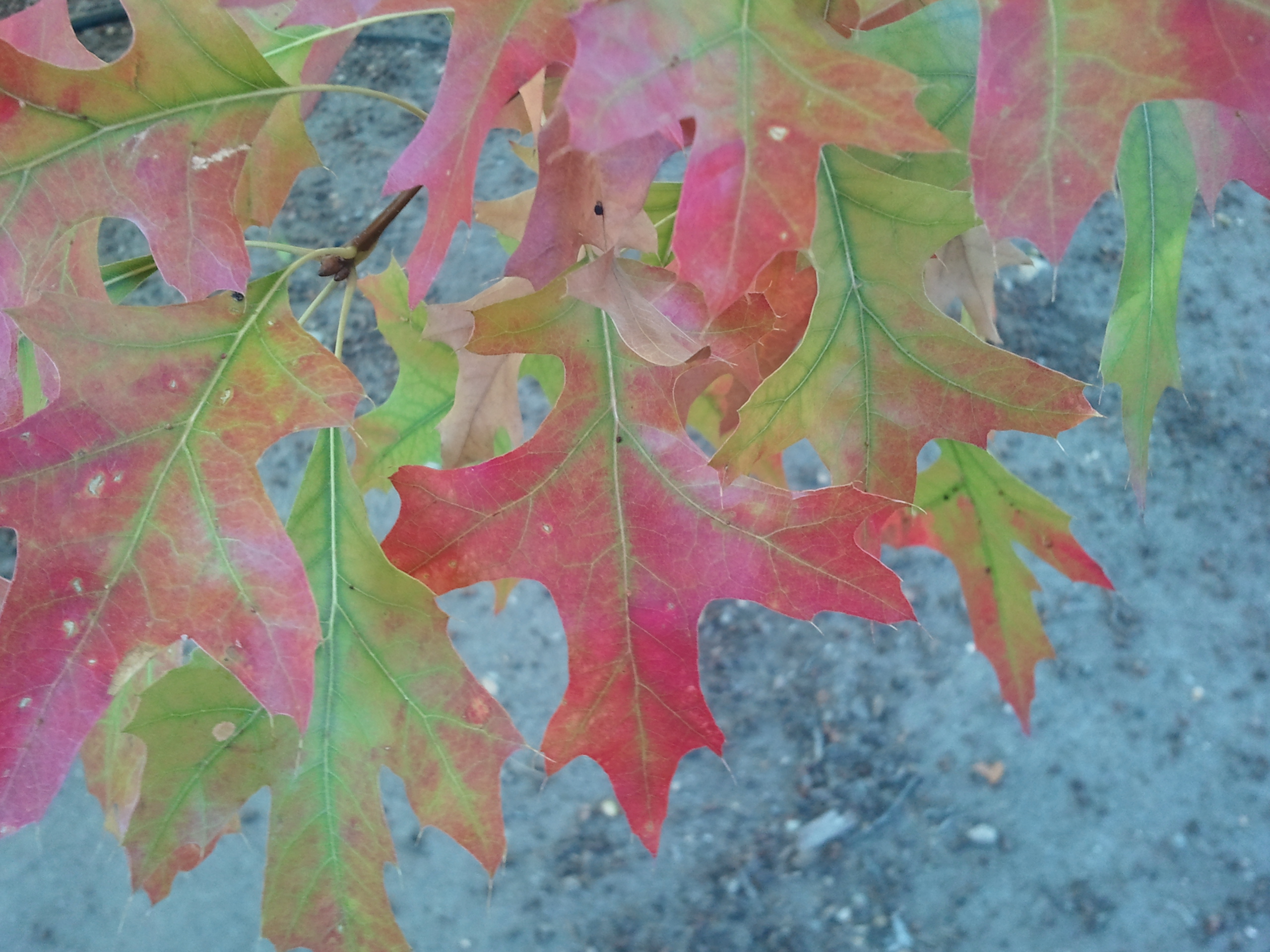
Quercus palustris – pin oak

ash

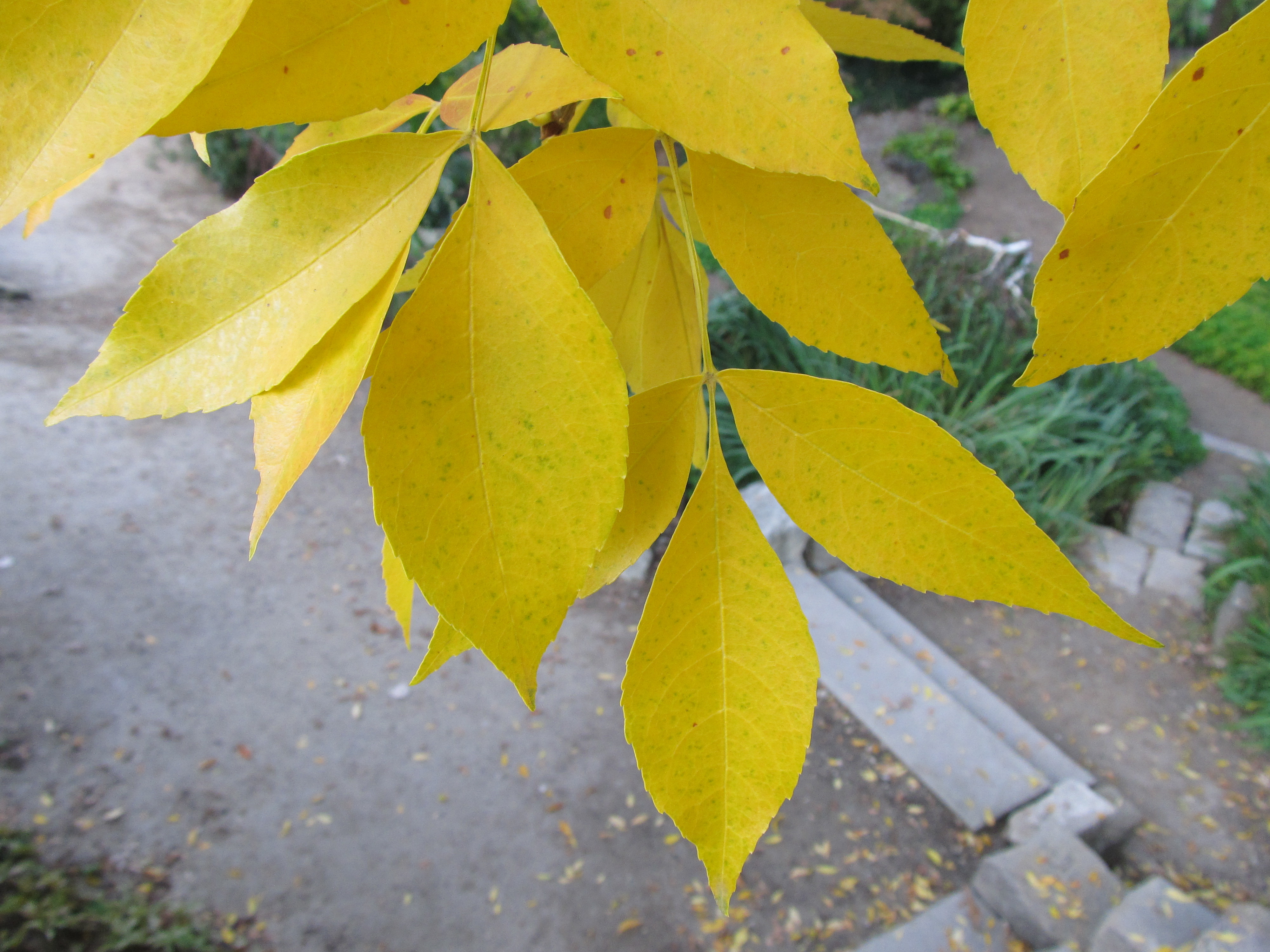
Fraxinus sp. – ash

ailanthus

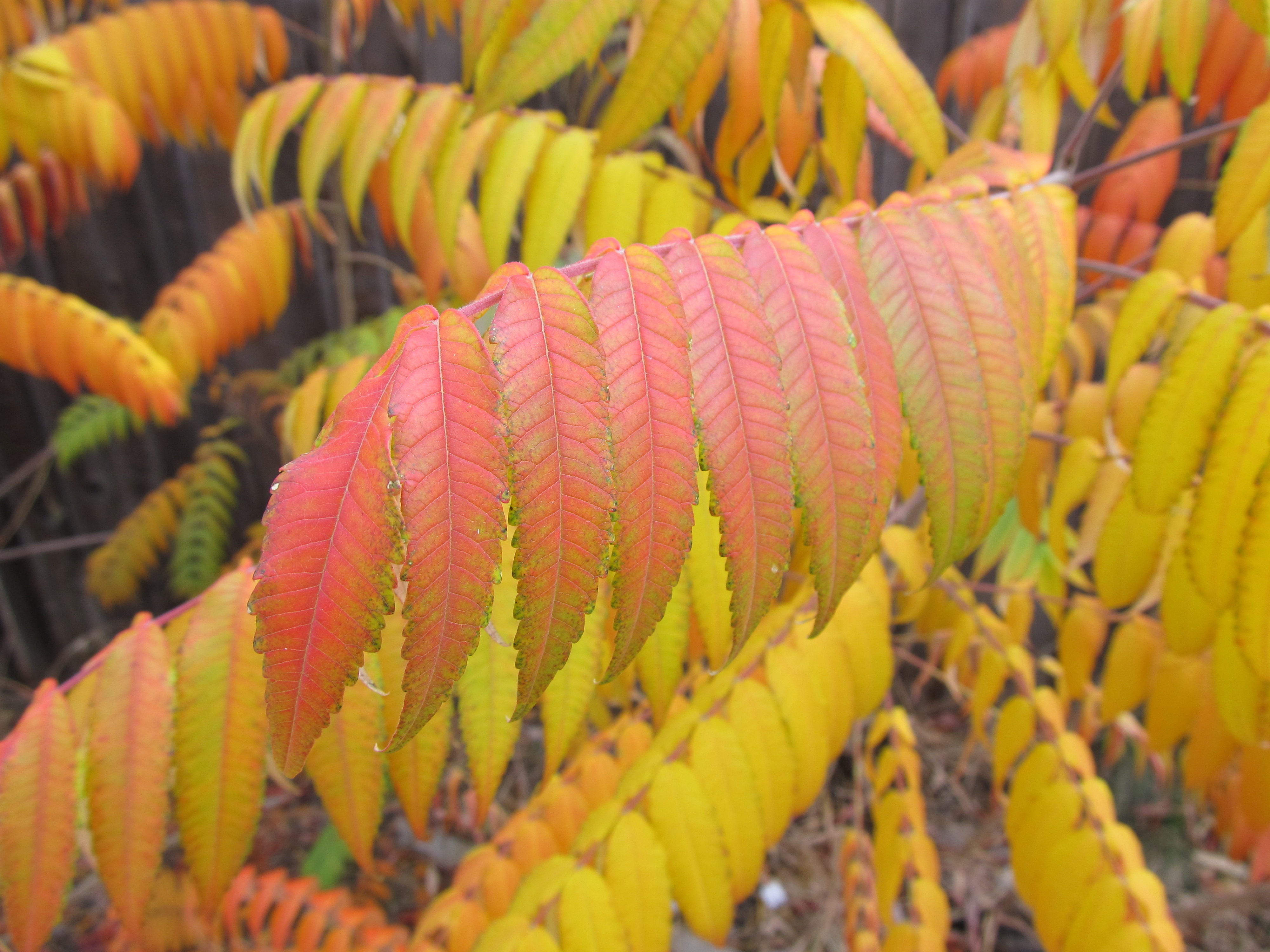
Rhus sp. – sumac

Wildflower Walk: September 2013

Recently I was on a seed collecting trip at Bannister Basin in Payette County, Idaho. From a distance, the area looks like a barren wasteland – especially this time of year. It is hot, dry, and brown. The rolling hills are mostly bare except for dried up weedy grasses and occasional shrubs, and there isn’t a single tree in sight. However, a short hike through the area reveals some interesting plants and bits of color scattered among the drab landscape. It was obviously not the best time or place for a wildflower walk, but the following pictures show a few of the flowers that I was able to find. These are tough species, flourishing in a harsh environment.

chrysothamnus viscidiflorus

Chrysothamnus viscidiflorus – green rabbitbrush

machaeranthera canescens

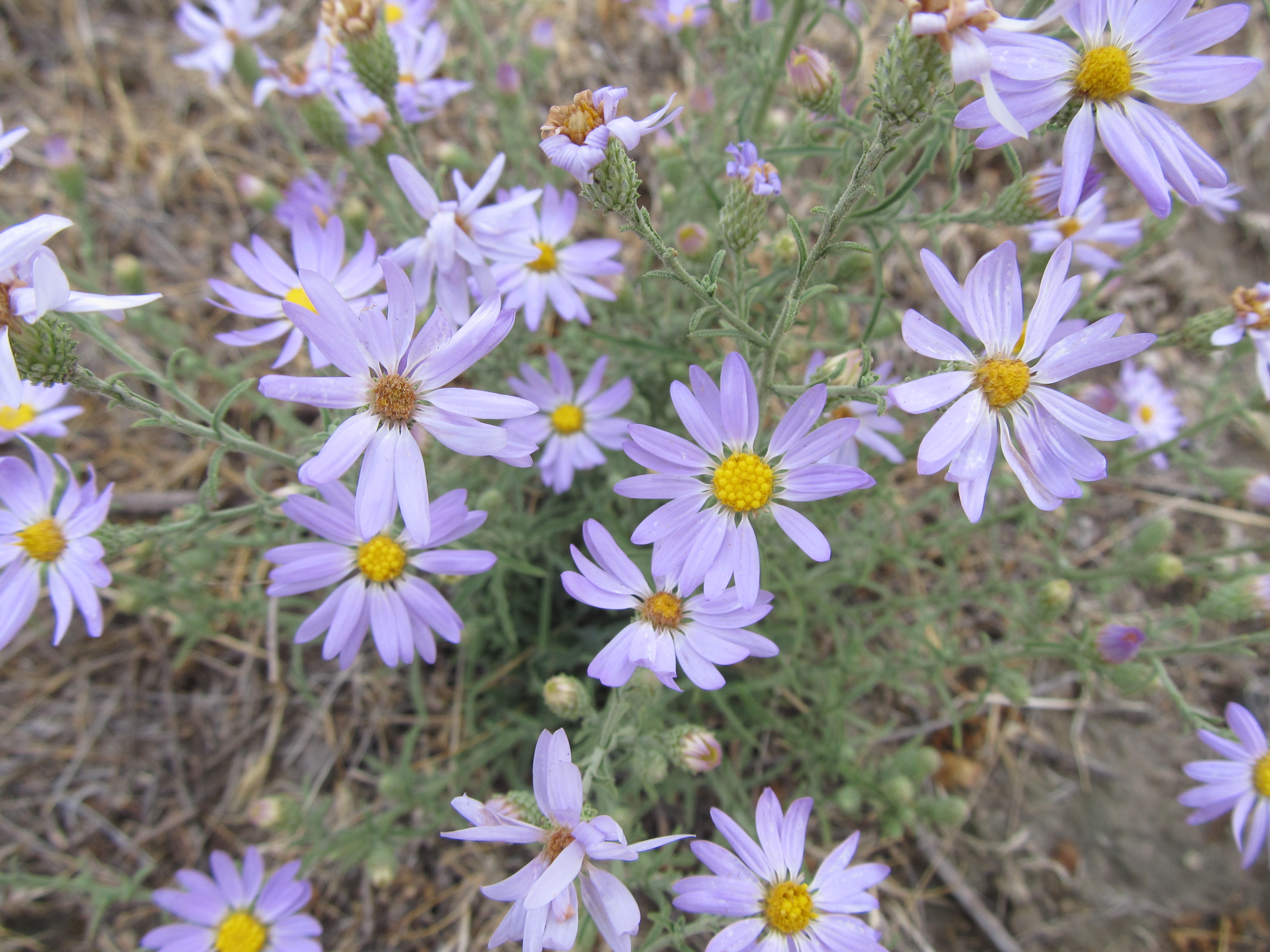
Machaeranthera canescens – hoary tansyaster

SAMSUNG

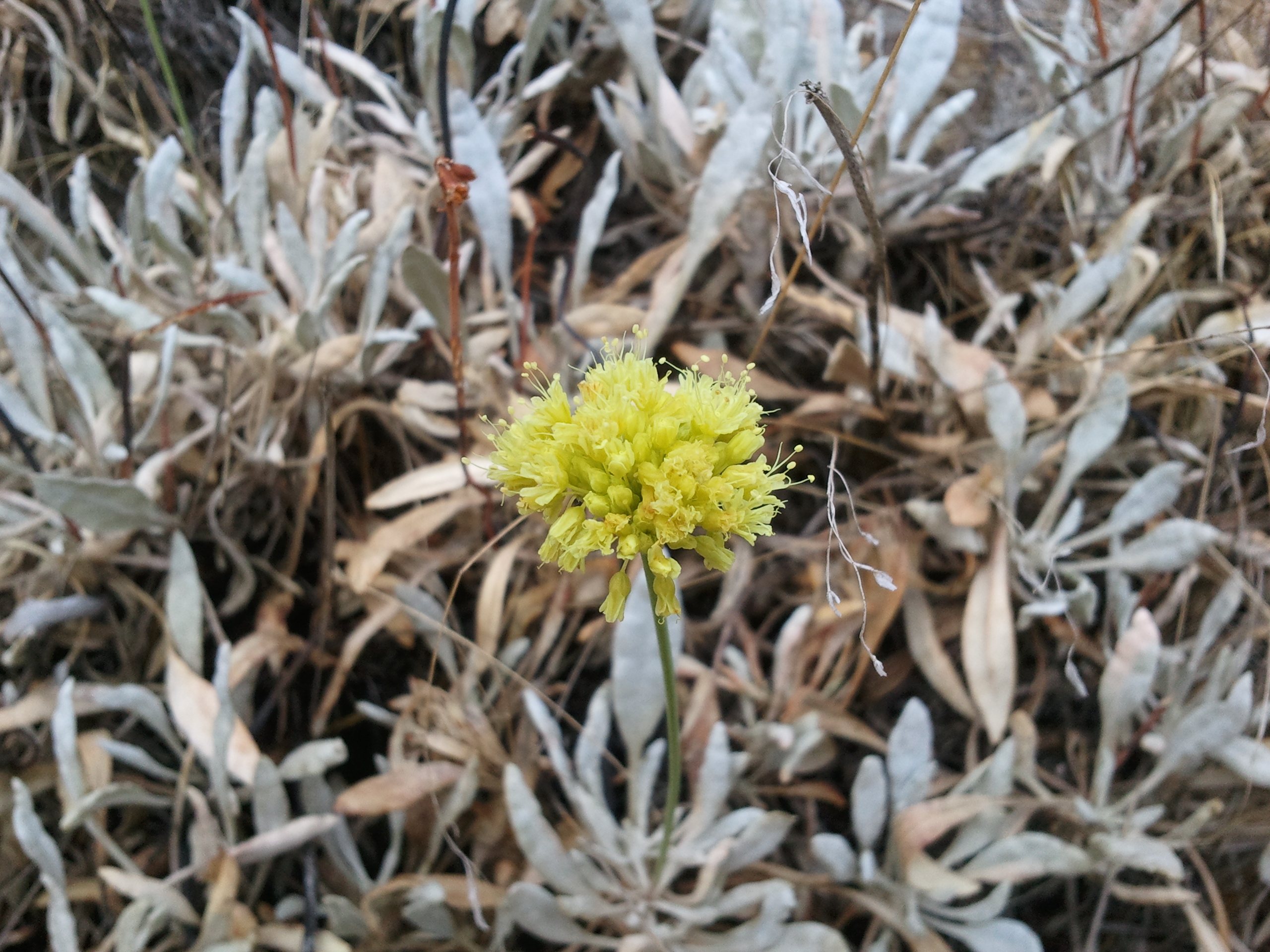
Eriogonum strictum – strict buckwheat

SAMSUNG

Eriogonum sp. – buckwheat

Plant vs. Bike

Summer is drawing to a close in the northern hemisphere. Days are getting shorter. Nights are getting cooler. Fall flowers are beginning to bloom. And bicycles are getting more flat tires.

As an avid bicyclist, I am particularly aware of the waning summer season, especially since I live in a region where Tribulus terrestris is a prevalent weed. Commonly known as puncturevine or goathead, this nuisance plant is the bane of many cyclists’ existence. While the plant itself appears innocent, its fruit is quite the opposite. Rough around the edges and bearing large, rigid spines, puncturevine fruits easily penetrate bike tires, causing flats. They can also result in an uncomfortable experience for the bare-footed.

Native to the Mediterranean region, puncturevine made its way to North America sometime during the European immigration and has since spread across the continent. The fruit of puncturevine is called a bur. Plants with this type of fruit are benefited in two main ways: herbivory deterrent and seed dispersal. The spinyness of the burs deters insects and animals from eating their seeds, and the spines of the burs attach to the feet and fur of animals, etc., aiding in the dispersal of their seeds.

In cool climates, puncturevine is a summer annual. It appears in the heat of the summer, and by late summer the plants have mostly died off, leaving behind hordes of burs, awaiting the arrival of unsuspecting animals, bike tires, and otherwise. The spines of the burs attach themselves to these unsuspecting vicitims and are spread far and wide. The plants typically grow prostrate but can grow upright when they are in shade or being crowded out. They produce large mats that can spread as wide as 6 feet. Their leaves are oppositely oriented and are pinnately compound. Their flowers are small with five bright yellow petals that appear singularly in the axils of leaves. Their fruits are burs that split into 4-5 sections, each containing 1-2 large spines. Their seeds can remain viable for up to 20 years. Puncturevine is a fast growing, drought-tolerant plant with a long, slender taproot. It is commonly found in disturbed sites, along roadways and walkways, and in pastures and fields.

While I am fascinated by this plant, I also abhor it, and so I make an effort to remove and kill it whenever possible. If it weren’t for the countless flat tires it has caused me, I’d probably be more willing to let it be. Bike enthusiasts who have experienced this nuisance nod in agreement.

SAMSUNG

Tribulus terrestris looking sweet and innocent

SAMSUNG

???????????????????

Close-ups of pretty flowers, interesting leaves, and evil burs

puncture vine_1

Bur of puncturevine puncturing bike tire