Ethnobotany: Cattails

“If you ever eat cattails, be sure to cook them well, otherwise the fibers are tough and they take more chewing to get the starchy food from them than they are worth. However, they taste like potatoes after you have been eating them for a couple weeks, and to my way of thinking are extremely good.”  – Sam Gribley in My Side of the Mountain by Jean Craighead George

franz

Illustration by Franz Anthony (www.franzanth.com)

Ask anyone to list plants commonly found in American wetlands, and you can guarantee that cattails will make the list nearly every time. Cattails are widespread throughout the Northern Hemisphere. They are so successful, that it is hard to picture a wetland without them. In her book, Braiding Sweetgrass, Robin Wall Kimmerer discusses this well known association:

Cattails grow in nearly all types of wetlands, wherever there is adequate sun, plentiful nutrients, and soggy ground. Midway between land and water, freshwater marshes are among the most highly productive ecosystems on earth, rivaling the tropical rainforest. People valued the supermarket of the swamp for the cattails, but also as a rich source of fish and game. Fish spawn in the shallows; frogs and salamanders abound. Waterfowl nest here in the safety of the dense sward, and migratory birds seek out cattail marshes for sanctuary on their journeys.

The two most abundant species of cattails in North America are Typha latifolia (common cattail) and Typha angustifolia (narrow leaf cattail). T. angustifolia may have been introduced from Europe. The two species also hybridize to form Typha x glauca. There are about 30 species in the genus Typha, and they share the family Typhaceae with just one other genus. The common names for cattail are nearly as abundant as the plant itself: candlewick, water sausage, corn dog plant, cossack asparagus, reedmace, nailrod, cumbungi, etc., etc.

Cattails have long, upright, blade-like leaves. As they approach the base of the plant, the leaves wrap around each other to form a tight bundle with no apparent stem. As Kimmerer puts it, this arrangement enables the plants to “withstand wind and wave action” because “the collective is strong.” Flowers appear on a tall stalk that reaches up towards the tops of the leaves. The inflorescence is composed of hundreds of separate male and female flowers. Male flowers are produced at the top of the stalk and female flowers are found directly below them. In the spring, the male flowers dump pollen down onto the female flowers, and wind carries excess pollen to nearby plants, producing what looks like yellow smoke.

After pollination, the male flowers fade away, leaving the female flowers to mature into a seed head. Just like the flowers, the seeds are small and held tightly together, maintaining the familiar sausage shape. Each seed has a tuft of “hair” attached to it to aid in wind dispersal. In The Book of Swamp and Bog, John Eastman writes about the abundant seeds (“an estimated average of 220,000 seeds per spike”) of cattail: “A quick experiment, one that Thoreau delighted to perform, demonstrates how tightly the dry seeds are packed in the spike – pull out a small tuft and watch it immediately expand to fill your hand with a downy mass.”

cattails bunch

cattail fluff

Because cattails spread so readily via rhizomes, prolific airborne seeds mostly serve to colonize new sites, away from the thick mass of already established cattails. The ability to dominate vast expanses of shoreline gives cattails an invasive quality that often results in attempts at removal. Various human activities may be aiding their success. Regardless, they provide food and habitat to numerous species of insects, spiders, birds, and mammals. A cattail marsh may not be diverse plant-wise, but it is teeming with all sorts of other life.

Ethnobotanically speaking, it is hard to find many other species that have as many human uses as cattails. For starters, nearly every part of the plant is edible at some point during the year. The rhizomes can be consumed year-round but are best from fall to early spring. They can be roasted, boiled, grated, ground, or dried and milled into flour. Starch collected from pounding and boiling the rhizomes can be used as a thickener. In the spring, young shoots emerging from the rhizomes and the tender core of the leaf bundles can be eaten raw or cooked and taste similar to cucumber. Young flower stalks can be boiled and eaten like corn on the cob and taste similar to artichoke. Pollen, which is high in protein, can be mixed with flour and used to make pancakes and baked goods, among other things. The seeds can be ground into flour or pressed to produce cooking oil.

Cattail leaves can be used to make cords, mats, baskets, thatch, and many other things. Kimmerer writes about the excellent wigwam walls and sleeping mats that weaved cattail leaves make:

The cattails have made a suburb material for shelter in leaves that are long, water-repellent, and packed with closed-cell foam for insulation. … In dry weather, the leaves shrink apart from one another and let the breeze waft between them for ventilation. When the rains come, they swell and close the gap, making the [wall] waterproof. Cattails also make fine sleeping mats. The wax keeps away moisture from the ground and the aerenchyma provide cushioning and insulation.

The fluffy seeds make great tinder for starting fires, as well as excellent insulation and pillow and mattress stuffing. The dry flower stalks can be dipped in fat, lit on fire, and used as a torch. Native Americans used crushed rhizomes as a poultice to treat burns, cuts, sores, etc. A clear gel is found between the tightly bound leaves of cattail. Kimmerer writes, “The cattails make the gel as a defense against microbes and to keep the leaf bases moist when water levels drop.” The gel can be used like aloe vera gel to soothe sunburned skin.

Eastman rattles off a number of commercial uses for cattail: “Flour and cornstarch from rhizomes, ethyl alcohol from the fermented flour, burlap and caulking from rhizome fibers, adhesive from the stems, insulation from the downy spikes, oil from the seeds, rayon from cattail pulp, …” To conclude his section on cattails he writes, “With cattails present, one need not starve, freeze, remain untreated for injury, or want for playthings.”

Additional Resources:

Happy American Wetlands Month!

To kick off this year’s American Wetlands Month, I am reposting something I posted three years ago. I have updated the links and added a few more resources. In celebration, all Awkward Botany posts in May will have something to do with wetlands. An underlying goal of American Wetlands Month is to encourage people to get out and visit wetlands in their area and find out what they can do to help conserve them. Hopefully this series of posts helps to further that aim.

———————

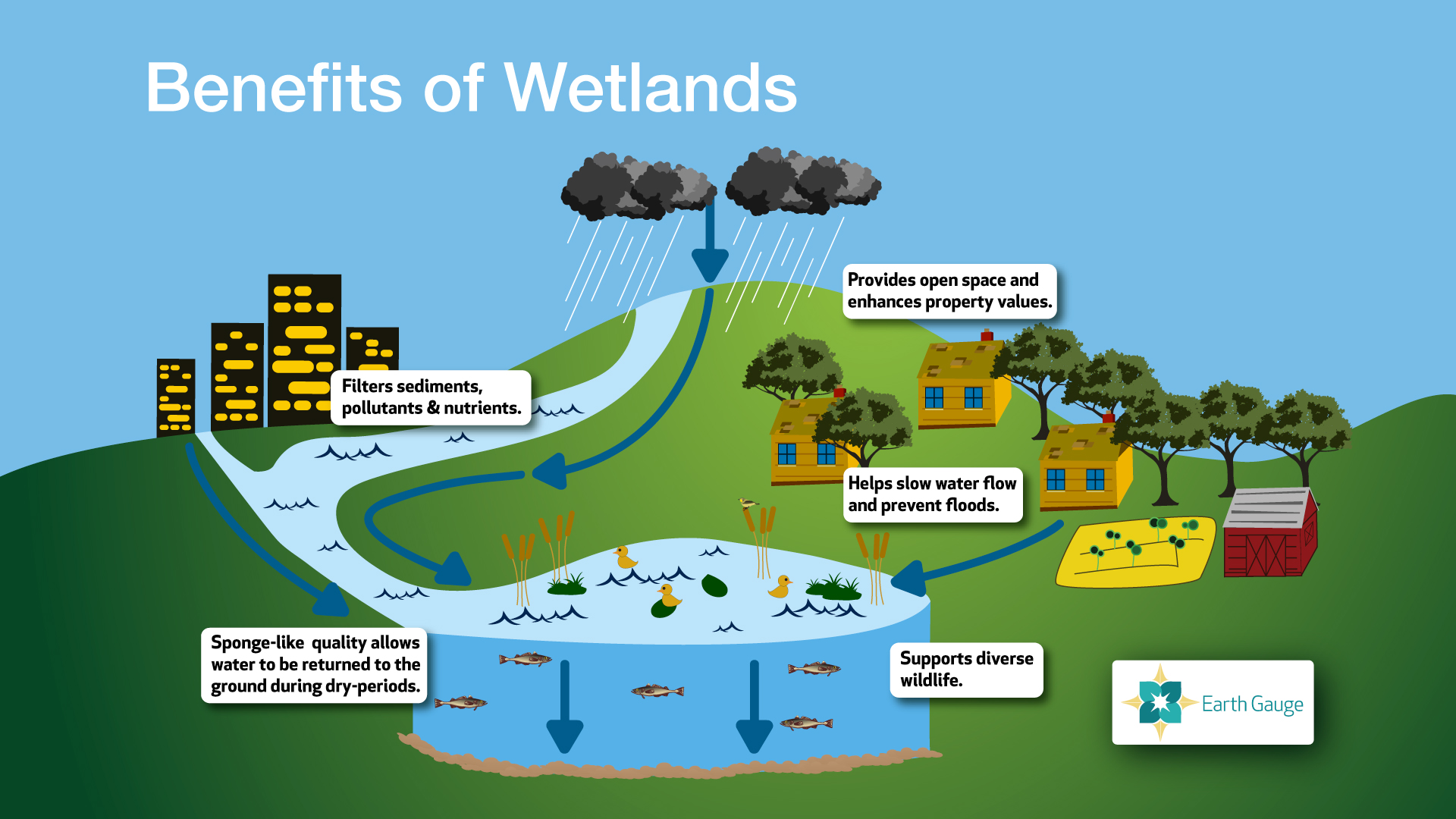
“May is American Wetlands Month! No matter where you live, chances are there’s a wetland nearby that provides important environmental benefits to your community. Wetlands support diverse fish and wildlife species, filter pollutants from rain water runoff, help recharge groundwater supplies, prevent flooding and enhance property values.” – Earth Gauge (A program of the National Environmental Education Foundation)

Wetlands are ecosystems that are characterized by their vegetation (aquatic plants), their soils (formed during anaerobic conditions caused by being flooded or saturated with standing water), and, of course, their state of being largely saturated with water either seasonally or permanently. Examples of natural wetlands include bogs, fens, marshes, and swamps. Wetlands can also be constructed by humans for the purpose of collecting storm water runoff from urban areas in efforts to reduce the risk of flooding and avoid overwhelming municipal sewer systems during large rainstorms.

Wetlands are the most threatened type of ecosystem on earth, and we are losing them at a steady clip. Major threats to wetlands include land development, pollution (agricultural, commercial, residential, etc.), and the introduction of invasive species. Considering the benefits we receive from having wetlands around, it is imperative that we protect them. Earth Gauge offers some suggestions on how to do so.

wetland benefits

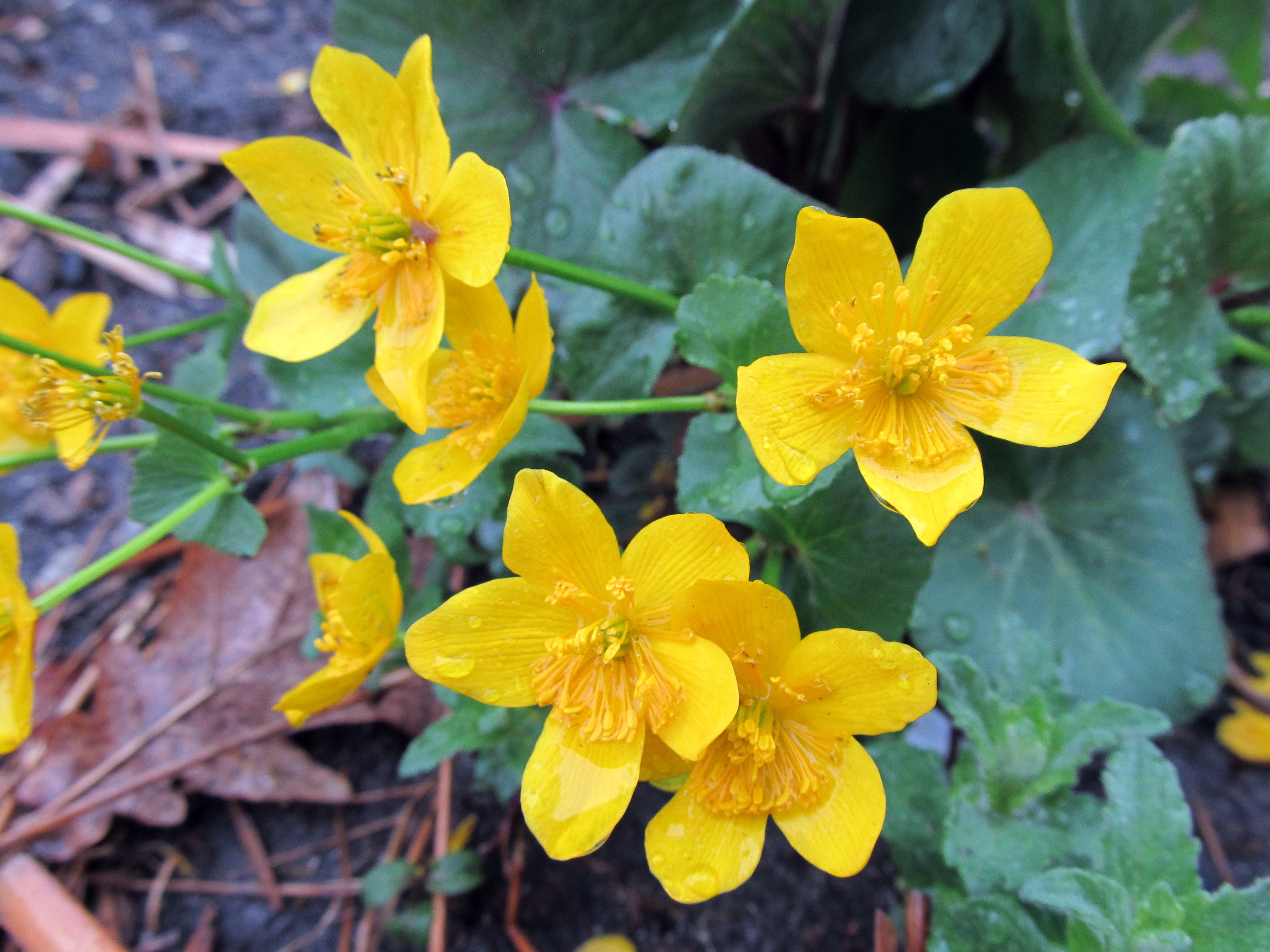
Speaking of wetlands, one of my favorite wetland plant species is marsh marigold (Caltha palustris). It is in the buttercup family (Ranunculaceae) and is common throughout the Northern Hemisphere. I became familiar with this plant when I was volunteering at a wetland in Edwardsville, IL. Perhaps you’ve seen it growing near you.

Marsh Marigold (Caltha palustris) - Photo taken at Idaho Botanical Garden.

Marsh Marigold (Caltha palustris) – Photo taken at Idaho Botanical Garden.

Additional Resources

The Making of a Kill Jar

I often hear stories from plant lovers about their initial nonchalance concerning plants. The common refrain seems to be that they were fascinated by wildlife and largely ignored plant life until they came to the realization that plants were integral in the lives of animals and play a major role in shaping the environments that support all life. Such an epiphany spawns an insatiable obsession with botany, at least for some people.

I seem to be on the opposite trajectory. It’s not like I have ever really been disinterested in animals; I’ve just been significantly more interested in plants and haven’t bothered to learn much about the animal kingdom (with the exception of entomology). My growing fascination with pollination biology (see last year’s Year of Pollination series) isn’t much of a stretch because insects have always appealed to me, and their intimate interactions with plants are hard to ignore. Ultimately, it is my interest in urban ecology and wildlife friendly gardening that is driving me to learn more about animals.

I started this year off by finally reading Doug Tallamy’s popular book, Bringing Nature Home. Tallamy wrote a lot about birds in his book, which got me thinking more about them. I then discovered Welcome to Subirdia, a book by John Marzluff that explores the diversity of birds that live among us in our urban environments. I then found myself paying more attention to birds. Many bird species rely on insects for food at some point in their lives. Plants regularly interact with insects both in defending themselves against herbivory and in attracting insects to assist in pollination. It’s all connected, and it seems I wouldn’t be much of a botanist then if I didn’t also learn about all of the players involved in these complex interactions.

So, now I’m a birdwatcher and an insect collector. Or at least I’m learning to be. Insects are hard to learn much about without capturing them. They often move quickly, making them hard to identify, or they go completely unnoticed because they are tiny and so well hidden or camouflaged. With the help of a net and a kill jar, you can get a closer look. This not only allows you to determine the species of insects that surround you, but it can also help give you an idea of their relative abundances, their life cycles, where they live and what they feed on, etc.

insect net 2_bw

As the name implies, if you’re using a kill jar, your actions will result in the death of insects. Some people will be more pleased about this than others. If killing insects bothers you, don’t worry, insect populations are typically abundant enough that a few individuals sacrificed for science will not hurt the population in a serious way.

Kill jars can be purchased or they can be made very simply with a few easy to find materials. Start with a glass jar with a metal lid. Mix up a small amount of plaster of paris. Pour the wet plaster in the jar, filling it to about one inch. Allow the plaster to dry completely. This process can be sped up by placing the jar in an oven set on warm. When the plaster is dry, “charge” the jar by soaking the plaster with either ethyl acetate, nail polish remover, or rubbing alcohol. I use nail polish remover because it is cheap and easily accessible. It doesn’t work as quickly as pure ethyl acetate, but it is less toxic. Place a paper towel or something soft and dry in the jar. This keeps the insects from getting beaten up too much as they thrash about. Once the insect is dead, it can be easily observed with a hand lens or a dissecting microscope. It can also be pinned, labeled, and added to a collection.

There are several resources online that describe the process of collecting and preserving insects, including instructions for making an inexpensive kill jar, which is why I am keeping this brief and will instead refer you to a couple of such sites. Like this one from Purdue University’s extension program. It’s directed toward youth, but it includes great information for beginners of any age. This post by Dragonfly Woman is a great tutorial for making a kill jar, and there are several other posts on her blog that are very informative for insect collectors of all experience levels.

I guess you could consider this part of my journey of becoming a naturalist. Perhaps you are on a similar journey. If so, share your thoughts and experiences in the comment section below.

Biodiversity Dips When Japanese Rice Paddies Go Fallow

Large-scale farms that generally grow a single crop at a time and are managed conventionally are, by design, lacking in biodiversity. Abandoning such farms and allowing nature to take its course should, not surprisingly, result in a dramatic uptick in biodiversity. Plant colonization of abandoned farmland (also referred to as old field succession) is well studied and is regularly used as an example of secondary succession in ecology textbooks. The scenario seems obvious: cease agriculture operations, relinquish the land back to nature, and given enough time it will be transformed into a thriving natural community replete with diverse forms of plants and animals. This is an oversimplification, of course, and results will vary with each abandoned piece of land depending on the circumstances, but it generally seems to be the story. So what about when it isn’t?

Rice farming in Japan began at least 2400 years ago. Rice had been domesticated in China long before that, and when it eventually arrived in Japan it shaped the culture dramatically. For hundreds of years rice was farmed in small, terraced paddies in the mountains of Japan. Dennis Normile writes about these traditional, rice paddies in a recent issue of Science. He describes how they were found in villages “nestled in a forested valley” accompanied by vegetable plots, orchards, and pasture. Today, farms like these are “endangered,” and as they have become increasingly abandoned, plants, insects, and other wildlife that have historically thrived there are suffering.

Since the 1960’s, a combination of factors has resulted in the decline of traditional rice farming in Japan. For one, large scale farming has led to the consolidation of paddies, which are farmed more intensively. Diets in Japan have also shifted, resulting in a preference for bread and pasta over rice. Additionally, Japan’s population is shrinking, and residents of rural areas are migrating to cities. Traditional rice farmers are aging, and younger generations are showing little interest in pursuing this career.

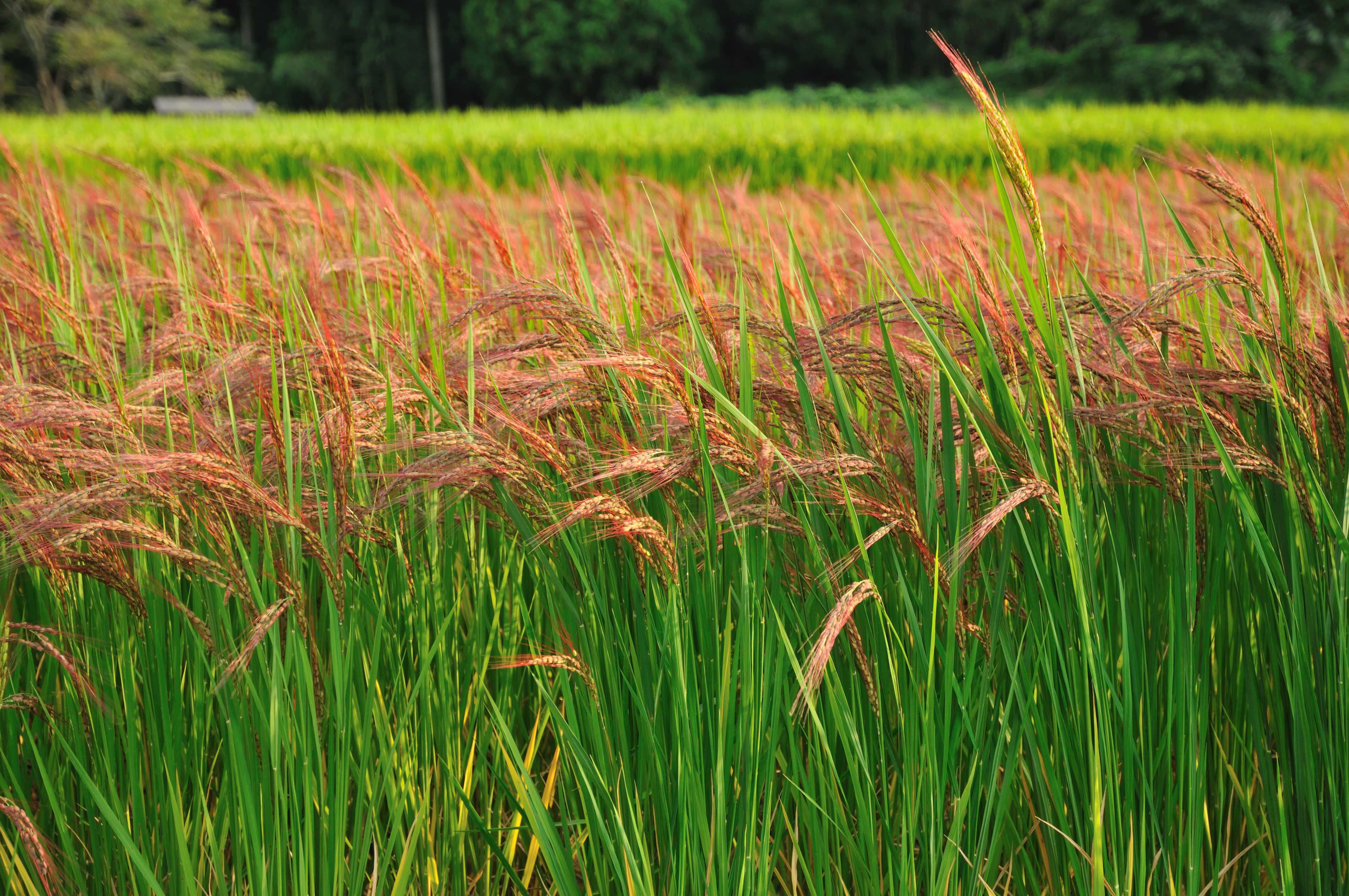
Red rice paddy in Japan - photo credit: wikimedia commons

Red rice paddy in Japan – photo credit: wikimedia commons

Demographic and dietary concerns aside, why in this case is the abandonment of agriculture imperiling species? The answer appears to be in both the way that the rice paddies have been historically managed and the length of time that they have been managed that way. Agriculture, by its very nature, creates novel ecosystems, and if the practice continues long enough, surrounding flora and fauna could theoretically coevolve along with the practice. When the practice is discontinued, species that have come to rely on it become threatened.

Traditional rice paddies are, as Normile describes, “rimmed by banks so that they can be flooded and drained.” Farmers “encouraged wild grassland plants to grow on the banks because the roots stabilize the soil.” The banks are mowed at least twice a year, which helps keep woody shrubs and trees from establishing on the banks. In some areas, rice farming began where primitive people of Japan were burning frequently to encourage grassland habitat. Maintaining grassland species around rice paddies perpetuated the grassland habitat engineered by primitive cultures.

As rice paddies are abandoned and the surrounding grasslands are no longer maintained, invasive species like kudzu and a North American species of goldenrod have been moving in and dominating the landscape resulting in the decline of native plants and insects. Normile reports that the abandoned grasslands are not expected to return to native forests either since “surrounding forests…are a shadow of their old selves.”

Additionally, like most other parts of the world, Japan has lost much of its natural wetland habitat to development. Rice paddies provide habitat for wetland bird species. On paddies that have been abandoned or consolidated, researchers are finding fewer wetland bird species compared to paddies that are managed traditionally.

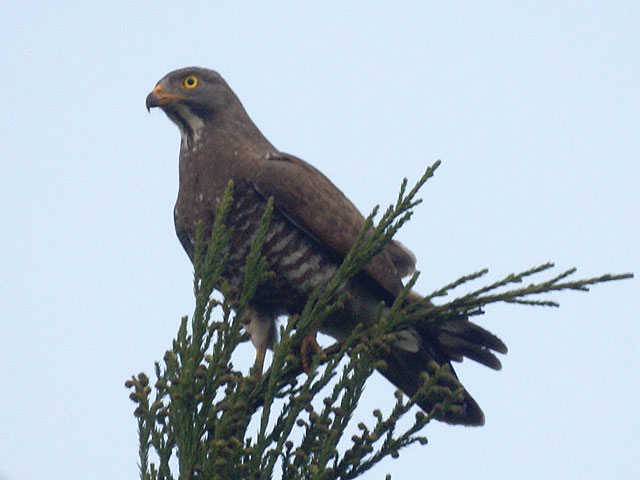
The gray-faced buzzard (Butastur indicus) is listed as vulnerable in Japan. It nests in forests and preys on insects, frogs, and other animals found in grasslands and rice paddies. It's decline has been linked to the abandonment and development of traditionally farmed rice paddies. (photo credit: wikimedia commons)

The gray-faced buzzard (Butastur indicus) is listed as vulnerable in Japan. It nests in forests and preys on insects, frogs, and other animals found in grasslands and rice paddies. Its decline has been linked to the abandonment and development of traditionally farmed rice paddies. (photo credit: wikimedia commons)

All of this adds fodder to an ongoing debate: “whether allowing farmland to revert to nature is a boon to biodiversity or actually harms it.” Where agriculture is a relatively new practice or where conventional practices dominate, abandoning agriculture would be expected to preserve and promote biodiversity. However, where certain agricultural practices have persisted for millenia, abandoning agriculture or converting  to modern day practices could result in endangerment and even extinction of some species. In the latter case, “rewilding” would require thoughtful consideration.

The thing that fascinates me the most about this report is just how intertwined humans are in the ecology of this planet. In many ways humans have done great harm to our environment and to the myriad other species that share it. We are a force to be reckoned with. Yet, the popular view that we are separate, above, apart, or even dominant over nature is an absurd one. For someone who cares deeply about the environment, this view has too often been accompanied by a sort of self-flagellation, cursing myself and my species for what we have done and continue to do to our home planet. Stories like this, however, offer an alternative perspective.

Humans are components of the natural world. We evolved just like every other living thing here, and so our actions as well as the actions of other species have helped shape the way the world looks. If our species had met its demise early in its evolutionary trajectory, the world would look very different. But we persisted, and as it turns out, despite the destruction we have caused and the species we have eliminated, we have simultaneously played a role in the evolution and persistence of many other species as well. We must learn to tread lightly – for the sake of our own species as well as others – but we should also quit considering ourselves “other than” nature, and we should stop beating ourselves up for our collective “mistakes.” It seems that when we come to recognize how connected we are to nature we will have greater motivation to protect it.

Additional Resources:

Attract Pollinators, Grow More Food

It seems obvious to say that on farms that rely on insect pollinators for crops to set fruit, having more pollinators around can lead to higher yields. Beyond that, there are questions to consider. How many pollinators and which ones? To what extent can yields be increased? How does the size and location of the farm come into play? Etc. Thanks to a recent study, one that Science News appropriately referred to as “massive,” some of these questions are being addressed, offering compelling evidence that yields grow dramatically simply by increasing and diversifying pollinator populations.

It is also stating the obvious to say that some farms are more productive than others. The difference between a high yield farm and a low yield farm in a given crop system is referred to as a yield gap. Yield gaps are the result of a combination of factors, including soil health, climate, water availability, and management. For crops that depend on insects for pollination, reduced numbers of pollinators can contribute to yield gaps. This five year study by Lucas A. Garibaldi, et al., pubished in a January 2016 issue of Science, involving 344 fields and 33 different crops on farms located in Africa, Asia, and Latin America demonstrates the importance of managing for pollinator abundance and diversity.

The study locations, which ranged from 0.1 hectare to 327.2 hecatares, were separated into large and small farms. Small farms were considered 2 ha and under. In the developing world, more than 2 billion people rely on farms of this size, and many of these farms have low yields. In this study, low yielding farms on average had yields that were a mere 47% of high yielding farms. Researchers wanted to know to what degree enhancing pollinator density and diversity could help increase yields and close this yield gap.

By performing coordinated experiments for five years on farms all over the world and by using a standardized sampling protocol, the researchers were able to determine that higher pollinator densities could close the yield gap on small farms by 24%. For larger farms, such yield increases were seen only when there was both higher pollinator density and diversity. Honeybees were found to be the dominant pollinator in larger fields, and having additional pollinator species present helped to enhance yields.

These results suggest that, as the authors state, “there are large opportunities to increase flower-visitor densities and yields” on low yielding farms to better match the levels of “the best farms.” Poor performing farms can be improved simply by managing for increased pollinator populations. The authors advise that such farms employ “a combination of practices,” such as “sowing flower strips and planting hedgerows, providing nesting resources, [practicing] more targeted use of pesticides, and/or [restoring] semi-natural and natural areas adjacent to crops.” The authors conclude that this case study offers evidence that “ecological intensification [improving agriculture by enhancing ecological functions and biodiversity] can create mutually beneficial scenarios between biodiversity and crop yields worldwide.”

photo credit: wikimedia commons

photo credit: wikimedia commons

A study like this, while aimed at improving crop yields in developing nations, should be viewed as evidence for the importance of protecting and strengthening pollinator populations throughout the world. Modern, industrial farms that plant monocultures from one edge of the field to the other and that include little or no natural area – or weedy, overgrown area for that matter – are helping to place pollinator populations in peril. In this study, after considering numerous covariables, the authors concluded that, “among all the variables we tested, flower-visitor density was the most important predictor of crop yield.”

Back to stating the obvious, if pollinators aren’t present yields decline, and as far as I’m aware, we don’t have a suitable replacement for what nature does best.

This study is available to read free of charge at ResearchGate. If you are interested in improving pollinator habitat in your neighborhood, check out these past Awkward Botany posts: Planting for Pollinators, Ground Nesting Bees in the Garden, and Hellstrip Pollinator Garden.

Drought Tolerant Plants: The Junipers

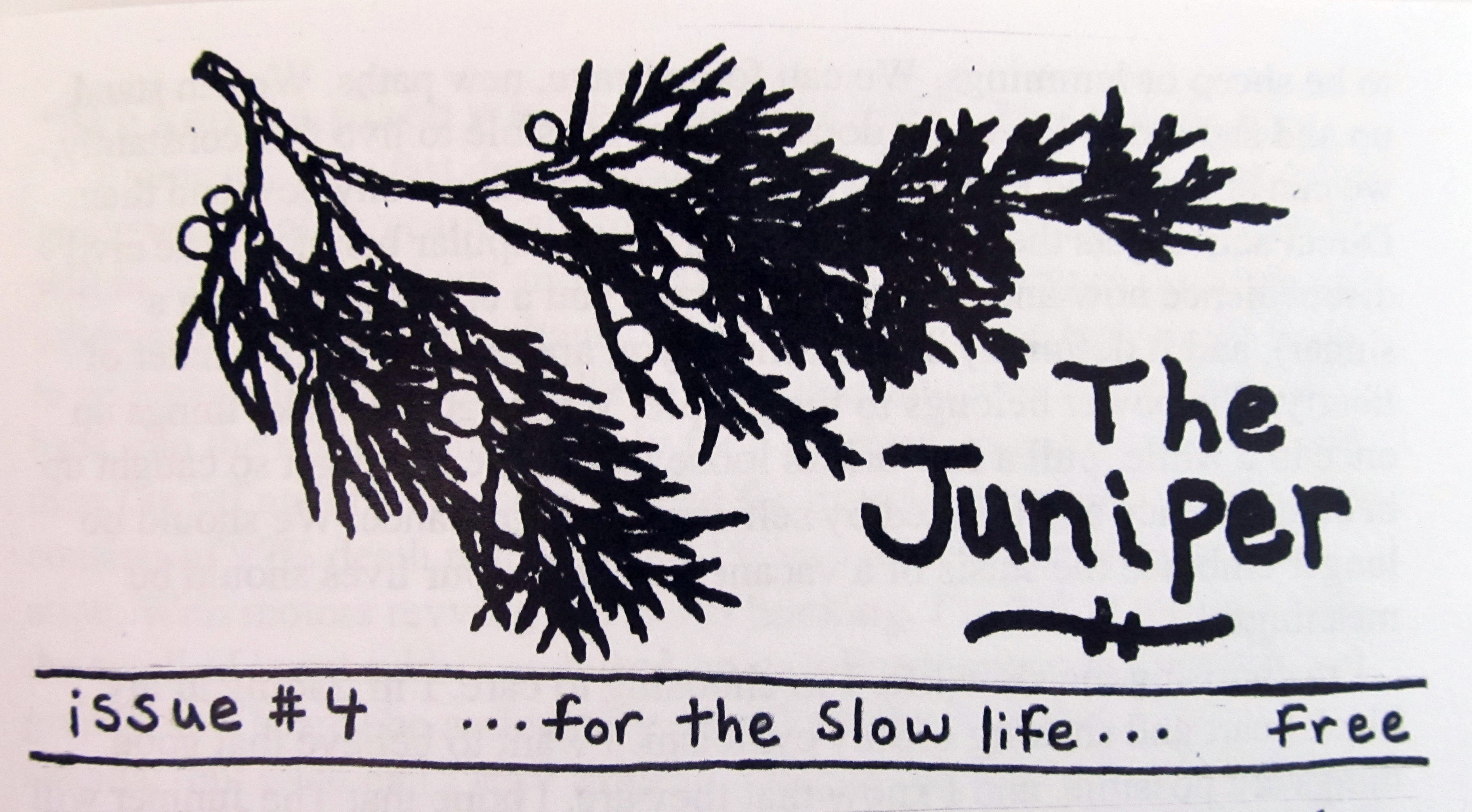
When I first developed a real interest in plants, I was in the heyday of my zine writing career. As my interest in gardening grew, writing a zine about it became inevitable. Initially I envisioned the zine as a journal of sorts – the journal of a budding horticulturist (pun intentional). Since I was new to gardening – and plants in general – the zine was meant to follow my journey as I explored this new world.

A zine needs a name though, so what would I call it? It didn’t take long for me to land on, The Juniper. I was familiar with a common disdain for the unsightly, overgrown, neglected, evergreen shrub full of spiders and cobwebs that for whatever reason was at one point planted right outside just about every house in America (a fire hazard, by the way). I was aware that many people were resorting to tearing them out, cursing as they battled the pokey, dirty, half dead things.

That was basically all I knew about junipers – they were common landscape plants that were just as commonly despised. My affection for freaks, geeks, outsiders, and rejects led me to name my zine after a shrub that everyone hated. I guess I just felt like we had something in common, and that despite being the bane of people’s existence, it deserved some recognition.

the juniper zine

And it does. Junipers are an important species in their natural habitats. In some areas they are dominant features to the point where entire plant communities are named after them. Consider the piñon-juniper woodlands of western North America – prominent steppe habitats that occur throughout high desert regions and support diverse forms of wildlife unique to this part of the world. Dan Johnson writes in the book, Steppes, “the piñon-juniper zone dominates huge expanses of the West in varying stages of  health, providing a wealth of habitats and resources to the wildlife and the people who call it home.”

Johnson goes on to describe some of these habitats:

In the Colorado Plateau this zone is dominated by Pinus edulis and Juniperus osteosperma, with J. scopulorum occupying drainages with more moisture. In the Great Basin, P. edulis is replaced by P. monophylla as the dominant piñon pine, still mixing with J. osteosperma, yet as one moves west, this juniper is increasingly replaced by J. occidentalis. Move farther north, and J. occidentalis dominates completely, with neither piñon pine making an appearance.

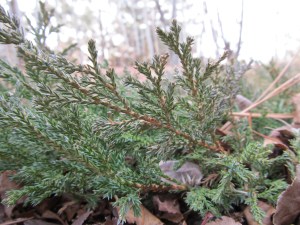
The genus Juniperus is in the cypress family (Cupressaceae) and includes up to 67 species, at least 13 of which are native to North America. They are long-lived plants that range from prostrate, sprawling groundcovers to expansive, bushy shrubs to tall, narrow trees. Their foliage is evergreen and can be either needle-like or scale-like. Most juniper species have needle-like foliage in their seedling and juvenile stages and then scale-like foliage at maturity. Some species, like J. communis, never develop scale-like foliage. Junipers are gymnosperms, so their reproductive structures are housed in cones. However, their cones are fleshy and so are commonly (and mistakenly) referred to as berries or fruits. Juniper cones are most often blue or gray-blue, but in some species they have a red, brown, or orange hue.

In general, junipers are quite drought tolerant, particularly those species that are adapted to hot, dry climates. Again referring to piñon-juniper steppes, Johnson writes, “in prolonged periods of drought, the piñon pines seem to suffer long before the junipers; whole hillsides of pine may go brown, leaving islands of olive-green juniper relatively unscathed.” In the book, Shrubs of the Great Basin, Hugh Mozingo attributes this drought toughness to the scale-like leaves: “Because they are smaller and so closely appressed to the twigs, these scale-like leaves are a superior adaptation to the frequently very dry conditions in piñon-juniper communities.” This herculean ability to survive on little water makes them a great addition to a dry garden.

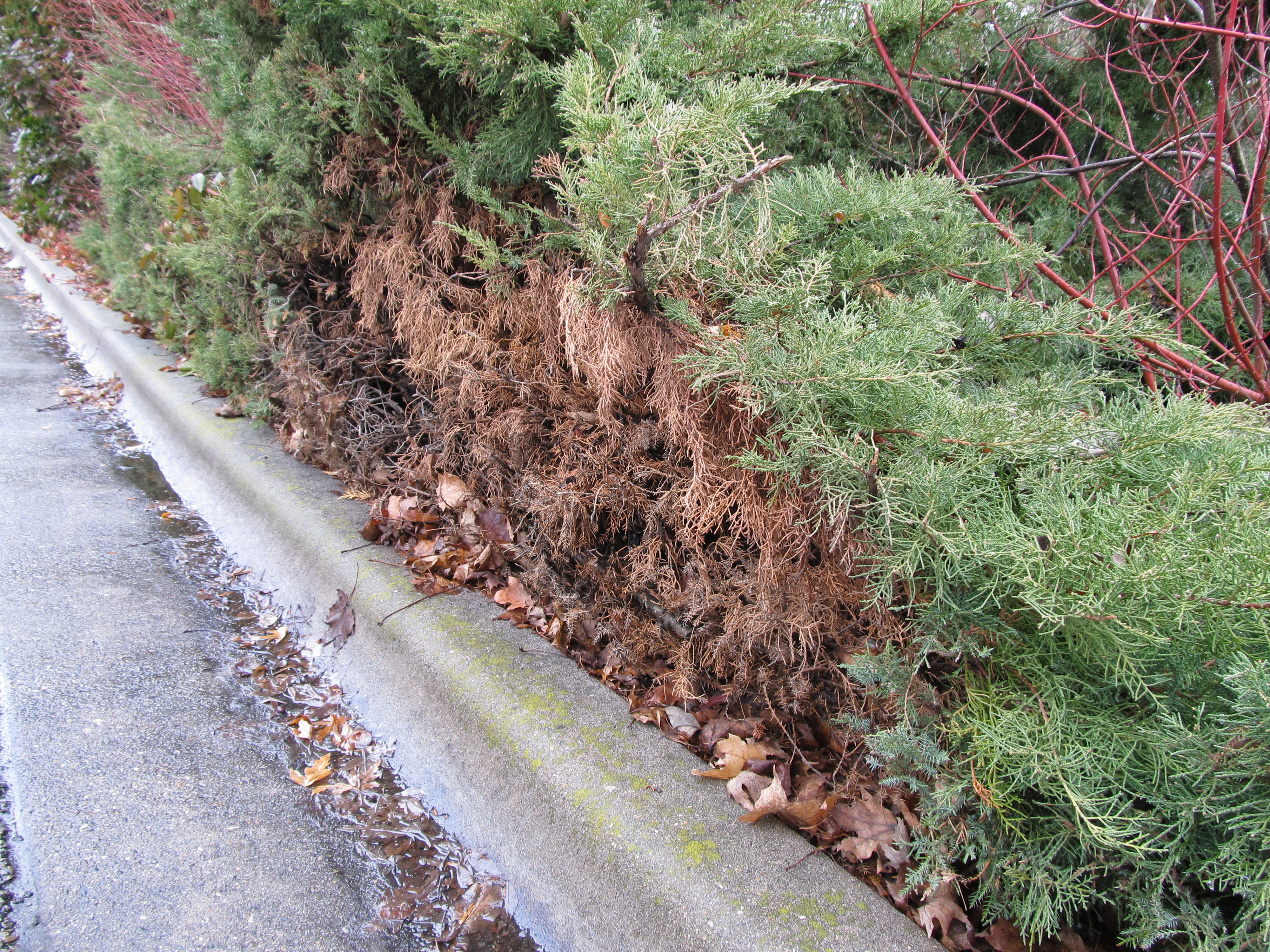
But we may first have to get over our disdain for them. As this post on Chicago Botanic Garden’s website puts it: “Junipers have suffered from overuse and underimagination.” (This article also examines our hatred of juniper bushes). Probably a bigger problem is that, like so many other plants used in a landscape, mature height and width often isn’t taken into consideration, and rather than removing a plant when it gets too big for the site, sheers or a hedge trimmer are regularly deployed. I’m not a huge fan of the sheered look. I much prefer a more natural form to the boxes and globes that are so common in commercial and residential plantings. I’m even less of a fan of the misguided inclination to force a plant to fit in a space that it isn’t meant to be (unless you’re a bonsai artist, I guess). This treatment is what leads to exposing the ugly, brown insides of a juniper shrub – an unsightly look that only makes people hate them more.

Brown insides of juniper shrub exposed after years of forcing the plant to fit in a site that is too small for its britches.

Brown insides of juniper shrub exposed after years of forcing the plant to fit in an improper site.

There are numerous commercially available cultivars of juniper species, offering a plethora of sizes, shapes, and forms as well as various colors of foliage. For small or narrow areas, select dwarf varieties or columnar forms that won’t need to be kept in check, and in all cases let the plant express its authentic self, controlling the urge to sheer and shape it against its will.

As if their natural beauty and low water requirement wasn’t enough, junipers are also great for supporting wildlife. Birds and other animals use them for cover and for nesting sites. The fleshy cones are edible, the shredding bark is used for nesting material, and the evergreen foliage provides much needed protection during winter months. Oh and, among many other benefits that junipers offer humans, their aromatic, fleshy cones have culinary value and are used to flavor gin.

I don’t want to leave the impression that I am opposed to pruning and shaping shrubs. For aesthetic reasons, I think it should be done. However, my opinion is that unnatural shapes should be avoided. Sure, boxed hedge rows have their place in certain types of gardens, but my preference is towards more natural shapes. The following video by University of Illinois Extension provides a brief tutorial on how to achieve that.   

Confidential Carnivore

This is a guest post. Words and images by Jeremiah Sandler

———————

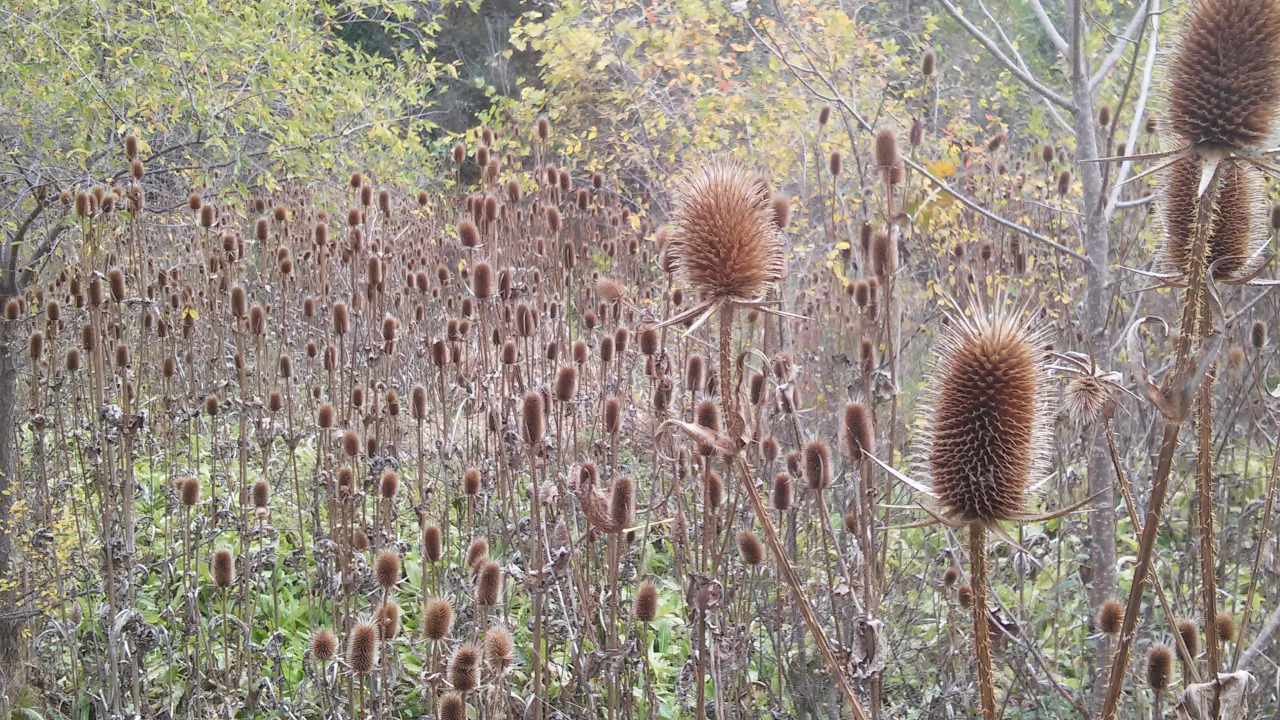
If you live in North America or Europe, chances are you have seen Dipsacus fullonum, commonly called teasel.  Its tall (up to 2 meters), spiky flower stalks with large purple flowers are easy to spot in low-lands, ditches, or along highways.  Since this prolific seeder’s introduction to North America from Europe, it has steadily increased its habitat to occupy nearly each region of the United States. Of course, like all plants, teasel has its preferences and is more frequent in some areas than in others.

dipsacus fullonum_jeremiah sandler

Teasel is an unassuming, herbaceous biennial.  It takes two years to complete its life cycle: First-year growth is spent as a basal rosette, and second-year growth is devoted to flowering.  Standard biennial, right?  As of 2011, an experiment was conducted on this plant that changed the way we see teasel, and possibly all other similar plants.

“Here we report on evidence for reproductive benefits from carnivory in a plant showing none of the ecological or life history traits of standard carnivorous species.” -Excerpt from the report titled Carnivory in the Teasel Dipsacus fullonum — The Effect of Experimental Feeding on Growth and Seed Set by Peter J.A. Shaw and Kyle Shackleton.

We all have favorite carnivorous plants, Venus flytraps, pitcher plants, sundews, etc.. Their showy traps and various means of attracting insects are all marvels of evolution in the plant kingdom.  These insectivorous plants evolved these means of nutrient acquisition in an answer to the lack of nutrients in their environment’s soil.  In some of these plants, there is a direct relationship between number of insects consumed and the size of the entire plant. In others, there is no such relationship.

The unassuming, biennial teasel can now join the ranks of carnivore, or protocarnivore.  It didn’t evolve in bogs or swamps where soil nutrients are depleted.  It has no relationship to the standard carnivorous species. It doesn’t have any flashy traps. In fact, it has no obvious traits which suggest it can gain nutrients from insects. Teasel’s carnivorous habits can be likened somewhat to the carnivorous habits of bromeliads; water gathered in their leaves traps insects.

In Shaw and Shackleton’s experiment (done in two field populations), maggots were placed in water gathered in the center of some first-year rosettes of teasel.  Other rosettes in the same population were left alone as controls.  Not surprisingly, the teasels which were ‘fed’ larvae did not change in overall size.  The size of the overwintering rosette did not offer any predictability towards the size of flower shoots for the coming year. However, something strange did happen:

“…addition of dead dipteran larvae to leaf bases caused a 30% increase in seed set and the seed mass:biomass ratio.”…“These results provide the first empirical evidence for Dipsacus displaying one of the principal criteria for carnivory”

Teasel has some physiology to absorb nutrients from other macroorganisms despite teasel evolving in an entirely different setting than typical carnivorous plants.  Teasel’s already proficient reproductive capacity is enhanced by using insects as a form of nutrients in a controlled setting.  

Many exciting questions have been raised by this experiment. How has this absorption mechanism come about, without the obvious use of lures or other structures to attract insects? And how does teasel maximize upon its own morphology in the wild, if at all?  What would the results be if these experiments were recreated on other similar species?

There are studies being conducted all the time that further the boundaries of what we know about these stationary organisms. There are new discoveries waiting just around the corner. Carnivory in plants is amazing because it transcends common notions about plants; especially in the case of the unassuming teasel.

Selected Resources:

———————

Jeremiah Sandler lives in southeast Michigan where he works in the plant health care industry. He has a degree in horticultural sciences and is an ISA certified arborist. He is interested in all things plant related and plans to own a horticulture business where he can share his passion with others. Follow Jeremiah on Instagram: @j.deepsea

———————

Would you like to write a guest post? Or contribute to Awkward Botany in some other way? Find out how.

Year of Pollination: Botanical Terms for Pollination, part two

“The stage is set for reproduction when, by one means or another, compatible pollen comes to rest on a flower’s stigma. Of the two cells within a pollen grain, one is destined to grow into a long tube, a pollen tube, that penetrates the pistil’s tissues in search of a microscopic opening in one of the ovules, located in the ovary. … The second of a pollen grain’s cells divides to become two sperm that move through the pollen tube and enter the ovule.” – Brian Capon, Botany for Gardeners

“Once pollination occurs, the next step is fertilization. Pollen deposited on the sticky stigma generates a fine pollen tube that conveys the sperm through the style to the ovary, where the ovules, or eggs, have developed. After fertilization, the rest of the flower parts wither and are shed as the ovary swells with seed development.” – Rick Imes, The Practical Botanist

Pollination tells the story of a pollen grain leaving an anther by some means – be it wind, water, or animal – and finding itself deposited atop a stigma. As long as the pollen and stigma are compatible, the sex act proceeds. In other words, the pollen grain germinates. One of the pollen grain’s cells – the tube nucleus – grows down the length of the style, forming a tube through which two sperm nuclei can travel. The sperm nuclei enter the ovary and then, by way of a micropyle, enter an ovule. Inside the ovule is the female gametophyte (also referred to as the embryo sac). One sperm nucleus unites with the egg nucleus to form a zygote. The remaining sperm nucleus unites with two polar nuclei to form a triploid cell which becomes the endosperm. The sex act is complete.

The illustration on the left includes the cross-section of a pistil showing the inside the ovary where pollen tubes have made their way to the ovules. The illustration on the right shows pollen grains germinating on a stigma and their pollen tubes begining to work their way down the style. (photo credit: wikimedia commons)

The illustration on the left includes the cross section of a pistil showing the inside of the ovary where pollen tubes have made their way to the ovules. The illustration on the right shows pollen grains germinating on a stigma and pollen tubes as they work their way down the style. (image credit: wikimedia commons)

The zygote divides by mitosis to become an embryo. The endosperm nourishes the development of the embryo. The ovule matures into a seed, and the ovary develops into a fruit. During this process, the remaining parts of the flower wither and fall away. In some cases, certain flower parts remain attached to the fruit or become part of the fruit. The flesh of an apple, for example, is formed from the carpels and the receptacle (the thickened end of a flower stem – peduncle – to which the parts of a flower are attached).

As the seed matures, the endosperm is either used up or persists to help nourish the embryonic plant after germination. Mature seeds that are abundant in endosperm are called albuminous. Examples include wheat, corn, and other grasses and grains. Mature seeds with endosperm that is either highly reduced or absent are called exalbuminous – beans and peas, for example. Certain species – like orchids – do not produce endosperm at all.

The cross section of a corn kernel showing the endosperm and the embryo (image credit: Encyclopedia Britannica Kids)

The cross section of a corn kernel showing the endosperm and the embryo (image credit: Encyclopedia Britannica Kids)

It is fascinating to consider that virtually every seed we encounter is the result of a single pollen grain making its way from an anther to a stigma, growing a narrow tube down a style, and fertilizing a single ovule. [Of course there are always exceptions. Some plants can produce seeds asexually. See apomixis.] Think of this the next time you are eating corn on the cob or popcorn – each kernel is a single seed – or slicing open a pomegranate to reveal the hundreds of juicy seeds inside. Or better yet, when you are eating the flesh or drinking the milk of a coconut. You are enjoying the solid and liquid endosperm of one very large seed.

Much more can be said about pollination and the events surrounding it, but we’ll save that for future posts. The “Year of Pollination” may be coming to an end, but there remains much to discover and report concerning the subject. For now, here is a fun video to help us review what we’ve learned so far:


Also, take a look at this TED talk: The Hidden Beauty of Pollination by Louie Schwartzberg

And finally, just as the “Year of Pollination” was coming to an end I was introduced to a superb blog called The Amateur Anthecologist. Not only did it teach me that “anthecology” is a term synonymous with pollination biology, it has a great series of posts called “A Year of Pollinators” that showcases photographs and information that the author has collected for various groups of pollinators over the past year. The series includes posts about Bees, Wasps, Moths and ButterfliesFlies, and Beetles, Bugs, and Spiders.

Year of Pollination: Botanical Terms for Pollination, part one

When I began this series of posts, I didn’t have a clear vision of what it would be. I had a budding interest in pollination biology and was anxious to learn all that I could. I figured that calling 2015 the “Year of Pollination” and writing a bunch of pollination-themed posts would help me do that. And it has. However, now that the year is coming to a close, I realize that I neglected to start at the beginning. Typical me.

What is pollination? Why does it matter? The answers to these questions seemed pretty obvious; so obvious, in fact, that I didn’t even think to ask them. That being said, for these last two “Year of Pollination” posts (and the final posts of the year), I am going back to the basics by defining pollination and exploring some of the terms associated with it. One thing is certain, there is still much to be discovered in the field of pollination biology. Making those discoveries starts with a solid understanding of the basics.

Pollination simply defined is the transfer of pollen from an anther to a stigma or – in gymnosperms – from a male cone to a female cone. Essentially, it is one aspect of plant sex, albeit a very important one. Sexual reproduction is one way that plants multiply. Many plants can also reproduce asexually. Asexual reproduction typically requires less energy and resources – no need for flowers, pollen, nectar, seeds, fruit, etc. – and can be accomplished by a single individual without any outside help; however, there is no gene mixing (asexually reproduced offspring are clones) and dispersal is limited (consider the “runners” on a strawberry plant producing plantlets adjacent to the mother plant).

To simplify things, we will consider only pollination that occurs among angiosperms (flowering plants); pollination/plant sex in gymnosperms will be discussed at another time. Despite angiosperms being the youngest group of plants evolutionarily speaking, it is the largest group and thus the type we encounter most.

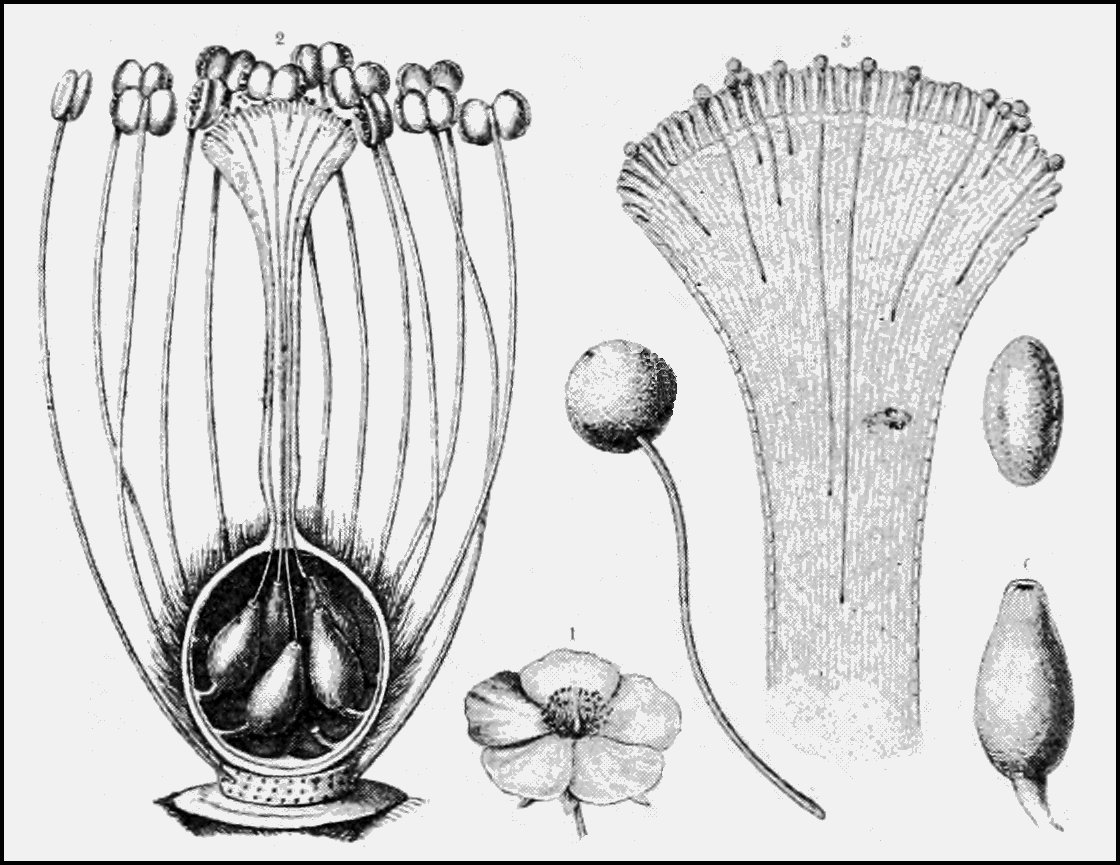
A flower is a modified shoot and the reproductive structure of a flowering plant. Flowers are made up of a number of parts, the two most important being the reproductive organs. The androecium is a collective term for the stamens (what we consider the male sex organs). A stamen is composed of a filament (or stalk) topped with an anther – where pollen (plant sperm) is produced. The gynoecium is the collective term for the pistil (what we consider the female sex organ). This organ is also referred to as a carpel or carpels; this quick guide helps sort that out. A pistil consists of the ovary (which contains the ovules), and a style (or stalk) topped with a stigma – where pollen is deposited. In some cases, flowers have both male and female reproductive organs. In other cases, they have one or the other.

photo credit: wikimedia commons

photo credit: wikimedia commons

When pollen is moved from an anther of one plant to a stigma of another plant, cross-pollination has occurred. When pollen is moved from an anther of one plant to a stigma of the same plant, self-pollination has occurred. Cross-pollination allows for gene transfer, and thus novel genotypes. Self-pollination is akin to asexual production in that offspring are practically identical to the parent. However, where pollinators are limited or where plant populations are small and there is little chance for cross-pollination, self-pollination enables reproduction.

Many species of plants are unable to self-pollinate. In fact, plants have evolved strategies to ensure cross-pollination. In some cases, the stamens and pistils mature at different times so that when pollen is released the stigmas are not ready to receive it or, conversely, the stigmas are receptive before the pollen has been released. In other cases, stigmas are able to recognize their own pollen and will reject it or inhibit it from germinating. Other strategies include producing flowers with stamens and pistils that differ dramatically in size so as to discourage pollen transfer, producing separate male and female flowers on the same plant (monoecy), and producing separate male and female flowers on different plants (dioecy).

As stated earlier, the essence of pollination is getting the pollen from the anthers to the stigmas. Reproduction is an expensive process, so ensuring that this sex act takes place is vital. This is the reason why flowers are often showy, colorful, and fragrant. However, many plants rely on the wind to aid them in pollination (anemophily), and so their flowers are small, inconspicuous, and lack certain parts. They produce massive amounts of tiny, light-weight pollen grains, many of which never reach their intended destination. Grasses, rushes, sedges, and reeds are pollinated this way, as well as many trees (elms, oaks, birches, etc.) Some aquatic plants transport their pollen from anther to stigma via water (hydrophily), and their flowers are also simple, diminutive, and produce loads of pollen.

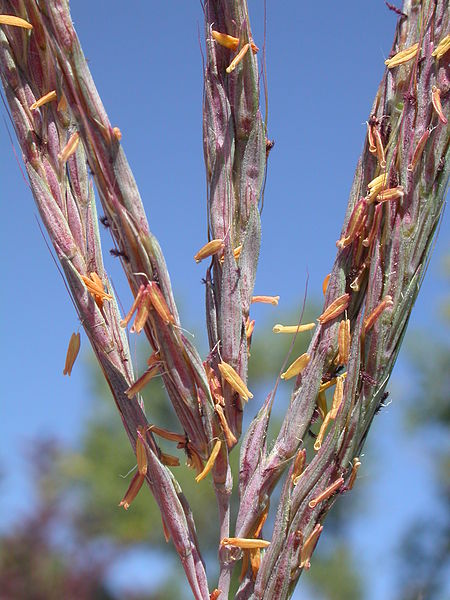
Inforescence of big bluestem (Andropogon gerardii), a wind pollinated plant - pohto credit: wikimedia commons

Inflorescence of big bluestem (Andropogon gerardii), a wind pollinated plant – photo credit: wikimedia commons

Plants that employ animals as pollinators tend to have flowers that we find the most attractive and interesting. They come in all shapes, sizes, and colors and are anywhere from odorless to highly fragrant. Odors vary from sweet to bitter to foul. Many flowers offer nectar as a reward for a pollinator’s service. The nectar is produced in special glands called nectaries deep within the flowers, inviting pollinators to enter the flower where they can be dusted with pollen. The reward is often advertised using nectar guides – patterns of darker colors inside the corolla that direct pollinators towards the nectar. Some of these nectar guides are composed of pigments that reflect the sun’s ultraviolet light – they are invisible to humans but are a sight to behold for many insects.

In part two, we will learn what happens once the pollen has reached the stigma – post-pollination, in other words. But first, a little more about pollen. The term pollen actually refers to a collection of pollen grains. Here is how Michael Allaby defines “pollen grain” in his book The Dictionary of Science for Gardeners: “In seed plants, a structure produced in a microsporangium that contains one tube nucleus and two sperm nuclei, all of them haploid, enclosed by an inner wall rich in cellulose and a very tough outer wall made mainly from sporopollenin. A pollen grain is a gametophyte.”

A pollen grain’s tough outer wall is called exine, and this is what Allaby has to say about that: “It resists decay, and the overall shape of the grain and its surface markings are characteristic for a plant family, sometimes for a genus or even a species. Study of pollen grains preserved in sedimentary deposits, called palynology or pollen analysis, makes it possible to reconstruct past plant communities and, therefore, environments.”

Scanning electron microscope image of pollen grains from narrowleaf evening primrose (Oenothera fruticosa) - photo credit: wikimedia commons

Scanning electron microscope image of pollen grains from narrowleaf evening primrose (Oenothera fruticosa) – photo credit: wikimedia commons

Harvester Ants – Seed Predators and Seed Dispersers

“The abundance of ants is legendary. A worker is less than one-millionth the size of a human being, yet ants taken collectively rival people as dominant organisms on the land. …  When combined, all ants in the world taken together weigh about as much as all human beings.” – Journey to the Ants by Bert Hölldobler and Edward O. Wilson

Considering how abundant and widely distributed ants are, it is easy to imagine the profound role they might play in the ecosystems of which they are a part. In fact, in the epilogue to Hölldobler and Wilson’s popular book about ants (quoted above), they conclude that in a world without ants, “species extinction would increase even more over the present rate, and the land ecosystems would shrivel more rapidly as the considerable services provided by these insects were pulled away.” It is no doubt then that ants, through their myriad interactions with their surroundings, are key players in terrestrial ecosystems.

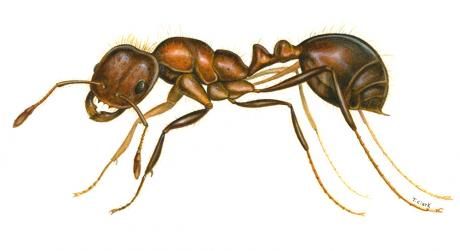
photo credit: www.eol.org

photo credit: www.eol.org

Harvester ants offer a prime example of the important roles that ants can play. In the process of collecting seeds for consumption, harvester ants can help shape the abundance and distribution of the plants in their immediate environment. They do this by selecting the types and amounts of seeds they collect, by abandoning seeds along their collection routes, and by leaving viable seeds to germinate in and around their nests. Hölldobler and Wilson have this to say about harvester ants:

[The] numerical success [of ants] has allowed them to alter not just their nest environments, but the entire habitats in which they live. Harvesting ants, species that regularly include seeds in their diet, have an especially high impact. They consume a large percentage of the seeds produced by plants of many kinds in nearly all terrestrial habitats, from dense tropical forests to deserts. Their influence is not wholly negative. The mistakes they make by losing seeds along the way also disperse plants and compensate at least in part for the damage caused by their predation.

There are more than 150 species of harvester ants, spanning at least 18 genera. They are found throughout the world (except extreme cold locales) and are particularly common in arid to semi-arid environments. Pogonomyrmex is one the largest genera of harvester ants with nearly 70 species occurring throughout North, Central, and South America. Messor is another large genus of harvester ant species that mainly occurs in Europe, Asia, and Africa. Both genera build large nests and move massive amounts of soil in the process.

Seed dispersal by harvester ants (also known as diszoochory) is a type of secondary (or Phase II) seed dispersal. It is a case of serendipity, as the dispersal occurs largely by accident. Some plants, on the other hand, have developed a mutualistic relationship with ants, enlisting them to disperse their seeds by way of an elaiosome – a fleshy, nutritious structure attached to seeds that attracts ants. Seeds with such structures are picked up by ants and brought to their nests where the elaiosome is consumed and the seed is left to germinate. This form of ant-mediated dispersal is called myrmecochory and is typically not carried out by harvester ants.

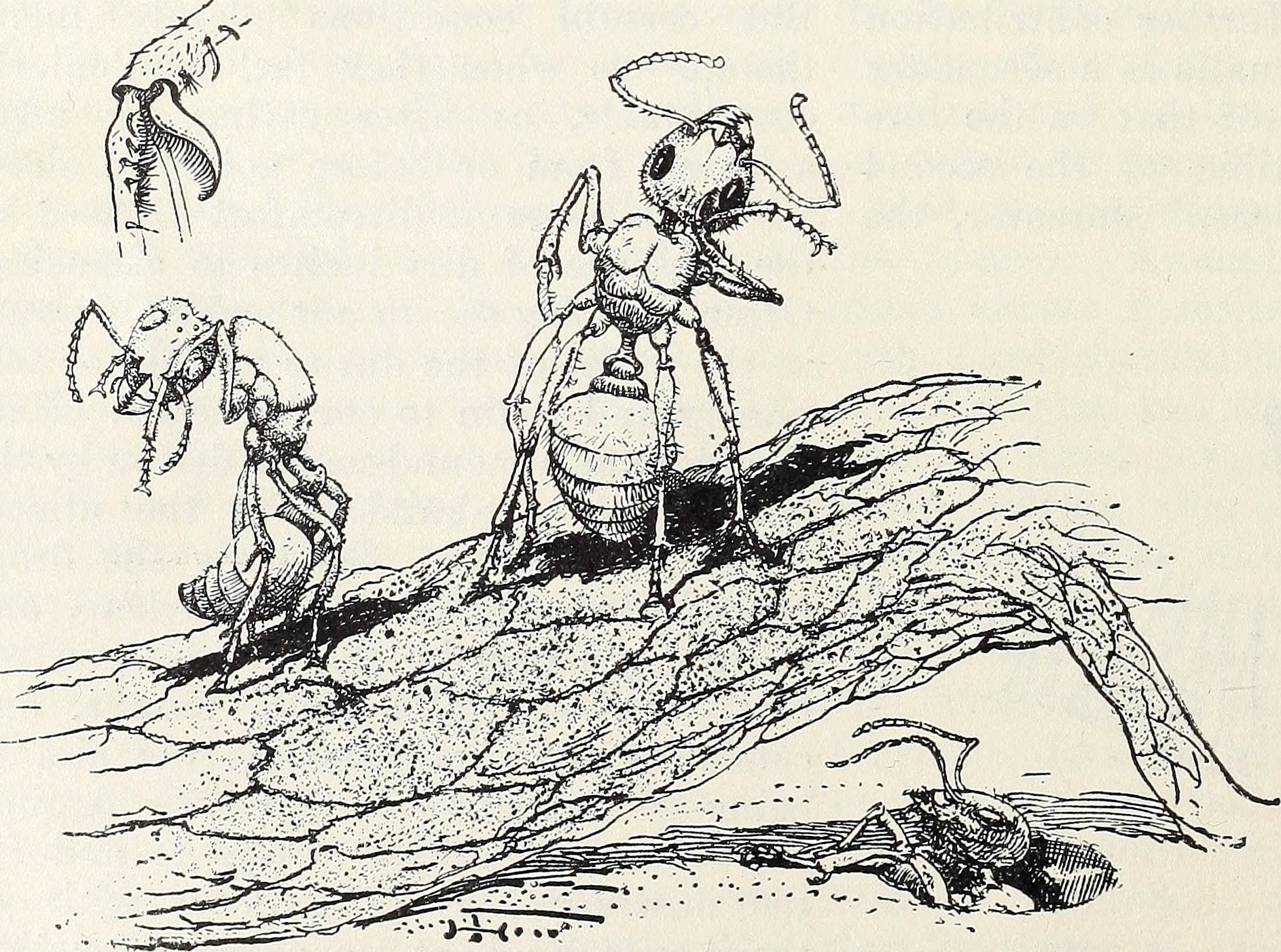
photo credit: wikimedia commons

photo credit: wikimedia commons

Harvester ant colonies have both direct and indirect influences on their surrounding environments; however, there is a dearth of research elucidating the exact details of such influences. A paper published in the Annual Review of Ecology and Systematics in 2000 by MacMahon et. al. reviewed available studies concerning harvester ants and explored our current understanding of the influences that harvester ants (particularly those in the genus Pogonomyrmex) can potentially have on community structure and ecosystem functions. Following are some of the direct influences the authors listed:

  • Removal and consumption of seeds and other materials – The relative abundance of plant species can be affected by the selective removal of seeds. Harvester ants also collect leaves, twigs, pollen, flowers, vertebrate feces, and arthropod body parts.
  • Storage and rejection of seeds – Collected seeds can be dropped during transport, rejected after arriving at the nest, or abandoned in nest granaries. All result in the transport of seeds away from the parent plant and dispersal beyond the plant’s primary dispersal mechanisms.
  • Construction and maintenance of nests – All vegetation and debris is removed from the area immediately surrounding the nest including mature and emerging plants. This area is kept clear for the duration of the life of the colony and, in some cases, can be quite extensive.

Harvester ants can also influence soil properties and soil food webs within and in the vicinity of their nests. They bring large amounts of organic matter down into the soil and redistribute vast amounts of soil particles. Their actions also influence the amount of moisture in the soil surrounding their nests.

This is a mere distillation of the influences that harvester ants might have; see the paper by MacMahon et al. to learn more.

In an effort to better understand how the seed predation and seed dispersal behaviors of harvester ants might influence plant population dynamics, a research team in Spain used data obtained from field research to build a computer model that would predict changes over time. The study site was described as “open and heterogeneous shrubland” and the vegetation was stated to be in “a very early stage in the secondary succession” after being subject to “recurring fires.” The harvester ant colonies involved in the study consisted of three species in the genus Messor. The plant species selected for the study were three native shrubs whose seeds were known to be collected by the harvester ants. Each plant species differed slightly in the amount and size of seeds it produced and in its primary seed dispersal mechanism, which is important because the researchers hypothesized that “the effect of seed predation and seed dispersal may depend on plant attributes.”

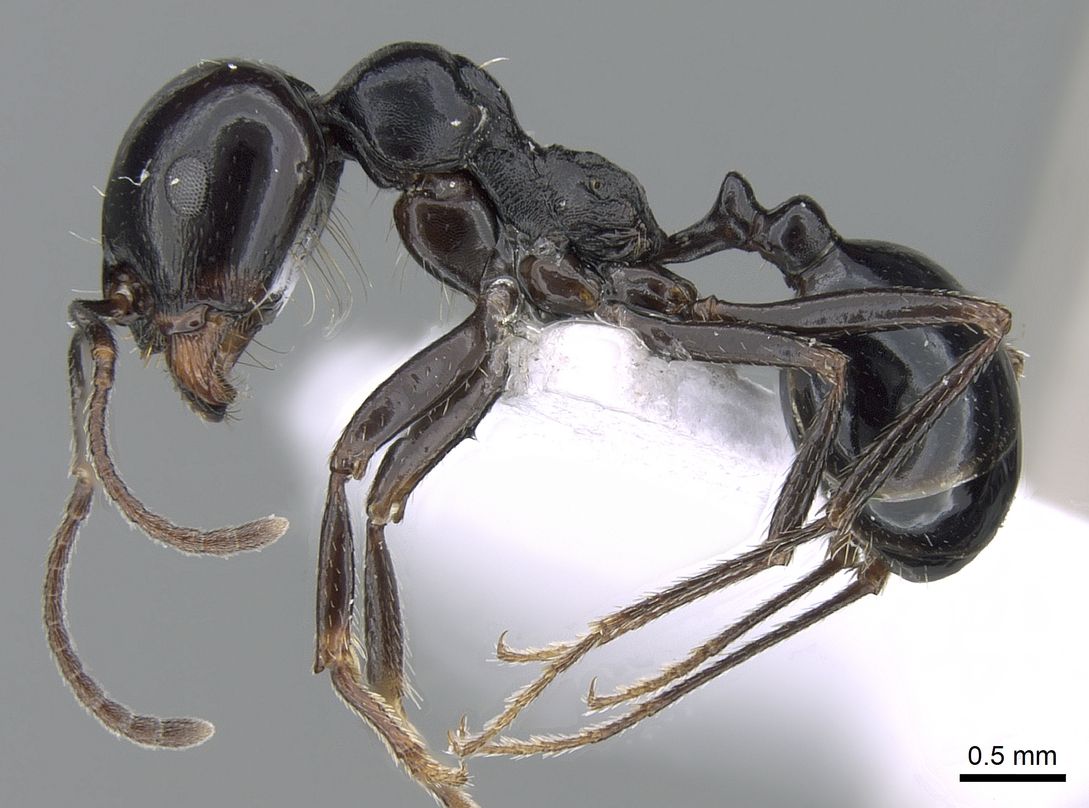
Messor bouvieri (photo credit: www.eol.org)

Messor bouvieri (photo credit: www.eol.org)

Data obtained from simulated scenarios and field observations appeared to support this hypothesis; each shrub species interacted differently with the harvester ants. Coronilla minima benefited from “accidental” seed dispersal. Comparatively, it produces a high amount of large seeds, which are primarily dispersed by gravity. Despite predation, ant-mediated dispersal was an advantage. Dorycnium pentaphyllum produced the highest amount of seeds among the three shrub species; however, seed predation was found to have negative effects on its population dynamics. Its primary seed dispersal mechanism involves ballistics (the mechanical ejection of its seeds), so ant-mediated dispersal may not offer an advantage. Finally, Fumana ericoides, despite its limited primary seed dispersal and its comparatively low production of seeds was not affected by the actions of the harvester ants. The authors concluded that “some unknown factor is driving the population dynamics of this species, more than the action of ants.”

Studies such as this, while leaving many unanswered questions, help us understand the important role that harvester ants play in our world. Harvester ants, and ants in general, are truly among Earth’s most enthralling and influential creatures. Learn more about their complex behaviors and countless interactions with flora and fauna by checking out these three documentaries recommended by ANTfinity.