The Creeping Charlies and Common Name Confusion

This is a guest post by John Tuttle.

———————

Most of us know creeping charlie as the all-too-often irritating weed which takes over our grassy lawns. This evergreen plant’s life cycle is year round. The garden-invading variety which sprouts little bluish-purple flowers has been given the title Glechoma hederacea (or sometimes Nepeta glechoma) via binomial nomenclature and is a member of the mint family, Lamiaceae. Additional common names for this creeping charlie include ground ivy, catsfoot, and field balm.

Travelers from Europe took the plant with them, distributing it throughout other parts of the globe, and it is now deemed an aggressive, invasive weed in various areas in North America. It has crenate leaves, and its size varies depending on its living conditions. It has two methods of reproduction. The first is made possible by offshoots called stolons (or runners), stems with the special function of generating roots and transforming into more plants. Thus, you will often find not an individual creeping charlie plant, but a whole patch, all of them connected via the runners. The other self-distribution method is simple: seeds.

creeping charlie (Glechoma hederacea) via John Tuttle

The creeper is edible, and if you were in a spot where you didn’t know when your next meal would be, this type of creeping charlie would probably be a welcome source of energy. Wild food educator, Karen Stephenson, suggests its use in simple dishes such as soups and omelets, but that’s probably for those who are cooking at home and not trying to fend for their lives in some forest. Starving in the woods is a bit of an extreme, but it has happened. Glechoma hederacea has also been used for making tea. It contains minerals like copper and iron, as well as a significant amount of vitamin C.

The weed also has a number of possible health benefits such as being a diuretic, anti-inflammatory, and antiviral. However, other researchers have cautioned people to be leery of consuming it as it has been known to be fatal to equines and bovines. It contains chemicals that can discomfit the gastrointestinal tract. It is further suggested that during pregnancy women should not intake any amount of any type of creeping charlie.

Up to this point you may have found the terms I’ve used, such as “this type of creeping charlie,” to be a little odd. In fact, the term creeping charlie does not refer to only a single species of creeper. It’s actually used for several.

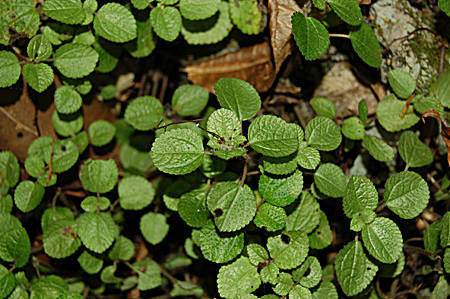
Another plant hailed as “creeping charlie” is Pilea nummulariifolia of the family Urticaceae, a grouping otherwise known as the nettles. Pilea is the name of the genus of creeping plants; the artillery plant is also classified under this genus. Pilea nummularifolia is also known as Swedish ivy and is often grown as a houseplant. It is native to the West Indies and parts of South America. This viney plant flourishes when supplied with an ample amount of water.

creeping charlie (Pilea nummularifolia) via eol.org

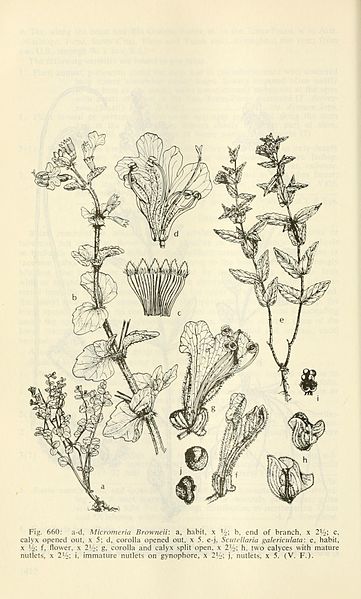
Yet another plant commonly referred to as creeping charlie is Micromeria brownei, synonymously referred to as Clinopodium brownei. It is also used in some teas, but as mentioned above, pregnant women in particular should steer away from consuming it. Apart from the term creeping charlie, a few more common names for this plant include Browne’s savory and mint charlie. Like Glechoma hederacea, Browne’s savory is considered a mint. It produces flowers that are white with hints of purple on the petals and in the throat. This species is quite common in the state of Florida and in parts of Central America; although plants in this genus grow around the world.

Like Pilea nummularifolia, this species loves a good source of water. Its thirst for moisture is so strong, that it can actually adapt itself to an aquatic lifestyle, that is, one which occurs in water and not in dry soil. Many aquarists, people who enjoy keeping aquatic life, love this plant. It can also be trimmed with practically no damage to the plant. It is extremely durable and quite capable of adapting to different circumstances. For instance, Micromeria brownei can be situated midground inside a fish tank. The creeping charlie is perfectly at home totally submerged under water. If a plant floats to the surface then it should typically produce flowers. This adds a new dimension to some of the generic aquatic flora which is often used in many tank displays.

creeping charlie (Micromeria brownei synClinopodium brownei) via wikimedia commons

There you have it. Three different types of plants that have different uses and dangers, and they are all called creeping charlie. Be advised when you’re talking about true creeping charlie – Glechoma hederacea: the invasive weed with the purple flower – that you remember to specify, because “creeping charlie” could mean one plant to you and some plant from an entirely different family to another.

———————

John Tuttle is a Catholic guy with a passion for the media and creativity. Everything about science and health interests him. He’s a writer for publications such as ZME Science and Towards Data Science. John has started his own blog as well called Of Intellect and Interest. He’s also a published ebook author and the 1st place winner of the youth category of the 2017 Skeena Wild Film Fest. You can follow him on Facebook here, and he can be reached anytime at jptuttleb9@gmail.com.

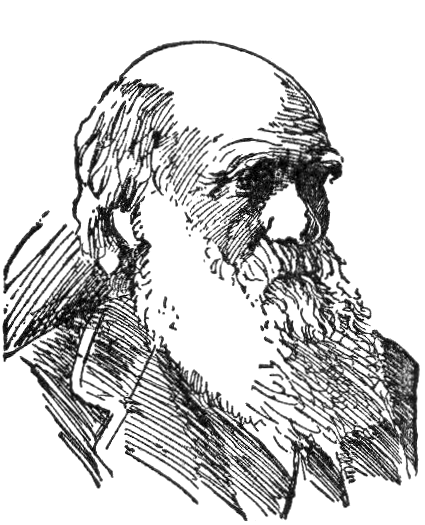
The Seed Salting Experiments of Charles Darwin

In the second chapter of his book, The Diversity of Life, Edward O. Wilson describes the massive volcano that sunk a large portion of the island Krakatau in the summer of 1883. Rakata, the remnant that remained, was now “a sterile island” covered in ash. But it didn’t remain sterile for long. This natural disaster offered biologists the opportunity to watch as a fragment of earth, suddenly stripped of life, turned green again.

Life returned pretty quickly, too. In less than 50 years, nearly 300 species of plants had recolonized the charred landscape. Much of this rebirth was thanks to “aeolian plankton” – tiny wind-borne lifeforms that Wilson describes as “a rain of planktonic bacteria, fungus spores, small seeds, insects, spiders, and other small creatures” that fall “continuously on most parts of the earth’s land surface.” The seeds of some plants likely floated or “rafted” over, and still others may have arrived in the stomachs of birds “to be deposited later in their feces.”

Wind, water, and wing. It is well-accepted today that these are natural means by which the seeds of plants make their way to remote islands. However, in Charles Darwin’s day, things were not so settled. Decades before we understood things like plate tectonics and continental drift, there was ongoing debate about how the flora and fauna residing on islands got there. Were there multiple creation events or were there a series of land bridges and continental extensions now sunken in the sea? Unconvinced of one and skeptical of the other, Darwin embarked on a series of experiments to determine the possibility of an alternate hypothesis: long-distance dispersal.

Darwin wasn’t completely opposed to the idea that some species may have reached remote islands by land bridges of some sort; however, as James T. Costa writes in Darwin’s Backyard, his “imagination [ran] wild with scenarios for long-distance transport by floods and currents, whirlwinds and hurricanes, dispersal by birds, rafting quadrupeds carrying seeds in their stomachs or adhering to their fur, floating trees with seeds wedged in root masses, insects with seeds or eggs stuck to their legs, icebergs, and more.” He was convinced, “improbable as it was that, aided by wing or wave, propagules from a mainland could make it to distant islands.” After all, the vastness of geological time allows for chance events despite how improbable they may be. Even more, such events are “testable.”

So test them, he did. Among a series of experiments regarding long-distance dispersal were Darwin’s extensive seed salting trials. He began by using common vegetable seeds: broccoli, cabbage, oats, radish, lettuce, flax, and many others. He placed seeds in small bottles containing 2-3 ounces of salt water. Some bottles were placed outside in the shade where the air temperature varied throughout the day; other bottles were kept in his cellar where the temperature was more stable. He also placed seeds in a tank of salt water made with melted snow. The water in some of the jars, particularly those with brassica and onion seeds, turned foul, and as Darwin writes, “smelt offensive to a quite surprising degree;” however, “neither the putridity of the water nor the changing temperature had any marked effect on their vitality.”

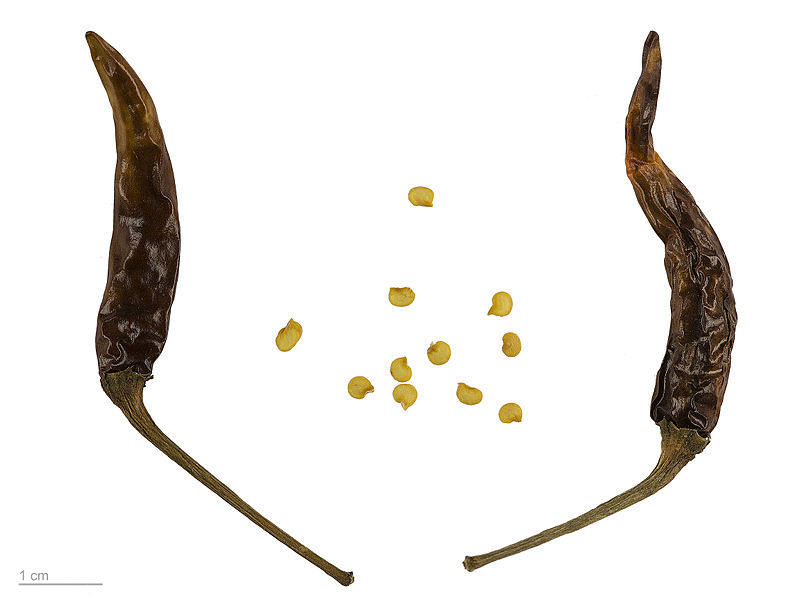
In fact, while a few did quite poorly, the majority of the seeds that Darwin tested germinated just fine after soaking in salt water. At least for a short period anyway. Germination rates tended to decrease dramatically the longer seeds were soaked. For example, “fresh seed of the wild cabbage from Tenby germinated excellently after 50 days, very well after 110 days, and two seeds out of some hundreds germinated after 133 days immersion.” Darwin found that capsicum (i.e. peppers) “endured the trial best, for 30 out of 56 seeds germinated well after 137 days immersion.”

The seeds and dried fruit of Capsicum annuum (via wikimidia commons)

Darwin’s seed salting experiments seemed to be going well until his friend and colleague, Joseph Hooker, pointed out that seeds often sink when placed in water. Darwin wondered if he had been “taking all this trouble in salting the ungrateful rascals for nothing.” Despite the setback, he began another series of tests to determine which seeds sink, which float, and how long they float before they ultimately sink. The results weren’t as bad as expected. A number of species floated for several days, including the seeds of asparagus which were found to float for about 23 days if the seeds were fresh and up to 86 days if they were dried. By his calculations then, ocean currents could carry asparagus seeds over 2800 miles.

While soaking seeds in salt water, Darwin was engaged in a number of other seed dispersal studies, some quite bizarre. In one, he attempted to get goldfish to take mouthfuls of seeds, the idea being that if a fish having recently swallowed seeds was eaten by a seabird which then deposited the undigested seeds on a distant island, those seeds could germinate and establish themselves in a new environment. Unfortunately, Darwin’s subjects wouldn’t oblige: “the fish ejected vehemently, and with disgust equal to my own, all the seeds from their mouths.”

Despite a few botched experiments, Darwin turned out to be correct – long-distance dispersal explains much of the geographical distribution of species. Those who favored ideas of sunken land-bridges and continental extensions weren’t altogether wrong either. Costa writes: “Ironically, there is a kernel of truth behind the old idea of continental extensionism: rearranged and sometime contiguous continents…explain the distribution of some groups. But chance long-distance dispersal has never gone away. Improbable and rare as such events are, they are far from mysterious, and certainly not miraculous.”

Want to carry out your own seed salting experiments?

Darwin’s Backyard by James T. Costa includes detailed instructions, along with instructions for Darwin’s duck feet experiment [Do ducks transport snails, seeds, or other things that get attached to their feet?] and many others. Darwin Correspondence Project is a great resource as well.

Attack of the Giant Invasive One-Celled Mutant Toxic Killer Seaweed!

Caulerpa taxifolia is considered one of the worst invasive species in the world. It is also one of the most popular case studies in invasion biology. Its story is riveting, featuring themes like mutation, adaptation, early detection but no rapid response, exploitation of human disturbances, classic traits of successful invasives (e.g. rapid growth, asexual propagation, generalist behavior, toxic chemicals that discourage herbivory); there is even an example of successful eradication. Plant Humor recently featured an excellent post telling Caulerpa’s story. They kindly allowed me to share it on Awkward Botany. So here it is, the nightmarish account of Killer Algae.

planthumorist's avatarPLANT HUMOR

View original post 1,528 more words

Awkward Botanical Sketches #1

At the beginning of the year I unveiled my plan to share some of my sketches with you as I learn how to draw. This is to make up for not writing quite as many posts so that I can spend time working on some other projects. It also serves as a great motivator to actually draw, which isn’t something I do very often. Turns out that if you want to get better at something, you actually have to do it.

To help me in my quest, I collected a few books. Some are instructional and others simply feature inspirational artwork. I’ve included links to a few of these books with my drawings below. If you have any books you would like to recommend, particularly a book that has helped you learn to draw, please let me know in the comment section below.

And now on to my dumb drawings…

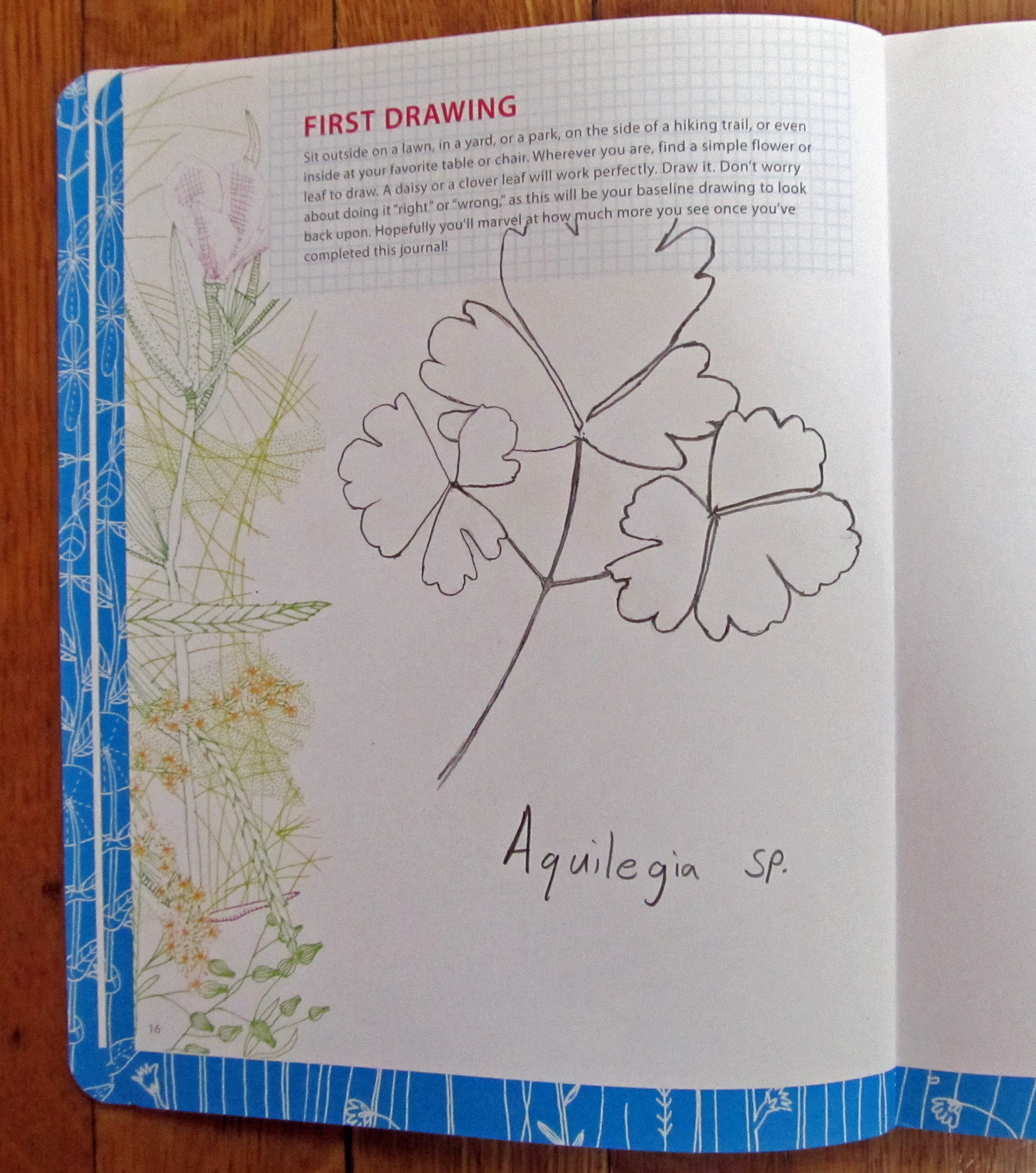
My first drawing in Drawing Nature by Jill Bliss

Drawing of a hibiscus flower with help from Illustration School: Let’s Draw Plants and Small Creatures by Sachiko Umoto

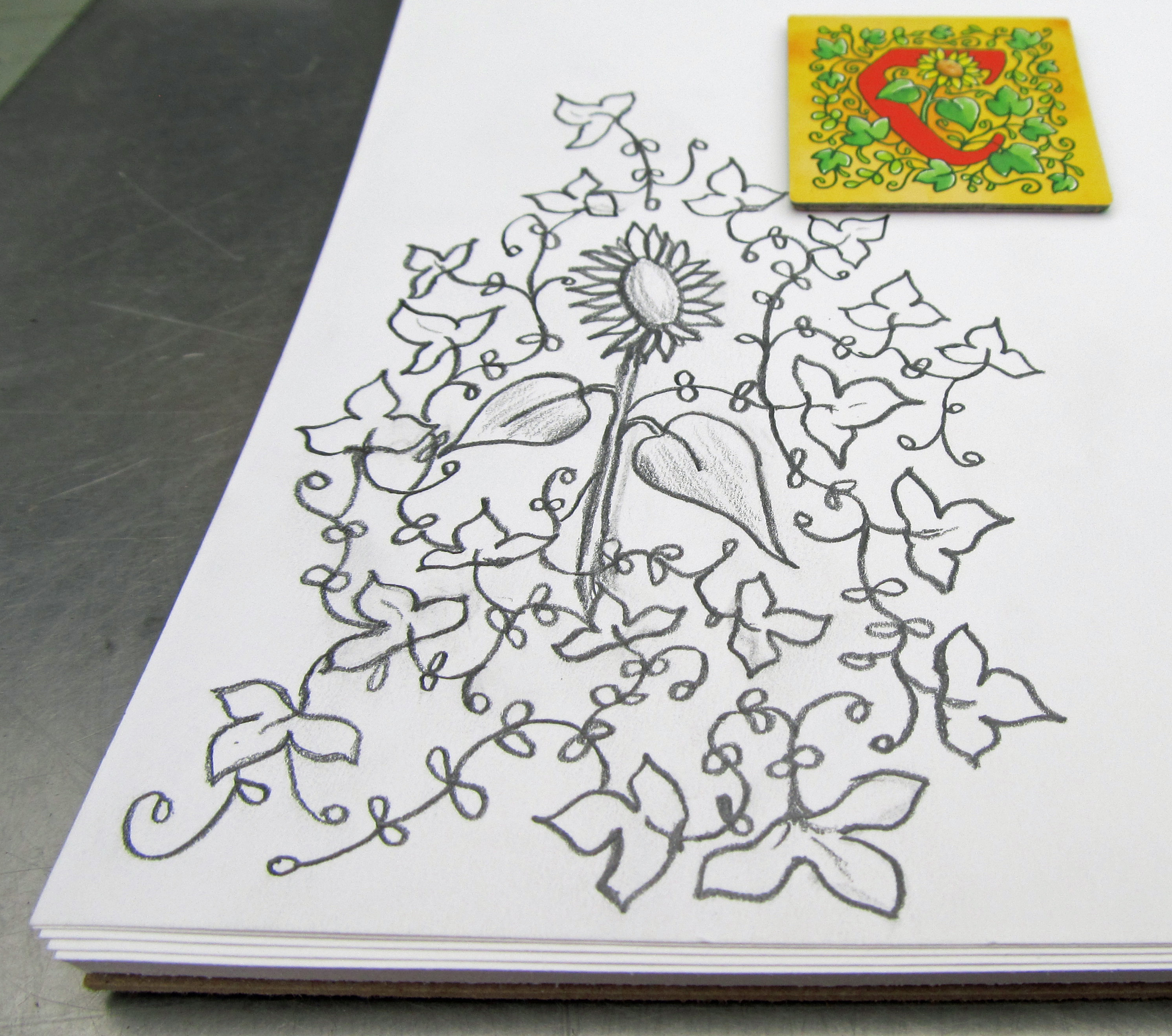
A sketch inspired by Carcassonne: Over Hill and Dale

Sketch of an old tree inspired by a drawing in Clare Walker Leslie’s book, Drawn to Nature

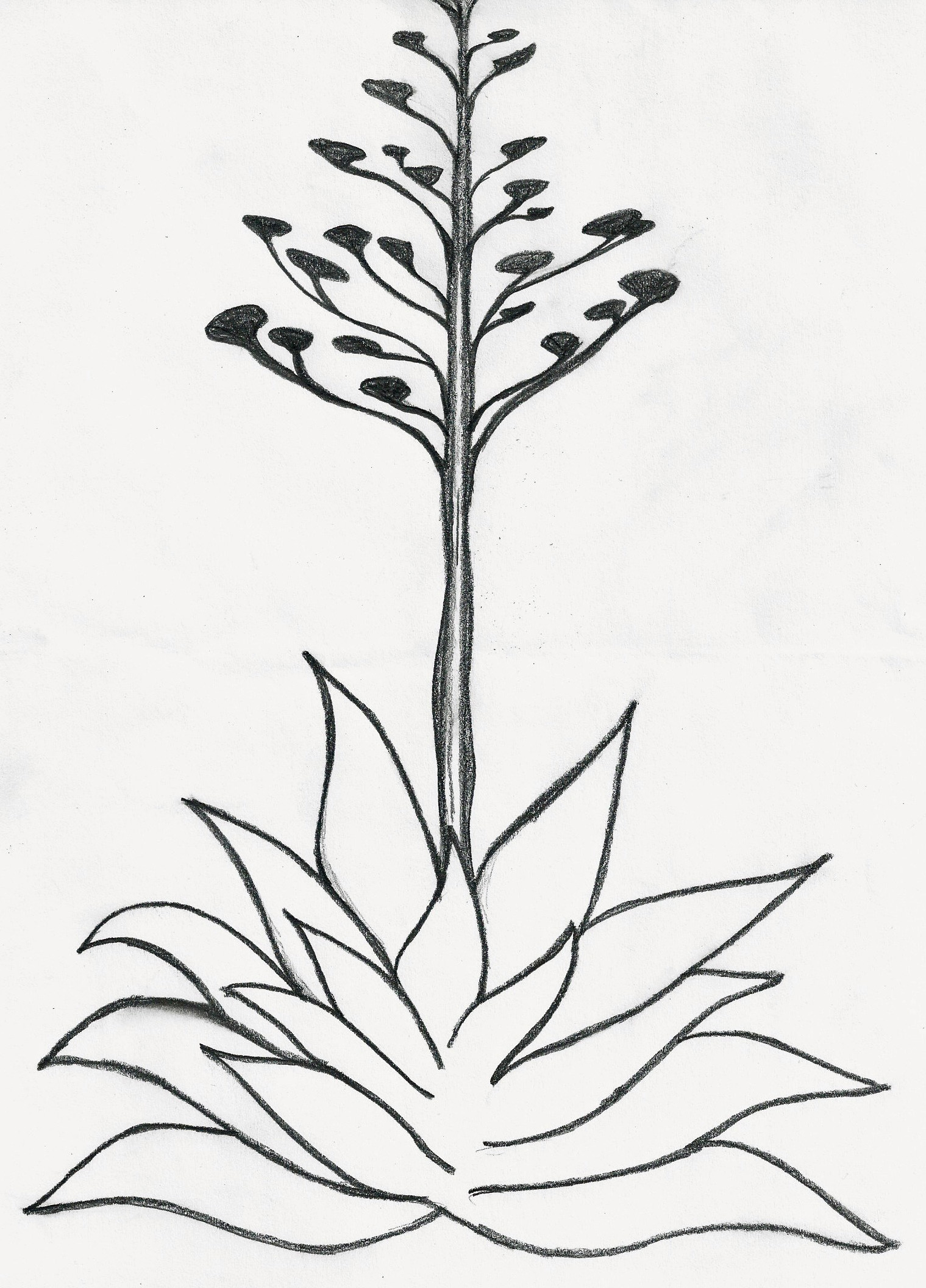
Sketch of agave in bloom inspired by an image on the back of some guy’s shirt at Treefort Music Fest

Sketch of a tiny tuft of grass I was trying to identify. It’s still a bit of a mystery.

Highlights from the Western Society of Weed Science Annual Meeting

Earlier this month, I went to Garden Grove, California to attend the 71st annual meeting of the Western Society of Weed Science. My trip was funded by an Education and Enrichment Award presented by the Pahove Chapter of the Idaho Native Plant Society. It was a great opportunity for a weeds-obsessed plant geek like myself to hang out with a bunch of weed scientists and learn about their latest research. What follows are a few highlights and takeaways from the meeting.

General Session

Apart from opening remarks and news/business-y stuff, the general session featured two invited speakers: soil ecologist Lydia Jennings and historian David Marley. Lydia’s talk was titled “Land Acknowledgement and Indigenous Knowledge in Science.” She started by sharing a website called Native Land, which features an image of the Earth overlayed with known “borders” of indigenous territories. By entering your address, you can see a list of the tribes that historically used the land you now inhabit. It is important for us to consider the history of the land we currently live and work on. Lydia then compared aspects of western science and indigenous science, pointing out ways they differ as well as ways they can be used in tandem. By collaborating with tribal nations, weed scientists can benefit from traditional ecological knowledge. Such knowledge, which has historically gone largely unrecognized in the scientific community, should receive more attention and acknowledgement.

David Marley was the comic relief. Well-versed in the history of Disneyland, he humorously presented a series of stories involving its creation. Little of what he had to say related to weed science, which he openly admitted along the way; however, one weeds related story stood out. Due to a lack of funds, the early years of Tomorrowland featured few landscape plants. To make up for that, Walt Disney had signs with fake Latin names created for some of the weeds.

Weeds of Range and Natural Areas

I spent the last half of the first day in the “Weeds of Range and Natural Areas” session where I learned about herbicide ballistic technology (i.e. killing plants from a helicopter with a paintball gun loaded with herbicide). This is one of the ways that Miconia calvescens invasions in Hawaii are being addressed. I also learned about research involving plant debris left over after logging. When heavy amounts of debris are left in place, scotch broom (Cytisus scoparius) infestations are thwarted. There was also a talk about controlling escaped garden loosestrife (Lysimachia punctata) populations in the Seattle area, as well as a few talks about efforts to control annual grasses like cheatgrass (Bromus tectorum) in sagebrush steppes. Clearly there are lots of weed issues in natural areas, as that only covers about half the talks.

Basic Biology and Ecology

On the morning of the second day, the “Basic Biology and Ecology” session held a discussion about weeds and climate change. As climate changes, weeds will adapt and find new locations to invade. Perhaps some weeds won’t be as problematic in certain areas, but other species are sure to take their place. Understanding the changes that are afoot and the ways that weeds will respond to them is paramount to successful weed management. This means documenting the traits of every weed species, including variations between and among populations of each species, so that predictions can be made about their behavior. It also means anticipating new weed species and determining ways in which weeds might exploit new conditions.

No doubt there is much to learn in order to adequately manage weeds in a changing climate. An idea brought up during the discussion that I was particularly intrigued by was using citizen scientists to help gather data about weeds. Similar to other organizations that collect phenological data from the public on a variety of species, a website could be set up for citizen scientists to report information about weeds in their area, perhaps something like this project in New Zealand. Of course, there are already a series of apps available in North America for citizen scientists to report invasive species sightings, so it seems this is already happening to some degree.

Teaching and Technology Transfer

A highlight of the afternoon’s “Teaching and Technology Transfer” session was learning about the Wyoming Restoration Challenge hosted by University of Wyoming Extension. This was a three year long contest in which thirteen teams were given a quarter-acre plot dominated by cheatgrass with the challenge to restore the plant community to a more productive and diverse state. Each team developed and carried out their own strategy and in the end were judged on a series of criteria including cheatgrass and other weed control, plant diversity, forage production, education and outreach, and scalability. Preliminary results can be seen here; read more about the challenge here and here.

And so much more…

Because multiple sessions were held simultaneously, I was unable to attend every talk. I also had to leave early on the third day, so I missed those talks as well. However, I did get a chance to sit in on a discussion about an increasingly troubling topic, herbicide-resistant weeds, which included a summary of regional listening sessions that have been taking place in order to bring more attention to the subject and establish a dialog with those most affected by it.

One final highlight was getting to meet up with Heather Olsen and talk to her briefly about her work in updating the Noxious Weed Field Guide for Utah. This work was aided by the Invasive Plant Inventory and Early Detection Prioritization Tool, which is something I hope to explore further.

If you are at all interested in weeds of the western states, the Western Society of Weed Science is a group you should meet. They are fun and friendly people who really know their weeds.

See Also: Highlights from the Alaska Invasive Species Workshop 

Moving Your Ecosystem Forward – An Arborist’s Application of Ecological Principles in the Urban Landscape

This is a guest post by Jeremiah Sandler.

———————

Ecosystems are everywhere – interconnected and interdependent systems of biology, climate, ecology, and geography. The inside of your house is an ecosystem with its own micro-climate, life (including but not limited to you), and topography. Everywhere you go, you’re in some kind of ecosystem.

The same is more obviously true about your landscape. In my area of the U.S. (southeast Michigan), forests and wetlands are often removed to build suburbs. Both the appropriate soil and ecologically relevant plants are removed from the site. After construction, these areas are re-planted with genetically inadequate plants in poor soil. The ecosystem is modified at a rate faster than most organisms can adapt. Landscape designs common in the suburbs are inadequate in maintaining biodiversity and healthy, natural ecosystems.

In some lucky areas, there are communities doing their best to maintain a strong and natural forest canopy. Leaving secondary forests relatively untouched during construction should be the standard when developing areas for humans.

Ecosystems evolve and change, and one can argue that human-caused mass deforestation is simply another driver of ecosystem evolution. While this may be true, it is a driver that influences the ecosystem at a much greater magnitude than other factors. It just so happens to be mitigable or avoidable altogether.

What can cause an ecosystem to change?

Let’s use the trees in a natural forest ecosystem as an example. Disturbances in any ecosystem drive biological adaptation and behavioral changes in the organisms within it. Disturbances such as fire, wind events, floods, drought, and pathogens alter the forest canopy. Fire may kill smaller trees and wind events can blow trees over. Such disturbances open the canopy and allow dormant seeds to germinate in the new sunlight, which gives additional genetic material a shot in the world.

Ecological disturbance is vital to plants, animals, and microbes because it keeps their genetic material up-to-date with evolving pathogens and changing environments. Up-to-date trees need less work. They are more prepared for their environment and its diseases, as evidenced by their parents successfully reproducing.

We can’t control all ecological disturbances, but in the urban environment we do our best to avoid major ones. Understandably, right? We aren’t fond of wildfire, nor do we want flooding anywhere near our homes.

Applied ecosystem principles on the job

Oftentimes in large, human constructed landscapes, only upper and middle canopies exist; sub-canopy layers are missing. This is surprisingly common in forest ecosystems, especially in suburban areas. Forests like this are considered to have a closed canopy.

Closed-canopy forests are naturally occurring and are not necessarily bad. The thick shade cast by the upper canopy is very dense and prevents most understory growth. Over time closed-canopy forests will evolve and change – large trees or limbs come down in the wind, flooding occurs, lightning strikes, or diseases are introduced. Whatever the disturbance, the newly opened canopy once again helps move the ecosystem forward.

Disturbance by pruning

A client of ours lives on a beautiful property in a dry-mesic southern forest (a closed-canopy forest). Due to all the trees on the property, this client sought advice from arborists. The client’s smart choice lead us to an important solution.

Various large species of both white and red oaks dominate the overstory and upper emergent layers of the canopy. The trunks of these towering trees are far apart. Below these titan trees are some slightly shorter oaks, an american beech, and a few hickory species residing in the midstory. About 40 feet below are various types of moss, some stunted sedges, violets, forest grasses – a sparse herbaceous understory. Beyond that there were several patient serviceberries here and there, and a single red maple, about 1.5 inches in diameter and 15 feet tall at most.

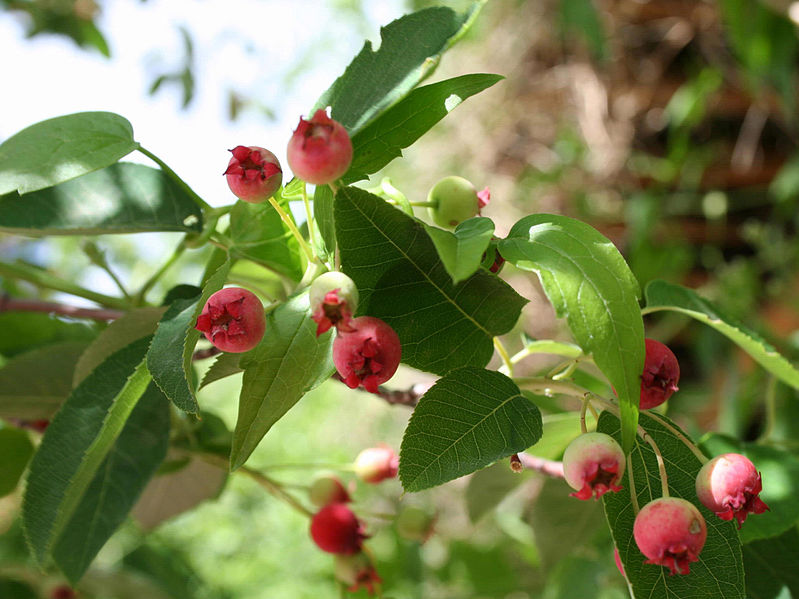
Allegheny serviceberry (Amelanchier laevis) – via wikimedia commons

The area has been undisturbed for a long time (it doesn’t even get mowed), and with the presence of oak wilt in southeast Michigan, we steered away from planting anywhere in the root zone, as it poses a risk for oak wilt infection. Sure, we could plant an over-designed landscape to be manicured, but we had other ideas in mind.

Direct application with two solutions

We asked the client how long ago the red maple and serviceberries volunteered themselves into their landscape. Together we traced the germination back to a wind event that knocked a large limb down years ago. The red maple and serviceberries popped up as a result of new sunlight, yet according to the client, these plants hadn’t grown much in height during the last decade or so. Why might this be? A mature plant can close holes in the canopy faster than lower story plants can, so they no longer receive as much light as they once had.

The next time a limb falls, the maple and serviceberries will have another explosive growth spurt. There are also other dormant seeds to germinate every time a disturbance like that occurs. This is an example of another natural phenomenon called forest succession. It is another way forest ecosystems change.

Planting foreign species in place of the native ones takes away important food sources and habitat for surrounding wildlife. So rather than planting cultivar clones and ecologically useless plants – plants that don’t support other lifeforms – into the existing ecosystem, we proposed we could either do strategic crown thinning or just wait for mother nature to do it for them.

Course of action

My associates and I operate on a “less is more” approach. Not touching this ecosystem is our alternative to modifying the canopy. Like a human patient undergoing surgery, cutting open any organism exposes it to infection. In time, either a natural disturbance will come through to modify the canopy, or the trees will naturally shed lower limbs on their own – a process called cladoptosis.

Strategic branch removal will open up the canopy, allowing more sunlight to the ground below, while keeping the trees looking true to their natural form. The climbing team would be using a type of pruning called refracturing. The openings will simulate a wind event disturbance. As a result, the plants that germinate will be the most competitive, hardy, resistant, and genetically up-to-date plants. This truly is “right plant, right place,” provided no invasive buckthorns pop up.

If the customer does want to go forward with disturbance-by-pruning, the proposal is to open the canopy during winter, as most of the canopy are oak trees. The risk of infecting these trees is reduced significantly by pruning in the winter when the vectors for oak wilt are dormant.

The canopy holes would be placed where the homeowner wants more trees. One benefit of pruning the trees is that disturbance is controlled, rather than a wind disturbance causing a chaotic breakage into the house, for example.

Observation would begin early the following spring. We will watch for germination; it’s expected that the plants that do germinate won’t survive the competition.

What’s important about any of this?

The arborist-homeowner relationship highlighted above is an exemplar of proper arboriculture. We offered expertise along with our services. The exchange saved the homeowner hundreds of upfront costs from the installation of a landscape, as well as future maintenance costs.

Assuming it isn’t under human-induced stress, no forest needs human intervention. In this project, we would want to see natural phenomena form the landscape in this client’s yard. It is our preference to leave the current closed-canopy forest alone.

The benefits of using naturally occurring trees are plentiful. In general, up-to-date trees are more prepared for your ecosystem and support the wildlife that co-evolved with them. An ever-increasingly displaced wildlife population will happily occupy new habitat; they’re here too, after all.

———————

Jeremiah Sandler lives in southeast Michigan, has a degree in horticultural sciences, and is an ISA certified arborist. Follow him on Instagram: @jeremiahsandler

A Few Fun Facts About Pollen

Sexual reproduction in vascular plants requires producing and transporting pollen grains – the male gametophytes or sperm cells of a plant. These reproductive cells must make their way to the egg cells in or order to form seeds – plants in embryo. The movement of pollen is something we can all observe. It’s happening all around us on a regular basis. Any time a seed-bearing plant (also known as a spermatophyte) develops mature cones or flowers, pollen is on the move. Pollen is a ubiquitous and enduring substance and a fascinating subject of study. In case you don’t believe me, here are a few fun facts.

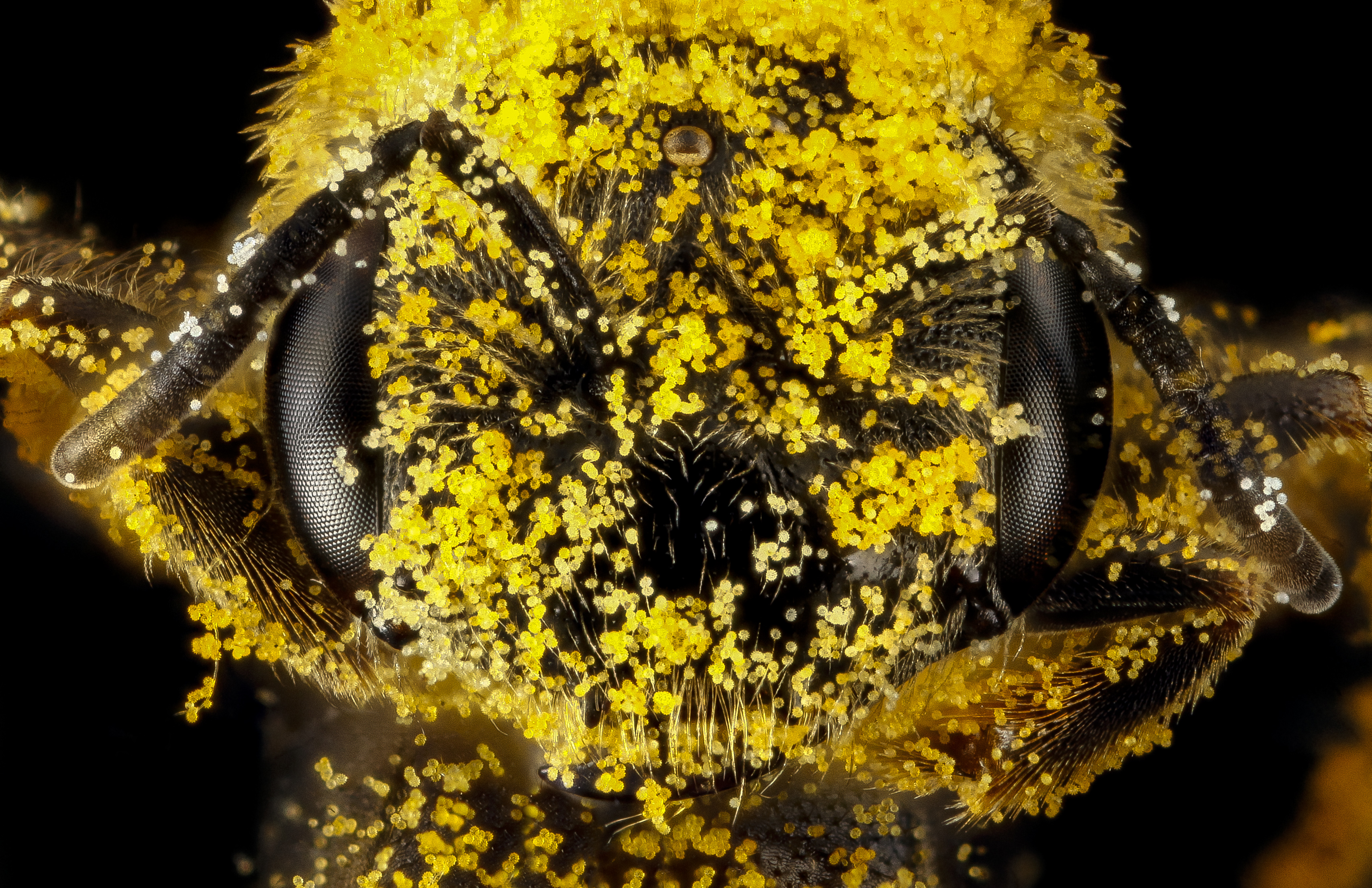
Bee covered in pollen – photo credit: wikimedia commons

Pollen is as diverse as the species that produce it. Pollen grains are measured in micrometers and are so tiny that the only reason we can see them with the naked eye is because they are often found en masse. Yet they are incredibly diverse in size, shape, and texture, and each plant species produces its own unique looking pollen. With the help of a good microscope, plants can even be identified simply by looking at their pollen. See images of the pollen grains of dozens of plant species here and here.

Pollen helps us answer questions about the past. Because pollen grains are so characteristic and because their outer coating (known as exine) is so durable and long-lasting, studying pollen found in sediments and sedimentary rocks helps us discover all sorts of things about deep time. The study of pollen and other particulates is called palynology. Numerous disciplines look to palynology to help them answer questions and solve mysteries. Its even used in forensics to help solve crimes. Criminals should be aware that brushing up against a plant in bloom may provide damning evidence.

Pollen oddities. While all pollen is different, some plants produce particularly unique pollen. The pollen grains of plants in the orchid and milkweed families, for example, are formed into united masses called pollinia. Each pollinium is picked up by pollinators and transferred to the stigmas of flowers as a single unit. A number of other species produce other types of compound pollen grains. The pollen grains of pines and other conifers are winged, and the pollen grains of seagrass species, like Zostera spp., are filamentous and said to hold the record for longest pollen grains.

The pollinia of milkweed (Asclepias spp.) look like the helicopter-esque fruits of maple trees. photo credit: wikimedia commons

Pollen tube oddities. In flowering plants, when pollen grains reach the stigma of a compatible flower, a vegetative cell within the grain forms a tube in order to transport the regenerative cells into the ovule. This tube varies in length depending on the length of the flower’s style. Because corn flowers produce such long styles (also know as corn silk), corn pollen grains hold the record for longest pollen tube, which can measure 12 inches or more. Species found in the mallow, gourd, and bellflower families produce multiple pollen tubes per pollen grain. Hence, their pollen is said to be polysiphonous.

Pollen is transported in myriad ways. Plants have diverse ways of getting their pollen grains where they need to be. Anemophilous plants rely on wind and gravity. They produce large quantities of light-weight pollen grains that are easily dislodged. Most of this pollen won’t make it, but enough of it will to make this strategy worth it. Hydrophilous plants use water and, like wind pollinated plants, may produce lots of pollen due to the unpredictably of this method. Some hydrophilous plants transport their pollen on the surface of the water, while others are completely submerged during pollination.

Employing animals to move pollen is a familiar strategy. Entomophily (insect pollination) is the most common, but there is also ornithophily (bird pollination) and chiropterophily (bat pollination), among others. Plants that rely on animals for pollination generally produce pollen grains that are sticky and nutritious. They attract animals using showy flowers, fragrance, and nectar. The bodies of pollinating insects have modifications that allow them to collect and transport pollen. Certain bees, like honey bees and bumblebees, have pollen baskets on their hind legs, while other bees have modified hairs called scopae on certain parts of their bodies.

Pollen is edible. Some animals – both pollinating and non-pollinating – use pollen as a food source. Animals that eat pollen are palynivores. Bees, of course, eat pollen, but lots of other insects do, too. Even some spiders, which are generally thought of as carnivores, have been observed eating pollen that gets trapped in their webs.

Pollen is thought to be highly nutritious for humans as well, and so, along with being taken as a supplement, it is used in all sorts of food products. To collect pollen, beekeepers install pollen traps on their beehives that strip incoming worker bees of their booty. Pollen from various wind pollinated plants, like cattails and pine trees, are also collected for human consumption. For example, a Korean dessert called dasik is made using pine pollen.

pine pollen – photo credit: wikimedia commons

Pollen makes many people sick. Hay fever is a pretty common condition and is caused by an allergy to wind-borne pollen. This condition is also known as pollinosis or allergic rhinitis. Not all flowering plants are to blame though, so here is a list of some of the main culprits. Because so many people suffer from hay fever, pollen counts are often included in weather reports. Learn more about what those counts mean here.

Related Posts: 

Lettuce Gone Wild, part two

The lettuce we eat is a close relative to the lettuce we weed out of our gardens. Last week we discussed the potential that wild relatives may have for improving cultivated lettuce. But if wild lettuce can be crossed with cultivated lettuce to create new cultivars, can cultivated lettuce cross with wild lettuce to make it more weedy?

Because so many of our crops are closely related to some of the weeds found along with them or the plants growing in nearby natural areas, the creation of crop-wild hybrids has long been a concern. This concern is heightened in the age of transgenic crops (also known as GMOs), for fear that hybrids between weeds and such crops could create super weeds – fast spreading or highly adapted weeds resistant to traditional control methods such as certain herbicides. To reduce this risk, extensive research is necessary before such crops are released for commercial use.

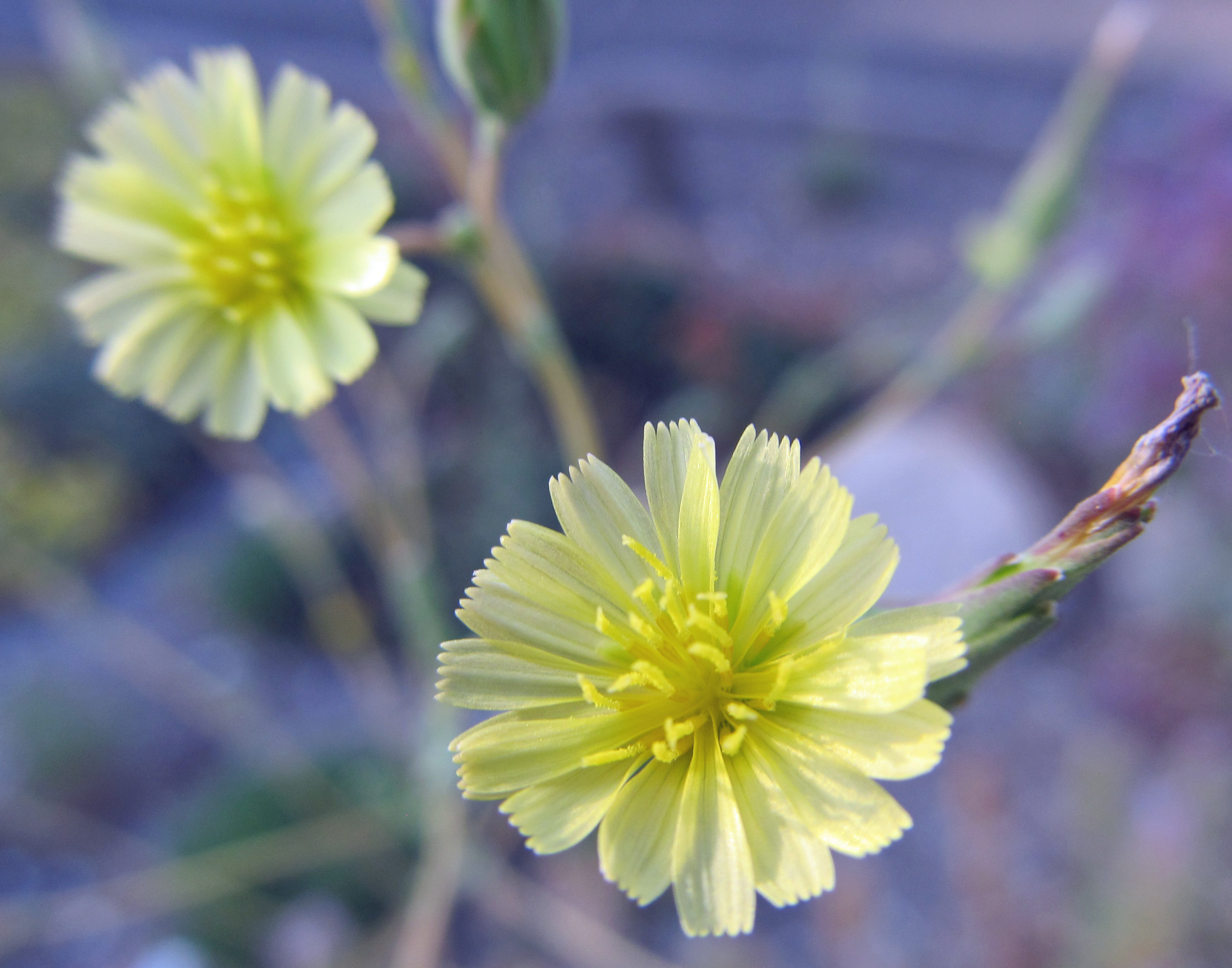
flowers of prickly lettuce (Lactuca serriola)

There are no commercially available, genetically modified varieties of cultivated lettuce, so this is not a concern when it comes to crop-wild hybrids; however, due to how prevalent weedy species like prickly lettuce (Lactuca serriola) are, hybridization with cultivated lettuce is still a concern. So, it is important to understand what the consequences might be when hybridization occurs.

In a paper published in Journal of Applied Ecology in 2005, Hooftman et al. examined a group of second-generation hybrids (L. sativa x L. serriola), and found that the hybrids behaved and appeared very similarly to non-hybrid prickly lettuce. They also found that the seeds produced by the hybrids had a significantly higher germination rate than non-hybrid plants. This is an example of hybrid vigor. Thus, “if hybridization does occur, this could lead to better performing and thus potentially more invasive (hybrid) genotypes.” However, the authors cautioned that “better performing genotypes do not automatically result in higher invasiveness,” and that much depends on the conditions they are found in, the level of human disturbance, etc.

Another thing to consider is that hybrids are not stable. In an article published in Nature Reviews Genetics in 2003, Stewart et al. adress the “misunderstanding that can arise through the confusion of hybridization and … introgression.” It is wrong to assume that hybrids between crops and wild relatives will automatically lead to super weeds. For this to occur, repeated crosses with parental lines (also known as backcrossing) must occur, and “backcross generations to the wild relative must progress to the point at which the transgene [or other gene(s) in question] is incorporated into the genome of the wild relative.” That is what is meant by “introgression.” This may happen quickly or over many generations or it may never happen at all. Each case is different.

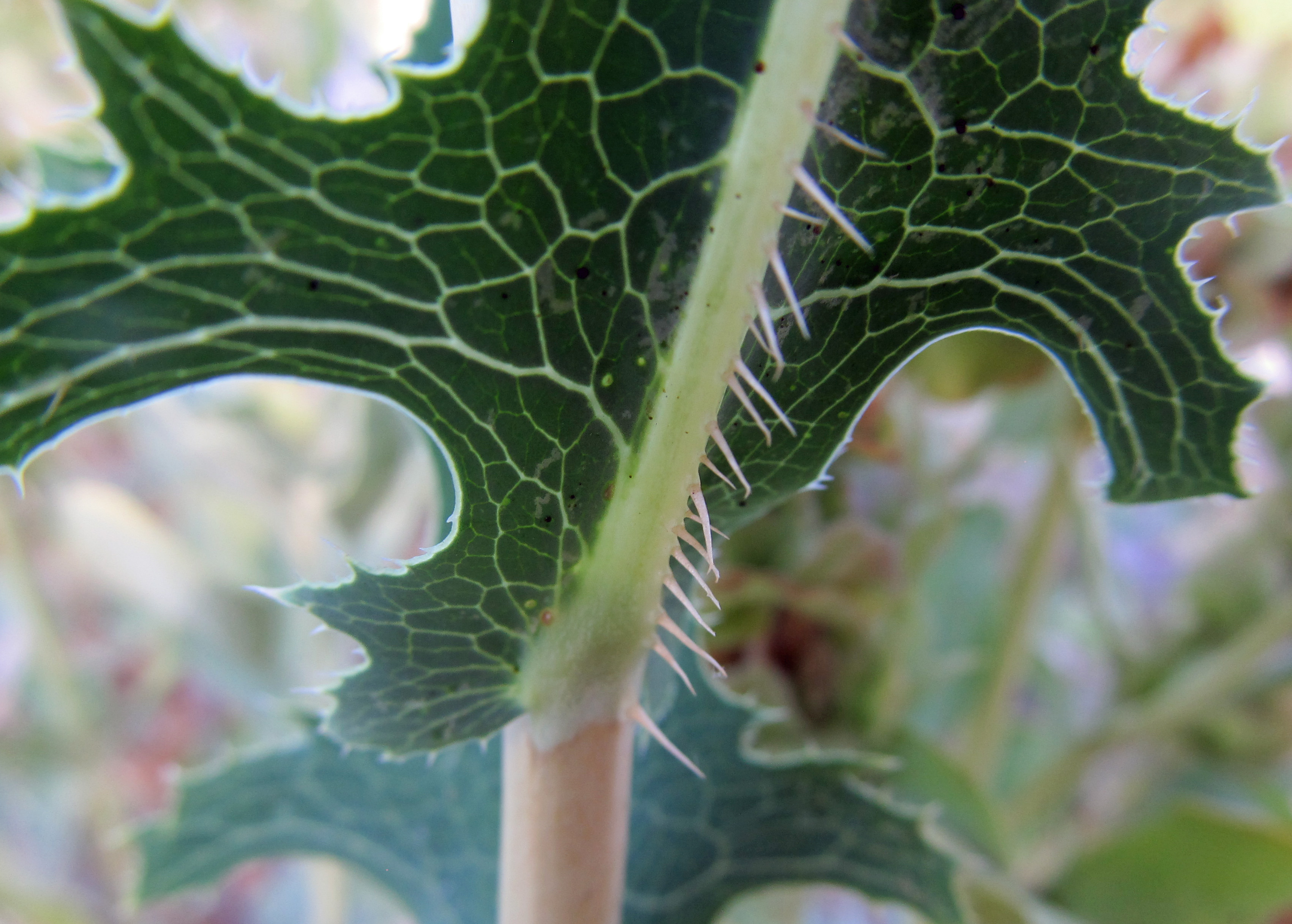
prickly leaf of prickly lettuce (Lactuca serriola)

In a paper published in Journal of Applied Ecology in 2007, Hooftman et al. observe the breakdown of crop-wild lettuce hybrids. They note that “fitness surplus through [hybrid vigor] will often be reduced over few generations,” which is what was seen in the hybrids they observed. One possible reason why this occurs is that lettuce is predominantly a self-crossing species; outcrossing is rare, occurring 1 – 5% of the time thanks to pollinating insects. But that doesn’t mean that a stable, aggressive genotype could never develop. Again, much depends on environmental conditions, as well as rates of outcrossing and other factors relating to population dynamics.

A significant expansion of prickly lettuce across parts of Europe led some to hypothesize that crop-wild hybrids were partly to blame. In a paper published in Molecular Ecology in 2012 Uwimana et al. ran population genetic analyses on extensive data sets to determine the role that hybridization had in the expansion. They concluded that, at a level of only 7% in wild habitats, crop-wild hybrids were not having a significant impact. They observed greater fitness in the hybrids, as has been observed in other studies (including the one above), but they acknowledged the instability of hybrids, especially in self-pollinating annuals like lettuce.

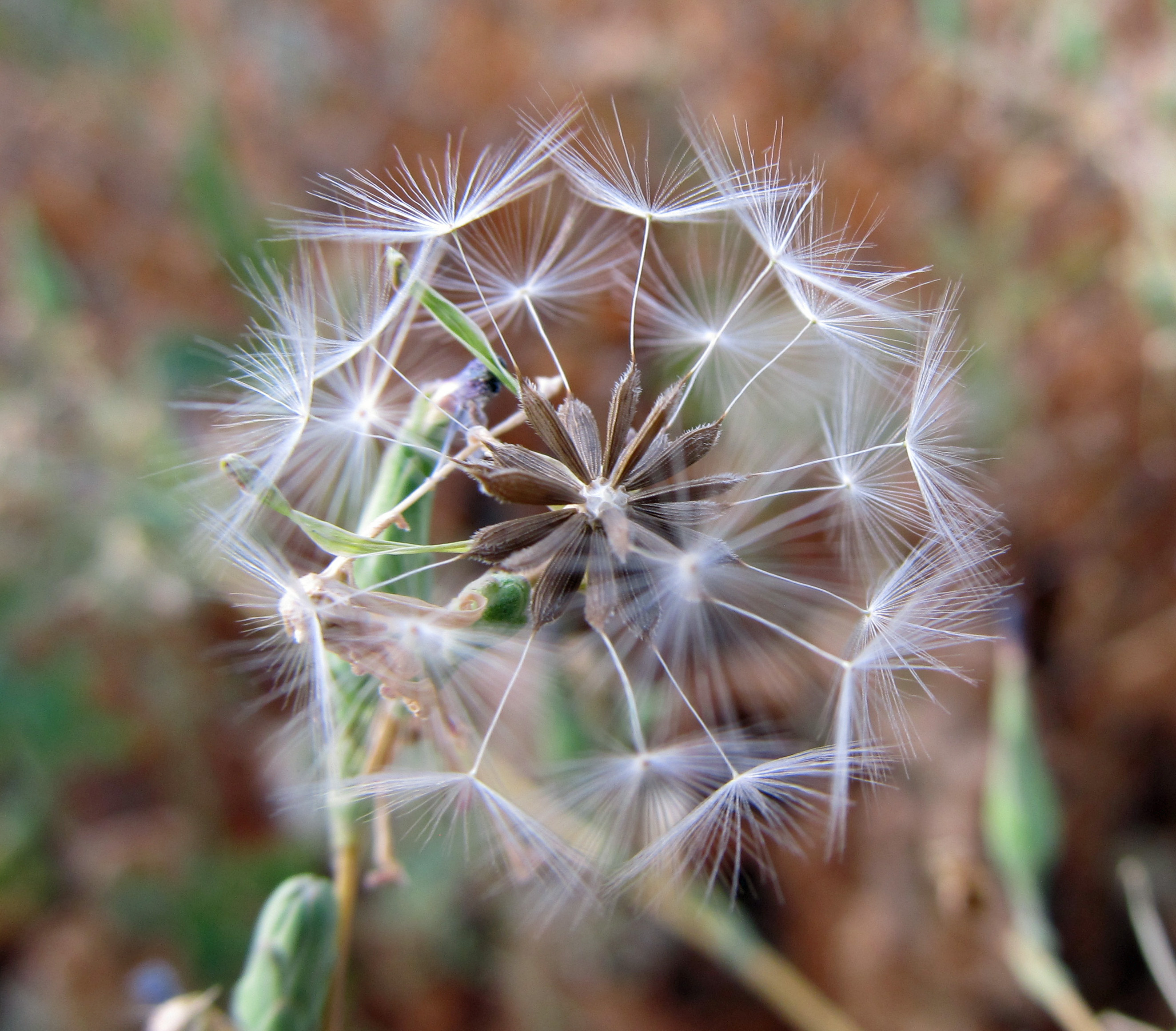
seed head of prickly lettuce (Lactuca serriola)

It is more likely that the expansion of prickly lettuce in Europe is due to “the expansion of favorable habitat as a result of climate warming and anthropogenic habitat disturbance and to seed dispersal because of transportation of goods.” Uwimana et al. did warn, however, that “the occurrence of 7% crop-wild hybrids among natural L. serriola populations is relatively high [for a predominantly self-pollinating species] and reveals a potential [for] transgene movement from crop to wild relatives [in] self-pollinating crops.”

Lettuce Gone Wild, part one

Lettuce, domesticated about six thousand years ago in a region referred to as the Fertile Crescent, bears little resemblance to its wild ancestors. Hundreds of years of cultivation and artificial selection eliminated spines from the leaves, reduced the latex content and bitter flavor, shortened stem internodes for a more compact, leafy plant, and increased seed size, among several other things. The resulting plant even has a different name, Lactuca sativa (in Latin, sativa means cultivated). However, cultivated lettuce remains closely related to its progenitors, with whom it can cross to produce wild-domestic hybrids. For this reason, there is great interest in the wild relatives of lettuce and the beneficial traits they offer.

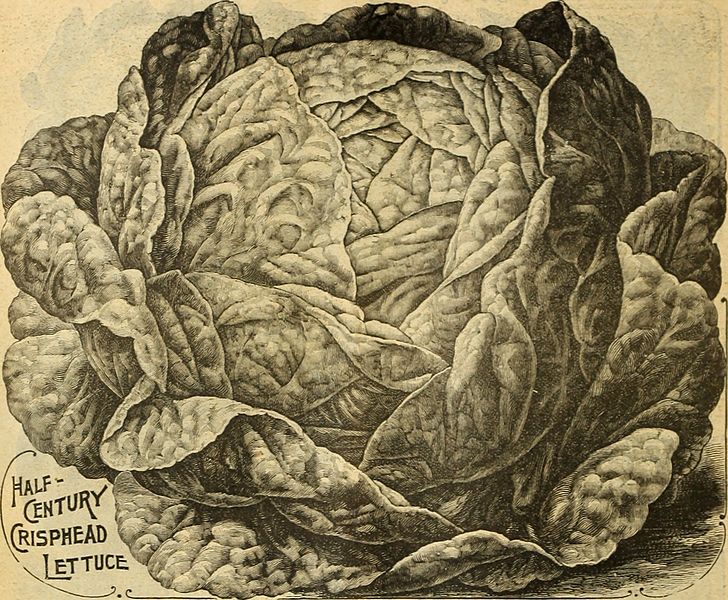
image credit: wikimedia commons

Crop wild relatives are a hot topic these days. That’s because feeding a growing population in an increasingly globalized world with the threat of climate change looming requires creative strategies. Utilizing wild relatives of crops in breeding programs is a potential way to improve yields and address issues like pests and diseases, drought, and climate change. While this isn’t necessarily a new strategy, it is increasingly important as the loss of biodiversity around the globe threatens many crop wild relatives. Securing them now is imperative.

There are about 100 species in the genus Lactuca. Most of them are found in Asia and Africa, with the greatest diversity distributed across Southwest Asia and the Mediterranean Basin. The genus consists of annual, biennial, and perennial species, a few of which are shrubs or vines. Prickly lettuce (L. serriola), willowleaf lettuce (L. saligna), and bitter lettuce (L. virosa) are weedy species with a wide distribution outside of their native range. Prickly lettuce is particularly common in North America, occurring in the diverse habitats of urban areas, natural areas, and agricultural fields. It is also the species considered to be the main ancestor of today’s cultivated lettuce.

In a paper published in European Journal of Plant Pathology in 2014. Lebeda et al. discuss using wild relatives in lettuce breeding and list some of the known cultivars derived from crosses with wild species. They write that in the last thirty years, “significant progress has been made in germplasm enhancement and the introduction of novel traits in cultivated lettuce.” Traditionally, Lactuca serriola has been the primary source for novel traits, but breeders are increasingly looking to other species of wild lettuce.

bitter lettuce (Lactuca virosa) – image credit: wikimedia commons

Resistance to disease is one of the main aims of lettuce breeders. Resistance genes can be found among populations of cultivated lettuce, but as “extensive screening” for such genes leads to “diminishing returns in terms of new resistance,” breeders look to wild lettuce species as “sources of new beneficial alleles.” The problem is that there are large gaps in our knowledge when it comes to wild lettuce species and their interactions with pests and pathogens. Finding the genes we are looking for will require “screening large collections of well defined wild Lactuca germplasm.” But first we must develop such collections.

In a separate paper (published in Euphytica in 2009), Lebeda et al. discuss just how large the gaps in our understanding of the genus Lactuca are. Beginning with our present collections they found “serious taxonomic discrepancies” as well as significant redundancy and unnecessary duplicates in and among gene banks. They also pointed out that “over 90% of wild collections are represented by only three species” [the three weedy species named above], and they urged gene banks to “rapidly [acquire] lettuce progenitors and wild relatives from the probable center of origin of lettuce and from those areas with the highest genetic diversity of Lactuca species” as their potential for improving cultivated lettuce is too important to neglect.

Lactuca is a highly variable genus; species can differ substantially in their growth and phenology from individual to individual. Lebeda et al. write, “developmental stages of plants, as influenced through selective processes under the eco-geographic conditions where they evolved, can persist when plants are cultivated under common environmental conditions and may be fixed genetically.” For this reason it is important to collect numerous individuals of each species from across their entire range in order to obtain the broadest possible suite of traits to select from.

One such trait is root development and the related ability to access water and nutrients and tolerate drought. Through selection, cultivated lettuce has become a very shallow-rooted plant, reliant on regular irrigation and fertilizer applications. In an issue of Theoretical and Applied Genetics published in 2000, Johnson et al. demonstrate the potential that Lactuca serriola, with its deep taproot and ability to tolerate drought, has for developing lettuce cultivars that are more drought tolerant and more efficient at using soil nutrients.

willowleaf lettuce (Lactuca saligna) – image credit: wikimedia commons

Clearly we have long way to go in developing improved lettuce cultivars using wild relatives, but the potential is there. As Lebeda et al. write in the European Journal of Plant Pathology, “Lettuce is one of the main horticultural crops where a strategy of wild related germplasm exploitation and utilization in breeding programs is most commonly used with very high practical impact.”

Coming Up in Part Two: Can cultivated lettuce cross with wild lettuce to create super weeds?

Charles Darwin and the Phylogeny of State Flowers and State Trees

This is a guest post by Rachel Rodman. Photos by Daniel Murphy.

———————

Every U.S. state has its own set of symbols: an official flower, an official tree, and an official bird. Collectively, these organisms form the stuff of trivia and are traditionally presented in the form of a list.

But, lists…well. As charming as lists can sometimes be, lists are rarely very satisfying.

So I decided to try something different.

I am not, of course, the first person to be unhappy with the eclectic, disordered nature of many biological assemblages. In the 18th century, Linnaeus developed a classification system in order to make sense of that untidiness. Kingdom, Phylum, Class, and so on.

In the 19th century, Darwin set biodiversity into an even more satisfying intellectual framework, outlining a model that linked organisms via descent from a series of common ancestors. And, as early as 1837, he experimented with a tree-like structure, in order to diagram these relationships.

Following Darwin’s lead, I’ve worked to reframe the state flowers and state trees in terms of their evolutionary history (*see the methods section below). And today, in honor of Darwin’s 209th birthday, I am delighted to present the results to you.

Let’s start with the state flowers.

In this tree, Maine’s “white pine cone and tassel” forms the outgroup. Among all the state “flowers,” it is the only gymnosperm—and therefore, in fact, not actually a flower.

Notice, also, that the number of branches in this tree is 39—not 50. Most of this stems from the untidy fact that there is no requirement for each state to select a unique flower. Nebraska and Kentucky, for example, share the goldenrod; North Carolina and Virginia share the dogwood.

With the branch labeled “Rose,” I’ve compressed the tree further. The state flowers of Georgia, Iowa, North Dakota, New York, and Oklahoma are all roses of various sorts; with my data set (*see methods below), however, I was unable to disentangle them. So I kept all five grouped.

This is a rich tree with many intriguing juxtapositions. Several clades, in particular, link geographical regions that are not normally regarded as having a connection. Texas’ bluebonnet, for example, forms a clade with Vermont’s red clover. So, similarly, do New Hampshire’s purple lilac and Wyoming’s Indian paintbrush.

Texas bluebonnet (Lupinus texensis) – the state flower of Texas

The second tree—the tree of state trees—is similarly rewarding. This tree is evenly divided between angiosperms (19 species) and gymnosperms (17 species).

Iowa’s state tree is simply the “oak”—no particular species was singled out. To indicate Iowa’s selection, I set “IA” next to the node representing the common ancestor of the three particular oak species: white oak, red oak, and live oak, which were selected as symbols by other states.

Arkansas’ and North Carolina’s state tree, similarly, is the “pine,”—no particular species specified. I’ve indicated their choice in just the same way, setting “AR” and “NC” next to the node representing the common ancestor of the eight particular pine species chosen to represent other states.

In this tree of trees, as with the tree of flowers, several clades link geographical regions that are not usually linked—at least not politically. Consider, for example, the pairing of New Hampshire’s white birch with Texas’ tree, the pecan.

Another phylogenetic pairing also intrigued me: Pennsylvania’s eastern hemlock and Washington’s western hemlock. It evokes, I think, a pleasing coast-to-coast symmetry: two states, linked via an east-west cross-country bridge, over a distance of 2,500 miles

The corky bark of bur oak (Quercus macrocarpa). Oak is the state tree of Iowa.

In this post, I’ve presented the U.S. state flowers and U.S. state trees in evolutionary framework. The point in doing that was not to denigrate any of the small, human stories that lie behind these symbols—all of the various economic, historical, and legislative vagaries, which led each state to select these particular plants to represent them. (Even more importantly, I have no wish to downplay the interesting nature of any of the environmental factors that led particular plants to flourish and predominate in some states and not others.)

The point, instead, was to suggest that these stories can coexist and be simultaneously appreciated alongside a much larger one: the many million year story of plant evolution.

With Darwin’s big idea—descent with modification—the eclectic gains depth and meaning. And trivia become a story—a grand story, which can be traced back, divergence point by divergence point: rosids from asterids (~120 mya); eudicots from monocots (~160 mya); angiosperms from gymnosperms (~300 mya), and so on and so on.

So today, on Darwin’s 209th, here, I hope, is one of the takeaways:

An evolutionary framework really does make everything—absolutely everything: U.S. state symbols included—more fun, more colorful, more momentous, and more intellectually satisfying.

Thanks, Darwin.

*Methods:

To build these two trees, I relied on a data set from TimeTree.org, a website maintained by a team at Temple University. At the “Load a List of Species” option at the bottom of the page, I uploaded two lists of species in .txt format; each time, TimeTree generated a phylogenetic tree, which served as a preliminary outline.

Later, once I’d refined my outlines, I used the “Get Divergence Time For a Pair of Taxa” feature at the top of the page in order to search for divergence time estimates. As I reconstructed my trees in LibreOffice, I used these estimates to make my branch lengths proportional.

———————

Rachel Rodman has a Ph.D. in Arabidopsis genetics and presently aspires to recontextualize all of history, literature, and popular culture in the form of a phylogenetic tree. Won’t you help her?