Winter Trees and Shrubs: Netleaf Hackberry

Boise, Idaho is frequently referred to as the City of Trees despite being located in a semiarid region of the Intermountain West known as the sagebrush steppe where few trees naturally grow. It earns this moniker partly because the name Boise is derived from the river that runs through it (the Boise River), which was named La Rivere Boisse, or The Wooded River, by early French trappers. Although it flows through a largely treeless landscape, The Wooded River was an apt name on account of the wide expanse of cottonwoods and willows that grew along its banks. The fervent efforts of early colonizers to plant trees in large numbers across their new city also helped Boise earn the title, City of Trees. Today, residents continue the legacy of planting trees, ensuring that the city will remain wooded for decades to come.

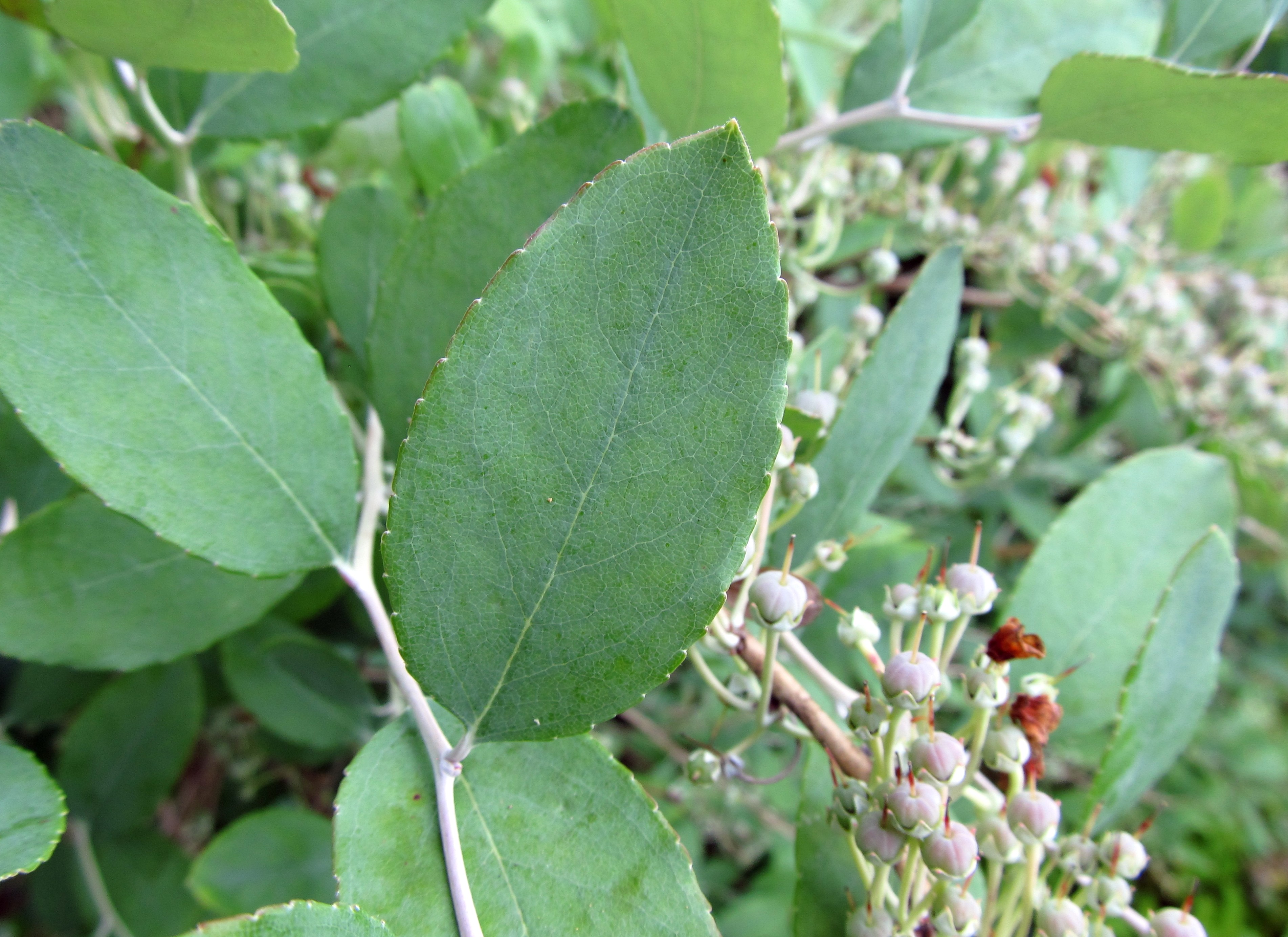
As is likely the case for most urban areas, the majority of trees being planted in Boise are not native to the region. After all, very few tree species are. However, apart from the trees that flank the Boise River, there is one tree in particular that naturally occurs in the area. Celtis reticulata, commonly known as netleaf hackberry, can be found scattered across the Boise Foothills amongst shrubs, bunchgrasses, and wildflowers, taking advantage of deep pockets of moisture found in rocky outcrops and draws.

The western edge of netleaf hackberry’s range extends to the northwest of Boise into Washington, west into Oregon, and down into California. The majority of its range is found south of Idaho, across the Southwest and into northern Mexico, then east into the prairie regions of Kansas and Oklahoma. Previously placed in the elm family, it is now considered a member of the family Cannabaceae (along with hemp and hops). It’s a relatively small, broad tree (sometimes a shrub) with a semi-rounded crown. It grows slowly, is long-lived, and generally has a gnarled, hardened, twisted look to it. It’s a tough tree that has clearly been through a lot.

The leaves of Celtis reticulata are rough, leathery, and oval to lance shaped with serrate or entire leaf margins. Their undersides have a distinct net-like pattern that gives the tree its common name. A very small insect called a hackberry psyllid lays its eggs inside the leaf buds of netleaf hackberries in the spring. Its larvae develop inside the leaf, feeding on the sugars produced during photosynthesis, and causing nipple galls to form in the leaves. It’s not uncommon to see a netleaf hackberry with warty-looking galls on just about every leaf. Luckily, the tree doesn’t seem to be bothered by this.

fallen leaves of netleaf hackberry (Celtis reticulata) with nipple galls

The fruit of netleaf hackberry is a pea-sized drupe that hangs at the end of a pedicel that is 1/4 to 1/2 inch long. Its skin is red-orange to purple-brown, and its flesh is thin with a large seed in the center. The fruits, along with a few random leaves, persist on the tree throughout the winter and provide food for dozens of species of birds and a variety of mammals.
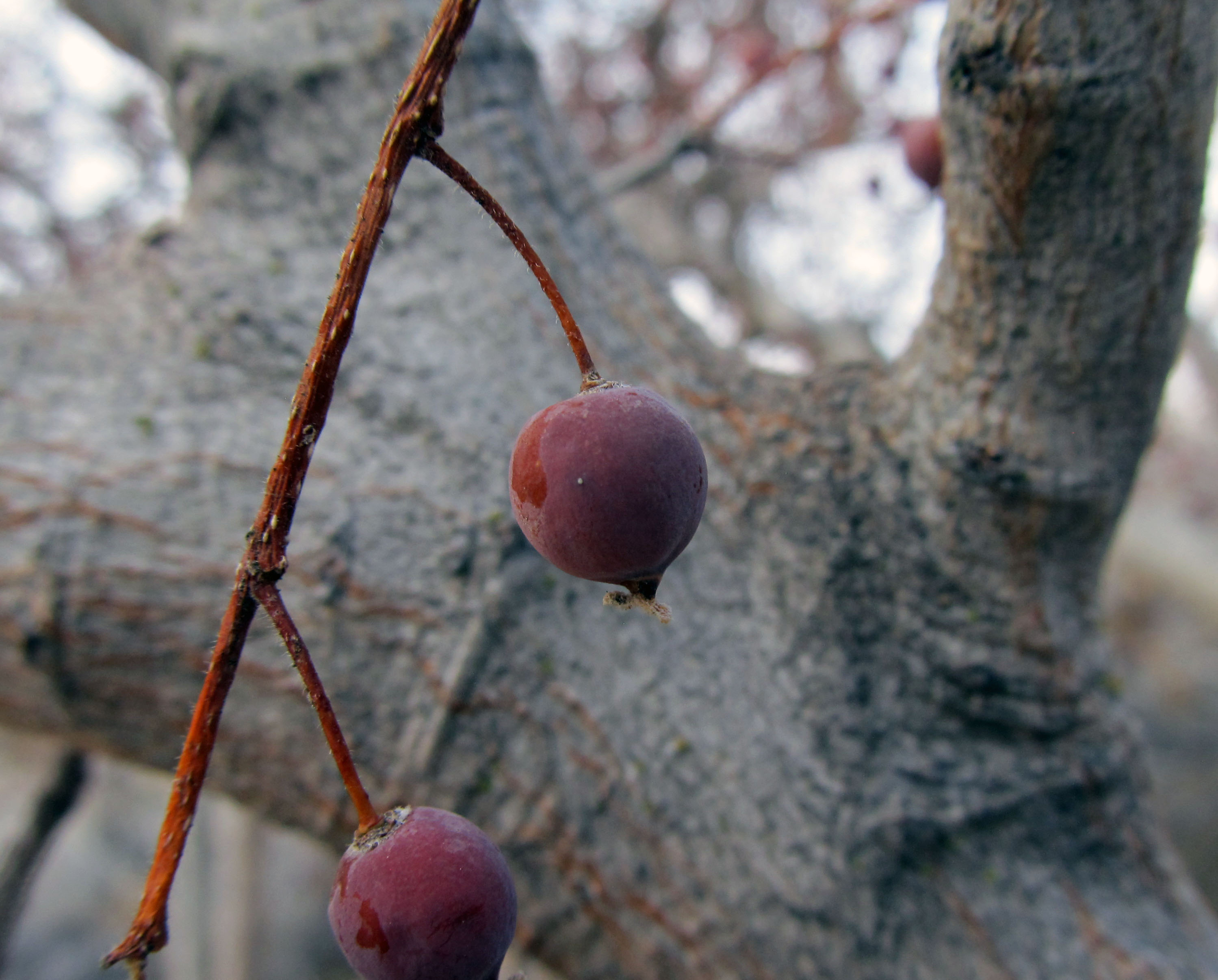
persistent fruit of netleaf hackberry (Celtis reticulata)

Celtis reticulata is alternately branched. Its twigs are slender, zig-zagging, and often curved back towards the trunk. They are reddish-brown with several pale lenticels and have sparse, fine, short hairs that are hard to see without a hand lens. The leaf scars are small, half-round, and raised up from the twig. They have three bundle scars that form a triangle. The buds are triangle-shaped with fuzzy bud scales that are slightly lighter in color than the twig. The twigs are topped with a subterminal bud, and the pith (the inner portion of the twig) is either chambered or diaphragmed and difficult to see clearly without a hand lens. 
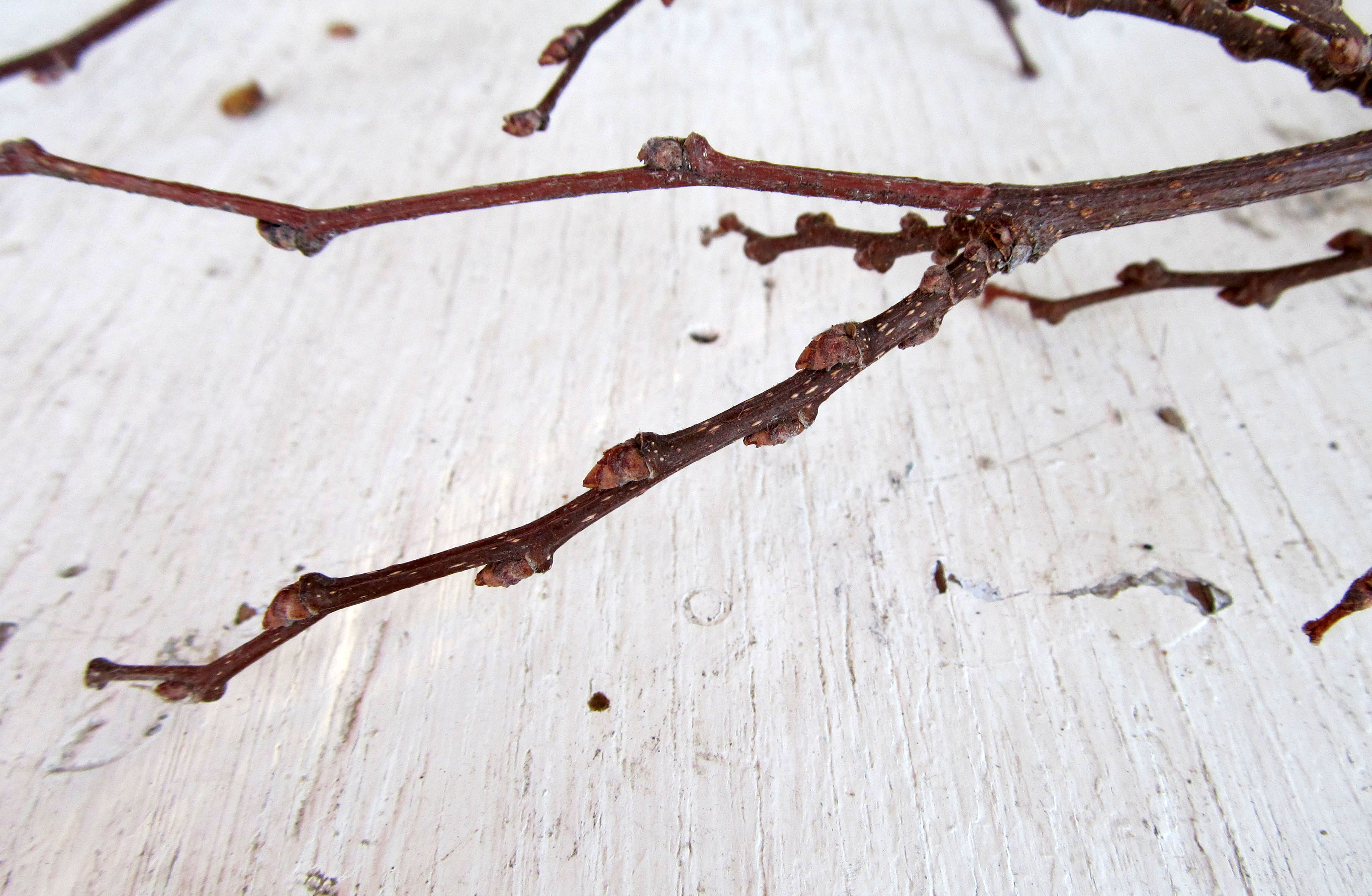
twigs of netleaf hackberry (Celtis reticulata)

The young bark of netleaf hackberry is generally smooth and grey, developing shallow, orange-tinged furrows as it gets older. Mature bark is warty like its cousin, Celtis occidentals, and develops thick, grey, corky ridges. Due to its slow growth, the bark can be retained long enough that it becomes habitat for extensive lichen colonies.
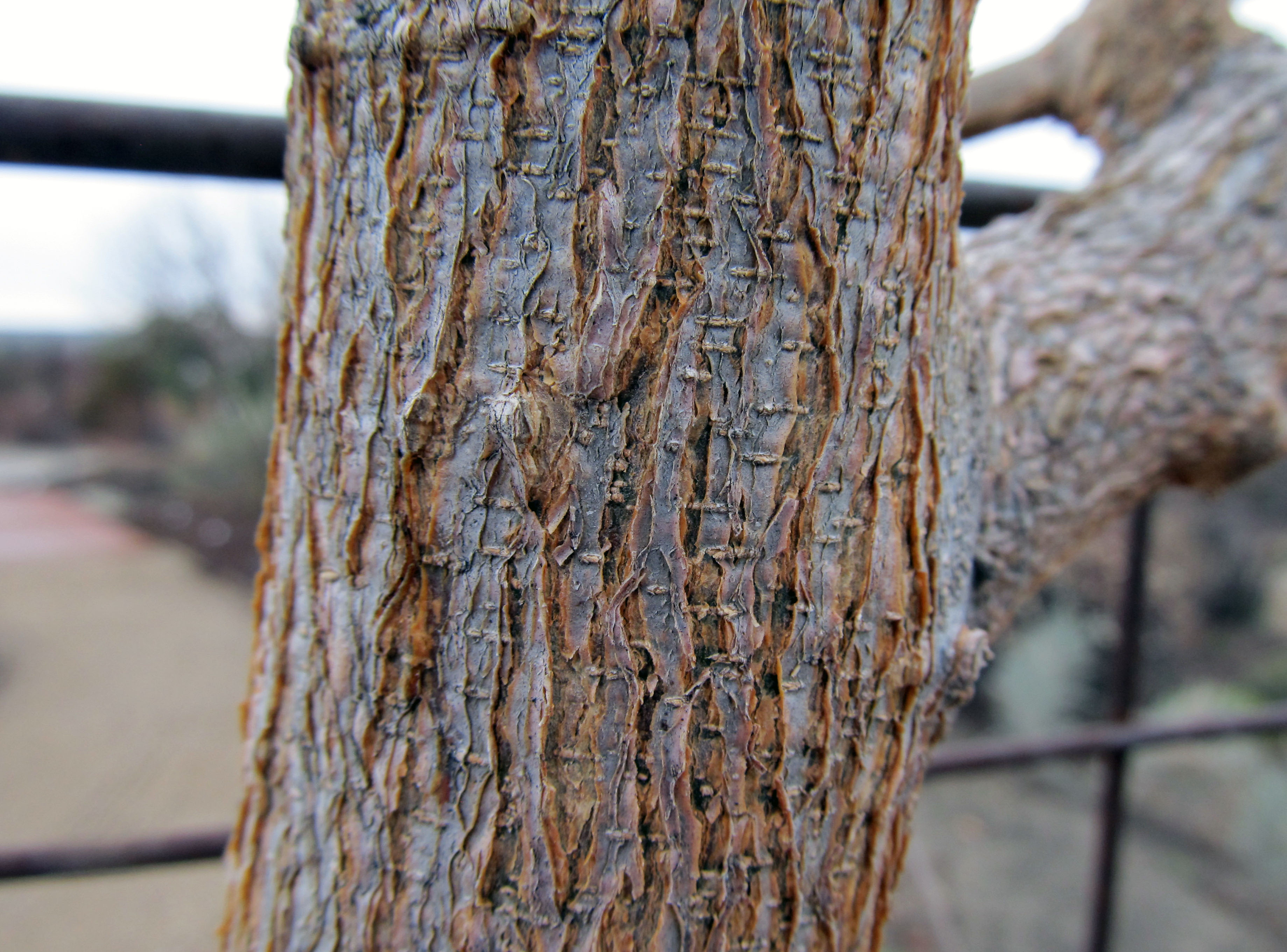
bark of young netleaf hackberry (Celtis reticulata)

bark of mature netleaf hackberry (Celtis reticulata)

Netleaf hackberry is one of the last trees to leaf out in the spring, presumably preserving as much moisture as possible as it prepares to enter another scorching hot, bone-dry summer typical of the western states. Its flowers open around the same time and are miniscule and without petals. Their oversized mustache-shaped, fuzzy, white stigmas provide some entertainment for those of us who take the time to lean in for a closer look.
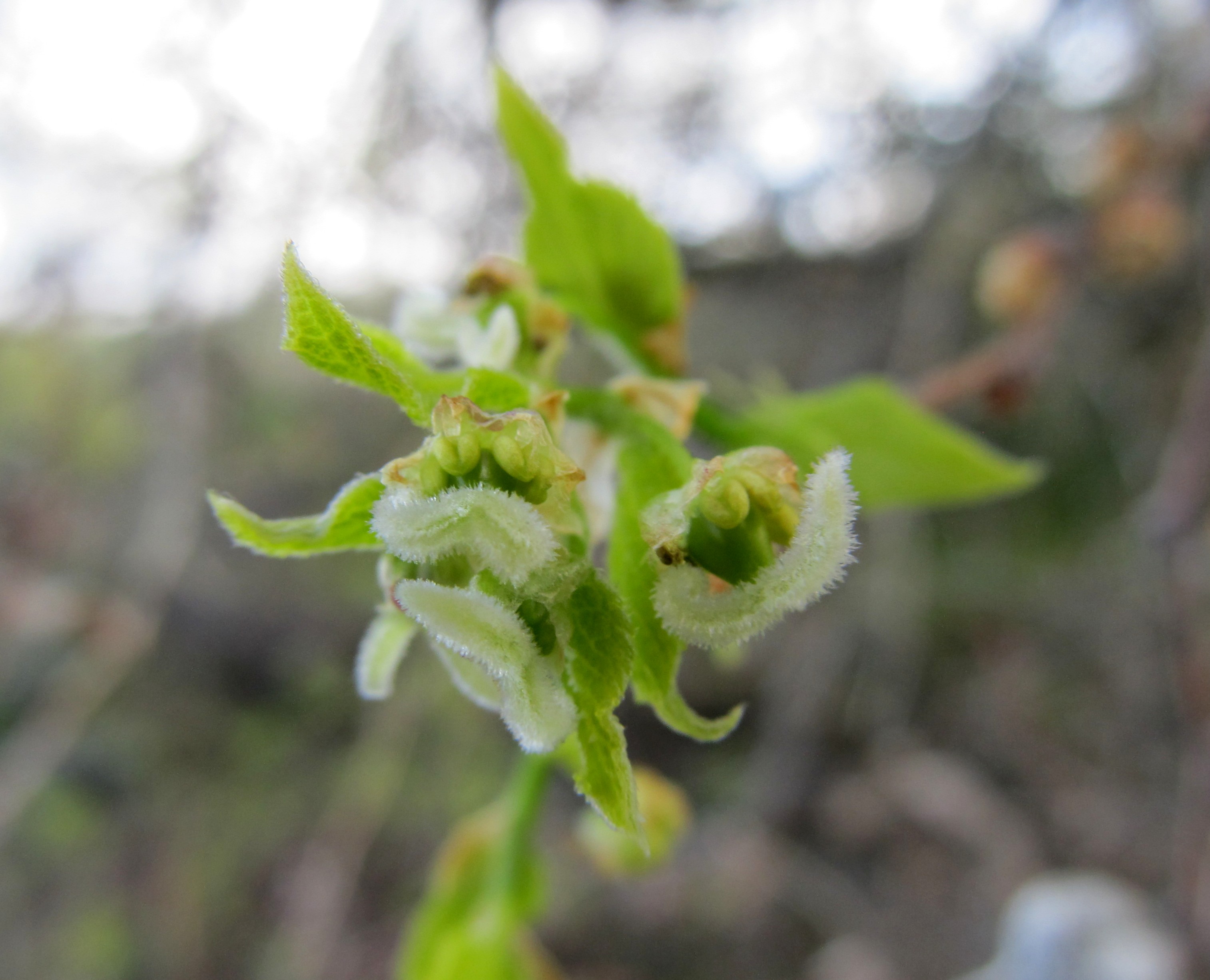
spring flowers of netleaf hackberry (Celtis reticulata)

More Winter Trees and Shrubs on Awkward Botany:

———————

Photos of netleaf hackberry taken at Idaho Botanical Garden in Boise, Idaho.

Winter Trees and Shrubs: Eastern Redbud

Botanizing doesn’t have to end when the leaves fall off the trees and the ground goes frozen. Plants may stop actively growing during this time, but they are still there. Some die back to the soil level and spend the entire winter underground, leaving behind brown, brittle shells of their former selves. Others, particularly those with woody stems, maintain their form (although many of them leafless) as they bide their time while daylength dips and rises again, bringing with it the promise of warmer weather. Plants that leave us with something to look at during the winter can still be identified. Without foliage or flowers to offer us clues, we rely instead on branches, bark, and buds to identify woody species. In some cases, such features may even be more helpful in determining a certain species than their flowers and foliage ever were. Either way, it’s a fun challenge and one worth accepting if you’re willing to brave the cold, hand lens and field guides in tow.

In this series of posts I’ll be looking closely at woody plants in winter, examining the twigs, buds, bark, and any other features I come across that can help us identify them. Species by species, I will learn the ropes of winter plant identification and then pass my findings along to you. We’ll begin with Cercis canadensis, an understory tree commonly known as eastern redbud.

Eastern redbud is distributed across central and eastern North America, south of southern Michigan and into central Mexico. It is also commonly grown as an ornamental tree outside of its native range, and a number of cultivars have been developed for this purpose. Mature trees reach up to 30 feet and have short trunks with wide, rounded crowns. Its leaves are entire, round or heart-shaped, and turn golden-yellow in the fall. Gathered below the tree in winter, the leaves maintain their shape and are a light orange-brown color.

fallen leaf of eastern redbud (Cercis canadensis)

Eastern redbud is alternately branched with slender, zig-zagging twigs that are dark reddish-brown scattered with several tiny, light-colored lenticels. Older sections of branches are more grey in color. Leaf scars (the marks left on twigs after leaves fall) are a rounded triangle shape and slightly raised with thin ridges along each side. The top edge of the leaf scar is fringed, which I found impossible to see without magnification. Leaf buds are egg-shaped and 2-3 mm in length with wine-red bud scales that are glabrous (smooth) with slightly white, ciliate margins. Descriptions say there are actually two buds – one stalked and one sessile. If the second bud is there, it’s miniscule and obscured by the leaf scar. I haven’t actually been able to see one. Twigs lack a terminal bud or have a tiny subterminal bud that points off to one side. The pith of the twigs is rounded and pale pink. Use sharp pruners or a razor blade to cut the twig in half lengthwise to see it.

twig and buds of eastern redbud (Cercis canadensis)

Bark is helpful in identifying woody plants any time of year, but is especially worth looking at during the winter when branches have gone bare. The bark of young eastern redbud is grey with orange, furrowed streaks running lengthwise along the trunk. In mature trees, the bark is gray, scaly, and peels to reveal reddish-brown below.

bark of young eastern redbud (Cercis canadensis)

bark of mature eastern redbud (Cercis canadensis)

Eastern redbud is in the bean family (Fabaceae) and its flowers and fruits are characteristic of plants in this family. Fruits can persist on the tree throughout the winter and are another way to identify the tree during the off-season. Seed pods are flat, dark red- or orange-brown, and up to 2.5 inches long with four to ten seeds inside. The seeds are flat, round, about 5 millimeters long, and ranging in color from orange-brown to black.

persistent fruits of eastern redbud (Cercis canadensis)

seeds of eastern redbud (Cercis canadensis)

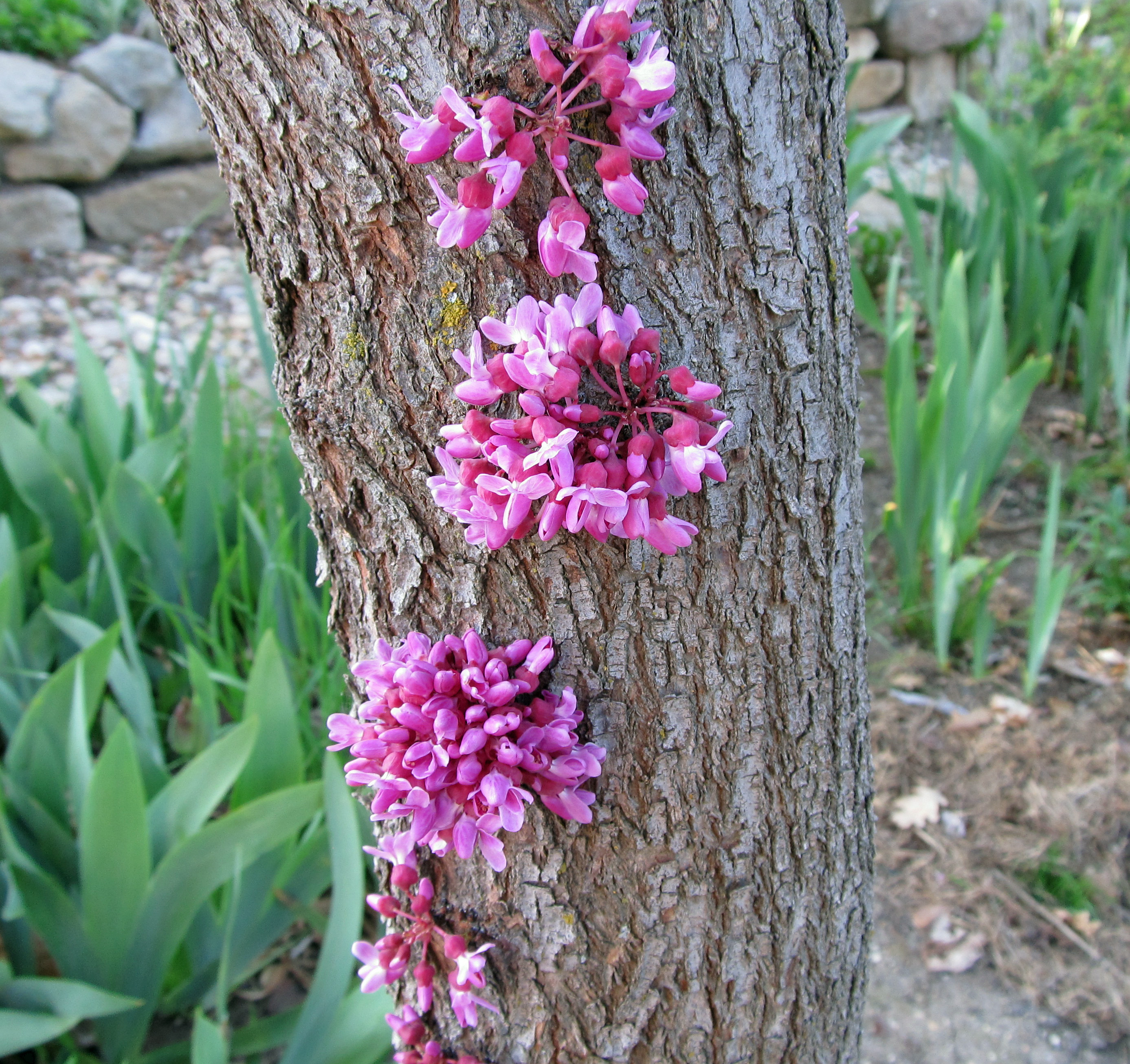
Eastern redbud flowers in early spring before it has leafed out. Clusters of bright pink flowers form on old branches rather than new stems and twigs. Sometimes flowers even burst right out of the main trunk. This unique trait is called cauliflory.

cauliflory on eastern redbud (Cercis canadensis)

———————

Photos of eastern redbud taken at Idaho Botanical Garden in Boise, Idaho.

Tea Time: Lemon Balm Tea

Cooler weather has me thinking about hot tea again. This time around I decided to go with something I’ve already tried and know that I like. Despite the fact that lemon balm can be quite abundant and readily available, I don’t really drink it that often. Yet, considering claims made regarding its calming nature, this is definitely the year to have it.

lemon balm (Melissa officinalis)

Melissa officinalis is an herbaceous perennial native to the Mediterranean Basin and beyond. It has been widely planted outside of its native range and has become naturalized – some might say weedy – in many parts of the world. It self-sows easily and also spreads readily via stolons and/or rhizomes. It isn’t picky about soil type and grows well in both sun and part shade. Lemon balm is in the mint family and acts in a similarly aggresive way to some of its relatives, but luckily isn’t nearly as tenacious as mint in its tendency to dominate a garden bed.

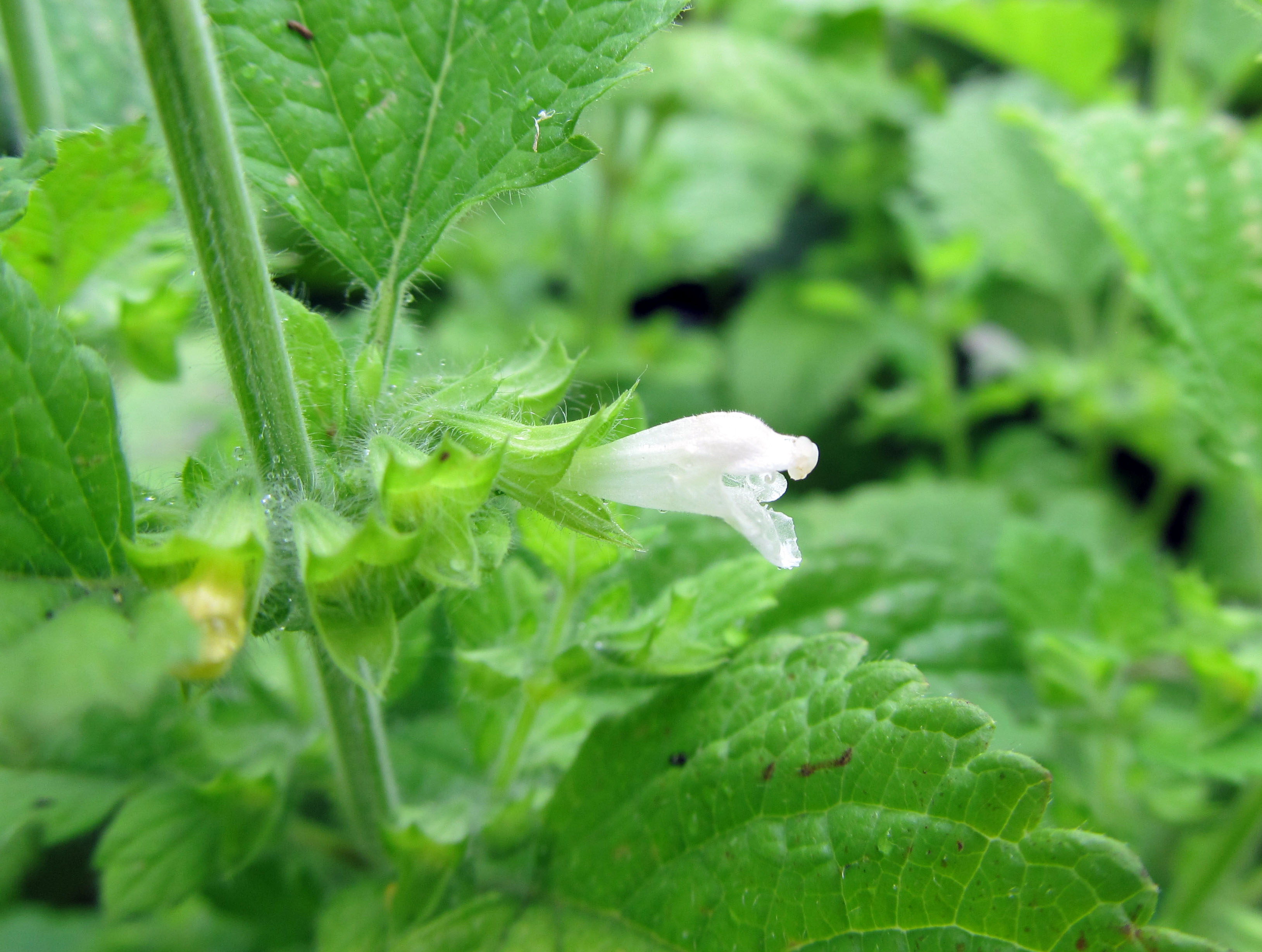
The leaves of lemon balm have a wrinkled appearance, are triangular or wedge-shaped with toothed margins, and are arranged oppositely on square stems up to three feet tall. Small, white or pale yellow (sometimes pale pink) flowers are inconspicuous and produced in the axils of leaves. They are often sparse enough to be hardly noticeable. This plant’s aesthetic appeal is all about its pleasant and prolific green foliage. Yet, despite the simplicity of its flowers, lemon balm is known for being attractive to bees and is often propagated specifically to feed honeybees. In fact, the genus name Melissa apparently means honeybee in Ancient Greek.

lemon balm flower

The leaves of lemon balm can be consumed fresh or dried and have a number of other uses besides tea. They have a sweet, lemon-like scent and, like so many other herbs with a long history of human use, have a wide array of medicinal claims associated with them. Many sources agree on lemon balm’s ability to calm the nerves, reduce stress and anxiety, and fight off insomnia. According to The Herb Society of America’s Essential Guide to Growing and Cooking with Herbs, lemon balm “has been used as a relaxing agent and as an aid to restful, nightmare-free sleep.” Sounds like I could use more lemon balm in my life.

dried lemon balm leaves

Lemon balm tea can be made with either fresh or dried leaves, but fresh leaves seem to make a more flavorful tea. I had only tried tea made from dried leaves until recently and have decided that I prefer fresh leaves. Simply harvest a few leaves, cut or tear them apart to release the lemony flavor, place them in a cup, and cover them in hot water. Some recipes (like this one) suggest adding honey, while others mix lemon balm with additional herbs known for their lemon-like flavor or relaxing nature (lemon thyme and lemon verbena, for example). Sierra was immediately taken by lemon balm tea when she tried it – in contrast to her experience with violet leaf tea – and even said it was right up there with her preferred black teas. I’m not surprised, as it is one of my favorite teas as well.

lemon balm tea made with freshly harvested leaves

More Tea Time Posts on Awkward Botany:

Tea Time: Violet Leaf Tea

The genus Viola is large and widespread. Its flowers are easily recognizable and obviously popular. A significant number of Viola species, hybrids, and cultivars are commercially available and commonly planted in flower beds and container gardens. Certain species have even become weeds – vicious lawn invaders in some people’s opinion. Violets (or pansies in some cases) are also edible. Their leaves and/or flowers can be used in salads, drinks, and desserts. One way to use the leaves is to make tea, so that’s what I did.

I imagine you can make tea from any Viola species, but after some searching I found that two species frequently mentioned are Viola odorata and Viola sororia – two very similar looking plants, one from the Old World and the other from the New World.

sweet violet (Viola odorata)

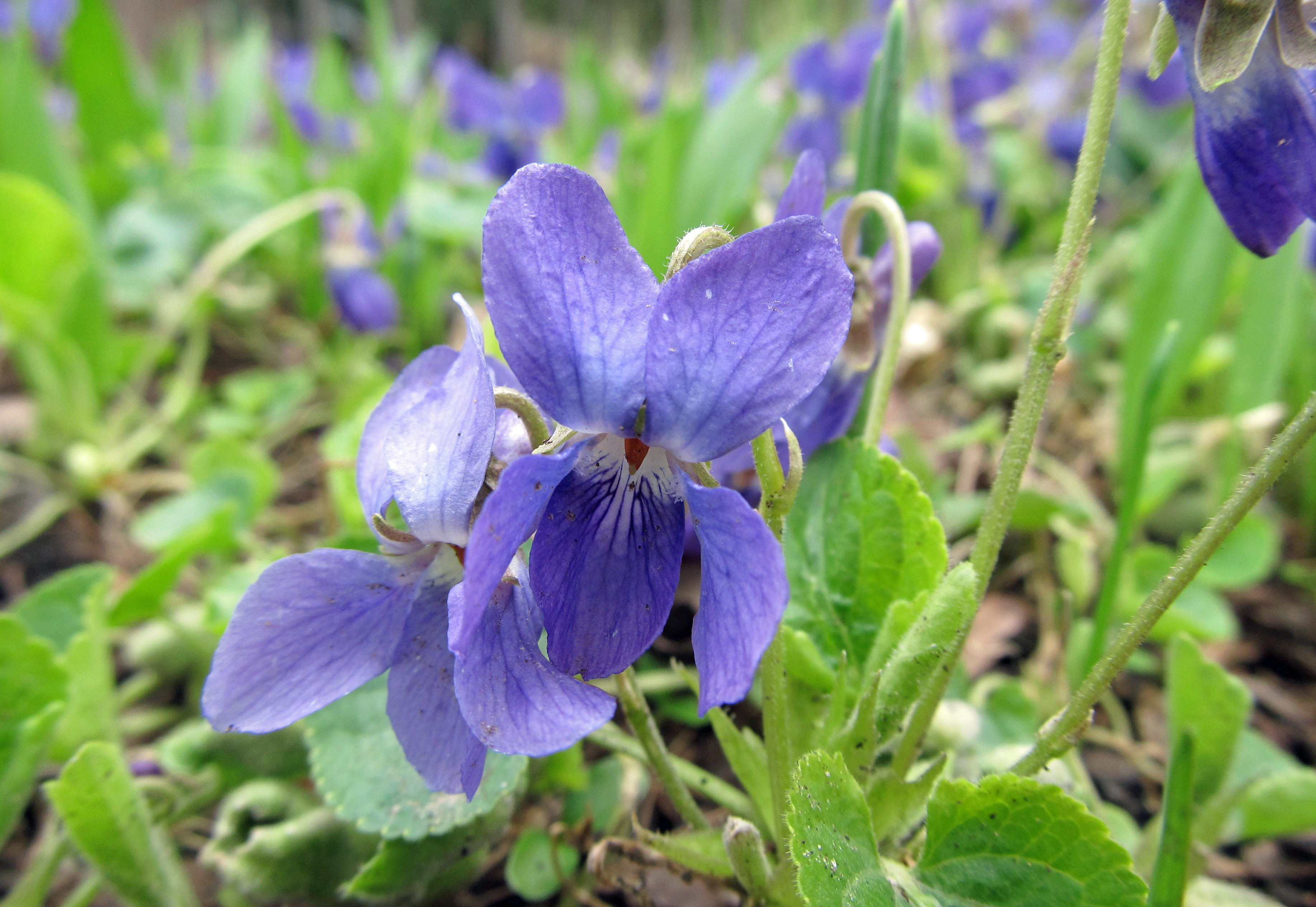
Viola odorata – commonly known as sweet violet, wood violet, or English violet – is distributed across Europe and into Asia and has been widely introduced outside of its natural range. It has round, oval, or heart-shaped leaves with toothed margins that grow from the base of the plant, giving it a groundcover-type habit. Its flowers range from dark purple to white and are borne atop a single stem that curves downward at the top like a shepherd’s crook. It has no leafy, upright stems, and it spreads horizontally via stolons and rhizomes. The flowers are distinctly fragrant and have a long history of being used in perfumes.

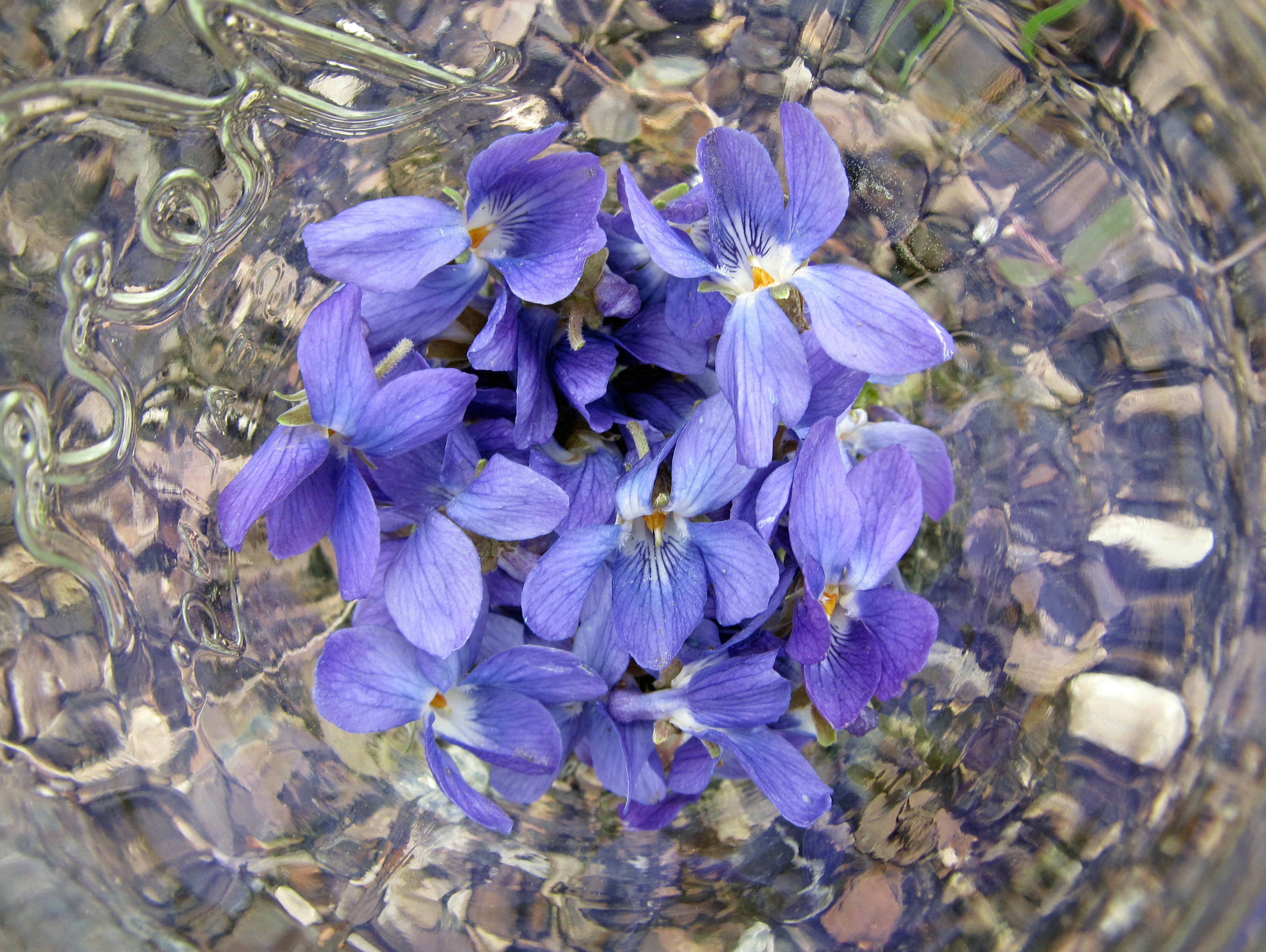
One way to get a good whiff of these flowers is to try a trick described in the book The Reason for Flowers by Stephen Buchmann:

Go into a garden or any natural area and select one or more flowers you want to investigate…. Select a small, thoroughly washed and dried glass jar with a tight-fitting lid. Place just one type of flower in the jar. Set your jar in a warm, sunny place such as a windowsill and come back in an hour or two. Carefully open the lid and sniff…. If you’ve selected a blossom with even the faintest scent, you should be able to smell it now, since the fragrance molecules have concentrated inside the jar.
sweet violet flowers inside glass jar

Viola sororia – native to eastern North America –  is also commonly planted outside of its native range. It’s clearly a favorite, having earned the distinction of state flower in four U.S. states. Known as the common blue violet (or myriad other commons names), it looks and acts a lot like sweet violet. I distinguish them by their flowers, which are wider and rounder (chunkier, perhaps) than sweet violet flowers, and their leaves, which are generally more heart-shaped. Feel free to correct me. If, like me, you’re having trouble identifying violets, keep in mind that Viola species are highly variable and notorious hybridizers, so don’t beat yourself up over it. It’s their fault, not yours.

common blue violet (Viola sororia)

Violets bloom when the air is cool and the days are short. They are among the earliest plants to flower after the new year and among the latest plants flowering as the year comes to a close. In his entry on violets in The Book of Forest and Thicket, John Eastman refers to these early bloomers as “this low, blue flame in the woods.” They are like “a pilot light that ignites the entire burst of resurrection we call spring.” I can’t really picture spring without them. I find their unique flowers so intriguing that I fixate on them whenever I see them. And once I learned that I could make a tea out of their leaves, I had to try it.

I used the leaves of Viola odorata (or what I, with my amateur skills, identified as V. odorata). I picked several of what looked to be young leaves and left them to dry in the sun for several days. Later, I chopped them up and brewed a tea according to the instructions found on this website, which suggests using one tablespoon of dried leaves in sixteen ounces of water. Apparently, a little goes a long way, and I probably could have used fewer leaves than I did.

dried, chopped up leaves of sweet violet (Viola odorata) for making tea

The tea has a nice green color and smells a bit like grass to me. It may even taste like grass. I found it fairly bitter. Sierra didn’t like it and called it musty. I enjoyed it, but would likely enjoy it more if I hadn’t made it quite so strong. The aforementioned website also recommends combining violet leaf with other things like mint, dandelion, clover, and/or chamomile. I imagine a combination of ingredients could be better than just violet leaf on its own. Another site warns that “some of the wild violets have an unpleasant soapy flavor,” so that’s something to keep in mind when selecting your leaves for tea and other things. Either way, violet leaf tea is an experience worth having.

See Also: Pine Needle Teas

Awkward Botanical Sketches #3: The Ginkgo Edition

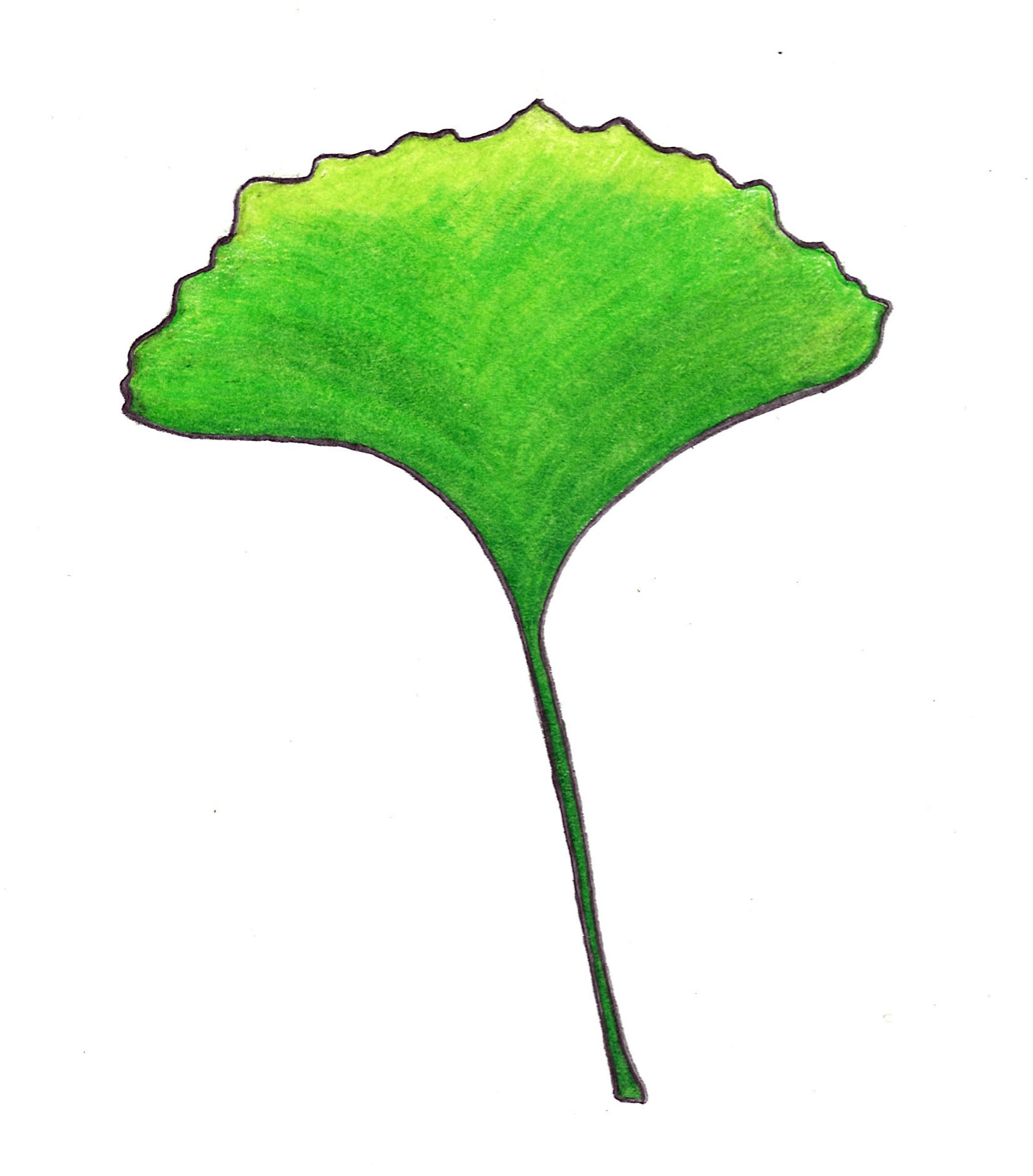
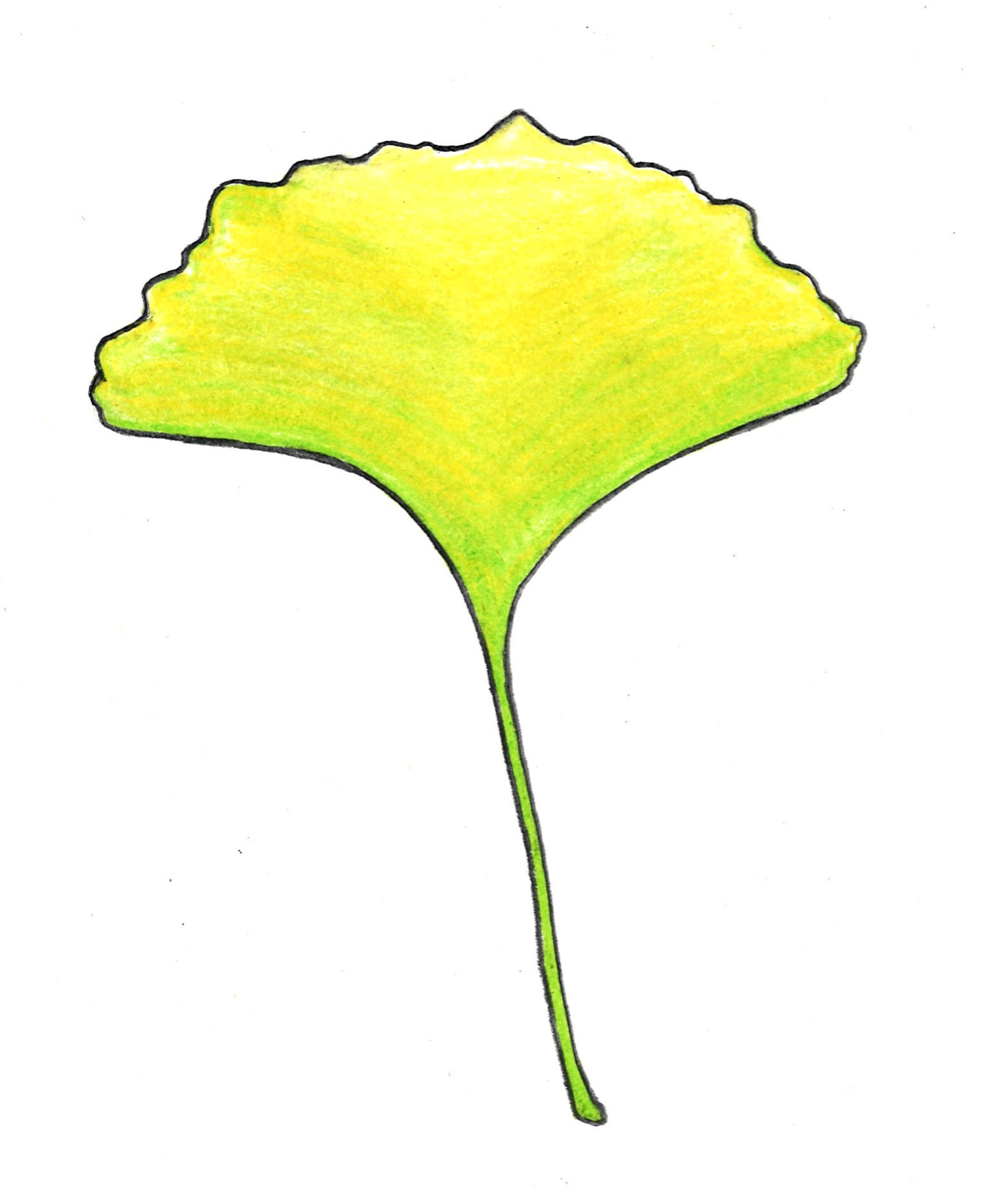
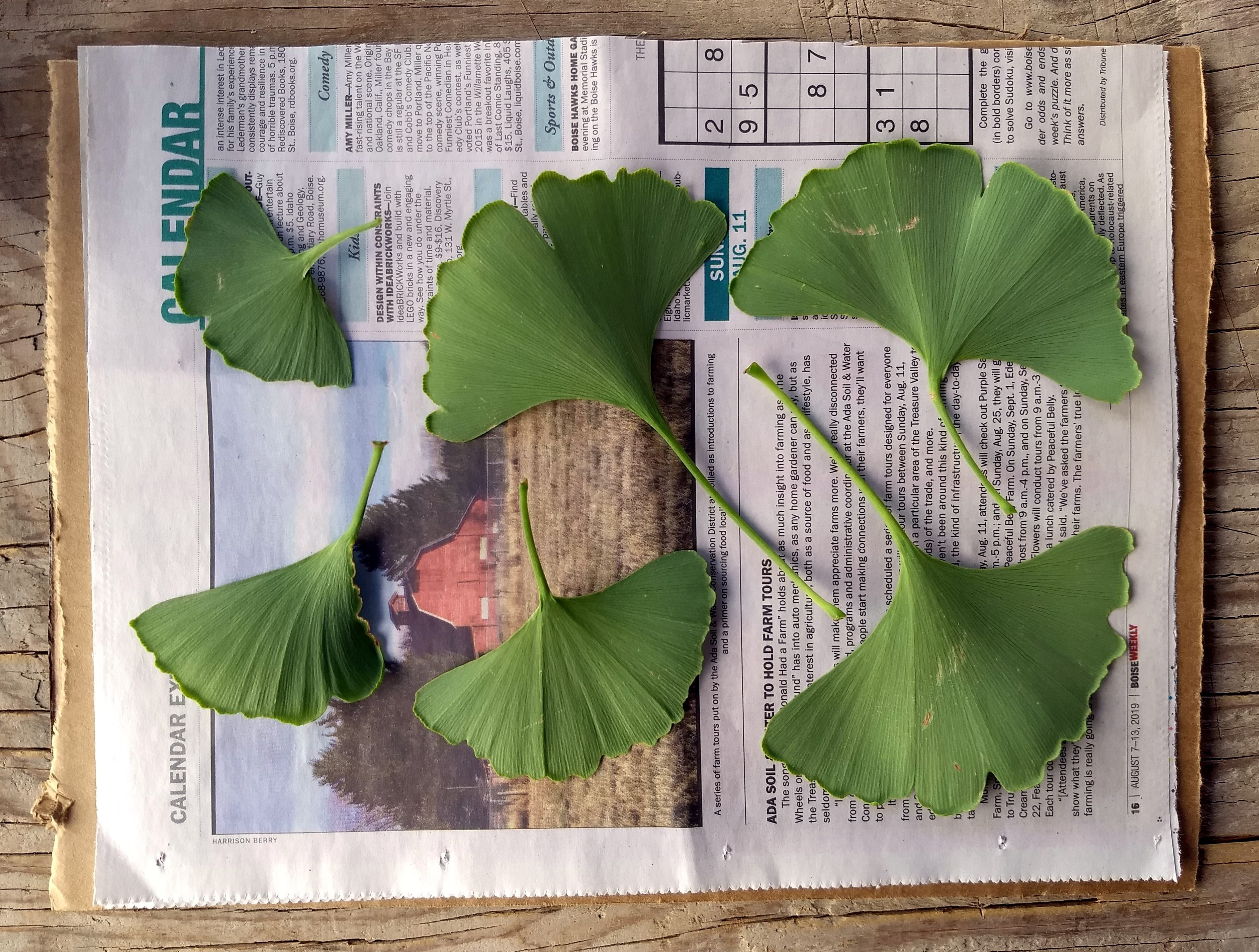
For most of my life, ginkgo has been a meaningful tree to me. I remember first learning about it as a fourth grader. Our teacher had assigned us each to make a leaf collection. My grandparents heard about my assignment and sent me a ginkgo leaf from a tree growing in their front yard. It was unlike any other leaf in my collection, and it had a fascinating back story. Not only is it the only living tree in its genus and family, it’s also the only extant species in its division (Ginkgophyta). It was around during the time of the dinosaurs, and is considered a living fossil. I felt honored to have it, especially when I learned that I was the only kid in the class that had one.

Since then I’ve considered Ginkgo biloba to be one of the best trees. It continues to fascinate me. It’s a beautiful tree with captivating foliage, and it’s resiliency is amazing. It’s no wonder that depictions of ginkgo are so common across many cultures.

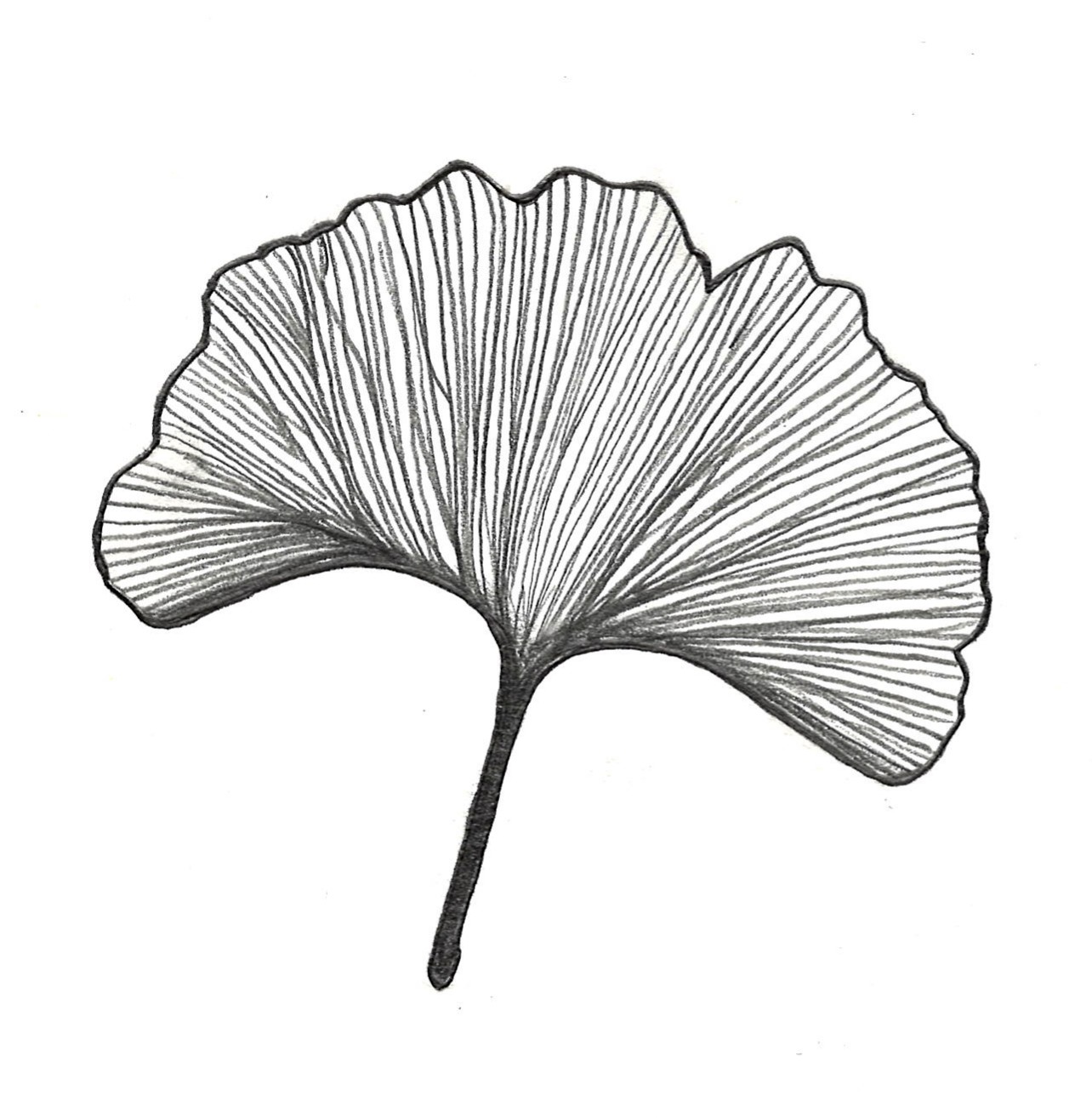
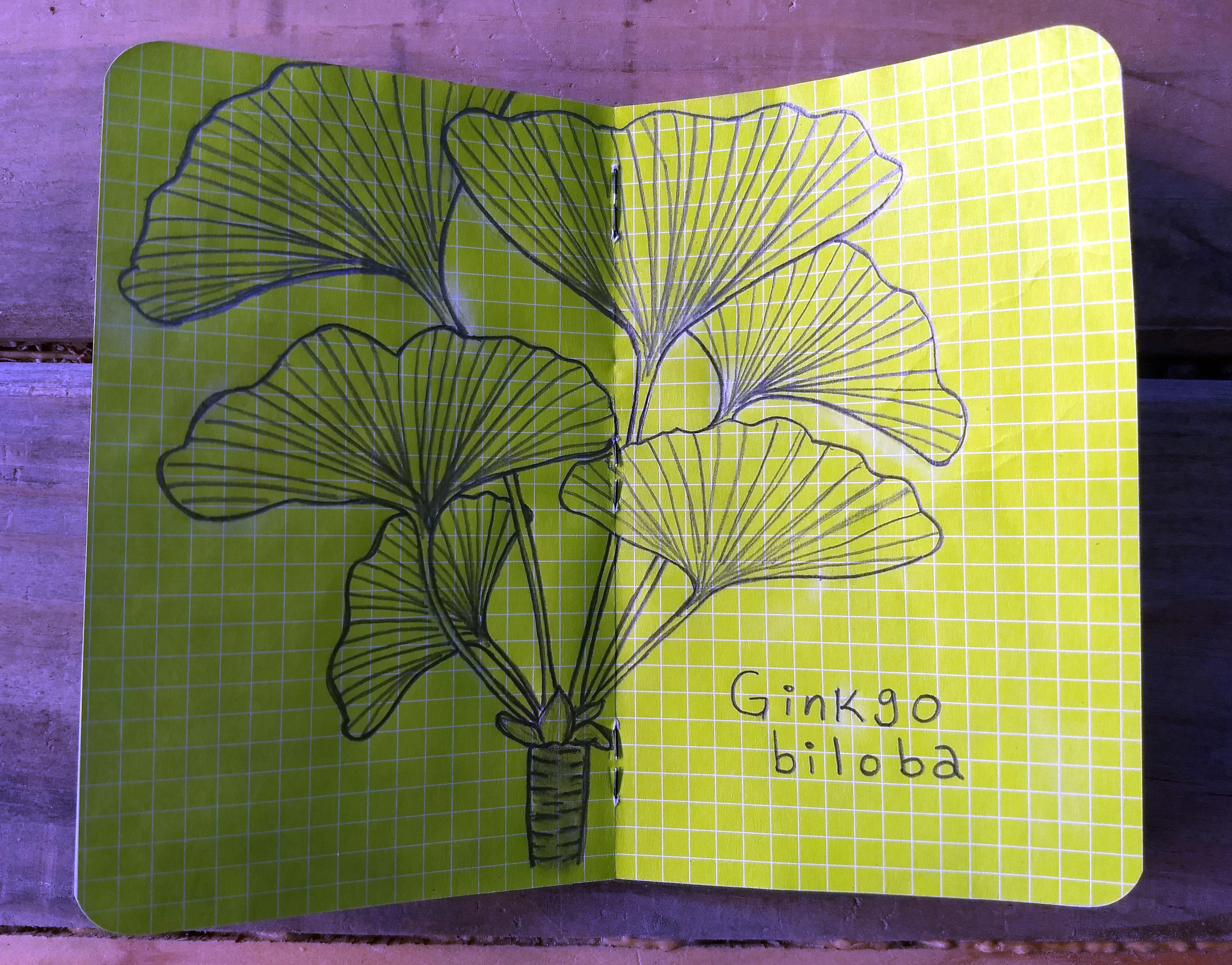
Since I love looking at ginkgo leaves, I decided to try to draw them. If you’ve been following this series of posts, you’ll remember that my drawing skills are severely lacking. A shape as simple as a ginkgo leaf should be easy to draw, but not for me. I resorted first to tracing leaves that I had pressed, and then going from there. Below are some of my results.

Ginkgo biloba leaf rubbing inspired by a page in Gayla Trail’s book, Grow Curious. After several attempts, this was the best I could do.

Finally, a freehand drawing of a cluster of ginkgo leaves in my pocket notebook in celebration of Staple Day.

Some ginkgo leaves I mailed to the Smithsonian for their Fossil Atmospheres research project.

See Also:

Field Trip: Green Spring Gardens and Meadowlark Botanical Gardens

Last month, Sierra and I were in Washington D.C. for the American Public Gardens Association annual meeting. We didn’t get to visit nearly as many gardens as I would have liked. Time was limited, and rain spoiled things a bit. However, we did get a chance to take an all day field trip to a few gardens in nearby Virginia. A couple of the gardens we visited on that trip were Green Spring Gardens in Alexandria, VA and Meadowlark Botanical Gardens in Vienna, VA.

Both gardens are quite large – Green Spring is over 30 acres and Meadowlark covers over 90 acres – and there wasn’t time to get the full experience at either location. Thus, my photos are scant and obviously not fully representative of either place. Either way, we had a good time visiting both gardens.

Green Spring Gardens

The Fairfax County Parks Authority owns and operates Green Spring Gardens. Among other partnerships, they receive considerable support from a non-profit organization called Friends of Green Spring. Although it was the wrong time of year to see them in bloom, Green Spring Gardens has a nationally accredited witch hazel collection that I’m sure would be worth checking out in the winter months. I enjoyed walking through the native plant garden, seeing the newly planted crevice garden, and learning about magnolia bogs from a friendly and enthusiastic volunteer.

the pink form of smooth azalea (Rhododendron arborescens) in the Virginia Native Plant Garden

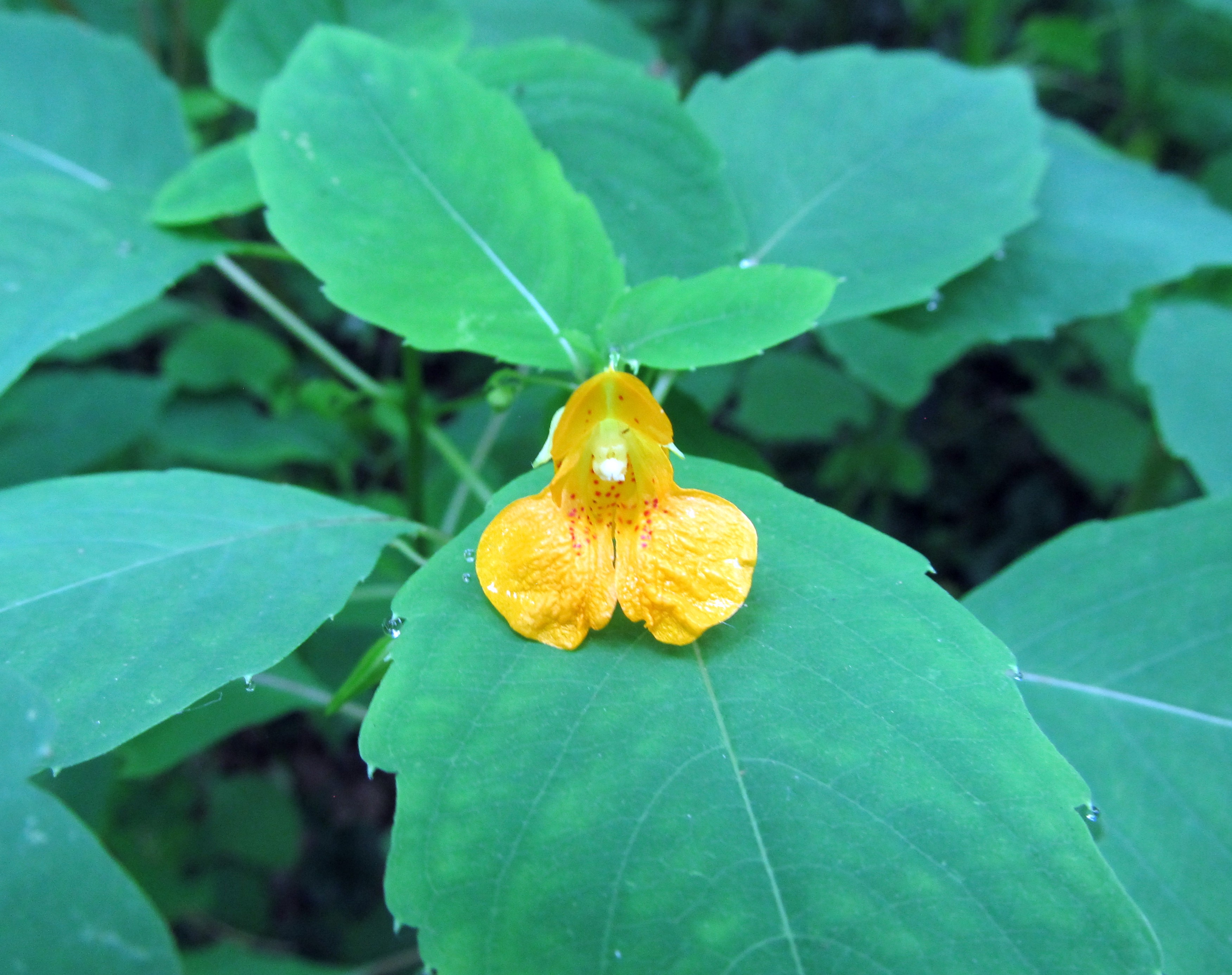
jewelweed (Impatiens capensis) in the Virginia Native Plant Garden

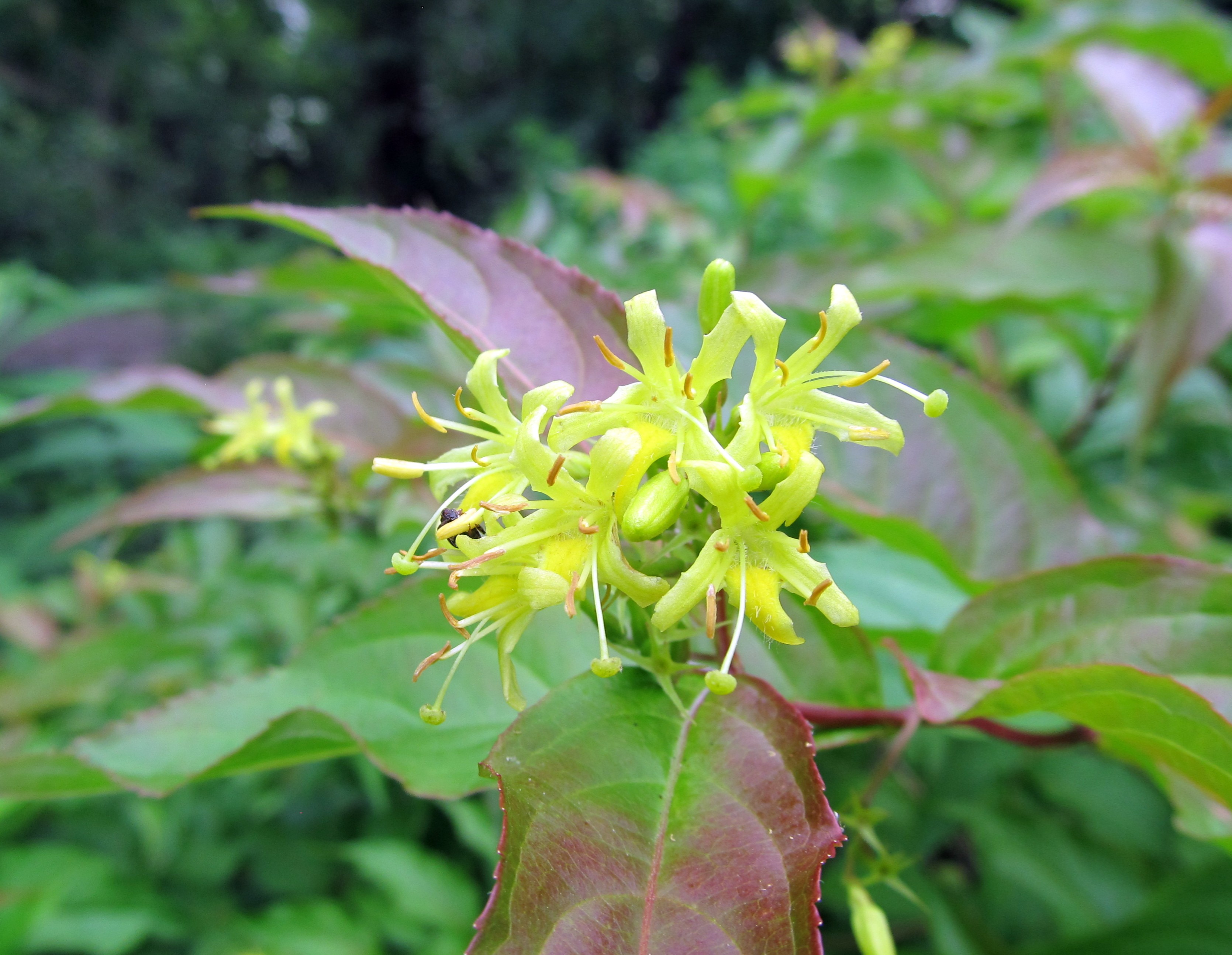
bush honeysuckle (Diervilla lonicera) in the Virginia Native Plant Garden

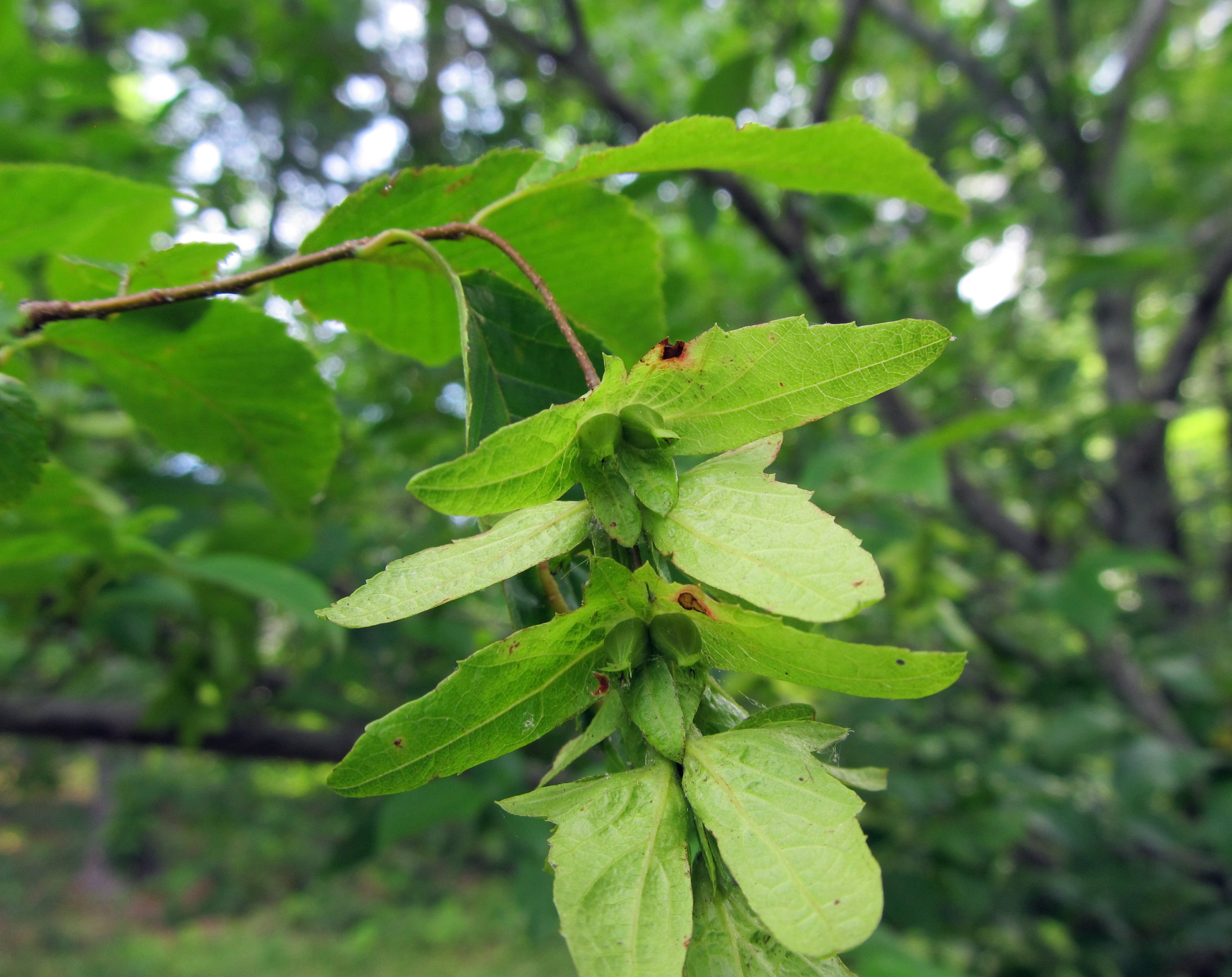
hornbeam inflorescence (Carpinus sp.)

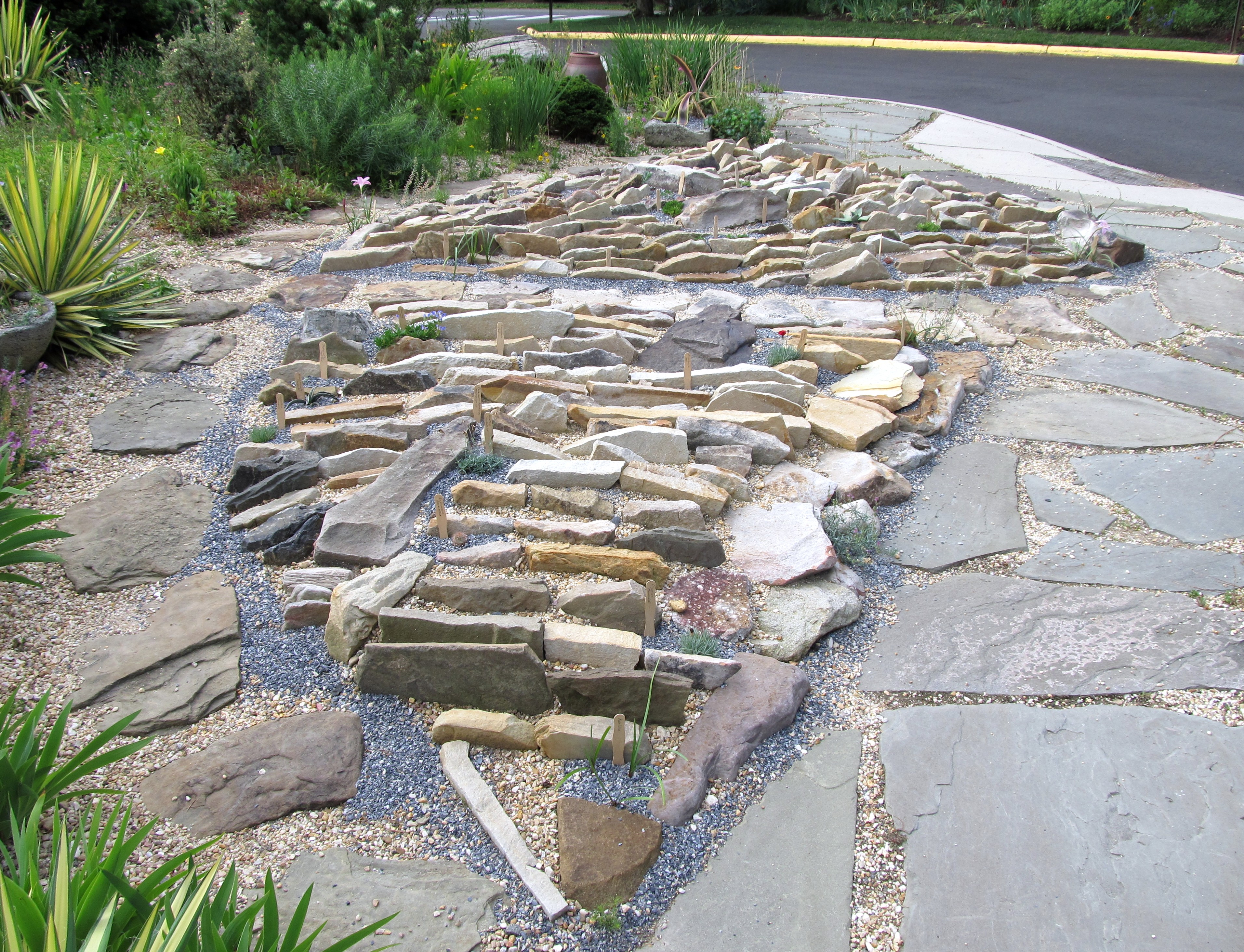
newly planted crevice garden

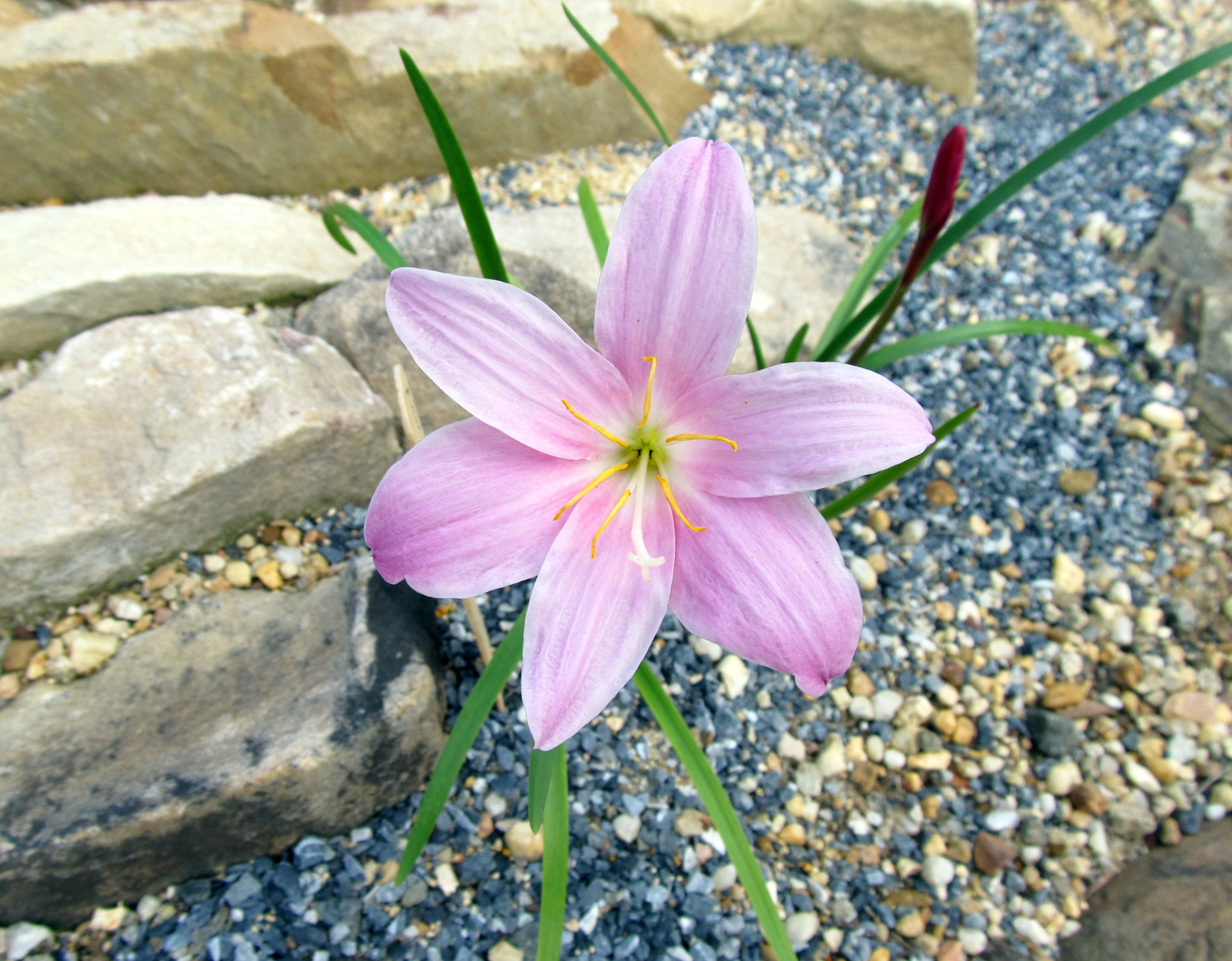
rain lily (Zephyranthes sp.) in the crevice garden

Meadowlark Botanical Gardens

Meadowlark is owned and operated by NOVA Parks. Its immense size made it difficult to decide what to check out in the little time we had, but we were happy with our decision to stop by the wetlands (to see the knees on the Taxodium distichum) and walk through the forested nature trail. We also had fun watching all the bumblebees lumber about from flower to flower.

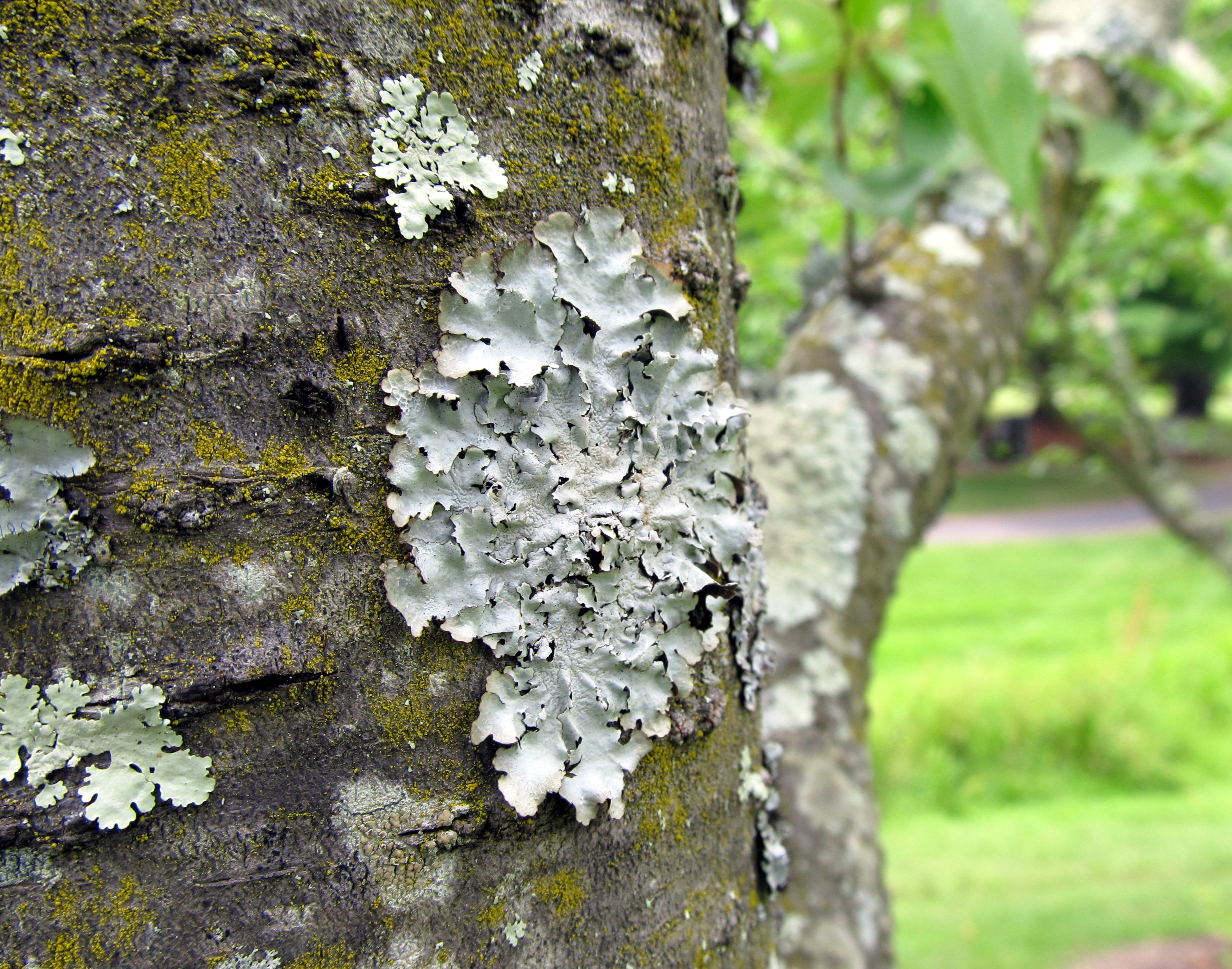
lichen on Yoshino cherry (Prunus x yedoensis)

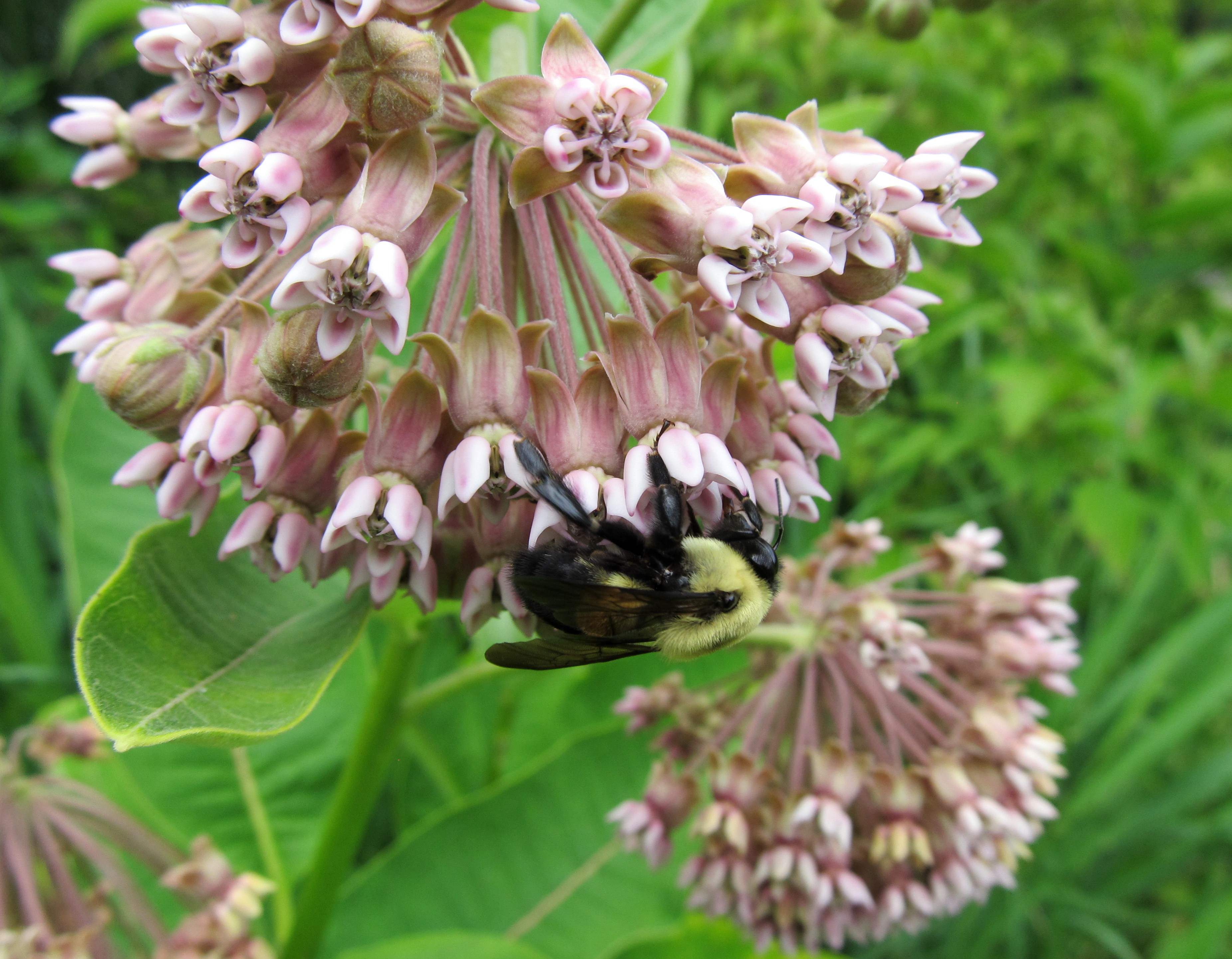
bumblebee on common milkweed (Asclepias syriaca)

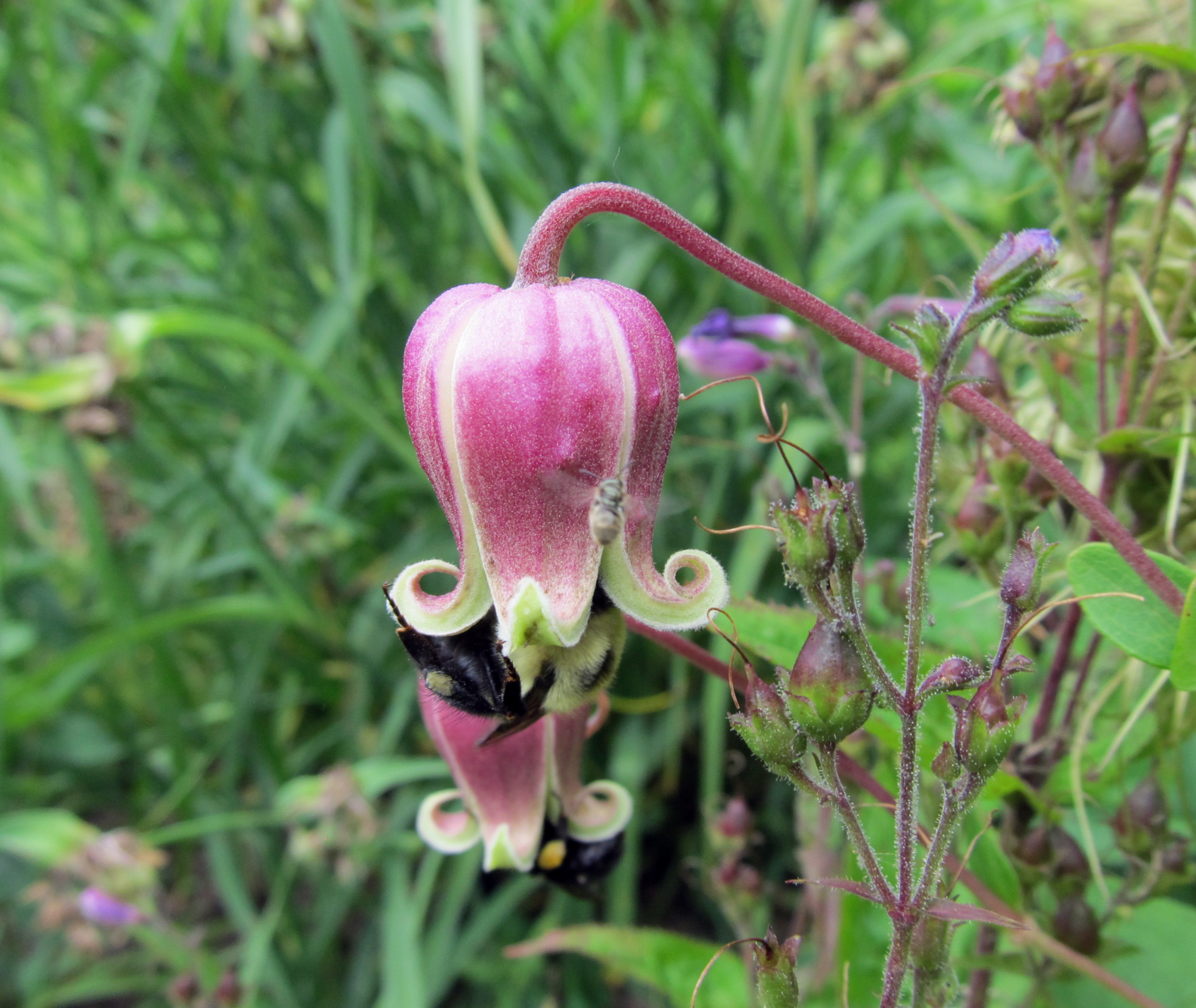
bumblebees climbing inside leatherflower blossoms (Clematis viorna)

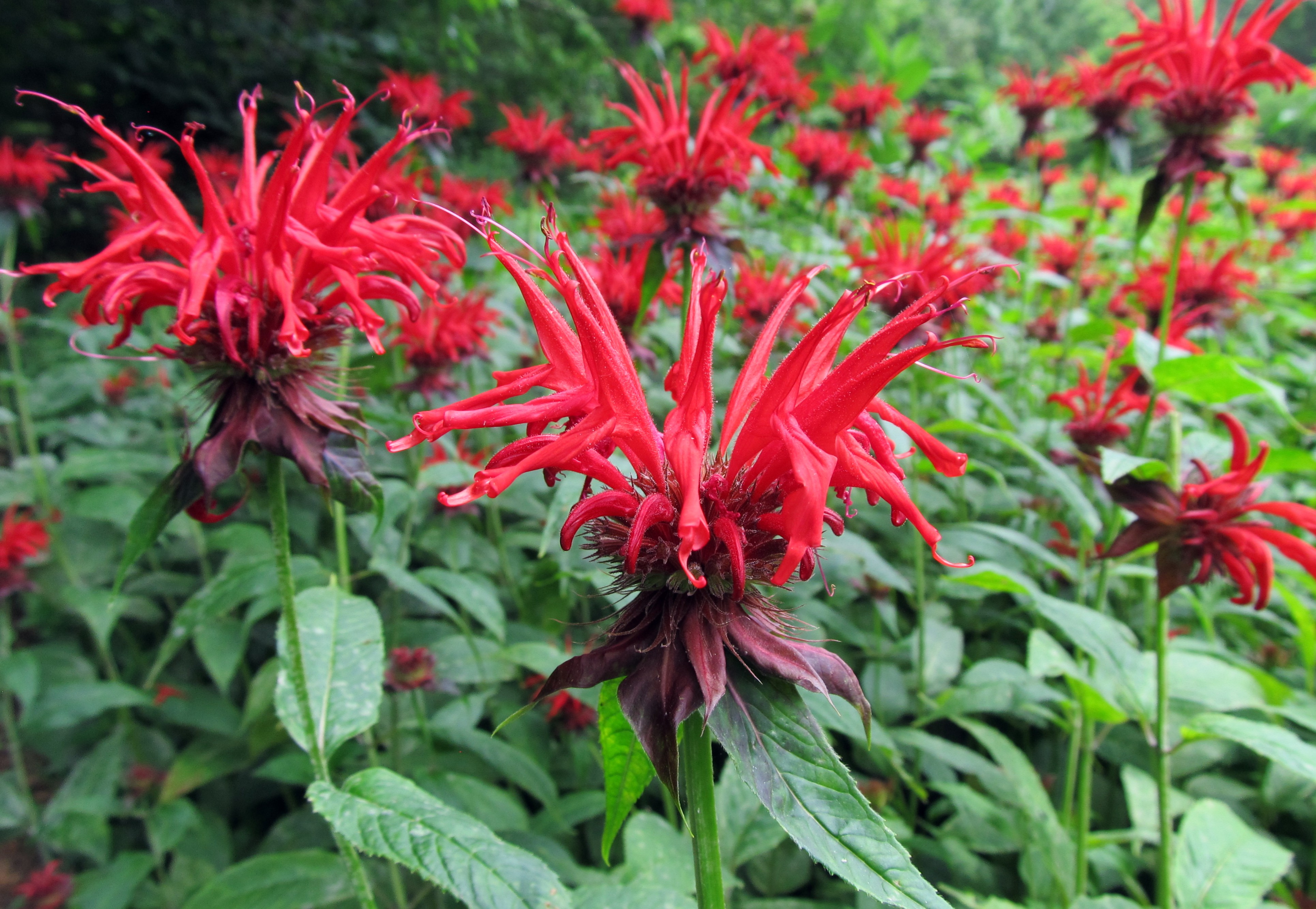
scarlet beebalm (Monarda didyma)

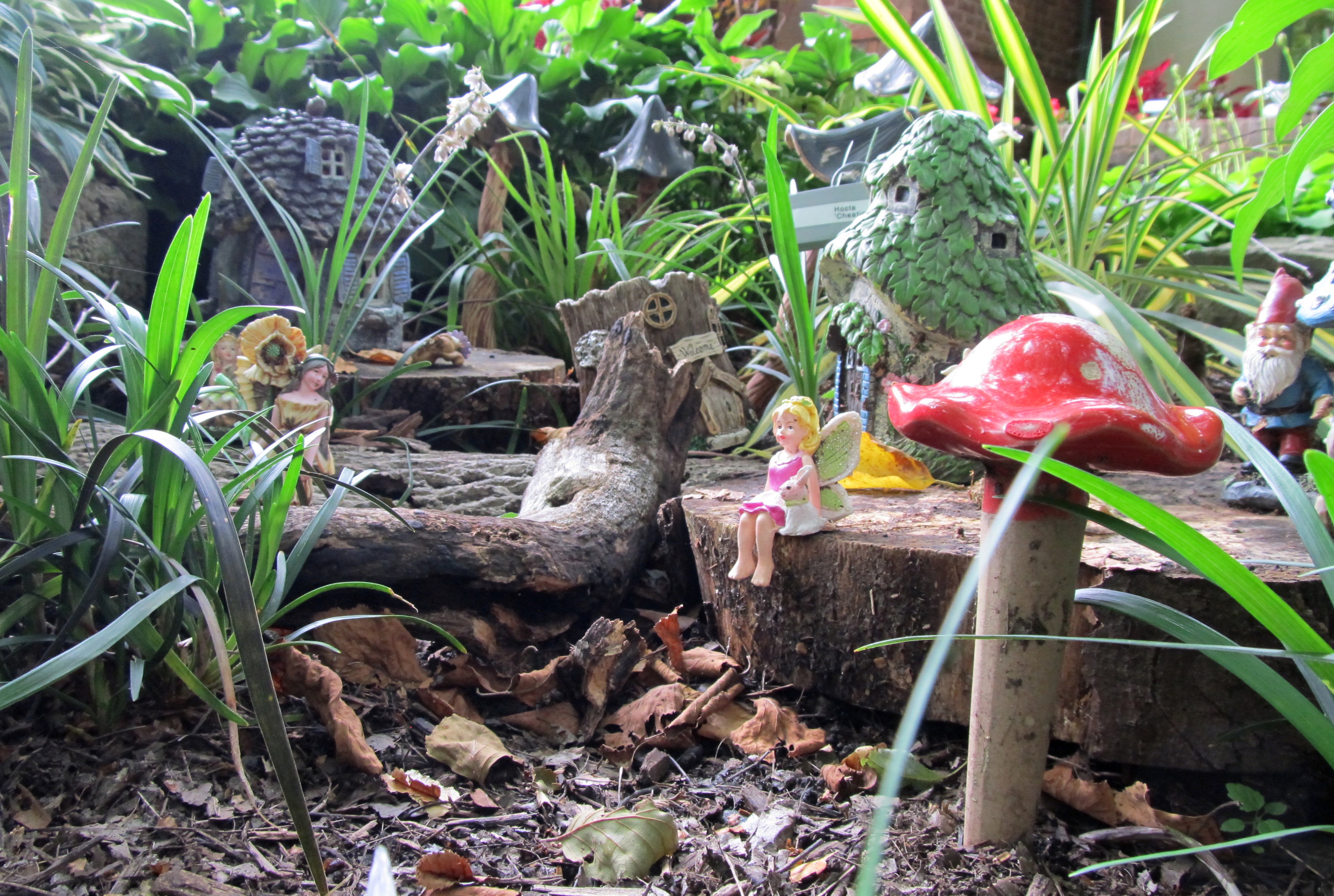
A small peak into what was a very large Fairy Garden

blue leaf form of dusty zenobia (Zenobia pulverulenta)

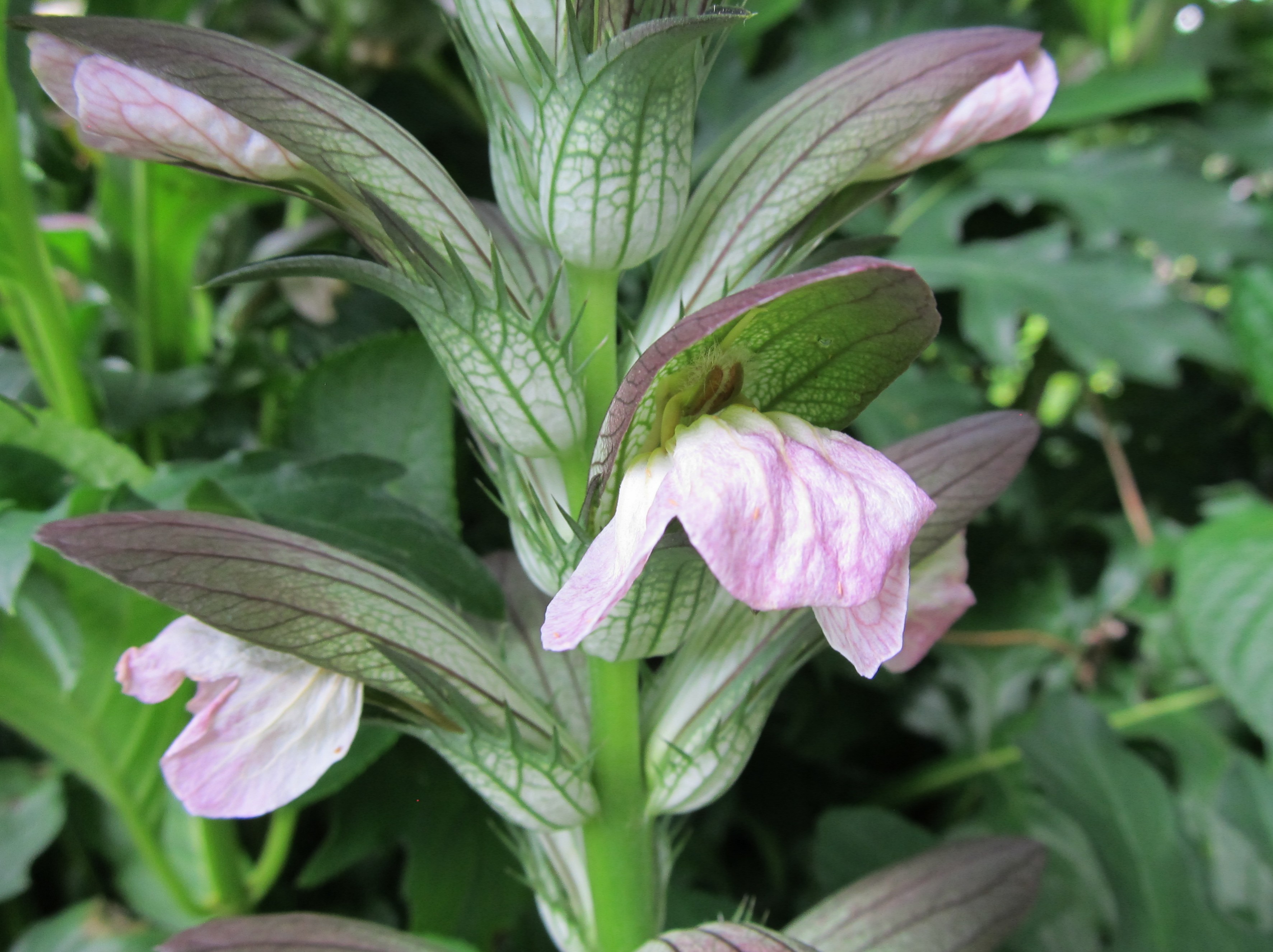
bear’s breeches (Acanthus sp.)

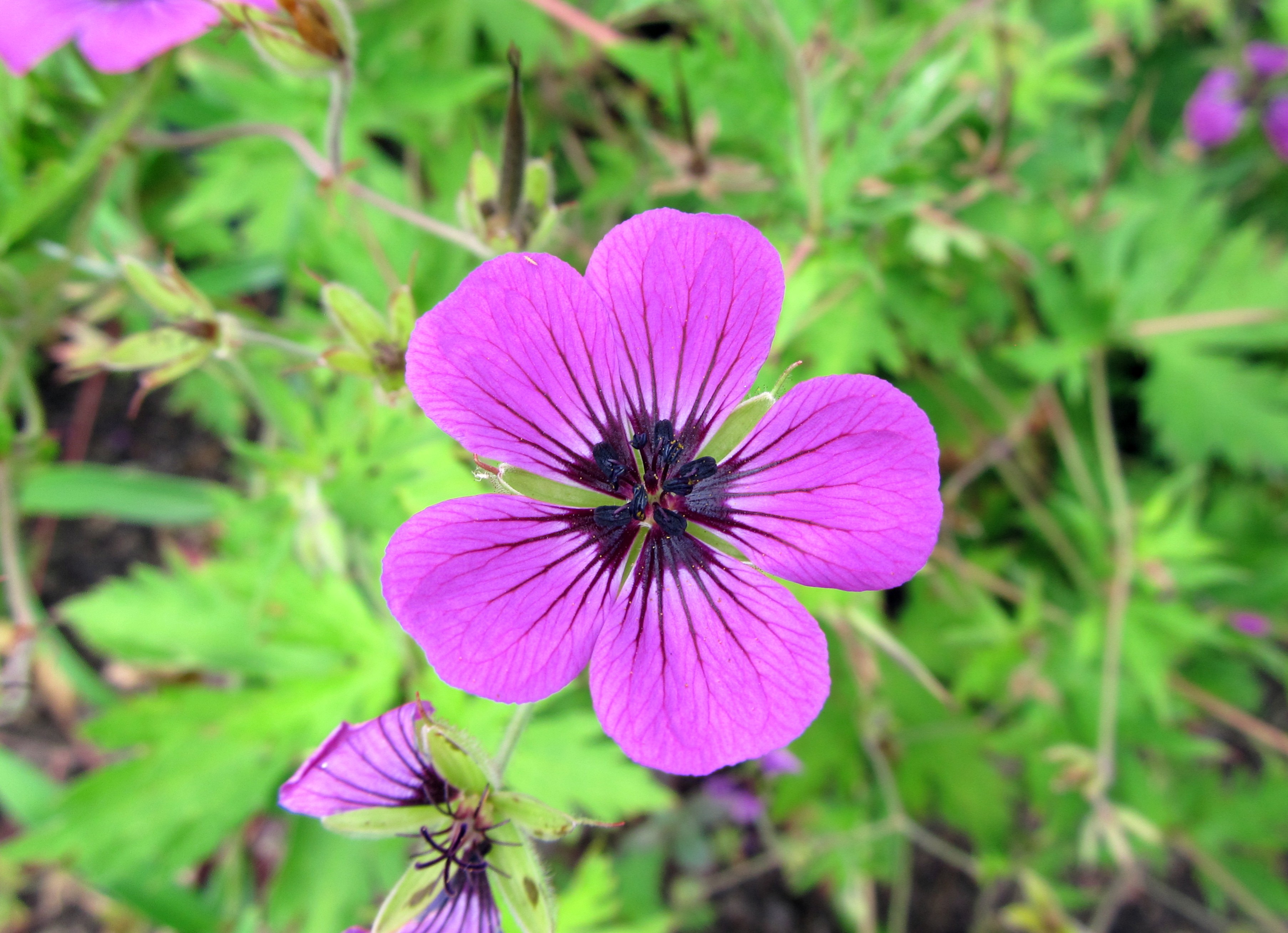
Armenian cranesbill (Geranium psilostemon)

More Awkward Botany Field Trips:

Awkward Botanical Sketches #2: The Dear Data Edition

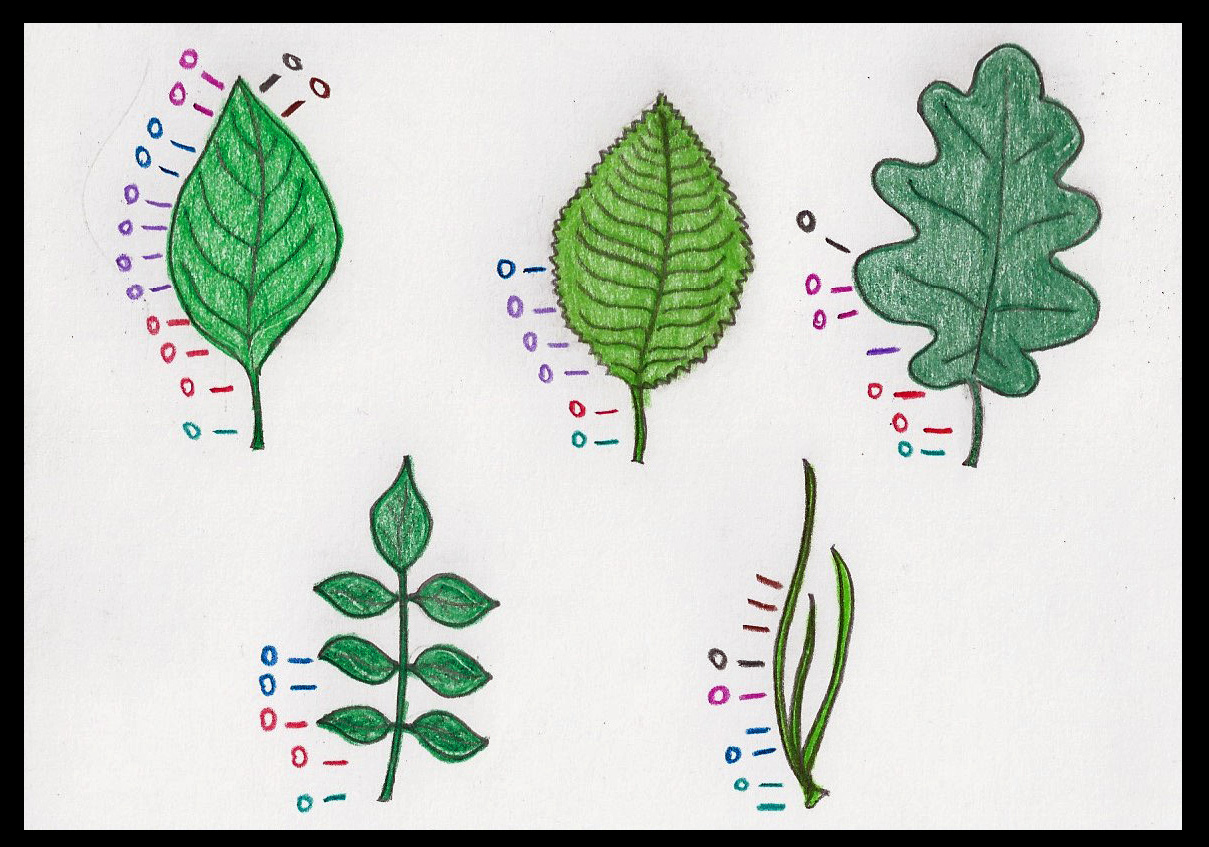
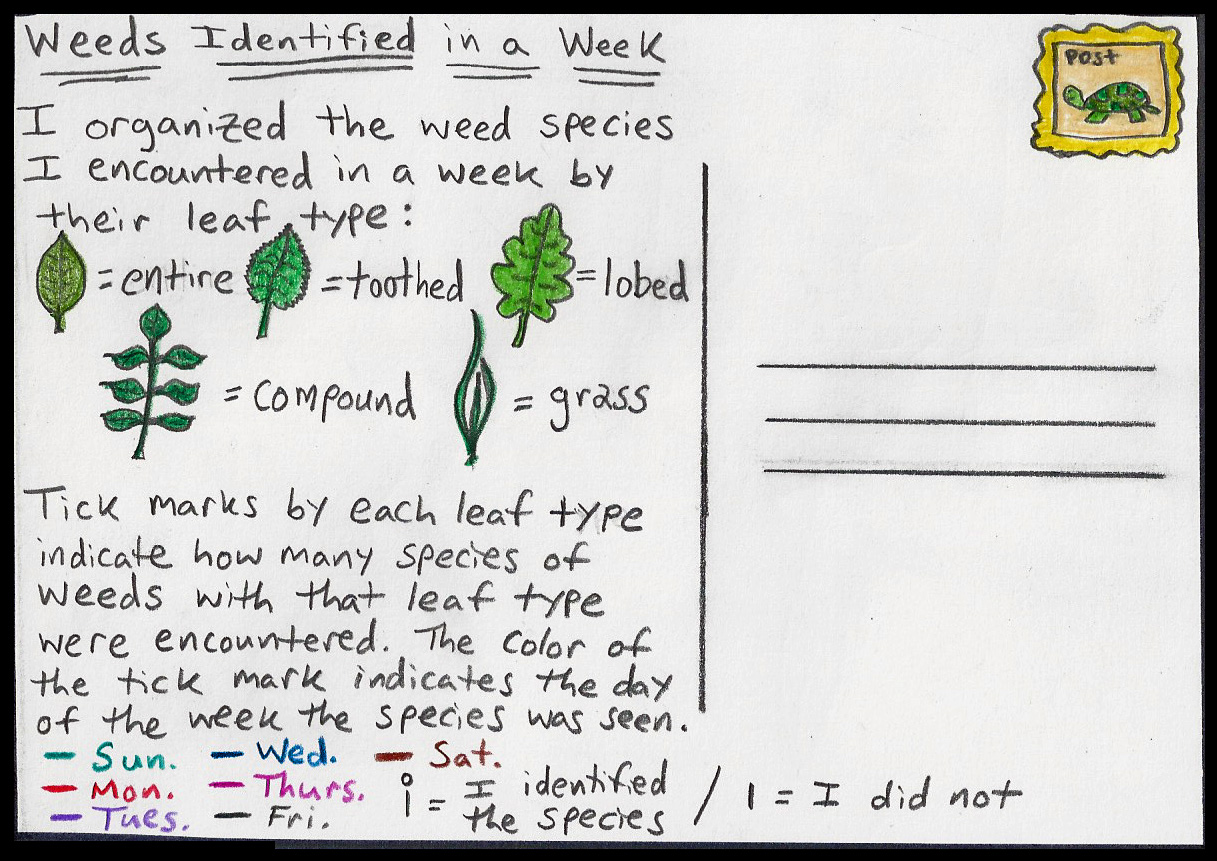
In this special edition of Awkward Botanical Sketches, I took some inspiration from a book called Dear Data by Giorgia Lupi and Stefanie Posavec. In this book, two friends separated by an ocean chose something about their lives to collect data on every week for a year, then they exchanged the data they collected via weekly postcards. They did this by drawing out a representation of their data on the front of the postcard, along with a key to the drawing on the back. It seemed like a fun thing to do, so I decided to try it. Rather than mailing my postcards to someone across the sea, I am sharing them here.

My ability to creatively present the data I collected pales in comparison to Lupi and Posavec, but I had fun giving it a shot. Most importantly, it satisfied my quest to draw more. This first postcard is all about the weeds I came across in a week.

Weeds Identified in a Week, front side

Weeds Identified in a Week, back side

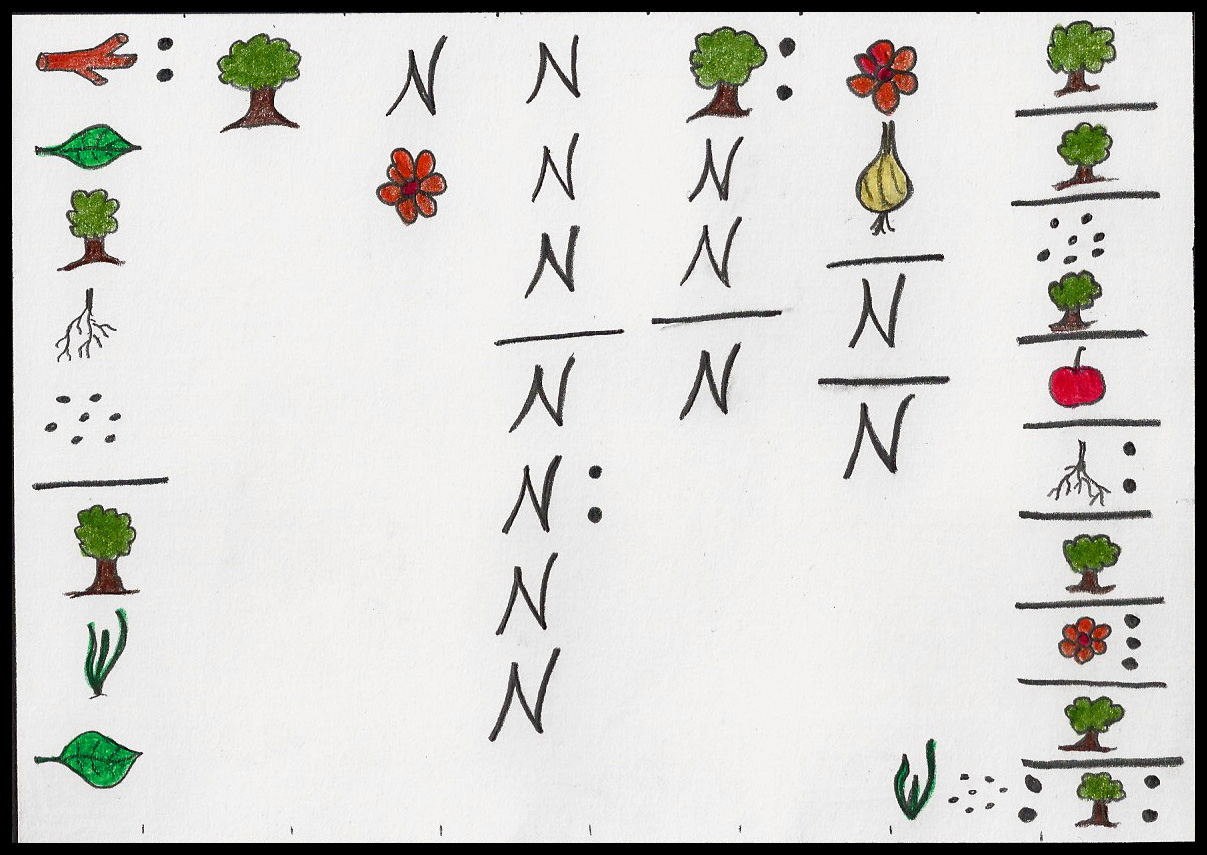
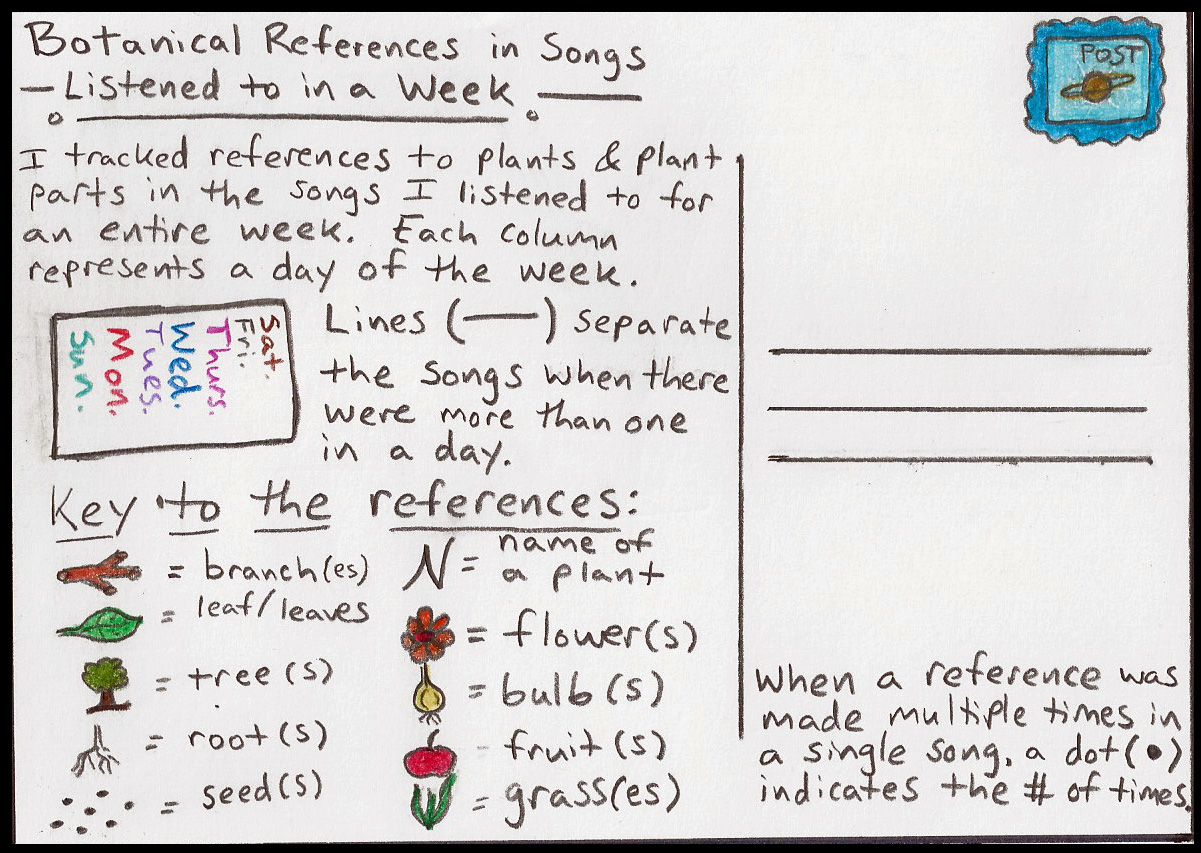
Whenever I listen to music I make a mental note of any botanical references made in the lyrics. I generally don’t do anything with these mental notes – unless, of course, I’m writing something about them (see this Botany in Popular Culture post, for example) – but this time I did. Saturday was a particularly busy day because I was listening to a lot of Ghost Mice.

Botanical References in Songs, front side

Botanical References in Songs, back side

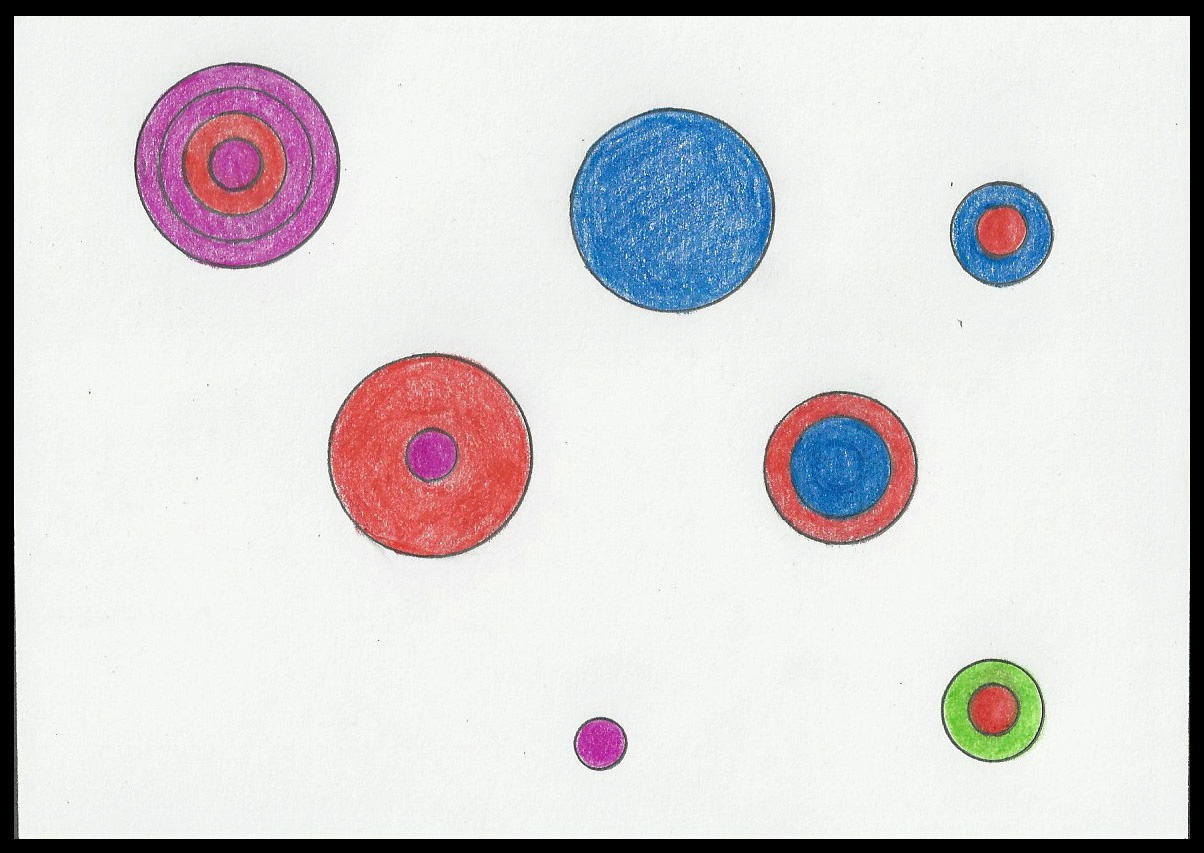
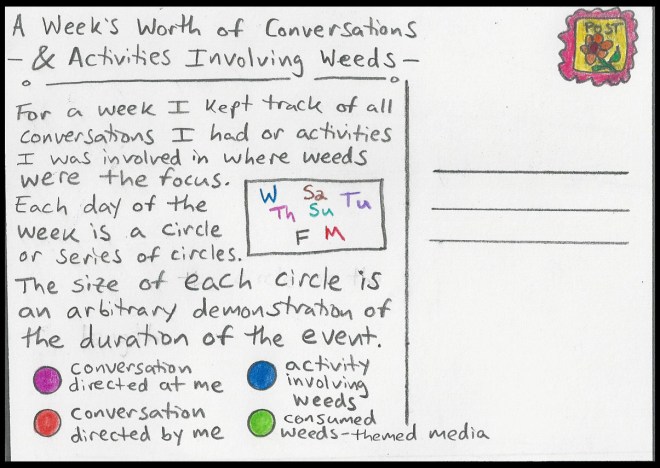
My obvious obssesion with weeds and my intention to write a weeds-themed book someday – plus my career as a horticulturist – means that I frequently find myself involved in activities and conversations involving weeds. I wasn’t exactly sure how to track that, so this is my lousy attempt at doing so. In case you’re wondering what I was up to on Saturday (the big, blue circle), this tweet and Instagram post should help explain things.

Weeds in Conversations and Activities, front side

Weeds in Conversations and Activities, back side

———————

Further Reading: Review of Dear Data in The Guardian

Awkward Botanical Sketches #1

At the beginning of the year I unveiled my plan to share some of my sketches with you as I learn how to draw. This is to make up for not writing quite as many posts so that I can spend time working on some other projects. It also serves as a great motivator to actually draw, which isn’t something I do very often. Turns out that if you want to get better at something, you actually have to do it.

To help me in my quest, I collected a few books. Some are instructional and others simply feature inspirational artwork. I’ve included links to a few of these books with my drawings below. If you have any books you would like to recommend, particularly a book that has helped you learn to draw, please let me know in the comment section below.

And now on to my dumb drawings…

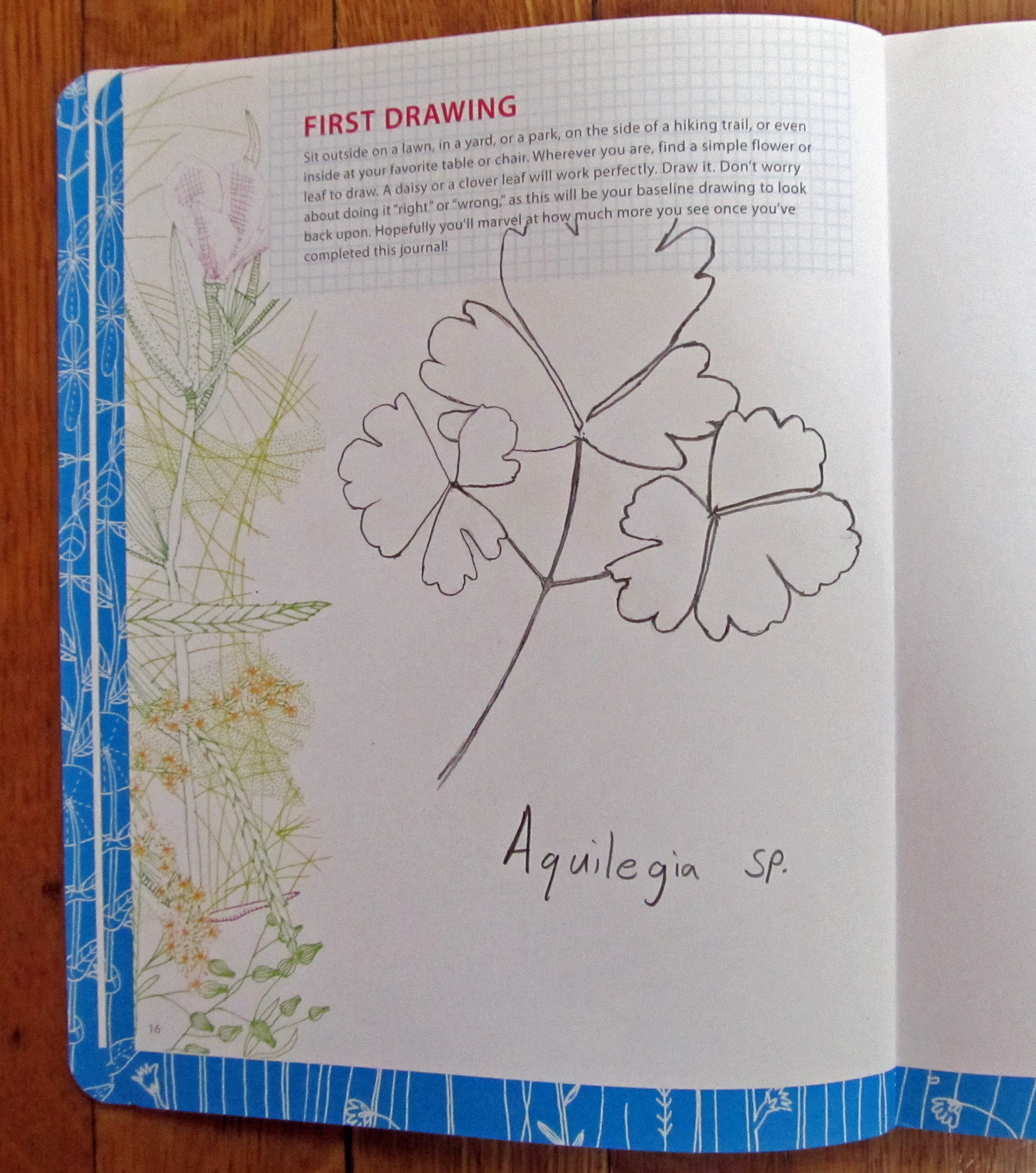
My first drawing in Drawing Nature by Jill Bliss

Drawing of a hibiscus flower with help from Illustration School: Let’s Draw Plants and Small Creatures by Sachiko Umoto

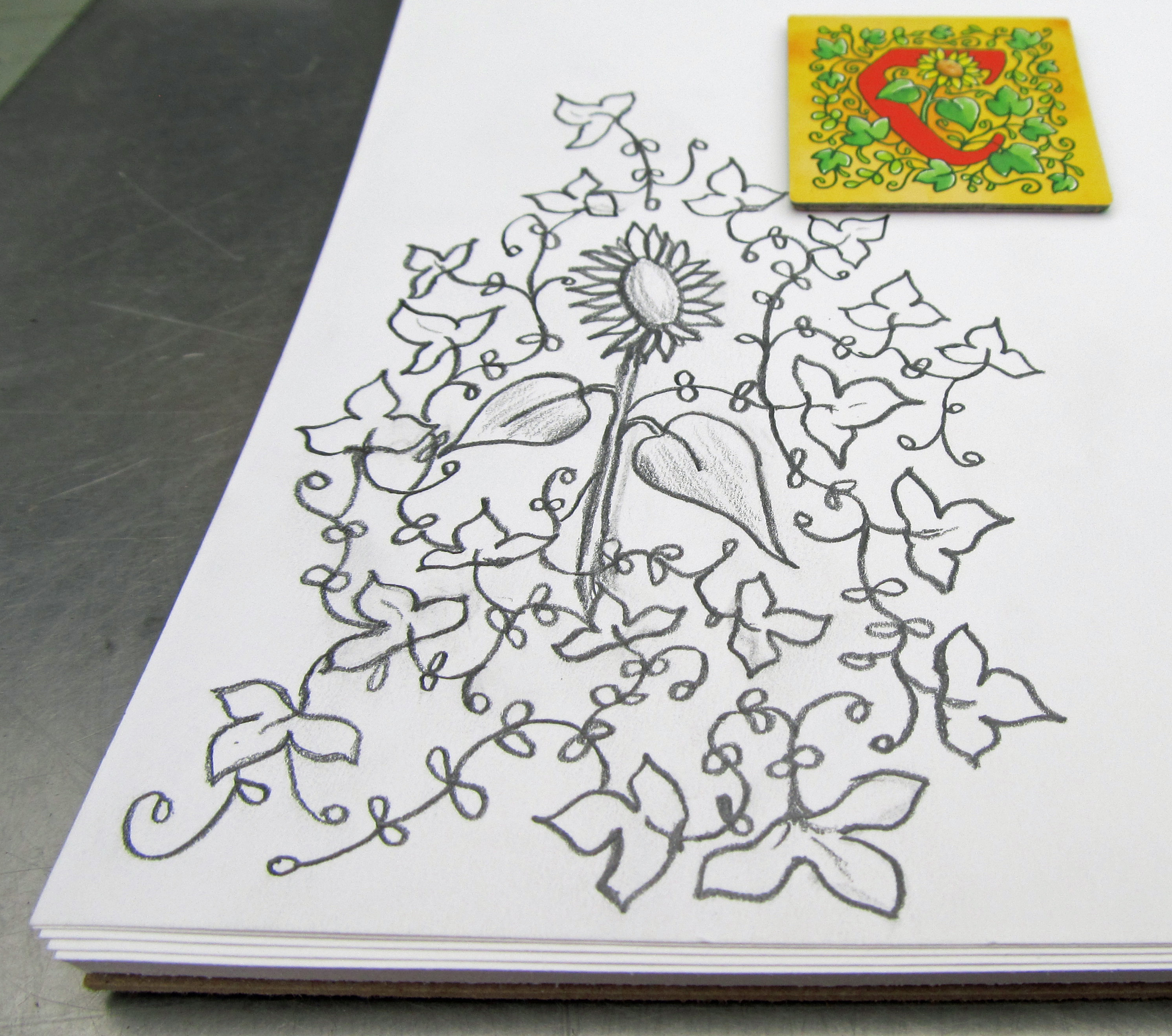
A sketch inspired by Carcassonne: Over Hill and Dale

Sketch of an old tree inspired by a drawing in Clare Walker Leslie’s book, Drawn to Nature

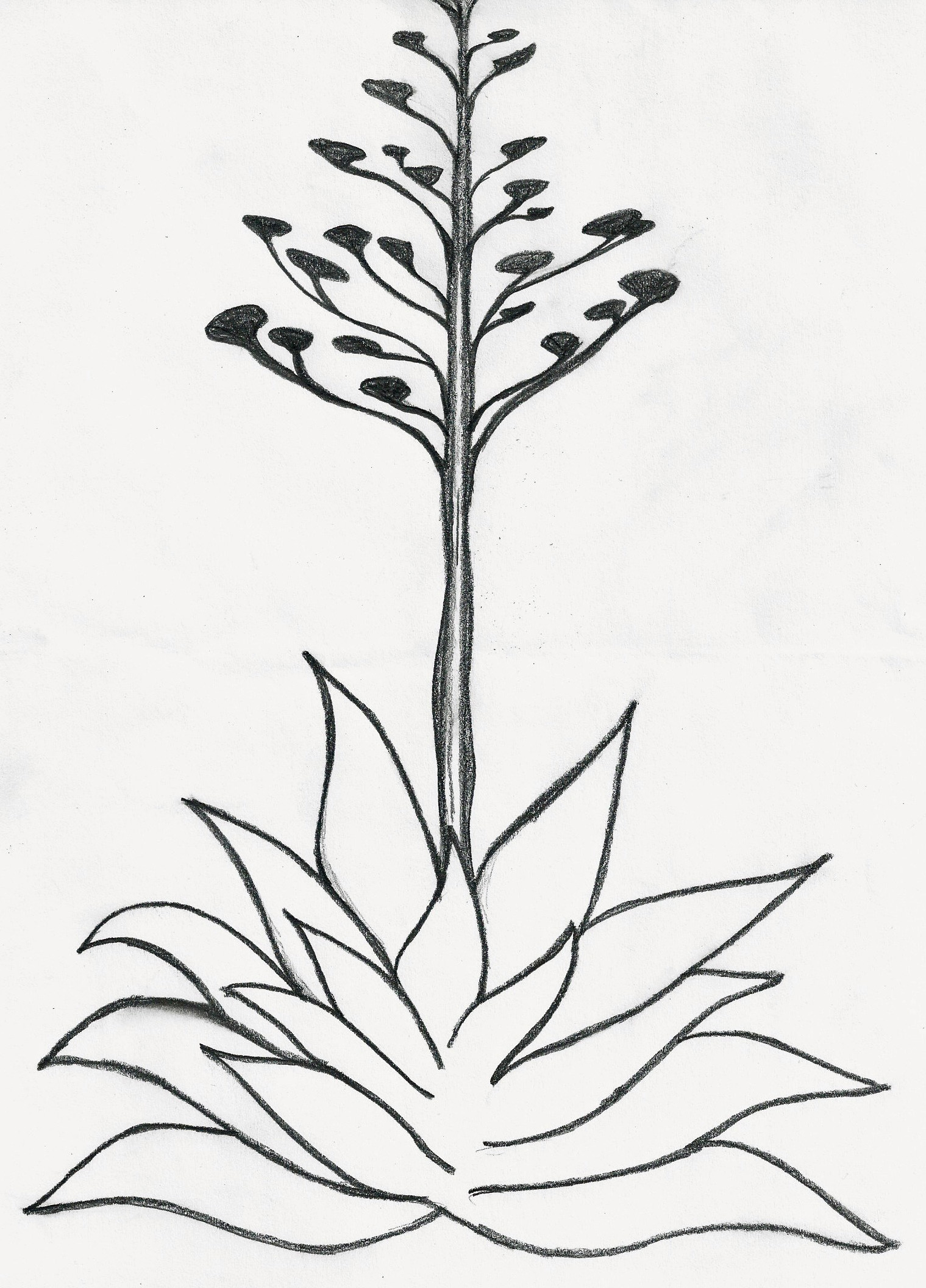
Sketch of agave in bloom inspired by an image on the back of some guy’s shirt at Treefort Music Fest

Sketch of a tiny tuft of grass I was trying to identify. It’s still a bit of a mystery.

Book Review: Grow Curious

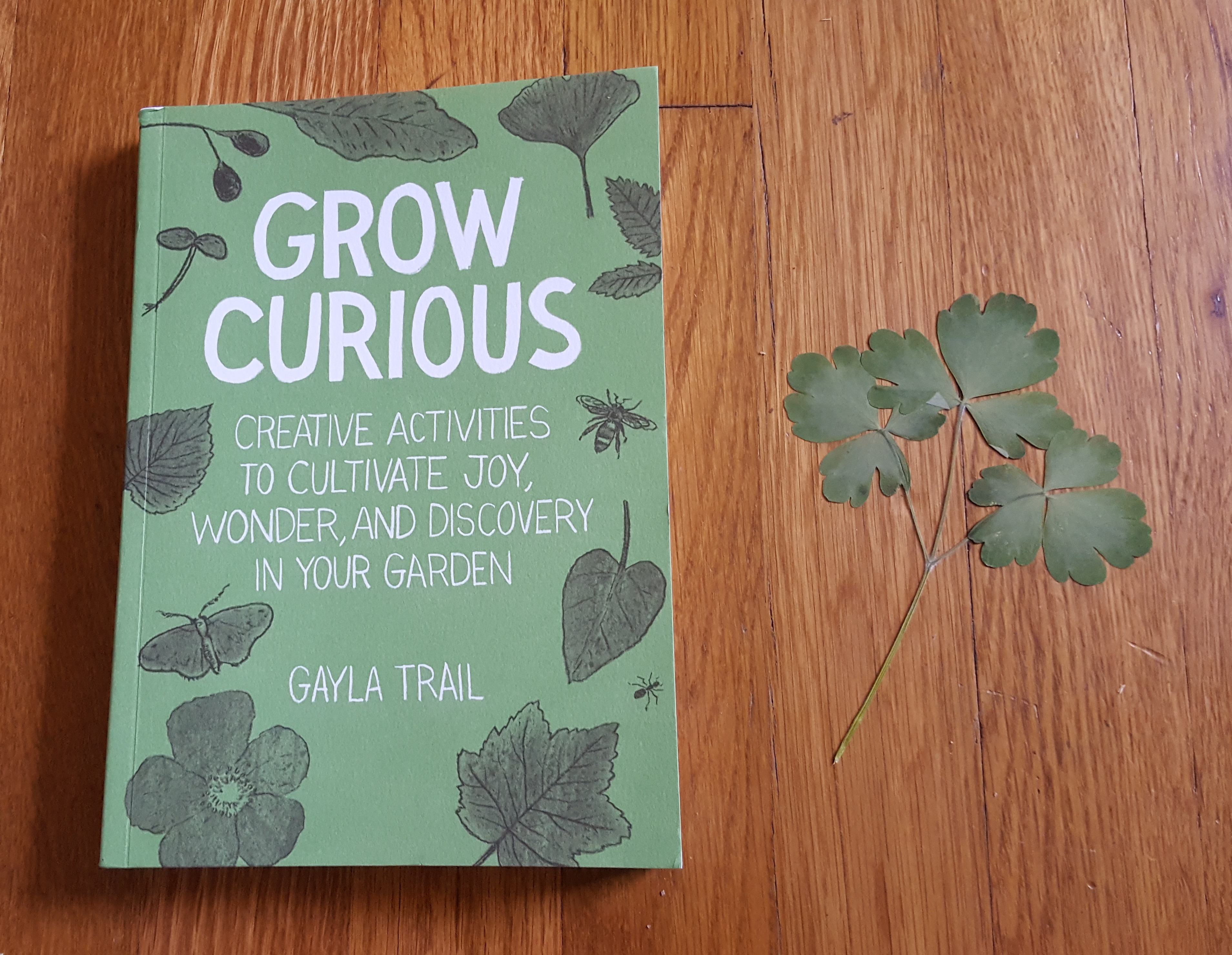
In the early 2000’s when I was really getting excited about learning how to garden, one of the first resources I turned to was a website called You Grow Girl by Gayla Trail. I probably saw it mentioned in a zine about gardening. Something about it felt very punk rock. Trail’s site was different than other resources, and it spoke to the anti-authoritarian, non-conformist in me. Reading through the About page today, Trail’s punk rock spirit hasn’t waned, and I can see why her site appealed to me.

Now with well over two decades of gardening experience to draw from, Trail continues to run her site, has written five books (including one called You Grow Girl), and her “contemporary, laid-back approach” to gardening remains essentially the same. In her words, she “places equal importance on environmentalism, style, affordability, art, and humour.” Her “aim has always been to promote exploration, excitement, and a d.i.y approach to growing plants without the restrictions of traditional ideas about gardening.” We share these sentiments, which is why when I learned of her most recent book, Grow Curious, I knew I needed to read it.

Grow Curious by Gayla Trail accompanied by a pressed leaf from Trail’s garden.

Grow Curious is an activity book for gardeners of all ages, backgrounds, and skill levels. It diverges from most books about gardening in that it is not a how-to or a what-to-plant-where guide. It is instructional, but only in ways that are less about getting our chores done and more about helping us explore our gardens in order to see them in a new light and open our eyes to the remarkable world that is right outside our door – a world often overlooked because we have work to do. Trail’s book is also meant to reinvigorate any of us that may be a bit disillusioned by the act of gardening – having misplaced our spark along the way, lost in the drudgery of it all. It’s about stopping for a minute, looking around, and seeing things we maybe haven’t noticed before but that have been there all along.

Because Grow Curious is a compilation of garden activities (“an invitation to play”) interspersed with prose, there is no need to consume it chronologically. Activities can be done in order or chosen at random. They can be skipped altogether or done at different times of the year. The book, however, is organized by season, starting in spring and ending in winter. In this way, the story of the birth and death of the garden is told, a polarity that Trail reflects on throughout the book. In the introduction to “Fall,” she writes of the growing season coming to a close and the garden becoming “a scene of decay.” The garden’s death can help us come to terms with other deaths, including our own. On a brighter side, the return of spring can bring a newfound sense of “hope, transformation, and optimism;” along with “the energy of renewal.”

Botanical rubbings – one of dozens of creative, garden activities found in Grow Curious by Gayla Trail

The bulk of this book is a series of activities that are meant to, as the subtitle proclaims, “cultivate joy, wonder, and discovery in your garden.” In general, the instructions are minimal – a short paragraph or two; a single sentence followed by a list of things to observe or do. In this way, you have the freedom to explore and make things up as you go, without worrying about rules or whether or not you are doing it right. Activities include touching an insect, observing the shapes of leaves and stems, smelling soil, taking pictures from new and unusual angles, visiting your garden in the dead of night, et cetera. Some activities are more involved, like raising a caterpillar or researching something to death. Other activities require little effort, like pulling up some plants to see what color their roots are or tasting an edible plant part that you have never tasted before. To facilitate advanced exploration, many of the activities include ideas or ways to “Go Further.”

Among the pages of activities are Trail’s musings on gardening and life (as it relates to gardening), and I found these to be equally intriguing.  Like her thoughts on fear and insecurity: “I was inexperienced and uncertain, full of my own fears and excuses.” And her “balanced” view on pests in the garden: “Since our insect partners often depend on the so-called bad guys, it turns out that a balanced garden needs both.” Her encouragement to observe the differences between wild plants and weeds that grow within and beyond the borders of our gardens, and her plea for us to “invite wildness” in, noting the “knotty labyrinth” that exists between “wild” and “cultivated” – “social constructs that we place in opposition to each other.”

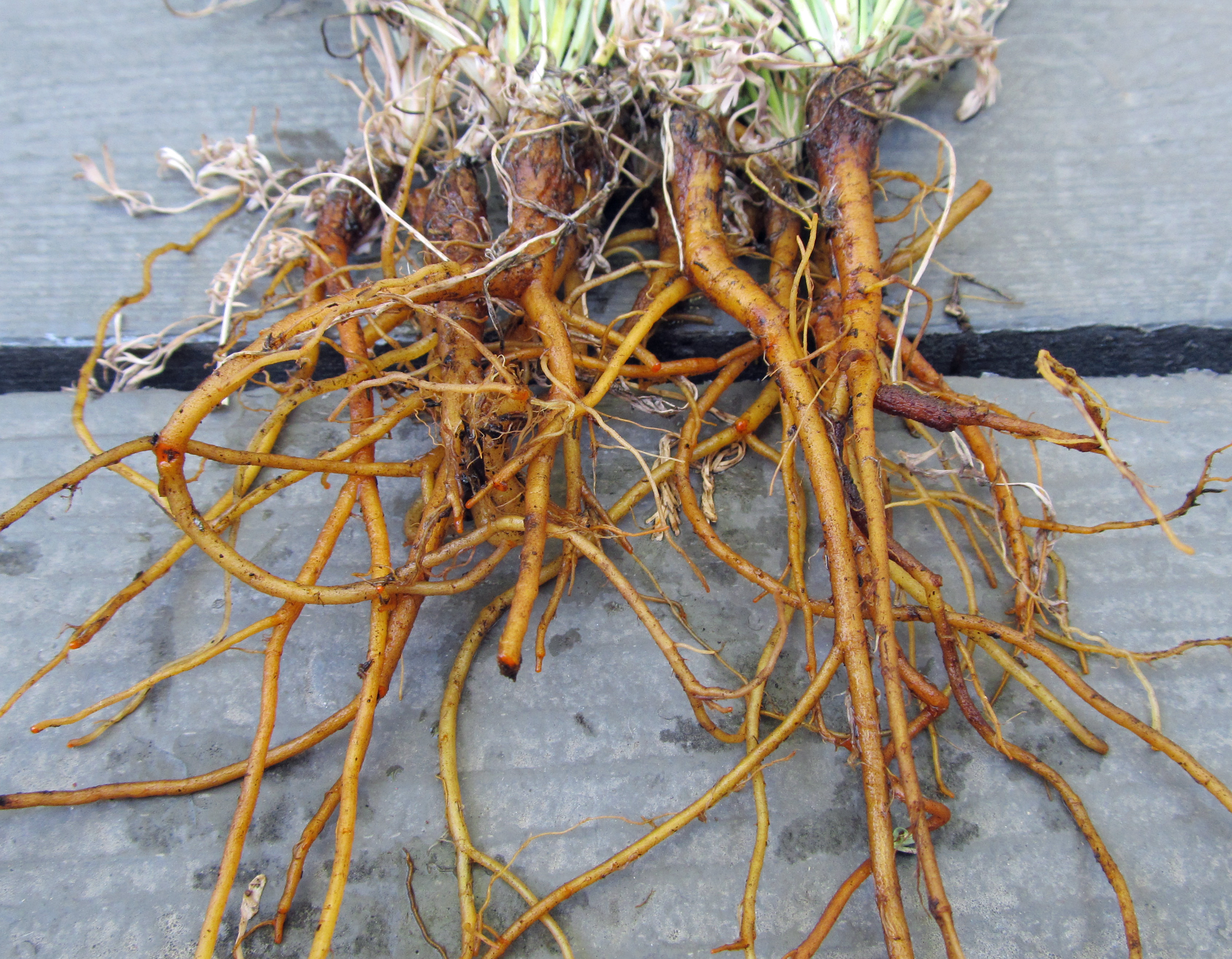
Orange roots of California poppy (Eschscholzia californica). “As you’re digging up, moving around, and planting out new crops, trees, bushes, and perennials this fall, take note of plants that have colourful roots.” — Gayla Trail

If you have been following Awkward Botany for a while, you can probably see why this book is right up my alley. If you enjoy reading Awkward Botany, this book should be right up your alley, too.

Artificial Photosynthesis – A Case of Biomimicry

Humans have long sought solutions to their problems by observing nature and trying to mimic it. These endeavors have lead to improvements in the designs and production processes of countless things. In recent decades there has been a growing movement composed of scientists, engineers, and innovators of all types to expressly seek for answers to today’s most pressing problems by deeply observing and analyzing the natural world. These efforts are coupled with a desire to learn how to work with nature rather than against it in an attempt to secure a more sustainable future for life on Earth. This is the essence of biomimicry.

To this end, plants have much to teach us. Everything from their basic forms and functions to the way they fight off pests and diseases to the way they communicate with each other is worth exploring for biomimicry purposes. A plant-based phenomenon that has probably received the most attention – and for good reason – is photosynthesis, the process that enables plants to use the sun to make food.

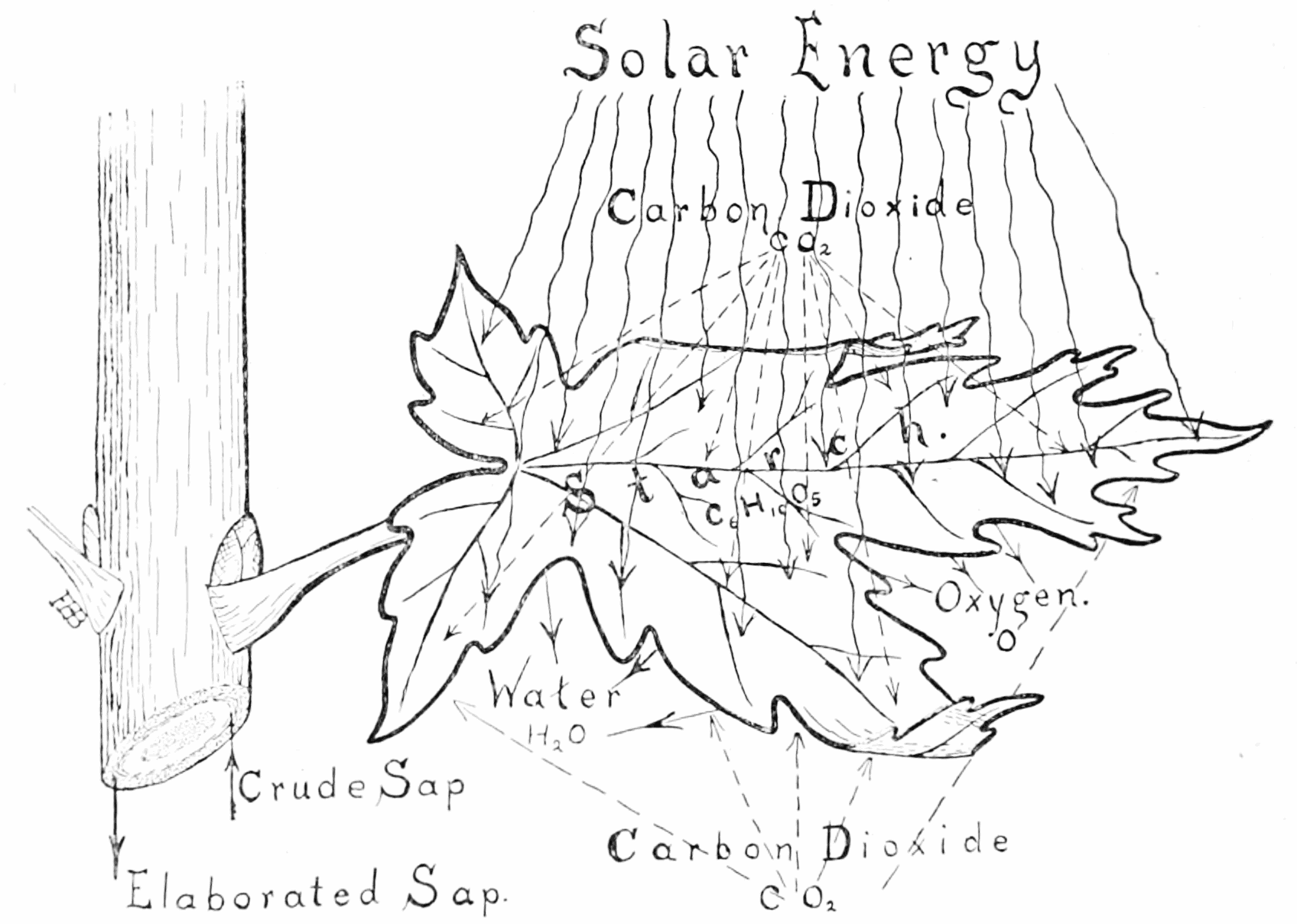
Put another way, photosynthesis is the process of converting light energy into chemical energy. Specialized proteins in plant cells absorb particles of light which initiates the passing of electrons across a series of molecules. Subsequently, water is split by a protein complex into oxygen and hydrogen protons. The oxygen is released from the plant, while the electrons and hydrogen protons go on to help generate two compounds – NADPH and ATP – which are later used to power the reaction that transforms atmospheric carbon dioxide into sugars. The concept of photosynthesis, while fairly simple to grasp from a high level (i.e. light + water + carbon dioxide = sugars + oxygen), is actually quite complex, and there is still much too discover concerning it.

photo credit: wikimedia commons

photo credit: wikimedia commons

One thing is certain, photosynthesis is ubiquitous. As long as the sun is overhead, most plants, algae, and cyanobacteria are photosynthesizing at a steady clip and are thereby helping to power just about every other living organism on the planet. Without plants, most of the rest of us could not survive. Janine M. Benyus offers this human-centric view in her book Biomimicry:

Consider that everything we consume, from a carrot stick to a peppercorn filet, is the product of plants turning sunlight into chemical energy. Our cars, our computers, our Christmas tree lights all feed on photosynthesis as well, because the fossil fuels they use are merely the compressed remains of 600 million years worth of plants and animals that grew their bodies with sunlight. All of our petroleum-born plastics, pharmaceuticals and chemicals also spring from the loins of ancient photosynthesis. … Plants gather our solar energy for us and store it as fuel. To release that energy, we burn the plants or plant products, either internally, inside our cells, or externally, with fire.

Since plants are so well-versed in using sunlight to create food and energy, it only makes sense that we would look to them to learn how we might improve and expand upon our quest for renewable energy production. We already use the sun to produce electricity by way of photovoltaic systems; however, these systems are limited in that they can only produce electricity when the sun is shining, and electricity is difficult to store. Artificial photosynthesis involves using that electricity to power catalysts that can split water into hydrogen and oxygen. The hydrogen can be used as a fuel or can be fed into reactions involving carbon dioxide, ultimately resulting in a carbon-based fuel source. Fuels produced this way – referred to as solar fuels – could be stored and used regardless of whether or not the sun is out.

Artificial photosynthesis has largely moved beyond the theoretical stage. Multiple efforts have demonstrated ways in which water can be split using the light of the sun and solar fuels can thereby be produced. Mass production is the next step, and that is where the real limitations lie. The production of solar fuels has to be done cheaply enough to compete with other available fuels, and the infrastructure to use such fuels has to be available. These hurdles may very well be overcome, but it will take time. Meanwhile, research continues, adding to the mountains of studies already published.

photo credit: wikimedia commons

photo credit: wikimedia commons

On such study published in 2011 describes an “artificial leaf” that was developed at the Massachusetts Institute of Technology by Daniel Nocera and a team of researchers. Listen to an interview with Nocera on Science Friday and watch this BBC Worldwide video to learn more about this discovery. This Nature article explains why the artificial leaf is not yet commercially available, and why we are not likely to see it any time soon.

Another development in artificial photosynthesis was published earlier this year in Nano Letters. It is the product of Peidong Yang and the Kavli Energy NanoSciences Institute. While Nocera and his team stopped at the production of hydrogen gas, Yang’s lab added bacteria to the mix and were able to use the sun’s energy to transform carbon dioxide into acetate. If passed along to another species of bacteria, the acetate could be used to produce various synthetic fuels. Learn more about this by reading this livescience article and watching this FW: Thinking video. As with other artificial photosynthesis developments, limitations abound, but the research is promising.

Artificial photosynthesis is a compelling subject and one worth keeping an eye on. Follow the links below to learn more:

Biomimicry is an equally compelling subject and one I hope to explore further in future Awkward Botany posts. Meanwhile, check out these links: