Flood Irrigation and Migrating Waterfowl

It’s American Wetlands Month. Last year around this time, I wrote a brief post describing the importance of wetlands and why they are a conservation concern. This year I thought I would write a little about an issue surrounding wetlands that has recently come to my attention: flood irrigated agricultural land and its benefit to migrating waterfowl.

The term “waterfowl” refers to birds that live on or around freshwater, such as ducks, geese, and swans. Like many other birds, they are migratory, typically flying north in the spring to breed and spend the summer raising their young, and then flying back south in the fall to overwinter. There are four major flyways (or migratory flight paths) in the United States: Pacific, Mississippi, Central, and Atlantic. Along these flyways, migrating birds need places to rest and feed in order to maintain the strength to make it to their seasonal homes. As wetlands have disappeared across the country (and the world), essential areas of respite have become few and far between, threatening the survival of this important group of birds.
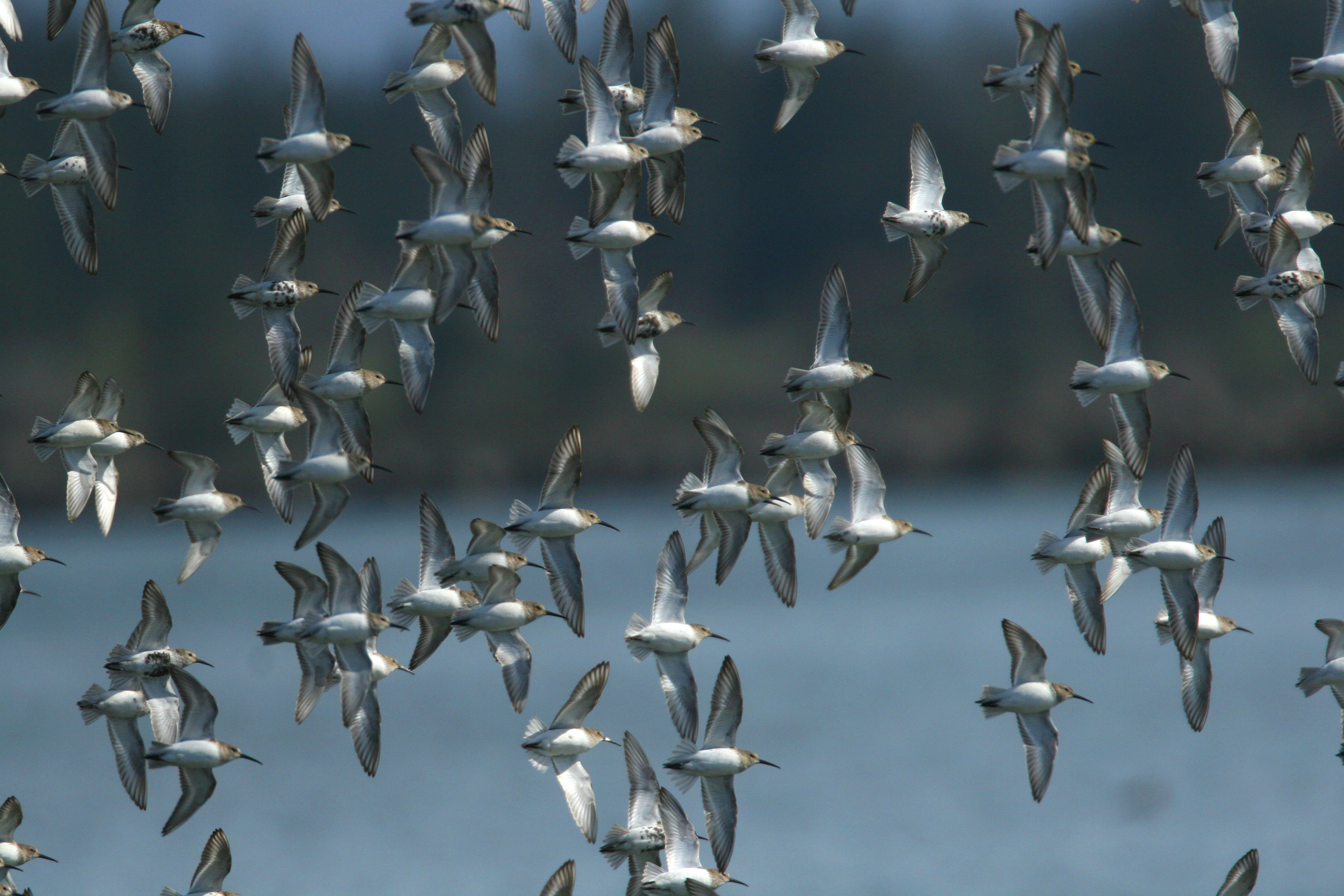
Dunlins - Calidris alpina (photo credit: www.eol.org)

Dunlins – Calidris alpina (photo credit: www.eol.org)

Historically, wetlands have largely been diminished and degraded due to human settlement on the floodplains of major rivers. Floodplains are examples of temporary or seasonal wetlands, flooded in the spring when snow in the mountains is melting and during periods of heavy rains but otherwise dry throughout most of the year. These areas appealed to early settlers because they were flat, had great soil for agriculture, and were near a water source. The only downside was the flooding, so levees and dams were built, diversions were made, and eventually these great rivers were tamed, virtually eliminating their status as seasonal wetlands and the important ecological functions that go along with that.

This has spelled disaster for migrating waterfowl who rely on floodplains to be flooded in the spring, providing them with staging habitat on their journey north. Biologists have recognized this issue and have made efforts to protect and restore wetlands in order to provide this essential habitat. But restoring wetlands is a major feat. Rivers that supply both temporary and permanent wetlands aren’t what they used to be. There are myriad diversions and modifications, and with a continually growing human population, too many uses for the water. So that’s where farmers and ranchers come in.

In the spring, many farmers and ranchers flood their fields in order to irrigate crops. Migrating waterfowl take advantage of these flooded fields, stopping to rest and feed. Recognizing the role that flood irrigation has on the survival of these birds, biologists are working with farmers and ranchers along flyways to ensure that their land will remain in agriculture and that land owners will continue to flood irrigate (rather than switching to overhead irrigation). In California for example, rice farmers are being paid by the Nature Conservancy to flood their fields in conjunction with spring and fall migrations in order to ensure that birds will have staging habitat along the way. So, despite humans playing a major role in reducing habitat that migrating waterfowl require for survival, we are finding ways to make up for it. This is just one example of how we can help protect and improve biodiversity in our human-dominated landscapes.

Read more about protecting migrating waterfowl in the Pacific Flyway here.
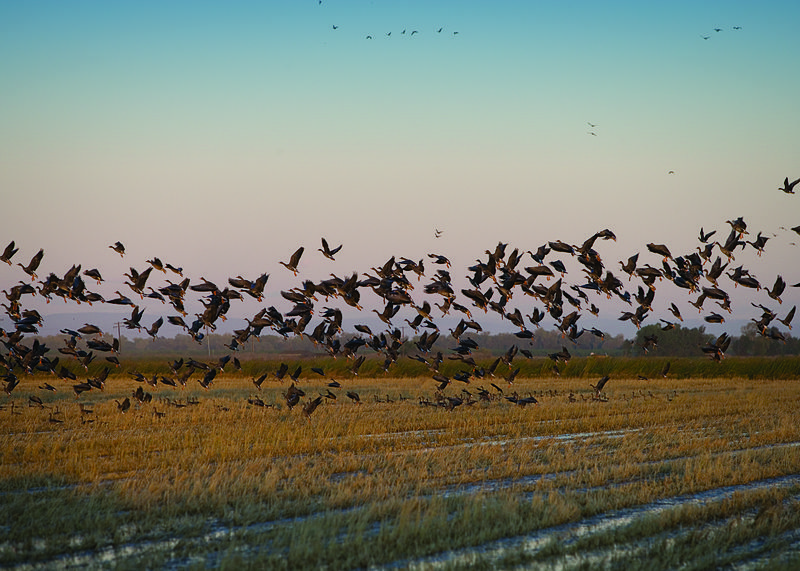
Geese in a Flooded Rice Field in California (photo credit: NRCS)

Geese in a Flooded Rice Field in California (photo credit: NRCS)

Celebrate American Wetlands Month by learning more about them. Here are some links to get you started:

U.S. Environmental Protection Agency

Association of State Wetland Managers

Defenders of Wildlife


Drought Tolerant Plants: An Introduction

Water is a precious natural resource and an essential element for life on earth. Demand for water increases dramatically as human population grows and fresh water sources become polluted. Awareness of our reliance on water is especially heightened during times of drought, like the one that California residents are currently experiencing. Some regions of the planet are inherently dry. The region where I live (Boise, Idaho) receives on average about 12 inches of precipitation annually. Compare that to a place like Pensacola, Florida which receives around 65 inches annually, or El Paso, Texas which is lucky to get around 8 inches of rain a year. So whether it is out of necessity (enduring a drought or living in a dry climate) or simply the desire to be a responsible citizen of planet earth, many people are choosing to incorporate more drought tolerant plants in their landscapes in an effort to conserve water.

In the early 1980’s, landscaping with drought tolerant plants was given the name xeriscaping by the Denver, Colorado water department. These days terms like water-wise gardening and water efficient landscaping seem to be more popular. The initial vision that many people may have of a landscape planted with water efficient plants is one filled with desert plants like cacti, yuccas, and other succulents along with drab shrubs like sagebrush. While landscapes like these can actually be quite attractive (see Plantasia Cactus Gardens), modern water-wise gardens do not have to be so cacti-centric. As interest in water efficient plants has grown in recent years, the horticulture industry has been busy introducing a wide variety of plants that are not only drought tolerant but are lush, green, and full of color.

Plantasia Cactus Gardens -Twin Falls, Idaho

Plantasia Cactus Gardens – Twin Falls, Idaho

Plants that live in regions with frequent or extended droughts are called xerophytes. They have developed a variety of mechanisms that allow them to survive and even thrive in these regions. Ecologists call these mechanisms strategies, or sets of coordinated adaptive traits. In future posts I intend to profile specific drought tolerant plants so that we can get to know them on a more individual basis. For now I will provide a brief overview of the strategies plants use to cope with low water environments.

-Alternate Photosynthetic Pathways: Conventional photosynthesis is inherently inefficient when temperatures are high and water availability is low. Plants that evolved in hot and/or dry environments have developed alternate photosynthetic pathways in order to overcome these inefficiencies. These alternate pathways involve utilizing a different protein to fix carbon, splitting the photosynthetic process into two separate cells, and collecting carbon dioxide at night then converting it to sugars during the day. Learn more about the different photosynthetic pathways here.

-Drought Avoidance: Many desert plants live most of their lives as seeds hanging out on the desert floor waiting for rain. These are seeds of short-lived annual plants that sprout and grow when the rainy season comes around. They flower and set seed and are gone by the time the dry season returns. Birdcage evening primrose (Oenothera deltoides) and desert sand verbena (Abronia villosa) are examples of these desert ephemerals.

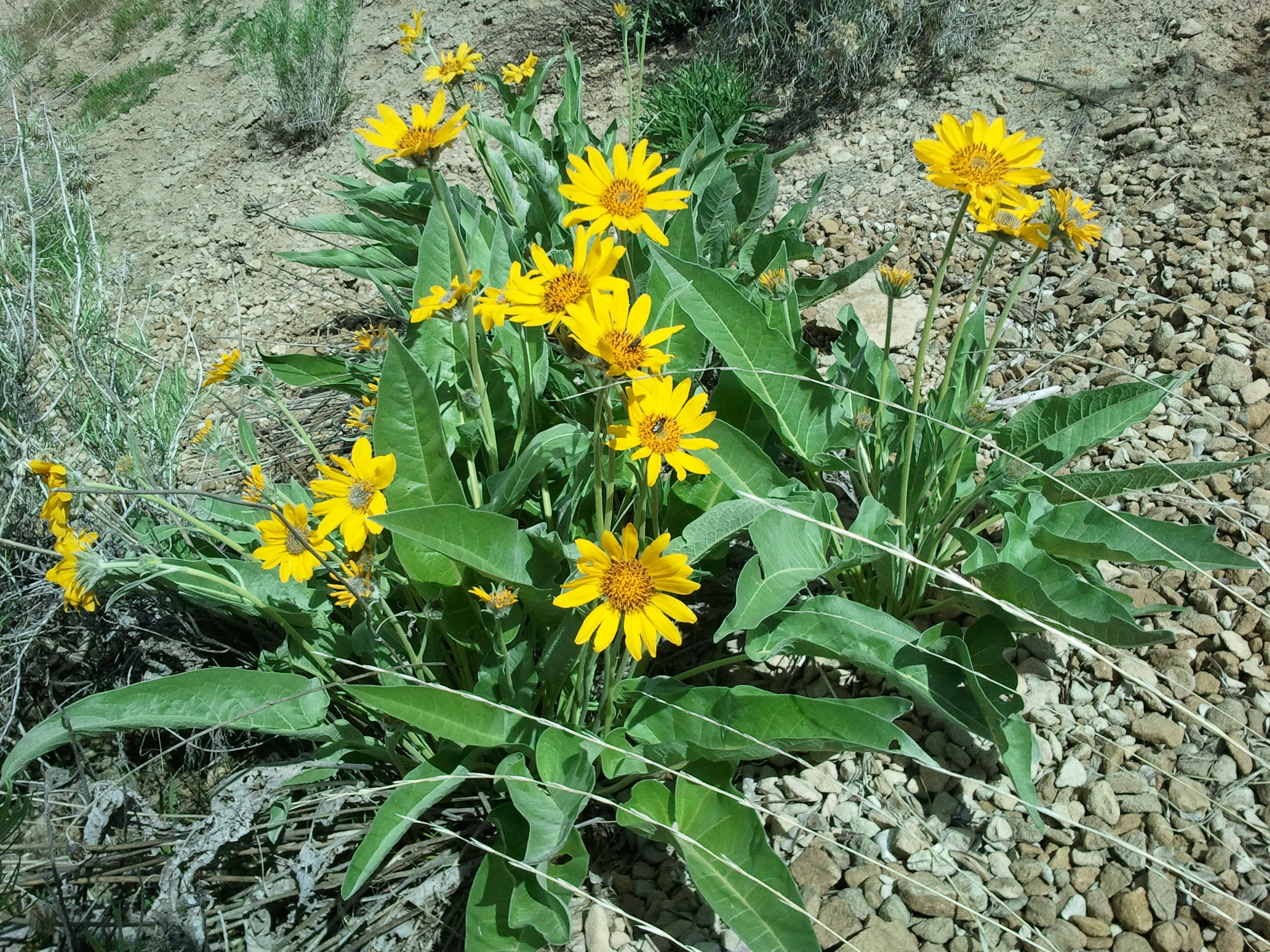
-Drought Dormancy: Some desert trees and shrubs shed their leaves during dry periods, and then put out new leaves when rains return. This is called drought deciduous. Other desert plants live out the dry season as fleshy roots or underground stems, putting out foliage only when conditions are favorable. Arrowleaf balsamroot (Balsamorhiza sagitatta) is a good example of this; it spends much of the year as a taproot with little or no sign of its existence above ground.

Arrowleaf Balsamroot - Balsamorhiza sagittata

Arrowleaf Balsamroot – Balsamorhiza sagittata

-Physical Adaptations: Desert plants have many physical adaptations that allow them to survive in hot, dry climates. The thick, fleshy leaves of cacti and other succulents store water for future use. The roots of some desert plants are shallow but horizontally extensive in order to capture water more effectively when rains come. The roots of other desert plants extend deep into the ground, some (like the roots of mesquite, Prosopis spp.) even reach as deep as the water table. Palo verdes (Parkinsonia spp.) are drought deciduous trees or shrubs that have photosynthetic bark that can keep photosynthesizing even when leaves are not present. Other adaptations include small leaves, hairy leaves, dull colored leaves, and waxy leaves all of which help to reduce water loss and improve the efficiency of photosynthesis.

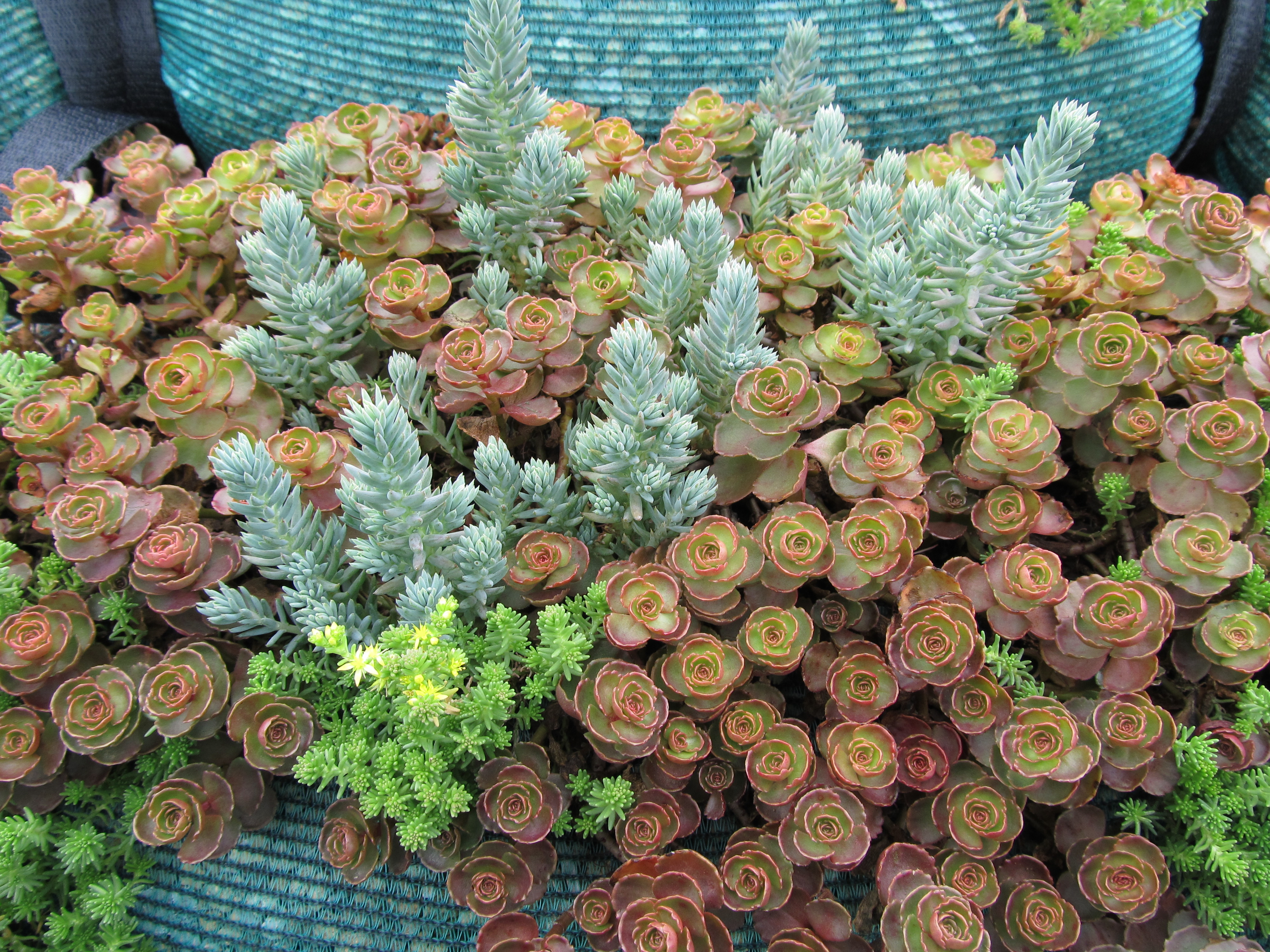
Drought tolerant sedums (Sedum spp.) with their shallow roots and succulent leaves are ideal for use on green roofs where temperatures are often high and water is limited.

Drought tolerant sedums (Sedum spp.) with their shallow roots and succulent leaves are ideal for use on green roofs where temperatures are often high and water is limited.

Learn more about how plants cope in low water environments from Arizona-Sonora Desert Museum.


Ground Nesting Bees in the Garden

Earlier this year I wrote about planting for pollinators. In that post I briefly introduced various things that people can do to encourage pollinator activity in their yards and gardens. One thing that I mentioned was the importance of providing nesting sites. Most pollinators are insects and insects are small, so the distance that they are able to travel in search of food is relatively limited. According to the Xerces Society, the smallest bees can only fly a few hundred feet from their nests. Providing nesting sites in close proximity to foraging sites is incredibly important.

Roughly 70% of native bee species in North America are ground nesting bees, so chances are pretty good that if you are providing forage for bees in your yard, a good number of the bees that visit will be ground nesting bees. In order to ensure the survival of these bees, consider providing nesting habitat for them on your property.

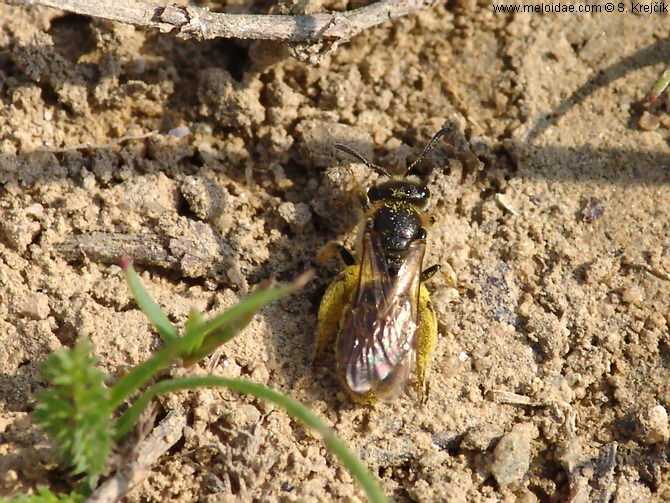
ground nesting bee_lasioglossum

Lasioglossum leucozonium – a North American ground nesting bee (also known as a sweat bee) – photo credit: www.eol.org

Here are a few things to keep in mind when developing nesting habitat for ground nesting bees:

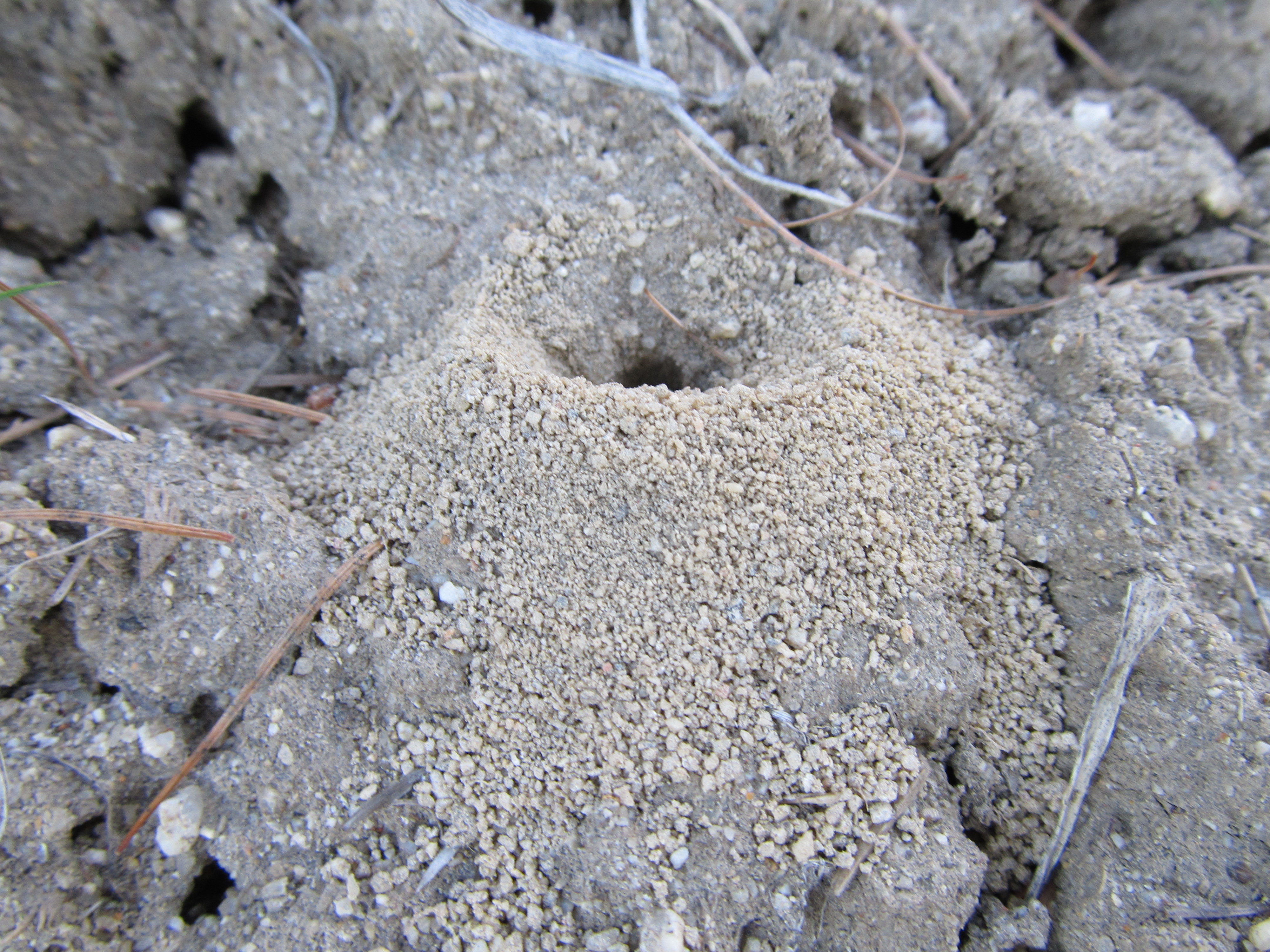
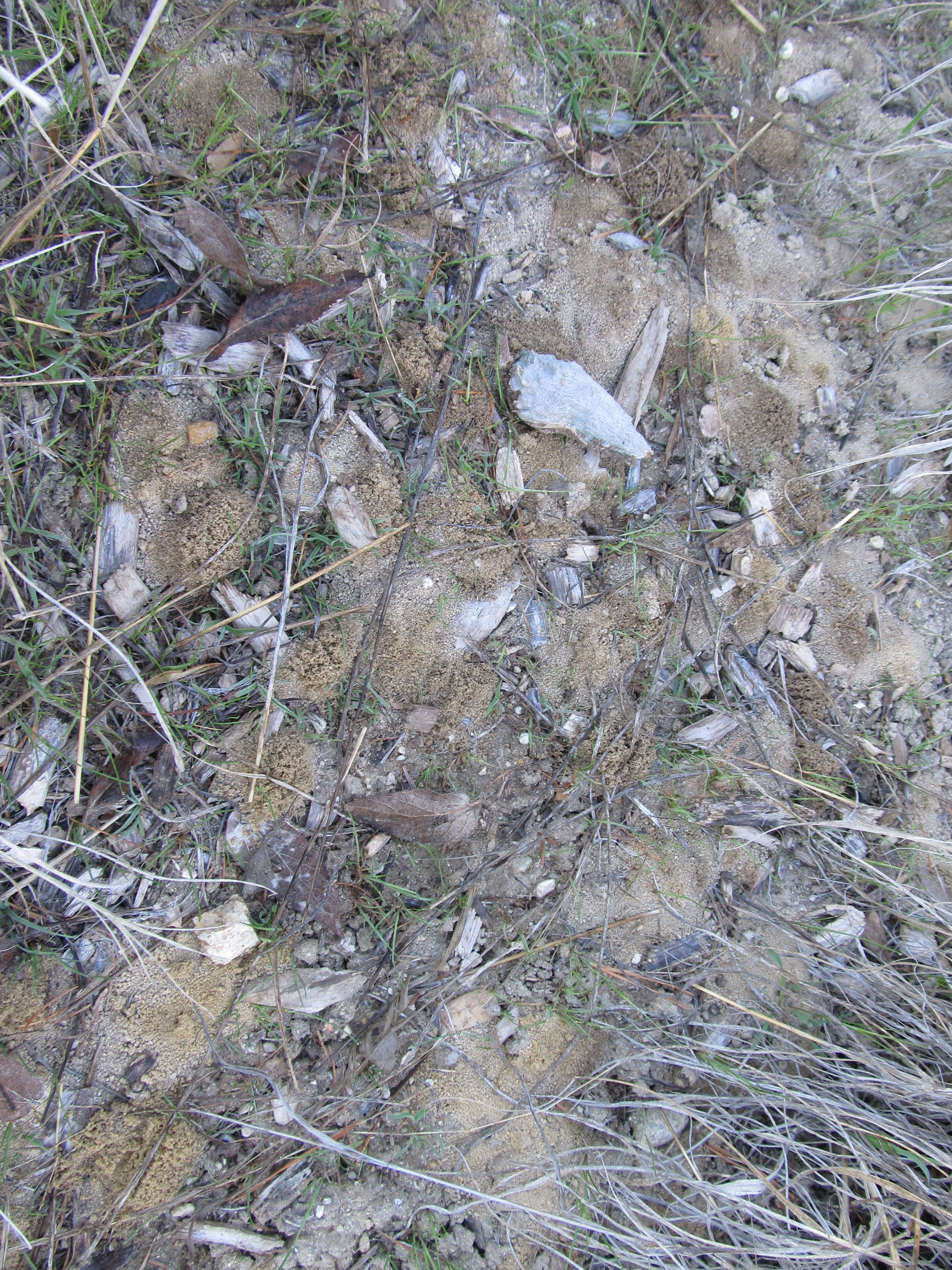
Create and Maintain Undisturbed Bare Ground: You may already have ground nesting bees living in your yard and you don’t even know it. Obvious evidence of nests is difficult to spot. If you can find tunnel entrances, they will look like small ant mounds. If you find a series of small “ant mounds”, watch for bee activity during sunny times of the day. Activity can be quite ephemeral though, so it is difficult to know if bees have just moved in or if they have moved on. Avoid tilling up soil and walking through areas where you suspect or intend for bee activity. Leave patches of bare ground unplanted and unmulched in order to encourage bees to nest there.

Sunny and South Facing: Bees are most active when the sun is shining and temperatures are warm. For this reason they tend to build their nests in warm, sunny spots. However, warm, sunny spots are also the best locations for many plants. Consider sharing these sites with ground nesting bees. Avoid putting down mulch in these areas and keep vegetation sparse and minimal.

Avoid Pesticides: When encouraging pollinator activity in your yard and garden, it is best to avoid using pesticides as much as possible. Herbicides kill potential food sources. Insecticides can kill pollinating insects along with pest insects. And soil fumigants can harm ground nesting bees.

Provide Some Accommodations: Due to the diversity of ground nesting bees, it is difficult to provide nesting habitat for all potential species. Some prefer loose, sandy soil while others prefer smooth, packed ground. Some bees will nest on level ground, while others prefer sloped ground. The habitat you are able to provide will depend on the conditions present on your property. Some modifications can be made, but this all depends on the resources available to you and how particular you want to get. Apart from maintaining a patch of undisturbed, unmulched, south facing ground, there are three additional things that you can offer ground nesting bees to make them feel more at home on your property: food (in the form of diverse flowers blooming throughout the growing season), a water source (in the form of a birdbath or something similar), and a few rocks for the bees to perch on and warm their tiny bodies.

IMG_0777

The tunnel entrance of a ground nesting bee.

IMG_0779

Tunnel entrances are often found in groups in areas of bare ground mixed with patchy vegetation.

Planting for Pollinators

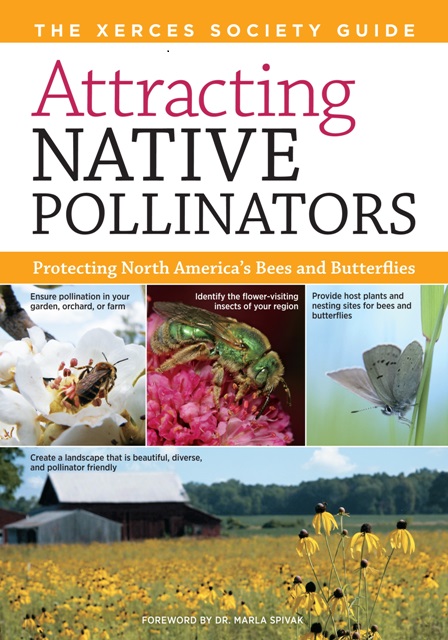
“All urban greenspaces offer potential for pollinators, and all can become important links in a chain of wildlife habitat winding through developed land. At the most basic level, healthy greenspaces mean healthy people and healthy communities. And at the core of a healthy environment are the pollinators.” –excerpt from the book, Attracting Native Pollinators by The Xerces Society

Concern for pollinators, particularly bees, is widespread. Whether you pay attention to the news or not, you are most likely aware that something is up. The bees are disappearing and no one seems to know why. Of course, most of the news concerning dying bees is in reference to honey bees, largely because they are major agricultural pollinators and producers of honey. But there are two things that many people may not be aware of: 1. Honey bees are not native to North America – they were brought over from Europe by early settlers – and 2. North America is replete with native pollinators (including numerous species of bees, butterflies, beetles, and wasps) and they, too, are threatened (partly due to non-native honey bees, but we won’t get into that here). Oh, and there is a third thing, we do know why bees and other pollinators are disappearing, and it’s not because of cell phone towers or other wacky ideas that have been proposed.

Actually, pollinator decline is due to a whole suite of things. As much as we like to seek out the silver bullet – the single cause with a single solution that will solve the problem – this issue (like so many others) does not have one. Habitat degradation and loss, the spread of pests and diseases, extensive pesticide use, and climate change all play a role in pollinator decline. Consider a modern day farm: acres and acres of a single crop planted from one edge of the field to the other, often planted with an herbicide resistant variety of crop so that all plants (both weedy and non-weedy) can be sprayed and killed leaving only the crop in question to grow competitor free. Or consider an urban landscape: patchy green space amidst miles and miles of pavement, concrete, and rooftops, and when that green space occurs, it is often a chemical green lawn free of weeds or a flower bed loaded with non-native ornamentals, bred for aesthetic appeal and often lacking in wildlife value. Our modern landscapes just aren’t fit for pollinators.

But things can change. The problem is complex, but there are small things each of us can do that when added up can make a colossal difference. Creating pollinator friendly habitats in our communities – spaces that are free from pesticides and include diverse food sources and nesting sites – can help ensure that pollinators will survive and thrive. Here are a few guidelines and resources to help you create pollinator habitat in your yard or neighborhood:

– Find a sunny location: Pollinators are most active when it is warm, so find areas that get at least 6-8 hours of full sun (just like you would if you were planning a vegetable garden).

Plant a wide variety of plants: Something should always be in bloom during the growing season, so select at least 3 plants that flower in each of the 3 blooming periods (spring, summer, and fall). Early spring bloomers and fall bloomers are especially important. Also, in order to attract a wide range of pollinators, select plants with varying heights and growth habits and that have flowers of various colors, shapes, and sizes.

– Plant in clusters: On each foraging trip, bees visit the flowers of a single plant species, so plant each species in small clumps.

-Provide nesting sites and a water source: Bumble bees nest at the bases of bunchgrasses, so include a warm season bunchgrass like little bluestem in your yard. Ground nesting bees require a section of bare ground, so lay off on the mulch. Construct and install bundles of hollow stems (like bamboo or elderberry) in order to provide nesting sites for mason bees. Also, include a birdbath or something with a ledge for pollinators to perch and drink.

There are many resources that can instruct you on providing habitat for pollinators. One standout is The Xerces Society. They are “a nonprofit organization that protects wildlife through the conservation of invertebrates and their habitat.” Their website is loaded with information: specific plant recommendations by region, instructions on how to provide habitat for certain pollinators, alternatives to pesticides, etc. You can even help them by becoming a citizen scientist. Other excellent resources include Monarch Watch and The Great Sunflower Project.

attracting-native-pollinators1

“Simple decisions about selecting plants, providing nest sites, minimizing disturbance, and reducing pesticides can make a dramatic difference between a green, manicured, but lifeless landscape, and one that teems with the color, energy, and life of buzz-pollinating bumble bees, rapidly dashing hummingbird moths, and busy nest-building leafcutter bees.” –excerpt from Attracting Native Pollinators by The Xerces Society

Stay tuned for future posts about pollinators, including pollinator conservation and specific pollinator and plant interactions. Also, comment below to share what you are doing to help pollinators in your community. 

Related Posts:

In the News: Declining Insect Populations

Figs and Fig Wasps

Wise Management of Invaded Plant Communities

Late last year the journal Nature published an article by Katherine Suding called “A Leak in the Loop,” which discussed the findings from long-term observations of an invaded plant community in Hawai’i. (A report authored by the researchers can be found in the same issue of Nature.) Once introduced, exotic species can become invasive by modifying their surroundings in such a way that ensures their survival and spread. Examples include modifications to fire and disturbance regimes, nutrient cycles, hydrology, and soil microbe communities. This self-reinforcement strategy is called a positive feedback loop. However, positive feedback loops are not eternally stable and can at some point be interrupted by negative feedback. In the case of invasive species, these “leaks in the loop” can result in population declines  and opportunities for restoration.

Back in the 1960’s, woodlands in Hawai’i Volcanoes National Park that were traditionally dominated by Metrosideros polymorpha, a flowering evergreen tree in the myrtle family (Myrtaceae), were invaded by a perennial grass from Africa commonly known as molasses grass (Melinis minutiflora). Molasses grass was successful because its presence increased the frequency and size of fires which reduced populations of native plant species without negatively affecting itself. Additionally, accelerated nitrogen cycling rates resulted due to the presence of the exotic grass, which benefited the invader. But now things have changed.

Returning to these sites 50 years later, researches have discovered that nitrogen cycling rates have returned to pre-invasion levels. Since molasses grass requires high levels of nitrogen, it is now on the decline. What exactly caused this reduction in nitrogen availability is unclear. It could be because winter rains flush nitrogen from the soil, making it unavailable when the grass begins to actively grow again in the spring. Several years of reduced growth resulting from reduced nitrogen availability diminishes the grass’s initial contribution to accelerated nitrogen cycling, hence a breakdown in the positive feedback loop.

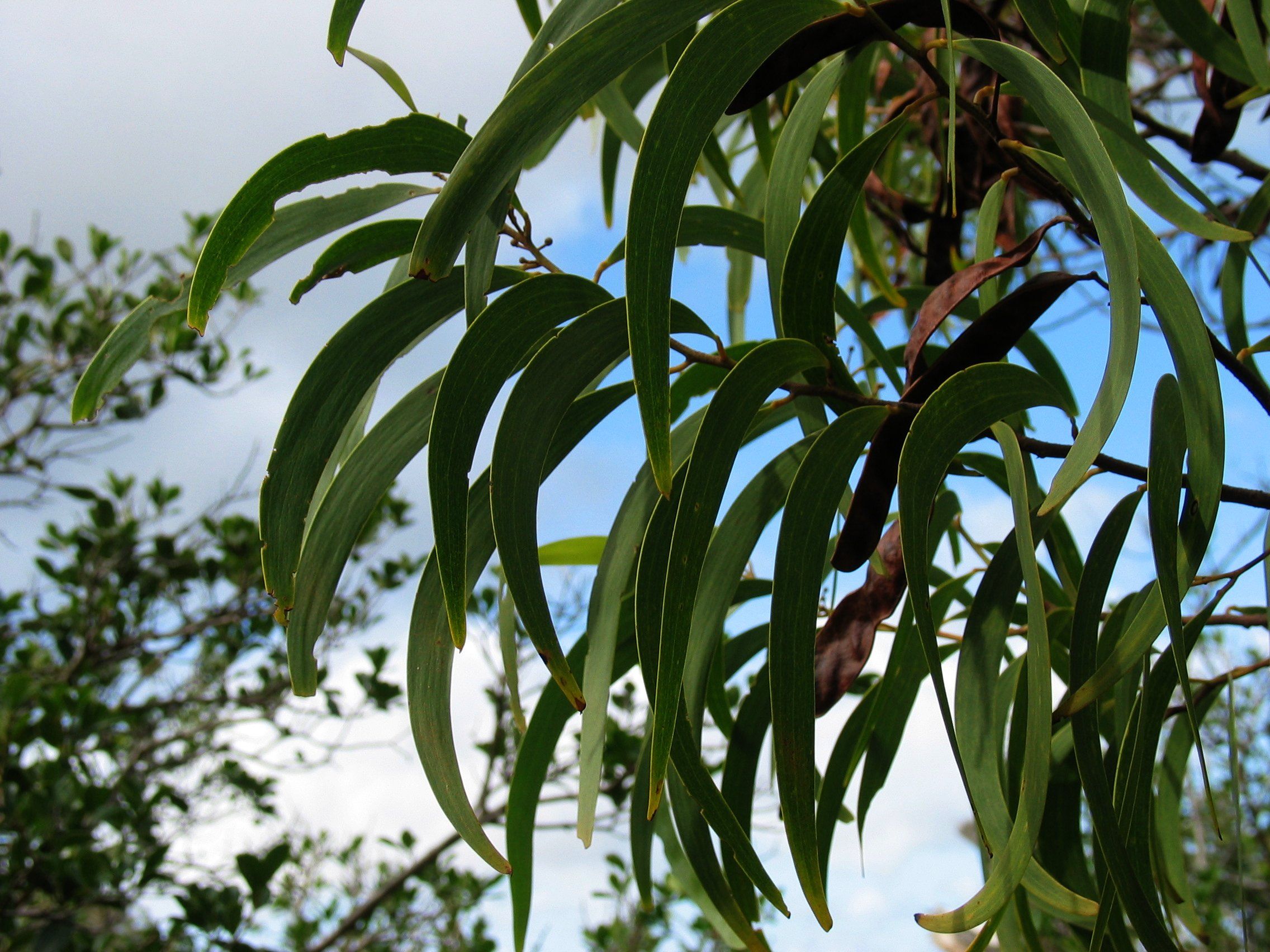
With the invader on the decline, the woodlands should be able to restore themselves. Ideally, anyway. Instead what the researchers observed is that another invader, Morella faya – a nitrogen fixing evergreen shrub from Europe, is moving in. Acacia koa, a native nitrogen fixing tree, is the ideal candidate for restoring these woodlands, however its seeds are heavy and don’t spread easily. Seeds of M. faya are bird-dispersed, and so they find their way into these sites first. In order to restore these sites and avoid further invasions, land managers must recognize when and where molasses grass is declining and start planting Acacia koa trees in large numbers, getting them established before M. faya arrives.

acacia koa

Acacia koa (photo credit: eol.org)

This research is important for anyone in the business of managing invaded plant communities. As Suding concludes in her article, “this new perspective will inform where and when we might best intervene in systems to capitalize on their changing dynamics.” Millions of dollars are spent each year in an attempt to reduce and ultimately eradicate invasive plant species. Long-term studies of invaded plant communities can help us recognize when the best times to employ restoration strategies might be. When we find a leak in the loop, we should take advantage of it, otherwise we may just be wasting resources.

Related Post:

Invasivore: One Who Consumes Invasive Species

Venus Flytrap: A Species of Special Concern

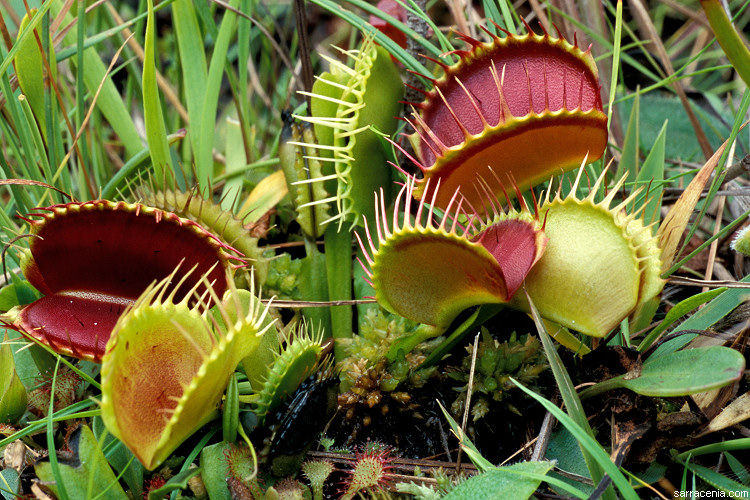
The Venus flytrap is likely the most popular and well-known (as well as the most purchased and widely owned) of any carnivorous plant. It is a proud representative of a diverse group of plants that continues to astound most everyone from plant experts to plant amateurs and even the plant ambivalent. With its leaves shaped like gaping mouths with sharp teeth and its ability to snap shut and devour insect prey, it is a remarkable species, but would you believe that it is also a rare one?

The Venus flytrap (Dionaea muscipula) is native to a small region on the east coast of the United States near the border of North and South Carolina. Its range extends to about a 100 mile radius from Wilmington, NC. Within this region, the habitat of the Venus flytrap is mainly wet savannahs with sandy, peaty, acidic soils on the edges of swamps and fens. Thus with its limited range and specific habitat requirements, the Venus flytrap has always been a rare species, even before it became a popular houseplant.

Apart from being naturally rare, the Venus flytrap now faces numerous threats to its continued survival in the wild. The obvious one is its popularity, which has led to the harvesting of hundreds of thousands of wild plants to be cultivated and sold in the plant trade. Other threats involve its habitat. Wetlands are one of the most threatened ecosystems. They are frequently drained and developed for real estate, agriculture, and recreation, and they are regular victims of pollution and exotic species invasions. The wetlands that Venus flytraps call their home are no exception. Additionally, naturally occurring fires are being suppressed in this region, allowing larger plants normally kept in check by occasional fires to thrive and choke out low-growing Venus flytraps.

Despite these threats, the Venus flytrap has not yet been listed as a federally endangered species. However, it is currently listed as a species of special concern in North Carolina and is listed as Vulnerable on the IUCN Red List. Fortunately, wildlife officers in North Carolina do issue citations to anyone caught illegally harvesting Venus flytraps in order to deter such activity.

venus flytrap

Dionaea muscipula   © 2006 Barry Rice

If you are interested in owning a Venus flytrap, make certain that you are purchasing a nursery grown plant and not a wild harvested one. The plant label should specify this. To be sure you are purchasing a nursery grown plant, look for cultivar names, like ‘Red Dragon’ or ‘Royal Red’ (and many others). These are plant varieties that have been bred in tissue culture labs from cultivated plants.

To learn more about the Venus flytrap and its current conservation concerns, see this Encyclopedia of Life page.

Related Posts:

Northern Pitcher Plants: A Model for Understanding Food Webs

The Sundews

Overwintering Carnivorous Plants

Wetlands!

2013: Year in Review

The start of a new year is traditionally a time to be reflective and resolute. Awkward Botany is now a year old, so it is in the spirit of a new year that I look back at a year of blogging and look forward to the years to come. I did not initially set any concrete goals for this blog nor do I plan to. I am passionate about plants, and I enjoy writing – hence the blog. Any attention this blog receives is not only welcome, but celebrated. It is one of life’s great joys to be able to share your passions with others.

In 2013 – surprisingly enough – I managed to publish 42 posts. These posts covered a wide range of topics, including plant profiles (mountain kittentails, Lewis’ mock orange, sundews), wildflower walks (Spring, June, September), the latest in plant science research (cushion plants, northern pitcher plants, plant communities of the Catalinas), a book and movie review (What a Plant Knows & What Plants Talk About), gardening tips (starting seeds indoors, assessing your soil, pruning rosemary), and so much more. The years to come will bring more of the same, plus whatever else comes to mind or is requested (leave a comment below).  More importantly, my plan is for past and future posts to be organized into pages according to major categories – such as botany, horticulture, and ecology – which will make it easier to find posts on the topics you are most interested in. Also, a new year brings a new tagline – “for the phyto-curious” – because it is a deep, abiding curiosity about plant life that really drives this blog.

021

If you feel so inclined, please leave comments below and let me know what you like/dislike about the blog and/or tell me if you have any ideas for future posts. You can also leave comments and ask questions by visiting my Contact Page. Also, check out my twitter feed. Please be in touch, and let’s make 2014 our year!

For the plants, etc…

In the News: Declining Insect Populations

Last week the New York Times published an article about declining populations of insects in the United States, specifically monarch butterflies and wild bees. Monarch butterflies migrate south to Mexico each fall, typically arriving by the millions on the first of November. This year was tragically different, because the monarchs did not arrive on the first, and when they finally began trickling in a week late, there were significantly less of them. In his article, The Year the Monarch Didn’t Appear, Jim Robbins discusses why this and similar scenarios are becoming commonplace.

Increased pesticide use and global climate change are certainly contributing factors in the decline of insect populations; however, Robbins suggests that the loss of native habit is the major culprit. For example: monarch butterflies rely on milkweed (Asclepias spp.); in fact, their larvae feed exclusively on it. No milkweed = no new monarch butterflies. Urban sprawl, farmland expansion, Roundup Ready crops, and herbicide use along roadways all result in declining milkweed populations, as well as declines in the populations of other beneficial native plants.

And that’s not all. “Around the world people have replaced diverse natural habitat with the biological deserts that are roads, parking lots and bluegrass lawns, ” says Robbins, meanwhile landscape plants are selected for their ornamental appeal, “for their showy colors or shapes, not their ecological role.” In support of his argument, Robbins cites studies which found that native oak and willow species in the mid-Atlantic states are hosts to 537 and 456 species of caterpillars, respectively. On the other hand, non-native, ornamental ginkgoes host three.

Insects provide numerous ecosystem services. They help break down waste products, they are pollinators of countless species of plants (including many of our crops), and they are food sources for larger animals (including birds, reptiles, and amphibians)…and this is just the short list. As John Muir said, “When we try to pick out anything by itself, we find it hitched to everything else in the Universe.” Thus, the decline of native insect populations is a concern that should not be taken lightly.

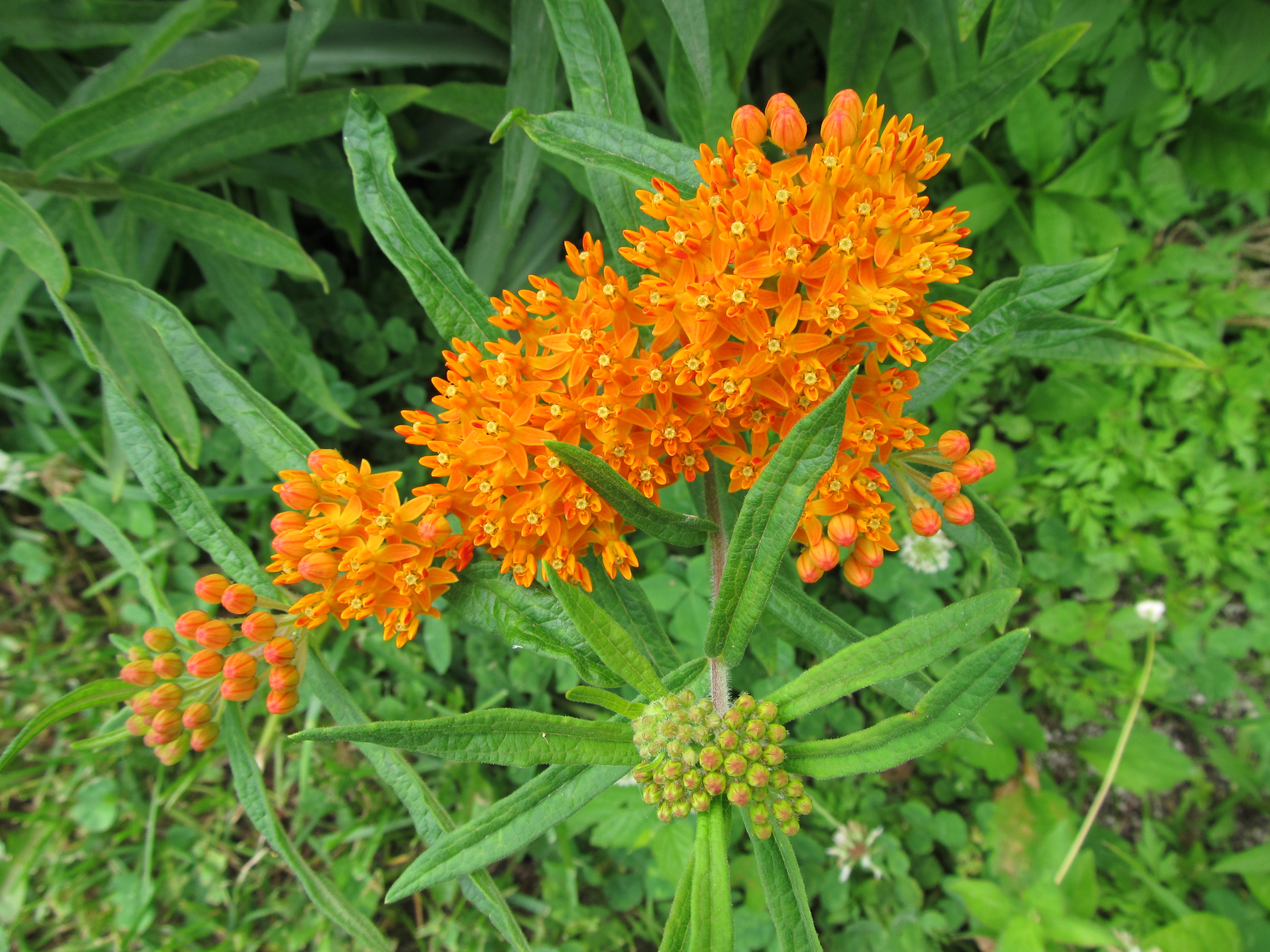
IMG_0021

Asclepias tuberosa – butterfly milkweed

If you haven’t already, please consider including some native plants in your yard. If you don’t have a yard, suggest the idea of landscaping with native plants to your friends. To learn more about monarch butterflies and their plight (including information on how to grow milkweed), visit www.monarchwatch.org.

Figs and Fig Wasps

Recently I was listening to a past episode of Caustic Soda Podcast in which the hosts briefly discussed fig wasps. I was intrigued by this discussion, having previously never heard of fig wasps, and so I did a little research. As it turns out, what I am about to share with you here is just the tip of the iceberg. The relationship between figs and fig wasps is a complex topic, to the extent where you could easily spend a lifetime studying this relationship and there would still be more to discover.

Ficus is a genus of plants in the  family Moraceae that consists of trees, shrubs, and vines. They are commonly referred to as figs, and there are between 755 and 850 described species of them (depending on the source). The majority of fig species are found in tropical regions, however many of them are found in temperate regions as well. The domesticated fig (Ficus carica), also known as common fig, is widely cultivated throughout the world for its fruit.

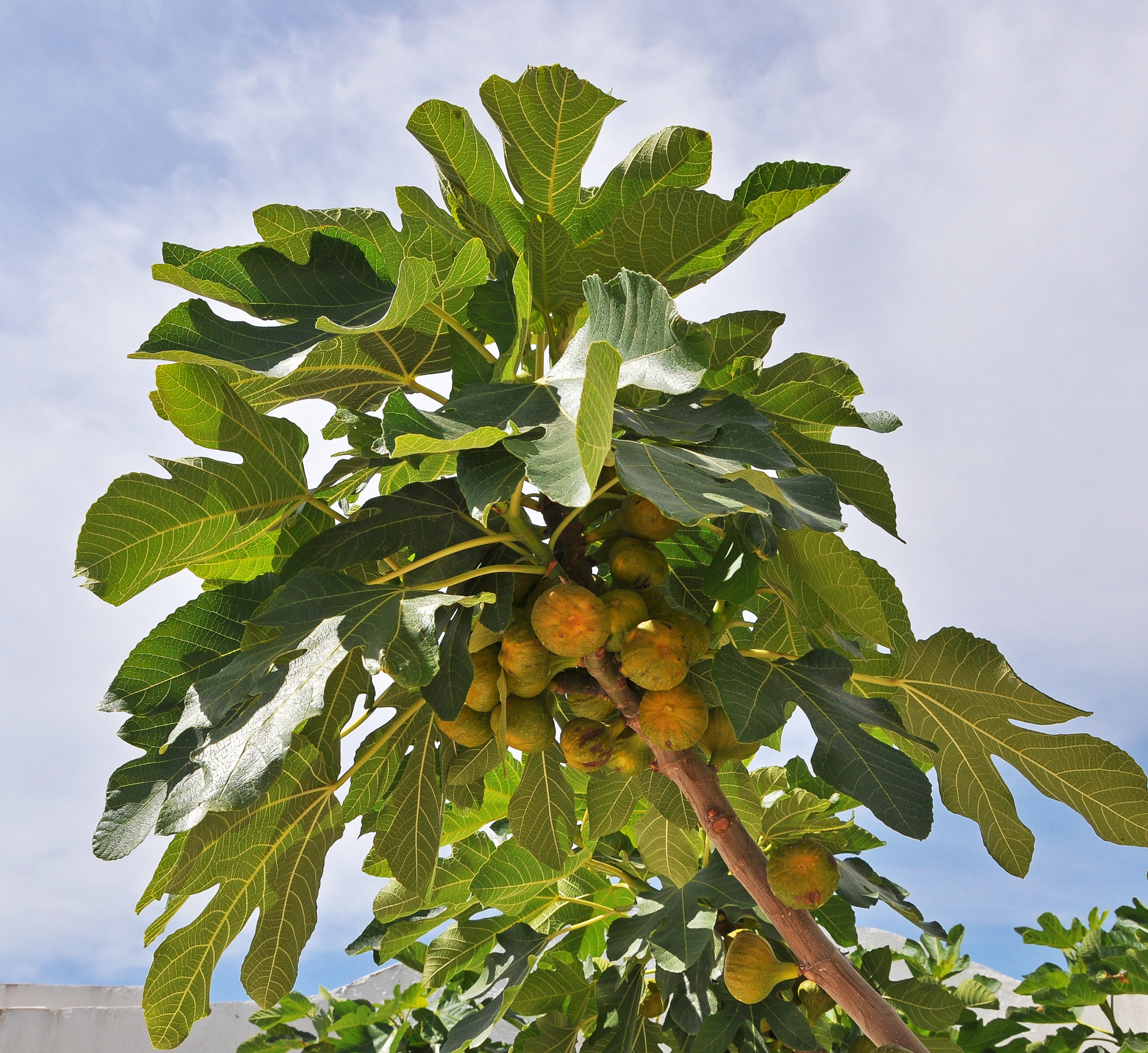
common fig

Ficus carica – common fig

photo credit: wikimedia commons

The fruit of figs, also called a fig, is a multiple fruit because it is formed from a cluster of flowers. A fruit is formed by each flower in the cluster, but they all grow together to form what appears to be a single fruit. Now here is where it starts to get bizarre. The flowers of figs are contained inside a structure called a syconium, which is essentially a modified fleshy stem. The syconium looks like an immature fig. Because they are contained inside syconia, the flowers are not visible from the outside, yet they must be pollinated in order to produce seeds and mature fruits.

This is where the fig wasps come in. “Fig wasp” is a term that refers to all species of chalcid wasps that breed exclusively inside of figs. Fig wasps are in the order Hymenoptera (superfamily Chalcidoidea) and represent at least five families of insects. Figs and fig wasps have coevolved over tens of millions of years, meaning that each species of fig could potentially have a specific species of fig wasp with which it has developed a mutualistic relationship. However, pollinator host sharing and host switching occurs frequently.

Fig wasps are tiny, mere millimeters in length, so they are not the same sort of wasps that you’ll find buzzing around you, disrupting your summer picnic. Fig wasps have to be small though, because in order to pollinate fig flowers they must find their way into a fig. Fortunately, there is a small opening at the base of the fig called an ostiole that has been adapted just for them. What follows is a very basic description of the interaction between fig and fig wasp – remember with the incredible diversity of figs and fig wasps, the specifics are sure to be equally diverse.

First a female wasp carrying the pollen of a fig from which she has recently emerged discovers a fig that is ready to be pollinated. She finds the ostiole and begins to enter the fig. She is tiny, but so is the opening, and so her wings and antennae are ripped off in the process. No worries though, she won’t be needing them anymore. Inside the fig there are two types of flowers – ones with long styles and others with short styles. The female wasp begins to lay her eggs inside the flowers, however she is not able to lay eggs inside the flowers with the long styles. Instead, these flowers get pollinated by the wasp. After all her eggs are laid, the female wasp dies. The fig wasp larvae develop inside galls in the ovaries of the fig flowers, and they emerge from the galls once they have matured into adults. The adult males mate with the females and then begin the arduous task of chewing through the wall of the fig in order to let the females out. After completing this task, they die. The females then leave the figs, bringing pollen with them, and search for a fig of their own to enter and lay eggs. And the cycle continues.

But there is so much more to the story. For example, there are non-pollinating fig wasps that breed inside of figs but do not assist in pollination – freeloaders essentially. And how is the cycle different if the species is monoecious (male and female flowers on the same plant) compared to dioecious (male and female flowers on different plants)? It’s too much to cover here, but visit figweb.org for more information. FigWeb is an excellent resource for learning all about the bizarre and fascinating world of the fig and fig wasp relationship. Also check out the PBS documentary, The Queen of Trees.

This is the first of hopefully many posts on plant and insect interactions. Leave a comment and let me know what plant and insect interactions interest you.

Invasivore: One Who Consumes Invasive Species

Invasive species are a major ecological concern, and so considerable effort is spent controlling them, with the ultimate goal (albeit a lofty one in most cases) of  eradicating them. The term “invasive species” describes plants, animals, and microorganisms that have been either intentionally or unintentionally introduced into an environment outside of their native range. They are “invasive” because they have established themselves and are causing adverse effects in their non-native habitats. Some introduced species cause no discernible adverse effects and so are not considered invasive. Species that are native to a specific habitat and exhibit adverse effects following a disturbance can also be considered invasive. (White-tailed deer are an example of this in areas where human activity and development have reduced or eliminated their natural predators resulting in considerably larger deer populations than would otherwise be expected.) Defining and describing invasive species is a challenging task, and so it will continue to be a topic of debate among ecologists and conservation biologists for the foreseeable future.

The adverse effects of invasive species are also not so straightforward. Typical examples include outcompeting native flora and fauna, disrupting nutrient cycles, shifting the functions of ecosystems, altering fire regimens, and causing genetic pollution. Countless hours of research and observation are required in order to determine the real effects of invaders. The cases are too numerous and the details are too extensive to explore in this post; however, I’m sure that I will cover more aspects of this topic in the future.

For now I would just like you to consider a novel approach to eradicating invasive species that has recently come to my attention. That is to simply eat them. Why not, right? The voracious appetite of humans has helped drive certain species to extinction in the past, so why can’t our stomachs assist in removing introduced species from their non-native habitats? The folks at Invasivore.org are suggesting just that, and by encouraging people to consume invasive species, they are also promoting awareness about invasive species, an awareness that they hope “will lead to decreasing the impacts of invasive species by preventing introductions, reducing spread, and encouraging informed management policies.”

“If you can’t beat ’em, eat ’em!” And so they provide recipes in order to encourage people to harvest, prepare, and consume the invasive species in their areas. Some of the invasive plant species they recommend people eat are Autumn Olive (Autumn Olive Jam), garlic mustard (Garlic Mustard Ice Cream), Japanese honeysuckle (Honeysuckly Simple Syrup), purslane (Purslane Relish), and Canada goldenrod (Strawberry-Goldenrod Pesto). And that’s just a sampling. One might ask if we are encouraged to eat invasive species and ultimately find them palatable, won’t our demand result in the increased production of these species? The Invasivores have considered this, and that is why their ultimate goal is raising awareness about the deleterious effects of invasive species. In the end, we should expect to see our native habitats restored. Our craving for Burdock Chips on the other hand will have to be satisfied by some other means.

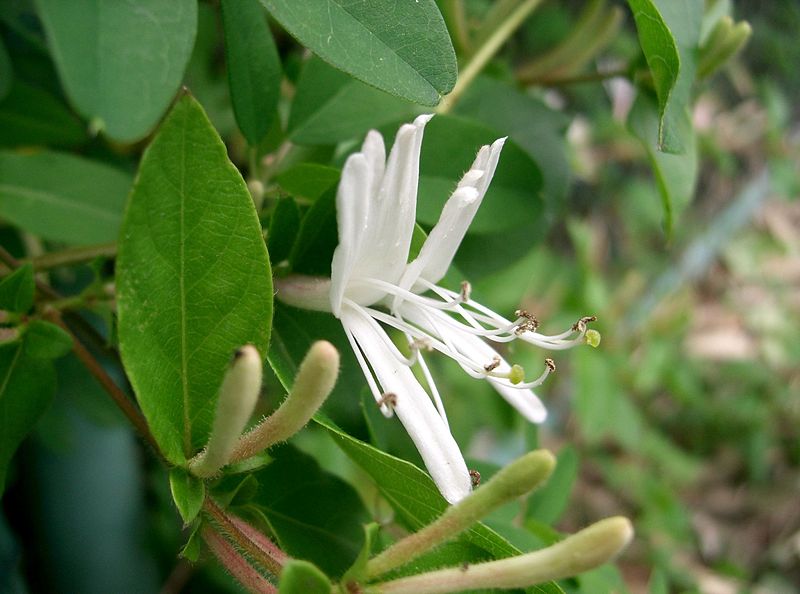
lonicera japonica

Japanese honeysuckle (Lonicera japonica)

photo credit: wikimedia commons

Other websites that encourage the consumption of invasive species:

www.eattheinvaders.org

www.eattheweeds.com