Wetlands!

From www.earthgauge.net:

“May is American Wetlands Month! No matter where you live, chances are there’s a wetland nearby that provides important environmental benefits to your community. Wetlands support diverse fish and wildlife species, filter pollutants from rain water runoff, help recharge groundwater supplies, prevent flooding and enhance property values.”

Wetlands are ecosystems that are characterized by their vegetation (aquatic plants), their soils (formed during anaerobic conditions caused by being flooded or saturated with standing water), and, of course, their state of being largely saturated with water either seasonally or permanently. Examples of natural wetlands include bogs, fens, marshes, and swamps. Wetlands can also be constructed by humans for the purpose of collecting storm water runoff from urban areas in an effort to reduce the risk of flooding and avoid overwhelming municipal sewer systems during large rainstorms.

Wetlands are the most threatened type of ecosystem on earth, and we are losing them at a steady clip. Major threats to wetlands include land development, pollution (agricultural and otherwise), and the introduction of invasive species. Considering the benefits we receive from having wetlands around, it is imperative that we protect them. Earth Gauge offers some suggestions on how to do so.
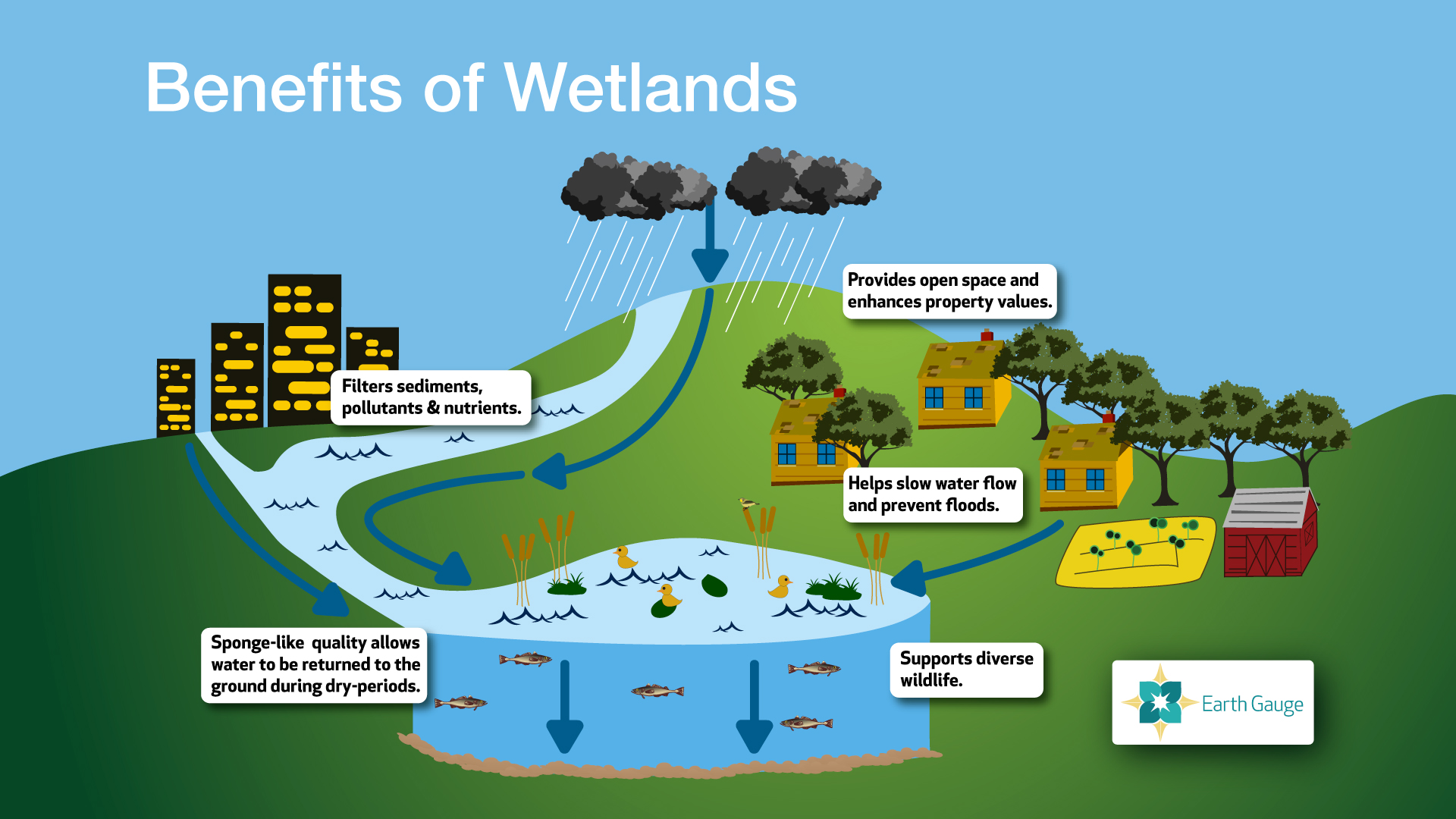
wetland benefits

Speaking of wetlands, one of my favorite wetland plant species is marsh marigold (Caltha palustris). It is in the buttercup family (Ranunculaceae) and is common in wetlands throughout the Northern Hemisphere. I became familiar with this plant when I was volunteering at a wetland in Edwardsville, IL. Perhaps you’ve seen it growing in a wetland near you.
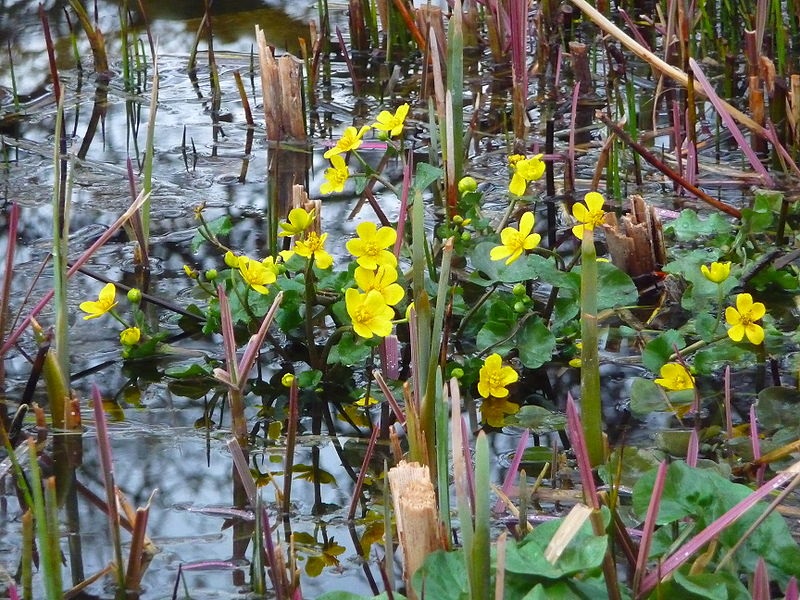
caltha palustris

marsh marigold (Caltha palustris) photo credit: wikimedia commons
Wildflower Walk: Spring 2013

This past weekend I ventured into the Boise National Forest. I was on the hunt for morels (or at least a good morel hunting spot). I chose a specific section of the Boise National Forest because a forest fire had occurred there the previous summer. Morel hunting is typically quite good in forests that have burned the previous year, and morel hunters, being well aware of this phenomenon, are found chomping at the bit, anxious to enter a recently burned site and collect their bounty.

Unfortunately, I was unable to  find any morels on this trip. I was a little too early, which I was assuming might be the case as I was heading out there, but I was just excited to go and check things out. Hopefully I will get a chance to go again within the next few weeks, and perhaps I’ll have better luck.

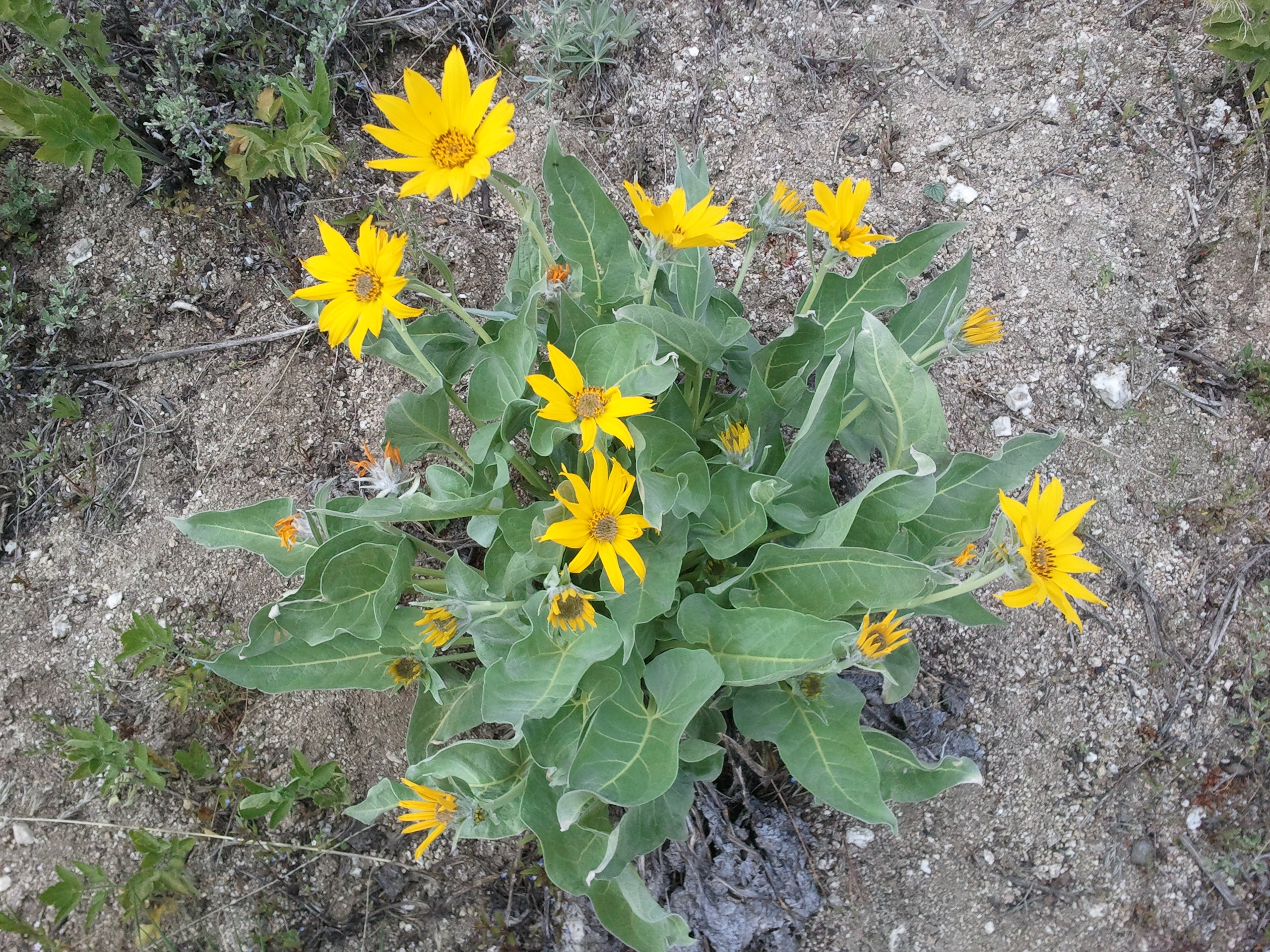
The trip was not a complete disappointment though. What started out as a mushroom hunt quickly turned into a wildflower walk as I was overwhelmed by the abundance and diversity of wildflowers that blanketed the mountainsides. Below is a small sampling of the plants that I saw on my trip into the woods.

SAMSUNG

Balsamorhiza sagittata – arrowleaf balsamroot

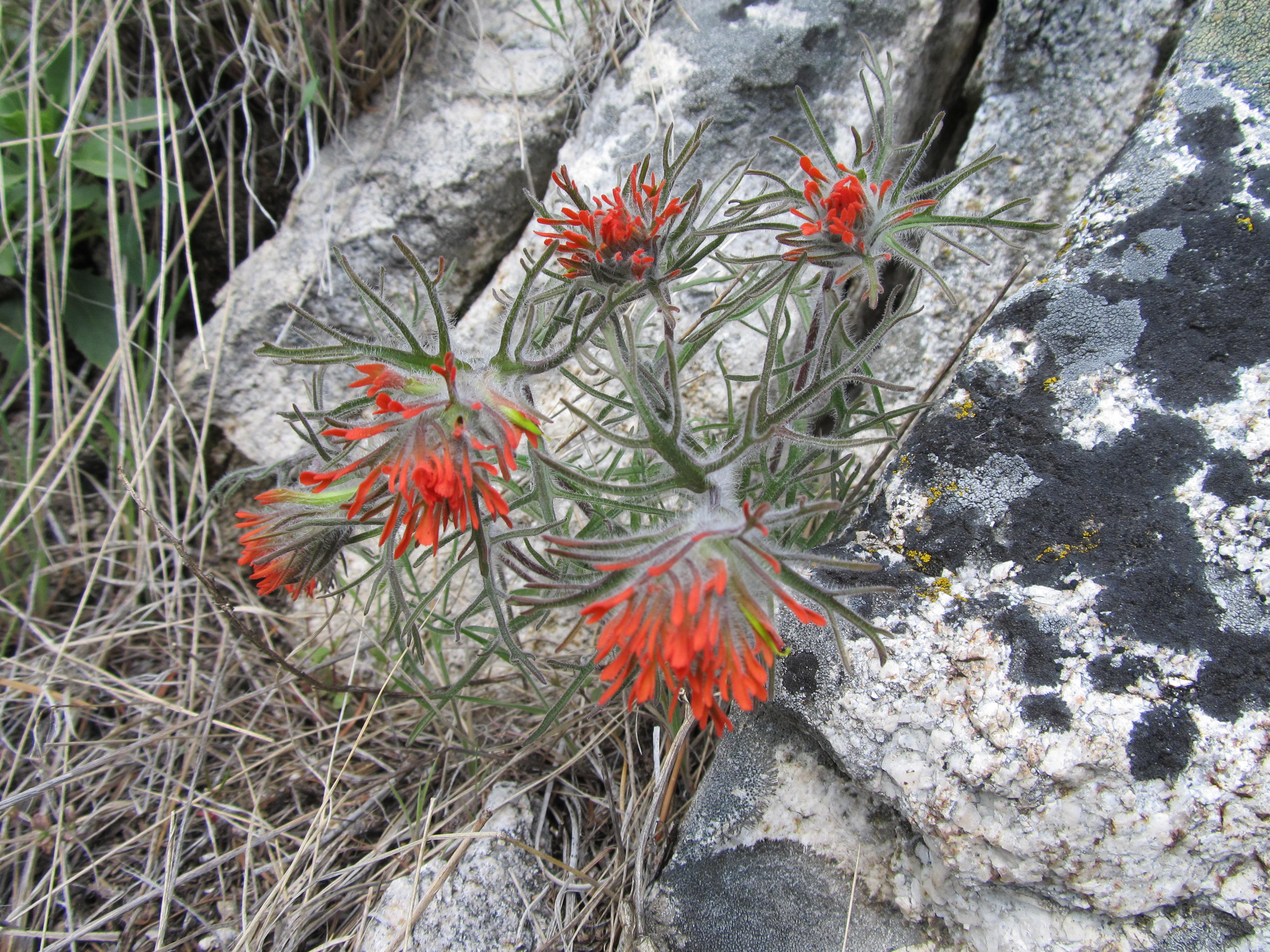
castilleja covilleana

Castilleja covilleana – rocky mountain paintbrush

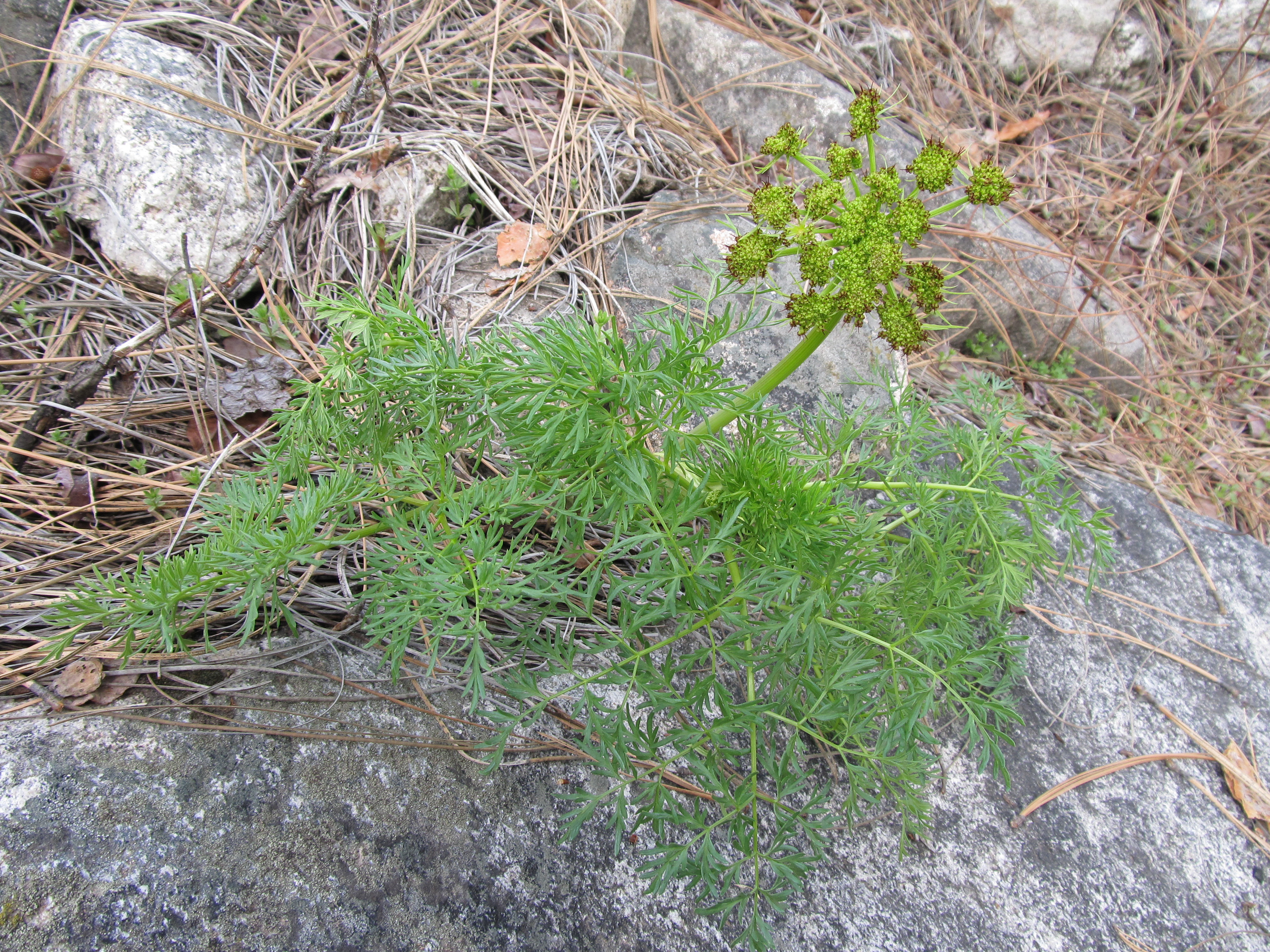
lomatium dissectum

Lomatium dissectum – fernleaf biscuitroot

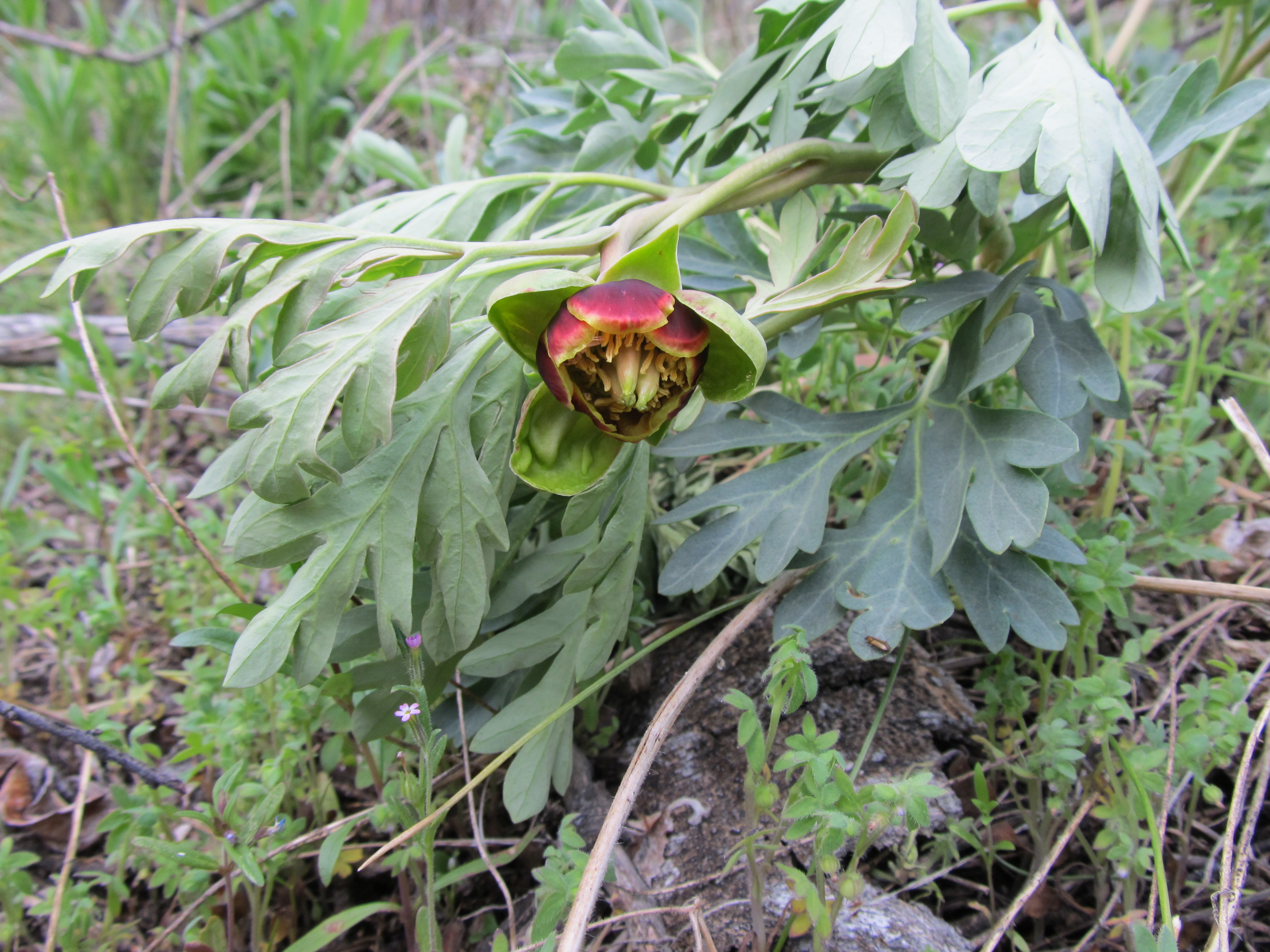
paeonia brownii

Paeonia brownii – brown’s peony

viola purpurea 1

Viola purpurea – yellow mountain violet

Rock Gardens: An Introduction

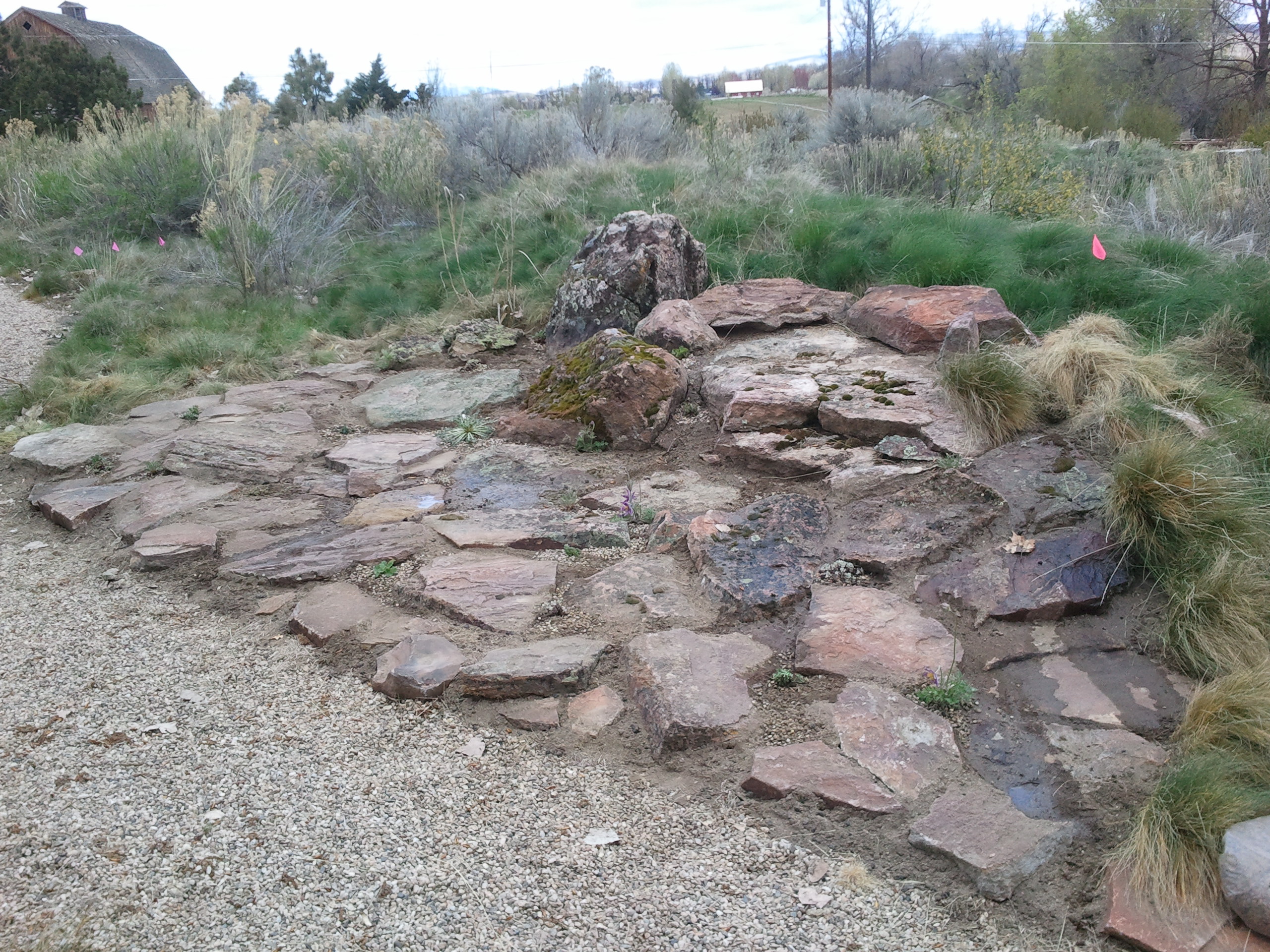
Recently I helped build and plant a rock garden. It was a first for me, but something I had been wanting to do for a while. Rock gardens consist of plants that grow in rocky environments, such as rock outcrops on mountains or accumulations of rocks at the bases of cliffs or steep slopes. Rock garden plants are commonly called alpine plants – alpine refers to an environment that is very high in elevation or, in other words, in mountains above the tree line. Not all rock garden plants are native to alpine environments; however, in the rock garden community, the term “alpine” often refers to small, hardy plants that are ideal for rock gardens.

A rock garden mimics the environments of alpine plants by incorporating a mixture of large and small rocks placed in an aesthetically pleasing manner. Well-draining soil is brought in to fill the spaces between the rocks, and the plants are planted in these spaces. Rock garden plants are typically small and compact. Cushion plants (Silene acaulis, Saxifraga spp., etc.) are one example of a type of rock garden plant. Other popular rock garden plants include the following genera: Pulsatilla, Viola, SedumDaphne, DelospermaDianthus, Thymus, Primula, and Scutellaria. The list goes on. Many rock garden plants can be found at local garden centers, while others will require some searching, but there should be enough of them available to at least get you started.

A rock garden doesn’t have to mean a scattering of rocks laid out on the ground. They can also be built in raised beds or they can consist of a series of troughs or planters. Rock garden troughs are typically made of tufa or hypertufa. Tufa is a naturally occurring variety of limestone. Hypertufa is a human-made version of tufa that is composed of various aggregates cemented together.

To learn more about rock gardening and to join a community of rock gardeners, check out the North American Rock Garden Society, and stay tuned to Awkward Botany for future posts on rock gardens.

SAMSUNG

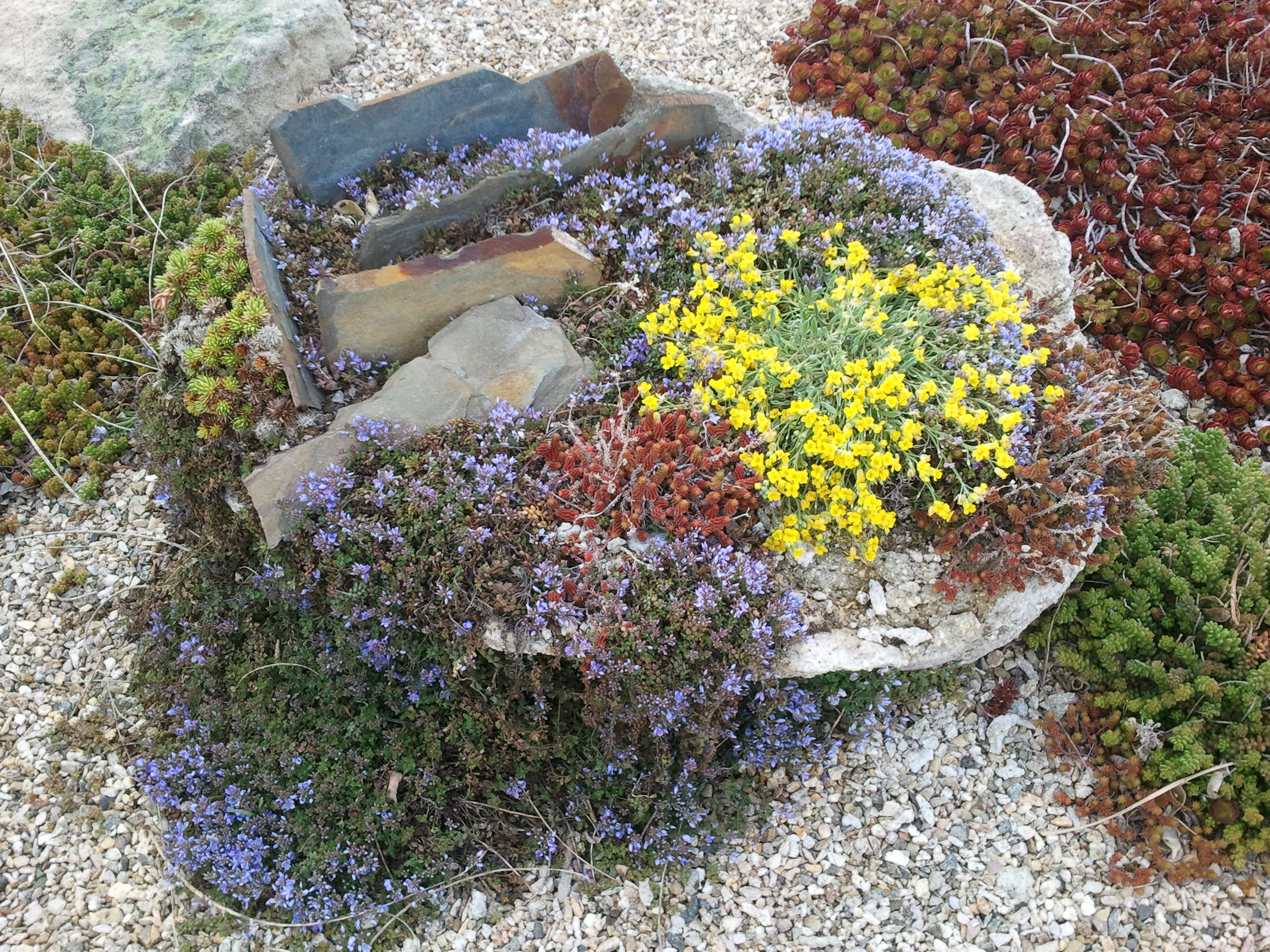
Here is an example of a rock garden in a hypertufa trough. You can see this and more like it at Idaho Botanical Garden.

SAMSUNG

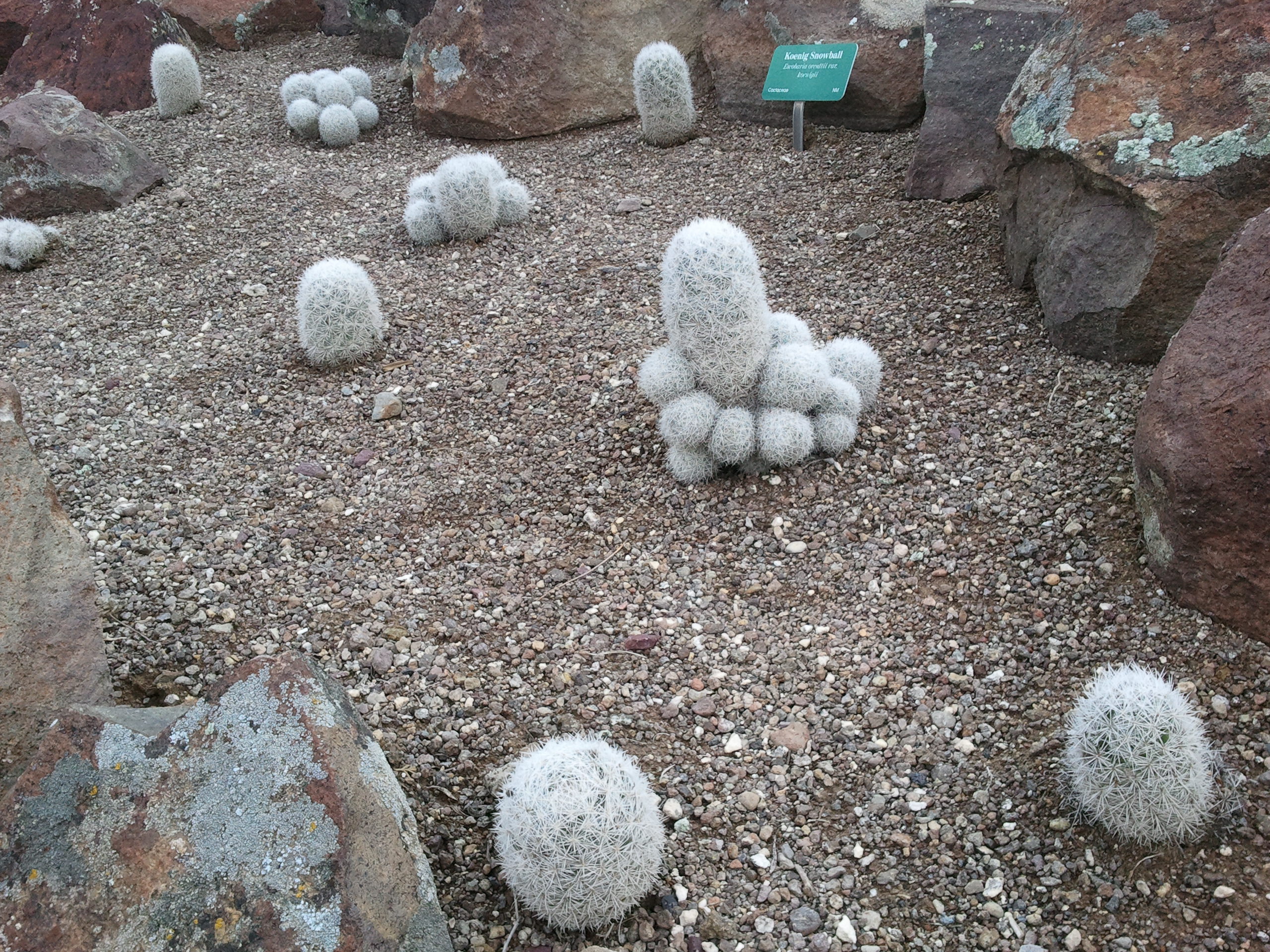
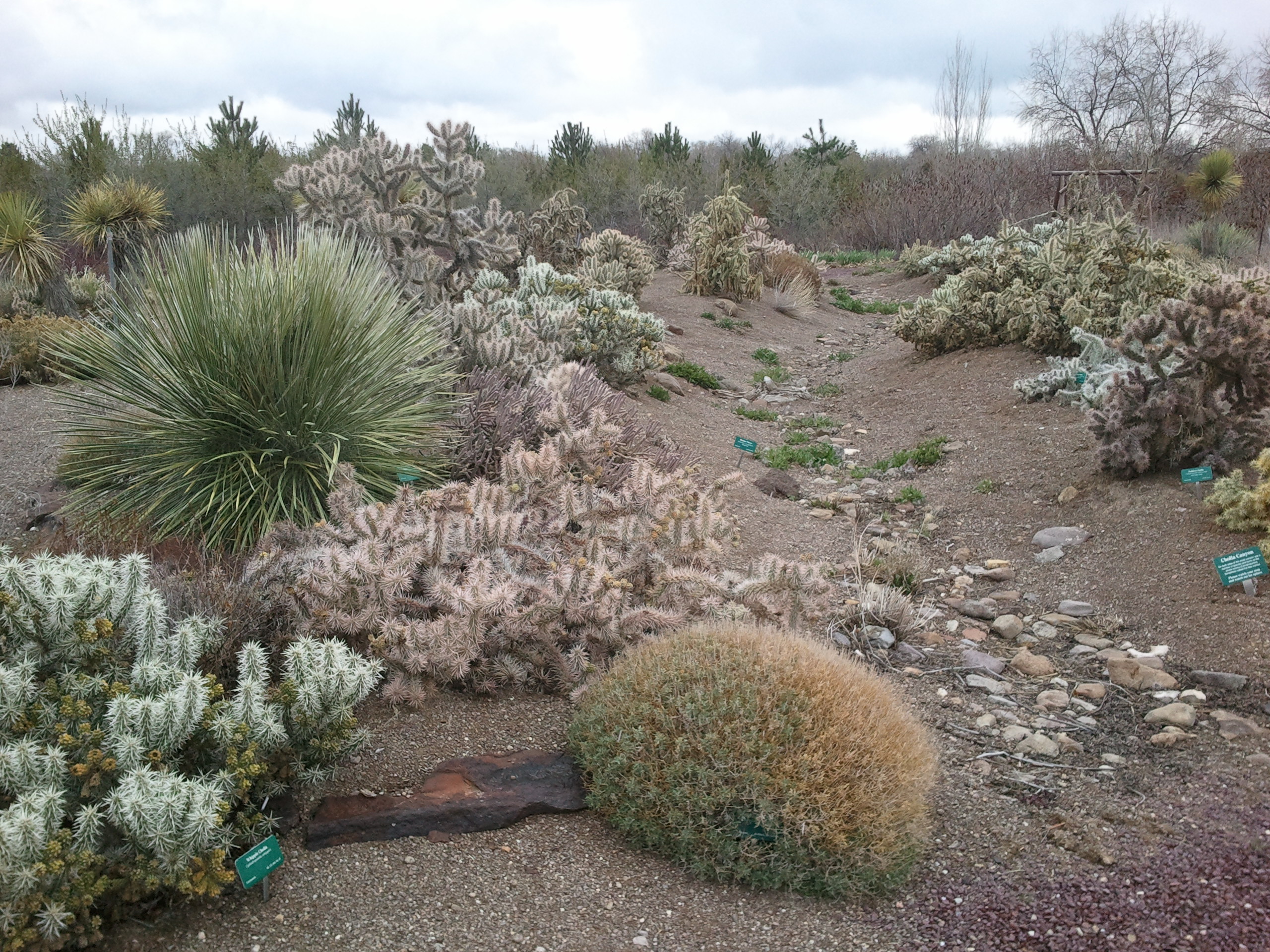
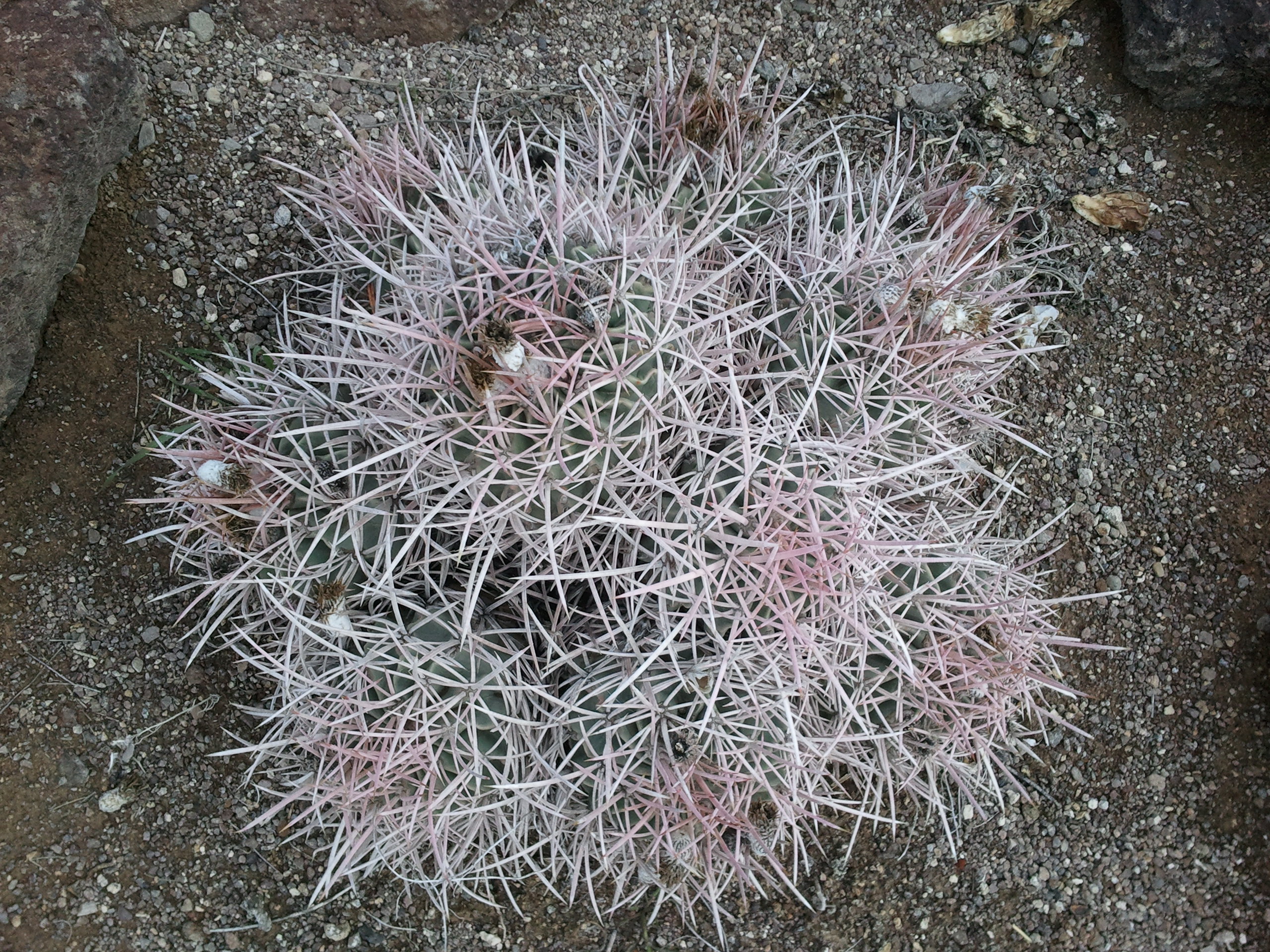
Plantasia Cactus Gardens

If you ever find yourself in southern Idaho, there is a secret garden that I highly recommend checking out. I say “secret” because it is a private garden, but if you make an appointment ahead of time, the owners will gladly let you see it. It’s called Plantasia Cactus Gardens, and it is 5 acres filled with a very impressive collection of cacti and other desert plants. Most of the plants are native to the western United States, but there are a few plants from other parts of the world as well. The gardens are beautifully designed and very well-kept. The owners are very friendly and incredibly knowledgable and could probably spend hours with you talking about each plant in their collection. Along with maintaining the garden, the owners also propagate cacti and other drought tolerant plants and sell them during an annual plant sale and through mail order. Check out their website (which is updated regularly) for more information.

SAMSUNG

SAMSUNG

SAMSUNG

Mountain Kittentails

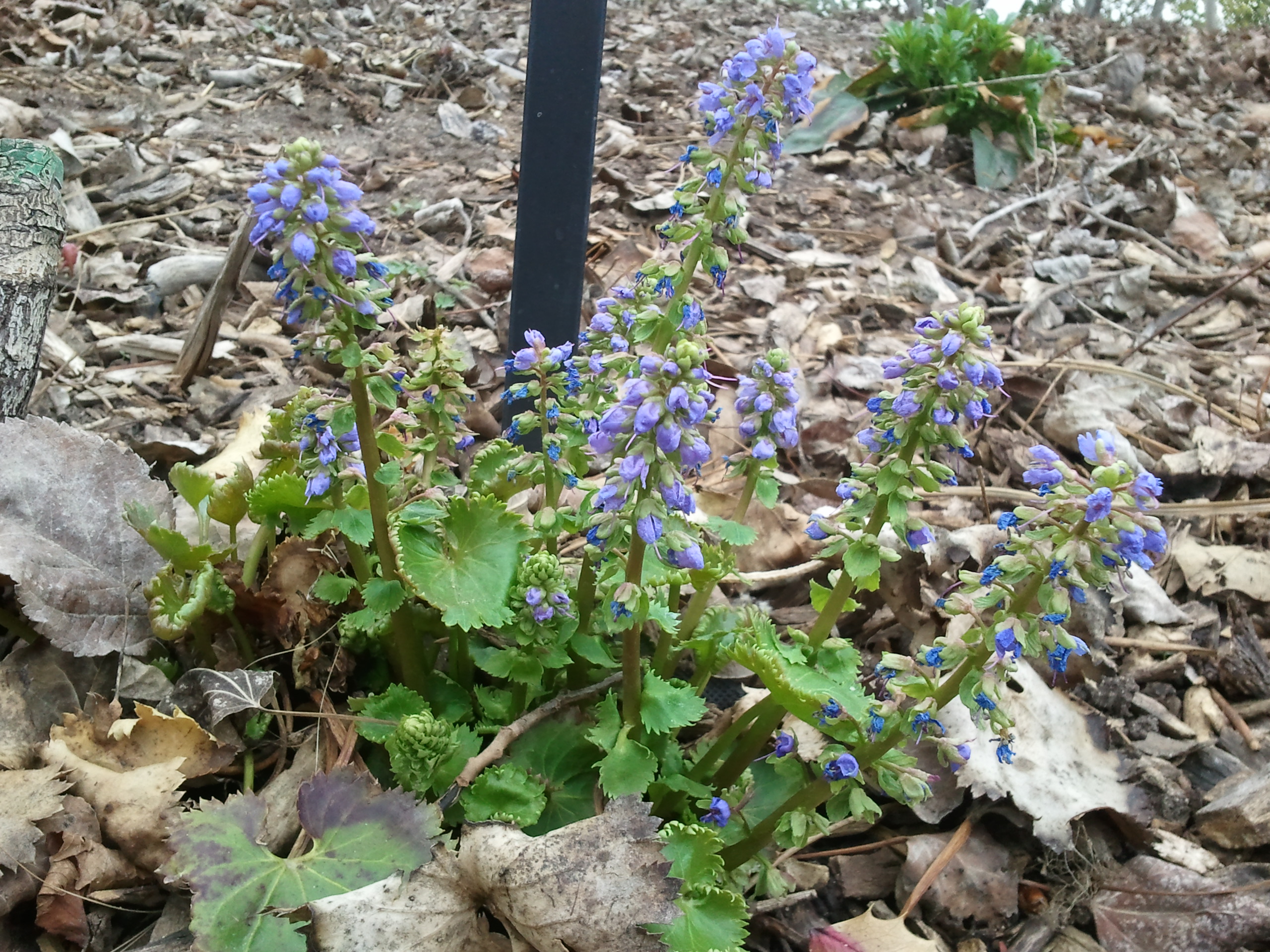
Spring has sprung, which is evidenced by warming temperatures, lengthening daylight, and plants turning green and producing flowers. For those of us living at low elevations, signs of spring have been around for a while. Our landscapes are green again and gardens are coming to life. However, up in the mountains (and at higher latitudes), spring takes a bit longer to manifest itself. Snow is still the dominant groundcover, and freezing temperatures remain the norm. Yet even in these harsh conditions there are signs of spring. The flowers of the perennial forb, mountain kittentails (Synthyris missurica), are one of those signs.

Mountain kittentails are one of the earliest plants to flower in the mountains, often flowering while there is still snow on the ground. For this reason, their flowers are not commonly seen in the wild. Their range extends from Washington and Oregon down into northern California and across into Idaho and Montana. They occur in rocky, shady areas at mid to high elevations. Mountain kittentails are low growing with rounded, toothed leaves. Their flowers appear in tight clusters on upright stalks and are blue to purple in color. They are a member of the figwort family (Scrophulariaceae), sharing that distinction with a popular group of flowering plants that is common in the west, the penstemons. Mountain kittentails were first collected during the Lewis and Clark expedition in 1806. The expedition discovered this plant as they passed through the mountains of northern Idaho.

Mountain kittentails are not a commonly cultivated plant, but the Idaho Botanical Garden in Boise, Idaho happens to have a few growing in one of their native plant collections, giving more people an opportunity to see them in bloom. Because the garden is located in a valley, their mountain kittentails flower a few weeks earlier than their native counterparts, which means you’ve probably already missed them – but there’s always next year!

SAMSUNG

Northern Pitcher Plant: A model for understanding food webs

Carnivorous plants are endlessly fascinating. Even people who aren’t typically interested in plants are likely to find plants that eat animals to be of some interest. These plants not only provide fascination for plant lovers and the plant ambivalent alike, but they are also of great interest to science, providing insight into the workings of the world beyond the swamps and bogs that they inhabit.

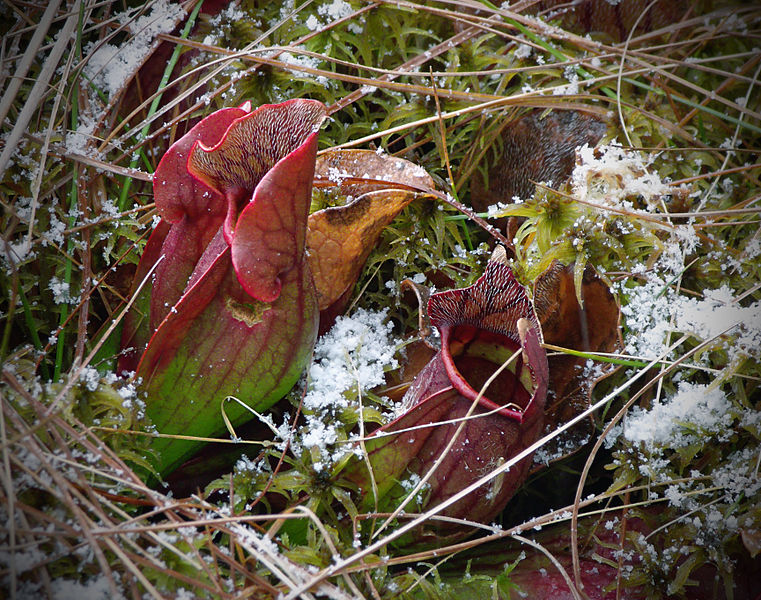
A recent study published in the journal, Oikos, examined the complex food web that exists inside the northern pitcher plant (Sarracenia purpurea) in order to come to a better understanding of food webs in general and to construct a model that will aid in further research involving food webs in all types of ecosystems.

The food web that exists inside a pitcher plant is quite interesting. The tubular leaves of the pitcher plant capture rain water and draw in a variety of insects including beetles, ants, and flies. The pool of water also becomes home to the larvae of midges, mosquitoes, and flesh flies, as well as various other tiny creatures including rotifers, mites, copepods, nematodes, and multicellular algae. And thus begins a complex food cycle. Midge larvae attack the drowning insects and tear them to pieces, then bacteria go after the tiny insect parts, after which rotifers consume the bacteria. Finally, the walls of the pitcher plant absorb the waste of the rotifers. Meanwhile, fly larvae consume the rotifers, midge larvae, and other fly larvae, while bacteria is being consumed by all participants.

You can see why this food web is an ideal subject of study. Not only is it complex, with numerous players, but it is also all taking place in a small, confined space – easily observable. By studying such a system, models can be derived for larger, more widespread food webs.

Carnivorous plants have diverse mechanisms for extracting nutrients from other living things – this is just one of those mechanisms. I will plan to profile other carnivorous plants on this blog, because like I said, they are endlessly fascinating. Meanwhile, you can read more about this particular study at Science Daily.

northern pitcher plant

northern pitcher plants (Sarracenia purpurea) photo credit: wikimedia commons
Crape Murder and Other Crimes

Here is something that will hopefully provide you with a little comic relief…and perhaps bring a little contempt as well. Recently, I was talking with a woman from Texas, and she informed me of an appalling ritual referred to, by those opposed to it, as “Crape Murder.” It’s being carried out on an ornamental tree that was brought over to the United States from Asia. The tree is commonly known as crape myrtle (Lagerstroemia spp.). It is very popular throughout the southern United States and has a reputation of being one of the most beautiful additions to a landscape due to its appealing natural shape, its propensity to flower all summer long, and its attractive bark. The “murder” aspect comes in when folks who, ignorant of proper horticulture techniques (and with a poor opinion on what might be considered “aesthetically appealing”) hack the branches of crape myrtles back at the end of the season so that all that is left of the poor things are nubby trunks. Apparently they think they are doing the tree and themselves a service, but the results of this action aren’t serving anyone – especially the trees. There are a number of passionate arguments against this heinous act found on the internet. Here is a link to one. There is also a facebook page devoted to bringing an end to Crape Murder.

This discussion reminded me of a post that I read on Garden Rant a little while back. The author was ranting against what he calls “plant janitors,” pointing out the atrocities that are carried out by these nefarious creatures on a daily basis. It turns out that the author of this rant also has a facebook page devoted to “crimes against horticulture.”

All of this is quite comforting to me, because it has helped me to realize that I am not the only one who gets squeamish when I see the hideous things that people decide to do to their plants and to their landscapes. Now that I am aware that there are plenty of other places on the internet to let off steam and rant about these issues, I can assure you that I will refrain from doing such things here. For the most part anyway…

crape murder

Living Roof in Vancouver, B.C.

Consider this the first of many posts about plants in urban areas and the benefits that plants can bring to these locations. As an example, a group of people in Vancouver, B.C. developed an amazing green (or living) roof that incorporates plants native to the coastal grasslands found in that region. Watch this video to see how this project is helping to turn a landscape dominated by concrete and asphalt into a thriving and diverse ecosystem.

Microgreens!

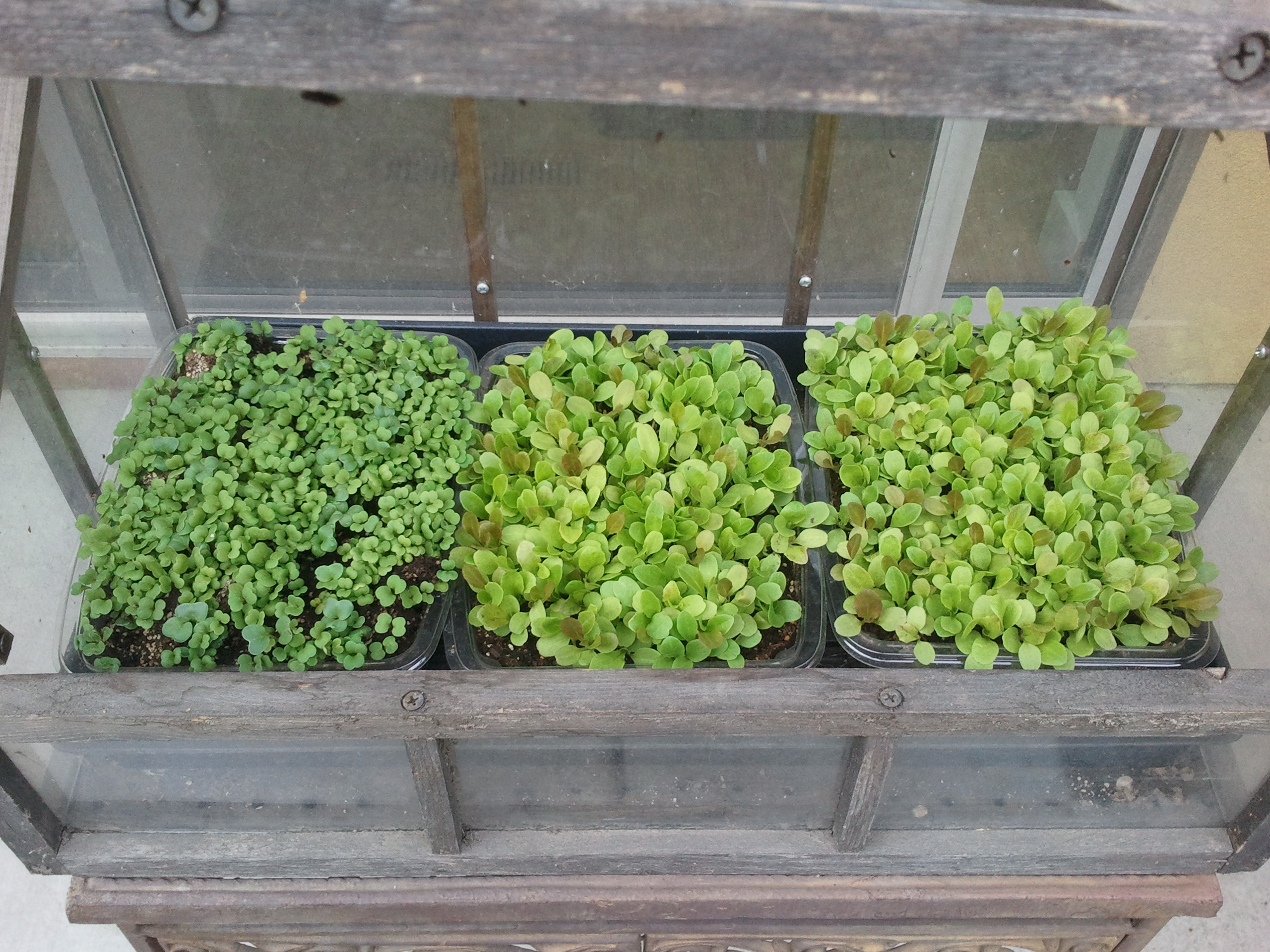
Microgreens are quite popular these days. They are larger than sprouts and smaller than baby greens, and new research has verified that they are packed with nutrients. Microgreens are easily grown year-round on a countertop or windowsill, even if the lighting situation is less than ideal for growing other plants. I am growing some now in clear, plastic, salad mix containers. I punched a few holes in the bottoms of the containers for drainage, filled them with moist potting soil, scattered seeds on top of the soil, covered the seeds with a bit more potting soil, and placed them outside in a small cold frame. I planted two with lettuce mix and one with radishes and arugula. The plants are ready to cut in a week or two and can be eaten in salads, sandwiches, stir-fries, etc.

To be considered true microgreens, the plants should be harvested very young (up to 14 days old and about an inch tall). After they are harvested, they will need to be replanted – unlike baby greens and typical salad mix which will produce multiple harvests – because they will not be large to enough to recover from being chopped down.

A wide variety of seeds can be grown as microgreens, including lettuces and other salad greens, brassicas (radishes, mustards, arugulas, etc.), and herbs. You can select a pre-packaged lettuce mix, or you can make a special mix of your own. Microgreens are great for people who want to grow some of their own food but have little or no space for a traditional garden because they are easily grown in containers indoors. They can also be grown throughout the winter when outdoor gardens have been put to bed for the season.

Learn more about growing microgreens at You Grow Girl and Organic Gardening.

SAMSUNG

Mark Ostendorf's avatarstewardsofearth

Last week I enjoyed a solitary walk through Powder Valley Conservation Nature Center and Reserve near Kirkwood, Missouri.  All was fairly quiet.  A gentle, cool breeze swept through the bare tree branches and rattled the brown leaves still clinging to a few stubborn oaks and maples.  Leaf litter decorates the entire forest floor;  it crackles as I step through it.  While the day is still cool (mid 40’s), the Sun’s energy, like the breeze, sweeps past the trees and warms me as I walk.

All is quiet.  But I can feel the change in season coming.  Some trees are beginning to show their plump buds, ready to spring into action.  In just a few weeks, I can imagine the wonderful bluebells (Mertensia virginica –previous post) and wood sorrel (Oxalis violaceaprevious post)  emerging again and filling the brown forest floor with brilliant color.

But…

View original post 68 more words