Spring is finally arriving in the Treasure Valley. Evidence can be found at Idaho Botanical Garden.
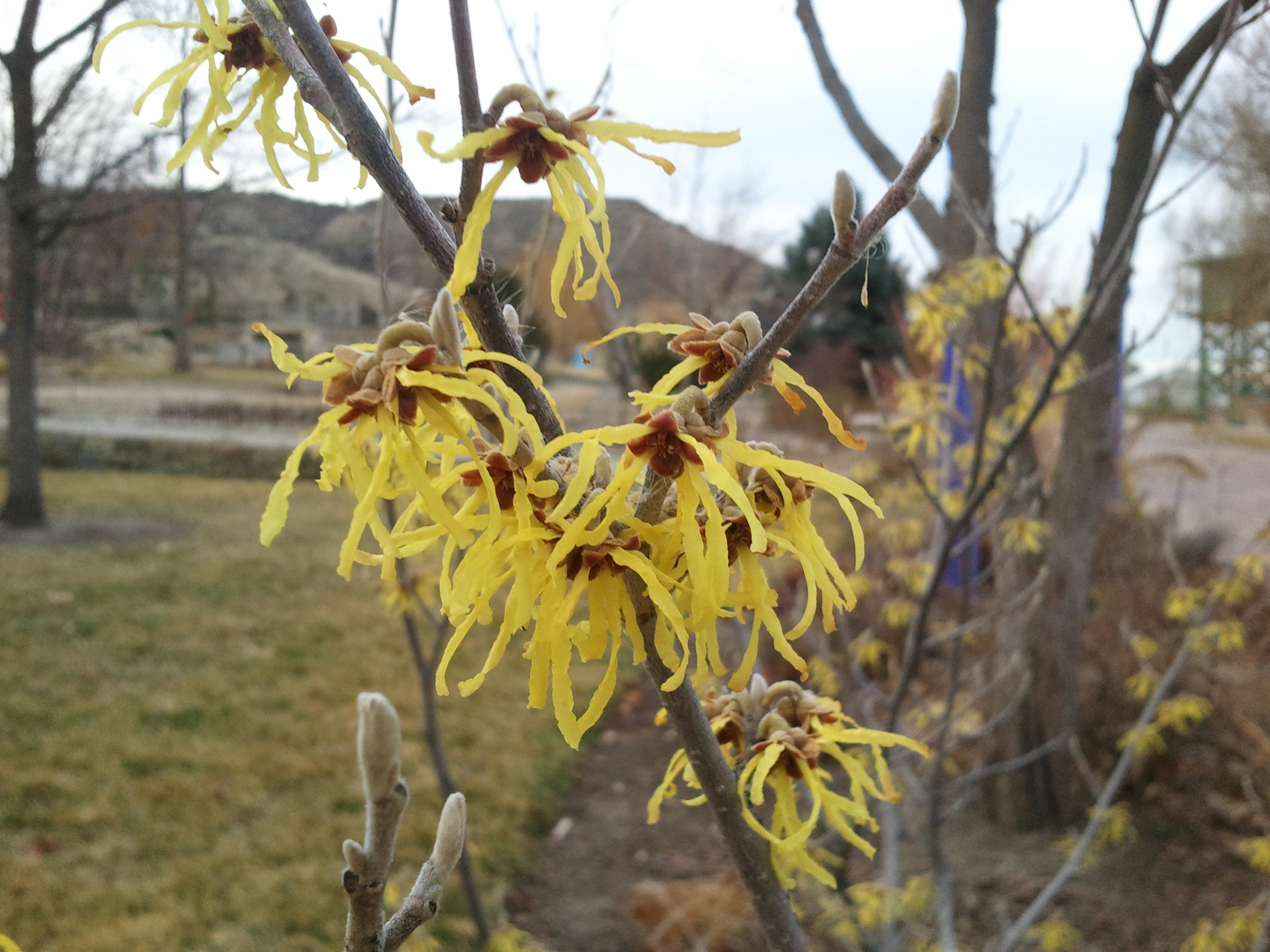
Hamamelis x intermedia ‘Dianne’ – Witch Hazel
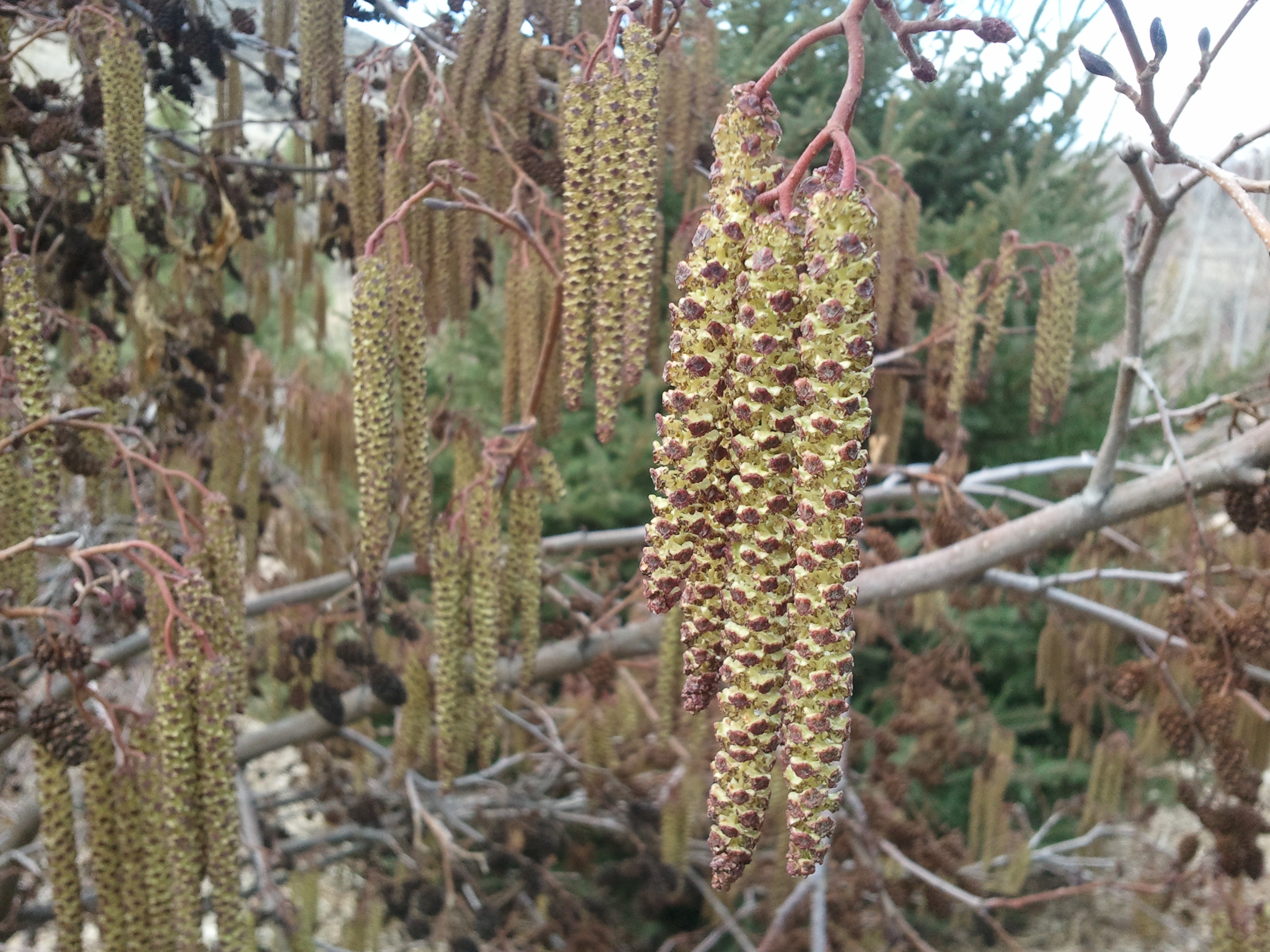
Alnus viridis ssp. sinuata – catkins on Sitka Alder
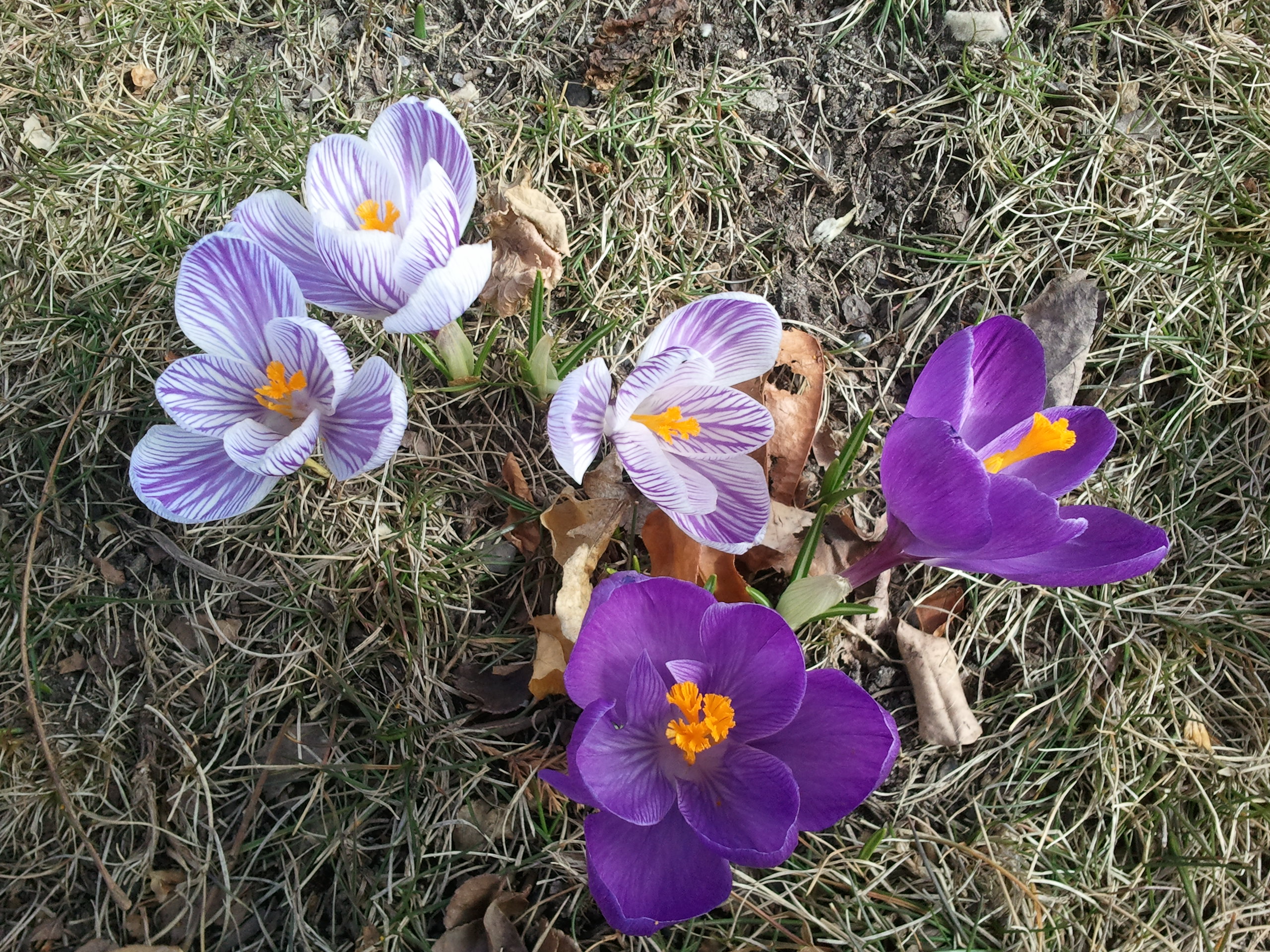
Crocus spp.
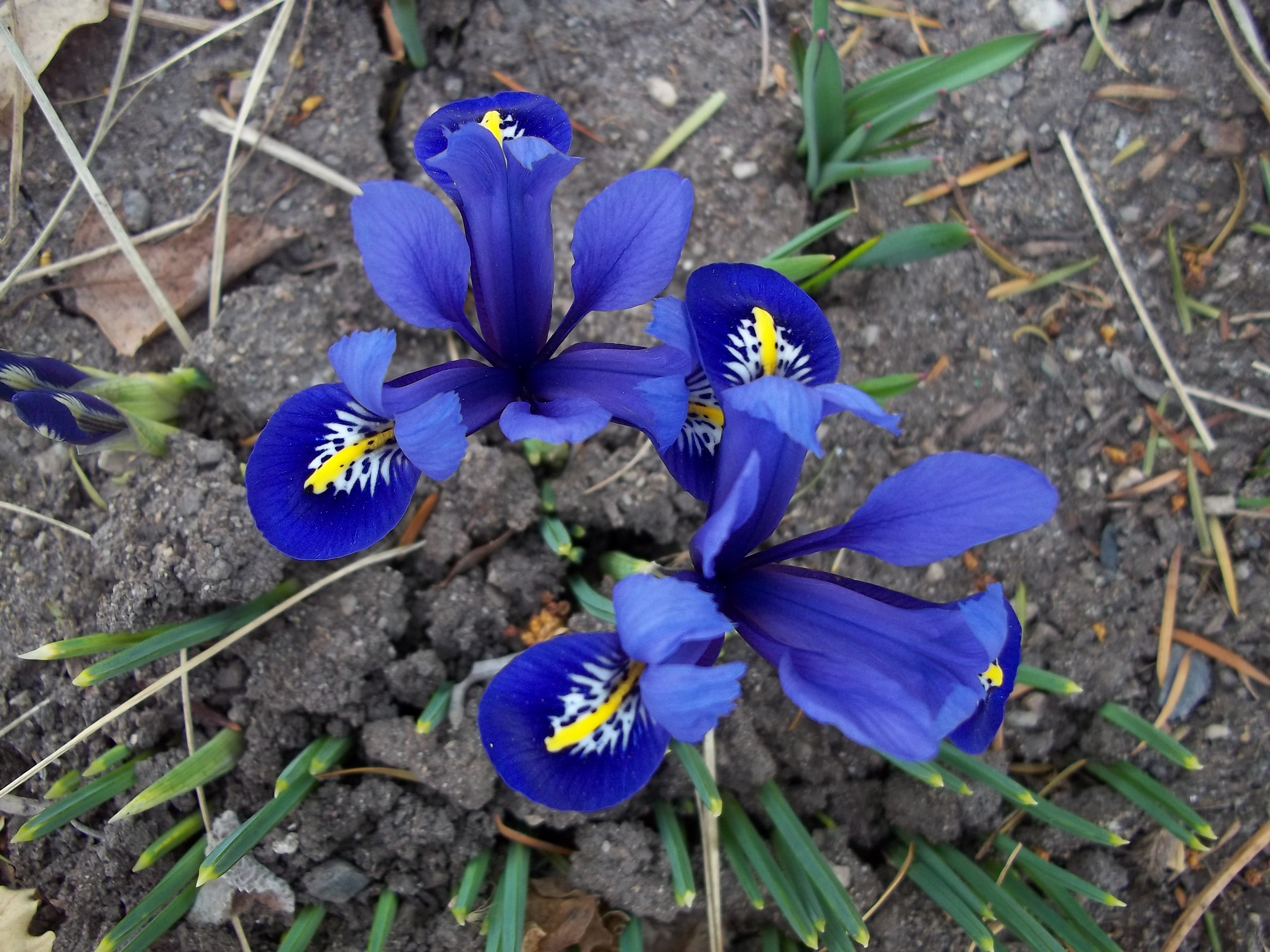
Dwarf Iris (photo credit: Ann DeBolt)
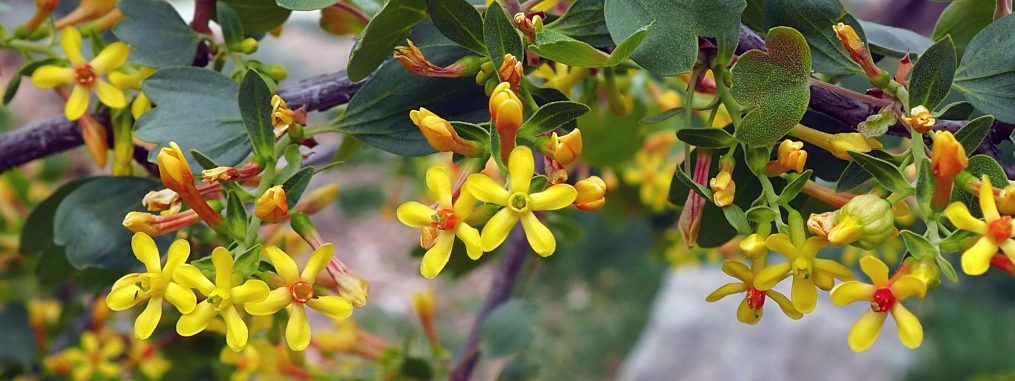
Spring is finally arriving in the Treasure Valley. Evidence can be found at Idaho Botanical Garden.
Hamamelis x intermedia ‘Dianne’ – Witch Hazel
Alnus viridis ssp. sinuata – catkins on Sitka Alder
Crocus spp.
Dwarf Iris (photo credit: Ann DeBolt)
Seeds don’t remain viable forever. However, each species is different – the seeds of some species can remain viable for many years (decades even), while some species have seeds that will no longer be viable after a single year. This, of course, is something to keep in mind when planting seeds.
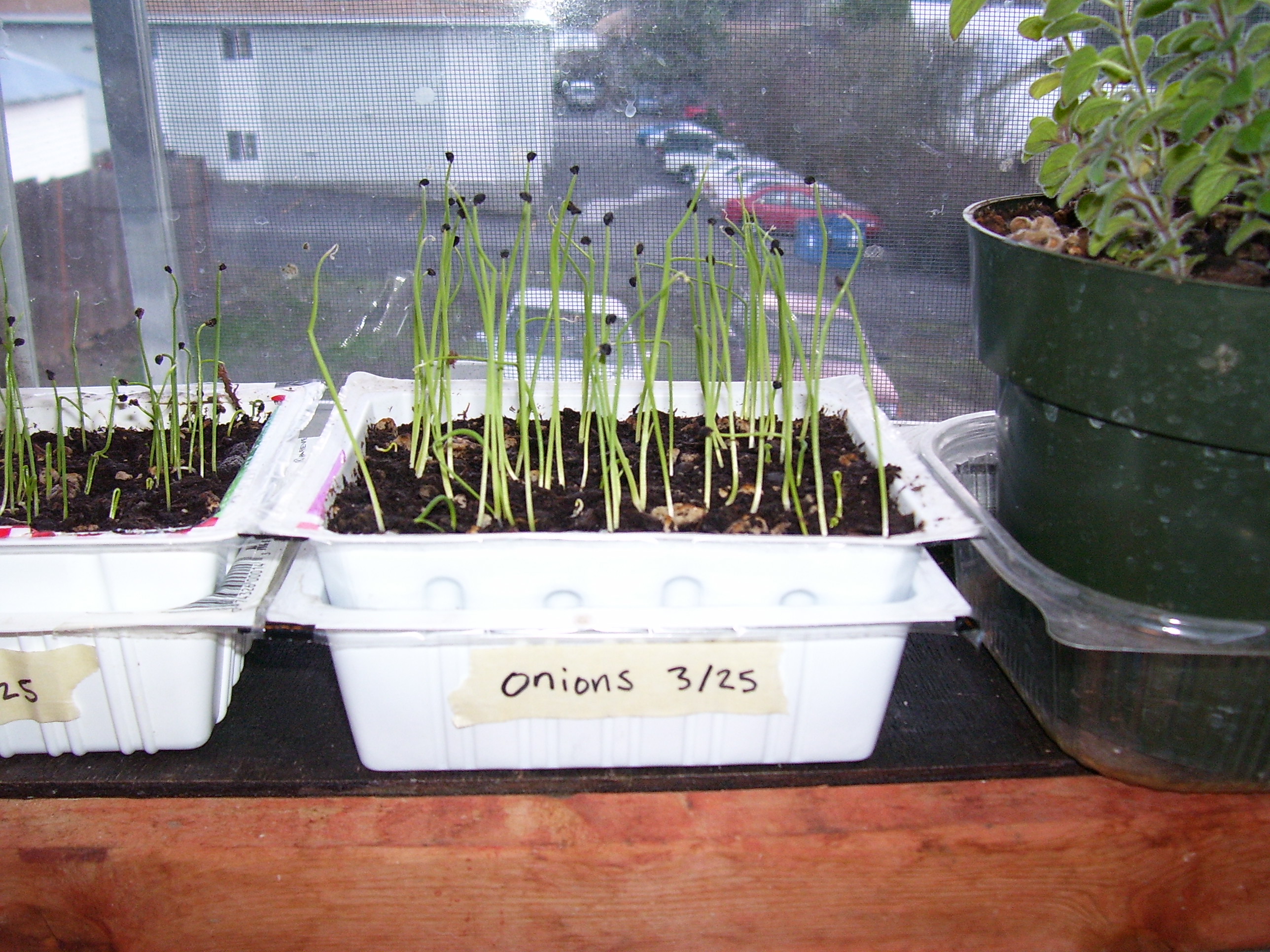
Recently I planted some onion seeds. I was curious to see if they would germinate because they were a few years old – collected in 2007. My experience with onion seeds is that they germinate fairly quickly, within a week or so. However, three weeks have passed and my seeds have not yet germinated, despite being kept in moist potting soil in a sunny, warm corner of the house. This experience has led to me to think about seed viability.
Like I said, seeds of different species remain viable for different lengths of time. For vegetable gardeners, there are a variety of places to go to learn more about seed viability. Iowa State University Extension has a great chart which shows the number of years that the seeds of popular vegetable crops should remain viable. It is interesting to note that onion seeds only remain viable for one year. As it turns out, my seeds were far past their prime.
Seed storage can make a huge difference, though. Ideally, seeds should be stored in a cool, dry location. If they are exposed to too much heat or moisture, their metabolism will increase and their viability will decrease. This is because seeds are living organisms, despite appearing dead or dormant. Their metabolic processes are proceeding at an extremely slow rate, but they are still proceeding. If metabolism increases (due to excessive heat or moisture, for example), the embryonic resources of seeds can become depleted, and viability (or germination potential) decreases.
Some sources recommend that you keep your seeds in the refrigerator, provided that they are sealed in plastic to keep them dry. Regardless, the ideal conditions for seed storage are cool and dry. I have always kept my seeds in a shoebox at room temperature (which isn’t always that cool because in the summer I refrain from using the air conditioner as much as possible). Thus, the viability of my seeds may in fact be reduced simply due to the conditions in which they are being stored.
There is a way to determine the viability of your seeds if you are curious. Just place some seeds on a moist paper towel, roll up the paper towel, and place it inside of a plastic bag. Wait a few days and then remove the paper towel from the plastic bag. Count the number of germinated seeds and divide that number by the total number of seeds originally placed on the paper towel. This will give you the germination percentage and will help you determine how many seeds to place in each hole or pot when you are planting them.

This is the seed packet for the onion seeds that I planted. 2/15/2013 is the date that I planted them. After three weeks they had not germinated. I guess I’ll have to try some newer seeds.
The latest issue of the magazine, Heirloom Gardener, has a great article on assessing your garden soil to be sure that it is ready for the coming growing season. The article addresses four main points that every gardener should be thinking about at the beginning of each growing season.
The health (or condition) of the soil in your vegetable garden is hugely important and will have a large influence on the success and productivity of this year’s crops. So while you’re thinking about all of the things you want to grow this year, take a little time and think about the soil that they’ll be growing in. While it may not seem as interesting as the plants that will be growing in it, good soil will certainly make a huge difference in the long run.
Read the article, “Is Your Soil Ready for Spring?”, in the Spring 2013 issue of Heirloom Gardener for more detailed information.
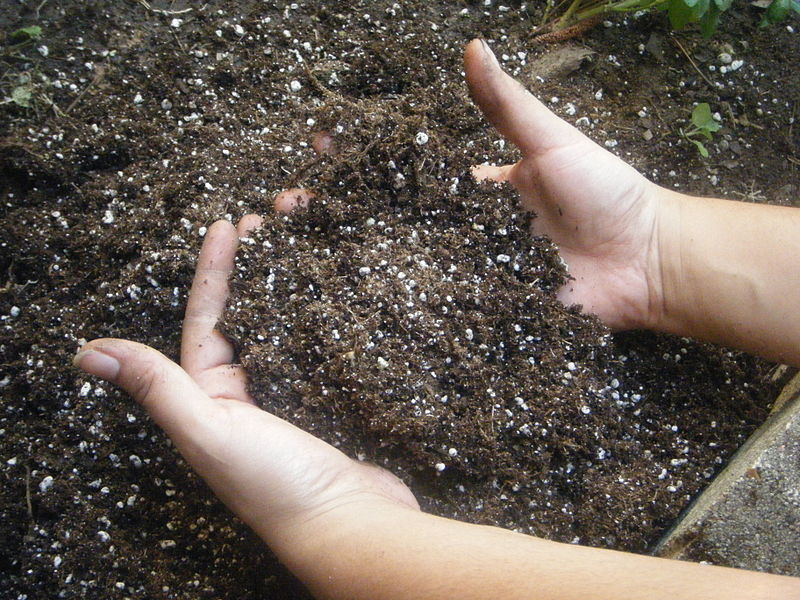
Photo credit: wikimedia commons
Cushion plants are in the news. A study published in the journal, Ecology Letters, has demonstrated that cushion plants can help increase species richness (the number of unique species in an ecological community) by modifying their micro-environment, which in turn allows certain species to exist in the community that would otherwise be unable to survive the harsh conditions. Other studies have had similar conclusions, but what is unique about this study is how extensive it was, involving 77 alpine plant communities on 5 continents.
The term “cushion plant” refers to a specific growth form. It describes a plant that grows low to the ground, has numerous small leaves and a closed, tightly-packed canopy with dense non-photosynthetic living and dead plant tissues below the canopy. Above ground it appears as a lush, thick, spreading, green mat; below ground it has a long taproot and an extensive root system. There are around 338 species of cushion plants, spanning 78 genera and 34 plant families, which can be found around the world mainly in alpine (high-altitude, tree-less) environments. Around half of the cushion plant species are native to the Andes in South America.
So, how are cushion plants able to increase species richness in their communities? There are a few unique characteristics of cushion plants that lead to this result:
– The tightly-packed, low to the ground growth form of cushion plants helps to modify the temperature of the underlying soil, working as a living mulch to keep the ground warmer in the winter and cooler in the summer. Plants that otherwise could not abide in extremely cold soil conditions, can thrive inside of a cushion plant due to this modification.
– The shading and covering of the ground also helps to maintain a higher level of soil moisture below cushion plants, resulting in more available water throughout the growing season, which is especially important during warm months of the year when water becomes scarce elsewhere.
– Cushion plants may also increase nutrient availability in the surrounding soil. This could be due to their long taproots and extensive root systems allowing them to “mine” the soil and pull up nutrients (and water) that would otherwise be unavailable to shallow-rooted plants. It could also be due to the high degree of dead plant material found within cushion plants that leads to an increase in the amount of organic material in the soil below. The warm, moist conditions of a cushion plant’s underbelly could speed up the rate of decomposition and nutrient cycling, making essential nutrients available to plants growing within them.
Because of these features, cushion plants act as “nurse plants” to species that grow within their mats, providing them with more accommodating soil temperatures, greater access to water, and a higher level of nutrients compared to the surrounding open ground. Some of these plant species would have little or no chance of survival in the harsh environment outside of the cushion plant. Cushion plants are also considered foundation species or keystone species because they play such a strong role in structuring their ecological community, affecting the diversity of species found in the landscape and the abundances of those species.
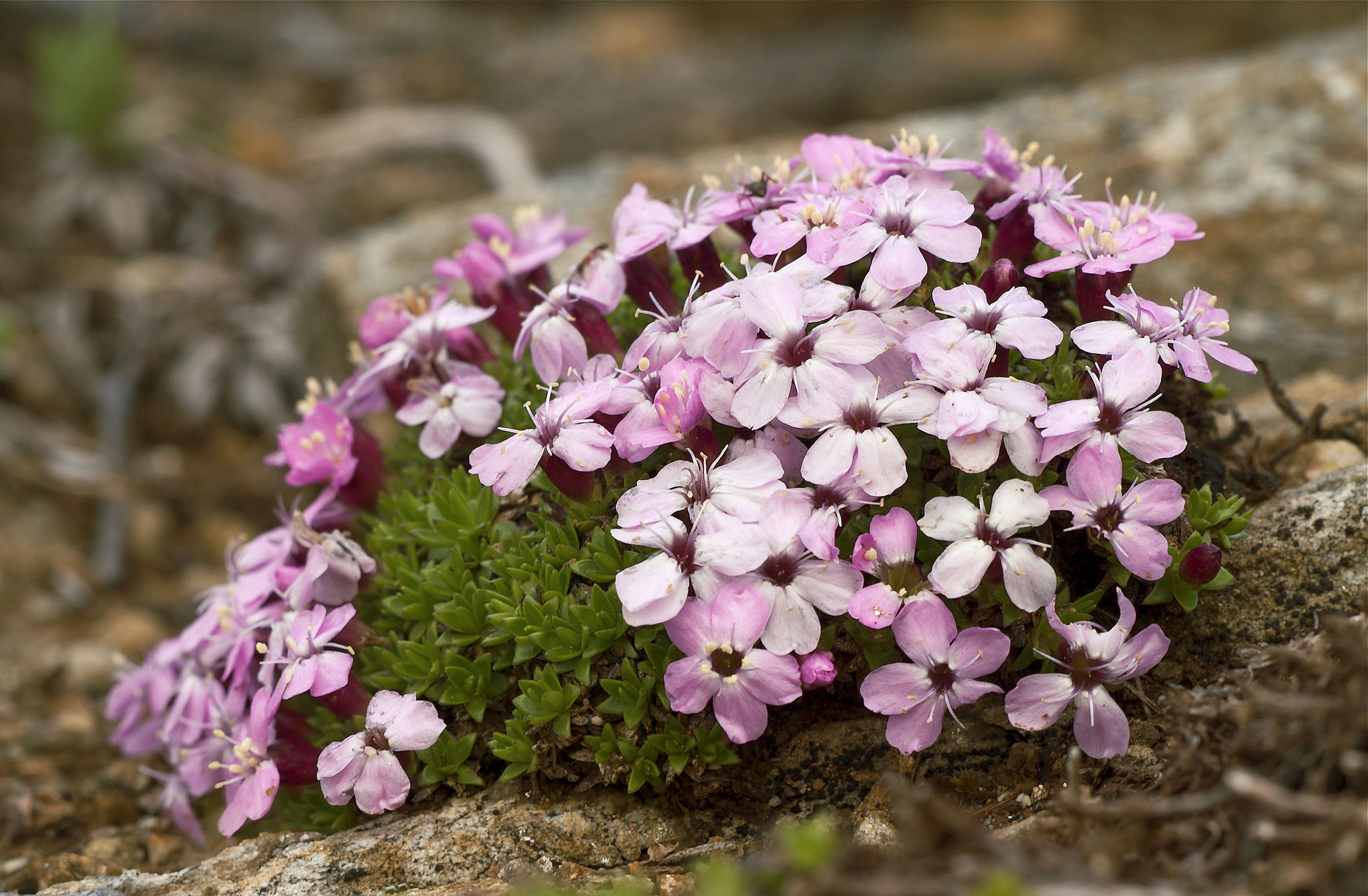
A common and popular cushion plant: Silene acaulis. Common name: moss campion. Plant family: Caryophyllaceae. Occurs in high mountains of North America and Eurasia. Photo credit: wikimedia commons.
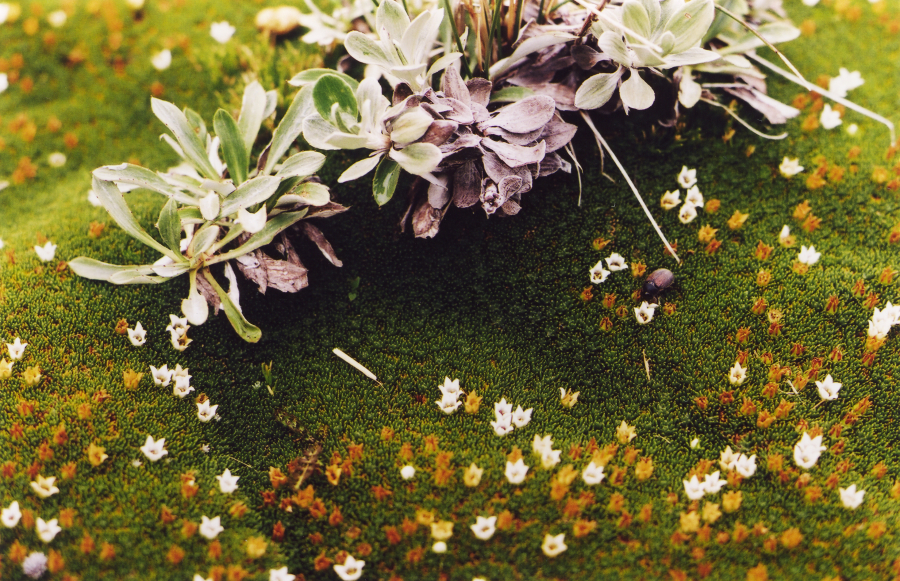
An example of a cushion plant with another plant species growing within it. Photo credit: wikimedia commons.
I am a huge proponent of sharing and the free exchange of ideas and items, which is why when I learned that there was a seed swap happening in my current hometown, I was happy to participate.
Seed swaps are events where people can bring seeds that they have either saved themselves (i.e. collected from plants they grew in their garden or found growing elsewhere) or have purchased and trade them for seeds brought in by other participants. Bringing seeds isn’t always a requirement though – in some cases, if you have no seeds to offer, you can take what seeds you need and then plan to bring some to the following year’s swap.
Seed swaps are great ways to be introduced to plant varieties that you may not be familiar with and to get ideas for what to grow in your garden. They are also a huge benefit to people who would really like to have a garden but have limited money to purchase seeds. Another benefit, of course, is that it gives you an opportunity to unload all of your old seeds – seeds that you may no longer be interested in but someone else might.
There are also social and educational benefits to seed swaps. Mingling with other gardeners gives you a chance to meet new friends and learn from their gardening experiences. Depending on the seed swap, there may also be classes and workshops to attend where one can learn more about seed saving and general gardening.
The seed swap that I attended was called Seedy Saturday, and it was hosted by the Treasure Valley Food Coalition. I highly recommend finding a seed swap in your area and giving it a try. If there is no seed swap where you are, start one!

It’s February – time to start thinking seriously about this year’s garden. By now you’ve probably received multiple seed catalogs in the mail and you are already starting to think about what you want to grow this year. Now it’s time to think about starting some seeds indoors so that you’ll have some plants ready to go into the garden as soon as it warms up outside. I haven’t had the best luck with starting seeds indoors, probably mostly due to lighting and temperature issues, but hopefully this year will be different.
Something that may be helpful in the planning process is a seed starting chart, which will help you decide when to start each of your seeds. After all, you don’t want to start all your seeds at once because some plants will be ready to transplant faster than others and some plants can be placed outside earlier than others. There are several resources that offer seed starting charts. Two that come to mind are Organic Gardening and You Grow Girl. In order to successfully use these charts, you will need to know the Spring Frost-Free Date for your region. A good place to figure that out is Dave’s Garden.
Once you know what you want to plant and when to plant it, and you have your pots, growing media, lighting, and temperature issues in order, you’ll be ready to go. With dedication, determination, and a little luck, you should have a healthy batch of plants to fill your garden come spring. Happy planting!
Winter is in full-force (at least for us northern hemisphere dwellers), so it may seem like an odd time to start blogging about the plant world. Everything has gone dormant. All color is gone. From now until the first signs of spring, we mostly just have gray days and frozen ground to look forward to – little in the way of life. But a blog has got to start somewhere and at some point, right? Especially when it’s been brewing in the back of my skull for so long. So why not now? And why not with this measly post announcing its arrival?
Plants have been my passion for years now. They have also become my career. This general obsession I have with them has led me to start this narrowly (yet in some ways quite broadly, as you will see) focused blog. My intention is to write about plants…but what about them exactly? A quick brainstorming session yields this list of topic ideas for posts: the science of plants, rare and endangered plants, the wonders of plants, my favorite plants, tips on growing and caring for plants, places to go to see plants, the benefits of plants, plants in the news, etc. It turns out there is a lot to say about plants – they are an extremely fundamental part of our existence on earth after all. Without plants, we certainly would not be here.
Whether the things about plants that you enjoy most include the science, the cultivation, the recreation, or simply just the aesthetics, there really is something that anyone can relate to when it comes to the world of plants. This blog will attempt to explore all of those things from the perspective of an educated yet still amateur and awkward botanist. I will endeavor to be approachable, interesting, and entertaining. Please feel free to post any comments and suggestions that you may have along the way, and let’s all have a friendly conversation and enlightening experience as we explore the endlessly fascinating and wildly rich world that is plant life.
 awkward botany