Trees Are Good For Your Lungs

Trees help reduce air pollution. They do this primarily by pulling gases (like ozone, sulfur dioxide, and nitrogen dioxide) into their leaves and then diffusing them and/or chemically altering them so that they are no longer a direct threat to humans. They also intercept particulate matter, trapping it on the surfaces of their leaves until the wind comes along and blows it away or the rain comes around and washes it into the soil. Trees are filters in this sense, reducing the health threats of our polluted air.

But didn’t I just report on the contribution of urban trees to air pollution via their production of volatile organic compounds? Yes I did. And that remains a possibility; however, according to a study recently published in the journal, Environmental Pollution, the presence of trees is a great benefit to human health despite potential risks. More research is necessary of course, but the consensus so far is that having trees around is a net positive.

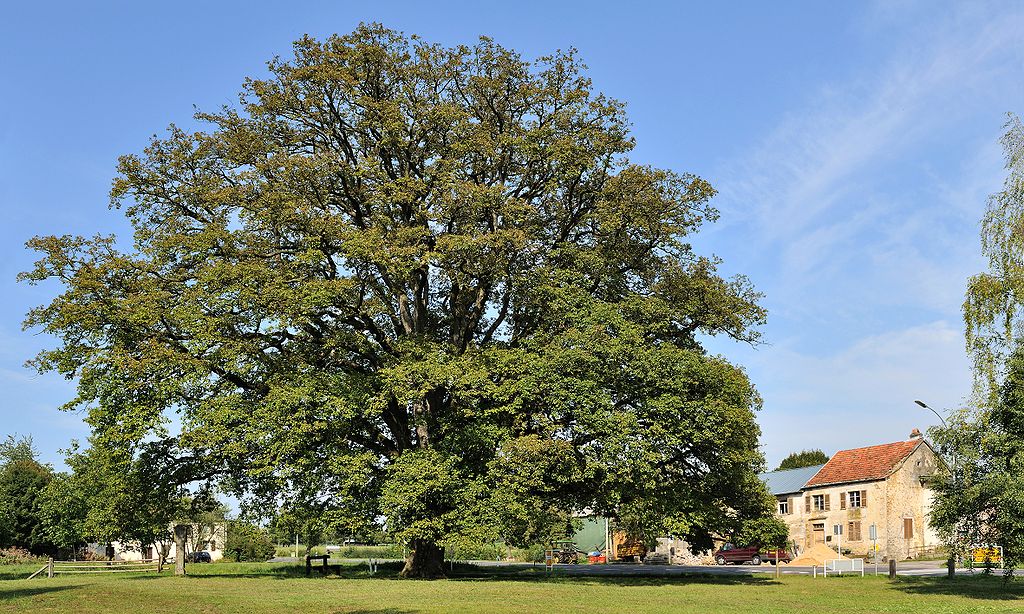
Alnus glutinosa, European Alder (photo credit: wikimedia commons)

Alnus glutinosa, European Alder (photo credit: wikimedia commons)

There have been many studies on the relationship between trees and air quality, but little is known about the extent to which human health impacts are avoided and the related money that is saved as a result of air pollution mitigation by trees and forests. With the aid of computer simulations, researchers at US Forest Service and The Davey Institute used 2010 Census data, tree cover maps from the 2001 National Land Cover Database, US EPA’s BenMAP program, and other data to seek answers to these questions. Their analyses – focused at the county level – involved the 48 contiguous United States.

According to their study, trees and forests removed around 17.4 million tons of air pollution in 2010, which resulted in a health care savings of $6.8 billion. 850 human deaths were avoided, and incidences of acute respiratory symptoms were reduced by 670,000. Ozone and nitrogen dioxide experienced the greatest decrease, while the removal of ozone and particulate matter resulted in the greatest health value. Air pollution removal was greater in rural areas compared to urban areas simply because there is more rural area in the US than urban area; however, the removal of air pollution was found to be more valuable in urban areas due to differences in population density. Resulting health benefits and savings are quite dramatic considering that air pollution removal by trees was only found to improve air quality by about 1%.

There were many things left out in this study though, and the researchers acknowledge this. First of all – as stated earlier – trees have the potential to contribute to air pollution. They emit volatile organic compounds which can result in ozone formation, they can reduce wind speeds which concentrates pollutants, and they produce pollen which is a direct contribution to air quality and a major health issue for those with serious allergies.  But trees reduce air pollution in indirect ways as well. For example, by shading buildings, trees can reduce energy demands which results in decreased power plant emissions and a reduction in air pollution.

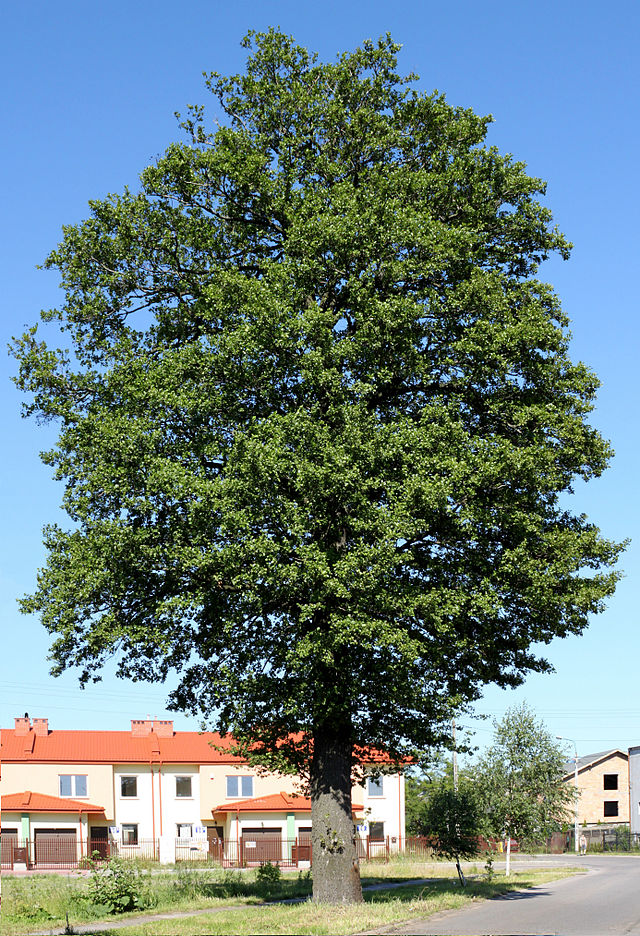
Quercus sp., Oak Tree (photo credit: wikimedia commons)

Quercus sp., Oak Tree (photo credit: wikimedia commons)

Trees can also be negatively affected by air pollution. When particulate matter collects on leaf surfaces, photosynthesis is compromised, limiting a tree’s ability to take gaseous air pollution into its leaves. Urban trees are stressed in additional ways. For example, trees growing near sidewalks, driveways, and roadways deal with serious soil compaction and are often not receiving optimal amounts of water, which can limit their ability to mitigate air pollution. Thus, environmental factors should be considered when determining the relationship between trees and air quality.

This study was conducted at the county level. The researchers acknowledge that more precise predictions could be obtained if analyses were conducted at a finer scale. “Local-scale design of trees and forests can affect local-scale pollutant concentrations.” So, the number of trees, their concentration and configuration, the length of the growing season, the percentage of evergreen trees vs. deciduous trees, etc. all play a role in the extent of air pollution reduction.

While limitations to the study abound, the researchers assert that this initial analysis gives “a first-order approximation of the magnitude of pollution removal by trees and their effect on human health.” Future studies will provide more accurate approximations, but for now I think it is safe to say that trees are good for our health and worthwhile things to have around.

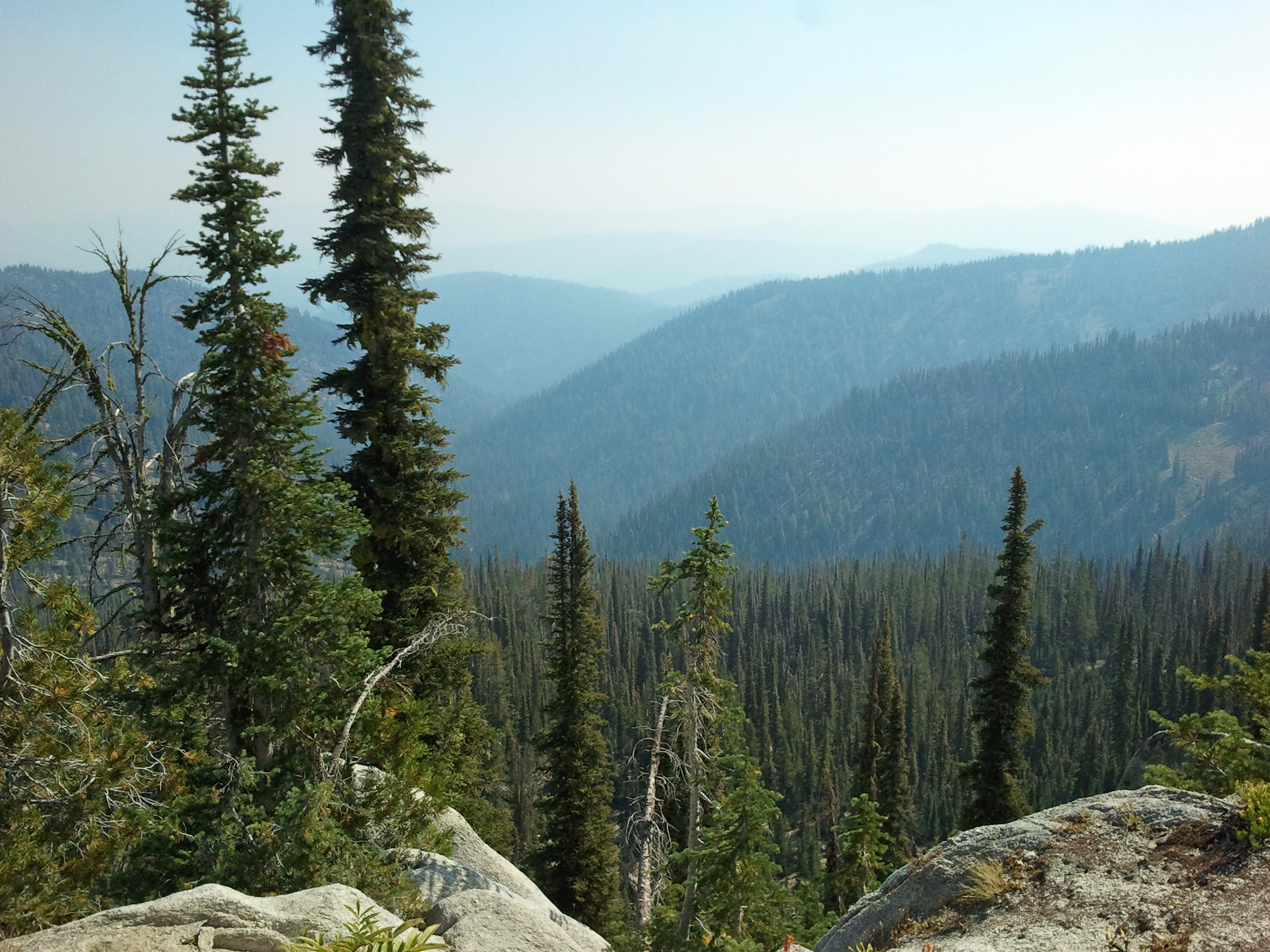
Boise National Forest

Boise National Forest

This study focused mainly on health issues of the respiratory variety. The positive psychological benefits of plants have been observed in separate studies, and our also worthy of our consideration when determining the health benefits of trees and forests.

Urban Trees: Unlikely Polluters

Trees are central features in urban environments, and their benefits are numerous and well documented. They give off oxygen and sequester carbon, provide food for urban wildlife, help slow storm water runoff, and provide shade which not only keeps us cool in the hot sun but can help increase the energy efficiency of surrounding buildings. And even if they weren’t doing all these things and more, the aesthetic value they add to our concrete jungles alone is worth having them around. So it is a little disconcerting to learn that the trees we benefit so much from may actually be doing us harm by way of increasing levels of air pollution.

It sounds unlikely, but according to researchers at the Institute for Advanced Sustainability Studies in Postdam, Germany, urban trees can contribute to increased levels of tropospheric ozone, a key component of smog. This occurs when trees emit volatile organic compounds (VOCs), special gasses that are meant to attract pollinators, repel insects, and warn nearby trees of ensuing insect herbivory. These biogenic VOCs react with sunlight and nitrogen oxides (another key component of smog and a result of burning fossil fuels) and form ozone. Ozone in high concentrations is particularly harmful to the lungs, aggravating asthma, increasing susceptibility to lung infections, and damaging the lining of the lungs.

Fortunately, according to the study, certain trees contribute significantly less to ozone production than other trees.  Poplars, oaks, and willows, for example, tend to be high emitters of VOCs, whereas birches and lindens emit much less. Planting low VOC emitters in dense urban areas and keeping high VOC emitters scattered throughout the city instead of planted in large groups will help reduce this phenomenon. A recent article at Scientific American points out that cities that are sunnier and warmer have more to worry about than cloudy and cool cities since sunlight and high temperatures speed up the ozone producing reaction.

Despite this unfortunate discovery, trees still have an important role in cities. Apart from placing and planting the proper trees, our focus should be on finding ways to reduce our fossil fuel emissions which remain the major culprit of our polluted air.

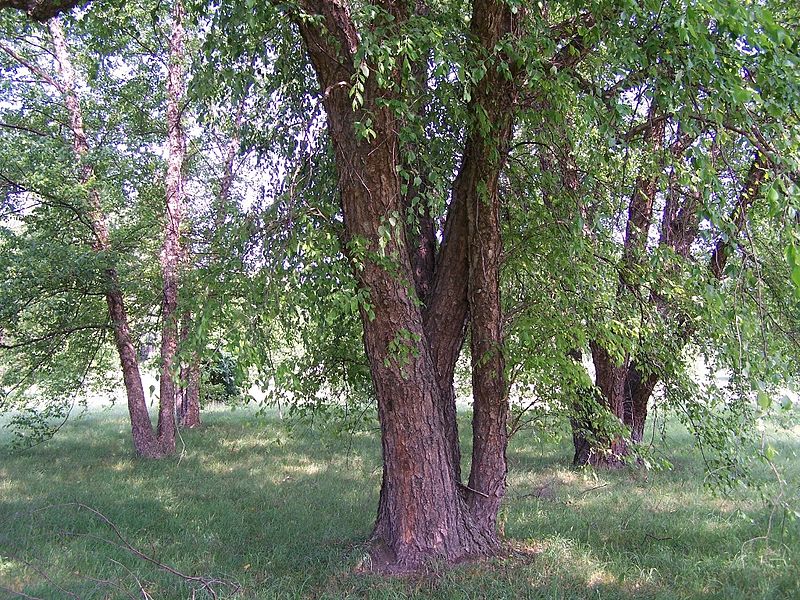
River birch (Betula nigra) - Birches were found to low emitters of volatile organic compounds compared to other common urban trees

River birch (Betula nigra) – Birches were found to be low emitters of volatile organic compounds compared to other common urban trees (photo credit: wikimedia commons)


Square Foot Rooftop Gardening

Square foot gardening is a method of gardening that was described and popularized by Mel Bartholomew. The basic concept is simple: measure out your garden beds into equal squares (4 feet by 4 feet) and then plant individual crops into each square following specific spacing recommendations for each crop. The square foot method is intended to eliminate the inefficiencies of standard row planting, making vegetable crops easier to plant, maintain, and harvest. Bartholomew’s book about square foot gardening was first published in 1981. From that book came a television series on PBS, various other books and updated versions of the original book, a square foot gardening product line, and the Square Foot Gardening Foundation.

As a long time gardener, I had been familiar with Bartholomew’s book and its basic premise for a while but had never read it until recently. I found the book to be basically what I expected: a description of how to garden in squares instead of rows. I can see how this system could be very simple, attractive, and efficient while simultaneously producing decent sized yields; however I felt like Bartholomew’s description of the process made gardening into a very methodical, calculated, and meticulous task bordering on joyless. I’m sure that’s not how he sees it (nor how it really is), but then again, he’s a retired engineer [insert smiley face here].

For a long time I’ve had an interest in green roofs. I even went to graduate school to study them. So when I got to the part in Bartholomew’s book where he talks about square foot gardening on rooftops, I was intrigued. Green roofs (along with rooftop vegetable gardening) have become fairly common in urban areas in the past decade or two. And for good reason. Green roofs offer myriad benefits including mitigating storm water runoff (and the numerous sub-benefits involved with that), reducing the urban heat island effect, increasing a building’s energy efficiency, and re-introducing green space and wildlife habitat that was lost when a building was built.

Vegetable gardening on rooftops is a practical solution for residents of urban areas where space for gardens on the ground is limited. Restaurants – like Noble Rot in Portland, Oregon and Café Osage in St. Louis, Missouri – have found that they can grow some of the produce and herbs they need on their rooftops while simultaneously setting themselves apart from other restaurants. There are also a few urban farming operations on rooftops (Brooklyn Grange and Eagle Street Rooftop Farm for example). Michigan State University (an institution with one of the most prominent green roof research labs in the U.S.) has a research program dedicated to improving rooftop vegetable crop production. So with this recent trend of growing food on rooftops, I was curious to read what Bartholomew was saying about the subject more than thirty years ago, back when green roof vegetable gardening was less than mainstream.

The reality is that square foot rooftop gardening gets only a brief mention in Bartholomew’s book (at least in the first edition – perhaps he has more to say about it in more recent editions), but what he does have to say is relevant.

Rooftops are windy:

“Stay away from plants that grow tall, have delicate stems, or that might be blown over when they are mature and filled with ripening fruit…The wind can be unmerciful to a plant; it whips the leaves about and can dry out the plant in short order.”

Rooftops are hot:

“The other big consideration for rooftop growing is heat buildup…These conditions will naturally affect both the frequency and amount of watering the garden will need.”

Rooftops have weight limits:

“The soil in your rooftop garden should be as light and porous (yet still be water retentive) as possible. Mix in lots of vermiculite and peat moss.”

Each of these three considerations (wind, heat, and weight) continue to be considerations for any vegetated roof whether it includes vegetable crops or not. Yet people are figuring out how to overcome these obstacles, constructing and maintaining incredible rooftop gardens that are both productive and beneficial.

Rooftop Garden - Manhattan, New York ( photo credit: wikimedia commons)

Rooftop Garden – Manhattan, New York ( photo credit: wikimedia commons)

In future posts, I intend to elaborate more on this topic, profiling individuals, groups, and organizations that are making this sort of thing happen. Comment below and share something about your favorite rooftop garden and/or recommend a rooftop garden that should be profiled in an upcoming post.

Planting for Pollinators

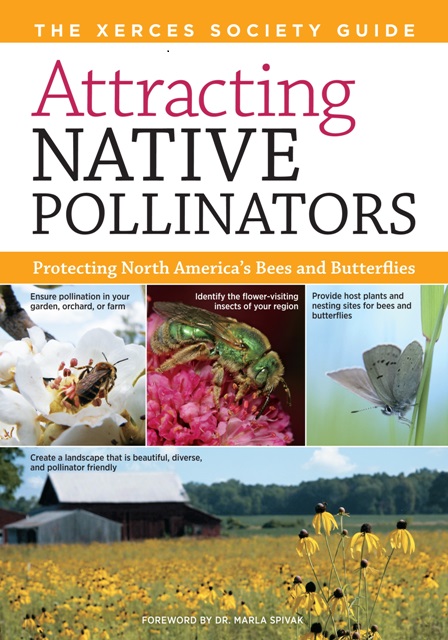
“All urban greenspaces offer potential for pollinators, and all can become important links in a chain of wildlife habitat winding through developed land. At the most basic level, healthy greenspaces mean healthy people and healthy communities. And at the core of a healthy environment are the pollinators.” –excerpt from the book, Attracting Native Pollinators by The Xerces Society

Concern for pollinators, particularly bees, is widespread. Whether you pay attention to the news or not, you are most likely aware that something is up. The bees are disappearing and no one seems to know why. Of course, most of the news concerning dying bees is in reference to honey bees, largely because they are major agricultural pollinators and producers of honey. But there are two things that many people may not be aware of: 1. Honey bees are not native to North America – they were brought over from Europe by early settlers – and 2. North America is replete with native pollinators (including numerous species of bees, butterflies, beetles, and wasps) and they, too, are threatened (partly due to non-native honey bees, but we won’t get into that here). Oh, and there is a third thing, we do know why bees and other pollinators are disappearing, and it’s not because of cell phone towers or other wacky ideas that have been proposed.

Actually, pollinator decline is due to a whole suite of things. As much as we like to seek out the silver bullet – the single cause with a single solution that will solve the problem – this issue (like so many others) does not have one. Habitat degradation and loss, the spread of pests and diseases, extensive pesticide use, and climate change all play a role in pollinator decline. Consider a modern day farm: acres and acres of a single crop planted from one edge of the field to the other, often planted with an herbicide resistant variety of crop so that all plants (both weedy and non-weedy) can be sprayed and killed leaving only the crop in question to grow competitor free. Or consider an urban landscape: patchy green space amidst miles and miles of pavement, concrete, and rooftops, and when that green space occurs, it is often a chemical green lawn free of weeds or a flower bed loaded with non-native ornamentals, bred for aesthetic appeal and often lacking in wildlife value. Our modern landscapes just aren’t fit for pollinators.

But things can change. The problem is complex, but there are small things each of us can do that when added up can make a colossal difference. Creating pollinator friendly habitats in our communities – spaces that are free from pesticides and include diverse food sources and nesting sites – can help ensure that pollinators will survive and thrive. Here are a few guidelines and resources to help you create pollinator habitat in your yard or neighborhood:

– Find a sunny location: Pollinators are most active when it is warm, so find areas that get at least 6-8 hours of full sun (just like you would if you were planning a vegetable garden).

Plant a wide variety of plants: Something should always be in bloom during the growing season, so select at least 3 plants that flower in each of the 3 blooming periods (spring, summer, and fall). Early spring bloomers and fall bloomers are especially important. Also, in order to attract a wide range of pollinators, select plants with varying heights and growth habits and that have flowers of various colors, shapes, and sizes.

– Plant in clusters: On each foraging trip, bees visit the flowers of a single plant species, so plant each species in small clumps.

-Provide nesting sites and a water source: Bumble bees nest at the bases of bunchgrasses, so include a warm season bunchgrass like little bluestem in your yard. Ground nesting bees require a section of bare ground, so lay off on the mulch. Construct and install bundles of hollow stems (like bamboo or elderberry) in order to provide nesting sites for mason bees. Also, include a birdbath or something with a ledge for pollinators to perch and drink.

There are many resources that can instruct you on providing habitat for pollinators. One standout is The Xerces Society. They are “a nonprofit organization that protects wildlife through the conservation of invertebrates and their habitat.” Their website is loaded with information: specific plant recommendations by region, instructions on how to provide habitat for certain pollinators, alternatives to pesticides, etc. You can even help them by becoming a citizen scientist. Other excellent resources include Monarch Watch and The Great Sunflower Project.

attracting-native-pollinators1

“Simple decisions about selecting plants, providing nest sites, minimizing disturbance, and reducing pesticides can make a dramatic difference between a green, manicured, but lifeless landscape, and one that teems with the color, energy, and life of buzz-pollinating bumble bees, rapidly dashing hummingbird moths, and busy nest-building leafcutter bees.” –excerpt from Attracting Native Pollinators by The Xerces Society

Stay tuned for future posts about pollinators, including pollinator conservation and specific pollinator and plant interactions. Also, comment below to share what you are doing to help pollinators in your community. 

Related Posts:

In the News: Declining Insect Populations

Figs and Fig Wasps

Plants on Rooftops in South Carolina

Here is a video featuring a couple of folks in South Carolina introducing green roof technology. I have a particular interest in green roofs that stems from my fascination with plants and my interests in urban ecology and being environmentally conscious.  I will eventually post more about green roofs and urban ecology as I have already promised. This should tide you over for now.

Plant vs. Bike

Summer is drawing to a close in the northern hemisphere. Days are getting shorter. Nights are getting cooler. Fall flowers are beginning to bloom. And bicycles are getting more flat tires.

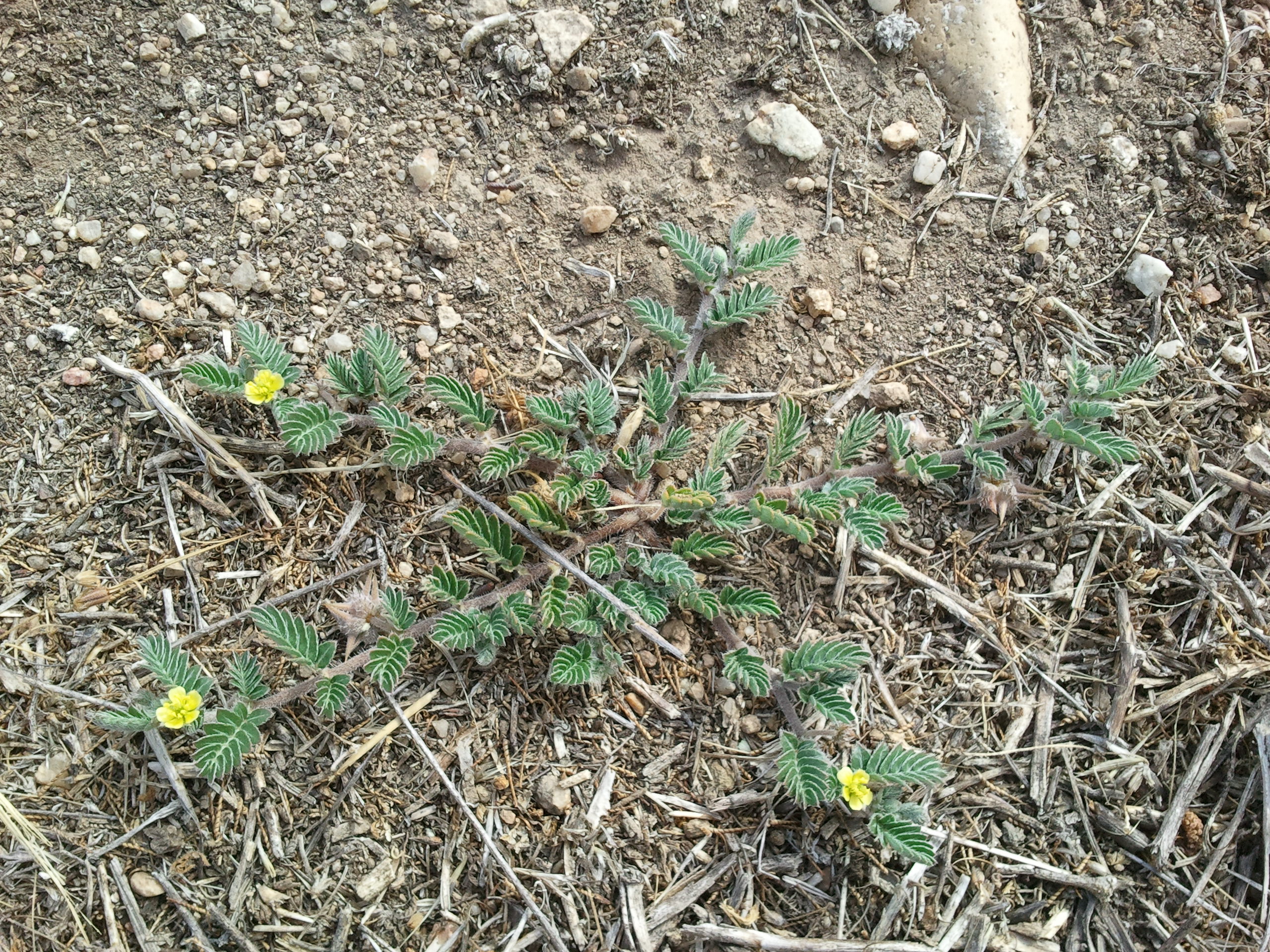
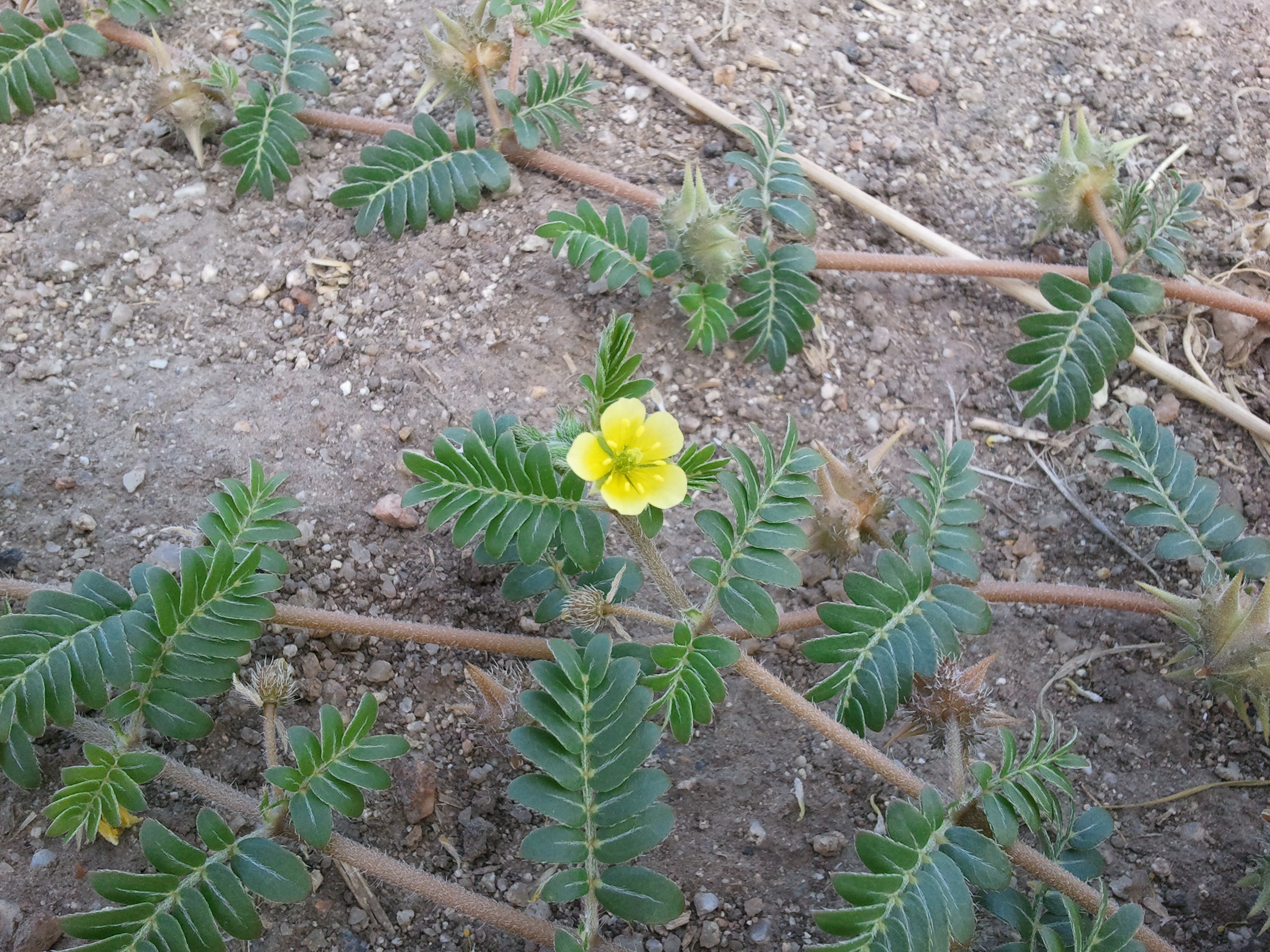
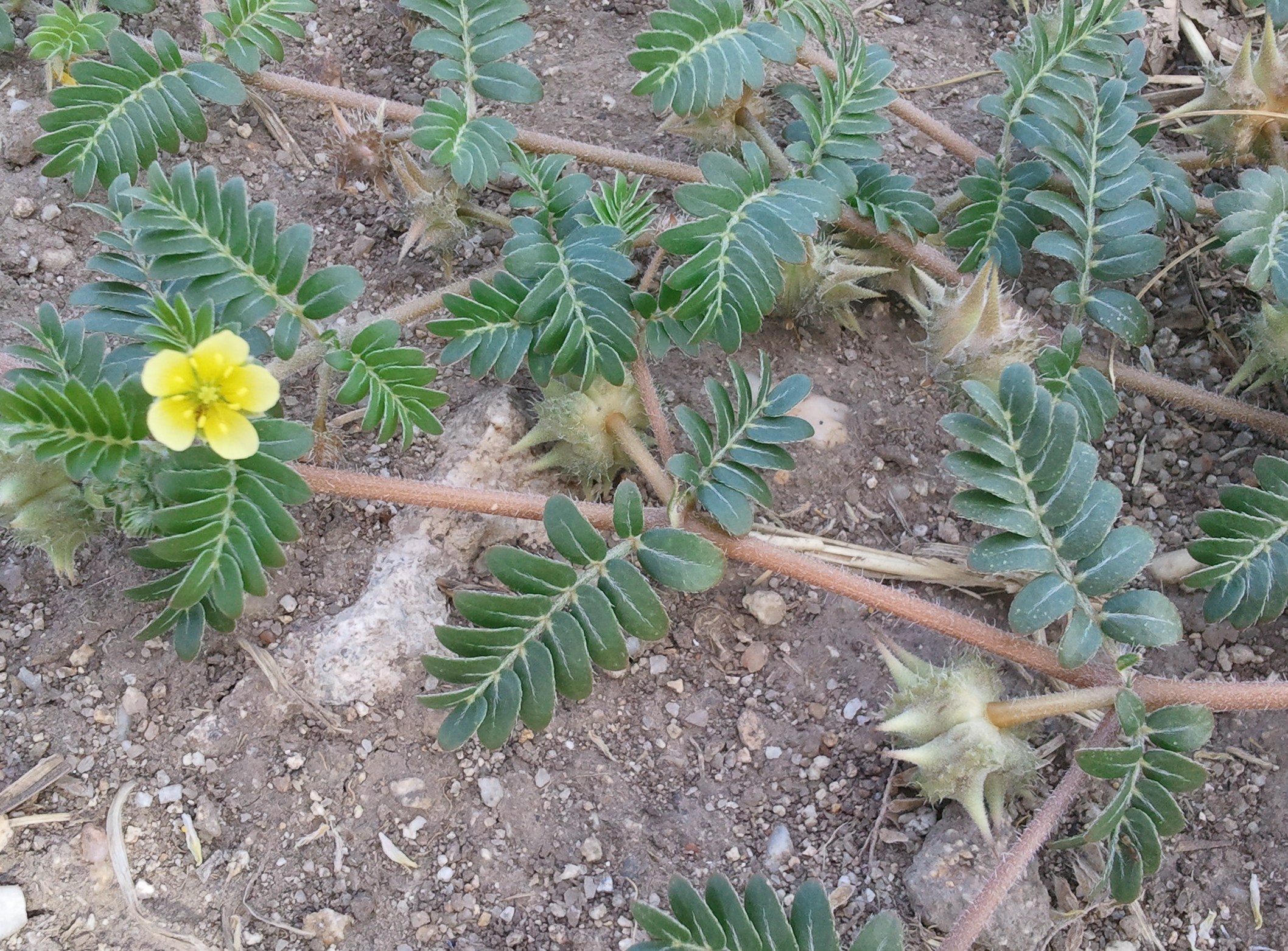
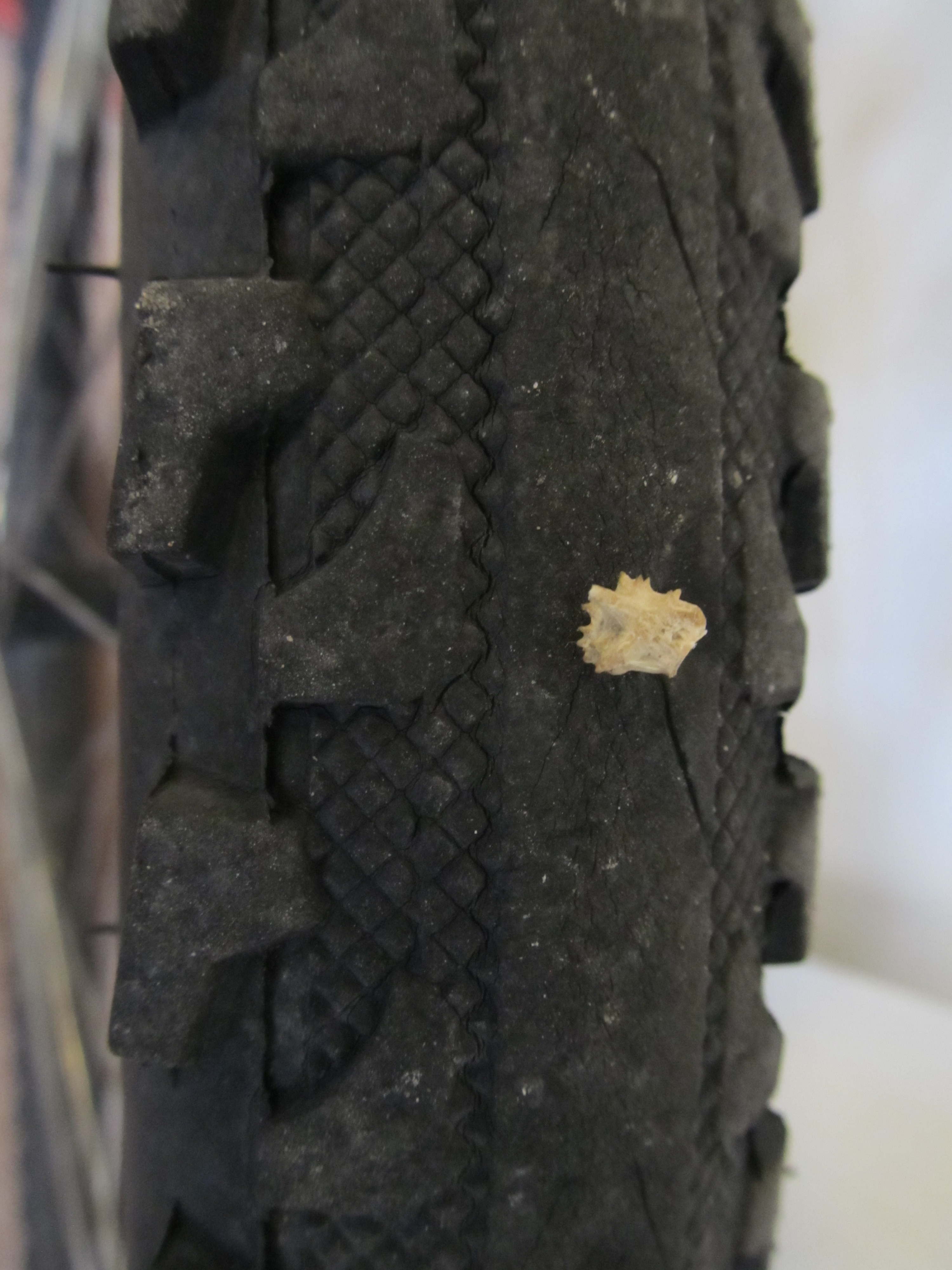
As an avid bicyclist, I am particularly aware of the waning summer season, especially since I live in a region where Tribulus terrestris is a prevalent weed. Commonly known as puncturevine or goathead, this nuisance plant is the bane of many cyclists’ existence. While the plant itself appears innocent, its fruit is quite the opposite. Rough around the edges and bearing large, rigid spines, puncturevine fruits easily penetrate bike tires, causing flats. They can also result in an uncomfortable experience for the bare-footed.

Native to the Mediterranean region, puncturevine made its way to North America sometime during the European immigration and has since spread across the continent. The fruit of puncturevine is called a bur. Plants with this type of fruit are benefited in two main ways: herbivory deterrent and seed dispersal. The spinyness of the burs deters insects and animals from eating their seeds, and the spines of the burs attach to the feet and fur of animals, etc., aiding in the dispersal of their seeds.

In cool climates, puncturevine is a summer annual. It appears in the heat of the summer, and by late summer the plants have mostly died off, leaving behind hordes of burs, awaiting the arrival of unsuspecting animals, bike tires, and otherwise. The spines of the burs attach themselves to these unsuspecting vicitims and are spread far and wide. The plants typically grow prostrate but can grow upright when they are in shade or being crowded out. They produce large mats that can spread as wide as 6 feet. Their leaves are oppositely oriented and are pinnately compound. Their flowers are small with five bright yellow petals that appear singularly in the axils of leaves. Their fruits are burs that split into 4-5 sections, each containing 1-2 large spines. Their seeds can remain viable for up to 20 years. Puncturevine is a fast growing, drought-tolerant plant with a long, slender taproot. It is commonly found in disturbed sites, along roadways and walkways, and in pastures and fields.

While I am fascinated by this plant, I also abhor it, and so I make an effort to remove and kill it whenever possible. If it weren’t for the countless flat tires it has caused me, I’d probably be more willing to let it be. Bike enthusiasts who have experienced this nuisance nod in agreement.

SAMSUNG

Tribulus terrestris looking sweet and innocent

SAMSUNG

???????????????????

Close-ups of pretty flowers, interesting leaves, and evil burs

puncture vine_1

Bur of puncturevine puncturing bike tire

Wetlands!

From www.earthgauge.net:

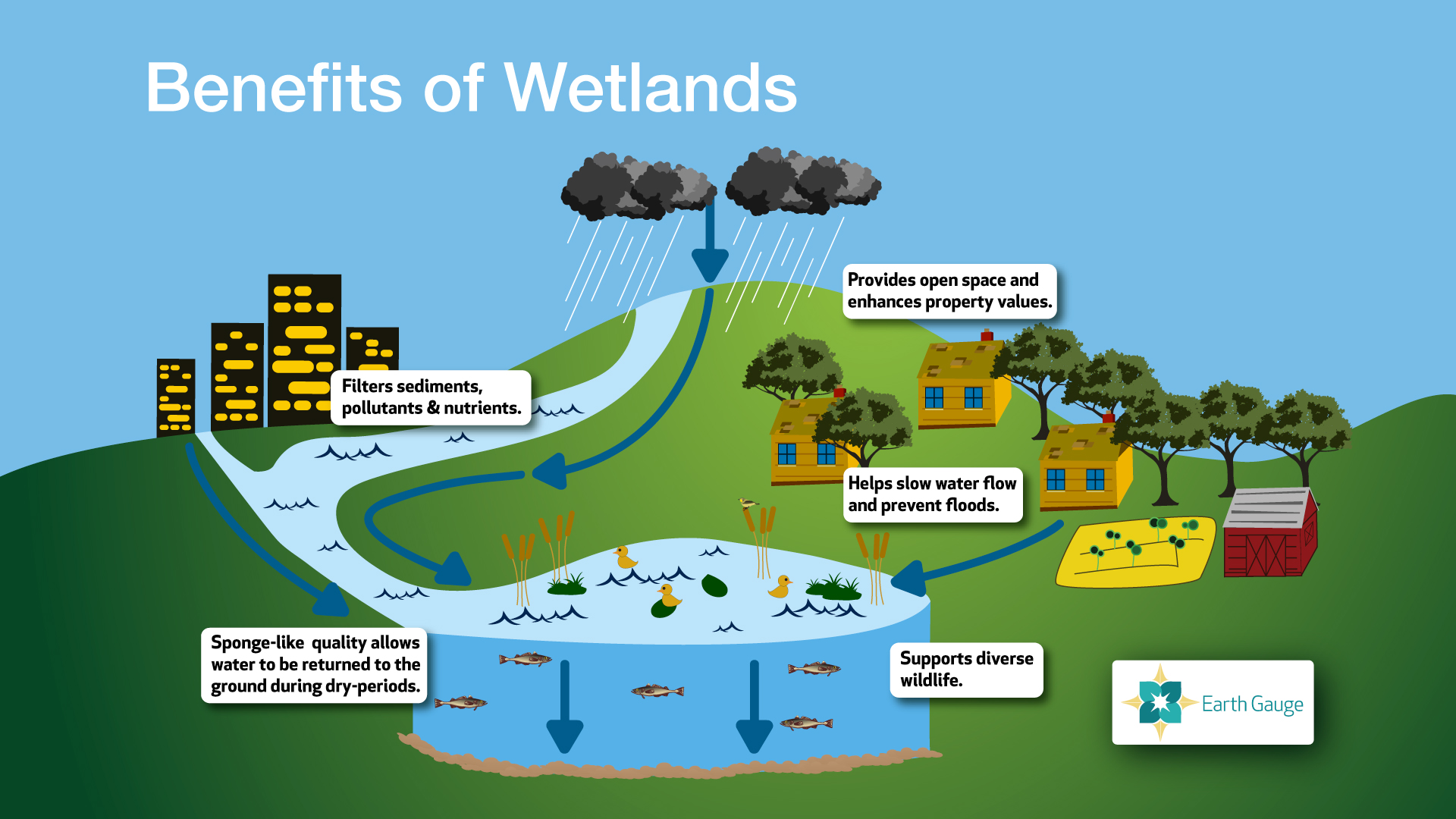
“May is American Wetlands Month! No matter where you live, chances are there’s a wetland nearby that provides important environmental benefits to your community. Wetlands support diverse fish and wildlife species, filter pollutants from rain water runoff, help recharge groundwater supplies, prevent flooding and enhance property values.”

Wetlands are ecosystems that are characterized by their vegetation (aquatic plants), their soils (formed during anaerobic conditions caused by being flooded or saturated with standing water), and, of course, their state of being largely saturated with water either seasonally or permanently. Examples of natural wetlands include bogs, fens, marshes, and swamps. Wetlands can also be constructed by humans for the purpose of collecting storm water runoff from urban areas in an effort to reduce the risk of flooding and avoid overwhelming municipal sewer systems during large rainstorms.

Wetlands are the most threatened type of ecosystem on earth, and we are losing them at a steady clip. Major threats to wetlands include land development, pollution (agricultural and otherwise), and the introduction of invasive species. Considering the benefits we receive from having wetlands around, it is imperative that we protect them. Earth Gauge offers some suggestions on how to do so.

wetland benefits

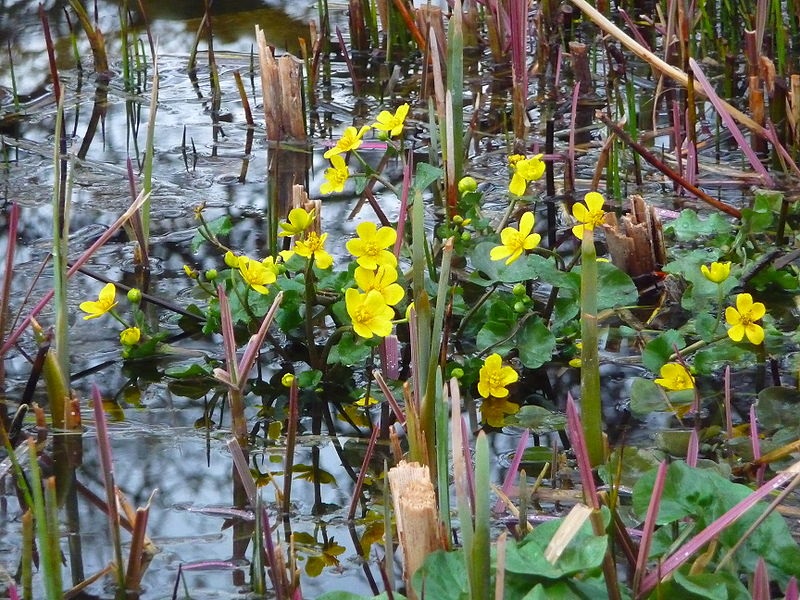
Speaking of wetlands, one of my favorite wetland plant species is marsh marigold (Caltha palustris). It is in the buttercup family (Ranunculaceae) and is common in wetlands throughout the Northern Hemisphere. I became familiar with this plant when I was volunteering at a wetland in Edwardsville, IL. Perhaps you’ve seen it growing in a wetland near you.

caltha palustris

marsh marigold (Caltha palustris) photo credit: wikimedia commons

Living Roof in Vancouver, B.C.

Consider this the first of many posts about plants in urban areas and the benefits that plants can bring to these locations. As an example, a group of people in Vancouver, B.C. developed an amazing green (or living) roof that incorporates plants native to the coastal grasslands found in that region. Watch this video to see how this project is helping to turn a landscape dominated by concrete and asphalt into a thriving and diverse ecosystem.