Plant vs. Bike

Summer is drawing to a close in the northern hemisphere. Days are getting shorter. Nights are getting cooler. Fall flowers are beginning to bloom. And bicycles are getting more flat tires.

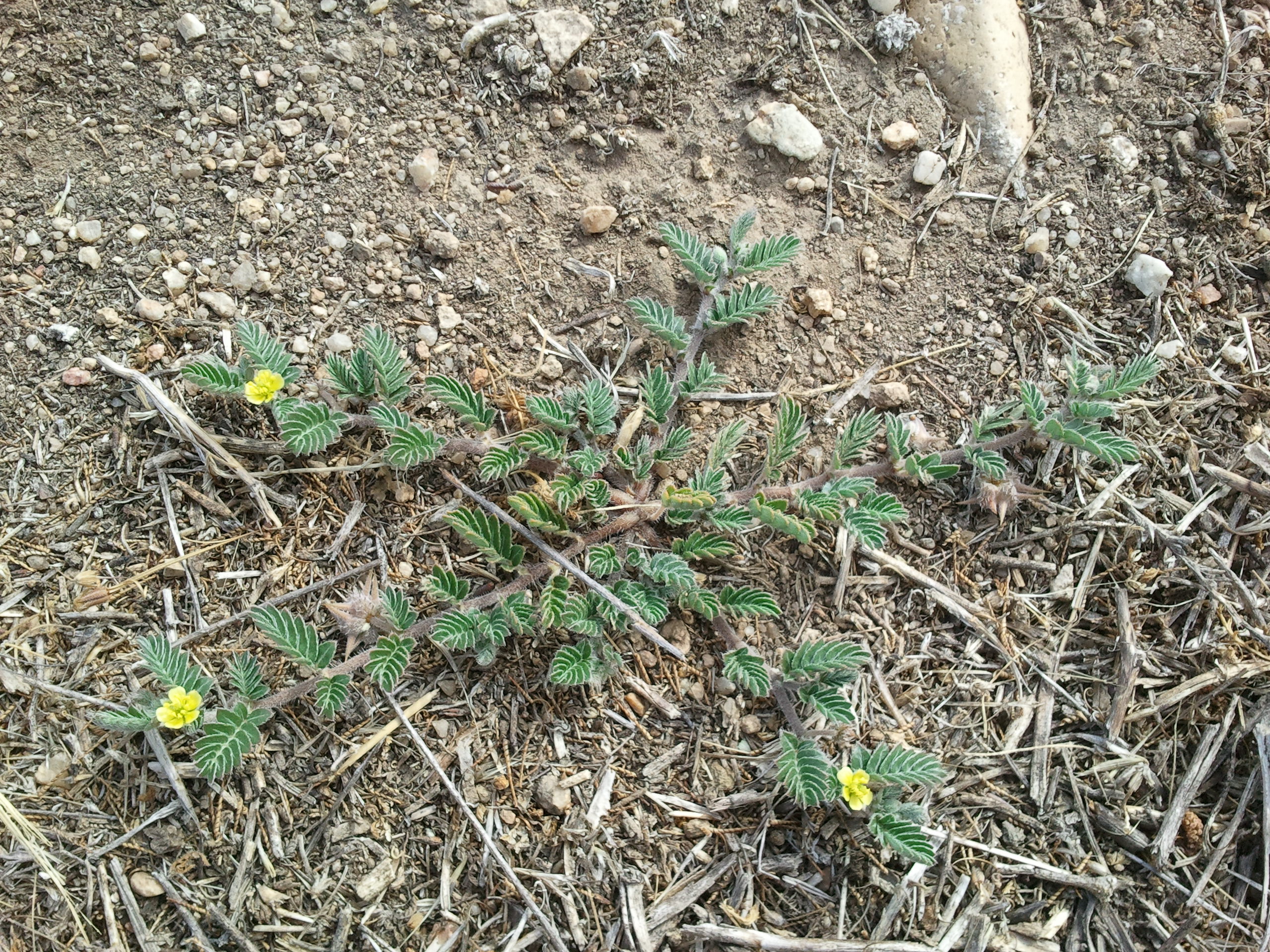
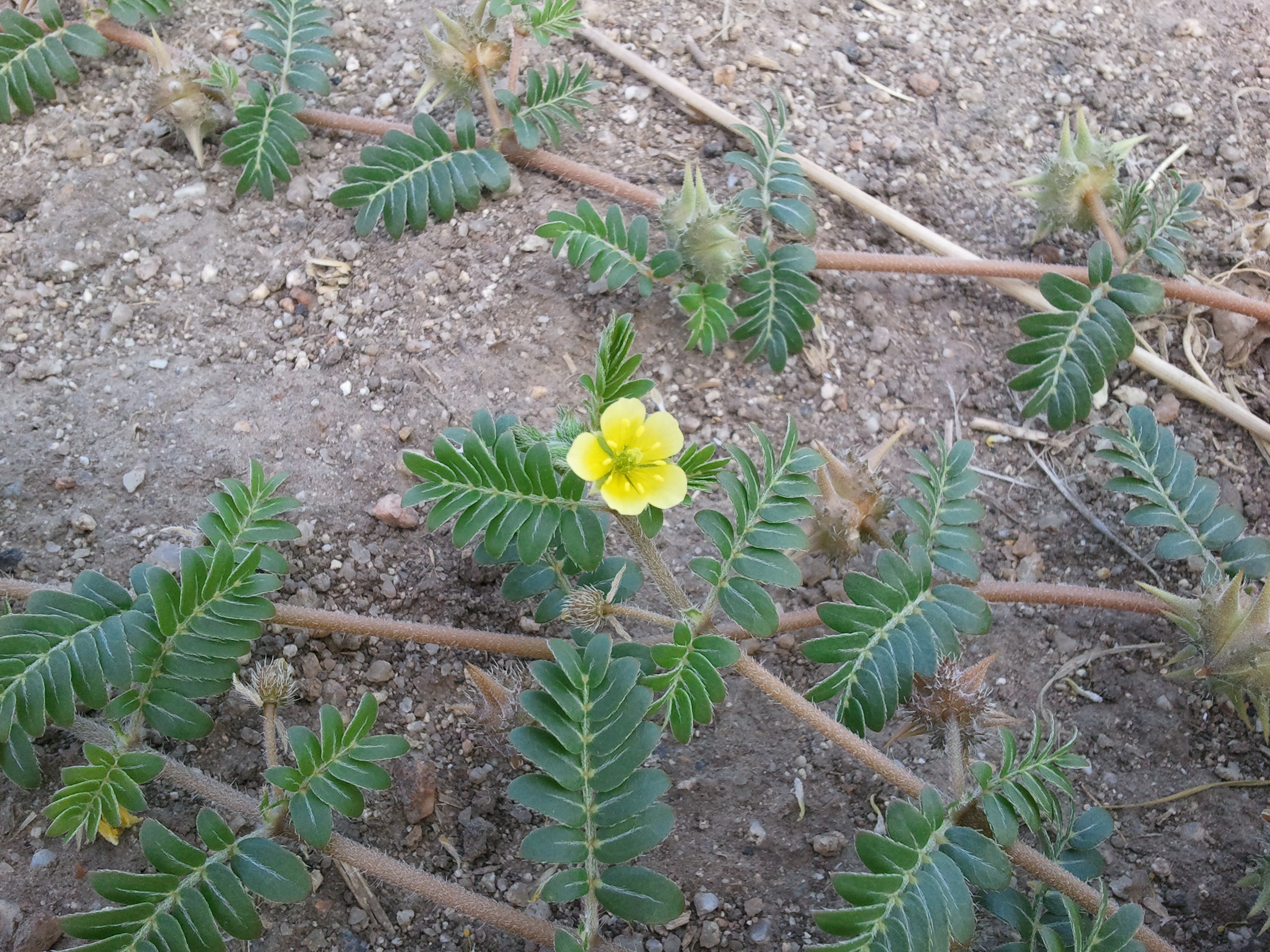
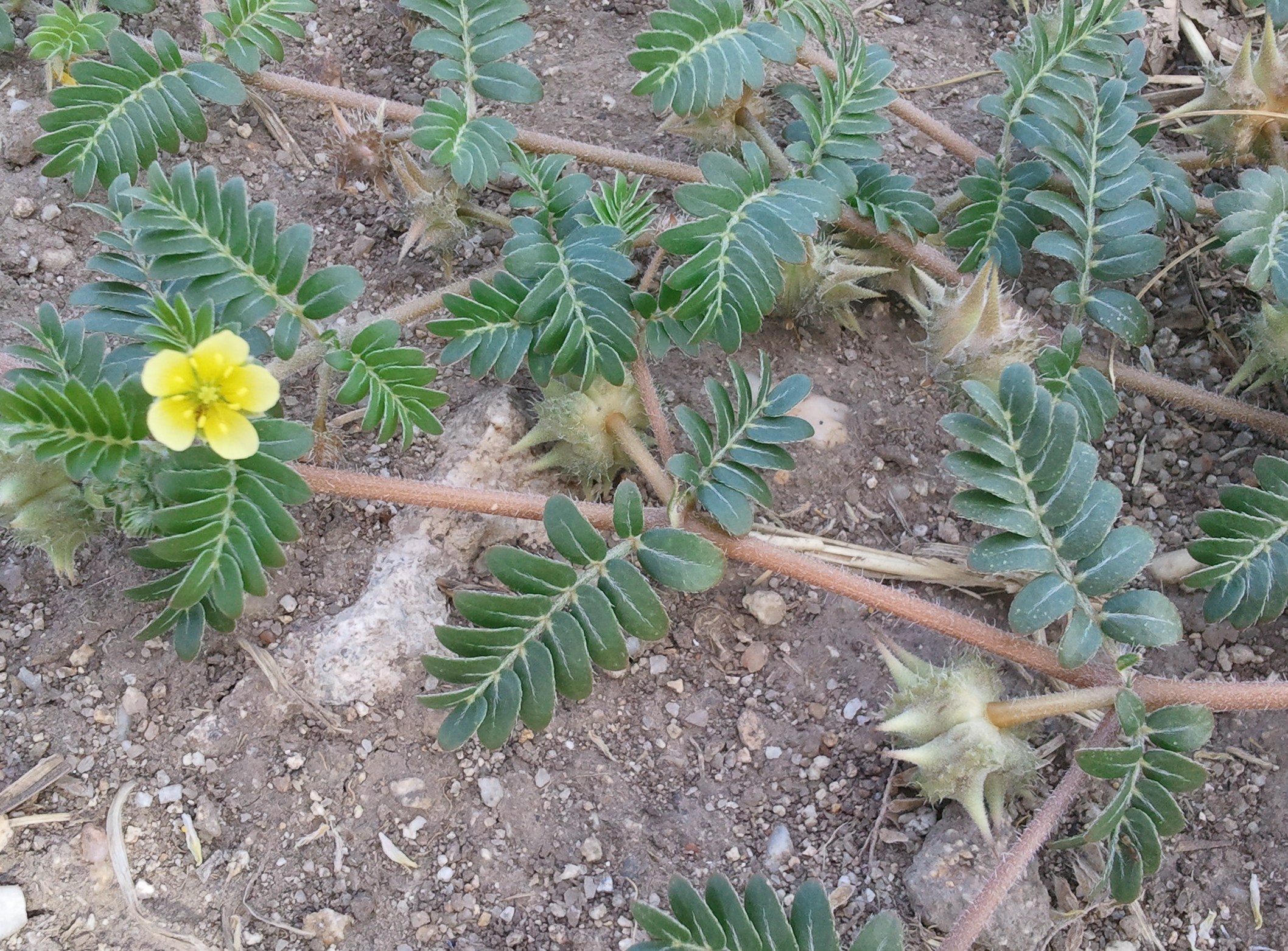
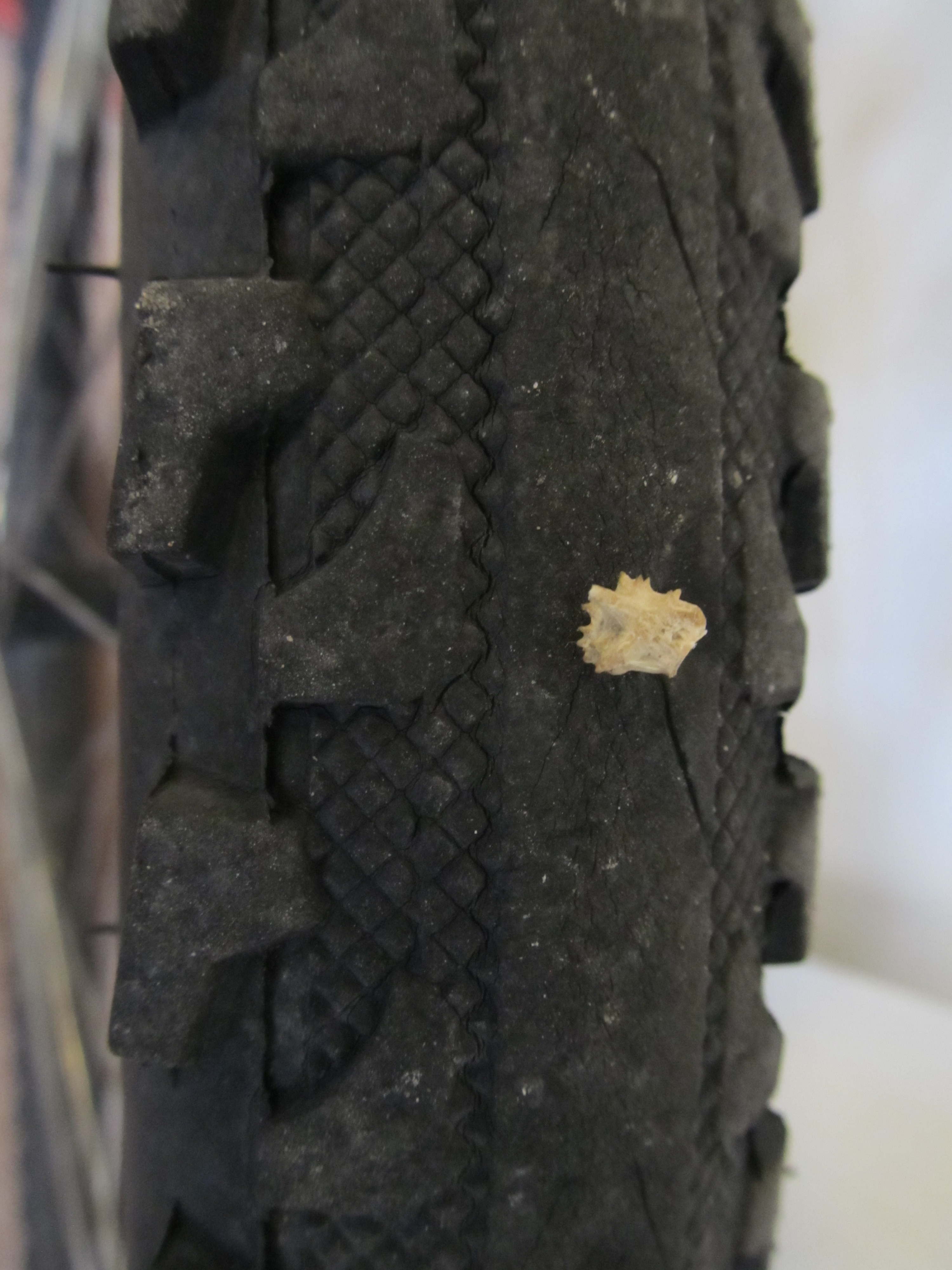
As an avid bicyclist, I am particularly aware of the waning summer season, especially since I live in a region where Tribulus terrestris is a prevalent weed. Commonly known as puncturevine or goathead, this nuisance plant is the bane of many cyclists’ existence. While the plant itself appears innocent, its fruit is quite the opposite. Rough around the edges and bearing large, rigid spines, puncturevine fruits easily penetrate bike tires, causing flats. They can also result in an uncomfortable experience for the bare-footed.

Native to the Mediterranean region, puncturevine made its way to North America sometime during the European immigration and has since spread across the continent. The fruit of puncturevine is called a bur. Plants with this type of fruit are benefited in two main ways: herbivory deterrent and seed dispersal. The spinyness of the burs deters insects and animals from eating their seeds, and the spines of the burs attach to the feet and fur of animals, etc., aiding in the dispersal of their seeds.

In cool climates, puncturevine is a summer annual. It appears in the heat of the summer, and by late summer the plants have mostly died off, leaving behind hordes of burs, awaiting the arrival of unsuspecting animals, bike tires, and otherwise. The spines of the burs attach themselves to these unsuspecting vicitims and are spread far and wide. The plants typically grow prostrate but can grow upright when they are in shade or being crowded out. They produce large mats that can spread as wide as 6 feet. Their leaves are oppositely oriented and are pinnately compound. Their flowers are small with five bright yellow petals that appear singularly in the axils of leaves. Their fruits are burs that split into 4-5 sections, each containing 1-2 large spines. Their seeds can remain viable for up to 20 years. Puncturevine is a fast growing, drought-tolerant plant with a long, slender taproot. It is commonly found in disturbed sites, along roadways and walkways, and in pastures and fields.

While I am fascinated by this plant, I also abhor it, and so I make an effort to remove and kill it whenever possible. If it weren’t for the countless flat tires it has caused me, I’d probably be more willing to let it be. Bike enthusiasts who have experienced this nuisance nod in agreement.

SAMSUNG

Tribulus terrestris looking sweet and innocent

SAMSUNG

???????????????????

Close-ups of pretty flowers, interesting leaves, and evil burs

puncture vine_1

Bur of puncturevine puncturing bike tire

Interview with Peter D’Amato of The Savage Garden

In my last post about sundews, I referenced a book about carnivorous plants called, The Savage Garden, by Peter D’Amato. Earlier this month, a revised edition of The Savage Garden was released by Ten Speed Press. Recently, D’Amato appeared on Real Dirt, a garden podcast hosted by Ken Druse, to tell his story, promote the revised edition of his book, and talk about carnivorous plant cultivation. It’s a fascinating discussion, and I highly recommend checking it out.

real dirt

Also, check out the website for Peter D’Amato’s carnivorous plant nursery, California Carnivores.

The Sundews

Earlier this year, I wrote about northern pitcher plants and how they are helping us to better understand food webs. At that time I promised future posts about carnivorous plants, so I have decided to write about sundews, the only carnivorous plant that I currently have in my collection.

Sundews are members of the genus Drosera and are in the family Droseraceae (the same family as the Venus flytrap). With as many as 194 species, Drosera is one of the largest and most diverse genera of carnivorous plants. Sundews can be found in a wide variety of climates and on nearly every continent, from subarctic Alaska to tropical Brazil. They can be as small as a penny or as big as a small shrub. Their leaves form rosettes and come in numerous shapes and sizes, including circular, wedge-shaped, oval,  forked, fern-like, and grass-like. Drosera flowers are also quite diverse, but typically they are flat, five-petaled, white or pink, and appear in clusters at the top of a tall stalk.

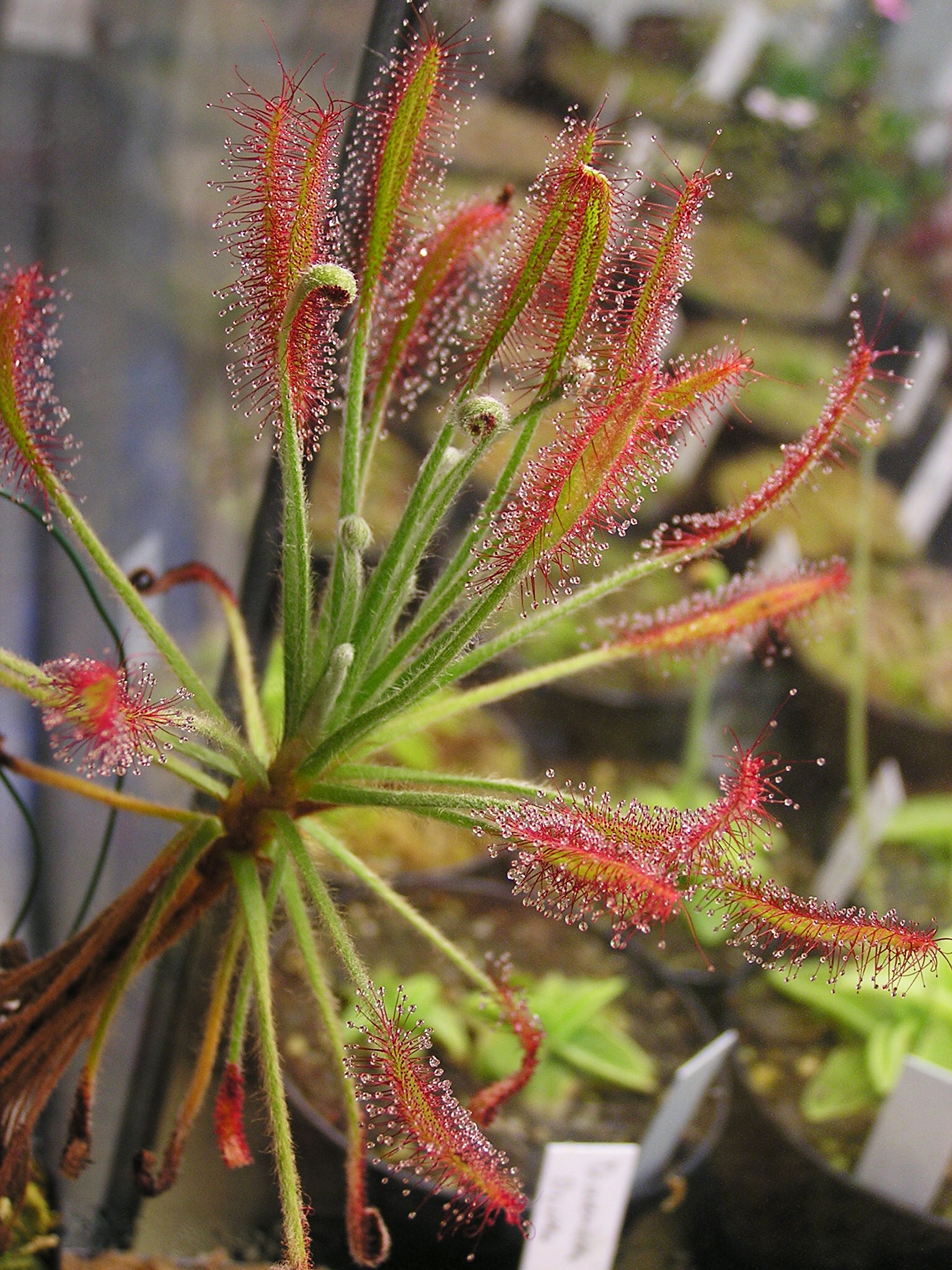
As described so far, you may be thinking that sundews sound quite simple and innocent, but this is certainly not the case. Covering the surfaces of Drosera leaves are dozens of hair-like filaments. At the end of each filament (or tentacle) is a gland, which produces a small drop of clear and very sticky dew. Attracted to the glistening dew and mistaking it for plant nectar, insects fly into it and find themselves instantly stuck. Struggling to get away, an insect may tear off body parts as it flails about, only to fall into other nearby dew droplets, worsening its ensnarement and ensuring its fate.

In his book, The Savage Garden, Peter D’Amato describes it this way:

“Sundews are innocent-looking and pretty, their delicate leaves sparkling with the promise of sweet nectar, but the foolish insect curious enough to give a sundew the slightest touch will suddenly find itself caught in a living nightmare. Doomed to a horrible death, the insect may struggle for a blessed few minutes or suffer for untold hours as it tries to break free of ensnaring, suffocating glue, grasping tentacles, and burning acids and enzymes; meanwhile, its precious bodily fluids are being slowly sucked dry.”

As the sticky dew attracts and then traps the insects, and the tentacles that support the dew help to further ensnare them, imminent death comes in a variety of ways. The most common for small insects is suffocation, as the glue almost immediately covers up the breathing holes on their abdomens. Larger insects that manage to avoid bodily contact with the glue will instead dangle from the plant and die of starvation or exhaustion. Those that break free, losing an appendage or appendages in the process, usually don’t last long after that and are often trapped and killed by spiders who build their webs around sundews in order to take advantage of such occasions. The leaves of some sundews curl up around their prey, not necessarily to further ensnare them, but to surround them with the largest possible number of glands which will help quicken the consumption and digestion process. By now you can see that as innocent and delicate as they may appear, sundews are in fact about as brutal and unforgiving as they come.

If you’d like to learn more about sundews and other carnivorous plants, including information on how to grow them, I highly recommend D’Amato’s book (The Savage Garden). It’s a fascinating and informative read, and the reality of the natural world described therein will astound you.
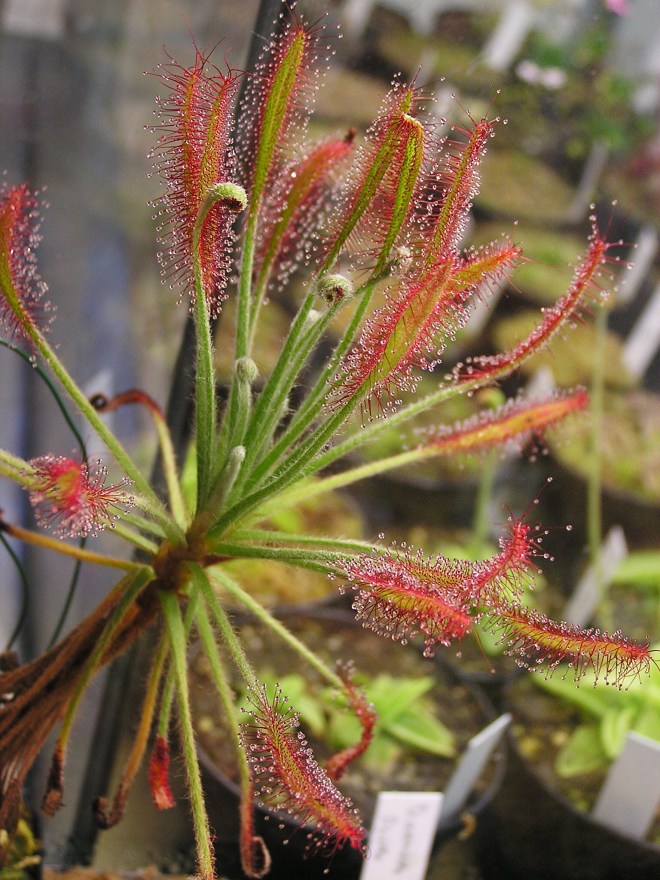
Drosera chrysolepis

Drosera chrysolepis, photo credit: wikimedia commons

Book Review: What a Plant Knows

What a Plant Knows: A Field Guide to the Senses
by Daniel Chamovitz

Humans commonly anthropomorphize non-humans. It just seems easier, for example, to say that a plant “likes” a particular type of soil, even though we know that a plant doesn’t “like” anything because a plant does not experience emotion. What we really mean to say is that a plant is adapted to and therefore performs best in a particular type of soil. However, knowing this, is it plausible at all to say that a plant can see, smell, feel, hear, sense its location, or remember things? Daniel Chamovitz argues that it is, and he has plenty of credible research to support his thesis.

In short, plants have senses very similar to human senses and are far more aware than we might initially think. To be clear though, Chamovitz states early on in his book that his “use of the word ‘know’ is unorthodox. Plants don’t have a central nervous system; a plant doesn’t have a brain that coordinates information for its entire body.” Nor do they have noses or ears or eyes. Instead, when Chamovitz uses words like “see,” “smell,” “hear,” and “know,” he is referring to various chemical reactions and physiological phenomena that occur in plants which produce reactions that are analogous to human senses. When a willow tree is damaged by tent caterpillars, a neighboring willow tree becomes unpalatable to the caterpillars and thereby resists a similar fate. Why? Because the damaged willow tree releases a gaseous substance that nearby willow trees can sense (or “smell”). This is a signal for them to protect themselves by building up toxic chemicals in their leaves.

Another example offered by Chamovitz involves the ability of some plants to remember winter. Cherry blossoms appear in the spring because winter has passed. A certain period of cold temperatures is what induces this response. If the trees bloom too early, the blossoms will freeze. If they bloom too late, the fruits would not have time to mature before cold temperatures returned. The seeds of winter wheat are planted in the fall and germinate in the spring. They also require a period of cold temperatures in order to germinate. This process is called vernalization, and it involves a specific gene in the plant called flowering locus C (FLC). After vernalization, this gene is turned off which signals the plant to flower (provided that other environmental conditions, such as light and soil temperature, are conducive to flowering, etc.).

A common myth is that plants grow better when people say nice things to them or play relaxing music for them. Chamovitz thoroughly debunks this myth and concludes that no evidence has been found for plants being able to hear. Plants do however possess many of the same genes that humans possess, including several genes that when not functioning properly can result in deafness in humans. These genes encode proteins called myosins. Myosins in humans help form the hair cells in our inner ears which are essential for hearing. Myosins in plants help form root hairs which are essential for absorbing water from the soil. While the functions of these proteins are quite different in humans and plants, mutations in the genes code for these proteins can have drastic results for both.

All this talk about chemistry, genetics, and physiology may sound a bit intimidating…but don’t worry. While Chamovitz endeavours to tell the science accurately and in detail, he does so in a very approachable manner, making this an easy read for anyone with a basic understanding of biology. Even if you don’t fully comprehend the technical stuff, the anecdotes are well told and captivating, and after you finish reading this, you are certain to have a greater appreciation for plants and all of the fascinating things that they can do. While we should be careful to be too anthropocentric, this book makes it clear that plants are a lot like us…or should I say, we are a lot like plants? Either way, we have many things in common (including much of our DNA), which is all the more reason to appreciate plants for the amazing organisms that they are.

This is a video (recommended by Chamovitz) of a dodder plant sensing the location of a tomato plant. Dodder is unable to photosynthesize, so after attaching itself to the tomato plant it will feed on the nutrients that the tomato plant produces.

Related Post:

– Excerpt from What a Plant Knows

American Penstemon Society Field Trip

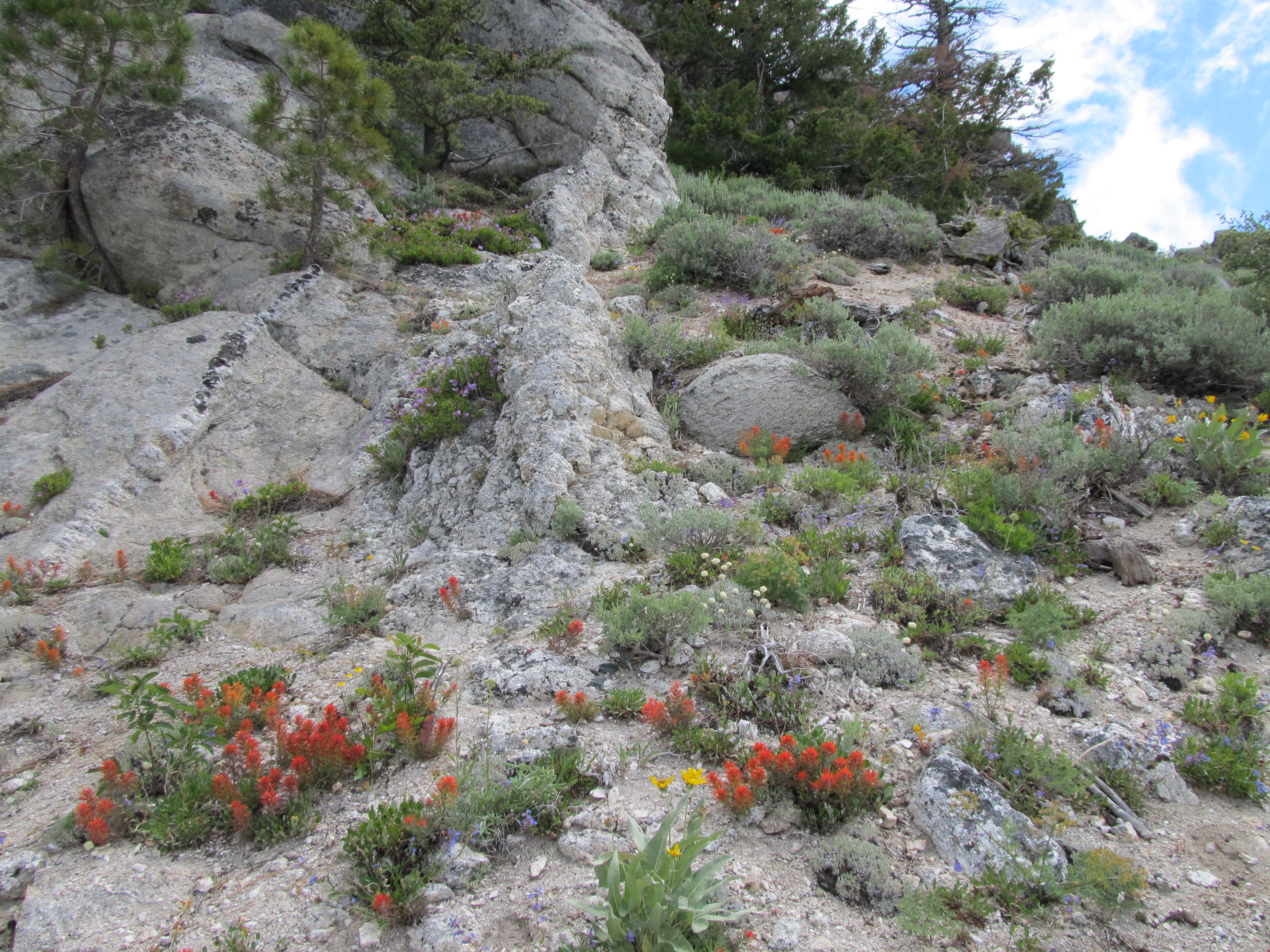
This past weekend, the American Penstemon Society held their annual meeting in Boise, Idaho. I was fortunate enough to attend their meeting and join them on one of their field trips. We visited Mores Mountain in the Boise National Forest, which is a short drive north of Boise. The hike was so much fun! There were tons of great plants to see, and the views from the top were incredible. My favorite sights were all the magical rock gardens that were scattered along the trail which were loaded with a diverse number of small plants eking out an existence on lichen splattered outcrops. If you ever find yourself in the Boise area, this is a spot that I am certain you don’t want to miss.

rock garden

Rock Garden on Mores Mountain, Boise National Forest

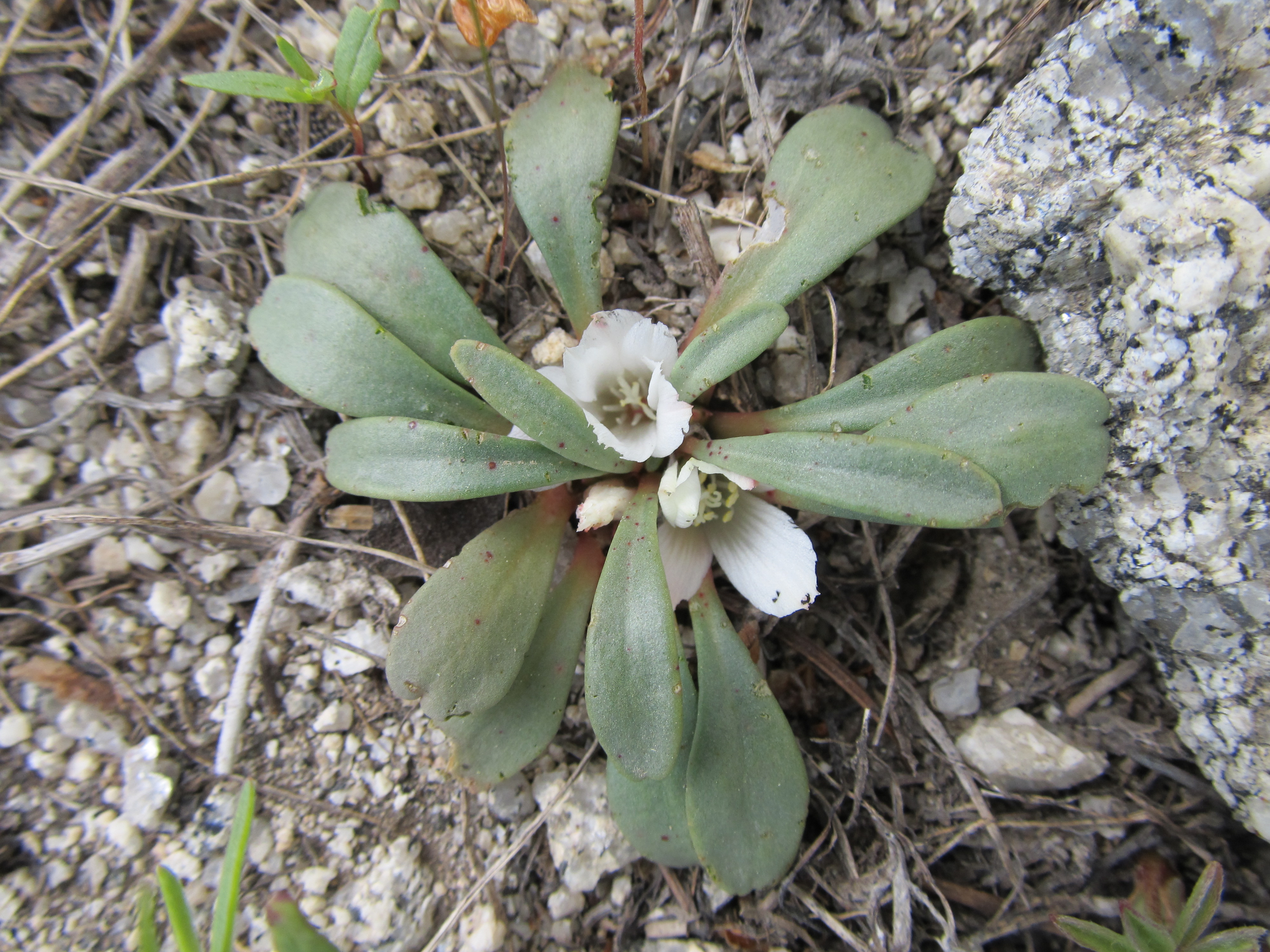
lewisia sacajaweana

Lewisia sacajaweana, Sacajawea bitter root

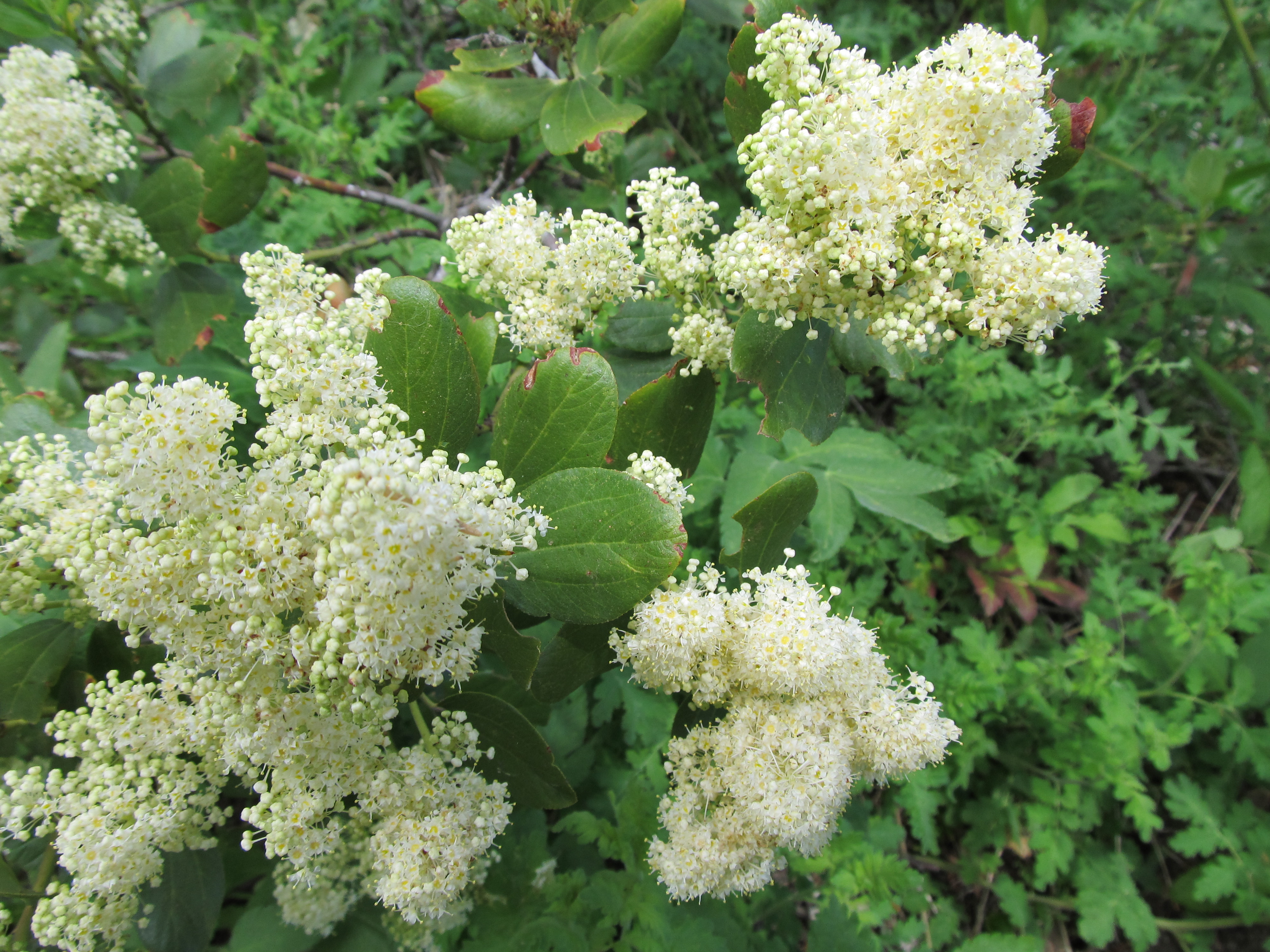
ceanothus velutinus

Ceanothus velutinus, snowbrush ceanothus

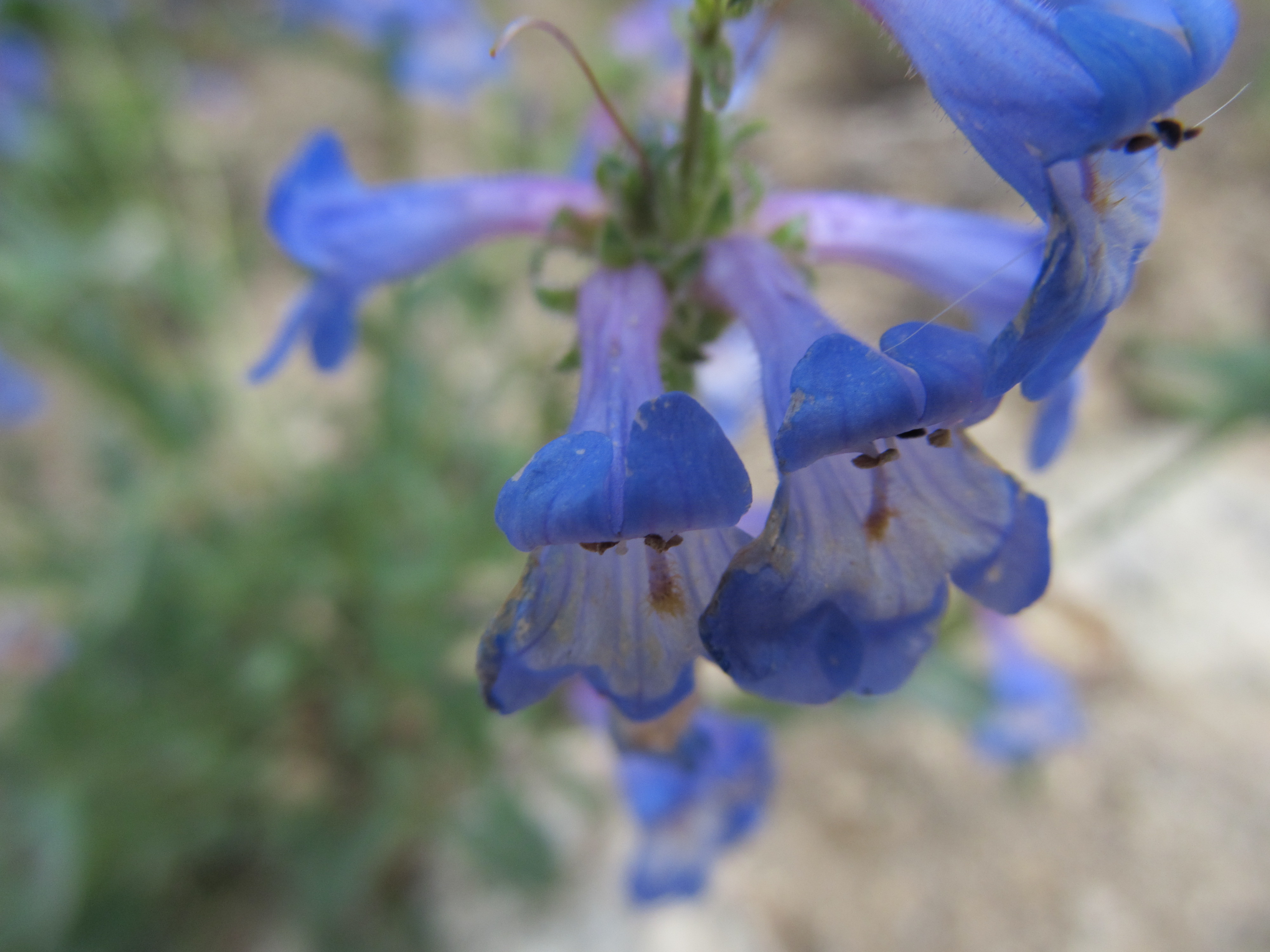
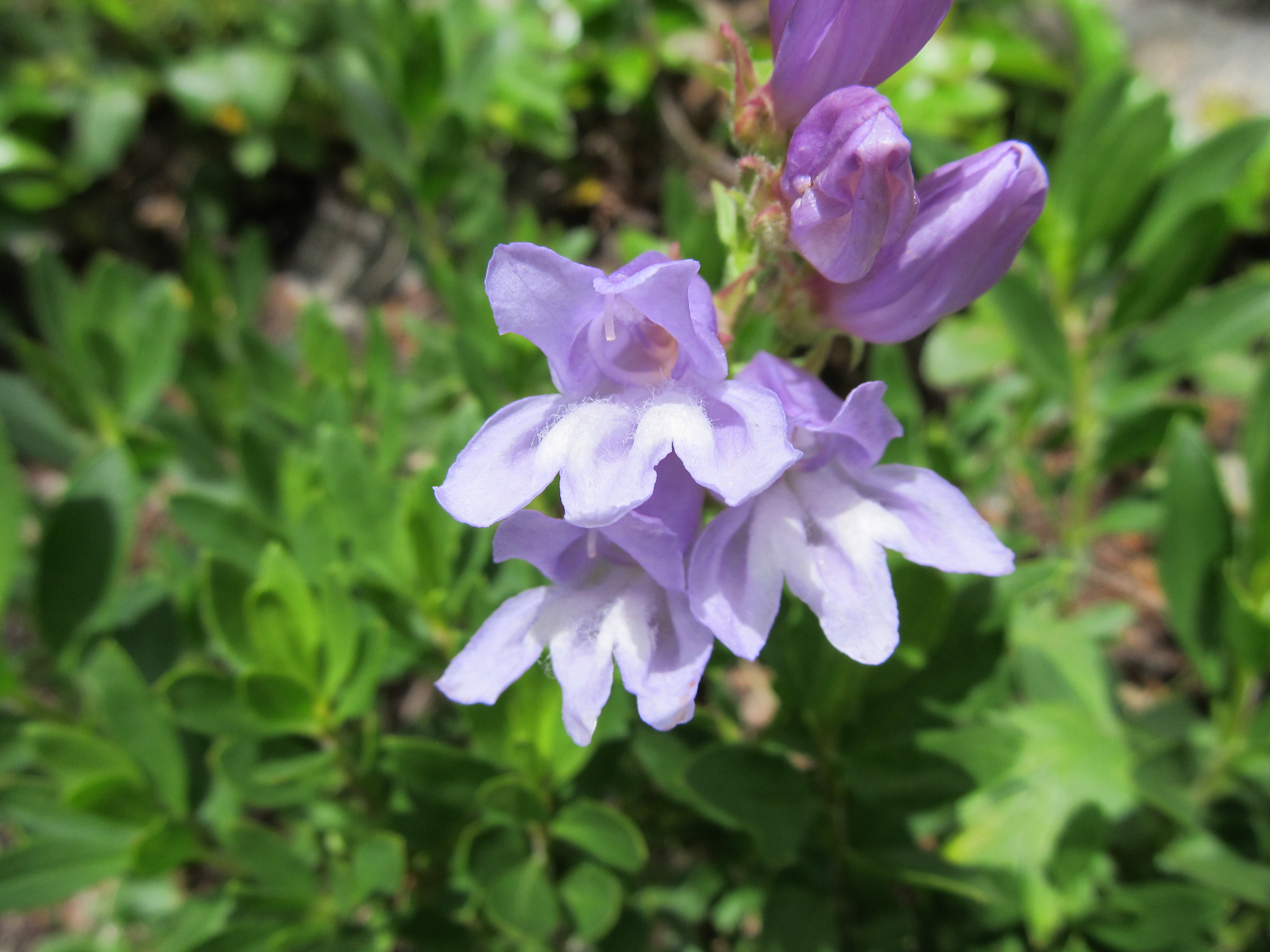
penstemon humilis

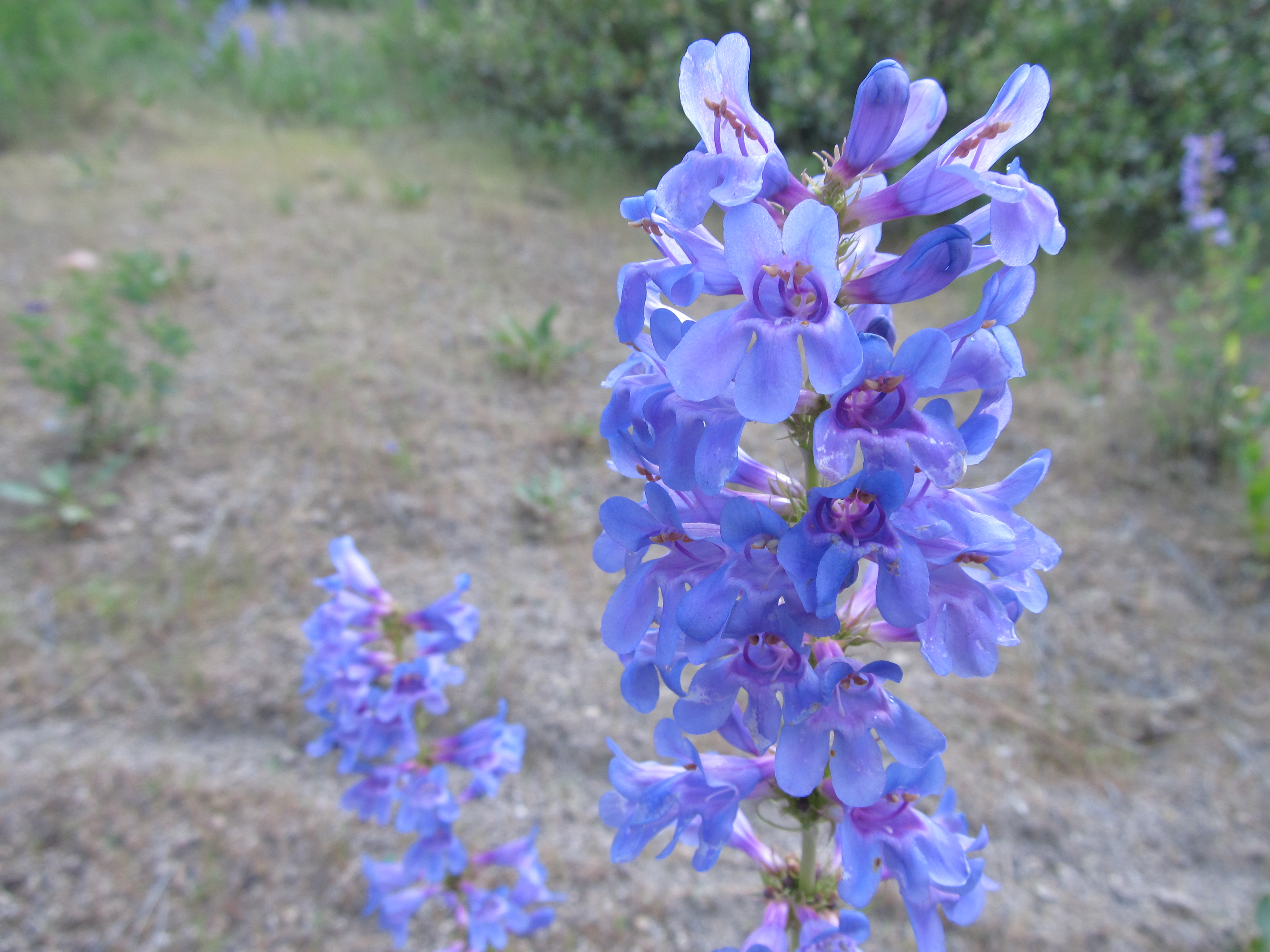
Penstemon humilis, low penstemon

penstemon fruticosus

Penstemon fruticosus, shrubby penstemon

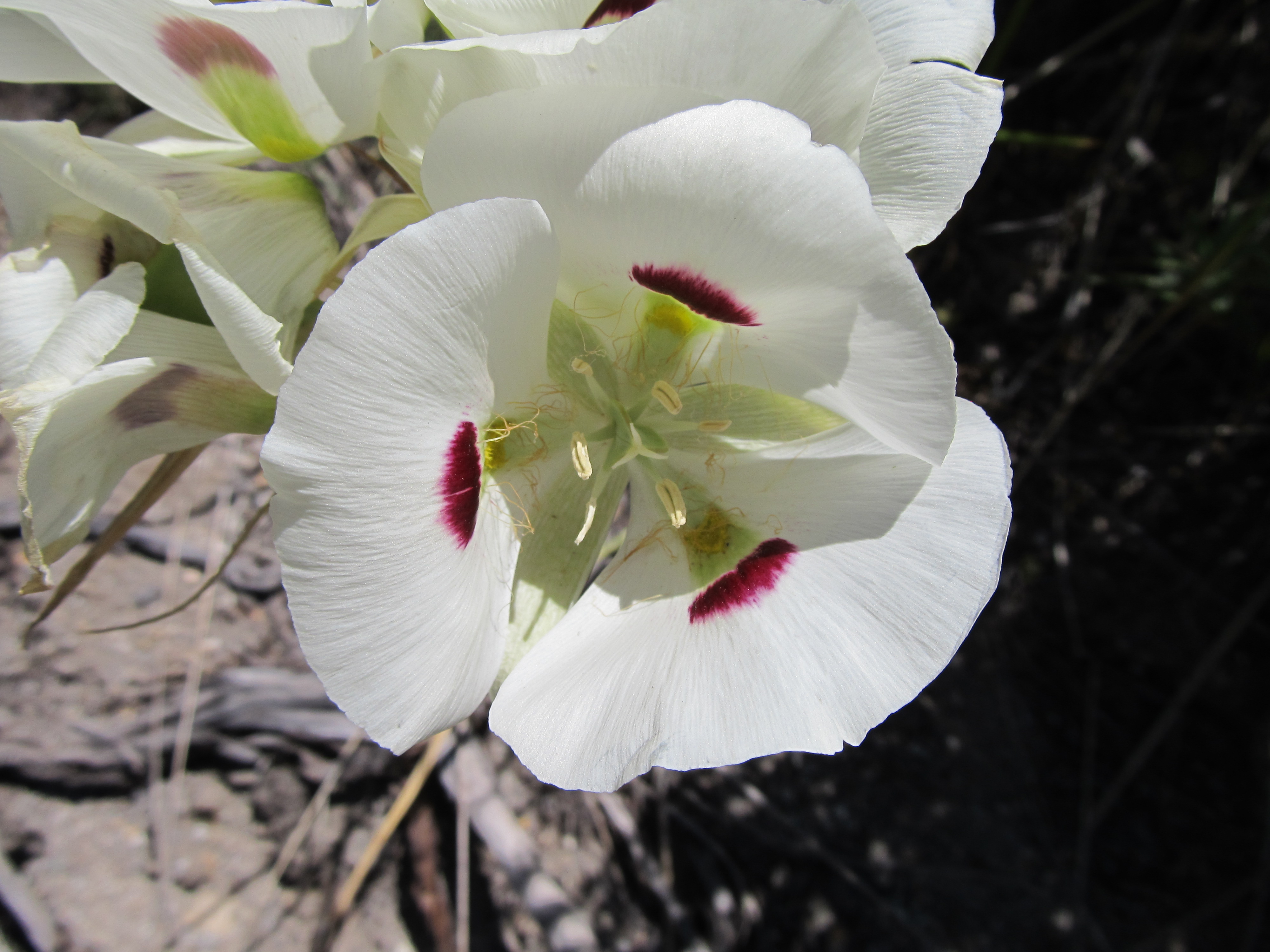
calochortus macrocarpus

Calochortus macrocarpus, sagebrush mariposa lily

calochortus eurycarpus

Calochortus eurycarpus, white mariposa lily

Wildflower Walk: June 2013

Camping recently with family and friends affored me the opportunity to explore some early summer wildflowers near Grimes Creek in the Boise National Forest. Despite the noise and dust presented by regular ATV and dirt bike traffic, I had a very enjoyable weekend in the woods. What follows are some of the wildflowers I saw while exploring the area.

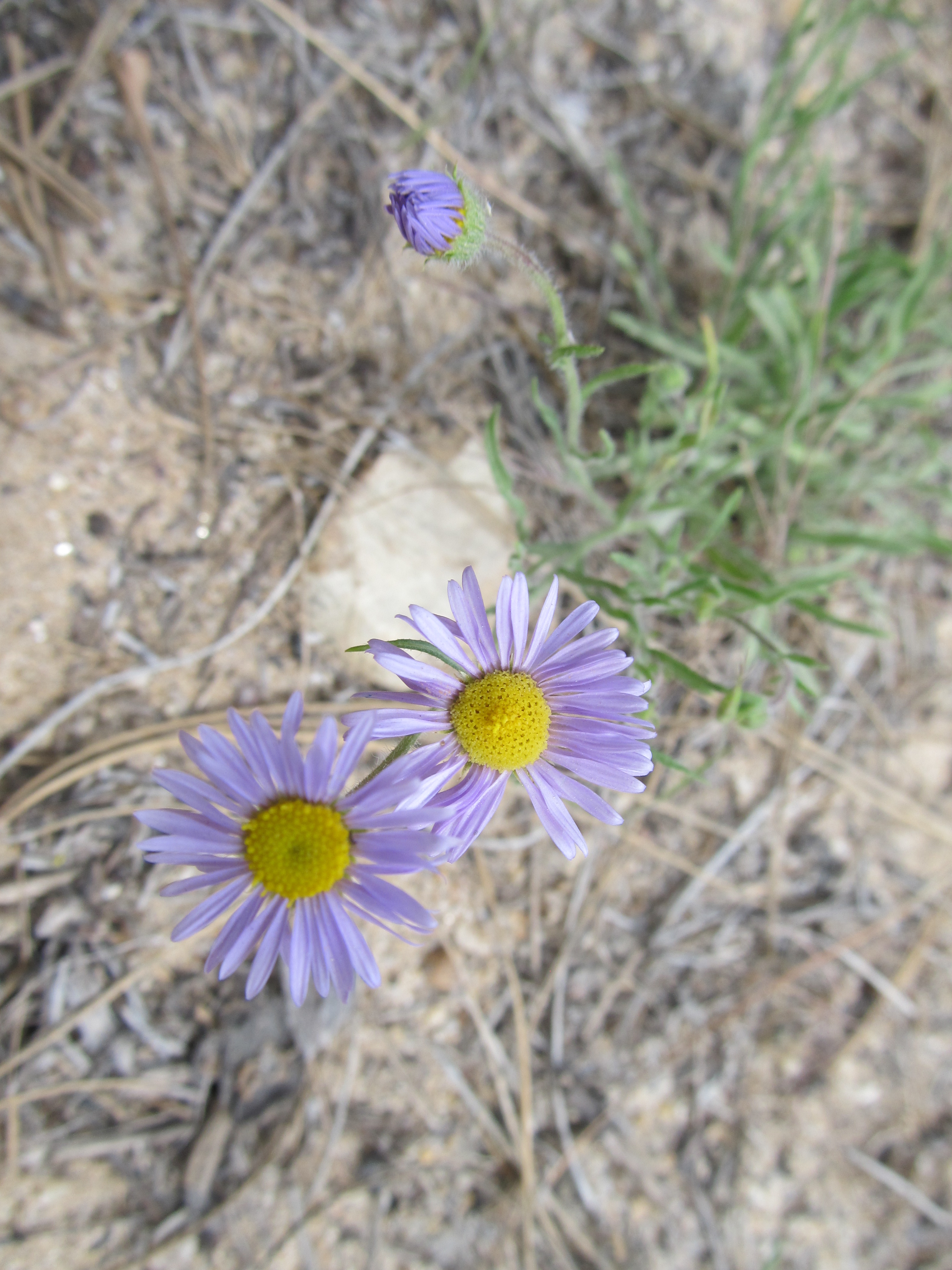
erigeron pumilus

Erigeron pumilus, shaggy fleabane

geranium viscosissimum

Geranium viscosissimum, sticky purple geranium

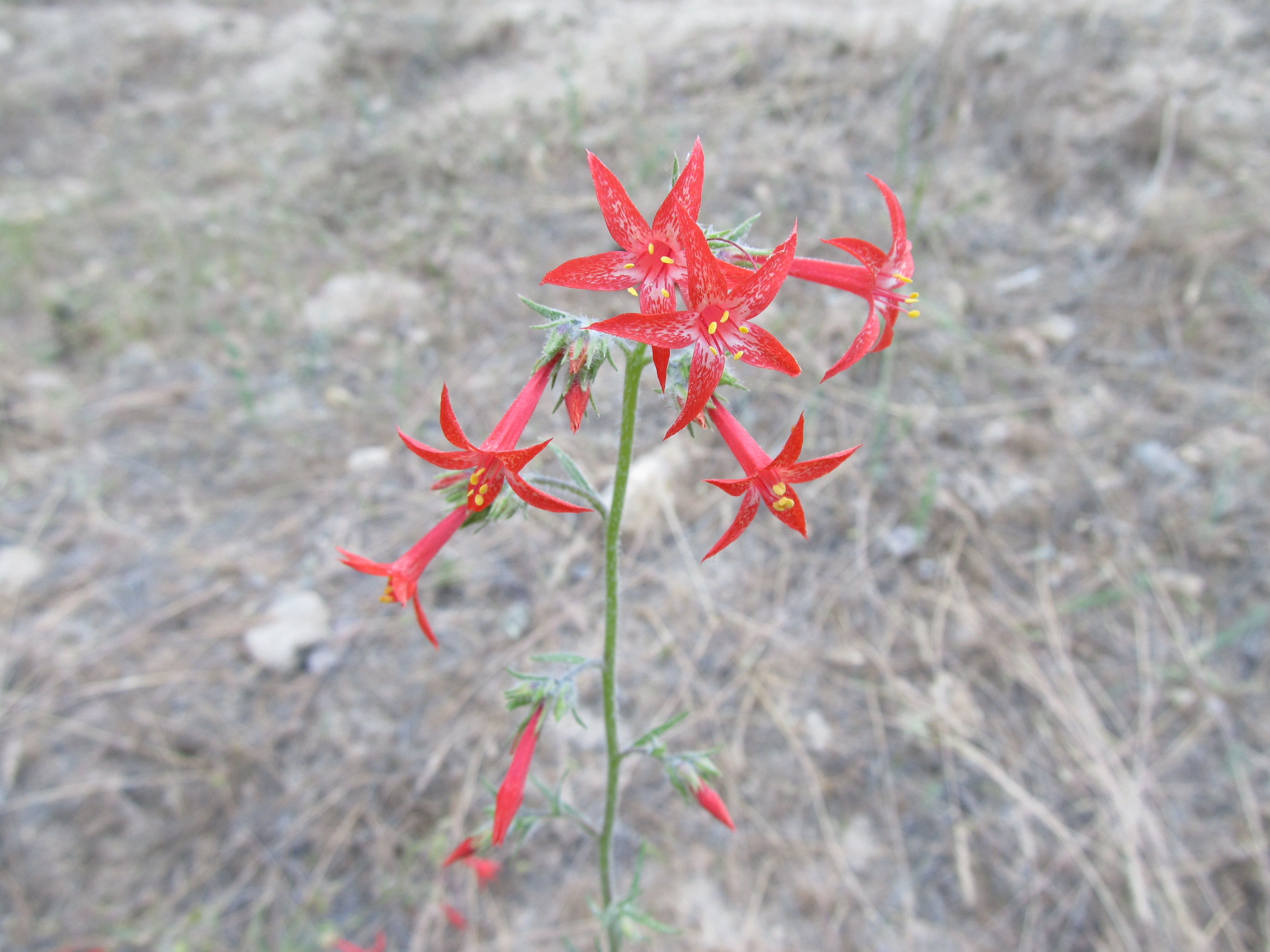
ipomopsis aggregata

Ipomopsis aggregata, scarlet gilia

penstemon deustus

Penstemon deustus, hotrock or scabland penstemon

penstemon payettensis

Penstemon payettensis, Payette penstemon

Idaho State Flower

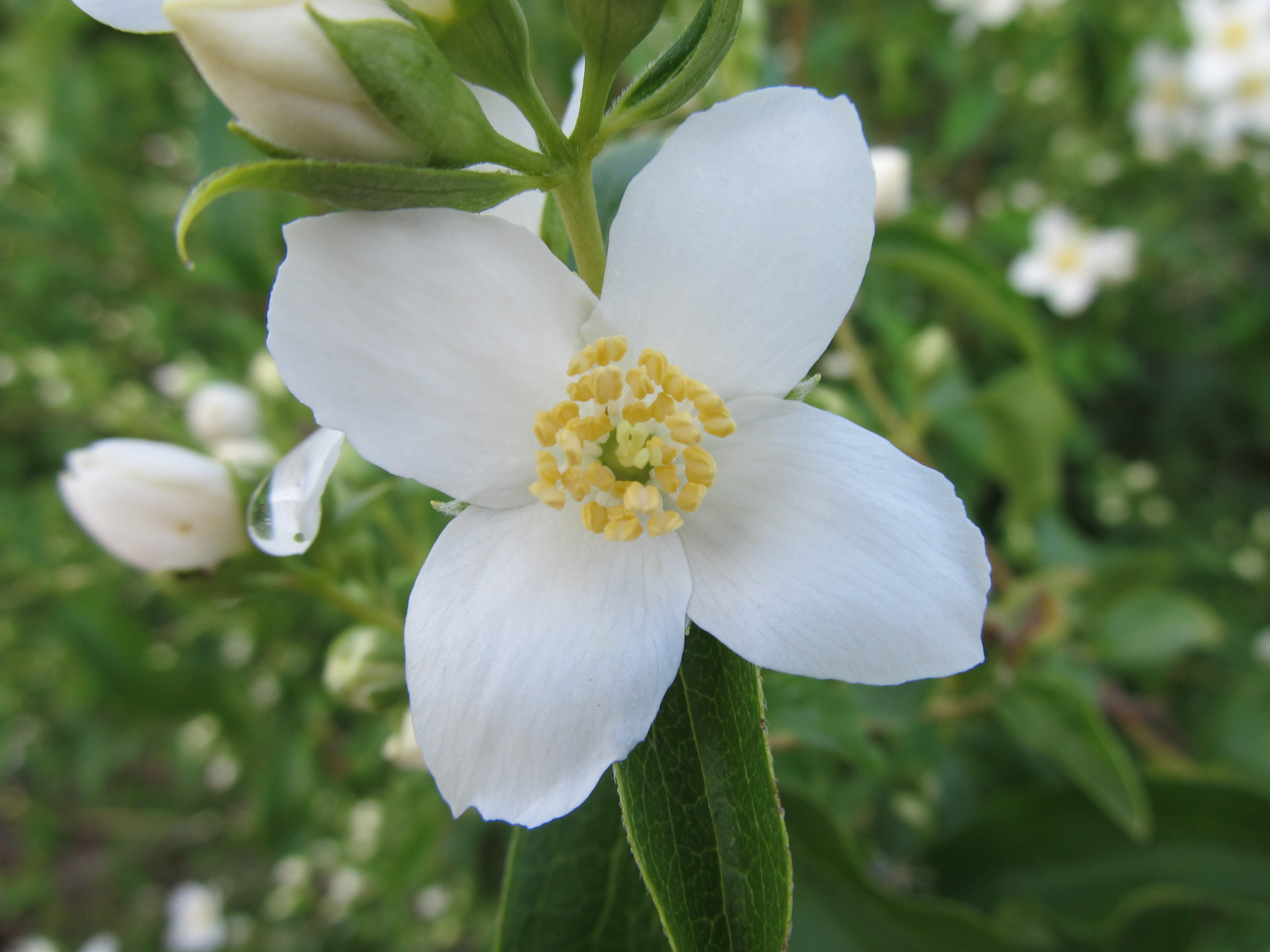
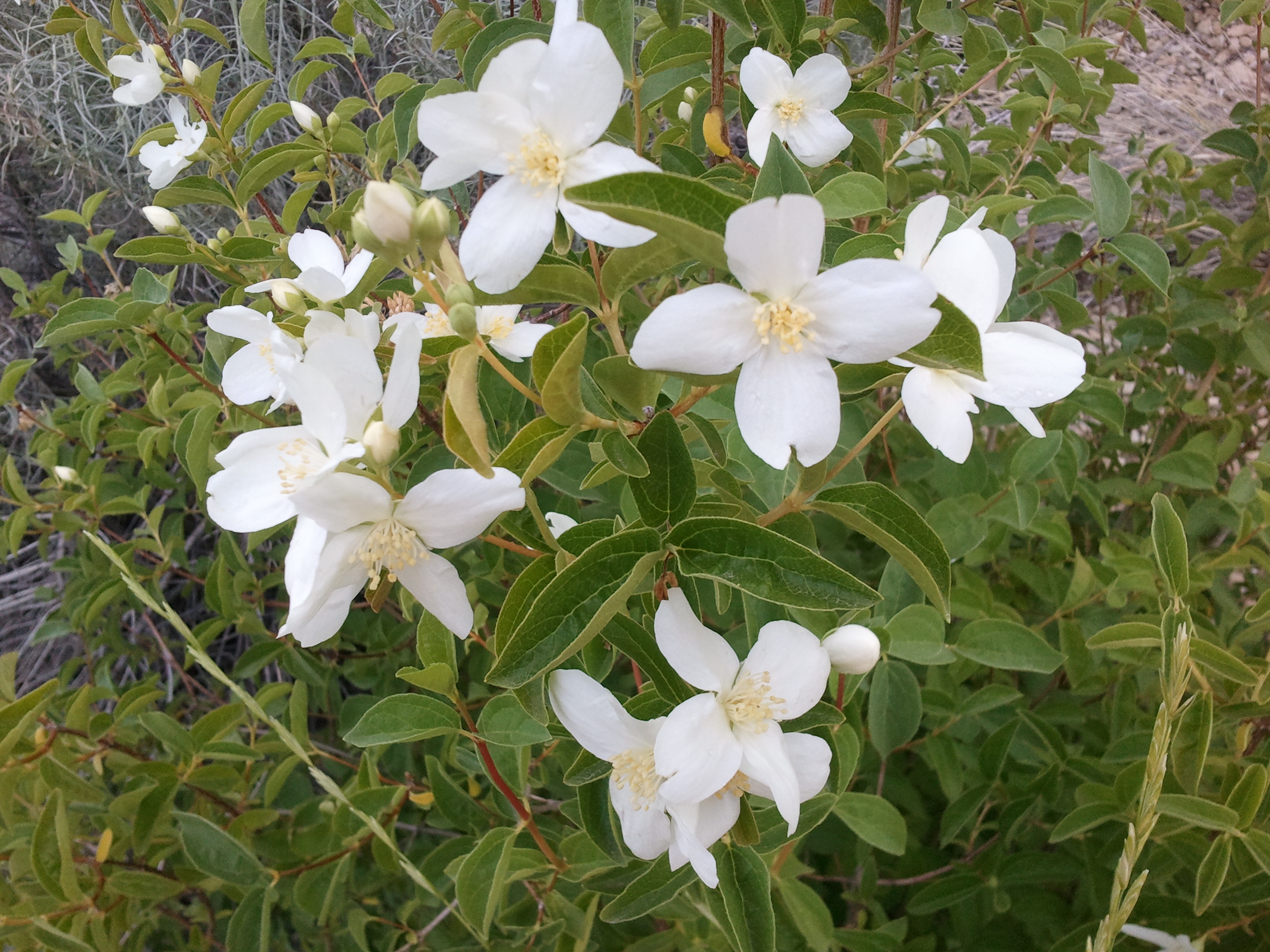
In 1931, the Idaho state legislature officially designated Philadelphus lewisii as the state flower of Idaho, several decades after it was originally selected by a committee of Boise women. Affectionately referred to as “syringa” by Idahoans, P. lewisii occurs from British Columbia down into northern California and across into Idaho and Montana. Its native habitats are the bases of rocky slopes, rocky crevices, and stream banks. It was among many plants collected during the Lewis and Clark Expedition (1804-1806) by Meriwether Lewis. Lewis collected two specimens while in north Idaho and eastern Montana – the first near the Clearwater River and the second near the Bitterroot River. The species was later described by Frederick Pursh and named after Meriwether Lewis. Another widely accepted common name for this species is Lewis’ mock orange.

P. lewisii is a deciduous shrub that reaches 6 to 10 feet tall. It has opposite leaves and white, four-petaled flowers that appear in clusters of 3 to 11 on lateral branches. Young branches have reddish-brown bark that eventually peels off to reveal gray bark as the branches age. Many flowers in the genus Philadelphus emit a scent similar to the blossoms of citrus plants and have a general appearance akin to orange blossoms, giving them their common name “mock orange.” The attractive flowers and their sweet aroma are reasons why many people look forward to these shrubs blooming each year. Additionally, Idahoans can be certain that when their beloved state flower is in bloom, summer is imminent.

Philadelphus lewisii

The leaves and bark of P. lewsii contain saponins and can be used to make soap when they are crushed and mixed with water. This quality also makes the plant fire-resistant. The branches and hollow stems of P. lewisii were used by Native Americans to make a variety of useful items including snowshoes, bows, arrows, and pipes. The common name “syringa” was derived from the greek word “syrinx” meaning “tube.” This helps explain why lilacs, an unrelated group of plants that also has hollow stems, was given the latin name Syringa.

Philadelphus is a genus in the Hydrangea family (Hydrangeaceae) that consists of at least 60 species found throughout North America into Central America and in various parts of Eurasia. All are shrubs – some growing to 20 feet tall while others only reach 3 feet at maturity. Most have deciduous leaves, but a few are evergreens. Many cultivars of Philadelphus have been developed by the horticulture industry and are commercially available. Cultivars are often selected for their compact growth habit, abundant and sometimes double flowers, and their strong, sweet aroma.

SAMSUNG

Check out this article in Pacific Horticulture to learn more about the genus Philadelphus.

Excerpt from What A Plant Knows

Here is an excerpt from the book, What a Plant Knows: A Field Guide to the Senses, by Daniel Chamovitz:

“We are utterly dependent on plants. We wake up in houses made of wood from the forests of Maine, pour a cup of coffee brewed from coffee beans grown in Brazil, throw on a T-shirt made of Egyptian cotton, print out a report on paper, and drive our kids to school in cars with tires made of rubber that was grown in Africa and fueled by gasoline derived from cycads that died millions of years ago. Chemicals extracted from plants reduce fever (think of aspirin) and treat cancer (Taxol). Wheat sparked the end of one age and the dawn of another, and the humble potato led to mass migrations. And plants continue to inspire and amaze us: the mighty sequoias are the largest singular, independent organisms on earth, algae are some of the smallest, and roses definitely make anyone smile.”

SAMSUNG

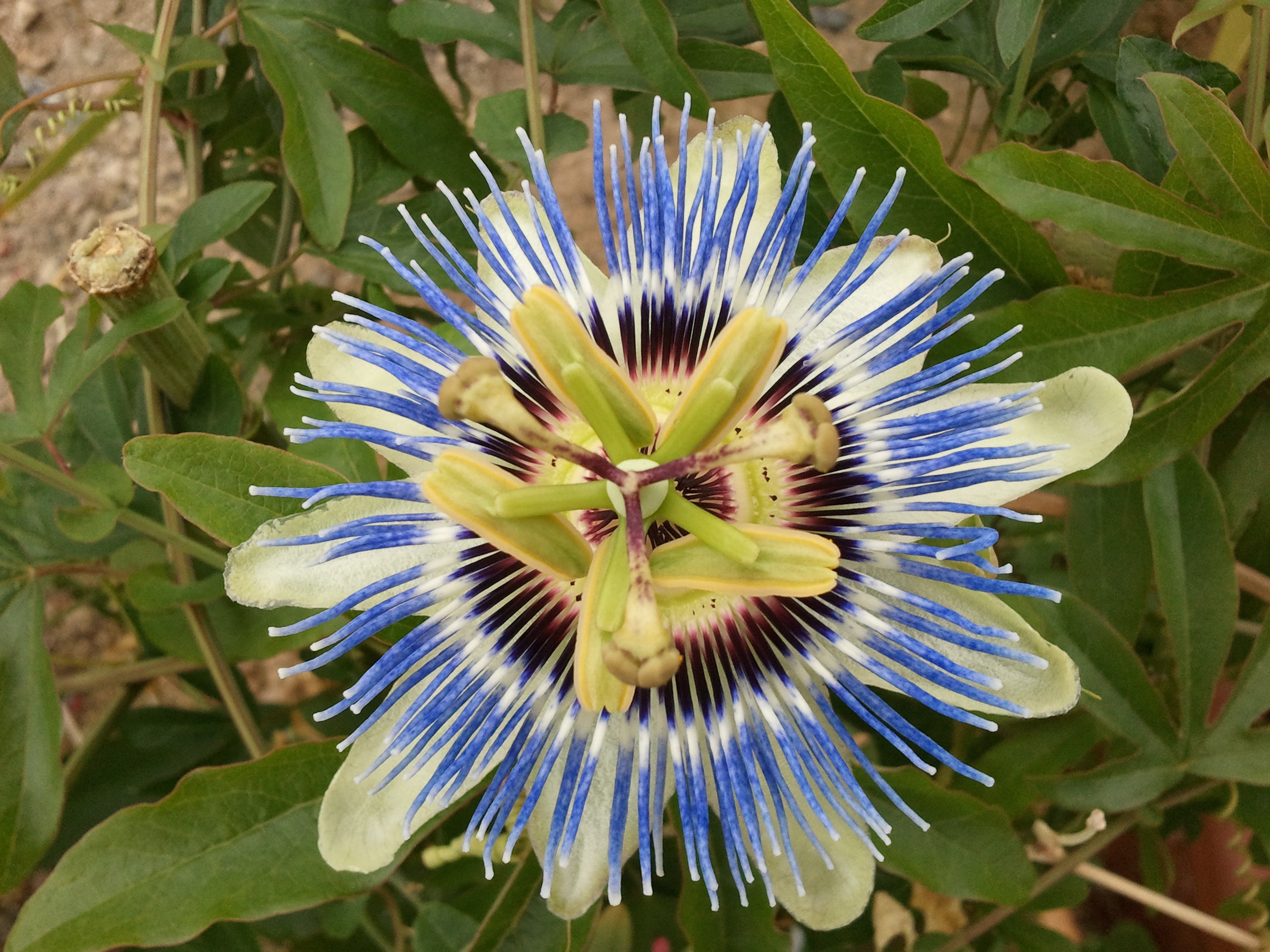
passion flower (Passiflora spp.)

Wildflower Walk: Spring 2013

This past weekend I ventured into the Boise National Forest. I was on the hunt for morels (or at least a good morel hunting spot). I chose a specific section of the Boise National Forest because a forest fire had occurred there the previous summer. Morel hunting is typically quite good in forests that have burned the previous year, and morel hunters, being well aware of this phenomenon, are found chomping at the bit, anxious to enter a recently burned site and collect their bounty.

Unfortunately, I was unable to  find any morels on this trip. I was a little too early, which I was assuming might be the case as I was heading out there, but I was just excited to go and check things out. Hopefully I will get a chance to go again within the next few weeks, and perhaps I’ll have better luck.

The trip was not a complete disappointment though. What started out as a mushroom hunt quickly turned into a wildflower walk as I was overwhelmed by the abundance and diversity of wildflowers that blanketed the mountainsides. Below is a small sampling of the plants that I saw on my trip into the woods.

SAMSUNG

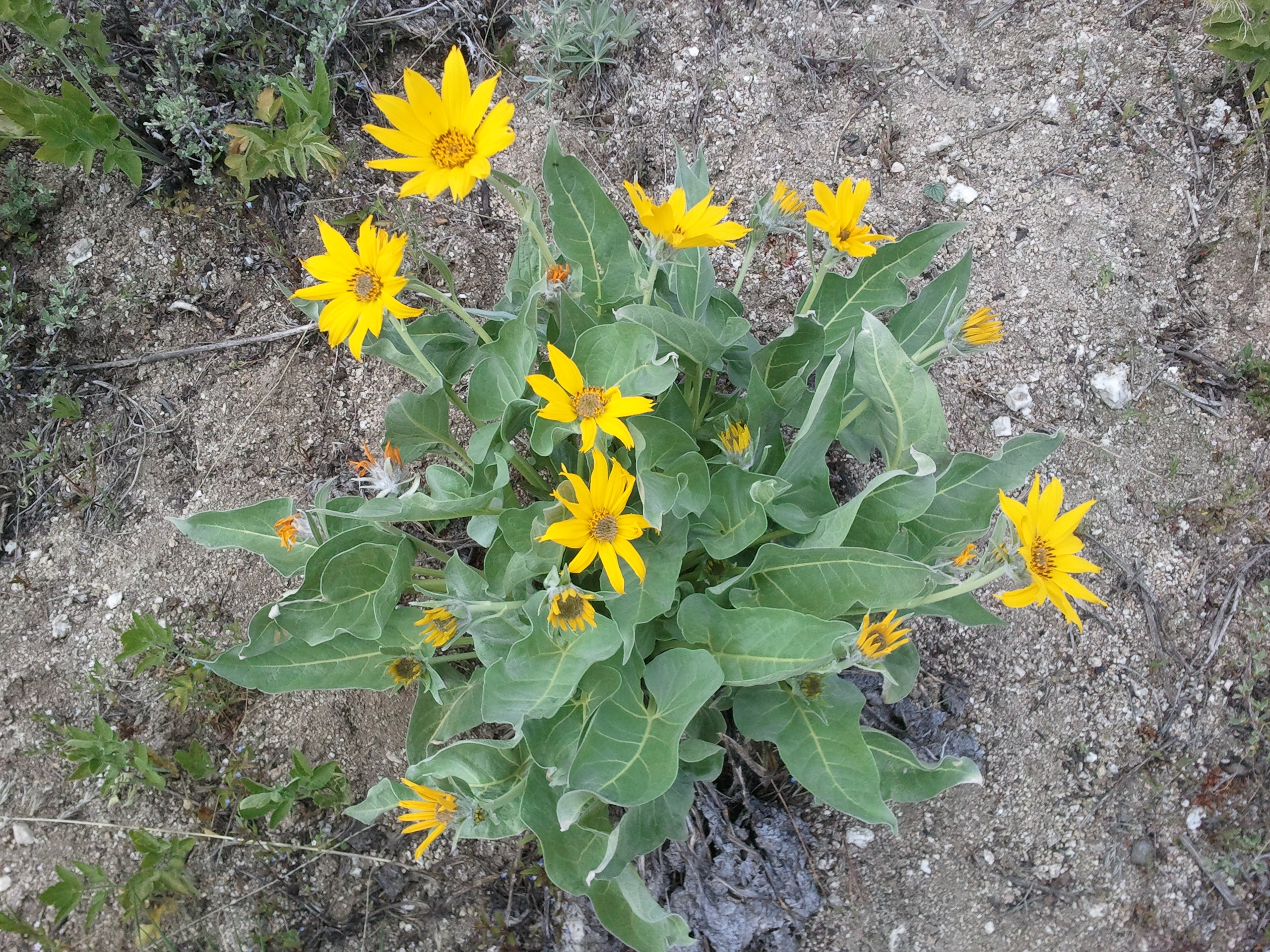
Balsamorhiza sagittata – arrowleaf balsamroot

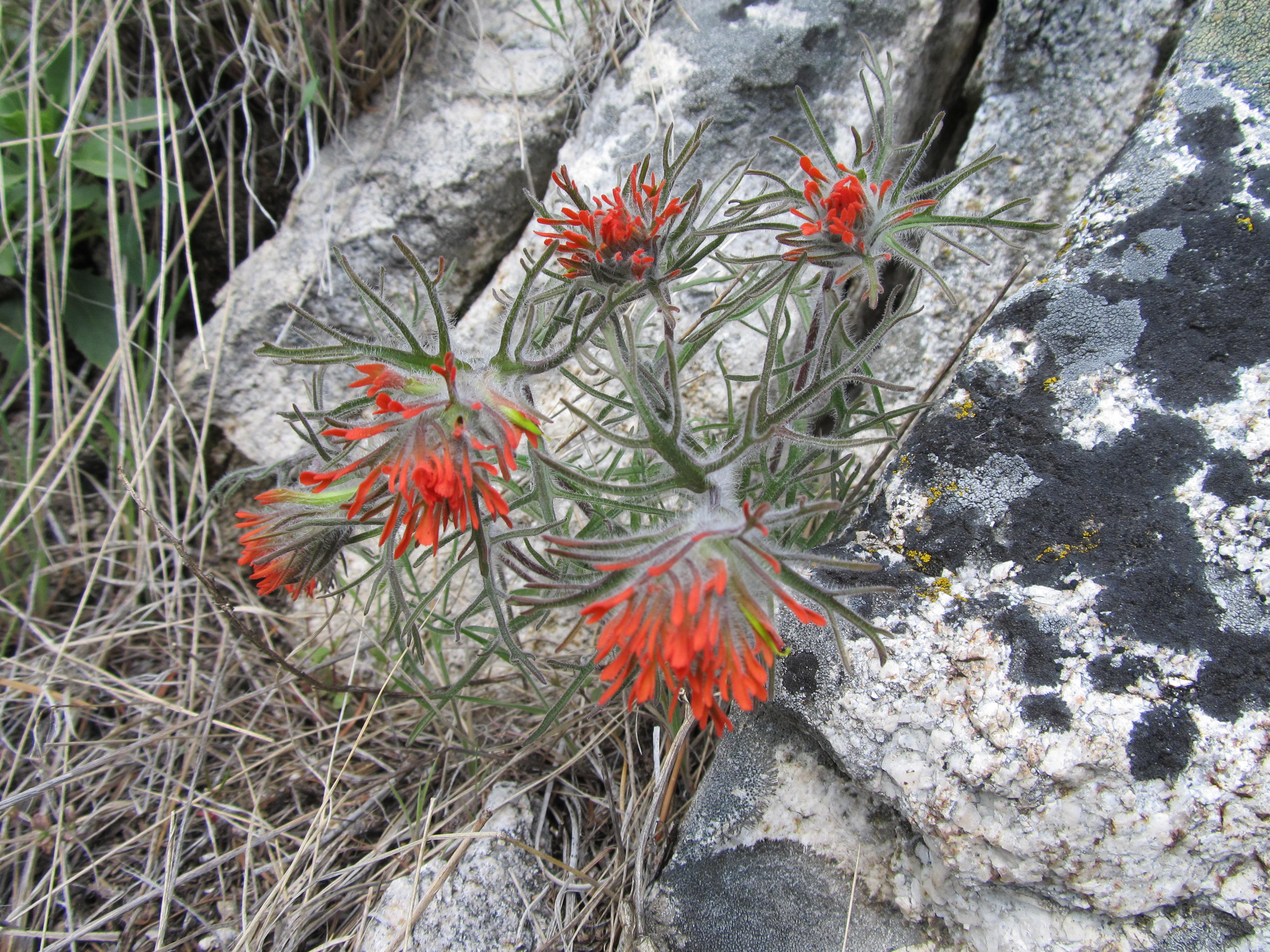
castilleja covilleana

Castilleja covilleana – rocky mountain paintbrush

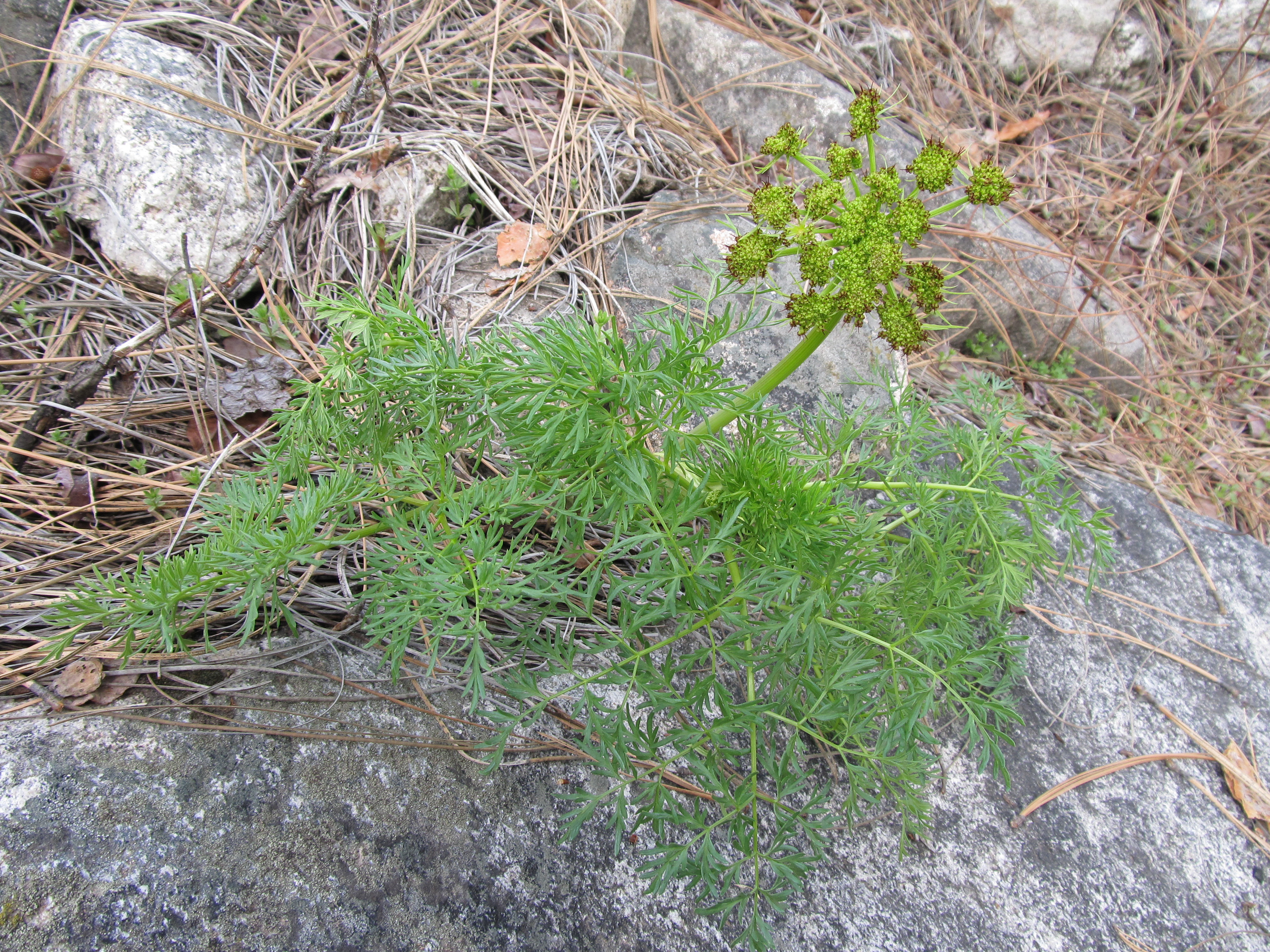
lomatium dissectum

Lomatium dissectum – fernleaf biscuitroot

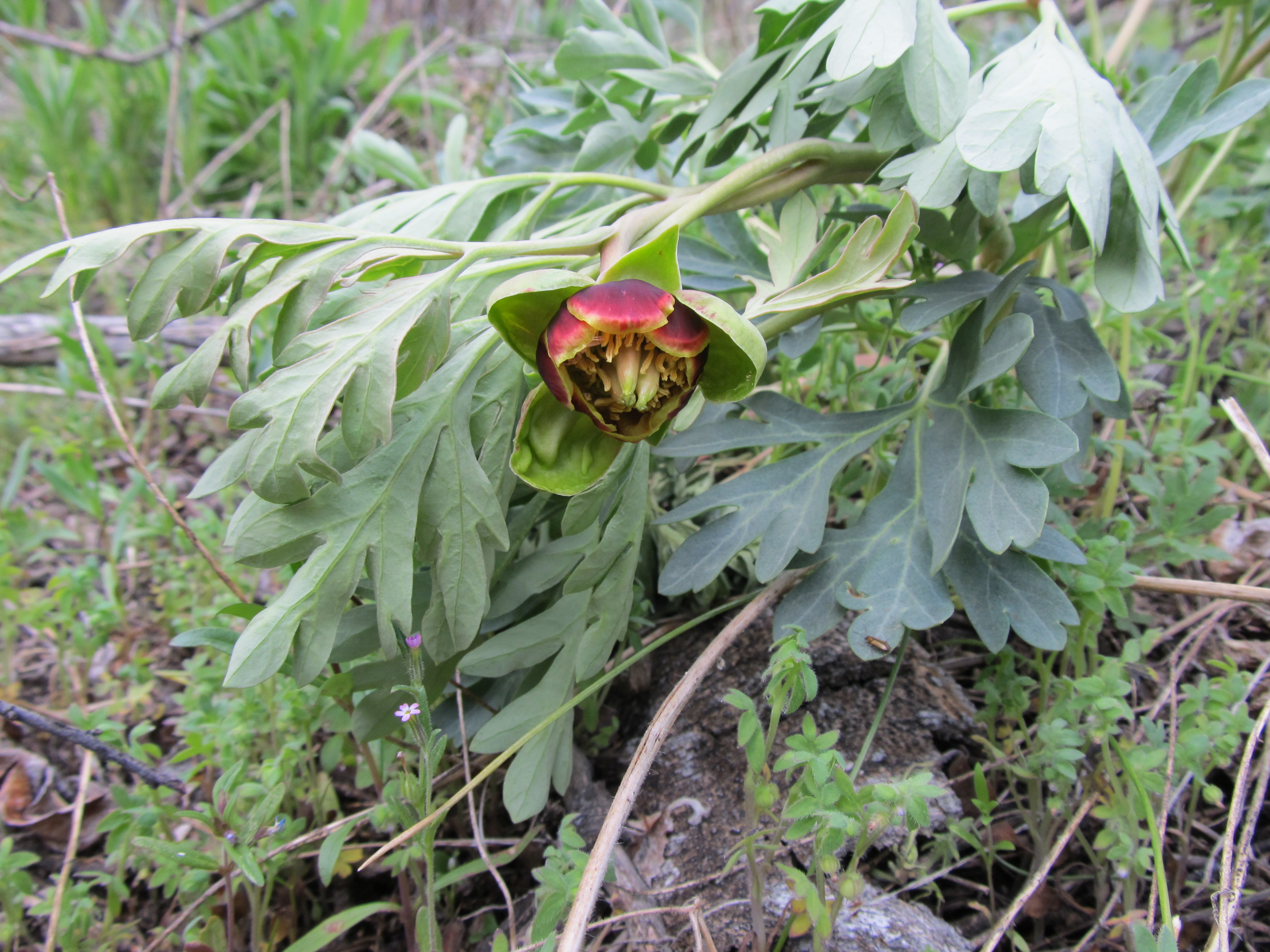
paeonia brownii

Paeonia brownii – brown’s peony

viola purpurea 1

Viola purpurea – yellow mountain violet

Mountain Kittentails

Spring has sprung, which is evidenced by warming temperatures, lengthening daylight, and plants turning green and producing flowers. For those of us living at low elevations, signs of spring have been around for a while. Our landscapes are green again and gardens are coming to life. However, up in the mountains (and at higher latitudes), spring takes a bit longer to manifest itself. Snow is still the dominant groundcover, and freezing temperatures remain the norm. Yet even in these harsh conditions there are signs of spring. The flowers of the perennial forb, mountain kittentails (Synthyris missurica), are one of those signs.

Mountain kittentails are one of the earliest plants to flower in the mountains, often flowering while there is still snow on the ground. For this reason, their flowers are not commonly seen in the wild. Their range extends from Washington and Oregon down into northern California and across into Idaho and Montana. They occur in rocky, shady areas at mid to high elevations. Mountain kittentails are low growing with rounded, toothed leaves. Their flowers appear in tight clusters on upright stalks and are blue to purple in color. They are a member of the figwort family (Scrophulariaceae), sharing that distinction with a popular group of flowering plants that is common in the west, the penstemons. Mountain kittentails were first collected during the Lewis and Clark expedition in 1806. The expedition discovered this plant as they passed through the mountains of northern Idaho.

Mountain kittentails are not a commonly cultivated plant, but the Idaho Botanical Garden in Boise, Idaho happens to have a few growing in one of their native plant collections, giving more people an opportunity to see them in bloom. Because the garden is located in a valley, their mountain kittentails flower a few weeks earlier than their native counterparts, which means you’ve probably already missed them – but there’s always next year!

SAMSUNG