Planting for Pollinators

“All urban greenspaces offer potential for pollinators, and all can become important links in a chain of wildlife habitat winding through developed land. At the most basic level, healthy greenspaces mean healthy people and healthy communities. And at the core of a healthy environment are the pollinators.” –excerpt from the book, Attracting Native Pollinators by The Xerces Society

Concern for pollinators, particularly bees, is widespread. Whether you pay attention to the news or not, you are most likely aware that something is up. The bees are disappearing and no one seems to know why. Of course, most of the news concerning dying bees is in reference to honey bees, largely because they are major agricultural pollinators and producers of honey. But there are two things that many people may not be aware of: 1. Honey bees are not native to North America – they were brought over from Europe by early settlers – and 2. North America is replete with native pollinators (including numerous species of bees, butterflies, beetles, and wasps) and they, too, are threatened (partly due to non-native honey bees, but we won’t get into that here). Oh, and there is a third thing, we do know why bees and other pollinators are disappearing, and it’s not because of cell phone towers or other wacky ideas that have been proposed.

Actually, pollinator decline is due to a whole suite of things. As much as we like to seek out the silver bullet – the single cause with a single solution that will solve the problem – this issue (like so many others) does not have one. Habitat degradation and loss, the spread of pests and diseases, extensive pesticide use, and climate change all play a role in pollinator decline. Consider a modern day farm: acres and acres of a single crop planted from one edge of the field to the other, often planted with an herbicide resistant variety of crop so that all plants (both weedy and non-weedy) can be sprayed and killed leaving only the crop in question to grow competitor free. Or consider an urban landscape: patchy green space amidst miles and miles of pavement, concrete, and rooftops, and when that green space occurs, it is often a chemical green lawn free of weeds or a flower bed loaded with non-native ornamentals, bred for aesthetic appeal and often lacking in wildlife value. Our modern landscapes just aren’t fit for pollinators.

But things can change. The problem is complex, but there are small things each of us can do that when added up can make a colossal difference. Creating pollinator friendly habitats in our communities – spaces that are free from pesticides and include diverse food sources and nesting sites – can help ensure that pollinators will survive and thrive. Here are a few guidelines and resources to help you create pollinator habitat in your yard or neighborhood:

– Find a sunny location: Pollinators are most active when it is warm, so find areas that get at least 6-8 hours of full sun (just like you would if you were planning a vegetable garden).

Plant a wide variety of plants: Something should always be in bloom during the growing season, so select at least 3 plants that flower in each of the 3 blooming periods (spring, summer, and fall). Early spring bloomers and fall bloomers are especially important. Also, in order to attract a wide range of pollinators, select plants with varying heights and growth habits and that have flowers of various colors, shapes, and sizes.

– Plant in clusters: On each foraging trip, bees visit the flowers of a single plant species, so plant each species in small clumps.

-Provide nesting sites and a water source: Bumble bees nest at the bases of bunchgrasses, so include a warm season bunchgrass like little bluestem in your yard. Ground nesting bees require a section of bare ground, so lay off on the mulch. Construct and install bundles of hollow stems (like bamboo or elderberry) in order to provide nesting sites for mason bees. Also, include a birdbath or something with a ledge for pollinators to perch and drink.

There are many resources that can instruct you on providing habitat for pollinators. One standout is The Xerces Society. They are “a nonprofit organization that protects wildlife through the conservation of invertebrates and their habitat.” Their website is loaded with information: specific plant recommendations by region, instructions on how to provide habitat for certain pollinators, alternatives to pesticides, etc. You can even help them by becoming a citizen scientist. Other excellent resources include Monarch Watch and The Great Sunflower Project.
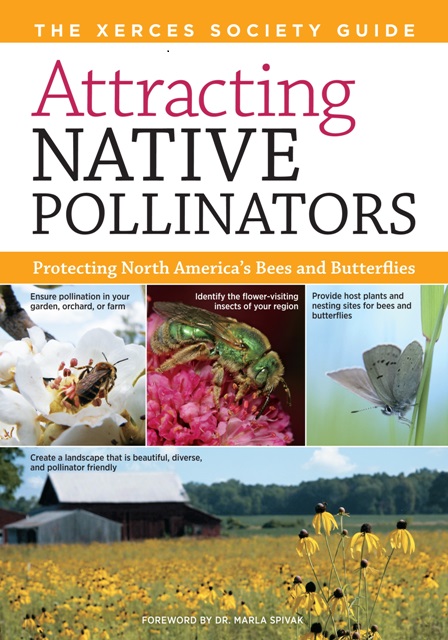
attracting-native-pollinators1

“Simple decisions about selecting plants, providing nest sites, minimizing disturbance, and reducing pesticides can make a dramatic difference between a green, manicured, but lifeless landscape, and one that teems with the color, energy, and life of buzz-pollinating bumble bees, rapidly dashing hummingbird moths, and busy nest-building leafcutter bees.” –excerpt from Attracting Native Pollinators by The Xerces Society

Stay tuned for future posts about pollinators, including pollinator conservation and specific pollinator and plant interactions. Also, comment below to share what you are doing to help pollinators in your community. 

Related Posts:

In the News: Declining Insect Populations

Figs and Fig Wasps

Article: The Intelligent Plant

The New Yorker’s last issue in 2013 included an article by Michael Pollan called “The Intelligent Plant” in which Pollan explores some of the latest research revealing the ability of plants to sense their environment in ways that are analogous to seeing, hearing, and smelling. In the article Pollan dialogs back and forth between plant scientists who call this line of research “plant neurobiology” and plant scientists who seem to abhor that term. As the article progresses, you learn that the arguments between the two groups are not necessarily about the science itself but about vocabulary. Can plants learn the way we understand the term, to learn? Can we really say that plants are intelligent or conscious? Aren’t those traits reserved for organisms with brains? And regarding brains, plants don’t have them, so why plant neurobiology? Neuroscience is the study of nervous systems, so plant neurobiology must be a misnomer, right?

Well, despite the arguments over language, the research is pretty compelling. Plants are proving to be more aware of their surroundings and their actions seem to be more calculated than we originally assumed. They are not simply sessile organisms being acted upon, but they are doing some acting – lots of it, in fact. It is a remarkable field of study (whether you choose to refer to it as plant neurobiology or something else), and it will be exciting to see where it takes us.

Pollan’s article is worth a read if you can find the time (be warned, it’s lengthy), and it’s getting some coverage. Pollan recently appeared on Science Friday with Ira Flatow where he talked about his experience researching the article. And Pollan, of course, isn’t the only one talking about this stuff, Wired featured an article about it last month as well.

Check out this video associated with Pollan’s article (narrated by Pollan) of bean plants that appear to be deliberately reaching out to grab onto a pole.

sensitive plant

sensitive plant – Mimosa pudica

photo credit: Wikimedia Commons

Related Posts

Book Review: What a Plant Knows

Documentary: What Plants Talk About

Venus Flytrap: A Species of Special Concern

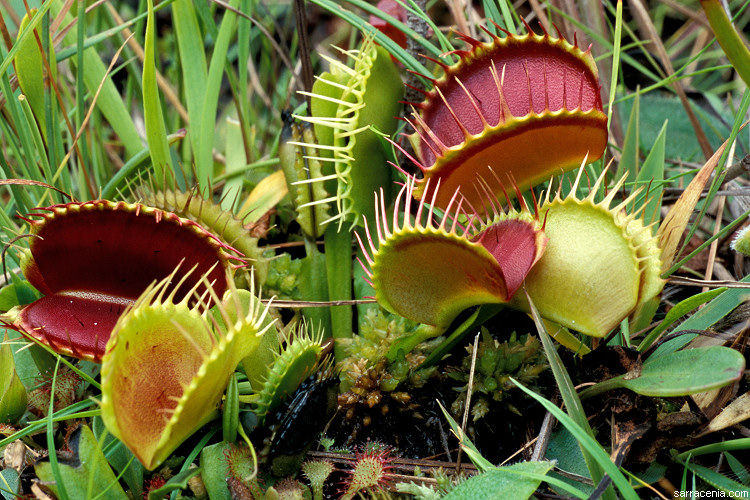
The Venus flytrap is likely the most popular and well-known (as well as the most purchased and widely owned) of any carnivorous plant. It is a proud representative of a diverse group of plants that continues to astound most everyone from plant experts to plant amateurs and even the plant ambivalent. With its leaves shaped like gaping mouths with sharp teeth and its ability to snap shut and devour insect prey, it is a remarkable species, but would you believe that it is also a rare one?

The Venus flytrap (Dionaea muscipula) is native to a small region on the east coast of the United States near the border of North and South Carolina. Its range extends to about a 100 mile radius from Wilmington, NC. Within this region, the habitat of the Venus flytrap is mainly wet savannahs with sandy, peaty, acidic soils on the edges of swamps and fens. Thus with its limited range and specific habitat requirements, the Venus flytrap has always been a rare species, even before it became a popular houseplant.

Apart from being naturally rare, the Venus flytrap now faces numerous threats to its continued survival in the wild. The obvious one is its popularity, which has led to the harvesting of hundreds of thousands of wild plants to be cultivated and sold in the plant trade. Other threats involve its habitat. Wetlands are one of the most threatened ecosystems. They are frequently drained and developed for real estate, agriculture, and recreation, and they are regular victims of pollution and exotic species invasions. The wetlands that Venus flytraps call their home are no exception. Additionally, naturally occurring fires are being suppressed in this region, allowing larger plants normally kept in check by occasional fires to thrive and choke out low-growing Venus flytraps.

Despite these threats, the Venus flytrap has not yet been listed as a federally endangered species. However, it is currently listed as a species of special concern in North Carolina and is listed as Vulnerable on the IUCN Red List. Fortunately, wildlife officers in North Carolina do issue citations to anyone caught illegally harvesting Venus flytraps in order to deter such activity.

venus flytrap

Dionaea muscipula   © 2006 Barry Rice

If you are interested in owning a Venus flytrap, make certain that you are purchasing a nursery grown plant and not a wild harvested one. The plant label should specify this. To be sure you are purchasing a nursery grown plant, look for cultivar names, like ‘Red Dragon’ or ‘Royal Red’ (and many others). These are plant varieties that have been bred in tissue culture labs from cultivated plants.

To learn more about the Venus flytrap and its current conservation concerns, see this Encyclopedia of Life page.

Related Posts:

Northern Pitcher Plants: A Model for Understanding Food Webs

The Sundews

Overwintering Carnivorous Plants

Wetlands!

Winter Interest

We are well into winter in the northern hemisphere, and the plants in our landscapes have been dormant for weeks now. Trees and shrubs have dropped their leaves, grasses have gone brown, and perennial forbs have died back – their roots harboring the food they will need to return to life in the spring. What little green that is left is provided mainly by evergreen trees and shrubs, but even they are resting – metabolizing slowly and putting off further growth until warmer temperatures return. The view outside may appear largely bleak and dreary, but there is still beauty in a frozen landscape, and much of that beauty is provided by the same things that brought color and interest during the warmer months.

Many plants, though appearing dead, remain attractive throughout the winter. From fruits and cones to seed heads and seed pods, there are various structures that remain on certain plants even after leaves fall that provide winter interest. Deciduous trees and shrubs show off their branches in the winter months, which when freed from the camouflage of leaves are like sculptures – art pieces in their own right. Perennial grasses can continue to provide structure to a garden bed when left in place and upright, and color is provided by evergreen foliage and colored bark, such as the red and yellow bark of some dogwoods (Cornus spp.).

Beauty surrounds us, even in unlikely places. Things are quiet and frozen now, and foggy, dismal days abound. But winter won’t last forever. Plants can remind us of that. In them we find remnants of brighter days and an assurance that there are more to come.

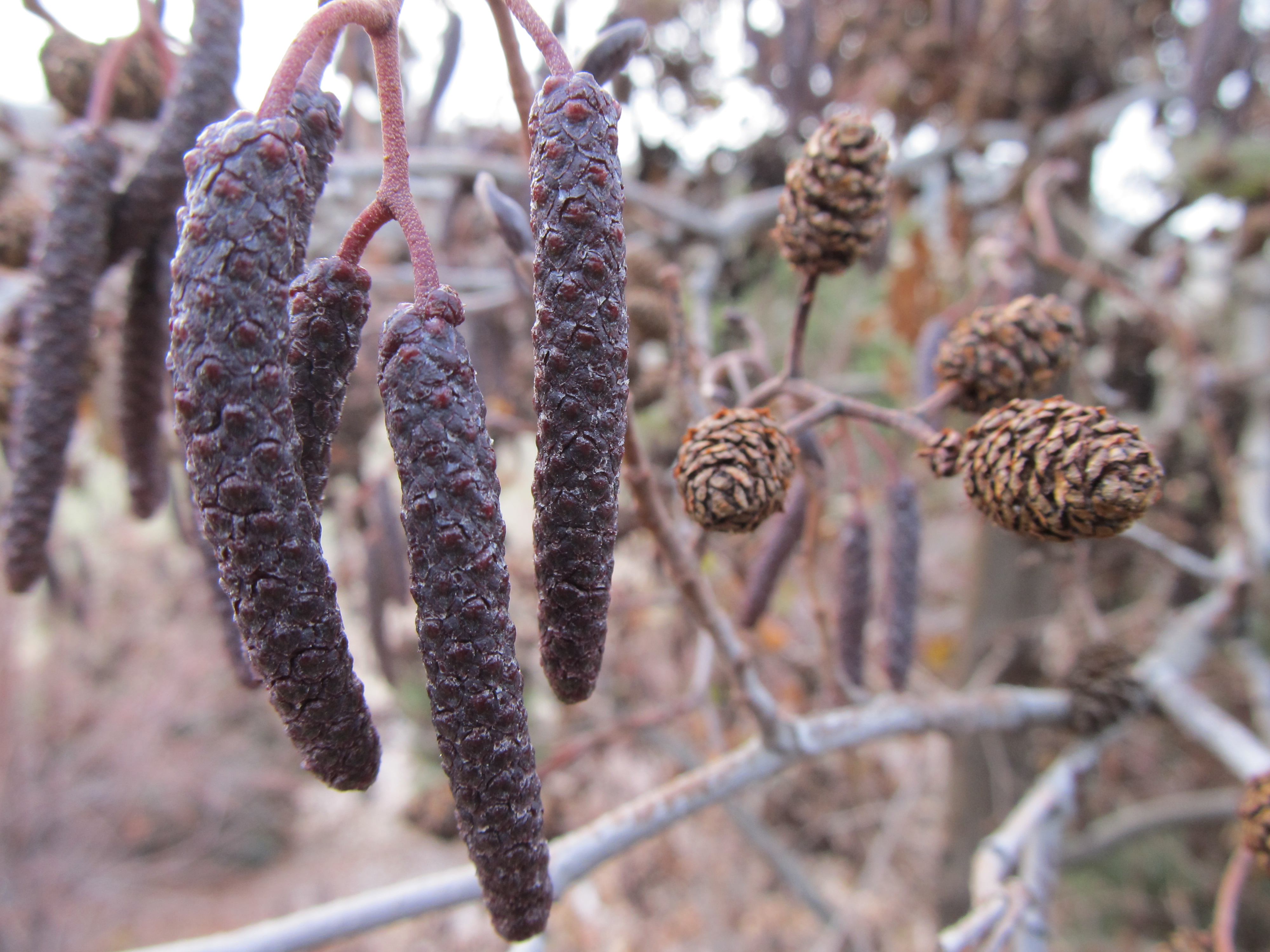
alnus viridis

Male and female cones on Sitka alder (Alnus viridis)

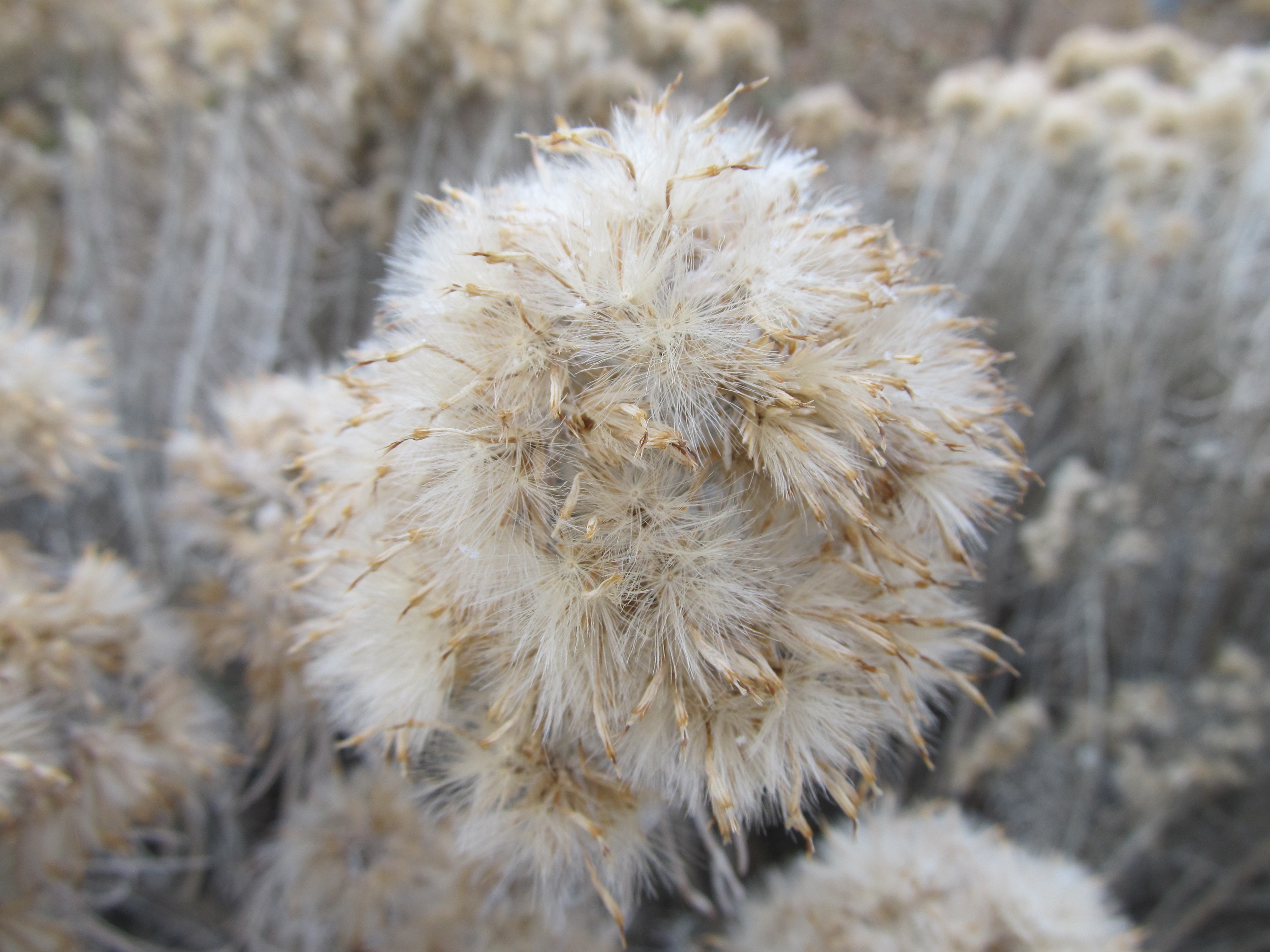
ericameria nauseosa

Seed head on rubber rabbitbrush (Ericameria nauseosa)

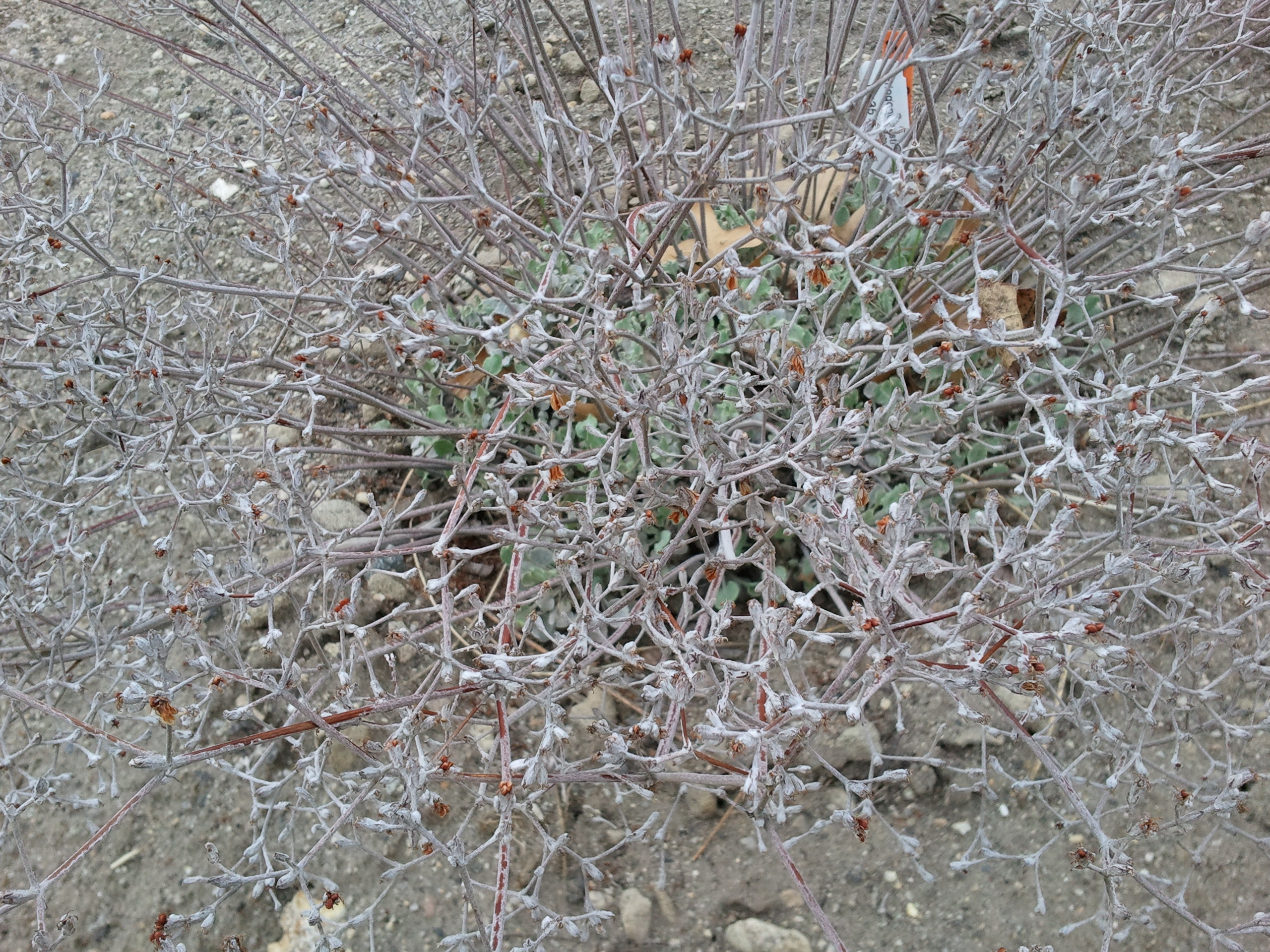
SAMSUNG

Flower stalks on strict buckwheat (Eriogonum strictum)

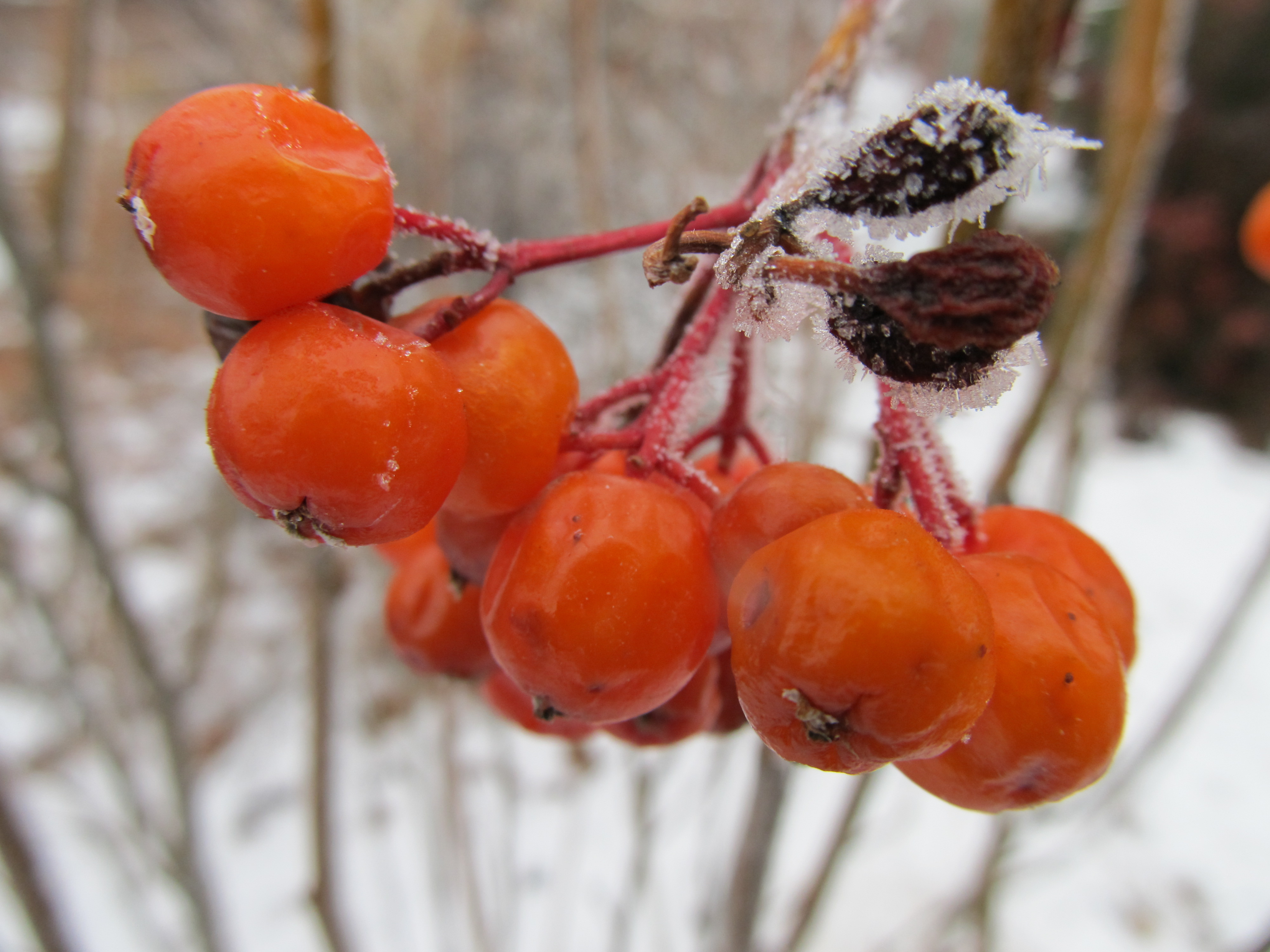
sorbus scopulina

Cluster of berries on Cascade mountain-ash (Sorbus scopulina)

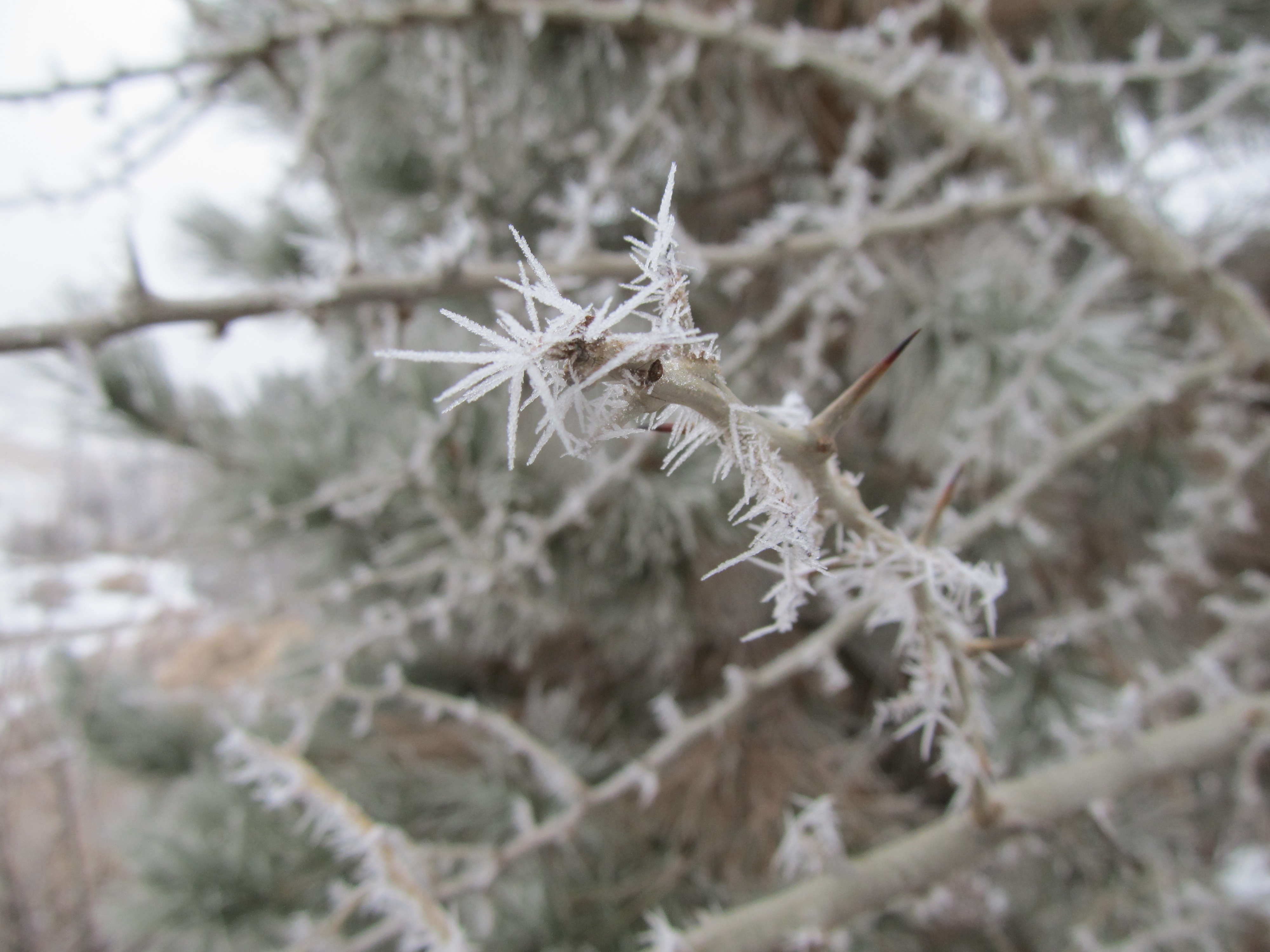
maclura pomifera

Ice crystals on the branches of young Osage-orange (Maclura pomifera)

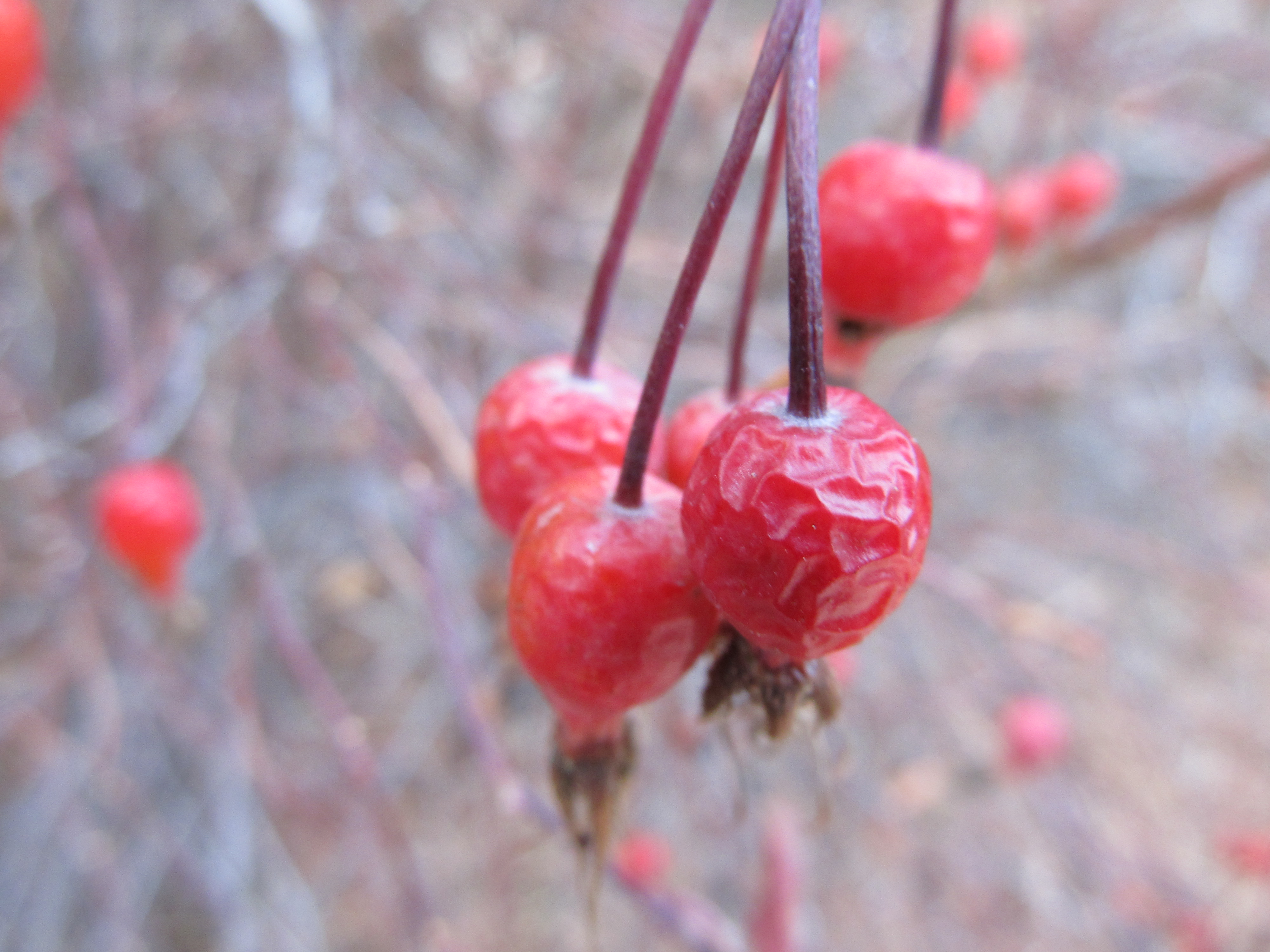
rosa pisocarpa

Rose hips on cluster rose (Rosa pisocarpa)

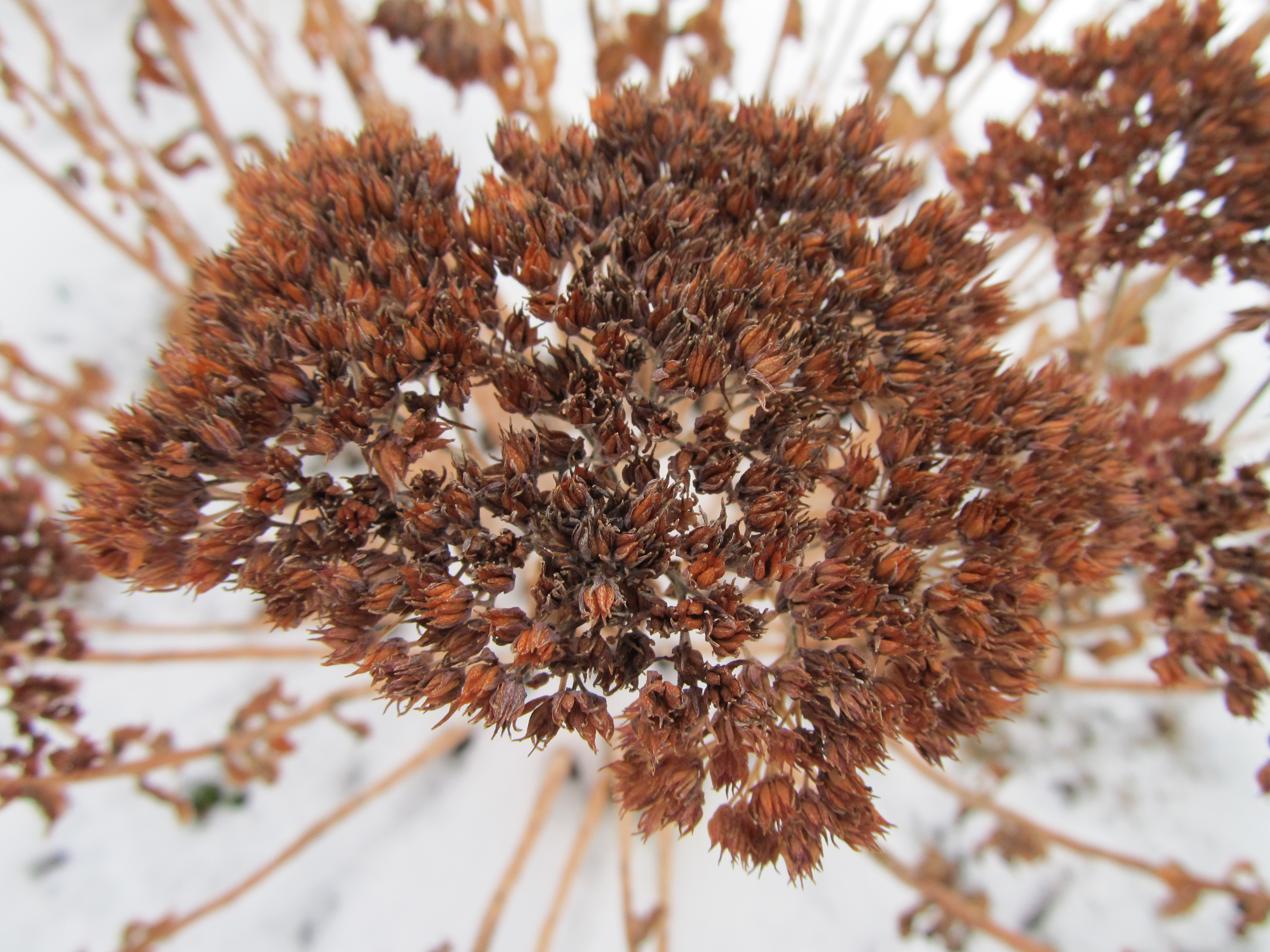
sedum sp. seed head

Seed head on showy stonecrop (Sedum telephium ‘Autumn Joy’)

All photos were taken at Idaho Botanical Garden in Boise, Idaho.

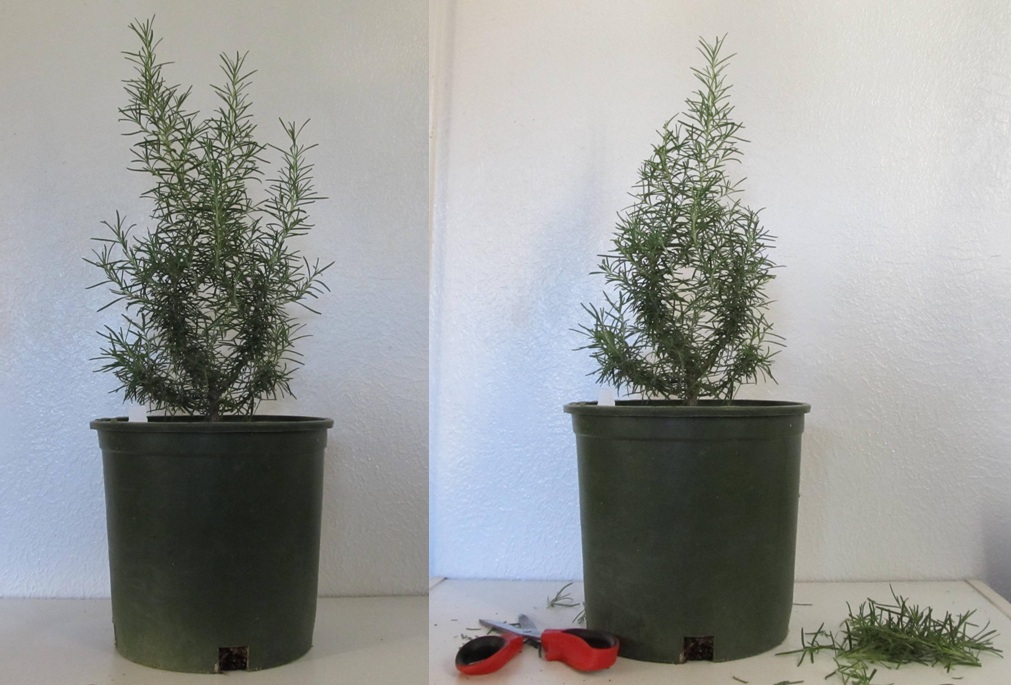
Rosemary Christmas Tree

In the spirit of the holiday season, consider this fun alternative to a conventional Christmas tree. Rosemary (Rosmarinus officinalis) is an herbaceous, evergreen shrub or subshrub and is commonly found in herb gardens. Its leaves are valued for their myriad culinary and medicinal uses. Futhermore, this plant takes very kindly to pruning and shaping, which makes transforming it into a miniature Christmas tree a very simple task.

It may be too late to cultivate a “tree” for this year’s holiday season, but perhaps you’d like to try for next year. To do so, find a small rosemary plant at a local garden center or plant sale in the spring. Make a few initial pruning cuts to select a leader or leaders. After about a month or two, start giving it the shape of a Christmas tree. Floral scissors work great for making these cuts, and you don’t have to worry about where on the branches you are cutting – rosemary is very forgiving – just make sure your scissors are sharp. Wait a couple more months and then do more shaping with the pruning scissors. Do some final shaping a month or so later. At this point, you should be entering the holiday season and your rosemary Christmas tree will be ready to display. It’s that simple!

1

Initial pruning: selecting the leaders

2

Second pruning: giving it shape

3

Third pruning: keeping in shape

4

Final pruning: clean it up and present it  

One major downside to growing rosemary if you live in a cold climate is that it is only hardy to about USDA zone 7. However, if you select the right cultivar, place it in a protected location (near the south facing wall of a building perhaps), give it some mulch and maybe a blanket for the winter, you might be able to get it to survive in colder zones. Rosemary can also be difficult to overwinter indoors because the air in homes is typically dry and warm and there is little direct sunlight. If you are determined to keep one alive despite your odds, awaytogarden.com provides an excellent tutorial about overwintering rosemary both indoors and out.

Overwintering Carnivorous Plants

I once assumed that all carnivorous plants were tropical. I’m not sure exactly why. Perhaps it’s because they are so bizarre (both in their appearance and behavior), nothing like the plants that I was accustomed to seeing growing up in the Intermountain West. Or maybe it’s because the one carnivorous plant that I was most familiar with, the Venus flytrap, is commonly sold in the houseplant section of department stores. If it’s a houseplant, it must be tropical, right?

Eventually I learned the truth. Much to my surprise, there are numerous carnivorous plants that are native to temperate regions – in fact, carnivorous plants can be found on every continent except Antarctica. Even more surprising, Venus flytraps are temperate plants! It’s true. They are native to a small region in North Carolina, within about a 100-mile radius from Wilmington.

Plant species native to temperate regions require a dormant period. In the winter, the temperature drops, day length decreases, and, in some cases, drought ensues. During this time plants go dormant – they hibernate – and wait for the warmer, brighter days of spring to continue on with their metabolic and reproductive processes. It’s a period of rest.

Carnivorous plants native to temperate regions fall into this category – they require a period of dormancy in order to stay healthy and productive. In his book, The Savage Garden, Peter D’Amato asserts that, “Dormancy in carnivorous plants that require it must be respected and permitted to occur. Otherwise, the plant may die.” He goes on to say that a Venus flytrap grown year-round in a warm environment exposed to grow lights for the majority of the day “will eventually get sickly and die.” In short, these plants need a rest, and so it’s best to grow them outdoors where they will be exposed to the elements, thereby entering a period of dormancy as nature intended.

Venus flytraps (Dionaea spp.), North American pitcher plants (Sarracenia spp.), and serveral species of sundews (Drosera spp.) can all be grown outdoors year-round in temperate climates. In order to ensure their survival, it’s best to give them a little protection during the winter months – especially when temperatures are projected to reach below 20 degrees for several consecutive nights.

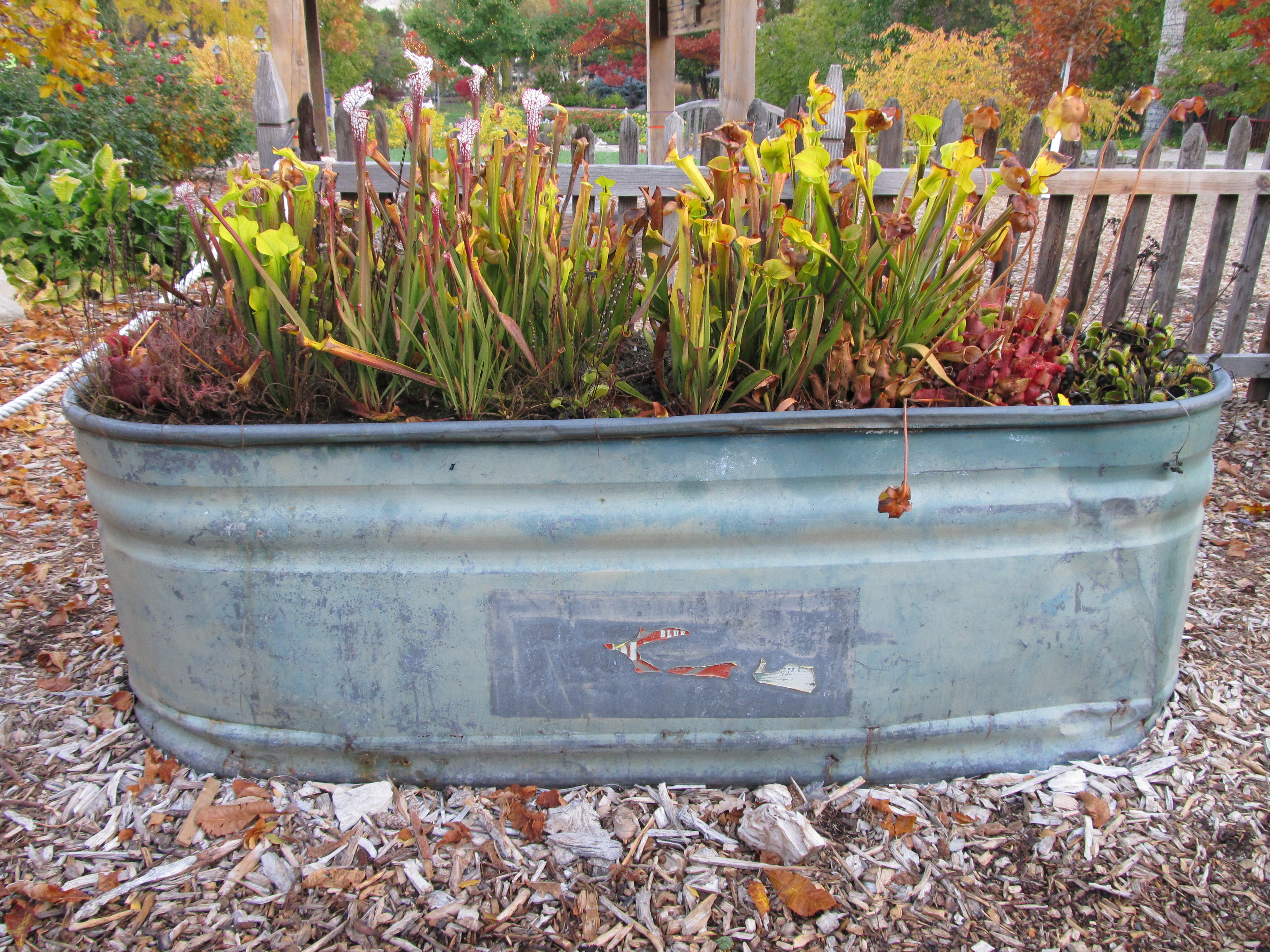
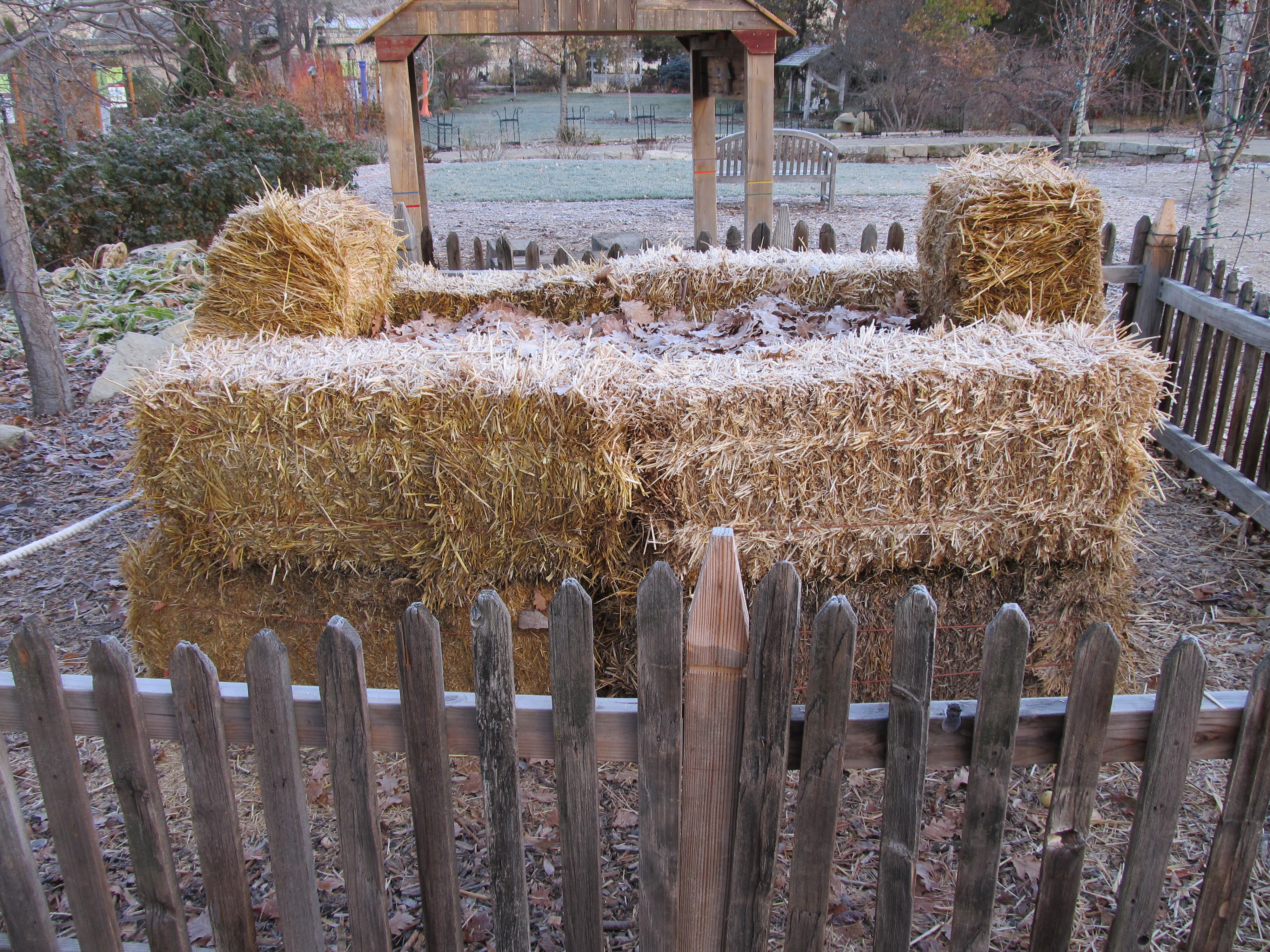
Recently, I helped put the carnivorous plant display at Idaho Botanical Garden to bed for the winter. The carnivorous plants are being grown in an old stock water trough. First we cut back the plants, reducing their size by at least a third and being especially careful to remove dead or rotting plant material. Next, we placed several straw bales around the sides of the trough. Then we covered the plants with three layers of material: black plastic, evergreen boughs, and dead leaves. Dave Nelson, of killergarden.com, suggests a similar winterizing treatment: “the plants can be placed on the ground, covered with a tarp, and then covered with six inches or so of dead leaves, pine needles, straw, or other mulch.”

After the threat of freezing temperatures has passed, the plants can be uncovered. As temperatures continue to warm, the plants will awake from their dormant state and prepare themselves for another spectacular season of devouring bugs and looking awesome.

IBG_carnivorous plants_fall

Carnivorous Plant Display at Idaho Botanical Garden

IBG_carnivorous plants_winter

Winterized Carnivorous Plant Display

A final word from Paul D’Amato: “You should never force a carnivorous plant into growth during a season when it should be resting.”

Invasivore: One Who Consumes Invasive Species

Invasive species are a major ecological concern, and so considerable effort is spent controlling them, with the ultimate goal (albeit a lofty one in most cases) of  eradicating them. The term “invasive species” describes plants, animals, and microorganisms that have been either intentionally or unintentionally introduced into an environment outside of their native range. They are “invasive” because they have established themselves and are causing adverse effects in their non-native habitats. Some introduced species cause no discernible adverse effects and so are not considered invasive. Species that are native to a specific habitat and exhibit adverse effects following a disturbance can also be considered invasive. (White-tailed deer are an example of this in areas where human activity and development have reduced or eliminated their natural predators resulting in considerably larger deer populations than would otherwise be expected.) Defining and describing invasive species is a challenging task, and so it will continue to be a topic of debate among ecologists and conservation biologists for the foreseeable future.

The adverse effects of invasive species are also not so straightforward. Typical examples include outcompeting native flora and fauna, disrupting nutrient cycles, shifting the functions of ecosystems, altering fire regimens, and causing genetic pollution. Countless hours of research and observation are required in order to determine the real effects of invaders. The cases are too numerous and the details are too extensive to explore in this post; however, I’m sure that I will cover more aspects of this topic in the future.

For now I would just like you to consider a novel approach to eradicating invasive species that has recently come to my attention. That is to simply eat them. Why not, right? The voracious appetite of humans has helped drive certain species to extinction in the past, so why can’t our stomachs assist in removing introduced species from their non-native habitats? The folks at Invasivore.org are suggesting just that, and by encouraging people to consume invasive species, they are also promoting awareness about invasive species, an awareness that they hope “will lead to decreasing the impacts of invasive species by preventing introductions, reducing spread, and encouraging informed management policies.”

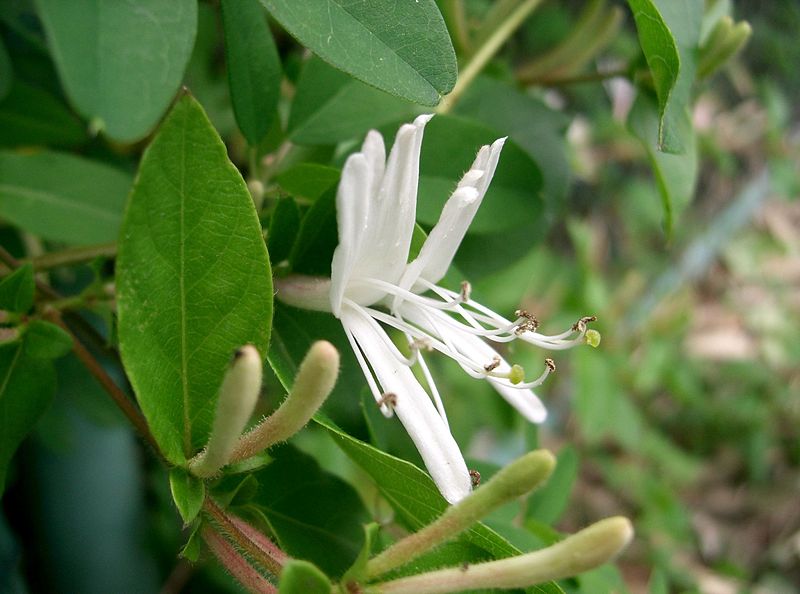
“If you can’t beat ’em, eat ’em!” And so they provide recipes in order to encourage people to harvest, prepare, and consume the invasive species in their areas. Some of the invasive plant species they recommend people eat are Autumn Olive (Autumn Olive Jam), garlic mustard (Garlic Mustard Ice Cream), Japanese honeysuckle (Honeysuckly Simple Syrup), purslane (Purslane Relish), and Canada goldenrod (Strawberry-Goldenrod Pesto). And that’s just a sampling. One might ask if we are encouraged to eat invasive species and ultimately find them palatable, won’t our demand result in the increased production of these species? The Invasivores have considered this, and that is why their ultimate goal is raising awareness about the deleterious effects of invasive species. In the end, we should expect to see our native habitats restored. Our craving for Burdock Chips on the other hand will have to be satisfied by some other means.

lonicera japonica

Japanese honeysuckle (Lonicera japonica)

photo credit: wikimedia commons

Other websites that encourage the consumption of invasive species:

www.eattheinvaders.org

www.eattheweeds.com

Documentary: What Plants Talk About

Earlier this summer I posted a review of a book called, What a Plant Knows, by Daniel Chamovitz. It’s a book that describes plant senses – senses that are similar to human senses (i.e. seeing, hearing, smelling, etc.). Plants are much more aware of their surroundings than we might initially think, and so I recommend this book to anyone interested in gaining a better understanding of plants and their “awareness”. However, I also understand that this can be an intimidating subject – especially for those who haven’t spent much time studying plants and their biology. Chamovitz wrote his book with the intention of making this subject accessible to everyone. Anyone with even a limited understanding of biology should be able to understand the basic concepts in Chamovitz’s book. However, the subject can still be challenging.

Luckily, a recent documentary by PBS explores similar concepts. It simplifies things even more – exploring the ways in which plants communicate with the world around them, even without having the organs we typically attribute to communication and awareness (i.e. brains, ears, eyes, etc.). The documentary is called What Plants Talk About. I watched it recently and was reminded of Chamovitz’s book. They fit together so well. If you have any interest in this subject at all, I recommend both. If all you are after is a simple introduction, watch the documentary. If the documentary intrigues you, read the book.

There is a lot more to learn about plants and their “awareness,” but these sources are a great start. Watch the documentary and/or read the book and then let me know what you think in the comments below. Meanwhile, we wait in anticipation of what science might discover next concerning this remarkable aspect of the plant kingdom.

Wildflower Walk: September 2013

Recently I was on a seed collecting trip at Bannister Basin in Payette County, Idaho. From a distance, the area looks like a barren wasteland – especially this time of year. It is hot, dry, and brown. The rolling hills are mostly bare except for dried up weedy grasses and occasional shrubs, and there isn’t a single tree in sight. However, a short hike through the area reveals some interesting plants and bits of color scattered among the drab landscape. It was obviously not the best time or place for a wildflower walk, but the following pictures show a few of the flowers that I was able to find. These are tough species, flourishing in a harsh environment.

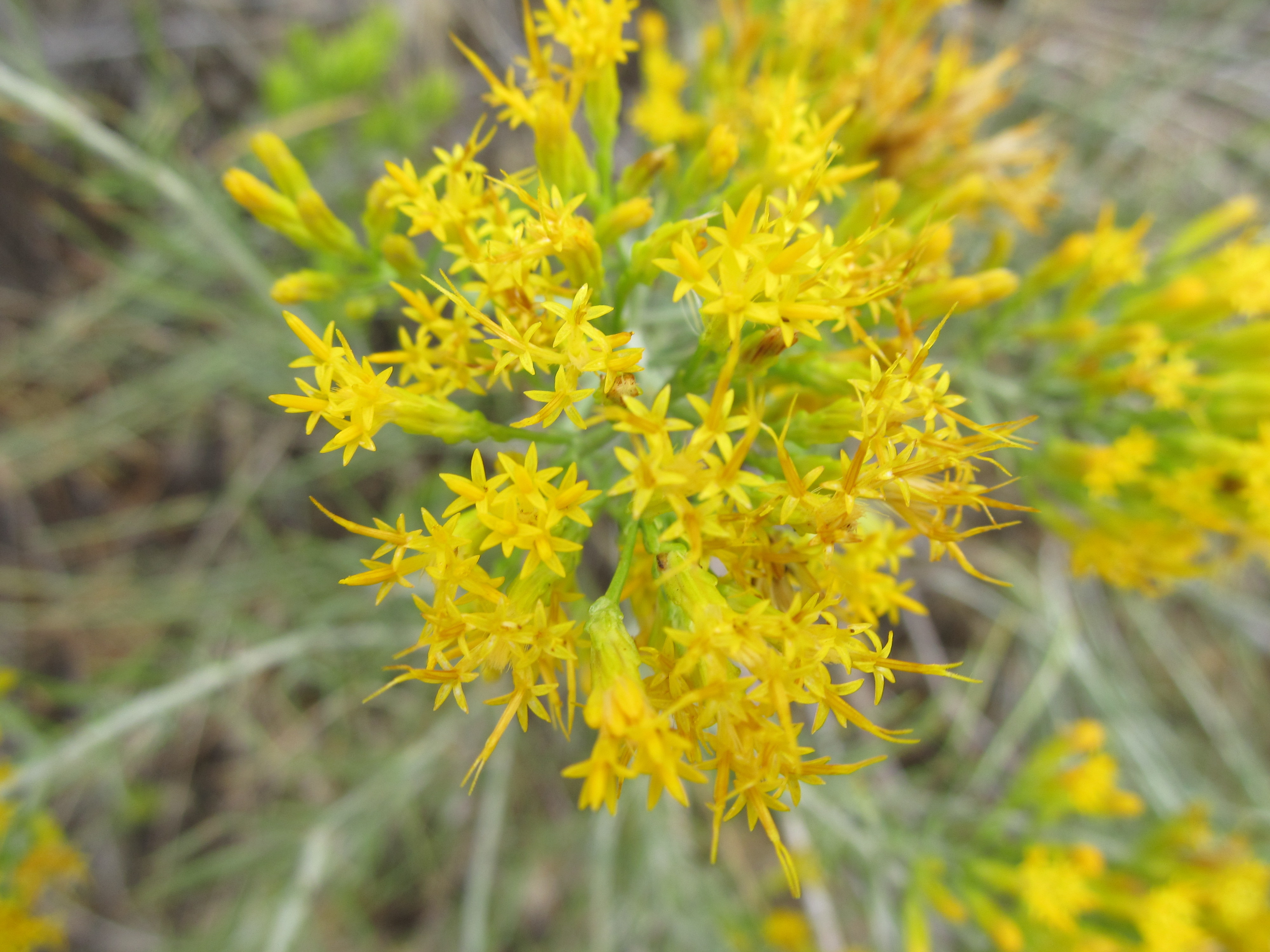
chrysothamnus viscidiflorus

Chrysothamnus viscidiflorus – green rabbitbrush

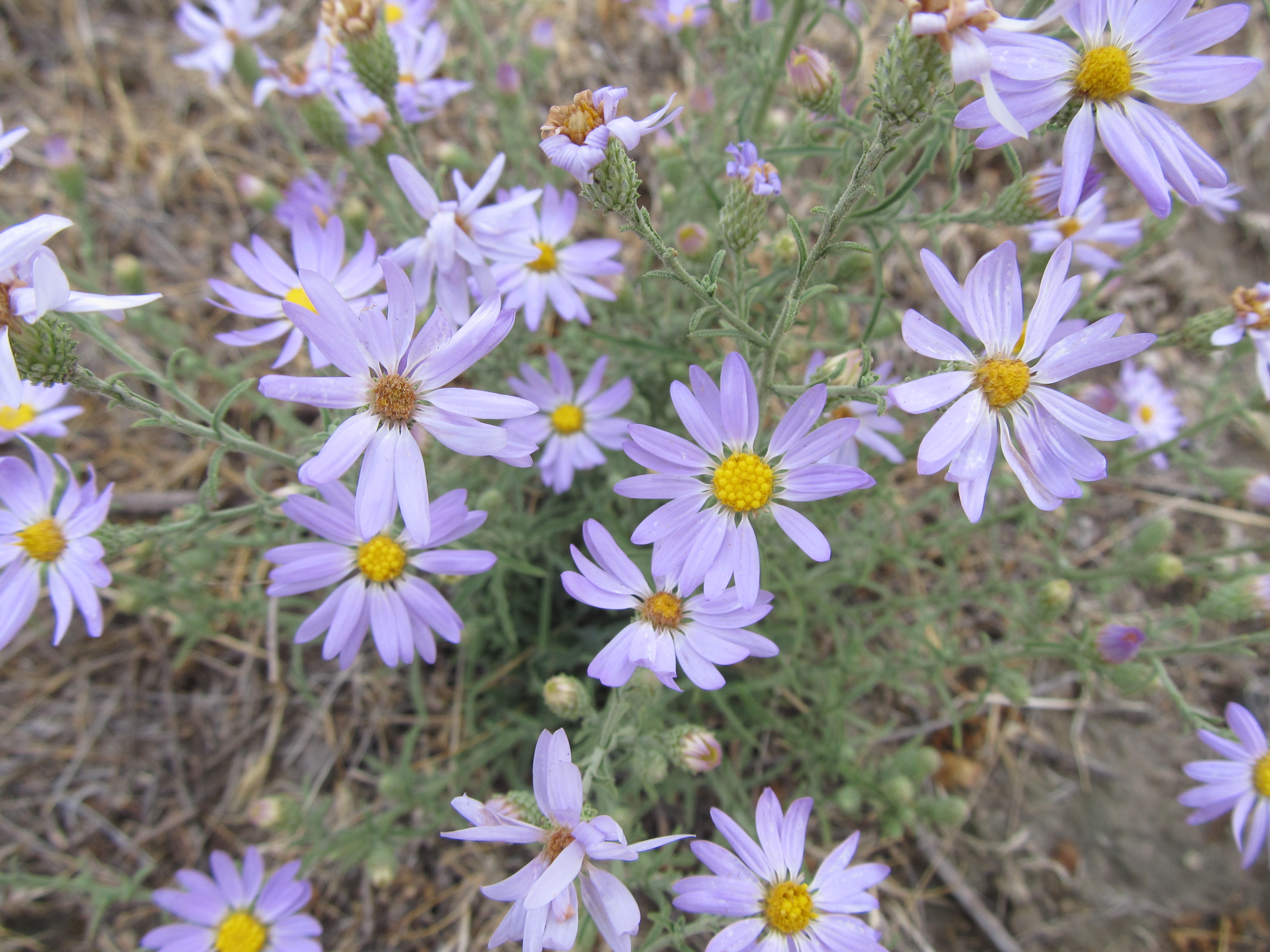
machaeranthera canescens

Machaeranthera canescens – hoary tansyaster

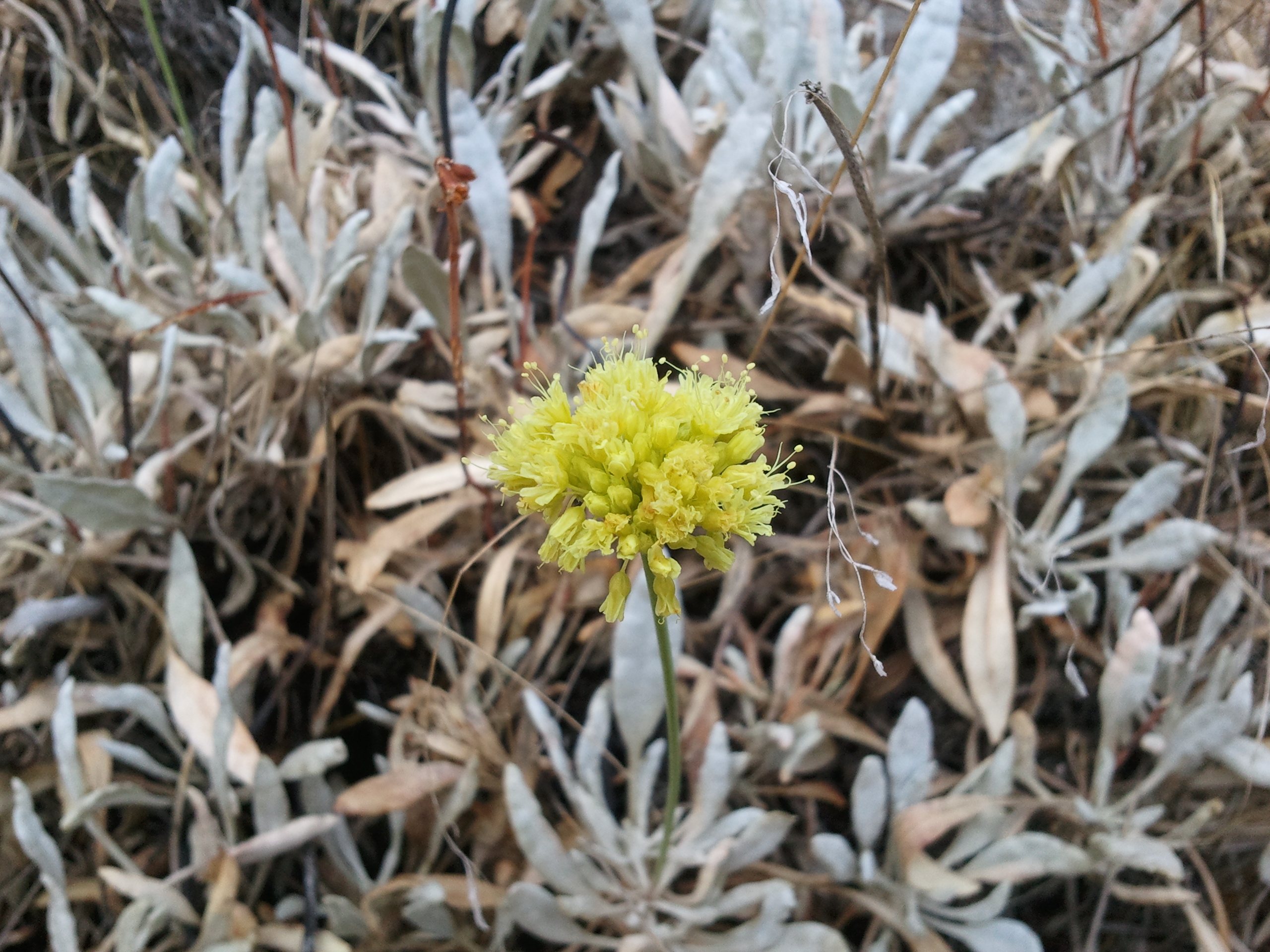
SAMSUNG

Eriogonum strictum – strict buckwheat

SAMSUNG

Eriogonum sp. – buckwheat

The Sundews

Earlier this year, I wrote about northern pitcher plants and how they are helping us to better understand food webs. At that time I promised future posts about carnivorous plants, so I have decided to write about sundews, the only carnivorous plant that I currently have in my collection.

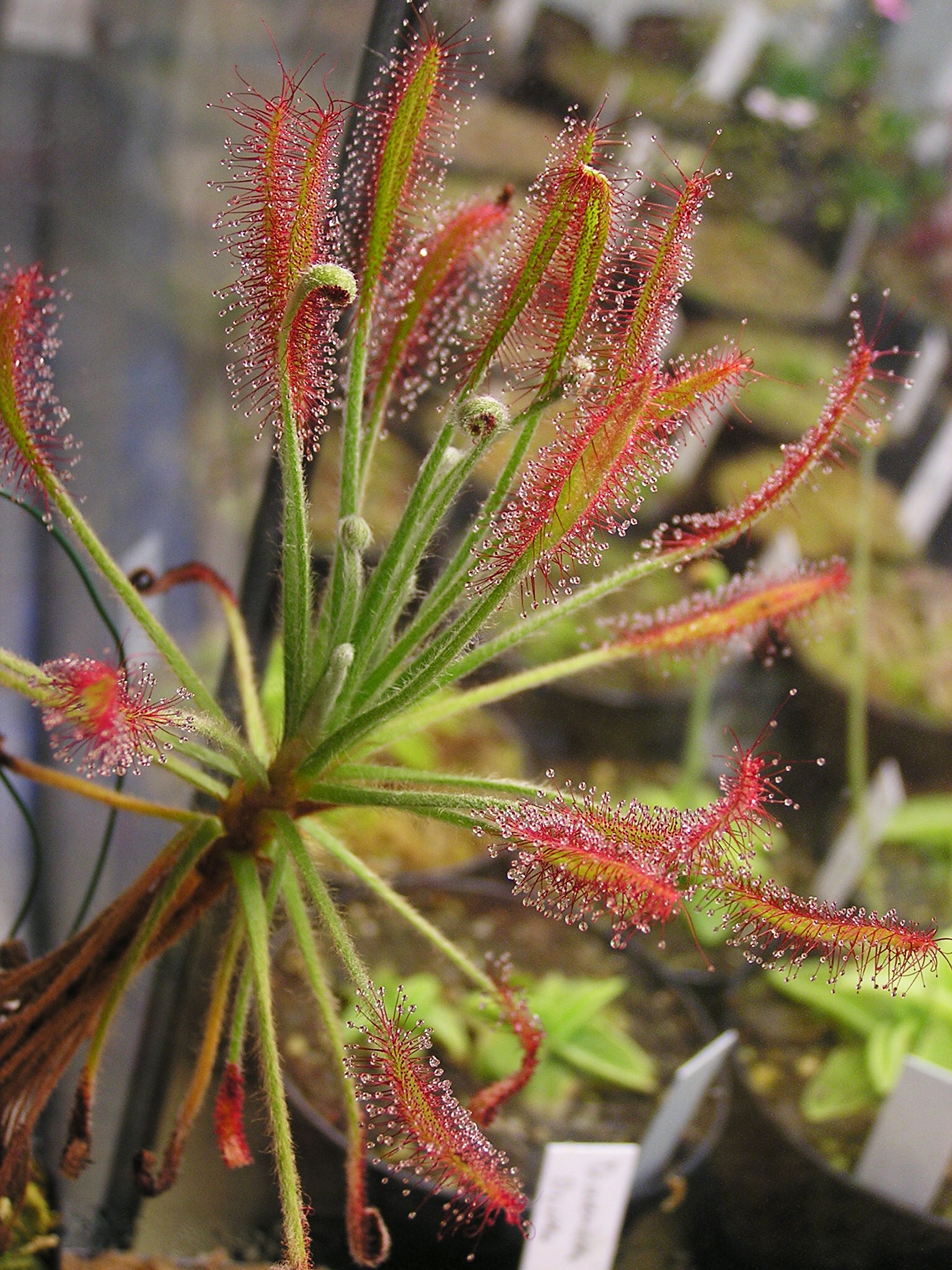
Sundews are members of the genus Drosera and are in the family Droseraceae (the same family as the Venus flytrap). With as many as 194 species, Drosera is one of the largest and most diverse genera of carnivorous plants. Sundews can be found in a wide variety of climates and on nearly every continent, from subarctic Alaska to tropical Brazil. They can be as small as a penny or as big as a small shrub. Their leaves form rosettes and come in numerous shapes and sizes, including circular, wedge-shaped, oval,  forked, fern-like, and grass-like. Drosera flowers are also quite diverse, but typically they are flat, five-petaled, white or pink, and appear in clusters at the top of a tall stalk.

As described so far, you may be thinking that sundews sound quite simple and innocent, but this is certainly not the case. Covering the surfaces of Drosera leaves are dozens of hair-like filaments. At the end of each filament (or tentacle) is a gland, which produces a small drop of clear and very sticky dew. Attracted to the glistening dew and mistaking it for plant nectar, insects fly into it and find themselves instantly stuck. Struggling to get away, an insect may tear off body parts as it flails about, only to fall into other nearby dew droplets, worsening its ensnarement and ensuring its fate.

In his book, The Savage Garden, Peter D’Amato describes it this way:

“Sundews are innocent-looking and pretty, their delicate leaves sparkling with the promise of sweet nectar, but the foolish insect curious enough to give a sundew the slightest touch will suddenly find itself caught in a living nightmare. Doomed to a horrible death, the insect may struggle for a blessed few minutes or suffer for untold hours as it tries to break free of ensnaring, suffocating glue, grasping tentacles, and burning acids and enzymes; meanwhile, its precious bodily fluids are being slowly sucked dry.”

As the sticky dew attracts and then traps the insects, and the tentacles that support the dew help to further ensnare them, imminent death comes in a variety of ways. The most common for small insects is suffocation, as the glue almost immediately covers up the breathing holes on their abdomens. Larger insects that manage to avoid bodily contact with the glue will instead dangle from the plant and die of starvation or exhaustion. Those that break free, losing an appendage or appendages in the process, usually don’t last long after that and are often trapped and killed by spiders who build their webs around sundews in order to take advantage of such occasions. The leaves of some sundews curl up around their prey, not necessarily to further ensnare them, but to surround them with the largest possible number of glands which will help quicken the consumption and digestion process. By now you can see that as innocent and delicate as they may appear, sundews are in fact about as brutal and unforgiving as they come.

If you’d like to learn more about sundews and other carnivorous plants, including information on how to grow them, I highly recommend D’Amato’s book (The Savage Garden). It’s a fascinating and informative read, and the reality of the natural world described therein will astound you.

Drosera chrysolepis

Drosera chrysolepis, photo credit: wikimedia commons