Randomly Selected Botanical Terms: Tepals

The reason for flowers is reproduction. Three major parts of a flower function to achieve this purpose. First, the gynoecium sits at the center. This is the ovule-producing portion. It’s where seeds are born. Its stigmas accept pollen produced by the second major flower part, the androecium. This part is made up of a whorl of stamens that generally surround the gynoecium, except when the gynoecium and androecium are found in separate flowers. The third major part, known as the perianth, is not essential for reproduction yet present on the majority of flowers (wind- and water-pollinated flowers tend to be the exceptions).

The perianth is composed of two whorls: sepals and petals. Collectively, sepals are known as the calyx and petals are known as the corolla. Sometimes sepals are fused together to form a cup or tube shape, but often they are separate, leaf-like appendages. Same goes for petals. The function of the perianth is two-fold: protect the developing flower bud and announce to pollinators that the flower is ready to be pollinated. Ancillary purposes can include housing nectaries, holding seeds once they are formed, and becoming incorporated into the fruit. The perianth, along with the other two major flower parts, are important identifying features of plants when keying them out to genus, species, or family.

If you’ve spent time looking at flowers, you’ve probably found it fairly easy to distinguish sepal from petal. Sepals are typically smaller, green, and more leaf-like; petals are showier and more colorful. While sometimes sepals stand out among the petals, adding to a flower’s showiness, much of the time they are discretely hidden away on the backside of a flower. They encase the flower when it’s in bud and then remain at the base of the flower after it has bloomed.

Occasionally, however, sepals seem to be absent or difficult to distinguish from the petals. This is where the term tepal comes in. In certain groups of plants, mainly those that have a more ancient lineage, the perianth is made up of tepals. Rather than two distinct whorls, there is a single whorl or multiple whorls of tepals. Tepals are still protective and showy, serving the same function as individual sepals and petals, but they are not differentiated. They harken back to a time before the perianth had evolved into two separate whorls. In the Early Cretaceous, when they were the new kids on the block, flowers were in the process of developing intricate relationships with pollinators, and their features were generally less specialized than many of the flowers we see today.
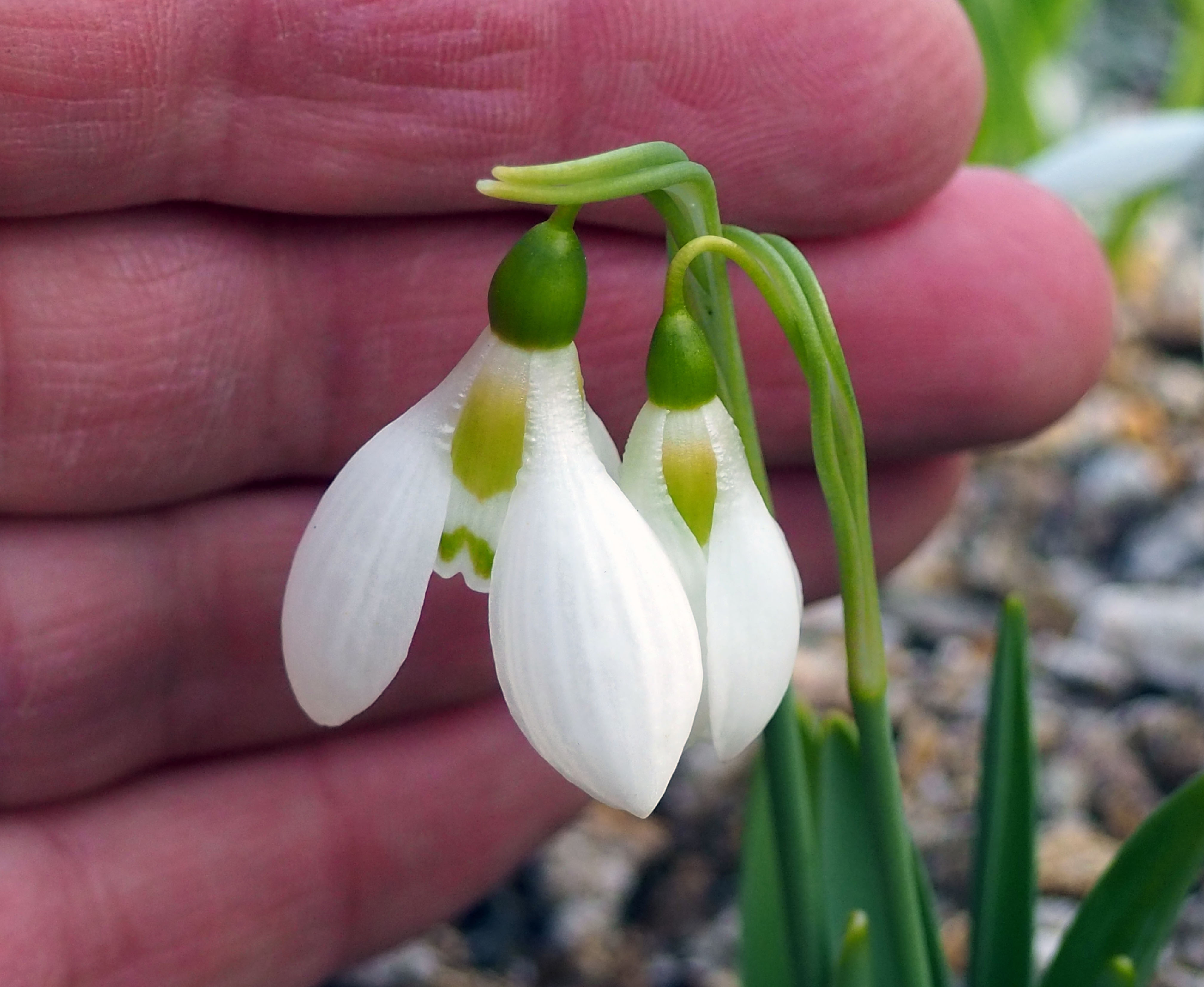
snowdrop (Galanthus sp.)

One group of plants commonly known to have tepals is the monocots (or monocotyledons). Monocots have a single cotyledon (seed leaf), flower parts in multiples of three, and leaves with parallel veins. In the spring time, some of the best examples of monocots are spring bulbs. Take a look at the tulips, daffodils, crocuses, hyacinths, and others coming up in your neighborhood. Clearly they have petals, but where are the sepals? There are no leafy appendages surrounding the bases of the flowers. The “petals” of these plants are actually tepals.
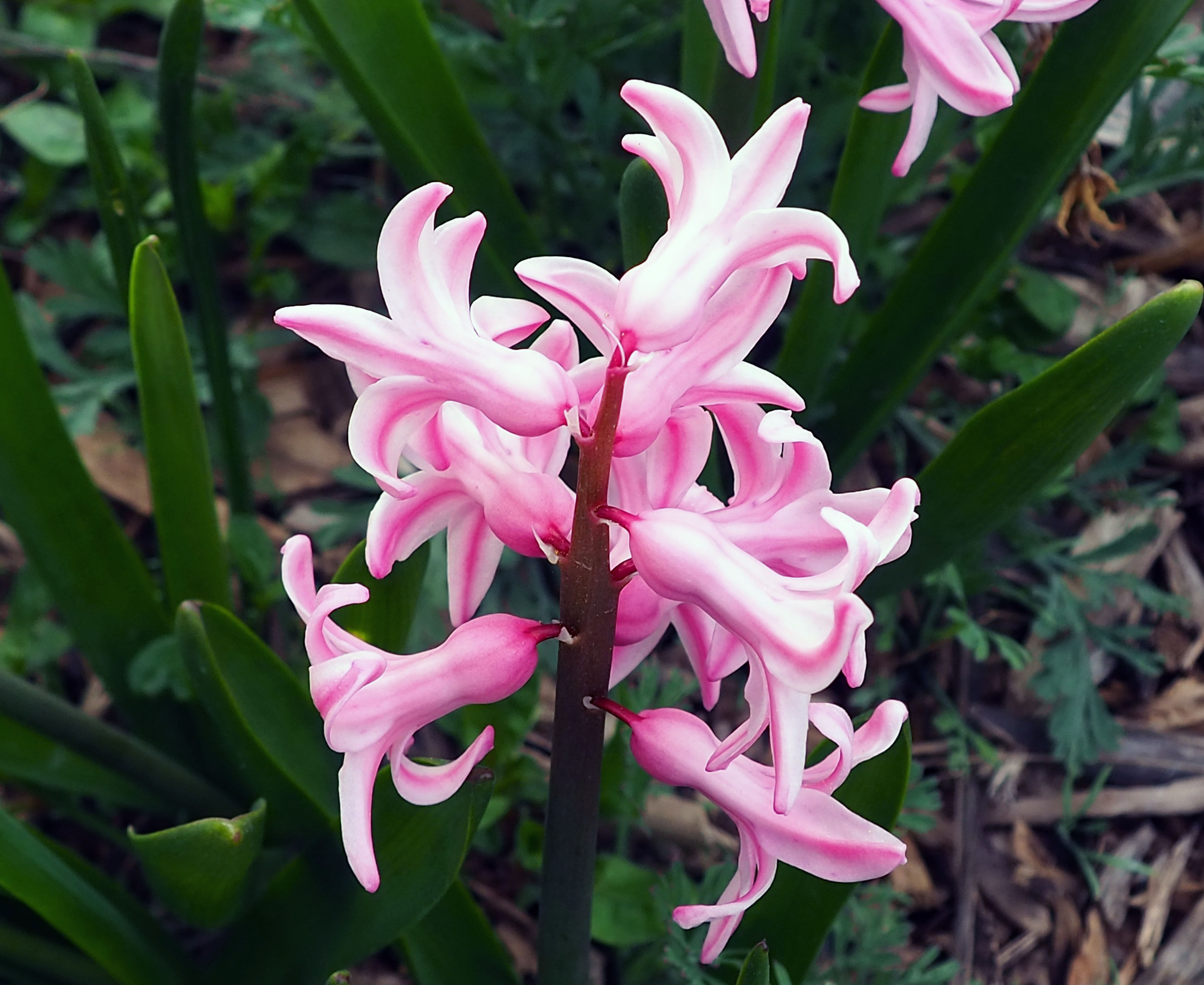
fused tepals of hyacinth (Hyacinthus sp.)

In some descriptions for tulips, lilies, and others, you’ll find a reference to sepals. In other descriptions, there are references to outer tepals and inner tepals. This is because these plants have at least two whorls of tepals, and sometimes the outer whorl is referred to as sepals, yet both whorls look nearly identical. Tepals is a better term for these structures.
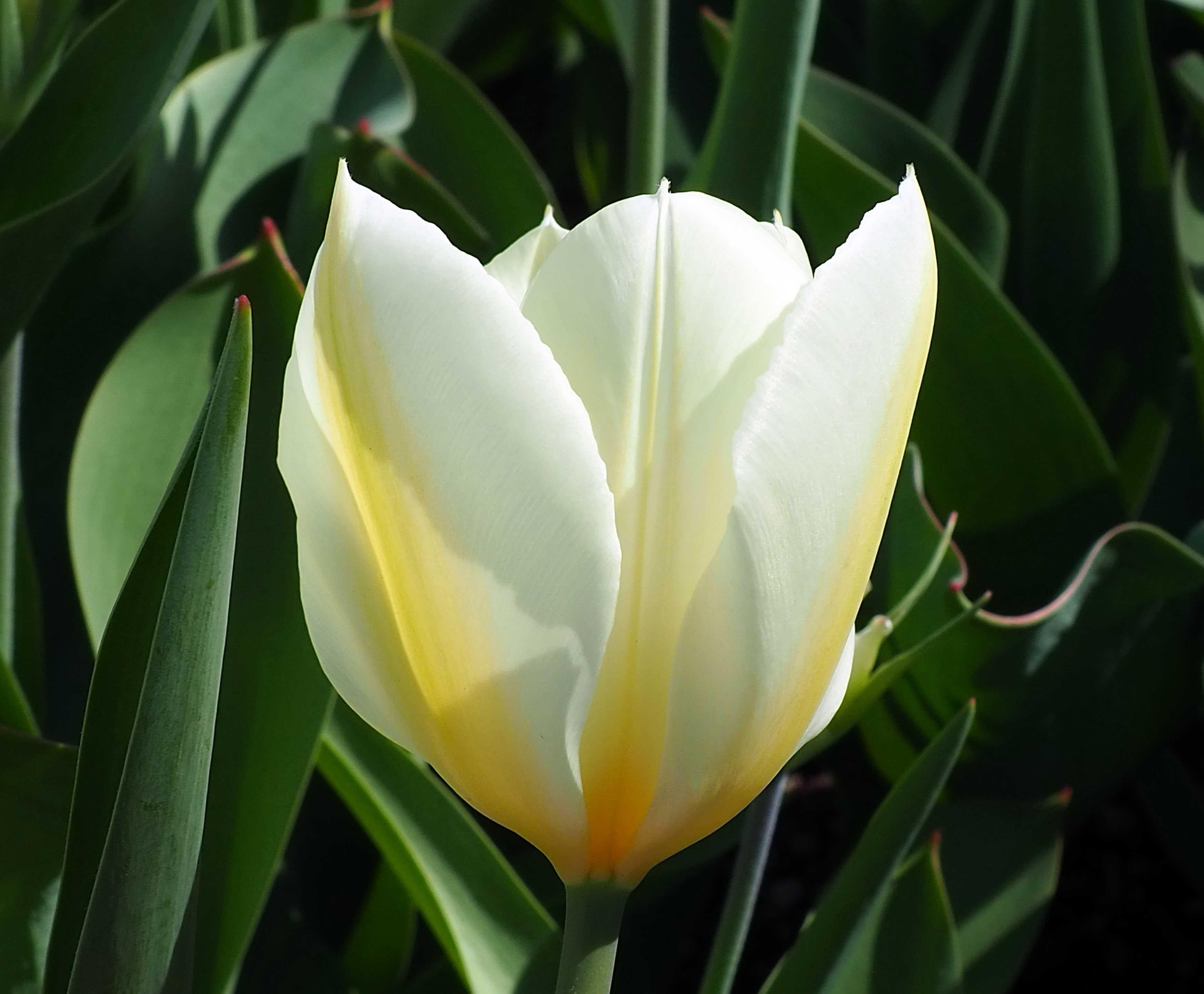
outer and inner tepals of Tulipa 

But what’s going on with daffodils? If the outer whorl is made up of tepals, what is the cup-like apparatus surrounding its sex parts? This structure is called a corona. It is an outgrowth of the hypanthium, which is a structure formed when the bases of the tepals and stamens fuse together. The corona grows out from this ring of tissue and creates what appears to be fused petals. While the corona functions like a petal, it is not a true petal since it is made up of hypanthial tissue.
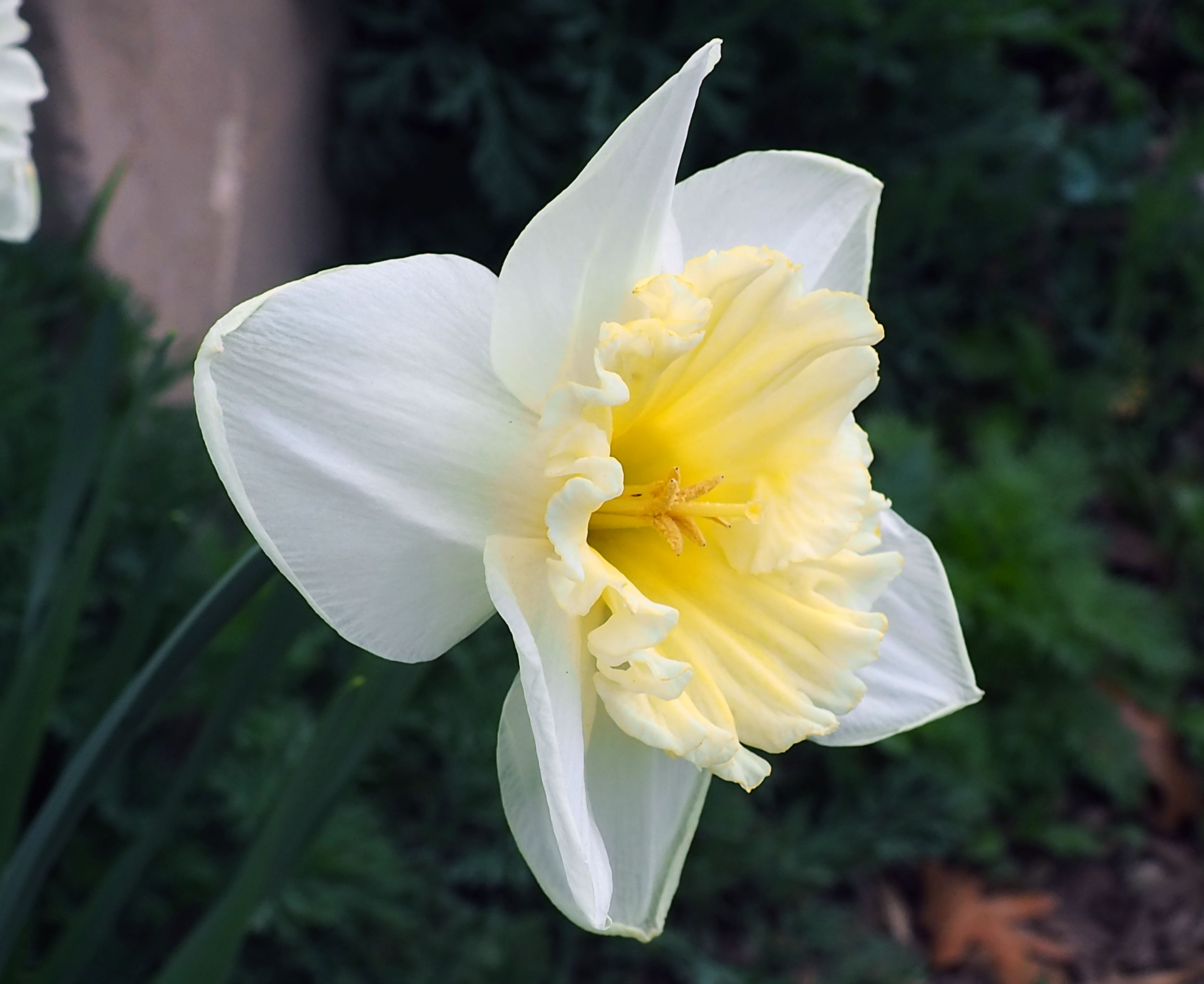
tepals and corona of daffodil (Narcissus sp.)

Tepals are also common in plant species found in the clade magnoliids. The genus Magnolia is a classic example of this. The large showy petal-like structures of magnolia flowers are actually tepals. The protective role of sepals is carried out by a series of fuzzy bracts that surround the developing flower bud. After the flower has opened, the bracts fall away and are not persistent in the way that sepals typically are.
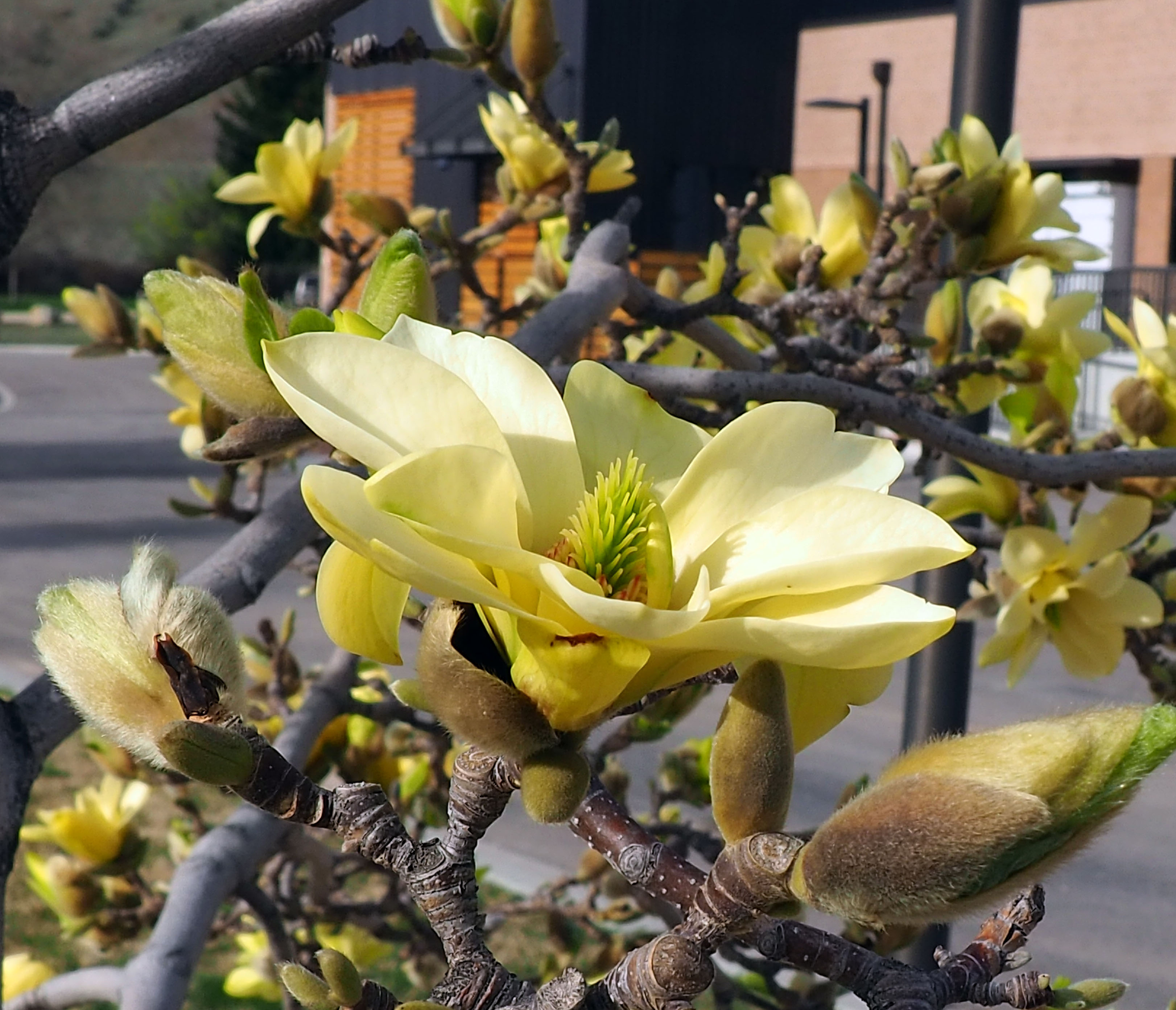
Magnolia sp.

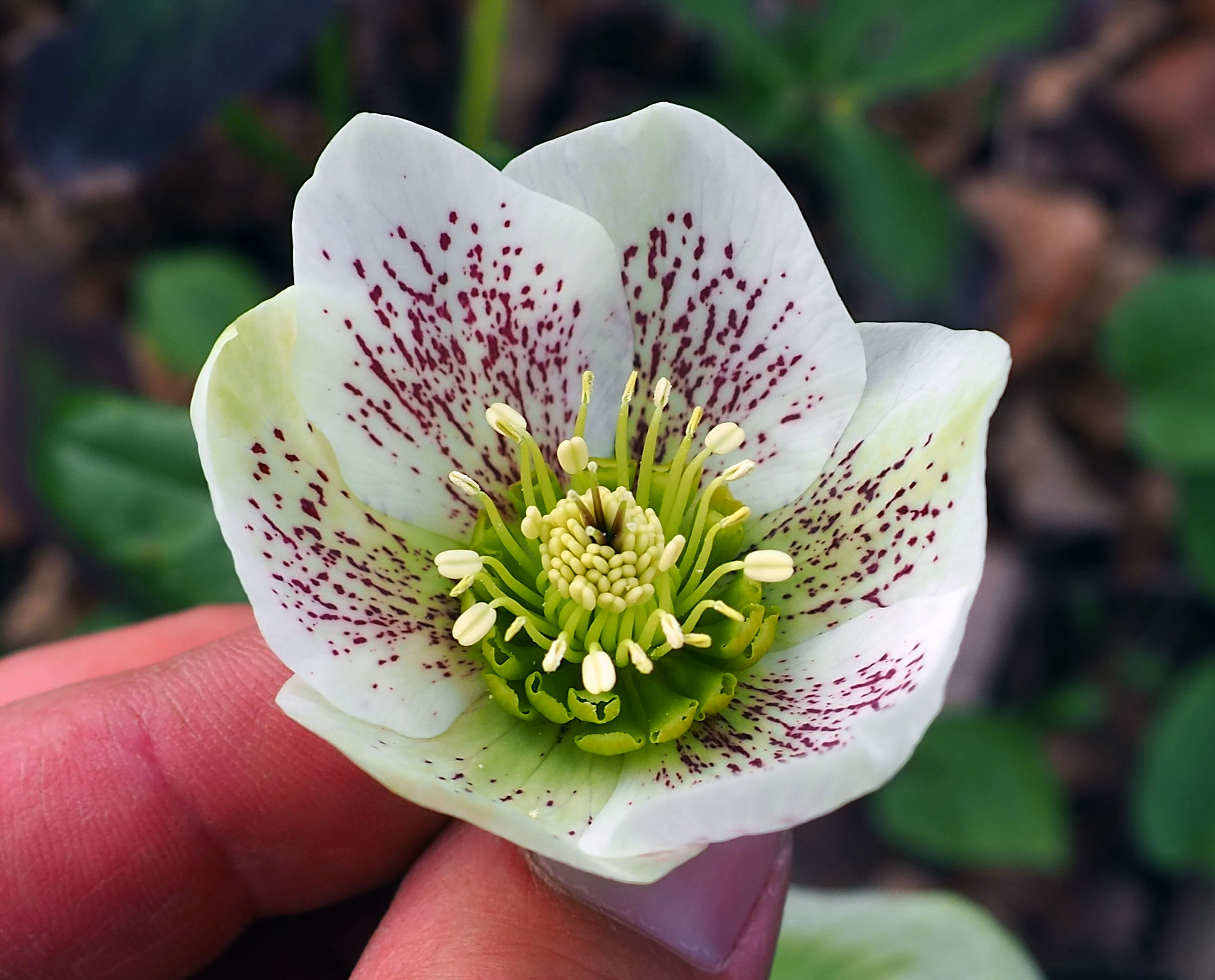
Sometimes it can be tricky to determine whether or not a perianth is made up of tepals or sepals and petals. The buttercup family (Ranunculaceae) is a fun one to consider in this regard. The showiest flower parts of many of the species in this family are actually sepals, while petals are either reduced, modified, or entirely absent. When it is difficult to distinguish a sepal from a petal, the term tepal is often used, such as in the genus Clematis. Hellebores, on the other hand, are a unique case study. The large showy parts of a hellebore flower are petaloid sepals – sepals that are playing the role of petals. Hellebore petals are present but reduced and tube-shaped. They house the nectaries of the flower, drawing in early season insects looking for food. As visiting insects feed on the nectar found within these modified petals, they brush against the stamens of the flower and inadvertently move pollen around.
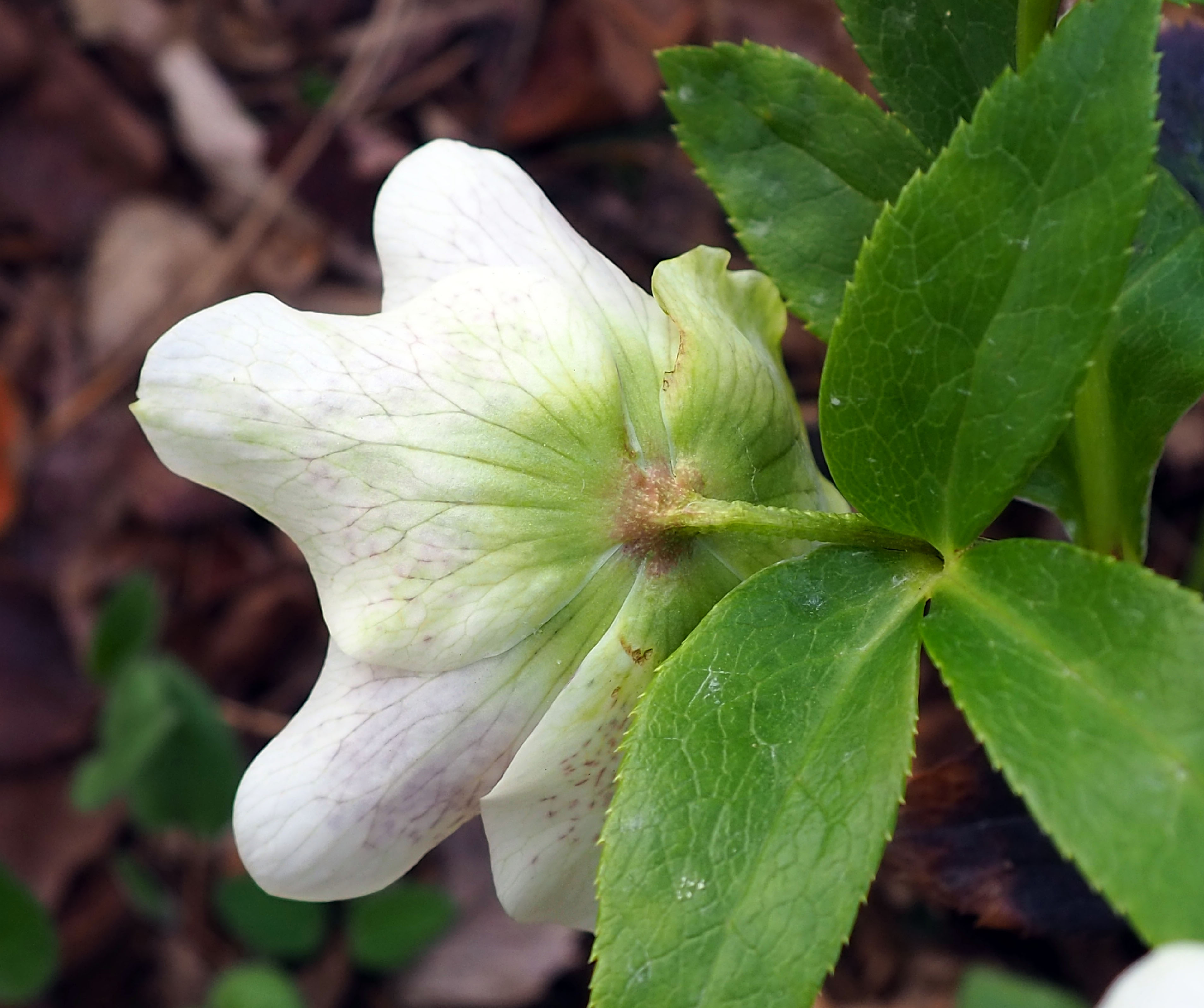
petaloid sepals of Helleborus sp.
petaloid sepals and reduced, tubular petals of Helleborus sp.

A simple way of describing tepals could be that they are sepals and petals fused together to form a single structure, but this would be an inaccurate description. Tepals are found on plants that have not evolved separate sepal and petal structures. As these flowers develop, gene expression does not differentiate the perianth into two distinct whorls. The term “tepal” is also used when it is difficult to distinguish the difference between petals and sepals, even when there may be a developmental difference. Whether looking at petals, sepals, tepals, or something entirely different, any excuse to take a closer look at flowers is okay by me.
More Randomly Selected Botanical Terms:

To Fruit or Not to Fruit – The Story of Mast Seeding

Perennial plants that are able to reproduce multiple times during their lifetime don’t always yield the same amount of seeds each time they reproduce. For some of these plants, there is a stark difference between high-yield years and low-yield years, with low-yield years outnumbering the occasional high-yield years. In years when yields are high, fruit production can seem excessive. This phenomenon is called masting, or mast seeding, and it takes place at the population level. That is, during a mast year, virtually all individuals in a population of a certain species synchronously produce a bumper crop of seeds.

Plants of many types can be masting species. Bitterroot milkvetch (Astragalus scaphoides) and a tussock grass known as Chionochloa pallens are masting species, for example. However, this behavior is most commonly observed in trees, notably nut producing trees like oaks, beeches, and pecans. As you might imagine, the boom and bust cycles of mast seeding plant populations can have dramatic ecological effects. Animals that eat acorns, for example, are greeted with a veritable buffet in a mast year, which can increase their rate of reproduction for a spell. Then, in years when acorns are scarce, the populations of those animals can plummet.

How and why masting happens is not well understood. It is particularly baffling because masting populations can cover considerably large geographic areas. How do trees covering several square miles all “know” that this is the year to really go for it? While a number of possible explanations have been explored, there is still much to learn, especially since so many different species growing in such varied environments exhibit this behavior.

A popular explanation for mast seeding is predator satiation. The fruits and seeds of plants are important food sources for many animals. When a population of plants produces fruit in an unusually high abundance, its predators won’t possibly be able to eat them all. At least a few seeds will be left behind and can sprout and grow into new plants. By satiating their predators they help ensure the survival of future generations. However, even if a plant species has evolved to behave this way, it still doesn’t explain how all the plants in a particular population seem to know when it’s time for another mast year.

Predator satiation is an example of an economy of scale, which essentially means that individual plants benefit when the population acts as a whole. Another economy of scale that helps explain masting is pollen coupling. This has to do with the timing of flowering in cross pollinating species. If individuals flower out of sync with one another, the opportunities for cross pollination are limited. However, if individuals in a population flower simultaneously, more flowers will be pollinated which leads to increased fruit and seed production.  For this to happen, there are at least two factors that come into play. First, the plants have to have enough resources to flower. Making flowers is expensive, and if the resources to do so (like carbon, nitrogen, and water) aren’t available, it won’t happen. Second, weather conditions have to work in their favor. Timing of flowering depends, not only on daylength, but on temperature, rainfall, and other local weather conditions. If individuals across a population aren’t experiencing similar weather, the timing of their flowering may be off.

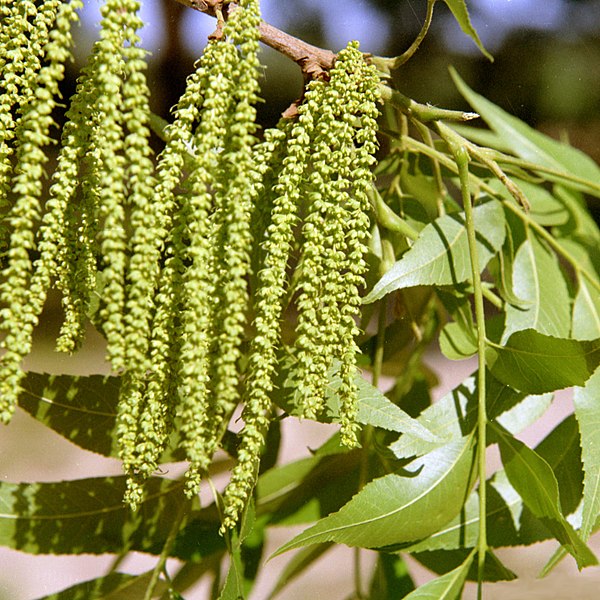
pollen-producing (male) flowers of pecan (Carya illinoinensis) — via wikimedia commons; Clemson University

Resource matching and resource budgeting are other proposed explanations for masting. Since plants can only use the resources available to them for things like growth and reproduction, they vary each year in how much growing or reproducing they do. Theoretically, if plants in a population are all going to flower in the same year, they all have to have access to a similar amount of resources. Often, the year following a mast year, there is a significant drop in fruit production, as though the plants have used up all of their available resources for reproduction and are taking a break. Some hypothesize that masting is a result of resource storage, and that plants save up resources for several years until they have what they need for yet another big year.

Another thing to consider is how plant hormones might play a role in masting. Gene expression and environmental cues both result in hormonal responses in plants. As Bogdziewicz, et al. write in Ecology Letters (2020), “if hormones and the genes that control them are hypersensitive to an environmental signal, masting can be at least partially independent of resource- and pollen-based mechanisms.” This and other potential explanations for masting are, at this point, largely theoretical. In their paper, Bogdziewicz, et al. propose a number of ways that theoretical predictions can be experimentally tested. If the “research agenda” outlined in their paper is carried out, they believe it will “take the biology of masting from a largely observational field of ecology to one rooted in mechanistic understanding.”

In her book, Braiding Sweetgrass, Robin Wall Kimmerer proposes an additional explanation for the mechanisms behind masting – the trees are talking to one another. Not in the way that you and I might converse, but rather by sending signals through the air via pheromones and underground via complex fungal networks. There is already evidence for this behavior when it comes to plants defending themselves from predators and in sharing resources, so why not in planning when to reproduce? As Kimmerer writes regarding masting, “the trees act not as individuals, but somehow as a collective.” The question now is how.

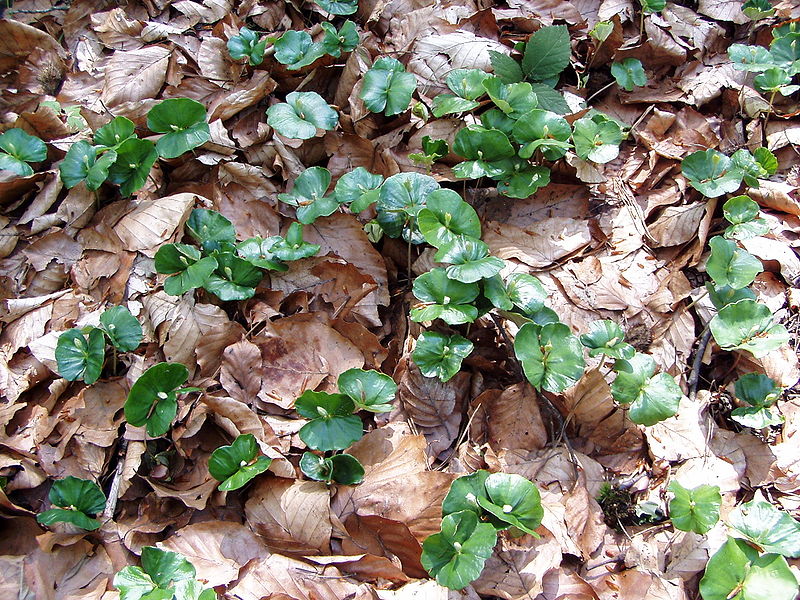
seedlings of European beech (Fagus sylvatica), a mast-seeding species — via wikimedia commons; user: Beentree

Additional Resources:

Seed Oddities: Vivipary

Seeds house and protect infant plants. When released from their parent plant, they commence a journey that, if successful, will bring them to a suitable location where they can take up residence (upon germination) and carry out a life similar to that of their parents. Their seed coats (and often – in the case of angiosperms – the fruits they were born in) help direct them and protect them in this journey. Physical and chemical factors inhibit them from germinating prematurely – a phenomenon known as dormancy. Agents of dispersal and mechanisms of dormancy allow seeds to travel through time and space — promises of new plants yet to be realized.

There is rarely a need for a seed to germinate immediately upon reaching maturity. In many cases, such as in temperate climates or in times of drought or low light, germinating too soon could be detrimental. The most vulnerable time in a plant’s life comes when it is a young seedling. Thus, finding the right time and space to get a good start is imperative.

The fruits (and accompanying seeds) of doubleclaw (Proboscidea parviflora) are well equipped for long distance dispersal. (via wikimedia commons)

In rare instances, dispersal via seeds offers little advantage; instead, dispersal of live seedlings or propagules is preferable. For this select group of plants, vivipary is part of the reproductive strategy. In vivipary, seeds lack dormancy. Rather than waiting to be dispersed before germinating, viviparous seeds germinate inside of fruits that are still attached to their parent plants.

Occasionally, seeds are observed germinating inside tomatoes, citrus, squash, and other fruits; however, these fruits are usually overripe and often detached from the plant. In these instances, what is referred to as “vivipary” is not a genetic predisposition or part of the reproductive strategy. It’s just happenstance – a fun anomaly. The type of vivipary discussed in this post is actually quite rare, occurring in only a handful of species and prevalent in a select number of environments.

There are three main types of vivipary: true vivipary, cryptovivipary, and pseudovivipary. In true vivipary, a seed germinates inside the fruit and pushes through the fruit wall before the fruit is released. In cryptovivipary, a seed germinates inside the fruit but remains inside until after the fruit drops or splits open. Pseudovivipary is the production of bulbils or plantlets in the flower head. It does not involve seeds and is, instead, a form of asexual reproduction that will be discussed in a future post.

True vivipary is commonly seen among plant communities located in shallow, marine habitats in tropical or subtropical regions, such as mangroves or seagrasses. The term mangrove is used generally to describe a community of plants found in coastal areas growing in saline or brackish water. It also refers more specifically to the small trees and shrubs found in such environments. While not all mangrove species are viviparous, many of them are.

Seedlings of viviparous mangrove species emerge from the fruit and drop from the plant into the salty water below. From there they have the potential to float long or short distances before taking root. They may land in the soil upright, but often, as the tide recedes, they find themselves lying horizontally on the soil. Luckily, they have the remarkable ability to take root and quickly stand themselves up. Doing this allows young plants to keep their “heads” above water as the tides return. It also helps protect the shoot tips from herbivory.

Viviparous seedlings emerging from the fruits of red mangrove (Rhizophora mangle) via wikimedia commons

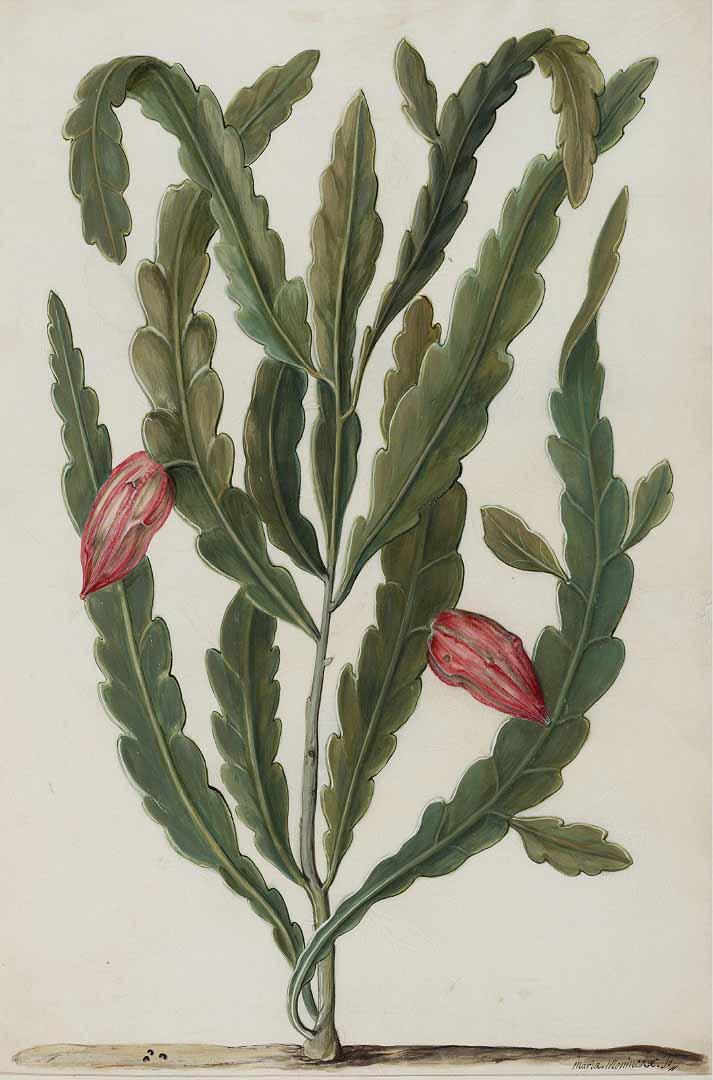
Another example of vivipary is found in the epiphytic cactus (and close relative of tan hua), Epiphyllum phyllanthus. Commonly known as climbing cactus, this species was studied by researchers in Brazil who harvested fruits at various stages to observe the development of the viviparous seedlings. They then planted the seedlings on three different substrates to evaluate their survival and establishment.

Epiphyllum phyllanthus is cryptoviviparous, so the germinated seeds don’t leave the fruit until after it splits open. In a sense, the mother plant is caring for her offspring before sending them out into the world. The researchers see this as “a form of parental care with subsequent conspecific [belonging to the same species] nursing.” Since the plant is epiphytic – meaning that it grows on the surface of another plant rather than in the soil – local dispersal is important, since there is no guarantee that seeds or propagules dispersed away from the host plant will find another suitable site. That being said, the researchers believe that “vivipary involves adaptation to local dispersal,” since “the greater the dispersal distance is, the higher the risk and the lower the probability of optimal dispersion.”

Epiphyllum phyllanthus via Useful Tropical Plants

While some viviparous seedlings of mangroves can travel long distances from their parent plant and don’t always root into the ground immediately, they maintain their advantage over seeds because they can root in quickly upon reaching a suitable site and lift themselves up above rising tide waters. As the authors of the Epiphyllum study put it, vivipary is “a reproductive advantage that, in addition to allowing propagules to root and grow almost immediately, favors quick establishment whenever seedlings land on suitable substrates.”

There is still much to learn about this unusual and rare botanical feature. The research that does exist is relatively scant, so it will be interesting to see what more we can discover. For now, check out the following resources:

Also, check out this You Tube video of :

Death by Crab Spider, part two

Crab spiders that hunt in flowers prey on pollinating insects. Thus, pollinating insects tend to avoid flowers that harbor crab spiders. We established this in part one. Now we ask, what effect, if any, does this interaction have on a crab spider infested plant’s ability to reproduce? More importantly, what are the evolutionary implications of this relationship?

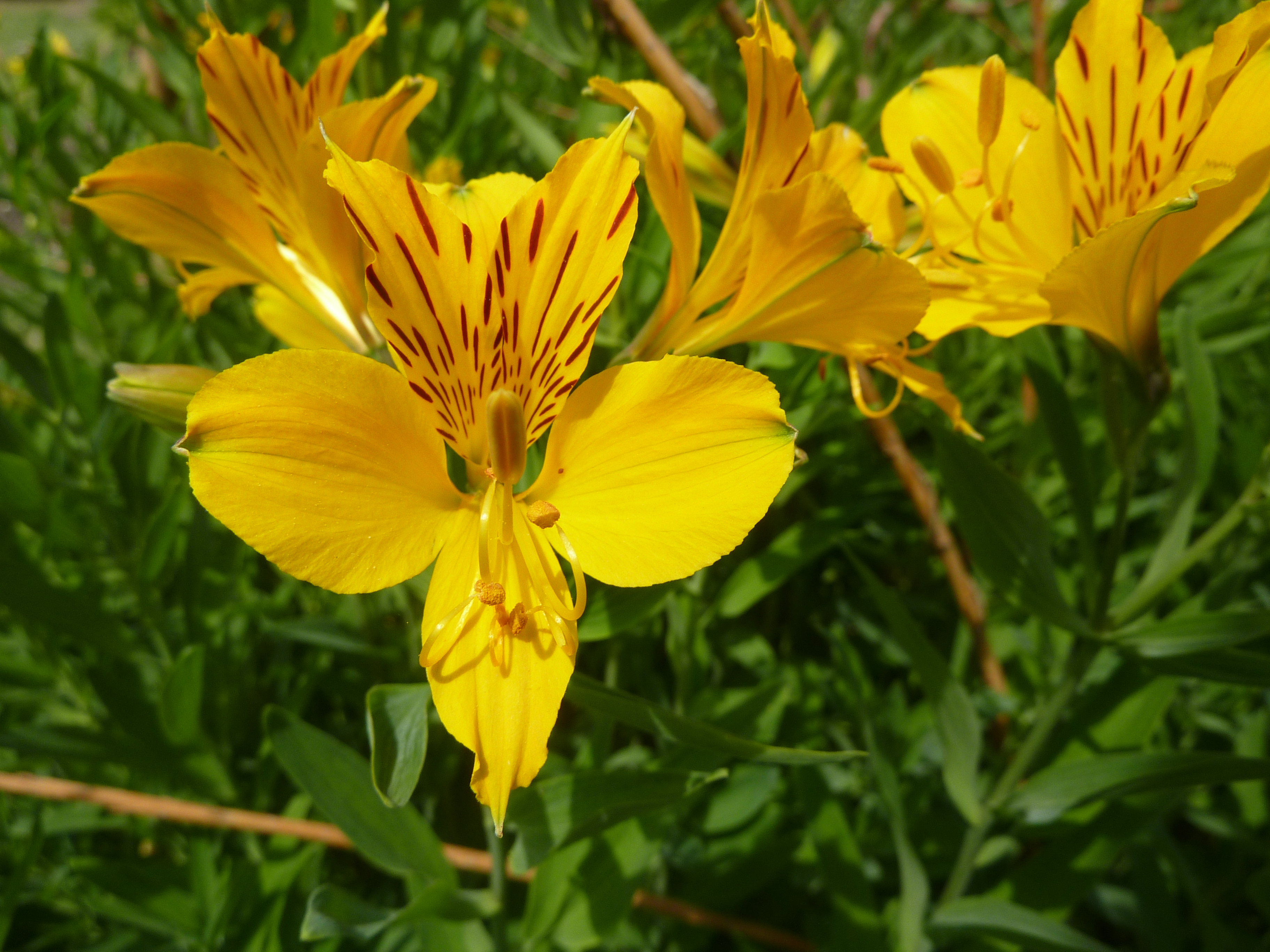
In a study published in Ecological Entomology earlier this year, Gavini, et al. found that pollinating insects avoided the flowers of Peruvian lily (Alstroemeria aurea) when artificial spiders of various colors and sizes were placed in them. Bumblebees and other bees were the most frequent visitors to the flowers and were also the group “most affected by the presence of artificial spiders, decreasing the number of flowers visited and time spent in the inflorescences.” This avoidance had a notable effect on plant reproduction, namely a 25% reduction in seed set and a 15% reduction in fruit weight. The most abundant and effective pollinator, the buff-tailed bumblebee, was deterred by the spiders, leading the researchers to conclude that, “changes in pollinator behavior may translate into changes in plant fitness when ambush predators alter the behavior of the most effective pollinators.”

Peruvian lily (Alstroemeria aurea) via wikimedia commons

But missing from this discussion is the fact that crab spiders don’t only eat pollinators. Any flower visiting insect may become a crab spider’s prey, and that includes florivores. In which case, crab spiders can benefit a plant, saving it from reproduction losses by eating insects that eat flowers.

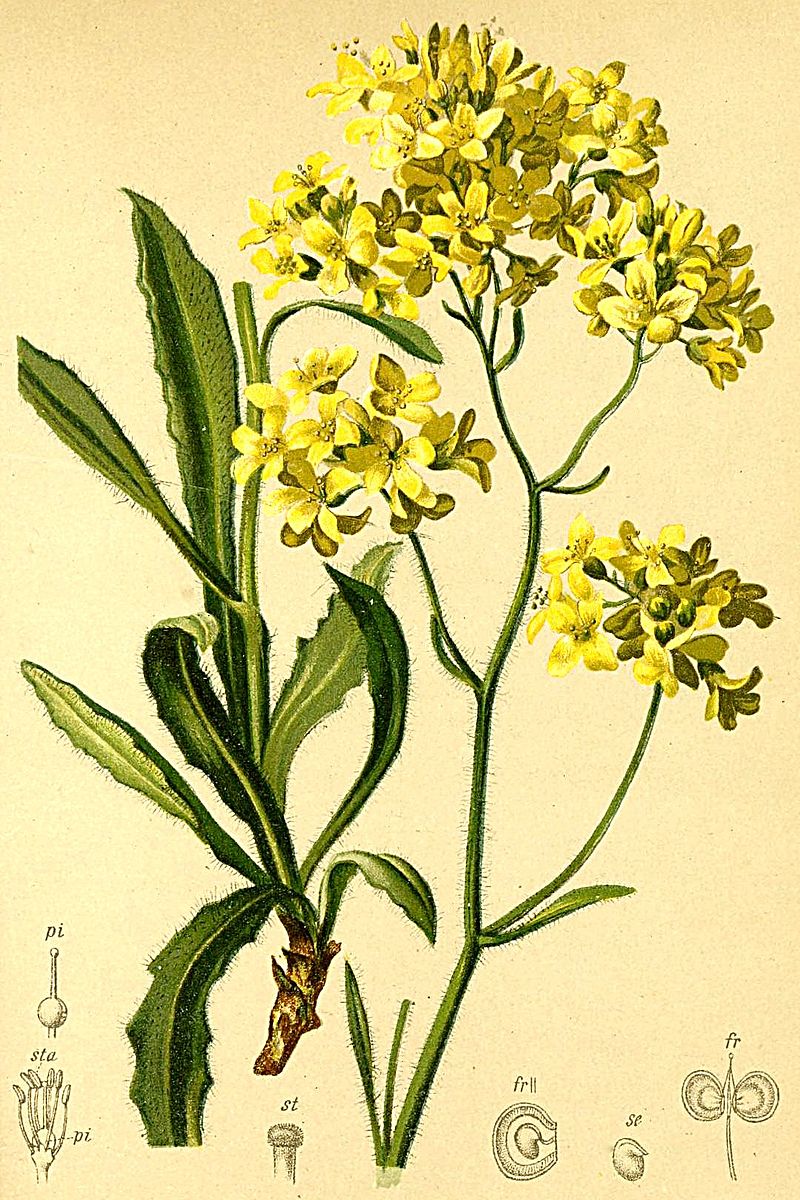
In April of this year, Nature Communications published a study by Knauer, et al. that examined the trade-off that occurs when crab spiders are preying on both pollinators and florivores. Four populations of buckler-mustard (Biscutella laevigata ssp. laevigata) were selected for this study. Bees are buckler-mustard’s main pollinator, and in concurrence with other studies, they significantly avoided flowers when crab spiders were present.  Knauer, et al. also determined that bees and crab spiders are attracted to the same floral scent compound, β-ocimene. This compound not only attracts pollinators, but is also emitted when plants experience herbivory, possibly to attract predators to come and prey on whatever is eating them.

buckler-mustard (Biscutella laevigata) via wikimedia commons

In this study, the predators called upon were crab spiders. Florivores had a notable impact on plants in this study, and the researchers found that when crab spiders were present, florivores were significantly reduced, thereby reducing their negative impact. They also noted that “crab spiders showed a significant preference for [florivore-infested] plants over control plants.”

And so it is, a plant’s floral scent compound attracts pollinators while simultaneously attracting the pollinator’s enemy, who is also called in to protect the flower from being eaten. Luckily, in this case, buckler-mustard is easily pollinated, so the loss of a few pollinators isn’t likely to have a strong negative effect on reproduction. As the authors write, “pollinators are usually abundant and the low number of ovules per flower makes a few pollen grains sufficient for a full seed set.”

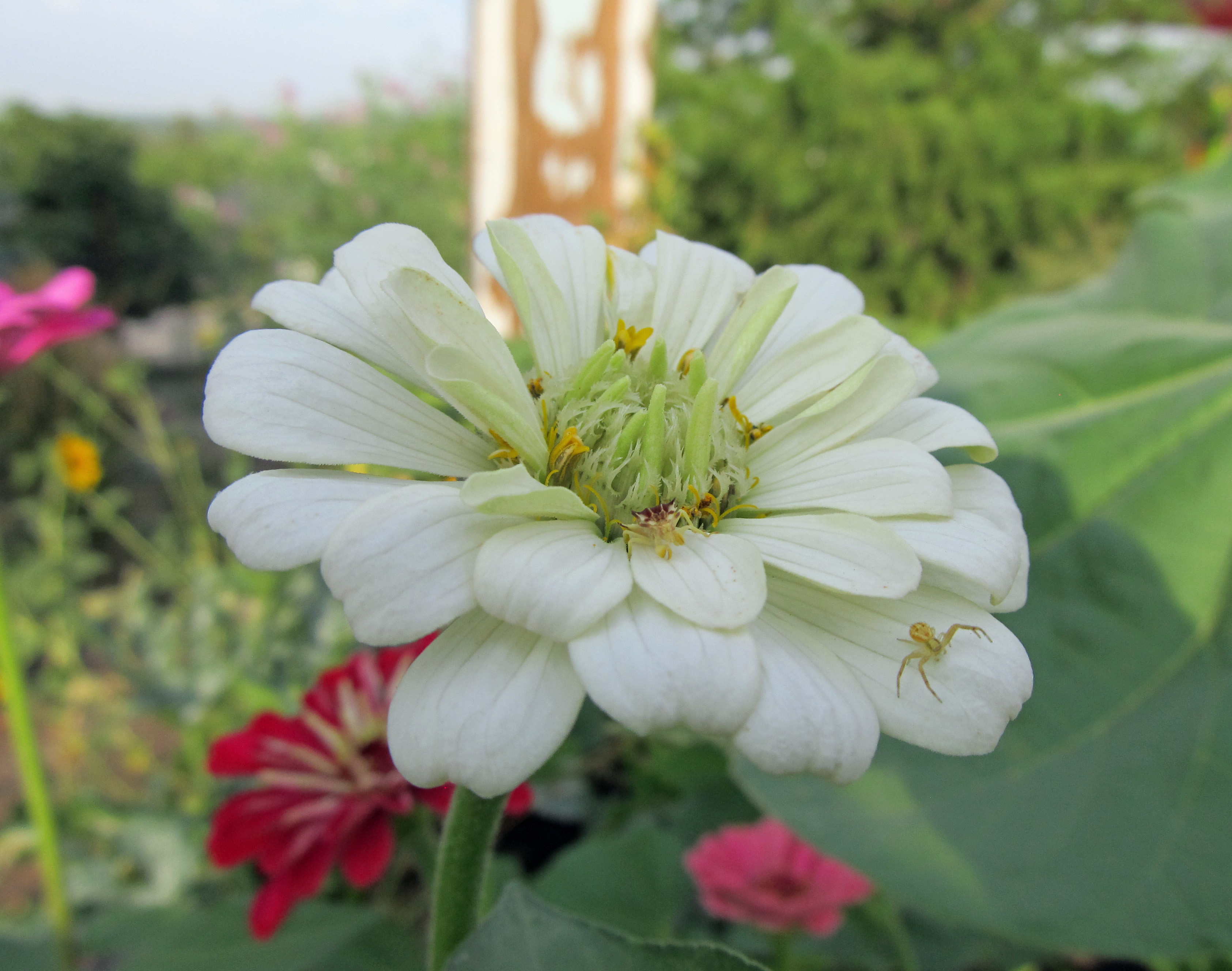
crab spider on zinnia

But none of these studies are one size fits all. Predator-pollinator-plant interactions are still not well understood, and there is much to learn through future research. A meta-analysis published in the Journal of Animal Ecology in 2011 looked at the research that had been done up to that point. Included were a range of studies involving sit-and-wait predators (like crab spiders and lizards) as well as active hunters (like birds and ants) and the effects of predation on both pollinators and plant-eating insects. They concluded that where carnivores “disrupted plant-pollinator interactions, plant fitness was reduced by 17%,” but thanks to predation of herbivores, carnivores helped increase plant fitness by 51%. This suggests that carnivores, overall, have a net positive effect on plant fitness.

Many pollinating insects have an advantage over plant-eating insects because they move quickly from flower to flower and plant to plant, unlike many herbivores which move more slowly. This protects pollinators from predation and helps explain why plant-pollinator interactions are not disrupted as easily by carnivores. Additionally, as the authors note, “plants may be buffered against loss of pollination by attracting different types of pollinators, some of which are inaccessible to carnivores.”

But again, there is still so much to discover about these complex interactions. One way to gain a better understanding is to investigate the effects of predators on both pollinators and herbivores in the same study, since many of the papers included in the meta-analysis focused on only one or the other. As far as crab spiders go, Knauer, et al. highlight their importance in such studies. There are so many different species of crab spiders, and they are commonly found on flowers around the globe, so “their impact on plant evolution may be widespread among angiosperms.”

In other words, while we still have a lot to learn, the impact these tiny but skillful hunters have should not be underestimated.