Article: The Wildest Idea on Earth

Imagine living in close proximity to numerous national parks and being “enveloped by connected [wildlife] corridors” that lead to these national parks – or as Edward O. Wilson envisions them, “national biodiversity parks, a new kind of park that won’t let species vanish.” Wilson – a renowned biologist, entomologist, conservationist and Pulitzer Prize winning author – has this vision and believes that it can be accomplished within the next 50 years. Not only can it be accomplished, but it must be in order to thwart the ongoing sixth mass extinction event. To be precise, half the planet must be set aside, restored to its natural state, and protected in perpetuity. A series of large parks connected by continuous corridors – or “Long Landscapes” – is the way Wilson and other conservationists insist this must be done. Tony Hiss explores the “Half Earth” concept in a feature article in the current issue of Smithsonian entitled, The Wildest Idea on Earth (the online version is entitled, Can the World Really Set Aside Half of the Planet for Wildlife?).

Hiss, accompanied by Wilson, visits three locations in North America where this vision is playing out. Their first stop is Nokuse Plantation in the Florida panhandle, where businessman, M.C. Davis, has purchased tens of thousands of acres with the intention of restoring them to native longleaf pine forests, a plant community that has been reduced by 97% due to human activity. Intact longleaf pine forests are incredibly diverse – as many as 60 different species of living things can be found in one square yard – so protecting and restoring them is an ecological imperative.
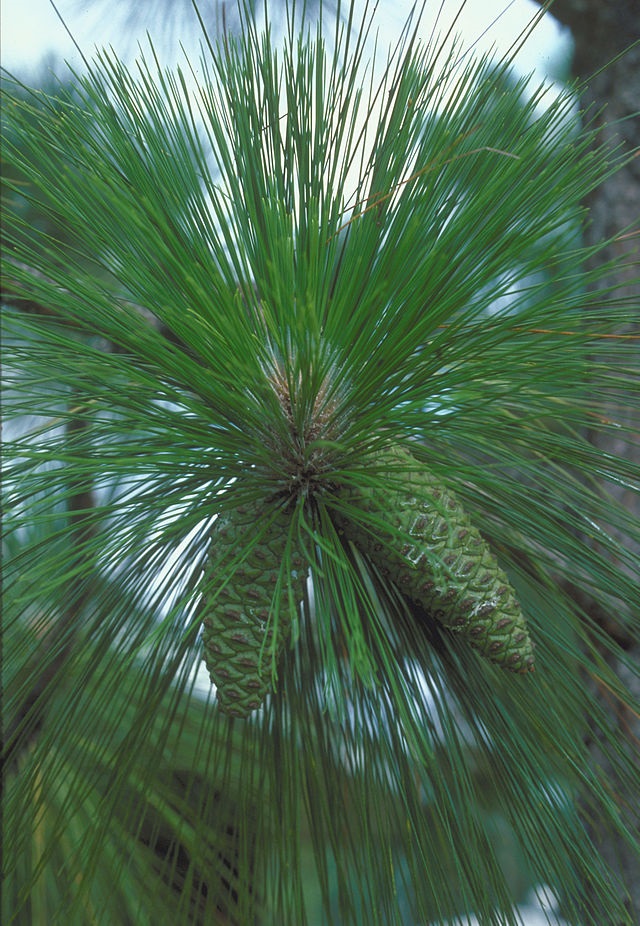
Longleaf Pine, Pinus palustris (photo credit: wikimedia commons)

Longleaf Pine – Pinus palustris (photo credit: wikimedia commons)

Later, Davis flies Hiss and Wilson to New England in his private jet. There Hiss discovers a seemingly accidental series of connected natural and restored landscapes nearly 200 miles in length. This corridor, and the land that surrounds it, highlights the need for private land owners to be on board with the Half Earth vision, setting aside their land for conservation in exchange for tax breaks and other incentives.

The importance of private land owners cooperating with this vision comes into play again when Hiss visits the Flying D Ranch near Bozeman, Montana. This 113,613 acre ranch (just a small fraction of the land owned by Ted Turner) is a private ranch that “promote[s] ecological integrity” – it is a wildlife refuge that also turns a profit. Fortunately, the “D” sits within larger wildlife corridor projects – Yellowstone to Yukon and Western Wildway Network highlighting Wilson’s vision of current sanctuaries being incorporated into larger networks of protected lands.

Hiss notes that as these three projects grow and connect to “the great, unbroken forests across all of northern Canada,” North America will become enclosed in “Long Landscapes” with “additional and more inland routes to be added later.” The sooner these corridors and parks are developed the better, because as global climate changes, species will need to move north, south, east, or west as their ecological and biological needs dictate.

It seems a lofty goal. Humans, after all, have spread themselves across the entire planet, modifying every environment as they go – oftentimes to an irreparable extreme. But knowing this, and recognizing that we are only just beginning to feel the effects of climate change, drastic measures to preserve what is left of this planet’s biological diversity become imperative. Hiss’s article is encouraging in this regard. Yes, the places he visited were confined to North America. A more accurate picture could be constructed by incorporating greater international diversity. However, most promising is that the people he talked to were not political figures. Most of them weren’t even professional scientists. They were businessmen, working people, land owners, citizen conservationists. Wealthy, yes. But people who, at some point in their life journeys, saw a need and wanted to help. The story of M.C. Davis illustrates this best of all. If the information is put out there in a manner that people can relate to, they will latch on to it and offer assistance. For all whose goal is to protect half of the earth (or even just some small portion of it) for the sake of non-human life, this article should give some hope.

Tree growing along a creek bed at The Nature Institute, a privately owned nature preserve in Godfrey, Illinois
Tree growing along a creek bed at The Nature Institute, a privately owned nature preserve in Godfrey, Illinois
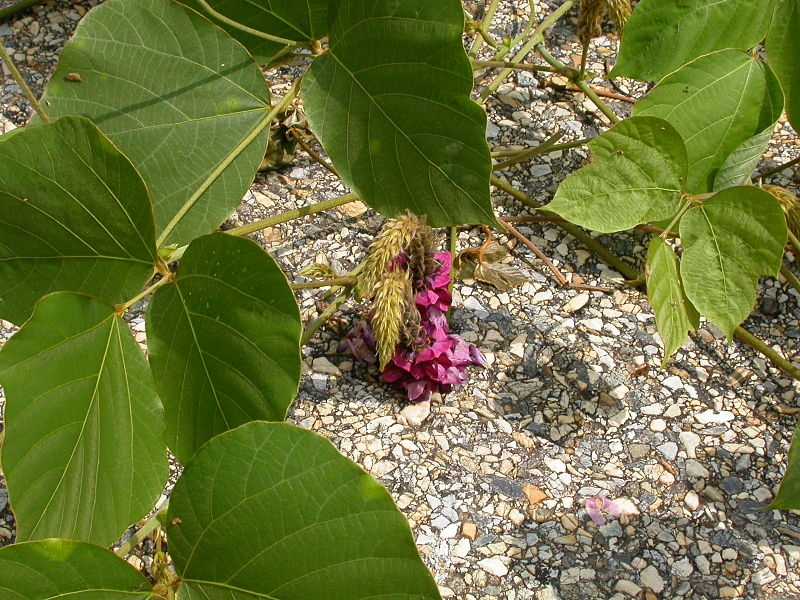
Kudzu Ate the South…Now Looks North

In 1876, an Asian vine was introduced to the people of the United States at a centennial celebration in Philadelphia, Pennsylvania. It was a fairly benign looking vine, with its leaves of three and its cluster of sweet pea like flowers, but its exotic appeal must have been quite enticing, because it took off…and not just in popularity.

The plant that caught the eye of these early Americans was called kudzu (or kuzu in Japanese). It is a plant in the genus Pueraria in the family Fabaceae (the pea family). The plants first introduced to the U.S. were likely to have consisted of more than a single species such as P. montana, P. lobata, P. edulis, and others, or were hybrids of these species. They were initially lauded for their ornamental value but soon after were recognized for their potential as animal feed. By the 1930’s, when soil erosion had become a major issue, kudzu was deployed by the U.S. government to combat it. At least 85 million government-funded kudzu seedlings later, and the southeastern portion of the United States had secured a future dominated by this relentless and unforgiving vine.

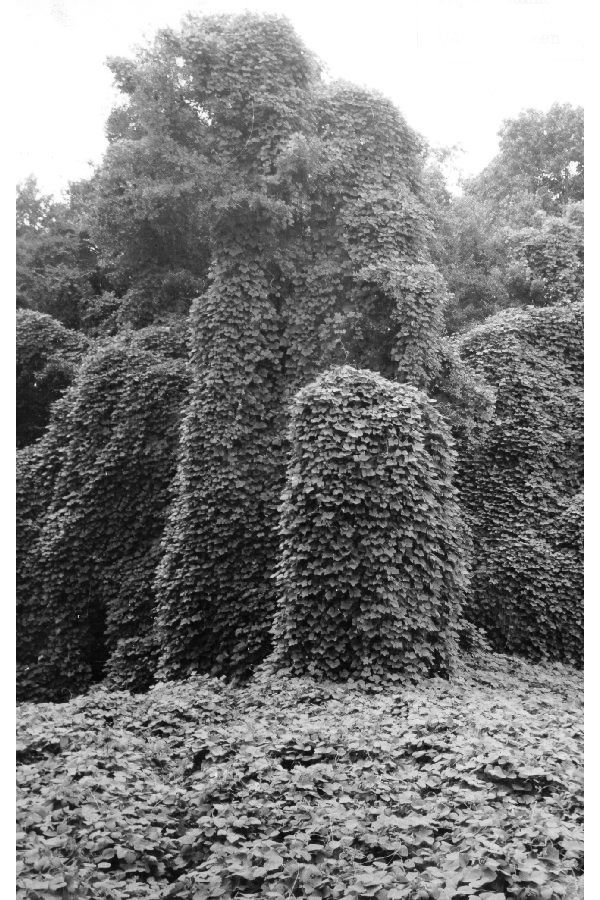
Innocent and harmless is how kudzu must have first appeared, especially to those looking for a fast growing, large-leaved, vining plant to provide quick shade for porches, offering relief from the sun during those sweltering southern summers. Little did they know, however, if left unchecked, that prized vine could engulf homes and outbuildings, cover and pull down trees and utility poles, and choke out crops and pastures in the matter of a single growing season.

(photo credit: eol.org)

(photo credit: eol.org)

Kudzu was added to the Federal Noxious Weed List in 1997, long after it had established itself throughout the southeastern U.S. It now covers more than 3 million hectares, spreading at a pace of about 50,000 hectares (120,000 acres) per year. It is said that a kudzu vine can grow up to a foot in a single day or about 60 feet in a growing season. It is a twining vine, wrapping itself around any upright structure it can access and relying on that support in order to advance upwards. This gives it the advantage of using more resources for growth and expansion of both roots and shoots rather than on the resource demanding task of producing woody stems. Like other members of the pea family, it gets much of its nitrogen from the atmosphere through a process called nitrogen fixation. Because of this, kudzu can thrive in nutrient poor soils. Kudzu is also drought-tolerant, has leaves that follow the sun throughout the day in order to maximize photosynthesis, reproduces clonally by layering (stems in contact with the ground grow roots and detach from the parent plant), and (in North America) is free from the pests and diseases commonly associated with it in its native habitat. For these reasons and others, kudzu has become one of the most notorious, pervasive, and ecologically harmful weeds in the U.S., costing hundreds of millions of dollars in damages every year.

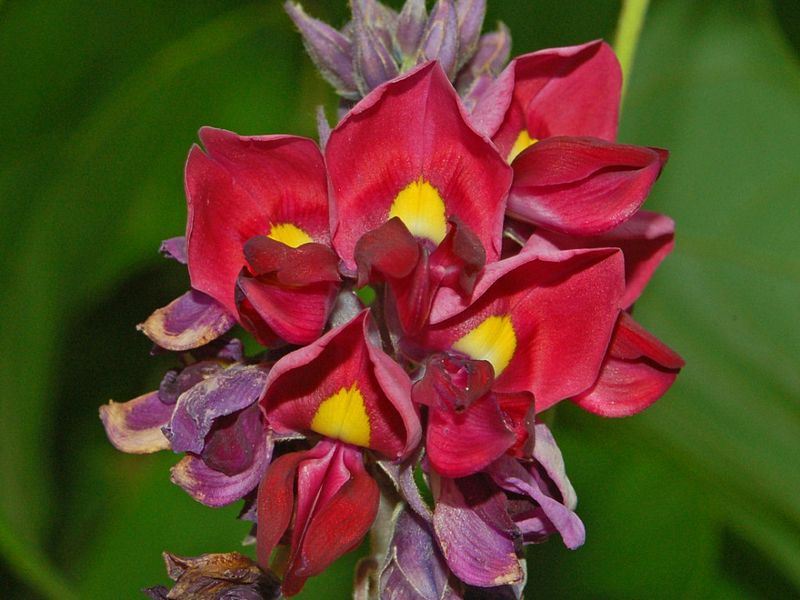
A close-up of kudzu flowers (photo credit: wikimedia commons)

A close-up of kudzu flowers (photo credit: wikimedia commons)

kudzu foliage and flowers

Foliage and flowers of kudzu (photo credit: wikimedia commons)

One glance at what kudzu has done in the southeastern states, and it is obvious that it is some kind of superweed. I saw firsthand just how overwhelming it can be as I drove through Mississippi several years ago. I didn’t even have to stop the car to investigate. It was easily apparent that it was the dominant species, enveloping every tree for miles alongside the highway. Currently, kudzu can be found in every county in Georgia, Alabama, and Mississippi. But kudzu has a limitation; it doesn’t care much for freezing temperatures. Even though it has been present in parts of northern states – like Ohio, New Jersey, and Delaware – for a while now, it has generally been limited to milder locations, and it certainly doesn’t thrive in the same way that it does in the subtropical climates of the southern states. But that is changing, because the climate is changing.

Average global temperatures increased by about 1.53° F between 1880 and 2012, and this gradual increase is expected to continue for the foreseeable future. Biologists and ecologists are monitoring changes in climate closely in order to observe and predict changes in the biology and ecology of our planet. Invasive species are high on the list of concerns, as climate is often a major limitation to their spread. Now that kudzu has been found in Marblehead, Massachusetts and Ontario, Canada, the fear of kudzu climbing north is becoming a reality.

Kudzu is incredibly difficult to control. It does not respond to many herbicides, and the herbicides that do affect it must be applied repeatedly over a long time period. It is an excellent forage plant, so utilizing grazing animals to keep it in check can be effective. Those who have succumbed to kudzu, acknowledging that it is here to stay, have found uses for it, including making baskets, paper, biofuel, and various food items. A compound extracted from the kudzu root is also being studied as a possible treatment for alcoholism. Kudzu has long been valued for its culinary and medicinal uses in Asia, so it is no surprise that uses would be found for it in North America. However, North Americans who embrace kudzu are taking a defeatist approach. That is, “if we can’t get rid of it, we may as well find a use for it.” This, however, should not negate nor distract from the damage it has caused and continues to cause local ecosystems and the ecological threat that it poses to areas where it is just now being introduced or may soon be introduced due to our warming climate.

Millions of dollars are spent every year to address the effects kudzu has on utility poles (phot credi: eol.org)

Millions of dollars are spent every year to remove kudzu from utility poles and replace poles pulled down by kudzu (photo credit: eol.org)

References:

Encyclopedia of Life: Pueraria Montana

Wikipedia: Kudzu in the United States

Max Shores: The Amazing Story of Kudzu

U.S. Fish and Wildlife Service: Conservation in a Changing Climate

NASA Earth Observatory: How Much More Will the Earth Warm?

Bloomberg: Kudzu That Ate U.S. South Heads North as Climate Changes

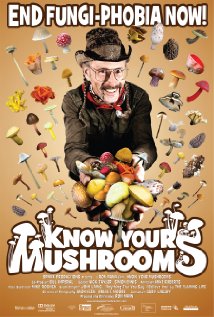
Documentary: Know Your Mushrooms

Earlier this month, the 33rd annual Telluride Mushroom Festival took place in Telluride, Colorado. This is an event that draws in hundreds (thousands, perhaps?) of fungi enthusiasts. As a budding fungi enthusiast myself, I get excited when I hear tale of gatherings such as these, and while I did not make it out this year, the Telluride Mushroom Festival is high on my list of things to attend sometime in the years to come.

My fascination with fungi started shortly before I headed to graduate school in Illinois in 2009. I had just read about mycoremediation in a book called Toolbox for Sustainable City Living, and that, along with what I had learned about soil fungi in my college soils courses, had me very curious about the world of mycology. I have yet to spend the kind of time that I would like to on this subject, but it remains of great interest to me.

A couple years ago I was writing weekly recommendations on my previous blog, the juniper bends as if it were listening. One of my weekly recommendation posts was about a documentary film called, Know Your Mushrooms. I am reposting that review  here in honor of this month’s mushroom festival in Telluride, and because I think it’s a film worth watching. No, it is not about plants per se, but it is about a kingdom of living things that regularly interacts with plants. Not only that, but it’s about a major player in the ecology of practically every ecosystem on earth. Bottom line: if you are at all interested in the natural world, you will be interested in this film.

know your mushrooms

Mushrooms freaks, fungiphiles, and myco-fanatics alike are all probably well aware of this fantastic documentary film by Ron Mann entitled, Know Your Mushrooms, but for uninitiated folks and novices like myself, this is a great introduction. This film will acquaint you with a peculiar crowd of mushroom lovers and fungus aficionados, where you will marvel in their uniqueness and their vast knowledge concerning the fascinating world of mycology. Mann bases his film around his visit to the Telluride Mushroom Festival in Colorado, where mushroom fans have gathered annually for many years now to celebrate and revel in the fungal world. Mann converses with several mushroom experts and enthusiasts, but spends most of his time with self-proclaimed guru, Larry Evans. Alongside Evans, Mann explores numerous mycological topics, including mushroom hunting, mushroom cooking, poisonous mushrooms, psychedelic mushrooms, mushroom folklore, mushroom health benefits, and the ecological and environmental benefits of fungi (mycoremediation!). This is a very well-produced and well-directed film, maintaining the interest and attention of the viewer as it transitions from one aspect of mushroom culture to another, simultaneously providing education and entertainment throughout. If your viewing experience is anything like mine, by the time this film is over, you will be wishing that you were as knowledgeable about mushrooms as the folks featured in this film. As a result of watching Mann’s documentary, I have vowed to redouble my efforts and commit myself to the study of mycology so that one day I can join fellow fungus freaks in a celebration of this magnitude. Perhaps you will join us…

Morels harvested on the forest floors of Illinois

Morels harvested on the forest floor of Illinois

Trees Are Good For Your Lungs

Trees help reduce air pollution. They do this primarily by pulling gases (like ozone, sulfur dioxide, and nitrogen dioxide) into their leaves and then diffusing them and/or chemically altering them so that they are no longer a direct threat to humans. They also intercept particulate matter, trapping it on the surfaces of their leaves until the wind comes along and blows it away or the rain comes around and washes it into the soil. Trees are filters in this sense, reducing the health threats of our polluted air.

But didn’t I just report on the contribution of urban trees to air pollution via their production of volatile organic compounds? Yes I did. And that remains a possibility; however, according to a study recently published in the journal, Environmental Pollution, the presence of trees is a great benefit to human health despite potential risks. More research is necessary of course, but the consensus so far is that having trees around is a net positive.

Alnus glutinosa, European Alder (photo credit: wikimedia commons)

Alnus glutinosa, European Alder (photo credit: wikimedia commons)

There have been many studies on the relationship between trees and air quality, but little is known about the extent to which human health impacts are avoided and the related money that is saved as a result of air pollution mitigation by trees and forests. With the aid of computer simulations, researchers at US Forest Service and The Davey Institute used 2010 Census data, tree cover maps from the 2001 National Land Cover Database, US EPA’s BenMAP program, and other data to seek answers to these questions. Their analyses – focused at the county level – involved the 48 contiguous United States.

According to their study, trees and forests removed around 17.4 million tons of air pollution in 2010, which resulted in a health care savings of $6.8 billion. 850 human deaths were avoided, and incidences of acute respiratory symptoms were reduced by 670,000. Ozone and nitrogen dioxide experienced the greatest decrease, while the removal of ozone and particulate matter resulted in the greatest health value. Air pollution removal was greater in rural areas compared to urban areas simply because there is more rural area in the US than urban area; however, the removal of air pollution was found to be more valuable in urban areas due to differences in population density. Resulting health benefits and savings are quite dramatic considering that air pollution removal by trees was only found to improve air quality by about 1%.

There were many things left out in this study though, and the researchers acknowledge this. First of all – as stated earlier – trees have the potential to contribute to air pollution. They emit volatile organic compounds which can result in ozone formation, they can reduce wind speeds which concentrates pollutants, and they produce pollen which is a direct contribution to air quality and a major health issue for those with serious allergies.  But trees reduce air pollution in indirect ways as well. For example, by shading buildings, trees can reduce energy demands which results in decreased power plant emissions and a reduction in air pollution.

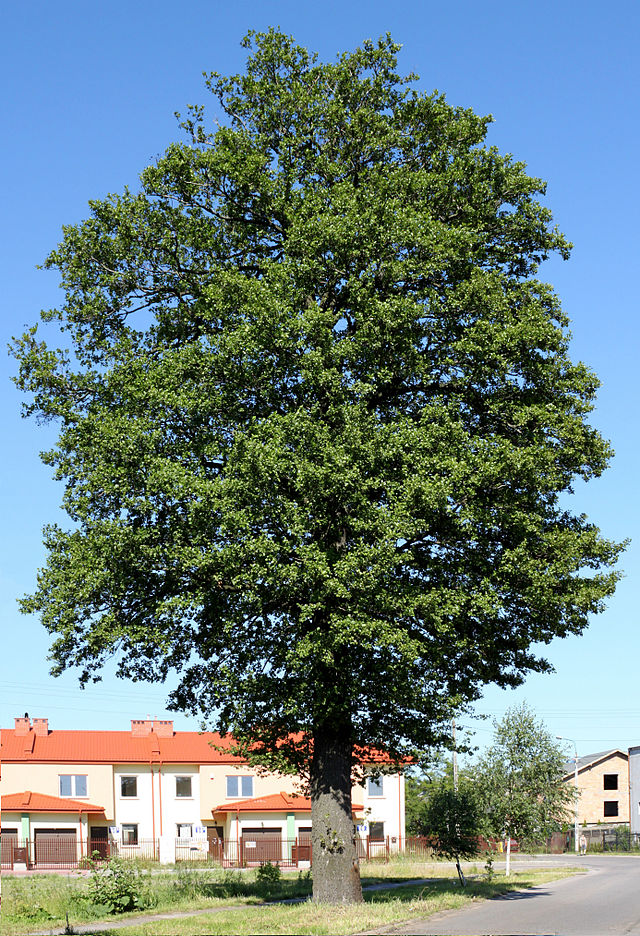
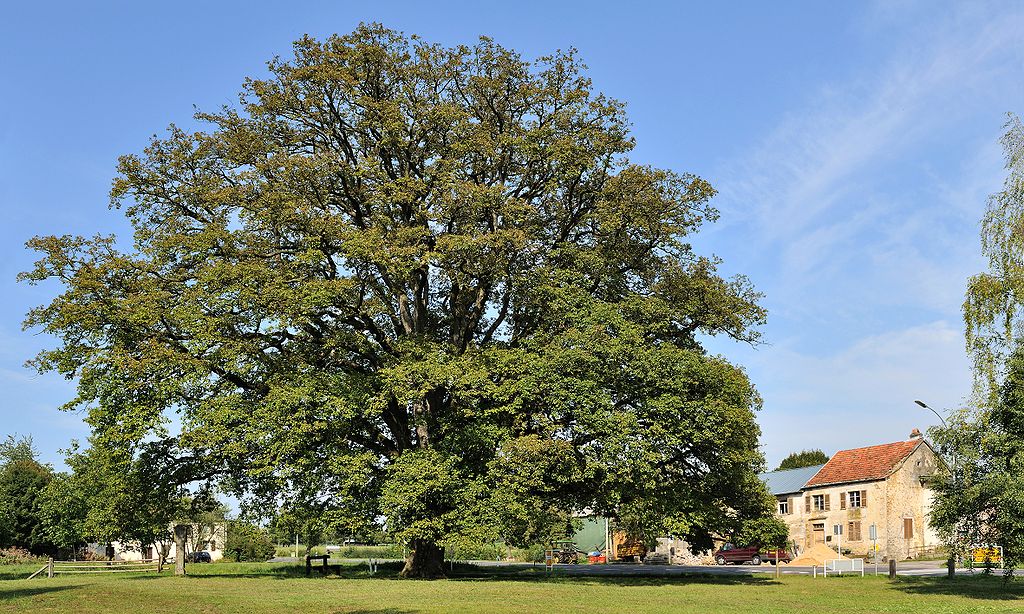
Quercus sp., Oak Tree (photo credit: wikimedia commons)

Quercus sp., Oak Tree (photo credit: wikimedia commons)

Trees can also be negatively affected by air pollution. When particulate matter collects on leaf surfaces, photosynthesis is compromised, limiting a tree’s ability to take gaseous air pollution into its leaves. Urban trees are stressed in additional ways. For example, trees growing near sidewalks, driveways, and roadways deal with serious soil compaction and are often not receiving optimal amounts of water, which can limit their ability to mitigate air pollution. Thus, environmental factors should be considered when determining the relationship between trees and air quality.

This study was conducted at the county level. The researchers acknowledge that more precise predictions could be obtained if analyses were conducted at a finer scale. “Local-scale design of trees and forests can affect local-scale pollutant concentrations.” So, the number of trees, their concentration and configuration, the length of the growing season, the percentage of evergreen trees vs. deciduous trees, etc. all play a role in the extent of air pollution reduction.

While limitations to the study abound, the researchers assert that this initial analysis gives “a first-order approximation of the magnitude of pollution removal by trees and their effect on human health.” Future studies will provide more accurate approximations, but for now I think it is safe to say that trees are good for our health and worthwhile things to have around.

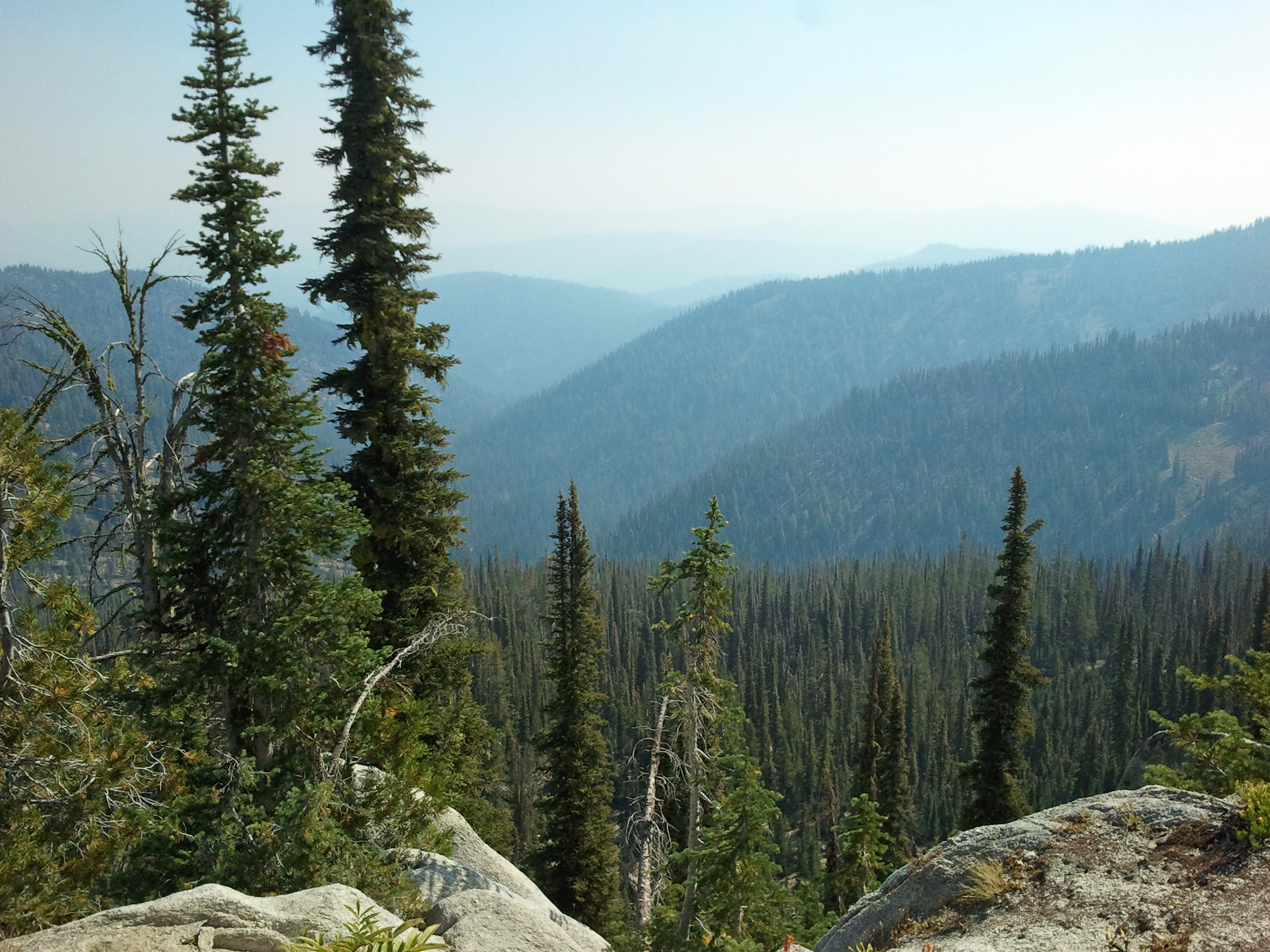
Boise National Forest

Boise National Forest

This study focused mainly on health issues of the respiratory variety. The positive psychological benefits of plants have been observed in separate studies, and our also worthy of our consideration when determining the health benefits of trees and forests.

Feeding the World with Microbes

Back in the mid 1900’s, after the tragic days of the Dust Bowl in North America, new agricultural techniques and technologies were developed and distributed in the name of food security. These developments included higher yielding plant varieties, synthetic fertilizers and pesticides, and advancements in irrigation and other management practices. This period in time was termed the Green Revolution, and it truly was a remarkable time. Agricultural advancements that came out of this period have helped us feed the world and stave of starvation for millions of people. Today, issues of hunger and starvation are political problems, not necessarily agricultural ones. However, the human population continues to grow, and today’s 7 billion people is projected to reach up to 10 billion (or more) in the coming decades. The world’s best farmland is either already in use, degraded, or being used for other things. This means that we must find a way to feed a growing population with the diminishing farmland that is available. We may be producing enough food now (despite the distribution problem), but will we be able to produce enough in the future? The hunt for the Green Revolution 2.0 is on.

“According to the [UN’s Food and Agriculture Organization], most of the growth in production…has to come from increasing yields from crops. Selective breeding doesn’t seem to be offering the types of dramatic yield increases seen in the past. Meanwhile, genetic engineering has yet to lead to any significant increase in yields. Now, many scientists are saying that we’ve been looking at the wrong set of genes.”

These are the words of Cynthia Graber, author of an article that appeared last month on PBS Online’s NOVANext entitled, “The Next Green Revolution May Rely on Microbes.” In it she explores the argument that increasing future yields will depend on better understanding the soil’s microbial community and its complex interaction with the plant community. The big question: if microbes can be artificially bred – the same way virtually all agricultural plants have been – might they help us increase food production?

Microbial life in the soil is incredibly diverse. In one teaspoon of soil, there can be millions of individual microbes including bacteria, fungi, protozoa, algae, and nematodes. Our current understanding of soil life is extremely limited, akin to our understanding of outer space and the depths of the oceans. That is because, as stated in Graber’s article, “perhaps 1% of all soil microbes can be grown in a petri dish, the conventional model for such research.” This limits our ability to study soil microbes and their interactions with other living things. We do, however, acknowledge that the interactions between the roots of plants and soil microbes is incredibly important.

Fruiting Body of an Ectomycorrhizal Fungus (photo credit: eol.org)

Fruiting Body of an Ectomycorrhizal Fungus (photo credit: eol.org)

One major player in these interactions is a group of fungi called mycorrhizae. “Mycorrhizal fungi cannot survive without plants, and most plants cannot thrive without mycorrhizal fungi.” It is a symbiotic relationship, in which the fungi offer plants greater access to water and nutrients, and plants feed sugars derived from photosynthesis to fungi. Recent advancements in genetics have allowed researchers to better analyze the genes in microbes like mychorrizal fungi and determine the functions of them. Through selective breeding, microbes can be produced that will offer even greater benefits to plants, thereby increasing yields. For example, some microbes help plants tolerate heat and drought. Isolating the genes that give microbes these abilities, and then breeding these genes into other microbes might allow for a wider palette of plants to receive this kind of assistance.

In researching this article, Graber followed a Swiss researcher to Colombia where he was testing lines of mychorrhizal fungi on cassava. The fungi were specifically selected to increase a plant’s access to phosphorous. This is one of many experiments that are now under way or in the works looking at specially bred microbes in agricultural production. It’s an exciting new movement, and rather than spoil too much more of Graber’s article, I implore you to read it for yourself. Share any comments you may have in the comment section below, and expect more posts about plant and microbe interactions in the future.

Cynthia Graber appeared at the beginning of a recent episode of Inquiring Minds podcast to talk about her article. I recommend listening to that as well.

Hundreds of Japanese Plants Threatened with Extinction

Life has existed on earth for at least 3.5 billion years, and during that time there have been five mass extinctions. Currently, we are in the middle of a sixth one. The major difference between the current extinction event and others is that this one is largely human caused, which is pretty upsetting. However, knowing that detail has its upside: if humans are the drivers of this phenomenon, we can also be the ones to put on the brakes.

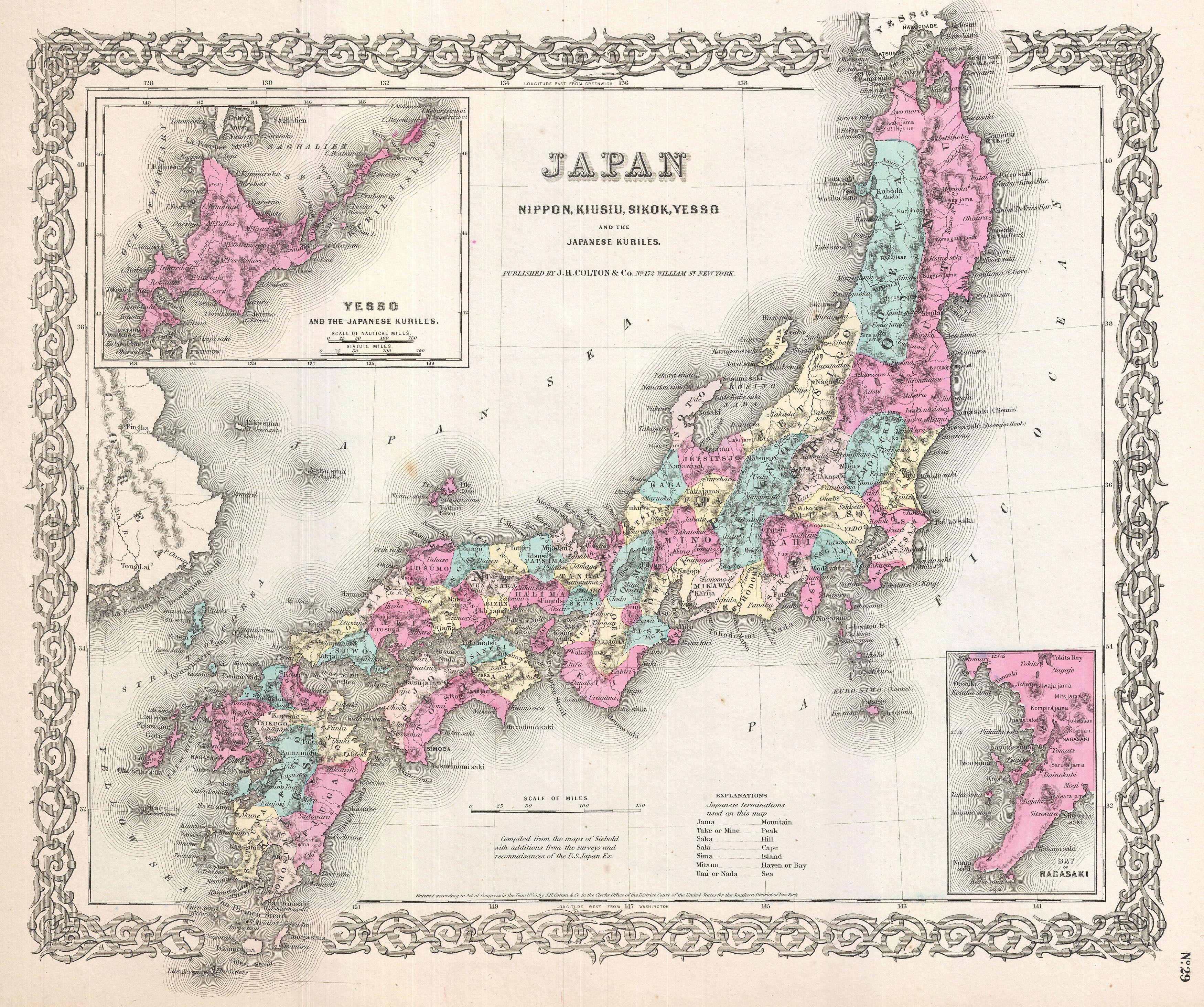
Biologists have spent the last several decades tracking the current mass extinction, endeavoring to come up with a list of species that have the greatest risks of extinction, as well as lists of species that are at less of a risk, etc. The problem is that factors leading up to extinctions are diverse, and available data for making predictions is lacking, especially temporal data. Recognizing this information gap, researchers in Japan set out to better determine the extinction risk of Japanese flora. Using data from surveys done by lay botanists in 1994-95 and 2003-04, they were able to calculate a trend which indicated that, under current circumstances, between 370 and 561 plant species in Japan will go extinct within the next 100 years.

photo credit: wikimedia commons

photo credit: wikimedia commons

The methods for this study, as described in the findings which appeared last month in PLOS ONE, involved dividing Japan into 3574 sections measuring around 100 square kilometers each and covering about 80% of the country. More than 500 lay botanists tallied the numbers of species that were found in each section during the two time periods. 1735 taxa were recorded, and out of those, 1618 were considered quantifiable and used in the analysis.

Japan is home to a recorded 7087 vascular plant taxa. Historically, the extinction rate of plant taxa in Japan has been around 0.01% per year. According to this study, over the next 100 years the extinction rate will rise to between 0.05 and 0.08% per year. Researchers are organizing a third census in the near future in order to monitor the actual extinction rate and better determine the accuracy of this prediction.

Data collected in these censuses was also used to evaluate the effectiveness of protected areas and determine the need for improvements and expansions. Natural parks cover 14.3% of Japan, but only about half of that area is regulated for biodiversity conservation. The researchers found that protected areas do help to reduce the risk of extinctions, but that their effectiveness is far from optimum and that even expanding protected areas to cover at least 17% of the nation (a target set at the recent Convention on Biological Diversity) would not effectively gaurd threatened plant species from extinction.

In their conclusion, the researchers advise not only to expand protected areas but to improve the “conservation effectiveness” of them, and “to improve the effectiveness of them, we need to know the types of pressures causing population decline in the areas.” They go on to list a few of these pressures, including land development and recreational overuse, and suggest that management schemes should be developed to focus on specific pressures.

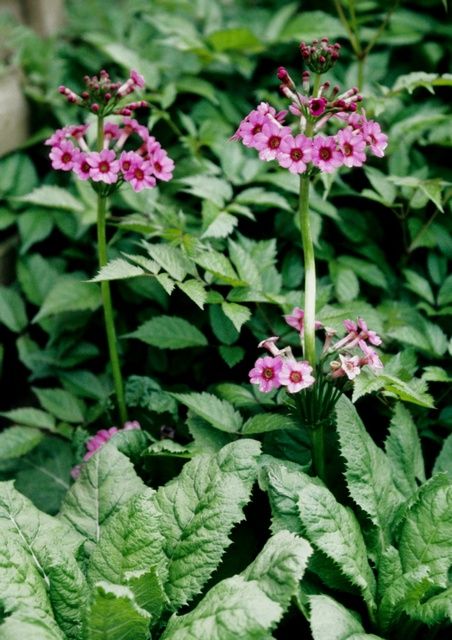
Japanese Primrose, Primula japonica (photo credit: eol.org)

Japanese Primrose, Primula japonica (photo credit: eol.org)

One thing I found very interesting and encouraging about this study was the recruitment of lay botanists in collecting data. As stated in the findings, “Monitoring data collected by the public can play an essential role in assessing biodiversity.” I am excited by the growing citizen science movement and hope to see it continue to expand as more and more people become interested in science and eager to add to this body of knowledge. In fact, I consider the term “awkward botany” to be synonymous with citizen, lay, and amateur botany. That is precisely why I chose it as the title for my blog. So, in short, expect more posts involving citizen science in the future.

You can read more about this study on John Platt’s blog Extinction Countdown at Scientific American.


Flood Irrigation and Migrating Waterfowl

It’s American Wetlands Month. Last year around this time, I wrote a brief post describing the importance of wetlands and why they are a conservation concern. This year I thought I would write a little about an issue surrounding wetlands that has recently come to my attention: flood irrigated agricultural land and its benefit to migrating waterfowl.

The term “waterfowl” refers to birds that live on or around freshwater, such as ducks, geese, and swans. Like many other birds, they are migratory, typically flying north in the spring to breed and spend the summer raising their young, and then flying back south in the fall to overwinter. There are four major flyways (or migratory flight paths) in the United States: Pacific, Mississippi, Central, and Atlantic. Along these flyways, migrating birds need places to rest and feed in order to maintain the strength to make it to their seasonal homes. As wetlands have disappeared across the country (and the world), essential areas of respite have become few and far between, threatening the survival of this important group of birds.

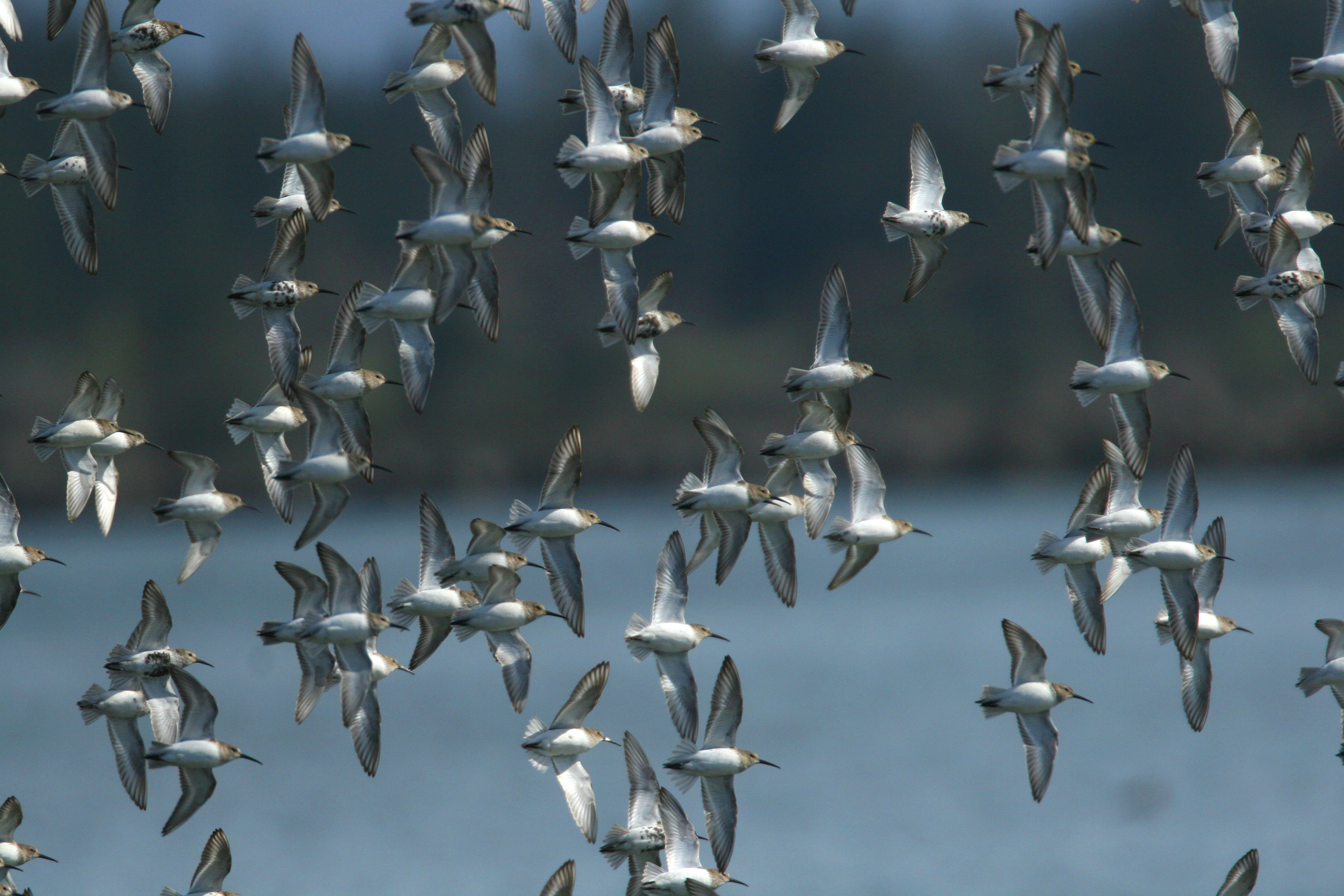
Dunlins - Calidris alpina (photo credit: www.eol.org)

Dunlins – Calidris alpina (photo credit: www.eol.org)

Historically, wetlands have largely been diminished and degraded due to human settlement on the floodplains of major rivers. Floodplains are examples of temporary or seasonal wetlands, flooded in the spring when snow in the mountains is melting and during periods of heavy rains but otherwise dry throughout most of the year. These areas appealed to early settlers because they were flat, had great soil for agriculture, and were near a water source. The only downside was the flooding, so levees and dams were built, diversions were made, and eventually these great rivers were tamed, virtually eliminating their status as seasonal wetlands and the important ecological functions that go along with that.

This has spelled disaster for migrating waterfowl who rely on floodplains to be flooded in the spring, providing them with staging habitat on their journey north. Biologists have recognized this issue and have made efforts to protect and restore wetlands in order to provide this essential habitat. But restoring wetlands is a major feat. Rivers that supply both temporary and permanent wetlands aren’t what they used to be. There are myriad diversions and modifications, and with a continually growing human population, too many uses for the water. So that’s where farmers and ranchers come in.

In the spring, many farmers and ranchers flood their fields in order to irrigate crops. Migrating waterfowl take advantage of these flooded fields, stopping to rest and feed. Recognizing the role that flood irrigation has on the survival of these birds, biologists are working with farmers and ranchers along flyways to ensure that their land will remain in agriculture and that land owners will continue to flood irrigate (rather than switching to overhead irrigation). In California for example, rice farmers are being paid by the Nature Conservancy to flood their fields in conjunction with spring and fall migrations in order to ensure that birds will have staging habitat along the way. So, despite humans playing a major role in reducing habitat that migrating waterfowl require for survival, we are finding ways to make up for it. This is just one example of how we can help protect and improve biodiversity in our human-dominated landscapes.

Read more about protecting migrating waterfowl in the Pacific Flyway here.

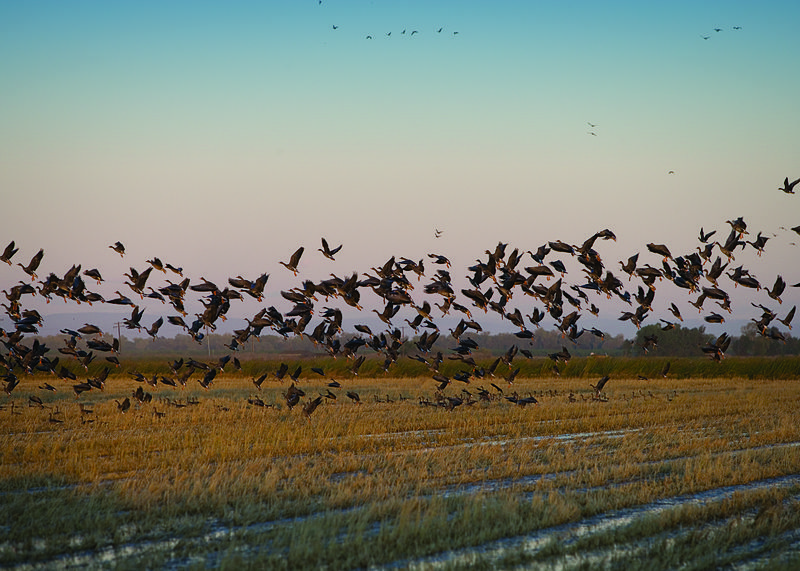
Geese in a Flooded Rice Field in California (photo credit: NRCS)

Geese in a Flooded Rice Field in California (photo credit: NRCS)

Celebrate American Wetlands Month by learning more about them. Here are some links to get you started:

U.S. Environmental Protection Agency

Association of State Wetland Managers

Defenders of Wildlife


Ground Nesting Bees in the Garden

Earlier this year I wrote about planting for pollinators. In that post I briefly introduced various things that people can do to encourage pollinator activity in their yards and gardens. One thing that I mentioned was the importance of providing nesting sites. Most pollinators are insects and insects are small, so the distance that they are able to travel in search of food is relatively limited. According to the Xerces Society, the smallest bees can only fly a few hundred feet from their nests. Providing nesting sites in close proximity to foraging sites is incredibly important.

Roughly 70% of native bee species in North America are ground nesting bees, so chances are pretty good that if you are providing forage for bees in your yard, a good number of the bees that visit will be ground nesting bees. In order to ensure the survival of these bees, consider providing nesting habitat for them on your property.

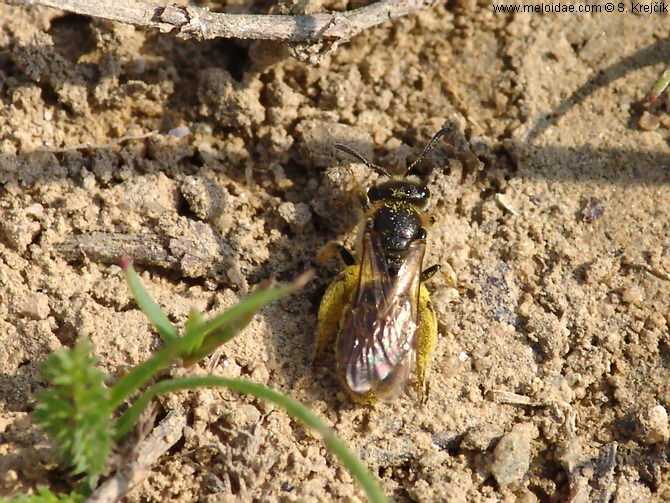
ground nesting bee_lasioglossum

Lasioglossum leucozonium – a North American ground nesting bee (also known as a sweat bee) – photo credit: www.eol.org

Here are a few things to keep in mind when developing nesting habitat for ground nesting bees:

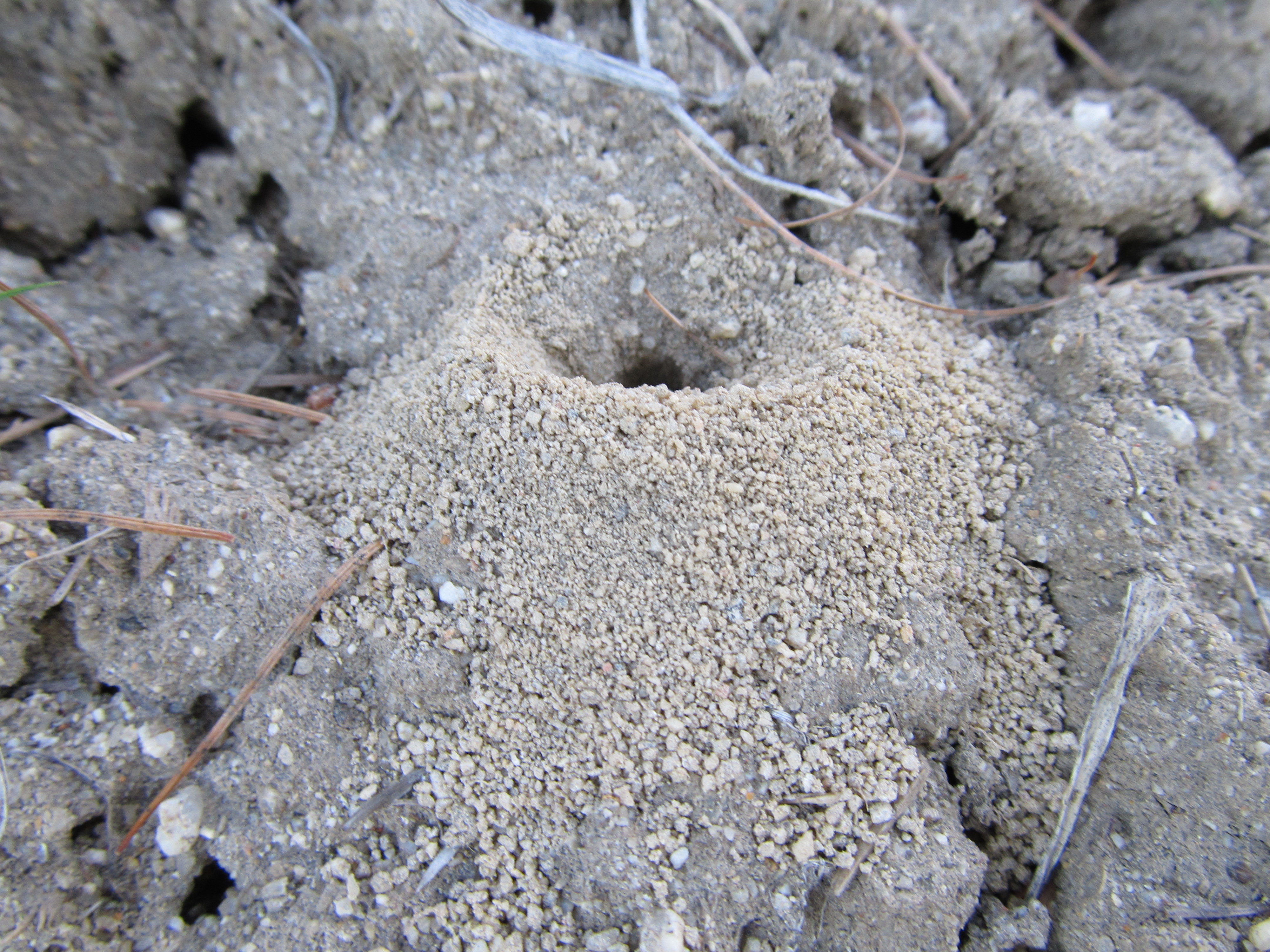
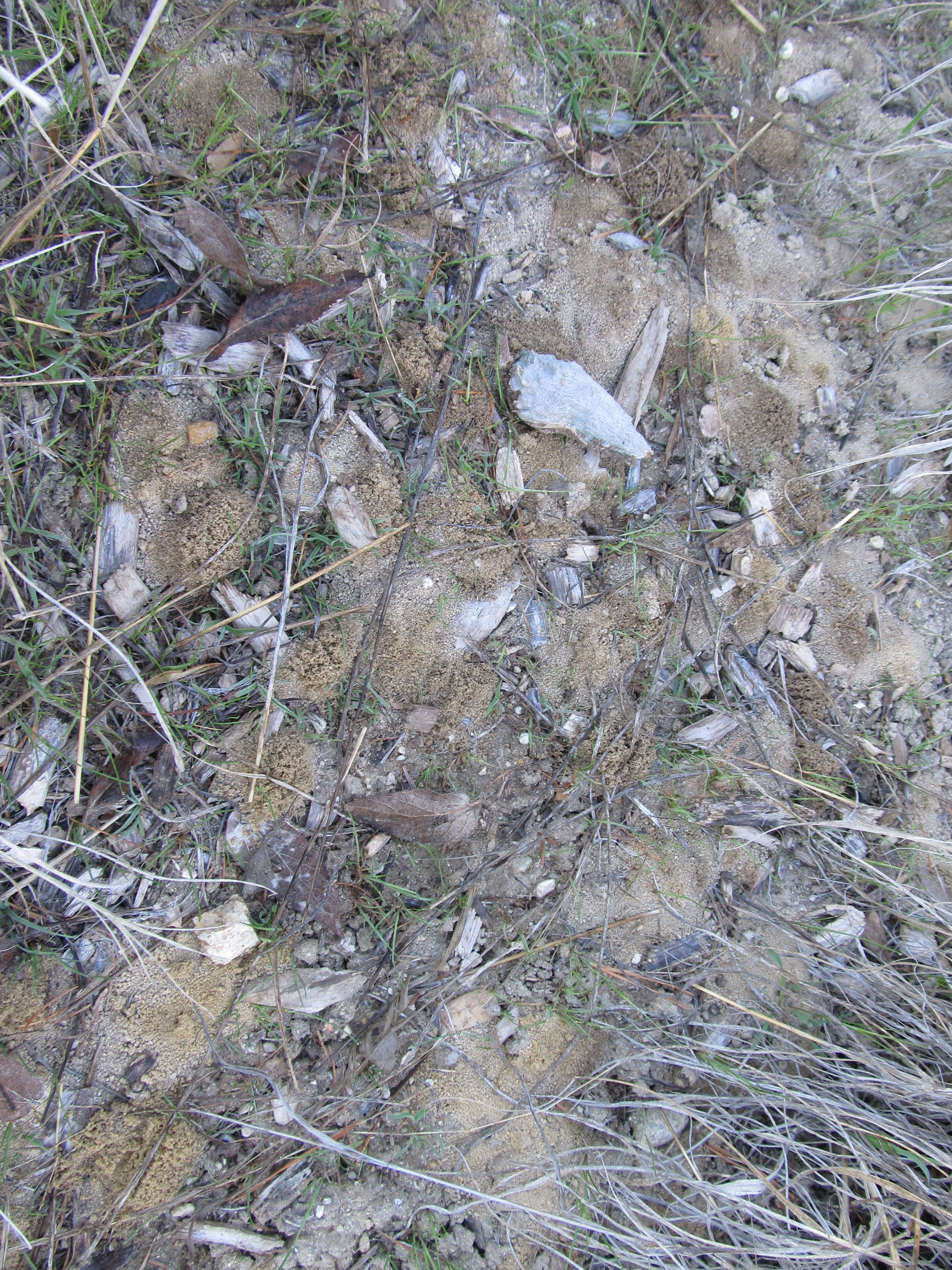
Create and Maintain Undisturbed Bare Ground: You may already have ground nesting bees living in your yard and you don’t even know it. Obvious evidence of nests is difficult to spot. If you can find tunnel entrances, they will look like small ant mounds. If you find a series of small “ant mounds”, watch for bee activity during sunny times of the day. Activity can be quite ephemeral though, so it is difficult to know if bees have just moved in or if they have moved on. Avoid tilling up soil and walking through areas where you suspect or intend for bee activity. Leave patches of bare ground unplanted and unmulched in order to encourage bees to nest there.

Sunny and South Facing: Bees are most active when the sun is shining and temperatures are warm. For this reason they tend to build their nests in warm, sunny spots. However, warm, sunny spots are also the best locations for many plants. Consider sharing these sites with ground nesting bees. Avoid putting down mulch in these areas and keep vegetation sparse and minimal.

Avoid Pesticides: When encouraging pollinator activity in your yard and garden, it is best to avoid using pesticides as much as possible. Herbicides kill potential food sources. Insecticides can kill pollinating insects along with pest insects. And soil fumigants can harm ground nesting bees.

Provide Some Accommodations: Due to the diversity of ground nesting bees, it is difficult to provide nesting habitat for all potential species. Some prefer loose, sandy soil while others prefer smooth, packed ground. Some bees will nest on level ground, while others prefer sloped ground. The habitat you are able to provide will depend on the conditions present on your property. Some modifications can be made, but this all depends on the resources available to you and how particular you want to get. Apart from maintaining a patch of undisturbed, unmulched, south facing ground, there are three additional things that you can offer ground nesting bees to make them feel more at home on your property: food (in the form of diverse flowers blooming throughout the growing season), a water source (in the form of a birdbath or something similar), and a few rocks for the bees to perch on and warm their tiny bodies.

IMG_0777

The tunnel entrance of a ground nesting bee.

IMG_0779

Tunnel entrances are often found in groups in areas of bare ground mixed with patchy vegetation.

Planting for Pollinators

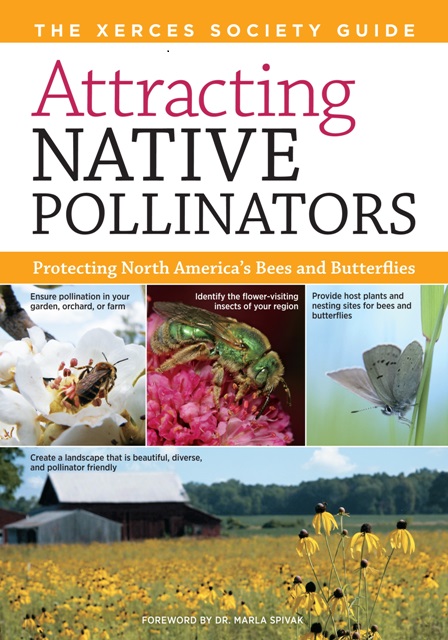
“All urban greenspaces offer potential for pollinators, and all can become important links in a chain of wildlife habitat winding through developed land. At the most basic level, healthy greenspaces mean healthy people and healthy communities. And at the core of a healthy environment are the pollinators.” –excerpt from the book, Attracting Native Pollinators by The Xerces Society

Concern for pollinators, particularly bees, is widespread. Whether you pay attention to the news or not, you are most likely aware that something is up. The bees are disappearing and no one seems to know why. Of course, most of the news concerning dying bees is in reference to honey bees, largely because they are major agricultural pollinators and producers of honey. But there are two things that many people may not be aware of: 1. Honey bees are not native to North America – they were brought over from Europe by early settlers – and 2. North America is replete with native pollinators (including numerous species of bees, butterflies, beetles, and wasps) and they, too, are threatened (partly due to non-native honey bees, but we won’t get into that here). Oh, and there is a third thing, we do know why bees and other pollinators are disappearing, and it’s not because of cell phone towers or other wacky ideas that have been proposed.

Actually, pollinator decline is due to a whole suite of things. As much as we like to seek out the silver bullet – the single cause with a single solution that will solve the problem – this issue (like so many others) does not have one. Habitat degradation and loss, the spread of pests and diseases, extensive pesticide use, and climate change all play a role in pollinator decline. Consider a modern day farm: acres and acres of a single crop planted from one edge of the field to the other, often planted with an herbicide resistant variety of crop so that all plants (both weedy and non-weedy) can be sprayed and killed leaving only the crop in question to grow competitor free. Or consider an urban landscape: patchy green space amidst miles and miles of pavement, concrete, and rooftops, and when that green space occurs, it is often a chemical green lawn free of weeds or a flower bed loaded with non-native ornamentals, bred for aesthetic appeal and often lacking in wildlife value. Our modern landscapes just aren’t fit for pollinators.

But things can change. The problem is complex, but there are small things each of us can do that when added up can make a colossal difference. Creating pollinator friendly habitats in our communities – spaces that are free from pesticides and include diverse food sources and nesting sites – can help ensure that pollinators will survive and thrive. Here are a few guidelines and resources to help you create pollinator habitat in your yard or neighborhood:

– Find a sunny location: Pollinators are most active when it is warm, so find areas that get at least 6-8 hours of full sun (just like you would if you were planning a vegetable garden).

Plant a wide variety of plants: Something should always be in bloom during the growing season, so select at least 3 plants that flower in each of the 3 blooming periods (spring, summer, and fall). Early spring bloomers and fall bloomers are especially important. Also, in order to attract a wide range of pollinators, select plants with varying heights and growth habits and that have flowers of various colors, shapes, and sizes.

– Plant in clusters: On each foraging trip, bees visit the flowers of a single plant species, so plant each species in small clumps.

-Provide nesting sites and a water source: Bumble bees nest at the bases of bunchgrasses, so include a warm season bunchgrass like little bluestem in your yard. Ground nesting bees require a section of bare ground, so lay off on the mulch. Construct and install bundles of hollow stems (like bamboo or elderberry) in order to provide nesting sites for mason bees. Also, include a birdbath or something with a ledge for pollinators to perch and drink.

There are many resources that can instruct you on providing habitat for pollinators. One standout is The Xerces Society. They are “a nonprofit organization that protects wildlife through the conservation of invertebrates and their habitat.” Their website is loaded with information: specific plant recommendations by region, instructions on how to provide habitat for certain pollinators, alternatives to pesticides, etc. You can even help them by becoming a citizen scientist. Other excellent resources include Monarch Watch and The Great Sunflower Project.

attracting-native-pollinators1

“Simple decisions about selecting plants, providing nest sites, minimizing disturbance, and reducing pesticides can make a dramatic difference between a green, manicured, but lifeless landscape, and one that teems with the color, energy, and life of buzz-pollinating bumble bees, rapidly dashing hummingbird moths, and busy nest-building leafcutter bees.” –excerpt from Attracting Native Pollinators by The Xerces Society

Stay tuned for future posts about pollinators, including pollinator conservation and specific pollinator and plant interactions. Also, comment below to share what you are doing to help pollinators in your community. 

Related Posts:

In the News: Declining Insect Populations

Figs and Fig Wasps

Wise Management of Invaded Plant Communities

Late last year the journal Nature published an article by Katherine Suding called “A Leak in the Loop,” which discussed the findings from long-term observations of an invaded plant community in Hawai’i. (A report authored by the researchers can be found in the same issue of Nature.) Once introduced, exotic species can become invasive by modifying their surroundings in such a way that ensures their survival and spread. Examples include modifications to fire and disturbance regimes, nutrient cycles, hydrology, and soil microbe communities. This self-reinforcement strategy is called a positive feedback loop. However, positive feedback loops are not eternally stable and can at some point be interrupted by negative feedback. In the case of invasive species, these “leaks in the loop” can result in population declines  and opportunities for restoration.

Back in the 1960’s, woodlands in Hawai’i Volcanoes National Park that were traditionally dominated by Metrosideros polymorpha, a flowering evergreen tree in the myrtle family (Myrtaceae), were invaded by a perennial grass from Africa commonly known as molasses grass (Melinis minutiflora). Molasses grass was successful because its presence increased the frequency and size of fires which reduced populations of native plant species without negatively affecting itself. Additionally, accelerated nitrogen cycling rates resulted due to the presence of the exotic grass, which benefited the invader. But now things have changed.

Returning to these sites 50 years later, researches have discovered that nitrogen cycling rates have returned to pre-invasion levels. Since molasses grass requires high levels of nitrogen, it is now on the decline. What exactly caused this reduction in nitrogen availability is unclear. It could be because winter rains flush nitrogen from the soil, making it unavailable when the grass begins to actively grow again in the spring. Several years of reduced growth resulting from reduced nitrogen availability diminishes the grass’s initial contribution to accelerated nitrogen cycling, hence a breakdown in the positive feedback loop.

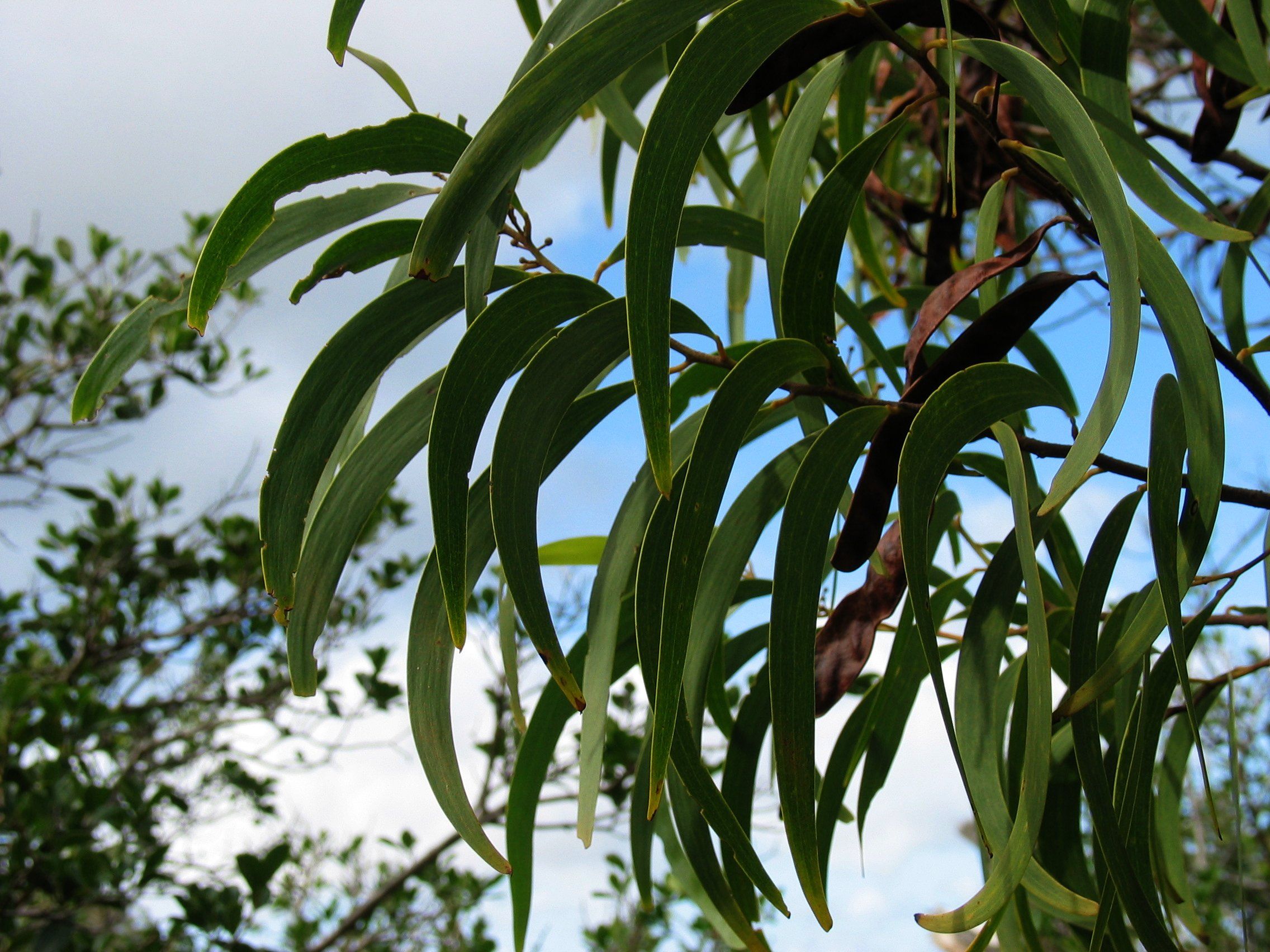
With the invader on the decline, the woodlands should be able to restore themselves. Ideally, anyway. Instead what the researchers observed is that another invader, Morella faya – a nitrogen fixing evergreen shrub from Europe, is moving in. Acacia koa, a native nitrogen fixing tree, is the ideal candidate for restoring these woodlands, however its seeds are heavy and don’t spread easily. Seeds of M. faya are bird-dispersed, and so they find their way into these sites first. In order to restore these sites and avoid further invasions, land managers must recognize when and where molasses grass is declining and start planting Acacia koa trees in large numbers, getting them established before M. faya arrives.

acacia koa

Acacia koa (photo credit: eol.org)

This research is important for anyone in the business of managing invaded plant communities. As Suding concludes in her article, “this new perspective will inform where and when we might best intervene in systems to capitalize on their changing dynamics.” Millions of dollars are spent each year in an attempt to reduce and ultimately eradicate invasive plant species. Long-term studies of invaded plant communities can help us recognize when the best times to employ restoration strategies might be. When we find a leak in the loop, we should take advantage of it, otherwise we may just be wasting resources.

Related Post:

Invasivore: One Who Consumes Invasive Species