Ethnobotany: Holy Basil

Every year I try to grow a few things in my garden that I have never grown before. This year one of those things is holy basil. Not to be confused with the common culinary basil (Ocimum basilicum) – of which there are numerous horticultural varieties – holy basil (Ocimum tenuiflorum) while closely related is a completely different species. Both species are native to South Asia. One of the main differences between the two is that O. basilicum is an annual and O. tenuiflorum is a short-lived perennial.

ocimum tenuiflorum

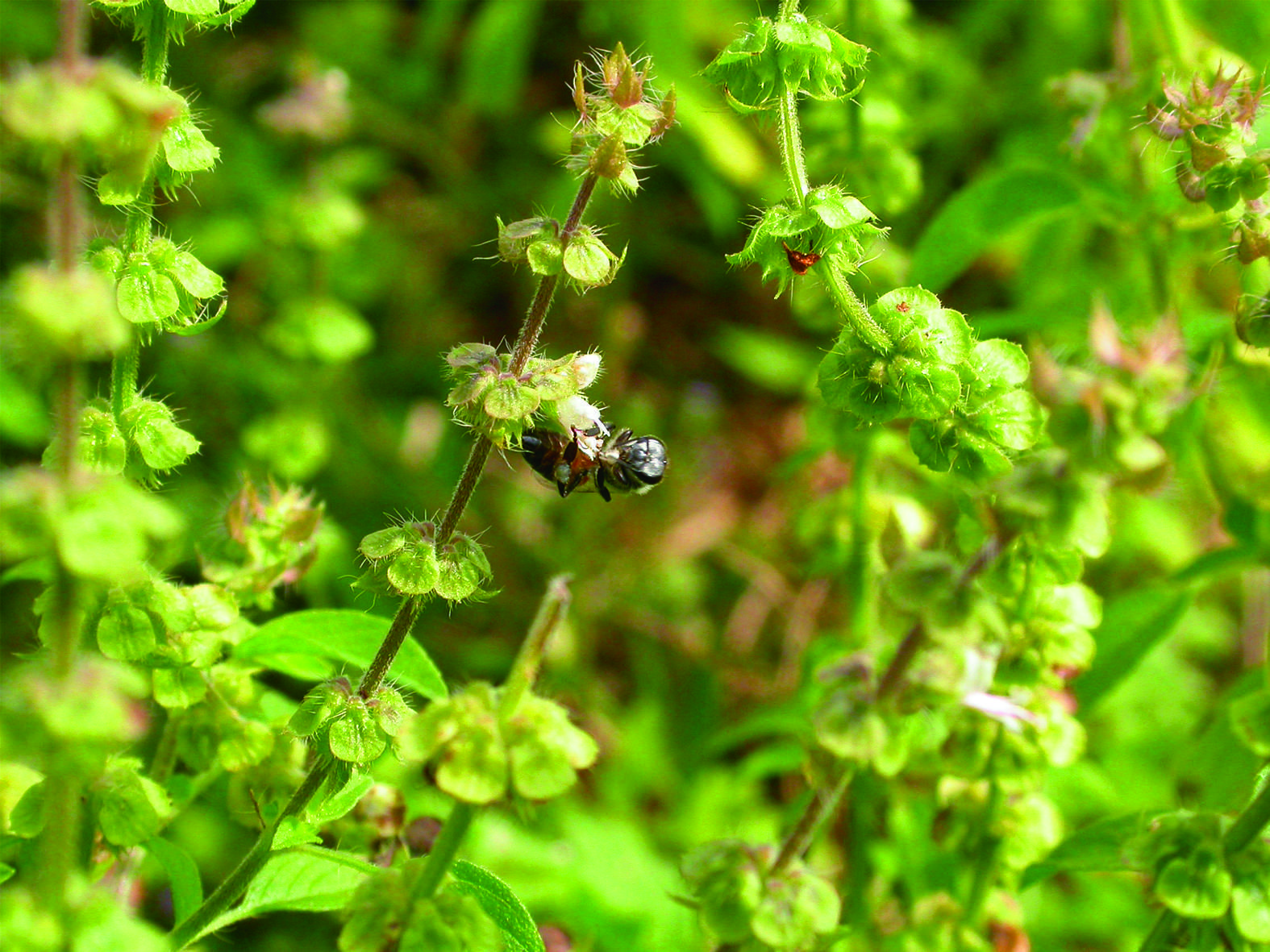
 Holy Basil, Ocimum tenuiflorum (photo credit: www.eol.org)

Holy basil is a member of the mint family (Lamiaceae), which means that it has square stems and oppositely arranged leaves and branches. It is a highly aromatic subshrub that reaches about 3 feet tall and has hairy stems and green and purple leaves. The flowers of holy basil are white/purple and tightly arranged in a long raceme. While it is a perennial in its native range, it is not hardy in more temperate climates. Holy basil is a common ingredient in Thai food and has many medicinal uses. In India, it is often prescribed by Ayurvedic practitioners as a treatment for many things, including stress, fever, influenza, headaches, insomnia, and upset stomach. The leaves of this plant are used as a mosquito repellent, and oil derived from the seeds is being researched for it’s potential use in treating cancer. However, probably the most interesting thing about holy basil is its place in Hindu culture.

Holy basil is considered by Hindus to be the earthly incarnation of the goddess Tulsi who is a companion of the god Vishnu. Thus, tulsi is a common name for this plant in Asia. Tulsi is the most sacred of all plants in Hinduism, which is why it is commonly seen growing in special pots in the courtyards of Hindu homes. During ritualistic worship, tulsi leaves are offered to Vishnu and his avatars. Vaishnavas (followers of Vaishnavism, a major branch of Hinduism) make prayer beads from the stems and roots of tulsi plants. Wearing these prayer beads (called Tulsi malas) is said to connect one with the gods and bring their protection. Because tulsi is considered to be a manifestation of deity on earth, it is seen as a connection point to heaven, and so tulsi leaves are placed in the mouths of people who are dying in order to ensure a safe journey into celestial realms.

Hindus not only regularly use holy basil in ritualistic worship, they also regularly worship the plant itself. Daily worship of the tulsi plant is traditionally done by women. Worship can involve praying to the plant, chanting mantras, watering the plant, cleaning around the plant with water and cow dung, and offering it things like food, flowers, and water from the Ganges river. Even when not worshiping tulsi, simply caring for it daily is said to bring blessings from Vishnu.

holy basil

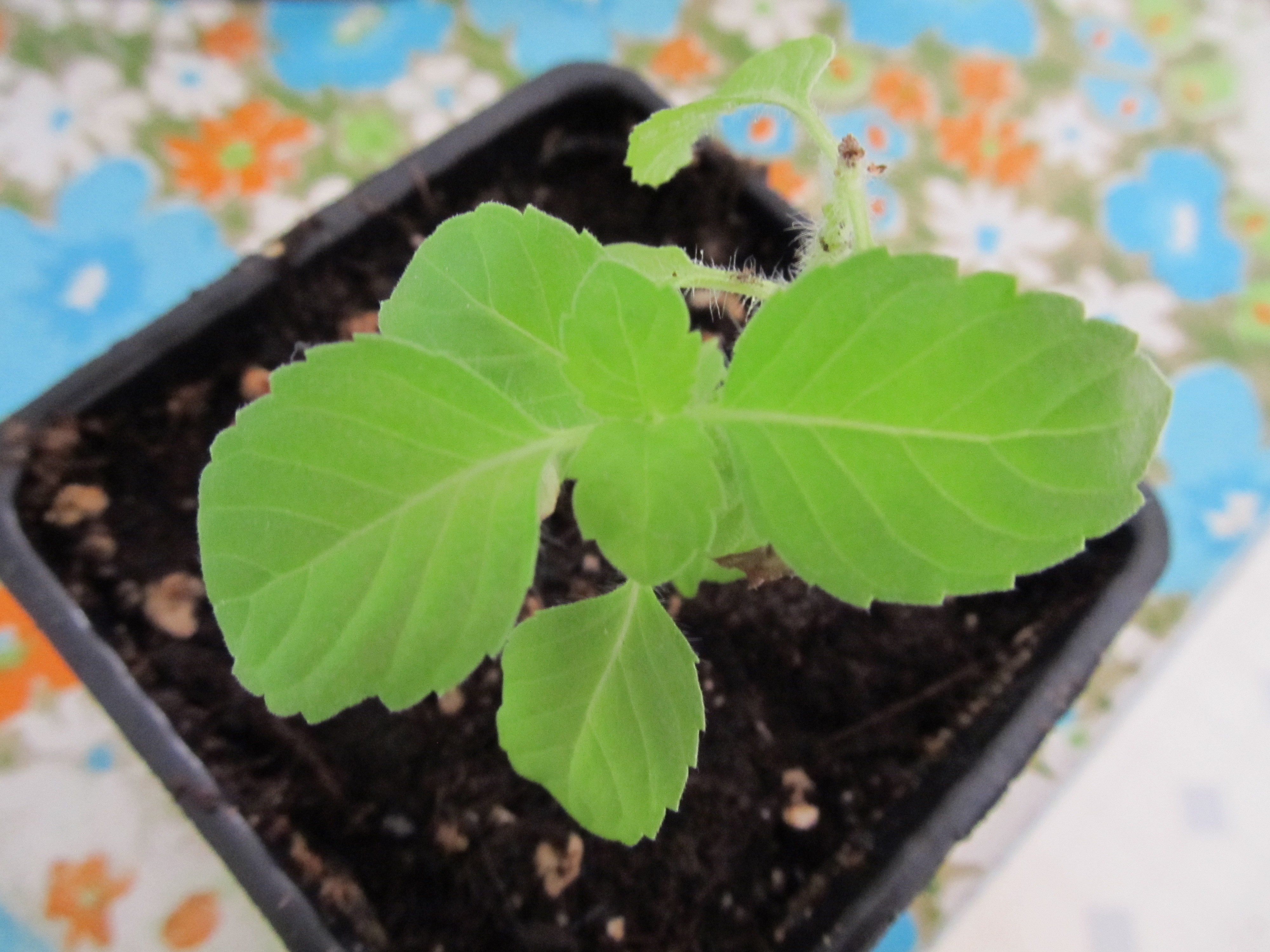
My holy basil. It doesn’t look like much now, but it has potential.

Learn more about holy basil and its ethnobotanical uses by visiting Kew and HinduNet.

Moss Reanimated After 1,500 Years in Permafrost

Some plants die hard. At least that seems to be the lesson learned after moss retrieved from deep within the frozen ground of Antarctica was found to still have life left in it. Following in the footsteps of the discovery by a separate research team of moss revived after spending 4oo years beneath glacial ice, researchers from the British Antarctic Survey and the University of Reading set out to determine the viability of the innards of a moss bank encased in permafrost.

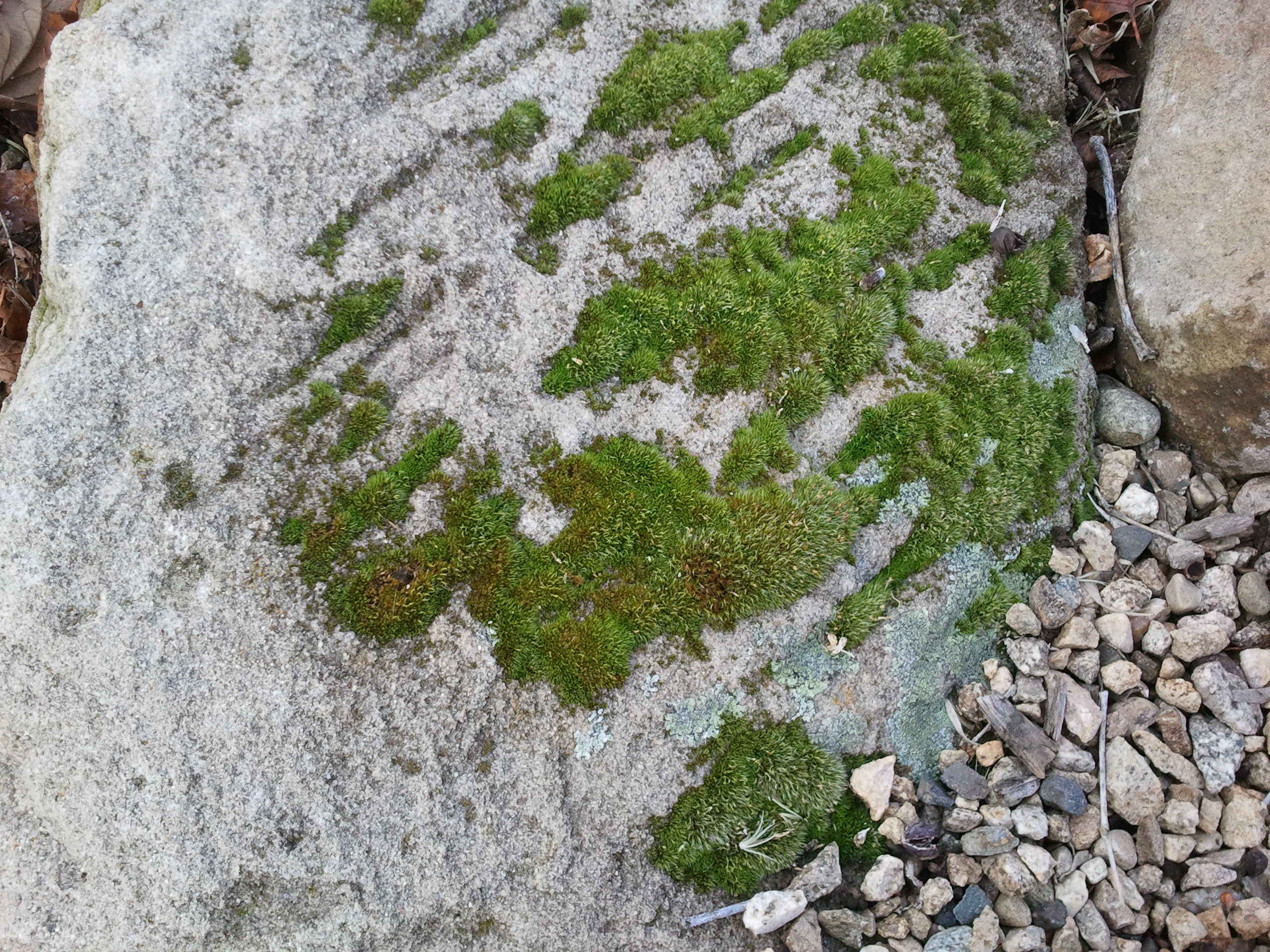
Mosses are ancient plants, predecessors to the more recently evolved (at least on a geological timescale) vascular plants. They produce no flowers or seeds and have no roots. Their leaves carry out photosynthesis – just like other plants – but they also absorb water and nutrients. There are about 12,000 species of mosses found in a wide range of habitats. Because they lack a vascular system, mosses require a damp environment (or at least one that is seasonally damp). While commonly seen growing in shady locations, there are some moss species that thrive in full sun, such as those growing on rocks in alpine environments. Mosses are the dominant vegetation in the polar regions where they can form thick moss banks in which an actively growing layer is underlain with moss that has slowly become incorporated into the permafrost.

SAMSUNG

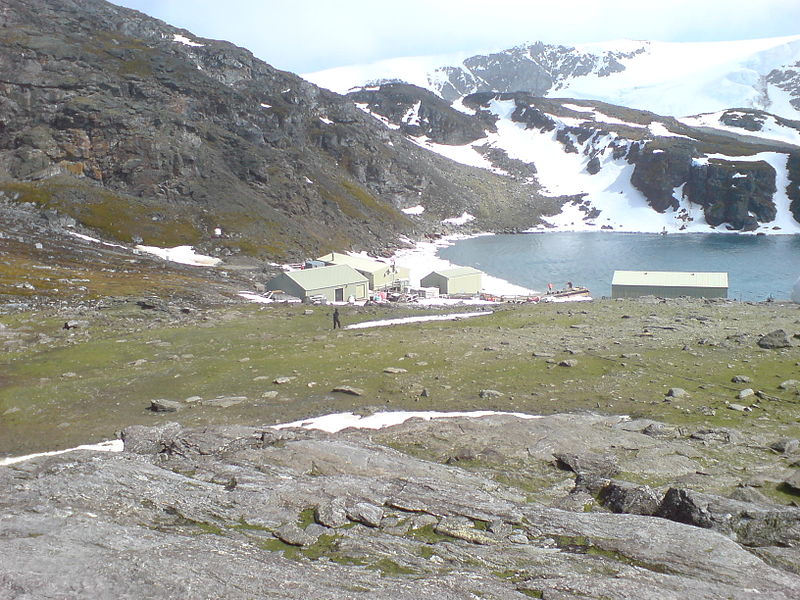
The researchers in this study, which was published in the latest issue of Current Biology, took a core sample of a moss bank on Signy Island, Antarctica. The moss bank consisted of a single species – Chorisodontium aciphyllum. The sample core went 138 centimeters (4.5 feet) deep, and  radio carbon dating of material taken from near the bottom of the core gave it an age of between 1533-1697 years old. The core was cut into several sections and then exposed to temperature and light conditions similar to the moss’s native environment. New growth occurred in many of the sections, but the most impressive finding was that after only 22 days, growth was noted in the 121-138 cm section, demonstrating that even after being frozen for more than 1500 years the moss was still alive. It was simply in a cryptobiotic state – a state in which all metabolic processes pause due to adverse environmental conditions.

signy research stationSigny Research Station on Signy Island (photo credit: Wikimedia Commons)

Certain microbial life has been known to survive in a cryptobiotic state for tens of thousands of years, however this is the first time that a multicellular organism has been found to survive in such a state for longer than a few decades. So is their a moss species out there that has been surviving frozen conditions for even longer? It’s quite possible. And from an ecological standpoint, suspended animation is essential in order for polar mosses to survive periodic ice ages. Perhaps that’s why they have developed this remarkable trait.

Read more about this study here and here.

Field Trip: University of California Botanical Garden at Berkeley

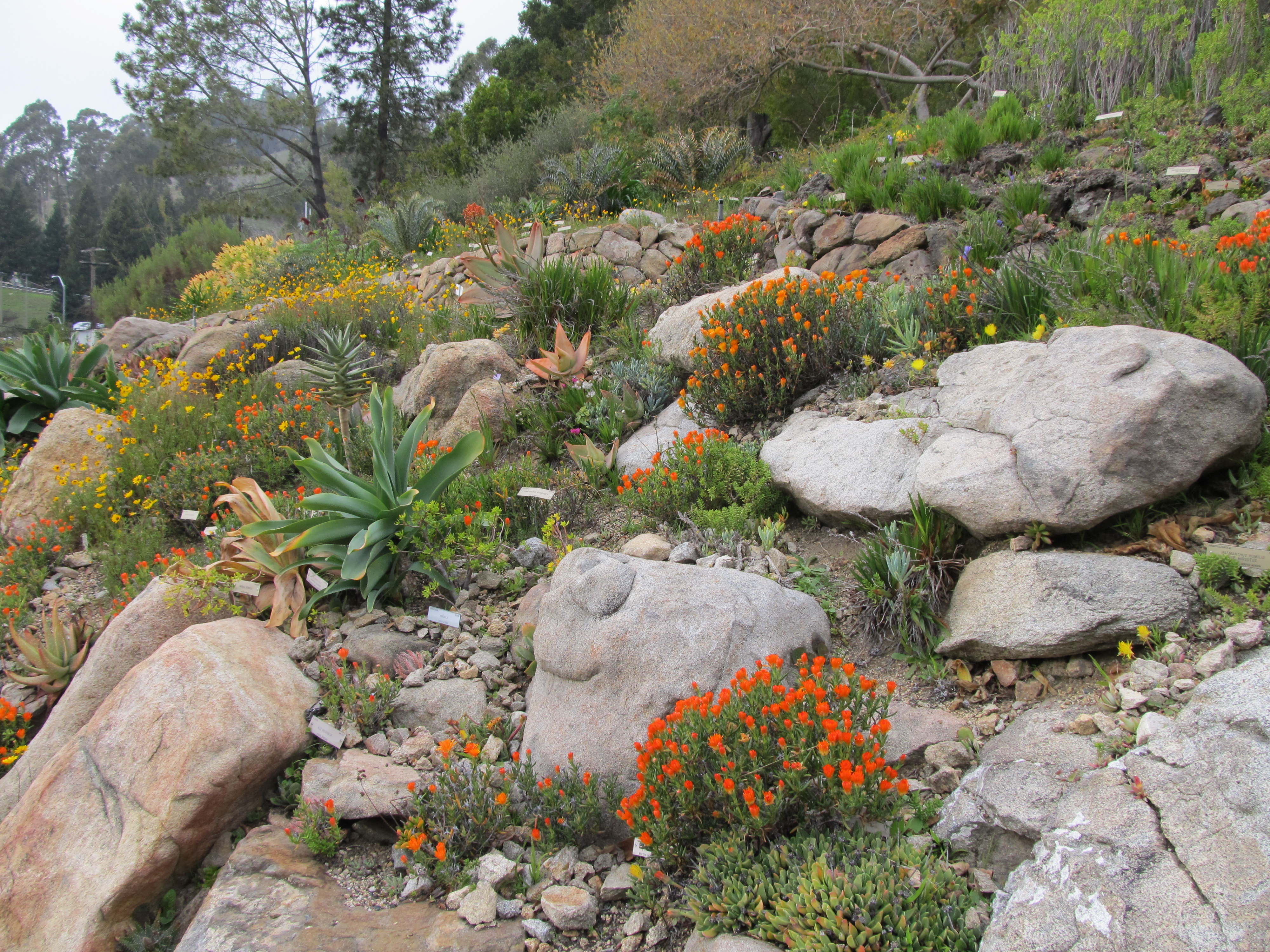
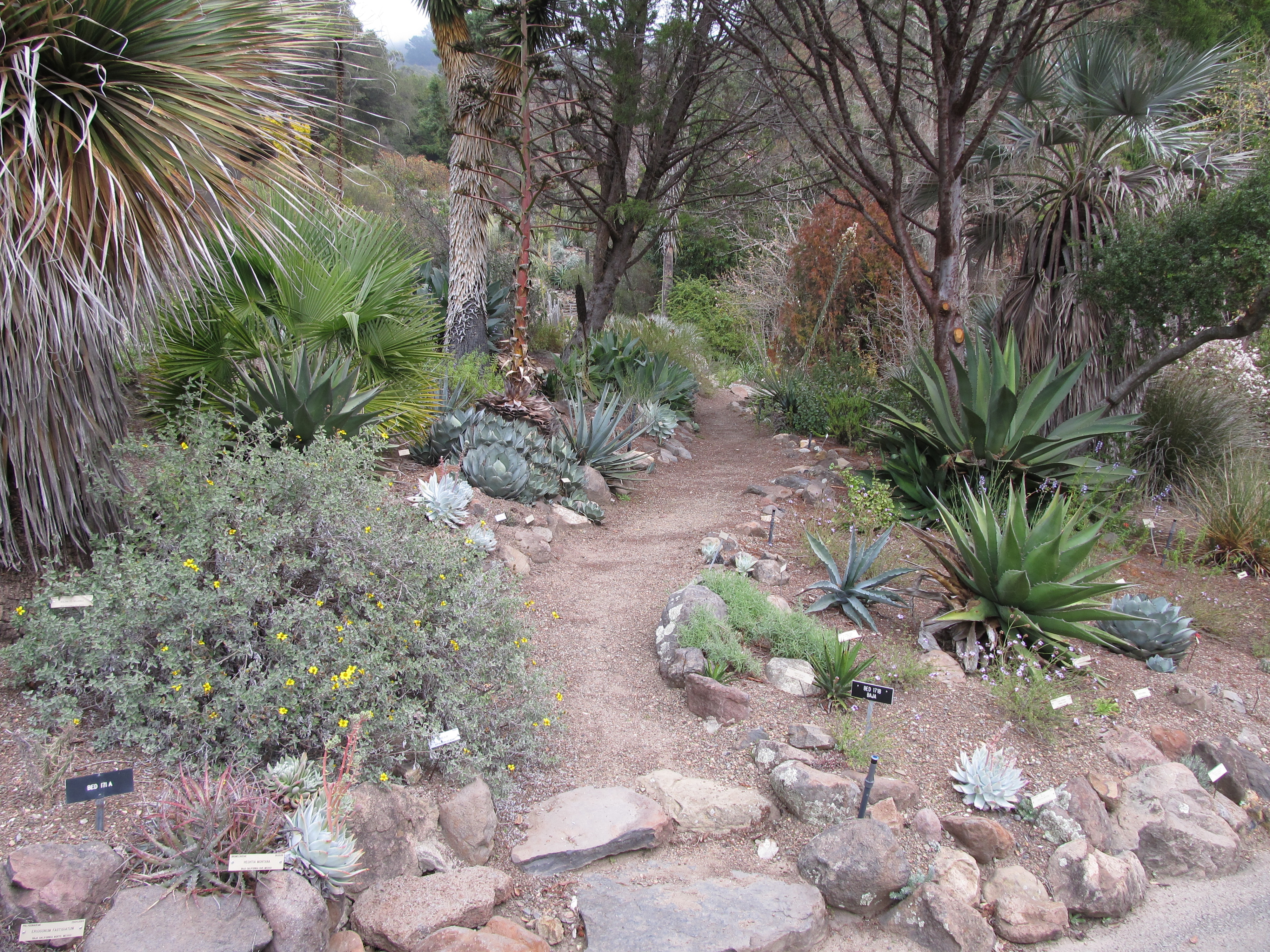
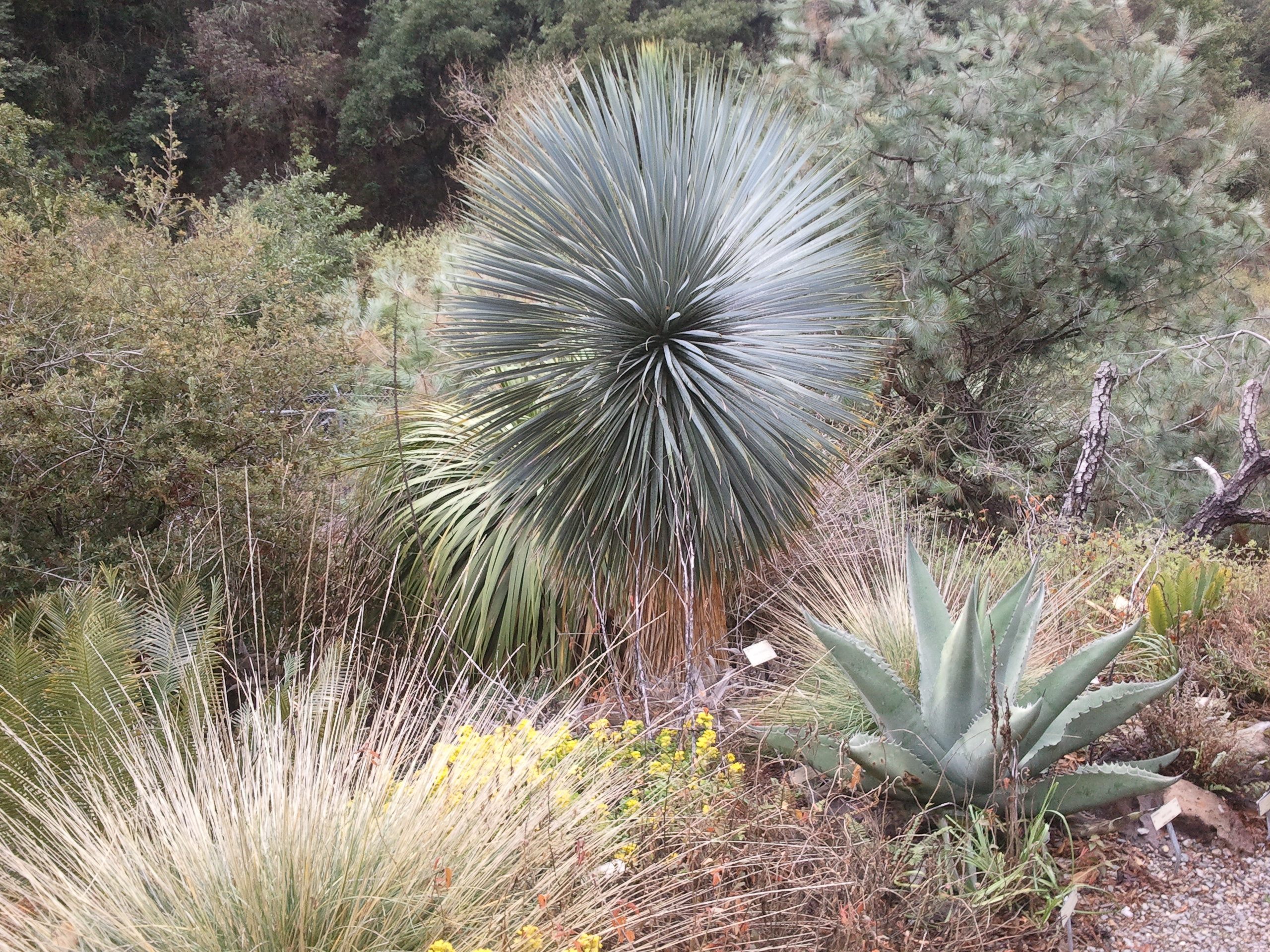
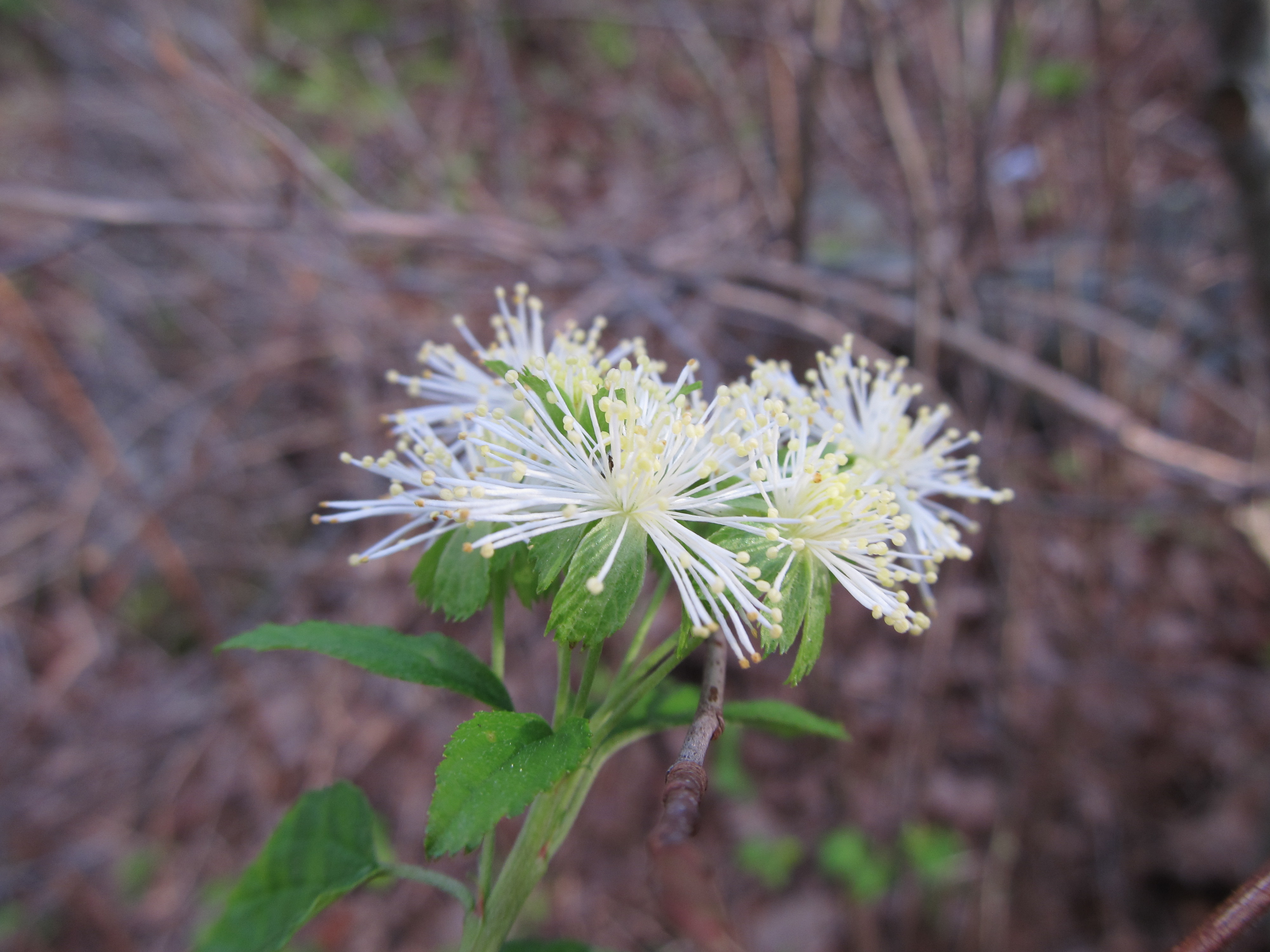
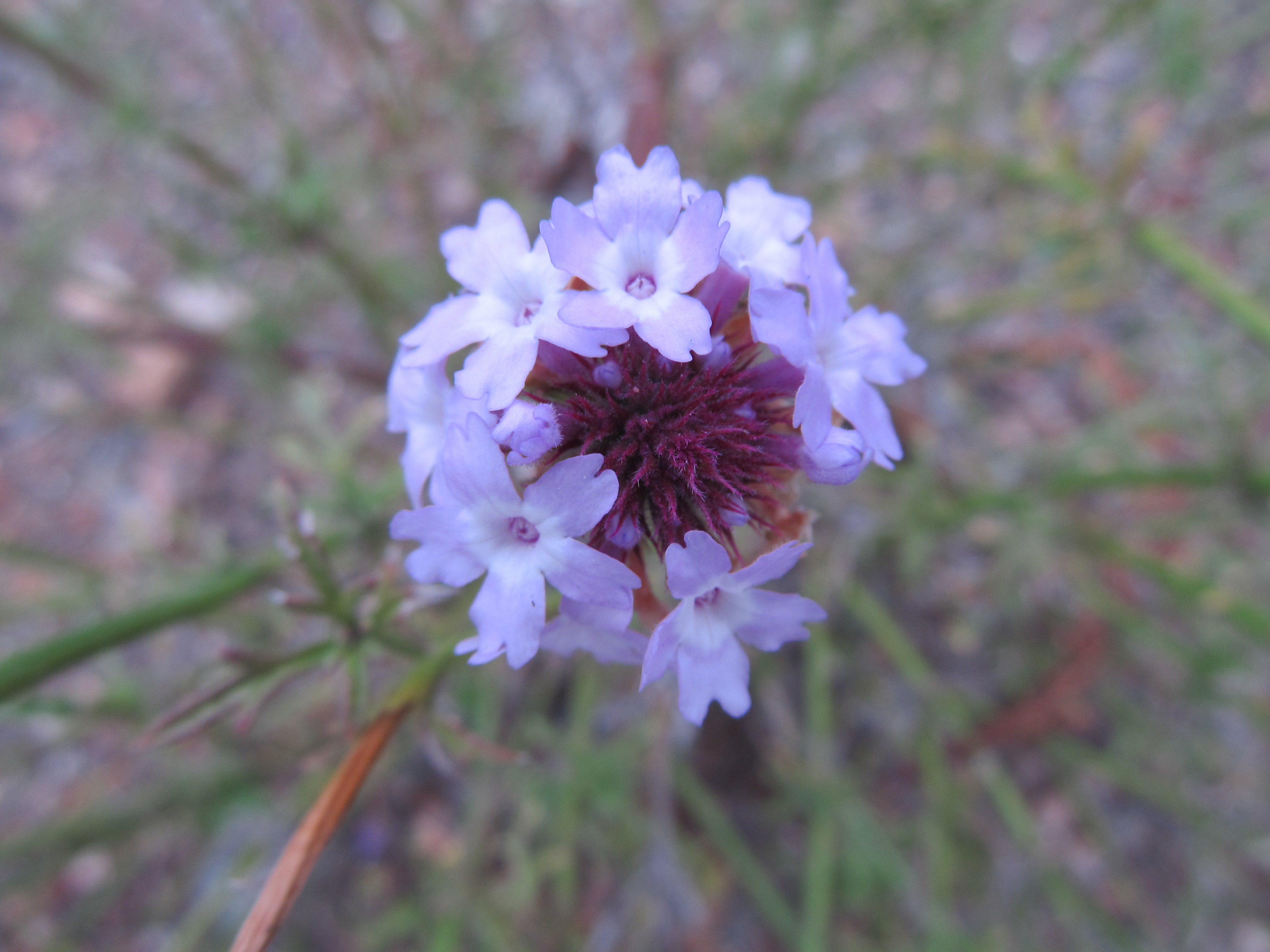
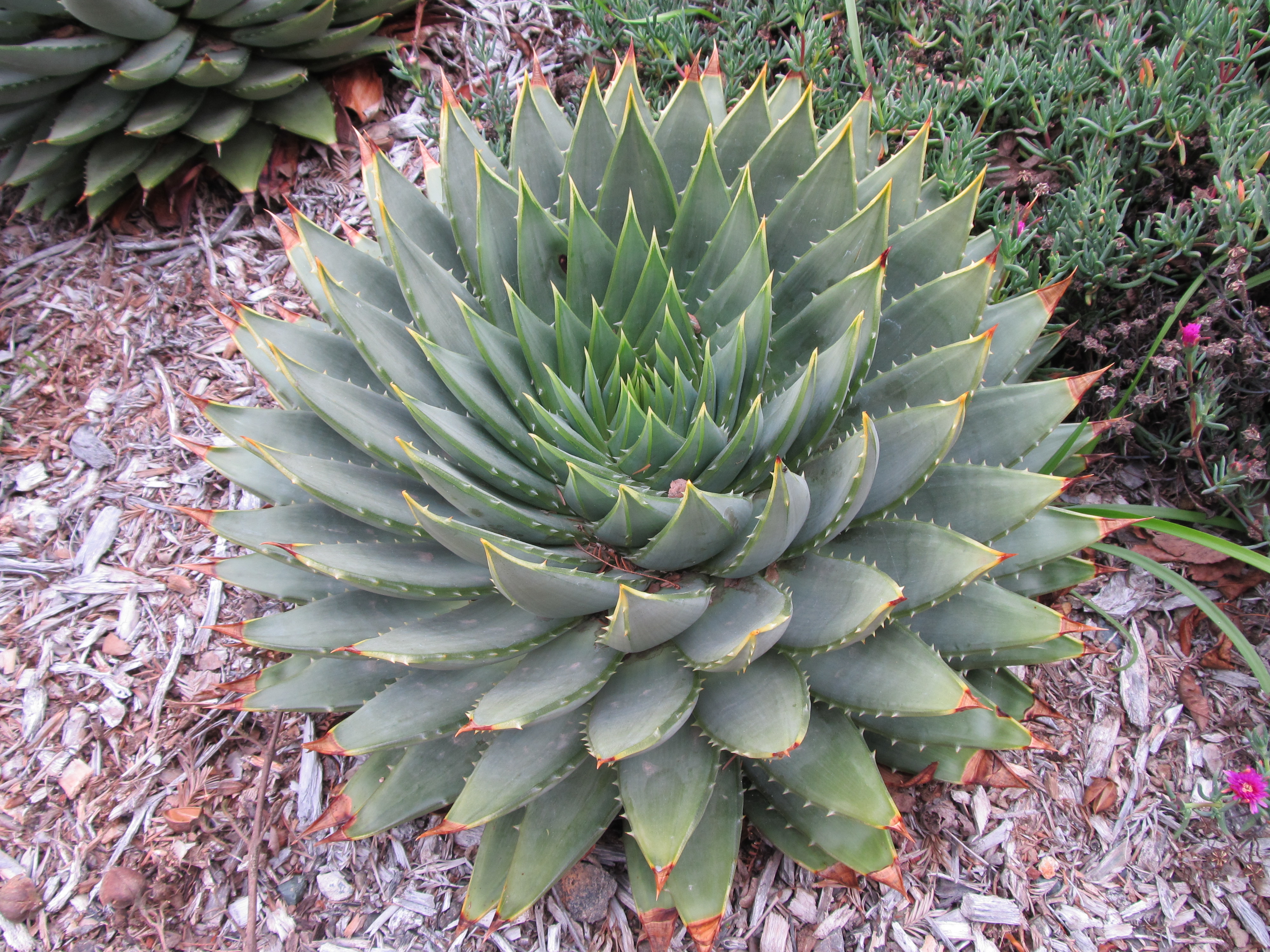
Last week I attended a workshop at the University of California Botanical Garden at Berkeley. Apart from receiving valuable training on how to monitor for and report plant pests and diseases in a public garden setting, I also had a chance to explore the garden. UC Berkeley’s botanical garden is located in Strawberry Canyon in the Berkeley Hills. It covers 34 acres and features plant collections from around the world, including South Africa, Asia, Australia, New Zealand, the Mediterranean, and the Americas. Most of the plants were collected from the wild or cultivated from wild collected plants, and a large number of them are rare or endangered species. I was very impressed with how beautifully designed the various gardens are, each display loaded with hundreds of different plant species all meticulously labeled. Because the garden is located in a canyon, the majority of the beds are on slopes, so there has been lots of great rock work and terracing done to create them, and there are numerous side paths that take you off the main path and up into the gardens, giving you the feeling that you are exploring a natural area. Also impressive is the garden’s focus on plant conservation. If you ever find yourself in the San Francisco Bay area, I highly recommend spending some time at this garden. With any luck, I’ll make it back there again someday. The limited time I had to spend there certainly wasn’t enough to explore it fully.

southern africa

Southern African Collection

new world desert

New World Desert Collection

SAMSUNG

Mexico/Central America Collection

alabama snow wreath

Alabama Snow-Wreath (Neviusia alabamensis) from Alabama, USA

lilac verbena_verbena lilacina

Lilac Verbena (Verbena lilacina) from Mexico

spiral aloe

Spiral Aloe (Aloe polyphylla) from South Africa

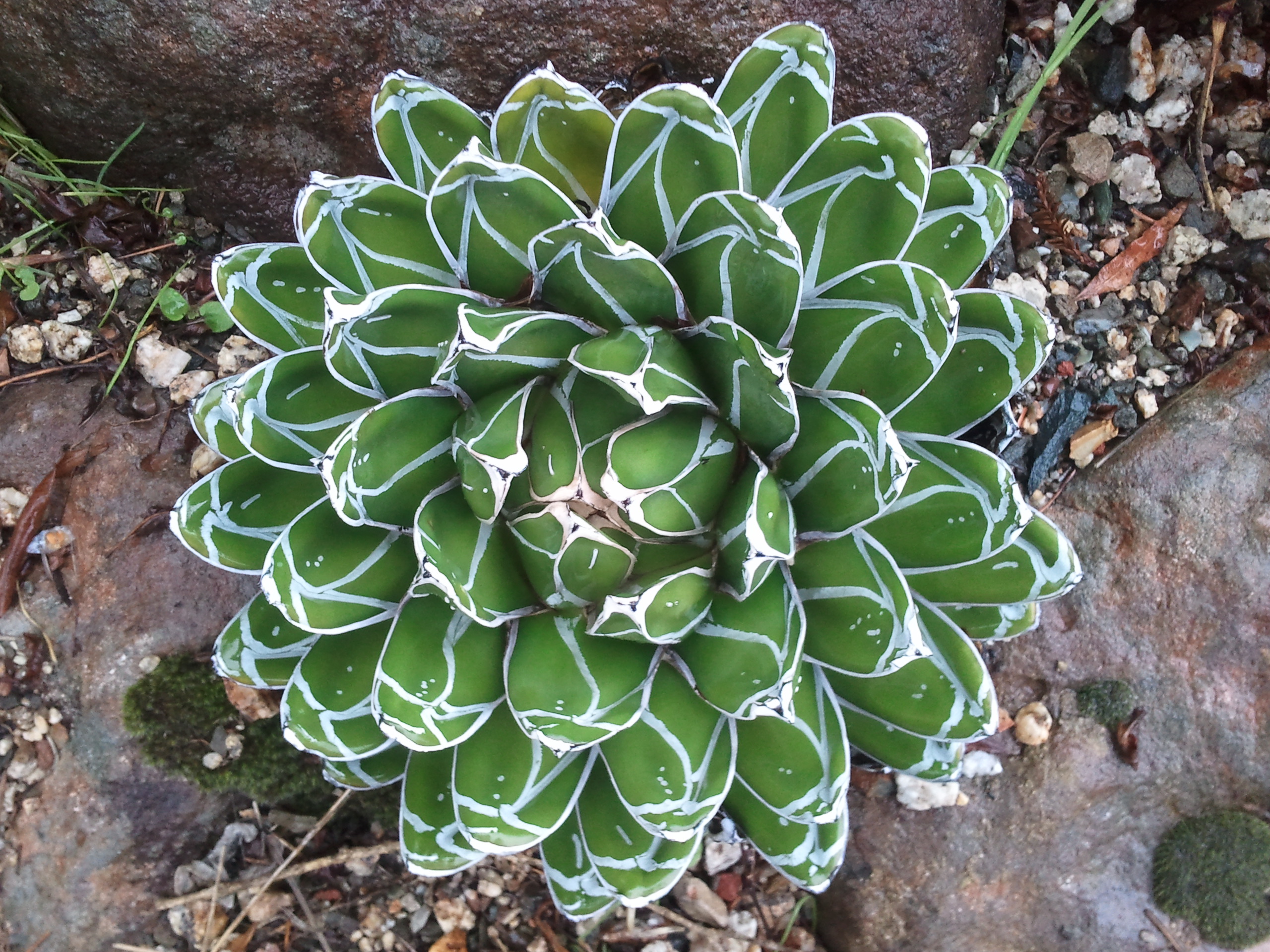
SAMSUNG

Agave victoriae-reginae from Mexico

Article: The Intelligent Plant

The New Yorker’s last issue in 2013 included an article by Michael Pollan called “The Intelligent Plant” in which Pollan explores some of the latest research revealing the ability of plants to sense their environment in ways that are analogous to seeing, hearing, and smelling. In the article Pollan dialogs back and forth between plant scientists who call this line of research “plant neurobiology” and plant scientists who seem to abhor that term. As the article progresses, you learn that the arguments between the two groups are not necessarily about the science itself but about vocabulary. Can plants learn the way we understand the term, to learn? Can we really say that plants are intelligent or conscious? Aren’t those traits reserved for organisms with brains? And regarding brains, plants don’t have them, so why plant neurobiology? Neuroscience is the study of nervous systems, so plant neurobiology must be a misnomer, right?

Well, despite the arguments over language, the research is pretty compelling. Plants are proving to be more aware of their surroundings and their actions seem to be more calculated than we originally assumed. They are not simply sessile organisms being acted upon, but they are doing some acting – lots of it, in fact. It is a remarkable field of study (whether you choose to refer to it as plant neurobiology or something else), and it will be exciting to see where it takes us.

Pollan’s article is worth a read if you can find the time (be warned, it’s lengthy), and it’s getting some coverage. Pollan recently appeared on Science Friday with Ira Flatow where he talked about his experience researching the article. And Pollan, of course, isn’t the only one talking about this stuff, Wired featured an article about it last month as well.

Check out this video associated with Pollan’s article (narrated by Pollan) of bean plants that appear to be deliberately reaching out to grab onto a pole.

sensitive plant

sensitive plant – Mimosa pudica

photo credit: Wikimedia Commons

Related Posts

Book Review: What a Plant Knows

Documentary: What Plants Talk About

Venus Flytrap: A Species of Special Concern

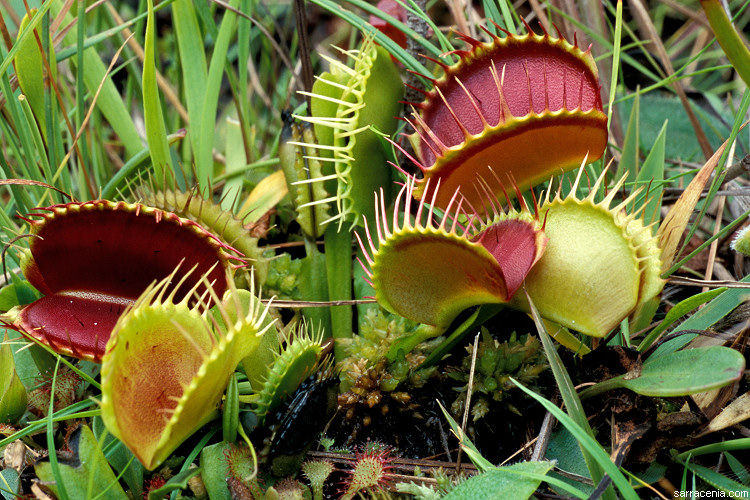
The Venus flytrap is likely the most popular and well-known (as well as the most purchased and widely owned) of any carnivorous plant. It is a proud representative of a diverse group of plants that continues to astound most everyone from plant experts to plant amateurs and even the plant ambivalent. With its leaves shaped like gaping mouths with sharp teeth and its ability to snap shut and devour insect prey, it is a remarkable species, but would you believe that it is also a rare one?

The Venus flytrap (Dionaea muscipula) is native to a small region on the east coast of the United States near the border of North and South Carolina. Its range extends to about a 100 mile radius from Wilmington, NC. Within this region, the habitat of the Venus flytrap is mainly wet savannahs with sandy, peaty, acidic soils on the edges of swamps and fens. Thus with its limited range and specific habitat requirements, the Venus flytrap has always been a rare species, even before it became a popular houseplant.

Apart from being naturally rare, the Venus flytrap now faces numerous threats to its continued survival in the wild. The obvious one is its popularity, which has led to the harvesting of hundreds of thousands of wild plants to be cultivated and sold in the plant trade. Other threats involve its habitat. Wetlands are one of the most threatened ecosystems. They are frequently drained and developed for real estate, agriculture, and recreation, and they are regular victims of pollution and exotic species invasions. The wetlands that Venus flytraps call their home are no exception. Additionally, naturally occurring fires are being suppressed in this region, allowing larger plants normally kept in check by occasional fires to thrive and choke out low-growing Venus flytraps.

Despite these threats, the Venus flytrap has not yet been listed as a federally endangered species. However, it is currently listed as a species of special concern in North Carolina and is listed as Vulnerable on the IUCN Red List. Fortunately, wildlife officers in North Carolina do issue citations to anyone caught illegally harvesting Venus flytraps in order to deter such activity.

venus flytrap

Dionaea muscipula   © 2006 Barry Rice

If you are interested in owning a Venus flytrap, make certain that you are purchasing a nursery grown plant and not a wild harvested one. The plant label should specify this. To be sure you are purchasing a nursery grown plant, look for cultivar names, like ‘Red Dragon’ or ‘Royal Red’ (and many others). These are plant varieties that have been bred in tissue culture labs from cultivated plants.

To learn more about the Venus flytrap and its current conservation concerns, see this Encyclopedia of Life page.

Related Posts:

Northern Pitcher Plants: A Model for Understanding Food Webs

The Sundews

Overwintering Carnivorous Plants

Wetlands!

Winter Interest

We are well into winter in the northern hemisphere, and the plants in our landscapes have been dormant for weeks now. Trees and shrubs have dropped their leaves, grasses have gone brown, and perennial forbs have died back – their roots harboring the food they will need to return to life in the spring. What little green that is left is provided mainly by evergreen trees and shrubs, but even they are resting – metabolizing slowly and putting off further growth until warmer temperatures return. The view outside may appear largely bleak and dreary, but there is still beauty in a frozen landscape, and much of that beauty is provided by the same things that brought color and interest during the warmer months.

Many plants, though appearing dead, remain attractive throughout the winter. From fruits and cones to seed heads and seed pods, there are various structures that remain on certain plants even after leaves fall that provide winter interest. Deciduous trees and shrubs show off their branches in the winter months, which when freed from the camouflage of leaves are like sculptures – art pieces in their own right. Perennial grasses can continue to provide structure to a garden bed when left in place and upright, and color is provided by evergreen foliage and colored bark, such as the red and yellow bark of some dogwoods (Cornus spp.).

Beauty surrounds us, even in unlikely places. Things are quiet and frozen now, and foggy, dismal days abound. But winter won’t last forever. Plants can remind us of that. In them we find remnants of brighter days and an assurance that there are more to come.

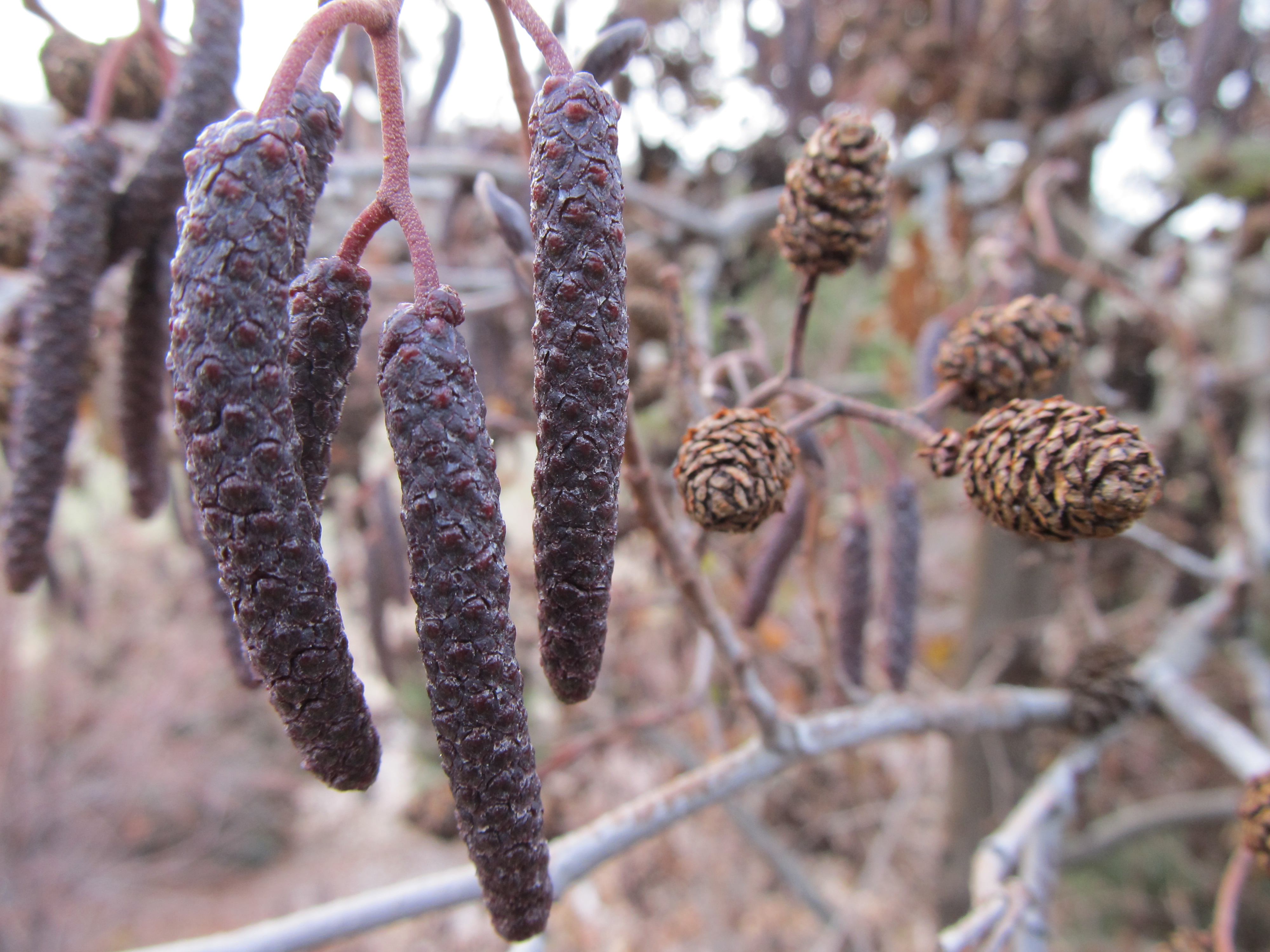
alnus viridis

Male and female cones on Sitka alder (Alnus viridis)

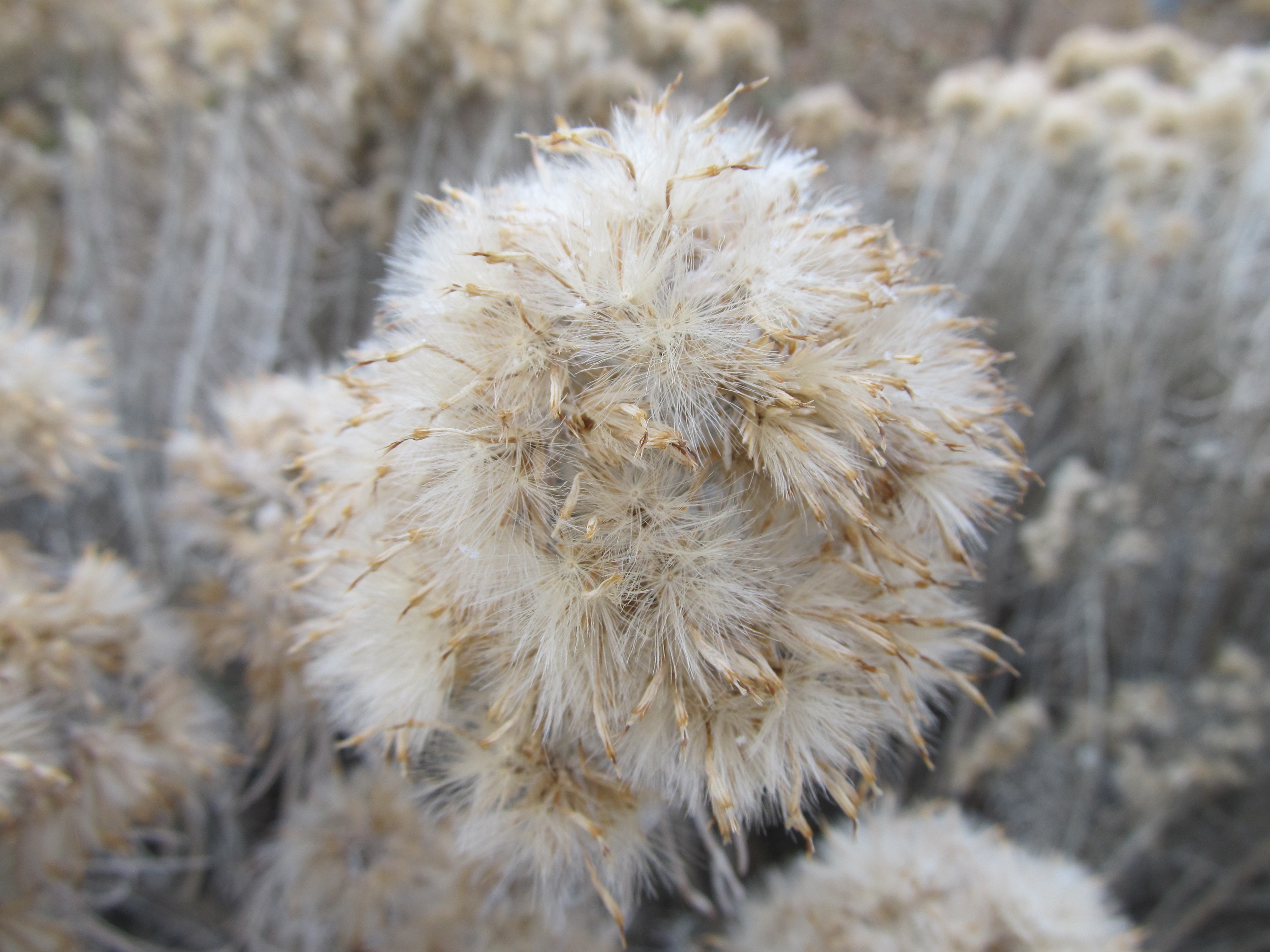
ericameria nauseosa

Seed head on rubber rabbitbrush (Ericameria nauseosa)

SAMSUNG

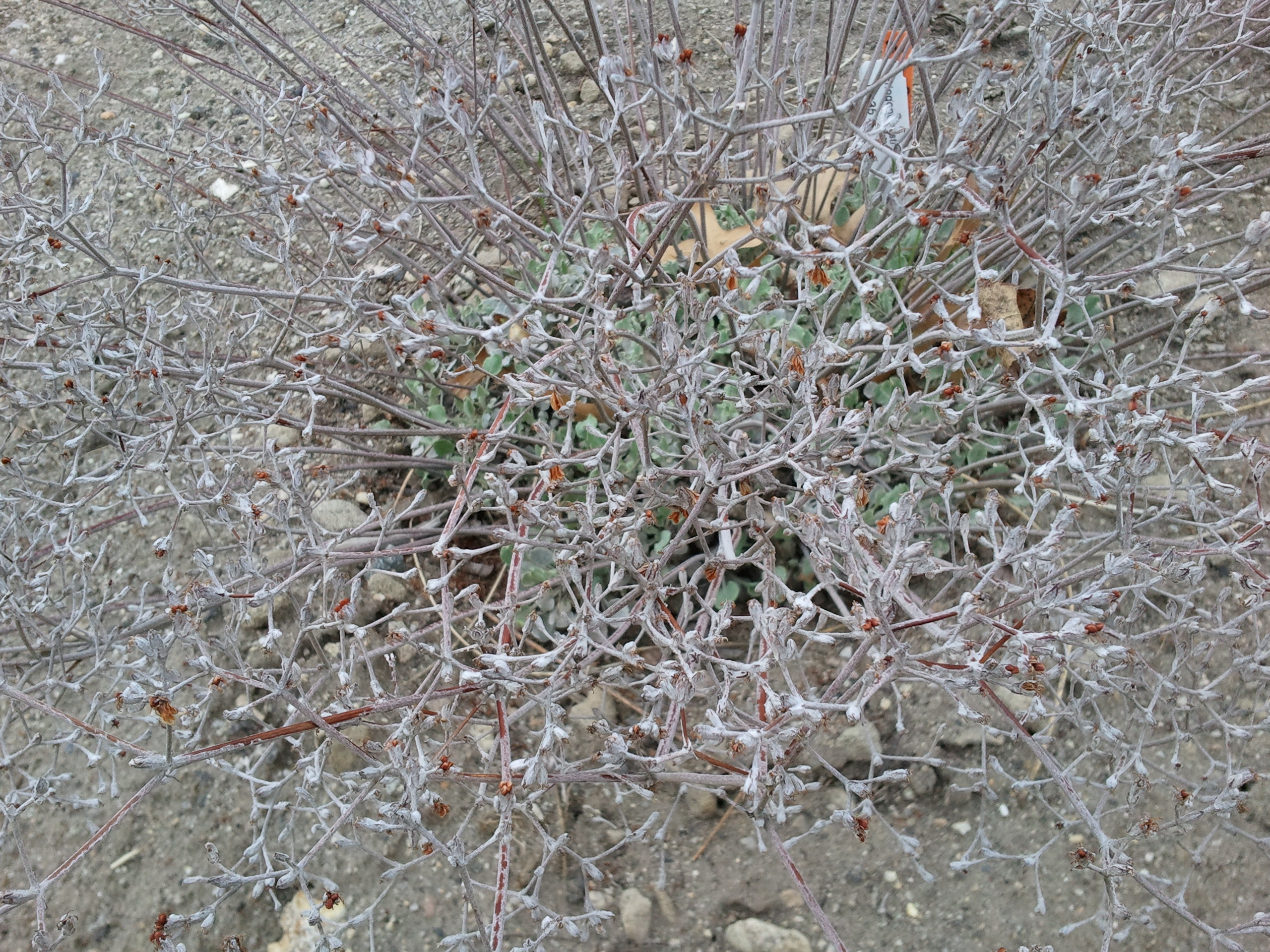
Flower stalks on strict buckwheat (Eriogonum strictum)

sorbus scopulina

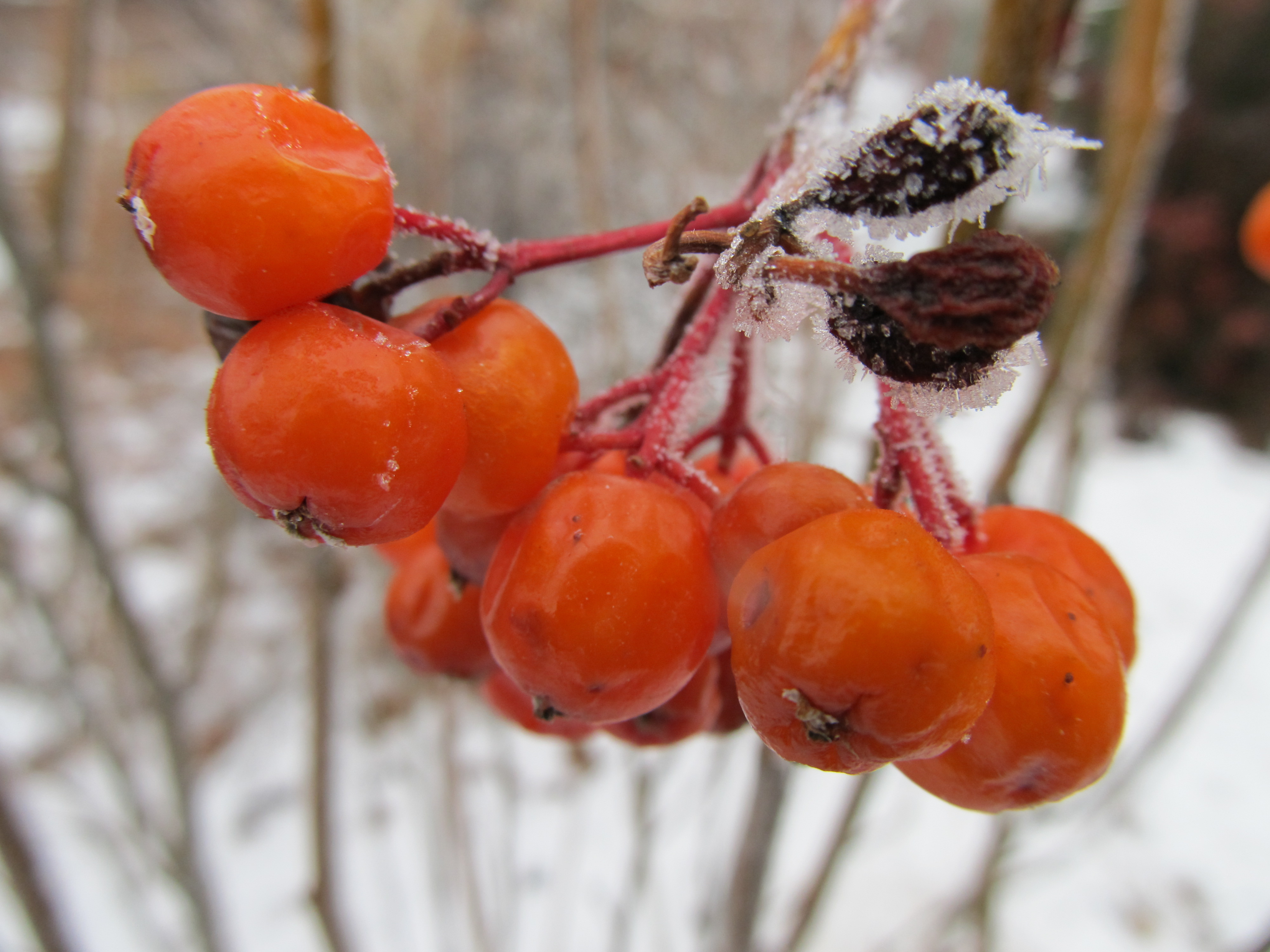
Cluster of berries on Cascade mountain-ash (Sorbus scopulina)

maclura pomifera

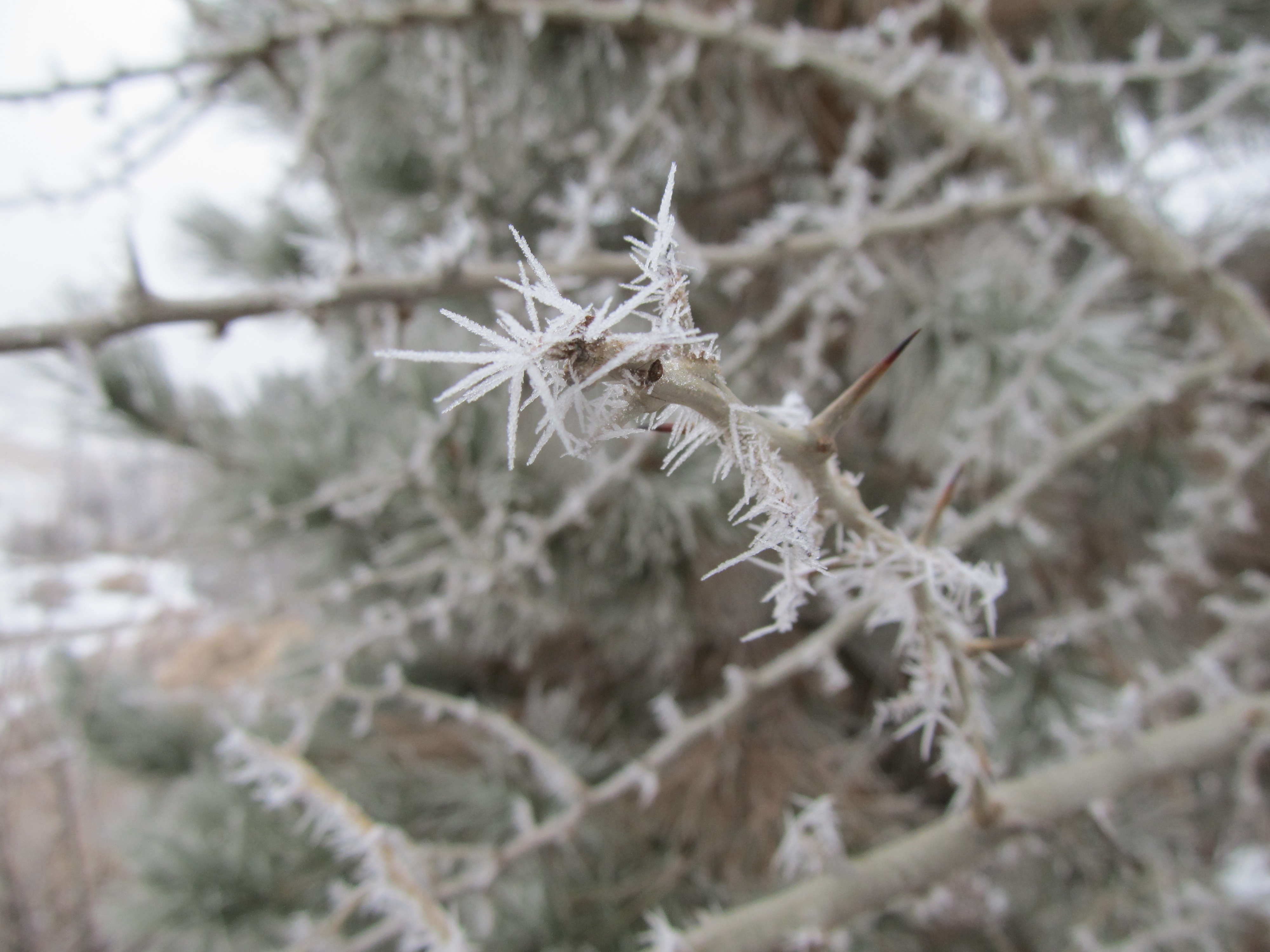
Ice crystals on the branches of young Osage-orange (Maclura pomifera)

rosa pisocarpa

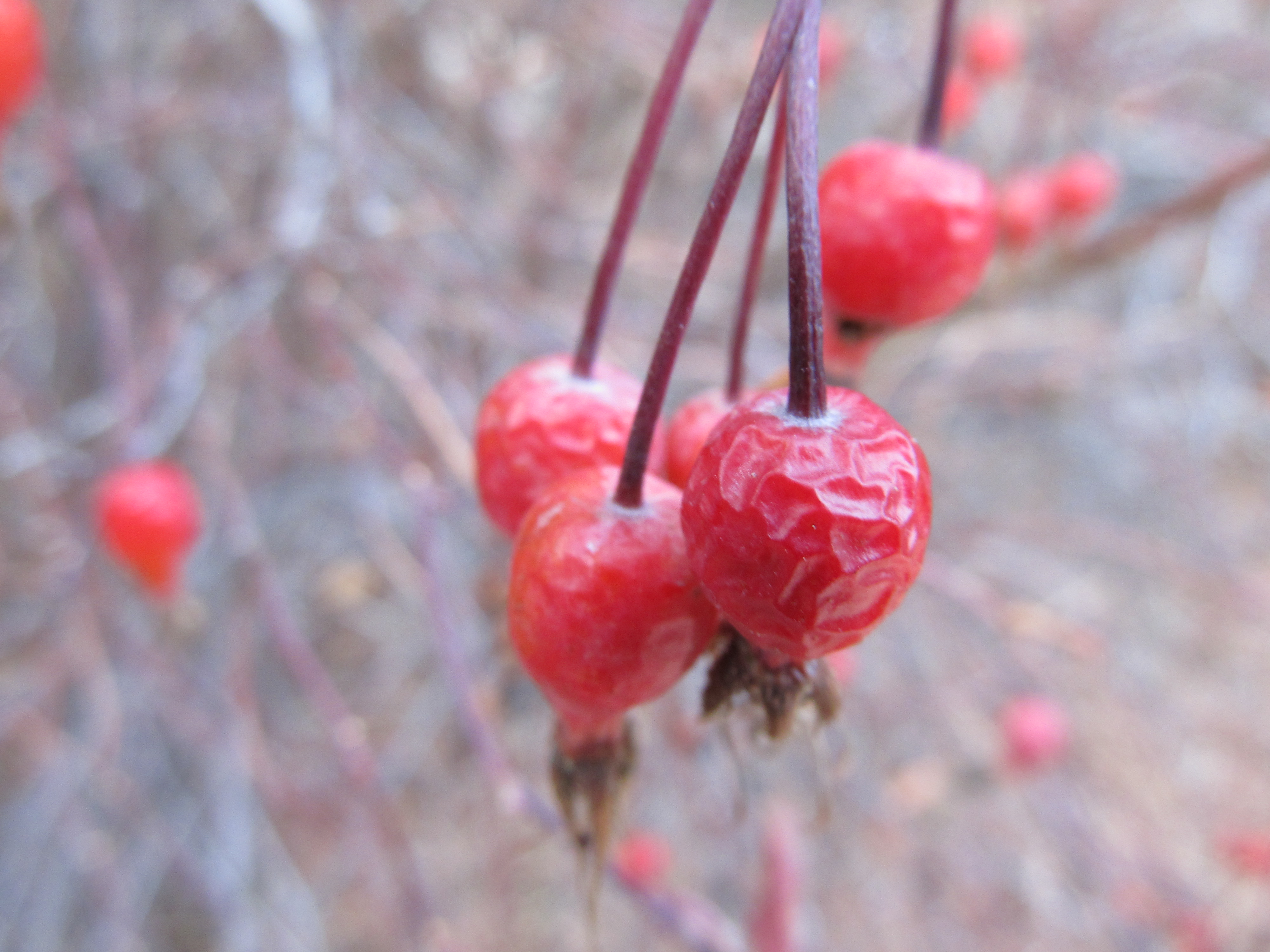
Rose hips on cluster rose (Rosa pisocarpa)

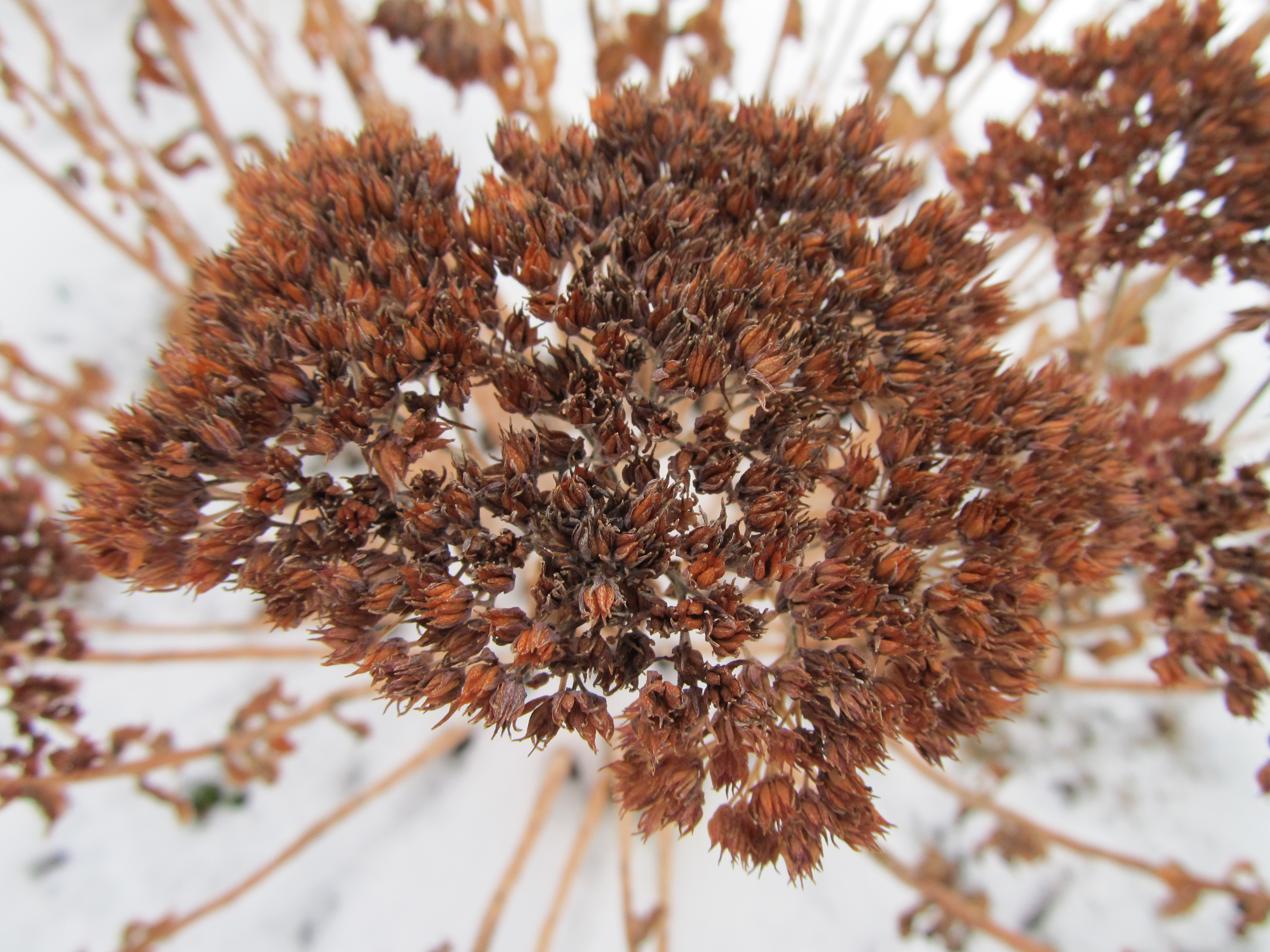
sedum sp. seed head

Seed head on showy stonecrop (Sedum telephium ‘Autumn Joy’)

All photos were taken at Idaho Botanical Garden in Boise, Idaho.

Baobab Trees Facing Extinction

Declining populations of baobab trees have been a concern for more than a decade now. That concern has been amplified with the release of a recent study that shows that two baobab tree species endemic to Madagascar risk losing the majority of their available habitat due to climate change and human development in the coming decades.

Baobab trees are spectacular sights. Unique in appearance, they can grow up to about 100 feet tall with trunk diameters as wide as 36 feet and can live for hundreds (possibly thousands) of years. As the trees age, they develop hollow trunks used for storing water (as much as 26,000 gallons!) to help them survive long periods of drought. The fruits of baobab trees are coconut-sized and edible and are said to taste like sherbet. The leaves of at least one species are eaten as a vegetable, and the seeds of some species are used to make vegetable oil. Various other products, including fibers, dyes, and fuel are also derived from baobab trees.

There are nine species of baobab trees (Adansonia spp.). Eight are native to Africa and one is native to Australia. Two of the African species are also found on the Arabian Peninsula, and six of the African species are found only on Madagascar. Three of the Madagascan species (A. grandidieri, A. perrieri, and A. suarezensis) are listed as endangered on the IUCN Red List. Currently, A. perrieri has the lowest population of the three species, with only 99 observed trees. It is estimated that by 2080, its range will be reduced to 30% of what it currently is, further threatening its survival. A. suarezensis has a considerably larger population (15,000 trees) but a much smaller distribution area (1,200 square kilometers). By 2050, this area is estimated to be reduced to only 17 square kilometers, practically guaranteeing its eventual extinction. On the bright side, A. grandidieri has a population of about one million trees and an extensive range that should remain largely undisturbed in the coming decades.

An interesting component to this story is how giant tortoises fit in. The fruits and seeds of baobab trees are relatively large, and so their dispersal is best carried out by animals. Seeds that fall too close to the parent trees have little chance of survival since they will be shaded out and will have to compete with large, adjacent trees. Animals that eat the fruits of the baobab trees help to disperse the seeds by defecating them in areas away from large trees where the seedlings will have a greater chance of survival. Two species of giant tortoises that were once native to Madagascar but have now been extinct for hundreds of years were likely primary dispersers of baobab tree seeds. A recent study used a species of giant tortoise not native to Madagascar (the Aldabra giant tortoise) to test this hypothesis. The tortoise readily consume the fruit of the baobab tree. The seeds remain in the tortoise’s digestive system for up to 23 days, giving the tortoise plenty of time to move to an area suitable for seed germination. Given these findings, biologists are currently working to introduce Aldabra giant tortoises to Madagascar to help save the baobab trees.

Climate change, loss of habitat due to human development, and loss of seed dispersers due to extinction threaten the survival of some baobab tree species, but by recognizing this threat, biologists can work towards preventing their eventual extinction. As we gain a better understanding and appreciation for the need for biodiversity on our planet, we will resolve to take greater steps to protect it.

To learn more about baobab trees facing extinction and giant tortoises as seed dispersers, visit the Scientific American blog, Extinction Countdown, here and here.

baobab tree

Adansonia grandidieri

photo credit: wikimedia commons

Documentary: What Plants Talk About

Earlier this summer I posted a review of a book called, What a Plant Knows, by Daniel Chamovitz. It’s a book that describes plant senses – senses that are similar to human senses (i.e. seeing, hearing, smelling, etc.). Plants are much more aware of their surroundings than we might initially think, and so I recommend this book to anyone interested in gaining a better understanding of plants and their “awareness”. However, I also understand that this can be an intimidating subject – especially for those who haven’t spent much time studying plants and their biology. Chamovitz wrote his book with the intention of making this subject accessible to everyone. Anyone with even a limited understanding of biology should be able to understand the basic concepts in Chamovitz’s book. However, the subject can still be challenging.

Luckily, a recent documentary by PBS explores similar concepts. It simplifies things even more – exploring the ways in which plants communicate with the world around them, even without having the organs we typically attribute to communication and awareness (i.e. brains, ears, eyes, etc.). The documentary is called What Plants Talk About. I watched it recently and was reminded of Chamovitz’s book. They fit together so well. If you have any interest in this subject at all, I recommend both. If all you are after is a simple introduction, watch the documentary. If the documentary intrigues you, read the book.

There is a lot more to learn about plants and their “awareness,” but these sources are a great start. Watch the documentary and/or read the book and then let me know what you think in the comments below. Meanwhile, we wait in anticipation of what science might discover next concerning this remarkable aspect of the plant kingdom.

Autumn Leaves

It’s October, so fall is in full force in the northern hemisphere. Days are shorter and temperatures are cooler, but one sure sign that fall is here is that the leaves on deciduous trees are changing colors. Every autumn, leaves that were once a familiar green turn brilliantly red, fiery orange, or vibrantly yellow. And then they fall to the ground leaving trees exposed – just trunks and branches  – skeletons of what they once were during warmer and brighter days.

But why?

Surprisingly enough, the colors seen in autumn are largely present in the leaves throughout their lives, but we don’t see them. We only see green. This is because chloroplasts (cell organelles responsible for carrying out photosynthesis) contain chlorophyll, one of three main pigments found in the cells of leaves throughout the growing season. Chlorophyll absorbs red and blue light and reflects green light. Because chloroplasts are so abundant in the cells of leaves, leaves look green.

But carotenoids are hanging around, too. The second of the three main pigments, carotenoids protect chlorophyll from oxidation and aid in photosynthesis. They reflect blue-green and blue light and appear yellow, however their population is considerably smaller compared to chlorophyll, so their yellow color is masked.

When day length decreases, the level of chlorophyll in plant cells diminishes. As a result, the yellow color of the carotenoids begins to show. Also, a layer of cells called the abscission layer forms between branches and petioles (i.e. leaf stems). This abscission layer is what eventually causes branches to drop their leaves. As the chlorophyll begins to die off and the abscission layer forms, anthocyanins (the third of the three main pigments found in plant cells) are synthesized. Anthocyanins absorb blue, blue-green, and green light and appear red.

With chlorophyll virtually absent (and photosynthesis brought to a halt) carotenoids and anthocyanins become the major pigments found in leaves, giving them the autumn colors we are accustomed to seeing. But here is where it gets tricky…

Fall leaf color is largely dependent on various environmental conditions, including temperature, amount of sunlight, and soil moisture. If autumn is warm and wet, chlorophyll may be slow to die, and anthocyanins may be slow to form. Chlorophyll drops off more readily when it is cool and dry, and anthocyanins synthesize more readily when days are sunny. Dry, sunny days followed by cool, dry nights are said to offer the most vibrant fall colors. Additionally, global climate change is now playing a role, so fall colors may start to appear earlier or later or last longer or shorter depending on the region.

Do you have a favorite place to view fall foliage? Add your comments below.

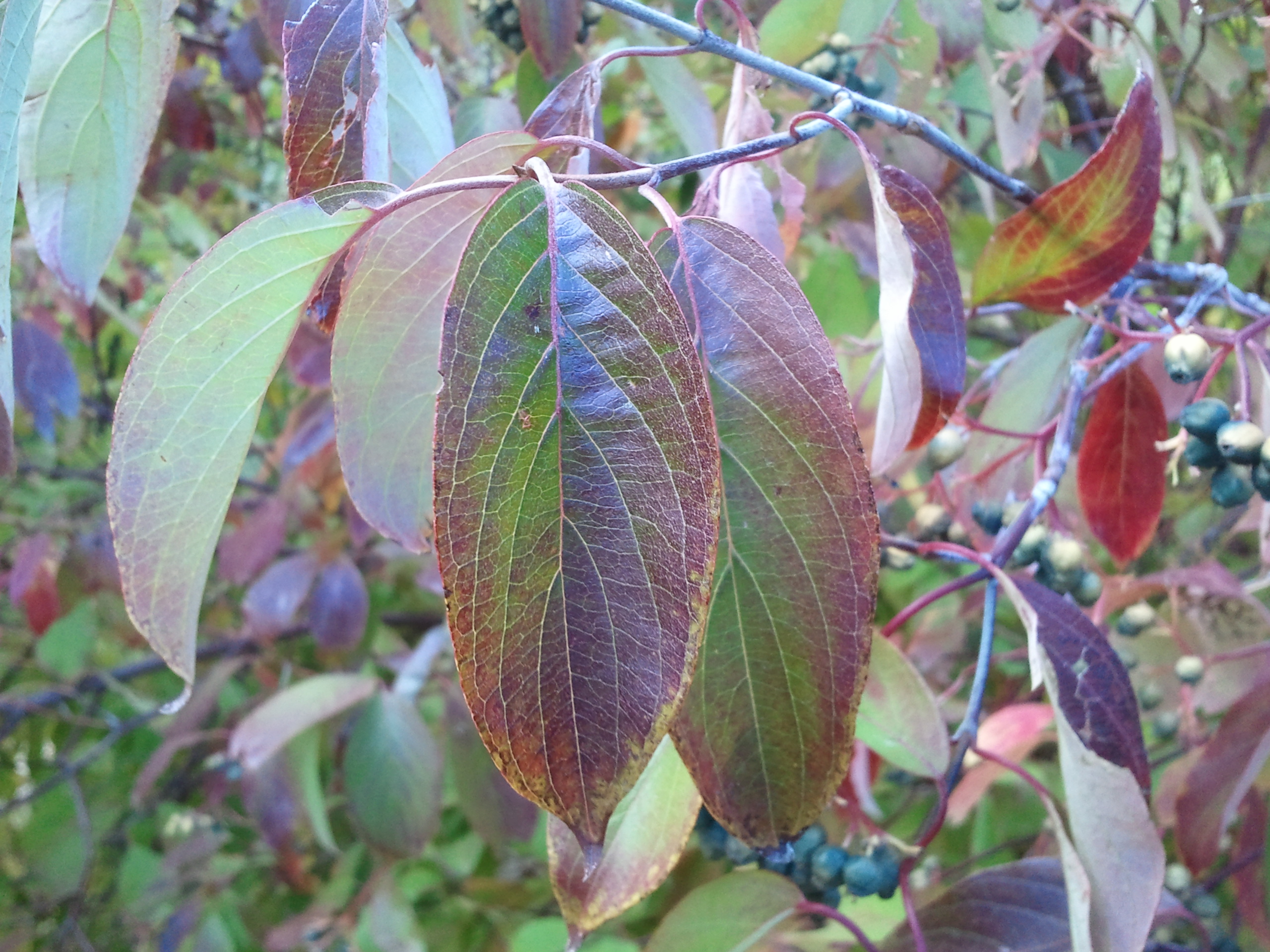
SAMSUNG

Cornus sericia – red-osier dogwood

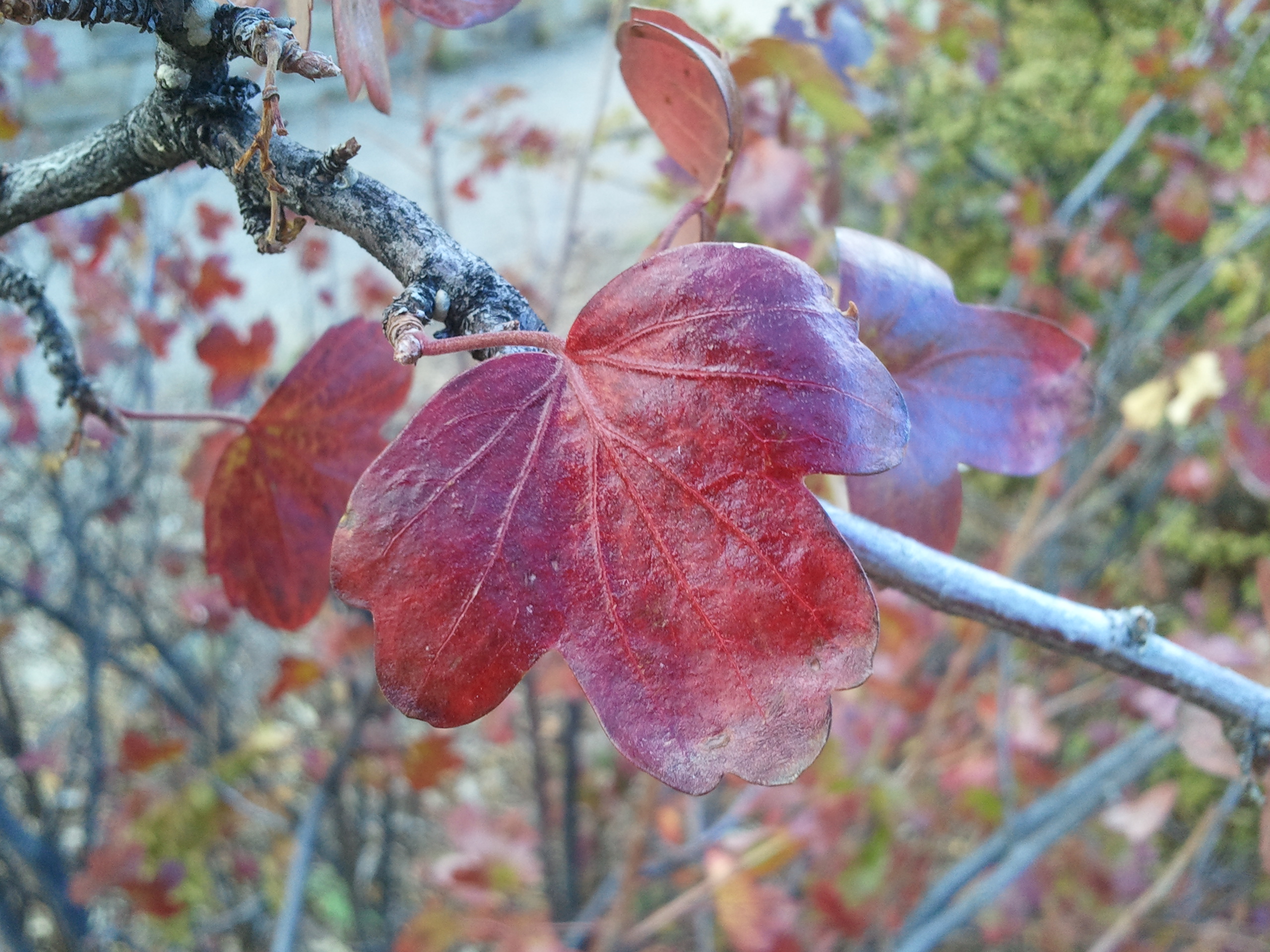
SAMSUNG

Ribes aureum – golden current

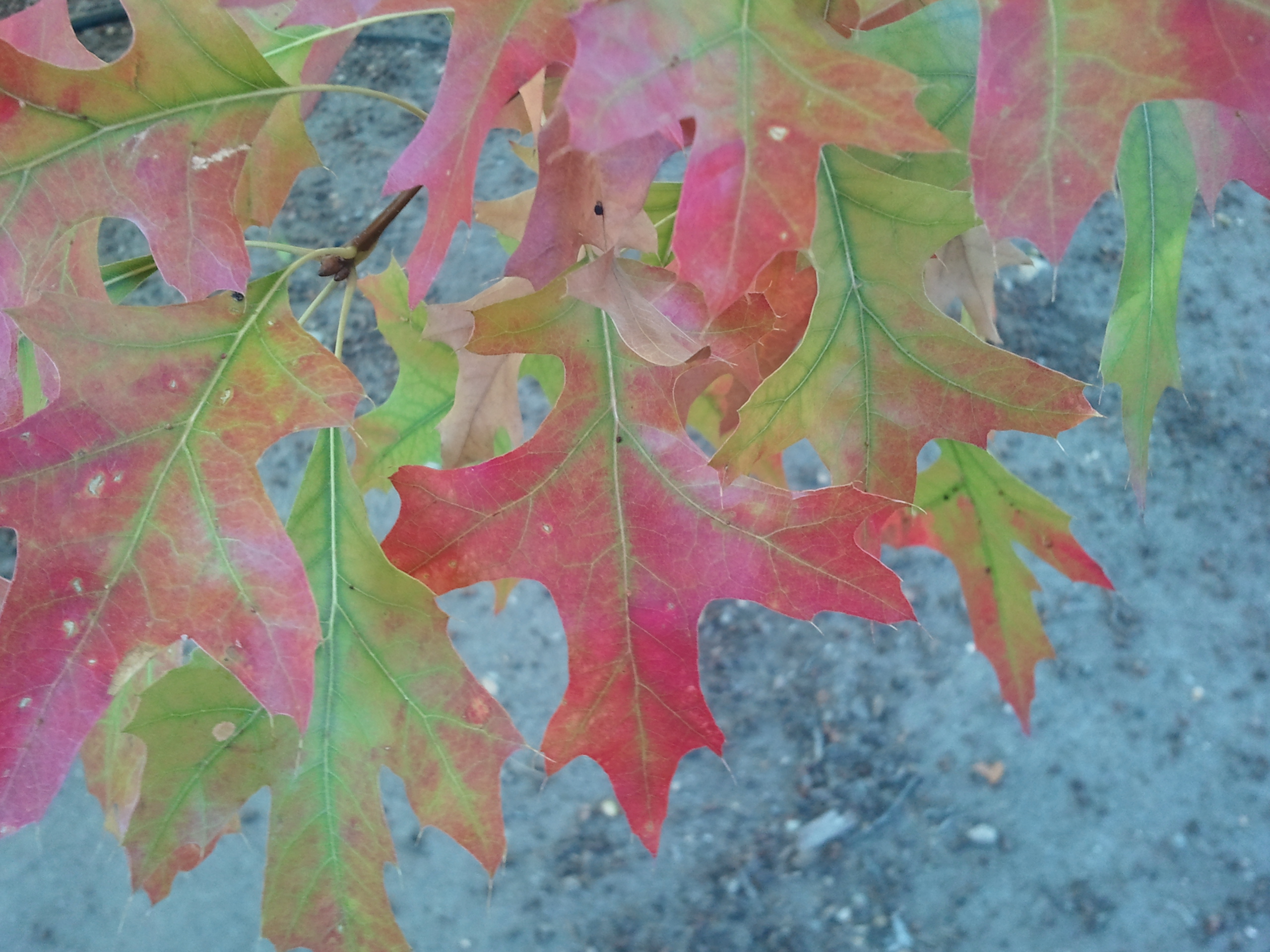
SAMSUNG

Quercus palustris – pin oak

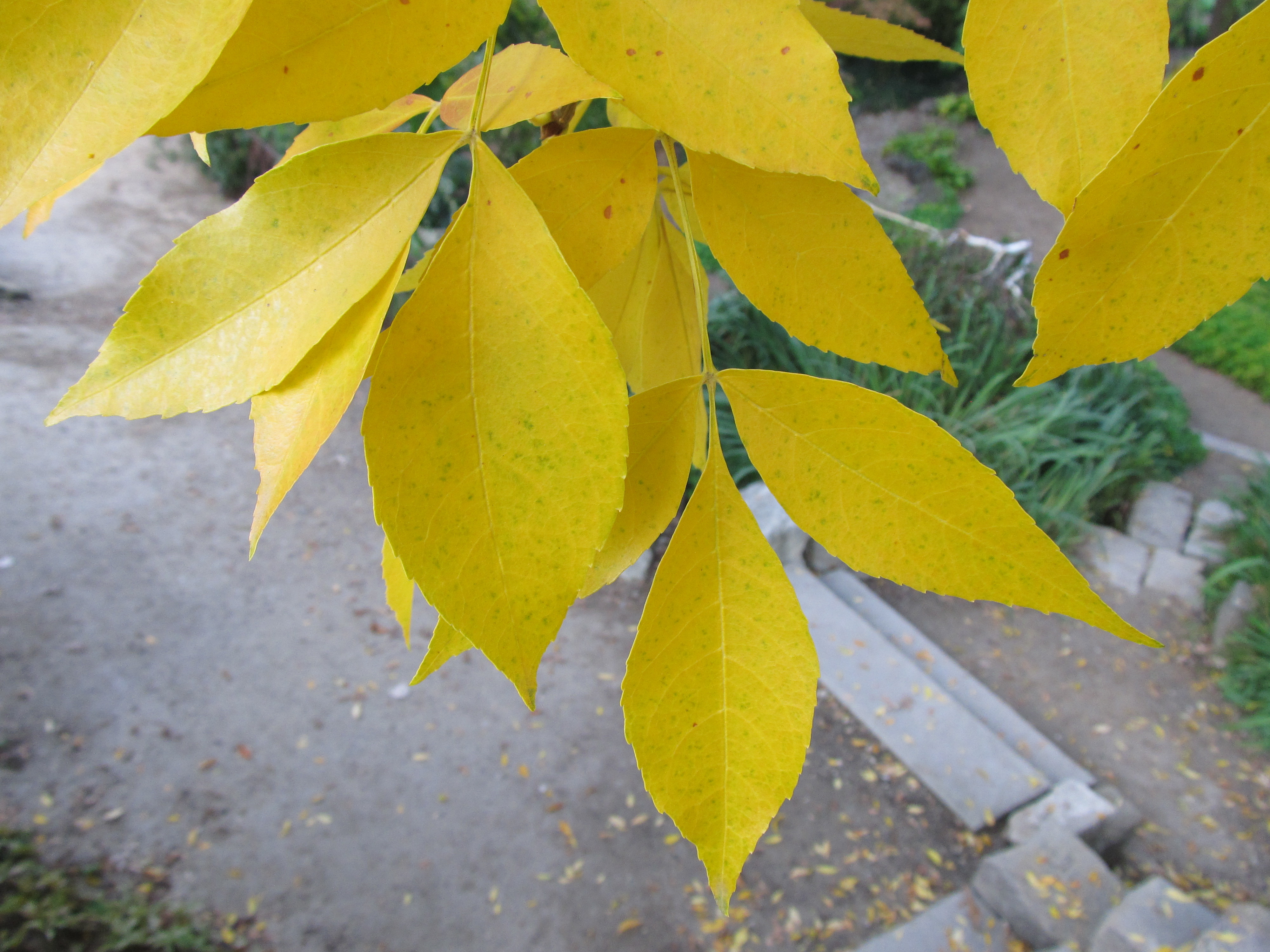
ash

Fraxinus sp. – ash

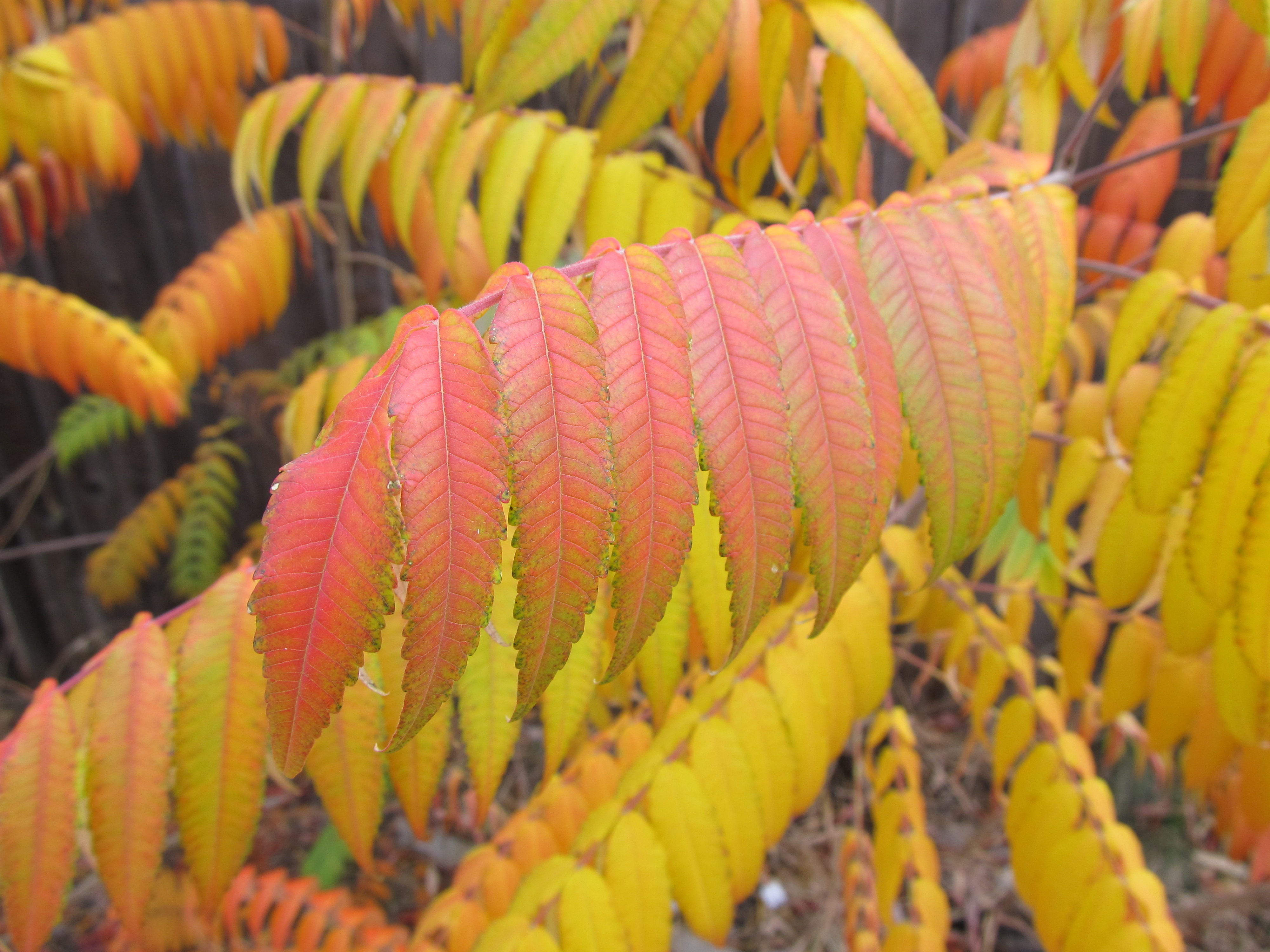
ailanthus

Rhus sp. – sumac

Wildflower Walk: September 2013

Recently I was on a seed collecting trip at Bannister Basin in Payette County, Idaho. From a distance, the area looks like a barren wasteland – especially this time of year. It is hot, dry, and brown. The rolling hills are mostly bare except for dried up weedy grasses and occasional shrubs, and there isn’t a single tree in sight. However, a short hike through the area reveals some interesting plants and bits of color scattered among the drab landscape. It was obviously not the best time or place for a wildflower walk, but the following pictures show a few of the flowers that I was able to find. These are tough species, flourishing in a harsh environment.

chrysothamnus viscidiflorus

Chrysothamnus viscidiflorus – green rabbitbrush

machaeranthera canescens

Machaeranthera canescens – hoary tansyaster

SAMSUNG

Eriogonum strictum – strict buckwheat

SAMSUNG

Eriogonum sp. – buckwheat