Tea Time: Self-heal

Prunella vulgaris can be found all over the place. It has also been used to treat just about everything. What else would you expect from a plant known commonly as self-heal, heal-all, all-heal, and woundwort? The medicinal value of this plant has been appreciated for centuries across its expansive range, and studies evaluating its medicinal use continue today. Being such a ubiquitous species – both as a garden plant and a native plant (and also a common weed) – and because it has so much clout in the world of herbal medicine, it’s an obvious candidate for Tea Time.

Self-heal is a member of the mint family (Lamiaceae), easily distinguished by its square stems, opposite leaves, and bilabiate and bilaterally symmetrical (or zygomorphic) flowers. One surprise is that, unlike the many aromatic members of this family, the foliage of self-heal lacks a strong scent. P. vulgaris occurs naturally across Asia, throughout Europe, and in parts of northern Africa. It is also widely distributed across North America. Apart from that, it has been introduced to many regions in the southern hemisphere and has also been frequently moved around throughout its native range. Eurasian varieties now intermingle with North American varieties, which can make it difficult to determine a native individual from an introduced one.

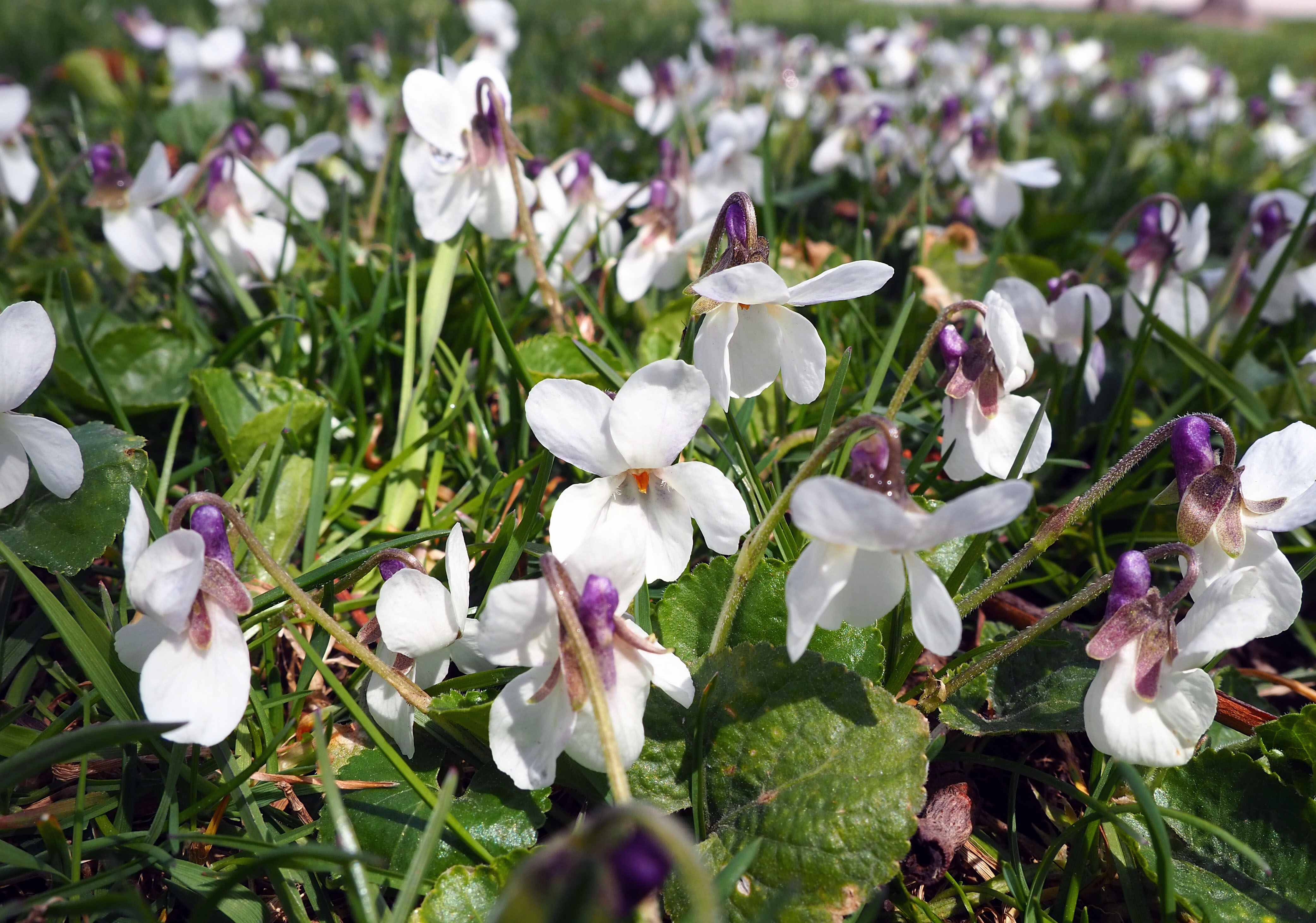
self-heal (Prunella vulgaris)

Self-heal is an adaptable plant that tends to prefer shady, moist locations, but can also be found in open, dry, sunny sites. Find it along forest edges, roadsides, ditches, and trails, as well as on the banks of streams, lakes, and reservoirs. It occurs in gardens, both intentionally planted and as a weed, and can escape into lawns, vacant lots, and open fields, as well as into nearby natural areas.

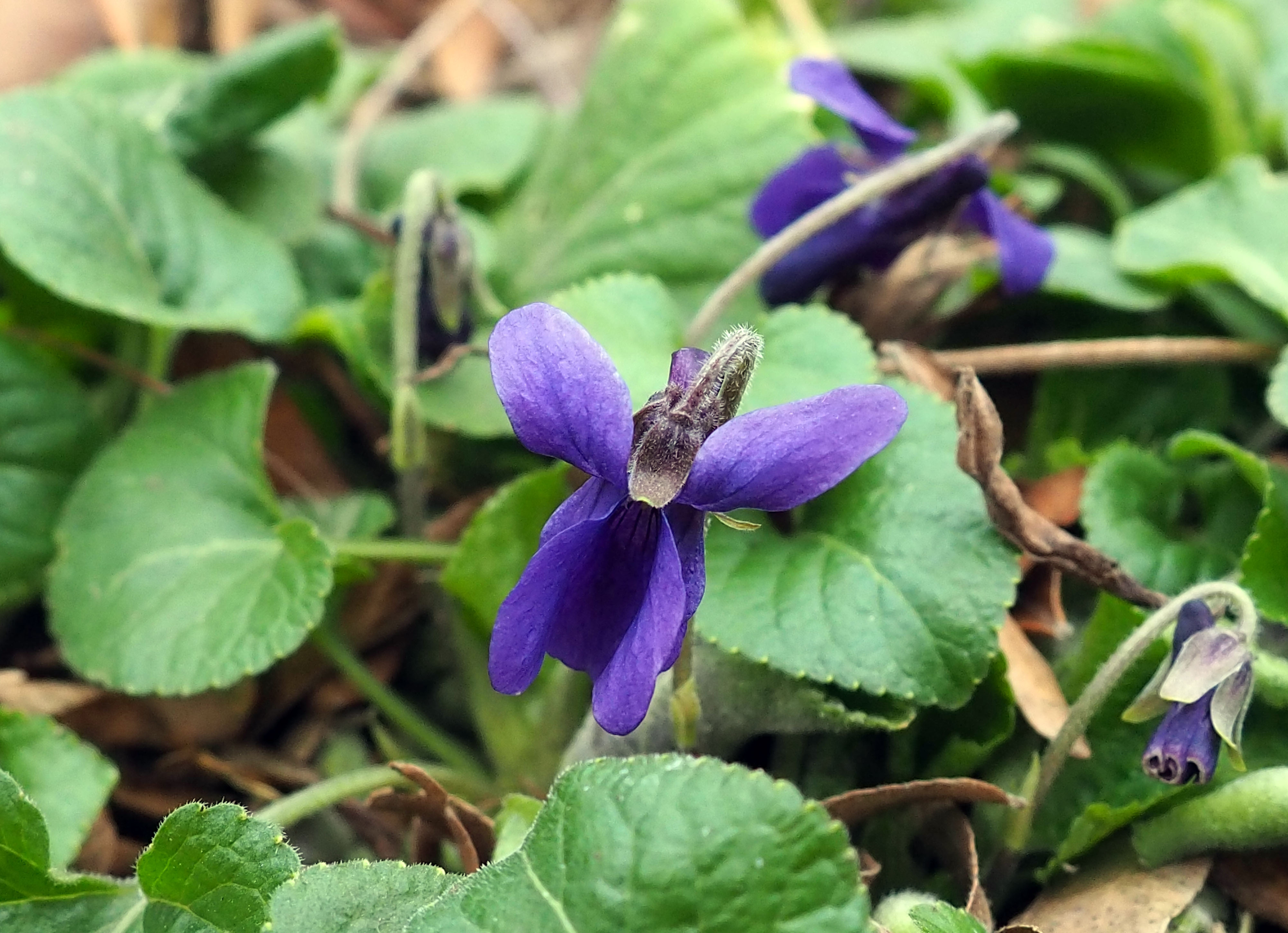
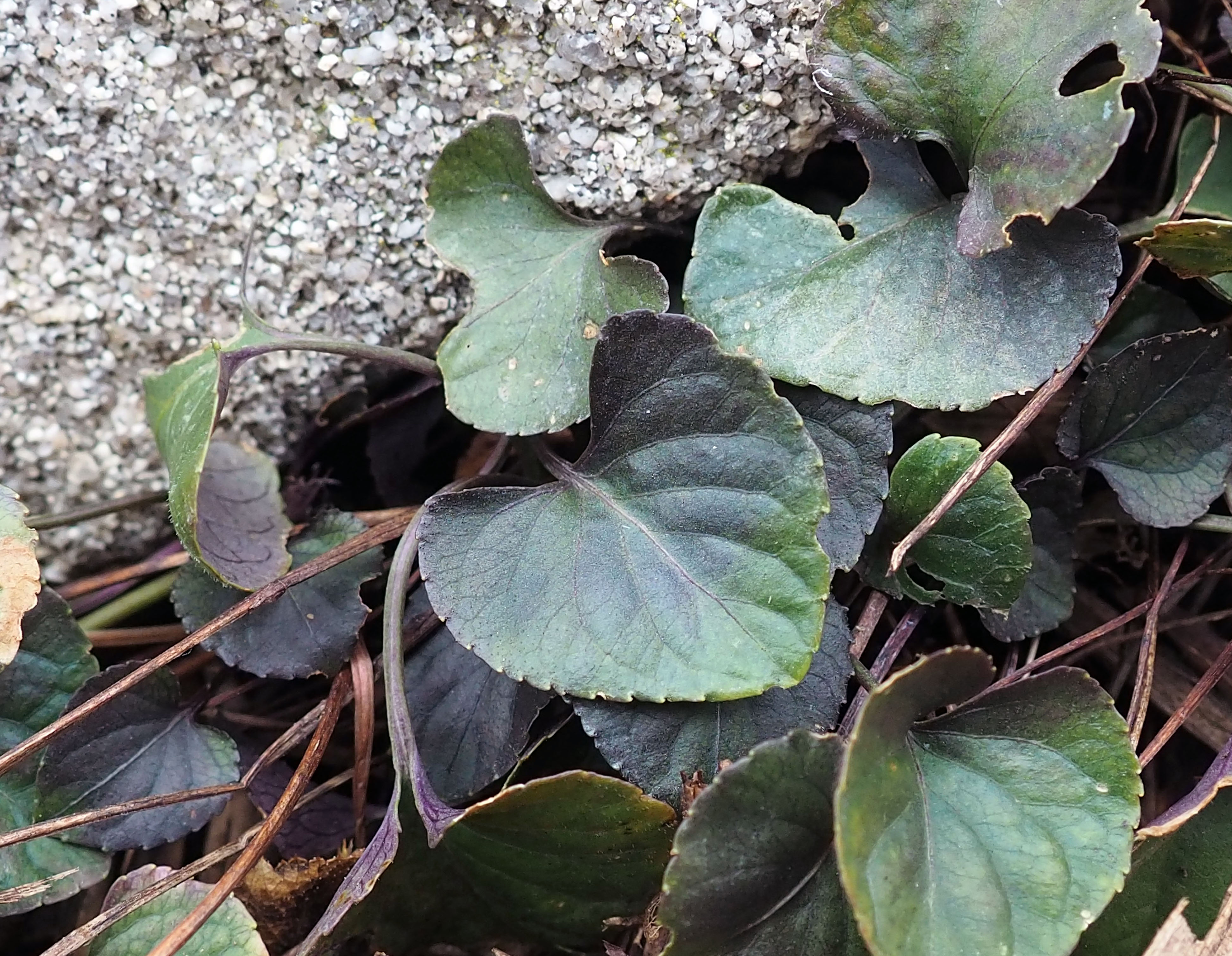
P. vulgaris is an evergreen that grows both prostrate and upright, sometimes reaching 1 foot tall or more (but is often much shorter). It has shallow, fibrous roots, and its stems root adventitiously as they sprawl across the ground, frequently forming an extensive mat or groundcover. Its leaves are oval to lance-shaped and measure about one inch long. Lower leaves have petioles, while upper leaves may become stalkless. Leaf margins are entire or can be slightly toothed. As plants age, they can develop a coppery or purple-bronze color.

the leaves of self-heal

The flowers of self-heal are generally a shade of purple, but can also be white, pink, or blue. They bloom irregularly in a spike measuring up to two inches long. Flower spikes are thick, dense, cylindrical, and made up of whorls of sharp-pointed bracts. Flowers bloom irregularly along the spike and occur from late spring/early summer into the fall. Each flower produces four nutlets, which sit within a cup-shaped, purple calyx.

As a medicinal herb, self-heal has been used both internally and externally to treat a long list of ailments. These include sore throats, diarrhea, fevers, intestinal infections, liver problems, migraines, heart issues, dermatitis, goiter, and thyroid disfunction, just to name a few. It has been used topically to treat skin irritations, bites, stings, and minor cuts and scrapes. This is thanks to its antimicrobial properties and its ability to stop bleeding. A report in the journal Pharmaceuticals (2023) calls P. vulgaris an “important medicinal plant” due to its “rich chemical composition” and its “pharmacological action.” Chemical analyses find the plant to be a valuable source of phenolic compounds, flavonoids, rosmarinic acid, and ursolic acid, among numerous other compounds. If you are curious to learn more detailed information regarding this plant’s medicinal value, you can refer to the above report, as well as one found in Frontiers in Pharmacology (2022).

self-heal tea

P. vulgaris is an edible plant, and its young leaves can be eaten raw or cooked. The leaves together with the flowers can also be dried and used to make a tea. This is how I had it. I used about two teaspoons of dried leaves to one cup of water. Feel free to use more if you would like. I thought the tea was pretty mild. It had a slight sweetness to it and a hint of mint flavor. It has been described as bitter, but I didn’t find it to be overly so (although I may have a higher tolerance for bitterness). Sierra tried it and said that it tasted like “water left over from something else.” That might be because it was more diluted than she would have preferred. Overall, I thought it was a pleasant experience and would be happy to drink it again.

More Tea Time Posts on Awkward Botany:

Garden Plants Gone Wild: The Periwinkles

In a garden setting, a successful groundcover is a plant that is durable and adaptable, spreads readily, and fills in space thouroughly. The point of planting a groundcover is to cover exposed soil and create a sort of living mulch. In fact, groundcovers provide similar benefits to mulch. They prevent erosion, help retain soil moisture, and prevent weeds. It should come as no surprise then, that a plant that fulfills all of these requirements has the potential to become a weed, especially if given the opportunity to escape and establish itself outside of its intended location.

This isn’t a hypothetical. This exact scenario has played out numerous times. A good example of this are the periwinkles: Vinca major and Vinca minor. Both have been popular garden plants for centuries. Their introduction to U.S. gardens came as early as the 1700’s. Today, both species (including cultivars of each) can be found for sale in nurseries throughout the country, even while escaped periwinkles proceed to spread across natural areas and uncultivated spaces. Even in gardens where periwinkles have been intentionally planted, they can be deemed no longer welcome due to their aggressive nature. Eliminating them, however, is a formidable task.

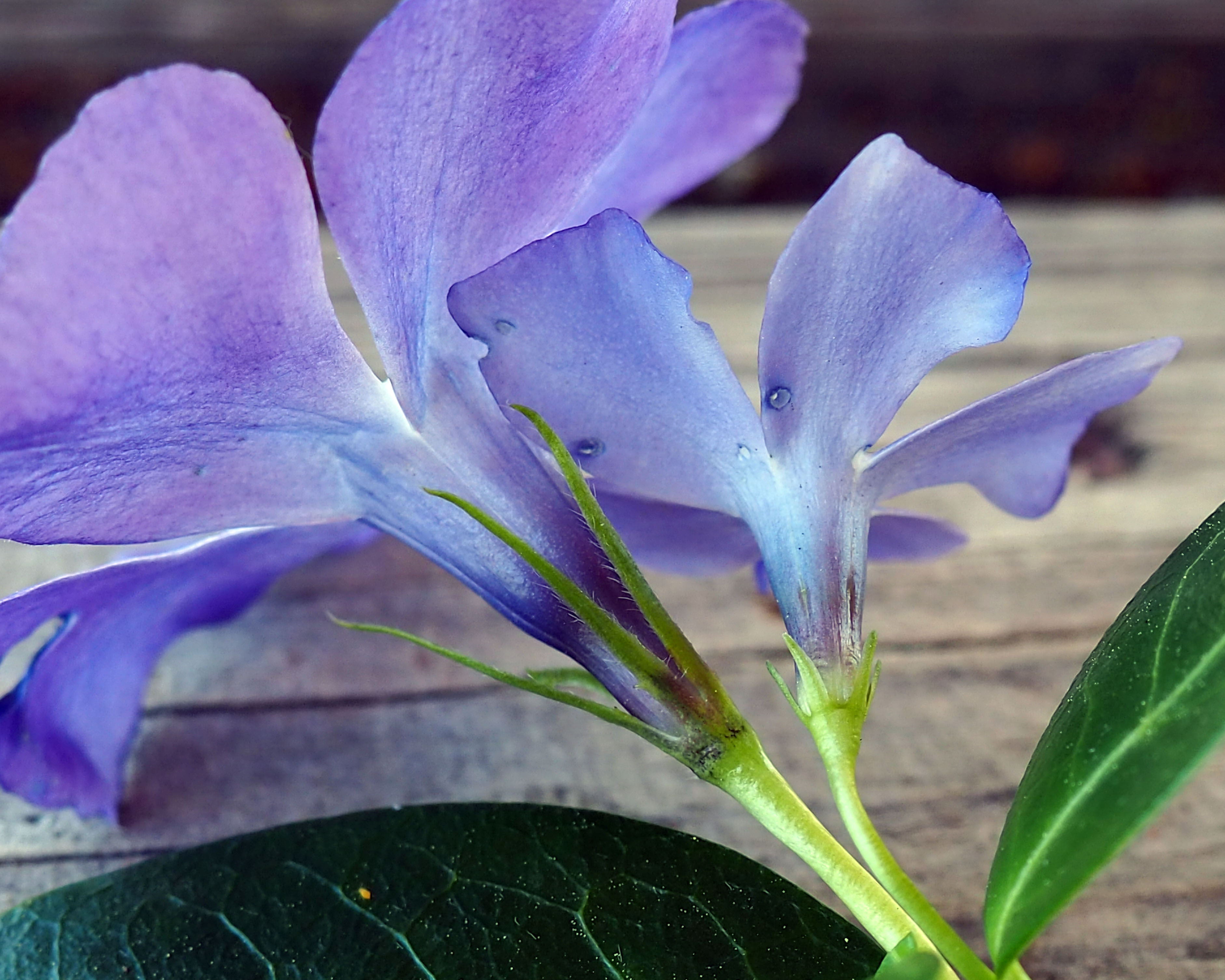
greater periwinkle (Vinca major)

Periwinkles are relatively easy to identify, yet telling the two apart can sometimes pose a challenge. Knowing what to look for can make this a fairly simple task. Vinca major (greater periwinkle) is the larger of the two. Its stems are tough and sprawl up to 5 feet long, rooting adventitiously when in contact with the ground. Vegetative spread also occurs via stolons and rhizomes, modified stems that spread horizontally both above and below ground and whose main purpose is to produce new roots along their length. This extensive rooting creates dense mats of stems and foliage, precisely what you’d want from an effective groundcover. Leaves are arranged oppositely and are semi-evergreen with fine hairs along their margins. They are thick, glossy, simple, dark green, and ovate to ovate-lanceolate in shape. They have a relatively long petiole, and some leaves can even appear heart-shaped.

The flowers of V. major are blue to purple and fused at the base to form a tube, separating into five distinct lobes and creating a shape similar to a pinwheel. They are borne on a long stalk in the axils of leaves and measure about two inches wide. Their sepals are long, slender, pointed, and lined with bristly hairs. Fruits rarely form, but when they do, they are narrow follicles.

comparing the petals and sepals of Vinca major (left) and Vinca minor (right)

Vinca minor (lesser periwinkle) is a slightly smaller plant with a similar habit, spreading vegetatively in all the same ways as V. major. Stems are slender and smooth and leaves are evergreen. Compared to V. major, the leaves of V. minor are smaller, narrower, and have hairless margins and short petioles, otherwise they are very similar. Same goes for the flowers, which look identical on both species, except that those of V. minor are slightly smaller (about one inch wide) and borne on shorter stalks. Sepals are shorter, broader, more rounded at the tips, and lack the bristly hairs of V. major.

Because periwinkles only rarely produce seed, their main method of getting around is vegetatively. Fragments of roots or rhizomes hide in soil and are moved from one location to another inadvertently. Periwinkles are often used in hanging baskets and containers, and when these things are cast aside at the end of a season, the perennial roots of periwinkles may continue to grow, spreading out beyond the potting mix and into the soil.

Dump soil, yard waste, and improperly disposed of containers are the main ways that periwinkles find their way into natural areas. Both species can be found in the understories and edge habitats of woodlands, as well as along roadsides and pathways, and in vacant lots and old homesites. They can also be found in riparian areas, where waterways can carry fragments of plants to new locations. The Invasive Plant Atlas compiles reports of both V. major and V. minor growing outside of cultivation and tracks them on a map. They also track which states include them in noxious weeds lists or laws.

lesser periwinkle (Vinca minor)

The best way to keep periwinkles from continuing to spread outside of cultivation is to refrain from growing them. If you choose to have them in your yard, dispose of plant parts properly. If you keep them in containers, send those containers to the landfill when you are done with them. If your property is adjacent to natural areas, the risk may be too great and you may want to consider a different groundcover. Depending on where you live, alternatives vary. In the Intermountain West, potential substitutes include wild strawberry (Fragaria virginiana), woodland strawberry (F. vesca), kinnikinnik (Arctostaphylos uva-ursi), and wild ginger (Asarum caudatum). Each of these are low growing, evergreen to semi-evergreen, spreading plants that do well in shade and can handle some degree of drought.

2024: Year in Review

Happy 2025! Apparently it’s time for another year in review. As I said in last year’s review, 2024 was going to be another year of pollination, in which I would write monthly posts on the topic of pollination. Well, clearly that didn’t happen. After two posts, I dropped the ball. That’s okay though. Another Year of Pollination will continue indefinitely. As it is, I essentially stole the name, Year of Pollination, from a podcast called Year of Polygamy, which after starting in January 2014, continues to put out episodes a decade later. A “year,” as it turns out, can also be a period of indefinite length.

2024 wasn’t the most fun year I’ve ever had. I’m actually happy to see it go. Hoping for bigger and better things in the year to come. However, one very exciting piece of news came near the end of the year, which I hinted about in this post. The past couple of months have been a bit of a blur as I have been writing furiously about weeds for a book project that should come out sometime in 2026. Something to look forward to. It is focused specifically on the Pacific Northwest, so if there are any weeds-interested people in the area that would like to help out in some way with this project, please reach out.

The book will keep me busy for a good part of the year, so I don’t anticipate being able to post a whole lot more here than I have in the past couple of years. But I’ll see what I can do. Be in touch either way. All the social media links and ways to support Awkward Botany can be found on this link tree. Thank you, as always, for reading and nerding out about plants with me. See you in 2025!

Most of the posts this year were part of ongoing series. So, here they are:

Winter Trees and Shrubs

Another Year of Pollination

Randomly Selected Botanical Terms

Book Review

Weeds of Boise

Things really took a turn in 2024. Let’s see what 2025 brings…

Winter Trees and Shrubs: Box Elder

Box elder is a maple that doesn’t often get credit for being a maple. Moreso, it is a tree that is not thought highly of, and it may not even be welcome in certain discussions around maples. You could even say that box elder is a “rogue maple,” as Arthur Plotnick deems it in The Urban Tree Book. It should come as no surprise, but if people are going to talk about a plant this way, it’s only going to make me like it more.

First off, the leaves of Acer negundo are palmately compound, compared to the simple, palmately lobed leaves of other maples. A box elder leaf is generally composed of three leaflets, sometimes five or seven. The center leaflet is on a longer stalk than the side leaflets, which are oppositely arranged. Sometimes the leaves are confused with ash tree leaves (Fraxinus spp.), which is the reason for another common name, ash-leaved maple. It’s also not uncommon for box elder leaves to be mistaken for poison ivy, which is maybe not a plant you’d want to be confused with. In the fall, unlike the beautiful reds, oranges, purples, and yellows of so many other maples, the leaves of box elder turn a drab yellow before dropping, a trait that Plotnick calls “an embarrassment.”

leaf of box elder (Acer negundo)

It’s not really its leaf, however, that bothers people. Box elder is a fast-growing and prolific tree. Basically, it’s weedy, and because it grows so quickly, its wood is generally weak and its structure unpredictable. It falls apart easily, and it doesn’t always grow in typical tree fashion. Sometimes its more of a shrub, and sometimes it leans so far over that it practically lies on the ground. It sprouts and suckers in abundance, and as John Eastman puts it in The Book of Forest and Thicket, it “generally ignore(s) human standards for an attractive tree.”

Maybe before people knew better, or during a time when people just needed a fast growing tree to plant in their developing cities, box elders were widely planted across North America and beyond. That and their ability to spread readily helps to obscure their native distribution. Box elder is naturalized across North America, but its original distribution (whatever that means) appears to be more midwestern and eastern. Box elder grows in a variety of conditions, and is actually quite drought tolerant, which has allowed it to feel right at home in the American west, whether it is truly native here or not.

Identifying box elder in the winter can be pretty easy, especially if you come across a seed-bearing individual. Box elders are dioecious, meaning male and female flowers occur on separate individuals (another thing that sets them apart from other maples). A samara-bearing tree is a female tree, and the samaras often hang from the branches in great numbers. Like other maples, the fruits are paired together, each seed with a prominent wing. The samaras of boxelder point downward and hang from long stalks, persisting on the tree throughout the winter.

persistent samaras of box elder

The twigs of box elder are glaucous (covered with a thin, powdery bloom) and can be either green, bluish-white, or reddish-purple. They have tiny, white lenticles, and their buds are oppositely arranged. Leaf scars are a broad U-shape, and scars opposite of each other meet at the tops of the U’s, coming to a raised point. At least three bundle traces (sometimes more) are visible in the scar. Leaf buds are protected by two scales that are covered in dense, white hairs. The scales are similar in color to the twigs, but appear more white due to the fuzz. Lateral buds are 1/8 inch long or longer. Slicing open the twigs lengthwise reveals solid, white pith in the center that blends in easily with the wood.

winter twigs of box elder
winter twigs of box elder, pith exposed

The bark of young box elders has slight vertical ridges and is light brown or grey-brown, with dull orange, raised, wart-like lenticels. It is finely scaly. The scales and ridges become more rough and blocky as the tree ages. Mature bark is light brown to grey and heavily furrowed, with blocky segments breaking apart horizontally.

maturing bark of box elder

A few years ago I was introduced to a massive box elder in Boise, Idaho. It quickly became my favorite tree in the area, and I visit it frequently. For all the hate that box elder can receive, seeing its potential to create an experience that few other trees in the area offer can send all of that negative talk out the window. Visit something like it yourself sometime, and see what it can do for you.

massive box elder

More Winter Trees and Shrubs:

Weeds of Boise Takes a GIS Course

Why has this blog been so quiet lately? There are plenty of excuses for that. It doesn’t really matter either way, but since we’re on the subject, one thing that has kept me occupied recently is being back in school. I’m working on a certificate in GIS, and I’m hoping to make some cool maps. More on that later perhaps.

For now, I thought I’d share one of my final projects. I figured it was a good excuse to use something I’ve already been working on – namely, Weeds of Boise – and apply it to one of my GIS classes. If you’ve been following Weeds of Boise, not much here will be new. Except the interactive maps!

Using observations from iNaturalist, I created three different maps of weeds found around Boise. I published them, using ArcGIS StoryMaps, alongside more of my usual pontificating about weeds and urban areas, etc. The maps aren’t perfect, but they opened up some interesting possibilities for what Weeds of Boise might become. Something to explore further in the future.

Until then, here is a link to the project if you’d like to take a look: Wild Urban Flora of Boise Idaho.

New Weeds Project, etc.

When you make yourself the weeds guy, and the word gets out that you’re the guy to go to when it comes to weeds, invitations and inquiries start coming your way. Usually it’s just someone asking you to identify a weed or telling you how much they despise a particular plant for its weedy behaviors. Sometimes it’s writing a weeds-themed article or teaching a class about weeds. It can even be an invitation to go on a weeds walk and be interviewed for a television series. This time it’s something, perhaps, a bit bigger.

I won’t say too much about what the project is at this point. It’s a little too early in the process for the big reveal. However, I will say that it involves at least two things: weeds and the Pacific Northwest. That’s partly why I’m bringing this up.

Do you live in the Pacific Northwest? Would you be interested in talking about weeds sometime? If you’re reading this, and you think you might have some input on the subject, please let me know. You can get in touch using the contact form or by sending me a direct message on Instagram. I can give you more information at that point, and we can determine if there is a way you can help.

There will be more to come about this exciting new project in the near future. Meanwhile, my lack of posting, which you may or may not have noticed, is likely to continue for a while. Summers get pretty busy around here, and as much as I’d like to share more posts with you, it just doesn’t happen. The fact that I’m basically back in school for a couple semesters, along with this new opportunity that I’m not saying much about, has made it so that focusing on the blog isn’t getting much easier. But I’ll do what I can, and I’ll try to stay active on Instagram and other social media sites to (sort of) make up for it.

Thanks, as always, for your support, and thank you for putting up with this announcement about an upcoming and soon to be announced announcement.

———————

Support Awkward Botany by visiting our Bookshop. Do you have suggestions for books to add to our store? Let us know in the comment section below.

Weeds of Boise: Neglected Parking Lot Islands at Post Office on 13th Street

Boise’s summers are decidedly hot and dry. Months can pass without any measurable precipitation, meanwhile temperatures regularly peak in the 90’s. In the heat of the summer, multiple days in a row above 100 degrees Fahrenheit is not unheard of. Under these conditions, irrigation is a must if you intend to keep plants alive, particularly plants not adapted to our climate. Skipping out on watering or having something go awry with the irrigation system quickly becomes noticeable as the soil goes bone dry and plants begin to wither away. If this goes on for too long, many plants will not recover, including established trees and shrubs. However, the toughest plants among us, particularly the weeds, will move in to take their place.

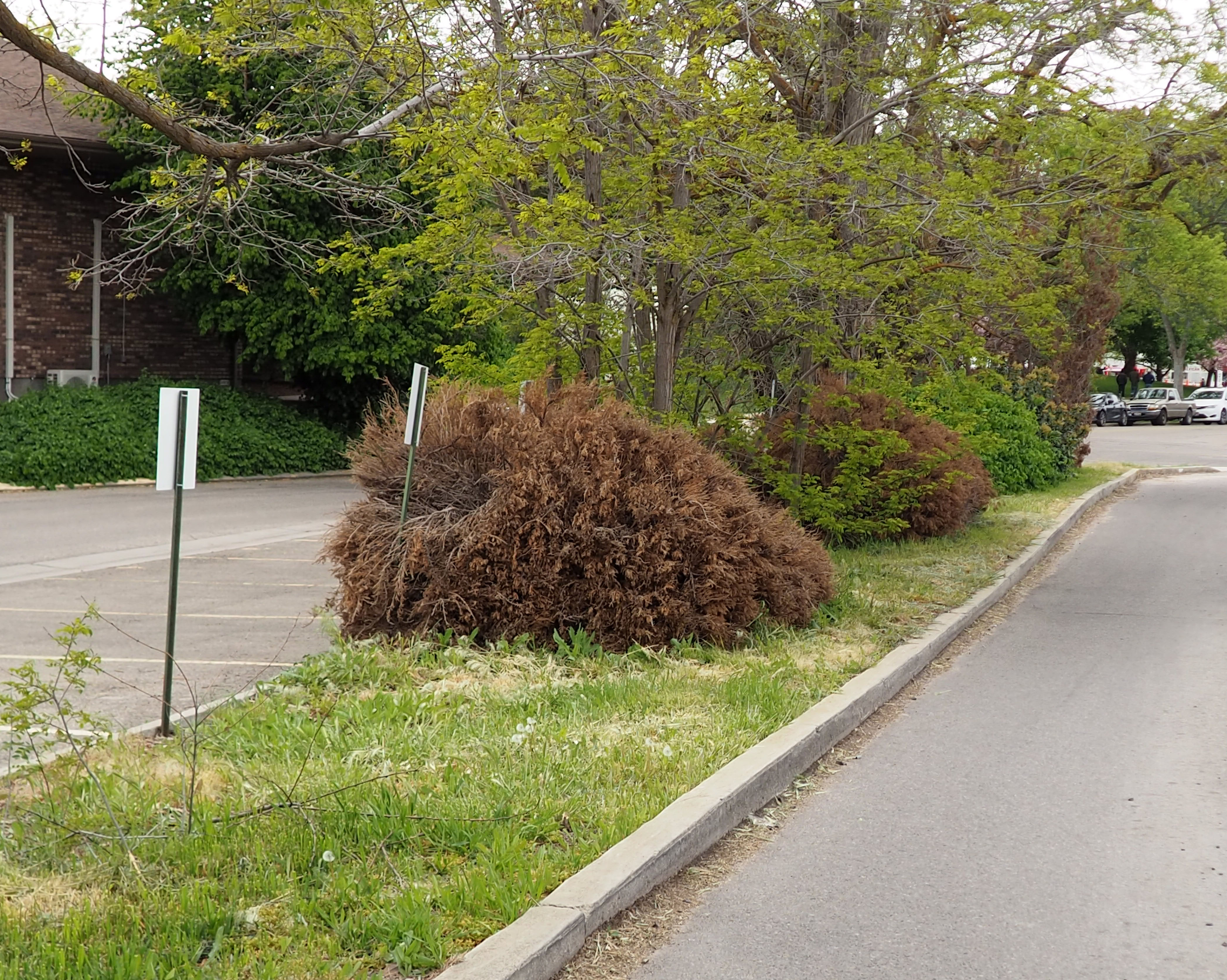
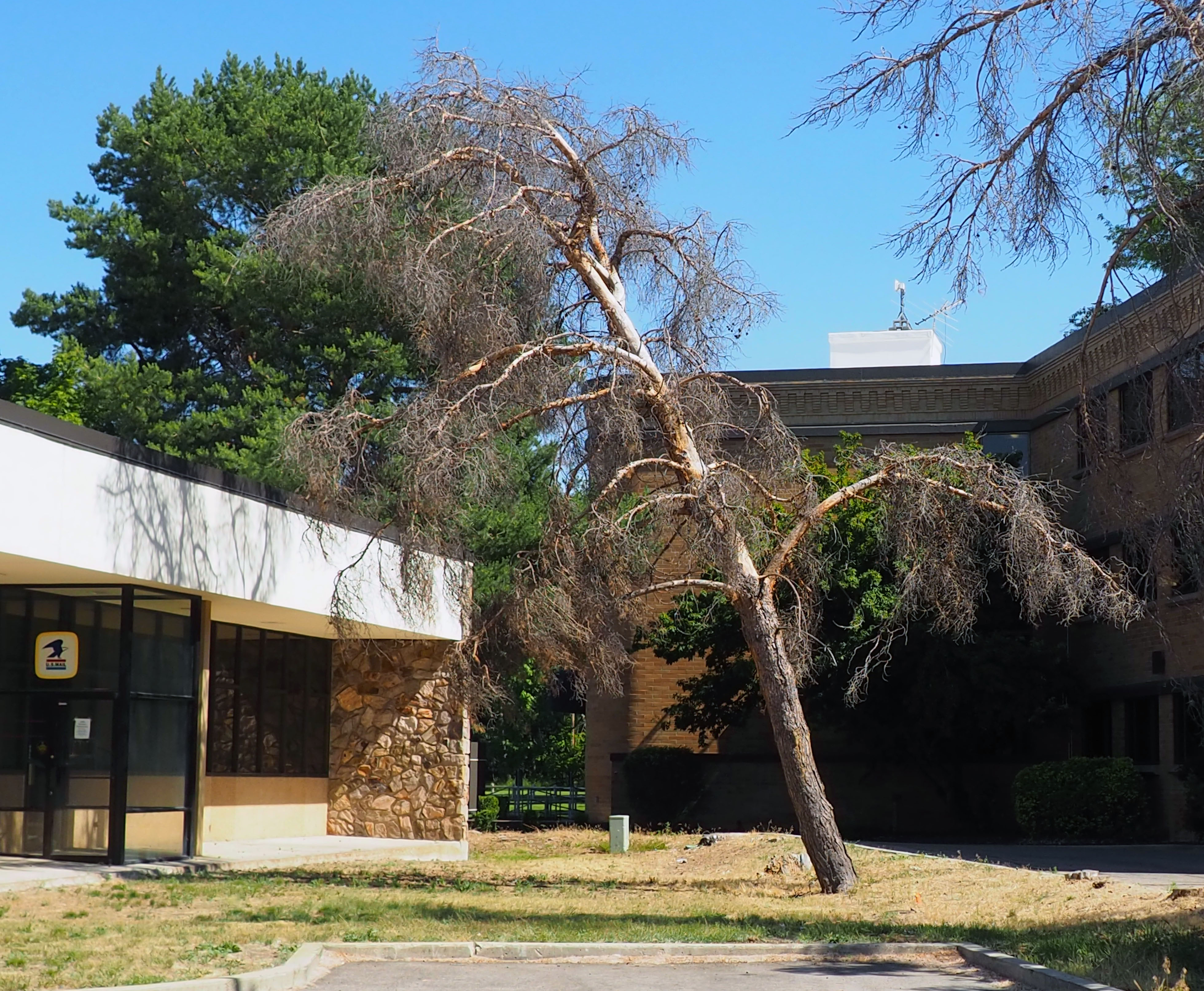
You can see an example of this at the United States Postal Service building at 13th Street and Shoreline Lane in Boise, Idaho. The islands in the parking lot are not being watered, which has clearly been the case for quite some time because even the trees and shrubs are dying off. Apart from occasional mowing, very little maintenance is occurring, and our wild urban flora is about all that remains.

parking lot island at the corner of 13 Street and Shoreline Lane

Parking lots are not ideal locations for growing plants. Asphalt and cement dominate – two major contributors to the urban heat island effect – and automobile pollution is concentrated on account of all the cars coming and going on a regular basis. Many parking lots include islands where plants (often poorly maintained), along with other features like signs and lights, are placed. In general, these islands are far too small for trees, but trees are planted nonetheless in a desperate attempt to shade these formidable environments. In locations where snow is common, the snow from parking lots is often piled up on these islands to clear room for cars, while road salts and other ice melts are heavily applied in order to keep people and cars from sliding around. Parking lot plants have to endure all this and more, so it’s no surprise that they usually look pretty rough.

The stresses of added heat, pollution, trampling, and poor care are enough for plants to put up with. Cut off their irrigation supply, and parking lot plants are sure to give up the ghost. A situation like this is an excellent place to familiarize yourself with your wild urban flora. Many weeds seemingly have no problem tolerating these conditions. To demonstrate this, I inventoried the weeds found in neglected parking lot islands at the post office on 13th Street and Shoreline Lane. What follows are a few photos and a list of the weeds I’ve identified so far. Like all posts in the Weeds of Boise series, this list may be updated as I continue to check back in on this location.

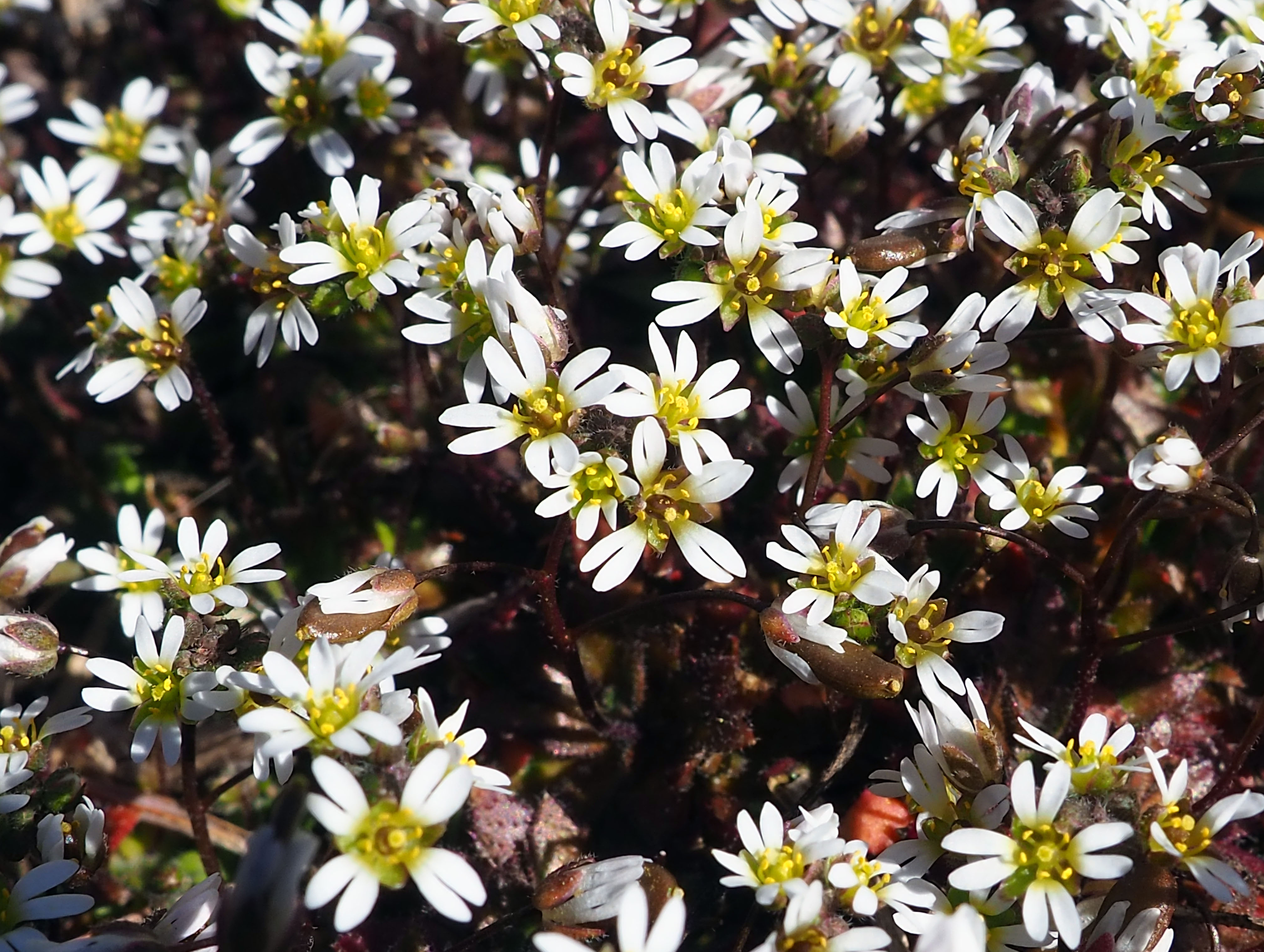
spring draba (Draba verna)
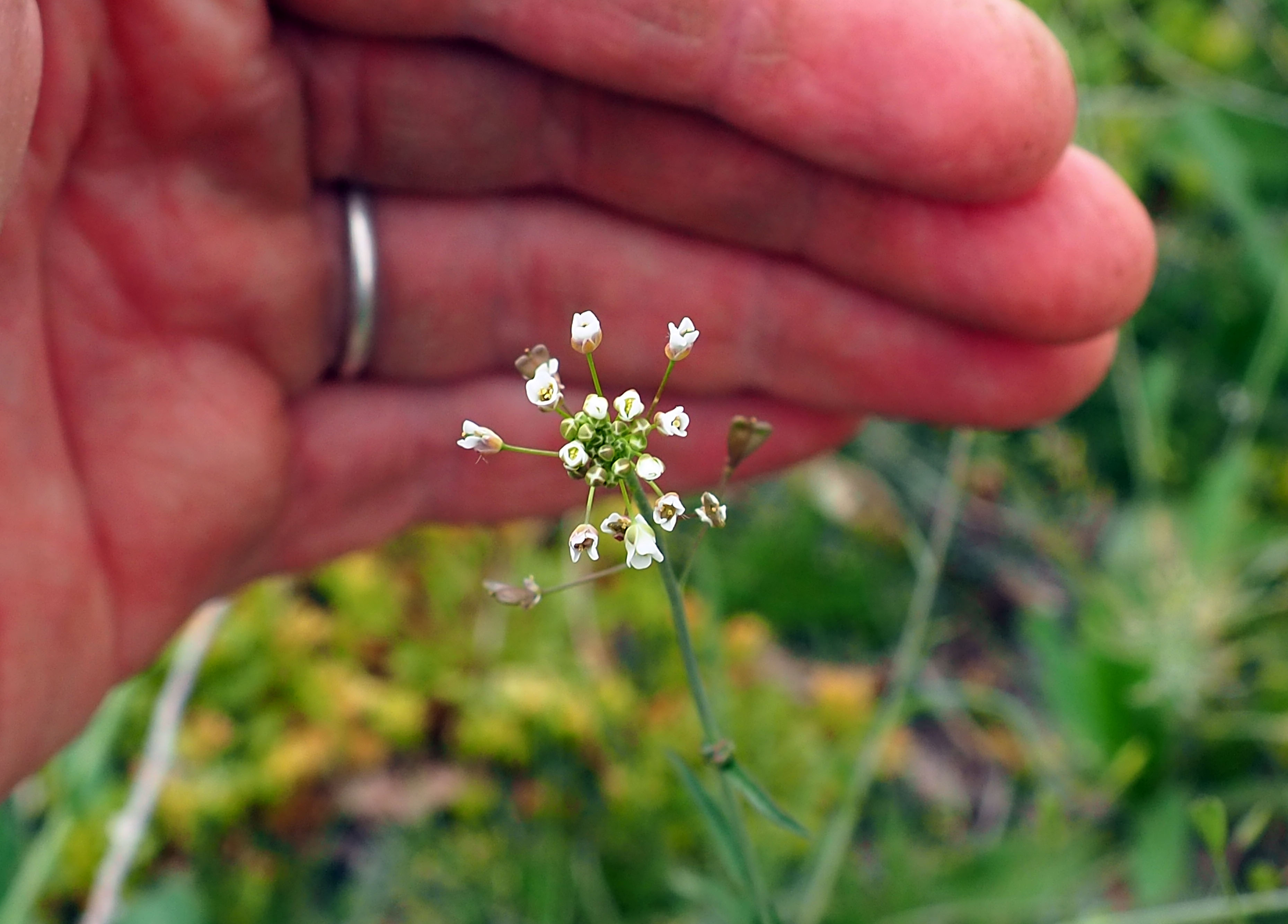
shepherd’s purse (Capsella bursa-pastoris)
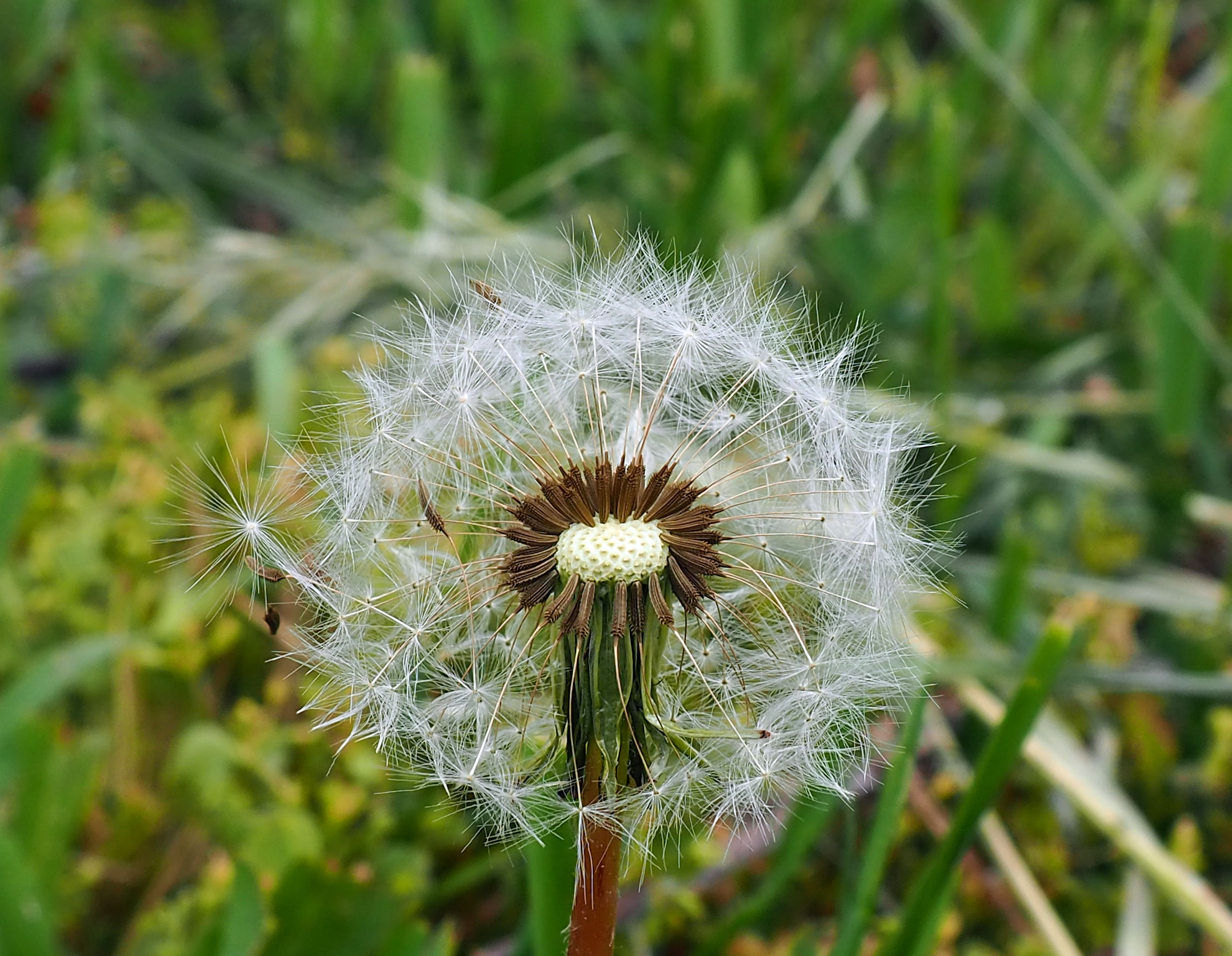
dandelion (Taraxacum officinale)
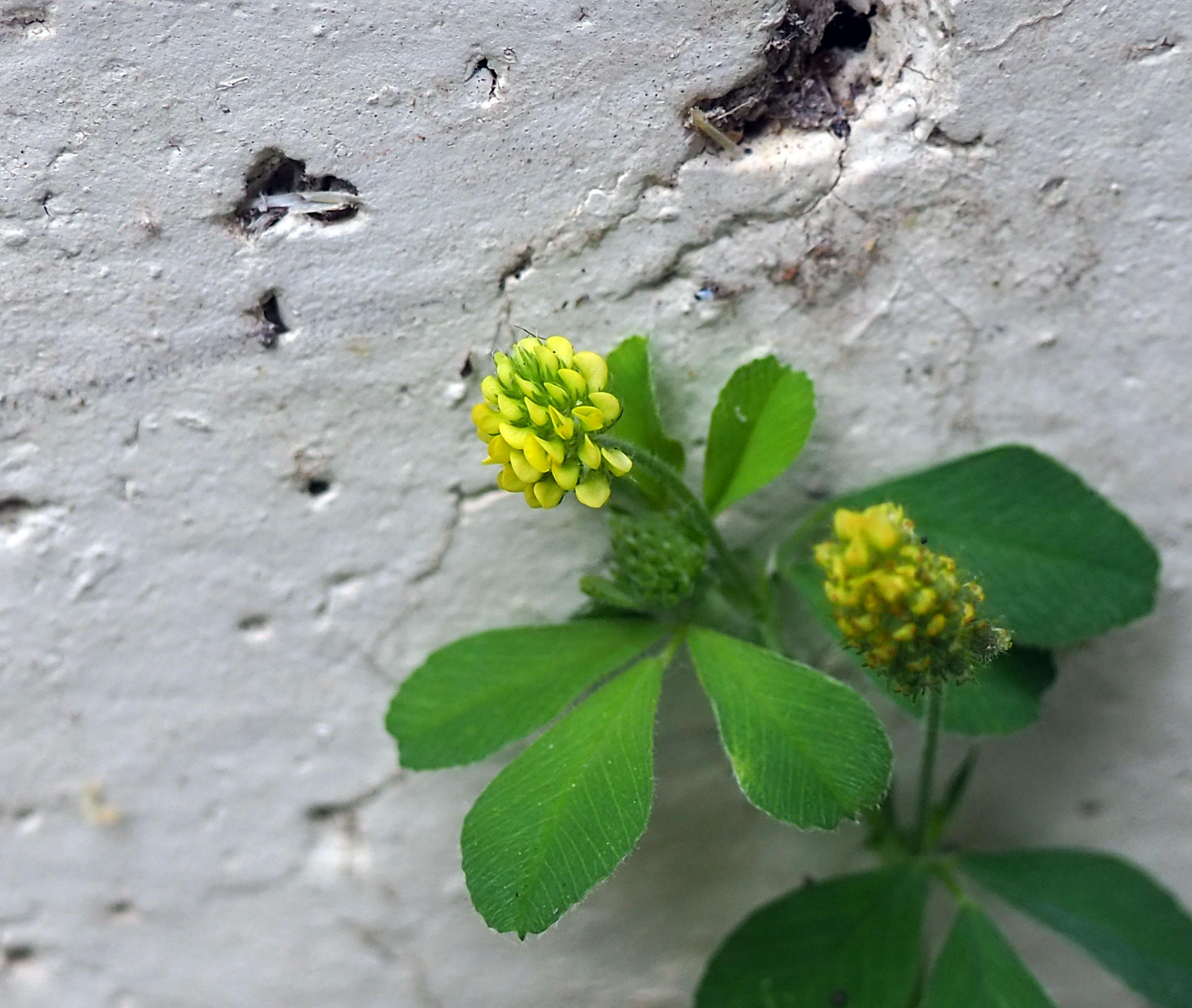
black medic (Medicago lupulina)
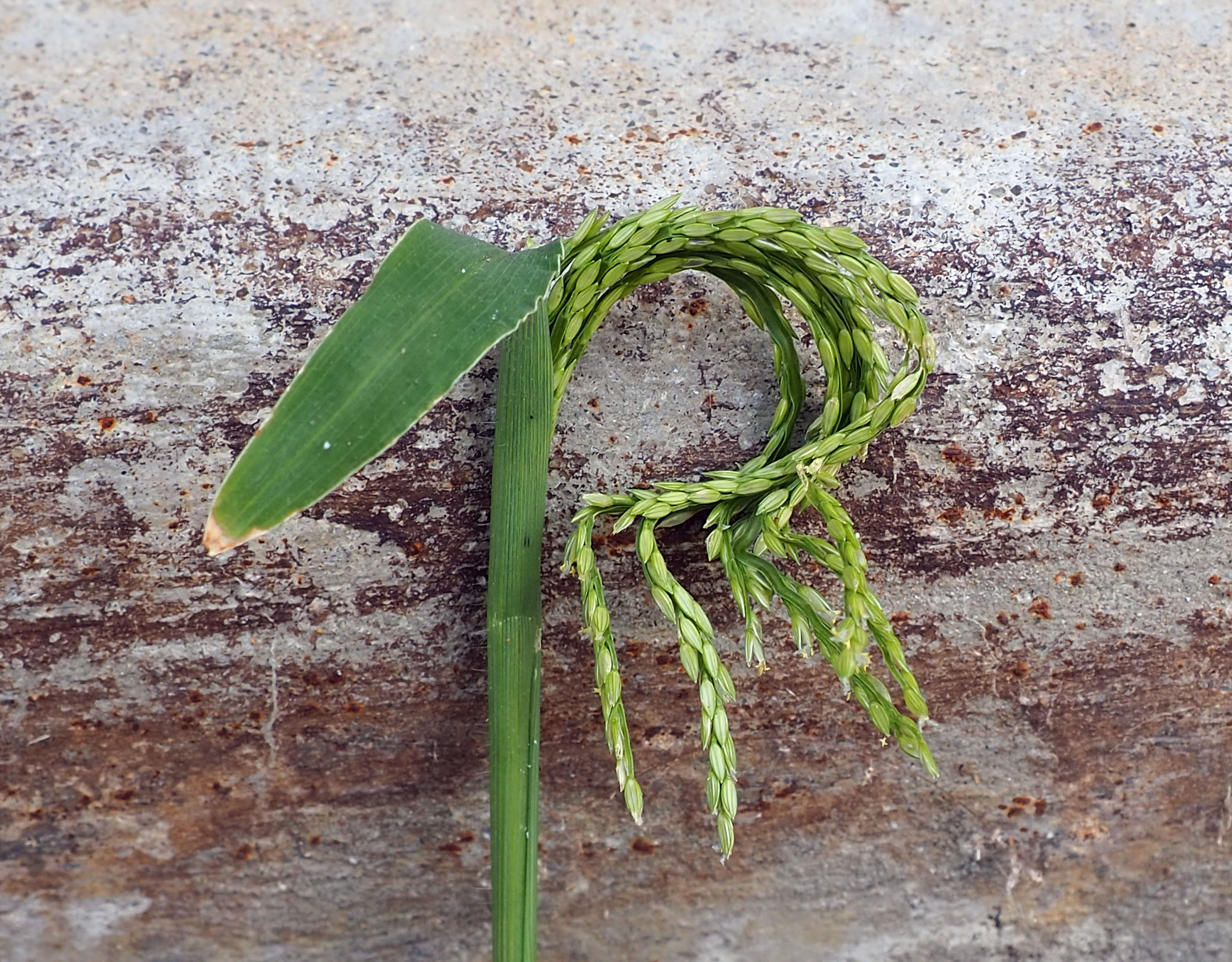
crabgrass (Digitaria sanguinalis)
annual sow thistle (Sonchus oleraceus)
snag (aka standing dead tree) at post office on 13th Street
  • Anthriscus caucalis (bur chervil)
  • Bromus tectorum (cheatgrass)
  • Capsella bursa-pastoris (shepherd’s purse)
  • Ceratocephala testiculata (bur buttercup)
  • Chondrilla juncea (rush skeletonweed)
  • Claytonia perfoliata (miner’s lettuce)
  • Convolvulus arvensis (field bindweed)
  • Conyza canadensis (horseweed)
  • Digitaria sanguinalis (crabgrass)
  • Draba verna (spring draba)
  • Elymus repens (quackgrass)
  • Epilobium ciliatum (willowherb)
  • Erodium cicutarium (redstem filare)
  • Euphorbia maculata (spotted spurge)
  • Holosteum umbellatum (jagged chickweed)
  • Hordeum jubatum (foxtail barley)
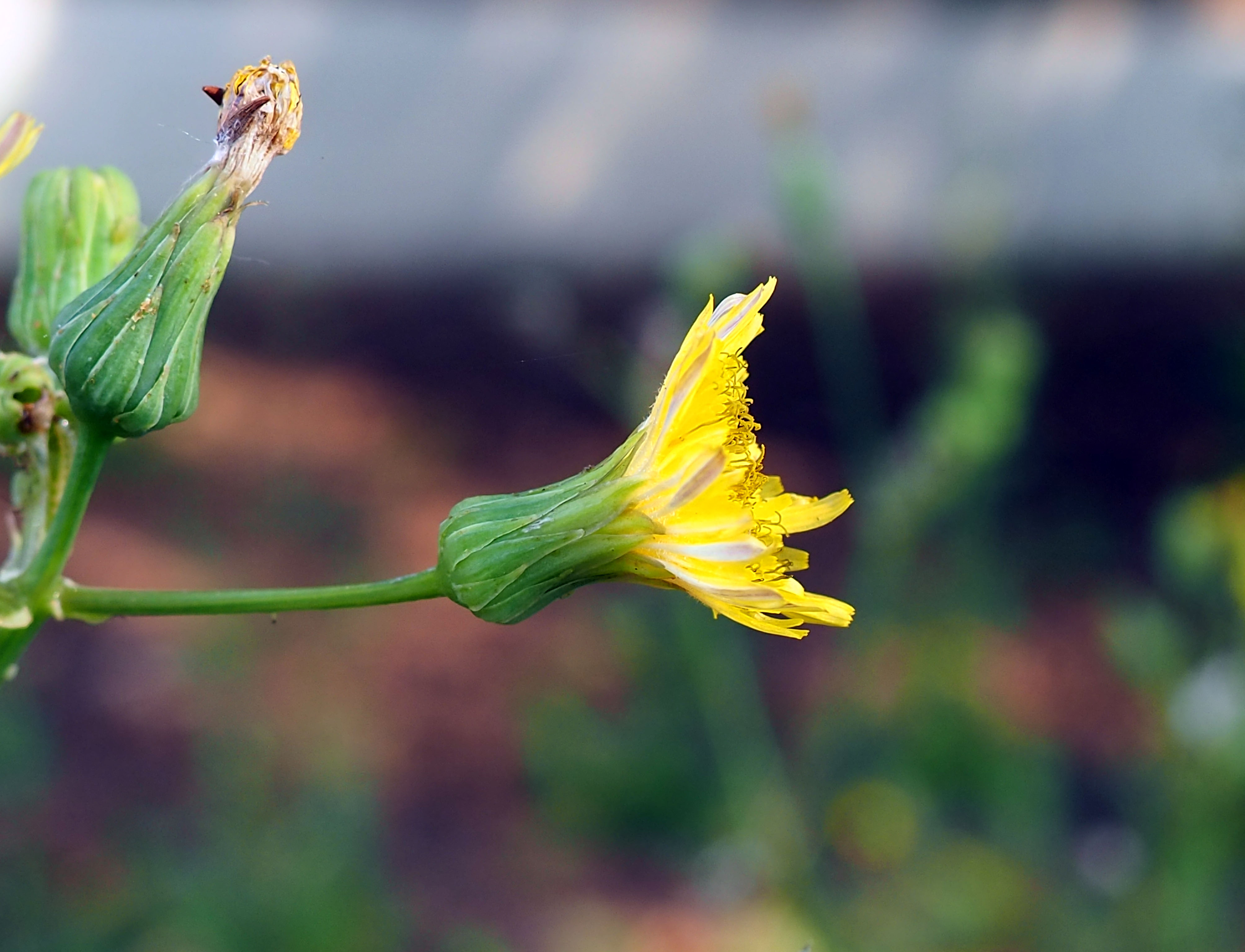
  • Lactuca serriola (prickly lettuce)
  • Lamium amplexicaule (henbit)
  • Malva neglecta (common mallow)
  • Medicago lupulina (black medic)
  • Parthenocissus quinquefolia (Virginia creeper)
  • Poa annua (annual bluegrass)
  • Polygonum aviculare (prostrate knotweed)
  • Portulaca oleracea (purslane)
  • Senecio vulgaris (common groundsel)
  • Sonchus oleraceus (annual sow thistle)
  • Taraxacum officinale (dandelion)
  • Tragopogon dubius (salsify)
  • Tribulus terrestris (puncturevine)
  • Trifolium sp. (clover)

Where there are parking lot islands, there are bound to be weeds whether the islands are being maintained or not. What have you found growing in the parking lot islands in your city? Feel free to share in the comment section below.

Book Review: Wild Wasatch Front

If it isn’t clear by now from my Weeds of Boise series and countless other posts, I happen to be interested in the flora and fauna of urban areas. Urban ecology is a fascinating field of study, and I’m not sure that it gets the attention it deserves. Nature is not some far away place, and you shouldn’t have to leave city limits to go in search of it. Remarkably, nature exists right outside your front door, even if you live in the middle of a massive city. It may be a different sort of nature than the one you might find in a national forest or a state park, and it may be composed of species introduced from all corners of the world, but it is still a collection of living organisms interacting with each other and the surrounding environment in unique and important ways. The question is, can you grow to appreciate nearby nature and recognize that the ecological interactions that exist within the context of a city are just as valid as those you’ll find outside of our built environments?

Luckily, there are resources that can help you with that, including a recent book compiled by Lisa Thompson and others at the Natural History Museum of Utah (NHMU). It’s called Wild Wasatch Front, and it’s of particular interest to me because it covers a region that’s relatively close by, and our two locations share a number of similarities. Plus, I played a small role in reviewing some of the plants (specifically the weeds) that ended up in the book (Sierra would insist that I mention this, so there you go). Similar books exist for other regions across North America and elsewhere, so I encourage you to seek out a book that applies to your hometown.

The Wasatch Front is a metropolitan region in north-central Utah that spans the western side of the Wasatch Mountains and includes a long string of cities and towns extending for many miles in all directions. Included in that list of cities is Salt Lake City, the state’s capitol and largest city in the state. The idea for a book about urban nature in the Wasatch Front was inspired by an exhibit at NHMU called “Nature All Around Us.” The exhibit and resulting book offer a new perspective for those insisting that “nature and cities cannot coexist” or that the nature found in cities is influenced by humans and therefore shouldn’t be considered “real.” Hundreds of organisms making a life for themselves within the boundaries of our cities might argue otherwise.

Wild Wasatch Front is divided into three main sections, with each section being worth the price of the book on its own. First there are a series of essays about urban nature and ecology. Names you might recognize, including Emma Marris and Riley Black, contributed to the book, as well as several other people that live and work in the western U.S. and have an interest in nature and environmental issues, especially as they relate to cities. Novel ecosystems is a reoccurring theme, not just in the essays but throughout the book. In her essay, Sarah Jack Hinners writes, “urban nature is a mixture of the intentional and the unintentional,” adding that “for every tree or rosebush or lawn that we plant and carefully nurture, there are multitudes of other plants and animals that grow and thrive uninvited and unnurtured by us.”

The largest section in the book is a field guide, profiling 127 plus species that call the Wasatch Front home, some native and some transplants. This section is divided into subsections that include birds, invertebrates, fungi and lichen, mammals, reptiles and amphibians, street trees, and wild plants. The entry for each species includes a brief description, a few interesting facts, and details on how and where to find them, accompanied by images. With the variety of creatures covered, you are sure to find something that interests you and a reason to go out looking for your favorites. You may even learn something new about a species you’ve been seeing for years, such as house finches. It turns out that the colorful patches on a male house finch are the result of the plants they eat. These patches can be red, orange, or yellow. The redder the better though, because female house finches seek out mates with this coloration.

Naturally, my focus was mainly aimed at the plants covered in this section. I appreciated the mixture of native and introduced plants, even the inclusion of plants considered to be invasive. Instead of vilifying these species, there is an attempt to understand them and find value in them, even in spite of the concerns and negative opinions held about them. Box elder (Acer negundo) is an example of a plant that has both native and introduced populations. Once widely planted in yards and on farms, this tree has “fallen out of favor.” Its weak wood (a result of growing so quickly), can result in a messy, unattractive tree, making it a poor choice for a street tree. However, it propagates itself readily and shows up in vacant lots and other urban locations that receive minimal management and human attention. In the Wasatch Front, you can find box elders that are native, naturalized, and cultivated, an unlikely scenario unique to urban areas.

massive box elder (Acer negundo) in Boise, Idaho

The third and final section of the book is a guide to 21 different hikes and field trips in and around the Wasatch Front. Each field trip features a hand-drawn map and some basic notes about the hike. Details about what can be seen along the way are included in the descriptions, which are sure to entice you into visiting. Whether or not you think you’ll ever make it out to any of these spots, this section is still worth reading if only for the ongoing discussions about urban ecology. For example, in the entry for Gib’s Loop, abrupt changes in land ownership and land use (a common experience when hiking in urban areas) is addressed: “Human impacts in the foothills…don’t end at backyard fences, and many animals use resources in both habitats. It’s more interesting to think of cities and the surrounding foothills as part of an interconnected system rather than separate and distinct.”

The field trip section is also used as a teaching opportunity to describe more of the species you’ll find in the Wasatch Front. In the entry for Creekside Park, learn how to identify creeping mahonia (Berberis repens), with its low growing habit and matte leaves, and compare it to Oregon grape (B. aquifolium), with its more upright habit and shinier leaves.

Berberis aquifolium (on the left) compared to Berberis repens (on the right)

Last year, in anticipation of Wild Wasatch Front, I came across another book with a similar focus. This book was put out by a group called The Urban Field Naturalist Project, headquartered in Australia. Their book, A Guide to the Creatures in Your Neighbourhood, encourages its readers to become urban naturalists and offers resources to help them get started. Just like Wild Wasatch Front, the bulk of the book is a field guide to species found in and around urban areas (in Australia, of course). In place of a guide to hikes and field trips, there are instructions on how to start nature journaling, which is a key component of becoming an urban field naturalist. Getting outside and learning to recognize nearby nature is step one, documenting what you see and sharing those observations with others is step two. Taken together, these two books will help you gain a better appreciation for urban nature and will hopefully inspire you to work to conserve what is there and make room for more.

More Book Reviews:

Randomly Selected Botanical Terms: Phyllaries

Flowers in the aster family have one of the most recognizable shapes in botany – a circle with a series of petals surrounding it. If you were asked to draw a flower, there is a good chance your drawing would look something like a sunflower, a daisy, a cosmos, or an aster. It’s one of the most basic flower shapes, and yet it isn’t a single flower; it’s a pseudanthium – a false flower. This is because what might appear as a single flower is actually a collection of tens, hundreds, or even thousands of tiny flowers. This aggregation of flowers into a single compact unit is the reason the family was once given the name Compositae, and even now is often informally referred to as the composites.

Another reason why a flower in the aster family – or Asteraceae – might be the first thing you would draw is because it is the largest family of flowering plants, numbering up to 33,000 species worldwide. Chances are you’ve seen a few of them around. In the contiguous U.S. alone, there are more than 2400 species, and that doesn’t include the plethora of species brought in from regions across the world either intentionally (to be grown in our gardens) or unintentionally (as weeds). Of course, not all of the species in this family are going to have a typical sunflower-like flower head, but they do all have a specific type of inflorescence called a capitulum. Capitula are made up of densely packed, miniature flowers called florets, which are stalkless (or sessile) and arranged on a flattened central stem (or axis). There are at least four different types of florets in the aster family, but we’ll leave that discussion for another time.

In this post, we’re specifically interested in what is happening at the base or underside of the capitulum. All of the florets in a capitulum are held within a cup or bowl-shaped series of bracts called an involucre. Bracts are modified leaves, and this whorl of tightly held or loosely arranged bracts are initially found surrounding a developing flower bud. As the inflorescence opens, the involucre opens as well and its bracts persist at the base of the flower head. The bracts that make up the involucre are called phyllaries, and they vary in shape, number, and size depending on plant species. In fact, the features of phyllaries are so unique they are often relied on to help identify a plant in the aster family to genus, species, and infraspecies (variety, subspecies, etc.).

phyllaries of blanketflower (Gaillardia aristata)

When it comes to flowers in the aster family, there is more than meets the eye. After you take some time to appreciate the intricate beauty of its collection of florets, turn the flower head over and take in its phyllaries. They come in various colors, they can be hairy or smooth, their margins can be entire or adorned with hairs, teeth, etc., they can be flat and straight or they can curve outwards in interesting ways, their tips can be pointed, spine-tipped, rounded, or keel shaped. Phyllaries can be laid out very evenly, tightly overlapping each other like shingles on a roof (i.e. imbricate) or their arrangement can be slightly uneven and irregular (i.e. subimbricate). Use a hand lens to get a closer look at all of these features. As you get in the habit of observing the details of the involucre and its phyllaries, chances are each time you come across a flower in the aster family, you’ll find yourself flipping it over to get a look at its undercarriage. What will you find?

phyllaries of dandelion (Taraxacum officinale)
phyllaries of Mexican sunflower (Tithonia rotundifolia)
phyllaries of stemless four-nerve daisy (Tetraneuris acaulis)
phyllaries of hoary tansyaster (Dieteria canescens)
phyllaries of aromatic aster (Symphyotrichum oblongifolium ‘October Skies’)
phyllaries of curlycup gumweed (Grindelia squarrosa)

If phyllaries have piqued your interest and you’d like to learn more about plants in the family Asteraceae, I highly recommend getting your hands on the book, The Sunflower Family by Richard Spellenberg and Naida Zucker. It has a North American focus, but it’s a great place to start learning more about this massive plant family.

More Randomly Selected Botanical Terms:

Another Year of Pollination: Viscin Threads

While we’re on the subject of pollen-gluing mechanisms, there is another material apart from pollenkitt that a limited number of flowering plant families use to link their pollen grains together. It functions, much like pollenkitt, by aiding in the attachment of pollen to visiting animals. However, unlike pollenkitt, it isn’t sticky, oily, or viscous, and is instead more like a series of threads. Viscin threads to be exact.

One of the major differences between pollenkitt and viscin threads is their composition. The lipid-rich coating that surrounds pollen grains, which we call pollenkitt, is derived from breakdown materials of an inner layer of the anther. It is added to pollen grains after they are formed and before the anther dehisces. Viscin threads are made up of sporopollenin, the same biopolymer that exine (the outer wall of a pollen grain) is composed of. Viscin threads have points of attachment on an outer layer of the exine called the ektexine. Unlike pollenkitt, viscin threads don’t add new color to pollen grains, nor do they contain scent compounds. Their thickness, length, abundance, and texture are dependent on the species of plant they are found on, much like pollenkitt varies in form and composition depending on species.

pollen strands of tufted evening primrose (Oenothera caespitosa)

Viscin threads evolved independently in three distantly related plant families. These include Onagraceae (the evening primrose family), Ericaceae (the heath family), and a subfamily in the pea family known as Caesalpinioideae (the peacock flower subfamily). Viscin threads are found in many, but not all, of the species in these three families. Some species in other plant families have what appear to be viscin threads but are actually ropy strands of pollenkitt, as they are composed of pollenkitt and not sporopollenin. Because they are made up of the same durable material as exine, viscin threads can be preserved in the fossil record. A paper published in Grana (1996) looked at the morphology of pollen grains with viscin threads from the Tertiary Period and concluded that “this advanced pollination syndrome using viscin threads as a pollen connecting agent” dates back to at least the Eocene and perhaps much earlier.

While pollenkitt’s stickiness adheres pollen grains together, viscin threads are more of a tangling device. Single pollen grains or pollen grain groupings called tetrads become tangled up together and then become entangled with a visiting insect, bird, or bat and carried away to a nearby flower. Disentanglement from the pollinator ideally happens when the threads are brushed against the sticky surface of a stigma. The viscin threads themselves vary by species and family. Micheal Hesse, in a paper published in Grana (1981), describes the threads in Onagraceae as “long, numerous, thin, and sculptured” with “knobs, furrows, etc.,” while those in Ericaceae are thin and smooth and those in Caesalpinioideae are thick and smooth.

smooth azalea, pink form (Rhododendron arborescens)

The length and size of tangled pollen masses also differ by species and can offer clues as to which pollinators visit which flowers. Research published in New Phytologist (2019) looked at the size of pollen thread tangles (PTT) in 13 different species of Rhododendron. They also noted which pollinators visited each species and how often they visited. The researchers found that species presenting pollen in small but abundant PTT were visited by bees, and those with large but few PTT were visited by birds and Lepidoptera (butterflies and moths). Bees also visited the flowers more frequently than birds and Lepidoptera. Bees collect and consume pollen. Between visits to anthers, they spend time grooming themselves, removing pollen clusters from their bodies and packing them into corbiculae (i.e. pollen baskets) for later*. Birds and Lepidoptera don’t groom pollen from their bodies and don’t collect it. In the authors terms, this “suggests pollinator-mediated selection on pollen packaging strategies.” Since flowers pollinated by bees lose much of their pollen in the process, they present it in smaller packages, and since flowers pollinated by birds and Lepidoptera are visited less frequently, their pollen packages are larger.

This is an example of the pollen presentation theory, and is something we will revisit as the Year of Pollination continues.

*This applies specifically to bee species that have corbiculae, and many bee species do not.