Excerpt from Amanda Thomsen Interview

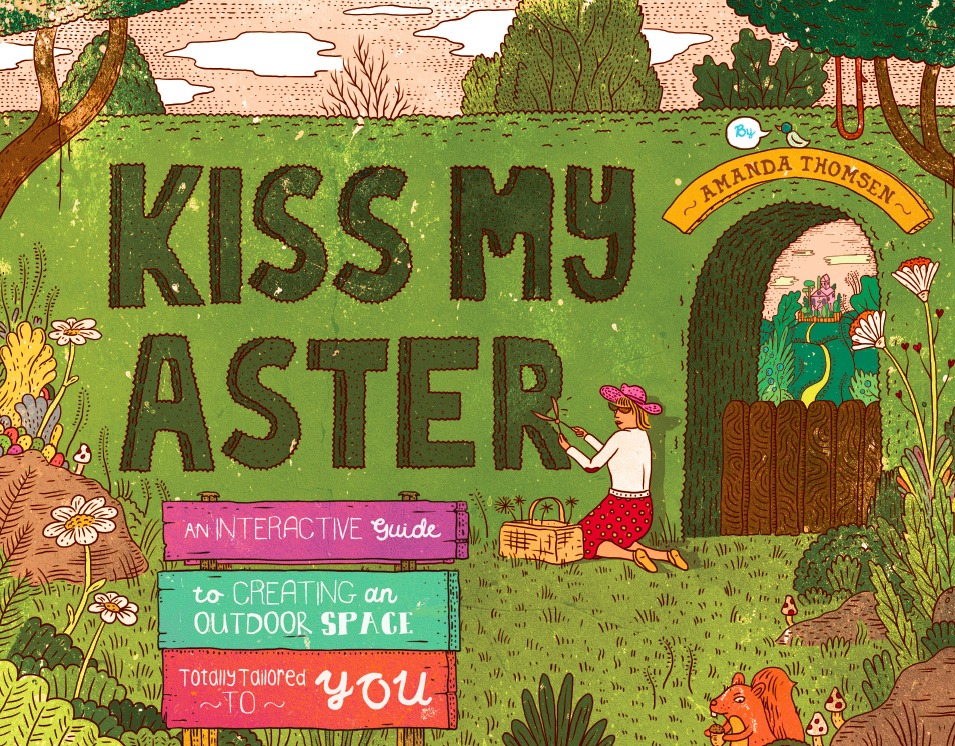
Plenty of books have been written about gardening and landscaping 101, but none are quite like Kiss My Aster by Amanda Thomsen. The title alone should clue you in that Thomsen’s approach is unique. Flipping through the pages it becomes more apparent. It’s a graphic novel. It’s a choose your own adventure book. There is a pink unicorn and a vampire reference, but there is also great information for those interested in gardening. Much of it is geared towards beginners, but seasoned gardeners will find it useful as well. This book is in a league of it’s own…so it’s certainly worth a look.

In the latest issue of Greenwoman Magazine, Sandra Knauf interviews Amanda Thomsen. It’s a lively conversation, in which Thomsen reveals how the book came about, among other things. What follows is an excerpt from that interview. Get your hands on a copy of the magazine for the full conversation.

Knauf: Who or what inspired you to become a gardener? A writer?

Thomsen: When I was little I wanted to do three things when I grew up: 1. Be a writer, 2. Recycle, and 3. Wear red lipstick. Happily, I have achieved these three goals. Although I always wanted to be a writer, I did ABSOLUTELY NOTHING to make that happen growing up. No one pointed me in the right direction. I’ve taken a few writing classes, but overall nothing that was memorable. I have always been super creative and have just looked for ways to demonstrate that!

My parents were the prototypes for yuppies. For some reason, and I think it was my dad’s Indiana upbringing, they were SUPER into Crockett’s Victory Gardening on PBS and did, literally, everything he did. We have a 30′ x 50′ victory garden each summer and I just grew up in it. They had a greenhouse added to the house, canned up everything from applesauce to giardiniera. It was a delicious way to grow up, and I didn’t realize that EVERYBODY didn’t have that until I was, like, 20. Maybe older. I didn’t realize there were jobs in gardening and horticulture.

Knauf: You have this funny, sassy, sexy, free-spirited, curse-word-strewn, delightfully naughty blog for a few years, and you’re a landscaper, and suddenly you’re blogging for Horticulture magazine’s website, and now you blog for Fine Gardening. I don’t want to disrespect these fine publications, but, well, they can be at times just a bit, shall we say, dry. How did you get together with them?

Thomsen: Horticulture asked me to join this contest they were having for a blogger. I did and I won. It was hard on me to blog exclusively for them and not on my personal blog at all – not even about personal stuff – but that was the deal. Fine Gardening has been a great, laid back home for my more horty things to say. I leave the eff-bombs at the door and get my freak on over there and I’ve loved it. AND they’ve given me a chance to write articles, which is seriously one of my happiest achievements in life…

All these magazines KNOW that if they are going to survive, they have to get new, younger readers, and I’m happy as a salami at a mustard party to help do that for them.

Knauf: How did the idea for a book come about?

Thomsen: I was dreaming about how to make books more interactive when I thought of the idea. Originally it was going to be SO comprehensive that I thought I’d need help writing it. You know, a backyard bible of sorts. Then I got this wack-a-doo idea of having a hipster gardening book that was illustrated with, you know those terrible IKEA instructions with no words and very vague symbolism? I wanted to do it like that. Carleen Madigan at Storey literally found me in a dumpster and asked me if I had ideas for books. We met up in Boston while I was there speaking, and I just LOVED her. She was totally the midwife of this book. I literally wrote the whole book for her and if I could make her laugh then I was golden. I wrote the whole book, and then they found the illustrators, which completely adds everything.  The illustrations are way better than the writing!

kissmyaster

Visit Amanda Thomsen’s blog: www.kissmyaster.co

Read the entire interview and more at Flora’s Forum.

Autumn Leaves

It’s October, so fall is in full force in the northern hemisphere. Days are shorter and temperatures are cooler, but one sure sign that fall is here is that the leaves on deciduous trees are changing colors. Every autumn, leaves that were once a familiar green turn brilliantly red, fiery orange, or vibrantly yellow. And then they fall to the ground leaving trees exposed – just trunks and branches  – skeletons of what they once were during warmer and brighter days.

But why?

Surprisingly enough, the colors seen in autumn are largely present in the leaves throughout their lives, but we don’t see them. We only see green. This is because chloroplasts (cell organelles responsible for carrying out photosynthesis) contain chlorophyll, one of three main pigments found in the cells of leaves throughout the growing season. Chlorophyll absorbs red and blue light and reflects green light. Because chloroplasts are so abundant in the cells of leaves, leaves look green.

But carotenoids are hanging around, too. The second of the three main pigments, carotenoids protect chlorophyll from oxidation and aid in photosynthesis. They reflect blue-green and blue light and appear yellow, however their population is considerably smaller compared to chlorophyll, so their yellow color is masked.

When day length decreases, the level of chlorophyll in plant cells diminishes. As a result, the yellow color of the carotenoids begins to show. Also, a layer of cells called the abscission layer forms between branches and petioles (i.e. leaf stems). This abscission layer is what eventually causes branches to drop their leaves. As the chlorophyll begins to die off and the abscission layer forms, anthocyanins (the third of the three main pigments found in plant cells) are synthesized. Anthocyanins absorb blue, blue-green, and green light and appear red.

With chlorophyll virtually absent (and photosynthesis brought to a halt) carotenoids and anthocyanins become the major pigments found in leaves, giving them the autumn colors we are accustomed to seeing. But here is where it gets tricky…

Fall leaf color is largely dependent on various environmental conditions, including temperature, amount of sunlight, and soil moisture. If autumn is warm and wet, chlorophyll may be slow to die, and anthocyanins may be slow to form. Chlorophyll drops off more readily when it is cool and dry, and anthocyanins synthesize more readily when days are sunny. Dry, sunny days followed by cool, dry nights are said to offer the most vibrant fall colors. Additionally, global climate change is now playing a role, so fall colors may start to appear earlier or later or last longer or shorter depending on the region.

Do you have a favorite place to view fall foliage? Add your comments below.

SAMSUNG

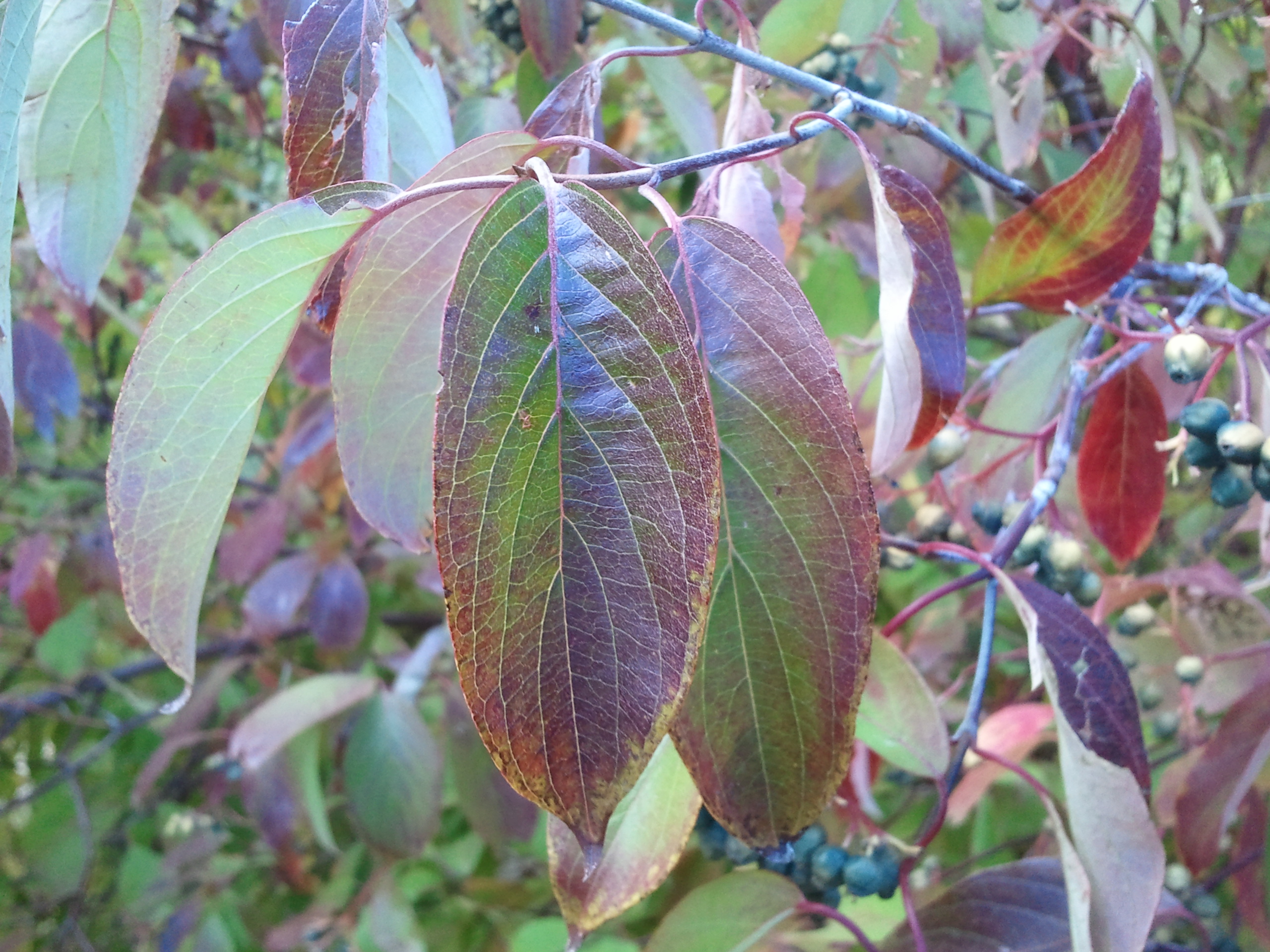
Cornus sericia – red-osier dogwood

SAMSUNG

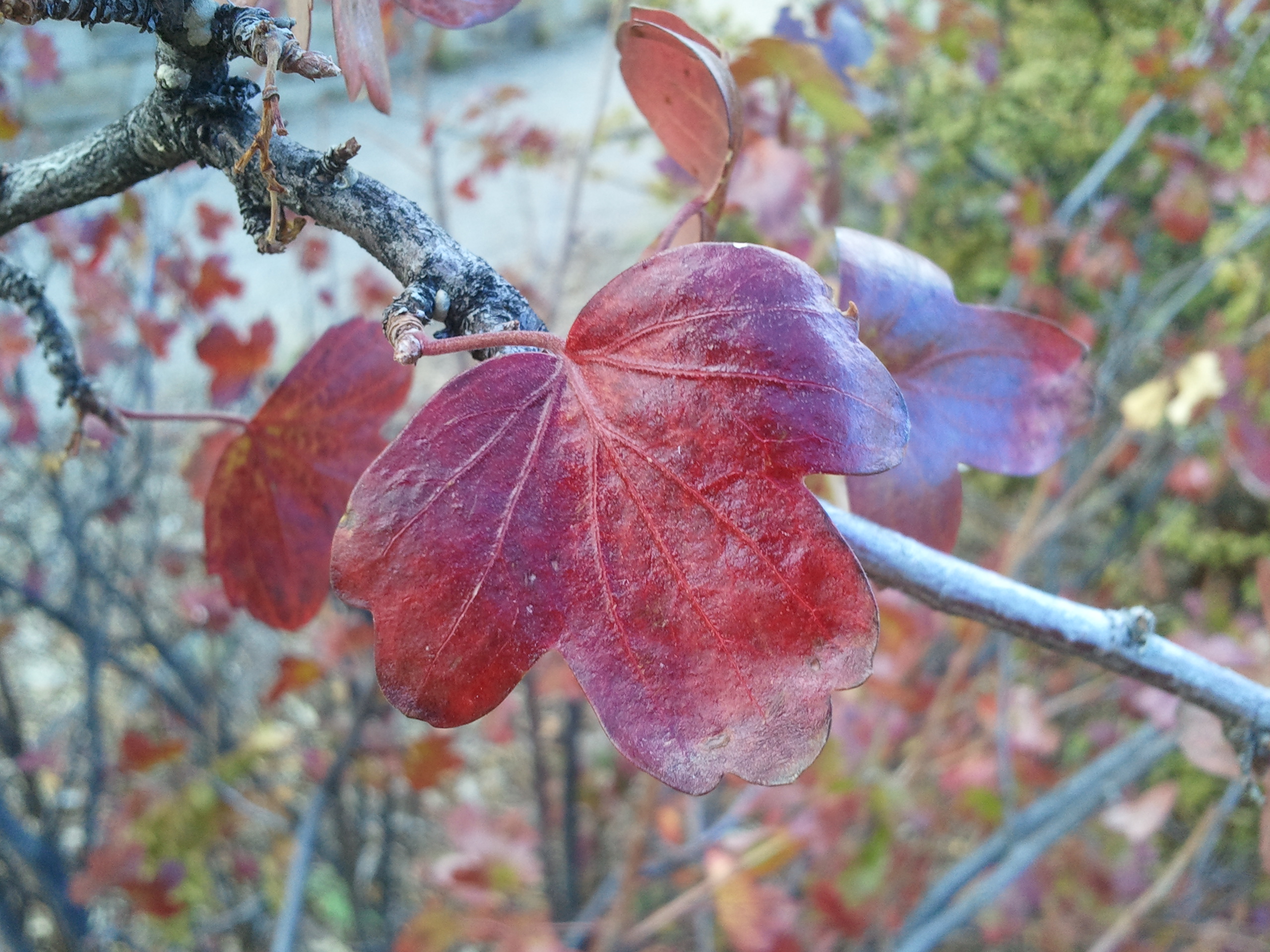
Ribes aureum – golden current

SAMSUNG

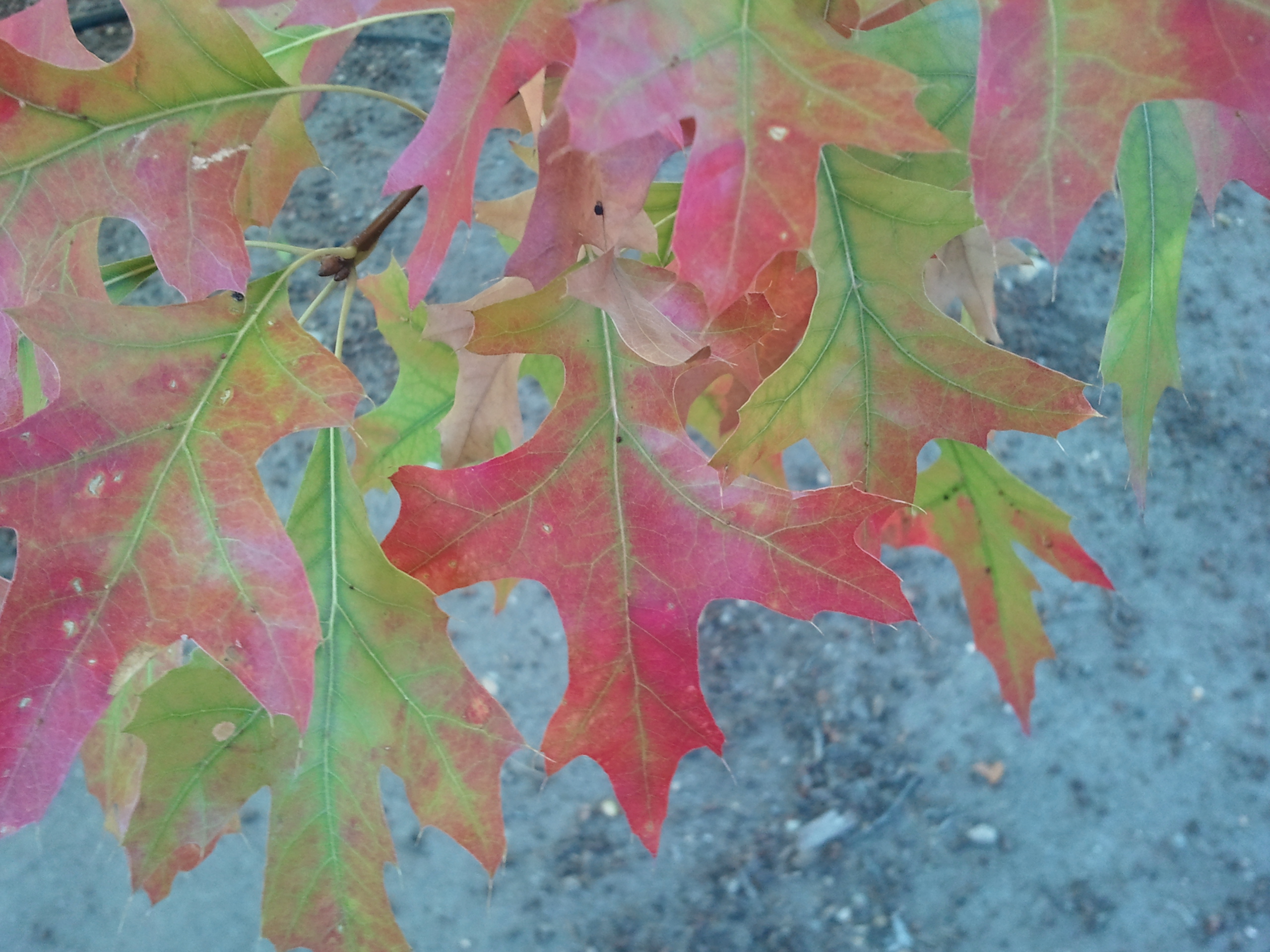
Quercus palustris – pin oak

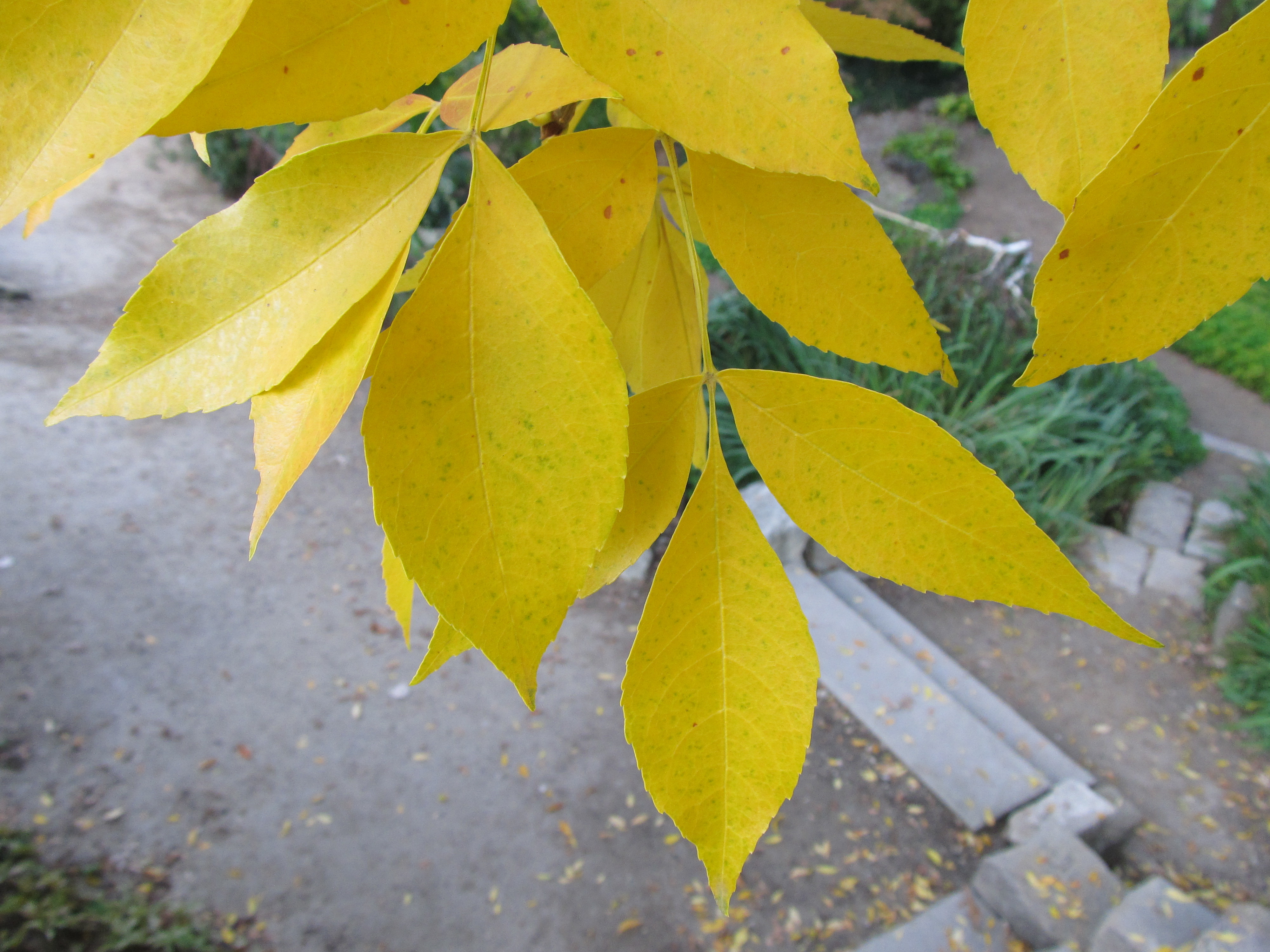
ash

Fraxinus sp. – ash

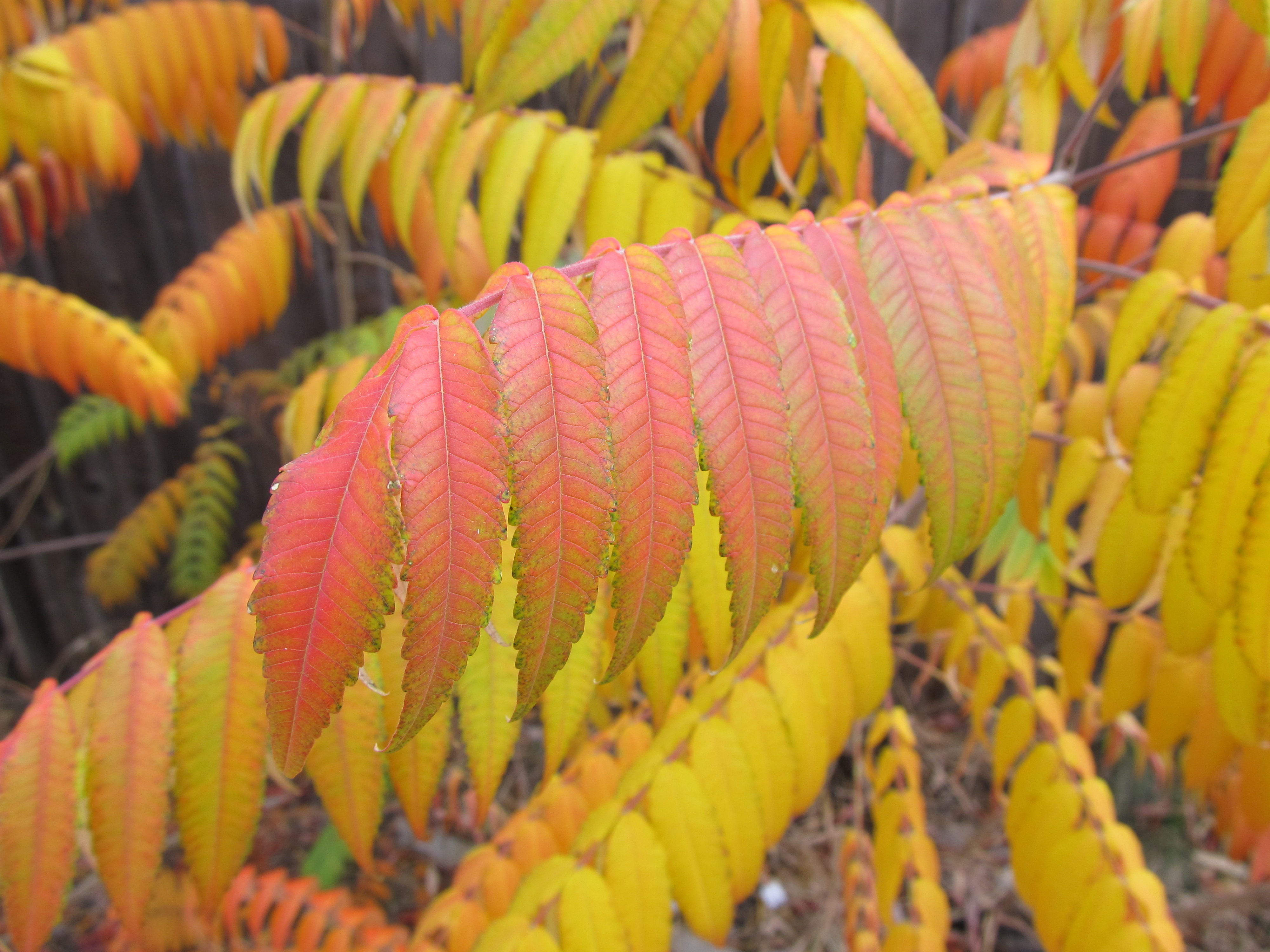
ailanthus

Rhus sp. – sumac

An Emerging Botanical Garden in Louisville, Kentucky

There is a new botanical garden being constructed in Louisville, Kentucky. It’s called Waterfront Botanical Gardens, and it is being built on top of an old landfill. The landfill was in use for several decades during the mid-1900’s and officially closed in 1973 when a new landfill site was opened. Recently, there was discussion about what to do with the old landfill site. Botanica, a group of plant lovers and devoted gardeners in Louisville, was able to work out a deal with the city to secure the 23 acre site and is currently moving forward with plans to turn it into a botanical garden.

Botanica’s vision for the garden is broad, but part of that vision includes educating the public about native flora and promoting environmental stewardship. Planning and construction are still at their early stages and there is tons of work ahead, but considering that people in Louisville have been wanting to see a botanical garden in their city for at least 30 years, watching it finally start to happen must be exciting. To celebrate the emergence of Waterfront Botanical Gardens, the Founders’ Garden was constructed and planted this spring. It is located near the site of the future botanical garden and is a small token of things to come. A picture of that garden (taken from the website) can be seen below.

I am excited to watch from afar as this new botanical garden emerges, and I hope to be able to visit someday after the garden has been constructed. To learn more about this garden and to follow its progress, visit their website: www.waterfrontgardens.org

waterfront botanical_founders garden

The Founder’s Garden at Waterfront Botanical Gardens

Louisville, Kentucky

Wildflower Walk: September 2013

Recently I was on a seed collecting trip at Bannister Basin in Payette County, Idaho. From a distance, the area looks like a barren wasteland – especially this time of year. It is hot, dry, and brown. The rolling hills are mostly bare except for dried up weedy grasses and occasional shrubs, and there isn’t a single tree in sight. However, a short hike through the area reveals some interesting plants and bits of color scattered among the drab landscape. It was obviously not the best time or place for a wildflower walk, but the following pictures show a few of the flowers that I was able to find. These are tough species, flourishing in a harsh environment.

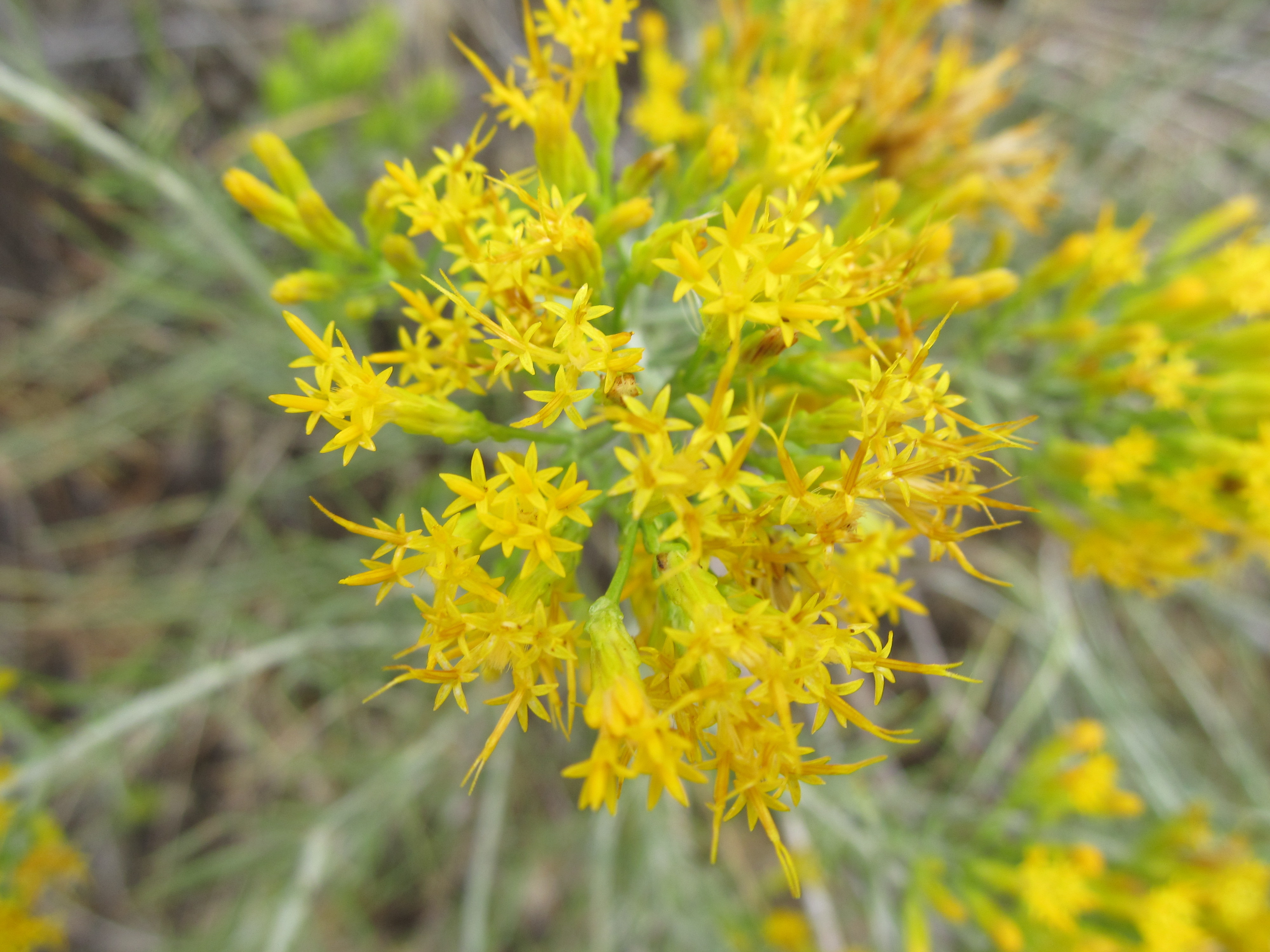
chrysothamnus viscidiflorus

Chrysothamnus viscidiflorus – green rabbitbrush

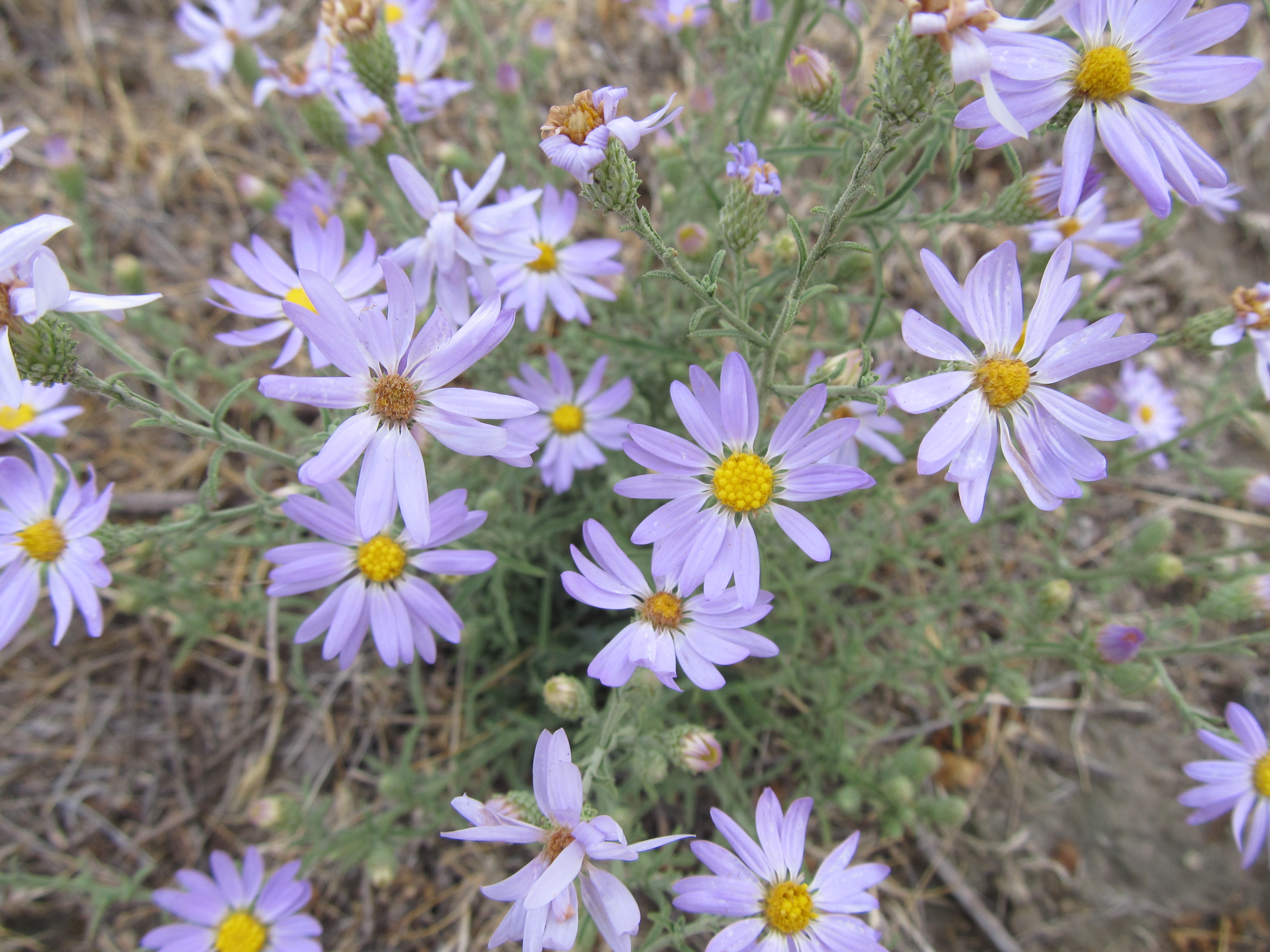
machaeranthera canescens

Machaeranthera canescens – hoary tansyaster

SAMSUNG

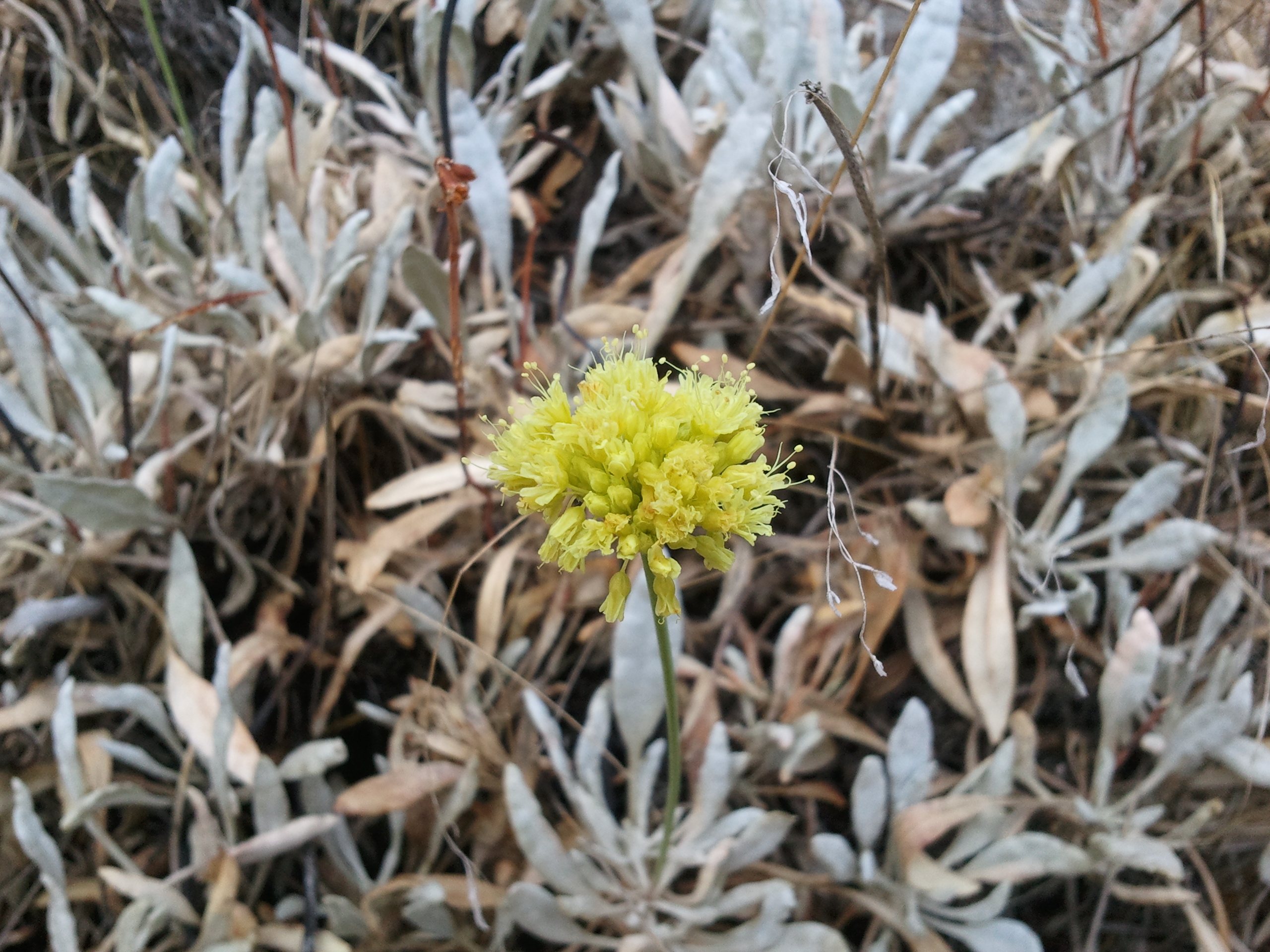
Eriogonum strictum – strict buckwheat

SAMSUNG

Eriogonum sp. – buckwheat

Plants on Rooftops in South Carolina

Here is a video featuring a couple of folks in South Carolina introducing green roof technology. I have a particular interest in green roofs that stems from my fascination with plants and my interests in urban ecology and being environmentally conscious.  I will eventually post more about green roofs and urban ecology as I have already promised. This should tide you over for now.

Plant vs. Bike

Summer is drawing to a close in the northern hemisphere. Days are getting shorter. Nights are getting cooler. Fall flowers are beginning to bloom. And bicycles are getting more flat tires.

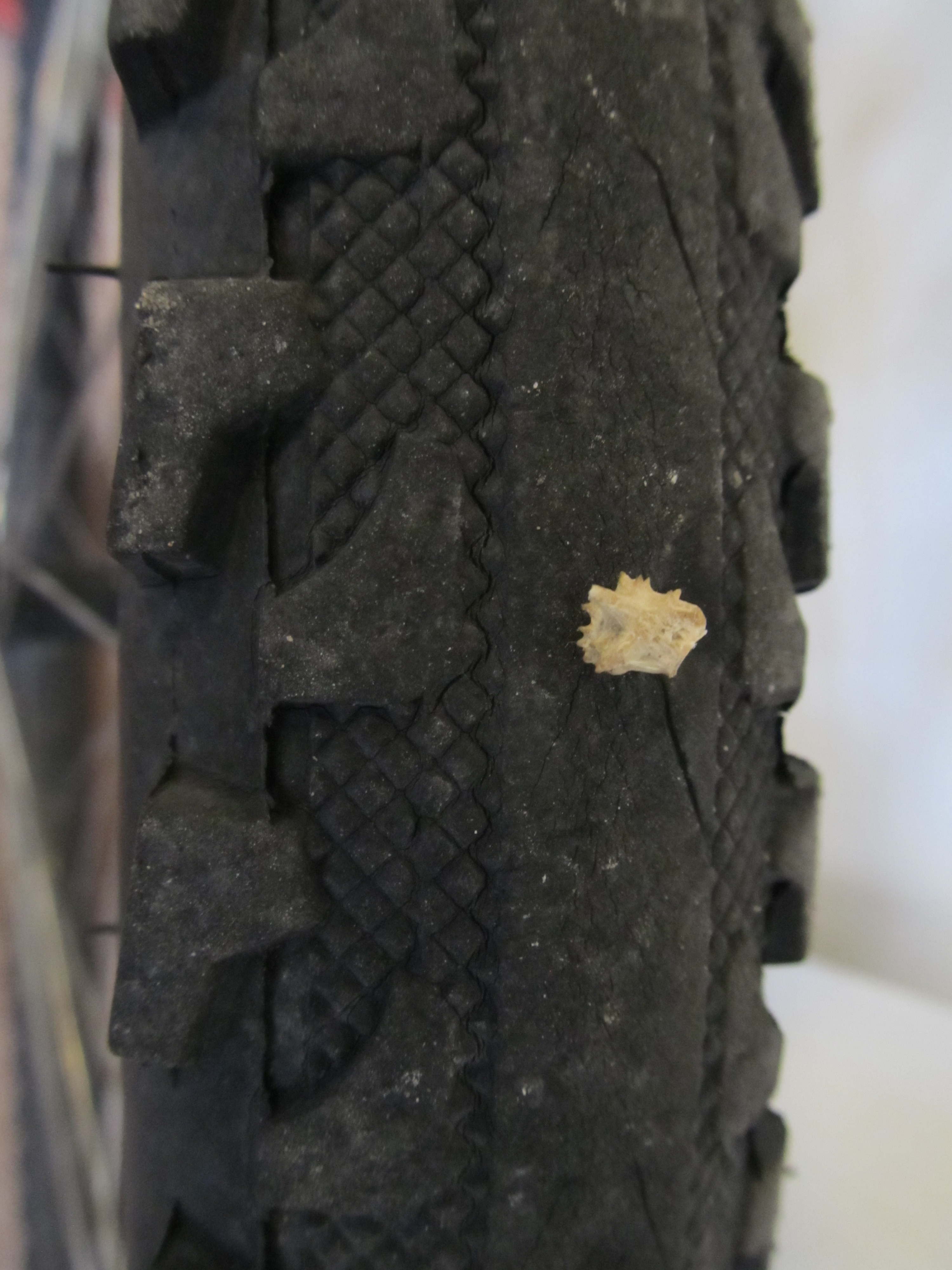
As an avid bicyclist, I am particularly aware of the waning summer season, especially since I live in a region where Tribulus terrestris is a prevalent weed. Commonly known as puncturevine or goathead, this nuisance plant is the bane of many cyclists’ existence. While the plant itself appears innocent, its fruit is quite the opposite. Rough around the edges and bearing large, rigid spines, puncturevine fruits easily penetrate bike tires, causing flats. They can also result in an uncomfortable experience for the bare-footed.

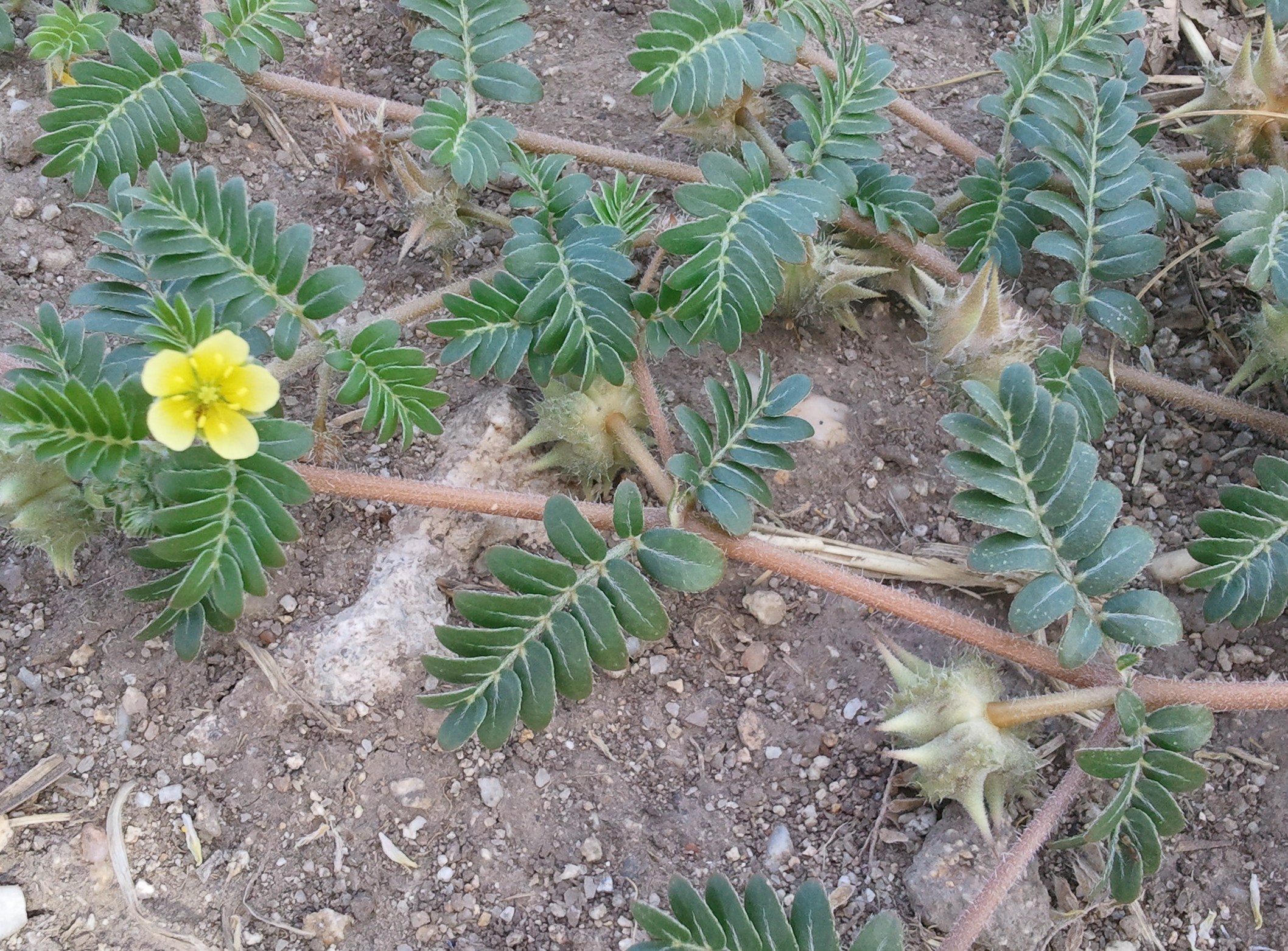
Native to the Mediterranean region, puncturevine made its way to North America sometime during the European immigration and has since spread across the continent. The fruit of puncturevine is called a bur. Plants with this type of fruit are benefited in two main ways: herbivory deterrent and seed dispersal. The spinyness of the burs deters insects and animals from eating their seeds, and the spines of the burs attach to the feet and fur of animals, etc., aiding in the dispersal of their seeds.

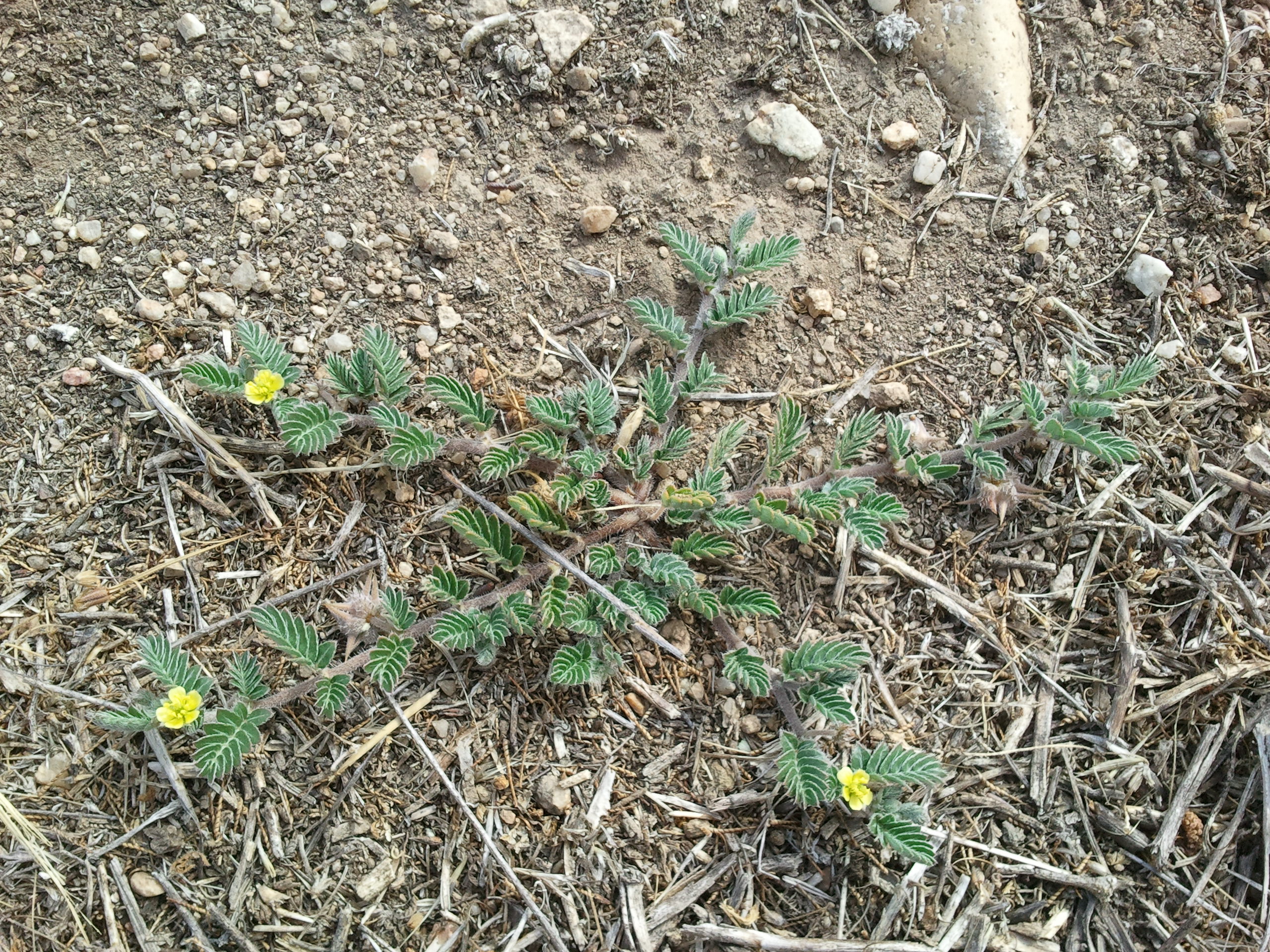
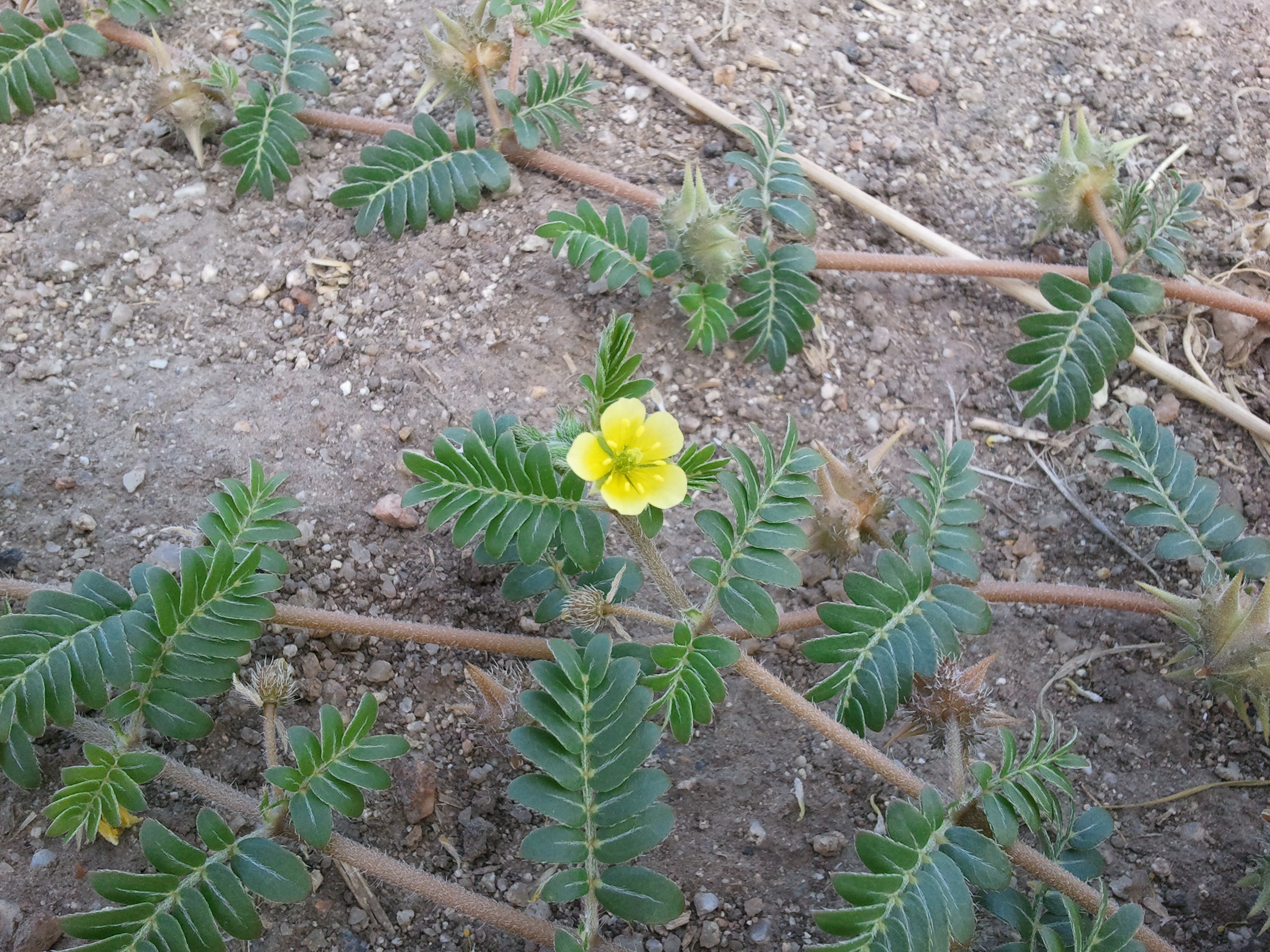
In cool climates, puncturevine is a summer annual. It appears in the heat of the summer, and by late summer the plants have mostly died off, leaving behind hordes of burs, awaiting the arrival of unsuspecting animals, bike tires, and otherwise. The spines of the burs attach themselves to these unsuspecting vicitims and are spread far and wide. The plants typically grow prostrate but can grow upright when they are in shade or being crowded out. They produce large mats that can spread as wide as 6 feet. Their leaves are oppositely oriented and are pinnately compound. Their flowers are small with five bright yellow petals that appear singularly in the axils of leaves. Their fruits are burs that split into 4-5 sections, each containing 1-2 large spines. Their seeds can remain viable for up to 20 years. Puncturevine is a fast growing, drought-tolerant plant with a long, slender taproot. It is commonly found in disturbed sites, along roadways and walkways, and in pastures and fields.

While I am fascinated by this plant, I also abhor it, and so I make an effort to remove and kill it whenever possible. If it weren’t for the countless flat tires it has caused me, I’d probably be more willing to let it be. Bike enthusiasts who have experienced this nuisance nod in agreement.

SAMSUNG

Tribulus terrestris looking sweet and innocent

SAMSUNG

???????????????????

Close-ups of pretty flowers, interesting leaves, and evil burs

puncture vine_1

Bur of puncturevine puncturing bike tire

A Plant Community’s Response to Climate Change

The threat of ensuing climate change has led many to consider what the future might look like for life on earth. Plant life will undoubtedly be affected, and numerous observations have already been made indicating that plants and plant communities are responding to changing climates.

A recent study, published in Ecology and Evolution, documented changes in the lower elevation boundaries and elevation ranges of common plants found on the Santa Catalina Mountains (near Tucson, Arizona). A study of this caliber is rare because there is relatively little data available to observe such changes over a long period of time. The scientists that carried out this study were able to use survey data collected by Robert Whittaker (the father of modern plant ecology) and William Niering in 1963. Whittaker and Niering conducted an extensive survey of plants along the Catalina Highway, which still exists today and runs along the southern slopes of the Santa Catalinas. Following similar data collection methods, researchers from the University of Arizona surveyed plants along the Catalina Highway nearly 50 years after the original survey. What they found confirmed predictions: montane plants in the southwest are responding to a warmer and drier climate by shifting their lower elevation limits upward.

The average annual air temperature in this region has increased an average of 0.25 degrees Celsius per decade since 1949. Also, rainfall has decreased significantly since Whittaker and Niering’s original plant survey. Twenty seven of the most common plant species were selected from the new survey and compared to the original survey data. Fifteen of the twenty seven species (56%) have significantly shifted their lower elevation boundaries, moving further up the slopes of the mountains to escape higher temperatures and reduced rainfall. Some of the plant species have also shifted their upper elevation boundaries, with four of them moving further upslope and eight of them moving further downslope.

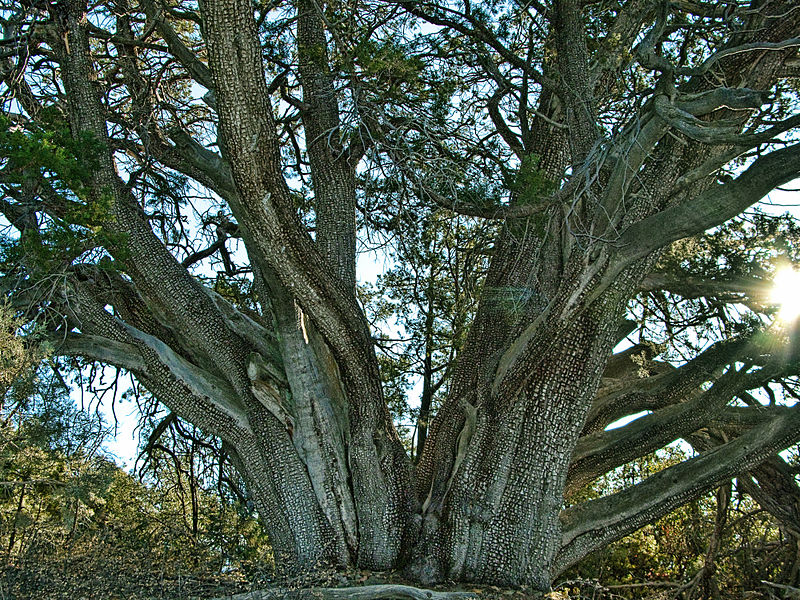
The authors of this study state that “even a casual observer could recognize changes in plant elevation boundaries.” Alligator juniper, bracken fern, beargrass, and sotol are examples of plants in the Catalinas that have noticeably migrated upslope and are no longer found at lower elevations where they were once common. Alligator Juniper (Juniperus deppeana), for one, was once documented growing at least as low as 3500 feet, but now does not occur until after the 5000 feet mark.

This rare opportunity to compare current plant survey data with old data paints a stark picture regarding the effects of climate change. As plants and animals are forced upslope to escape warmer and drier climates, they may eventually find themselves with nowhere to go and ultimately end up extinct, reducing overall biodiversity on the planet. The authors of this study conclude their findings with this statement: “The shifts in plant ranges we observed in the Santa Catalina Mountains indicate that the area occupied by montane woodland and conifer forests in the Desert Southwest is likely to decrease even more with predicted increases in temperature, and that regional plant community composition has and will continue to change with further warming as plant species respond individualistically to changing climates.”

Read more about this study at the University of Arizona news site.

alligator juniper_juniperus deppeana

Alligator Juniper (Juniperus deppeana)

photo credit: wikimedia commons

Interview with Peter D’Amato of The Savage Garden

In my last post about sundews, I referenced a book about carnivorous plants called, The Savage Garden, by Peter D’Amato. Earlier this month, a revised edition of The Savage Garden was released by Ten Speed Press. Recently, D’Amato appeared on Real Dirt, a garden podcast hosted by Ken Druse, to tell his story, promote the revised edition of his book, and talk about carnivorous plant cultivation. It’s a fascinating discussion, and I highly recommend checking it out.

real dirt

Also, check out the website for Peter D’Amato’s carnivorous plant nursery, California Carnivores.

The Sundews

Earlier this year, I wrote about northern pitcher plants and how they are helping us to better understand food webs. At that time I promised future posts about carnivorous plants, so I have decided to write about sundews, the only carnivorous plant that I currently have in my collection.

Sundews are members of the genus Drosera and are in the family Droseraceae (the same family as the Venus flytrap). With as many as 194 species, Drosera is one of the largest and most diverse genera of carnivorous plants. Sundews can be found in a wide variety of climates and on nearly every continent, from subarctic Alaska to tropical Brazil. They can be as small as a penny or as big as a small shrub. Their leaves form rosettes and come in numerous shapes and sizes, including circular, wedge-shaped, oval,  forked, fern-like, and grass-like. Drosera flowers are also quite diverse, but typically they are flat, five-petaled, white or pink, and appear in clusters at the top of a tall stalk.

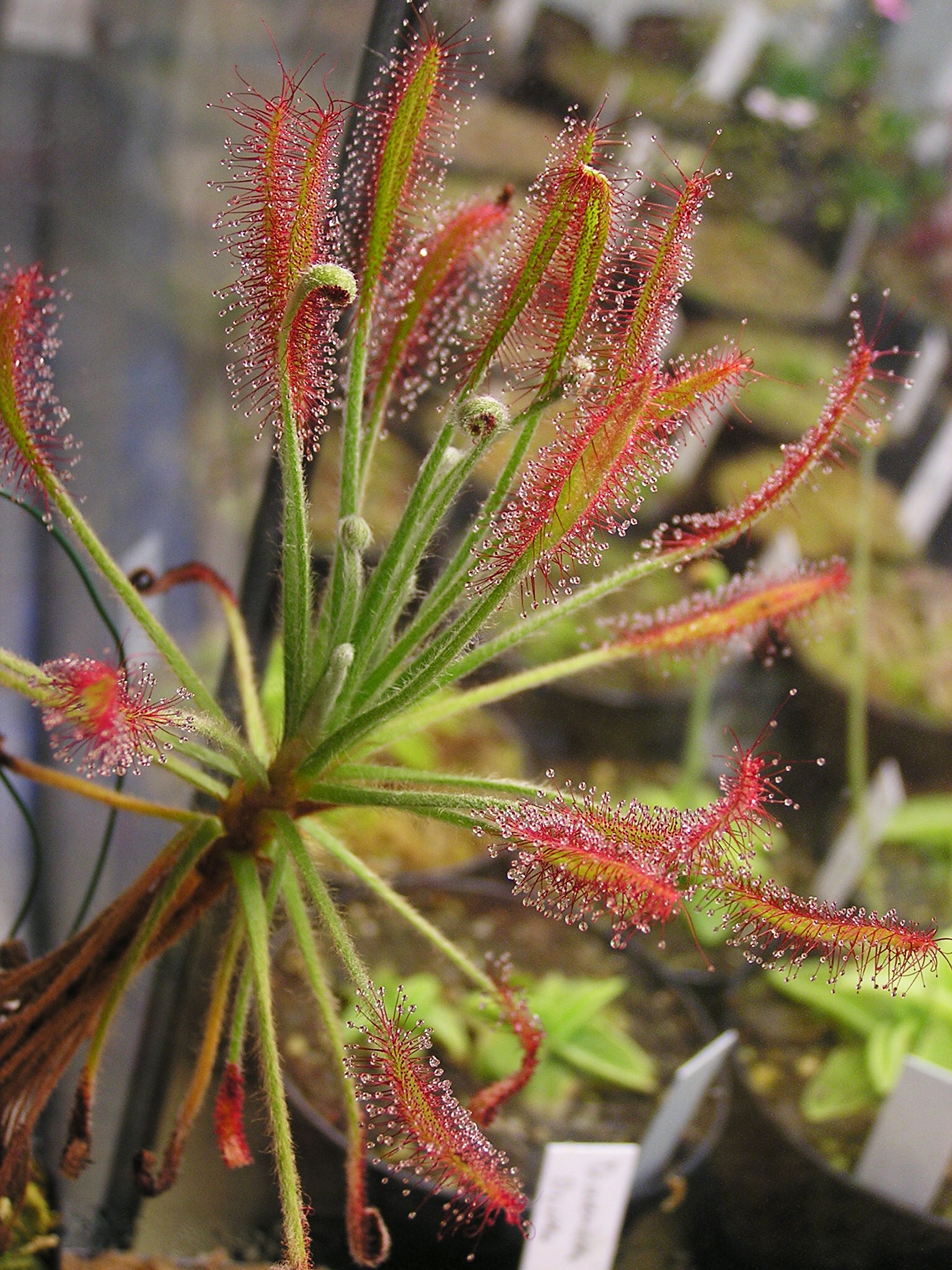
As described so far, you may be thinking that sundews sound quite simple and innocent, but this is certainly not the case. Covering the surfaces of Drosera leaves are dozens of hair-like filaments. At the end of each filament (or tentacle) is a gland, which produces a small drop of clear and very sticky dew. Attracted to the glistening dew and mistaking it for plant nectar, insects fly into it and find themselves instantly stuck. Struggling to get away, an insect may tear off body parts as it flails about, only to fall into other nearby dew droplets, worsening its ensnarement and ensuring its fate.

In his book, The Savage Garden, Peter D’Amato describes it this way:

“Sundews are innocent-looking and pretty, their delicate leaves sparkling with the promise of sweet nectar, but the foolish insect curious enough to give a sundew the slightest touch will suddenly find itself caught in a living nightmare. Doomed to a horrible death, the insect may struggle for a blessed few minutes or suffer for untold hours as it tries to break free of ensnaring, suffocating glue, grasping tentacles, and burning acids and enzymes; meanwhile, its precious bodily fluids are being slowly sucked dry.”

As the sticky dew attracts and then traps the insects, and the tentacles that support the dew help to further ensnare them, imminent death comes in a variety of ways. The most common for small insects is suffocation, as the glue almost immediately covers up the breathing holes on their abdomens. Larger insects that manage to avoid bodily contact with the glue will instead dangle from the plant and die of starvation or exhaustion. Those that break free, losing an appendage or appendages in the process, usually don’t last long after that and are often trapped and killed by spiders who build their webs around sundews in order to take advantage of such occasions. The leaves of some sundews curl up around their prey, not necessarily to further ensnare them, but to surround them with the largest possible number of glands which will help quicken the consumption and digestion process. By now you can see that as innocent and delicate as they may appear, sundews are in fact about as brutal and unforgiving as they come.

If you’d like to learn more about sundews and other carnivorous plants, including information on how to grow them, I highly recommend D’Amato’s book (The Savage Garden). It’s a fascinating and informative read, and the reality of the natural world described therein will astound you.

Drosera chrysolepis

Drosera chrysolepis, photo credit: wikimedia commons

White Rot and the Quarantine Zone

It’s garlic harvesting season in the northern hemisphere, so recently while helping out with the harvest at a local farm, I had the chance to learn about a challenge involving growing garlic in southern Idaho. The challenge stems from a disease called white rot. It’s caused by a fungus (Sclerotium cepivorum), and it affects all alliums, including garlic, onions, chives, and ornamental alliums. This disease causes the leaves of alliums to die back, their bulbs to decay, and their roots to rot, ultimately turning the plants to mush. Sclerotia, the dormant stage of the fungus, are small (about the size of a poppy seed), black, spherical structures that can survive in soil for more than 20 years. They remain dormant until the exudates of allium plants awaken them, at which point they begin to grow, unleashing their destruction. Sclerotia can be moved around by farm equipment, flood and irrigation water, wind, and by attaching themselves to plant material. Once this fungus has established itself in a field, it is extremely difficult to eradicate, making the field virtually unfit for allium crops.

The threat of white rot and the monetary damage that it can cause led to the establishment of a quarantine zone in southern Idaho in order to protect its $55 million dollar a year onion industry. Due to the quarantine zone, all garlic that is grown for seed within the zone must be inspected and certified, and any garlic seed (i.e. garlic cloves) that are brought into the zone must go through a rigorous testing process in order to be certain it is free of the white rot pathogen before it can be planted. Garlic is a specific threat, because while onions in the zone are typically grown from seed and so are largely free from harboring sclerotia, garlic is grown from cloves, which can readily carry sclerotia. This process significantly limits the amount and the variety of garlic that can be grown in the quarantine zone. While the quarantine is essential for warding off the threat of this particular pathogen, it stifles the garlic growing industry and makes it difficult for new garlic growers to establish themselves.

Growing garlic is already an incredibly challenging pursuit due to the amount of time and physical labor that goes into planting, harvesting, drying, grading, etc. The quarantine, while understandable, is yet another added challenge. Learn more about this issue by reading this article found at Northwest Food News.

garlic

photo credit: wikimedia commons