Podcast Review: Native Plant Podcast

Always on the lookout for more podcasts to listen to, I somehow stumbled upon Native Plant Podcast. I wish I could remember the rabbit hole I went down that brought me to this masterpiece, but I can’t. What I do remember is being hesitant at first. I am all for calling things what they are. A restaurant called “Restaurant?” Why not? A podcast about native plants called “Native Plant Podcast?” Sure. It’s not the most creative name, but it works. What I was worried about, though, was that a podcast calling itself after native plants was going to be preachy, pushy…or just dull.

Yet I work with native plants every day(!), and I love them – so my initial judgement must say more about myself than anything else. Despite my hesitation – and my inclination to judge a podcast by its cover – I gave it a shot. I’m so glad that I did, because what I found was a highly informative show that is simultaneously delightful, fun, goofy, and entertaining. It’s a podcast that doesn’t take itself too seriously. The hosts and their guests share an important message about the benefits of native plant gardening, and they do so with passion and a sense of urgency while remaining lighthearted and approachable.
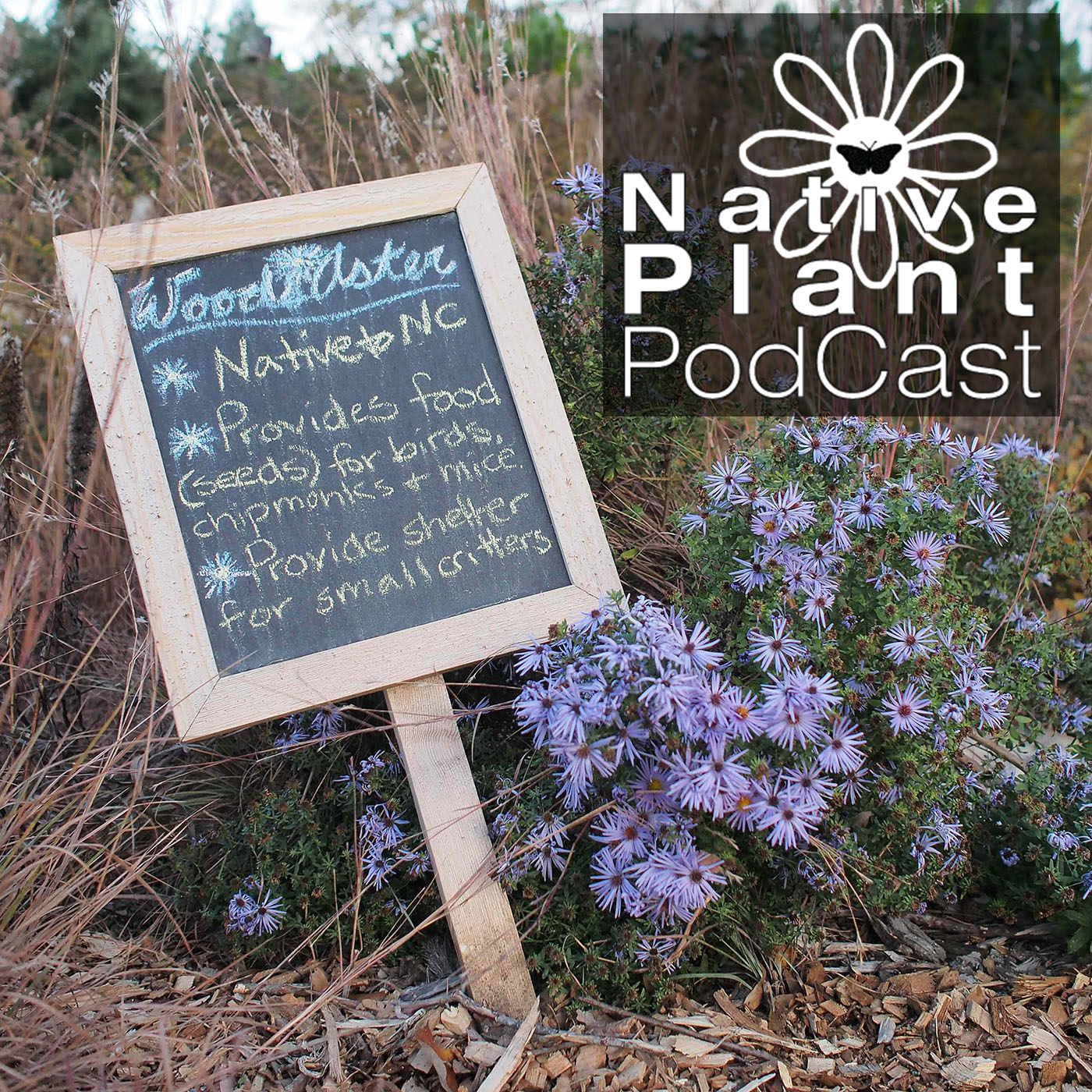
native plant podcast logo and sign

Native Plant Podcast is young. The first episode came out in January 2016. It is run by three individuals that met at the Cullowhee Native Plant Conference in North Carolina (a conference that is often mentioned on the podcast). Mike Berkeley and John Magee are the regular hosts; Jesse Turner mainly operates behind the scenes but makes appearances on a few episodes. They each have their own nursery and/or landscaping businesses that deal largely with native plants. Together they have decades of experience working with native plants. In an episode with Neil Diboll of Prairie Nursery, Mike makes the comment that they “were into native plants before it got cool.” Several of the guests that have been on the podcast so far can say the same thing.

One such guest is Miriam Goldberger, owner of Wildflower Farm and author of Taming Wildflowers, who appears on two episodes (part 1 and part 2). Other notable guests include Thomas Rainer, co-outhor of Planting in a Post-Wild World, and David Mizejewski, a naturalist for the National Wildlife Federation. So far all of the guests have been great, and since the the podcast has only been around for a few months, it is easy to catch up on past episodes.

As someone who enjoys sitting around talking about plants, this podcast is perfect since much of the “airtime” is taken up by such discussions. The episodes about winter interest and spring gardening are particularly great for this sort of thing. Two other standout episodes are the introductory episode, in which Mike and John discuss how they got started working with native plants, and the episode about defining native plants, in which Mike, John, and Jesse all take a crack at coming up with a definition. A topic that comes up often on the podcast is native plant cultivars (John understandably cringes each time he hears the portmanteau of “native” and “cultivar”), which seems to be a controversial topic in the native plant world.
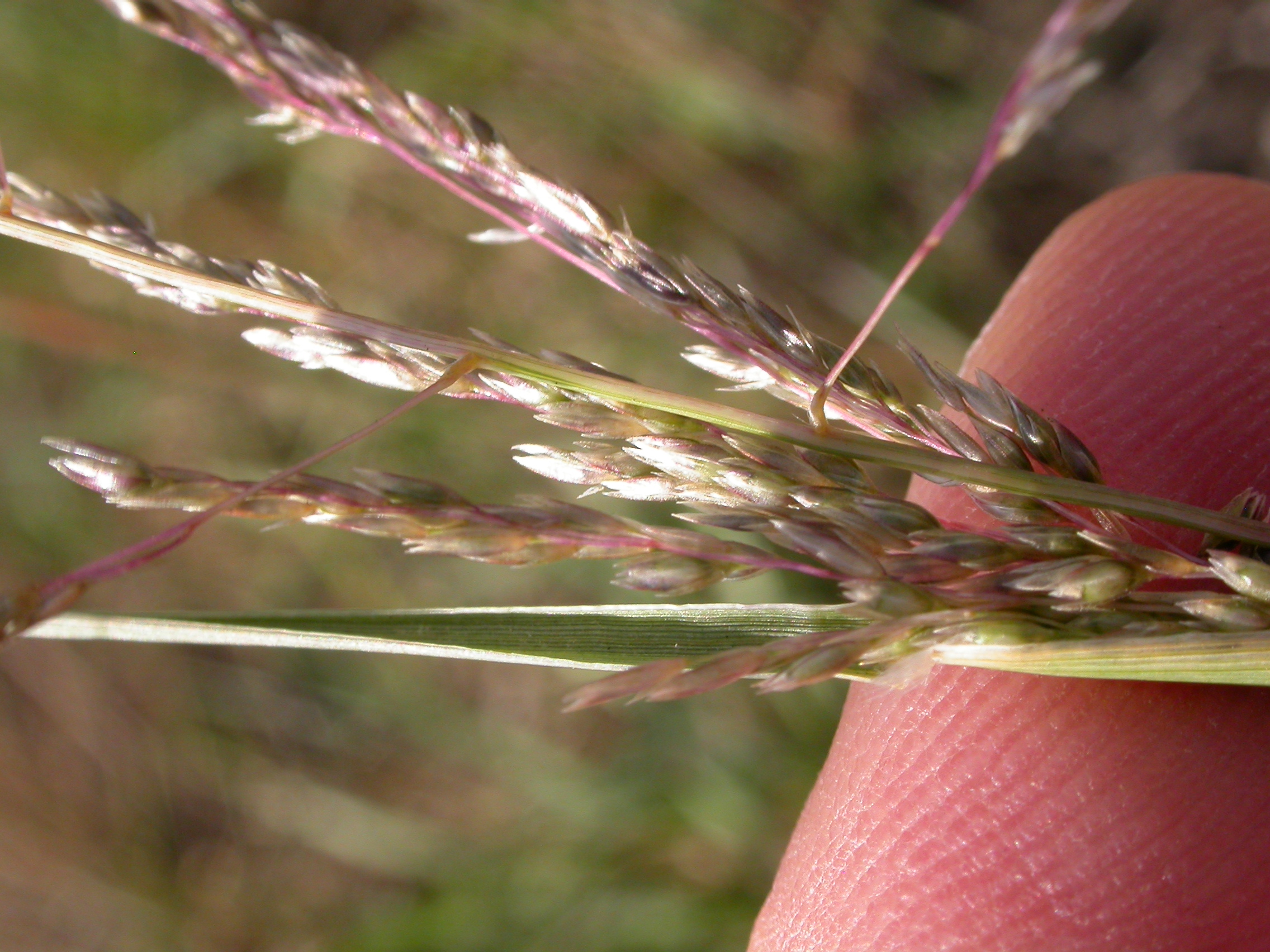
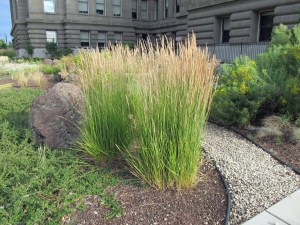
Prairie dropseed (Sporobolus cryptandrus) - one of Mike and John's favorite grasses and a plant that comes up frequently on the podcast. (photo credit: wikimedia commons)

Prairie dropseed (Sporobolus cryptandrus) – one of Mike and John’s favorite grasses and a plant that comes up frequently on the podcast. (photo credit: wikimedia commons)

In each episode of the podcast there is an interview/discussion followed by three short segments: listener questions, stories about dogs or other pets (the hosts really love their dogs), and a toast (in which the hosts pop open their beers in front of the microphone for all to hear). The twitter bio for the Native Plant Podcast sums it up well: “A podcast started by a group of goofballs to highlight the beauty and functionality of native plants in the landscape.” These goofballs really know their stuff, and I highly recommend listening to their show.

Bonus quote from the episode with Neil Diboll:

Everybody says they love Mother Nature, but if you look at people’s yards, very few people actually invite her over. Most people have lawns that are mown to within an inch or two of their lives, and the typical American garden is like a big pile of mulch with a few perennials stuck in it or maybe a few shrubs stuck in it. These are really non-functional gardens from a standpoint of an ecological approach, so bringing your landscaping to life is creating ecological gardens that are not just for the owner of the property, but for all life that you can attract to the land for which you are the steward.
Happy American Wetlands Month!

To kick off this year’s American Wetlands Month, I am reposting something I posted three years ago. I have updated the links and added a few more resources. In celebration, all Awkward Botany posts in May will have something to do with wetlands. An underlying goal of American Wetlands Month is to encourage people to get out and visit wetlands in their area and find out what they can do to help conserve them. Hopefully this series of posts helps to further that aim.

———————

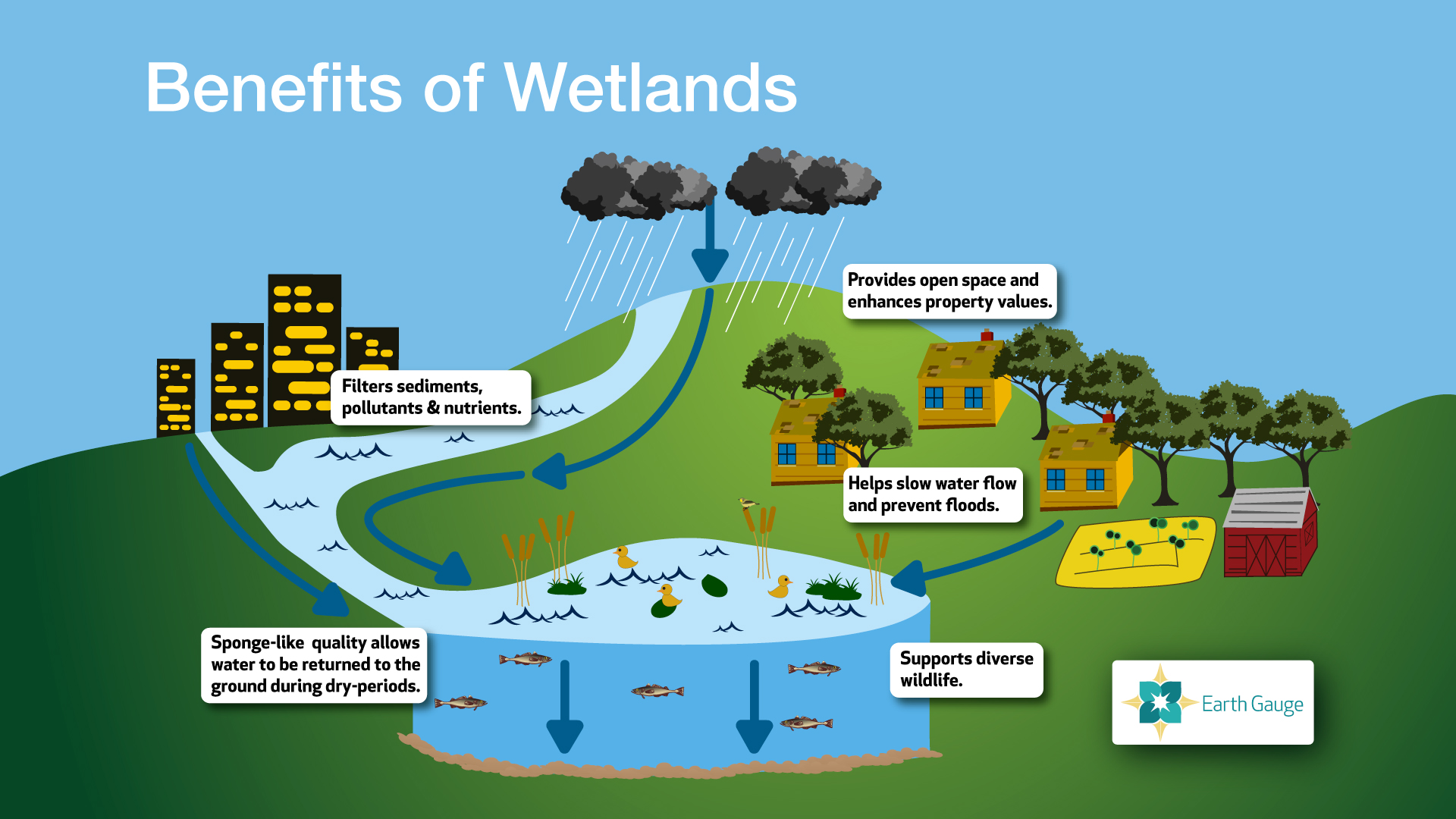
“May is American Wetlands Month! No matter where you live, chances are there’s a wetland nearby that provides important environmental benefits to your community. Wetlands support diverse fish and wildlife species, filter pollutants from rain water runoff, help recharge groundwater supplies, prevent flooding and enhance property values.” – Earth Gauge (A program of the National Environmental Education Foundation)

Wetlands are ecosystems that are characterized by their vegetation (aquatic plants), their soils (formed during anaerobic conditions caused by being flooded or saturated with standing water), and, of course, their state of being largely saturated with water either seasonally or permanently. Examples of natural wetlands include bogs, fens, marshes, and swamps. Wetlands can also be constructed by humans for the purpose of collecting storm water runoff from urban areas in efforts to reduce the risk of flooding and avoid overwhelming municipal sewer systems during large rainstorms.

Wetlands are the most threatened type of ecosystem on earth, and we are losing them at a steady clip. Major threats to wetlands include land development, pollution (agricultural, commercial, residential, etc.), and the introduction of invasive species. Considering the benefits we receive from having wetlands around, it is imperative that we protect them. Earth Gauge offers some suggestions on how to do so.

wetland benefits

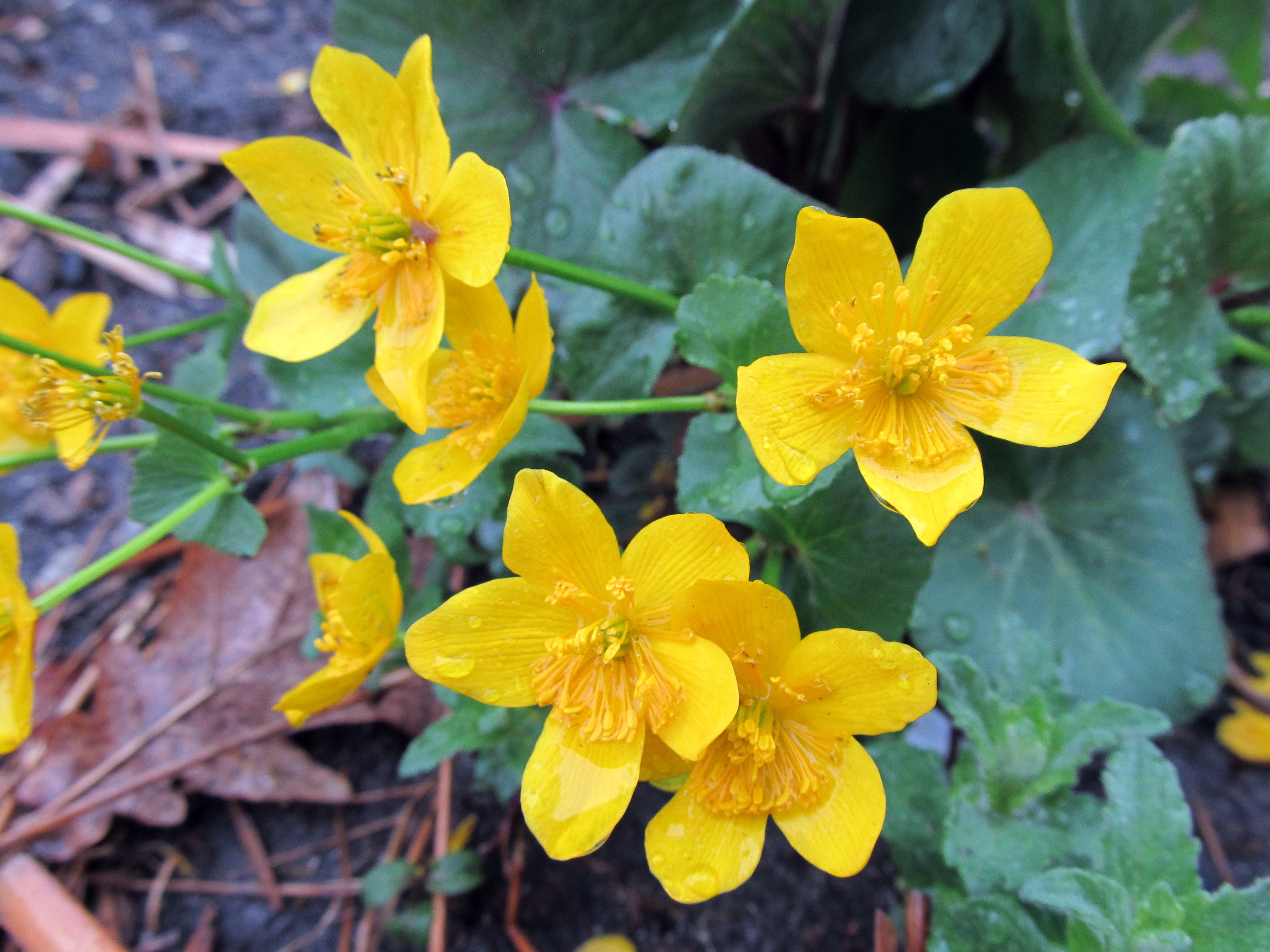
Speaking of wetlands, one of my favorite wetland plant species is marsh marigold (Caltha palustris). It is in the buttercup family (Ranunculaceae) and is common throughout the Northern Hemisphere. I became familiar with this plant when I was volunteering at a wetland in Edwardsville, IL. Perhaps you’ve seen it growing near you.

Marsh Marigold (Caltha palustris) - Photo taken at Idaho Botanical Garden.

Marsh Marigold (Caltha palustris) – Photo taken at Idaho Botanical Garden.

Additional Resources

The Making of a Kill Jar

I often hear stories from plant lovers about their initial nonchalance concerning plants. The common refrain seems to be that they were fascinated by wildlife and largely ignored plant life until they came to the realization that plants were integral in the lives of animals and play a major role in shaping the environments that support all life. Such an epiphany spawns an insatiable obsession with botany, at least for some people.

I seem to be on the opposite trajectory. It’s not like I have ever really been disinterested in animals; I’ve just been significantly more interested in plants and haven’t bothered to learn much about the animal kingdom (with the exception of entomology). My growing fascination with pollination biology (see last year’s Year of Pollination series) isn’t much of a stretch because insects have always appealed to me, and their intimate interactions with plants are hard to ignore. Ultimately, it is my interest in urban ecology and wildlife friendly gardening that is driving me to learn more about animals.

I started this year off by finally reading Doug Tallamy’s popular book, Bringing Nature Home. Tallamy wrote a lot about birds in his book, which got me thinking more about them. I then discovered Welcome to Subirdia, a book by John Marzluff that explores the diversity of birds that live among us in our urban environments. I then found myself paying more attention to birds. Many bird species rely on insects for food at some point in their lives. Plants regularly interact with insects both in defending themselves against herbivory and in attracting insects to assist in pollination. It’s all connected, and it seems I wouldn’t be much of a botanist then if I didn’t also learn about all of the players involved in these complex interactions.

So, now I’m a birdwatcher and an insect collector. Or at least I’m learning to be. Insects are hard to learn much about without capturing them. They often move quickly, making them hard to identify, or they go completely unnoticed because they are tiny and so well hidden or camouflaged. With the help of a net and a kill jar, you can get a closer look. This not only allows you to determine the species of insects that surround you, but it can also help give you an idea of their relative abundances, their life cycles, where they live and what they feed on, etc.

insect net 2_bw

As the name implies, if you’re using a kill jar, your actions will result in the death of insects. Some people will be more pleased about this than others. If killing insects bothers you, don’t worry, insect populations are typically abundant enough that a few individuals sacrificed for science will not hurt the population in a serious way.

Kill jars can be purchased or they can be made very simply with a few easy to find materials. Start with a glass jar with a metal lid. Mix up a small amount of plaster of paris. Pour the wet plaster in the jar, filling it to about one inch. Allow the plaster to dry completely. This process can be sped up by placing the jar in an oven set on warm. When the plaster is dry, “charge” the jar by soaking the plaster with either ethyl acetate, nail polish remover, or rubbing alcohol. I use nail polish remover because it is cheap and easily accessible. It doesn’t work as quickly as pure ethyl acetate, but it is less toxic. Place a paper towel or something soft and dry in the jar. This keeps the insects from getting beaten up too much as they thrash about. Once the insect is dead, it can be easily observed with a hand lens or a dissecting microscope. It can also be pinned, labeled, and added to a collection.

There are several resources online that describe the process of collecting and preserving insects, including instructions for making an inexpensive kill jar, which is why I am keeping this brief and will instead refer you to a couple of such sites. Like this one from Purdue University’s extension program. It’s directed toward youth, but it includes great information for beginners of any age. This post by Dragonfly Woman is a great tutorial for making a kill jar, and there are several other posts on her blog that are very informative for insect collectors of all experience levels.

I guess you could consider this part of my journey of becoming a naturalist. Perhaps you are on a similar journey. If so, share your thoughts and experiences in the comment section below.

In Defense of Plants – A Podcast Review

I’m an avid podcast listener; however, the majority of the podcasts I listen to, while satisfying many of my varied interests, don’t speak to my interests in plants and plant science. Recently, when I went searching for such a podcast, I happened upon In Defense of Plants. Alas, my podcast queue felt complete.

indefenseofplants

In Defense of Plants began as a blog authored by a guy named Matt. The podcast emerged about 3 years later, and in the first episode (which was posted in January 2015), Matt explains why he started the blog. While searching the internet in an effort to learn more about plants, he discovered that people weren’t writing the stories that he really wanted to read – stories that went beyond mainly talking about the anthropogenic uses of plants. Rather, Matt was interested in the stories of the plants themselves, their biological and evolutionary histories and how they fit in with the ecological world around them. Unable to find such a blog, he decided to start one himself.

His passion for plants for plant’s sake continues in his podcast. It’s evidenced both in the topics he covers as well as in the way he speaks enthusiastically and affectionately about the plants involved in the stories he tells and their habitats. He finds people to interview that are as excited about plants as he is – some are friends, some are research scientists, and some are people otherwise involved in botany or horticulture. All have interesting things to say about the world of plants and plant ecology.

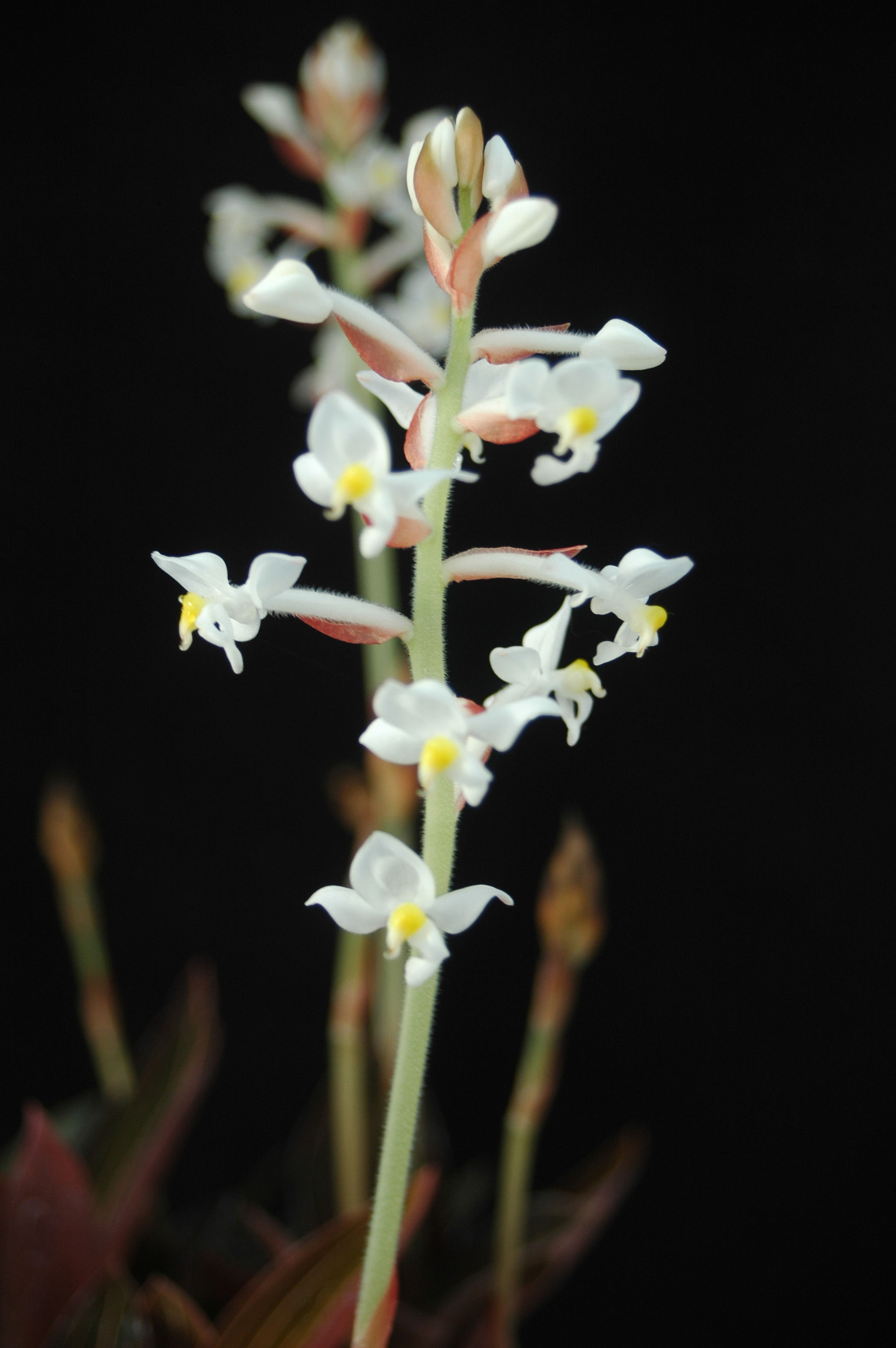
Ludisia discolor - the plant that inspired Matt to start the blog

Ludisia discolor – the plant that inspired Matt to start the blog (photo credit: www.eol.org)

Over the mere nine months that the podcast has been in existence, Matt has shared some of his personal botanical explorations. When he started the podcast he was living in Buffalo, NY. He completed a Master’s degree program there and has since moved to Illinois to pursue a PhD. His most recent episodes find him exploring the tallgrass prairie of the Midwest. He’s got my attention, since this is one of my favorite ecosystems in North America.

Standout episodes to me so far have been the two part episode with Russel Funderburk as they walk through the grounds of the Highlands Biological Station, the discussion with Dave Spiering about urban ecology, and the interview with Dr. Robert Warren about invasive species (“a refreshing take”). The episode about pack rat middens and the candid discussion with Matt’s friend Steve about why they botanize are also great. Matt and Steve also do an episode about plant poaching, a topic that deserves much more attention than it gets.

The love Matt has for plants is infectious, and it is hard not to feel his excitement as he helps tell their stories. So, if you find that your podcast queue is lacking something purely plant related, In Defense of Plants is a podcast you should definitely be following.

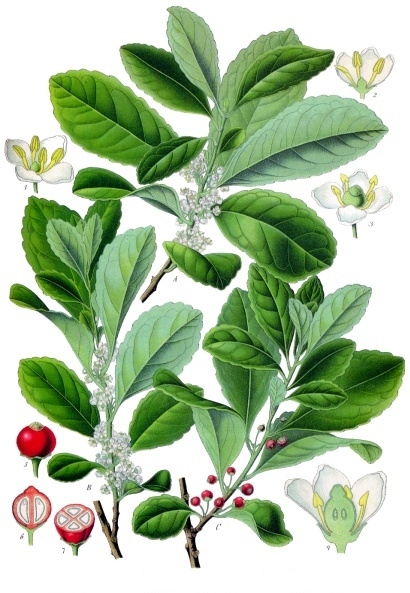
Yerba Mate (Ilex paraguariensis)

Yerba Mate (Ilex paraguariensis) is featured in two episodes of In Defense of Plants. Listen to part one and part two. (photo credit: wikimedia commons)


Drought Tolerant Plants: Water Efficient Garden at Idaho State Capitol Building

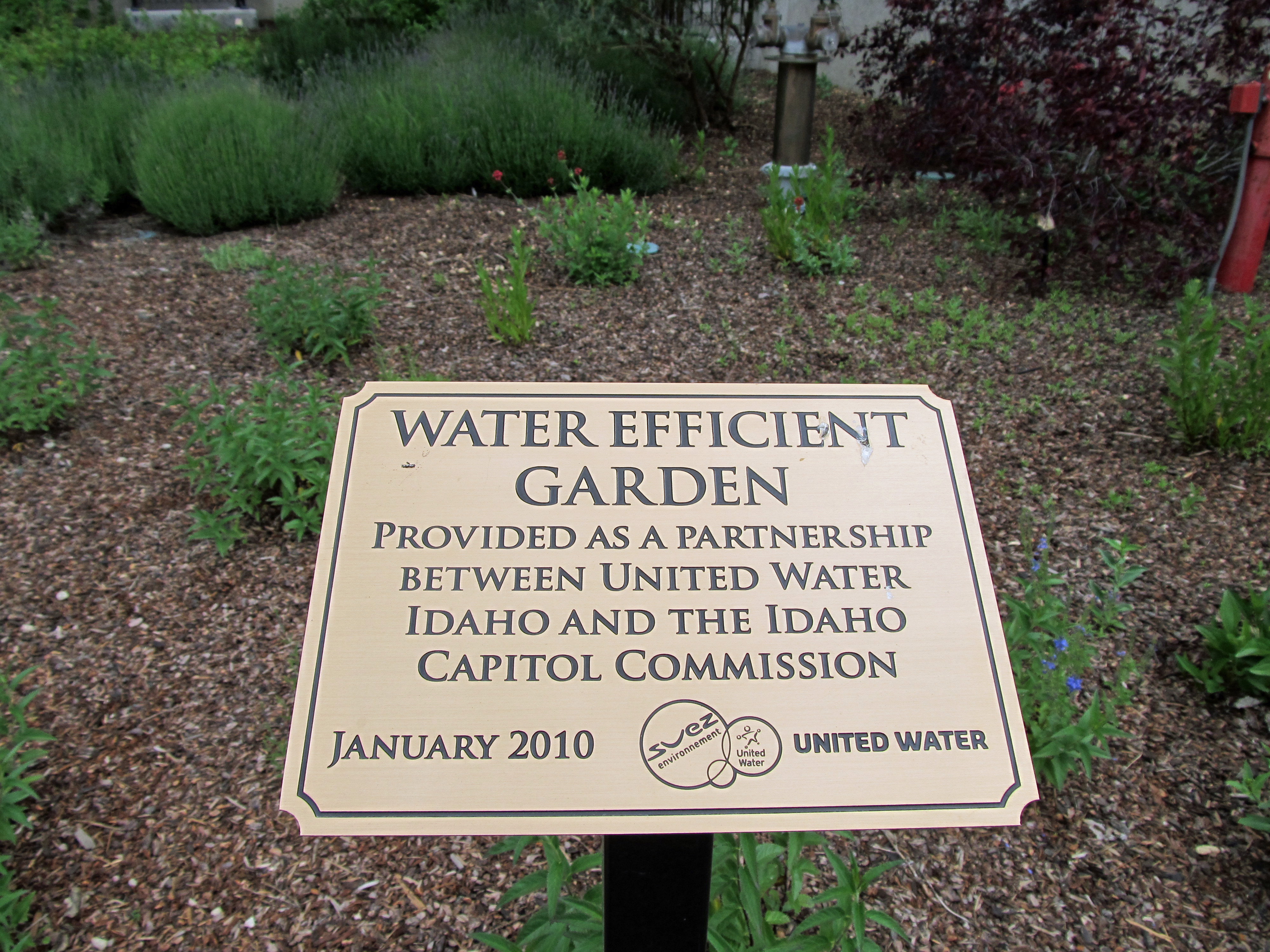
water efficient garden sign

As drought and threats of drought continue in the western half of the United States, as well as in many other parts of the world, people are increasingly looking for ways to use less water in their landscapes. For many it is a change they are reluctant to make, worried that they will have to sacrifice lush and colorful yards and gardens for drab, dry, gray, and seemingly lifeless ones. Not so, though. The palette of plants that can survive in low water environments is actually quite diverse and contains numerous plants that are just as lush and colorful as some water hogging ones. If planned, planted, and maintained well, a water efficient garden can be incredibly attractive and can even consist of some plants that are comparatively more heavy water users. So, for those who are apprehensive about getting down with brown, don’t fret – there is a better way.

How does one go about creating such a garden? The answer to that is a book on its own – much too long for a single blog post. It also depends who is asking the question, or more specifically, where they are asking it from. Luckily, demonstrations of water-wise gardens are becoming more common. These gardens, planted with regionally appropriate plants and showcasing various water-saving techniques, are great places to start when looking for ideas and motivation. Such gardens can be found at public parks, city and state government buildings, botanical gardens, nurseries and nursery centers, and water company offices. If you are looking to transform your landscape into a more water efficient one, seek out a demonstration garden in your area. It’s a great place to start.

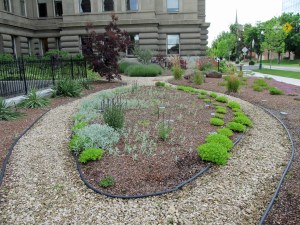
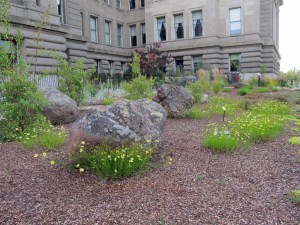
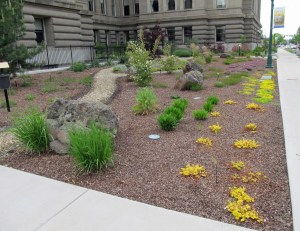
There are several such gardens where I live, one of which is the Water Efficient Garden at the Idaho State Capitol Building in Boise, Idaho. This garden began in 2010 as a partnership between United Water Idaho and the Idaho Capitol Commission. Its mission is to introduce visitors to “low-water native and adaptive plants that thrive in Idaho’s climate.” The plants that were selected for the garden are commonly found at local garden centers and nurseries – an important objective when introducing people to water-wise gardening. The ultimate goal of this garden is to “show homeowners that they can maintain attractive landscaping while conserving water.”

I have my criticisms of this garden regarding plant selection, design, etc., but I’ll spare you those details. I also don’t know the specifics about how this garden is maintained or how often it is watered. All that aside, I am just happy that it exists, and I encourage you to seek out similar gardens in your area. There are numerous approaches to designing and constructing water efficient gardens – again, a book on its own – but demonstration gardens like this are an excellent place to get ideas and learn what other people in your area are doing to conserve water and create landscapes that better reflect the ecology of your region.

United Water Idaho offers a brief introduction to low water gardening here, as well as a list of plants that are in the capitol building garden here.

Blanket Flower (Gaillardia x grandiflora 'Goblin') Plants in the garden are accompanied by a sign with a number on it. The sign corresponds to the plant list that is provided at the entrances to the garden.

Blanket flower (Gaillardia x grandiflora ‘Goblin’). Plants in the garden are accompanied by a sign with a number on it. The sign corresponds to a plant list that is provided at the entrances to the garden.

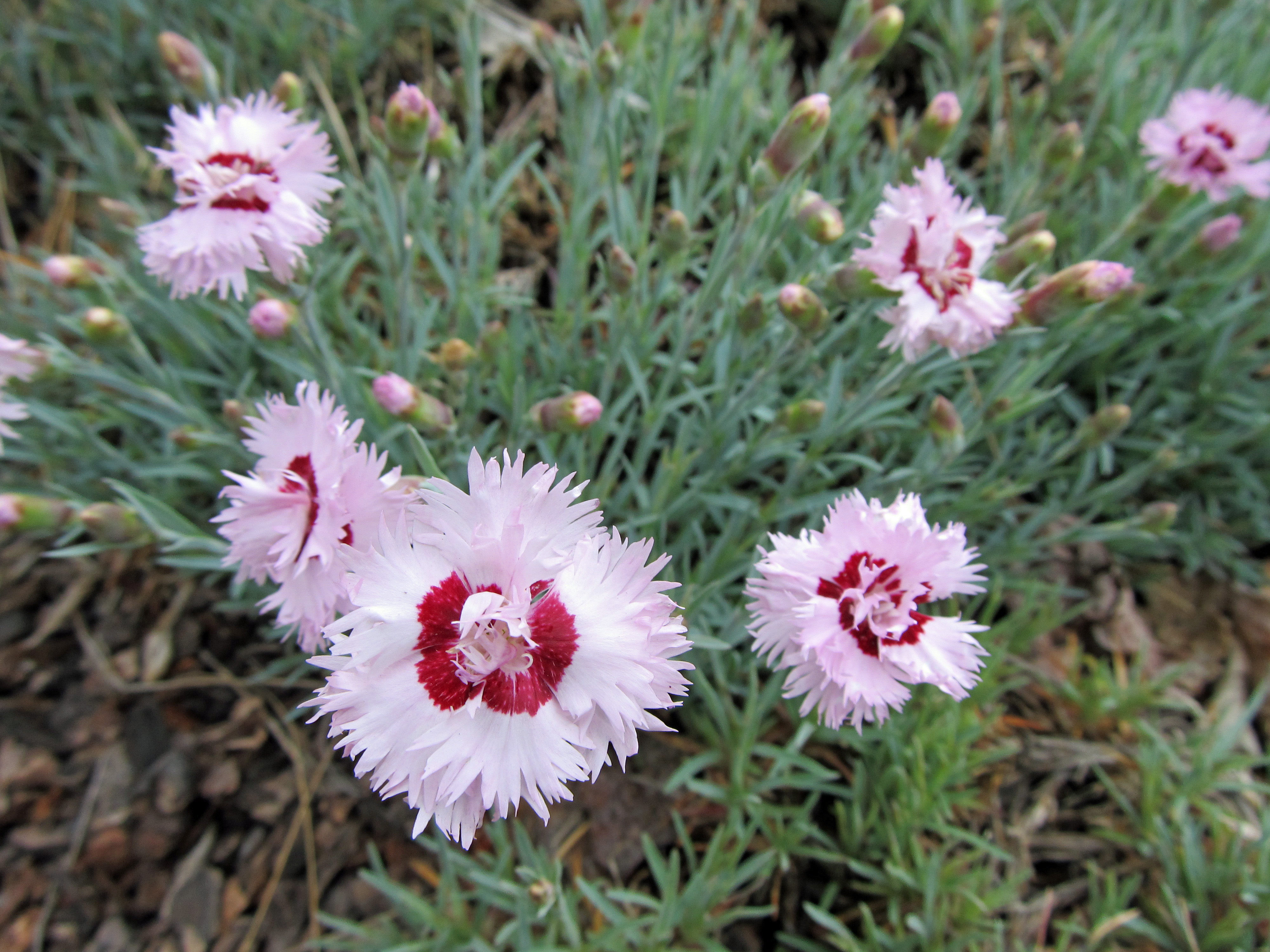
Dianthus sp.

Dianthus sp.

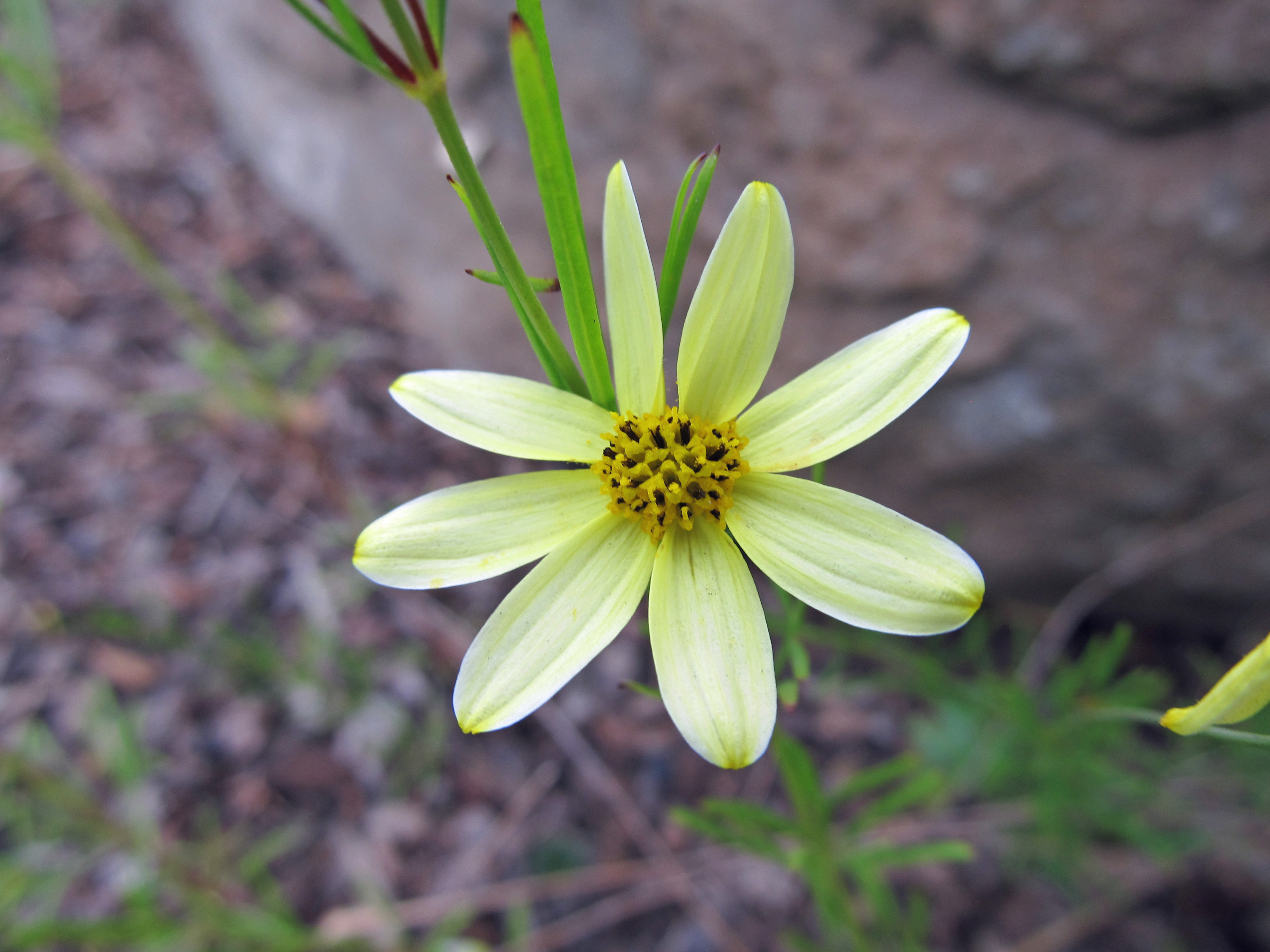
Coreopsis sp.

Coreopsis sp.

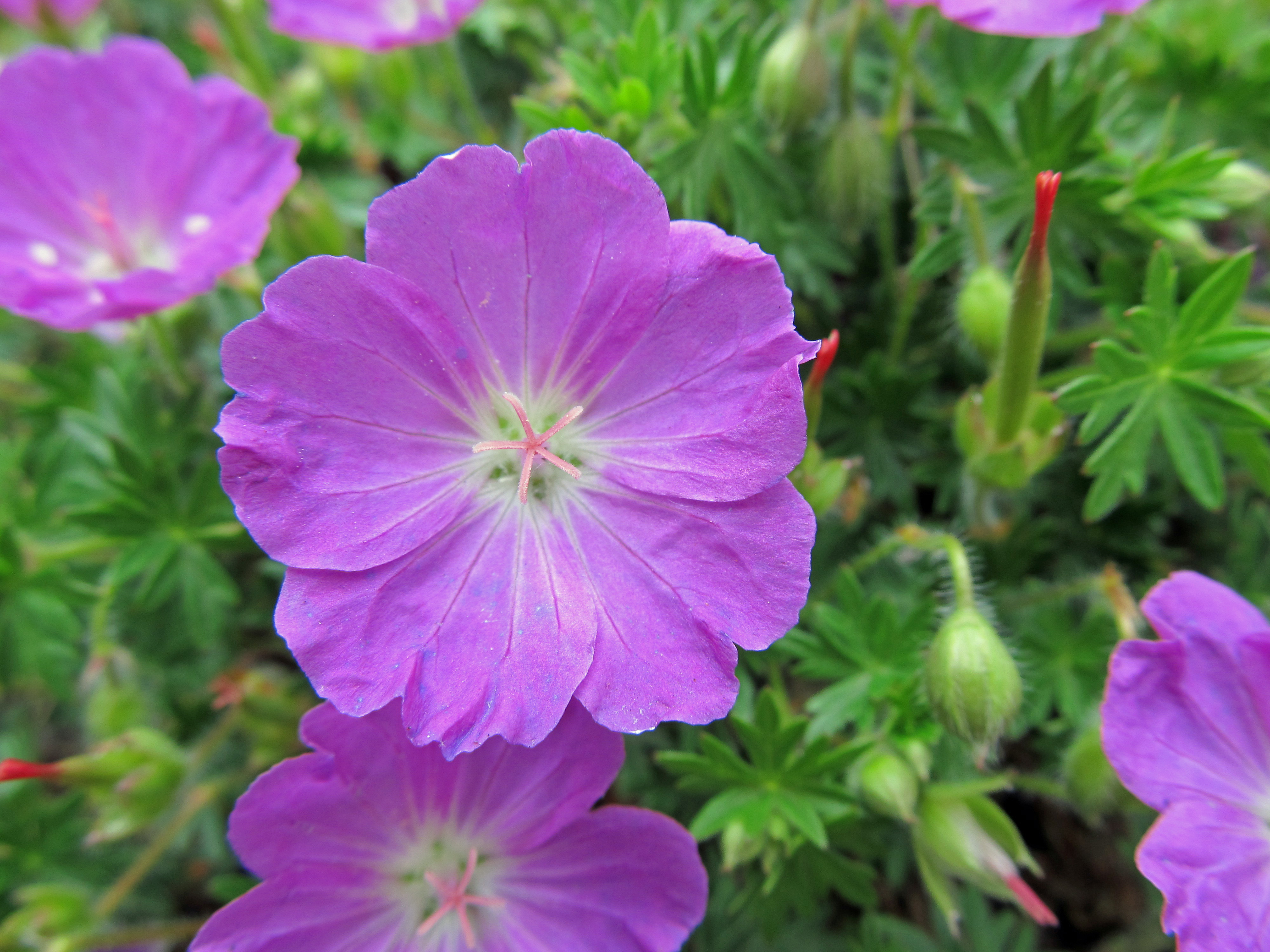
Geranium sp.

Geranium sp.

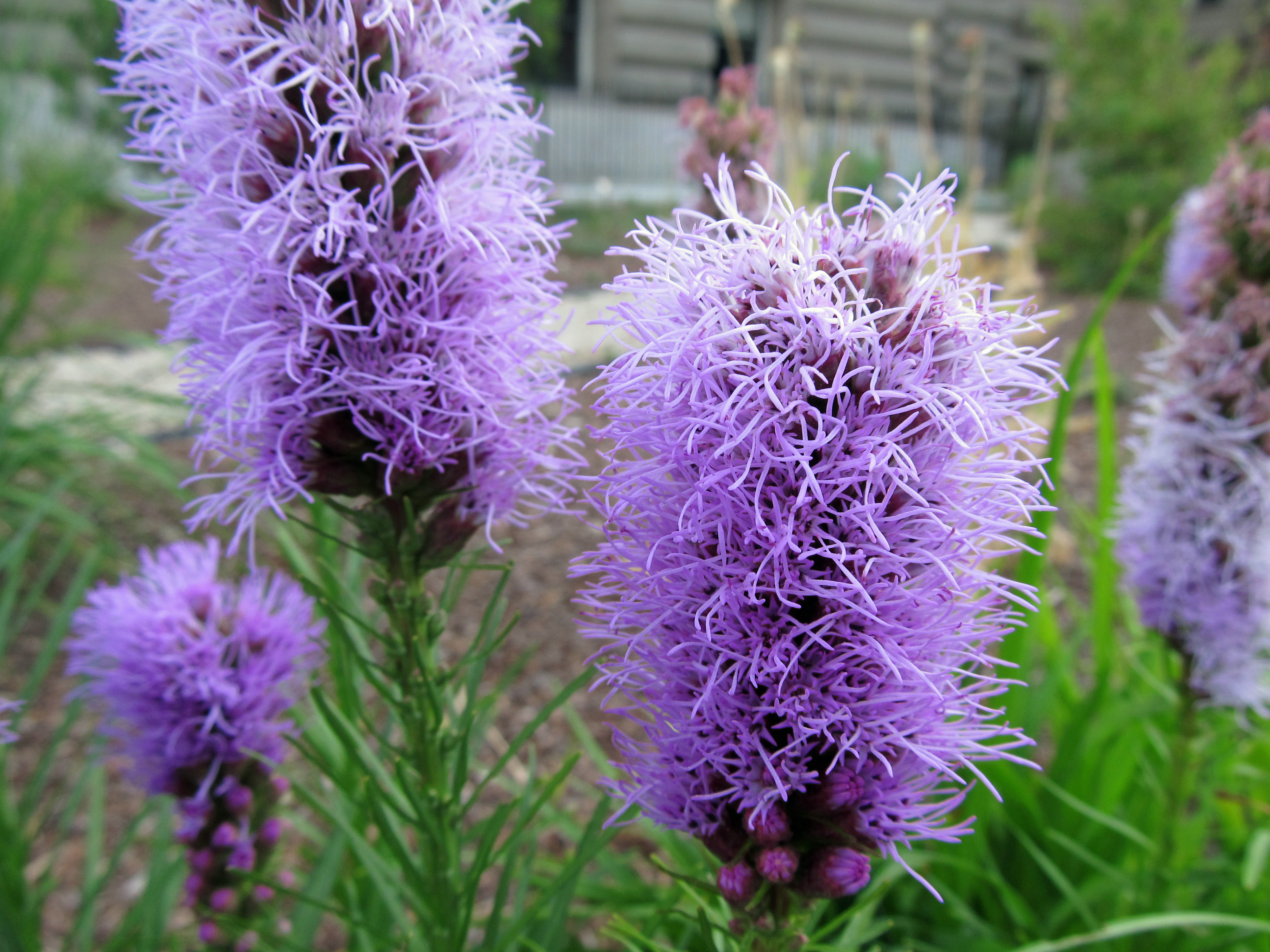
Liatris sp.

Liatris sp.

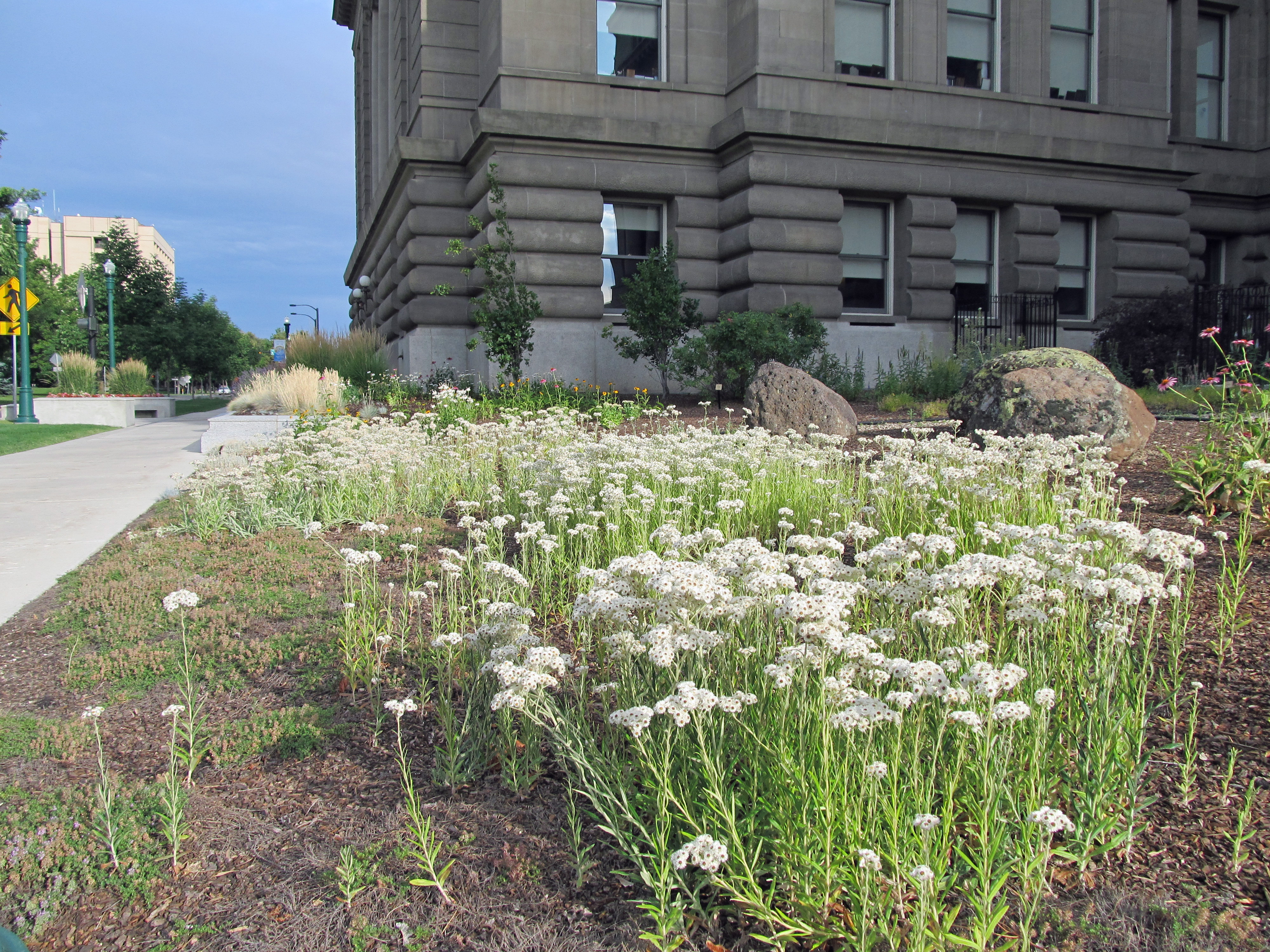
A drift of pearly everlasting (Anaphalis margaritacea)

A drift of pearly everlasting (Anaphalis margaritacea)

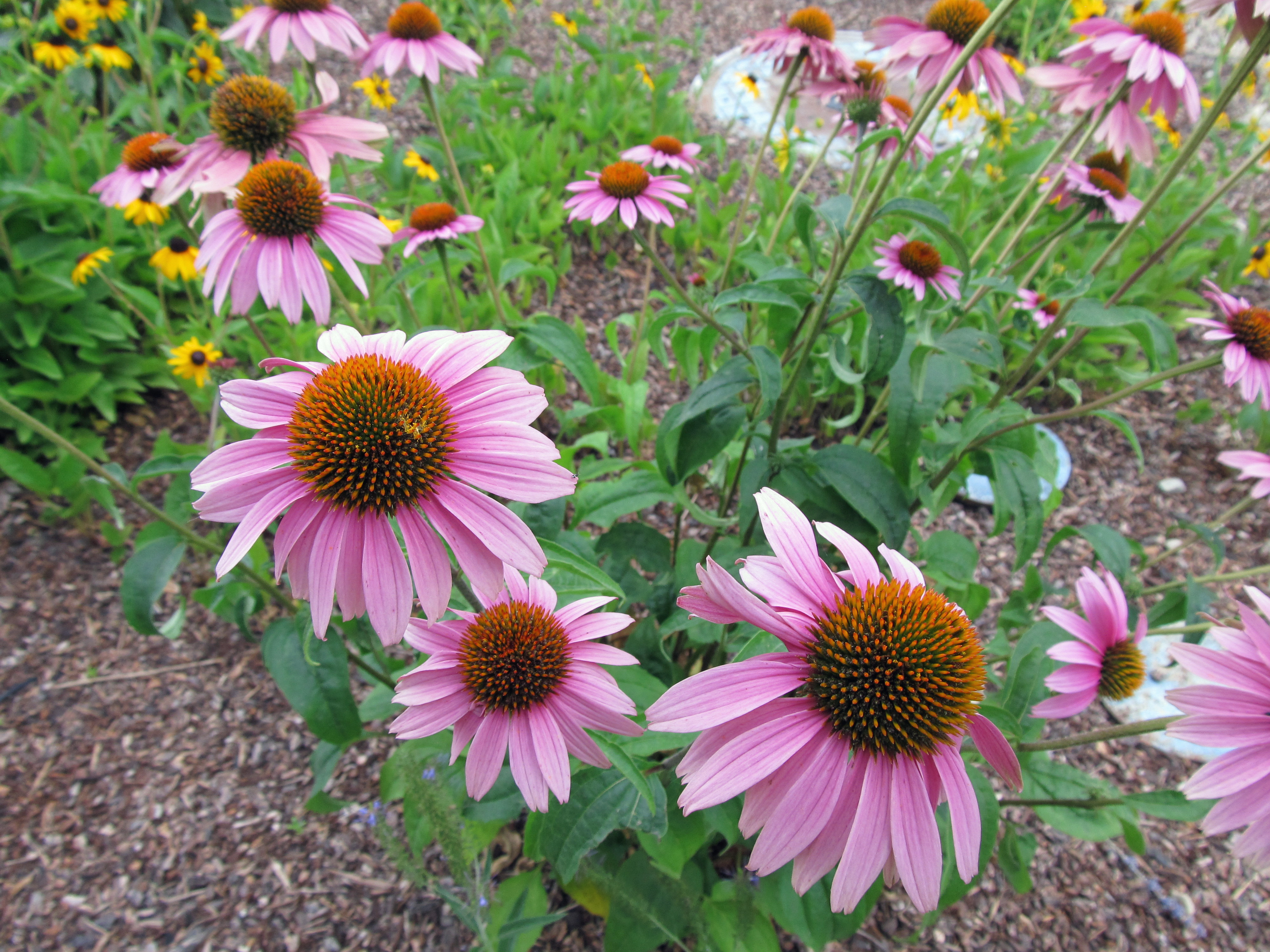
Purple coneflower (Echinacea purpurea)

Purple coneflower (Echinacea purpurea)

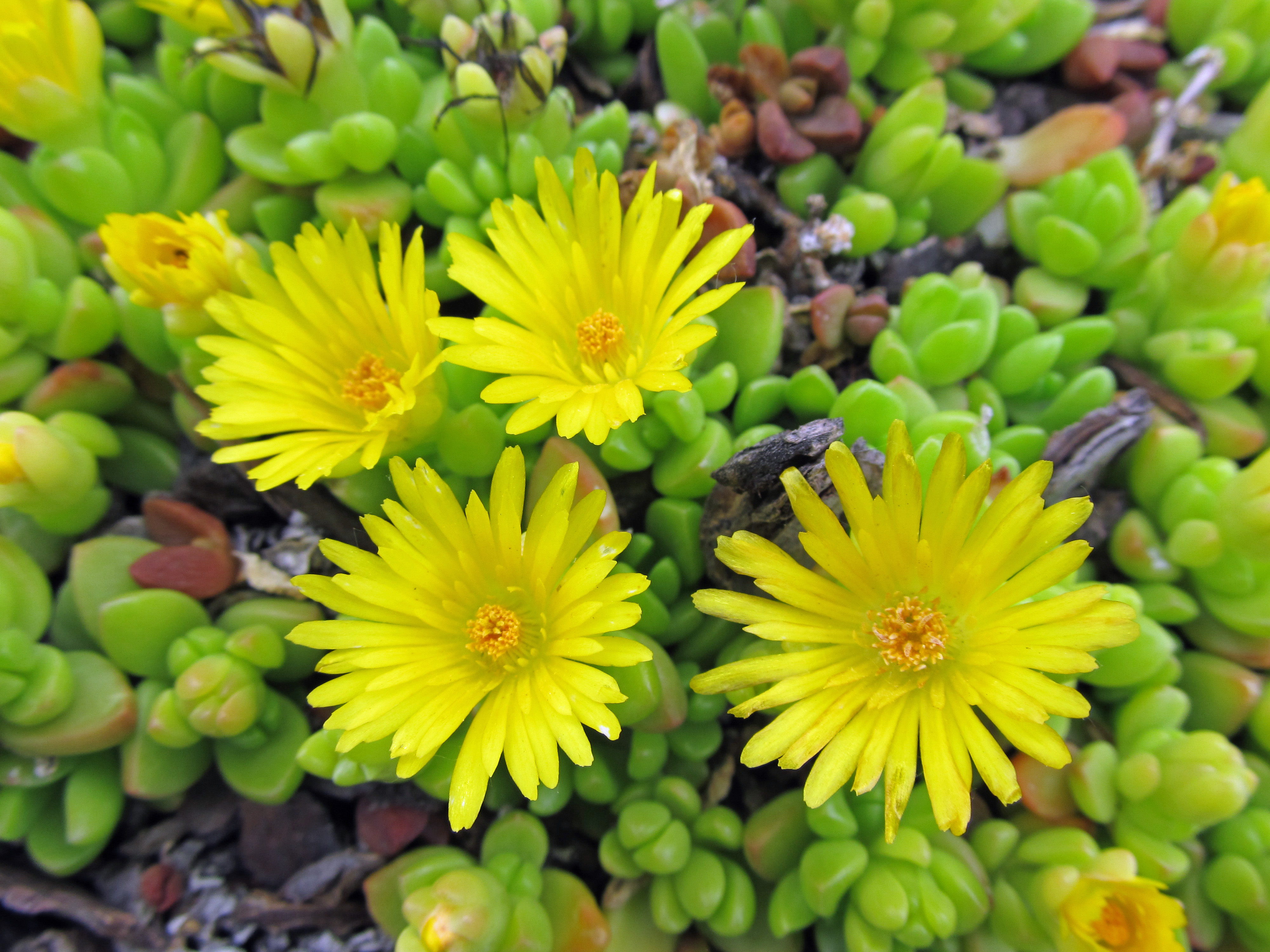
Yellow ice plant (Delosperma nubiginum)

Yellow ice plant (Delosperma nubiginum)

Other “Drought Tolerant Plants” Posts on Awkward Botany:

Trees Are Good For Your Lungs

Trees help reduce air pollution. They do this primarily by pulling gases (like ozone, sulfur dioxide, and nitrogen dioxide) into their leaves and then diffusing them and/or chemically altering them so that they are no longer a direct threat to humans. They also intercept particulate matter, trapping it on the surfaces of their leaves until the wind comes along and blows it away or the rain comes around and washes it into the soil. Trees are filters in this sense, reducing the health threats of our polluted air.

But didn’t I just report on the contribution of urban trees to air pollution via their production of volatile organic compounds? Yes I did. And that remains a possibility; however, according to a study recently published in the journal, Environmental Pollution, the presence of trees is a great benefit to human health despite potential risks. More research is necessary of course, but the consensus so far is that having trees around is a net positive.

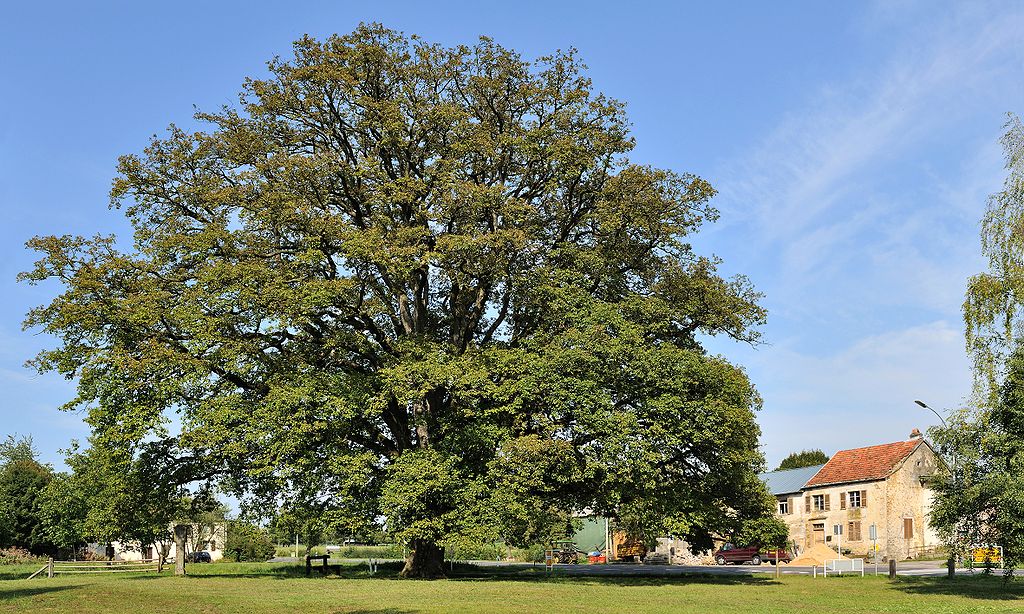
Alnus glutinosa, European Alder (photo credit: wikimedia commons)

Alnus glutinosa, European Alder (photo credit: wikimedia commons)

There have been many studies on the relationship between trees and air quality, but little is known about the extent to which human health impacts are avoided and the related money that is saved as a result of air pollution mitigation by trees and forests. With the aid of computer simulations, researchers at US Forest Service and The Davey Institute used 2010 Census data, tree cover maps from the 2001 National Land Cover Database, US EPA’s BenMAP program, and other data to seek answers to these questions. Their analyses – focused at the county level – involved the 48 contiguous United States.

According to their study, trees and forests removed around 17.4 million tons of air pollution in 2010, which resulted in a health care savings of $6.8 billion. 850 human deaths were avoided, and incidences of acute respiratory symptoms were reduced by 670,000. Ozone and nitrogen dioxide experienced the greatest decrease, while the removal of ozone and particulate matter resulted in the greatest health value. Air pollution removal was greater in rural areas compared to urban areas simply because there is more rural area in the US than urban area; however, the removal of air pollution was found to be more valuable in urban areas due to differences in population density. Resulting health benefits and savings are quite dramatic considering that air pollution removal by trees was only found to improve air quality by about 1%.

There were many things left out in this study though, and the researchers acknowledge this. First of all – as stated earlier – trees have the potential to contribute to air pollution. They emit volatile organic compounds which can result in ozone formation, they can reduce wind speeds which concentrates pollutants, and they produce pollen which is a direct contribution to air quality and a major health issue for those with serious allergies.  But trees reduce air pollution in indirect ways as well. For example, by shading buildings, trees can reduce energy demands which results in decreased power plant emissions and a reduction in air pollution.

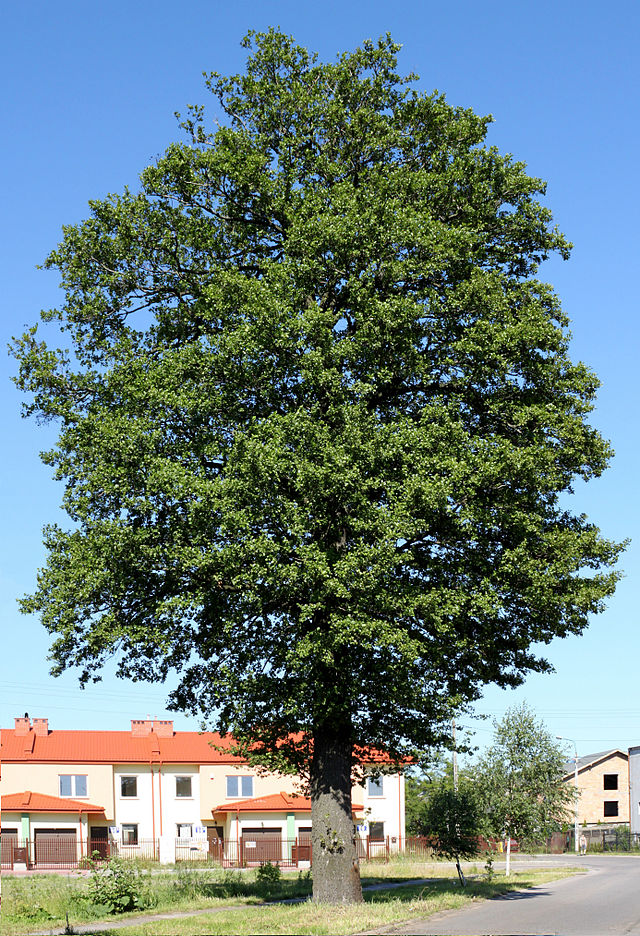
Quercus sp., Oak Tree (photo credit: wikimedia commons)

Quercus sp., Oak Tree (photo credit: wikimedia commons)

Trees can also be negatively affected by air pollution. When particulate matter collects on leaf surfaces, photosynthesis is compromised, limiting a tree’s ability to take gaseous air pollution into its leaves. Urban trees are stressed in additional ways. For example, trees growing near sidewalks, driveways, and roadways deal with serious soil compaction and are often not receiving optimal amounts of water, which can limit their ability to mitigate air pollution. Thus, environmental factors should be considered when determining the relationship between trees and air quality.

This study was conducted at the county level. The researchers acknowledge that more precise predictions could be obtained if analyses were conducted at a finer scale. “Local-scale design of trees and forests can affect local-scale pollutant concentrations.” So, the number of trees, their concentration and configuration, the length of the growing season, the percentage of evergreen trees vs. deciduous trees, etc. all play a role in the extent of air pollution reduction.

While limitations to the study abound, the researchers assert that this initial analysis gives “a first-order approximation of the magnitude of pollution removal by trees and their effect on human health.” Future studies will provide more accurate approximations, but for now I think it is safe to say that trees are good for our health and worthwhile things to have around.

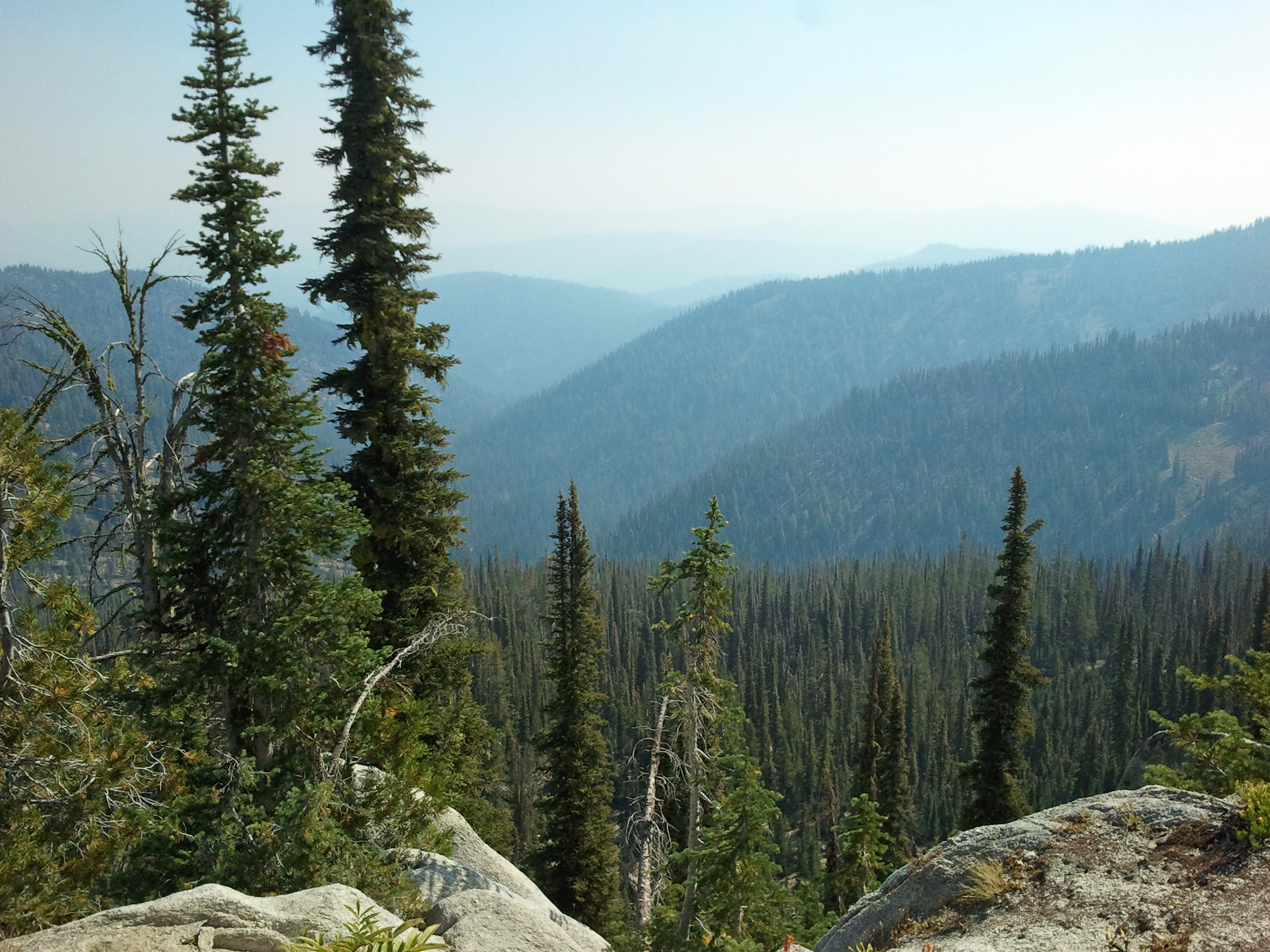
Boise National Forest

Boise National Forest

This study focused mainly on health issues of the respiratory variety. The positive psychological benefits of plants have been observed in separate studies, and our also worthy of our consideration when determining the health benefits of trees and forests.

Urban Trees: Unlikely Polluters

Trees are central features in urban environments, and their benefits are numerous and well documented. They give off oxygen and sequester carbon, provide food for urban wildlife, help slow storm water runoff, and provide shade which not only keeps us cool in the hot sun but can help increase the energy efficiency of surrounding buildings. And even if they weren’t doing all these things and more, the aesthetic value they add to our concrete jungles alone is worth having them around. So it is a little disconcerting to learn that the trees we benefit so much from may actually be doing us harm by way of increasing levels of air pollution.

It sounds unlikely, but according to researchers at the Institute for Advanced Sustainability Studies in Postdam, Germany, urban trees can contribute to increased levels of tropospheric ozone, a key component of smog. This occurs when trees emit volatile organic compounds (VOCs), special gasses that are meant to attract pollinators, repel insects, and warn nearby trees of ensuing insect herbivory. These biogenic VOCs react with sunlight and nitrogen oxides (another key component of smog and a result of burning fossil fuels) and form ozone. Ozone in high concentrations is particularly harmful to the lungs, aggravating asthma, increasing susceptibility to lung infections, and damaging the lining of the lungs.

Fortunately, according to the study, certain trees contribute significantly less to ozone production than other trees.  Poplars, oaks, and willows, for example, tend to be high emitters of VOCs, whereas birches and lindens emit much less. Planting low VOC emitters in dense urban areas and keeping high VOC emitters scattered throughout the city instead of planted in large groups will help reduce this phenomenon. A recent article at Scientific American points out that cities that are sunnier and warmer have more to worry about than cloudy and cool cities since sunlight and high temperatures speed up the ozone producing reaction.

Despite this unfortunate discovery, trees still have an important role in cities. Apart from placing and planting the proper trees, our focus should be on finding ways to reduce our fossil fuel emissions which remain the major culprit of our polluted air.

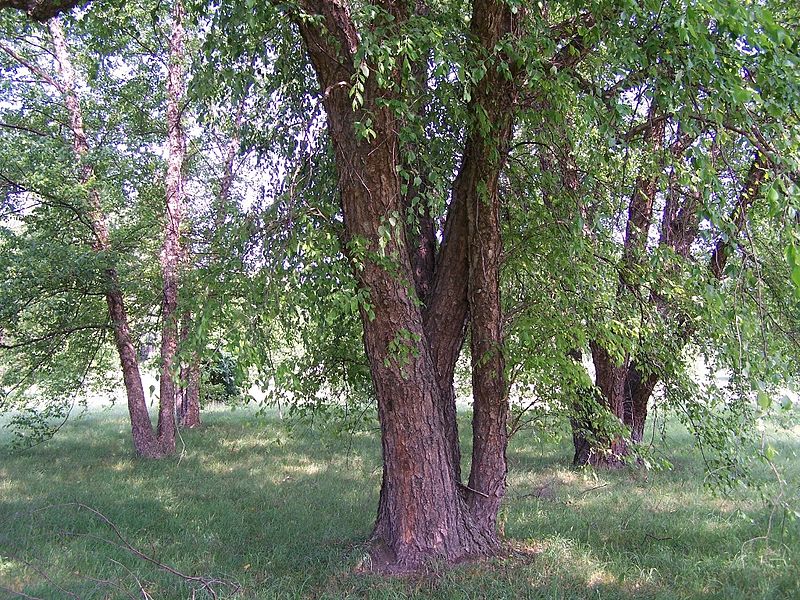
River birch (Betula nigra) - Birches were found to low emitters of volatile organic compounds compared to other common urban trees

River birch (Betula nigra) – Birches were found to be low emitters of volatile organic compounds compared to other common urban trees (photo credit: wikimedia commons)