Book Review: What a Plant Knows

What a Plant Knows: A Field Guide to the Senses
by Daniel Chamovitz

Humans commonly anthropomorphize non-humans. It just seems easier, for example, to say that a plant “likes” a particular type of soil, even though we know that a plant doesn’t “like” anything because a plant does not experience emotion. What we really mean to say is that a plant is adapted to and therefore performs best in a particular type of soil. However, knowing this, is it plausible at all to say that a plant can see, smell, feel, hear, sense its location, or remember things? Daniel Chamovitz argues that it is, and he has plenty of credible research to support his thesis.

In short, plants have senses very similar to human senses and are far more aware than we might initially think. To be clear though, Chamovitz states early on in his book that his “use of the word ‘know’ is unorthodox. Plants don’t have a central nervous system; a plant doesn’t have a brain that coordinates information for its entire body.” Nor do they have noses or ears or eyes. Instead, when Chamovitz uses words like “see,” “smell,” “hear,” and “know,” he is referring to various chemical reactions and physiological phenomena that occur in plants which produce reactions that are analogous to human senses. When a willow tree is damaged by tent caterpillars, a neighboring willow tree becomes unpalatable to the caterpillars and thereby resists a similar fate. Why? Because the damaged willow tree releases a gaseous substance that nearby willow trees can sense (or “smell”). This is a signal for them to protect themselves by building up toxic chemicals in their leaves.

Another example offered by Chamovitz involves the ability of some plants to remember winter. Cherry blossoms appear in the spring because winter has passed. A certain period of cold temperatures is what induces this response. If the trees bloom too early, the blossoms will freeze. If they bloom too late, the fruits would not have time to mature before cold temperatures returned. The seeds of winter wheat are planted in the fall and germinate in the spring. They also require a period of cold temperatures in order to germinate. This process is called vernalization, and it involves a specific gene in the plant called flowering locus C (FLC). After vernalization, this gene is turned off which signals the plant to flower (provided that other environmental conditions, such as light and soil temperature, are conducive to flowering, etc.).

A common myth is that plants grow better when people say nice things to them or play relaxing music for them. Chamovitz thoroughly debunks this myth and concludes that no evidence has been found for plants being able to hear. Plants do however possess many of the same genes that humans possess, including several genes that when not functioning properly can result in deafness in humans. These genes encode proteins called myosins. Myosins in humans help form the hair cells in our inner ears which are essential for hearing. Myosins in plants help form root hairs which are essential for absorbing water from the soil. While the functions of these proteins are quite different in humans and plants, mutations in the genes code for these proteins can have drastic results for both.

All this talk about chemistry, genetics, and physiology may sound a bit intimidating…but don’t worry. While Chamovitz endeavours to tell the science accurately and in detail, he does so in a very approachable manner, making this an easy read for anyone with a basic understanding of biology. Even if you don’t fully comprehend the technical stuff, the anecdotes are well told and captivating, and after you finish reading this, you are certain to have a greater appreciation for plants and all of the fascinating things that they can do. While we should be careful to be too anthropocentric, this book makes it clear that plants are a lot like us…or should I say, we are a lot like plants? Either way, we have many things in common (including much of our DNA), which is all the more reason to appreciate plants for the amazing organisms that they are.

This is a video (recommended by Chamovitz) of a dodder plant sensing the location of a tomato plant. Dodder is unable to photosynthesize, so after attaching itself to the tomato plant it will feed on the nutrients that the tomato plant produces.
Related Post:

– Excerpt from What a Plant Knows

Idaho State Flower

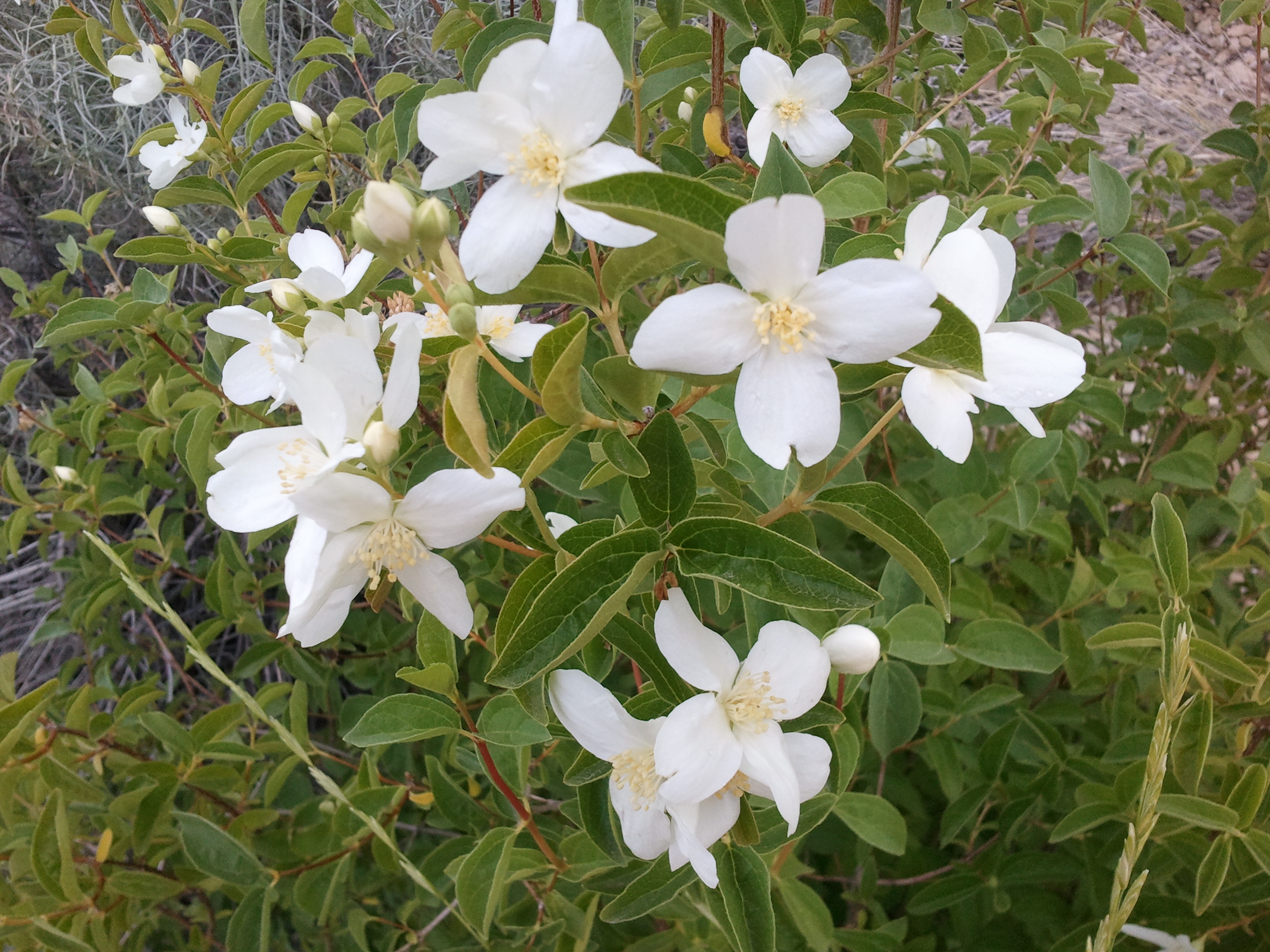
In 1931, the Idaho state legislature officially designated Philadelphus lewisii as the state flower of Idaho, several decades after it was originally selected by a committee of Boise women. Affectionately referred to as “syringa” by Idahoans, P. lewisii occurs from British Columbia down into northern California and across into Idaho and Montana. Its native habitats are the bases of rocky slopes, rocky crevices, and stream banks. It was among many plants collected during the Lewis and Clark Expedition (1804-1806) by Meriwether Lewis. Lewis collected two specimens while in north Idaho and eastern Montana – the first near the Clearwater River and the second near the Bitterroot River. The species was later described by Frederick Pursh and named after Meriwether Lewis. Another widely accepted common name for this species is Lewis’ mock orange.

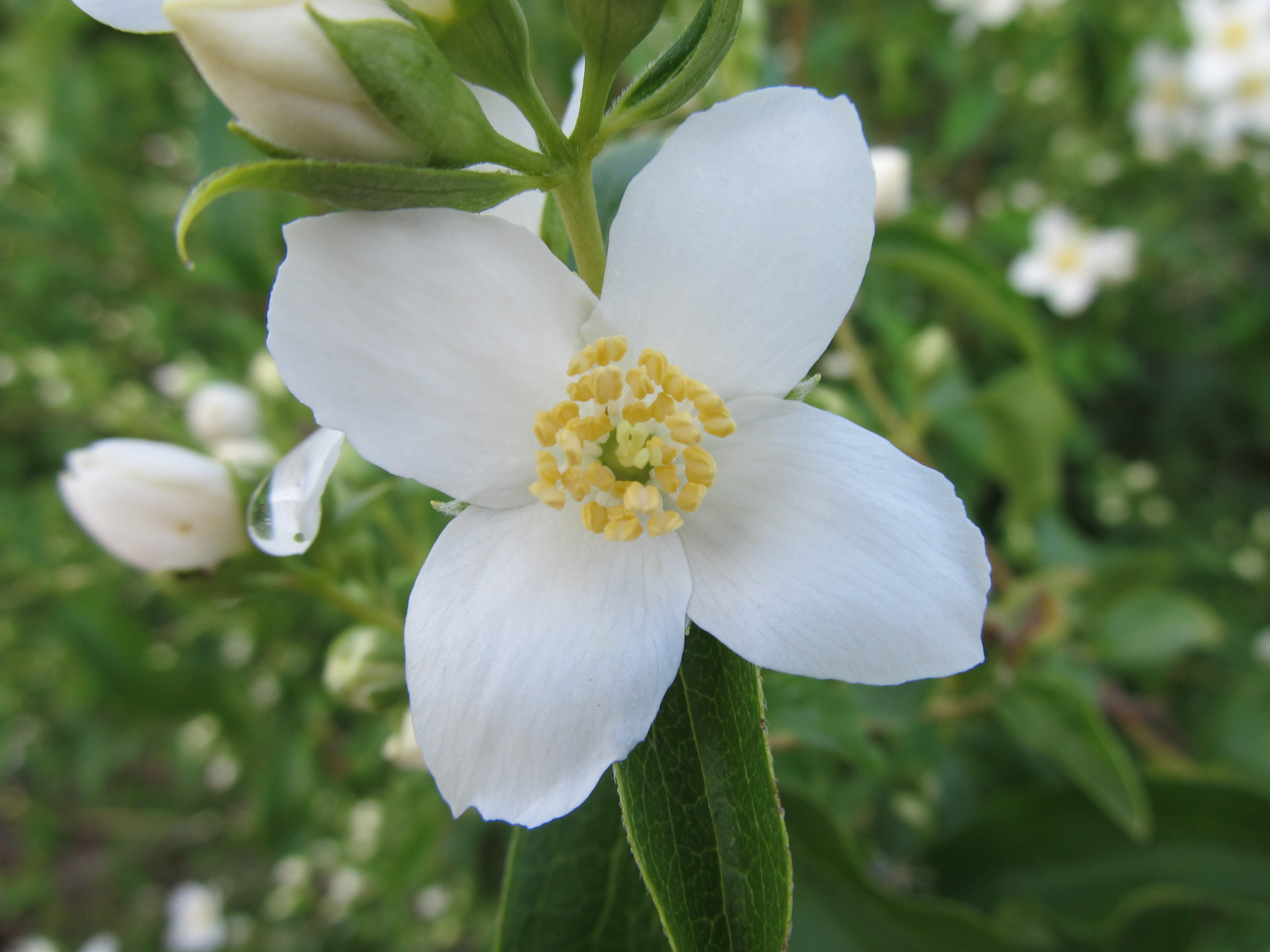
P. lewisii is a deciduous shrub that reaches 6 to 10 feet tall. It has opposite leaves and white, four-petaled flowers that appear in clusters of 3 to 11 on lateral branches. Young branches have reddish-brown bark that eventually peels off to reveal gray bark as the branches age. Many flowers in the genus Philadelphus emit a scent similar to the blossoms of citrus plants and have a general appearance akin to orange blossoms, giving them their common name “mock orange.” The attractive flowers and their sweet aroma are reasons why many people look forward to these shrubs blooming each year. Additionally, Idahoans can be certain that when their beloved state flower is in bloom, summer is imminent.

Philadelphus lewisii

The leaves and bark of P. lewsii contain saponins and can be used to make soap when they are crushed and mixed with water. This quality also makes the plant fire-resistant. The branches and hollow stems of P. lewisii were used by Native Americans to make a variety of useful items including snowshoes, bows, arrows, and pipes. The common name “syringa” was derived from the greek word “syrinx” meaning “tube.” This helps explain why lilacs, an unrelated group of plants that also has hollow stems, was given the latin name Syringa.

Philadelphus is a genus in the Hydrangea family (Hydrangeaceae) that consists of at least 60 species found throughout North America into Central America and in various parts of Eurasia. All are shrubs – some growing to 20 feet tall while others only reach 3 feet at maturity. Most have deciduous leaves, but a few are evergreens. Many cultivars of Philadelphus have been developed by the horticulture industry and are commercially available. Cultivars are often selected for their compact growth habit, abundant and sometimes double flowers, and their strong, sweet aroma.

SAMSUNG

Check out this article in Pacific Horticulture to learn more about the genus Philadelphus.

Excerpt from What A Plant Knows

Here is an excerpt from the book, What a Plant Knows: A Field Guide to the Senses, by Daniel Chamovitz:

“We are utterly dependent on plants. We wake up in houses made of wood from the forests of Maine, pour a cup of coffee brewed from coffee beans grown in Brazil, throw on a T-shirt made of Egyptian cotton, print out a report on paper, and drive our kids to school in cars with tires made of rubber that was grown in Africa and fueled by gasoline derived from cycads that died millions of years ago. Chemicals extracted from plants reduce fever (think of aspirin) and treat cancer (Taxol). Wheat sparked the end of one age and the dawn of another, and the humble potato led to mass migrations. And plants continue to inspire and amaze us: the mighty sequoias are the largest singular, independent organisms on earth, algae are some of the smallest, and roses definitely make anyone smile.”

SAMSUNG

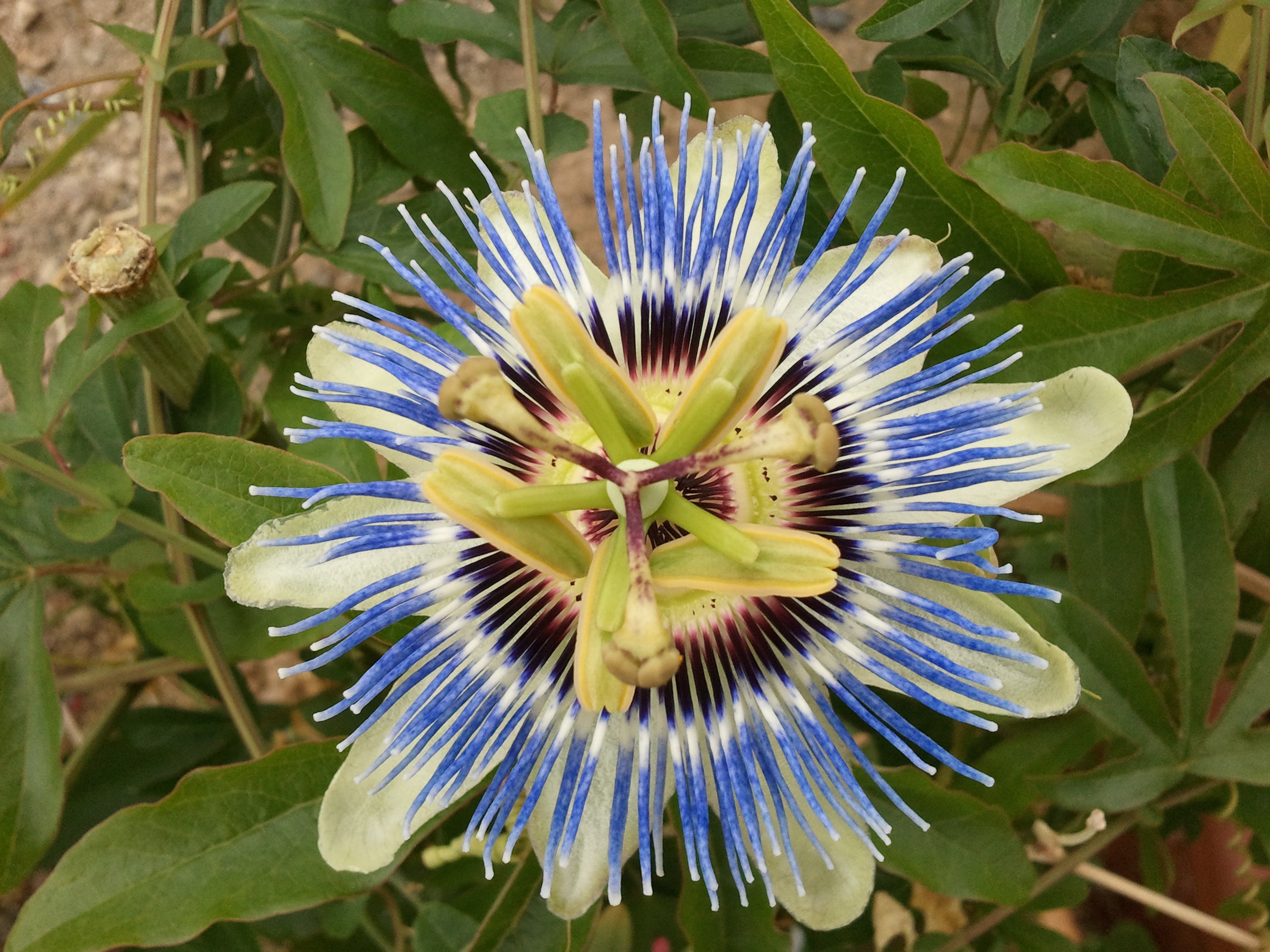
passion flower (Passiflora spp.)

Wetlands!

From www.earthgauge.net:

“May is American Wetlands Month! No matter where you live, chances are there’s a wetland nearby that provides important environmental benefits to your community. Wetlands support diverse fish and wildlife species, filter pollutants from rain water runoff, help recharge groundwater supplies, prevent flooding and enhance property values.”

Wetlands are ecosystems that are characterized by their vegetation (aquatic plants), their soils (formed during anaerobic conditions caused by being flooded or saturated with standing water), and, of course, their state of being largely saturated with water either seasonally or permanently. Examples of natural wetlands include bogs, fens, marshes, and swamps. Wetlands can also be constructed by humans for the purpose of collecting storm water runoff from urban areas in an effort to reduce the risk of flooding and avoid overwhelming municipal sewer systems during large rainstorms.

Wetlands are the most threatened type of ecosystem on earth, and we are losing them at a steady clip. Major threats to wetlands include land development, pollution (agricultural and otherwise), and the introduction of invasive species. Considering the benefits we receive from having wetlands around, it is imperative that we protect them. Earth Gauge offers some suggestions on how to do so.

wetland benefits

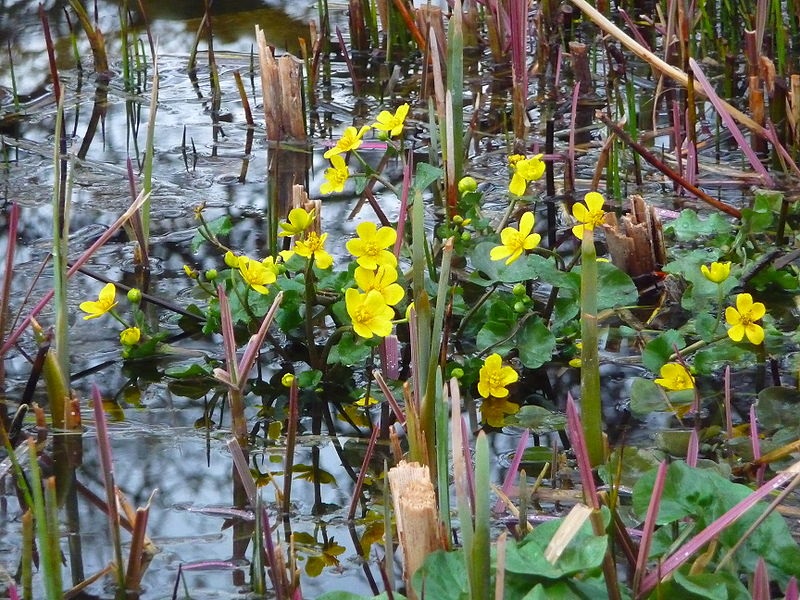
Speaking of wetlands, one of my favorite wetland plant species is marsh marigold (Caltha palustris). It is in the buttercup family (Ranunculaceae) and is common in wetlands throughout the Northern Hemisphere. I became familiar with this plant when I was volunteering at a wetland in Edwardsville, IL. Perhaps you’ve seen it growing in a wetland near you.

caltha palustris

marsh marigold (Caltha palustris) photo credit: wikimedia commons

Rock Gardens: An Introduction

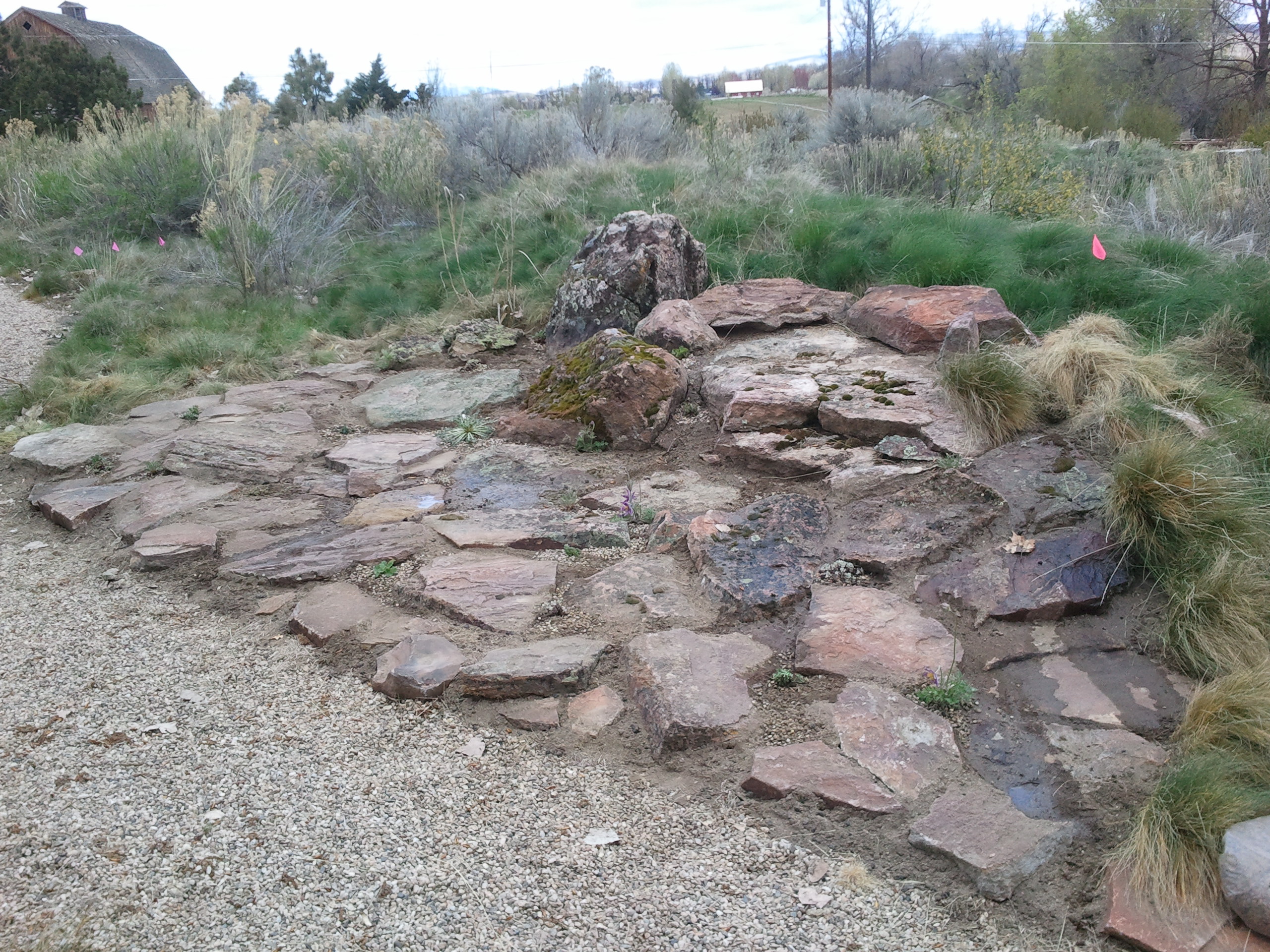
Recently I helped build and plant a rock garden. It was a first for me, but something I had been wanting to do for a while. Rock gardens consist of plants that grow in rocky environments, such as rock outcrops on mountains or accumulations of rocks at the bases of cliffs or steep slopes. Rock garden plants are commonly called alpine plants – alpine refers to an environment that is very high in elevation or, in other words, in mountains above the tree line. Not all rock garden plants are native to alpine environments; however, in the rock garden community, the term “alpine” often refers to small, hardy plants that are ideal for rock gardens.

A rock garden mimics the environments of alpine plants by incorporating a mixture of large and small rocks placed in an aesthetically pleasing manner. Well-draining soil is brought in to fill the spaces between the rocks, and the plants are planted in these spaces. Rock garden plants are typically small and compact. Cushion plants (Silene acaulis, Saxifraga spp., etc.) are one example of a type of rock garden plant. Other popular rock garden plants include the following genera: Pulsatilla, Viola, SedumDaphne, DelospermaDianthus, Thymus, Primula, and Scutellaria. The list goes on. Many rock garden plants can be found at local garden centers, while others will require some searching, but there should be enough of them available to at least get you started.

A rock garden doesn’t have to mean a scattering of rocks laid out on the ground. They can also be built in raised beds or they can consist of a series of troughs or planters. Rock garden troughs are typically made of tufa or hypertufa. Tufa is a naturally occurring variety of limestone. Hypertufa is a human-made version of tufa that is composed of various aggregates cemented together.

To learn more about rock gardening and to join a community of rock gardeners, check out the North American Rock Garden Society, and stay tuned to Awkward Botany for future posts on rock gardens.

SAMSUNG

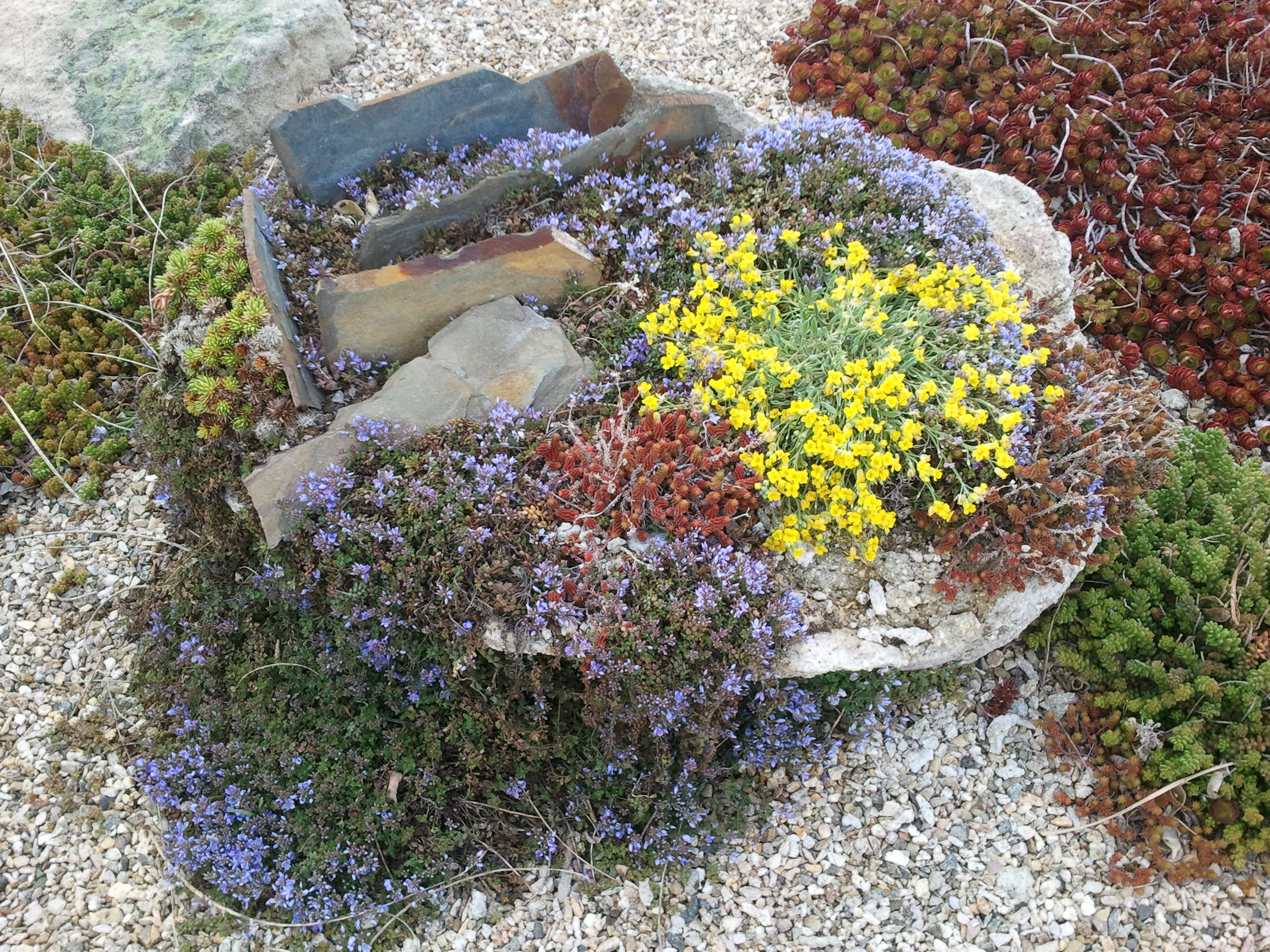
Here is an example of a rock garden in a hypertufa trough. You can see this and more like it at Idaho Botanical Garden.

SAMSUNG

Mountain Kittentails

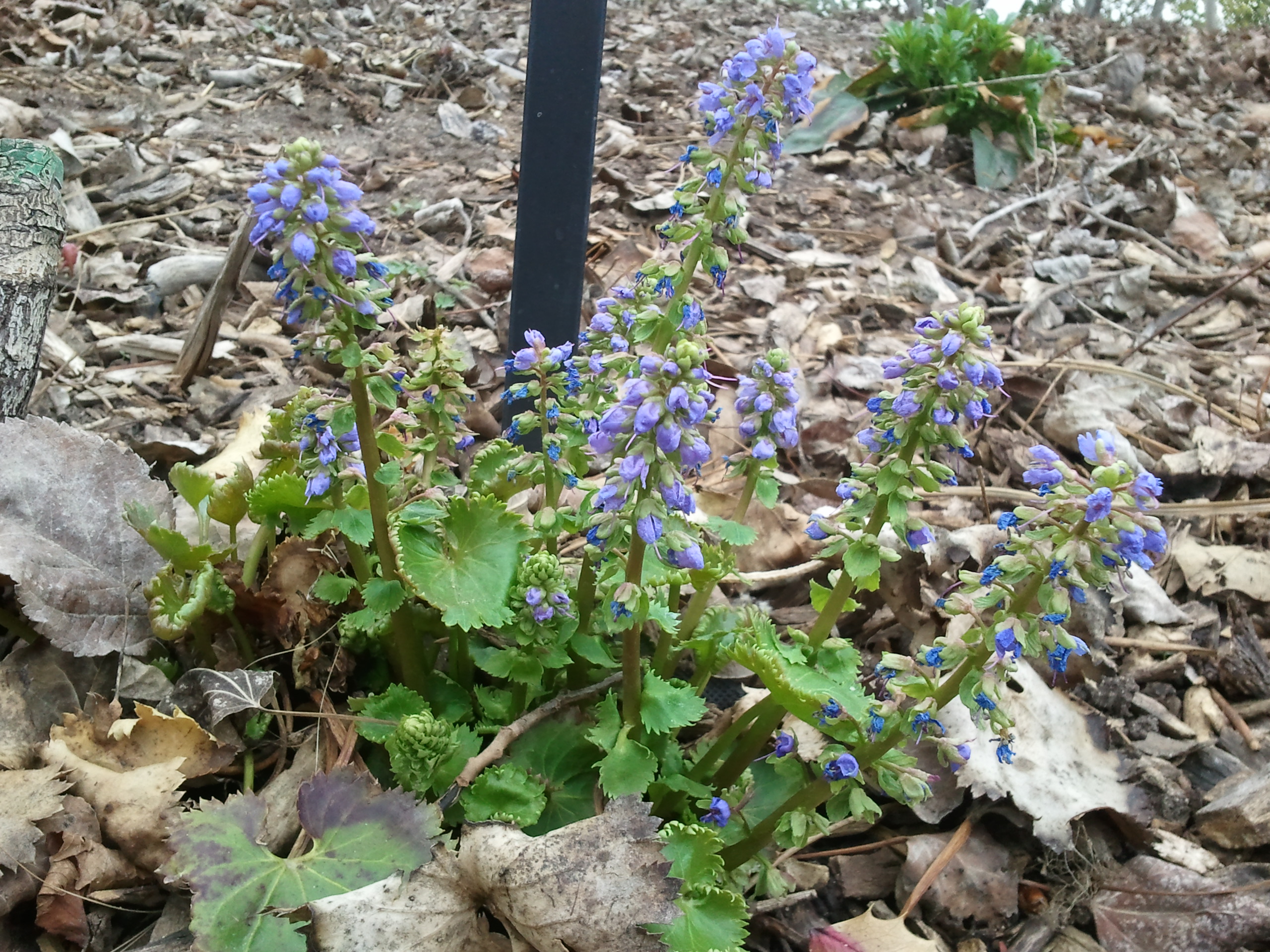
Spring has sprung, which is evidenced by warming temperatures, lengthening daylight, and plants turning green and producing flowers. For those of us living at low elevations, signs of spring have been around for a while. Our landscapes are green again and gardens are coming to life. However, up in the mountains (and at higher latitudes), spring takes a bit longer to manifest itself. Snow is still the dominant groundcover, and freezing temperatures remain the norm. Yet even in these harsh conditions there are signs of spring. The flowers of the perennial forb, mountain kittentails (Synthyris missurica), are one of those signs.

Mountain kittentails are one of the earliest plants to flower in the mountains, often flowering while there is still snow on the ground. For this reason, their flowers are not commonly seen in the wild. Their range extends from Washington and Oregon down into northern California and across into Idaho and Montana. They occur in rocky, shady areas at mid to high elevations. Mountain kittentails are low growing with rounded, toothed leaves. Their flowers appear in tight clusters on upright stalks and are blue to purple in color. They are a member of the figwort family (Scrophulariaceae), sharing that distinction with a popular group of flowering plants that is common in the west, the penstemons. Mountain kittentails were first collected during the Lewis and Clark expedition in 1806. The expedition discovered this plant as they passed through the mountains of northern Idaho.

Mountain kittentails are not a commonly cultivated plant, but the Idaho Botanical Garden in Boise, Idaho happens to have a few growing in one of their native plant collections, giving more people an opportunity to see them in bloom. Because the garden is located in a valley, their mountain kittentails flower a few weeks earlier than their native counterparts, which means you’ve probably already missed them – but there’s always next year!

SAMSUNG

Northern Pitcher Plant: A model for understanding food webs

Carnivorous plants are endlessly fascinating. Even people who aren’t typically interested in plants are likely to find plants that eat animals to be of some interest. These plants not only provide fascination for plant lovers and the plant ambivalent alike, but they are also of great interest to science, providing insight into the workings of the world beyond the swamps and bogs that they inhabit.

A recent study published in the journal, Oikos, examined the complex food web that exists inside the northern pitcher plant (Sarracenia purpurea) in order to come to a better understanding of food webs in general and to construct a model that will aid in further research involving food webs in all types of ecosystems.

The food web that exists inside a pitcher plant is quite interesting. The tubular leaves of the pitcher plant capture rain water and draw in a variety of insects including beetles, ants, and flies. The pool of water also becomes home to the larvae of midges, mosquitoes, and flesh flies, as well as various other tiny creatures including rotifers, mites, copepods, nematodes, and multicellular algae. And thus begins a complex food cycle. Midge larvae attack the drowning insects and tear them to pieces, then bacteria go after the tiny insect parts, after which rotifers consume the bacteria. Finally, the walls of the pitcher plant absorb the waste of the rotifers. Meanwhile, fly larvae consume the rotifers, midge larvae, and other fly larvae, while bacteria is being consumed by all participants.

You can see why this food web is an ideal subject of study. Not only is it complex, with numerous players, but it is also all taking place in a small, confined space – easily observable. By studying such a system, models can be derived for larger, more widespread food webs.

Carnivorous plants have diverse mechanisms for extracting nutrients from other living things – this is just one of those mechanisms. I will plan to profile other carnivorous plants on this blog, because like I said, they are endlessly fascinating. Meanwhile, you can read more about this particular study at Science Daily.

northern pitcher plant

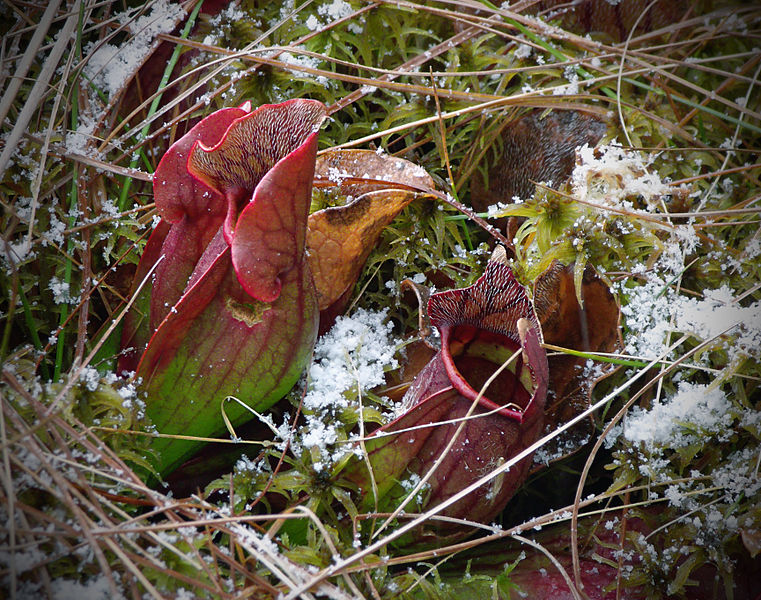
northern pitcher plants (Sarracenia purpurea) photo credit: wikimedia commons

Cushion Plants and Species Richness

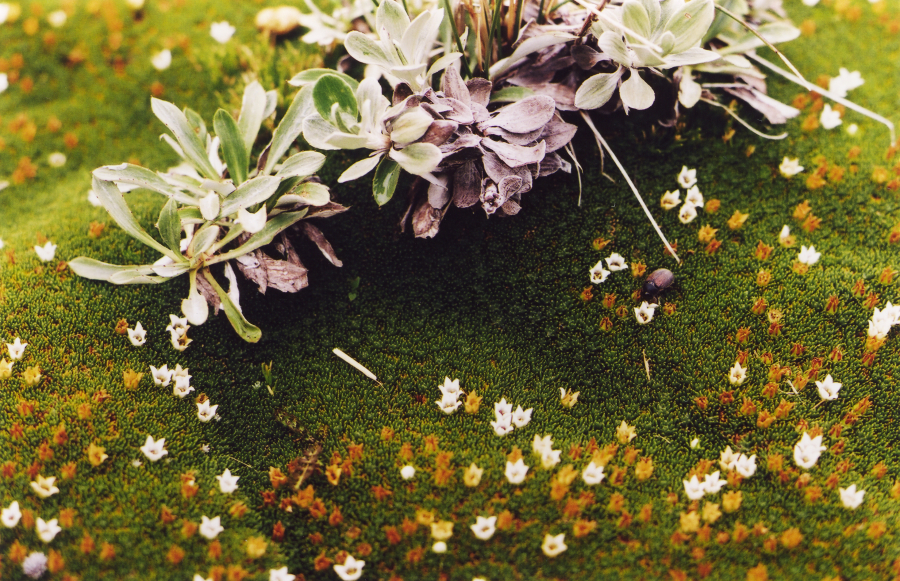
Cushion plants are in the news. A study published in the journal, Ecology Letters, has demonstrated that cushion plants can help increase species richness (the number of unique species in an ecological community) by modifying their micro-environment, which in turn allows certain species to exist in the community that would otherwise be unable to survive the harsh conditions. Other studies have had similar conclusions, but what is unique about this study is how extensive it was, involving 77 alpine plant communities on 5 continents.

The term “cushion plant” refers to a specific growth form. It describes a plant that grows low to the ground, has numerous small leaves and a closed, tightly-packed canopy with dense non-photosynthetic living and dead plant tissues below the canopy. Above ground it appears as a lush, thick, spreading, green mat; below ground it has a long taproot and an extensive root system. There are around 338 species of cushion plants, spanning 78 genera and 34 plant families, which can be found around the world mainly in alpine (high-altitude, tree-less) environments. Around half of the cushion plant species are native to the Andes in South America.

So, how are cushion plants able to increase species richness in their communities? There are a few unique characteristics of cushion plants that lead to this result:

– The tightly-packed, low to the ground growth form of cushion plants helps to modify the temperature of the underlying soil, working as a living mulch to keep the ground warmer in the winter and cooler in the summer. Plants that otherwise could not abide in extremely cold soil conditions, can thrive inside of a cushion plant due to this modification.

– The shading and covering of the ground also helps to maintain a higher level of soil moisture below cushion plants, resulting in more available water throughout the growing season, which is especially important during warm months of the year when water becomes scarce elsewhere.

– Cushion plants may also increase nutrient availability in the surrounding soil. This could be due to their long taproots and extensive root systems allowing them to “mine” the soil and pull up nutrients (and water) that would otherwise be unavailable to shallow-rooted plants. It could also be due to the high degree of dead plant material found within cushion plants that leads to an increase in the amount of organic material in the soil below. The warm, moist conditions of a cushion plant’s underbelly could speed up the rate of decomposition and nutrient cycling, making essential nutrients available to plants growing within them.

Because of these features, cushion plants act as “nurse plants” to species that grow within their mats, providing them with more accommodating soil temperatures, greater access to water, and a higher level of nutrients compared to the surrounding open ground. Some of these plant species would have little or no chance of survival in the harsh environment outside of the cushion plant. Cushion plants are also considered foundation species or keystone species because they play such a strong role in structuring their ecological community, affecting the diversity of species found in the landscape and the abundances of those species.

Silene acualis

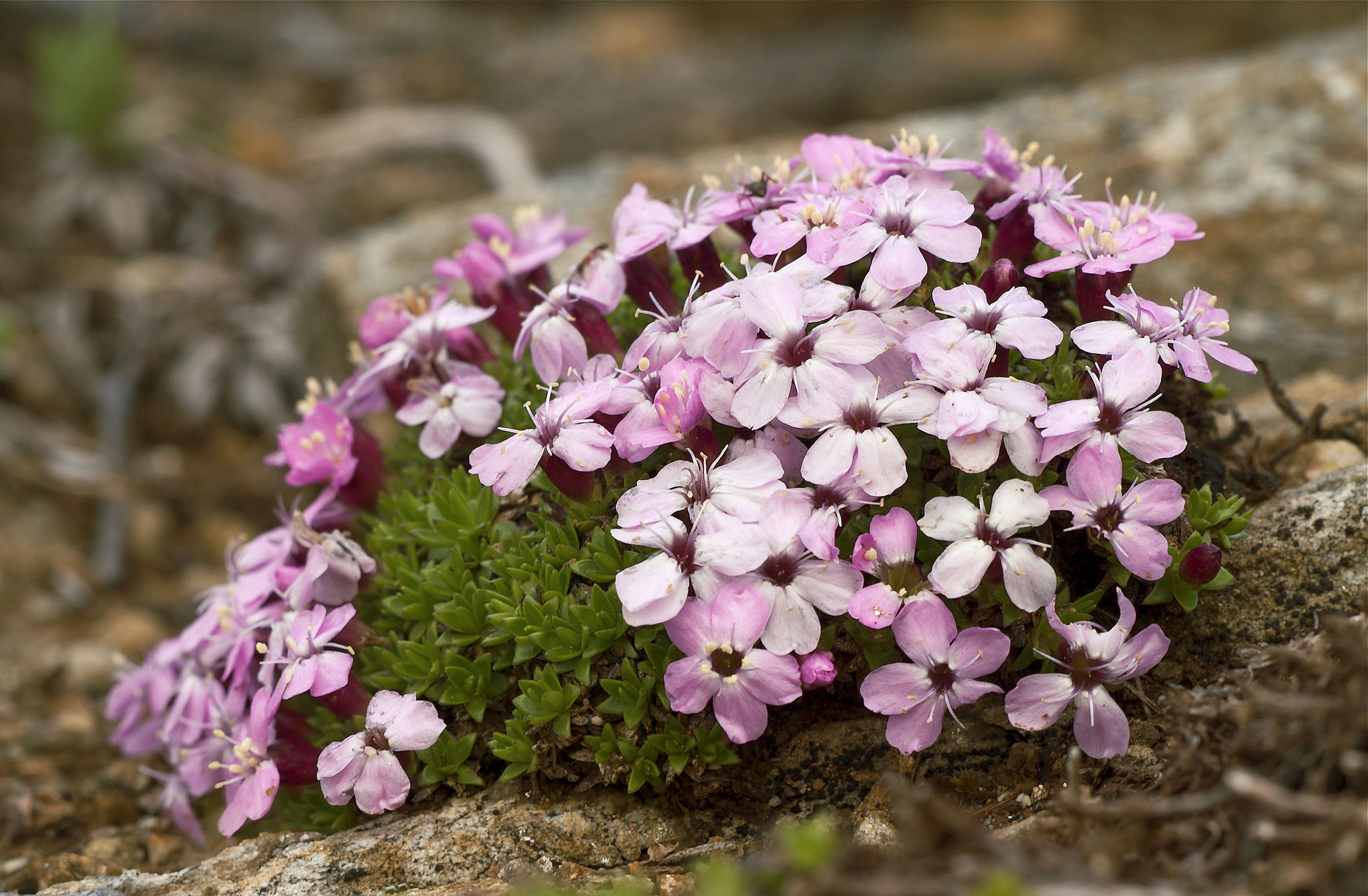
A common and popular cushion plant: Silene acaulis. Common name: moss campion. Plant family: Caryophyllaceae. Occurs in high mountains of North America and Eurasia. Photo credit: wikimedia commons.

cushion plant as nurse plant

An example of a cushion plant with another plant species growing within it. Photo credit: wikimedia commons.

Consider yourself introduced…

Winter is in full-force (at least for us northern hemisphere dwellers), so it may seem like an odd time to start blogging about the plant world. Everything has gone dormant. All color is gone. From now until the first signs of spring, we mostly just have gray days and frozen ground to look forward to – little in the way of life. But a blog has got to start somewhere and at some point, right? Especially when it’s been brewing in the back of my skull for so long. So why not now? And why not with this measly post announcing its arrival?

Plants have been my passion for years now. They have also become my career. This general obsession I have with them has led me to start this narrowly (yet in some ways quite broadly, as you will see) focused blog. My intention is to write about plants…but what about them exactly? A quick brainstorming session yields this list of topic ideas for posts: the science of plants, rare and endangered plants, the wonders of plants, my favorite plants, tips on growing and caring for plants, places to go to see plants, the benefits of plants, plants in the news, etc. It turns out there is a lot to say about plants – they are an extremely fundamental part of our existence on earth after all. Without plants, we certainly would not be here.

Whether the things about plants that you enjoy most include the science, the cultivation, the recreation, or simply just the aesthetics, there really is something that anyone can relate to when it comes to the world of plants. This blog will attempt to explore all of those things from the perspective of an educated yet still amateur and awkward botanist. I will endeavor to be approachable, interesting, and entertaining. Please feel free to post any comments and suggestions that you may have along the way, and let’s all have a friendly conversation and enlightening experience as we explore the endlessly fascinating and wildly rich world that is plant life.

white oak