Weeds of Boise: Boise State University Campus, part two

In part one of this two part series, I introduced you to the Boise State University campus, located in the heart of Boise, Idaho. I’ve been spending the past year walking the campus and cataloging the weeds that I find there. Boise has a fairly mild climate compared to the rest of Idaho, so weeds are generally easy to find just about any time of year. What weeds are present depends on what time of year it is. To get a complete picture of the suite of weeds that can be found on a site, it’s important to make observations throughout the year. Weeds can also come and go, with certain species becoming more abundant in some years than others, so making observations over multiple years also helps. This is why I try to update posts that are part of the Weeds of Boise series as I make return visits and encounter additional weed species.

What follows is the second half of the list of weeds I’ve documented so far at Boise State University. I’m including a photograph for each month of the year (July – December), as well as a list of what I’ve encountered up to this point. I’m also including a list of weeds that I didn’t come across but that are documented on iNaturalist.
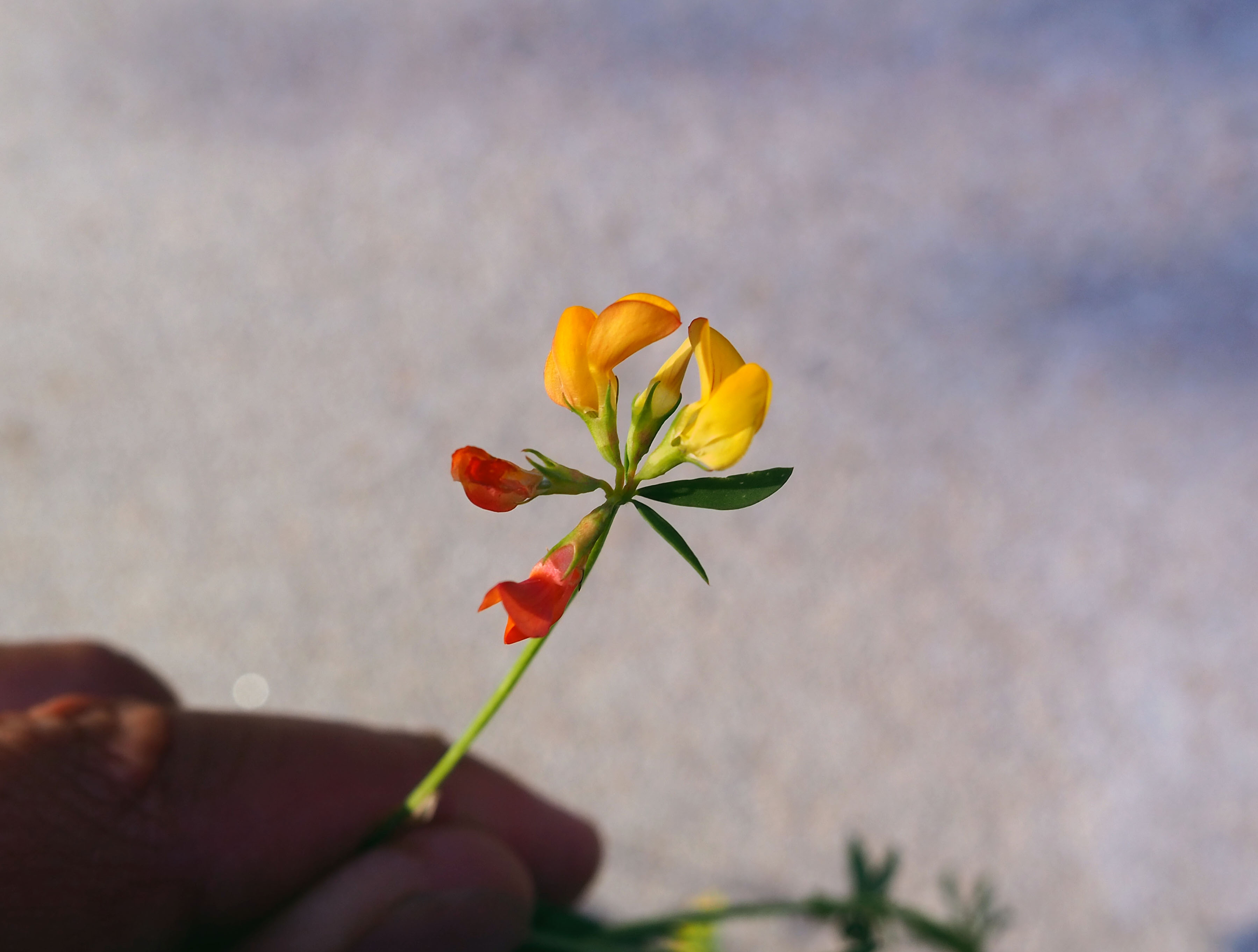
birdsfoot trefoil (Lotus corniculatus) at BSU in July 2023
yellow nutsedge (Cyperus esculentus) at BSU in August 2023
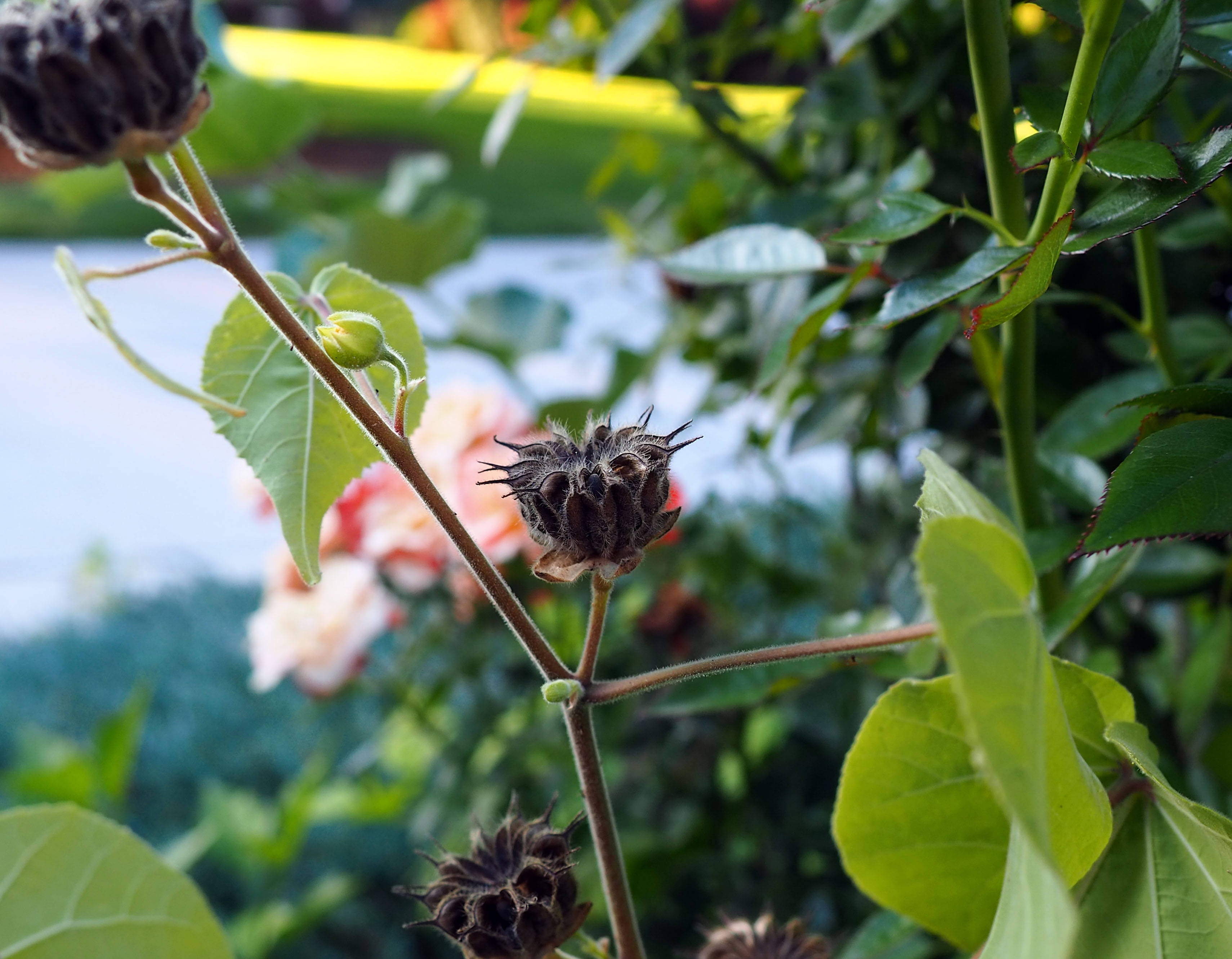
velvetleaf (Abutilon theophrasti) at BSU in September 2023
chicory (Cichorium intybus) at BSU on October 2023
puncturevine (Tribulus terrestris) at BSU in November 2023
bull thistle (Cirsium vulgare) at BSU in December 2023

Additional weeds found on the BSU campus from July – December 2023:

  • Abutilon theophrasti (velvetleaf)
  • Cichorium intybus (chicory)
  • Cirsium vulgare (bull thistle)
  • Cyperus esculentus (yellow nutsedge)
  • Eragrostis cilianensis (stinking lovegrass)
  • Lotus corniculatus (birdsfoot trefoil)
  • Medicago sativa (alfalfa)
  • Melilotus alba (white sweetclover)
  • Solanum nigrum (black nightshade)
  • Sonchus asper (prickly sowthistle)
  • Tribulus terrestris (puncturevine)

Additional weeds observed on the BSU campus by iNaturalist users as of December 2023:

  • Aegilops cylindrica (jointed goatgrass)
  • Bromus diandrus (ripgut brome)
  • Cerastium nutans (nodding chickweed)
  • Chorispora tenella (blue mustard)
  • Elymus repens (quackgrass)
  • Hypericum perforatum (St. John’s wort)
  • Lepidium perfoliatum (clasping pepperweed)
  • Matricaria discoidea (pineappleweed)
  • Ornithogalum umbellatum (star-of-Bethlehem)
  • Vicia tetrasperma (four-seeded vetch)

Weeds of Boise: Northwest Corner of Ann Morrison Park

The Boise River, which winds its way through the City of Boise, is flanked by a series of parks known collectively as the Ribbon of Jewels, named in honor of prominent women in the community. Most of these parks are vast expanses of turfgrass scattered with large trees and are meticulously maintained, except near the river where the vegetation is allowed to run a little wild. It is within these narrow strips of land, bordered on one side by the river and the other by regularly mowed turfgrass, that a veritable nature walk can be had right in the heart of the city.

While a few native plant species can be found in these strips, much of the vegetation is introduced. Some of the non-native trees and shrubs may have been intentionally planted, while others came in on their own. Most of the grasses and forbs in the understory are weedy plants commonly seen on all manner of disturbed lands. There are also, of course, a few weeds specific to riparian areas. Due to the wild nature of these strips and the abundance of introduced plants, the river’s edge makes for a great place to become acquainted with our wild urban flora.

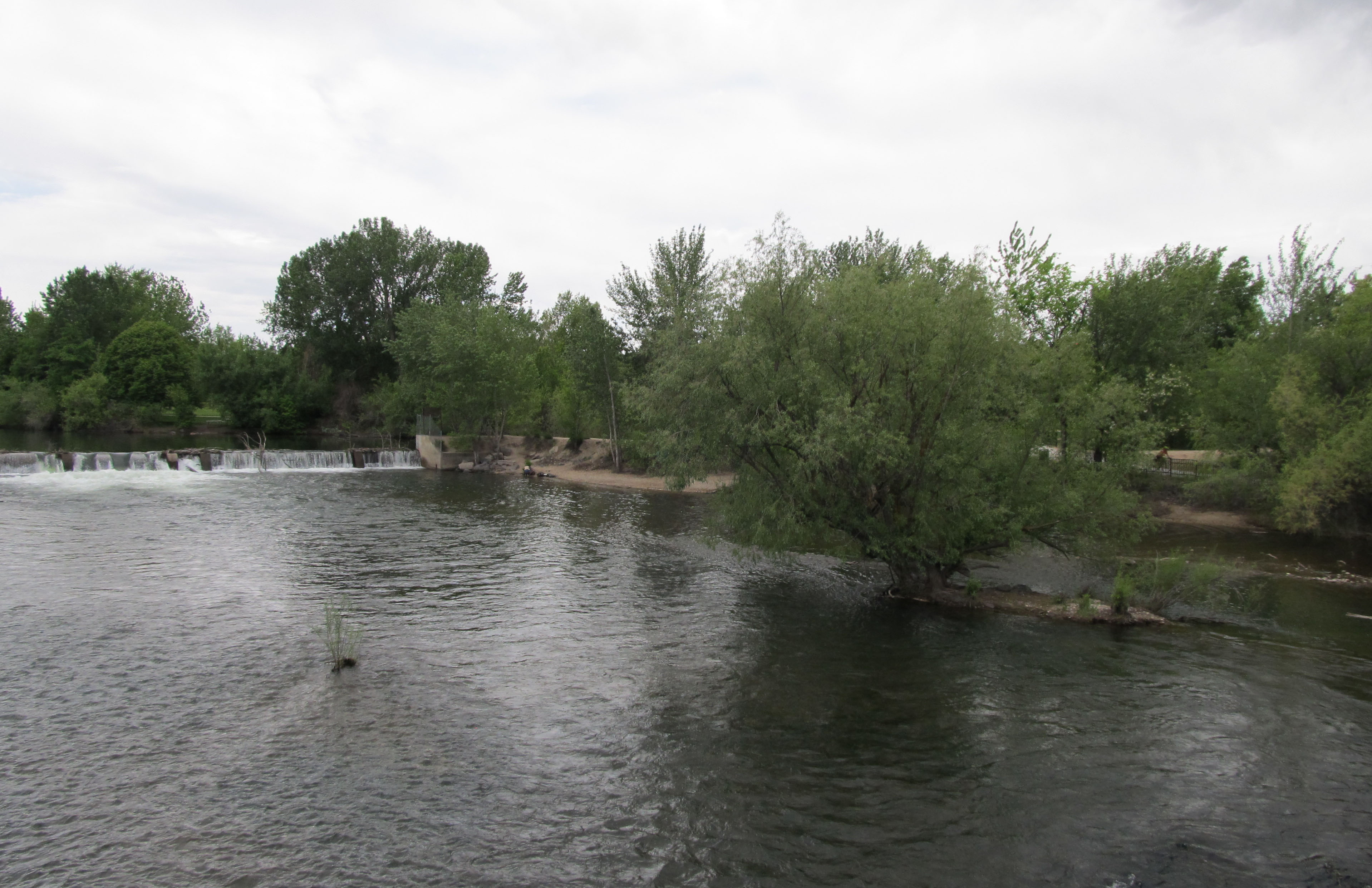
Looking at the northwest corner of Ann Morrison Park from the Americana Boulevard Bridge

Because these parks (which include the Boise River Greenbelt) stretch for miles through the city, practically any spot along the way could be a good place to look for weeds. I chose to narrow my search to the northwest corner of Ann Morrison Park. What follows are a few images of some of the plants I found there, along with a list of what I was able to identify during my brief visits this spring. The list will surely grow as I check back from time to time. If you’re interested in learning more about the Boise River and its importance – not just to the humans who call Boise home, but also to myriad other living organisms – check out Boise River Enhancement Network and the work that they are doing to help protect and preserve this invaluable ecosystem.

yellow flag iris (Iris pseudacorus)

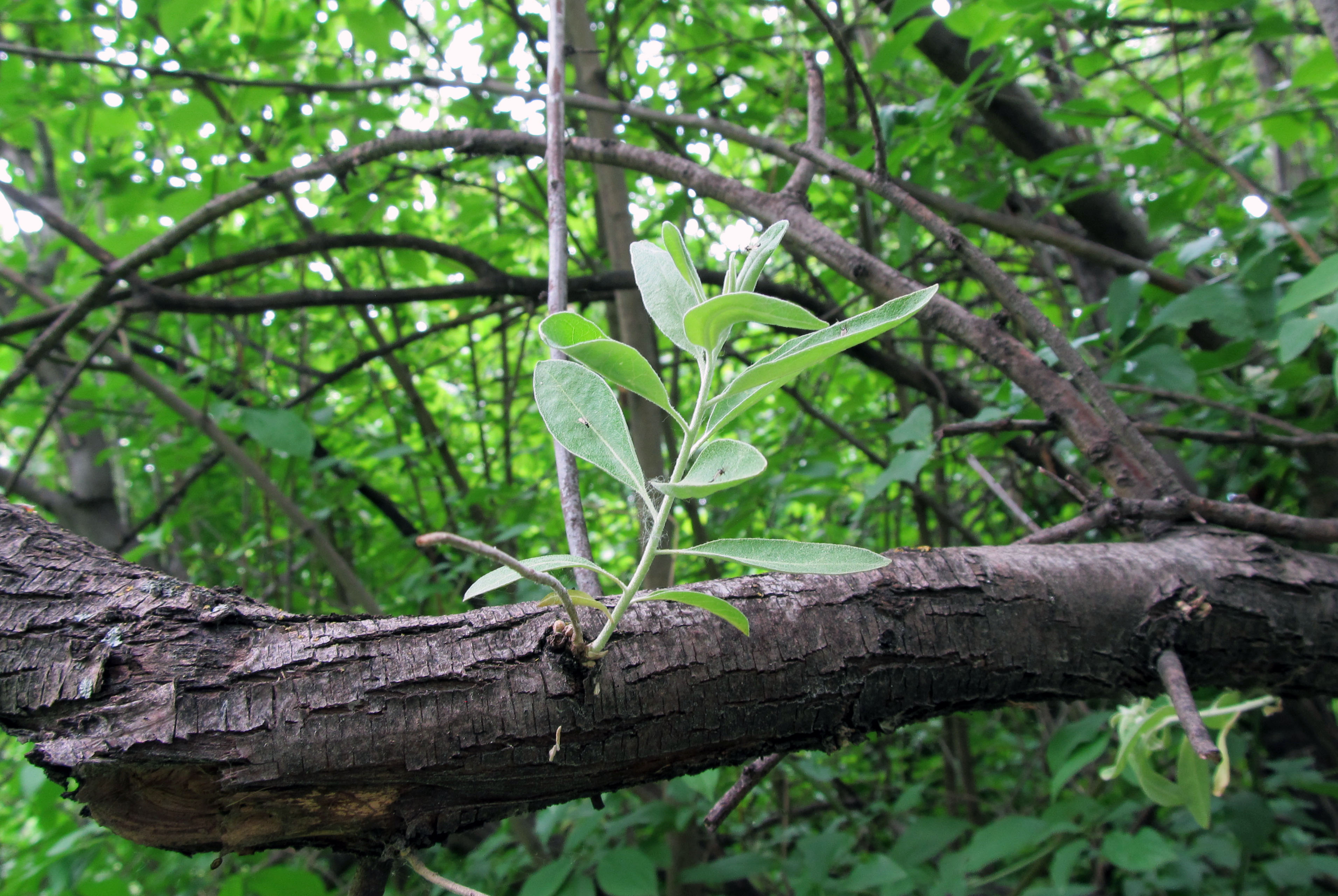
Russian olive (Elaeagnus angustifolia)

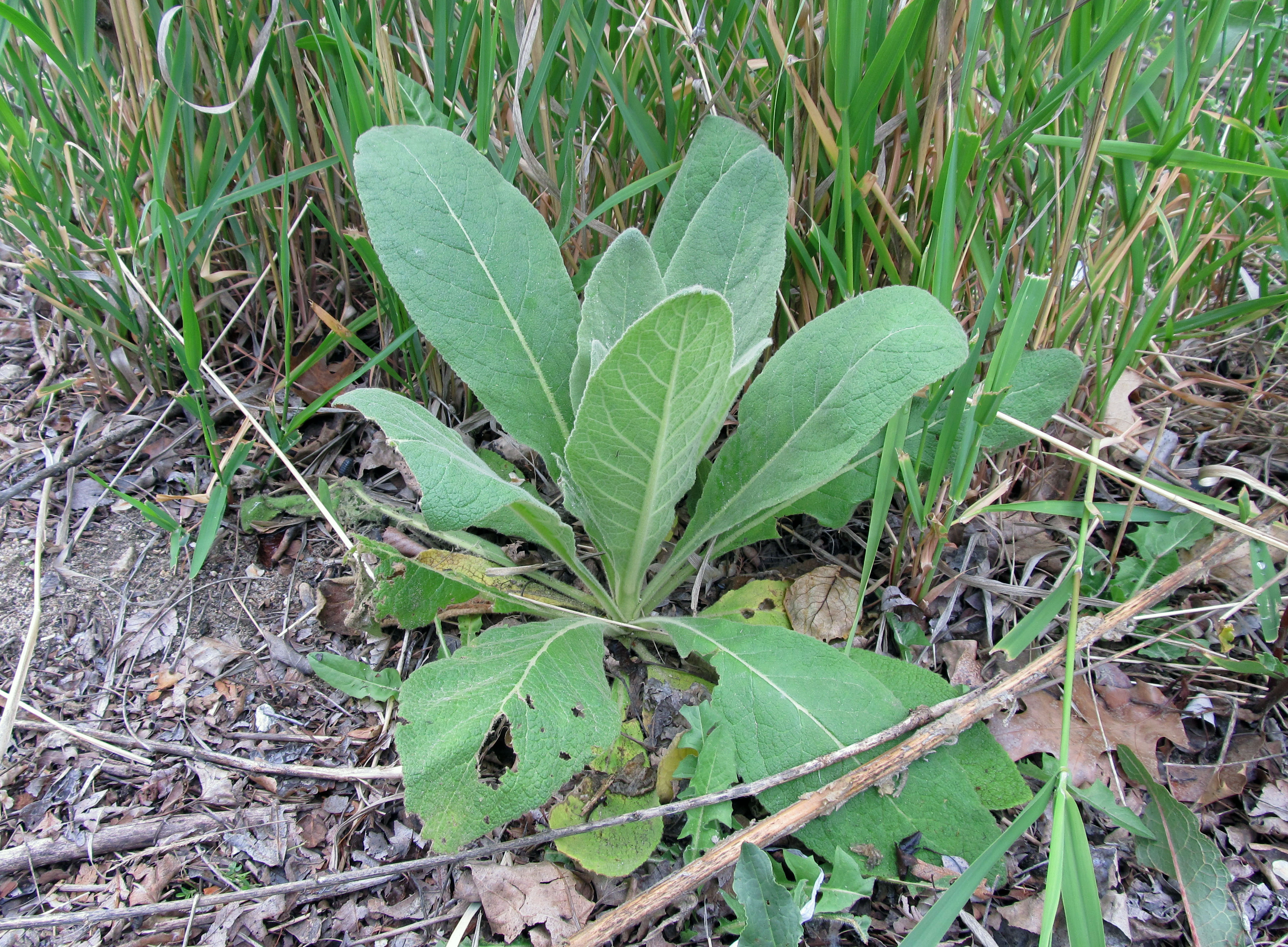
common mullein (Verbascum thapsus)

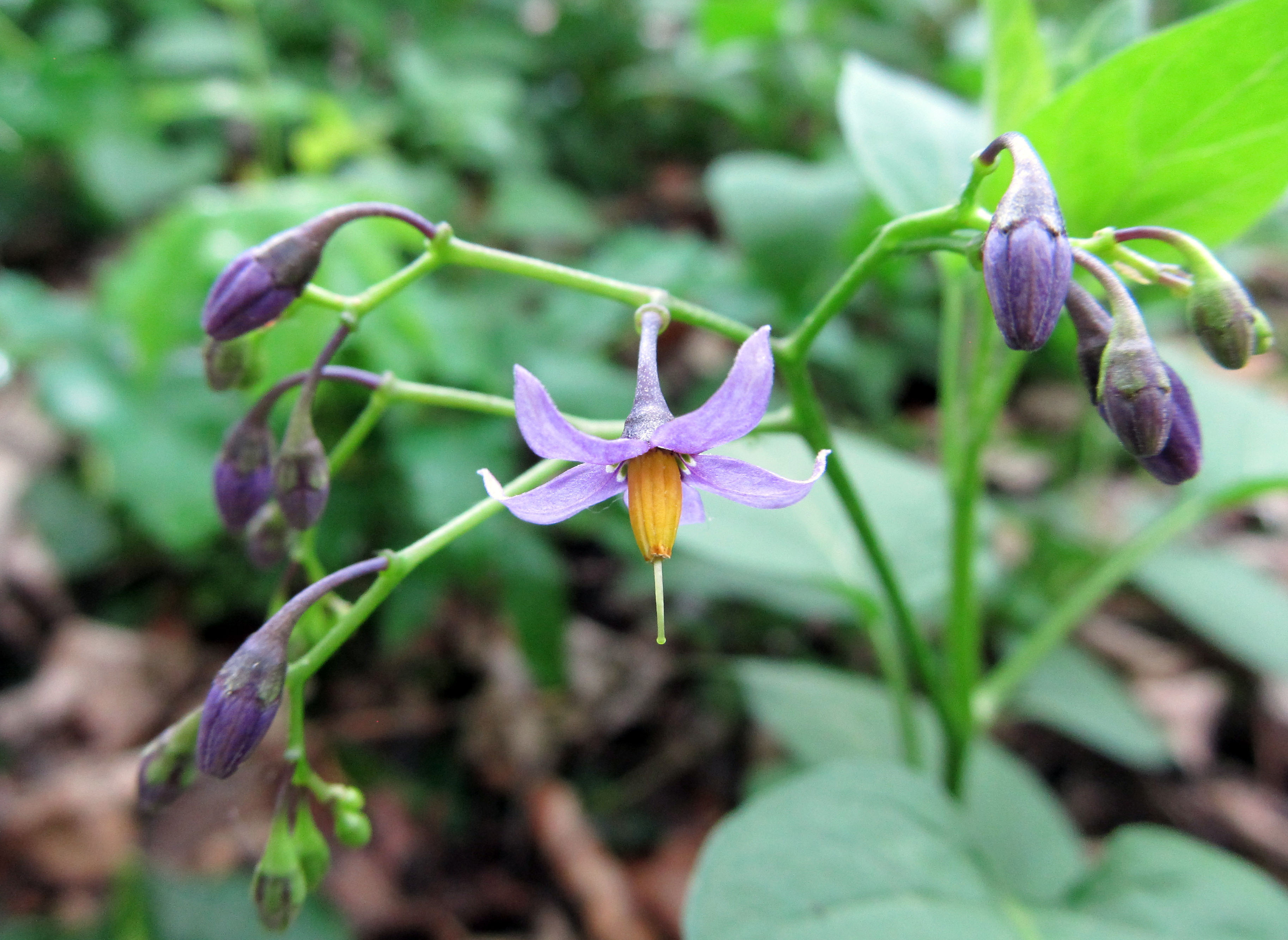
climbing nightshade (Solanum dulcamara)

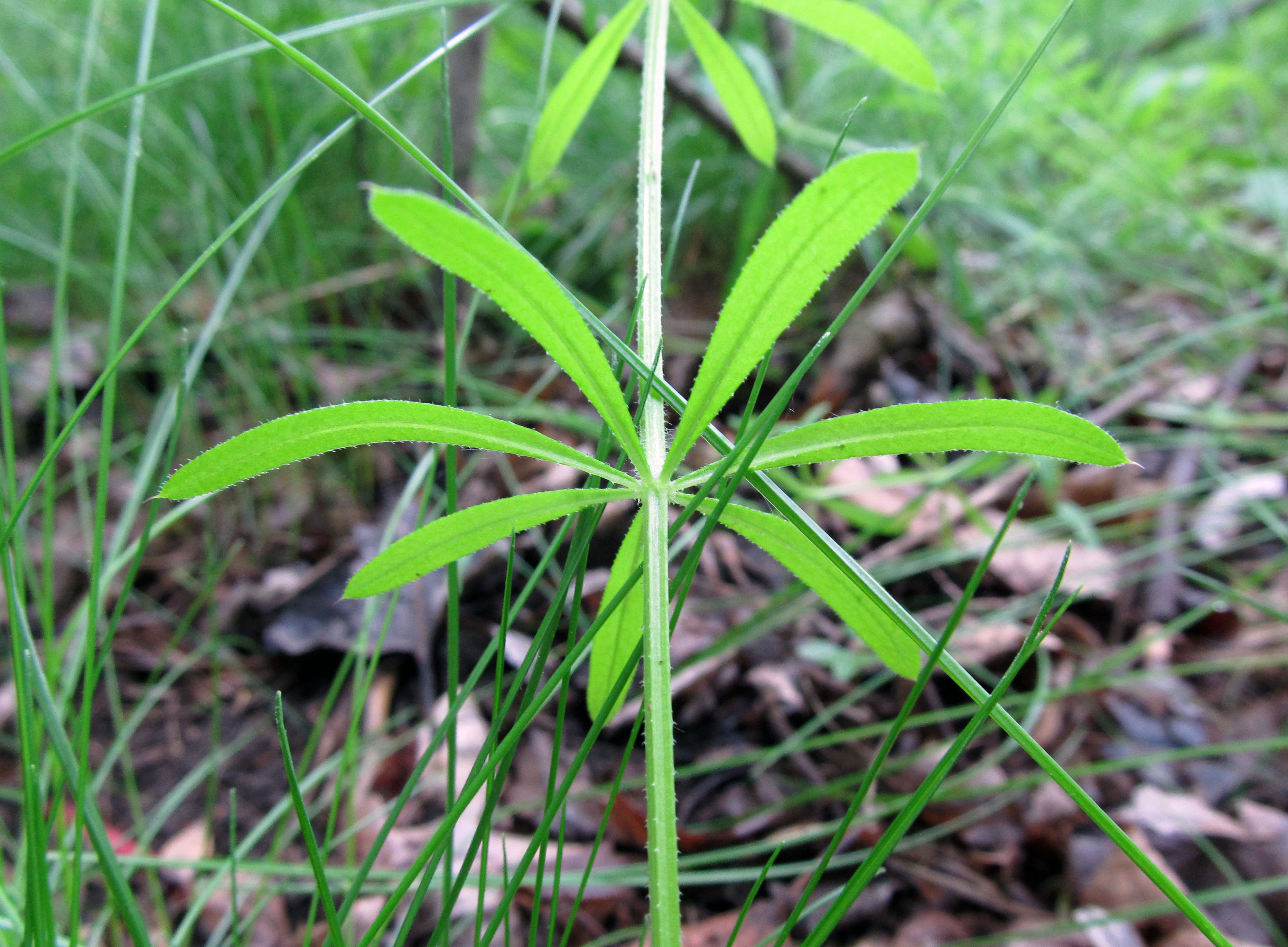
cleavers (Galium aparine)

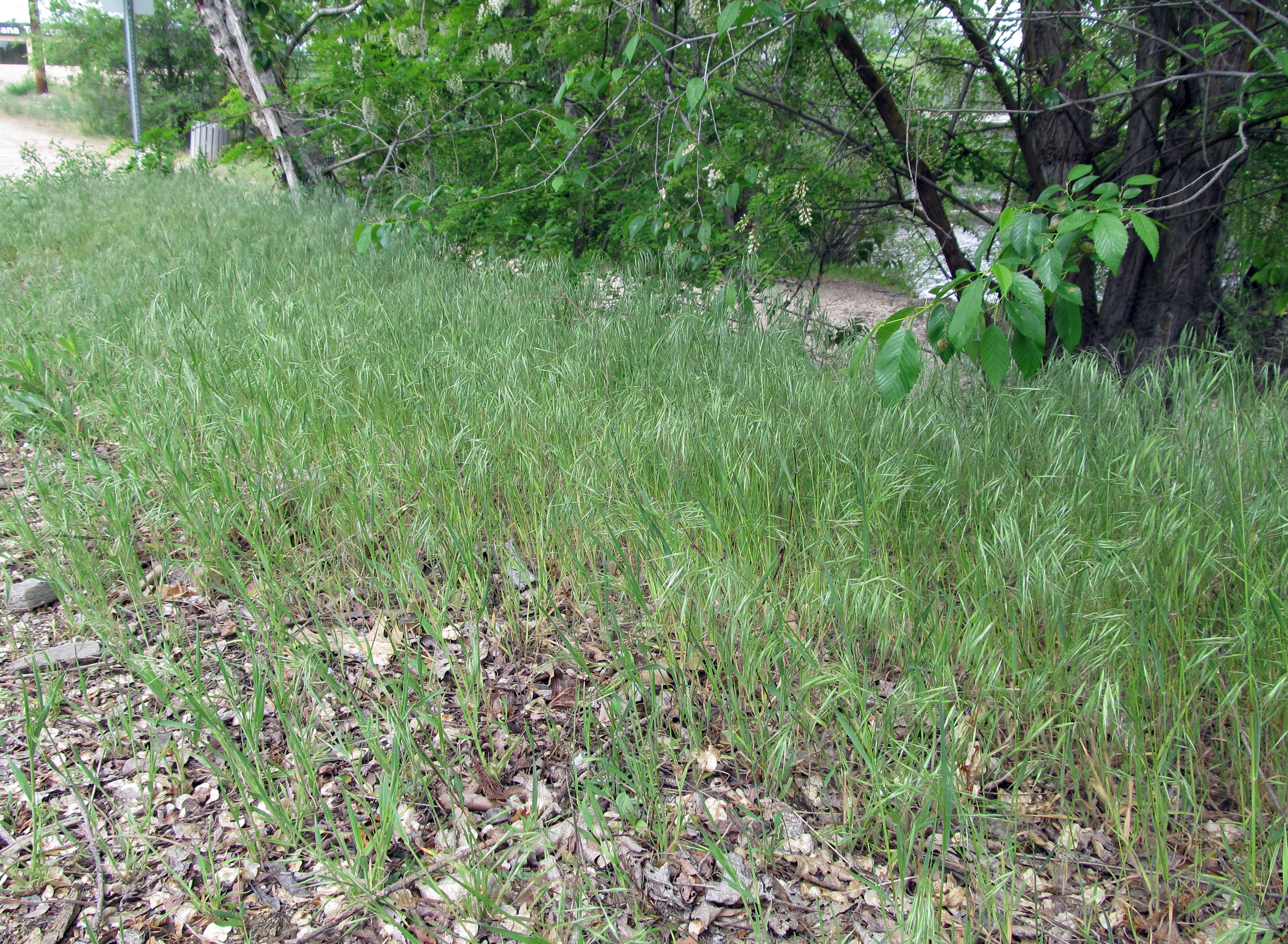
a strip of cheatgrass (Bromus tectorum)

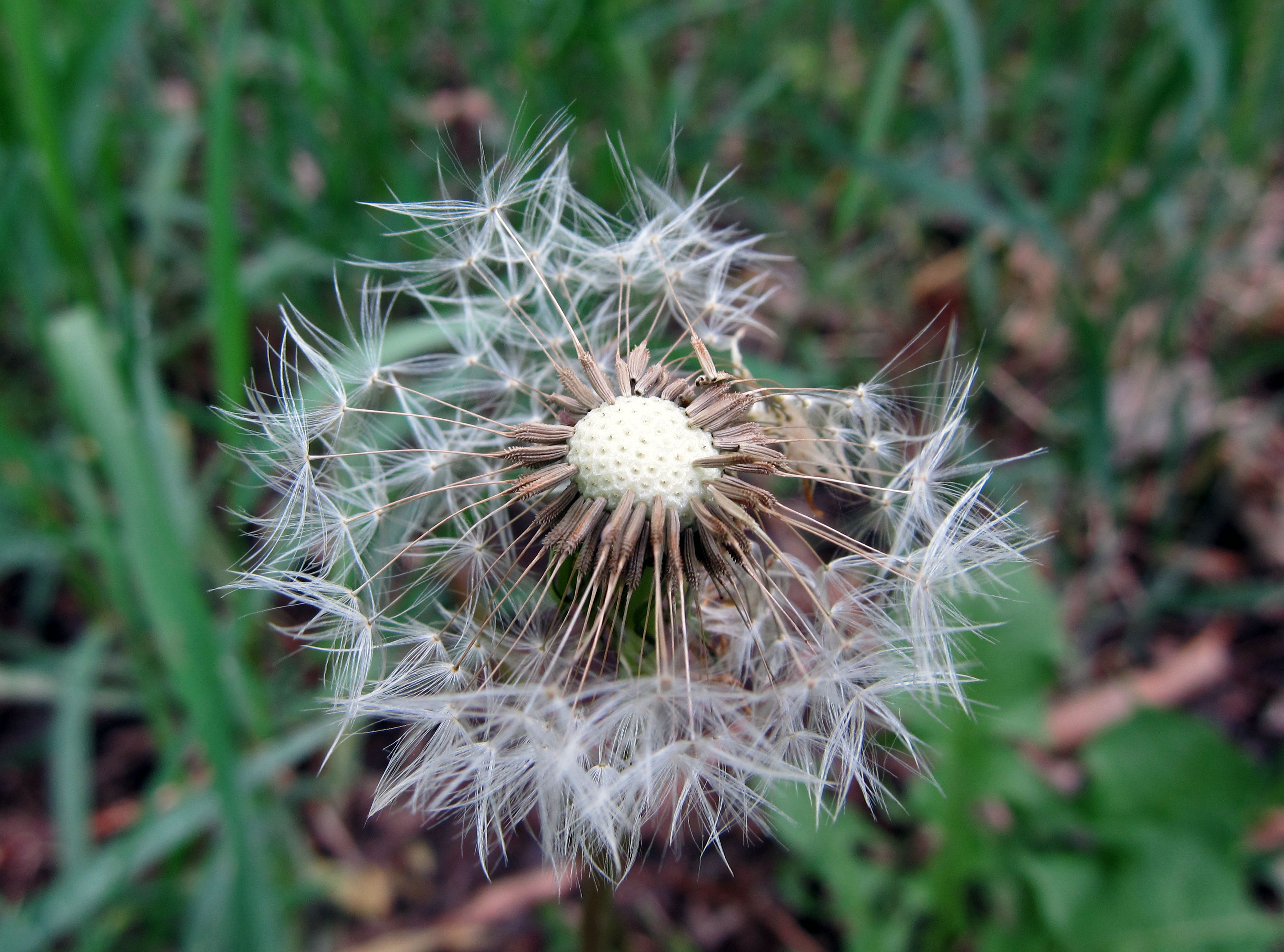
seed head of dandelion (Taraxacum officinale)

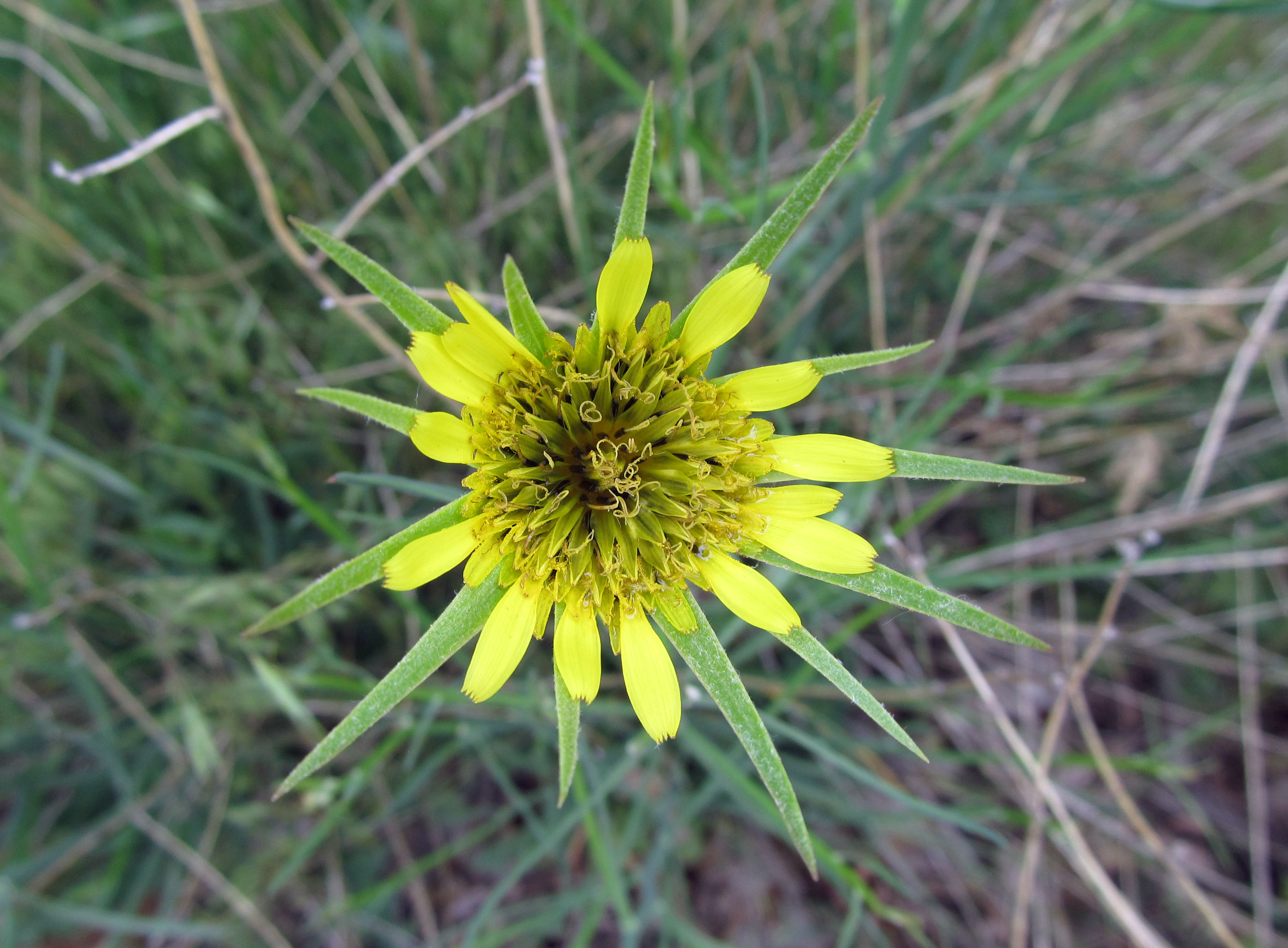
western salsify (Tragopogon dubius)

bull thistle (Cirsium vulgare)

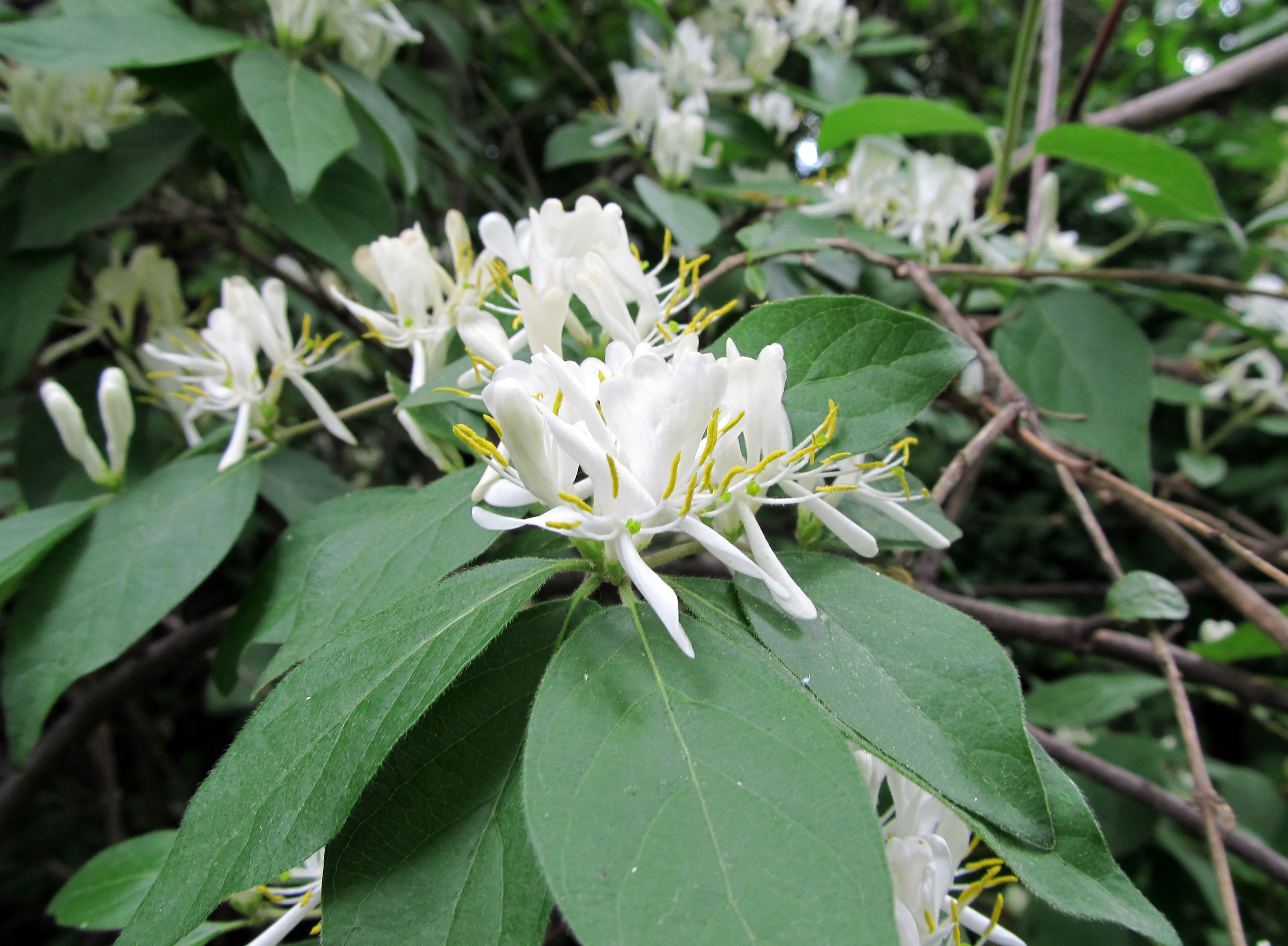
Amur honeysuckle (Lonicera maackii)

creeping buttercup (Ranunculus repens)

Weeds found at the northwest corner of Ann Morrison Park (while several of the trees and shrubs at this location are introduced, I only included those species that are generally considered to be weedy or invasive):

  • Amorpha fruticosa (false indigo bush)
  • Anthriscus caucalis (bur chervil)
  • Arctium minus (common burdock)
  • Bromus tectorum (cheatgrass)
  • Capsella bursa-pastoris (shepherd’s purse)
  • Cerastium vulgatum (mouse-ear chickweed)
  • Cirsium arvense (creeping thistle)
  • Cirsium vulgare (bull thistle)
  • Chondrilla juncea (rush skeletonweed)
  • Convolvulus arvensis (field bindweed)
  • Conyza canadensis (horseweed)
  • Cynoglossum officinale (houndstongue)
  • Descurainia sophia (flixweed)
  • Elaeagnus angustifolia (Russian olive)
  • Erodium cicutarium (redstem filaree)
  • Euonymus fortunei (winter creeper)
  • Galium aparine (cleavers)
  • Hordeum murinum ssp. glaucum (smooth barley)
  • Iris pseudacorus (yellow flag iris)
  • Lactuca serriola (prickly lettuce)
  • Lamium amplexicaule (henbit)
  • Lonicera maackii (Amur honeysuckle)
  • Malva neglecta (common mallow)
  • Medicago lupulina (black medic)
  • Parthenocissus quinquefolia (Virginia creeper)
  • Plantago lanceolata (narrowleaf plantain)
  • Poa bulbosa (bulbous bluegrass)
  • Polygonum aviculare (prostrate knotweed)
  • Ranunculus repens (creeping buttercup)
  • Rumex crispus (curly dock)
  • Sisymbrium altissimum (tumble mustard)
  • Solanum dulcamara (climbing nightshade)
  • Sonchus sp. (annual sow thistle)
  • Taraxacum officinale (dandelion)
  • Tragopogon dubius (salsify)
  • Trifolium repens (white clover)
  • Ulmus pumila (Siberian elm)
  • Verbascum thapsus (common mullein)

Like all posts in the Weeds of Boise series, this will be updated as I identify and photograph more of the weeds found in this location.