Book Review: Hellstrip Gardening, part three

The second section of Evelyn J. Hadden’s book, Hellstrip Gardening, is all about the unique challenges and obstacles one faces when gardening in that stretch of land between the sidewalk and the road. I highlighted some of those challenges last week. This week we are into the third section of Hadden’s book, the part that is all about designing, building, and managing a curbside garden. As I have read through this book, I have begun to look at hellstrips in a much different light. They are no longer boring sections of yard with little potential, but instead are full of possibility and have unique characteristics involving publicity and functionality that are absent from most of the rest of the urban landscape. Now that we are in the creation phase of the book, this fact becomes abundantly clear.

Choosing a Style

When deciding how to design and plant your curbside bed, it is important to consider – along with aesthetics – the functions you wish to achieve (storm water runoff collection, food production, wildlife habitat, etc.) as well as how you are going to maintain it. You may decide to embrace minimal maintenance with a mass planting of a single species or mass plantings of a handful of species in sections called drifts. This can be very attractively done, but it also has the risk of a disease or pest wiping out a section of plants. A mass planting of ground covers acts as a living mulch and will eliminate the need to replenish non-living mulch. Hadden provides descriptions of a few styles of garden design, such as formal, naturalistic, cottage garden, and stroll garden, each with their virtues and limitations. Growing food is also an option in a hellstrip. If this is the option you choose, keep the bed looking full by intermixing flowers and crop plants, growing perennial crops, and staggering planting times. Ultimately the style of the garden is the preference of the gardener; however, the environmental conditions of the hellstrip must also be a consideration.

Choosing Plants

Because hellstrips are by nature public gardens, they are the ideal place for plants that appeal to the human senses – plants that invite interaction. Hadden calls these plants “friendly plants.” They are plants that are aromatic, have interesting textures and bold colors, “feel great underfoot,” have “aesthetically pleasing symmetry,” and have unusual flowers or unique foliage. Hadden asserts that, “plants that invite touching engender good will,” so consider the ways that your hellstrip might make you a better neighbor.

Their public nature also means that hellstrip gardens are not the place for rare and valuable plants, and instead are ideal for easily replaceable and self-repairing plants. This includes perennials that are easily divided, shrubs that reproduce by layering, creeping plants that send out runners, and plants with seeds that are easily collected and can be sown in bare spots. One option is to plant only annuals. This eliminates the loss of plants during the winter when snow, sand, and/or salt are deposited in the beds by road clearing equipment. Just be sure to protect the soil with mulch or a cover crop during the cold months of the year.

A hellstrip is also an ideal location for an alternative lawn. Traditional lawns require loads of water and fertilizer and regular mowing in order to stay looking good. There are lots of other grasses and ground covers available now that are drought tolerant, require little or no fertilizer, don’t need to be mowed often or at all, and are still very attractive. Hadden has a website all about lawn alternatives called Less Lawn.
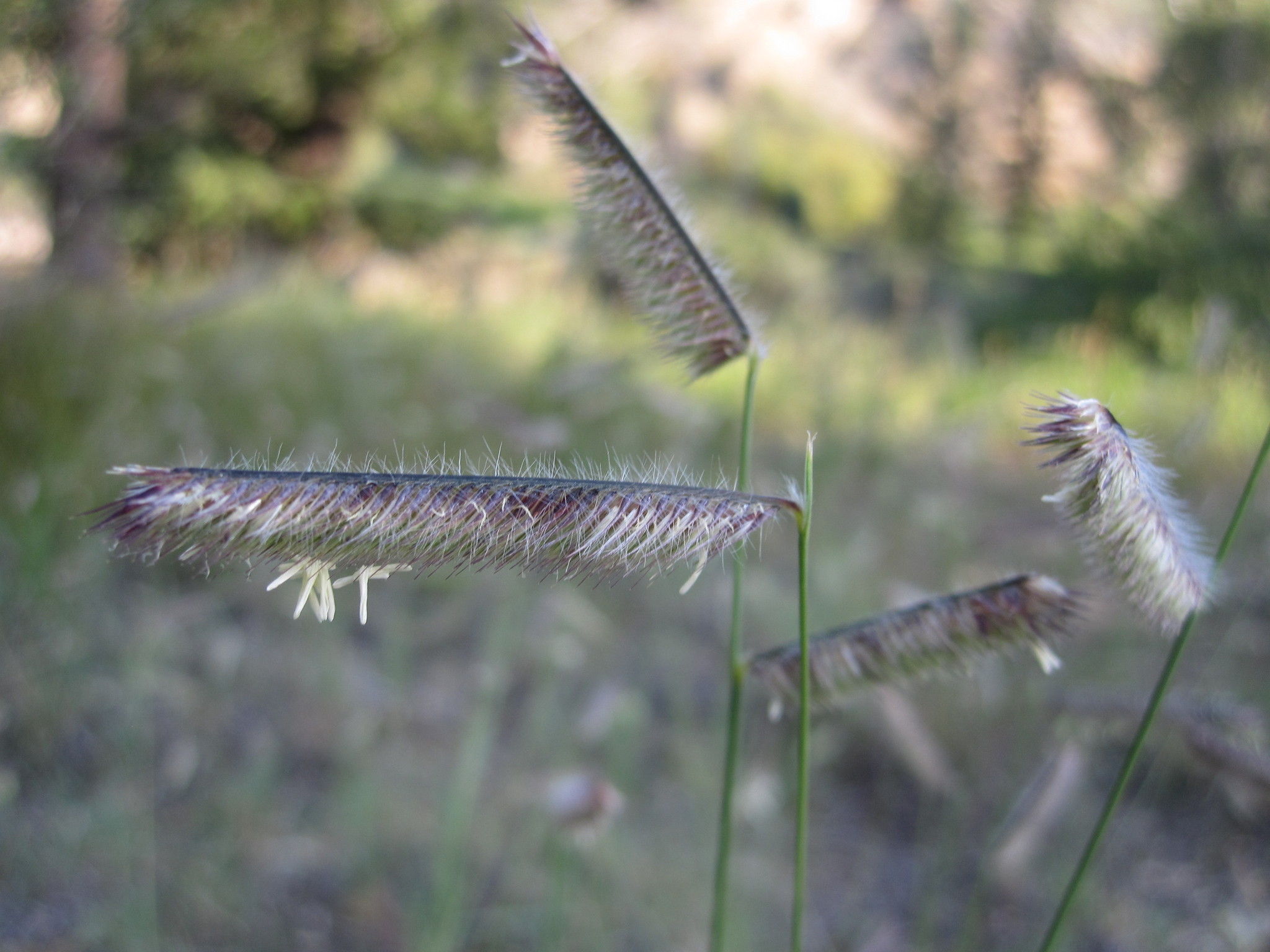
The seed heads of blue grama (Bouteloua gracilis), one of many attractive alternatives to traditional turfgrass. (photo credit: www.eol.org)

The seed heads of blue grama grass (Bouteloua gracilis), one of many attractive alternatives to traditional turfgrass. (photo credit: www.eol.org)

When selecting plants for your hellstrip garden, consider the conditions it will have to endure. Unless you want to make serious amendments in order to accommodate certain plants, it is probably best to choose plants that are already adapted to your site. One way to determine this is to observe sites similar to yours and see what is thriving there; particularly make note of plants that look like they have been there for a while. Also, feel free to ask local experts at garden centers and public gardens what they might recommend for your site.

Earthshaping

“Diverse topography makes a more visually interesting garden, and it adds microclimates, letting you grow more diverse plants.” Shaping a curbside bed can also serve other functions such as softening traffic noise, defining pathways, collecting runoff, and providing wildlife habitat. When building a large berm, first create a rocky base and then fill in the spaces between the rocks with sand and small gravel. After that, add topsoil and firmly pack it down with machinery or a rolling drum. Small berms can be formed by simply piling up excess soil or turning over sections of sod and piling them up. Maintain good plant coverage on berms in order to reduce erosion, and consider planting shrubs with extensive root systems like sumac (Rhus sp.) and snowberry (Symphoricarpos sp.).

Hellstrips are ideal locations for rain gardens and bioswales since they are typically surrounded by impervious surfaces. Storm water can be directed from these surfaces into your rain garden, thereby reducing the amount of storm water runoff that must be handled elsewhere. Hadden provides a brief overview on how to construct a rain garden; the process is too detailed to go into here. If you are serious about building one, it is important to do your research beforehand to be sure that it is built properly. There are several great resources available; one that I would recommend is Washington State University Extension.

Partnering with Nature

Time spent managing and maintaining your hellstrip garden can be greatly reduced when it is well planned out, contains plants that are suited to the site, and has good soil health. Helping you achieve these things is essentially what Hadden’s book is all about. Watering properly and wisely is key to the success of your hellstrip garden. Hadden suggests organizing plants into “irrigation zones,” separating those that need little or no water from those that need frequent or regular watering. When you do water, water “thoroughly and infrequently to maximize deep root growth and drought resistance.” Consider installing a drip irrigation system, particularly one that will direct the water to the roots of the plants and deliver it slowly. Avoid watering areas where there are no plants, as this encourages weed growth.

Mostly likely you will be doing some amount of trimming and pruning in your hellstrip. Consider how you will handle this plant material. You may choose to cut it up into fine pieces and leave it as mulch; or maybe you have a compost pile to add to. Large woody materials can be placed in a section of your property set aside for wildlife habitat. Choosing plants that will not outgrow the space will reduce the amount of pruning you will need to do.

As much as Hadden is an advocate for alternatives to conventional lawns, she is also an advocate for reducing the use of gas-powered leaf blowers. Nobody enjoys hearing the clamor of a smelly, polluting leaf blower echoing through the neighborhood, so be a good neighbor and use a broom or rake instead. You will probably enjoy the task more as you listen to nature, get some exercise, and revel in your garden.

Continued focus on building healthy soil is paramount to the ongoing success of your curbside garden. Continue to add organic matter by letting some of the plant litter lie and decompose. Plant nitrogen fixing species like lupines (Lupinus sp.) and false indigos (Baptisia sp.). As much as possible avoid compacting the soil, especially when it is wet, and keep tilling and digging to a minimum once the garden is planted.
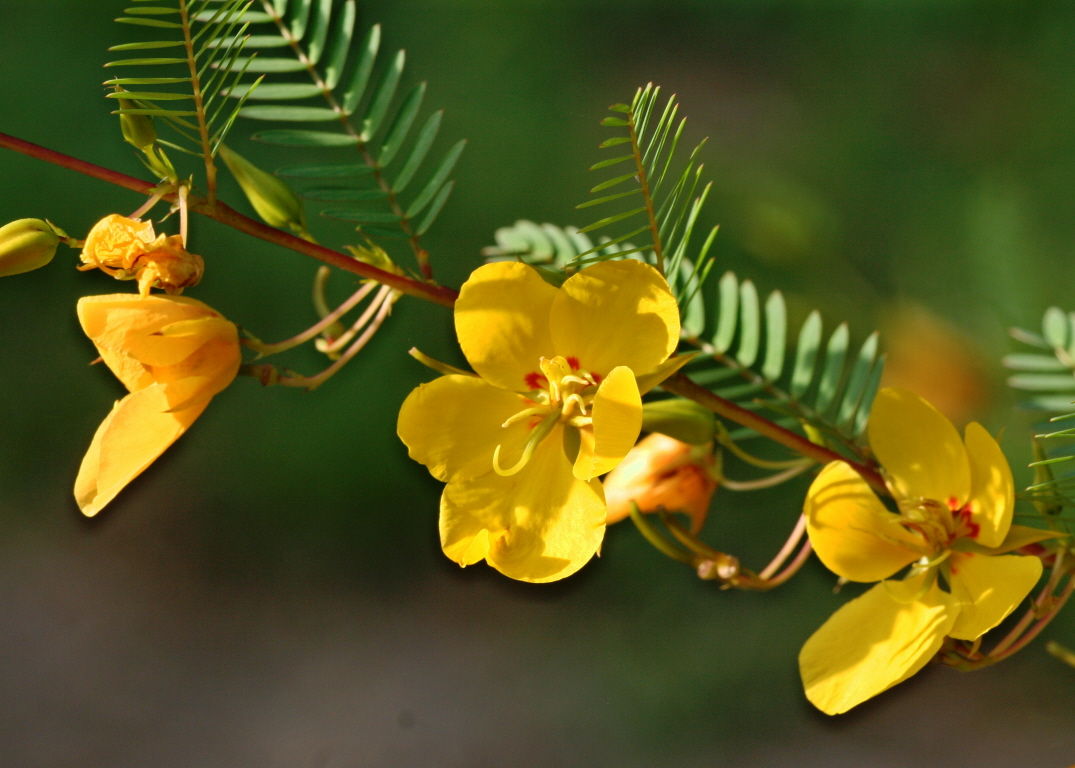
Partidge pea (Chamaecrista fasciculate), an annual plant in the pea family (Fabaceae). One of many nitrogen fixing plants that can help improve soil health. (photo credit: www.eol.org)

Partridge pea (Chamaecrista fasciculata), an annual plant in the pea family (Fabaceae). One of many nitrogen fixing plants that can help improve soil fertility. (photo credit: www.eol.org)

Again, this is only a fraction of what Hadden discusses in this section of her book. Consult the book for more of her wisdom. The final section of Hellstrip Gardening is a long list of plants that are “curbside-worthy” complete with photos and descriptions. Next week’s post will be all about a particular type of hellstrip garden that employs a subsection of those plants.
Book Review: Hellstrip Gardening, part two

Hellstrip Gardening by Evelyn J. Hadden is a book intended to help transform roadside beds (or any neglected or hard to garden spot) into a verdant and productive green space. A “paradise,” if you will. Last week, I introduced the concept of hellstrips and briefly discussed the first section of Hadden’s book. This week we are looking at the second section, which is all about the unique challenges and obstacles that hellstrip gardening entails. Hadden has divided this section into 8 main areas of focus. She provides a ton of great information that is sure to be incredibly useful for anyone seriously engaged in improving a hellstrip. If you are one of those people, I highly recommend referring to the book. For simplicity’s sake, this post will include a quick overview of each of the main themes, detailing a few of the things that stood out to me.

Working with Trees

Trees offer many benefits to urban and suburban areas; however, it is not uncommon to see hellstrips with trees that are much too large for the space. Hellstrips are often surrounded by paved surfaces and are heavily trafficked. This leads to soil compaction which results in roots being starved of oxygen and water. Where there are power lines overhead, oversized trees must be heavily pruned to make room for them. Consider planting small or medium sized trees in these spaces. Make sure the soil is well aerated and that there is enough space for the roots to expand out beyond the canopy. Hadden advises avoiding growing turfgrass below trees because it is shallow rooted and uses up much of the available water and oxygen; instead plant deep rooted perennials that naturally grow in wooded environments.

Working with Water

Depending on where you are located, your hellstrip is either going to be water limited or water abundant. Water availability also varies depending on the time of year. If you are mostly water limited, include plants that can tolerate drought conditions. Avoid planting them too close to each other so that they aren’t competing for water. Increase your soil’s water holding capacity by adding organic matter and mulching bare ground. Strategically placed boulders can create cool, moist microclimates where plants can endure hot, dry stretches. If you are dealing with too much water, you can “increase the absorption power” of your property by ensuring that your soil is well aerated and high in organic matter. Plant high water use perennials, grasses, shrubs, and trees with extensive root systems. Replace impermeable surfaces with ground covers and permeable pathways to reduce runoff, and reshape beds so that they collect, hold, and absorb excess runoff.

Working with Poor Soil

Curbside beds in urban areas are notorious for having soil that is compacted, contaminated, and depleted of nutrients. This issue can be addressed by removing and replacing the soil altogether or by heavily amending it. Another solution is to only include plants that can tolerate these harsh conditions. Most likely you will do something in between these two extremes. Adding organic matter seems like the best way to improve soil structure and fertility. Because contaminants from paved surfaces are regularly introduced to curbside gardens, there is a good chance that the soil may contain high levels of lead and other heavy metals. It is a good idea to test the soil before planting edibles. Contaminated soils can be remediated by growing certain plants like annual sunflowers, which take up heavy metals into their tissues. These plants must then be disposed of as hazardous waste.

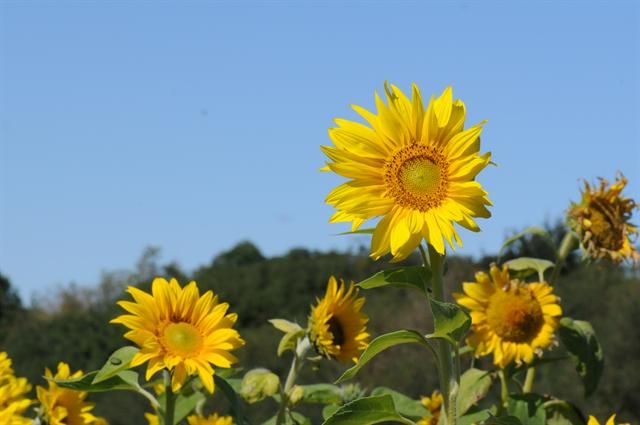
Common sunflower (Helianthus annuus) is one of several plants that can be used to remediate polluted soils. (photo credit: www.eol.org)

Common sunflower (Helianthus annuus) is one of several plants that can be used to remediate polluted soil (photo credit: www.eol.org)

Working with Laws and Covenants

Regulations and restrictions may prohibit you from creating the hellstrip garden you dream of having. Start by informing yourself of your areas laws and covenants. Some restrictions may be based on public safety (such as restrictions on street trees) while others may be based on outdated ways of thinking. Hadden advises not to assume that a regulation can’t be reversed; however, first you must prepare a well reasoned argument based on facts and evidence. Will your landscape design conserve resources, provide ecological services, improve property values, enhance the neighborhood in some way? Perhaps “your property can model a new landscaping strategy.” Prepare to state your case respectfully, intelligently, and convincingly, and you might just find yourself at the forefront of a new movement.

Living with Vehicles

A garden growing along a roadway is sure to be confronted by vehicles. Hadden suggests using “easily replaceable plants for vulnerable areas.” You can also protect your garden by installing a low fence or wall or by planting sturdy shrubs, prickly plants, or plants that are tall and/or brightly colored. If parking is a regular occurrence, leave room for people to exit their vehicles without trampling the garden. A garden surrounded by paved surfaces will be hotter than other areas on your property, so plant heat tolerant plants or shade the garden with trees and shrubs. A hedge, trellis, fence, or berm can act as a wind and dust break and can help reduce noise. Aromatic plants can help combat undesirable urban smells, and noise can be further masked by water features and plantings that attract songbirds.

Living with Wildlife

Wildlife can either be encouraged or discouraged depending on your preferences. Discouraging certain wildlife can be as simple as “learn[ing] what they need in terms of food and shelter, and then eliminat[ing] it.” A garden full of diverse plant life can help limit damage caused by leaf-eating insects. Encouraging birds and bats can also help control insects. Herbivory by mammals can be reduced by growing a wide array of plants and not over fertilizing or overwatering them. Conversely, encouraging wildlife entails discovering what they like and providing it. For example, to encourage large populations of pollinators, plant a diversity of plants that flower throughout the year and provide nesting sites such as patches of bare ground for ground nesting bees. Keep in mind that your property can be part of a wildlife corridor – a haven for migrating wildlife in an otherwise sea of uninhabitable urban space.

Living with Road Maintenance and Utilities

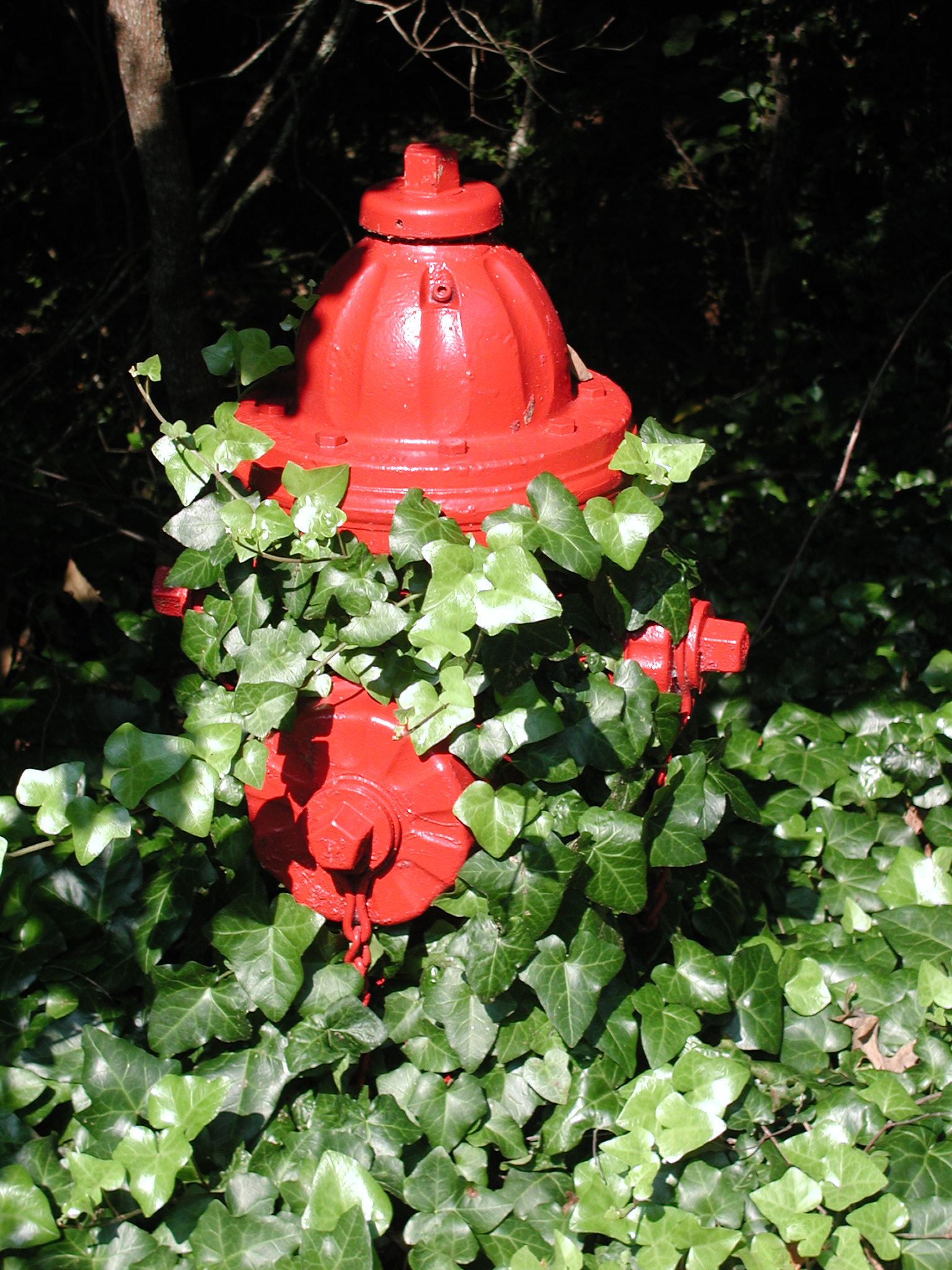
Curbsides gardens are unique in that they are directly affected by road maintenance and they often must accommodate public utility features like electrical boxes, fire hydrants, street signs, and telephone poles. In areas where salts are applied to roads to reduce ice, hellstrips can be planted with salt tolerant plants and can be deeply watered in order to flush salts down into the soil profile. In areas that receive heavy snowfall, avoid piling snow directly on top of plants. Always call utility companies before doing any major digging to find out where underground pipes and electrical cables are located. Utility features can be masked using shrubs, trellises, and vining plants (especially annual vines that are easily removed and replaced); just be sure to maintain access to them. If your hellstrip consists of “unsightly objects,” Hadden recommends “composing a riveting garden scene to divert attention from an uninspiring view.”

Fire hydrant decorated with ivy (photo credit: wikimedia commons)

Fire hydrant decorated with ivy (photo credit: wikimedia commons)

Living with the Public

Your hellstrip is the most public part of your yard, so you are going to have to learn to share. In order to keep trampling to a minimum and contained to certain areas, make it obvious where pathways are and use berms to raise up the beds. Keep the paths clear of debris and avoid messy fruit and nut trees that can make pathways unfriendly to walk on. Avoid planting rare and valuable plants in your curbside garden. Remember that your hellstrip is typically the first part of your property that people see, so make a good first impression. Also, consider the potential that your public hellstrip garden has for building community and inspiring others.

There is so much more in this section; it is impossible to discuss it all here. Again, if you are serious about improving a hellstrip, get your hands on this book. All hellstrips are different and will have unique challenges. Hadden does a great job of touching on nearly any issue that may arise. Now that we’ve covered challenges and obstacles, next week we will look at designing, building, and managing hellstrip gardens.

Book Review: Hellstrip Gardening, part one

Keeping a garden alive and thriving is replete with its inherent challenges. Plants have needs, and those needs vary by plant. Lots of sun might be great for one plant but harmful to another. Some plants are very drought tolerant and don’t require much water beyond what falls naturally from the sky, while others insist on regular supplemental irrigation. Plants also have preferred soil types, and that soil must provide a proper balance of nutrients. Then there is the litany of potential pests, diseases, and predators that can present themselves at any given moment. Frankly, it’s surprising that any garden stays alive, all things considered.

Some gardens have added challenges. They may be regularly visited (and trampled) by the public, who may or may not have pets in tow. They may be surrounded by paved surfaces which increase ambient air temperatures significantly and can introduce contaminants to the garden in the form of road salts, petrochemicals, fertilizers, sediments, and animal waste. They may encompass utility boxes, water meters, and road signs that require regular visits and occasional maintenance. All of these things describe the plight of a curbside garden, also known as a hellstrip – that section of green space between the road and the sidewalk. Comparatively, backyard gardens are veritable havens for plants.

Hellstrips have been on my mind for several years now. It all started back in graduate school while studying green roof technology. One of the macro benefits of green roofs is storm water mitigation. During a storm event, green roofs capture a greater proportion of precipitation compared to conventional roofs and slowly release it back into the environment. Storm water is a major issue in urban areas where the percentage of impervious surfaces is high. These surfaces prohibit precipitation from infiltrating the soil and recharging groundwater and nearby waterways. Instead, this water is rushed away and directed into either waste water treatment facilities or local waterways, carrying with it the contaminants that have collected on paved surfaces and rooftops. Gardens along roadways can be engineered to manage storm water in a similar way that green roofs do – capturing it, filtering it, and releasing it back into the environment at a slow pace – thereby minimizing the negative effects of storm water runoff.

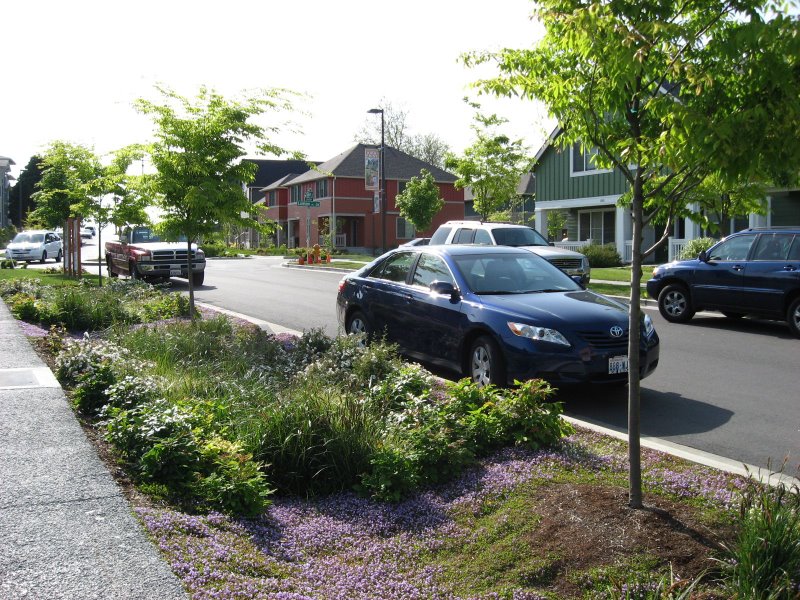
A rain garden or bioswale planted in a hellstrip to help mitigate storm water runoff. (photo credit: epa.gov)

A rain garden or bioswale planted in a hellstrip to help mitigate storm water runoff (photo credit: epa.gov)

The hellstrip in front of my parent’s house has been the source of many headaches. It is another reason why hellstrips have been on my mind. It is a weed patch, but not intentionally so. I remember many years ago when my mom told me she was going to replace the weed patch with buffalograss. She was elated by the idea – little or no mowing, very little supplemental water, a cool alternative to conventional lawn. Now, years later after planting dozens of buffalograss plugs and making a concentrated effort to keep them alive and prospering, the hellstrip remains a weed patch. But my mom hasn’t given up hope. The hellstrip will be conquered in due time.

Riding my bike to work last summer, I regularly rode past a house that proudly displayed the potential that curbside gardens could reach. The house sits on the corner lot of an intersection that, due to the angle of the connecting roads, gives the lot a long triangular shape. This makes the hellstrip longer than most of the others in this neighborhood. On this lengthy strip, the owners have planted an expansive and diverse vegetable garden. While once upon a time vegetable gardens were largely confined to backyards, they have lately been making more regular appearances in front yards. Few, however, are as bold and as public as this one – a true hellstrip success.

Last year, garden writer and lawn alternative enthusiast, Evelyn Hadden, put out a book called, Hellstrip Gardening. When I discovered this, I was intrigued, especially considering all of the mulling over hellstrips I had been doing for so long. I was curious to learn what she had to say. It has taken me until now to read it, but it seems like an opportune time to do so. After all, we are in pre-spring, a time when garden planning is being done in earnest. Perhaps this book will give me some ideas and encouragement to tackle some hard to garden spots this year. And maybe this review (and Hadden’s book) will inspire you to do the same. After all, this approach (as Hadden suggests) doesn’t have to be limited to curbside garden beds and can, in fact, be applied to any garden with challenges beyond the norm (like gardens along driveways and in alleyways, for example). The ultimate goal, for me at least, will be to pass along whatever knowledge I gain from this to my parents so that we can address their hellstrip issues once and for all.

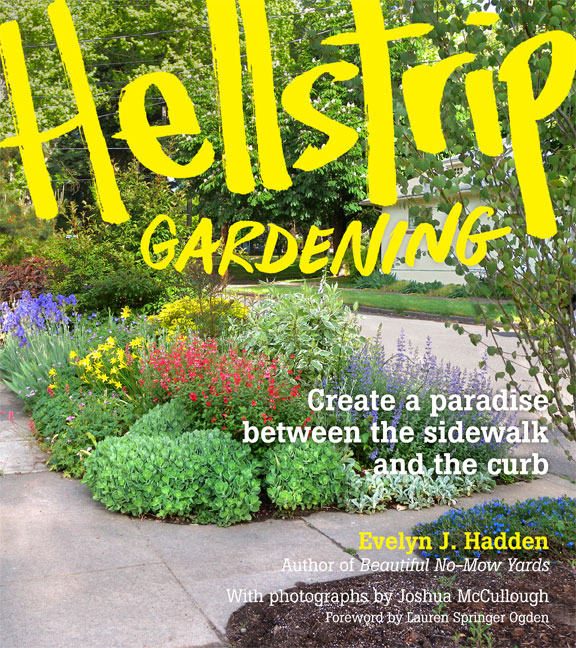
hellstrip gardening book

Hellstrip Gardening is organized into four sections: Inspirations, Situations, Creation, and Curbside-Worthy Plants. This review will also have multiple parts that will be posted as I read through the book. The first section of the book is intended to inspire and encourage – to show through words and pictures what others have done and to give you that “if they can do it, so can I” sort of feeling. It also introduces some of the challenges of gardening in hellstrips as Hadden visits 12 gardens across the United States and talks with the people who designed, installed, and maintain them. She tells the story of how the gardens came to be and showcases some of the plants and plant combinations that were used in each situation. The challenges will be fleshed out in the following section; these narratives are meant more to demonstrate what can be done. There are dozens of great photos throughout, and the short plant lists at the end of each profile are sure to be useful.

Now that we’re inspired, next week’s post will take a look at what Hadden has to say about addressing challenges and overcoming obstacles that are unique to hellstrip gardens.

Botany in Popular Culture: Black Orchid

Black Orchid coverBlack Orchid is a minor character in the DC Comics universe. She is a superhero with a troubled past, and although she first began appearing in comic books in 1973, her origin was a mystery until 1988 when Neil Gaiman wrote his 3 part mini-series entitled, Black Orchid, revealing that she was a plant-human hybrid created by Dr. Philip Sylvain after combining the DNA of Susan Linden-Thorne with the DNA of an epiphytic orchid.

Curiously, in order to reveal Black Orchid’s origins, Gaiman has the namesake of his series killed off within the first few pages. A master of disguise, Black Orchid is following her standard modus operandi of impersonating someone in order to infiltrate enemy headquarters. In this case she is pretending to be a secretary in Lex Luthor’s employ. While sitting in on a board meeting in which the activities of Luthor’s crime ring are being discussed, her secret identity is revealed, which leads to her being tied to a chair and shot through the head. The bullet doesn’t kill her though since invulnerability to bullets is one of her superpowers (along with flight, super strength, shape shifting, and others). However, the building is also set on fire, and ultimately all that is left of Black Orchid at the end of the night are some charred plant remains.

The story can’t end there though, so as Black Orchid goes up in flames, two of her clones emerge from flower buds in Dr. Sylvain’s greenhouse. They aren’t sure what they are at first. They have some of Susan’s memories but don’t know what to make of them. One of them is a child called Suzy, and the other is an adult who eventually gets the name Flora Black. They find their way to Dr. Sylvain who tells them the story of how they and the original Black Orchid came to be.

Dr. Philip Sylvain tells the Black Orchid clones about how he

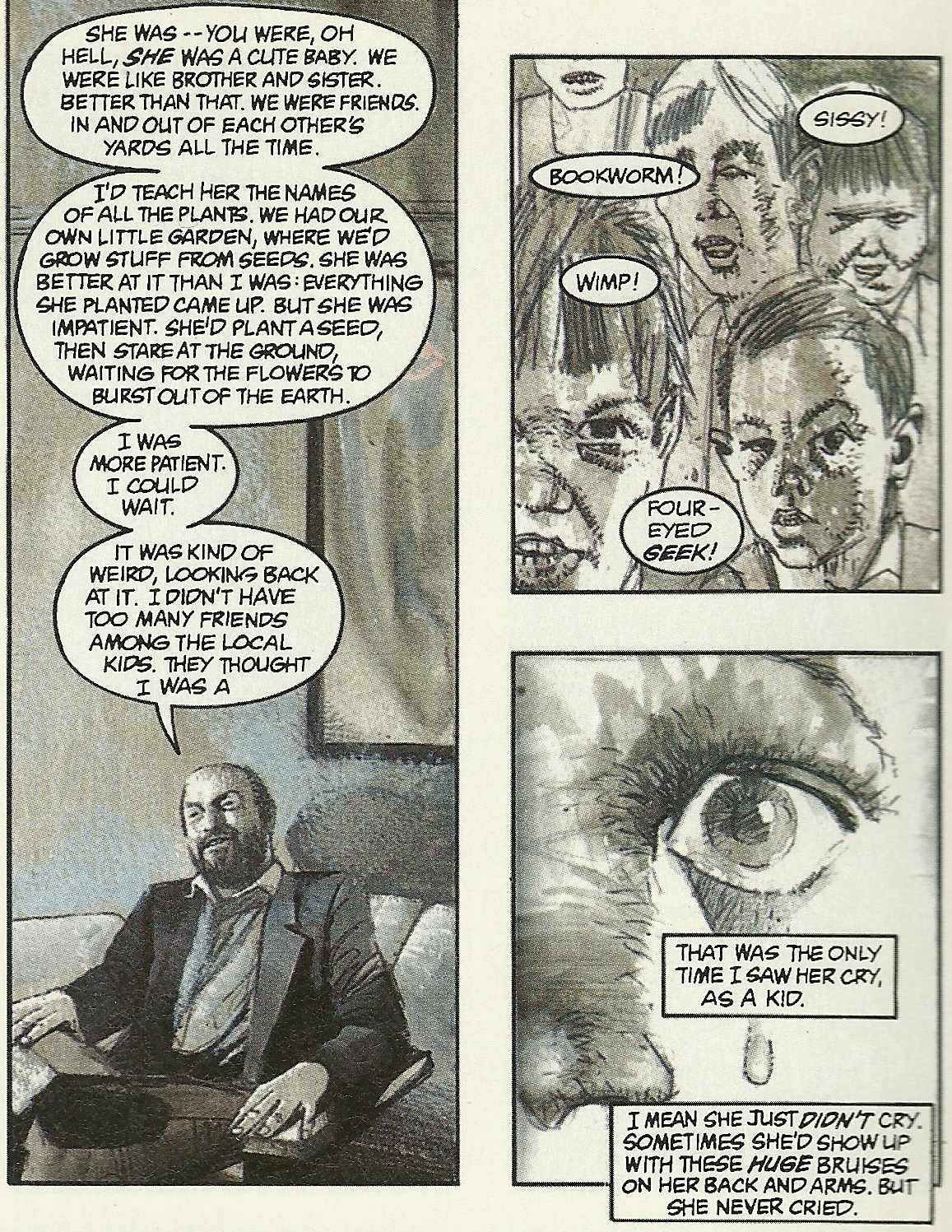
Dr. Philip Sylvain tells the Black Orchid clones about his childhood with Susan Linden.

Susan was Dr. Sylvain’s childhood friend. They spent lots of time in the garden together learning about plants and growing things. But Susan was abused regularly by her father and eventually ran away as a teenager. Dr. Sylvain didn’t see her for many years, and in the meantime grew up and became a botanist. At university, Dr. Sylvain studied with Jason Woodrue, Pamela Isley, and Alex Holland, each of whom went on to become plant-human hybrids of some sort (Floronic Man, Poison Ivy, and Swamp Thing respectively). Dr. Sylvain had ambitions of making “people of plants” as part of a plan to save a dying earth. His ambitions remained a dream until Susan returned.

Dr. Sylvain's friends from university who later became plant-hybrid heroes and villians.

Dr. Sylvain’s friends from university who later became notorious plant-human hybrids.

Susan was running away again – this time from her abusive husband, Carl Thorne, who worked for Lex Luthor as an arms dealer. Thorne was in trouble with the law and was ultimately put on trial for his crimes. Susan came to Dr. Sylvain seeking refuge. She was set to testify against her husband, but before she could do that, Thorne killed her. Dr. Sylvain then used Susan’s DNA to create the crime fighting, superhero, Black Orchid.

Coincidentally, as the original Black Orchid is being killed and the two new Black Orchids are emerging, Thorne is finishing his prison sentence and being released. He first goes to Luthor to try and get his job back, but is turned away. Next he goes to Dr. Sylvain’s house where he discovers the newly emerged Black Orchids. He alerts Luthor, who sends a team to hunt down the “super-purple-flower women” and bring them back to the lab for “examination and dissection.” The rest of the series details the Black Orchids’ mission to make sense of who they are and what their purpose in life is while simultaneously contending with Luthor’s men (and Thorne) who are out to get them. Flora Black meets with Batman, Poison Ivy, and Swamp Thing along the way, filling in her origin story and gaining instruction and insight about her future as a superhero.

Gaiman is a popular, prolific, and well-respected author; however, this is the first of his books that I have read. I was impressed by his storytelling and appreciated the departure from the typical superhero vs. villain narrative. Dave McKean did the artwork for this series, which was an excellent decision as his work is also quite atypical for the genre. His illustrations gave the book a mystical feel as the panels altered from standard storytelling sequences to abstract, fantasy pieces.

This Black Orchid storyline continued for several issues after Gaiman’s three part mini-series without Gaiman as the author. Flora Black was eventually killed off. A new version of the Black Orchid character currently appears in the ongoing Justice League Dark series.

Alba Garcia (aka Black Orchid), a member of Justice League Dark

Alba Garcia (aka Black Orchid), a member of Justice League Dark

You can read more about Black Orchid on her Wikipedia and Comic Vine pages.

Botany and Everyday Chemistry

What’s not to love about plants? They provide us with oxygen, food, medicine, fuel, fibers, and countless other things. They help filter groundwater and sequester carbon. They beautify our landscapes and communities. They provide habitat for wildlife and help reduce soil erosion. And the list goes on.

But there is more to plants than meets the eye. There is something deeper within – at their cellular and molecular levels – that is just as worthy of our fascination and appreciation as the blooms that beautify our yards and the fruits that fill our tables, and that is the abundant and diverse world of chemical compounds present in the botanical kingdom.

But how does one gain an understanding and appreciation for such a subject. Luckily, there is a blog for that. It’s called Compound Interest. Authored by UK chemistry teacher, Andy Brunning, Compound Interest explores the “chemistry and chemical reactions we come across on a day-to-day basis.” Much of what Andy writes about doesn’t have anything to do with plants – fireworks, bacon, gunpowder, snowflakes, etc. – but a sizeable portion of his posts do (evidenced particularly by the Food Chemistry category). For example: Did you know nutmeg is hallucinogenic? Have you ever wondered why avocados turn brown so quickly? Why is it that some people have such a strong aversion to cilantro (aka coriander)? What makes coffee bitter, chili peppers spicy, and catnip so attractive to cats?

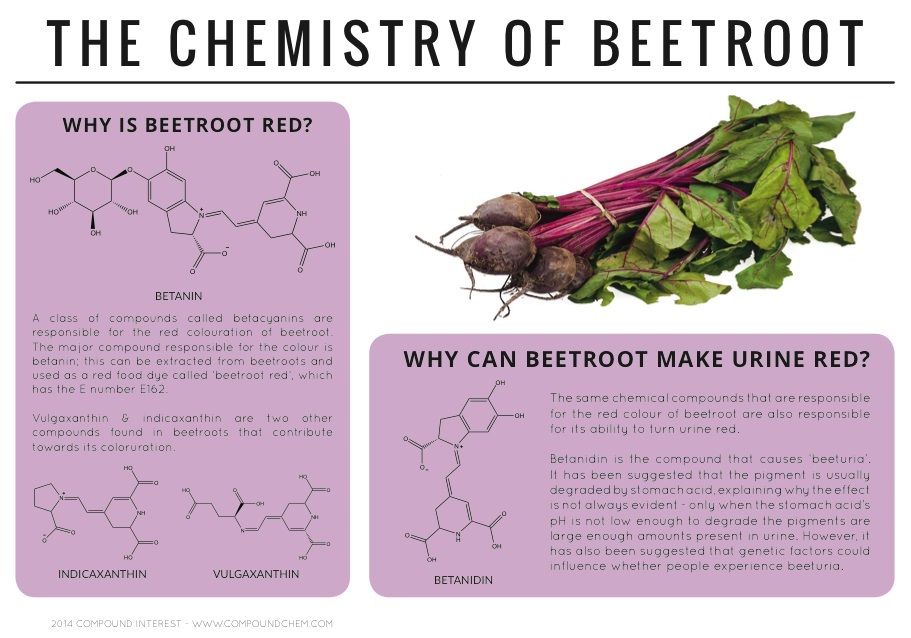
These and so many other questions are answered by Andy in a fun and approachable way. One thing that makes Compound Interest so approachable is the use of infographics to tell the stories and explain the science. Each post is accompanied by an infographic featuring photos of the subject, structural formulas of the chemicals, and short descriptions.  For example, this infographic explains why beets are red and why our urine turns red after eating them:

Chemistry-of-Beetroot

The infographics can also be downloaded as pdf files, like this one that explains the chemistry behind the smell of fresh-cut grass.

In this manner, the images and files can be easily shared with others. In fact, Andy encourages this practice, provided that the originals are not altered and that Compound Interest is given proper credit. He is particularly interested in seeing his infographics used in a classroom setting. Read more about the content usage guidelines here. Produced by someone who is obviously passionate about chemistry, these posts and graphics are meant to educate and excite people about everyday chemistry both in the botanical world and beyond.

Podcast Review: Gastropod

I am a voracious consumer of podcasts and have a long list that I regularly listen to. Despite being unable to get through all of them in a reasonable amount of time, I am still continually on the lookout for more. I am particularly interested in science or educational podcasts – something that I can listen to for an hour or so and learn new things about the world, whether it be breaking news or historical facts.

This year a new podcast was born – a podcast exploring the science and history of food.  It is called Gastropod, and it has quickly found its way into my regular rotation of podcast consumption. It wasn’t a difficult climb either, as the general theme of the podcast is something that fascinates me and the hosts do a top-notch job presenting the information and telling the stories.

gastropod

Gastropod is hosted by Cynthia Graber and Nicola Twilley, each of whom have impressive backgrounds in researching and reporting on science, technology, food, and other topics for a variety of outlets both large and small. Among numerous other projects, Nicola has a blog called Edible Geography and Cynthia contributes regularly to Scientific American’s 60 Second Science podcast. Gastropod just happens to be their latest endeavor, and it is a welcome one.

Full length episodes of Gastropod are released once a month, with “snack-sized interludes” called Bites released in between to tide listeners over until the next helping. Since Gastropod is in its infancy (the first episode was released in September 2014), catching up on past episodes is simple. An afternoon of binge listening will do it.

Topics covered so far in full length episodes include the history and evolution of cutlery (which involves a taste test using spoons made of various metals), a discussion with Dan Barber about his book The Third Plate, an exploration of the emerging “microbe revolution” in agriculture (which piggybacks on an article that Cynthia wrote for NOVANext and which I reviewed back in July), and the rising popularity of kelp (“the new kale”) and the growth of seaweed farms. Bite-sized episodes have discussed things like modern day domestication of wild plants, underused American seafood resources, a meal replacement drink called Soylent, the expansive yet underappreciated (and disappearing) diversity of apples, and subnatural foods (smoked pigeon, anyone?).

So far every episode has been great, but if I had to pick a favorite, the interview with Dan Barber really stands out. His discussion of “ecosystem cuisines” – which moves beyond the farm-to-table movement – was new to me but seems like an important idea and one that I would like to see play a pivotal role in the development of science-based sustainable agriculture.

Gastropod is a young but promising podcast, and I look forward to many more captivating episodes in 2015 and beyond. Learn more about Gastropod and its hosts here.

Do you have a favorite podcast, science-themed or otherwise? Share it in the comments section below.

Speaking of Food: A Recap

The theme for the past 15 posts has been the October 2014 Special Issue of American Journal of Botany, Speaking of Food: Connecting Basic and Applied Plant Science. After a brief introduction to the issue, I spent the next 14 posts (spanning a period of 5 weeks) reading and writing summaries of each of the 17 articles. If you actually read every post, you are a champion in my eyes, and I probably owe you a prize of some sort. And even if you just read one or two, thank you, and I hope you found value in what you read.

I have to admit that it was kind of a grueling process. Many of the articles, along with being lengthy, included high level discussions that were beyond my current understanding, especially concerning topics like genetics, genomics, and phylogenetics. I learned a lot while reading them, but I am still far from truly grasping many of the concepts. For that reason, I did not feel completely comfortable writing summaries of some of these discussions. I made an effort not to misrepresent or oversimplify the research, but I can’t say for sure that my attempts were always successful. I welcome any criticisms, corrections, complaints, or comments in this regard, and I am open to making edits or updates to any of the posts as necessary. I consider this blog my learning platform, as well as a place to share my phyto-curiosity. Perhaps you find it a place for learning, too?

The main purpose of this post is to provide a Table of Contents for the last 14 posts, something that will make it easier to navigate through this series without having to scroll through each post. If you are interested in reading the entire series (again, you’re a champion), you can access them all in order here by clicking on the titles. Otherwise, you can pick and choose whatever topics interest you the most.

  • On the Origins of Agriculture – A deep dive into plant domestication and the beginnings of agriculture, including the revision of theoretical approaches to thinking about the history of plant domestication and a discussion of emerging methods and tools for exploring early domestication and emerging agriculture.
  • The Legacy of a Leaky Dioecy – Does pre-Colombian management of North American persimmon trees explain why non-dioecious individuals are found in an otherwise dioecious species?
  • Dethroning Industrial Agriculture: The Rise of Agroecology – The environmentally devastating effects of industrial agriculture can and must be replaced by a more sustainable, ecologically-focused from of agriculture. This will require reforming our economic system and rethinking our “one size fits all” approach to scientific research.
  • An Underutilized Crop and the Cousins of a Popular One – Safflower, an underutilized oilseed crop, could be improved by introducing genes from wild relatives. Soybean, a very popular and valuable crop, could also be improved by introducing genes from its perennial cousins.
  • Carrots and Strawberries, Genetics and Phylogenetics – An exploration of the genetics and phylogenetics of carrots and strawberries. Better understanding of their genetics will aid in crop improvements; better understanding of their phylogenetics gives us further insight into the evolution of plants.
  • Exploring Pollination Biology in Southwestern China – A fascinating look at the pollination biology of edible and medicinal plants in southwestern China, revealing significant gaps in scientific understanding and the need for conservation and continued research.
  • Your Food Is a Polyploid – Polyploidy is more prevalent in plants than we once thought. This article examines the role of polyploidy in crop domestication and future crop improvements.
  • Tales of Weedy Waterhemp and Weedy Rice – How agriculture influenced the transition to invasiveness in two important weed species.
  • Cultivated Sunflowers and Their Wild Relatives – An investigation into the flowering times of wild sunflowers reveals potential for improvements in cultivated sunflowers.
  • The Nonshattering Trait in Cereal Crops – Is there a common genetic pathway that controls the shattering/nonshattering trait in cereal crops?
  • Apples and Genetic Bottlenecks – Domestication generally leads to a loss of genetic variation compared to wild relatives, but apples have experienced only a mild loss. That loss may increase as commercial apple production relies on fewer and fewer cultivars.
  • Improving Perennial Crops with Genomics – The nature of perennial crops can be an impediment to breeding efforts, which makes the introduction of new perennial crop varieties both time consuming and costly. Advances in genomics may help change that.
  • Using Wild Relatives to Improve Crop Plants – Crop plants can be improved through the introduction of genes from wild relatives. They could potentially experience even greater improvement through systematic hybridization with wild relatives.
  • Developing Perennial Grain Crops from the Ground Up – Some of the environmental issues resulting from agriculture could be addressed by switching from annual to perennial grain crops, but first they must be developed from wild species.
A small harvest of sweet potatoes (Ipomoea batatas ' Hong Hong') from this year's backyard mini-farm. Ipomoea batatas ' Hong Hong.'

A small harvest of sweet potatoes (Ipomoea batatas ‘ Hong Hong’) from this year’s backyard mini-farm.

If I had to pick a favorite article in this issue it would be Think Globally, Research Locally: Paradigms and Place in Agroecological Research (Reynolds et al.). I know I said it in the post, but this article really sums up the reasons why this special issue of AJB is so important. Humans are incredibly resourceful, creative, and resilient, and as we have spread ourselves across the globe and grown our population into the billions, we have found ways to produce enormous amounts of food relatively cheaply. Frankly, the fact that anyone is going hungry or dying of starvation is shameful and appalling as there is plenty of food to go around…for now. But we are doing a lot of things wrong, and the earth is suffering because of it. If the biosphere is in trouble, we are all in trouble. Thus, we are overdue for some major shifts in the way we do things, particularly agriculture as that’s what this series of posts is all about. I advocate for science-based sustainable agriculture, and I am hopeful, thanks to this issue of AJB and other signs I’ve seen recently, that we are moving more in that direction. I’ll step off my soapbox now and leave you with an excerpt from the article by Reynolds, et al.

“There is increasing recognition that the current industrial model of agricultural intensification is unsustainable on numerous grounds. Powered by finite and nonrenewable stores of fossil fuels over the last 200 years, humans have come to see themselves, their technology, and their built environments as controllers of nature rather than interdependent with it, even as our activities threaten to exceed planetary boundaries of resilience in multiple environmental dimensions, such as climate, biodiversity, ozone, and chemical pollution. … In the ‘full world’ we now live in, continuing to use high input, highly polluting methods of food production to support continued economic growth is counterproductive to achieving food security. Continued growth of population and per capita consumption on a finite planet fails to meet the basic requirement of sustainability, that of meeting needs within the regenerative and assimilative capacity of the biosphere. And prolonging the shift to a sustainable economic paradigm risks a harder landing.”

Developing Perennial Grain Crops from the Ground Up

This is the fourteenth in a series of posts reviewing the 17 articles found in the October 2014 Special Issue of American Journal of Botany, Speaking of Food: Connecting Basic and Applied Science.

Useful Insights from Evolutionary Biology for Developing Perennial Grain Crops by Lee R. DeHaan and David L. Van Tassel

The environmental impacts of modern agriculture are diverse and extensive. Our growing population needs to be fed; however, practices that have long-term negative effects on soil, water, and air quality are unsustainable. It is imperative that we find better alternatives. Developing perennial grain crops is one way that plant breeders are working to address this issue.

Moving from annual to perennial grain crops could potentially “increase water quality, reduce soil erosion, increase soil carbon, and improve habitat for wildlife.” It may also help “address the looming challenges of land degradation, food security, energy supply, and climate change.” Sounds like a major win if we can do it, right? And maybe we will, but first we must domesticate perennial grain varieties that perform on a similar level with annual ones. Most plant breeding today involves “improvement of previously domesticated species;” however, new perennial grain crops must be developed “de novo” (i.e. from wild species) in a matter of “decades rather than centuries to millennia.”

The roots of perennial grasses are considerably more extensive than annual grasses. (photo taken from an article about perennial grain crops at nationalgeographic.com)

The roots of perennial grasses are considerably more extensive than annual grasses, which helps reduce erosion and limits the need for fertilizer applications. (photo taken from an article about perennial grain crops at nationalgeographic.com)

Little has been published concerning “strategies for the wholesale remodeling of plants,” and so the authors reviewed findings in other fields, such as evolutionary biology and population genetics, in order to devise strategies for developing perennial grain crops. In this article, the authors summarize the published research they reviewed and describe how it relates to breeding perennial grains. It is a dense and lengthy article, so rather than offering a thorough review, I will briefly describe some of the main areas explored by the authors and then summarize their conclusions.

  • Trade-offs – This occurs when “resources allocated to one trait are unavailable for other traits.” Can perennial grain crops achieve yields comparable to annual varieties when faced with “trade-offs between seed and perennial organs?” Are such yields only attainable by “sacrificing longevity?” Strategies must be devised to “create herbaceous perennial crops with abundant seed production.”
  • Genetic Loads – This is simply defined as “the presence of deleterious alleles in a population.” In perennials, compared to annuals, “highly recessive deleterious alleles can arise at a rate faster than they can be efficiently eliminated.” Low seed set, among other things, may be a result of genetic load, so breeders of perennial grains must “account for and actively reduce genetic load.”
  • Bottlenecks – This refers to the loss of genetic diversity that occurs when population size is reduced. During a bottleneck, “previously rare deleterious recessive genes” can accumulate; however, some models indicate that “inbreeding and the associated bottlenecks may be useful in accelerating domestication.” If the population is isolated and introduced to a new environment simultaneously, “the newly exposed variation could now be adaptive.” Also, “if additional genetic diversity is required,” crosses can be made with wild populations.
  • Pleiotropy – This means that “a single gene [is] affecting multiple traits.” When domesticating wild species, “it would be useful to predict the prevalence of pleiotropy and whether to expect positive or negative pleiotropy to dominate.”
  • Epistatsis – This occurs when the effect of one gene is dependent on the presence of another gene or genes. This is particularly important if “large-effect genes” (pleiotropy) are dependent on a “particular genetic background to function optimally,” because “removing one critical element will severely impact the whole structure.” Perennial grain crops will have to undergo “many generations of plant breeding” in order to ensure that desired genes are found “within a genetic background where their benefits can be used without negative side effects.”
  • Cryptic Variation – Genetic variation is cryptic when “the inheritance of a particular mutated allele has no effect on phenotype and thus is hidden from natural and artificial selection.” New environments or mutations can release cryptic variation. “Ranking candidate species for their likely domesticability” may be an effective approach to cryptic variation. “The best candidates for domestication” originate from areas where conditions are highly favorable for growth and reproduction as opposed to areas that are “resource-limited,” because they have experienced periods of “selective enrichment” that make them suitable for agriculture settings.
  • Past Domestication – Domestication involves a series of “evolutionary changes that may decrease the fitness of a species in the wild but increase it under human management.” Historically this was “likely driven by unconscious selection pressures,” but currently it is “driven by conscious selection.” Studies of past domestication events reveal “somewhat predictable stages” in the process. Even though “current domestication efforts might not follow historical precedent,…the order in which traits are subjected to strong selection may be important.” Investigation into domestication also suggests that “dramatic changes” in plant morphology can be accomplished by selection for a “small number of major-effect genes,” so breeding programs are advised to “first search for useful major genes and evaluate their effects before moving on to strategies designed to accumulate genes of small effect.”
  • Selection – The authors describe “four major limits to selection.” 1.) Desired traits “may only exist in our imagination.” 2.) “The necessary genetic variation may not exist in the population,” and so waiting for or inducing mutations may be required. 3.) There may be “negative genetic correlations between characters being selected,” which will slow response to selection. This can be addressed by subdividing the population, evaluating the population in a new environment, or crossing with other populations. 4.) Conversely, “insufficient genetic correlation between traits may reduce the response to selection.” This makes “finding superior genotypes challenging,” so the authors suggest breeding plants in a “uniform environment,” and then later the plants can “accumulate genes for tolerance to specific stresses in separate populations.”
Intermediate wheatgrass (Thinopyrum intermedium) "produces much larger seeds in the greenhouse during the winter than ever seen in the field during the summer," an example of phenotypic plasticity. (photo credit: www.eol.org)

Intermediate wheatgrass (Thinopyrum intermedium) “produces much larger seeds in the greenhouse during the winter than ever seen in the field during the summer,” an example of phenotypic plasticity. (photo credit: www.eol.org)

The authors determined that the best candidates for perennial grain breeding programs are plant populations that have high diversity between and within individual plants, plastic phenotypes (i.e. adaptable to changes in the environment), and “an evolutionary history that includes adaptation to high resource environments.” They also suggest that breeders “focus more on the required functions [like nonshattering fruits] than on morphological traits” because it will increase the feasibility of evaluating “very large experimental populations.” The ideal experimental set-up would consist of very large populations of widely spaced plants that are subdivided in order to perform evaluations from various angles. Lastly, the authors encourage breeders to embrace new plant forms and breeding strategies and be open to the possibility that perennial grain crops may not “look like modern annual grains.”

Using Wild Relatives to Improve Crop Plants

This is the thirteenth in a series of posts reviewing the 17 articles found in the October 2014 Special Issue of American Journal of Botany, Speaking of Food: Connecting Basic and Applied Science.

Back to the Wilds: Tapping Evolutionary Adaptations for Resilient Crops through Systematic Hybridization with Crop Wild Relatives by Emily Warschefsky, Varma Penmetsa, Douglas R. Cook, and Eric J. B. von Wettberg

The nature of domestication involves the narrowing of genetic diversity through a series of crosses and selections that results in organisms well suited for particular environments and/or purposes. In the short term, this arrangement seems to suit our needs, that is until the climate shifts, novel pests and diseases invade, agricultural soils become degraded, or some other calamity ensues. Then we must select a new form to take the place of the old one that is no longer suitable. Additionally, the varieties currently in use may be doing well within their current parameters, but their performance may be found lacking if placed in different environments or grown in alternate systems, such as one that relies on fewer petrochemical inputs.

The wild relatives of crop plants have a long history of being used in breeding programs to provide specific traits for improving domesticated varieties. Interest in this has increased thanks to technological advancements (such as marker-assisted selection and genomic selection) and the greater availability of germplasm. Introgression (the transfer of genes from one species to another through hybridization and repeated backcrossing) using crop wild relatives has mainly been aimed at introducing traits like resistance to specific pests and diseases, tolerance of certain abiotic stresses, and greater yields. In other words, crop wild relatives are typically screened for a few main traits that might be useful in breeding programs, neglecting the possibility that the introgression of a larger suite of traits may be beneficial long-term.

This article discusses the possibility of using “crop wild relative collections that [have been] systematically built to represent the range of adaptations found in natural populations” to improve crop plants. By using these “purpose-built populations that are hybrids between crops and their wild relatives,” crop plants introgressed with “full sets of wild diversity” will be better adapted to a wide variety of environments, soils, climates, and agricultural systems. In order to “illustrate the gains that are possible,” the authors review published studies of hybridization (both naturally occurring and human mediated). They then “propose a multi-step framework for utilizing naturally occurring variation in wild relatives of crops.”

Grapefruit (Citrus x paradisi) - A hybrid between sweet orange (Citrus sinensis) and shaddock (Citrus maxima) that "occurred far beyond the region of domestication and rather recently [the 18th centruy]." (photo credit: wikimedia commons)

Grapefruit (Citrus x paradisi) – A hybrid between sweet orange (C. sinensis) and shaddock (C. maxima) that “occurred far beyond the region of domestication and rather recently [the 18th century].” (photo credit: wikimedia commons)

Hybridization can occur between two individuals of different cultivars, varieties, subspecies, species, genera, etc. The genetics of the resulting offspring is a combination of the two parents, and depending on the circumstances, a hybridization event “can have drastically different consequences.” For this reason, “hybridization is thought of as both a creative and a restrictive force in evolution.” It is, however, “the potential for the production of novelty that makes hybridization such an intriguing – and potentially useful – phenomenon.”

In their discussion of hybridization between crops and their wild relatives, the authors reveal some “obstacles that limit the use of wild relatives in breeding programs.”

  • Poor Agronomic Performance – “Crop wild relatives often lack important domestication traits.” They may have shattering pods, irregular germination timing, or phenologies that inhibit their use in certain regions.
  • Poor Representation in Germplasm Collections – “Only 2-6% of international germplasm collections are of crop wild relatives.” There are some crop wild relatives that are well-represented, but others have been “poorly collected” or “almost ignored,” and some crops still “lack well-identified wild relatives.” One reason for this disparity is that a large number of these plants “occur in geopolitically unstable areas where collection has long been complicated.”
  • Unpredictability of Phenotypes – “Phenotypes of wild individuals are often assessed in agricultural settings, a largely uninformative practice when the overall wild phenotype is specifically adapted for fitness in the wild but not cultivated settings.” This makes for an inaccurate comparison with domesticated varieties, so when “crop-wild hybrids” are formed, phenotypes are hard to predict. Backcrossing is necessary in order to recover the “essential crop phenotype” while capturing the desired traits of the wild relative.

The authors also highlight the need for conservation of crop wild relatives, as “these species are nearly universally threatened.” The catalog of threats to their survival is similar to so many other threatened species: the loss, fragmentation, and degradation of habitats, climate change, invasive species, and over-harvesting (“in the case of medicinally and pharmaceutically useful species”). One threat, perhaps ironically, is agricultural crops crossing with nearby wild relatives, especially where transgenic genes in crops are being transferred to wild populations. In order to better realize the potential that crop wild relatives have in improving domesticated varieties, they must first be protected in their natural habitats.

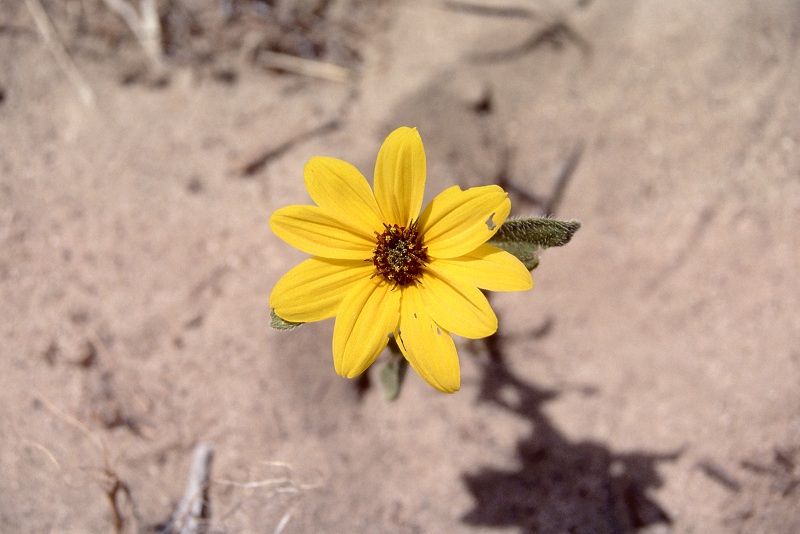
Desert sunflower (Helianthus deserticola) - One of three hybrid species born of H. annuus and H. petiolaris, "highlighting the expanded potential of hybrid species...through colonization of extreme habitats where neither parental species can survive." (photo credit: www.eol.org)

Desert sunflower (Helianthus deserticola) – One of three hybrid species born of H. annuus and H. petiolaris, “highlighting the expanded potential of hybrid species…through colonization of extreme habitats where neither parental species can survive.” (photo credit: www.eol.org)

The authors propose a 5 step plan for systematic utilization of crop wild relatives in agricultural breeding programs. The steps include building a comprehensive collection of crop wild relatives, sequencing their genomes, creating purpose-driven hybrid populations between wild relatives and crop plants, developing a predictive network of genotype-phenotype associations, and deploying identified phenotypes into crop breeding efforts. This article is one of the open access articles in this issue. If you are interested in this topic, including this 5 step plan, I encourage you to read the article to learn more. 

Improving Perennial Crops with Genomics

This is the twelfth in a series of posts reviewing the 17 articles found in the October 2014 Special Issue of American Journal of Botany, Speaking of Food: Connecting Basic and Applied Science.

Genomics: A Potential Panacea for the Perennial Problem by Kendra A. McClure, Jason Sawler, Kyle M. Gardner, Daniel Money, and Sean Myles

Compared to annuals, a small but significant portion of our food comes from perennial crop plants. “Approximately one eighth of the world’s total food-producing surface area is dedicated to perennials,” and while that may seem relatively small, there is a good chance that some of your favorite things to eat or drink are perennial crops (apples, bananas, coffee, citrus, sugar cane, coconut, avocados, olives, grapes, cherries, almonds…just to name a few). However, making improvements to and introducing new cultivars of perennial crops is considerably more challenging compared to annual crops simply due to the nature of perennials. This puts perennial crops at greater risk to threats like pests and diseases, climate change, soil degradation, and water and land shortages. Advances in genomics, “the collection and use of DNA sequence information,” could change this.

Because breeding efforts to improve perennial crops is so challenging, “only a small number of elite varieties become popular, and the amount of genetic diversity represented by commercially successful cultivars is therefore often low.” This suggests that there is incredible potential for improvement in these crops, as long as major hurdles can be overcome. Following is a list of some of those hurdles:

  • Time – Most perennial crops have “extended juvenile phases,” meaning they won’t produce fruit for as much as ten years, considerably delaying evaluation of the final product.
  • Space – Perennial crops, especially trees, are large compared to annual crops, so the area required for evaluation is extensive.
  • Infrastructure – “Many perennials require trellis systems, extensive land preparation, and substantial costs for specialized equipment and skilled horticultural labor.”
  • Complex Evaluations – Automated assessments are “either unavailable or poorly developed,” so evaluations that include “size, shape, color, firmness, texture, aroma, sugars, tannins, and acidity” require “tasting panels” to ensure that the final product “satisfies consumer demands.” This process is expensive, and it differs depending on whether the crop will be consumed fresh or processed.
  • Vegetative Propagation – “Many perennials suffer from severe inbreeding depression when selfed,” so cultivars are maintained through vegetative propagation. This is a plus, because it means that the fruits of perennial crops are reliably uniform, so growers and consumers know what to expect year after year. However, this also means that while pests and pathogens evolve, the crops do not, making them more susceptible to such threats. Additionally, the “long histories” of certain cultivars “discourages [growers] from undergoing the risk of trying recently developed cultivars.”
  • Consumer Preferences – “Consumers often exhibit an irrational reverence for ancient or heirloom varieties,” despite the fact that the development of new varieties can result in crops that are higher yielding, resistant to pests and diseases, tastier, more nutritious, more suitable for storage, and require fewer chemical inputs. This obsession with traditional varieties leaves a “tremendous amount of untapped genetic potential for the improvement of perennial crops.”
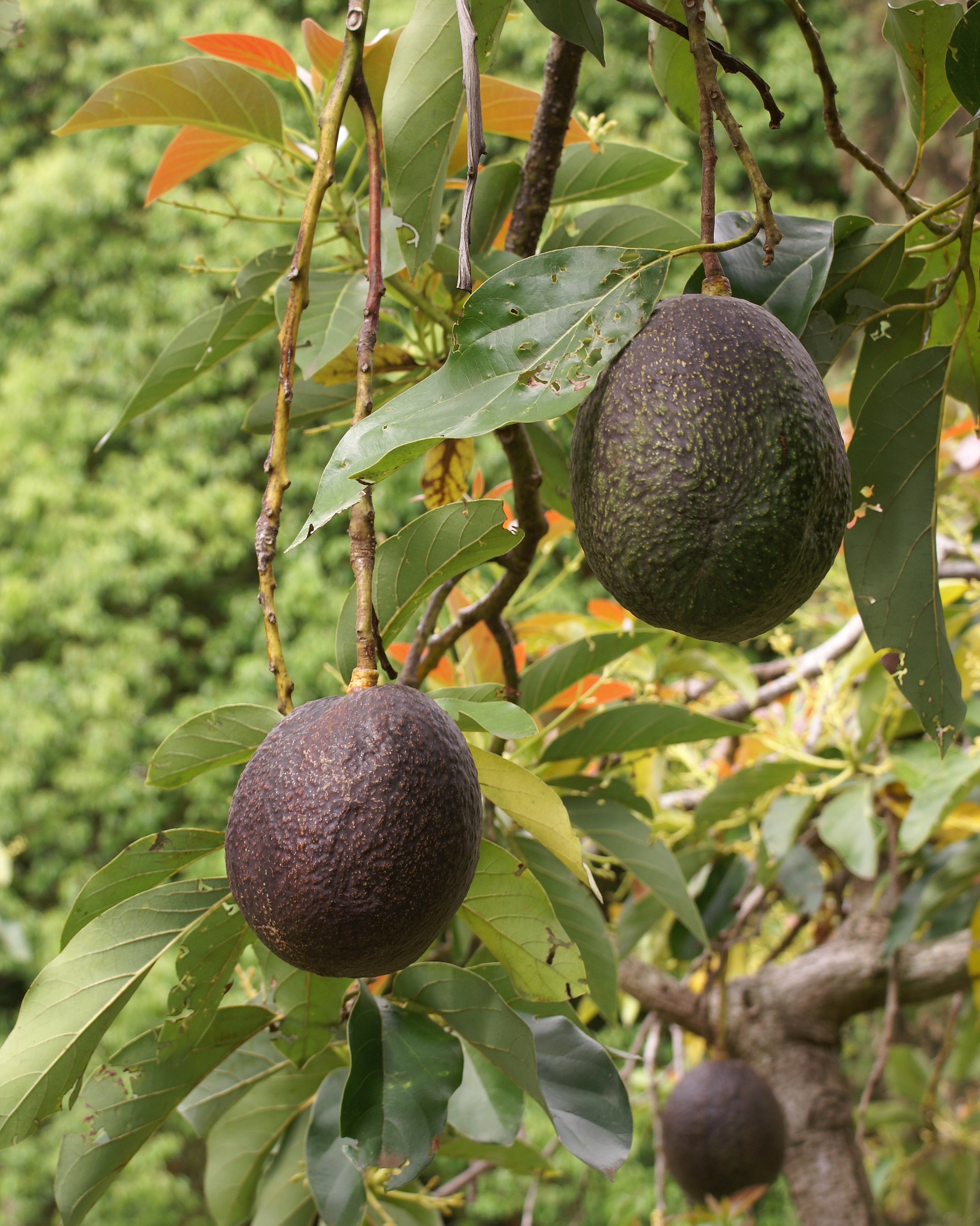
"Modern avocado breeding still depends heavily on open-pollination because of the difficulty associated with making controlled crosses." (photo credit: wikimedia commons)

“Modern avocado breeding still depends heavily on open-pollination because of the difficulty associated with making controlled crosses.” (photo credit: wikimedia commons)

Apart from issues of social and cultural preference, the challenge of breeding perennial crops comes down to time and money. Advances in genomics can help offset both of these things. Using DNA-based predictions, a plant’s phenotype can be determined at the seed or seedling stage. Genomics techniques can also be “used to reduce the generation time thereby enabling combinations of desirable traits to be combined on a timescale that is more similar to annual crops.” Below are summaries of specific areas discussed in the paper for using genomics in perennial crop breeding programs:

  • Reduction of Generation Time – This can be done using transgenic technology in ways that do not result in transgenic (GMO) cultivars. One method uses virus-induced gene silencing, in which a host plant is infected with “a virus that is genetically modified to carry a host gene;” the host plant then “attacks itself and uses its own endogenous system to silence the expression of one of its own genes.” Early flowering in apples has been induced after seedlings were inoculated with apple latent spherical virus that expresses a flowering gene derived from Arabidopsis thaliana.
  • Genetic Modification – Advances in genomics have brought us transgenic technology, and several commercial crops have been genetically modified using this technology. Most of them are annuals, but one perennial in particular, SunUp papaya, has been a major success. Its resistance to ringspot virus rescued the papaya industry from a devastating pathogen that “almost completely destroyed the industry in Hawaii.” Consumer disapproval, however, poses a major obstacle to commercial production of genetically modified organisms, and unless this changes, “their widespread use is unlikely.”
  • Marker-Assisted Selection – This is the “primary use of genomics in breeding.” The time between initial plant crosses and the introduction of a new cultivar can be dramatically shortened when genetic markers are used to determine the phenotypes of adult plants at the seedling stage. This technology is also useful when crossing domesticated plants with wild relatives, since genetic markers can be used to determine when desired traits are present in the offspring.
  • Ancestry Selection – After crosses with wild relatives, offspring may “perform poorly because wild germplasm often harbors numerous traits that negatively affect performance.” To overcome this, the offspring is crossed with cultivated plants until undesirable traits are eliminated. This is called backcrossing. Using marker-assisted selection, breeders can “select a small number of offspring in each generation that carry both the desired trait from the wild and the most cultivated ancestry.”
  • Genomic Selection – The success of marker-assisted selection is greatest when used for traits that are controlled by one or a few genes. However, many traits involve a complex set of genes. Genomic selection is a new technique that “uses dense, genome-wide marker data to predict phenotypes and screen offspring.” It is “especially useful for predicting complex traits controlled by many small-effect genes.” Genomic selection is in its infancy, so there are kinks to work out, but it is a promising technology for perennial crop breeding efforts.

The use of genomics will not replace every aspect of traditional perennial crop breeding and “should be viewed as a potential supplement…rather than a substitute.” Geneticists and plant breeders are encouraged to work together to develop and implement these technologies in a concerted effort to improve the crop plants that help feed the world.

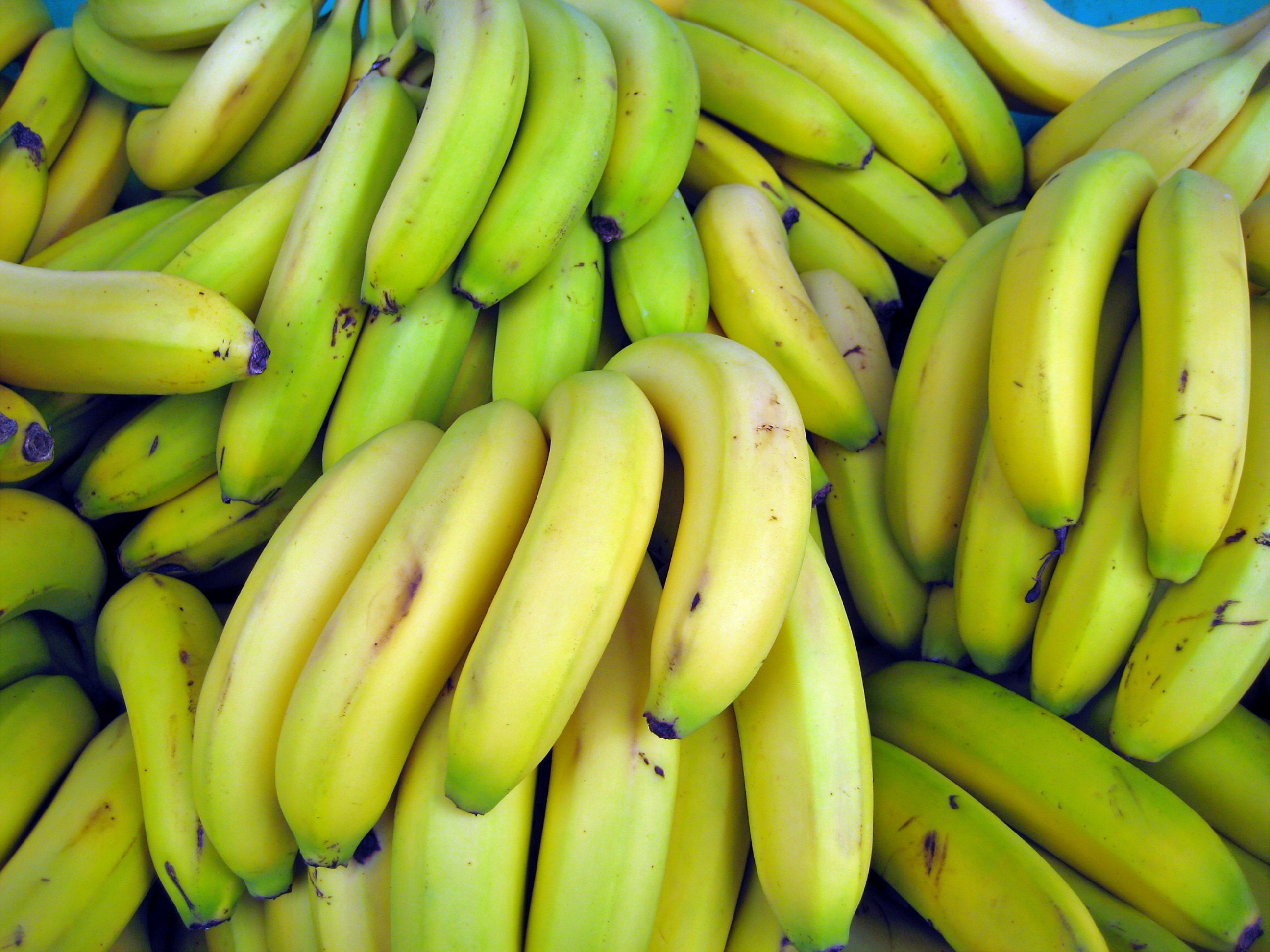
"Despite the remarkable phenotypic and genotypic diversity in bananas," the Cavendish banana is responsible for the "vast majority" of banana production. (photo credit: wikimedia commons)

“Despite the remarkable phenotypic and genotypic diversity in bananas,” the Cavendish banana is responsible for the “vast majority” of banana production. (photo credit: wikimedia commons)