Venus Flytrap: A Species of Special Concern

The Venus flytrap is likely the most popular and well-known (as well as the most purchased and widely owned) of any carnivorous plant. It is a proud representative of a diverse group of plants that continues to astound most everyone from plant experts to plant amateurs and even the plant ambivalent. With its leaves shaped like gaping mouths with sharp teeth and its ability to snap shut and devour insect prey, it is a remarkable species, but would you believe that it is also a rare one?

The Venus flytrap (Dionaea muscipula) is native to a small region on the east coast of the United States near the border of North and South Carolina. Its range extends to about a 100 mile radius from Wilmington, NC. Within this region, the habitat of the Venus flytrap is mainly wet savannahs with sandy, peaty, acidic soils on the edges of swamps and fens. Thus with its limited range and specific habitat requirements, the Venus flytrap has always been a rare species, even before it became a popular houseplant.

Apart from being naturally rare, the Venus flytrap now faces numerous threats to its continued survival in the wild. The obvious one is its popularity, which has led to the harvesting of hundreds of thousands of wild plants to be cultivated and sold in the plant trade. Other threats involve its habitat. Wetlands are one of the most threatened ecosystems. They are frequently drained and developed for real estate, agriculture, and recreation, and they are regular victims of pollution and exotic species invasions. The wetlands that Venus flytraps call their home are no exception. Additionally, naturally occurring fires are being suppressed in this region, allowing larger plants normally kept in check by occasional fires to thrive and choke out low-growing Venus flytraps.

Despite these threats, the Venus flytrap has not yet been listed as a federally endangered species. However, it is currently listed as a species of special concern in North Carolina and is listed as Vulnerable on the IUCN Red List. Fortunately, wildlife officers in North Carolina do issue citations to anyone caught illegally harvesting Venus flytraps in order to deter such activity.
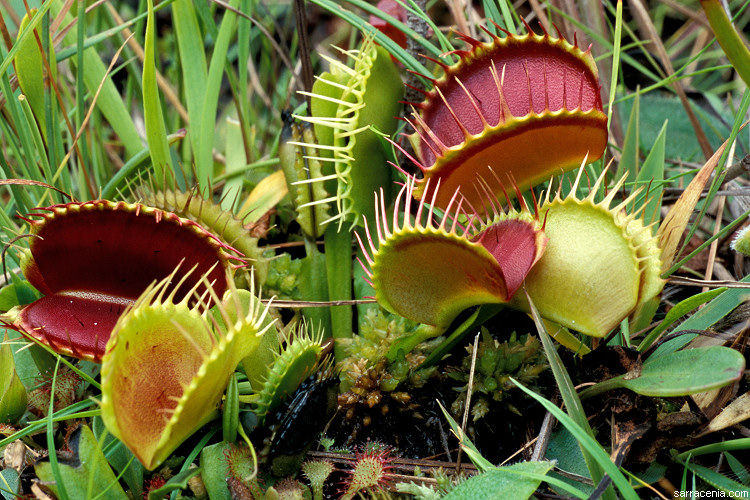
venus flytrap

Dionaea muscipula   © 2006 Barry Rice

If you are interested in owning a Venus flytrap, make certain that you are purchasing a nursery grown plant and not a wild harvested one. The plant label should specify this. To be sure you are purchasing a nursery grown plant, look for cultivar names, like ‘Red Dragon’ or ‘Royal Red’ (and many others). These are plant varieties that have been bred in tissue culture labs from cultivated plants.

To learn more about the Venus flytrap and its current conservation concerns, see this Encyclopedia of Life page.

Related Posts:

Northern Pitcher Plants: A Model for Understanding Food Webs
The Sundews

Overwintering Carnivorous Plants

Wetlands!

In the News: Declining Insect Populations

Last week the New York Times published an article about declining populations of insects in the United States, specifically monarch butterflies and wild bees. Monarch butterflies migrate south to Mexico each fall, typically arriving by the millions on the first of November. This year was tragically different, because the monarchs did not arrive on the first, and when they finally began trickling in a week late, there were significantly less of them. In his article, The Year the Monarch Didn’t Appear, Jim Robbins discusses why this and similar scenarios are becoming commonplace.

Increased pesticide use and global climate change are certainly contributing factors in the decline of insect populations; however, Robbins suggests that the loss of native habit is the major culprit. For example: monarch butterflies rely on milkweed (Asclepias spp.); in fact, their larvae feed exclusively on it. No milkweed = no new monarch butterflies. Urban sprawl, farmland expansion, Roundup Ready crops, and herbicide use along roadways all result in declining milkweed populations, as well as declines in the populations of other beneficial native plants.

And that’s not all. “Around the world people have replaced diverse natural habitat with the biological deserts that are roads, parking lots and bluegrass lawns, ” says Robbins, meanwhile landscape plants are selected for their ornamental appeal, “for their showy colors or shapes, not their ecological role.” In support of his argument, Robbins cites studies which found that native oak and willow species in the mid-Atlantic states are hosts to 537 and 456 species of caterpillars, respectively. On the other hand, non-native, ornamental ginkgoes host three.

Insects provide numerous ecosystem services. They help break down waste products, they are pollinators of countless species of plants (including many of our crops), and they are food sources for larger animals (including birds, reptiles, and amphibians)…and this is just the short list. As John Muir said, “When we try to pick out anything by itself, we find it hitched to everything else in the Universe.” Thus, the decline of native insect populations is a concern that should not be taken lightly.

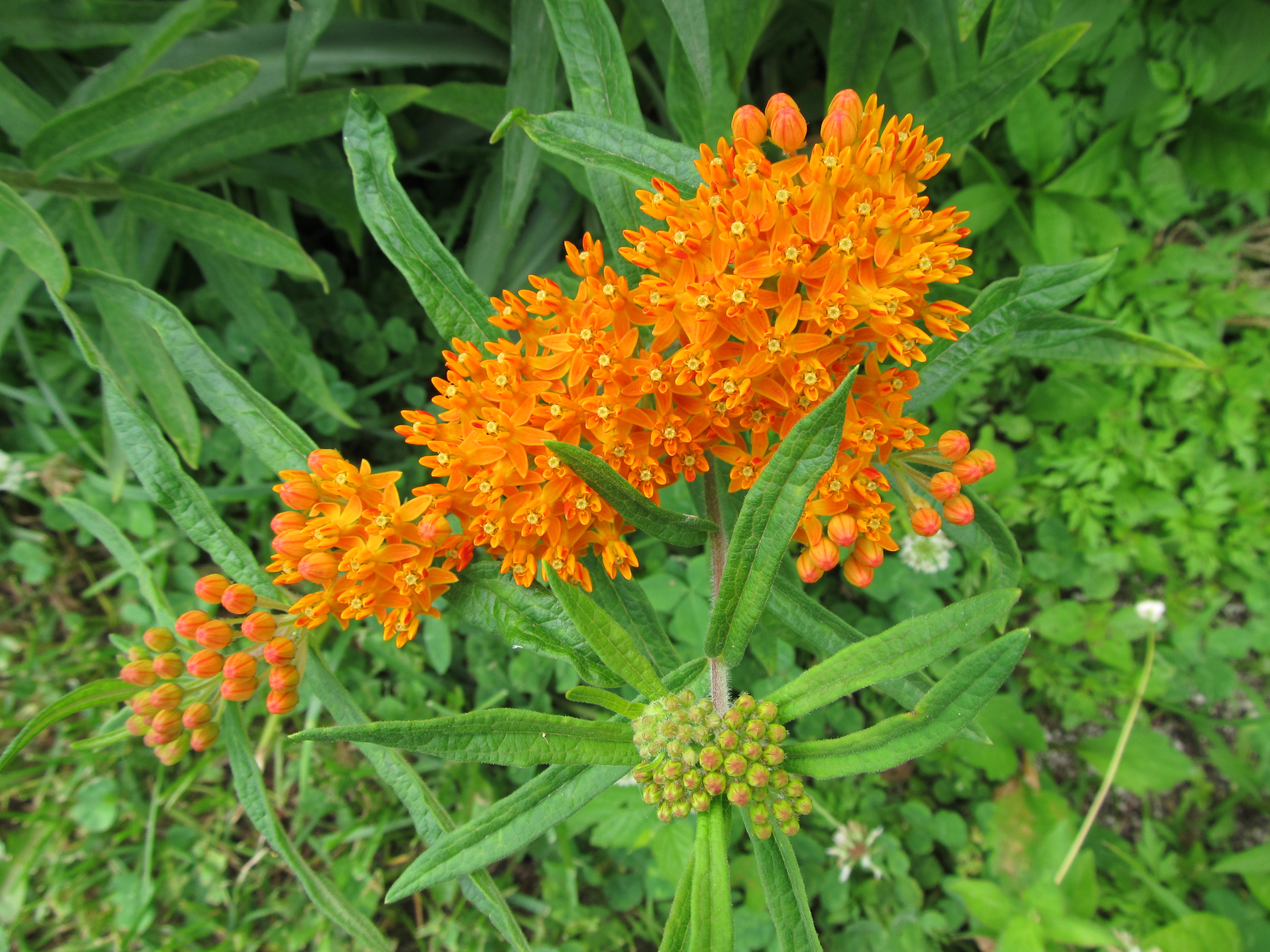
IMG_0021

Asclepias tuberosa – butterfly milkweed

If you haven’t already, please consider including some native plants in your yard. If you don’t have a yard, suggest the idea of landscaping with native plants to your friends. To learn more about monarch butterflies and their plight (including information on how to grow milkweed), visit www.monarchwatch.org.

Figs and Fig Wasps

Recently I was listening to a past episode of Caustic Soda Podcast in which the hosts briefly discussed fig wasps. I was intrigued by this discussion, having previously never heard of fig wasps, and so I did a little research. As it turns out, what I am about to share with you here is just the tip of the iceberg. The relationship between figs and fig wasps is a complex topic, to the extent where you could easily spend a lifetime studying this relationship and there would still be more to discover.

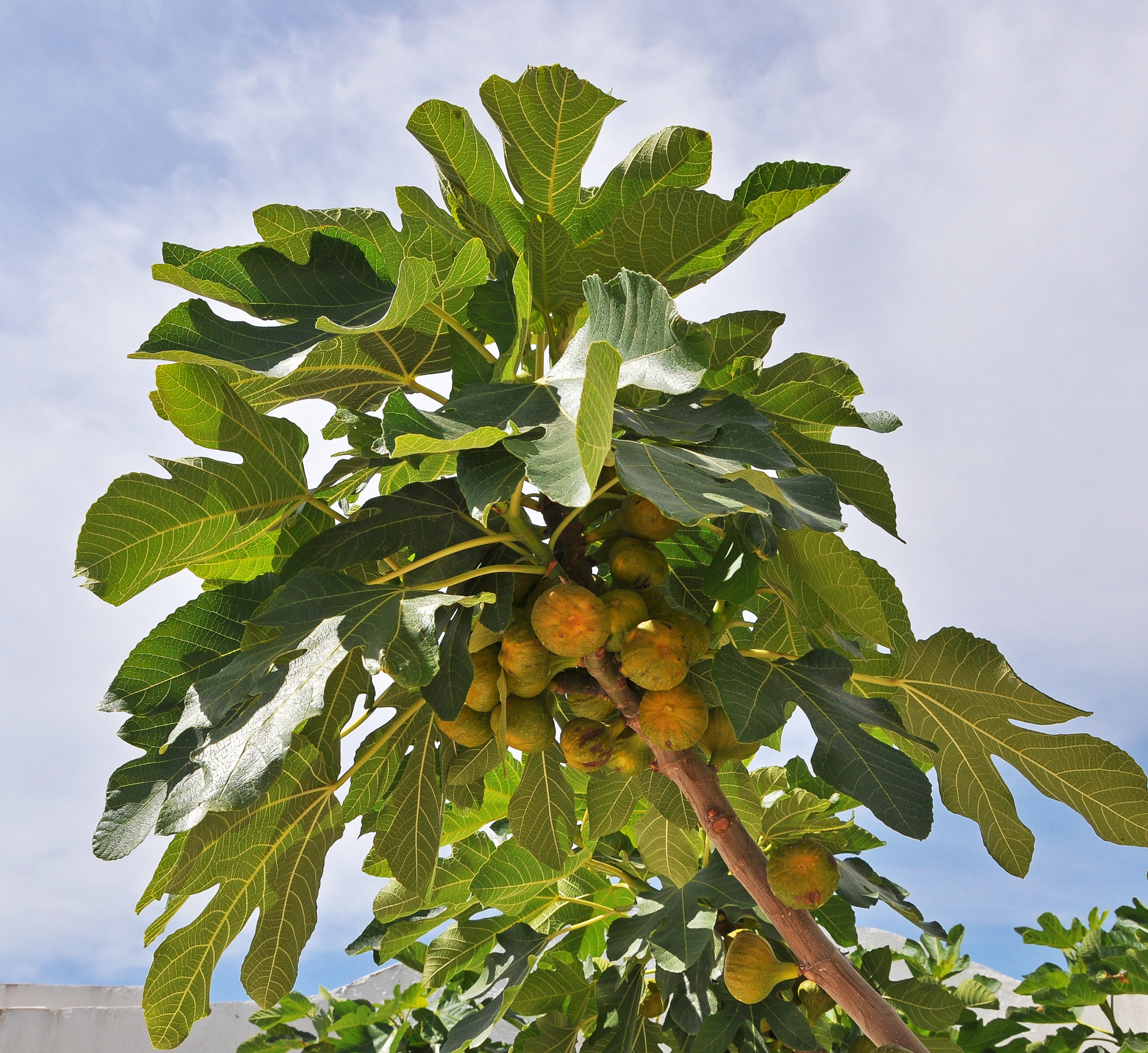
Ficus is a genus of plants in the  family Moraceae that consists of trees, shrubs, and vines. They are commonly referred to as figs, and there are between 755 and 850 described species of them (depending on the source). The majority of fig species are found in tropical regions, however many of them are found in temperate regions as well. The domesticated fig (Ficus carica), also known as common fig, is widely cultivated throughout the world for its fruit.

common fig

Ficus carica – common fig

photo credit: wikimedia commons

The fruit of figs, also called a fig, is a multiple fruit because it is formed from a cluster of flowers. A fruit is formed by each flower in the cluster, but they all grow together to form what appears to be a single fruit. Now here is where it starts to get bizarre. The flowers of figs are contained inside a structure called a syconium, which is essentially a modified fleshy stem. The syconium looks like an immature fig. Because they are contained inside syconia, the flowers are not visible from the outside, yet they must be pollinated in order to produce seeds and mature fruits.

This is where the fig wasps come in. “Fig wasp” is a term that refers to all species of chalcid wasps that breed exclusively inside of figs. Fig wasps are in the order Hymenoptera (superfamily Chalcidoidea) and represent at least five families of insects. Figs and fig wasps have coevolved over tens of millions of years, meaning that each species of fig could potentially have a specific species of fig wasp with which it has developed a mutualistic relationship. However, pollinator host sharing and host switching occurs frequently.

Fig wasps are tiny, mere millimeters in length, so they are not the same sort of wasps that you’ll find buzzing around you, disrupting your summer picnic. Fig wasps have to be small though, because in order to pollinate fig flowers they must find their way into a fig. Fortunately, there is a small opening at the base of the fig called an ostiole that has been adapted just for them. What follows is a very basic description of the interaction between fig and fig wasp – remember with the incredible diversity of figs and fig wasps, the specifics are sure to be equally diverse.

First a female wasp carrying the pollen of a fig from which she has recently emerged discovers a fig that is ready to be pollinated. She finds the ostiole and begins to enter the fig. She is tiny, but so is the opening, and so her wings and antennae are ripped off in the process. No worries though, she won’t be needing them anymore. Inside the fig there are two types of flowers – ones with long styles and others with short styles. The female wasp begins to lay her eggs inside the flowers, however she is not able to lay eggs inside the flowers with the long styles. Instead, these flowers get pollinated by the wasp. After all her eggs are laid, the female wasp dies. The fig wasp larvae develop inside galls in the ovaries of the fig flowers, and they emerge from the galls once they have matured into adults. The adult males mate with the females and then begin the arduous task of chewing through the wall of the fig in order to let the females out. After completing this task, they die. The females then leave the figs, bringing pollen with them, and search for a fig of their own to enter and lay eggs. And the cycle continues.

But there is so much more to the story. For example, there are non-pollinating fig wasps that breed inside of figs but do not assist in pollination – freeloaders essentially. And how is the cycle different if the species is monoecious (male and female flowers on the same plant) compared to dioecious (male and female flowers on different plants)? It’s too much to cover here, but visit figweb.org for more information. FigWeb is an excellent resource for learning all about the bizarre and fascinating world of the fig and fig wasp relationship. Also check out the PBS documentary, The Queen of Trees.

This is the first of hopefully many posts on plant and insect interactions. Leave a comment and let me know what plant and insect interactions interest you.

Invasivore: One Who Consumes Invasive Species

Invasive species are a major ecological concern, and so considerable effort is spent controlling them, with the ultimate goal (albeit a lofty one in most cases) of  eradicating them. The term “invasive species” describes plants, animals, and microorganisms that have been either intentionally or unintentionally introduced into an environment outside of their native range. They are “invasive” because they have established themselves and are causing adverse effects in their non-native habitats. Some introduced species cause no discernible adverse effects and so are not considered invasive. Species that are native to a specific habitat and exhibit adverse effects following a disturbance can also be considered invasive. (White-tailed deer are an example of this in areas where human activity and development have reduced or eliminated their natural predators resulting in considerably larger deer populations than would otherwise be expected.) Defining and describing invasive species is a challenging task, and so it will continue to be a topic of debate among ecologists and conservation biologists for the foreseeable future.

The adverse effects of invasive species are also not so straightforward. Typical examples include outcompeting native flora and fauna, disrupting nutrient cycles, shifting the functions of ecosystems, altering fire regimens, and causing genetic pollution. Countless hours of research and observation are required in order to determine the real effects of invaders. The cases are too numerous and the details are too extensive to explore in this post; however, I’m sure that I will cover more aspects of this topic in the future.

For now I would just like you to consider a novel approach to eradicating invasive species that has recently come to my attention. That is to simply eat them. Why not, right? The voracious appetite of humans has helped drive certain species to extinction in the past, so why can’t our stomachs assist in removing introduced species from their non-native habitats? The folks at Invasivore.org are suggesting just that, and by encouraging people to consume invasive species, they are also promoting awareness about invasive species, an awareness that they hope “will lead to decreasing the impacts of invasive species by preventing introductions, reducing spread, and encouraging informed management policies.”

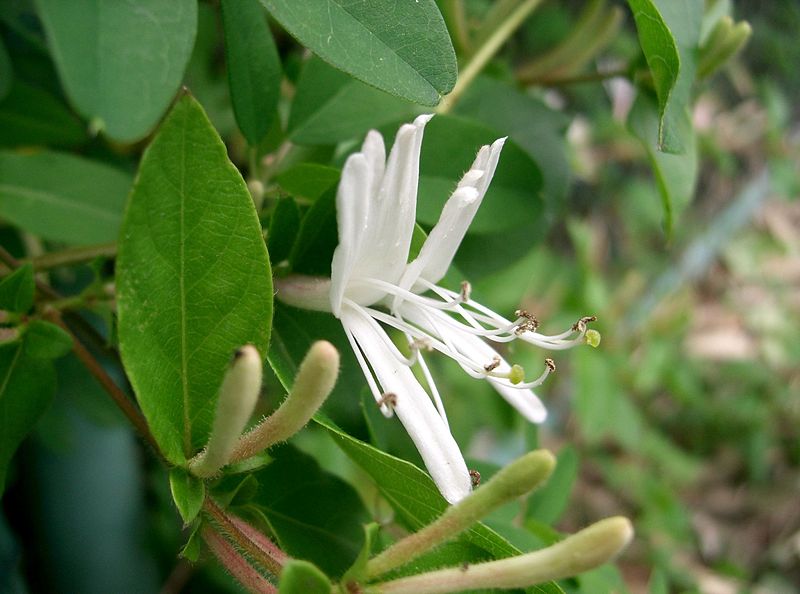
“If you can’t beat ’em, eat ’em!” And so they provide recipes in order to encourage people to harvest, prepare, and consume the invasive species in their areas. Some of the invasive plant species they recommend people eat are Autumn Olive (Autumn Olive Jam), garlic mustard (Garlic Mustard Ice Cream), Japanese honeysuckle (Honeysuckly Simple Syrup), purslane (Purslane Relish), and Canada goldenrod (Strawberry-Goldenrod Pesto). And that’s just a sampling. One might ask if we are encouraged to eat invasive species and ultimately find them palatable, won’t our demand result in the increased production of these species? The Invasivores have considered this, and that is why their ultimate goal is raising awareness about the deleterious effects of invasive species. In the end, we should expect to see our native habitats restored. Our craving for Burdock Chips on the other hand will have to be satisfied by some other means.

lonicera japonica

Japanese honeysuckle (Lonicera japonica)

photo credit: wikimedia commons

Other websites that encourage the consumption of invasive species:

www.eattheinvaders.org

www.eattheweeds.com

Baobab Trees Facing Extinction

Declining populations of baobab trees have been a concern for more than a decade now. That concern has been amplified with the release of a recent study that shows that two baobab tree species endemic to Madagascar risk losing the majority of their available habitat due to climate change and human development in the coming decades.

Baobab trees are spectacular sights. Unique in appearance, they can grow up to about 100 feet tall with trunk diameters as wide as 36 feet and can live for hundreds (possibly thousands) of years. As the trees age, they develop hollow trunks used for storing water (as much as 26,000 gallons!) to help them survive long periods of drought. The fruits of baobab trees are coconut-sized and edible and are said to taste like sherbet. The leaves of at least one species are eaten as a vegetable, and the seeds of some species are used to make vegetable oil. Various other products, including fibers, dyes, and fuel are also derived from baobab trees.

There are nine species of baobab trees (Adansonia spp.). Eight are native to Africa and one is native to Australia. Two of the African species are also found on the Arabian Peninsula, and six of the African species are found only on Madagascar. Three of the Madagascan species (A. grandidieri, A. perrieri, and A. suarezensis) are listed as endangered on the IUCN Red List. Currently, A. perrieri has the lowest population of the three species, with only 99 observed trees. It is estimated that by 2080, its range will be reduced to 30% of what it currently is, further threatening its survival. A. suarezensis has a considerably larger population (15,000 trees) but a much smaller distribution area (1,200 square kilometers). By 2050, this area is estimated to be reduced to only 17 square kilometers, practically guaranteeing its eventual extinction. On the bright side, A. grandidieri has a population of about one million trees and an extensive range that should remain largely undisturbed in the coming decades.

An interesting component to this story is how giant tortoises fit in. The fruits and seeds of baobab trees are relatively large, and so their dispersal is best carried out by animals. Seeds that fall too close to the parent trees have little chance of survival since they will be shaded out and will have to compete with large, adjacent trees. Animals that eat the fruits of the baobab trees help to disperse the seeds by defecating them in areas away from large trees where the seedlings will have a greater chance of survival. Two species of giant tortoises that were once native to Madagascar but have now been extinct for hundreds of years were likely primary dispersers of baobab tree seeds. A recent study used a species of giant tortoise not native to Madagascar (the Aldabra giant tortoise) to test this hypothesis. The tortoise readily consume the fruit of the baobab tree. The seeds remain in the tortoise’s digestive system for up to 23 days, giving the tortoise plenty of time to move to an area suitable for seed germination. Given these findings, biologists are currently working to introduce Aldabra giant tortoises to Madagascar to help save the baobab trees.

Climate change, loss of habitat due to human development, and loss of seed dispersers due to extinction threaten the survival of some baobab tree species, but by recognizing this threat, biologists can work towards preventing their eventual extinction. As we gain a better understanding and appreciation for the need for biodiversity on our planet, we will resolve to take greater steps to protect it.

To learn more about baobab trees facing extinction and giant tortoises as seed dispersers, visit the Scientific American blog, Extinction Countdown, here and here.

baobab tree

Adansonia grandidieri

photo credit: wikimedia commons

A Plant Community’s Response to Climate Change

The threat of ensuing climate change has led many to consider what the future might look like for life on earth. Plant life will undoubtedly be affected, and numerous observations have already been made indicating that plants and plant communities are responding to changing climates.

A recent study, published in Ecology and Evolution, documented changes in the lower elevation boundaries and elevation ranges of common plants found on the Santa Catalina Mountains (near Tucson, Arizona). A study of this caliber is rare because there is relatively little data available to observe such changes over a long period of time. The scientists that carried out this study were able to use survey data collected by Robert Whittaker (the father of modern plant ecology) and William Niering in 1963. Whittaker and Niering conducted an extensive survey of plants along the Catalina Highway, which still exists today and runs along the southern slopes of the Santa Catalinas. Following similar data collection methods, researchers from the University of Arizona surveyed plants along the Catalina Highway nearly 50 years after the original survey. What they found confirmed predictions: montane plants in the southwest are responding to a warmer and drier climate by shifting their lower elevation limits upward.

The average annual air temperature in this region has increased an average of 0.25 degrees Celsius per decade since 1949. Also, rainfall has decreased significantly since Whittaker and Niering’s original plant survey. Twenty seven of the most common plant species were selected from the new survey and compared to the original survey data. Fifteen of the twenty seven species (56%) have significantly shifted their lower elevation boundaries, moving further up the slopes of the mountains to escape higher temperatures and reduced rainfall. Some of the plant species have also shifted their upper elevation boundaries, with four of them moving further upslope and eight of them moving further downslope.

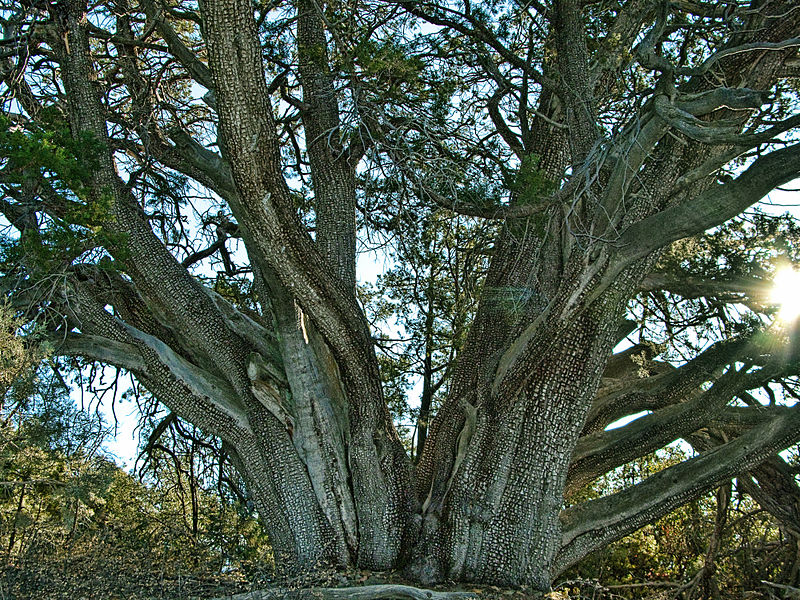
The authors of this study state that “even a casual observer could recognize changes in plant elevation boundaries.” Alligator juniper, bracken fern, beargrass, and sotol are examples of plants in the Catalinas that have noticeably migrated upslope and are no longer found at lower elevations where they were once common. Alligator Juniper (Juniperus deppeana), for one, was once documented growing at least as low as 3500 feet, but now does not occur until after the 5000 feet mark.

This rare opportunity to compare current plant survey data with old data paints a stark picture regarding the effects of climate change. As plants and animals are forced upslope to escape warmer and drier climates, they may eventually find themselves with nowhere to go and ultimately end up extinct, reducing overall biodiversity on the planet. The authors of this study conclude their findings with this statement: “The shifts in plant ranges we observed in the Santa Catalina Mountains indicate that the area occupied by montane woodland and conifer forests in the Desert Southwest is likely to decrease even more with predicted increases in temperature, and that regional plant community composition has and will continue to change with further warming as plant species respond individualistically to changing climates.”

Read more about this study at the University of Arizona news site.

alligator juniper_juniperus deppeana

Alligator Juniper (Juniperus deppeana)

photo credit: wikimedia commons

Wetlands!

From www.earthgauge.net:

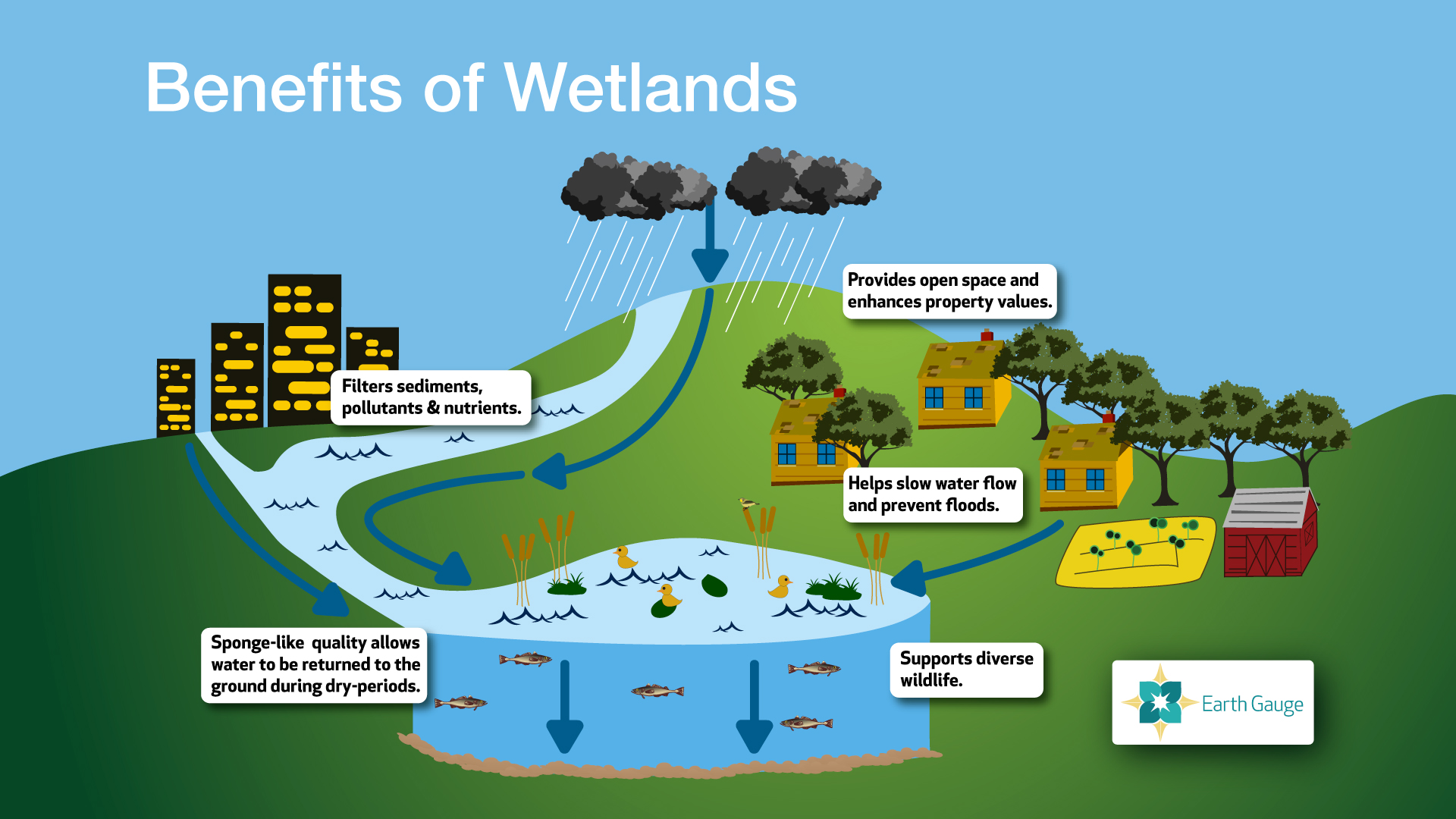
“May is American Wetlands Month! No matter where you live, chances are there’s a wetland nearby that provides important environmental benefits to your community. Wetlands support diverse fish and wildlife species, filter pollutants from rain water runoff, help recharge groundwater supplies, prevent flooding and enhance property values.”

Wetlands are ecosystems that are characterized by their vegetation (aquatic plants), their soils (formed during anaerobic conditions caused by being flooded or saturated with standing water), and, of course, their state of being largely saturated with water either seasonally or permanently. Examples of natural wetlands include bogs, fens, marshes, and swamps. Wetlands can also be constructed by humans for the purpose of collecting storm water runoff from urban areas in an effort to reduce the risk of flooding and avoid overwhelming municipal sewer systems during large rainstorms.

Wetlands are the most threatened type of ecosystem on earth, and we are losing them at a steady clip. Major threats to wetlands include land development, pollution (agricultural and otherwise), and the introduction of invasive species. Considering the benefits we receive from having wetlands around, it is imperative that we protect them. Earth Gauge offers some suggestions on how to do so.

wetland benefits

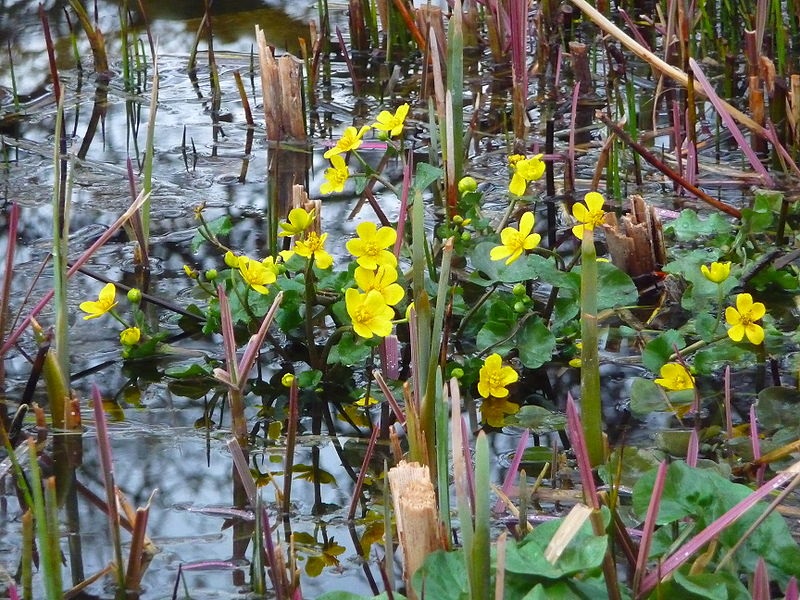
Speaking of wetlands, one of my favorite wetland plant species is marsh marigold (Caltha palustris). It is in the buttercup family (Ranunculaceae) and is common in wetlands throughout the Northern Hemisphere. I became familiar with this plant when I was volunteering at a wetland in Edwardsville, IL. Perhaps you’ve seen it growing in a wetland near you.

caltha palustris

marsh marigold (Caltha palustris) photo credit: wikimedia commons

Northern Pitcher Plant: A model for understanding food webs

Carnivorous plants are endlessly fascinating. Even people who aren’t typically interested in plants are likely to find plants that eat animals to be of some interest. These plants not only provide fascination for plant lovers and the plant ambivalent alike, but they are also of great interest to science, providing insight into the workings of the world beyond the swamps and bogs that they inhabit.

A recent study published in the journal, Oikos, examined the complex food web that exists inside the northern pitcher plant (Sarracenia purpurea) in order to come to a better understanding of food webs in general and to construct a model that will aid in further research involving food webs in all types of ecosystems.

The food web that exists inside a pitcher plant is quite interesting. The tubular leaves of the pitcher plant capture rain water and draw in a variety of insects including beetles, ants, and flies. The pool of water also becomes home to the larvae of midges, mosquitoes, and flesh flies, as well as various other tiny creatures including rotifers, mites, copepods, nematodes, and multicellular algae. And thus begins a complex food cycle. Midge larvae attack the drowning insects and tear them to pieces, then bacteria go after the tiny insect parts, after which rotifers consume the bacteria. Finally, the walls of the pitcher plant absorb the waste of the rotifers. Meanwhile, fly larvae consume the rotifers, midge larvae, and other fly larvae, while bacteria is being consumed by all participants.

You can see why this food web is an ideal subject of study. Not only is it complex, with numerous players, but it is also all taking place in a small, confined space – easily observable. By studying such a system, models can be derived for larger, more widespread food webs.

Carnivorous plants have diverse mechanisms for extracting nutrients from other living things – this is just one of those mechanisms. I will plan to profile other carnivorous plants on this blog, because like I said, they are endlessly fascinating. Meanwhile, you can read more about this particular study at Science Daily.

northern pitcher plant

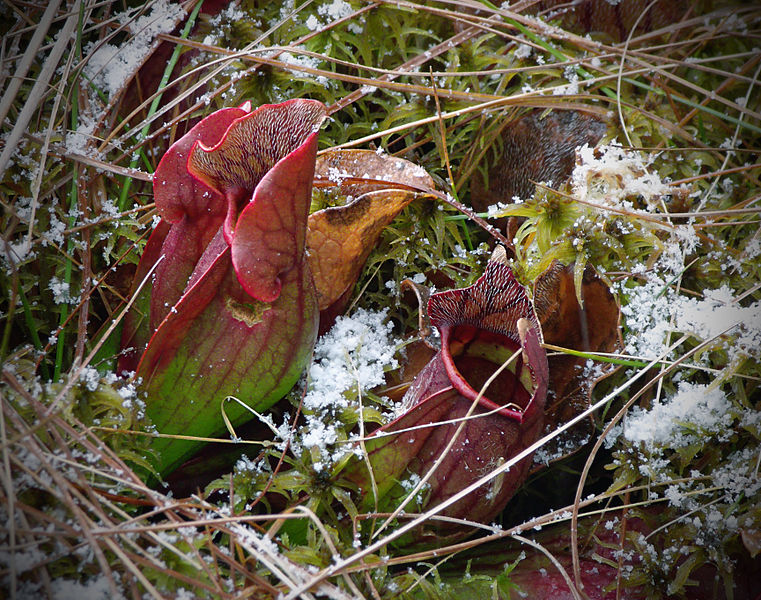
northern pitcher plants (Sarracenia purpurea) photo credit: wikimedia commons

Cushion Plants and Species Richness

Cushion plants are in the news. A study published in the journal, Ecology Letters, has demonstrated that cushion plants can help increase species richness (the number of unique species in an ecological community) by modifying their micro-environment, which in turn allows certain species to exist in the community that would otherwise be unable to survive the harsh conditions. Other studies have had similar conclusions, but what is unique about this study is how extensive it was, involving 77 alpine plant communities on 5 continents.

The term “cushion plant” refers to a specific growth form. It describes a plant that grows low to the ground, has numerous small leaves and a closed, tightly-packed canopy with dense non-photosynthetic living and dead plant tissues below the canopy. Above ground it appears as a lush, thick, spreading, green mat; below ground it has a long taproot and an extensive root system. There are around 338 species of cushion plants, spanning 78 genera and 34 plant families, which can be found around the world mainly in alpine (high-altitude, tree-less) environments. Around half of the cushion plant species are native to the Andes in South America.

So, how are cushion plants able to increase species richness in their communities? There are a few unique characteristics of cushion plants that lead to this result:

– The tightly-packed, low to the ground growth form of cushion plants helps to modify the temperature of the underlying soil, working as a living mulch to keep the ground warmer in the winter and cooler in the summer. Plants that otherwise could not abide in extremely cold soil conditions, can thrive inside of a cushion plant due to this modification.

– The shading and covering of the ground also helps to maintain a higher level of soil moisture below cushion plants, resulting in more available water throughout the growing season, which is especially important during warm months of the year when water becomes scarce elsewhere.

– Cushion plants may also increase nutrient availability in the surrounding soil. This could be due to their long taproots and extensive root systems allowing them to “mine” the soil and pull up nutrients (and water) that would otherwise be unavailable to shallow-rooted plants. It could also be due to the high degree of dead plant material found within cushion plants that leads to an increase in the amount of organic material in the soil below. The warm, moist conditions of a cushion plant’s underbelly could speed up the rate of decomposition and nutrient cycling, making essential nutrients available to plants growing within them.

Because of these features, cushion plants act as “nurse plants” to species that grow within their mats, providing them with more accommodating soil temperatures, greater access to water, and a higher level of nutrients compared to the surrounding open ground. Some of these plant species would have little or no chance of survival in the harsh environment outside of the cushion plant. Cushion plants are also considered foundation species or keystone species because they play such a strong role in structuring their ecological community, affecting the diversity of species found in the landscape and the abundances of those species.

Silene acualis

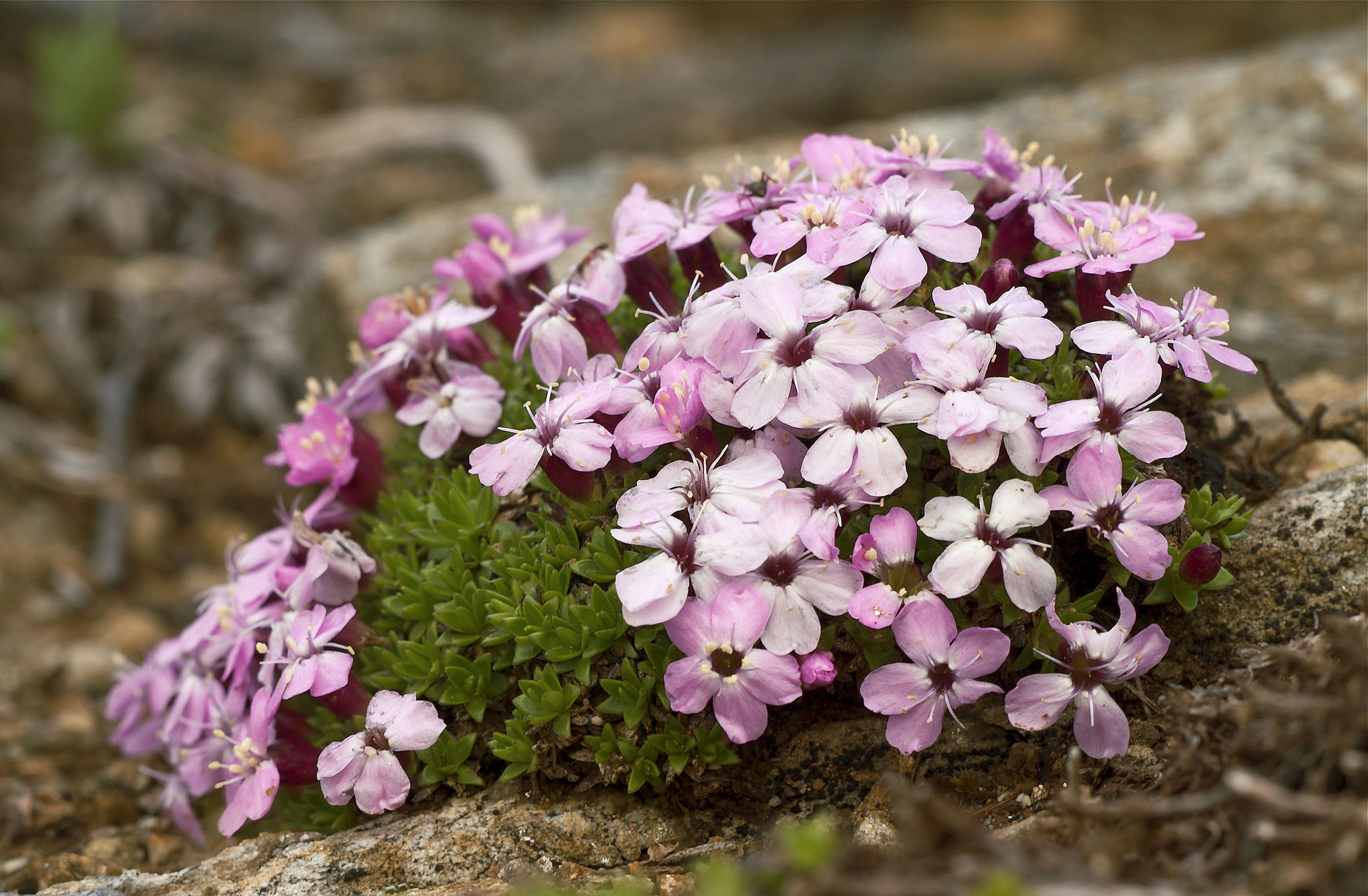
A common and popular cushion plant: Silene acaulis. Common name: moss campion. Plant family: Caryophyllaceae. Occurs in high mountains of North America and Eurasia. Photo credit: wikimedia commons.

cushion plant as nurse plant

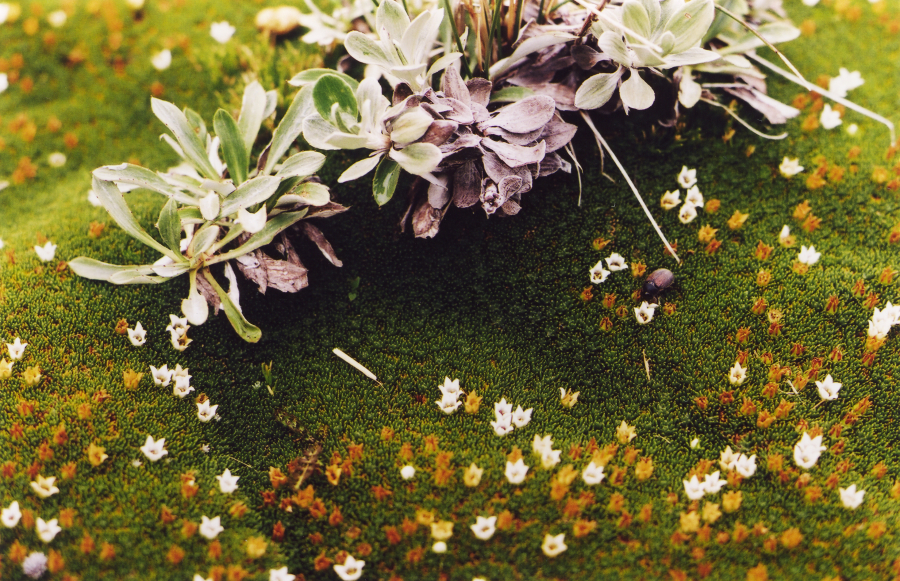
An example of a cushion plant with another plant species growing within it. Photo credit: wikimedia commons.