Using Wild Relatives to Improve Crop Plants

This is the thirteenth in a series of posts reviewing the 17 articles found in the October 2014 Special Issue of American Journal of Botany, Speaking of Food: Connecting Basic and Applied Science.

Back to the Wilds: Tapping Evolutionary Adaptations for Resilient Crops through Systematic Hybridization with Crop Wild Relatives by Emily Warschefsky, Varma Penmetsa, Douglas R. Cook, and Eric J. B. von Wettberg

The nature of domestication involves the narrowing of genetic diversity through a series of crosses and selections that results in organisms well suited for particular environments and/or purposes. In the short term, this arrangement seems to suit our needs, that is until the climate shifts, novel pests and diseases invade, agricultural soils become degraded, or some other calamity ensues. Then we must select a new form to take the place of the old one that is no longer suitable. Additionally, the varieties currently in use may be doing well within their current parameters, but their performance may be found lacking if placed in different environments or grown in alternate systems, such as one that relies on fewer petrochemical inputs.

The wild relatives of crop plants have a long history of being used in breeding programs to provide specific traits for improving domesticated varieties. Interest in this has increased thanks to technological advancements (such as marker-assisted selection and genomic selection) and the greater availability of germplasm. Introgression (the transfer of genes from one species to another through hybridization and repeated backcrossing) using crop wild relatives has mainly been aimed at introducing traits like resistance to specific pests and diseases, tolerance of certain abiotic stresses, and greater yields. In other words, crop wild relatives are typically screened for a few main traits that might be useful in breeding programs, neglecting the possibility that the introgression of a larger suite of traits may be beneficial long-term.

This article discusses the possibility of using “crop wild relative collections that [have been] systematically built to represent the range of adaptations found in natural populations” to improve crop plants. By using these “purpose-built populations that are hybrids between crops and their wild relatives,” crop plants introgressed with “full sets of wild diversity” will be better adapted to a wide variety of environments, soils, climates, and agricultural systems. In order to “illustrate the gains that are possible,” the authors review published studies of hybridization (both naturally occurring and human mediated). They then “propose a multi-step framework for utilizing naturally occurring variation in wild relatives of crops.”

Grapefruit (Citrus x paradisi) - A hybrid between sweet orange (Citrus sinensis) and shaddock (Citrus maxima) that "occurred far beyond the region of domestication and rather recently [the 18th centruy]." (photo credit: wikimedia commons)

Grapefruit (Citrus x paradisi) – A hybrid between sweet orange (C. sinensis) and shaddock (C. maxima) that “occurred far beyond the region of domestication and rather recently [the 18th century].” (photo credit: wikimedia commons)

Hybridization can occur between two individuals of different cultivars, varieties, subspecies, species, genera, etc. The genetics of the resulting offspring is a combination of the two parents, and depending on the circumstances, a hybridization event “can have drastically different consequences.” For this reason, “hybridization is thought of as both a creative and a restrictive force in evolution.” It is, however, “the potential for the production of novelty that makes hybridization such an intriguing – and potentially useful – phenomenon.”

In their discussion of hybridization between crops and their wild relatives, the authors reveal some “obstacles that limit the use of wild relatives in breeding programs.”

  • Poor Agronomic Performance – “Crop wild relatives often lack important domestication traits.” They may have shattering pods, irregular germination timing, or phenologies that inhibit their use in certain regions.
  • Poor Representation in Germplasm Collections – “Only 2-6% of international germplasm collections are of crop wild relatives.” There are some crop wild relatives that are well-represented, but others have been “poorly collected” or “almost ignored,” and some crops still “lack well-identified wild relatives.” One reason for this disparity is that a large number of these plants “occur in geopolitically unstable areas where collection has long been complicated.”
  • Unpredictability of Phenotypes – “Phenotypes of wild individuals are often assessed in agricultural settings, a largely uninformative practice when the overall wild phenotype is specifically adapted for fitness in the wild but not cultivated settings.” This makes for an inaccurate comparison with domesticated varieties, so when “crop-wild hybrids” are formed, phenotypes are hard to predict. Backcrossing is necessary in order to recover the “essential crop phenotype” while capturing the desired traits of the wild relative.

The authors also highlight the need for conservation of crop wild relatives, as “these species are nearly universally threatened.” The catalog of threats to their survival is similar to so many other threatened species: the loss, fragmentation, and degradation of habitats, climate change, invasive species, and over-harvesting (“in the case of medicinally and pharmaceutically useful species”). One threat, perhaps ironically, is agricultural crops crossing with nearby wild relatives, especially where transgenic genes in crops are being transferred to wild populations. In order to better realize the potential that crop wild relatives have in improving domesticated varieties, they must first be protected in their natural habitats.

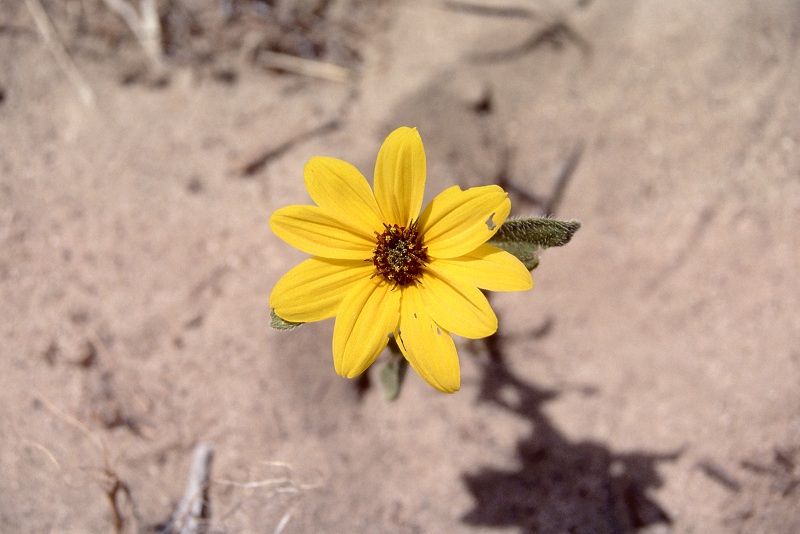
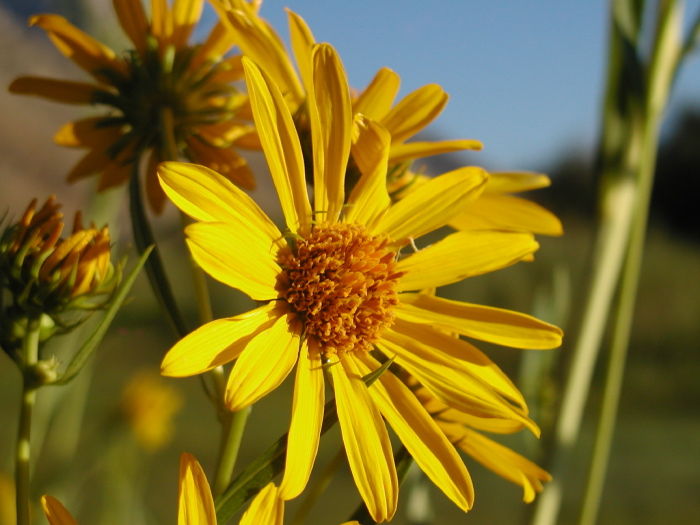
Desert sunflower (Helianthus deserticola) - One of three hybrid species born of H. annuus and H. petiolaris, "highlighting the expanded potential of hybrid species...through colonization of extreme habitats where neither parental species can survive." (photo credit: www.eol.org)

Desert sunflower (Helianthus deserticola) – One of three hybrid species born of H. annuus and H. petiolaris, “highlighting the expanded potential of hybrid species…through colonization of extreme habitats where neither parental species can survive.” (photo credit: www.eol.org)

The authors propose a 5 step plan for systematic utilization of crop wild relatives in agricultural breeding programs. The steps include building a comprehensive collection of crop wild relatives, sequencing their genomes, creating purpose-driven hybrid populations between wild relatives and crop plants, developing a predictive network of genotype-phenotype associations, and deploying identified phenotypes into crop breeding efforts. This article is one of the open access articles in this issue. If you are interested in this topic, including this 5 step plan, I encourage you to read the article to learn more. 

Improving Perennial Crops with Genomics

This is the twelfth in a series of posts reviewing the 17 articles found in the October 2014 Special Issue of American Journal of Botany, Speaking of Food: Connecting Basic and Applied Science.

Genomics: A Potential Panacea for the Perennial Problem by Kendra A. McClure, Jason Sawler, Kyle M. Gardner, Daniel Money, and Sean Myles

Compared to annuals, a small but significant portion of our food comes from perennial crop plants. “Approximately one eighth of the world’s total food-producing surface area is dedicated to perennials,” and while that may seem relatively small, there is a good chance that some of your favorite things to eat or drink are perennial crops (apples, bananas, coffee, citrus, sugar cane, coconut, avocados, olives, grapes, cherries, almonds…just to name a few). However, making improvements to and introducing new cultivars of perennial crops is considerably more challenging compared to annual crops simply due to the nature of perennials. This puts perennial crops at greater risk to threats like pests and diseases, climate change, soil degradation, and water and land shortages. Advances in genomics, “the collection and use of DNA sequence information,” could change this.

Because breeding efforts to improve perennial crops is so challenging, “only a small number of elite varieties become popular, and the amount of genetic diversity represented by commercially successful cultivars is therefore often low.” This suggests that there is incredible potential for improvement in these crops, as long as major hurdles can be overcome. Following is a list of some of those hurdles:

  • Time – Most perennial crops have “extended juvenile phases,” meaning they won’t produce fruit for as much as ten years, considerably delaying evaluation of the final product.
  • Space – Perennial crops, especially trees, are large compared to annual crops, so the area required for evaluation is extensive.
  • Infrastructure – “Many perennials require trellis systems, extensive land preparation, and substantial costs for specialized equipment and skilled horticultural labor.”
  • Complex Evaluations – Automated assessments are “either unavailable or poorly developed,” so evaluations that include “size, shape, color, firmness, texture, aroma, sugars, tannins, and acidity” require “tasting panels” to ensure that the final product “satisfies consumer demands.” This process is expensive, and it differs depending on whether the crop will be consumed fresh or processed.
  • Vegetative Propagation – “Many perennials suffer from severe inbreeding depression when selfed,” so cultivars are maintained through vegetative propagation. This is a plus, because it means that the fruits of perennial crops are reliably uniform, so growers and consumers know what to expect year after year. However, this also means that while pests and pathogens evolve, the crops do not, making them more susceptible to such threats. Additionally, the “long histories” of certain cultivars “discourages [growers] from undergoing the risk of trying recently developed cultivars.”
  • Consumer Preferences – “Consumers often exhibit an irrational reverence for ancient or heirloom varieties,” despite the fact that the development of new varieties can result in crops that are higher yielding, resistant to pests and diseases, tastier, more nutritious, more suitable for storage, and require fewer chemical inputs. This obsession with traditional varieties leaves a “tremendous amount of untapped genetic potential for the improvement of perennial crops.”
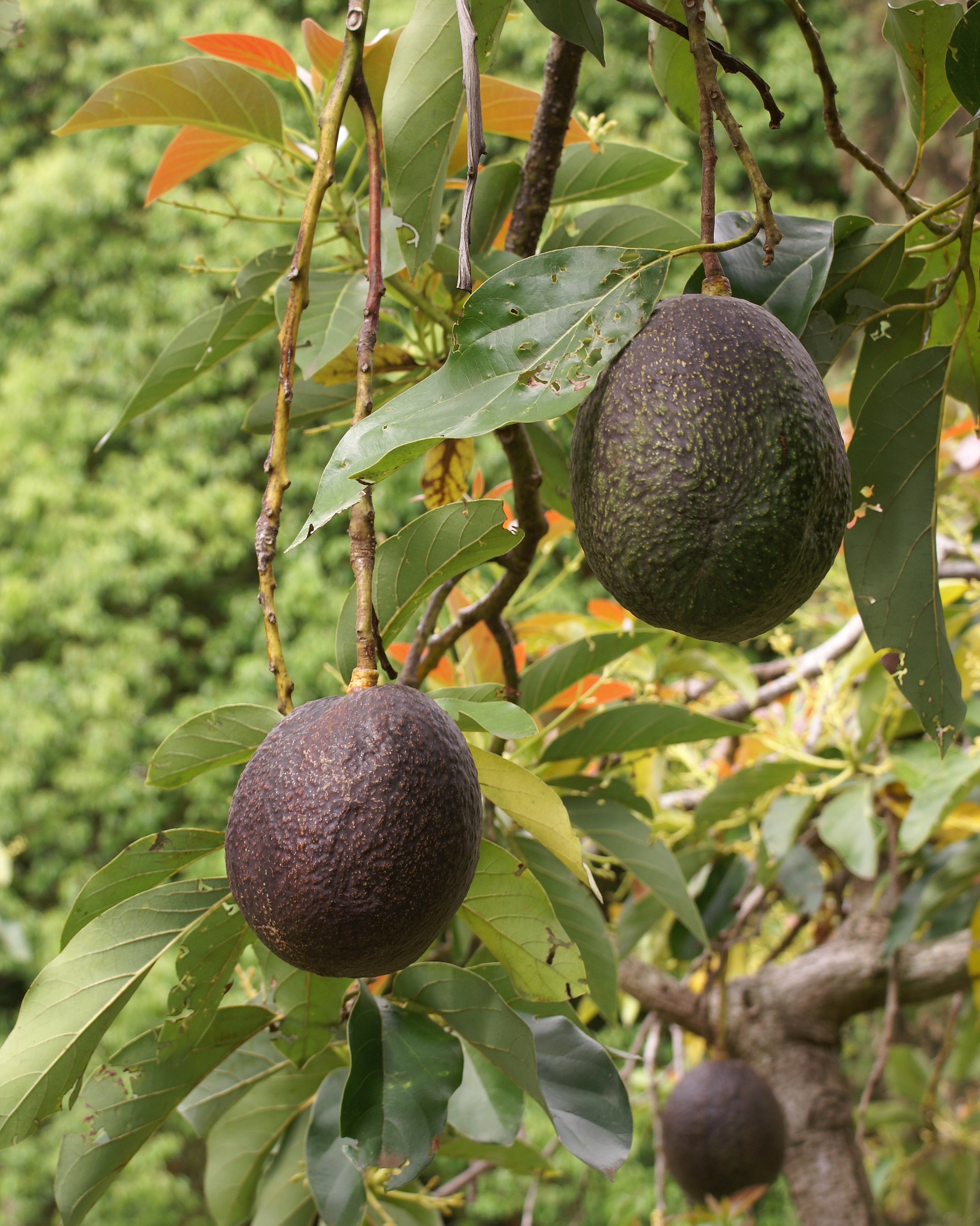
"Modern avocado breeding still depends heavily on open-pollination because of the difficulty associated with making controlled crosses." (photo credit: wikimedia commons)

“Modern avocado breeding still depends heavily on open-pollination because of the difficulty associated with making controlled crosses.” (photo credit: wikimedia commons)

Apart from issues of social and cultural preference, the challenge of breeding perennial crops comes down to time and money. Advances in genomics can help offset both of these things. Using DNA-based predictions, a plant’s phenotype can be determined at the seed or seedling stage. Genomics techniques can also be “used to reduce the generation time thereby enabling combinations of desirable traits to be combined on a timescale that is more similar to annual crops.” Below are summaries of specific areas discussed in the paper for using genomics in perennial crop breeding programs:

  • Reduction of Generation Time – This can be done using transgenic technology in ways that do not result in transgenic (GMO) cultivars. One method uses virus-induced gene silencing, in which a host plant is infected with “a virus that is genetically modified to carry a host gene;” the host plant then “attacks itself and uses its own endogenous system to silence the expression of one of its own genes.” Early flowering in apples has been induced after seedlings were inoculated with apple latent spherical virus that expresses a flowering gene derived from Arabidopsis thaliana.
  • Genetic Modification – Advances in genomics have brought us transgenic technology, and several commercial crops have been genetically modified using this technology. Most of them are annuals, but one perennial in particular, SunUp papaya, has been a major success. Its resistance to ringspot virus rescued the papaya industry from a devastating pathogen that “almost completely destroyed the industry in Hawaii.” Consumer disapproval, however, poses a major obstacle to commercial production of genetically modified organisms, and unless this changes, “their widespread use is unlikely.”
  • Marker-Assisted Selection – This is the “primary use of genomics in breeding.” The time between initial plant crosses and the introduction of a new cultivar can be dramatically shortened when genetic markers are used to determine the phenotypes of adult plants at the seedling stage. This technology is also useful when crossing domesticated plants with wild relatives, since genetic markers can be used to determine when desired traits are present in the offspring.
  • Ancestry Selection – After crosses with wild relatives, offspring may “perform poorly because wild germplasm often harbors numerous traits that negatively affect performance.” To overcome this, the offspring is crossed with cultivated plants until undesirable traits are eliminated. This is called backcrossing. Using marker-assisted selection, breeders can “select a small number of offspring in each generation that carry both the desired trait from the wild and the most cultivated ancestry.”
  • Genomic Selection – The success of marker-assisted selection is greatest when used for traits that are controlled by one or a few genes. However, many traits involve a complex set of genes. Genomic selection is a new technique that “uses dense, genome-wide marker data to predict phenotypes and screen offspring.” It is “especially useful for predicting complex traits controlled by many small-effect genes.” Genomic selection is in its infancy, so there are kinks to work out, but it is a promising technology for perennial crop breeding efforts.

The use of genomics will not replace every aspect of traditional perennial crop breeding and “should be viewed as a potential supplement…rather than a substitute.” Geneticists and plant breeders are encouraged to work together to develop and implement these technologies in a concerted effort to improve the crop plants that help feed the world.

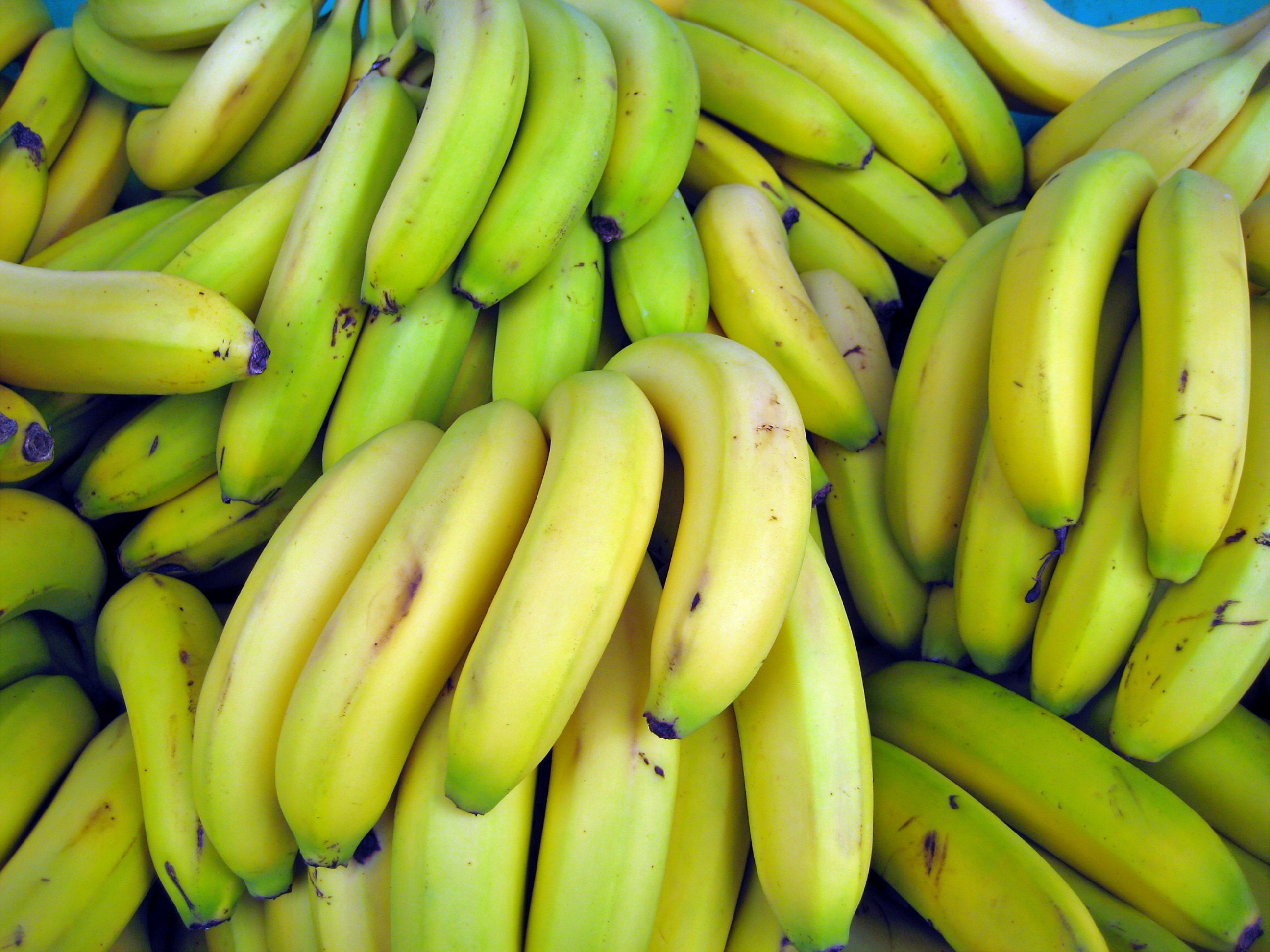
"Despite the remarkable phenotypic and genotypic diversity in bananas," the Cavendish banana is responsible for the "vast majority" of banana production. (photo credit: wikimedia commons)

“Despite the remarkable phenotypic and genotypic diversity in bananas,” the Cavendish banana is responsible for the “vast majority” of banana production. (photo credit: wikimedia commons)

Apples and Genetic Bottlenecks

This is the eleventh in a series of posts reviewing the 17 articles found in the October 2014 Special Issue of American Journal of Botany, Speaking of Food: Connecting Basic and Applied Science.

Genetic Diversity in Malus x domestica (Rosaceae) through Time in Response to Domestication by Briana L. Gross, Adam D. Henk, Christopher M. Richards, Gannara Fazio, and Gayle M. Volk

Domestication is a selection process. Plants with desirable traits are selected (consciously or unconsciously) and removed from the larger population to be grown out and selected from again. Over time, this series of selections results in a cultivated variety that differs substantially from the larger, origin population. This process, while yielding crop varieties that feed a growing population of humans, also results in a series of genetic bottlenecks, meaning they experience a reduction in genetic variation compared to their wild relatives.

There are two points were bottlenecks occur in the domestication process. The first takes place “during the initial domestication event as a subset of the wild population is brought into a cultivated setting.” This is called a “domestication bottleneck.” The second, known as an “improvement bottleneck,” happens when “modern, elite cultivars are selected from the broad variety of landraces [locally adapted varieties]” that were developed during the original domestication event. This stepwise reduction in genetic diversity “limits the options of plant breeders, even as they face the need to increase crop productivity and sustainability” in today’s changing climate.

Most of what we know about genetic bottlenecks during domestication is derived from studies of annual fruit and grain crops. However, “non-grain crops, and perennials in particular, respond to domestication or are domesticated in ways that are fundamentally different.” For this reason, the authors investigated genetic bottlenecks in apple (Malus x domestica), “one of the most widely distributed perennial fruit crops.” They then compared what they learned to other published studies of annual and perennial fruit crops in order to gain more insight into how genetic diversity is affected in these types of crops during domestication.

The common apple was domesticated in central Asia around 4,000 years ago and is a hybrid of at least three species: Malus sieversii, Malus orientalis, and Malus sylvestris. Today, apples are grown throughout the world, and there are more than 7,500 known cultivars with new cultivars being released regularly. Despite this impressive diversity, just fifteen cultivars make up 90% of apple production in the U.S. The authors of this study analyzed DNA from 11 of the 15 major cultivars as well as DNA from the three main wild progenitor species.

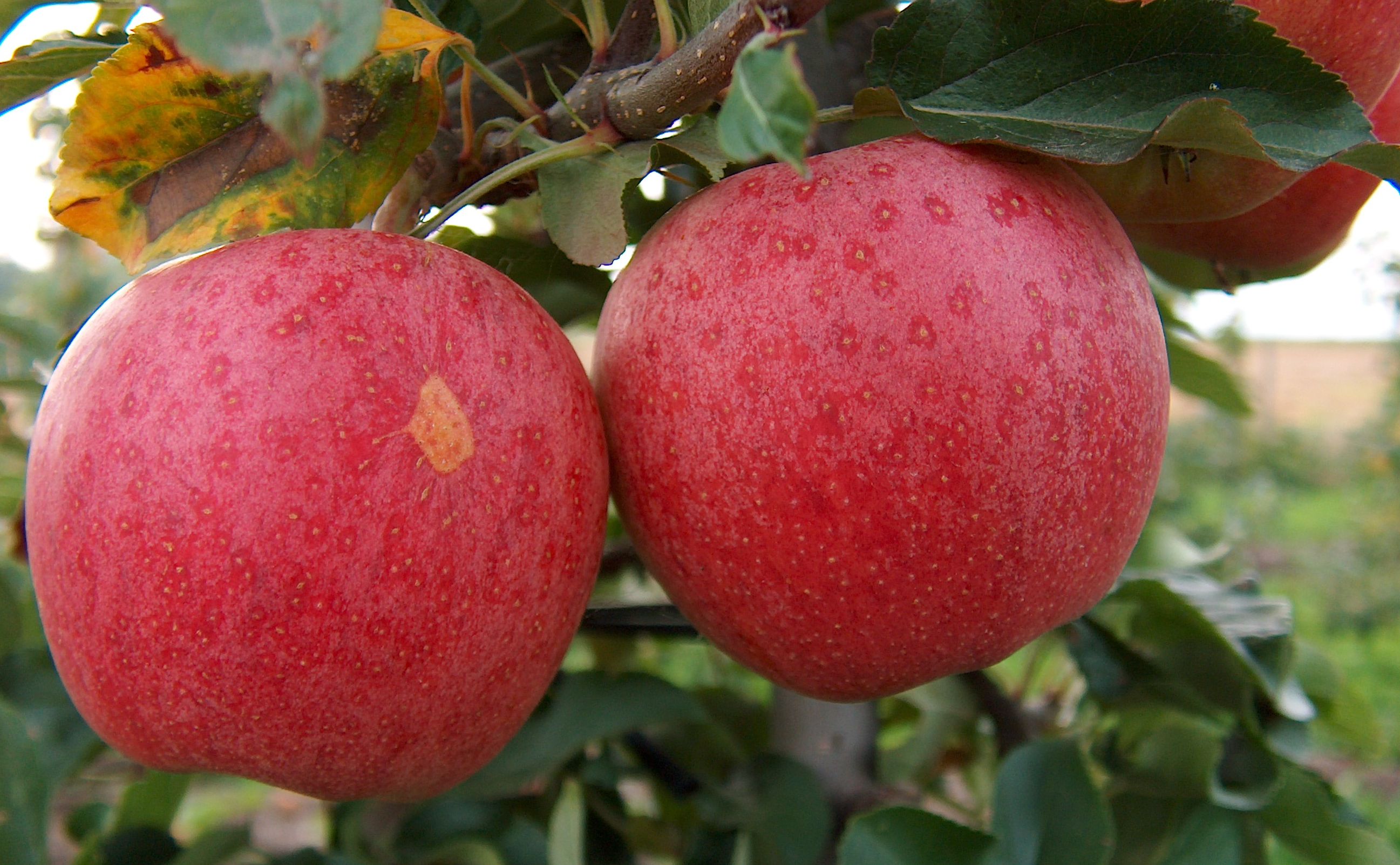
Malus x domestica 'Gala' - One of the top 15 apple varieties produced in the U.S. (photo credit: wikimedia commons)

Malus x domestica ‘Gala’ – One of the top 15 apple varieties produced in the U.S. (photo credit: wikimedia commons)

Perennial fruit crops typically experience “mild genetic bottlenecks” compared to annual fruit crops, and the authors confirmed this to be the case with domesticated apples, finding “no significant reduction in genetic diversity through time across the last eight centuries.” Because apple cultivars are maintained by clonal propagation, they can often be traced back to when they were originally developed, making bottlenecks easier to observe. The authors found that “the most recently developed or described cultivars of apples show little to no reduction in genetic diversity compared with the most ancient cultivars.” Cultivars developed since the 1950’s show increased diversity, which may partly be the result of plant breeders introducing genes from another wild species, Malus floribunda.

After a review of the literature, the authors found that apples have retained the highest amount of genetic diversity through the domestication process compared to other fruits, both annual and perennial. More studies are needed in order to confirm the accuracy and extent of these findings; however, the unique story of apple domestication may help explain why it has been “particularly prone to retaining diversity through time.” First, it was widely distributed across Eurasia during its early days of domestication. Second, it experienced “admixture with cultivars” as it expanded its range. For example, after being introduced to North America, it became naturalized, resulting in gene flow occurring between naturalized individuals and cultivated varieties. Offspring of these populations (“chance seedlings”), were then selected, cloned, and became named cultivars.

Despite the mild genetic bottleneck observed in apples, the authors warned that a “dependence on a small number of cultivars” for the majority of U.S. apple production may be resulting in some loss of genetic variation. Relying on so few cultivars may leave apple production vulnerable to pests, diseases, and climate change. “Careful management” is advised as “the continued genetic resilience of the crop is dependent on the genetic diversity of cultivars that are present in living and cryopreserved collections around the world.”

Malus sylvestris (common crabapple) - One of the three main players involved in the apple domestication story (photo credit: www.eol.org)

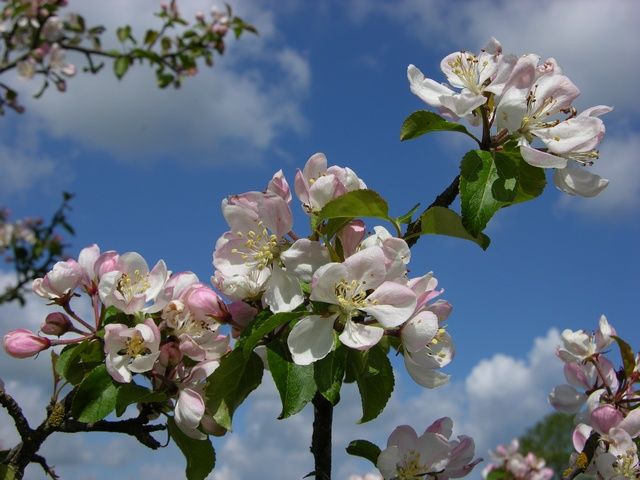
Blossoms of Malus sylvestris (common crabapple) – One of three main species involved in the history of apple domestication (photo credit: www.eol.org)

The Nonshattering Trait in Cereal Crops

This is the tenth in a series of posts reviewing the 17 articles found in the October 2014 Special Issue of American Journal of Botany, Speaking of Food: Connecting Basic and Applied Science.

Morphological Diversity and Genetic Regulation of Inflorescence Abscission Zones in Grasses by Andrew N. Doust, Margarita Mauro-Herrera, Amie D. Francis, and Laura C. Shand

Seed dispersal is a key aspect of reproduction in plants. Producing seeds requires large amounts of energy and resources, and if the seeds don’t find their way to a suitable environment where they can germinate and grow, then it may be all for naught. There are several modes of seed dispersal (wind, gravity, water, animals, ballistics), and each plant species has its own story to tell in this regard. However, one commonality that most all seed dispersal stories share is “disarticulation [separation] of the seed or fruit from the body of the plant via means of the formation of an abscission zone.”

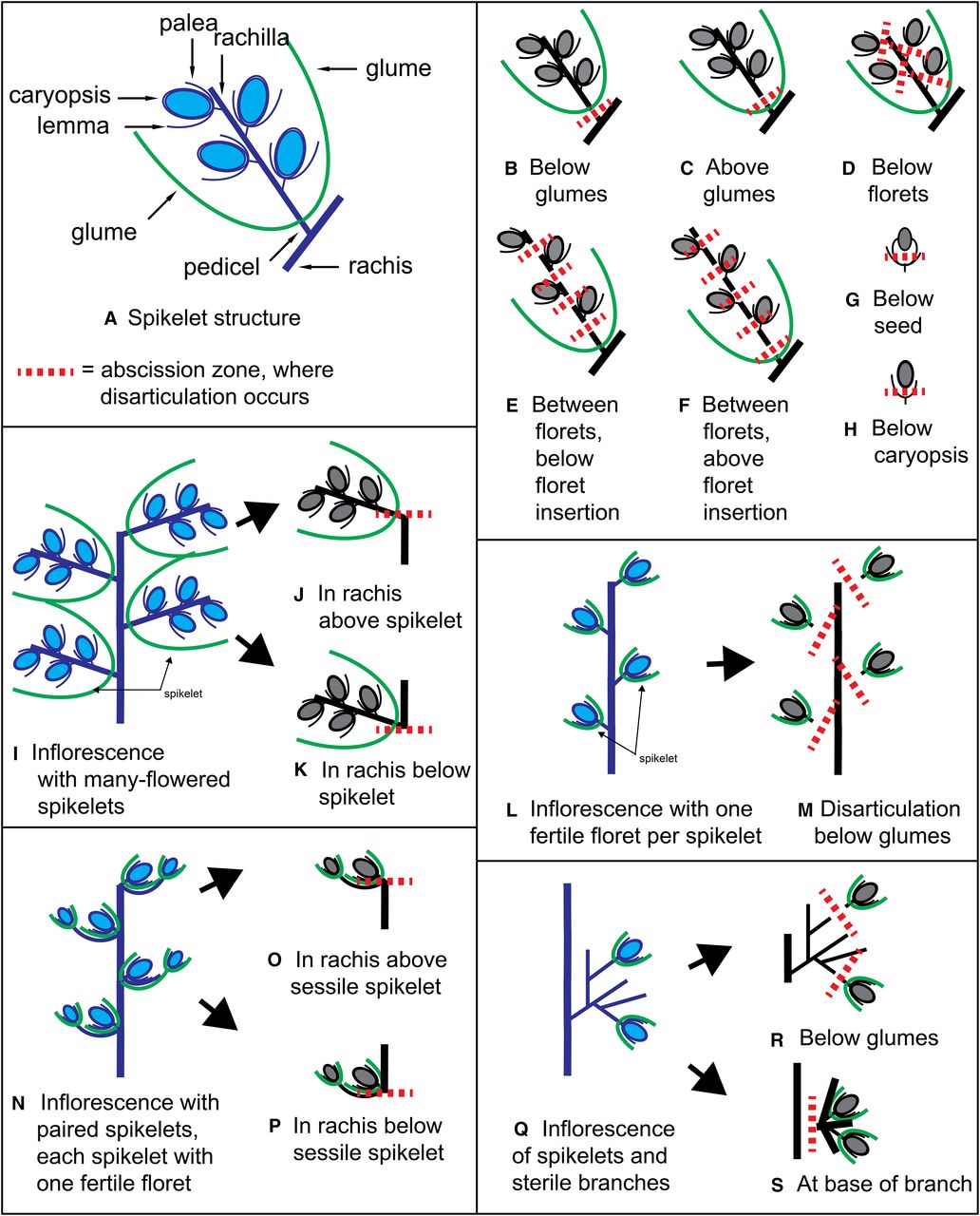
Seeds are typically dispersed inside fruits, and attached to the fruits may be other plant structures (such as parts of the inflorescence or, in the case of tumbleweeds, the whole plant). The entire dispersal unit (seed, fruit, etc.) is known as a diaspore. In the grass family, a fruit is called a caryopsis. It is a unique fruit because the fruit wall is fused to the seed, making it difficult to distinguish between the two. Methods of disarticulation in grasses are diverse, with diaspores varying greatly in their sizes and the plant parts they contain. Below is a figure from this article showing this diversity. Abscission zones are depicted using red dotted lines.

Domesticated crop plants do not exhibit the same levels of disarticulation that their wild relatives do. This is because “nonshattering forms” were selected during early stages of domestication due to their ease of harvest. Today, all domesticated cereal crops are nonshattering, and all began by selecting “a nonshattering phenotype where the grain [did] not fall easily from the inflorescence.”  However, the wild relatives of cereal crops, “as well as grasses as a whole, differ widely in their manner of disarticulation [as indicated in the figure above].” A mutation in the genes that control abscission is what leads to nonshattering phenotypes. Because all domesticated cereal crops began as nonshattering mutants, the authors of this study were interested in investigating whether or not there is a common genetic pathway across all cereal crops and their wild grass relatives that controls the abscission trait.

The “genetic control of loss of shattering” is important to those interested in domestication, thus it “has been studied in all major crops.” Some of these studies suggest that there is a common genetic pathway that controls abscission in cereal crops, while others suggest there may not be. The authors of this study suspect that “there is potential for considerable genetic complexity” in this pathway, and so before we can determine “the extent to which there are elements of a common genetic pathway,” we must first develop “a better understanding of both diversity of disarticulation patterns and genetic evidence for shared pathways across the grasses.”

In an effort to begin to answer this question, the authors used herbaria vouchers to analyze “morphological data on abscission zones for over 10,000 species of grasses.” They also reviewed published scientific studies concerning the genetics of disarticulation in grasses and cereal crops. They determined that “the evidence for a common genetic pathway is tantalizing but incomplete,” and that their results could be used to inform a “research plan that could test the common genetic pathway model more thoroughly.” Further studies can also “provide new targets for control and fine-tuning of the shattering response” in crop plants, which could result in “reducing harvest losses and providing opportunities for selection in emerging domesticated crops.”

Foxtail millet, Setaria italic (photo credit: www.eol.org)

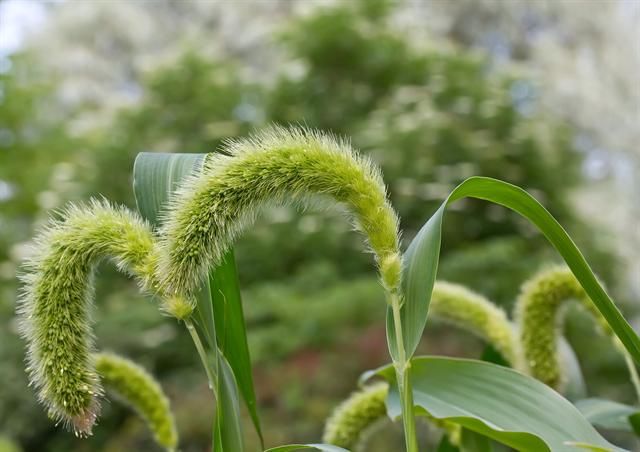
Foxtail millet (Setaria italica), a widely cultivated species of millet, has “shattering genes” similar to those found in sorghum and rice (photo credit: www.eol.org)


Cultivated Sunflowers and Their Wild Relatives

This is the ninth in a series of posts reviewing the 17 articles found in the October 2014 Special Issue of American Journal of Botany, Speaking of Food: Connecting Basic and Applied Science.

Transistions in Photoperiodic Flowering Are Common And Involve Few Loci in Wild Sunflowers (Helianthus; Asteraceae) by Lucas P. Henry, Ray H. B. Watson, and Benjamin K. Blackman

The seasonal timing of flowering is an important trait to consider in crop plants, because it dictates where geographically a particular crop can be grown and also plays a role in fitness and yield. Flowering time is determined by a combination of genetics and environmental factors. One of the major environmental factors is day length, a phenomenon known as photoperiod response (or photoperiodism).  There are three main types of photoperiod response: short-day (plants flower when “grown in day lengths below a critical maximum threshold”), long-day (plants flower when “grown in day lengths above a critical minimum threshold”) and day-neutral (“plants flower at the same time under all day length conditions”). A plant’s response to day length can be obligate – restricted to a particular response – or facultative – capable but not restricted. Understanding the genetics of photoperiod response is important for breeding efforts, and can help in the development of crop varieties that have improved yields and that can be either grown in broader geographic areas or that are specifically selected for local regions.

Agricultural breeding programs often investigate wild relatives of crop plants for potential traits that could lead to improvements. There is “renewed interest” in these investigations “because genome-enabled methods [of identifying desirable genes] and international investment in germplasm resources have dramatically reduced the associated labor, time, and risk.” The authors of this study, recognizing extensive variation in flowering time in both common sunflower (Helianthus annuus) and its wild relatives, examined the genetic basis for this variation in an effort to support sunflower breeding programs.

Common Sunflower, Helianthus annuus (photo credit: Wikimedia commons)

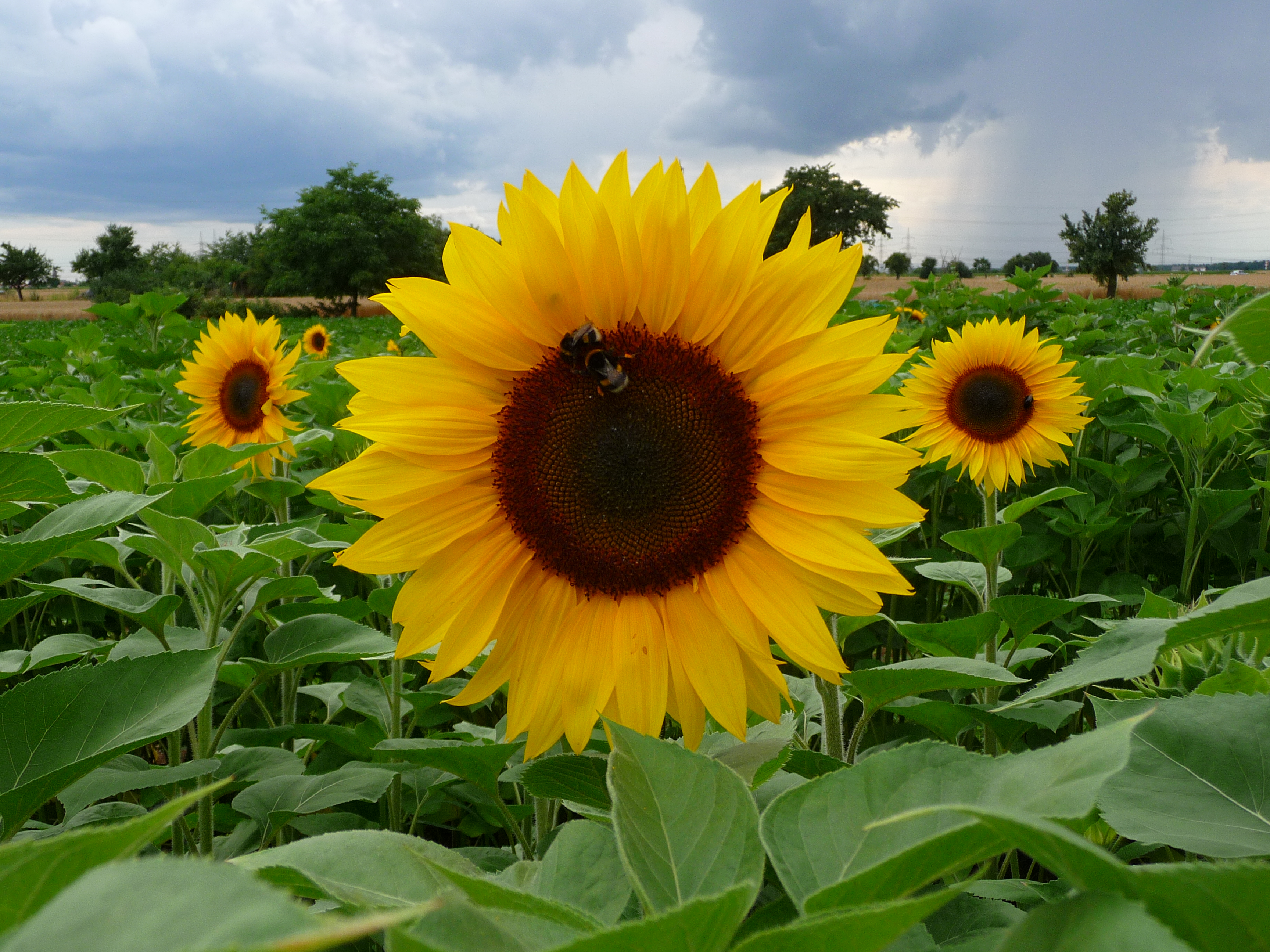
Common Sunflower, Helianthus annuus (photo credit: wikimedia commons)

Helianthus is a genus consisting of around 70 species, most of which are native to North America (a few occur in South America). Several species in this genus are cultivated as food crops and/or as ornamental plants. H. annuus is the most commonly cultivated species, valued for its edible seeds and the oil they produce as well as for various other things. Wild relatives of H. annuus have “been a frequent source of genetic raw material for agricultural innovation,” aided by the fact that “barriers to interspecies crosses are incomplete or can be overcome through embryo culture or chromosomal doubling.” Helianthus is a diverse genus, including generalist species occurring in “diverse environments over broad geographic regions” and specialist species occurring in “habitats characterized by high temperature, water, or salt stress.” For this reason, “wild sunflowers are prime sources to mine for alleles that confer higher yield in new or marginal” agricultural settings.

A relatively small subset of Helianthus species were involved in this study; however, the subset represented a “phylogenetically dispersed sample.” One interesting finding was that the evolution of an obligate short-day requirement for flowering has occurred in several species, “particularly those with ranges restricted to the southern United States.” The authors suggest that a reason for this finding could be that “long, hot, and humid summers” in this region “may be unfavorable for growth or reproduction.” Thus, while populations of H. annuus “likely escape these conditions by flowering in the long days of late spring,” other Helianthus species put off “flowering until the arrival of cooler, less humid falls.” Flowering during cooler times is beneficial because pollen fertility decreases and seed maturation slows at high temperatures. The risk of fungal pathogens attacking flowers and dispersed seeds is also reduced during periods of lower humidity.

Another important finding was that the diversity in photoperiod response in Helianthus appears to have a “relatively simple genetic architecture.” If this is the case, it could “greatly facilitate rapid crop improvement by marker-assisted selection.” Further studies are necessary, specifically those involving “intra- and interspecific crosses segregating for variation in photoperiod response,” in order to confirm the authors’ findings and justify “broader investment of resources into these applied efforts.”

Nuttall's Sunflower (Helianthus nuttallii), one of Common Sunflower's wild relatives (photo credit: www.eol.org)

Nuttall’s Sunflower (Helianthus nuttallii), one of Common Sunflower’s wild relatives (photo credit: www.eol.org)

While much was learned from this study, the authors acknowledge the need for “future investigations with greater taxonomic and environmental sampling.” Researchers recently produced a “draft genome” for sunflower. This additional resource will greatly aid breeding programs and further inform studies, like this one, that are interested in the “mechanistic factors and ecological agents that have promoted the emergence of the great diversity and lability in photoperiod response observed in wild sunflowers.”

Your Food Is a Polyploid

This is the seventh in a series of posts reviewing the 17 articles found in the October 2014 Special Issue of American Journal of Botany, Speaking of Food: Connecting Basic and Applied Science.

Doubling Down on Genomes: Polyploidy and Crop Plants by Simon Renny-Byfield and Jonathan F. Wendel

This is another fascinating but dense article about genetics. The major theme, as the title suggests, is polyploidy and its role in crop domestication and future crop improvements – a sub-theme being that by studying polyploidy in crop plants, we can gain insights into polyploidy generally as it relates to non-crop plants. Polyploidy – or whole genome duplication – is “where an organism possesses more than a diploid complement of chromosomes.” Typically, chromosomes come in sets of two, one set from each parent. Organisms with this type of an arrangement are called diploids. Polyploids are organisms with more than two sets of chromosomes. In general terms, this can occur as a result of two species hybridizing (interspecific hybridization), which is called allopolyploidy, or it can occur as a result of spontaneous genome doubling in a single species, which is called autopolyploidy. This article deals mainly with allopolyploid as polyploidy in crop plants is largely a result of hybridization.

Much of what we know about polyploidy has been discovered relatively recently during what is referred to as the “genomics era.” Traditionally, identifying polyploids was done by examining the number of chromosomes in a cell. Today, technological advances such as next generation sequencing have brought new insights into polyploidy and allowed us to identify evidence of it in organisms that cannot be observed simply by counting chromosomes. Plants that are now considered diploids went through periods of whole genome duplication in the distant past; however, due to genome downsizing and other events, they present themselves as diploids. This historical polyploidy is called paleopolyploidy. Evidence now suggests that all seed plants and flowering plants (angiosperms) are “rightly considered to have a paleopolyploidy ancestry.”

As I did with past articles that were very genetics heavy, I will use the bullet point method to list some of the main things that I learned from the article rather than offering a full review. As with any article that I review, my goal is to present the information in a digestible manner for as wide of an audience as possible without misrepresenting or oversimplifying the science and the research. This seems to be one of the main struggles faced by all who write about science for a general audience – a topic to be explored another time, perhaps.

  • The recent discovery that the genomes of all seed plants and angiosperms have “experienced multiple rounds of whole genome duplication” is “one of the most significant realizations to emerge from the genomics era.” In the past decade, “the ubiquity and scope of whole genome duplication has truly come to light,” and we no longer need to ask, “Is this species a polyploid?,” but rather “how many rounds of whole genome duplication occurred in the ancestral lineage of this taxon, and when was the most recent polyploidy?”
  • Recently formed polyploids are not stable and experience a period of “genomic shock.” They must “overcome an initial fitness cost associated with genomic [deviations].” These “large-scale perturbations [events that alter the function of a biological system] have the potential to add novel genetic material to the genome, potentially useful in the context of domestication and selection.”
  • Plants that appear to be diploids are actually paleopolyploids that have undergone a process called diploidization “in which the genome of a polyploidy is pruned, often by poorly understood mechanisms, such that it returns to a diploid-like condition.” Over time, duplicated genes are removed, DNA is eliminated, chromosome numbers decrease, etc. The organism then presents itself as a diploid, however traces of its polyploidy past remain detectable.
  • It has long been understood that hybrids can exhibit what is known as hybrid vigor (or heterosis) wherein they express traits that are superior to their parents, such as faster growth and higher yields. This is the reason plant breeders make such crosses. Debate continues concerning the “precise causes of heterosis.” Current research is focused on the epigenetic variability that is “induced by hybridization and polyploidy.” Epigenetics, which concerns variation that is not a result of alterations to DNA, is an emerging field that can be advanced through the study of polyploidy. Additionally, “the utilization of epigenetic diversity within crop species will provide a novel avenue for crop improvement in the coming years.”
  • While polyploids have great potential to increase our understanding of genomics and greatly improve “targeted breeding efforts,” they are historically difficult to study mainly due to the large size of their genomes compared to diploids. “Larger genomes are more expensive to sequence and require greater computational finesse.” To date, “only a single example of a ‘complete’ polyploidy genome exists, that of autotetraploid potato.” The authors “anticipate that these methodological challenges will soon be overcome by advances in genome sequencing technologies,” and along with “other powerful approaches,” continued insights into polyploidy will be attained.
Upland cotton (Gossypium hirsutum) is the most widely cultivated species of cotton in the United States. It is an allopolyploid that produces fibers that are "considerably longer, stronger, and whiter than are possible to obtain from any diploid." (photo credit: www.eol.org)

Upland cotton (Gossypium hirsutum) is the most widely cultivated species of cotton in the United States. It is an allopolyploid, and it produces fibers that are “considerably longer, stronger, and whiter than are possible to obtain from any diploid.” (photo credit: www.eol.org)

Carrots and Strawberries, Genetics and Phylogenetics

This is the fifth in a series of posts reviewing the 17 articles found in the October 2014 Special Issue of American Journal of Botany, Speaking of Food: Connecting Basic and Applied Science.

As expected, some of the articles in this issue get into pretty deep discussions about genetics and phylogenetics. Advancements in sequencing and analyzing DNA have not only led to better understanding of genes and their functions but have also given us greater insight into how species are related and their proper place on the phylogenetic tree.  While I have some background in these things and can follow along at a basic level, I certainly don’t feel confident in authoritatively summarizing such findings . I also question whether or not a high level discussion of phylogenetics makes for an interesting and engaging blog post. Plant systematics geeks are aggressively nodding “yes”; other readers’ eyes have glazed over by this point.

I am certainly not arguing that this is not important stuff. When a species we have become familiar with is suddenly given a new scientific name, it is not too annoy those of us who are trying to learn the names of things, rather it is because something novel has been discovered about the way living things are organized, about their life history – the way they came to be.  We should be celebrating advancements that allow us to look back over the millions of years of life on earth and see how various species emerged, evolved, disappeared, were replaced, and ultimately arrived at what we view today. And we should be humbled to know that these present forms are not the climax, that we are simply getting a glimpse in the evolutionary trajectory of the organisms around us. Perhaps it will prompt us to protect them, understanding that every scrap of biodiversity is important and worth conserving. After all, who are we to decide how the story goes?

The sixth and seventh articles in “Speaking of Food” are about carrots and strawberries respectively. Discussion about the genetics and phylogenetics of these plants dominates the articles, with the application being that we can improve these crops by better understanding their genetics, and we can gain insights into plant evolution by better understanding their phylogenetics.  Rather than give you a thorough overview of each of these articles (for reasons stated above), I am offering you bullet points of a few of the things that I learned while reading them.

Phylogenomics of the Carrot Genus (Daucus, Apiaceae) by Carlos Arbizu, Holly Ruess, Douglas Senalik, Philipp W. Simon, and David M. Spooner

  • The domesticated carrot (Daucus carota subsp. sativus) is “the most notable cultivated member of Apiaceae [a family consisting of 455 genera and over 3,500 species] in terms of economic importance and nutrition.”
  • Carrots are our primary source of vitamin A (due to high levels of alpha and beta carotenes), “accounting for about half of dietary intake.”
  • Wild carrot species can be used to improve the domesticated carrot by providing genes that will help with pest and disease resistance, yield increases, better nutrient value, etc.
  • “The taxonomy of D. carota is particularly problematical. It undergoes widespread hybridization experimentally and spontaneously with commercial varieties and other named subspecies.”
  • The researchers, upon examining more than half of the known Daucus species and 9 species that are very closely related, identified several Daucus spp. that “may be easily incorporated in carrot breeding programs.”
  • This study determined “misidentifications in germplasm collections” and highlighted “the difficulty of defining subspecies of D. carota.”
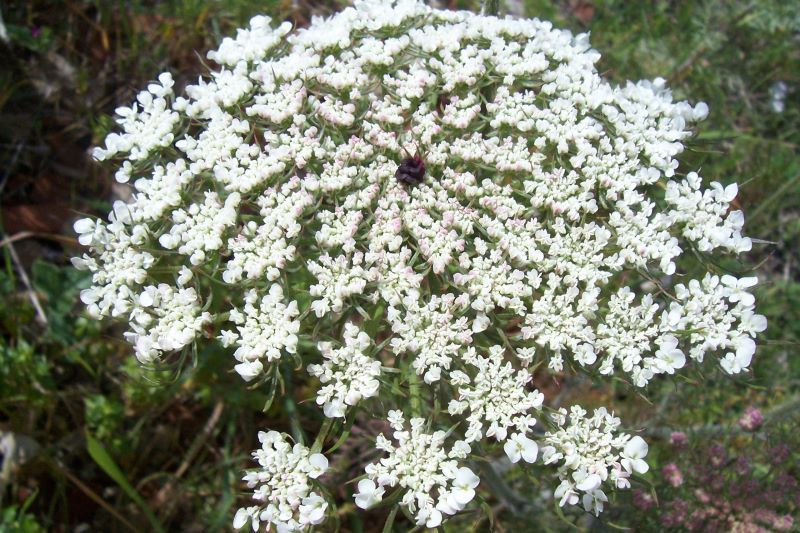
Flowers of Daucus carota (photo credit: www.eol.org)

Flowers of Daucus carota (photo credit: www.eol.org)

Fragaria: A Genus with Deep Historical Roots and Ripe for Evolutionary and Ecological Insights by Aaron Liston, Richard Cronn, and Tia-Lynn Ashman

  •  Fresh strawberries are fifth on the list of fresh fruit consumption in the United States.
  • “Resistance to a Fragaria-specific powdery mildew has been demonstrated in F. x ananassa [domesticated strawberry] transformed with a peach locus, and the cultivation of such transgenic plants could reduce pesticide usage in strawberry.” Commercial production awaits, though, “due to public resistance, a lack of industry support, and concerns over gene flow to the wild species of Fragaria.”
  • “The modern cultivated strawberry, Fragaria x ananassa, originated in the 18th century in Europe from hybridization between two species imported from North and South America. The parental species, F. virginiana and F. chiloensis, also hybridize naturally in northwestern North America, but there is no evidence that they were ever cultivated by the native Americans in this area.”
  • The stolons of strawberry plants can be used as dental floss!? So said Antoine Nicolas Duchesne in his 1766 book about strawberries. I guess I’ll have to read his account to get more insight into this interesting detail.
  • F. x ananassa has flowers that are self-compatible, but it is “derived from the hybridization of two wild species that show gender dimorphism,” which is common in the genus. For this reason, Fragaria, is “proving to be an exceptional model system for understanding the sexual system and sex chromosome evolution.”
  • Fragaria species occur across a broad range of temperate habitats and elevations from sea level sand dunes to moist, productive meadows to high, dry, mountain summits.” They are adapted to a wide variety of environmental conditions. “This variation represents a potential source of genetic variation for climatic tolerance, disease/pest resistance, and yield-associated traits.”
  • The Fragaria genus, like virtually all genera of flowering plants, includes polyploid species. Researchers conclude that Fragaria is an “ideal system for exploring relationships between ploidy formation, ploidy level, and the coordination of transcriptomic control.” They also believe that continued studies of “ecological and evolutionary genomics in Fragaria has the potential to provide further insights into hybridization.”
  • Finally, the researchers advise that the “familiarity of strawberries provides an opportunity to engage and educate the public about botanical research.”
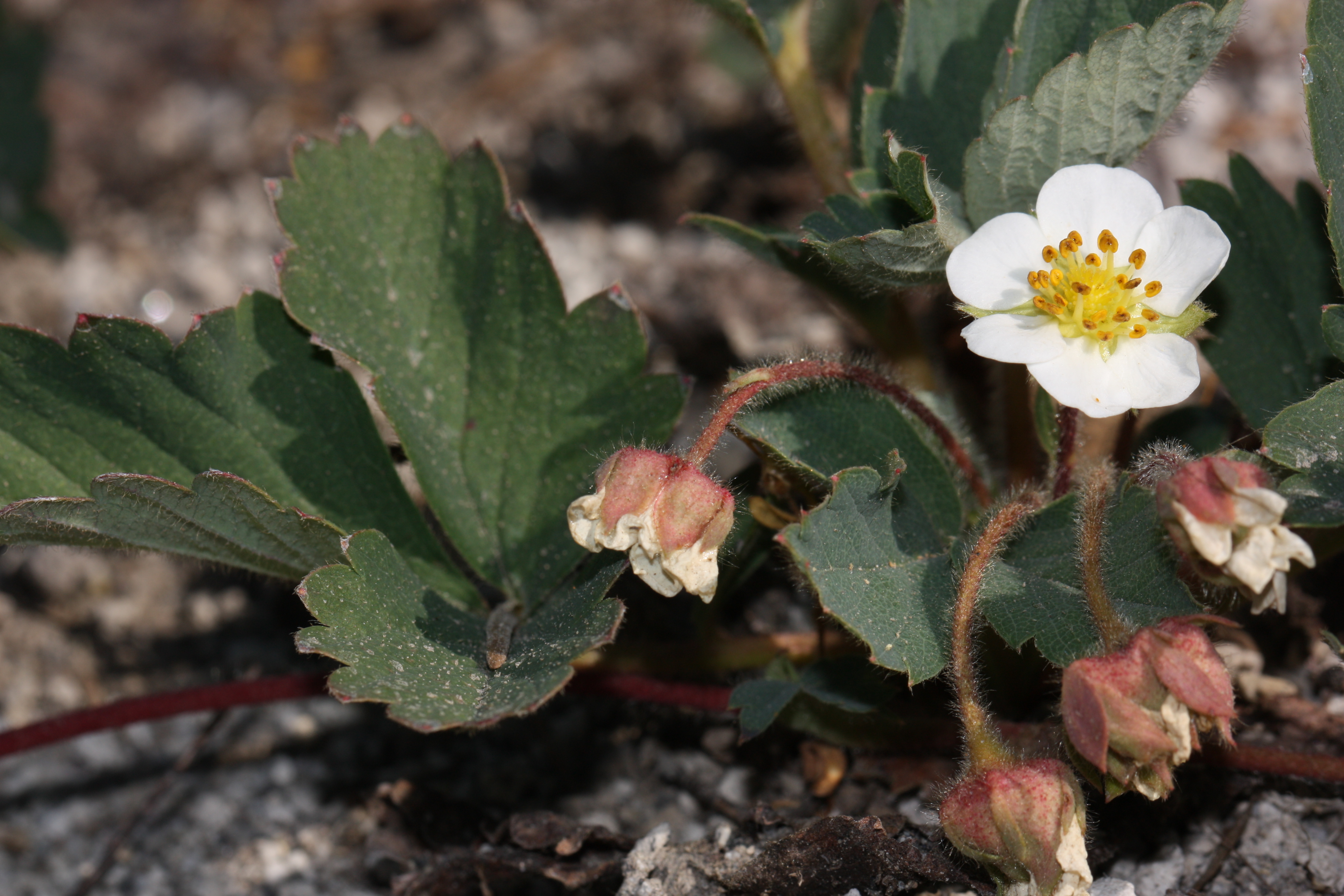
Broadpetal Strawberry, Fragaria virginiana supsp. platypetala (photo credit: wikimedia commons)

Broadpetal Strawberry, Fragaria virginiana supsp. platypetala (photo credit: wikimedia commons)

An Underutilized Crop and the Cousins of a Popular One

This is the fourth in a series of posts reviewing the 17 articles found in the October 2014 Special Issue of American Journal of Botany, Speaking of Food: Connecting Basic and Applied Science.

Genetic Diversity in Carthamus tinctorius (Asteraceae; Safflower), An Underutilized Oilseed Crop by Stephanie A. Pearl and John M. Burke

Safflower (Carthamus tinctorius) was first domesticated in the Fertile Crescent about 4,500 years ago. It was originally desired for its flowers which were used in dye making. Commercial production of safflower began in North America in the 1950’s, where it is now mainly grown for its seeds which are used to produce oil for human consumption and are a main ingredient in bird seed mixes. Despite this, it is categorized as an “underutilized crop,” one “whose genetic potential has not been fully realized.” With increased interest in food security and feeding a growing population, researchers are turning to new and underutilized crops in order to increase the “availability of a diverse assemblage of crop species.”

A major step in improving a crop plant is understanding the genetic diversity that is available within its gene pool. With this aim in mind, researchers observed a “broad cross section of the safflower gene pool” by examining the DNA of a “worldwide sampling of diversity from the USDA germplasm collection [134 accessions consisting of 96 from the Old World and 38 from the New World]”, 48 lines from two major commercial safflower breeding programs in North America, and 8 wild collected safflower individuals.

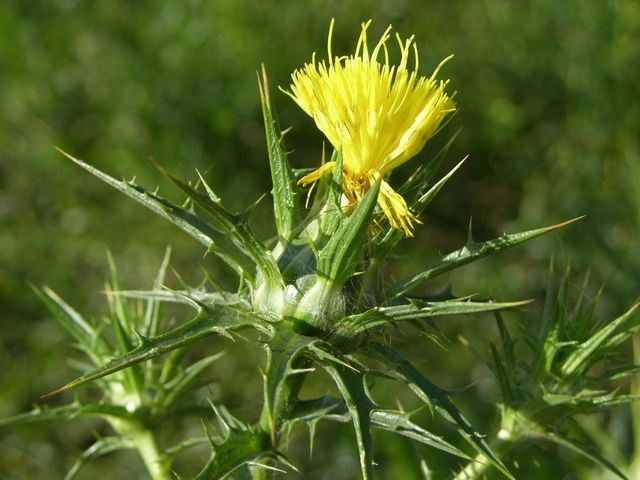
Safflower, Carthamus tinctorius (photo credit: www.eol.org)

Safflower, Carthamus tinctorius (photo credit: www.eol.org)

Researchers found that the cultivated safflower varieties had a significant reduction in genetic diversity compared to the wild safflower plants. They also noted that the 96 Old World accessions could be grouped into “four clusters that corresponded to four different geographic regions that presumably represent somewhat distinct breeding pools.” They found that the wild safflowers “shared the greatest similarity with the Iran-Afghanistan-Turkey cluster” from the Old World group of accessions, a finding that “is consistent with safflower’s presumed Near Eastern center of origin.”

The researchers determined that there may be “agronomically favorable alleles present in wild safflowers,” and that “expanded efforts to access wild genetic diversity would facilitate the continued improvement of safflower.” Safflower is an important but underused oilseed crop that is adapted to dry climates; studies like this one that can lead to further crop improvements may help bring it out of niche production and into more widespread use.

The Wild Side of a Major Crop: Soybean’s Perennial Cousins from Down Under by Sue Sherman-Broyles, Aureliano Bombarely, Adrian F. Powell, Jane L. Doyle, Ashley N. Egan, Jeremy E. Coate, and Jeff J. Doyle

Soybean production is a major money maker in the United States ($43 billion total revenue in 2012); corn is the only crop that tops it. Soybean oil has myriad uses from food to feedstock and from pharmaceuticals to biofuel. As much as 57% of the world’s seed oil comes from soybeans produced in the United States. Hence, soybean (Glycine max and its wild progenitor, G. soja) is a well researched crop. Most research has been focused on the two annual species in the subgenus Soja; “less well known are the perennial wild relatives of soybean native to Australia, a diverse and interesting group that has been the focus of research in several laboratories.”

Given the agricultural importance of soybean and the increasing demands that will be placed on this crop as population rises, it is imperative that improvements continue to be made. Exploring soybean’s “extended gene pool,” including both its annual “brother” and its perennial “cousins,” will aid in making these improvements.

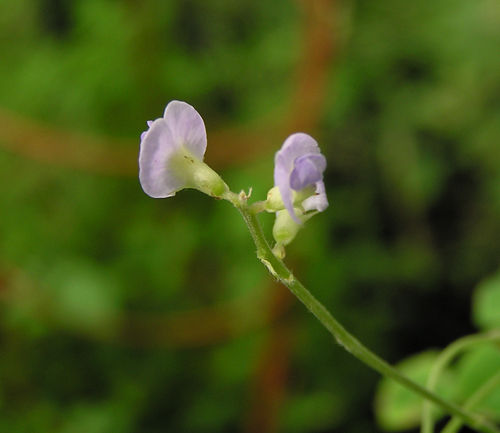
Soybean's wild annual relative, Glycine soja (photo credit: www.eol.org)

Soybean’s wild annual relative, Glycine soja (photo credit: www.eol.org)

Perennial soybeans in the subgenus Glycine include around 30 species. They are adapted to a wide variety of habitats “including desert, sandy beaches, rocky outcrops, and monsoonal, temperate, and subtropical forests.” They are of particular interest to researchers because several of them are allopolyploids, meaning that they have more than the usual two sets of chromosomes and that the additional sets of chromosomes were derived from different species. The authors state that “the distributional differences between diploids and independently formed polyploids [in the subgenus Glycine] suggests underlying ecological, physiological, and molecular differences related to genome doubling and has led to the development of the group as a model for studying allopolyploidy.” The group is also worth studying because they demonstrate resistance to various soybean pathogens and are adapted to a variety of environmental conditions.

By continuing to work with soybean’s perennial cousins to gain a better understanding of “polyploidy and legume evolution,” the authors hope to apply their research to achieve increases in soybean yields. Past research suggests that the study of polyploidy in the perennial soybeans could lead to crop improvements in areas such as photosynthesis, nitrogen fixation, flowering time, and disease resistance.

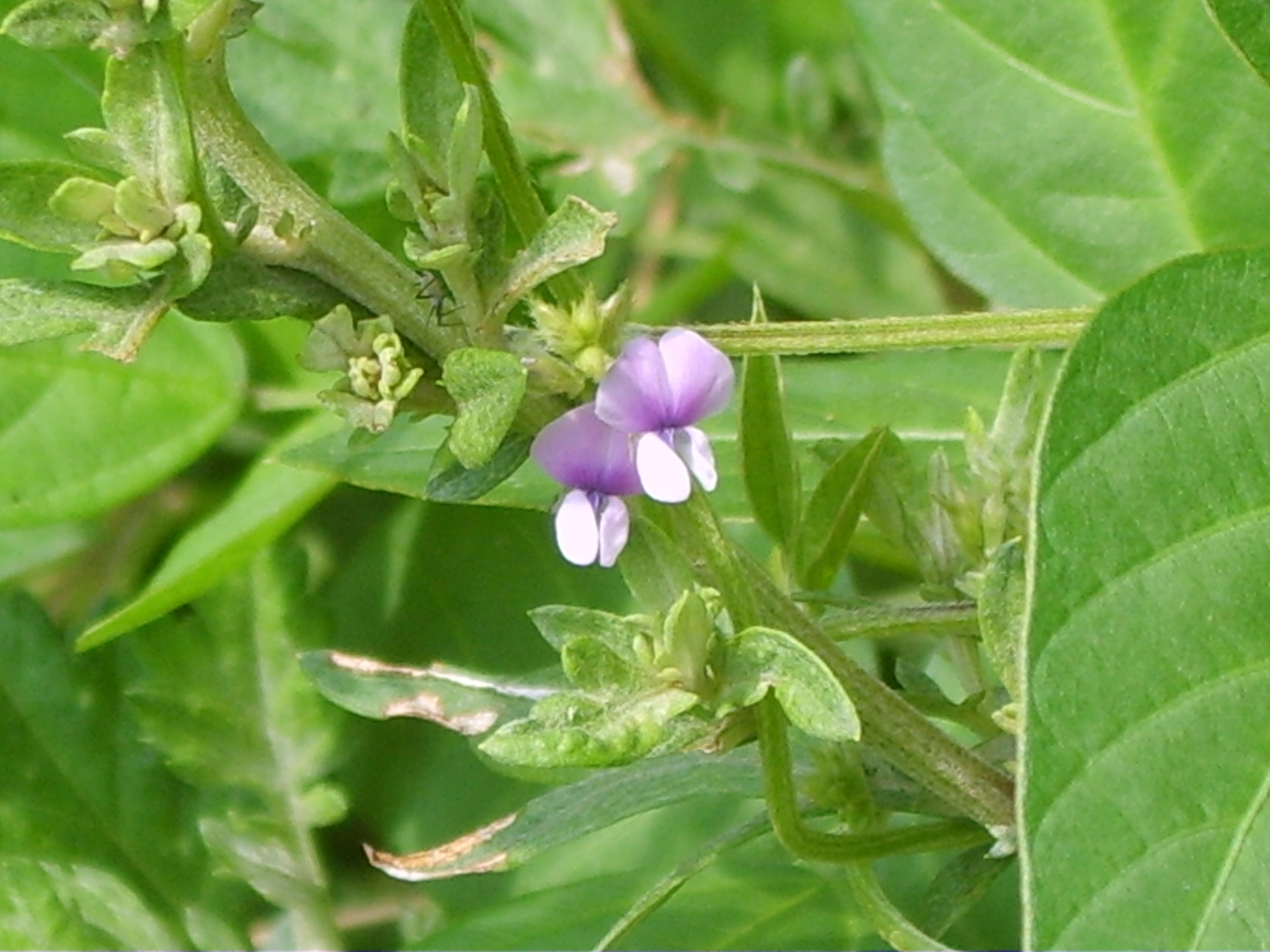
Glycine tomentella - one of soybean's perennial cousins (photo credit: www.eol.org)

Glycine tomentella – one of soybean’s perennial cousins (photo credit: www.eol.org)


On the Origins of Agriculture

This is the first in a series of posts reviewing the 17 articles found in the October 2014 Special Issue of American Journal of Botany, Speaking of Food: Connecting Basic and Applied Science.

Agricultural Origins from the Ground Up: Archaeological Approaches to Plant Domestication by BrieAnna S. Langlie, Natalie G. Mueller, Robert N. Spengler, and Gayle J. Fritz

Concern about food and the environment has been on the rise for a while now. Interest in healthy food grown and produced in a responsible manner has prompted people to investigate where their food is coming from. Archaeologists studying plant domestication and the rise of agriculture are also concerned with where our food came from; however, their research efforts are more focused on prehistoric events rather than on what is being stocked on today’s grocery store shelves.

The authors of this paper, all archaeologists specializing in paleoethnobotany or archaeobotany, offer a broad overview of the study of plant domestication and the emergence of agricultural economies. In their studies the authors “treat domestication as a process that originally preceded the formation of agricultural economies” and they define domestication as “genetic and morphological changes [in] a plant population in response to selective pressures imposed by cultivation.”

The first section of the paper explains why certain theoretical approaches to thinking about early plant domestication should be revised. These approaches include a centric view of plant domestication, single domestication trajectories, rapid pace plant domestication, and domestication being coupled with the development of agricultural economies.

The concept of centers of origin refers to specific regions in the world where the majority of crop domestication is thought to have occurred. Often these are regions where a high number of wild relatives of crops are found and where large civilizations emerged. But research has revealed numerous locations in various parts of the world where crop domestication occurred independently from traditional centers of origin leading archaeologists to further explore a noncentric view of domestication.

Related to the centers of origin debate is the single vs. multiple domestications debate. Single site domestication refers to a plant being domesticated in one location and then spread to other locations. Multiple site domestication refers to the same plant being domesticated in multiple sites independently. With the aid of genetic research, crops that were once thought to have been domesticated in a single region and then disseminated to other regions are now being shown to have multiple domestication sites. For example, it has been suggested that barley was domesticated independently in various locations, including the western Mediterranean region, Ethiopia, Morocco, and Tibet, as well as various parts of Southwest Asia.

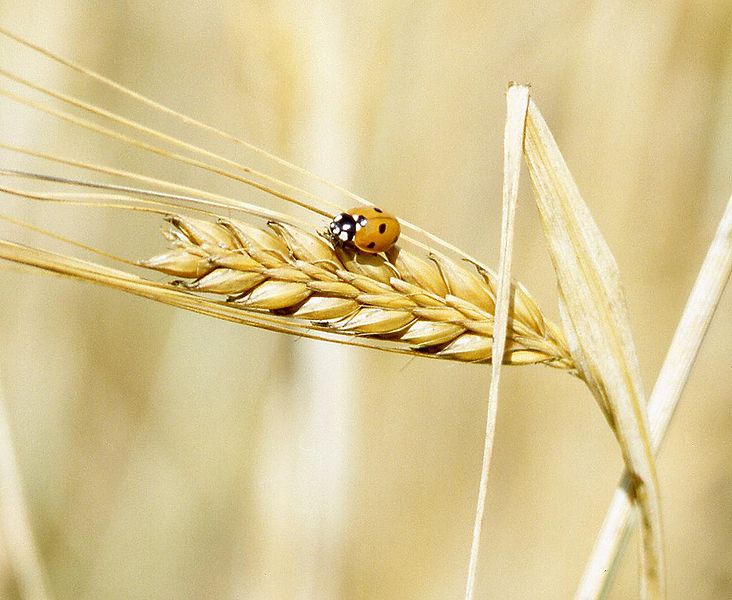
Barley - Hordeum vulgare (photo credit: Wikimedia commons)

Barley – Hordeum vulgare (photo credit: wikimedia commons)

Concerning the pace of crop domestication, “many scholars have presented evidence that domestication was slower and more gradual than previously envisioned” probably because the first domesticated crop plants were not “developed by plant breeders with clear end products in mind.” On this point, the authors conclude that debates over timelines are “likely to continue for some time,” and that “close communication between geneticists and archaeologists, including those with archaeobotanical expertise” will be necessary to tell the full story.

Domestication is typically viewed as a precursor to agriculture. But the authors point out that domestication occurred first and that agriculture did not immediately follow. To illustrate this point, they tell the story of the bottle gourd (Lagenaria siceraria), possibly the oldest domesticated plant. Native to Africa, the gourds likely floated across the Atlantic Ocean to the Americas (they also made their way to East Asia and other places) where they were domesticated multiple times by various groups of people at least 10,000 years ago. The gourds had numerous potential uses including containers, rattles, net floats, and even food (the young, immature fruits are edible). Large gourds with thick rinds were preferred by early humans, and the seeds of these were planted. The plants needed little attention, so caring for them did not mean having to adopt a sedentary lifestyle. The authors conclude that “although this example might seem peripheral to the development of serious food-producing economies or social complexity, it highlights early, intimate plant-people relationships and the abilities of people to modify their environments to enhance availability of desirable resources.”

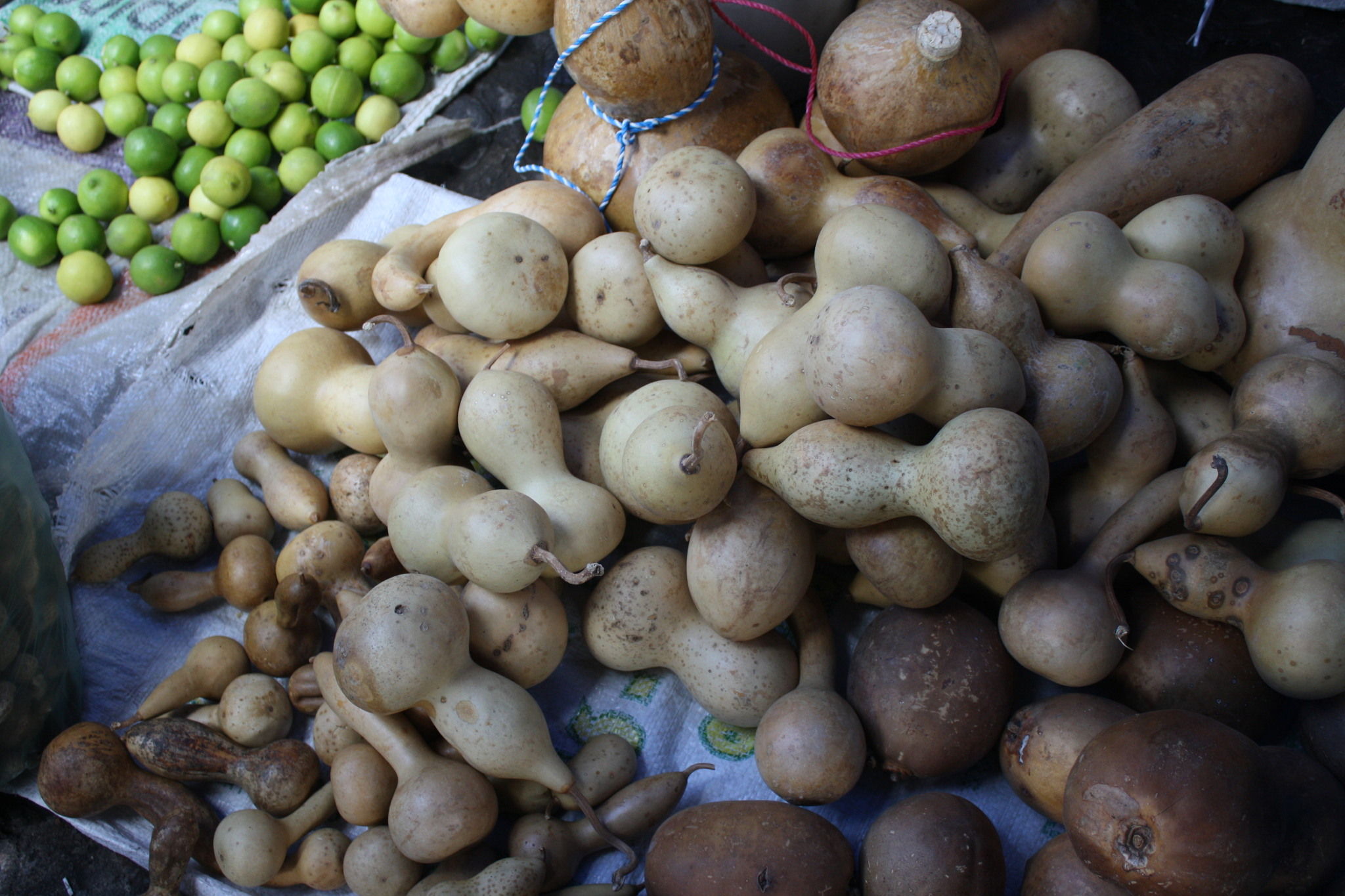
Bottle gourds (Lagenaria sicericia) were possibly the earliest domesticated plant species (photo credit: eol.org)

Bottle gourds (Lagenaria siceraria) were possibly the earliest domesticated plant species (photo credit: www.eol.org)

In the next section of the paper, the authors discuss new and improved methods being used today to “address questions about the timing, scale, and causes of domestication.” Narrowing down the dates that plants were first domesticated is a major interest of archaeologists, and advances in radiocarbon dating have assisted in this quest. When DNA is being extracted, it is important to know the age of the material being analyzed in order to better reveal its history. Combining several methods for analyzing the data – especially as these methods are improved and new methods are developed – is  crucial.

Advances in microscopy have helped to better analyze morphological changes in plants over time as well as to examine microfossils, like starch granules, pollen, and phytoliths (silica particles left behind after a plant decays). Observing phenotypic changes in fruits, seeds, and other plant parts and determining the presence of things like starch granules and pollen helps us to understand the pace and scope of domestication as well as to determine when certain domesticated plants were introduced to areas outside of their perceived center of origin. Advances in the science of taphonomy – “the study of decay processes following the death of an organism until it is fossilized or exhumed” – also aid researchers in better understanding the stories behind plant domestication.

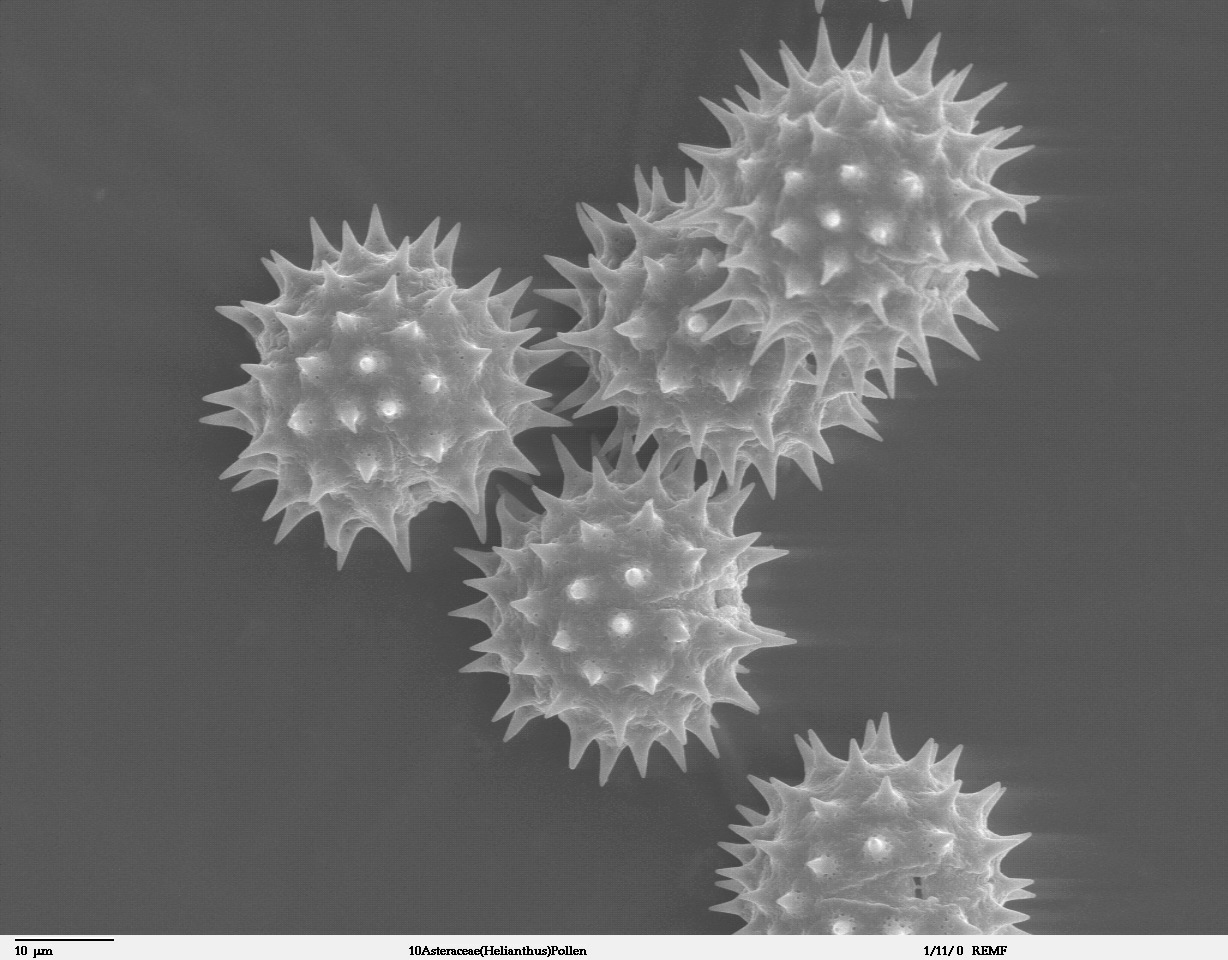
Scanning electron microscope (SEM) image of pollen grains from common sunflower - Helianthus annuus (photo credit: Wikimedia commons)

Scanning electron microscope (SEM) image of pollen grains from common sunflower – Helianthus annuus (photo credit: wikimedia commons)

Working with experts in other areas of archaeology will also lead to greater understanding of plant domestication and the emergence of agricultural economies. The authors give examples of how studying human and animal bones can provide information about plant domestication and state that “other classes of archaeological data, such as household structure and storage features, agricultural and culinary tools, and soil morphology” will aid in better understanding “how and why domestication occurred as an historical and evolutionary process.”

Next the authors discuss anthropological views on the causes of plant domestication. One of the main debates among anthropologists when discussing agriculture is whether or not early humans were “pushed” or “pulled” into agricultural economies. Did increasing populations and/or decreasing availability of resources compel people to produce more of their own food or did human populations cultivate and domesticate plants in areas where resources were readily available, allowing them to live sedentary and stable existences? The authors conclude that “it is not necessary for one of these scenarios to explain all transitions to agriculture” as agriculture emerged independently in multiple locations around the globe, each time under its own specific set of circumstances.

The final section of the paper is a short discussion on the relatively under-researched topic of the diet and cuisine of ancient humans. Surely, a desire for particular foods and beverages lead to cultivation and domestication. The authors assert that “cuisines provide people with social identities, nationalism, spirituality, and a package of cognitive tools for coping with their environment. Without a doubt, culturally constructed food preferences played a role in the origins and spread of agriculture.”

This is a brief summary of a well-researched and detailed article concerning the fascinating topic of early plant domestication. Honestly, my synopsis hardly does it justice, so I urge you to read it for yourself if this topic interests you. I particularly appreciated the emphasis that the authors placed on using multiple methods and tools to collect and interpret data and how our perspectives should be revised as new and updated data emerge. The call for multiple disciplines to come together in collaboration to better understand the history of domestication and agriculture is also encouraging. In summation the authors state that “archaeological evidence indicates that every case of transition form hunter-gatherers to agricultural economies was unique … Identifying the specific nature of when, where, and how domestication occurred will undoubtedly elucidate how agriculture transformed the trajectory of human societies.”

Speaking of Food: A Special Issue of American Journal of Botany

“At the center of discussions about agriculture and the future of food in a changing climate are the plants that we grow for food, fiber, and fuels and the science that is required to understand, improve, and conserve them.”

That is a line from the opening paragraph of the introduction to the October 2014 issue of American Journal of Botany, Speaking of Food: Connecting Basic and Applied Plant Science. In this Special Issue, the American Journal of Botany – inspired by Elizabeth Kellogg’s 2012 presidential address to the Botanical Society of America – endeavors to demonstrate ways in which basic plant biology research can benefit the applied science of agriculture, and how this “use-inspired” research can help address the challenges of feeding a growing population in a changing climate.

speaking of food_ajb

In its 100 year history, the American Journal of Botany, has published hundreds of papers that serve to advance agricultural and horticultural sciences. However, this connection has not always been made explicit. With this special issue, they are hoping to change that by “illustrat[ing] that ‘basic’ and ‘applied’ are not two discrete categories, nor are they even extremes of a linear continuum.” “Basic” research can be used to answer questions and solve “human-centered problems,” and “applied” research can “illuminate general biological principles.” When both approaches to scientific inquiry come together, everyone benefits.

I originally chose to study horticulture because I was interested in growing food in a sustainable and responsible manner. During my studies, I gained a greater interest in the broader field of horticulture as well as an interest in botany. After receiving a degree in horticultural and crop sciences, I decided to pursue a Master’s Degree. I wanted to study green roof technology, an applied science that incorporated my interests in both horticulture and sustainability. The school that I ended up going to did not have a horticulture program, so I enrolled in a biological sciences program. It was there, while doing applied science research on green roofs and taking mostly botany related science courses, that I deepened my love for science and began to see how basic science had applications, not just in horticulture and agriculture, but in all aspects of life.

That explains my great interest in this recent issue of American Journal of Botany, and why I was so excited when I heard about it. Using science to understand and address the challenges that we face today (challenges that, many of which, are a result of human activity) is intriguing to me. Based on my interest in horticulture, food production, and sustainability, establishing and advancing science-based sustainable agriculture is incredibly important to me. And so I have decided that, over the next several posts, I will provide reviews of each of the 17 articles in AJB’s Special Issue. Each post will offer a brief overview of one or more articles, outlining the basic premises and findings of each study. If your interest is peaked, and I hope it will be, you can go on to read more about each of the studies. The Introduction to this issue gives an excellent overview of the articles, so I won’t include that here. I’ll just dive right in. If you feel inclined, read ahead, otherwise stay tuned and I will preview you it all for you over the next several weeks.