Mountain Kittentails

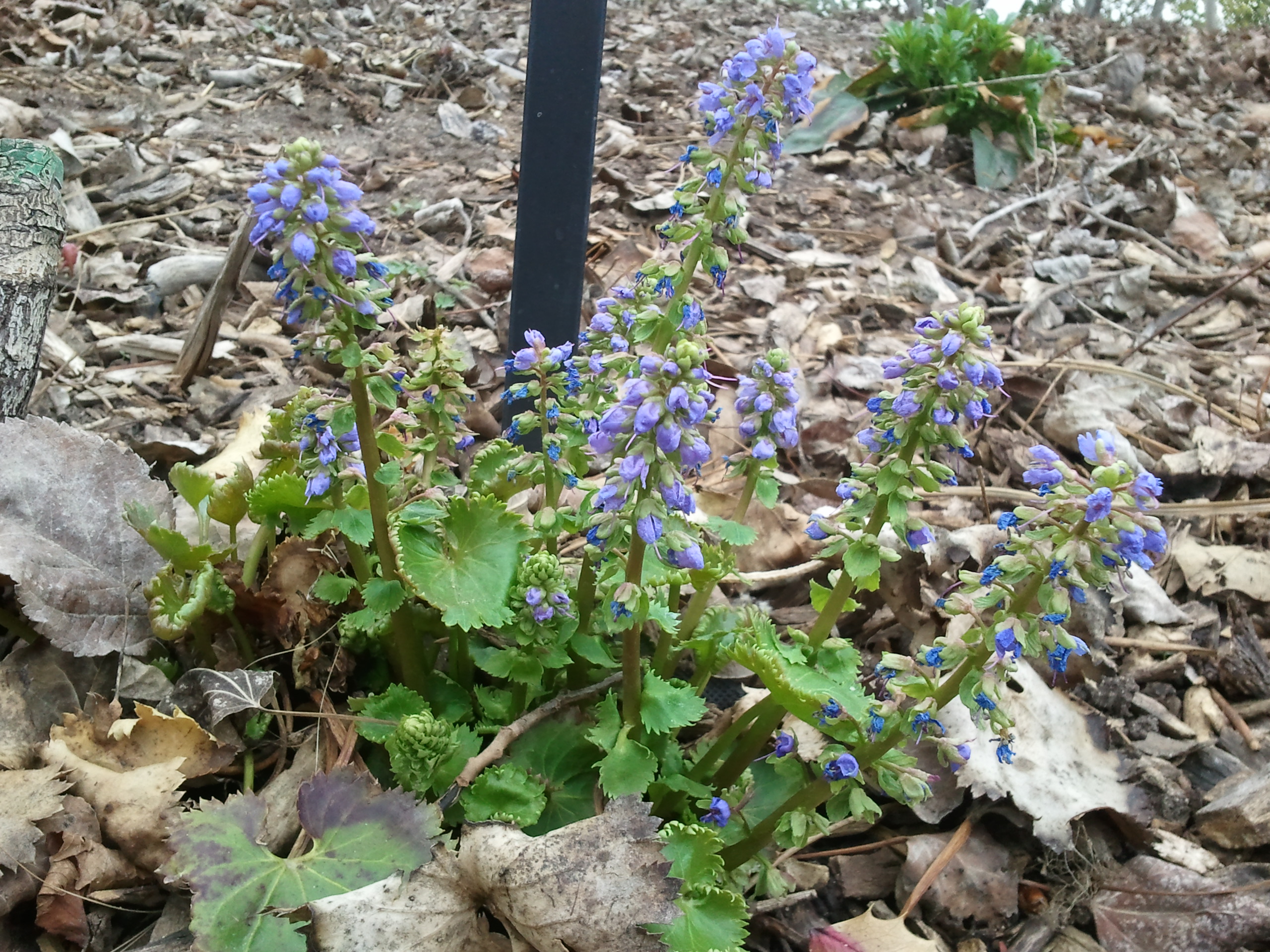
Spring has sprung, which is evidenced by warming temperatures, lengthening daylight, and plants turning green and producing flowers. For those of us living at low elevations, signs of spring have been around for a while. Our landscapes are green again and gardens are coming to life. However, up in the mountains (and at higher latitudes), spring takes a bit longer to manifest itself. Snow is still the dominant groundcover, and freezing temperatures remain the norm. Yet even in these harsh conditions there are signs of spring. The flowers of the perennial forb, mountain kittentails (Synthyris missurica), are one of those signs.

Mountain kittentails are one of the earliest plants to flower in the mountains, often flowering while there is still snow on the ground. For this reason, their flowers are not commonly seen in the wild. Their range extends from Washington and Oregon down into northern California and across into Idaho and Montana. They occur in rocky, shady areas at mid to high elevations. Mountain kittentails are low growing with rounded, toothed leaves. Their flowers appear in tight clusters on upright stalks and are blue to purple in color. They are a member of the figwort family (Scrophulariaceae), sharing that distinction with a popular group of flowering plants that is common in the west, the penstemons. Mountain kittentails were first collected during the Lewis and Clark expedition in 1806. The expedition discovered this plant as they passed through the mountains of northern Idaho.

Mountain kittentails are not a commonly cultivated plant, but the Idaho Botanical Garden in Boise, Idaho happens to have a few growing in one of their native plant collections, giving more people an opportunity to see them in bloom. Because the garden is located in a valley, their mountain kittentails flower a few weeks earlier than their native counterparts, which means you’ve probably already missed them – but there’s always next year!

SAMSUNG

Northern Pitcher Plant: A model for understanding food webs

Carnivorous plants are endlessly fascinating. Even people who aren’t typically interested in plants are likely to find plants that eat animals to be of some interest. These plants not only provide fascination for plant lovers and the plant ambivalent alike, but they are also of great interest to science, providing insight into the workings of the world beyond the swamps and bogs that they inhabit.

A recent study published in the journal, Oikos, examined the complex food web that exists inside the northern pitcher plant (Sarracenia purpurea) in order to come to a better understanding of food webs in general and to construct a model that will aid in further research involving food webs in all types of ecosystems.

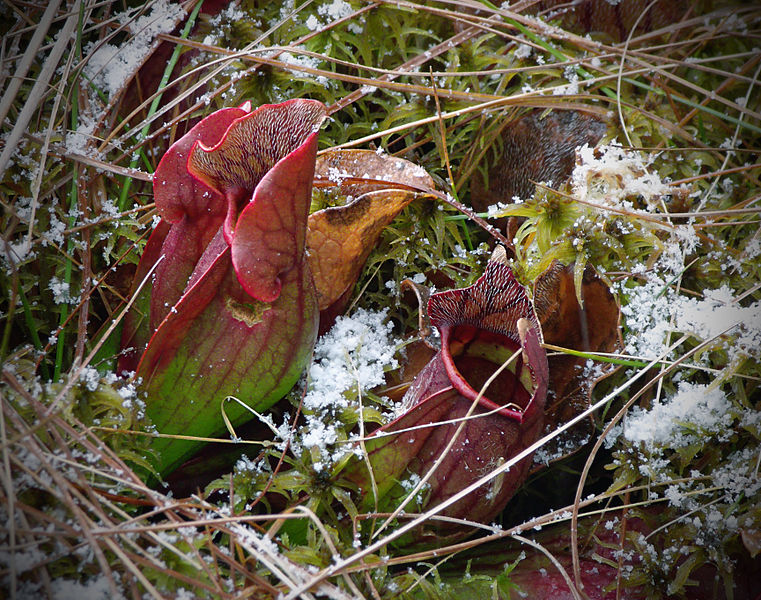
The food web that exists inside a pitcher plant is quite interesting. The tubular leaves of the pitcher plant capture rain water and draw in a variety of insects including beetles, ants, and flies. The pool of water also becomes home to the larvae of midges, mosquitoes, and flesh flies, as well as various other tiny creatures including rotifers, mites, copepods, nematodes, and multicellular algae. And thus begins a complex food cycle. Midge larvae attack the drowning insects and tear them to pieces, then bacteria go after the tiny insect parts, after which rotifers consume the bacteria. Finally, the walls of the pitcher plant absorb the waste of the rotifers. Meanwhile, fly larvae consume the rotifers, midge larvae, and other fly larvae, while bacteria is being consumed by all participants.

You can see why this food web is an ideal subject of study. Not only is it complex, with numerous players, but it is also all taking place in a small, confined space – easily observable. By studying such a system, models can be derived for larger, more widespread food webs.

Carnivorous plants have diverse mechanisms for extracting nutrients from other living things – this is just one of those mechanisms. I will plan to profile other carnivorous plants on this blog, because like I said, they are endlessly fascinating. Meanwhile, you can read more about this particular study at Science Daily.

northern pitcher plant

northern pitcher plants (Sarracenia purpurea) photo credit: wikimedia commons

Crape Murder and Other Crimes

Here is something that will hopefully provide you with a little comic relief…and perhaps bring a little contempt as well. Recently, I was talking with a woman from Texas, and she informed me of an appalling ritual referred to, by those opposed to it, as “Crape Murder.” It’s being carried out on an ornamental tree that was brought over to the United States from Asia. The tree is commonly known as crape myrtle (Lagerstroemia spp.). It is very popular throughout the southern United States and has a reputation of being one of the most beautiful additions to a landscape due to its appealing natural shape, its propensity to flower all summer long, and its attractive bark. The “murder” aspect comes in when folks who, ignorant of proper horticulture techniques (and with a poor opinion on what might be considered “aesthetically appealing”) hack the branches of crape myrtles back at the end of the season so that all that is left of the poor things are nubby trunks. Apparently they think they are doing the tree and themselves a service, but the results of this action aren’t serving anyone – especially the trees. There are a number of passionate arguments against this heinous act found on the internet. Here is a link to one. There is also a facebook page devoted to bringing an end to Crape Murder.

This discussion reminded me of a post that I read on Garden Rant a little while back. The author was ranting against what he calls “plant janitors,” pointing out the atrocities that are carried out by these nefarious creatures on a daily basis. It turns out that the author of this rant also has a facebook page devoted to “crimes against horticulture.”

All of this is quite comforting to me, because it has helped me to realize that I am not the only one who gets squeamish when I see the hideous things that people decide to do to their plants and to their landscapes. Now that I am aware that there are plenty of other places on the internet to let off steam and rant about these issues, I can assure you that I will refrain from doing such things here. For the most part anyway…

crape murder

Living Roof in Vancouver, B.C.

Consider this the first of many posts about plants in urban areas and the benefits that plants can bring to these locations. As an example, a group of people in Vancouver, B.C. developed an amazing green (or living) roof that incorporates plants native to the coastal grasslands found in that region. Watch this video to see how this project is helping to turn a landscape dominated by concrete and asphalt into a thriving and diverse ecosystem.

Microgreens!

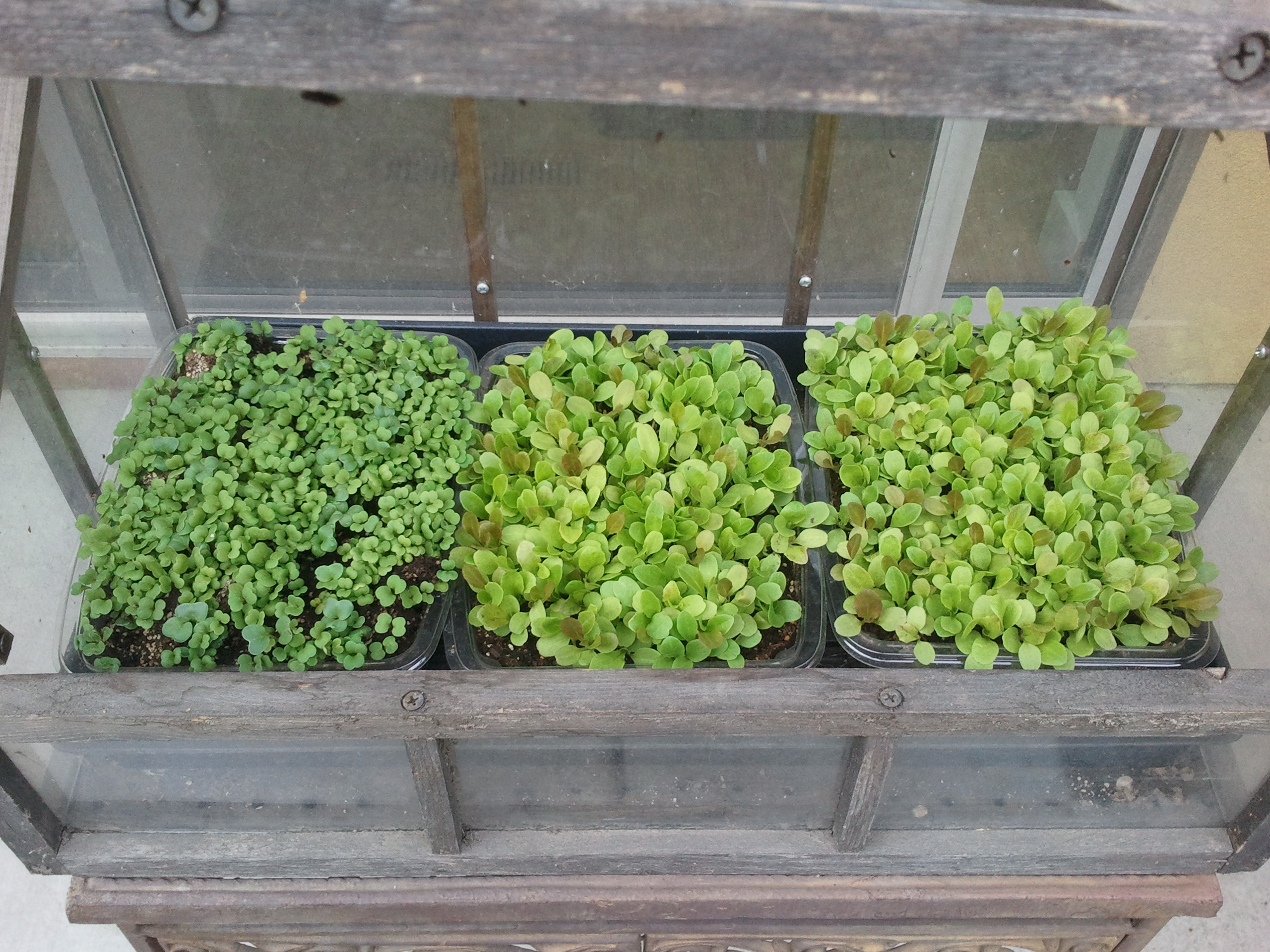
Microgreens are quite popular these days. They are larger than sprouts and smaller than baby greens, and new research has verified that they are packed with nutrients. Microgreens are easily grown year-round on a countertop or windowsill, even if the lighting situation is less than ideal for growing other plants. I am growing some now in clear, plastic, salad mix containers. I punched a few holes in the bottoms of the containers for drainage, filled them with moist potting soil, scattered seeds on top of the soil, covered the seeds with a bit more potting soil, and placed them outside in a small cold frame. I planted two with lettuce mix and one with radishes and arugula. The plants are ready to cut in a week or two and can be eaten in salads, sandwiches, stir-fries, etc.

To be considered true microgreens, the plants should be harvested very young (up to 14 days old and about an inch tall). After they are harvested, they will need to be replanted – unlike baby greens and typical salad mix which will produce multiple harvests – because they will not be large to enough to recover from being chopped down.

A wide variety of seeds can be grown as microgreens, including lettuces and other salad greens, brassicas (radishes, mustards, arugulas, etc.), and herbs. You can select a pre-packaged lettuce mix, or you can make a special mix of your own. Microgreens are great for people who want to grow some of their own food but have little or no space for a traditional garden because they are easily grown in containers indoors. They can also be grown throughout the winter when outdoor gardens have been put to bed for the season.

Learn more about growing microgreens at You Grow Girl and Organic Gardening.

SAMSUNG

Mark Ostendorf's avatarstewardsofearth

Last week I enjoyed a solitary walk through Powder Valley Conservation Nature Center and Reserve near Kirkwood, Missouri.  All was fairly quiet.  A gentle, cool breeze swept through the bare tree branches and rattled the brown leaves still clinging to a few stubborn oaks and maples.  Leaf litter decorates the entire forest floor;  it crackles as I step through it.  While the day is still cool (mid 40’s), the Sun’s energy, like the breeze, sweeps past the trees and warms me as I walk.

All is quiet.  But I can feel the change in season coming.  Some trees are beginning to show their plump buds, ready to spring into action.  In just a few weeks, I can imagine the wonderful bluebells (Mertensia virginica –previous post) and wood sorrel (Oxalis violaceaprevious post)  emerging again and filling the brown forest floor with brilliant color.

But…

View original post 68 more words

Spring Arrives

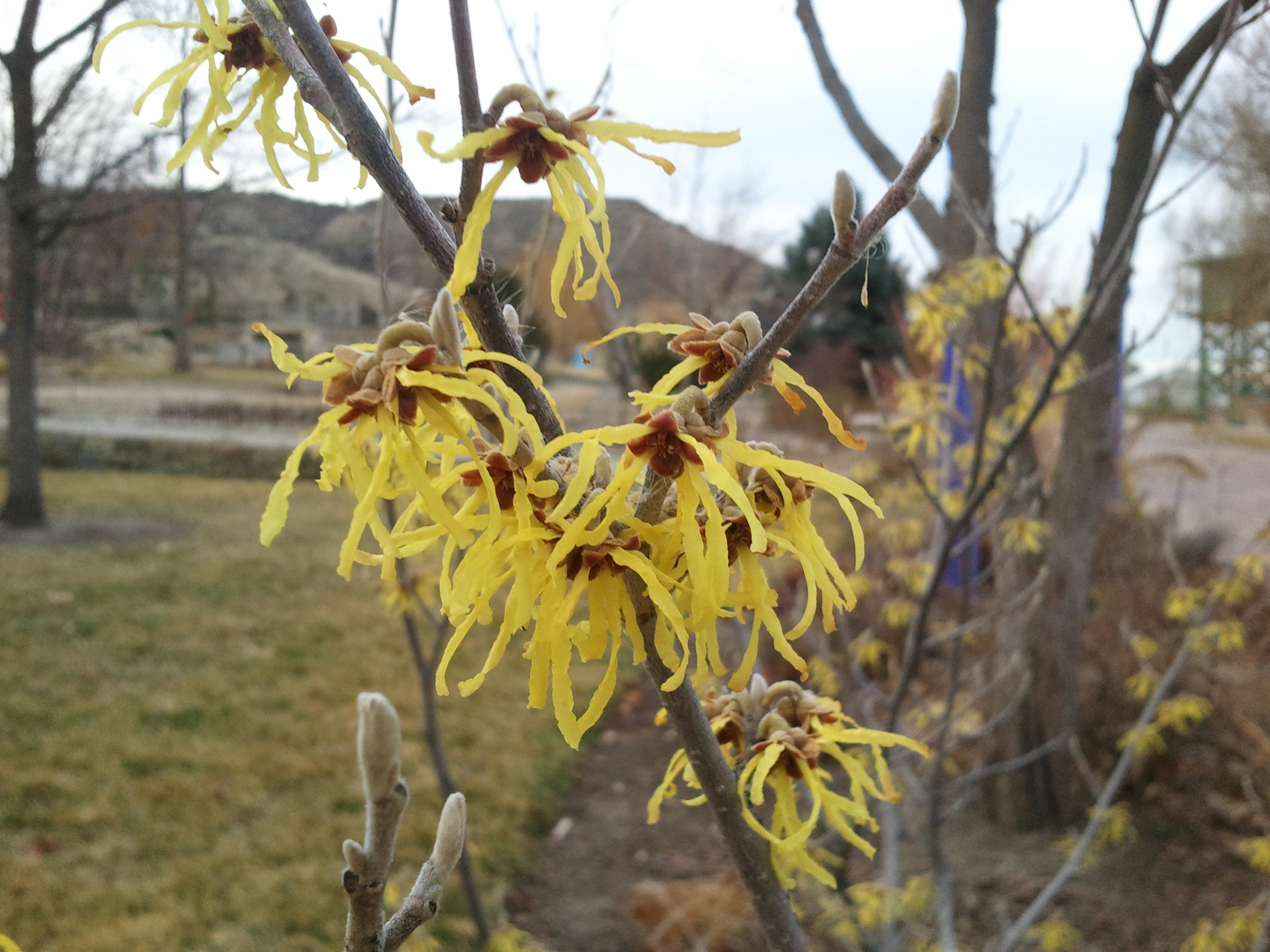
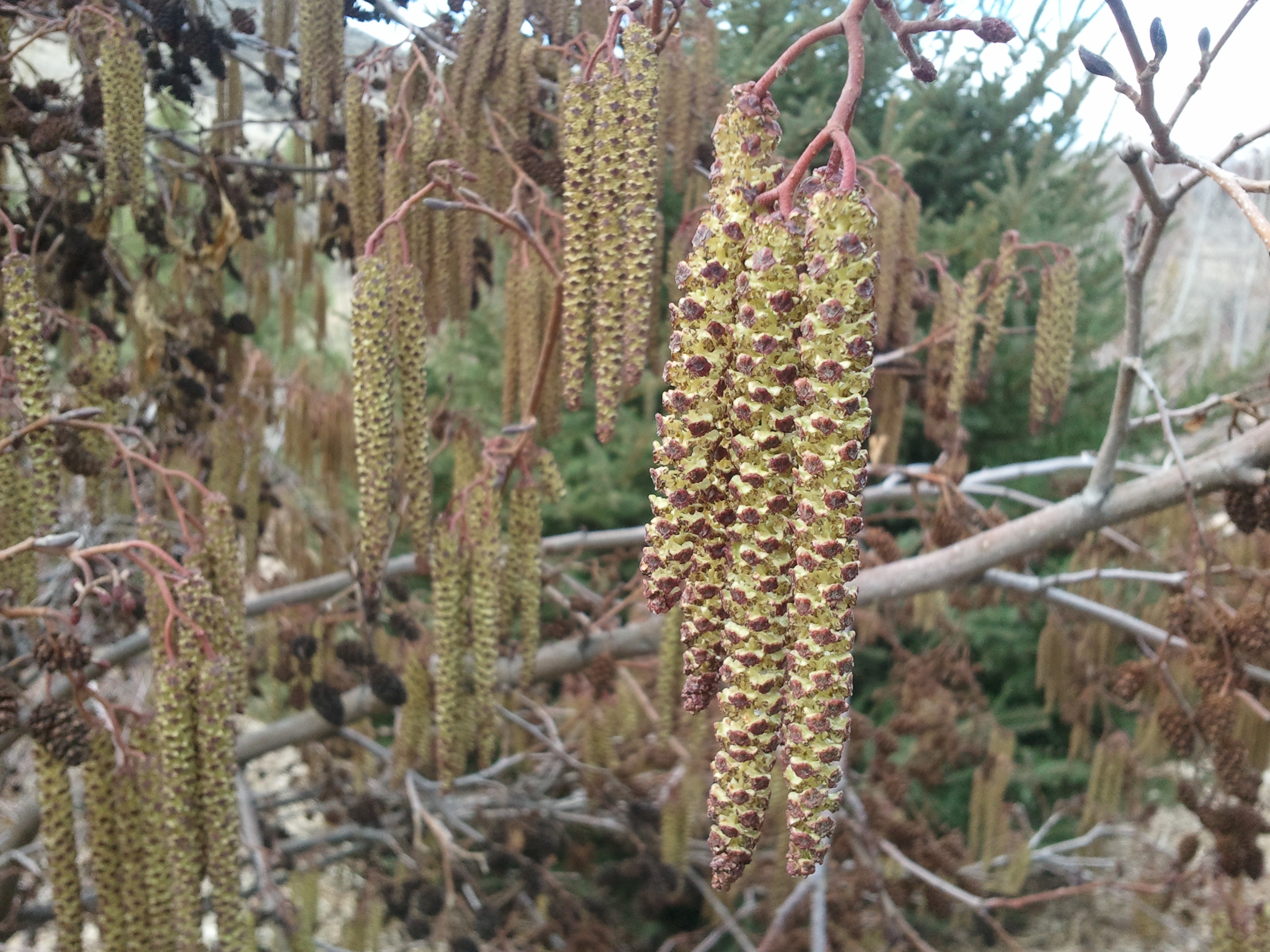
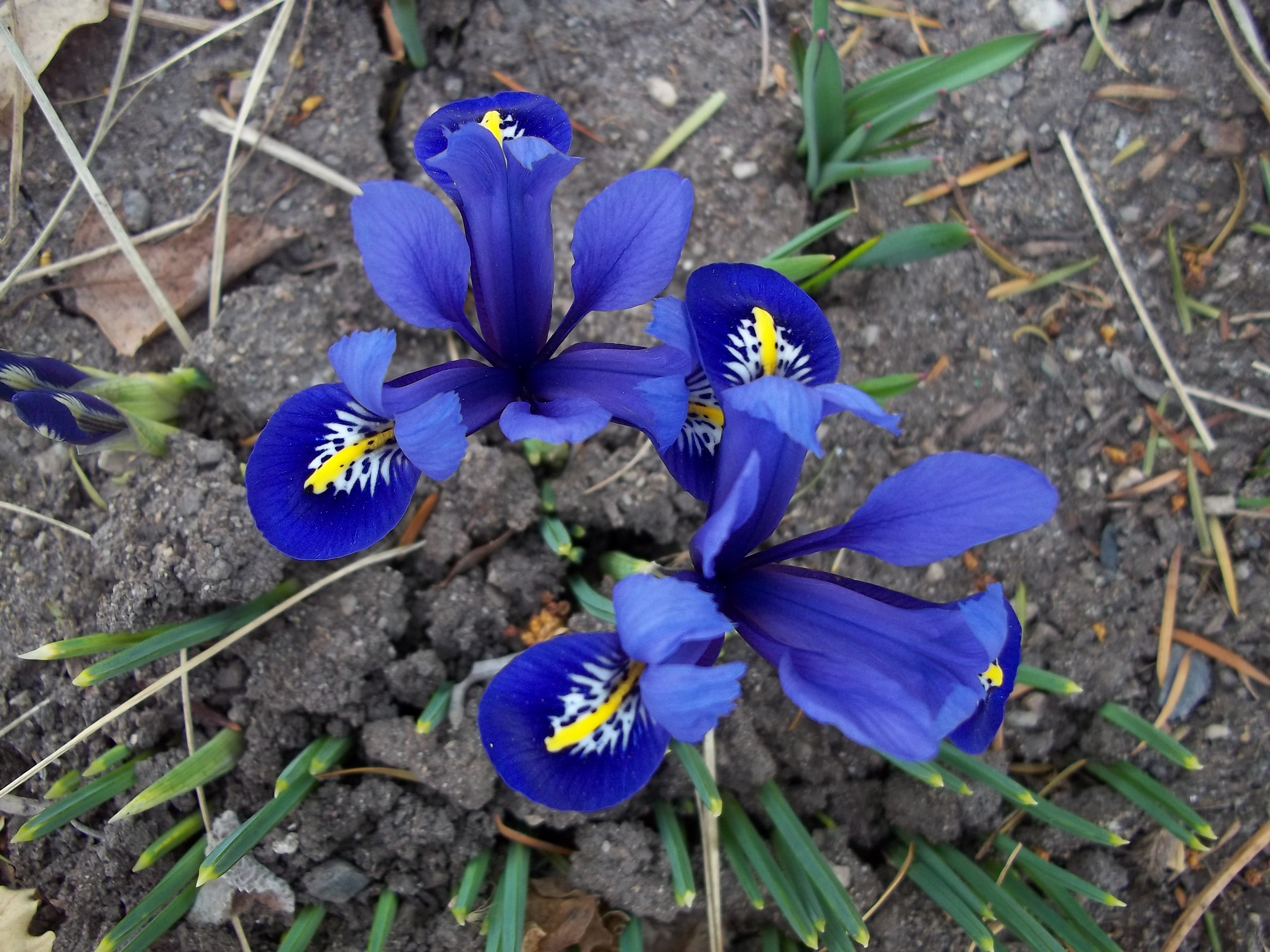
Spring is finally arriving in the Treasure Valley. Evidence can be found at Idaho Botanical Garden.
SAMSUNG

Hamamelis x intermedia ‘Dianne’ – Witch Hazel

SAMSUNG

Alnus viridis ssp. sinuata – catkins on Sitka Alder

SAMSUNG

Crocus spp.

iris_ibg

Dwarf Iris (photo credit: Ann DeBolt)

Onion Seed Viability, etc.

Seeds don’t remain viable forever. However, each species is different – the seeds of some species can remain viable for many years (decades even), while some species have seeds that will no longer be viable after a single year. This, of course, is something to keep in mind when planting seeds.

Recently I planted some onion seeds. I was curious to see if they would germinate because they were a few years old –  collected in 2007. My experience with onion seeds is that they germinate fairly quickly, within a week or so. However, three weeks have passed and my seeds have not yet germinated, despite being kept in moist potting soil in a sunny, warm corner of the house. This experience has led to me to think about seed viability.

Like I said, seeds of different species remain viable for different lengths of time. For vegetable gardeners, there are a variety of places to go to learn more about seed viability. Iowa State University Extension has a great chart which shows the number of years that the seeds of popular vegetable crops should remain viable. It is interesting to note that onion seeds only remain viable for one year. As it turns out, my seeds were far past their prime.

Seed storage can make a huge difference, though. Ideally, seeds should be stored in a cool, dry location. If they are exposed to too much heat or moisture, their metabolism will increase and their viability will decrease. This is because seeds are living organisms, despite appearing dead or dormant. Their metabolic processes are proceeding at an extremely slow rate,  but they are still proceeding. If metabolism increases (due to excessive heat or moisture, for example), the embryonic resources of seeds can become depleted, and viability (or germination potential) decreases.

Some sources recommend that you keep your seeds in the refrigerator, provided that they are sealed in plastic to keep them dry. Regardless, the ideal conditions for seed storage are cool and dry. I have always kept my seeds in a shoebox at room temperature (which isn’t always that cool because in the summer I refrain from using the air conditioner as much as possible). Thus, the viability of my seeds may in fact be reduced simply due to the conditions in which they are being stored.

There is a way to determine the viability of your seeds if you are curious. Just place some seeds on a moist paper towel, roll up the paper towel, and place it inside of a plastic bag. Wait a few days and then remove the paper towel from the plastic bag. Count the number of germinated seeds and divide that number by the total number of seeds originally placed on the paper towel. This will give you the germination percentage and will help you determine how many seeds to place in each hole or pot when you are planting them.
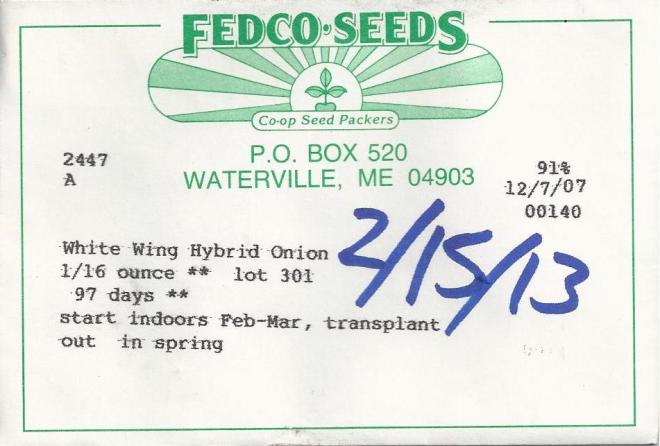
onion seed packet

This is the seed packet for the onion seeds that I planted. 2/15/2013 is the date that I planted them. After three weeks they had not germinated. I guess I’ll have to try some newer seeds.

Assessing Your Soil

The latest issue of the magazine, Heirloom Gardener, has a great article on assessing your garden soil to be sure that it is ready for the coming growing season. The article addresses four main points that every gardener should be thinking about at the beginning of each growing season.

  1. Soil pH. This is a measure of the acidity of your soil. A pH of 7 is neutral – anything below that is acidic and anything above that is alkaline. Soil pH is important because it affects nutrient availability. The ideal soil pH for a vegetable garden (depending on what you read) is somewhere between 5.5 and 7.5 – if a soil has a pH above or below this range, certain essential plant nutrients will become less available, affecting the growth of plants in your garden and their potential yield.
  2. Soil Test. Determining your soil pH can be done by doing a simple soil test. The soil test will also let you know what nutrients are available in your soil and to what extent. Knowing the fertility of your soil will help you decide what steps to take in terms of adding organic matter and fertilizer to your soil. What amendments are needed will also be determined by what plants you are planning to grow, but having that soil test will at least give you a baseline to work from. Check with your local county extension agent for more information on how to take a soil sample and where to send it for analysis.
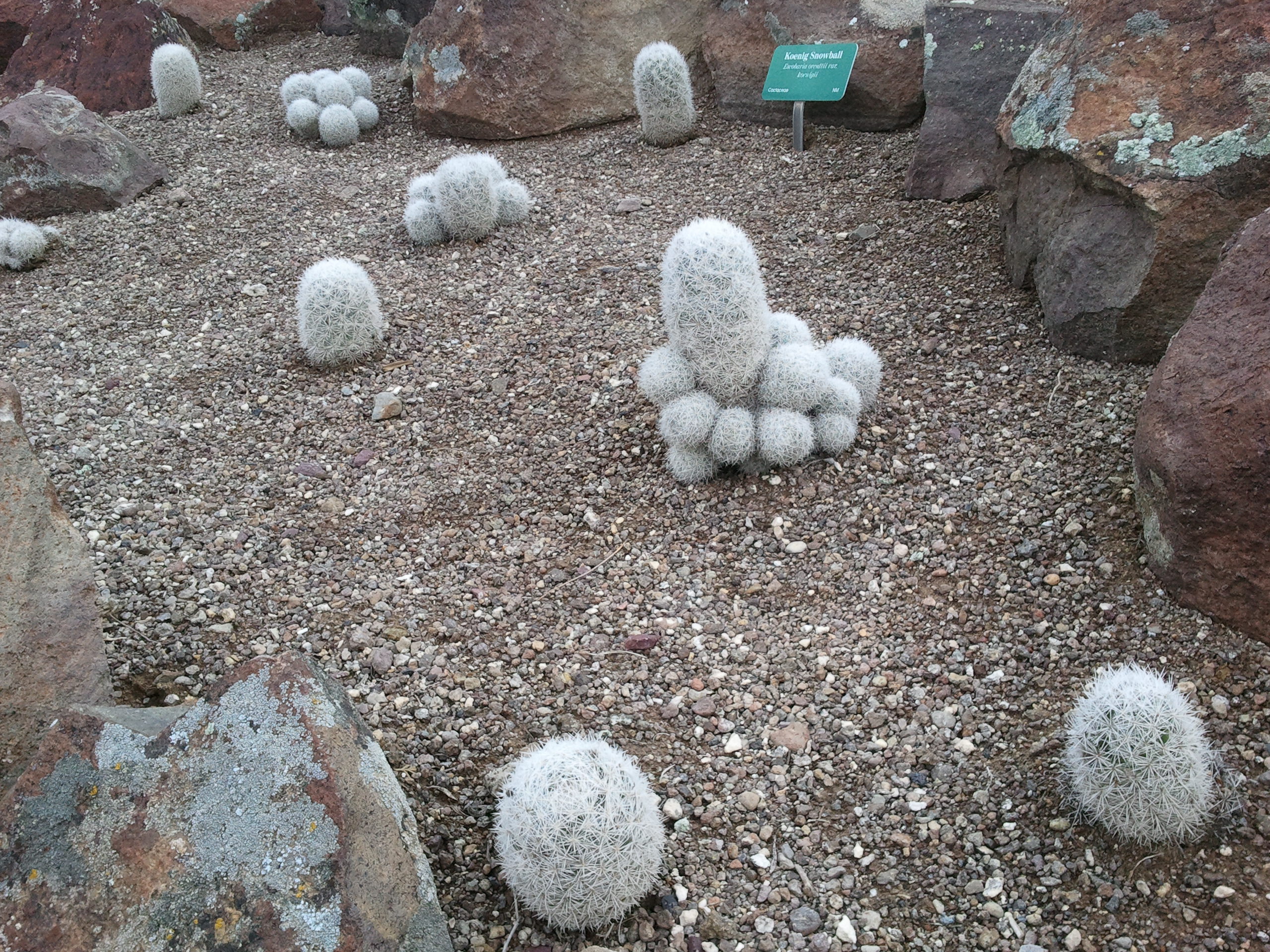
  3.  Soil Amendments. The spring is a good time to add amendments to your soil. The ideal thing to add is mature compost. The best soil for a productive vegetable garden is one that is loamy (referring to a mixture of sand, silt, and clay particles) and contains a large amount of organic matter. The organic matter (especially when highly decomposed) provides structure, drainage, fertility, and a flourishing microbial population to the soil. I have to emphasize “highly decomposed” because organic matter that is not well decomposed could end up being detrimental to your plants. This is because soil microbes, whose job it is to decompose organic matter, need nitrogen to do their job and can “rob” available nitrogen from nearby plants, resulting in a temporary nitrogen deficiency and stunted plant growth.
  4. Soil Drainage. The water-holding capacity of your soil is incredibly important and is something you should think about addressing in the spring. Soil that drains too quickly or not quickly enough are both scenarios that are not ideal for a vegetable garden. To test soil drainage in your garden, dig several holes that are at least 2 feet deep and fill them with water. After the holes have drained completely, fill them with water again and keep track of how long they take to drain. A rate of 1-2 inches per hour is ideal. If the test results from your garden are more or less than this standard, the soil should be amended. Adding lots of compost to the soil should address the problem whether it is slow or fast drainage.

The health (or condition) of the soil in your vegetable garden is hugely important and will have a large influence on the success and productivity of this year’s crops. So while you’re thinking about all of the things you want to grow this year, take a little time and think about the soil that they’ll be growing in. While it may not seem as interesting as the plants that will be growing in it, good soil will certainly make a huge difference in the long run.

Read the article, “Is Your Soil Ready for Spring?”, in the Spring 2013 issue of Heirloom Gardener for more detailed information.

800px-HandsInSoil

Photo credit: wikimedia commons

Cushion Plants and Species Richness

Cushion plants are in the news. A study published in the journal, Ecology Letters, has demonstrated that cushion plants can help increase species richness (the number of unique species in an ecological community) by modifying their micro-environment, which in turn allows certain species to exist in the community that would otherwise be unable to survive the harsh conditions. Other studies have had similar conclusions, but what is unique about this study is how extensive it was, involving 77 alpine plant communities on 5 continents.

The term “cushion plant” refers to a specific growth form. It describes a plant that grows low to the ground, has numerous small leaves and a closed, tightly-packed canopy with dense non-photosynthetic living and dead plant tissues below the canopy. Above ground it appears as a lush, thick, spreading, green mat; below ground it has a long taproot and an extensive root system. There are around 338 species of cushion plants, spanning 78 genera and 34 plant families, which can be found around the world mainly in alpine (high-altitude, tree-less) environments. Around half of the cushion plant species are native to the Andes in South America.

So, how are cushion plants able to increase species richness in their communities? There are a few unique characteristics of cushion plants that lead to this result:

– The tightly-packed, low to the ground growth form of cushion plants helps to modify the temperature of the underlying soil, working as a living mulch to keep the ground warmer in the winter and cooler in the summer. Plants that otherwise could not abide in extremely cold soil conditions, can thrive inside of a cushion plant due to this modification.

– The shading and covering of the ground also helps to maintain a higher level of soil moisture below cushion plants, resulting in more available water throughout the growing season, which is especially important during warm months of the year when water becomes scarce elsewhere.

– Cushion plants may also increase nutrient availability in the surrounding soil. This could be due to their long taproots and extensive root systems allowing them to “mine” the soil and pull up nutrients (and water) that would otherwise be unavailable to shallow-rooted plants. It could also be due to the high degree of dead plant material found within cushion plants that leads to an increase in the amount of organic material in the soil below. The warm, moist conditions of a cushion plant’s underbelly could speed up the rate of decomposition and nutrient cycling, making essential nutrients available to plants growing within them.

Because of these features, cushion plants act as “nurse plants” to species that grow within their mats, providing them with more accommodating soil temperatures, greater access to water, and a higher level of nutrients compared to the surrounding open ground. Some of these plant species would have little or no chance of survival in the harsh environment outside of the cushion plant. Cushion plants are also considered foundation species or keystone species because they play such a strong role in structuring their ecological community, affecting the diversity of species found in the landscape and the abundances of those species.

Silene acualis

A common and popular cushion plant: Silene acaulis. Common name: moss campion. Plant family: Caryophyllaceae. Occurs in high mountains of North America and Eurasia. Photo credit: wikimedia commons.

cushion plant as nurse plant

An example of a cushion plant with another plant species growing within it. Photo credit: wikimedia commons.