Cedar Confusion

This is a guest post by Jeremiah Sandler. Words by Jeremiah. Photos by Daniel Murphy (except where noted).

———————

What makes a cedar a cedar?

I recently asked this question to a professor of mine because I kept hearing individuals in the field refer to many different species as “cedars”. It was puzzling to me because, being the taxonomy-nerd that I am, most of these plants are in entirely different plant families but still called the same thing. Yes, sometimes common names overlap with one another regionally; avoiding that mix up is the purpose of binomial nomenclature in the first place! So, what gives?! Why are 50+ different species all called cedars?

This professor is a forester, not a botanist. He told me the word “cedar” describes the wood. Turns out, after some research and conversation, that’s all there was to it. As defined by Google, a cedar is:

Any of a number of conifers that typically yield fragrant, durable timber, in particular.

Cedar wood is a natural repellent of moths, is resistant to termites, and is rot resistant. A good choice of outdoor lumber.

I was hoping to find either a phylogenetic or taxonomic answer to what makes a cedar a cedar. I didn’t. Taxonomic relationships between organisms are one of the most exciting parts of biology. Thankfully, some solace was found in the research:

There are true cedars and false cedars.

True cedars are in the family Pinaceae and in the genus Cedrus. Their leaves are short, evergreen needles in clusters. The female cones are upright and fat, between 3 – 4 inches long. Their wood possesses cedar quality, and they are native to the Mediterranean region and the Himalayas.

False cedars are in the family Cupressaceae, mostly in the following genera: Calocedrus, Chamaecyparis, Juniperus, and Thuja. Their leaves are scale-y, fan-like sprays. Female cones are very small, about half an inch long, and remain on the tree long after seed dispersal. The bark is often both reddish and stringy or peely. Their wood possesses cedar quality. It is easy to separate them from true cedars, but less obvious to tell them from one another. These false cedars are native to East Asia and northern North America.

I couldn’t do away with the umbrella term “cedar.” Every naturalist can agree that one of the most pleasurable things while outdoors looking at plants is identifying them. I have set a new objective to correctly identify and differentiate between all of the cedars and false cedars, rather than simply calling them cedars. I guess I’m just fussy like that.

How a Plant Could Just Kill a Man, part one

Plants have killed plenty of people. When plants are implicated in the death of a human, we typically think of plant poisonings. Rightly so since their are a slew of poisonous plants with the potential to kill. However, oftentimes plants kill (or seriously injure) people without employing toxic substances. One of the best examples of this is falling plant parts. Gravity couples with sheer coincidence and/or human error, and tragedy ensues. In an episode entitled Killer Plants of the now defunct podcast, Caustic Soda, the hosts present some of these distressing scenarios. What follows is a summary of the plants that made their list.

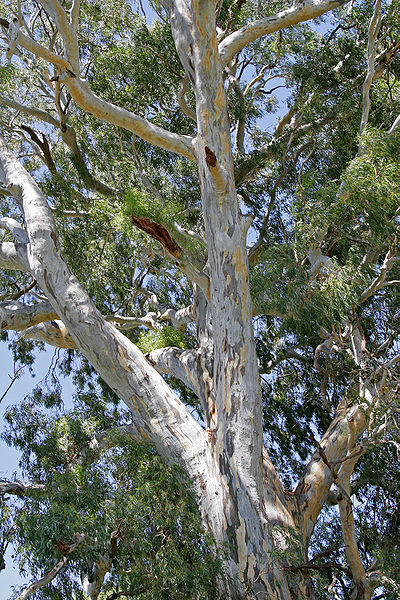
Branches falling from trees, whether dead or alive, can cause some serious damage. Trees in the genus Eucalyptus, commonly known as gum trees, are one group to be particularly wary of. There are more than 700 species of Eucalyptus, most of which occur in Australia. Not all are large trees, but those that are can be massive, reaching from 100 to 200 feet and taller. Eucalyptus trees regularly shed branches, often unexpectedly, leading to serious injury or death to anyone who may find themselves on the ground below. Shedding branches is likely a strategy for conserving water during hot, dry summers, and it is common enough that Australian parks departments issue safety advisories to avoid parking or camping below the trees. Even arborists don’t take their chances with these unpredictable trees.

Red River Gum Tree Eucalyptus camaldulensis - photo credit: wikimedia commons

River red gum (Eucalyptus camaldulensis) – photo credit: wikimedia commons

Of course, eucalyptus trees are not the only trees that drop their branches without warning. A falling branch in Yosemite National Park claimed two victims last summer, for example; and falling branches have claimed the lives of a great deal of forest workers, wildland firefighters, and other forest visitors. This happens frequently enough that the branches in question have been given the ominous name widowmakers, and the U.S. Department of Labor lists them as one of many “potential hazards” in the logging industry. What are the chances of being killed by a falling tree? The Ranger’s Blog set out to answer that question and, to set your mind at ease, determined that the chances are pretty slim.

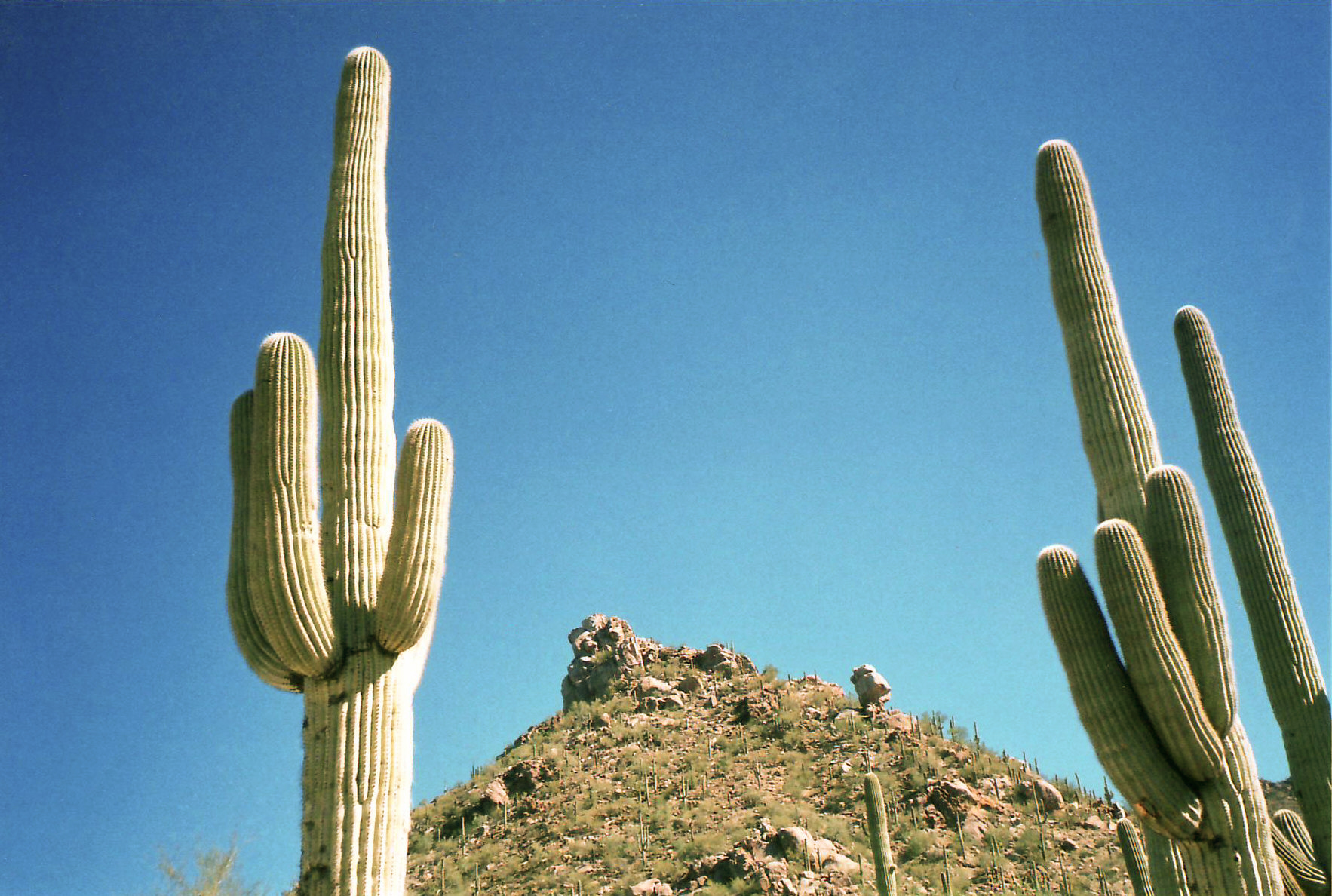
What about other falling plants? Saguaro cactus, for example. Carnegiea gigantea is a tree-like, columnar cactus native to the Sonoran Desert. It is a very slow growing and long-lived species that generally reaches around 40 feet tall but can potentially grow much taller. Saguaros are considered tree-like for their tall stature and branching habit, although not all saguaros develop branches. Some saguaro branches (or “arms”) can be quite large and considerably heavy. In 1982, an Arizona man discovered this when he and a friend were out shooting saguaros. Stupidly, the man repeatedly shot at the arm of an enormous cactus. Ultimately the arm split off and landed on the man, crushing him to death. Of course, saguaros don’t have to be shot at to fall on you. Another Arizona man was fixing a water leak in a Yuma subdivision when a sixteen foot tall saguaro toppled over on him. The man was crushed but lived to tell about it.

Saguaro cactus (Carnegiea gigantea) - photo credit: wikimedia commons

Saguaro cactus (Carnegiea gigantea) – photo credit: wikimedia commons

Palm trees drop things on people, too. One tragic example involves a man in Los Angeles standing below a Canary Island date palm (Phoenix canariensis) waiting for a ride to a funeral. The 2000 pound crown of the palm tree split and fell, pinning the man to the ground. Bystanders were unable to remove the crown, and the man died.

The coconut palm (Cocos nucifera) has an additional deadly weapon – its fruit. While the number of deaths by coconut are often exaggerated, they do occasionally occur. Injuries by coconut are more frequent, so precaution around the trees should be taken. After all, coconut palms can reach heights of 80 feet or more, and mature coconuts can weigh more than three pounds (considerably more when they are wet). A falling coconut is something to be mindful of, an observation that led Dr. Peter Barss to study coconut related injuries in Papa New Guinea over a period of 4 years. His research was published in 1984 in the Journal of Trauma and was later taken out of context and used to make the claim that coconuts kill significantly more people per year than sharks. Publicity spawned by this urban myth helped Barss earn an Ig Noble Prize in 2001. Concerns about coconut related injuries also led officials in India to order the removal of coconut palms around the Gandhi Museum in preparations for President Barack Obama’s 2010 visit.

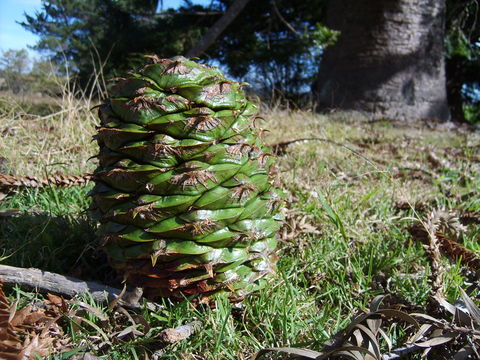
Back in Australia, the towering bunya pine (Araucaria bidwillii) has its equivalent to the coconut in its massive cone. Measuring around a foot long and weighing in at 20+ pounds, these cones make living near bunya pines an act that is “not for the faint hearted.” When the cones are falling, they warrant warnings from the Australian government to keep away from these 90 foot tall trees. This harrowing feature puts bunya pines on a list of infamous plants in Australia with the potential to kill.

Bunya pine cone (Araucaria bidwillii) - photo credit: www.eol.org

Seed cone of bunya pine (Araucaria bidwillii) – photo credit: www.eol.org

The Moon Trees

On January 31, 1971, Apollo 14 left Earth and headed for the Moon. It was the eighth manned Apollo mission and the third to land on the Moon. On board were three astronauts – Alan Shepard, Edgar Mitchell, and Stuart Roosa. Joining the astronauts were about 500 tree seeds that were given to Roosa by Ed Cliff, the Chief of the Forest Service at the time. While Shepard and Mitchell explored the surface of the Moon, Roosa and the seeds hovered above it in the spacecraft. After Shepard had hit a couple of golf balls and Roosa had circled the Moon 34 times, the crew rejoined and headed back to Earth.

Roosa’s collection of tree seeds consisted of 5 species – Douglas fir, redwood, loblolly pine, sycamore, and sweetgum. Upon returning to Earth, Roosa handed the seeds back over to the Forest Service. They were then planted at Forest Service stations in Mississippi and California. Some of the seedlings were planted adjacent to trees grown from seeds that had remained on Earth in order to conduct a comparison study. The other seedlings were available for dissemination.

Official Moon Tree Emblem

Official Moon Tree Emblem

Around this time (1976-77), America was celebrating its bicentennial, so many of the trees were planted in commemoration of this event. A loblolly pine was planted at the White House. A sycamore was planted in Washington Square in Philadelphia. Valley Forge got a Moon Tree, and so did Brazil, Japan, and Switzerland. Moon Trees were planted at various parks and institutions in many states throughout the country. In fact, there were so many requests for Moon Trees that several rooted cuttings of the original seedlings had to be produced.

Unfortunately, in the frenzy of shipping out Moon Trees, a complete record of where and when the trees were planted was not maintained, and so it remains unclear where all the trees are today and how many of them are surviving. When NASA employee, Dave Williams, became aware of Moon Trees, he embarked on a quest to compile a list of them. His webpage contains the short list of trees he has been able to confirm and document so far.

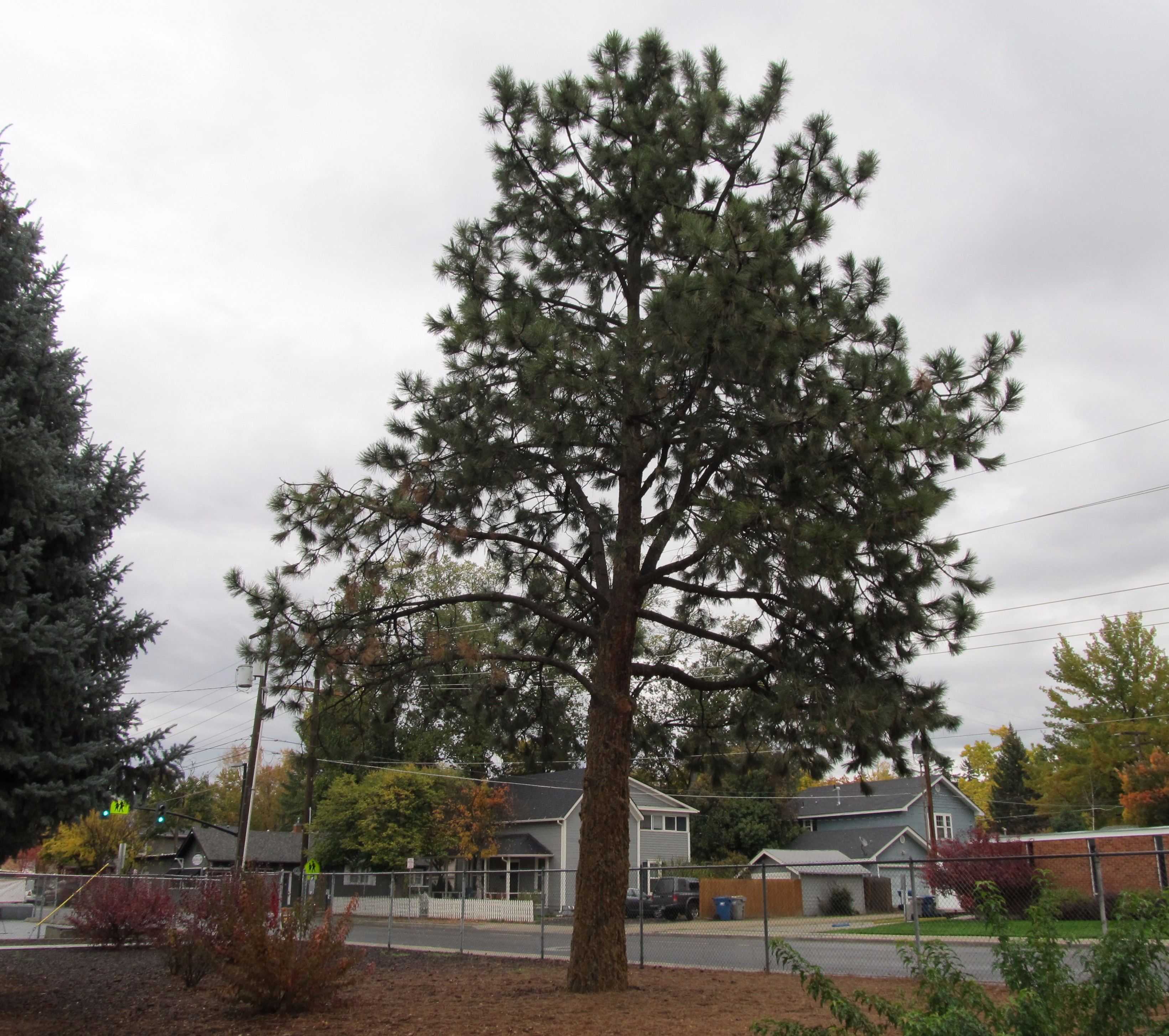
According to Williams’ list, Idaho received two Moon Trees. A sycamore was planted at University of Idaho in Moscow, and a loblolly pine was planted at Lowell Elementary in Boise. The sycamore perished sometime within the last decade. The loblolly pine remains…but perhaps not for long.

Loblolly pine (Pinus taeda) at Lowell Elementary in Boise, Idaho - one of many Moon Trees planted in the late 1970's.

Loblolly pine (Pinus taeda) at Lowell Elementary in Boise, Idaho – one of many Moon Trees planted in the 1970’s.

And this is how I came to learn about Moon Trees. This fall, local news reported on efforts being made to save Boise’s Moon Tree. The soil around it is compacted, it’s not getting enough water, and it has become infested with a pest insect. When community members learned of its potential demise, they resolved to save it. Money was raised to pay for the water it requires, and a local tree company volunteered to assist with necessary treatments. Its future remains uncertain; however, this renewed awareness and attention may be just what it needs to survive.

Upon learning about Boise’s Moon Tree, I decided to pay it a visit. After all, not only is it in my hometown, but it is also in my neighborhood, just a short walk from my house. It was pretty obvious right away which tree was the Moon Tree as its trunk is completely covered in oozing sap – a sure sign of infection. It is also located in a spot that doesn’t appear to be receiving any supplemental irrigation. The stresses caused by compacted soil and dehydration left it vulnerable to attack.

But maybe it wasn’t the best tree for the site to begin with. Loblolly pine (Pinus taeda) is native to the southeastern United States where it is commonly found growing in acidic, wet soils – a stark contrast to the dry, alkaline soils of the Treasure Valley. Still, it is Idaho’s only known remaining Moon Tree – a tree whose seed went to space, circled the moon, and was brought back to Earth where it was planted in celebration of the 200th anniversary of this nation. It is worth saving, with the hope being that it will inspire not only a connection to the natural world but also to the broader universe which all living beings call home.

Read more about Moon Trees:

Houston, We Have Moon Trees

A Race Against Time to Find Apollo 14’s Lost Voyagers

In Search of Moon Trees

How to Make Petrified Wood

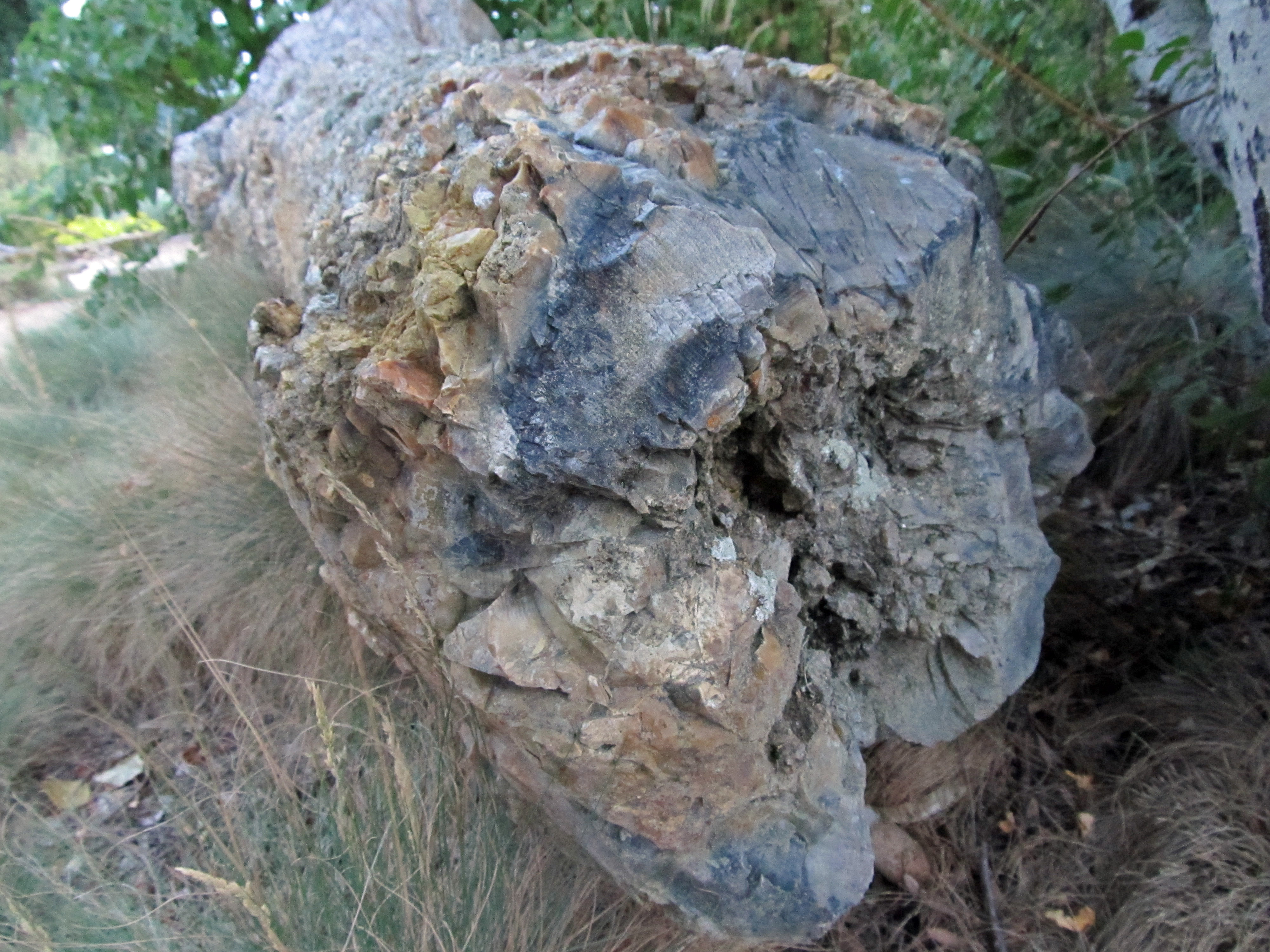
petrified log 2

So, you want to petrify some wood, eh? Here is a list of the basic ingredients that you will need:

  • A log (or some other chunk of wood)
  • Sediment, mud, volcanic ash, lava, or some type of inorganic material in which to bury the log and create an oxygen-free environment
  • Groundwater rich in silica (or other mineral commonly found in rocks)
  • Additional minerals including iron, copper, and manganese for coloring
  • Time and patience (because this is going to take a while – millions of years perhaps)

petrified log 8

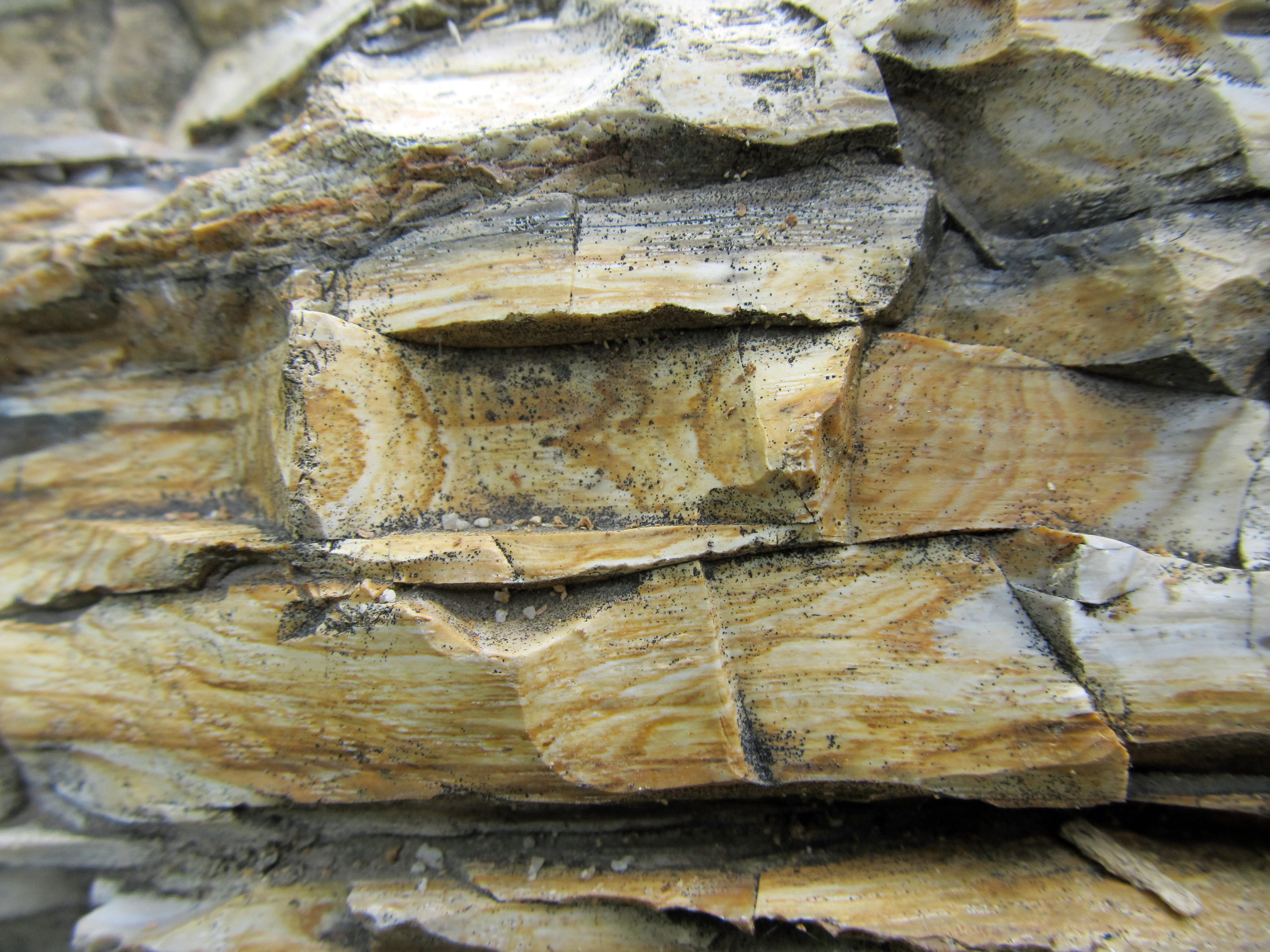
Petrification refers to organic material being converted entirely into stone through two main processes: permineralization and replacement. First, the log you intend to petrify must be buried completely, cutting off the oxygen supply and thereby slowing the decay process considerably. Over time, groundwater rich in silica and other minerals will deposit the minerals in the pore spaces between the cells of the log. Later, the mineral rich water will slowly dissolve the cells and replace them with the minerals as well. The slower the better, assuring that the textures of the bark and wood and details such as the tree rings will remain visible. After enough million years have passed, the log may find itself exposed, pushed out of the ground by an earthquake or landslide or some other act of nature. What entered the ground as a living or recently dead tree, is now 100% inorganic material. And it is much heavier.

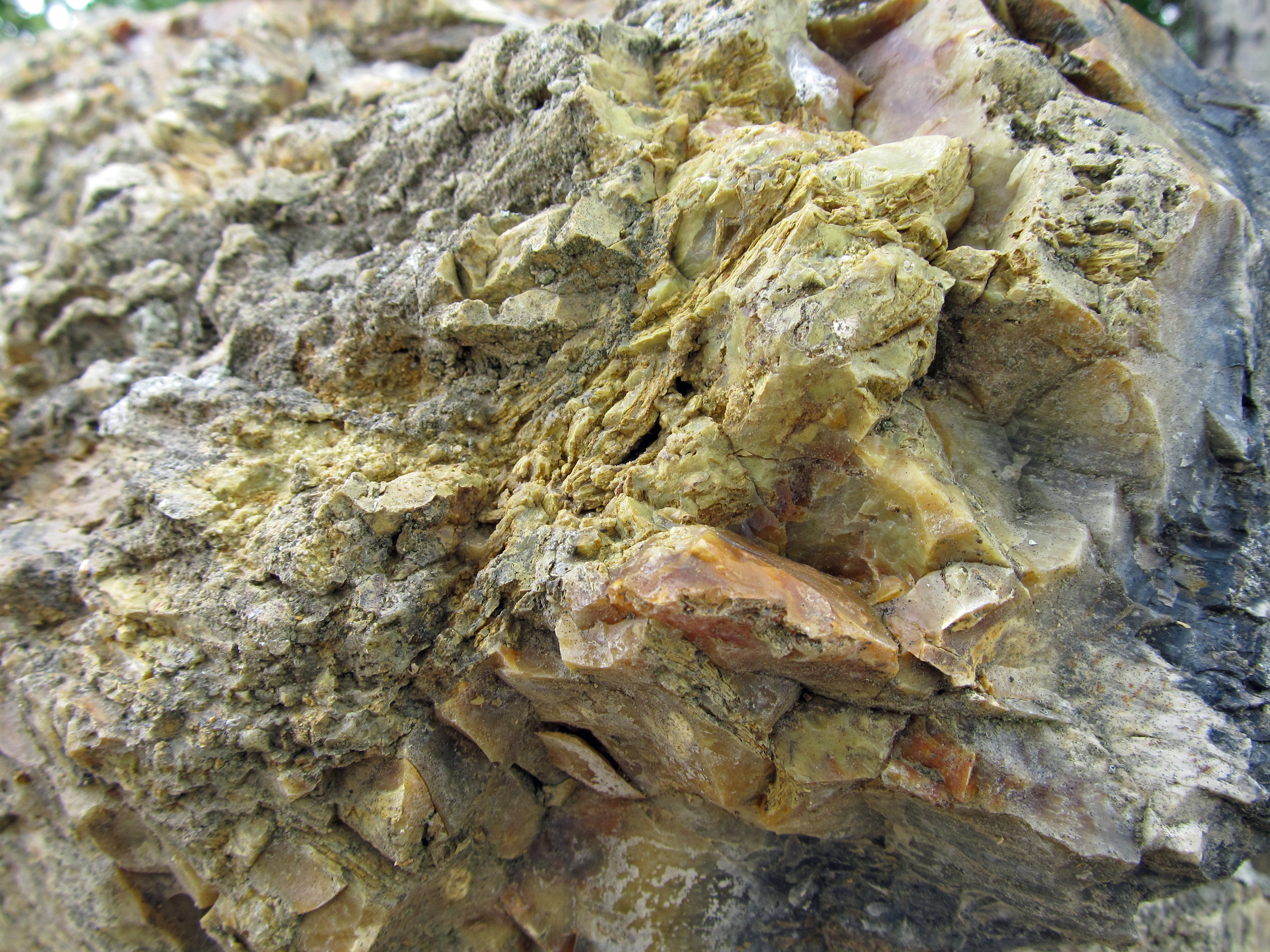
The colors in your petrified log will vary depending on the presence and concentrations of minerals in the groundwater. Cobalt, copper, and chromium will create greens and blues. Iron oxides will give the log hues of red, orange and yellow. Manganese adds pink and orange. During the petrification process, various circumstances can cause the silica to form a variety of crystal structures and other formations within the log. These formations can include amethyst, agate, jasper, opal, citrine, and many others. When all is said and done, your petrified log will be a true work of art.

petrified log 1

Petrification is a fossilization process. Thus, a section of petrified wood is a fossil, and it can be used to help paint a picture of what a particular region was like back when the tree was alive. It can also help us gain a better understanding of how life has evolved on this planet. Areas with large concentrations of petrified wood are located throughout the world, each with its own unique story to tell about the tree species once found in the area and the circumstances that led to their petrification. One such location is Petrified Forest National Park in Arizona. The petrified wood found there came from trees living in the area over 200 million years ago.

petrified log 5

Is a few million years too long to wait? Scientists have developed ways to petrify wood in the laboratory in as little as four or five days. One such process was developed at Pacific Northwest National Laboratory about a decade ago. It involves soaking a section of wood in hydrochloric acid for two days and then in either a silica or titanium solution for another two days. After air-drying, the wood is placed in an argon gas filled furnace and slowly heated to 1400° Celsius over a period of two hours. It is then left to cool to room temperature in the argon gas. What results is a block of ceramic silicon carbide or titanium carbide. Probably not as beautiful and interesting to look at as the one that took millions of years to form, but cool nonetheless.

petrified log 6

Read more about petrified wood here and here.

The photos in this post were taken at Idaho Botanical Garden in Boise, Idaho. If you find yourself in the area, stop by and check out their petrified log which was found in the Owyhee Mountains.

Book Review: Hellstrip Gardening, part two

Hellstrip Gardening by Evelyn J. Hadden is a book intended to help transform roadside beds (or any neglected or hard to garden spot) into a verdant and productive green space. A “paradise,” if you will. Last week, I introduced the concept of hellstrips and briefly discussed the first section of Hadden’s book. This week we are looking at the second section, which is all about the unique challenges and obstacles that hellstrip gardening entails. Hadden has divided this section into 8 main areas of focus. She provides a ton of great information that is sure to be incredibly useful for anyone seriously engaged in improving a hellstrip. If you are one of those people, I highly recommend referring to the book. For simplicity’s sake, this post will include a quick overview of each of the main themes, detailing a few of the things that stood out to me.

Working with Trees

Trees offer many benefits to urban and suburban areas; however, it is not uncommon to see hellstrips with trees that are much too large for the space. Hellstrips are often surrounded by paved surfaces and are heavily trafficked. This leads to soil compaction which results in roots being starved of oxygen and water. Where there are power lines overhead, oversized trees must be heavily pruned to make room for them. Consider planting small or medium sized trees in these spaces. Make sure the soil is well aerated and that there is enough space for the roots to expand out beyond the canopy. Hadden advises avoiding growing turfgrass below trees because it is shallow rooted and uses up much of the available water and oxygen; instead plant deep rooted perennials that naturally grow in wooded environments.

Working with Water

Depending on where you are located, your hellstrip is either going to be water limited or water abundant. Water availability also varies depending on the time of year. If you are mostly water limited, include plants that can tolerate drought conditions. Avoid planting them too close to each other so that they aren’t competing for water. Increase your soil’s water holding capacity by adding organic matter and mulching bare ground. Strategically placed boulders can create cool, moist microclimates where plants can endure hot, dry stretches. If you are dealing with too much water, you can “increase the absorption power” of your property by ensuring that your soil is well aerated and high in organic matter. Plant high water use perennials, grasses, shrubs, and trees with extensive root systems. Replace impermeable surfaces with ground covers and permeable pathways to reduce runoff, and reshape beds so that they collect, hold, and absorb excess runoff.

Working with Poor Soil

Curbside beds in urban areas are notorious for having soil that is compacted, contaminated, and depleted of nutrients. This issue can be addressed by removing and replacing the soil altogether or by heavily amending it. Another solution is to only include plants that can tolerate these harsh conditions. Most likely you will do something in between these two extremes. Adding organic matter seems like the best way to improve soil structure and fertility. Because contaminants from paved surfaces are regularly introduced to curbside gardens, there is a good chance that the soil may contain high levels of lead and other heavy metals. It is a good idea to test the soil before planting edibles. Contaminated soils can be remediated by growing certain plants like annual sunflowers, which take up heavy metals into their tissues. These plants must then be disposed of as hazardous waste.
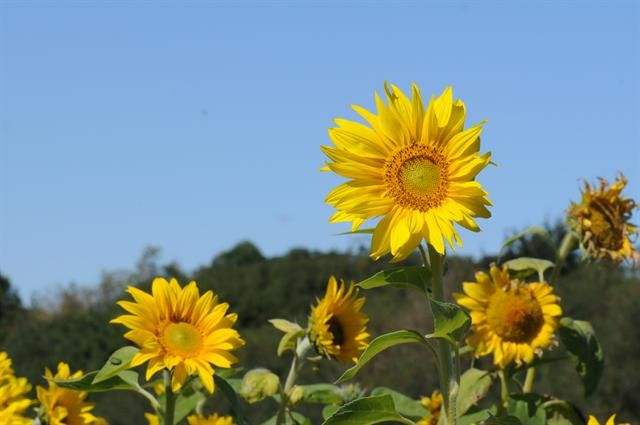
Common sunflower (Helianthus annuus) is one of several plants that can be used to remediate polluted soils. (photo credit: www.eol.org)

Common sunflower (Helianthus annuus) is one of several plants that can be used to remediate polluted soil (photo credit: www.eol.org)

Working with Laws and Covenants

Regulations and restrictions may prohibit you from creating the hellstrip garden you dream of having. Start by informing yourself of your areas laws and covenants. Some restrictions may be based on public safety (such as restrictions on street trees) while others may be based on outdated ways of thinking. Hadden advises not to assume that a regulation can’t be reversed; however, first you must prepare a well reasoned argument based on facts and evidence. Will your landscape design conserve resources, provide ecological services, improve property values, enhance the neighborhood in some way? Perhaps “your property can model a new landscaping strategy.” Prepare to state your case respectfully, intelligently, and convincingly, and you might just find yourself at the forefront of a new movement.

Living with Vehicles

A garden growing along a roadway is sure to be confronted by vehicles. Hadden suggests using “easily replaceable plants for vulnerable areas.” You can also protect your garden by installing a low fence or wall or by planting sturdy shrubs, prickly plants, or plants that are tall and/or brightly colored. If parking is a regular occurrence, leave room for people to exit their vehicles without trampling the garden. A garden surrounded by paved surfaces will be hotter than other areas on your property, so plant heat tolerant plants or shade the garden with trees and shrubs. A hedge, trellis, fence, or berm can act as a wind and dust break and can help reduce noise. Aromatic plants can help combat undesirable urban smells, and noise can be further masked by water features and plantings that attract songbirds.

Living with Wildlife

Wildlife can either be encouraged or discouraged depending on your preferences. Discouraging certain wildlife can be as simple as “learn[ing] what they need in terms of food and shelter, and then eliminat[ing] it.” A garden full of diverse plant life can help limit damage caused by leaf-eating insects. Encouraging birds and bats can also help control insects. Herbivory by mammals can be reduced by growing a wide array of plants and not over fertilizing or overwatering them. Conversely, encouraging wildlife entails discovering what they like and providing it. For example, to encourage large populations of pollinators, plant a diversity of plants that flower throughout the year and provide nesting sites such as patches of bare ground for ground nesting bees. Keep in mind that your property can be part of a wildlife corridor – a haven for migrating wildlife in an otherwise sea of uninhabitable urban space.

Living with Road Maintenance and Utilities

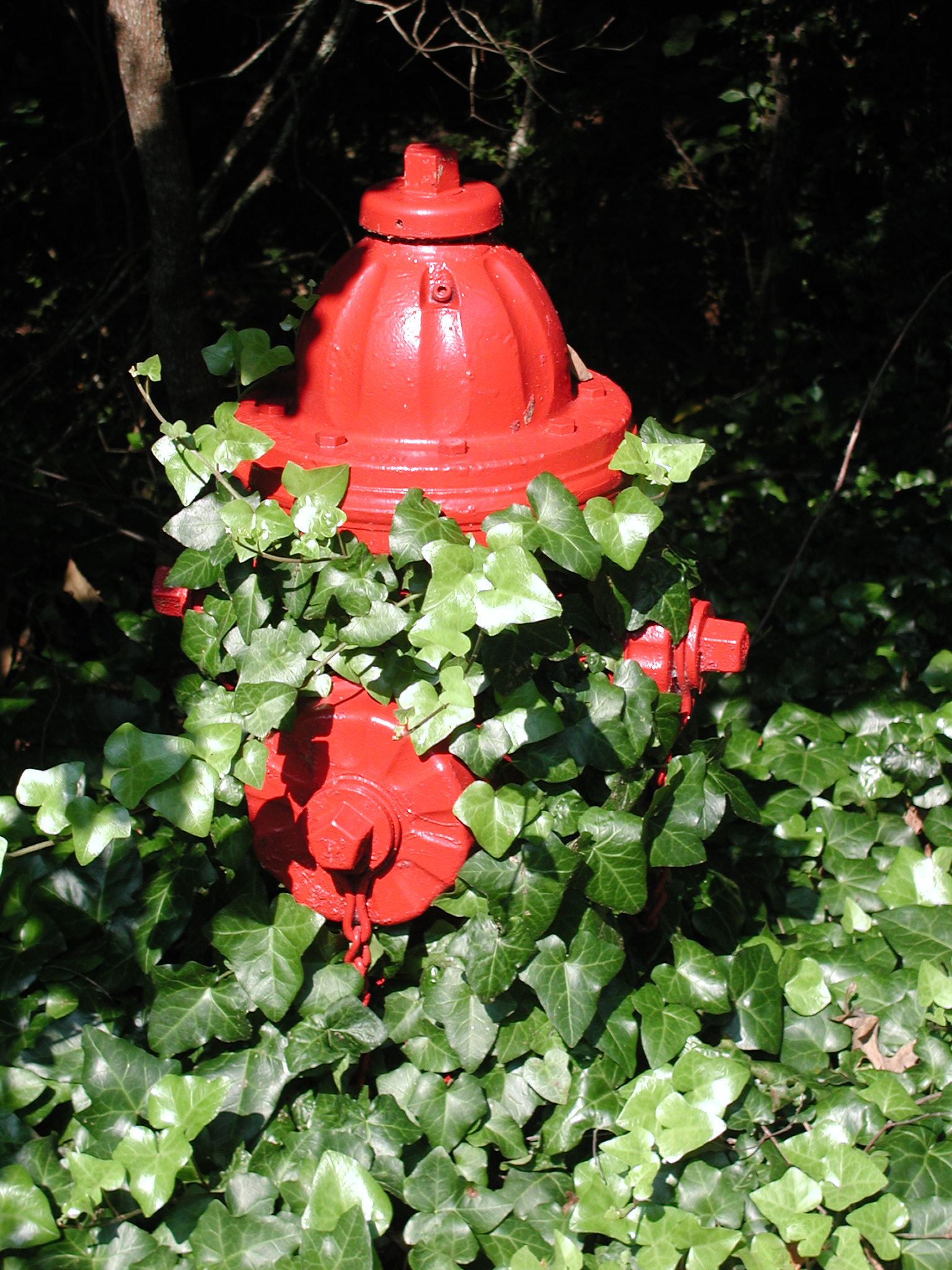
Curbsides gardens are unique in that they are directly affected by road maintenance and they often must accommodate public utility features like electrical boxes, fire hydrants, street signs, and telephone poles. In areas where salts are applied to roads to reduce ice, hellstrips can be planted with salt tolerant plants and can be deeply watered in order to flush salts down into the soil profile. In areas that receive heavy snowfall, avoid piling snow directly on top of plants. Always call utility companies before doing any major digging to find out where underground pipes and electrical cables are located. Utility features can be masked using shrubs, trellises, and vining plants (especially annual vines that are easily removed and replaced); just be sure to maintain access to them. If your hellstrip consists of “unsightly objects,” Hadden recommends “composing a riveting garden scene to divert attention from an uninspiring view.”

Fire hydrant decorated with ivy (photo credit: wikimedia commons)

Fire hydrant decorated with ivy (photo credit: wikimedia commons)

Living with the Public

Your hellstrip is the most public part of your yard, so you are going to have to learn to share. In order to keep trampling to a minimum and contained to certain areas, make it obvious where pathways are and use berms to raise up the beds. Keep the paths clear of debris and avoid messy fruit and nut trees that can make pathways unfriendly to walk on. Avoid planting rare and valuable plants in your curbside garden. Remember that your hellstrip is typically the first part of your property that people see, so make a good first impression. Also, consider the potential that your public hellstrip garden has for building community and inspiring others.

There is so much more in this section; it is impossible to discuss it all here. Again, if you are serious about improving a hellstrip, get your hands on this book. All hellstrips are different and will have unique challenges. Hadden does a great job of touching on nearly any issue that may arise. Now that we’ve covered challenges and obstacles, next week we will look at designing, building, and managing hellstrip gardens.

Trees Are Good For Your Lungs

Trees help reduce air pollution. They do this primarily by pulling gases (like ozone, sulfur dioxide, and nitrogen dioxide) into their leaves and then diffusing them and/or chemically altering them so that they are no longer a direct threat to humans. They also intercept particulate matter, trapping it on the surfaces of their leaves until the wind comes along and blows it away or the rain comes around and washes it into the soil. Trees are filters in this sense, reducing the health threats of our polluted air.

But didn’t I just report on the contribution of urban trees to air pollution via their production of volatile organic compounds? Yes I did. And that remains a possibility; however, according to a study recently published in the journal, Environmental Pollution, the presence of trees is a great benefit to human health despite potential risks. More research is necessary of course, but the consensus so far is that having trees around is a net positive.

Alnus glutinosa, European Alder (photo credit: wikimedia commons)

Alnus glutinosa, European Alder (photo credit: wikimedia commons)

There have been many studies on the relationship between trees and air quality, but little is known about the extent to which human health impacts are avoided and the related money that is saved as a result of air pollution mitigation by trees and forests. With the aid of computer simulations, researchers at US Forest Service and The Davey Institute used 2010 Census data, tree cover maps from the 2001 National Land Cover Database, US EPA’s BenMAP program, and other data to seek answers to these questions. Their analyses – focused at the county level – involved the 48 contiguous United States.

According to their study, trees and forests removed around 17.4 million tons of air pollution in 2010, which resulted in a health care savings of $6.8 billion. 850 human deaths were avoided, and incidences of acute respiratory symptoms were reduced by 670,000. Ozone and nitrogen dioxide experienced the greatest decrease, while the removal of ozone and particulate matter resulted in the greatest health value. Air pollution removal was greater in rural areas compared to urban areas simply because there is more rural area in the US than urban area; however, the removal of air pollution was found to be more valuable in urban areas due to differences in population density. Resulting health benefits and savings are quite dramatic considering that air pollution removal by trees was only found to improve air quality by about 1%.

There were many things left out in this study though, and the researchers acknowledge this. First of all – as stated earlier – trees have the potential to contribute to air pollution. They emit volatile organic compounds which can result in ozone formation, they can reduce wind speeds which concentrates pollutants, and they produce pollen which is a direct contribution to air quality and a major health issue for those with serious allergies.  But trees reduce air pollution in indirect ways as well. For example, by shading buildings, trees can reduce energy demands which results in decreased power plant emissions and a reduction in air pollution.

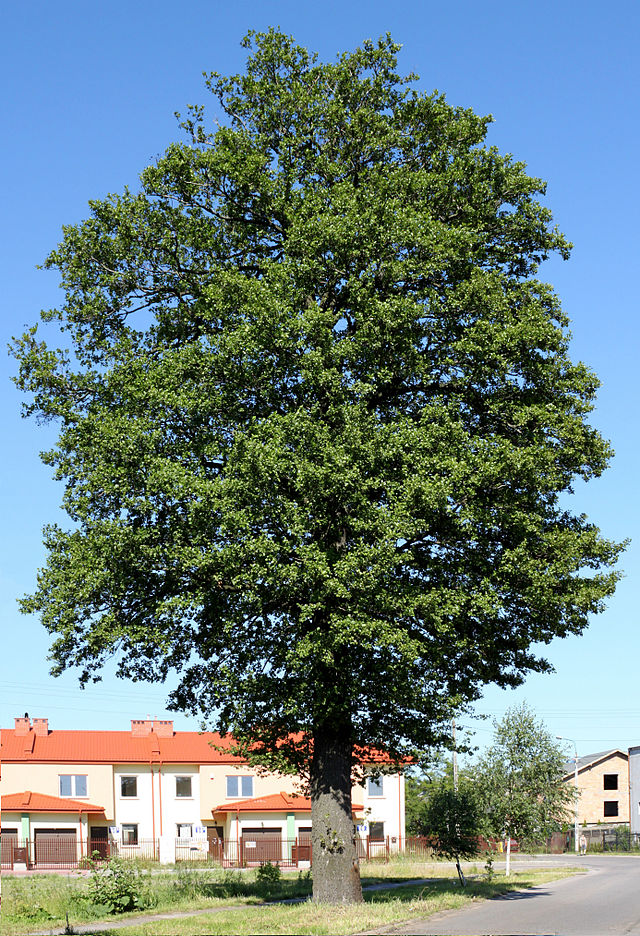
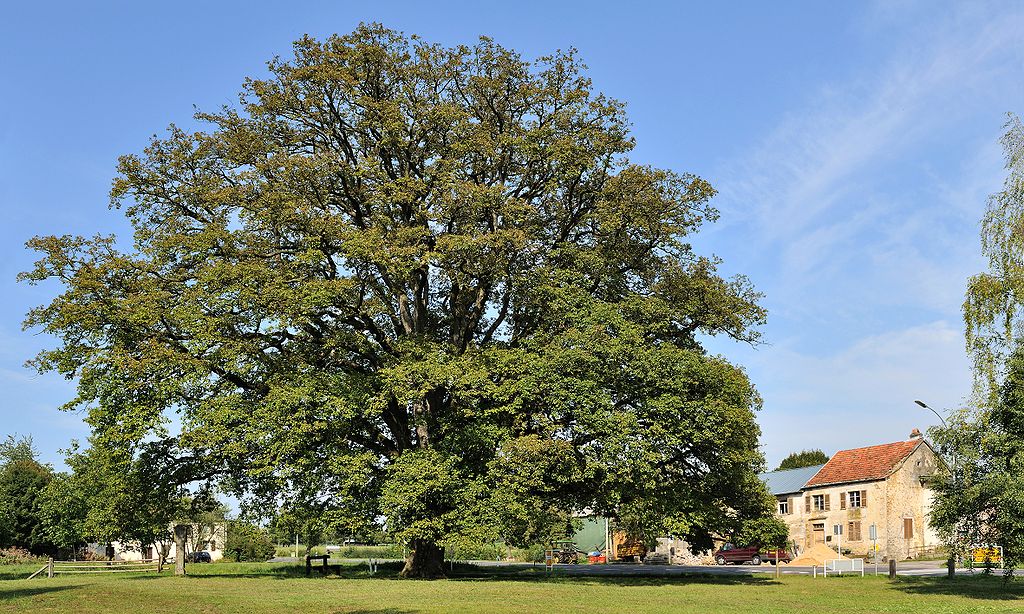
Quercus sp., Oak Tree (photo credit: wikimedia commons)

Quercus sp., Oak Tree (photo credit: wikimedia commons)

Trees can also be negatively affected by air pollution. When particulate matter collects on leaf surfaces, photosynthesis is compromised, limiting a tree’s ability to take gaseous air pollution into its leaves. Urban trees are stressed in additional ways. For example, trees growing near sidewalks, driveways, and roadways deal with serious soil compaction and are often not receiving optimal amounts of water, which can limit their ability to mitigate air pollution. Thus, environmental factors should be considered when determining the relationship between trees and air quality.

This study was conducted at the county level. The researchers acknowledge that more precise predictions could be obtained if analyses were conducted at a finer scale. “Local-scale design of trees and forests can affect local-scale pollutant concentrations.” So, the number of trees, their concentration and configuration, the length of the growing season, the percentage of evergreen trees vs. deciduous trees, etc. all play a role in the extent of air pollution reduction.

While limitations to the study abound, the researchers assert that this initial analysis gives “a first-order approximation of the magnitude of pollution removal by trees and their effect on human health.” Future studies will provide more accurate approximations, but for now I think it is safe to say that trees are good for our health and worthwhile things to have around.

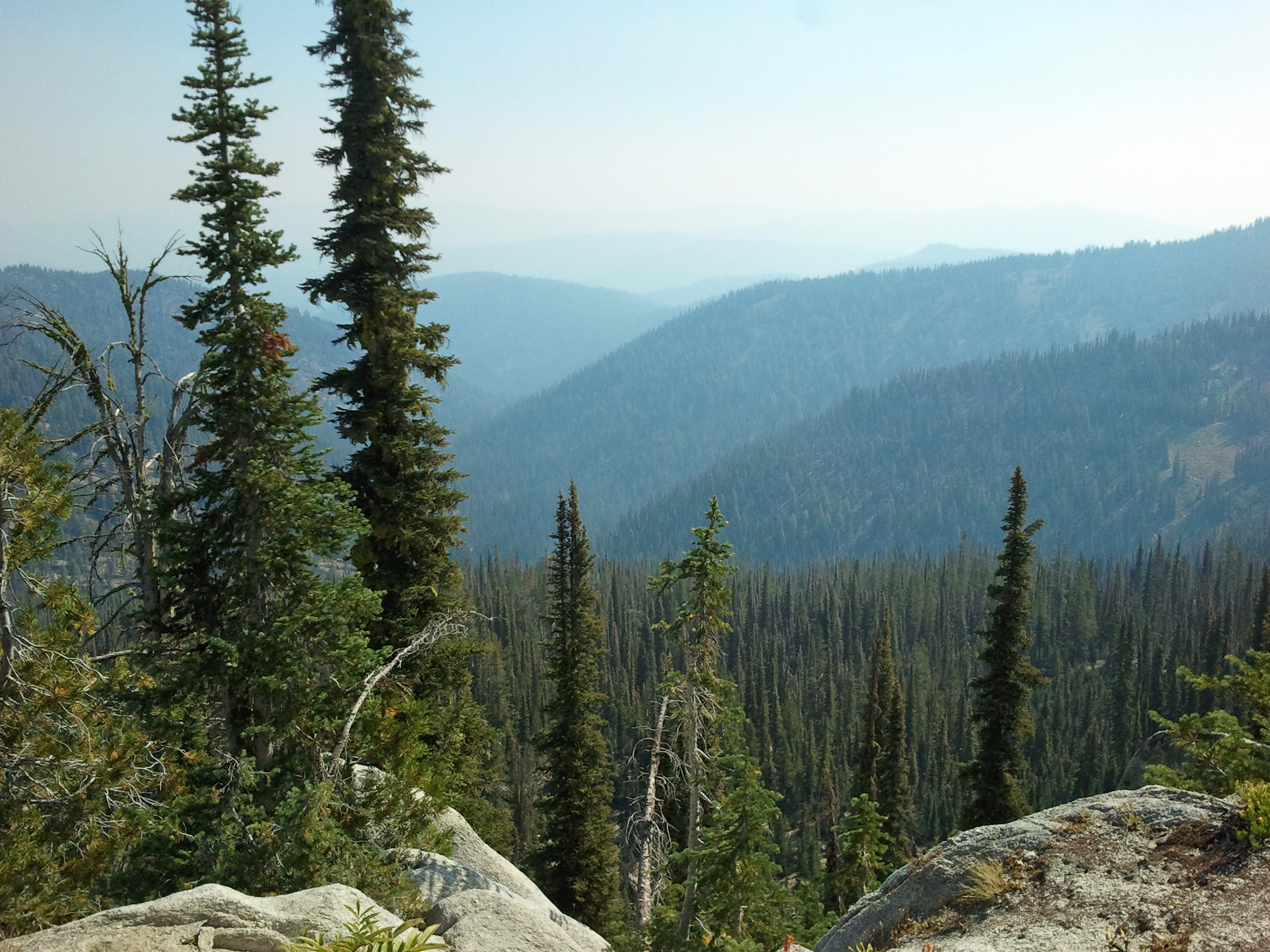
Boise National Forest

Boise National Forest

This study focused mainly on health issues of the respiratory variety. The positive psychological benefits of plants have been observed in separate studies, and our also worthy of our consideration when determining the health benefits of trees and forests.

Urban Trees: Unlikely Polluters

Trees are central features in urban environments, and their benefits are numerous and well documented. They give off oxygen and sequester carbon, provide food for urban wildlife, help slow storm water runoff, and provide shade which not only keeps us cool in the hot sun but can help increase the energy efficiency of surrounding buildings. And even if they weren’t doing all these things and more, the aesthetic value they add to our concrete jungles alone is worth having them around. So it is a little disconcerting to learn that the trees we benefit so much from may actually be doing us harm by way of increasing levels of air pollution.

It sounds unlikely, but according to researchers at the Institute for Advanced Sustainability Studies in Postdam, Germany, urban trees can contribute to increased levels of tropospheric ozone, a key component of smog. This occurs when trees emit volatile organic compounds (VOCs), special gasses that are meant to attract pollinators, repel insects, and warn nearby trees of ensuing insect herbivory. These biogenic VOCs react with sunlight and nitrogen oxides (another key component of smog and a result of burning fossil fuels) and form ozone. Ozone in high concentrations is particularly harmful to the lungs, aggravating asthma, increasing susceptibility to lung infections, and damaging the lining of the lungs.

Fortunately, according to the study, certain trees contribute significantly less to ozone production than other trees.  Poplars, oaks, and willows, for example, tend to be high emitters of VOCs, whereas birches and lindens emit much less. Planting low VOC emitters in dense urban areas and keeping high VOC emitters scattered throughout the city instead of planted in large groups will help reduce this phenomenon. A recent article at Scientific American points out that cities that are sunnier and warmer have more to worry about than cloudy and cool cities since sunlight and high temperatures speed up the ozone producing reaction.

Despite this unfortunate discovery, trees still have an important role in cities. Apart from placing and planting the proper trees, our focus should be on finding ways to reduce our fossil fuel emissions which remain the major culprit of our polluted air.

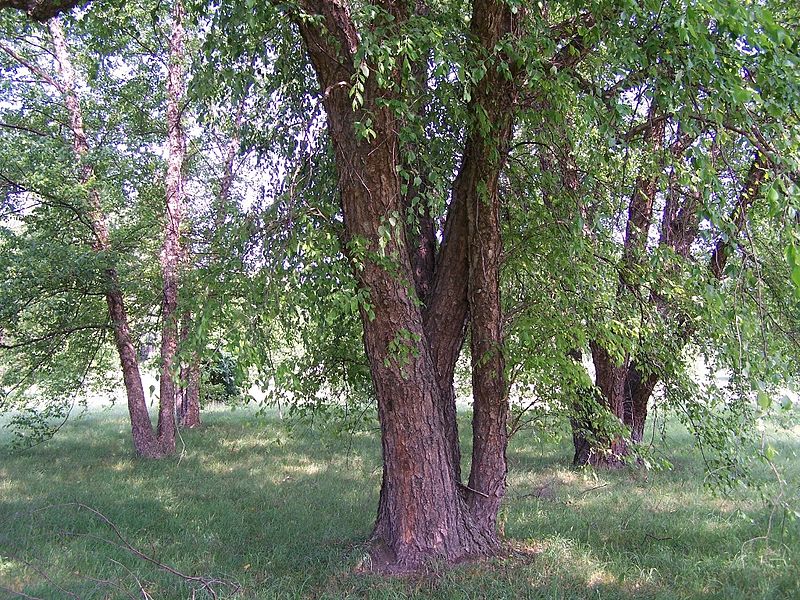
River birch (Betula nigra) - Birches were found to low emitters of volatile organic compounds compared to other common urban trees

River birch (Betula nigra) – Birches were found to be low emitters of volatile organic compounds compared to other common urban trees (photo credit: wikimedia commons)


Baobab Trees Facing Extinction

Declining populations of baobab trees have been a concern for more than a decade now. That concern has been amplified with the release of a recent study that shows that two baobab tree species endemic to Madagascar risk losing the majority of their available habitat due to climate change and human development in the coming decades.

Baobab trees are spectacular sights. Unique in appearance, they can grow up to about 100 feet tall with trunk diameters as wide as 36 feet and can live for hundreds (possibly thousands) of years. As the trees age, they develop hollow trunks used for storing water (as much as 26,000 gallons!) to help them survive long periods of drought. The fruits of baobab trees are coconut-sized and edible and are said to taste like sherbet. The leaves of at least one species are eaten as a vegetable, and the seeds of some species are used to make vegetable oil. Various other products, including fibers, dyes, and fuel are also derived from baobab trees.

There are nine species of baobab trees (Adansonia spp.). Eight are native to Africa and one is native to Australia. Two of the African species are also found on the Arabian Peninsula, and six of the African species are found only on Madagascar. Three of the Madagascan species (A. grandidieri, A. perrieri, and A. suarezensis) are listed as endangered on the IUCN Red List. Currently, A. perrieri has the lowest population of the three species, with only 99 observed trees. It is estimated that by 2080, its range will be reduced to 30% of what it currently is, further threatening its survival. A. suarezensis has a considerably larger population (15,000 trees) but a much smaller distribution area (1,200 square kilometers). By 2050, this area is estimated to be reduced to only 17 square kilometers, practically guaranteeing its eventual extinction. On the bright side, A. grandidieri has a population of about one million trees and an extensive range that should remain largely undisturbed in the coming decades.

An interesting component to this story is how giant tortoises fit in. The fruits and seeds of baobab trees are relatively large, and so their dispersal is best carried out by animals. Seeds that fall too close to the parent trees have little chance of survival since they will be shaded out and will have to compete with large, adjacent trees. Animals that eat the fruits of the baobab trees help to disperse the seeds by defecating them in areas away from large trees where the seedlings will have a greater chance of survival. Two species of giant tortoises that were once native to Madagascar but have now been extinct for hundreds of years were likely primary dispersers of baobab tree seeds. A recent study used a species of giant tortoise not native to Madagascar (the Aldabra giant tortoise) to test this hypothesis. The tortoise readily consume the fruit of the baobab tree. The seeds remain in the tortoise’s digestive system for up to 23 days, giving the tortoise plenty of time to move to an area suitable for seed germination. Given these findings, biologists are currently working to introduce Aldabra giant tortoises to Madagascar to help save the baobab trees.

Climate change, loss of habitat due to human development, and loss of seed dispersers due to extinction threaten the survival of some baobab tree species, but by recognizing this threat, biologists can work towards preventing their eventual extinction. As we gain a better understanding and appreciation for the need for biodiversity on our planet, we will resolve to take greater steps to protect it.

To learn more about baobab trees facing extinction and giant tortoises as seed dispersers, visit the Scientific American blog, Extinction Countdown, here and here.

baobab tree

Adansonia grandidieri

photo credit: wikimedia commons