Ground Nesting Bees in the Garden

Earlier this year I wrote about planting for pollinators. In that post I briefly introduced various things that people can do to encourage pollinator activity in their yards and gardens. One thing that I mentioned was the importance of providing nesting sites. Most pollinators are insects and insects are small, so the distance that they are able to travel in search of food is relatively limited. According to the Xerces Society, the smallest bees can only fly a few hundred feet from their nests. Providing nesting sites in close proximity to foraging sites is incredibly important.

Roughly 70% of native bee species in North America are ground nesting bees, so chances are pretty good that if you are providing forage for bees in your yard, a good number of the bees that visit will be ground nesting bees. In order to ensure the survival of these bees, consider providing nesting habitat for them on your property.
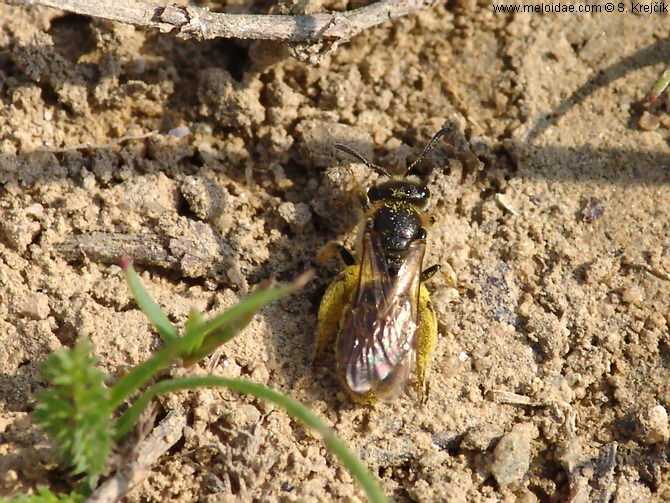
ground nesting bee_lasioglossum

Lasioglossum leucozonium – a North American ground nesting bee (also known as a sweat bee) – photo credit: www.eol.org

Here are a few things to keep in mind when developing nesting habitat for ground nesting bees:

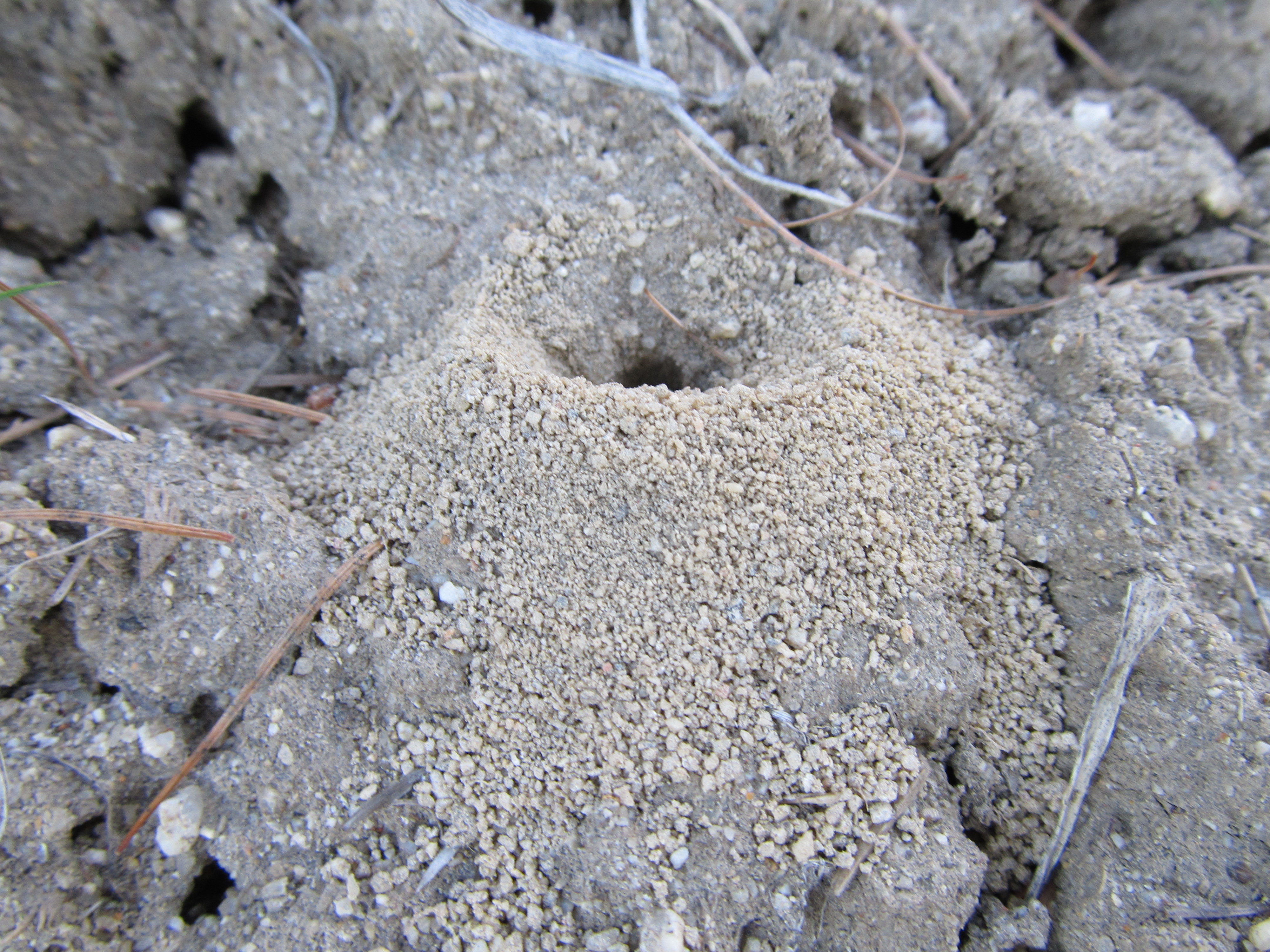
Create and Maintain Undisturbed Bare Ground: You may already have ground nesting bees living in your yard and you don’t even know it. Obvious evidence of nests is difficult to spot. If you can find tunnel entrances, they will look like small ant mounds. If you find a series of small “ant mounds”, watch for bee activity during sunny times of the day. Activity can be quite ephemeral though, so it is difficult to know if bees have just moved in or if they have moved on. Avoid tilling up soil and walking through areas where you suspect or intend for bee activity. Leave patches of bare ground unplanted and unmulched in order to encourage bees to nest there.

Sunny and South Facing: Bees are most active when the sun is shining and temperatures are warm. For this reason they tend to build their nests in warm, sunny spots. However, warm, sunny spots are also the best locations for many plants. Consider sharing these sites with ground nesting bees. Avoid putting down mulch in these areas and keep vegetation sparse and minimal.

Avoid Pesticides: When encouraging pollinator activity in your yard and garden, it is best to avoid using pesticides as much as possible. Herbicides kill potential food sources. Insecticides can kill pollinating insects along with pest insects. And soil fumigants can harm ground nesting bees.

Provide Some Accommodations: Due to the diversity of ground nesting bees, it is difficult to provide nesting habitat for all potential species. Some prefer loose, sandy soil while others prefer smooth, packed ground. Some bees will nest on level ground, while others prefer sloped ground. The habitat you are able to provide will depend on the conditions present on your property. Some modifications can be made, but this all depends on the resources available to you and how particular you want to get. Apart from maintaining a patch of undisturbed, unmulched, south facing ground, there are three additional things that you can offer ground nesting bees to make them feel more at home on your property: food (in the form of diverse flowers blooming throughout the growing season), a water source (in the form of a birdbath or something similar), and a few rocks for the bees to perch on and warm their tiny bodies.
IMG_0777

The tunnel entrance of a ground nesting bee.
IMG_0779

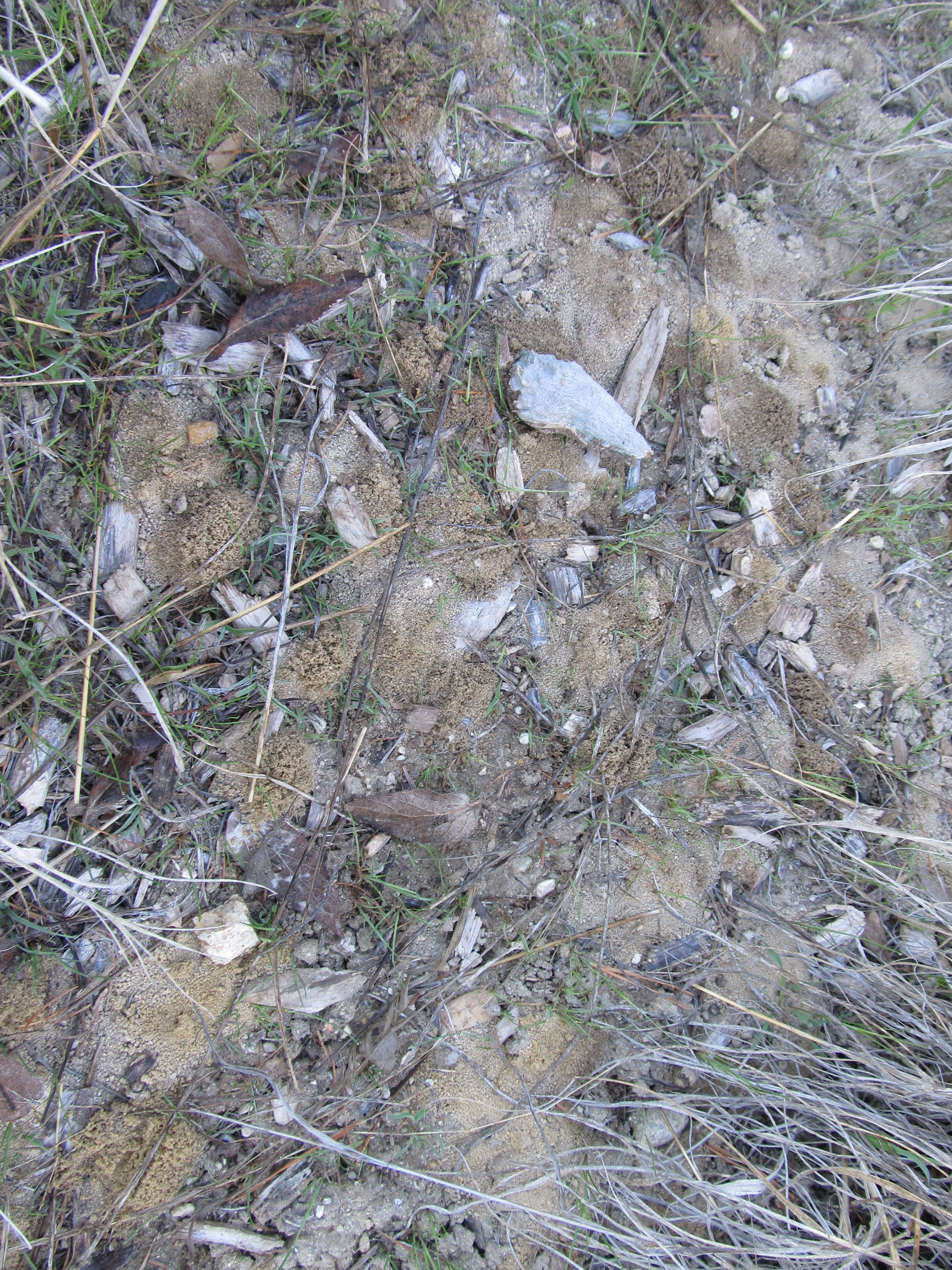
Tunnel entrances are often found in groups in areas of bare ground mixed with patchy vegetation.
Planting for Pollinators

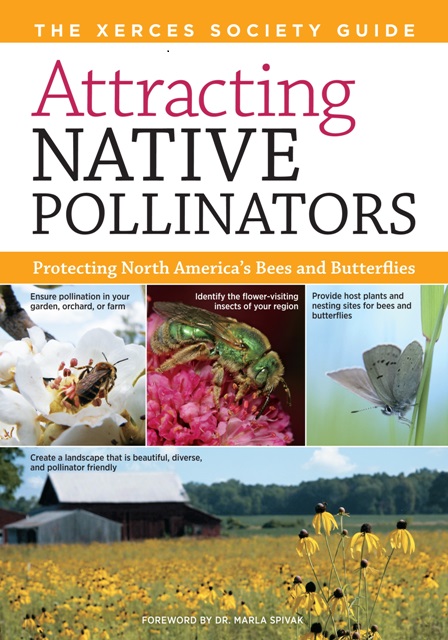
“All urban greenspaces offer potential for pollinators, and all can become important links in a chain of wildlife habitat winding through developed land. At the most basic level, healthy greenspaces mean healthy people and healthy communities. And at the core of a healthy environment are the pollinators.” –excerpt from the book, Attracting Native Pollinators by The Xerces Society

Concern for pollinators, particularly bees, is widespread. Whether you pay attention to the news or not, you are most likely aware that something is up. The bees are disappearing and no one seems to know why. Of course, most of the news concerning dying bees is in reference to honey bees, largely because they are major agricultural pollinators and producers of honey. But there are two things that many people may not be aware of: 1. Honey bees are not native to North America – they were brought over from Europe by early settlers – and 2. North America is replete with native pollinators (including numerous species of bees, butterflies, beetles, and wasps) and they, too, are threatened (partly due to non-native honey bees, but we won’t get into that here). Oh, and there is a third thing, we do know why bees and other pollinators are disappearing, and it’s not because of cell phone towers or other wacky ideas that have been proposed.

Actually, pollinator decline is due to a whole suite of things. As much as we like to seek out the silver bullet – the single cause with a single solution that will solve the problem – this issue (like so many others) does not have one. Habitat degradation and loss, the spread of pests and diseases, extensive pesticide use, and climate change all play a role in pollinator decline. Consider a modern day farm: acres and acres of a single crop planted from one edge of the field to the other, often planted with an herbicide resistant variety of crop so that all plants (both weedy and non-weedy) can be sprayed and killed leaving only the crop in question to grow competitor free. Or consider an urban landscape: patchy green space amidst miles and miles of pavement, concrete, and rooftops, and when that green space occurs, it is often a chemical green lawn free of weeds or a flower bed loaded with non-native ornamentals, bred for aesthetic appeal and often lacking in wildlife value. Our modern landscapes just aren’t fit for pollinators.

But things can change. The problem is complex, but there are small things each of us can do that when added up can make a colossal difference. Creating pollinator friendly habitats in our communities – spaces that are free from pesticides and include diverse food sources and nesting sites – can help ensure that pollinators will survive and thrive. Here are a few guidelines and resources to help you create pollinator habitat in your yard or neighborhood:

– Find a sunny location: Pollinators are most active when it is warm, so find areas that get at least 6-8 hours of full sun (just like you would if you were planning a vegetable garden).

Plant a wide variety of plants: Something should always be in bloom during the growing season, so select at least 3 plants that flower in each of the 3 blooming periods (spring, summer, and fall). Early spring bloomers and fall bloomers are especially important. Also, in order to attract a wide range of pollinators, select plants with varying heights and growth habits and that have flowers of various colors, shapes, and sizes.

– Plant in clusters: On each foraging trip, bees visit the flowers of a single plant species, so plant each species in small clumps.

-Provide nesting sites and a water source: Bumble bees nest at the bases of bunchgrasses, so include a warm season bunchgrass like little bluestem in your yard. Ground nesting bees require a section of bare ground, so lay off on the mulch. Construct and install bundles of hollow stems (like bamboo or elderberry) in order to provide nesting sites for mason bees. Also, include a birdbath or something with a ledge for pollinators to perch and drink.

There are many resources that can instruct you on providing habitat for pollinators. One standout is The Xerces Society. They are “a nonprofit organization that protects wildlife through the conservation of invertebrates and their habitat.” Their website is loaded with information: specific plant recommendations by region, instructions on how to provide habitat for certain pollinators, alternatives to pesticides, etc. You can even help them by becoming a citizen scientist. Other excellent resources include Monarch Watch and The Great Sunflower Project.

attracting-native-pollinators1

“Simple decisions about selecting plants, providing nest sites, minimizing disturbance, and reducing pesticides can make a dramatic difference between a green, manicured, but lifeless landscape, and one that teems with the color, energy, and life of buzz-pollinating bumble bees, rapidly dashing hummingbird moths, and busy nest-building leafcutter bees.” –excerpt from Attracting Native Pollinators by The Xerces Society

Stay tuned for future posts about pollinators, including pollinator conservation and specific pollinator and plant interactions. Also, comment below to share what you are doing to help pollinators in your community. 

Related Posts:

In the News: Declining Insect Populations

Figs and Fig Wasps

Overwintering Carnivorous Plants

I once assumed that all carnivorous plants were tropical. I’m not sure exactly why. Perhaps it’s because they are so bizarre (both in their appearance and behavior), nothing like the plants that I was accustomed to seeing growing up in the Intermountain West. Or maybe it’s because the one carnivorous plant that I was most familiar with, the Venus flytrap, is commonly sold in the houseplant section of department stores. If it’s a houseplant, it must be tropical, right?

Eventually I learned the truth. Much to my surprise, there are numerous carnivorous plants that are native to temperate regions – in fact, carnivorous plants can be found on every continent except Antarctica. Even more surprising, Venus flytraps are temperate plants! It’s true. They are native to a small region in North Carolina, within about a 100-mile radius from Wilmington.

Plant species native to temperate regions require a dormant period. In the winter, the temperature drops, day length decreases, and, in some cases, drought ensues. During this time plants go dormant – they hibernate – and wait for the warmer, brighter days of spring to continue on with their metabolic and reproductive processes. It’s a period of rest.

Carnivorous plants native to temperate regions fall into this category – they require a period of dormancy in order to stay healthy and productive. In his book, The Savage Garden, Peter D’Amato asserts that, “Dormancy in carnivorous plants that require it must be respected and permitted to occur. Otherwise, the plant may die.” He goes on to say that a Venus flytrap grown year-round in a warm environment exposed to grow lights for the majority of the day “will eventually get sickly and die.” In short, these plants need a rest, and so it’s best to grow them outdoors where they will be exposed to the elements, thereby entering a period of dormancy as nature intended.

Venus flytraps (Dionaea spp.), North American pitcher plants (Sarracenia spp.), and serveral species of sundews (Drosera spp.) can all be grown outdoors year-round in temperate climates. In order to ensure their survival, it’s best to give them a little protection during the winter months – especially when temperatures are projected to reach below 20 degrees for several consecutive nights.

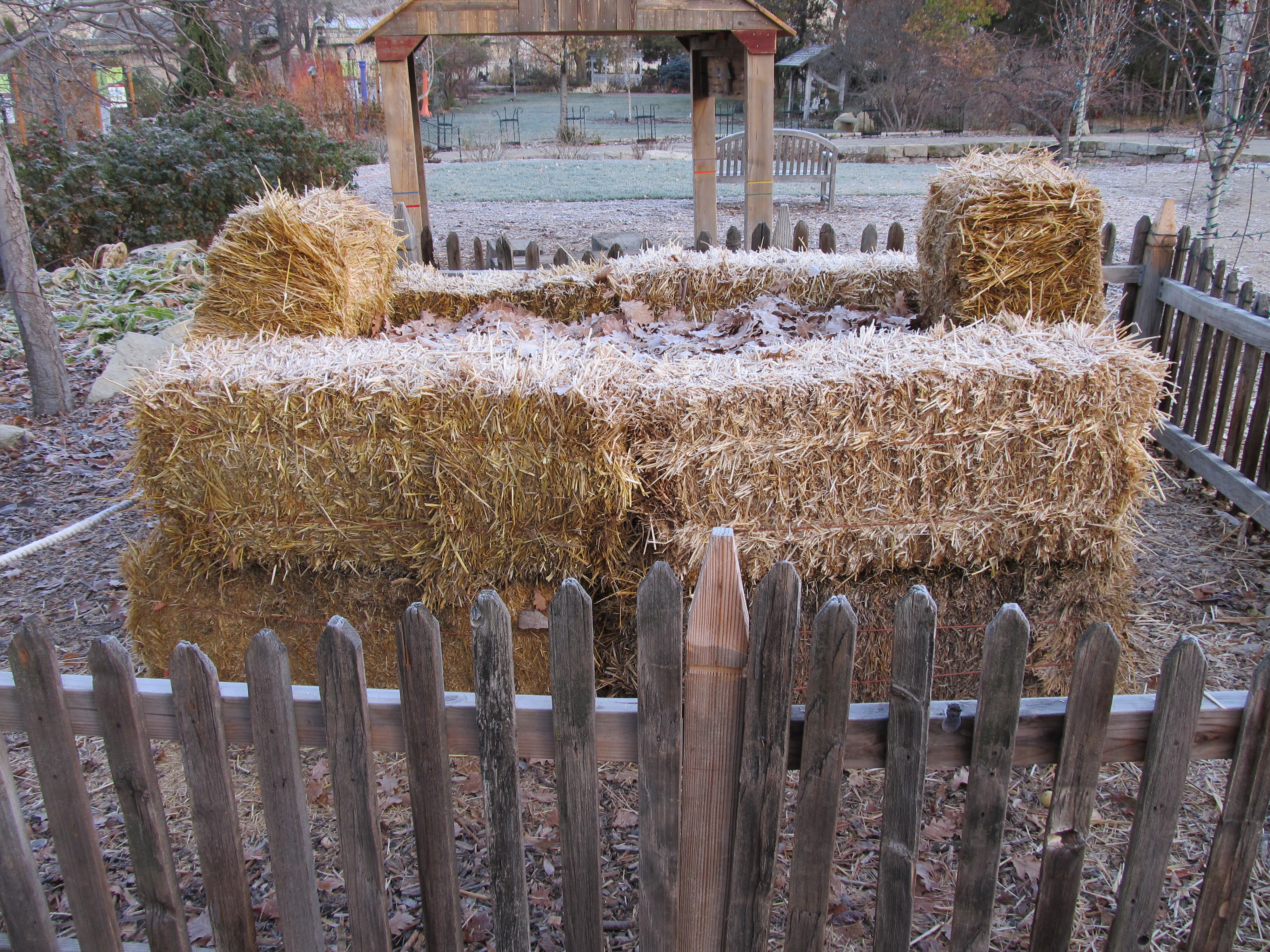
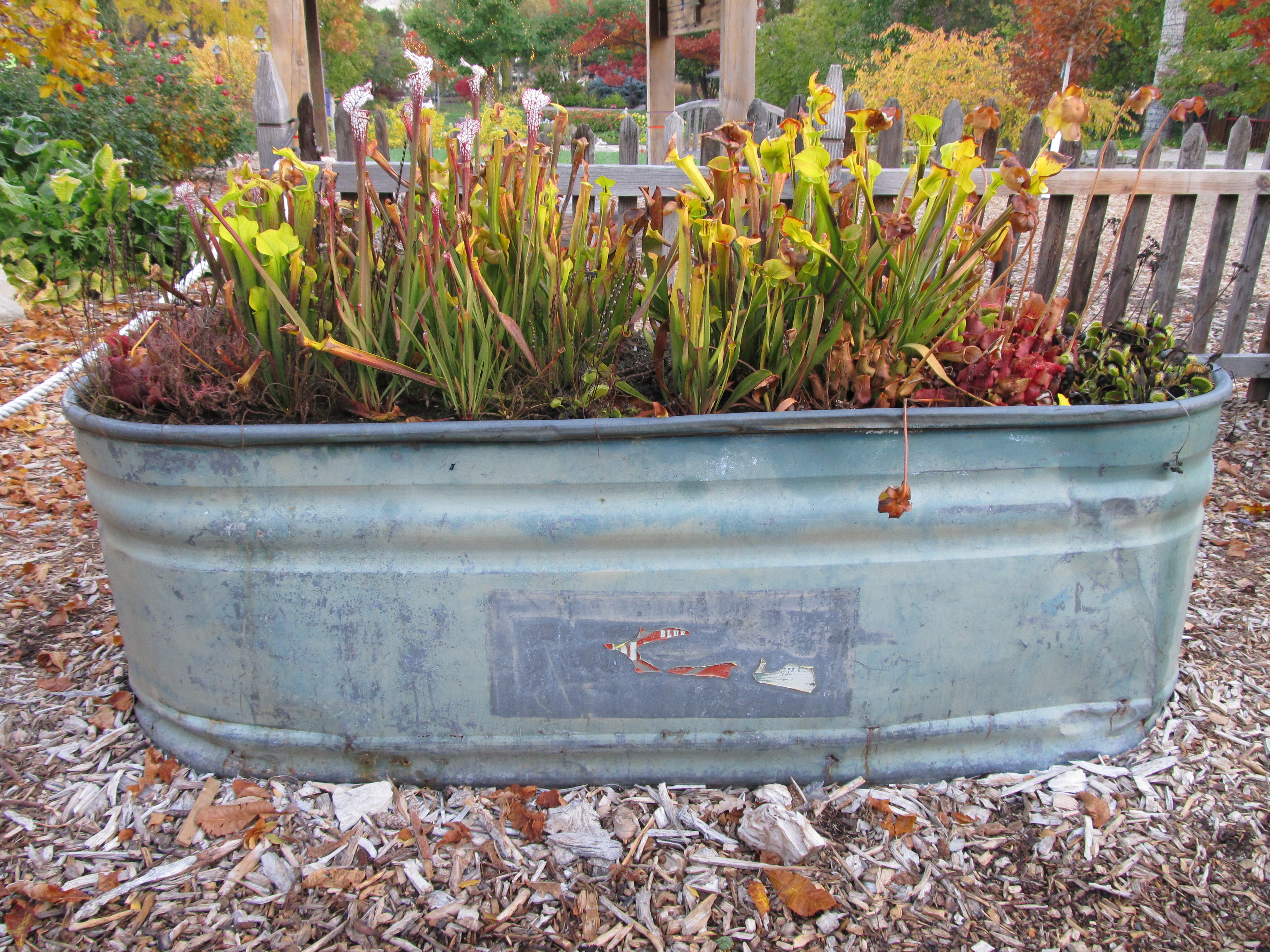
Recently, I helped put the carnivorous plant display at Idaho Botanical Garden to bed for the winter. The carnivorous plants are being grown in an old stock water trough. First we cut back the plants, reducing their size by at least a third and being especially careful to remove dead or rotting plant material. Next, we placed several straw bales around the sides of the trough. Then we covered the plants with three layers of material: black plastic, evergreen boughs, and dead leaves. Dave Nelson, of killergarden.com, suggests a similar winterizing treatment: “the plants can be placed on the ground, covered with a tarp, and then covered with six inches or so of dead leaves, pine needles, straw, or other mulch.”

After the threat of freezing temperatures has passed, the plants can be uncovered. As temperatures continue to warm, the plants will awake from their dormant state and prepare themselves for another spectacular season of devouring bugs and looking awesome.

IBG_carnivorous plants_fall

Carnivorous Plant Display at Idaho Botanical Garden

IBG_carnivorous plants_winter

Winterized Carnivorous Plant Display

A final word from Paul D’Amato: “You should never force a carnivorous plant into growth during a season when it should be resting.”

In the News: Declining Insect Populations

Last week the New York Times published an article about declining populations of insects in the United States, specifically monarch butterflies and wild bees. Monarch butterflies migrate south to Mexico each fall, typically arriving by the millions on the first of November. This year was tragically different, because the monarchs did not arrive on the first, and when they finally began trickling in a week late, there were significantly less of them. In his article, The Year the Monarch Didn’t Appear, Jim Robbins discusses why this and similar scenarios are becoming commonplace.

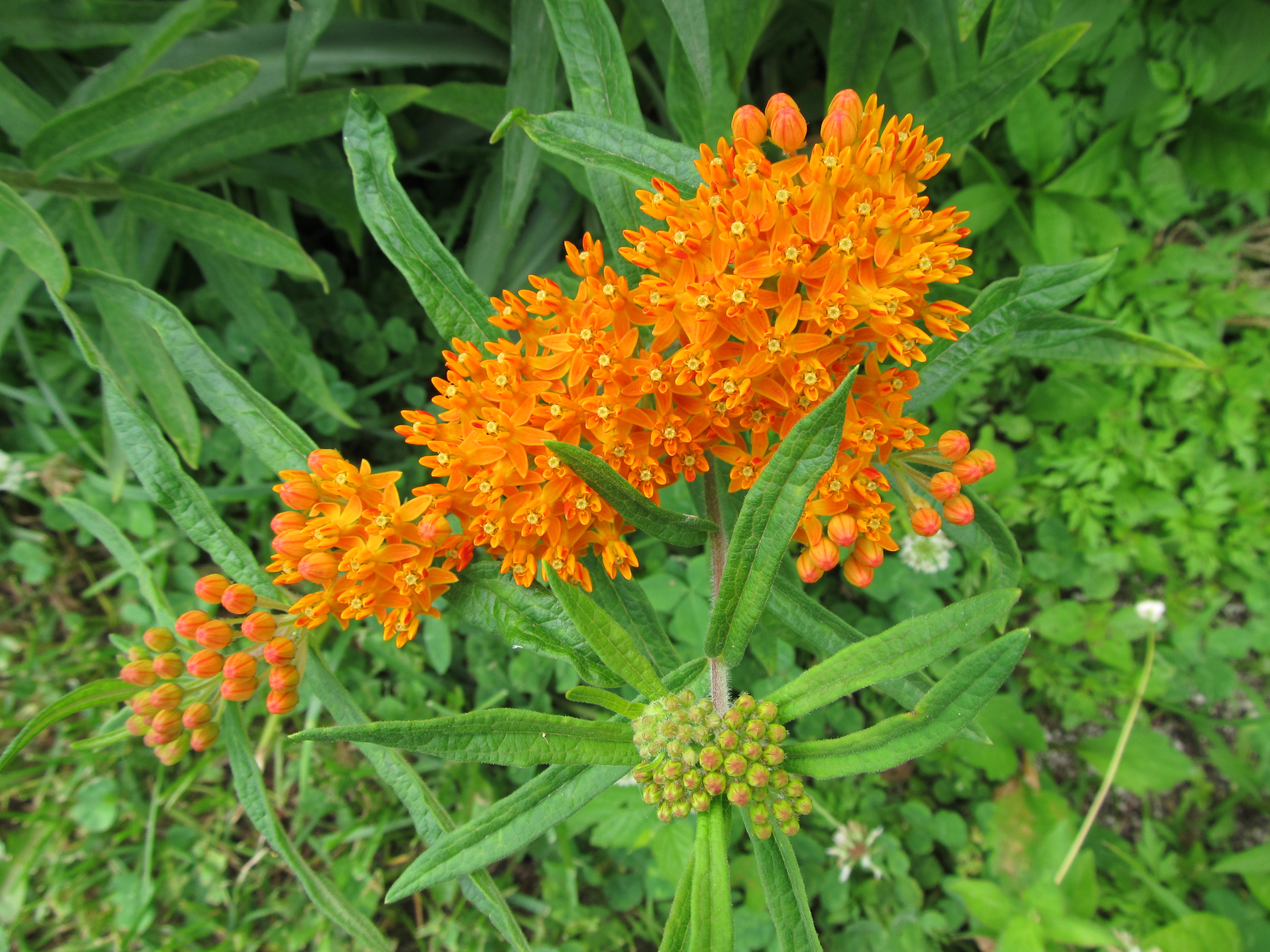
Increased pesticide use and global climate change are certainly contributing factors in the decline of insect populations; however, Robbins suggests that the loss of native habit is the major culprit. For example: monarch butterflies rely on milkweed (Asclepias spp.); in fact, their larvae feed exclusively on it. No milkweed = no new monarch butterflies. Urban sprawl, farmland expansion, Roundup Ready crops, and herbicide use along roadways all result in declining milkweed populations, as well as declines in the populations of other beneficial native plants.

And that’s not all. “Around the world people have replaced diverse natural habitat with the biological deserts that are roads, parking lots and bluegrass lawns, ” says Robbins, meanwhile landscape plants are selected for their ornamental appeal, “for their showy colors or shapes, not their ecological role.” In support of his argument, Robbins cites studies which found that native oak and willow species in the mid-Atlantic states are hosts to 537 and 456 species of caterpillars, respectively. On the other hand, non-native, ornamental ginkgoes host three.

Insects provide numerous ecosystem services. They help break down waste products, they are pollinators of countless species of plants (including many of our crops), and they are food sources for larger animals (including birds, reptiles, and amphibians)…and this is just the short list. As John Muir said, “When we try to pick out anything by itself, we find it hitched to everything else in the Universe.” Thus, the decline of native insect populations is a concern that should not be taken lightly.

IMG_0021

Asclepias tuberosa – butterfly milkweed

If you haven’t already, please consider including some native plants in your yard. If you don’t have a yard, suggest the idea of landscaping with native plants to your friends. To learn more about monarch butterflies and their plight (including information on how to grow milkweed), visit www.monarchwatch.org.

Figs and Fig Wasps

Recently I was listening to a past episode of Caustic Soda Podcast in which the hosts briefly discussed fig wasps. I was intrigued by this discussion, having previously never heard of fig wasps, and so I did a little research. As it turns out, what I am about to share with you here is just the tip of the iceberg. The relationship between figs and fig wasps is a complex topic, to the extent where you could easily spend a lifetime studying this relationship and there would still be more to discover.

Ficus is a genus of plants in the  family Moraceae that consists of trees, shrubs, and vines. They are commonly referred to as figs, and there are between 755 and 850 described species of them (depending on the source). The majority of fig species are found in tropical regions, however many of them are found in temperate regions as well. The domesticated fig (Ficus carica), also known as common fig, is widely cultivated throughout the world for its fruit.

common fig

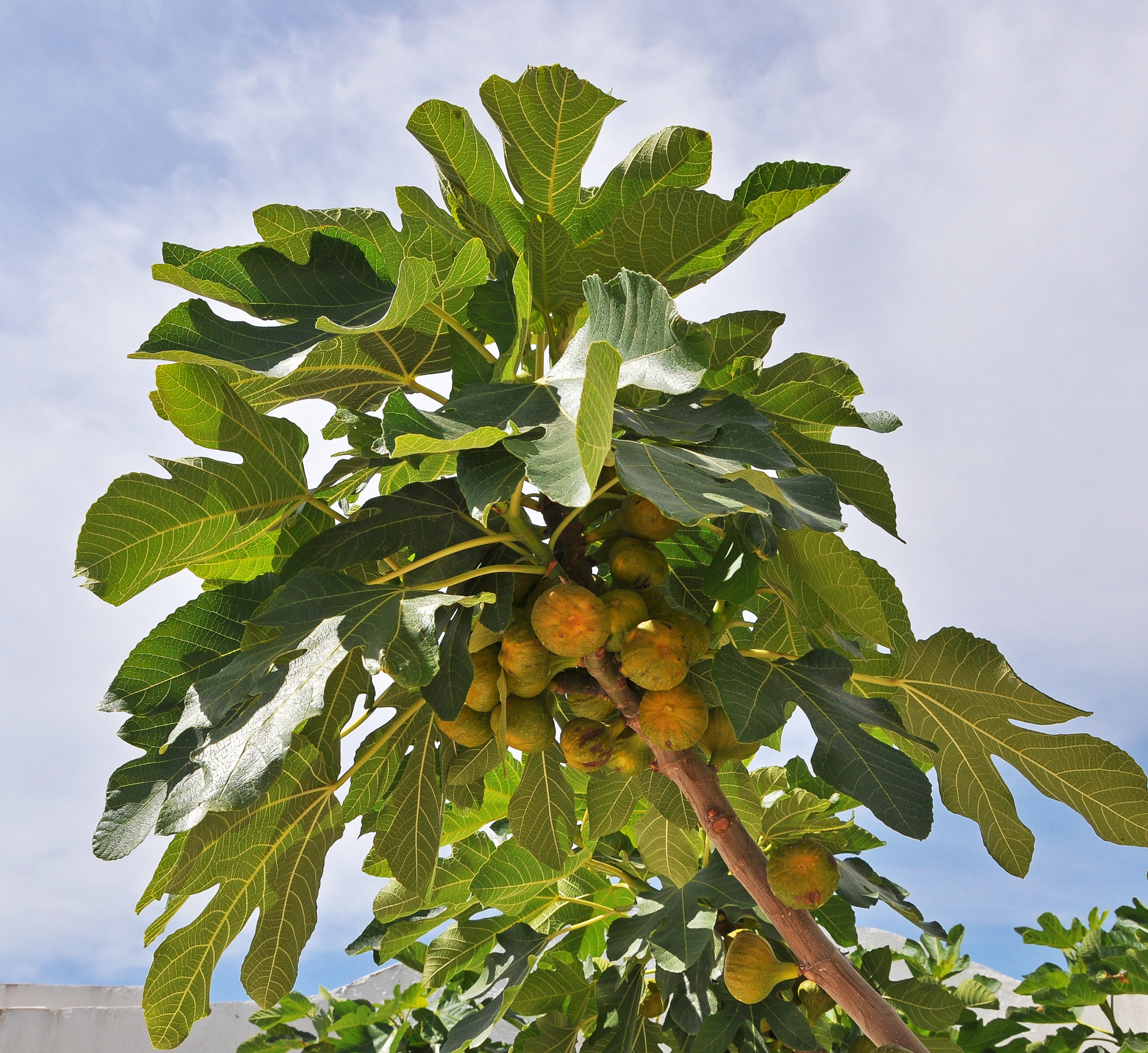
Ficus carica – common fig

photo credit: wikimedia commons

The fruit of figs, also called a fig, is a multiple fruit because it is formed from a cluster of flowers. A fruit is formed by each flower in the cluster, but they all grow together to form what appears to be a single fruit. Now here is where it starts to get bizarre. The flowers of figs are contained inside a structure called a syconium, which is essentially a modified fleshy stem. The syconium looks like an immature fig. Because they are contained inside syconia, the flowers are not visible from the outside, yet they must be pollinated in order to produce seeds and mature fruits.

This is where the fig wasps come in. “Fig wasp” is a term that refers to all species of chalcid wasps that breed exclusively inside of figs. Fig wasps are in the order Hymenoptera (superfamily Chalcidoidea) and represent at least five families of insects. Figs and fig wasps have coevolved over tens of millions of years, meaning that each species of fig could potentially have a specific species of fig wasp with which it has developed a mutualistic relationship. However, pollinator host sharing and host switching occurs frequently.

Fig wasps are tiny, mere millimeters in length, so they are not the same sort of wasps that you’ll find buzzing around you, disrupting your summer picnic. Fig wasps have to be small though, because in order to pollinate fig flowers they must find their way into a fig. Fortunately, there is a small opening at the base of the fig called an ostiole that has been adapted just for them. What follows is a very basic description of the interaction between fig and fig wasp – remember with the incredible diversity of figs and fig wasps, the specifics are sure to be equally diverse.

First a female wasp carrying the pollen of a fig from which she has recently emerged discovers a fig that is ready to be pollinated. She finds the ostiole and begins to enter the fig. She is tiny, but so is the opening, and so her wings and antennae are ripped off in the process. No worries though, she won’t be needing them anymore. Inside the fig there are two types of flowers – ones with long styles and others with short styles. The female wasp begins to lay her eggs inside the flowers, however she is not able to lay eggs inside the flowers with the long styles. Instead, these flowers get pollinated by the wasp. After all her eggs are laid, the female wasp dies. The fig wasp larvae develop inside galls in the ovaries of the fig flowers, and they emerge from the galls once they have matured into adults. The adult males mate with the females and then begin the arduous task of chewing through the wall of the fig in order to let the females out. After completing this task, they die. The females then leave the figs, bringing pollen with them, and search for a fig of their own to enter and lay eggs. And the cycle continues.

But there is so much more to the story. For example, there are non-pollinating fig wasps that breed inside of figs but do not assist in pollination – freeloaders essentially. And how is the cycle different if the species is monoecious (male and female flowers on the same plant) compared to dioecious (male and female flowers on different plants)? It’s too much to cover here, but visit figweb.org for more information. FigWeb is an excellent resource for learning all about the bizarre and fascinating world of the fig and fig wasp relationship. Also check out the PBS documentary, The Queen of Trees.

This is the first of hopefully many posts on plant and insect interactions. Leave a comment and let me know what plant and insect interactions interest you.

Documentary: What Plants Talk About

Earlier this summer I posted a review of a book called, What a Plant Knows, by Daniel Chamovitz. It’s a book that describes plant senses – senses that are similar to human senses (i.e. seeing, hearing, smelling, etc.). Plants are much more aware of their surroundings than we might initially think, and so I recommend this book to anyone interested in gaining a better understanding of plants and their “awareness”. However, I also understand that this can be an intimidating subject – especially for those who haven’t spent much time studying plants and their biology. Chamovitz wrote his book with the intention of making this subject accessible to everyone. Anyone with even a limited understanding of biology should be able to understand the basic concepts in Chamovitz’s book. However, the subject can still be challenging.

Luckily, a recent documentary by PBS explores similar concepts. It simplifies things even more – exploring the ways in which plants communicate with the world around them, even without having the organs we typically attribute to communication and awareness (i.e. brains, ears, eyes, etc.). The documentary is called What Plants Talk About. I watched it recently and was reminded of Chamovitz’s book. They fit together so well. If you have any interest in this subject at all, I recommend both. If all you are after is a simple introduction, watch the documentary. If the documentary intrigues you, read the book.

There is a lot more to learn about plants and their “awareness,” but these sources are a great start. Watch the documentary and/or read the book and then let me know what you think in the comments below. Meanwhile, we wait in anticipation of what science might discover next concerning this remarkable aspect of the plant kingdom.

The Sundews

Earlier this year, I wrote about northern pitcher plants and how they are helping us to better understand food webs. At that time I promised future posts about carnivorous plants, so I have decided to write about sundews, the only carnivorous plant that I currently have in my collection.

Sundews are members of the genus Drosera and are in the family Droseraceae (the same family as the Venus flytrap). With as many as 194 species, Drosera is one of the largest and most diverse genera of carnivorous plants. Sundews can be found in a wide variety of climates and on nearly every continent, from subarctic Alaska to tropical Brazil. They can be as small as a penny or as big as a small shrub. Their leaves form rosettes and come in numerous shapes and sizes, including circular, wedge-shaped, oval,  forked, fern-like, and grass-like. Drosera flowers are also quite diverse, but typically they are flat, five-petaled, white or pink, and appear in clusters at the top of a tall stalk.

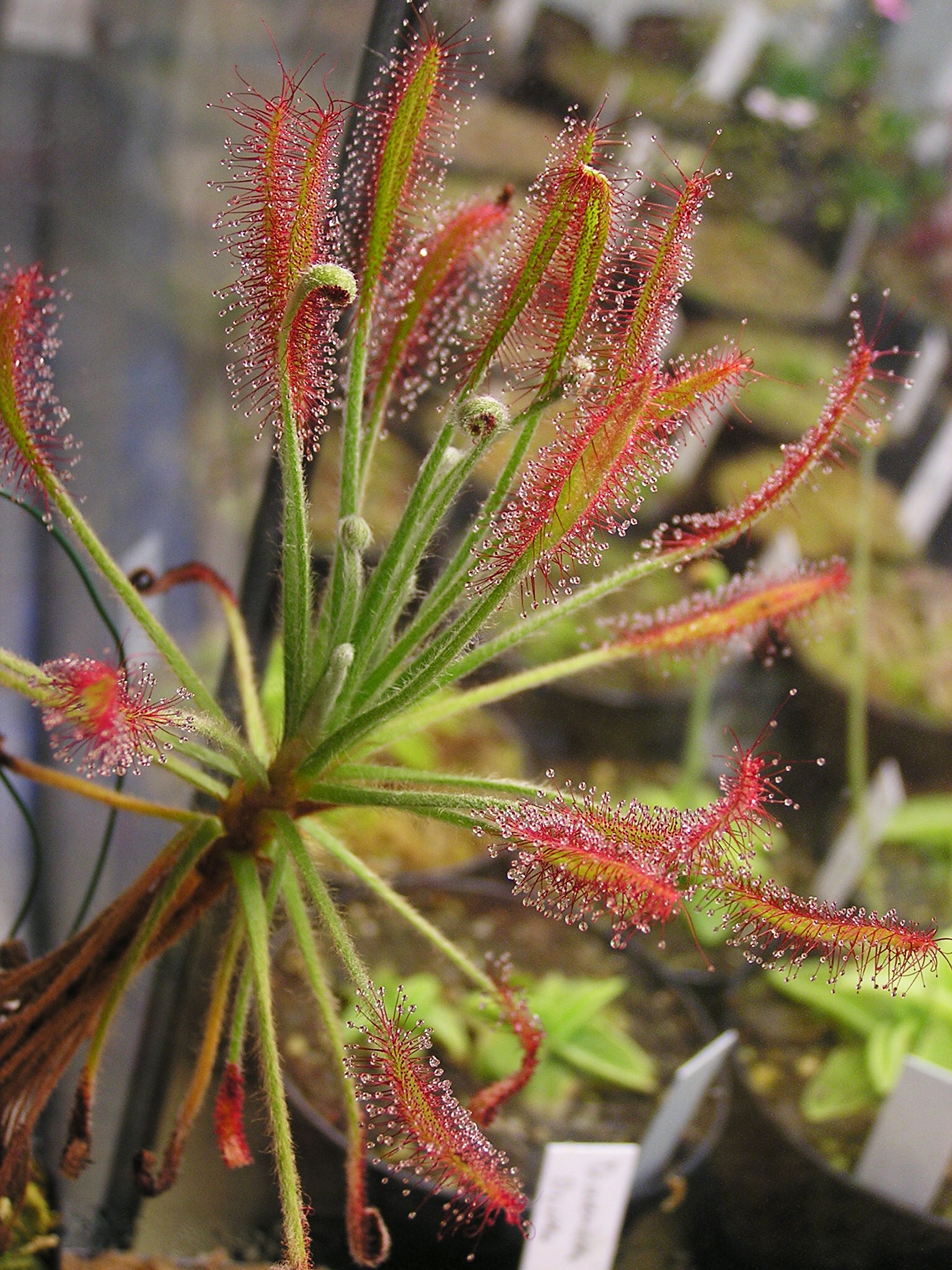
As described so far, you may be thinking that sundews sound quite simple and innocent, but this is certainly not the case. Covering the surfaces of Drosera leaves are dozens of hair-like filaments. At the end of each filament (or tentacle) is a gland, which produces a small drop of clear and very sticky dew. Attracted to the glistening dew and mistaking it for plant nectar, insects fly into it and find themselves instantly stuck. Struggling to get away, an insect may tear off body parts as it flails about, only to fall into other nearby dew droplets, worsening its ensnarement and ensuring its fate.

In his book, The Savage Garden, Peter D’Amato describes it this way:

“Sundews are innocent-looking and pretty, their delicate leaves sparkling with the promise of sweet nectar, but the foolish insect curious enough to give a sundew the slightest touch will suddenly find itself caught in a living nightmare. Doomed to a horrible death, the insect may struggle for a blessed few minutes or suffer for untold hours as it tries to break free of ensnaring, suffocating glue, grasping tentacles, and burning acids and enzymes; meanwhile, its precious bodily fluids are being slowly sucked dry.”

As the sticky dew attracts and then traps the insects, and the tentacles that support the dew help to further ensnare them, imminent death comes in a variety of ways. The most common for small insects is suffocation, as the glue almost immediately covers up the breathing holes on their abdomens. Larger insects that manage to avoid bodily contact with the glue will instead dangle from the plant and die of starvation or exhaustion. Those that break free, losing an appendage or appendages in the process, usually don’t last long after that and are often trapped and killed by spiders who build their webs around sundews in order to take advantage of such occasions. The leaves of some sundews curl up around their prey, not necessarily to further ensnare them, but to surround them with the largest possible number of glands which will help quicken the consumption and digestion process. By now you can see that as innocent and delicate as they may appear, sundews are in fact about as brutal and unforgiving as they come.

If you’d like to learn more about sundews and other carnivorous plants, including information on how to grow them, I highly recommend D’Amato’s book (The Savage Garden). It’s a fascinating and informative read, and the reality of the natural world described therein will astound you.

Drosera chrysolepis

Drosera chrysolepis, photo credit: wikimedia commons

Northern Pitcher Plant: A model for understanding food webs

Carnivorous plants are endlessly fascinating. Even people who aren’t typically interested in plants are likely to find plants that eat animals to be of some interest. These plants not only provide fascination for plant lovers and the plant ambivalent alike, but they are also of great interest to science, providing insight into the workings of the world beyond the swamps and bogs that they inhabit.

A recent study published in the journal, Oikos, examined the complex food web that exists inside the northern pitcher plant (Sarracenia purpurea) in order to come to a better understanding of food webs in general and to construct a model that will aid in further research involving food webs in all types of ecosystems.

The food web that exists inside a pitcher plant is quite interesting. The tubular leaves of the pitcher plant capture rain water and draw in a variety of insects including beetles, ants, and flies. The pool of water also becomes home to the larvae of midges, mosquitoes, and flesh flies, as well as various other tiny creatures including rotifers, mites, copepods, nematodes, and multicellular algae. And thus begins a complex food cycle. Midge larvae attack the drowning insects and tear them to pieces, then bacteria go after the tiny insect parts, after which rotifers consume the bacteria. Finally, the walls of the pitcher plant absorb the waste of the rotifers. Meanwhile, fly larvae consume the rotifers, midge larvae, and other fly larvae, while bacteria is being consumed by all participants.

You can see why this food web is an ideal subject of study. Not only is it complex, with numerous players, but it is also all taking place in a small, confined space – easily observable. By studying such a system, models can be derived for larger, more widespread food webs.

Carnivorous plants have diverse mechanisms for extracting nutrients from other living things – this is just one of those mechanisms. I will plan to profile other carnivorous plants on this blog, because like I said, they are endlessly fascinating. Meanwhile, you can read more about this particular study at Science Daily.

northern pitcher plant

northern pitcher plants (Sarracenia purpurea) photo credit: wikimedia commons

Living Roof in Vancouver, B.C.

Consider this the first of many posts about plants in urban areas and the benefits that plants can bring to these locations. As an example, a group of people in Vancouver, B.C. developed an amazing green (or living) roof that incorporates plants native to the coastal grasslands found in that region. Watch this video to see how this project is helping to turn a landscape dominated by concrete and asphalt into a thriving and diverse ecosystem.