
If you live in a major city (or even a minor one), there is a good chance it is home to a college or university (perhaps several). Universities tend to take up a lot of space, which means there is often a plethora of landscaping accompanying their buildings, hardscaping, and other impervious surfaces. Among all the turf, flower beds, tree wells, and other greenspaces, there is bound to be a fair share of weeds. In spite of how hard the groundskeepers may work, the campus is not likely to ever be completely weed-free. Lucky for us, this means that institutions of higher learning are excellent places to familiarize ourselves with many of the weed species that occur in our cities, particularly weeds that are common in garden beds and turfgrass.

Near downtown Boise, on the southside of the Boise River, you will find the ever-expanding campus of Boise State University, home of the Broncos and their famous blue turf. According to the internet’s favorite encyclopedia, the campus is 285 acres in size, plenty of space for weeds to grow and abudant opportunities to hunt them out. Tallying the number of weed species in a place like this takes time. The benefit of botanizing for weeds is that you can find them at just about any time of year. While some species only show up in certain seasons, others can be seen practically year-round.
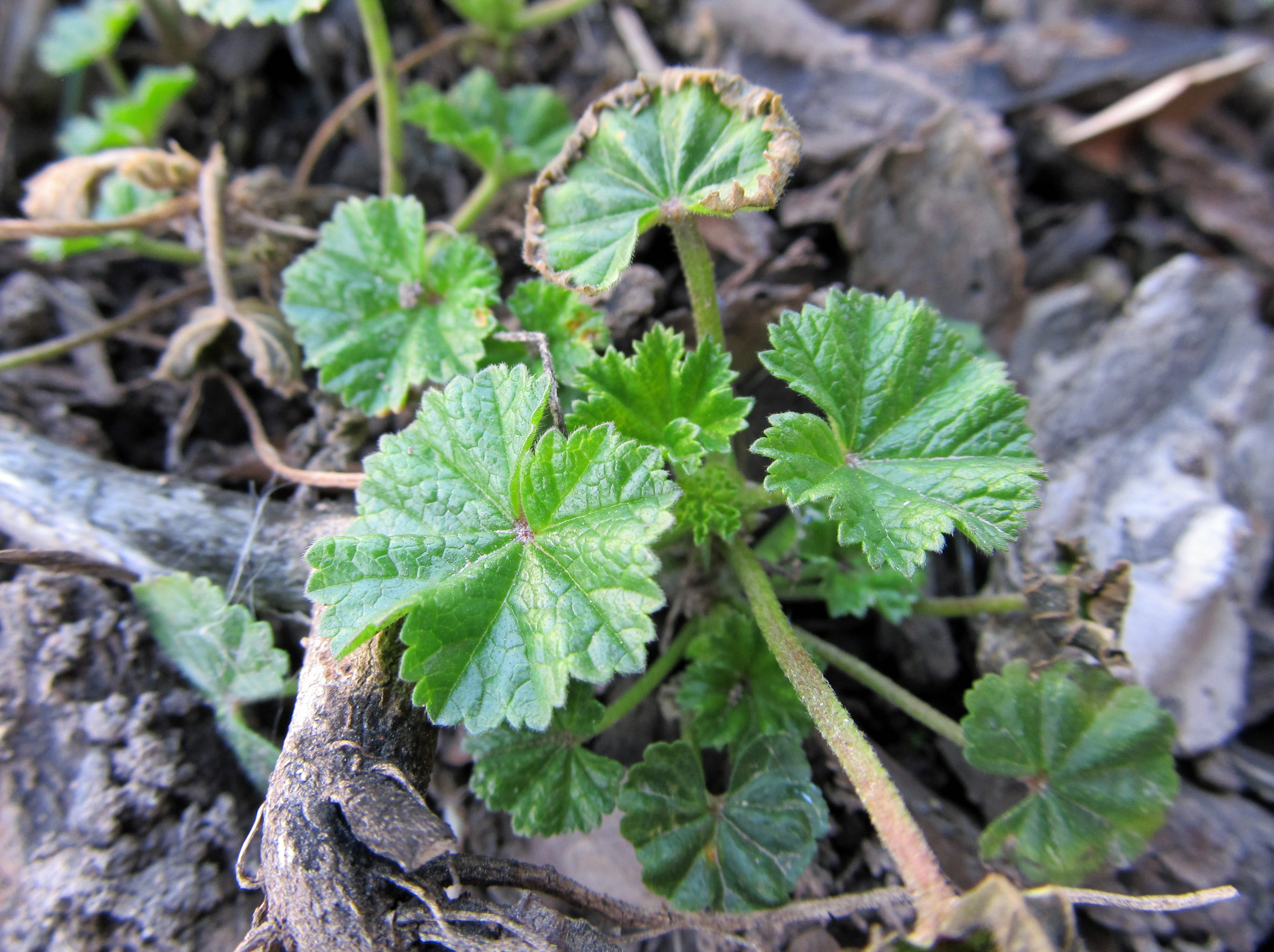
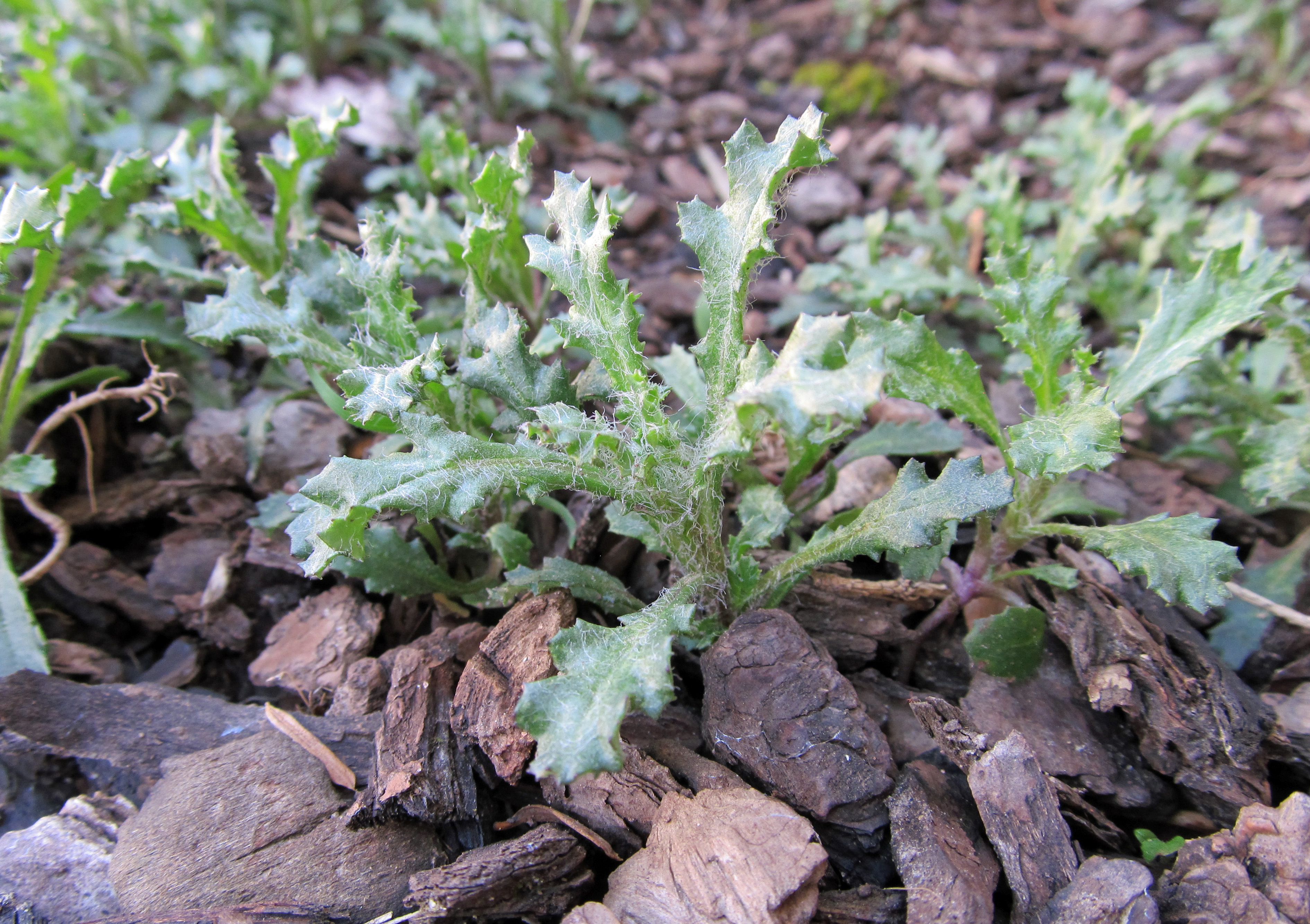
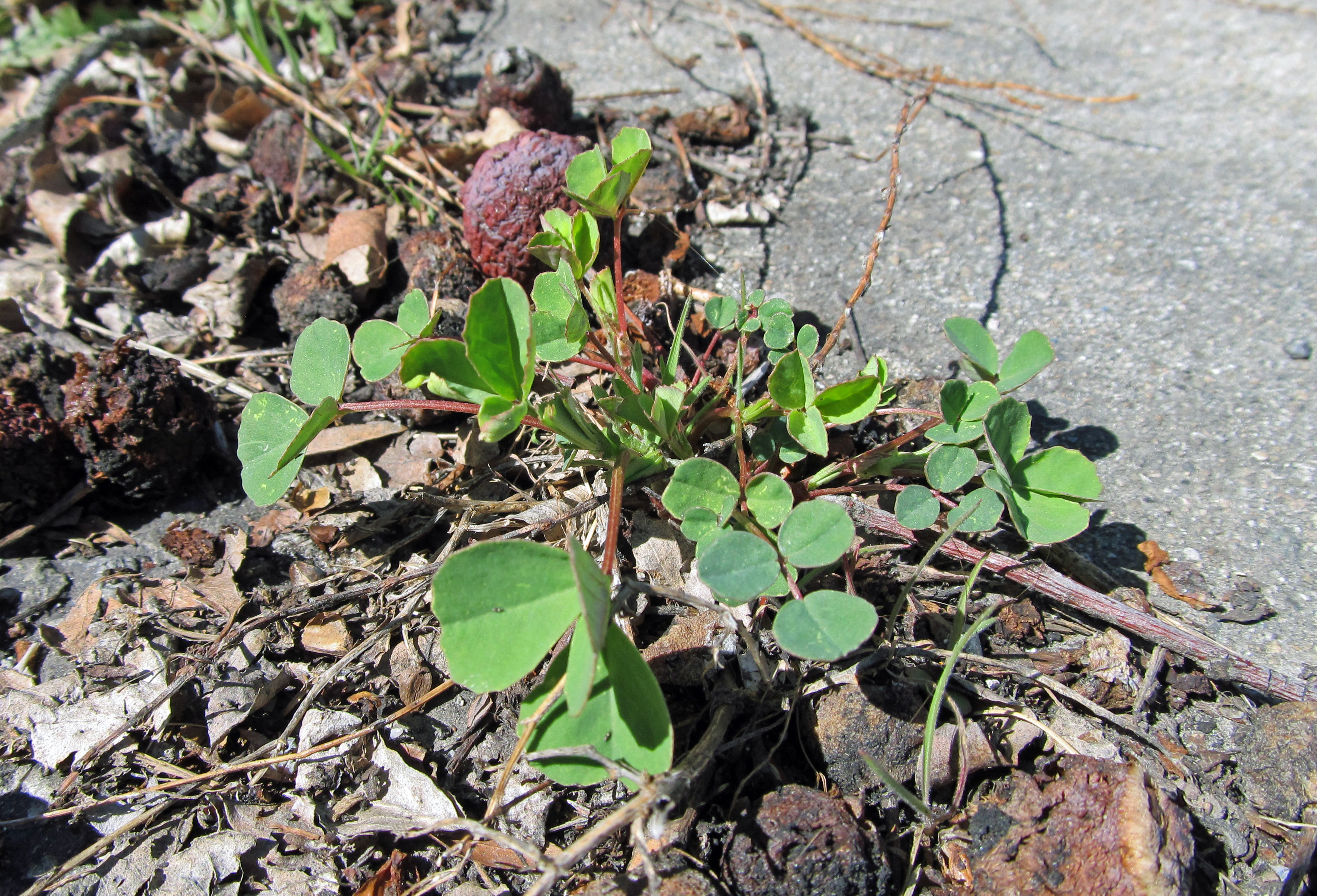
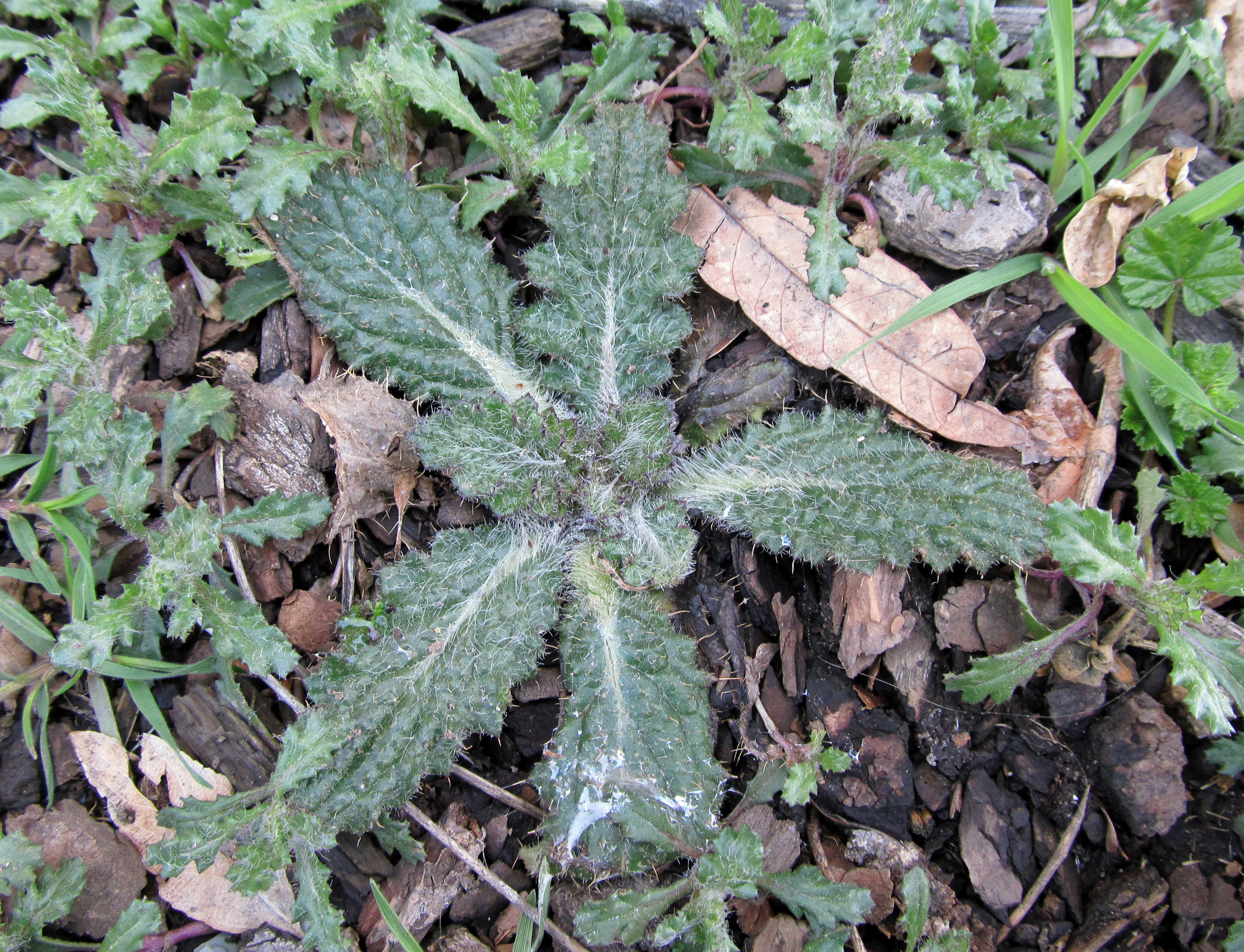
In order to document the weeds of Boise State University, I’m spending the entire year walking the campus listing and photographing the weeds I find. What follows is the first half of what’s been documented so far. I’m including a photograph for each month of the year, as well as a list of what I’ve encountered. In part two, I’ll share a list of any additional weeds found throughout the remainder of the year. While you’re waiting for that, check out the other posts in the Weeds of Boise series.

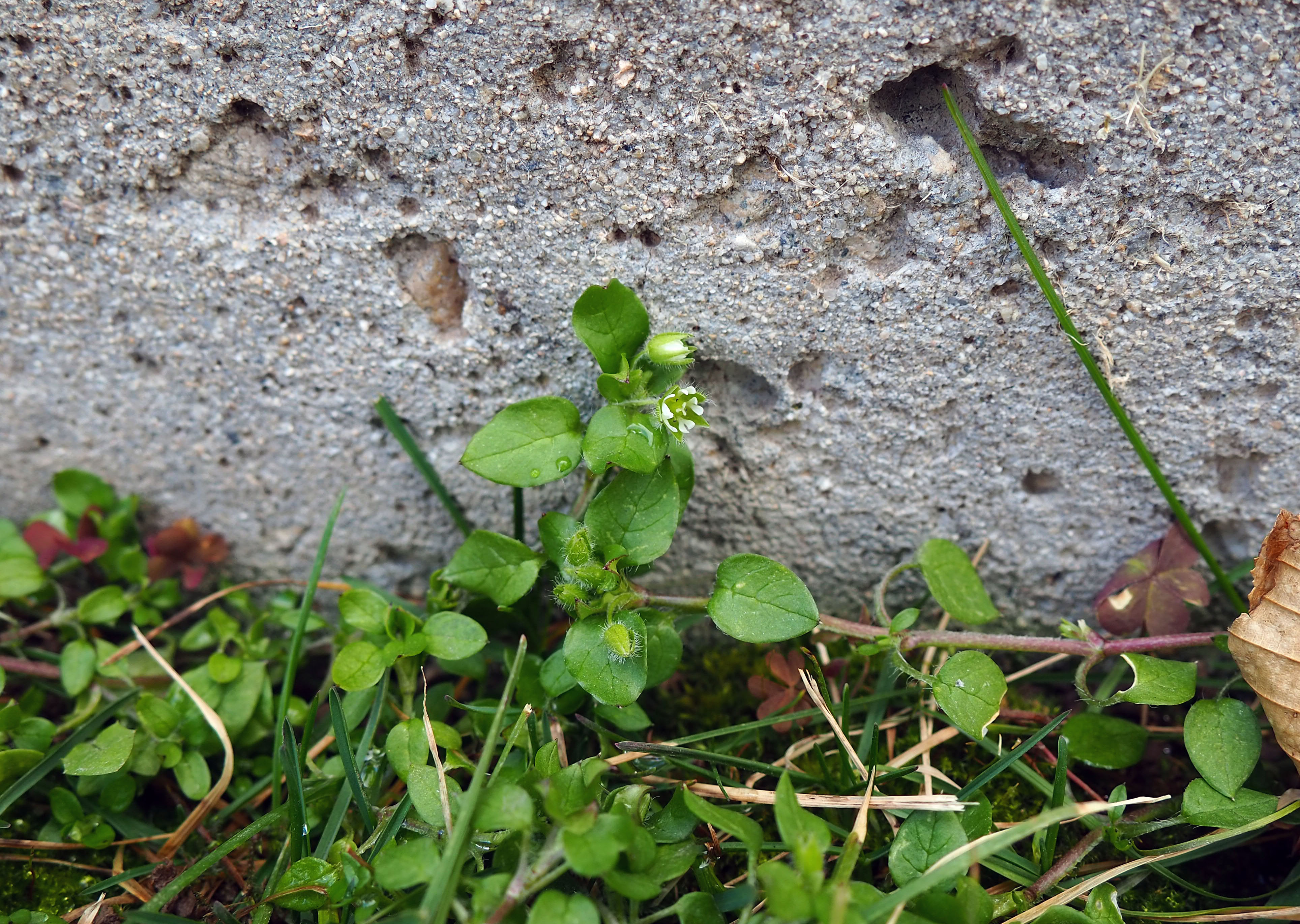
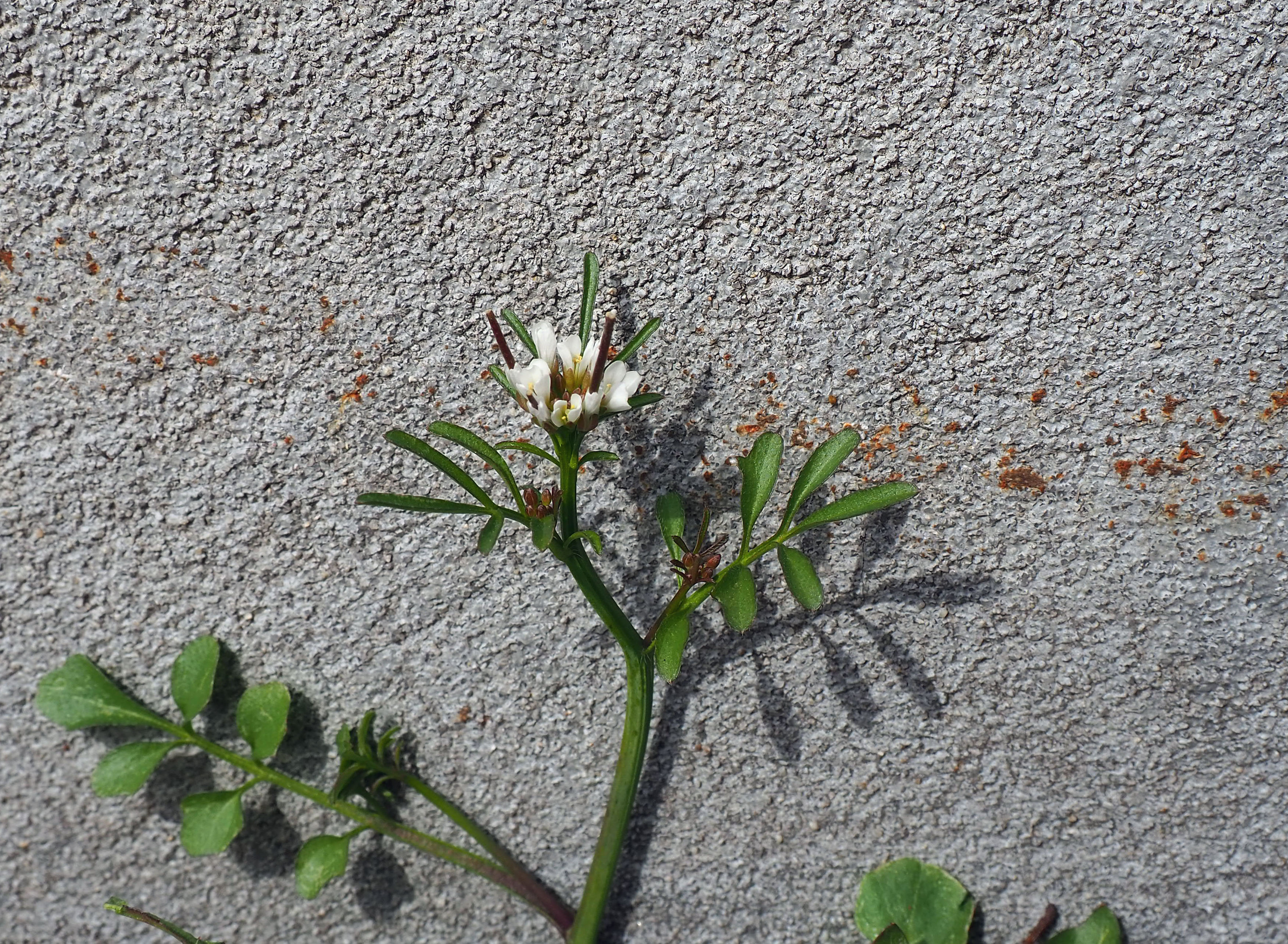
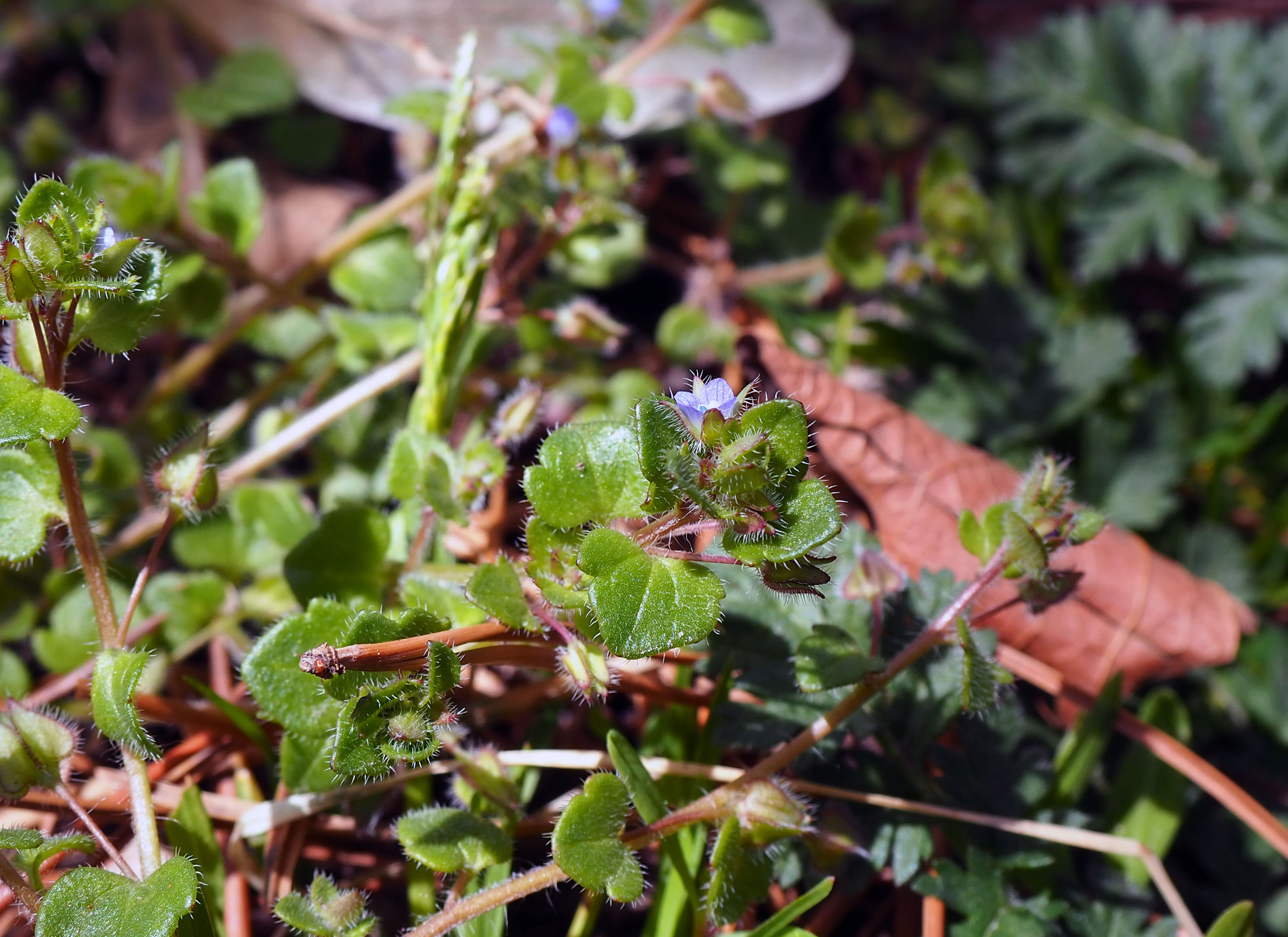
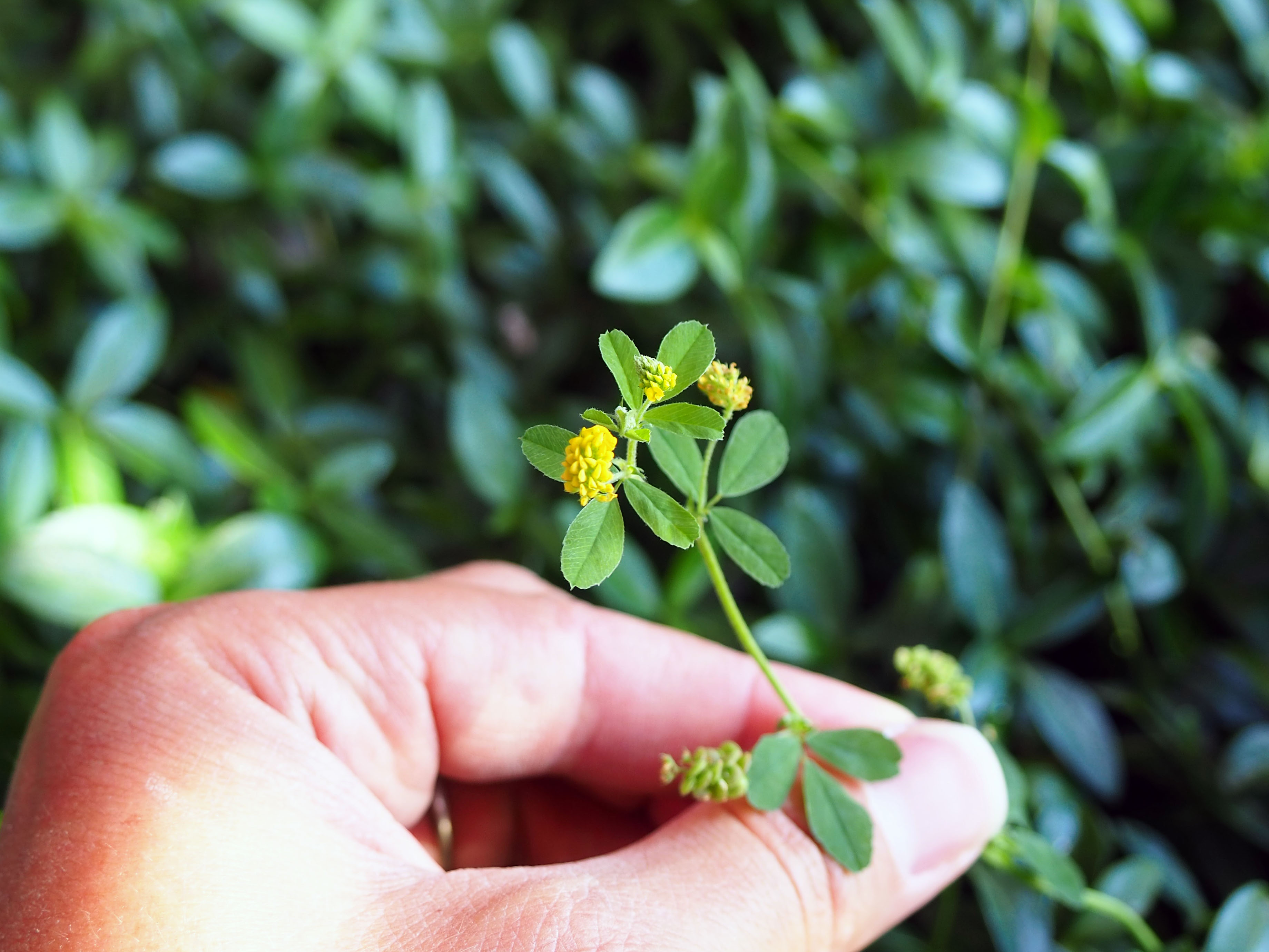
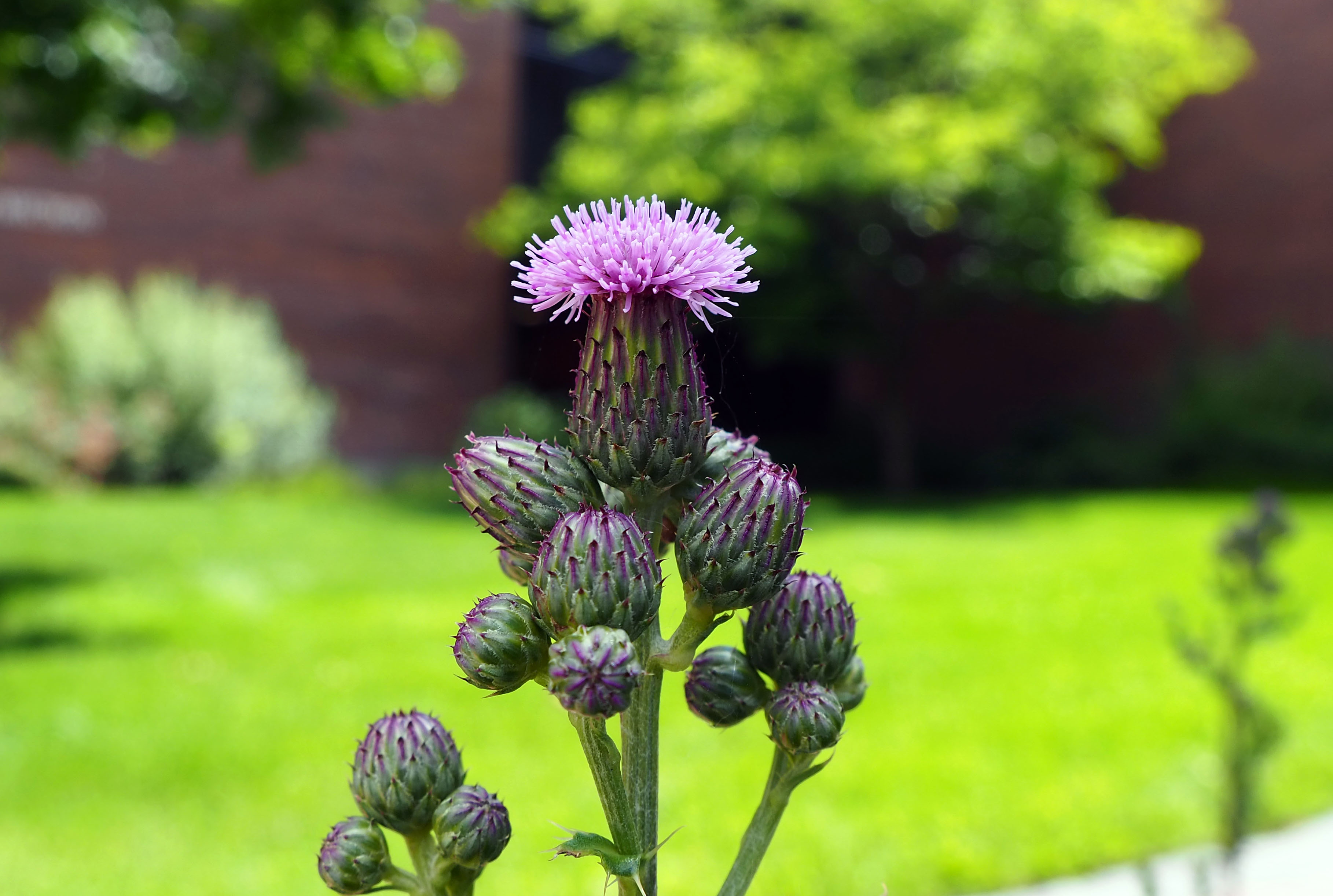
List of weeds found on the campus of Boise State University as of June 2023:
- Ailanthus altissima (tree of heaven)
- Anthriscus caucalis (bur chervil)
- Amaranthus retroflexus (redroot pigweed)
- Arctium minus (lesser burdock)
- Bassia scoparia (kochia)
- Bromus tectorum (cheatgrass)
- Capsella bursa-pastoris (shepherd’s purse)
- Cardamine hirsuta (hairy bittercress)
- Ceratocephala testiculata (bur buttercup)
- Chenopodium album (lamb’s quarters)
- Chondrilla juncea (rush skeletonweed)
- Cirsium arvense (creeping thistle)
- Claytonia perfoliata (miner’s lettuce)
- Convolvulus arvensis (field bindweed)
- Conyza canadensis (horseweed)
- Descurainia sophia (flixweed)
- Digitaria sanguinalis (crabgrass)
- Draba verna (spring draba)
- Epilobium ciliatum (willowherb)
- Erodium cicutarium (redstem filare)
- Euphorbia maculata (spotted spurge)
- Galium aparine (cleavers)
- Geum urbanum (herb Bennet)
- Holosteum umbellatum (jagged chickweed)
- Hordeum jubatum (foxtail barley)
- Lactuca serriola (prickly lettuce)
- Lamium purpureum (purple deadnettle)
- Lepidium sp. (whitetop)
- Malva neglecta (common mallow)
- Medicago lupulina (black medic)
- Oxalis corniculata (creeping woodsorrel)
- Parthenocissus quinquefolia (Virginia creeper)
- Plantago lanceolata (narrowleaf plantain)
- Plantago major (broadleaf plantain)
- Poa annua (annua bluegrass)
- Poa bulbosa (bulbous bluegrass)
- Polygonum aviculare (prostrate knotweed)
- Portulaca oleracea (purslane)
- Prunella vulgaris (self-heal)
- Ranunculus repens (creeping buttercup)
- Senecio vulgaris (common groundsel)
- Sonchus sp. (sow thistle)
- Stellaria media (chickweed)
- Taraxacum officinale (dandelion)
- Tragopogon dubius (salsify)
- Trifolium repens (white clover)
- Ulmus pumila (Siberian elm)
- Veronica hederifolia (ivyleaf speedwell)
- Vulpia myuros (rat’s tail fescue)
Do you frequent the BSU campus? Have you seen anything not on my list? Comment below or send me a message and let me know what you’ve seen and where.





 awkward botany