22 + Botanical Terms for Fruits

First off, let’s get one thing straight – tomatoes are fruits. Now that that is settled, guess what is also a fruit? This:
(photo credit: wikimedia commons)

(photo credit: wikimedia commons)

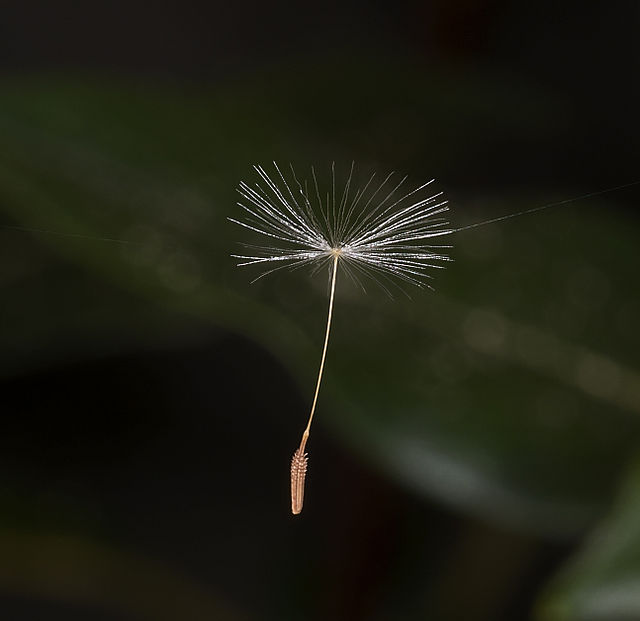
Yep. It’s a dandelion fluff. More accurately, it is a dandelion fruit with a pappus attached to it. Botanically speaking, a fruit is the seed-bearing, ripened ovary of a flowering plant. Other parts of the plant may be incorporated into the fruit, but the important distinction between fruits and other parts of a plant is that a seed or seeds are present. In fact, the purpose of fruits is to protect and distribute seeds. Which explains why tomatoes are fruits, right? (And, for that matter, the dandelion fluff as well.) So why the tired argument over whether or not a tomato is a fruit or a vegetable? This article may help explain that.

Before going into types of fruits, it may be important to understand some basic fruit anatomy. Pericarp is a term used to describe the tissues of a fruit surrounding the seed(s). It mainly refers to the wall of a ripened ovary, but it has also been used in reference to fruit tissues that are derived from other parts of the flower. Pericarps consist of three layers (although not all fruits have all layers): endocarp, mesocarp, and exocarp (also known as epicarp). The pericarps of true fruits consist of only ovarian tissue, while the pericarps of accessory fruits consist of other flower parts such as sepals, petals, receptacles, etc.

Fruits can be either fleshy or dry. Tomatoes are fleshy fruits, and dandelion fluffs are dry fruits. Dry fruits can be further broken down into dehiscent fruits and indehiscent fruits. Dehiscent fruits – like milkweeds and poppies – break open as they reach maturity, releasing the seeds. Indehiscent fruits – like sunflowers and maples – remain closed at maturity, and seeds remain contained until the outer tissues rot or are removed by some other agent.

Most fruits are simple fruits, fruits formed from a single ovary or fused ovaries. Compound fruits are formed in one of two ways. Separate carpels in a single flower can fuse to form a fruit, which is called an aggregate fruit; or all fruits in an inflorescence can fuse to form a single fruit, which is called a multiple fruit. A raspberry is an example of an aggregate fruit, and a pineapple is an example of a multiple fruit.

Additional terms used to describe fruit types:

Berry – A familiar term, berries are fleshy fruits with soft pericarp layers. Grapes, tomatoes, blueberries, and cranberries are examples of berries.

Pome – Pomes are similar to berries but have a leathery endocarp. Apples, pears, and quinces are examples of pomes. When you are eating an apple and you reach the “core,” you have reached the endocarp. Most – if not all – pomes are accessory fruits because they consist of parts of flowers in addition to the ovarian wall, such as – in the case of apples and pears – the receptacle.

Drupe – Drupes are also similar to berries but have hardened endocarps. Peaches, plums, cherries, and apricots are examples of drupes. A “pit” consists of a hardened endocarp and its enclosed seed.

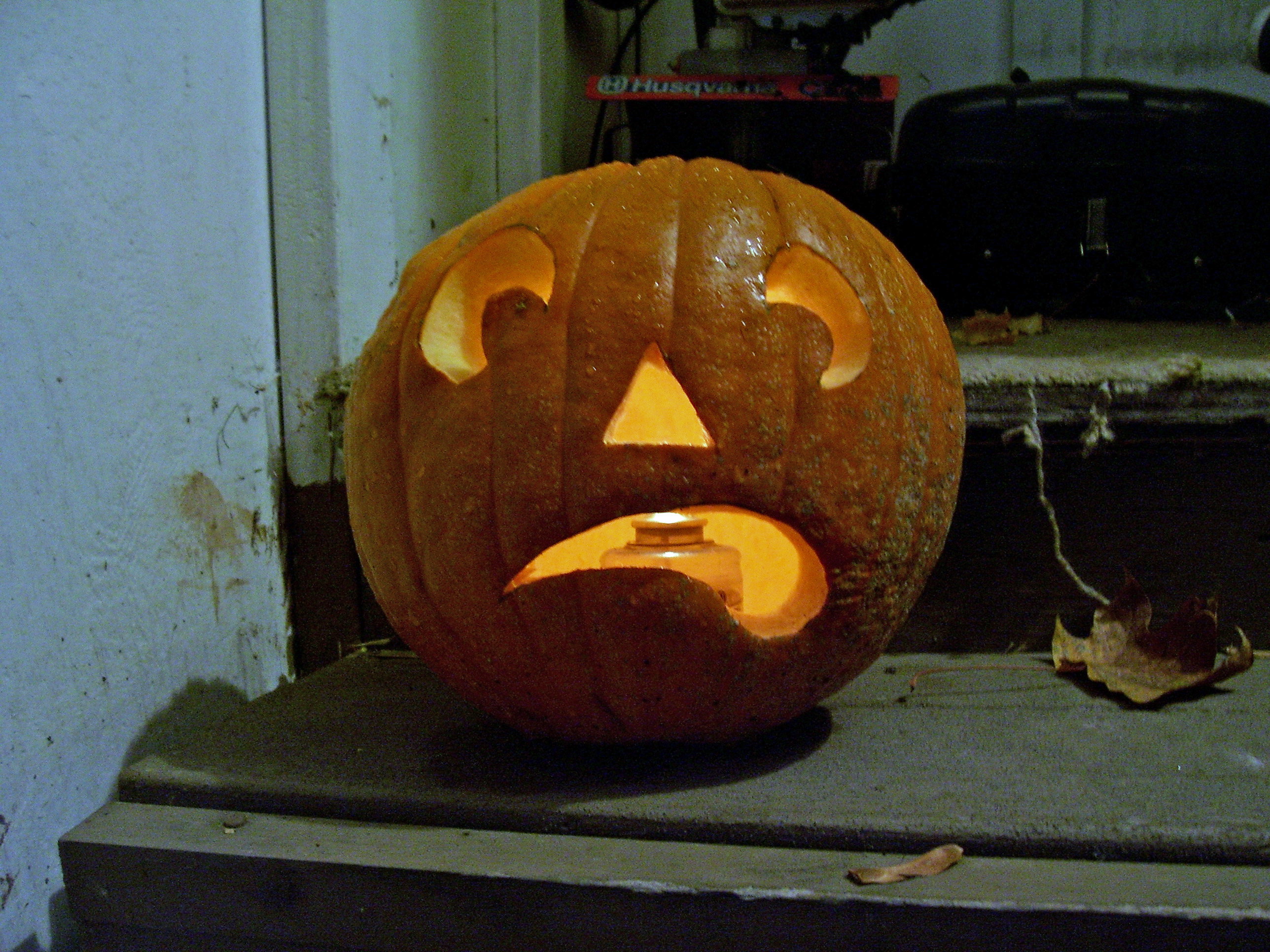
Pepo – Pepos are also berry-like but have tough exocarps referred to as rinds. Pumpkins, melons, and cucumbers are examples of pepos.
Pumpkins are pepos.

Pumpkins are pepos.

Hesperidium – Another berry-like fruit but with a leathery exocarp. Oranges, lemons, and tangerines are examples of this type of fruit.

Caryopsis – An indehiscent fruit in which the seed coat fuses with the fruit wall and becomes nearly indistinguishable. Corn, oats, and wheat are examples of this type of fruit.

Achene – An indehiscent fruit in which the seed and the fruit wall do not fuse and remain distinguishable. Sunflowers and dandelions are examples of achenes.

Samara – An achene with wings attached. Maples, elms, and ashes all produce samaras. Remember as a kid finding maple fruits on the ground, throwing them into the air, and calling them “helicopters.” Those were samaras.
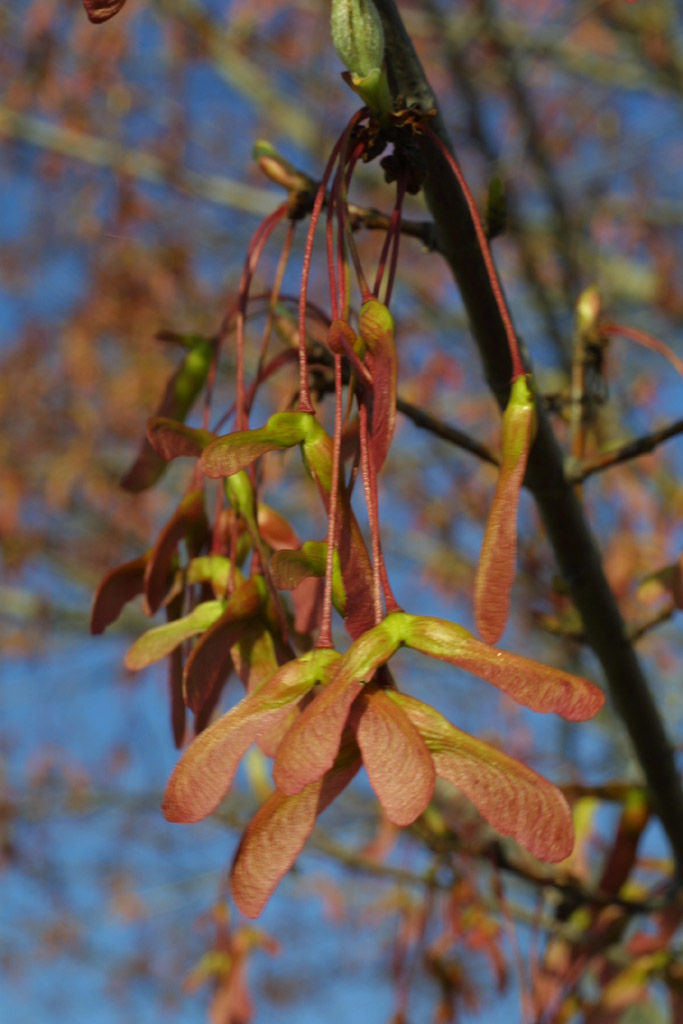
The fruits of red maple, Acer rubrum (photo credit: eol.org)

The fruits of red maple, Acer rubrum (photo credit: eol.org)

Nut – An indehiscent fruit in which the pericarp becomes hard at maturity. Hazelnuts, chestnuts, and acorns are examples of nuts.

Follicle – Dehiscent fruits that break apart on a single side. Milkweeds, peonies, and columbines are examples of follicles.

Legume – Dehiscent fruits that break apart on multiple sides. Beans and peas are examples of legumes.

Capsule – This term describes a number of dehiscent fruits. It differs from follicle and legume in that it is derived from multiple carpels. Capsules open in several ways, including along lines of fusion, between lines of fusion, into top and bottom halves, etc. The fruits of iris, poppy, and primrose are examples of capsules.

Poppy flower and fruit. Poppy fruits are called capsules.

Poppy flower and fruit. Poppy fruits are called capsules.

Flowers and fruits are key to identifying plants. Learning to recognize these structures will help you immensely when you want to know what you are looking at. And now that it is harvest season, you can impress your friends by calling fruits by their proper names. Pepo pie, anyone?
Winter Interest

We are well into winter in the northern hemisphere, and the plants in our landscapes have been dormant for weeks now. Trees and shrubs have dropped their leaves, grasses have gone brown, and perennial forbs have died back – their roots harboring the food they will need to return to life in the spring. What little green that is left is provided mainly by evergreen trees and shrubs, but even they are resting – metabolizing slowly and putting off further growth until warmer temperatures return. The view outside may appear largely bleak and dreary, but there is still beauty in a frozen landscape, and much of that beauty is provided by the same things that brought color and interest during the warmer months.

Many plants, though appearing dead, remain attractive throughout the winter. From fruits and cones to seed heads and seed pods, there are various structures that remain on certain plants even after leaves fall that provide winter interest. Deciduous trees and shrubs show off their branches in the winter months, which when freed from the camouflage of leaves are like sculptures – art pieces in their own right. Perennial grasses can continue to provide structure to a garden bed when left in place and upright, and color is provided by evergreen foliage and colored bark, such as the red and yellow bark of some dogwoods (Cornus spp.).

Beauty surrounds us, even in unlikely places. Things are quiet and frozen now, and foggy, dismal days abound. But winter won’t last forever. Plants can remind us of that. In them we find remnants of brighter days and an assurance that there are more to come.

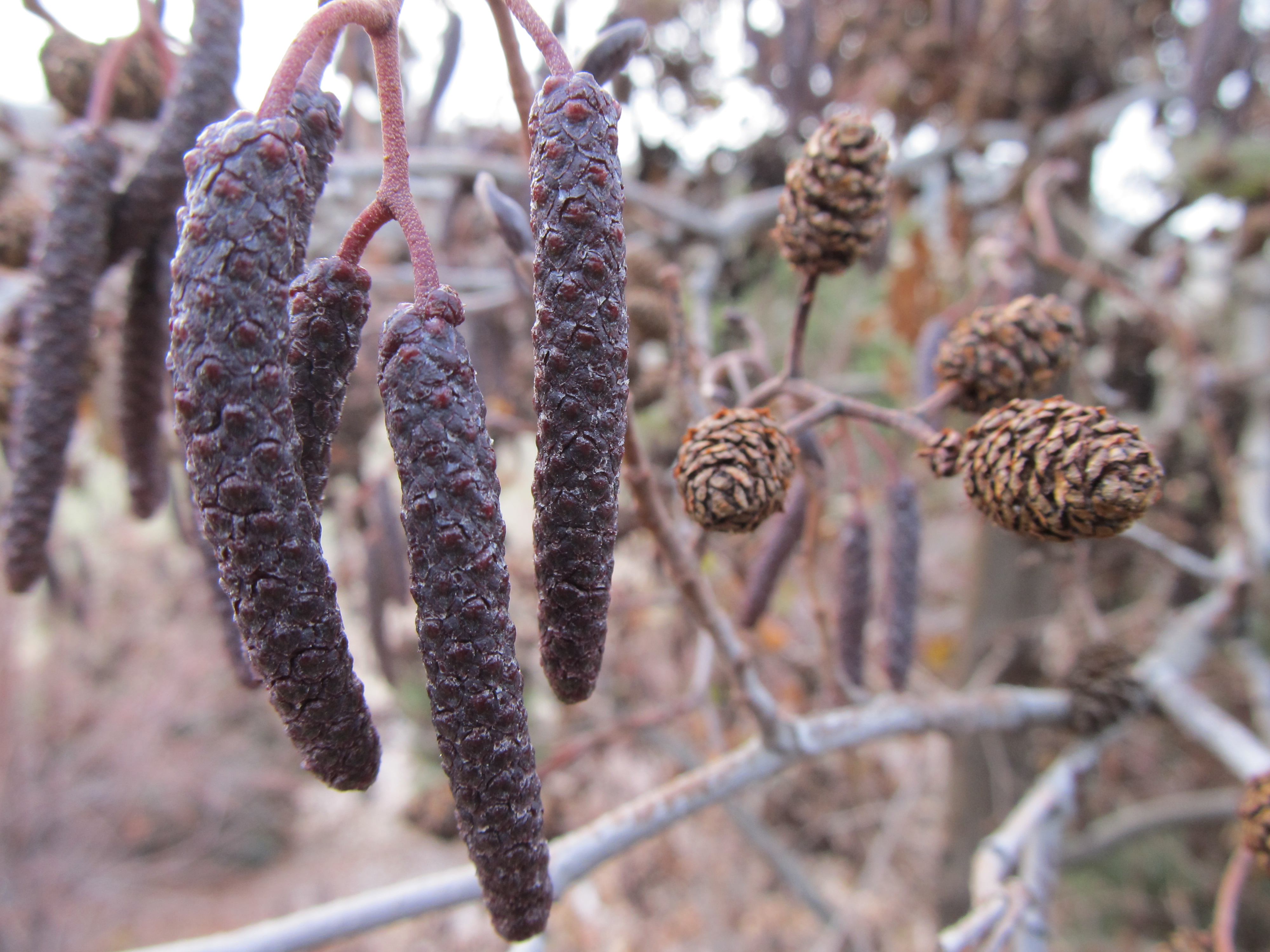
alnus viridis

Male and female cones on Sitka alder (Alnus viridis)

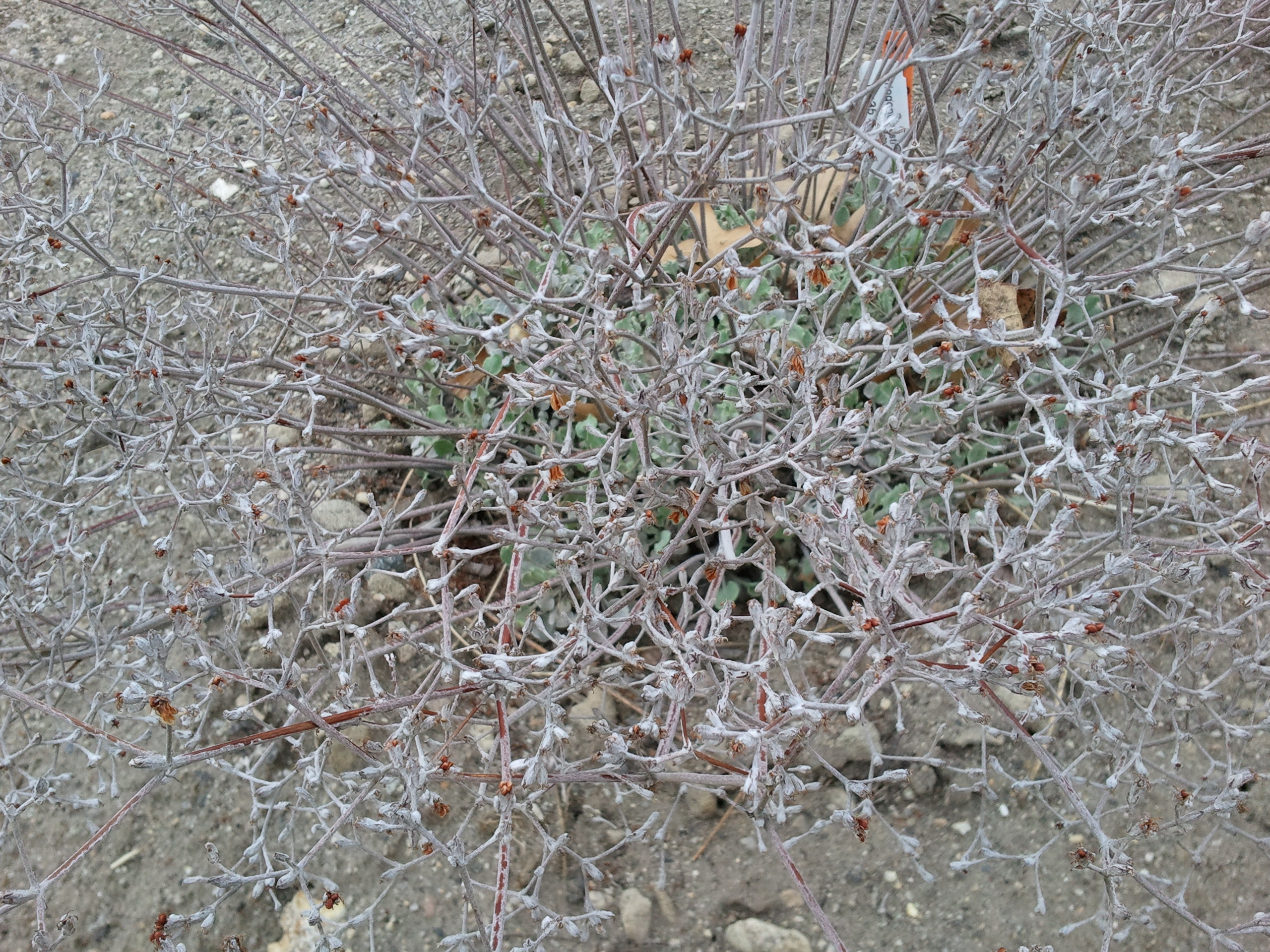
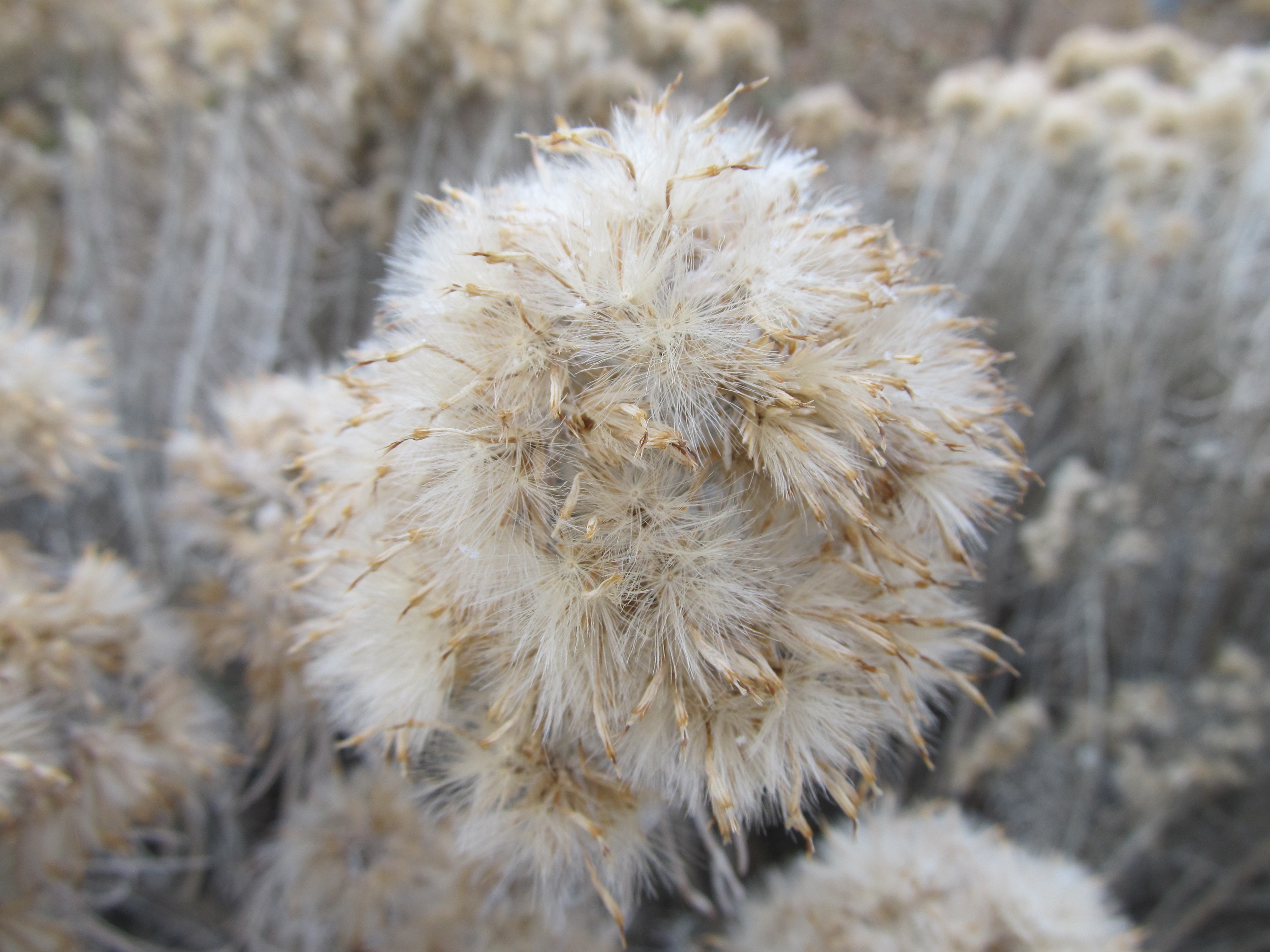
ericameria nauseosa

Seed head on rubber rabbitbrush (Ericameria nauseosa)

SAMSUNG

Flower stalks on strict buckwheat (Eriogonum strictum)

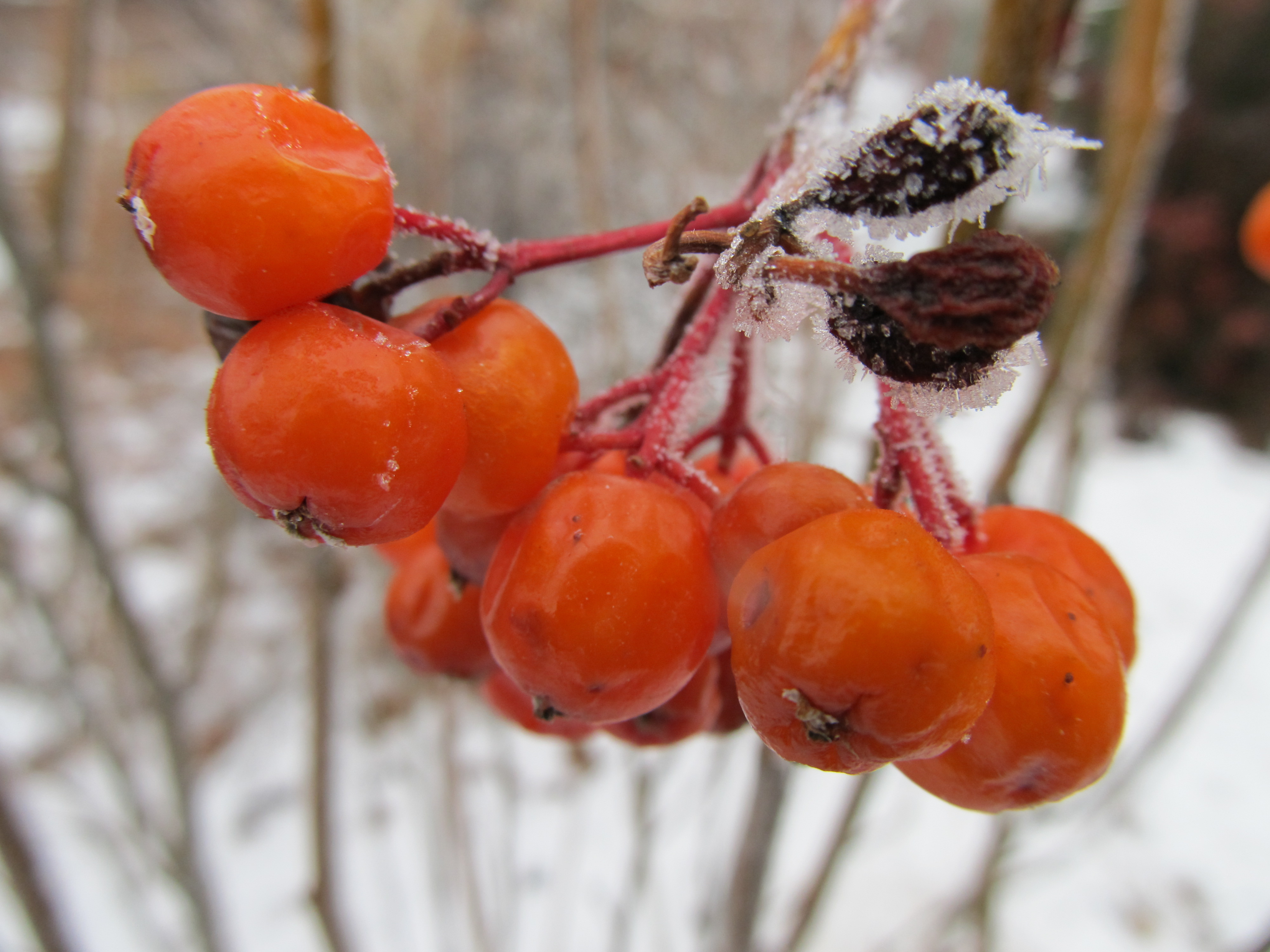
sorbus scopulina

Cluster of berries on Cascade mountain-ash (Sorbus scopulina)

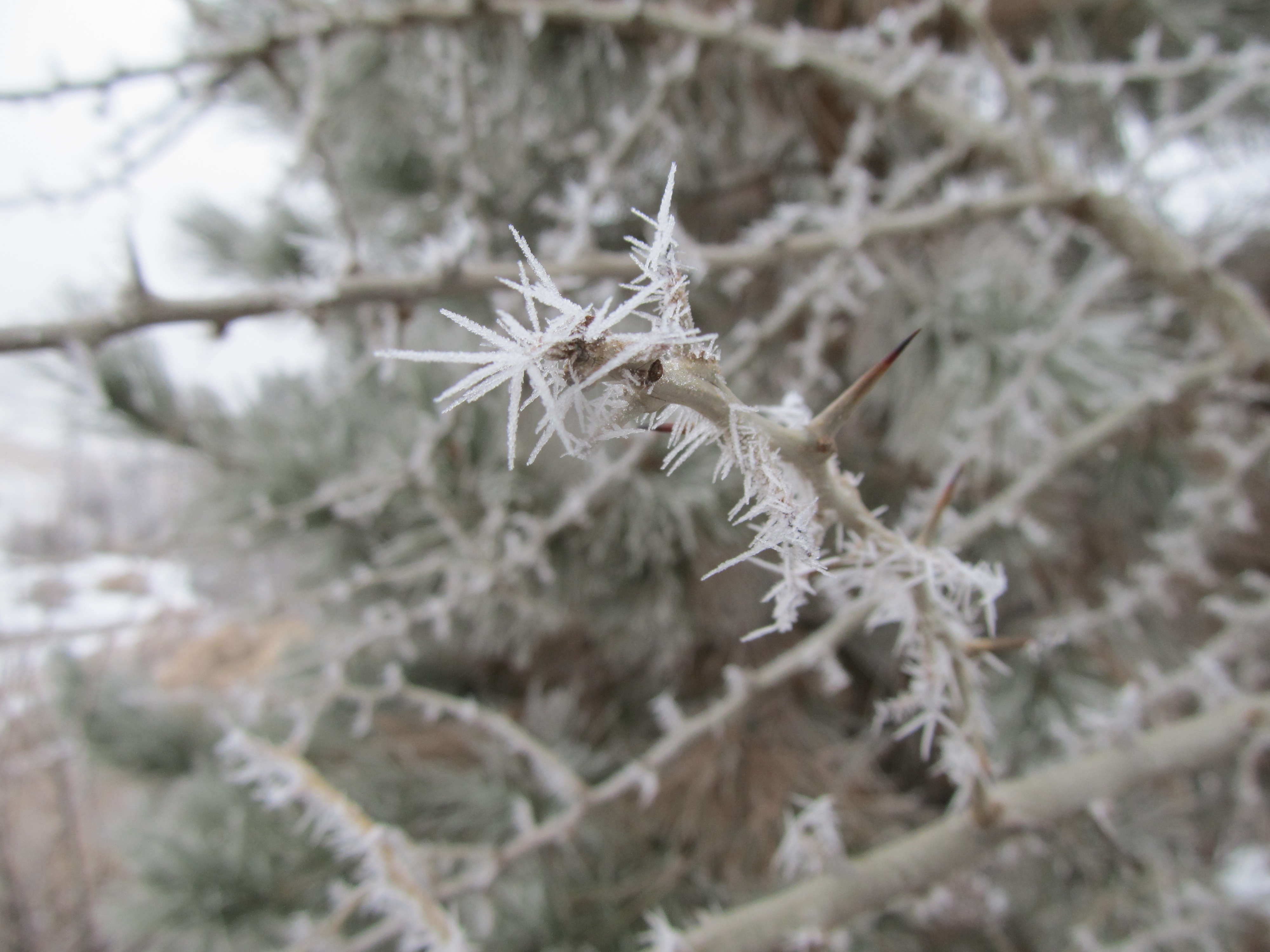
maclura pomifera

Ice crystals on the branches of young Osage-orange (Maclura pomifera)

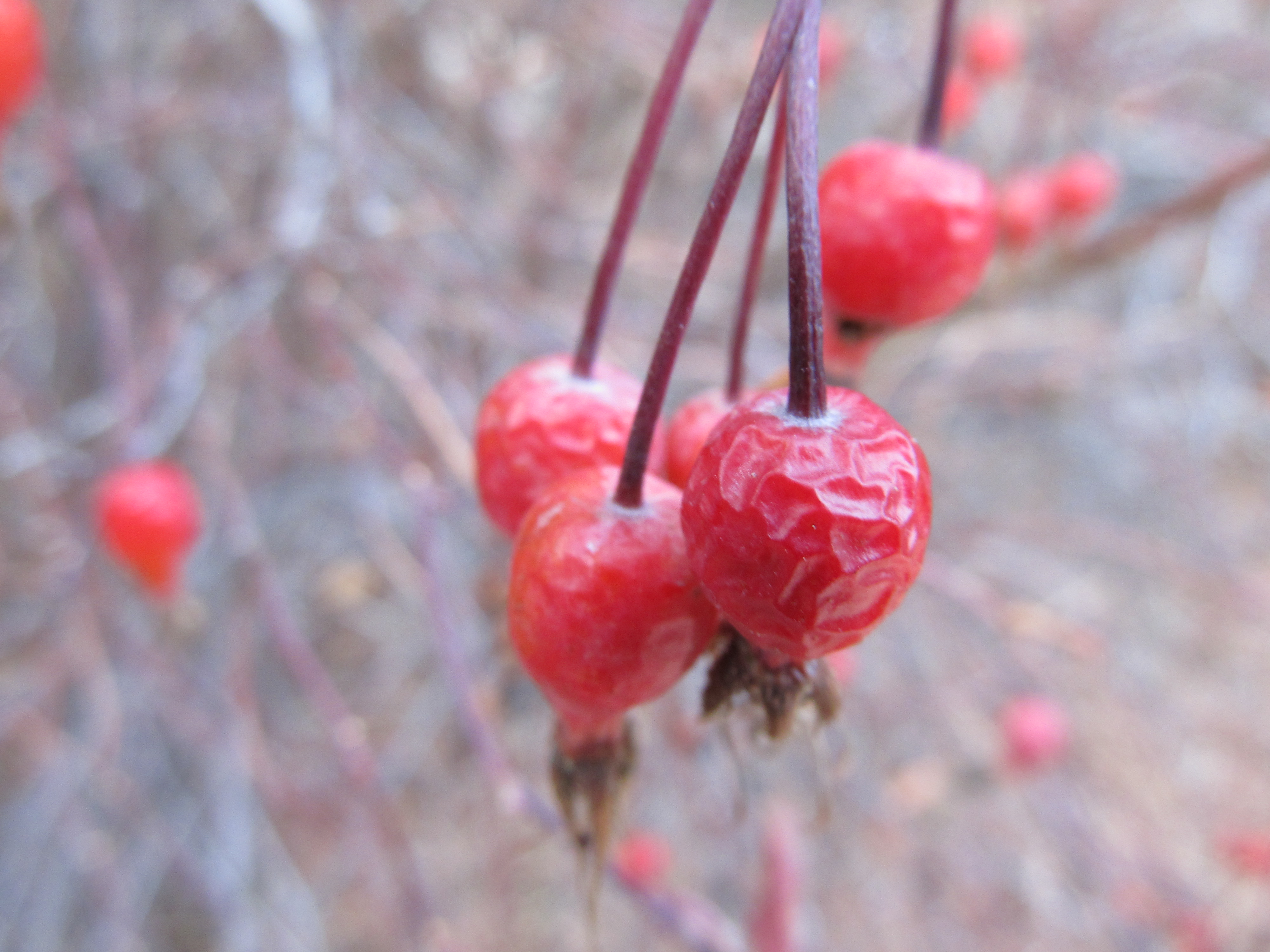
rosa pisocarpa

Rose hips on cluster rose (Rosa pisocarpa)

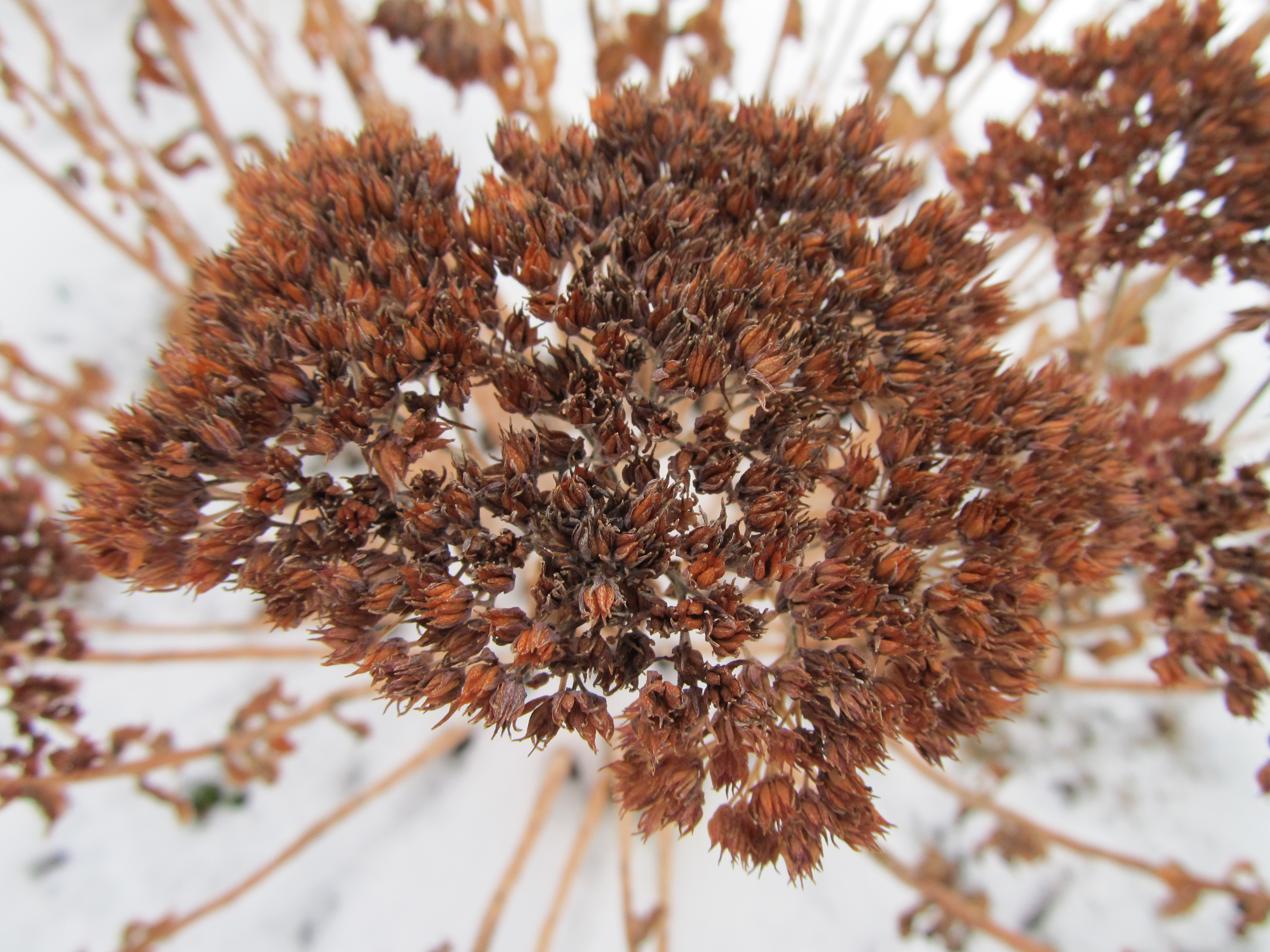
sedum sp. seed head

Seed head on showy stonecrop (Sedum telephium ‘Autumn Joy’)

All photos were taken at Idaho Botanical Garden in Boise, Idaho.

Figs and Fig Wasps

Recently I was listening to a past episode of Caustic Soda Podcast in which the hosts briefly discussed fig wasps. I was intrigued by this discussion, having previously never heard of fig wasps, and so I did a little research. As it turns out, what I am about to share with you here is just the tip of the iceberg. The relationship between figs and fig wasps is a complex topic, to the extent where you could easily spend a lifetime studying this relationship and there would still be more to discover.

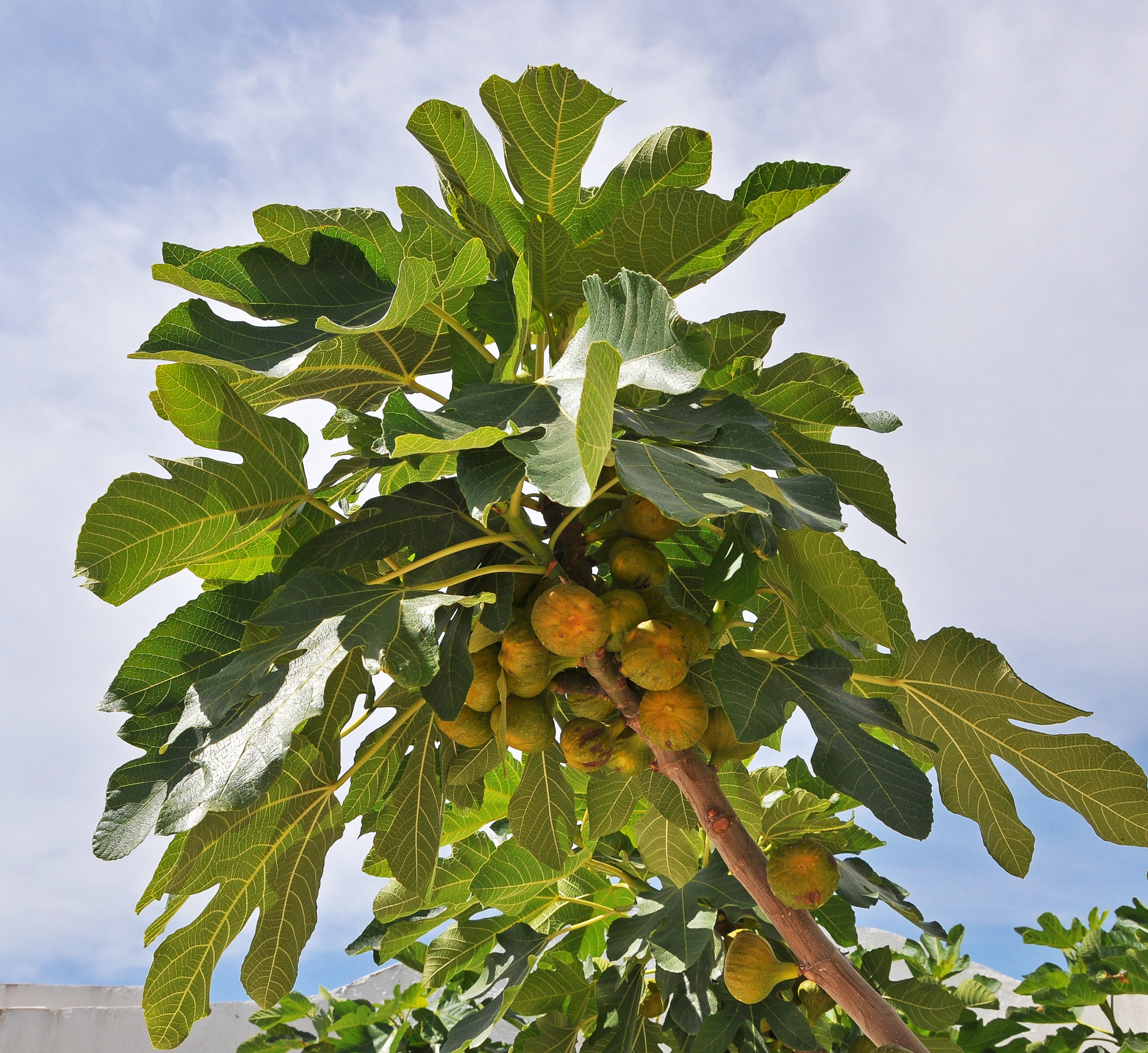
Ficus is a genus of plants in the  family Moraceae that consists of trees, shrubs, and vines. They are commonly referred to as figs, and there are between 755 and 850 described species of them (depending on the source). The majority of fig species are found in tropical regions, however many of them are found in temperate regions as well. The domesticated fig (Ficus carica), also known as common fig, is widely cultivated throughout the world for its fruit.

common fig

Ficus carica – common fig

photo credit: wikimedia commons

The fruit of figs, also called a fig, is a multiple fruit because it is formed from a cluster of flowers. A fruit is formed by each flower in the cluster, but they all grow together to form what appears to be a single fruit. Now here is where it starts to get bizarre. The flowers of figs are contained inside a structure called a syconium, which is essentially a modified fleshy stem. The syconium looks like an immature fig. Because they are contained inside syconia, the flowers are not visible from the outside, yet they must be pollinated in order to produce seeds and mature fruits.

This is where the fig wasps come in. “Fig wasp” is a term that refers to all species of chalcid wasps that breed exclusively inside of figs. Fig wasps are in the order Hymenoptera (superfamily Chalcidoidea) and represent at least five families of insects. Figs and fig wasps have coevolved over tens of millions of years, meaning that each species of fig could potentially have a specific species of fig wasp with which it has developed a mutualistic relationship. However, pollinator host sharing and host switching occurs frequently.

Fig wasps are tiny, mere millimeters in length, so they are not the same sort of wasps that you’ll find buzzing around you, disrupting your summer picnic. Fig wasps have to be small though, because in order to pollinate fig flowers they must find their way into a fig. Fortunately, there is a small opening at the base of the fig called an ostiole that has been adapted just for them. What follows is a very basic description of the interaction between fig and fig wasp – remember with the incredible diversity of figs and fig wasps, the specifics are sure to be equally diverse.

First a female wasp carrying the pollen of a fig from which she has recently emerged discovers a fig that is ready to be pollinated. She finds the ostiole and begins to enter the fig. She is tiny, but so is the opening, and so her wings and antennae are ripped off in the process. No worries though, she won’t be needing them anymore. Inside the fig there are two types of flowers – ones with long styles and others with short styles. The female wasp begins to lay her eggs inside the flowers, however she is not able to lay eggs inside the flowers with the long styles. Instead, these flowers get pollinated by the wasp. After all her eggs are laid, the female wasp dies. The fig wasp larvae develop inside galls in the ovaries of the fig flowers, and they emerge from the galls once they have matured into adults. The adult males mate with the females and then begin the arduous task of chewing through the wall of the fig in order to let the females out. After completing this task, they die. The females then leave the figs, bringing pollen with them, and search for a fig of their own to enter and lay eggs. And the cycle continues.

But there is so much more to the story. For example, there are non-pollinating fig wasps that breed inside of figs but do not assist in pollination – freeloaders essentially. And how is the cycle different if the species is monoecious (male and female flowers on the same plant) compared to dioecious (male and female flowers on different plants)? It’s too much to cover here, but visit figweb.org for more information. FigWeb is an excellent resource for learning all about the bizarre and fascinating world of the fig and fig wasp relationship. Also check out the PBS documentary, The Queen of Trees.

This is the first of hopefully many posts on plant and insect interactions. Leave a comment and let me know what plant and insect interactions interest you.