
The reason for flowers is reproduction. Three major parts of a flower function to achieve this purpose. First, the gynoecium sits at the center. This is the ovule-producing portion. It’s where seeds are born. Its stigmas accept pollen produced by the second major flower part, the androecium. This part is made up of a whorl of stamens that generally surround the gynoecium, except when the gynoecium and androecium are found in separate flowers. The third major part, known as the perianth, is not essential for reproduction yet present on the majority of flowers (wind- and water-pollinated flowers tend to be the exceptions).
The perianth is composed of two whorls: sepals and petals. Collectively, sepals are known as the calyx and petals are known as the corolla. Sometimes sepals are fused together to form a cup or tube shape, but often they are separate, leaf-like appendages. Same goes for petals. The function of the perianth is two-fold: protect the developing flower bud and announce to pollinators that the flower is ready to be pollinated. Ancillary purposes can include housing nectaries, holding seeds once they are formed, and becoming incorporated into the fruit. The perianth, along with the other two major flower parts, are important identifying features of plants when keying them out to genus, species, or family.
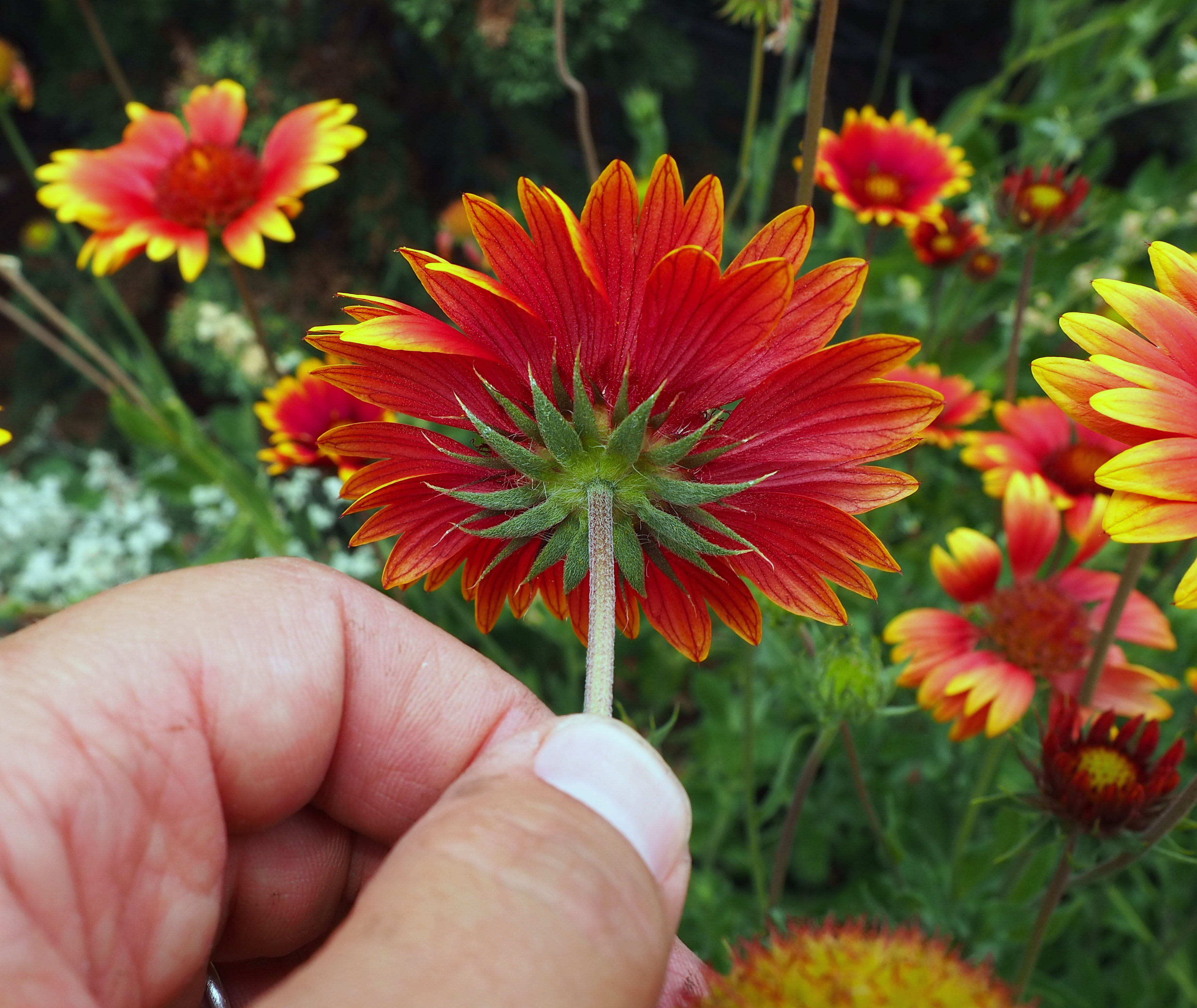
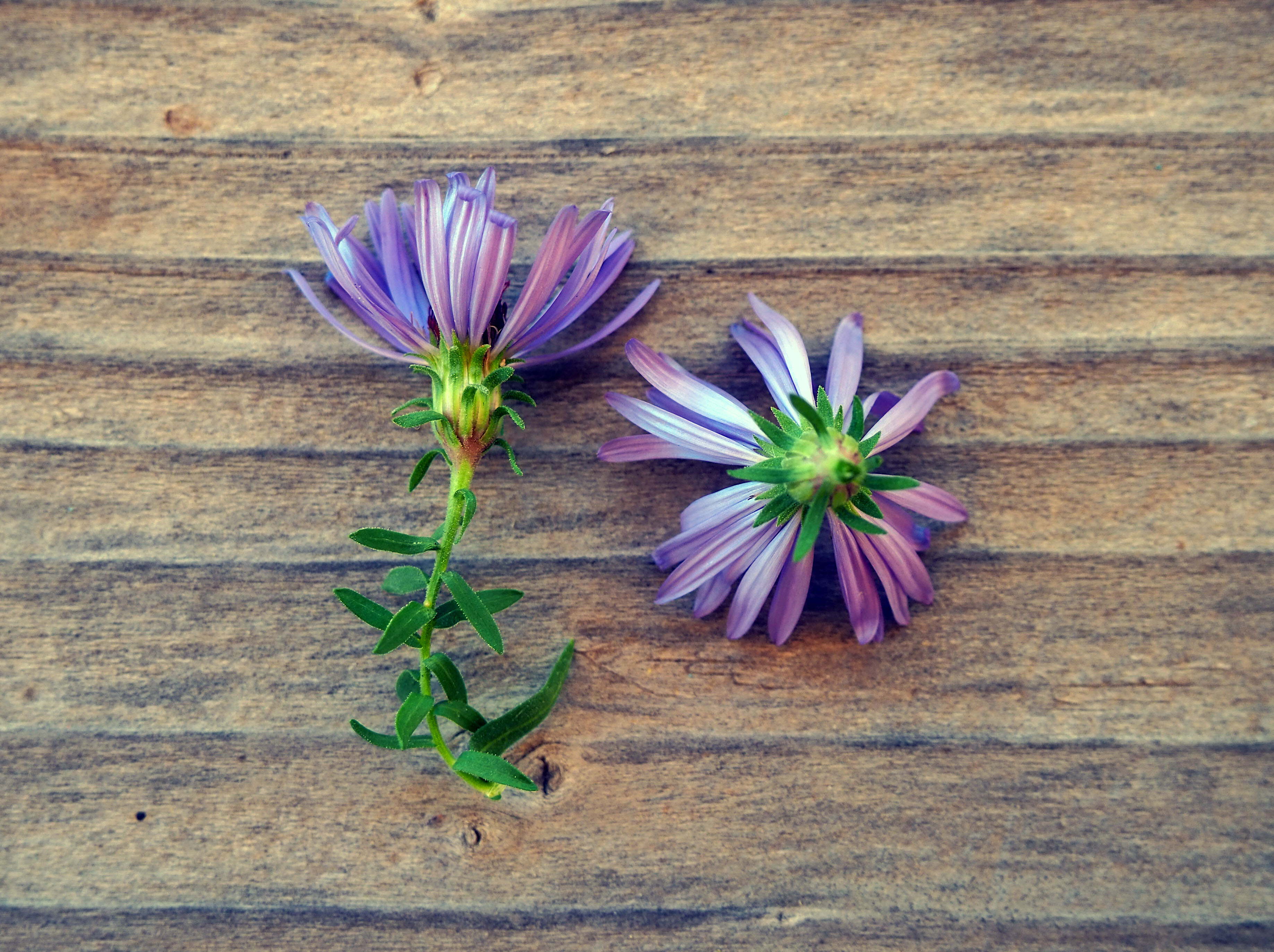
If you’ve spent time looking at flowers, you’ve probably found it fairly easy to distinguish sepal from petal. Sepals are typically smaller, green, and more leaf-like; petals are showier and more colorful. While sometimes sepals stand out among the petals, adding to a flower’s showiness, much of the time they are discretely hidden away on the backside of a flower. They encase the flower when it’s in bud and then remain at the base of the flower after it has bloomed.
Occasionally, however, sepals seem to be absent or difficult to distinguish from the petals. This is where the term tepal comes in. In certain groups of plants, mainly those that have a more ancient lineage, the perianth is made up of tepals. Rather than two distinct whorls, there is a single whorl or multiple whorls of tepals. Tepals are still protective and showy, serving the same function as individual sepals and petals, but they are not differentiated. They harken back to a time before the perianth had evolved into two separate whorls. In the Early Cretaceous, when they were the new kids on the block, flowers were in the process of developing intricate relationships with pollinators, and their features were generally less specialized than many of the flowers we see today.
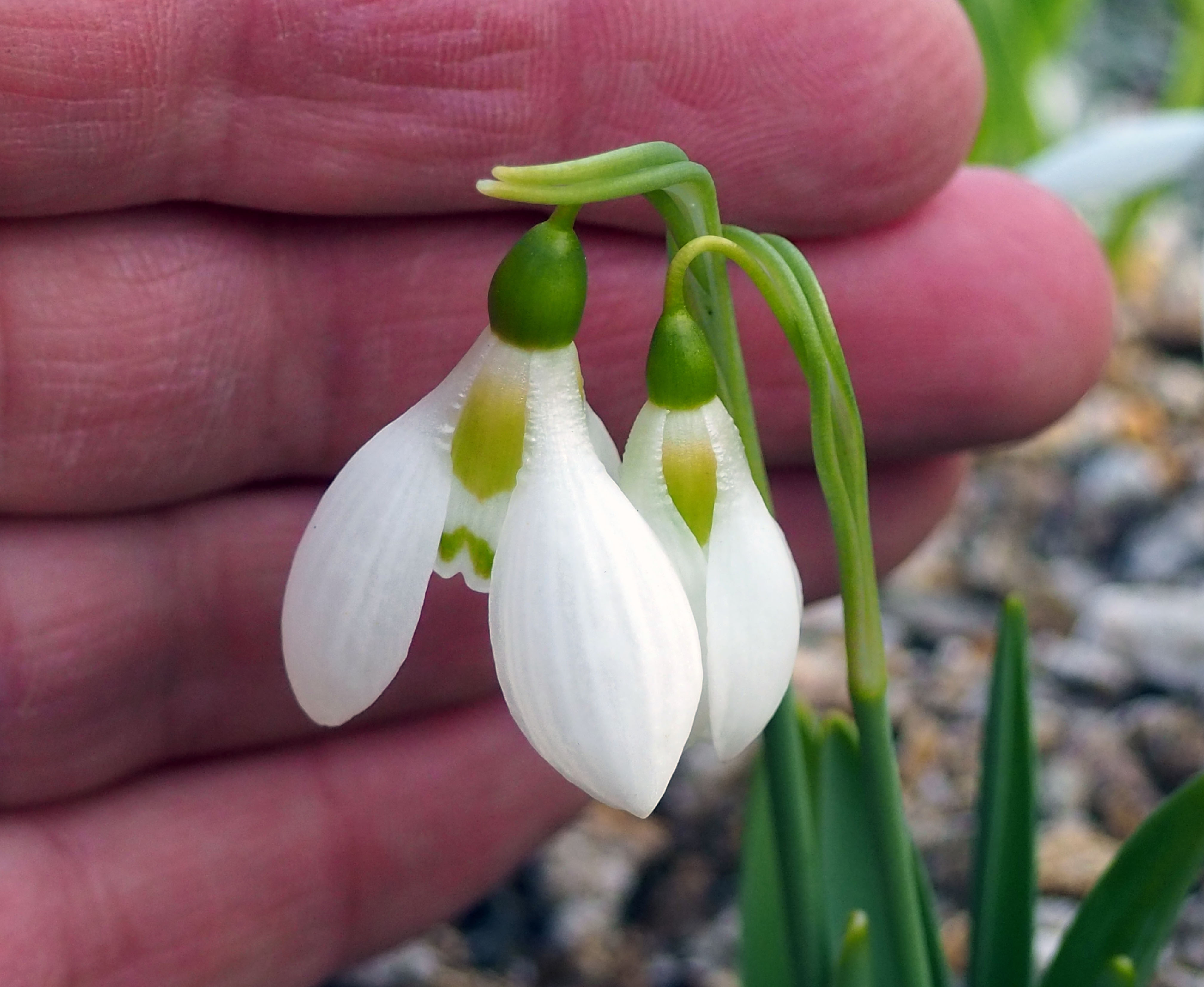
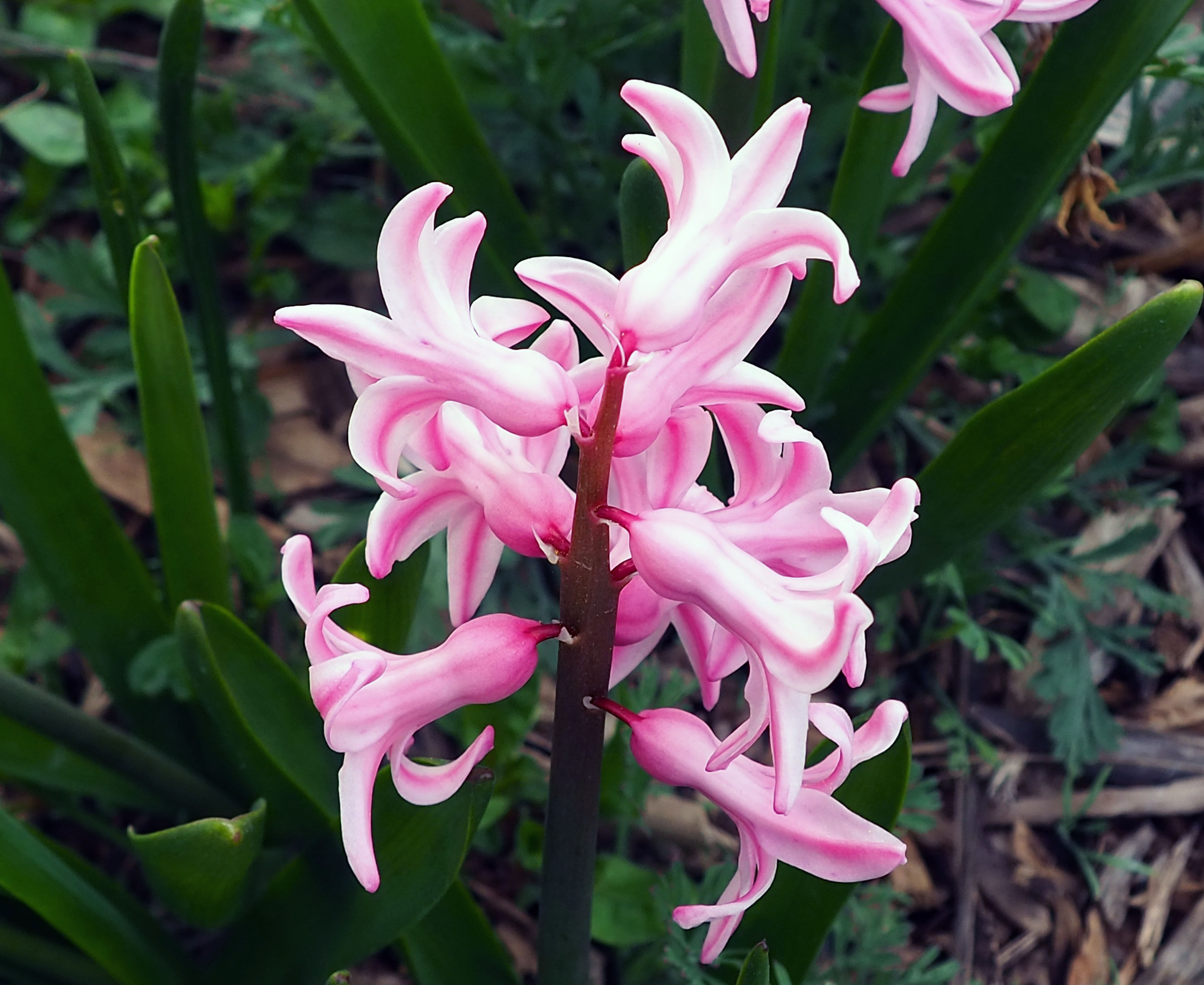
One group of plants commonly known to have tepals is the monocots (or monocotyledons). Monocots have a single cotyledon (seed leaf), flower parts in multiples of three, and leaves with parallel veins. In the spring time, some of the best examples of monocots are spring bulbs. Take a look at the tulips, daffodils, crocuses, hyacinths, and others coming up in your neighborhood. Clearly they have petals, but where are the sepals? There are no leafy appendages surrounding the bases of the flowers. The “petals” of these plants are actually tepals.
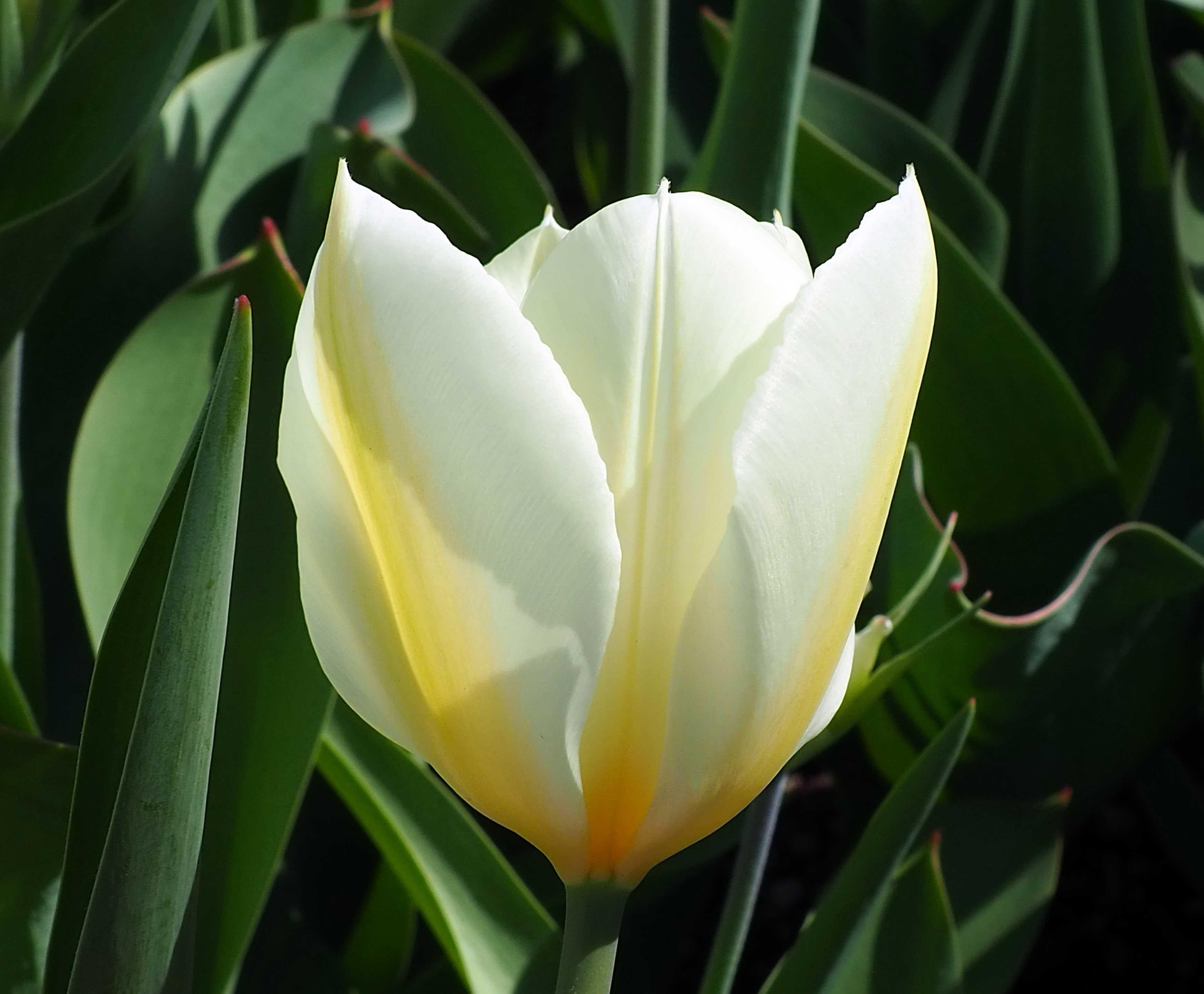
In some descriptions for tulips, lilies, and others, you’ll find a reference to sepals. In other descriptions, there are references to outer tepals and inner tepals. This is because these plants have at least two whorls of tepals, and sometimes the outer whorl is referred to as sepals, yet both whorls look nearly identical. Tepals is a better term for these structures.
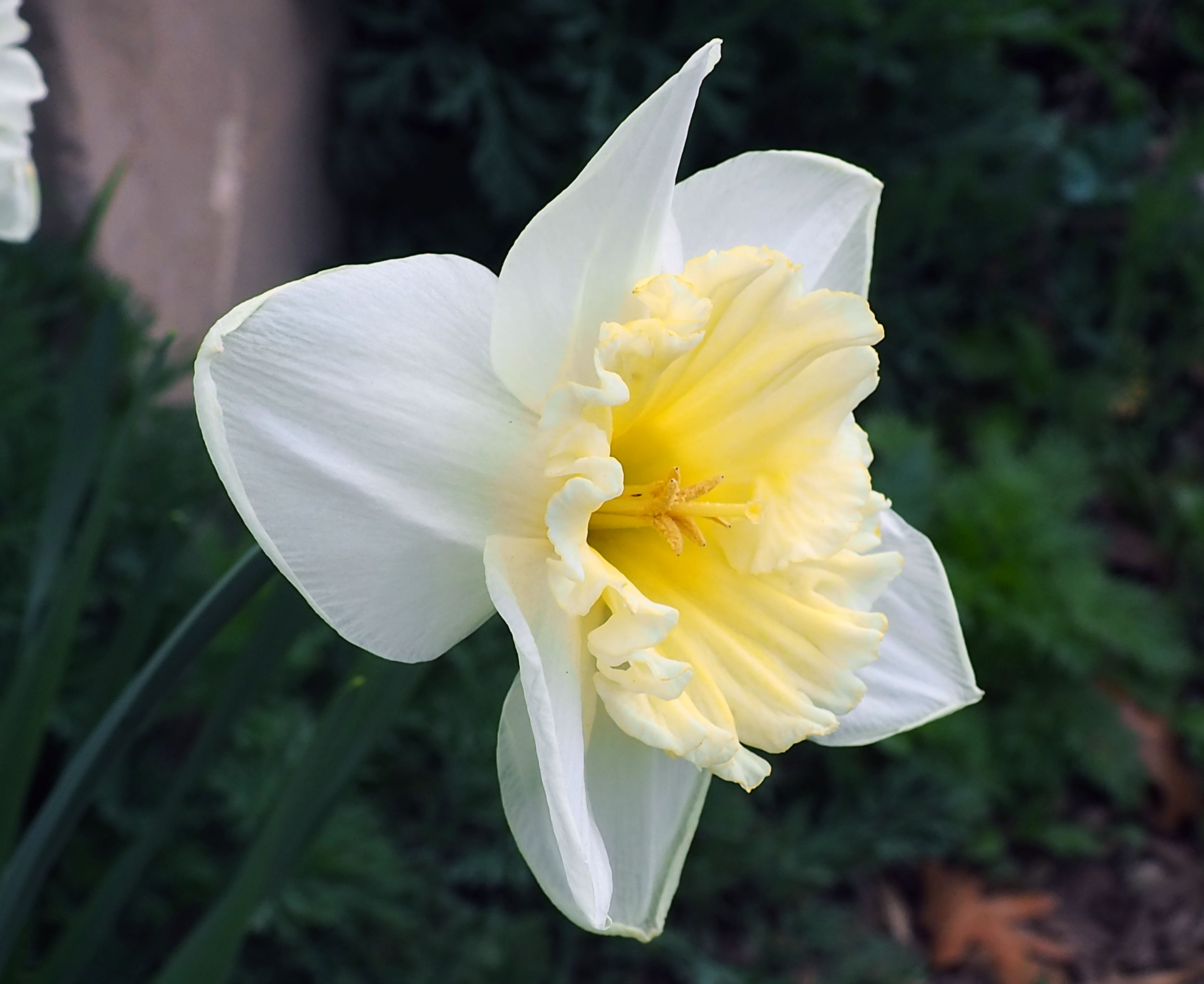
But what’s going on with daffodils? If the outer whorl is made up of tepals, what is the cup-like apparatus surrounding its sex parts? This structure is called a corona. It is an outgrowth of the hypanthium, which is a structure formed when the bases of the tepals and stamens fuse together. The corona grows out from this ring of tissue and creates what appears to be fused petals. While the corona functions like a petal, it is not a true petal since it is made up of hypanthial tissue.
Tepals are also common in plant species found in the clade magnoliids. The genus Magnolia is a classic example of this. The large showy petal-like structures of magnolia flowers are actually tepals. The protective role of sepals is carried out by a series of fuzzy bracts that surround the developing flower bud. After the flower has opened, the bracts fall away and are not persistent in the way that sepals typically are.
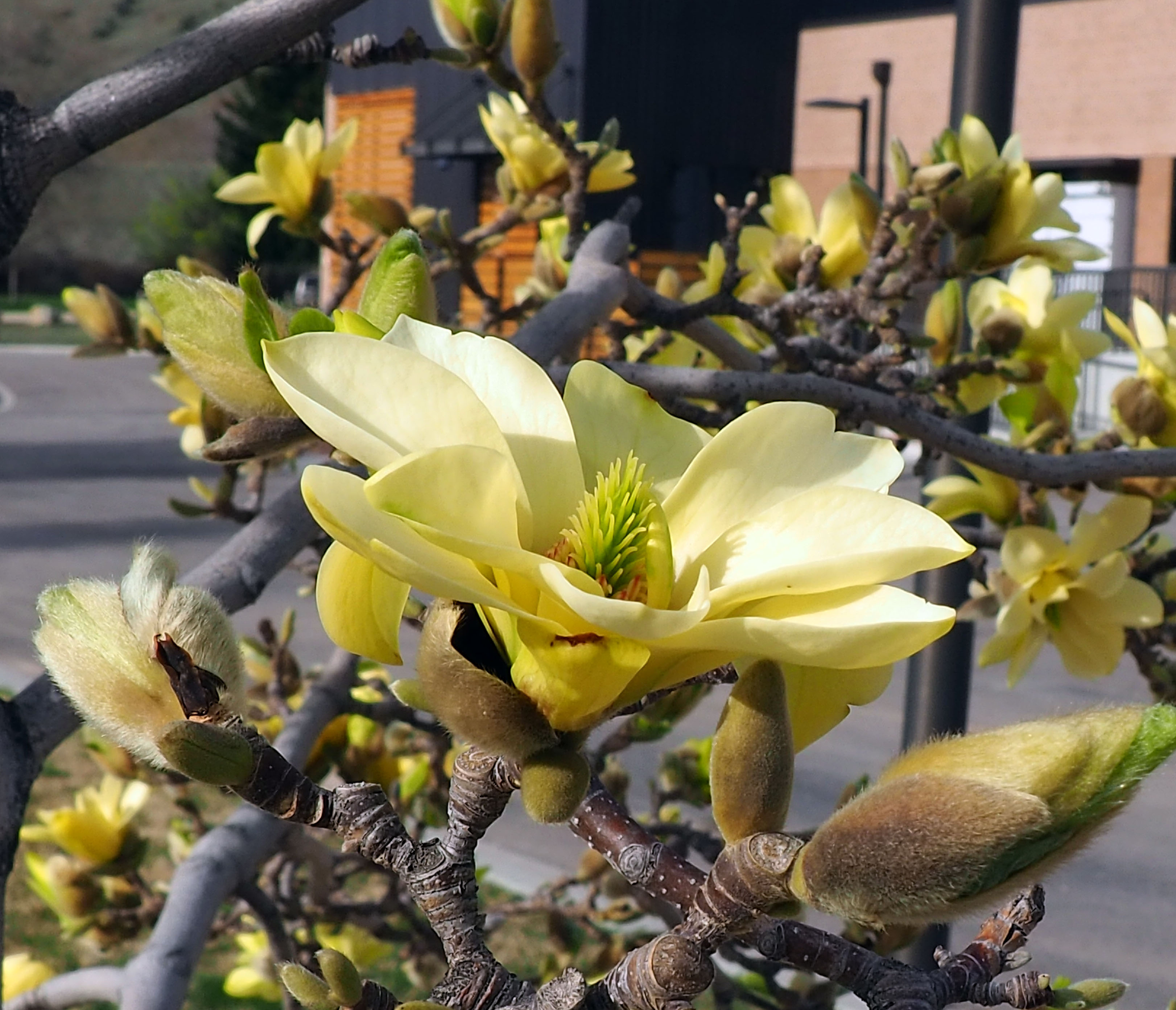
Magnolia sp.
Sometimes it can be tricky to determine whether or not a perianth is made up of tepals or sepals and petals. The buttercup family (Ranunculaceae) is a fun one to consider in this regard. The showiest flower parts of many of the species in this family are actually sepals, while petals are either reduced, modified, or entirely absent. When it is difficult to distinguish a sepal from a petal, the term tepal is often used, such as in the genus Clematis. Hellebores, on the other hand, are a unique case study. The large showy parts of a hellebore flower are petaloid sepals – sepals that are playing the role of petals. Hellebore petals are present but reduced and tube-shaped. They house the nectaries of the flower, drawing in early season insects looking for food. As visiting insects feed on the nectar found within these modified petals, they brush against the stamens of the flower and inadvertently move pollen around.
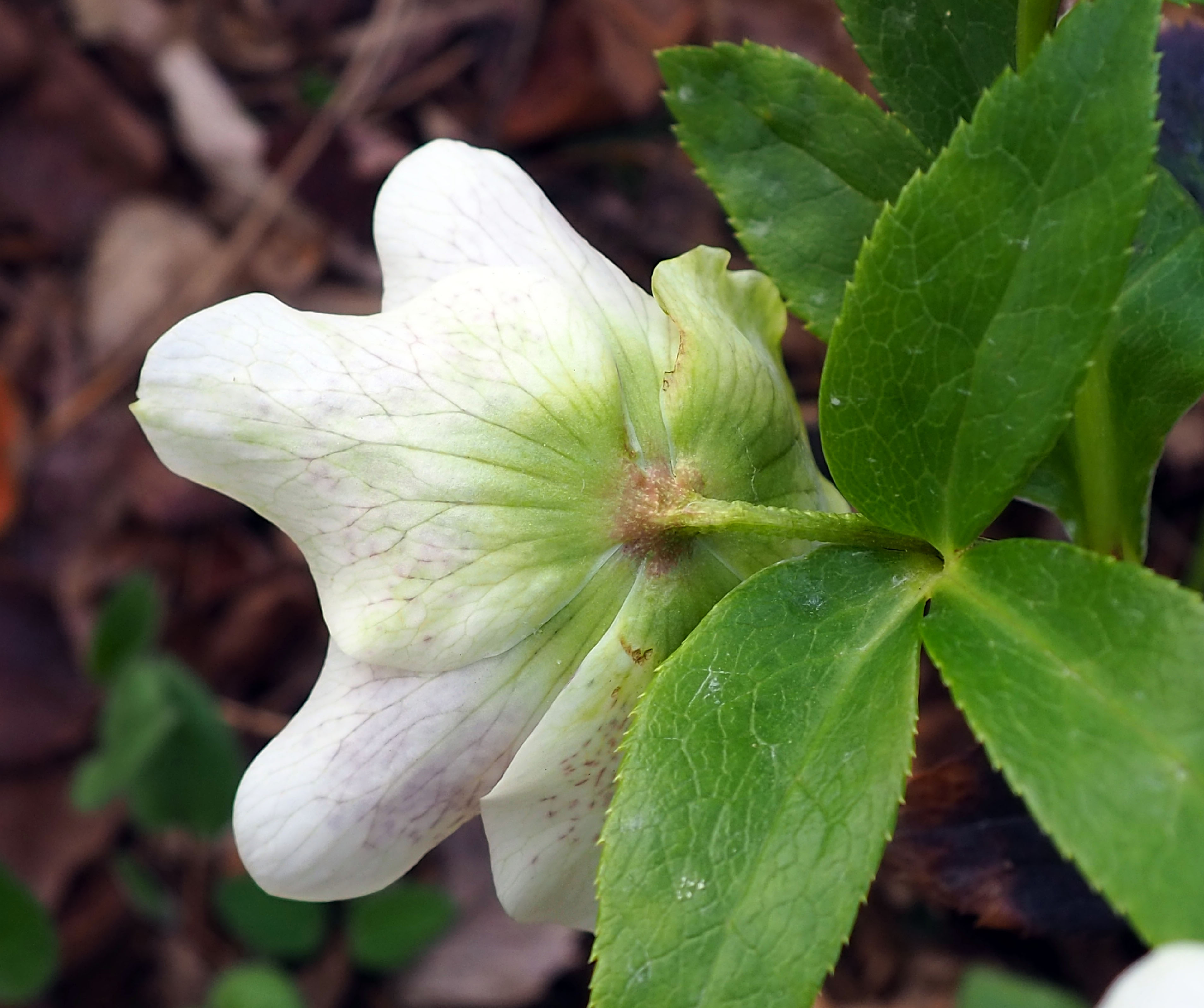
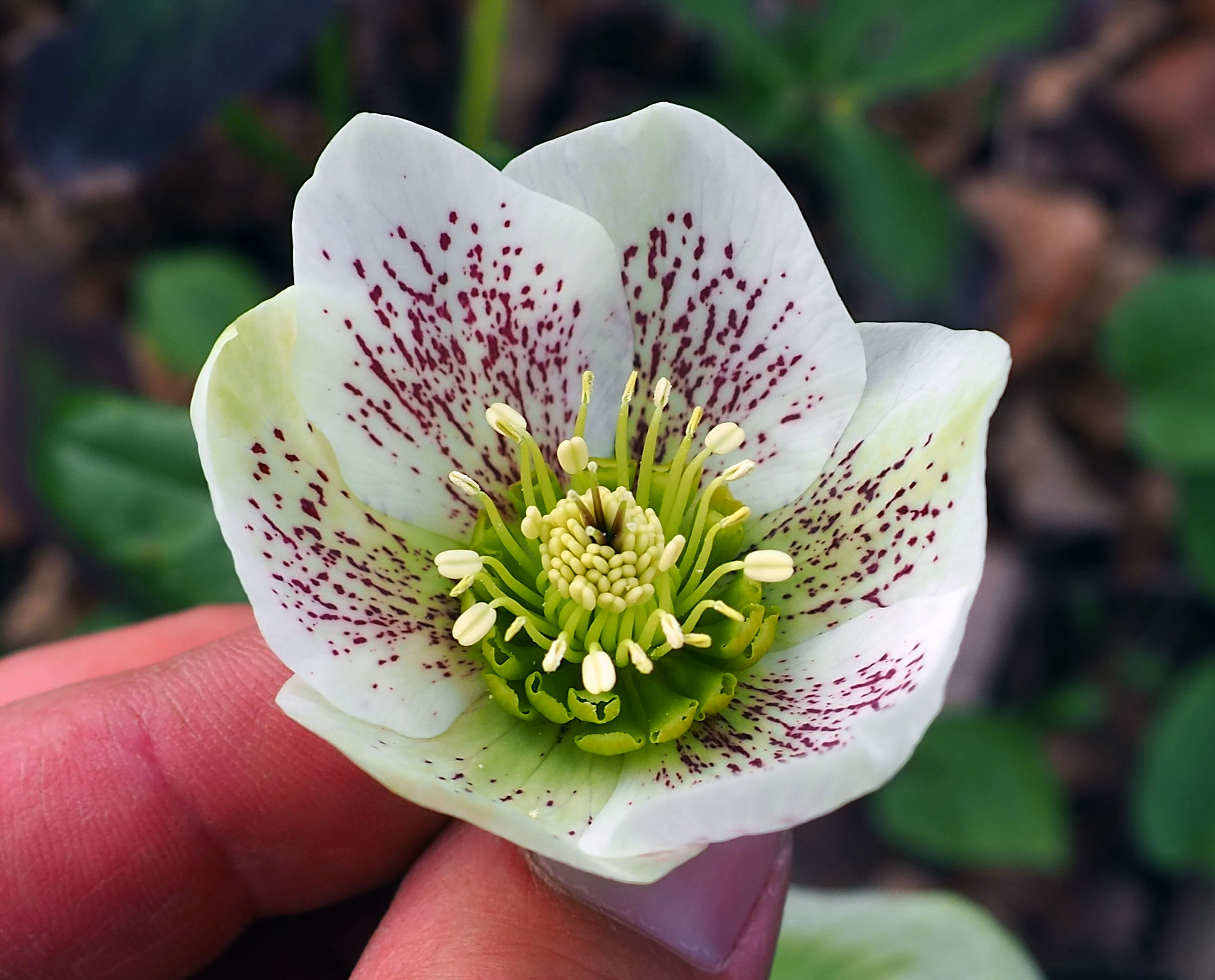
A simple way of describing tepals could be that they are sepals and petals fused together to form a single structure, but this would be an inaccurate description. Tepals are found on plants that have not evolved separate sepal and petal structures. As these flowers develop, gene expression does not differentiate the perianth into two distinct whorls. The term “tepal” is also used when it is difficult to distinguish the difference between petals and sepals, even when there may be a developmental difference. Whether looking at petals, sepals, tepals, or something entirely different, any excuse to take a closer look at flowers is okay by me.




 awkward botany