If you know anything about stinging nettle, you know not to touch it. Its stems and leaves come equipped with needle-like hairs that easily detach from the plant and pierce into bare skin. The real rub is that these needle-like hairs also act like hypodermic needles, injecting a combination of chemicals into your skin resulting in an obnoxious itching sensation that can last for hours. So why would I suggest using it to make tea? Shouldn’t I do the responsible thing and advise you to keep your distance?
Stinging nettle actually has a long history of being consumed. Recipes abound on the internet for things like stinging nettle soup, stinging nettle pesto, stinging nettle cake, stinging nettle curry, and so on. (Not to mention all the other uses for this plant.) It’s a delicious and nutritious vegetable, even in spite of its horrors. Consuming it is possible because – unlike poison oak, poison ivy, and other plants you should avoid contact with – it’s surprisingly simple to disarm. Soaking it, cooking it, and/or drying it will take the sting out of stinging nettle. Provided you are careful during the harvesting and processing portions of the project, stinging nettle is a perfectly fine plant to bring into the kitchen.
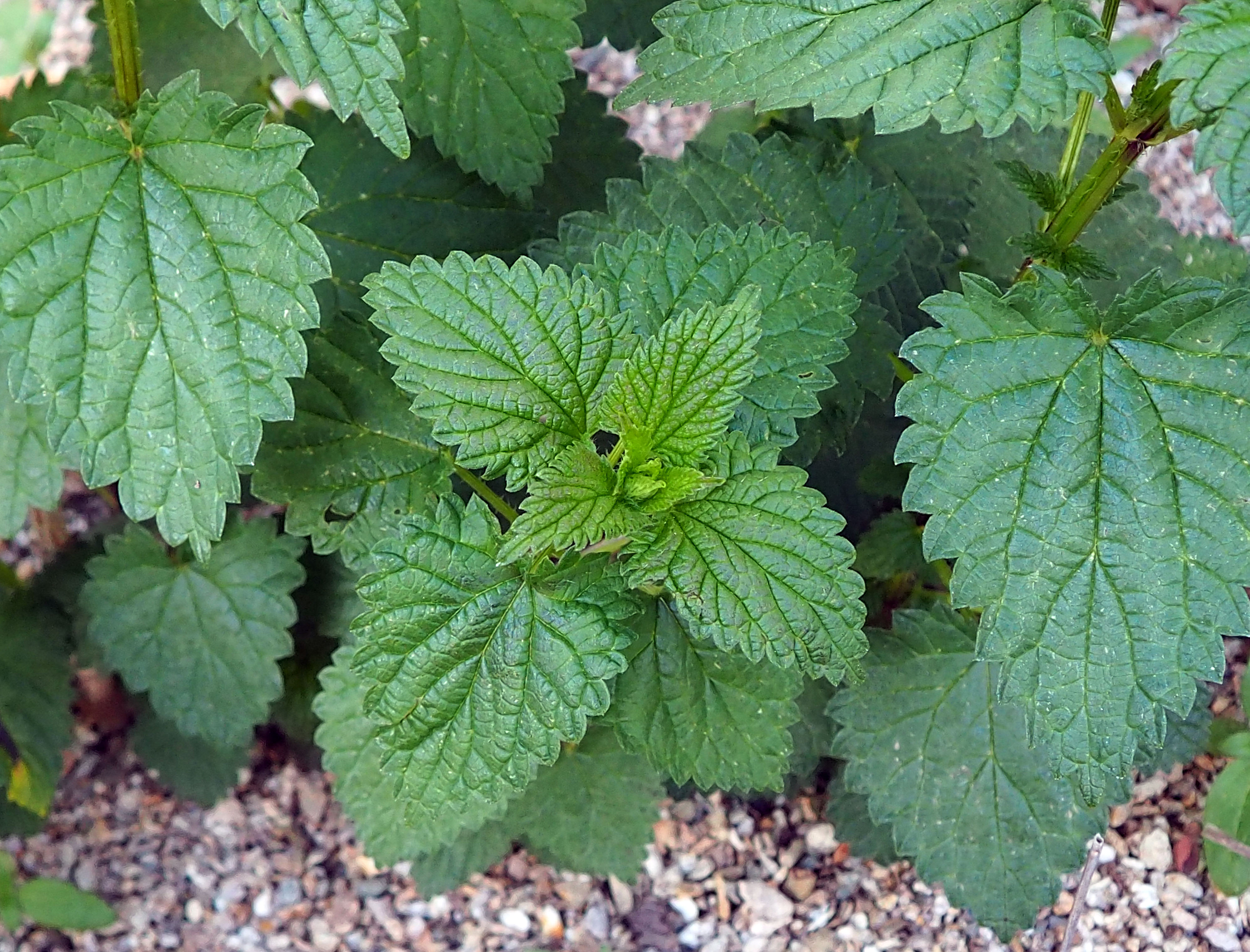
Urtica dioica is a herbaceous perennial in the family Urticaceae – the nettle family. Its stems reach from about 3 to 9 feet tall and the plant spreads vigorously by rhizomes, creating dense stands in moist soil. Its leaves are arranged oppositely on prominent petioles and are linear, ovate, or cordate in shape. Leaf margins are coarsely serrate, and distinct stipules are found where the leaf meets the stem. Dense clusters of tiny flowers occur in spikes or panicles that emerge from leaf axils in the upper portions of the stems. Individual flowers are without petals and are green to brown in color. They are imperfect, and separate male and female flowers can either be found on the same plant or different plants. Stinging nettle generally grows in nutrient-rich soils with regular access to water. Find it along forest edges, in wet meadows, riparian areas, floodplains, roadsides, and other areas of regular disturbance.
Stinging nettle is widely distributed across the northern hemisphere and has several subspecies. In North America, the native stinging nettle was for many years referred to as Urtica dioica ssp. gracilis. Today, taxonomists consider it to be a separate species, U. gracilis. Regardless, stinging nettle has been introduced to North America from Europe and Asia, and it can be difficult to distinguish between the two species. The important thing to know is that both have stinging hairs, and both are edible.
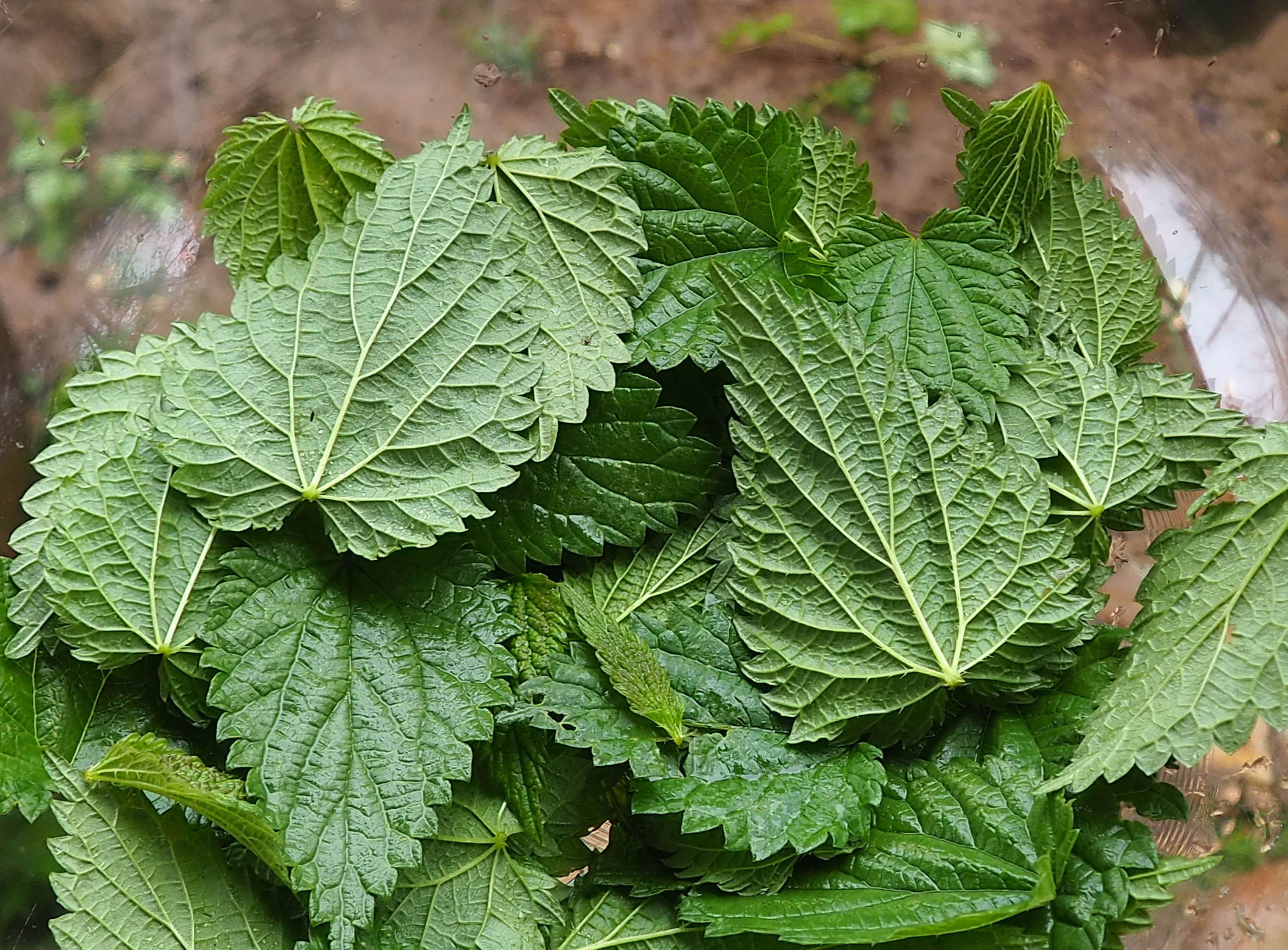
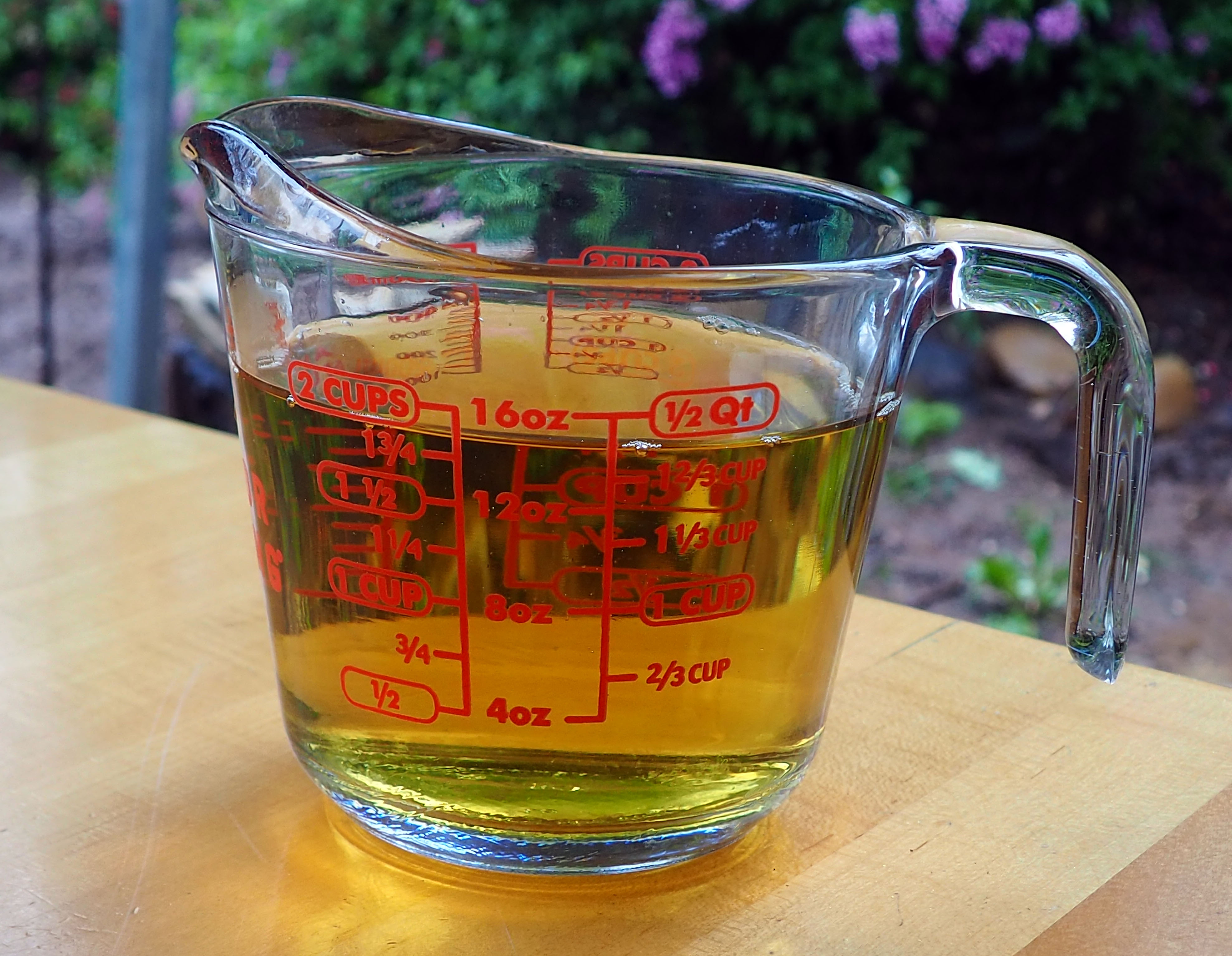
To make my tea, I harvested about 1 packed cup of fresh leaves. Young leaves are best. Avoid consuming leaves after the plant has begun to flower because they develop cystoliths, which may result in kidney and urinary tract issues. I submerged the leaves in water and soaked them for a few minutes. I didn’t touch the leaves while harvesting them, but I did grab them with my bare hands after they had been soaking in water, and my hand felt mildly irritated for several minutes. After soaking, I placed the leaves in 3 cups of boiling water and simmered them on low for 10 minutes. After letting the water cool for 20 minutes, I strained the tea and tried it. I thought it tasted mildly like spinach – a flavor it is often compared to. Sierra tried it and declared that she would be the one to finish drinking it. I guess that means she liked it. I added a little honey and decided that I liked it too.
I harvested my tea leaves from a plant growing in our yard. This plant could become a problem due to the aggressive rhizomes. Just something to keep in mind if you plan on including it in your garden. Apart from having edible leaves, it is a host plant for a variety of butterflies and moths, so it is worth having around. The “sting” of stinging nettle is a risk, but it shouldn’t last long – a few minutes to a few hours. There are several plants that people claim will remedy the stinging itch – jewelweed, dock, plantain, etc. – but it will also just go away on its own after a while, so it’s up to you what you want to do about it. I’ll just try not to touch it and enjoy the tea instead.


 awkward botany