
Boise’s summers are decidedly hot and dry. Months can pass without any measurable precipitation, meanwhile temperatures regularly peak in the 90’s. In the heat of the summer, multiple days in a row above 100 degrees Fahrenheit is not unheard of. Under these conditions, irrigation is a must if you intend to keep plants alive, particularly plants not adapted to our climate. Skipping out on watering or having something go awry with the irrigation system quickly becomes noticeable as the soil goes bone dry and plants begin to wither away. If this goes on for too long, many plants will not recover, including established trees and shrubs. However, the toughest plants among us, particularly the weeds, will move in to take their place.
You can see an example of this at the United States Postal Service building at 13th Street and Shoreline Lane in Boise, Idaho. The islands in the parking lot are not being watered, which has clearly been the case for quite some time because even the trees and shrubs are dying off. Apart from occasional mowing, very little maintenance is occurring, and our wild urban flora is about all that remains.
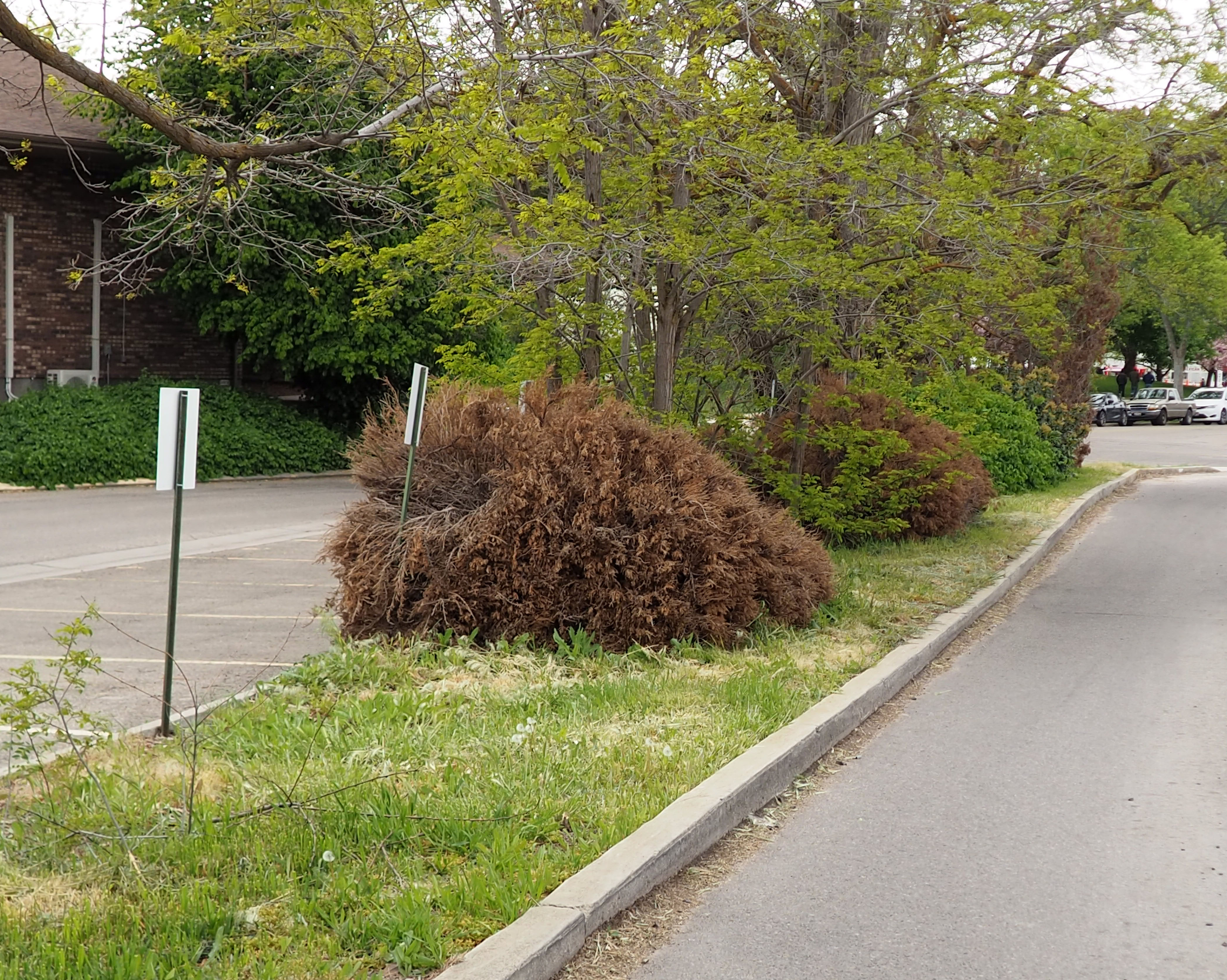
Parking lots are not ideal locations for growing plants. Asphalt and cement dominate – two major contributors to the urban heat island effect – and automobile pollution is concentrated on account of all the cars coming and going on a regular basis. Many parking lots include islands where plants (often poorly maintained), along with other features like signs and lights, are placed. In general, these islands are far too small for trees, but trees are planted nonetheless in a desperate attempt to shade these formidable environments. In locations where snow is common, the snow from parking lots is often piled up on these islands to clear room for cars, while road salts and other ice melts are heavily applied in order to keep people and cars from sliding around. Parking lot plants have to endure all this and more, so it’s no surprise that they usually look pretty rough.
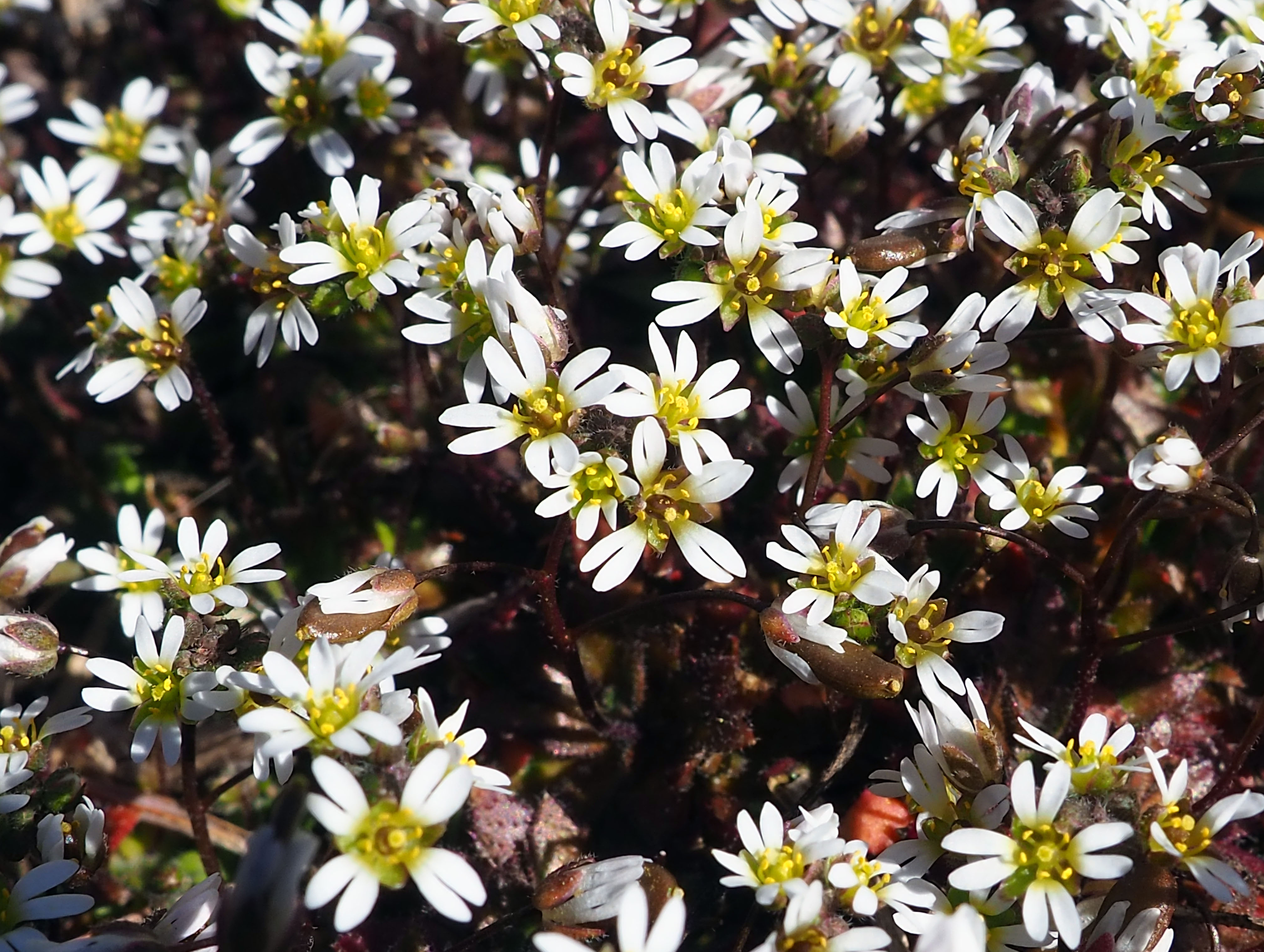
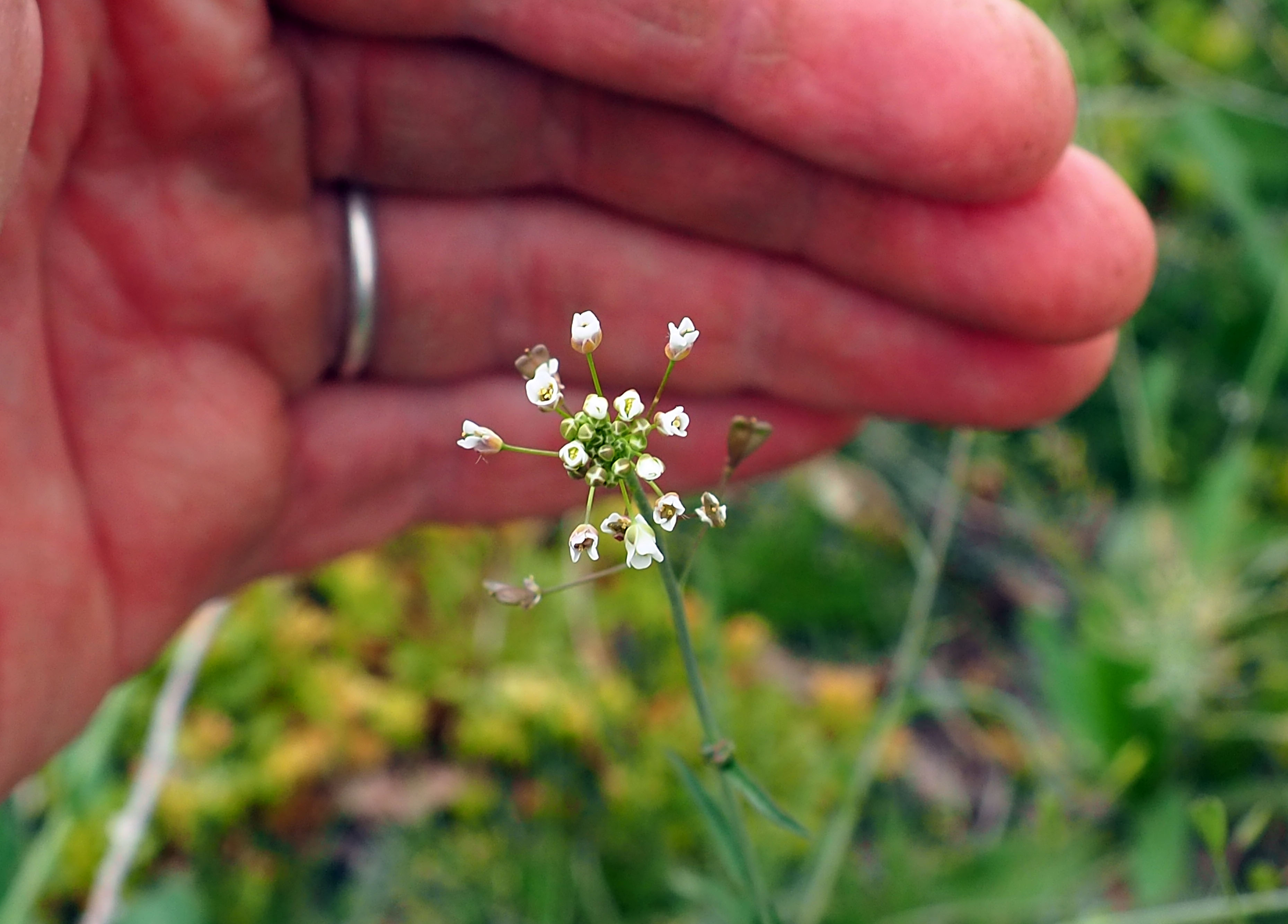
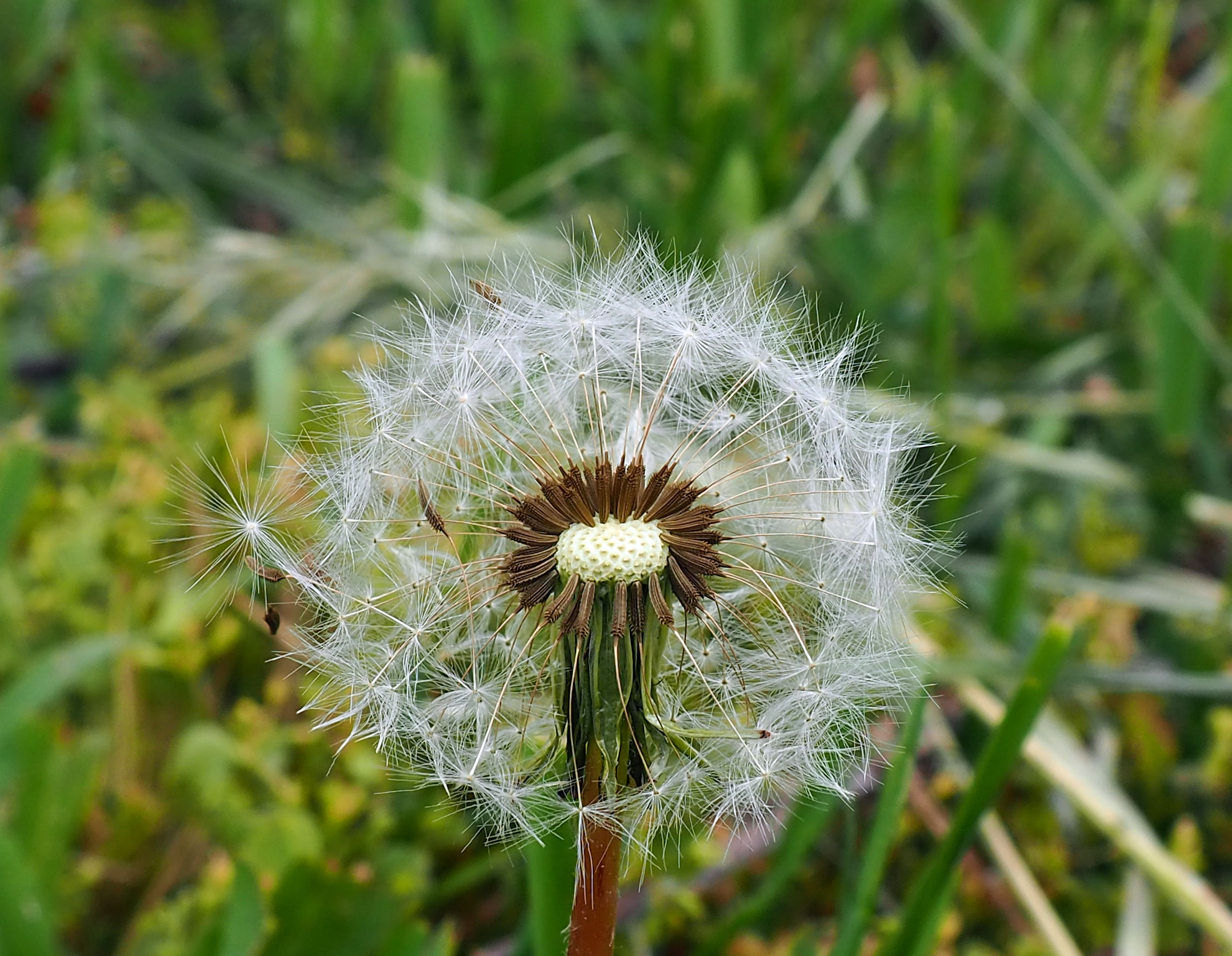
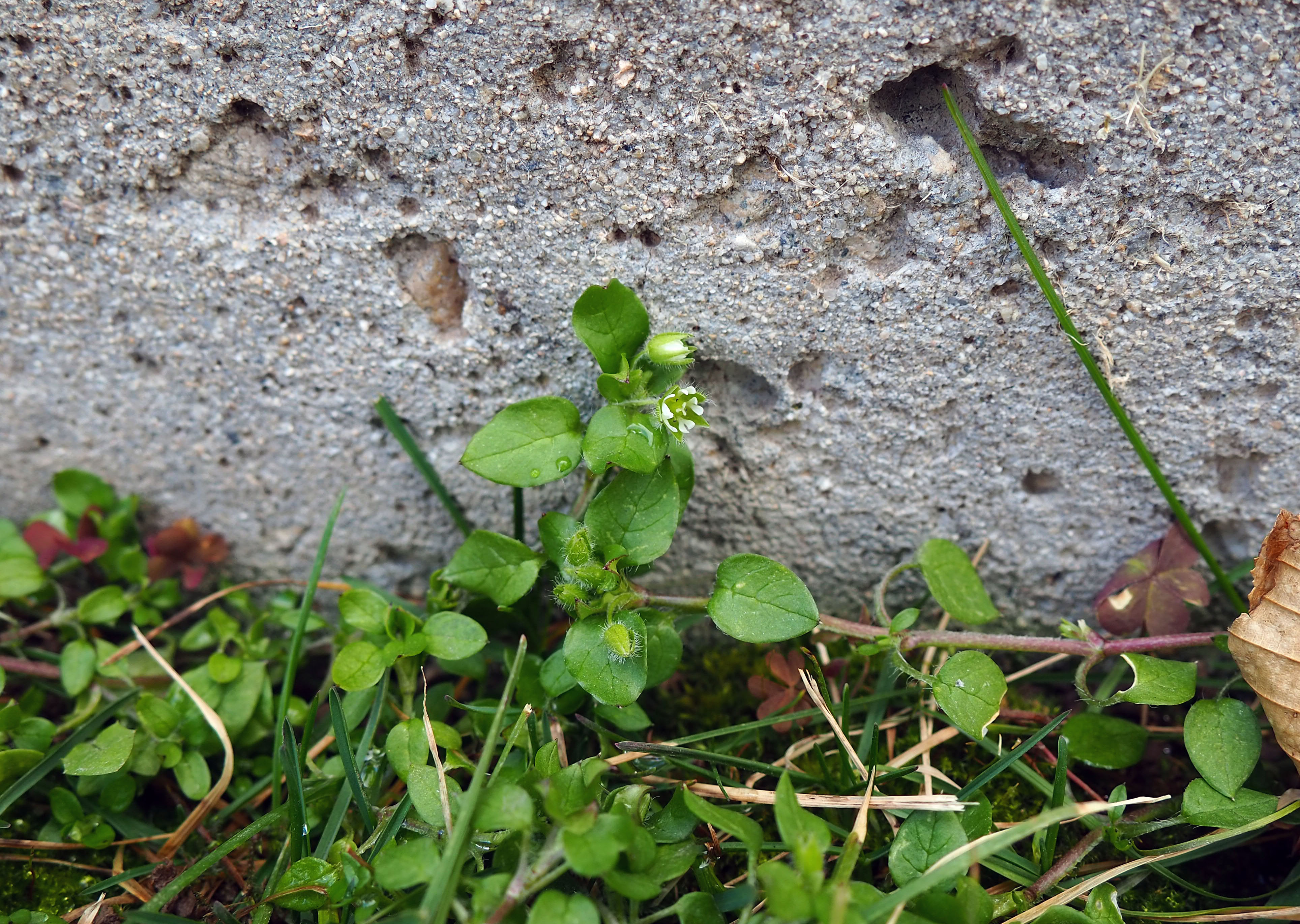
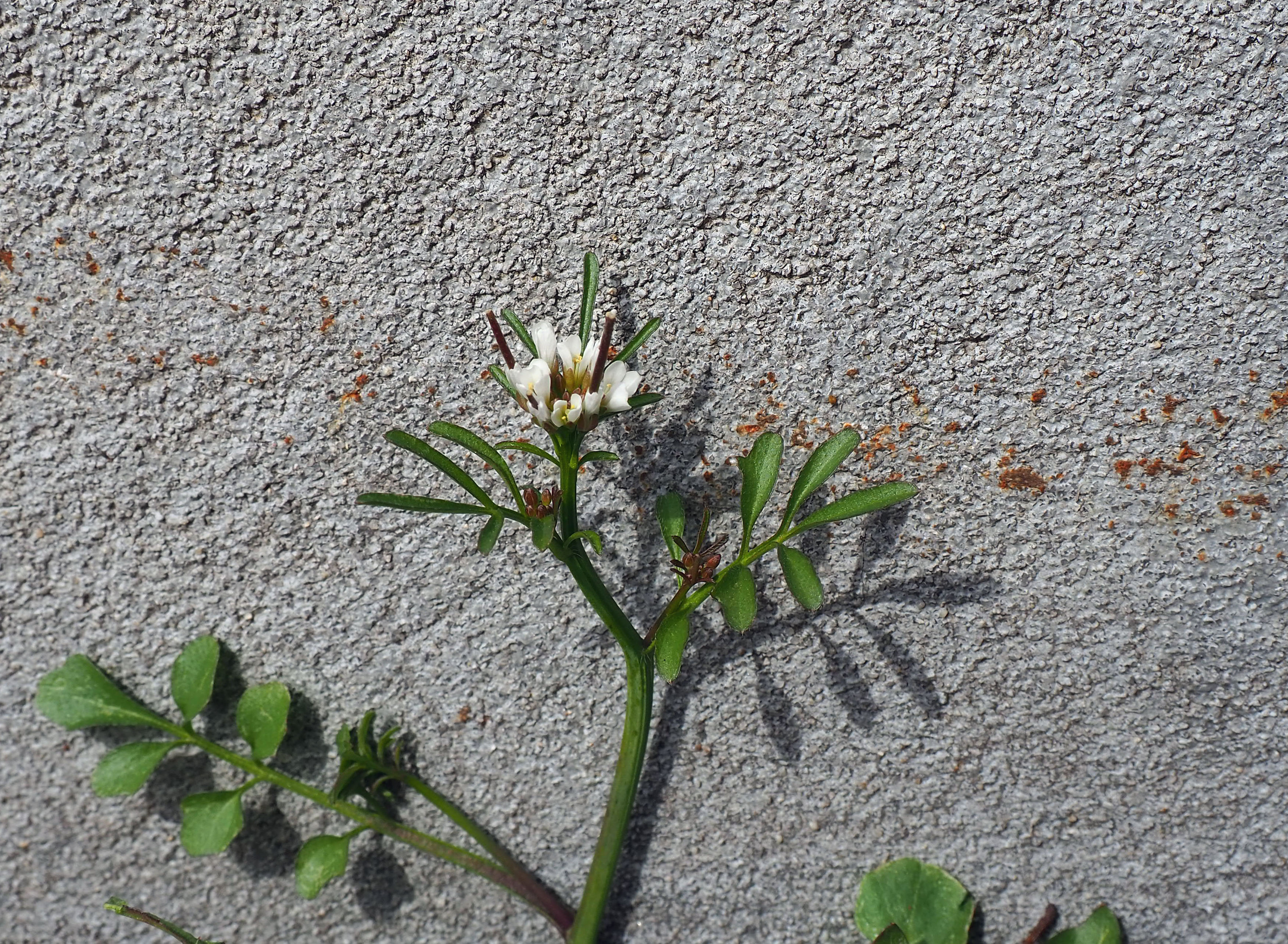
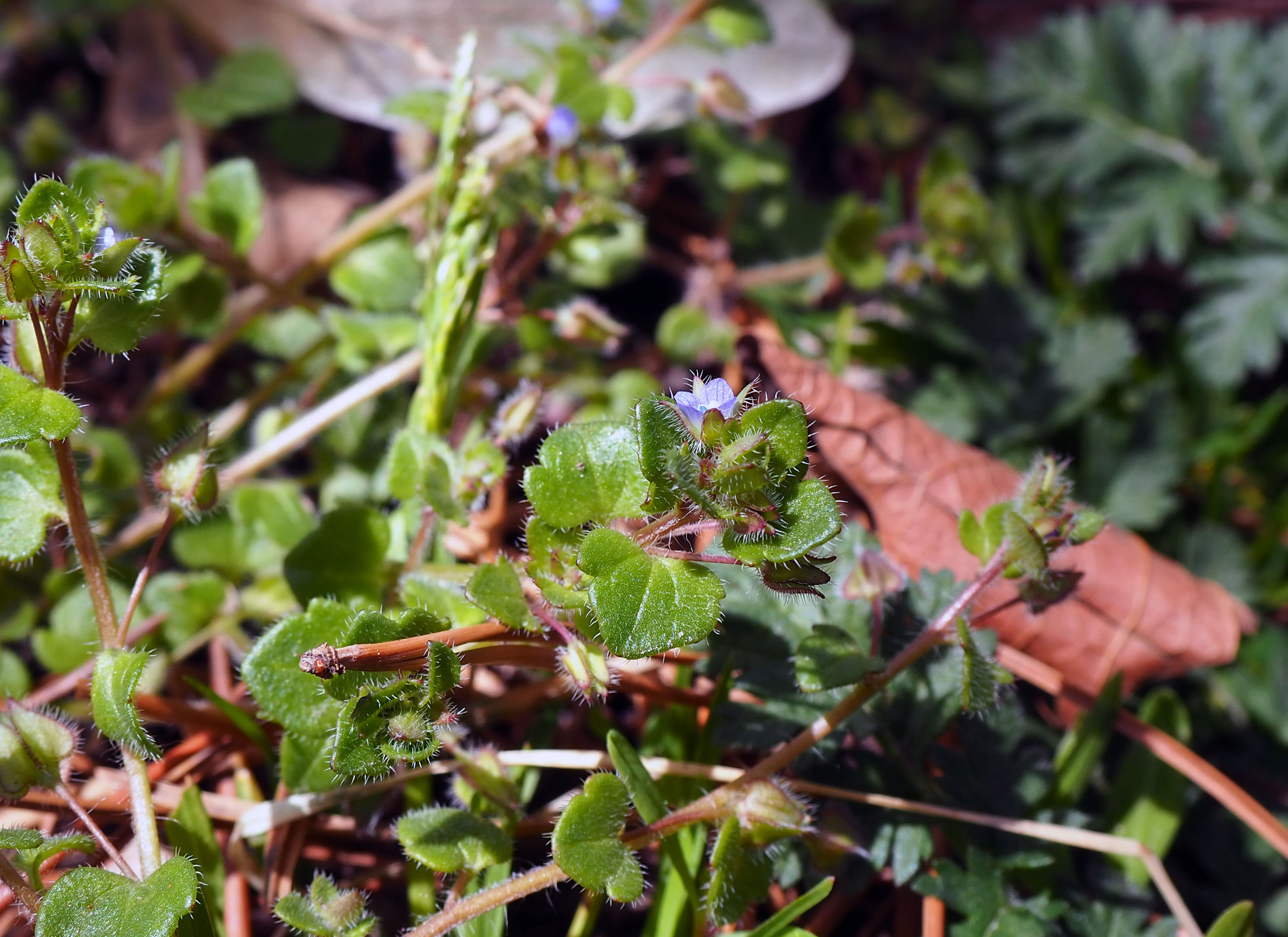
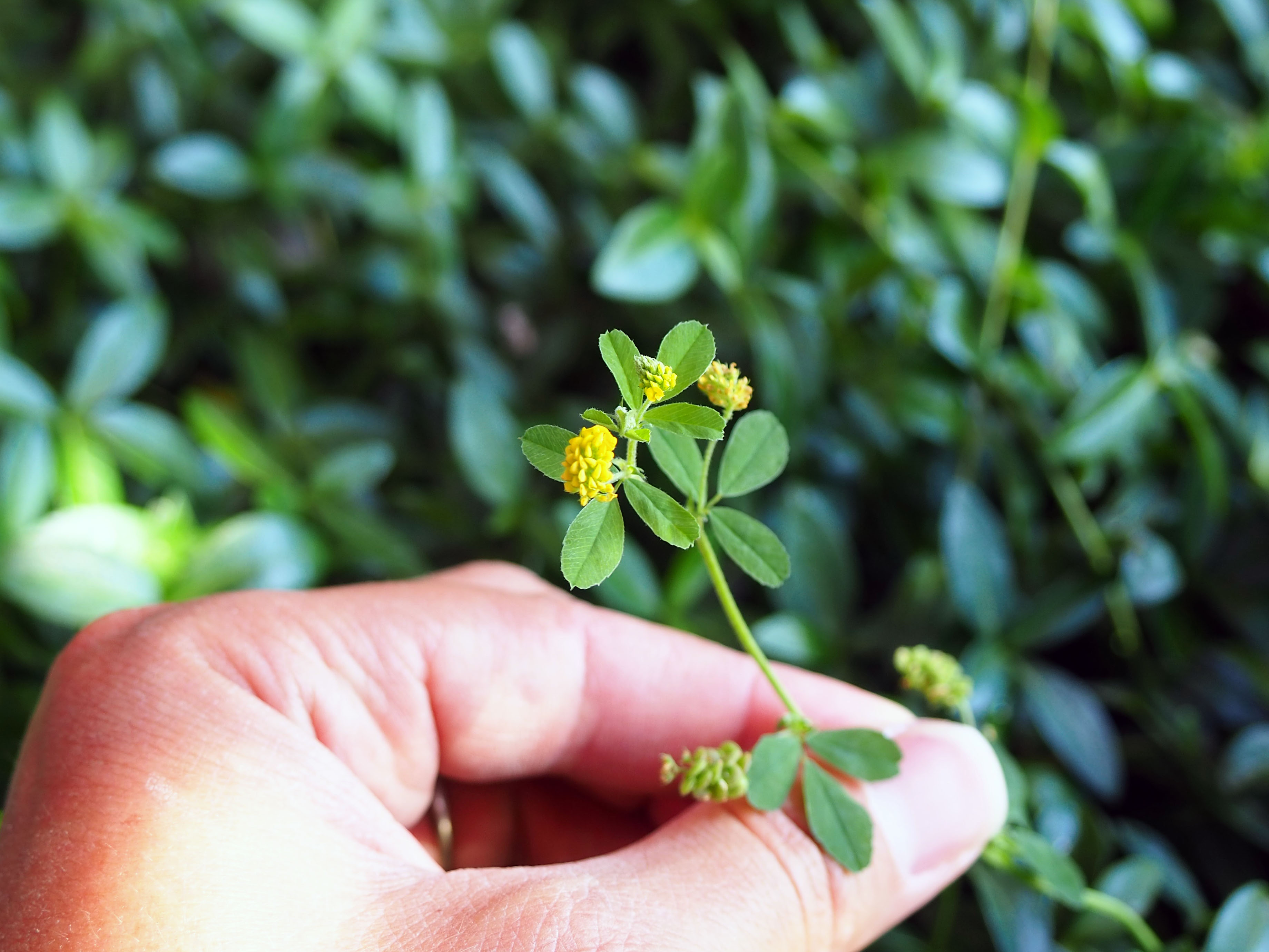
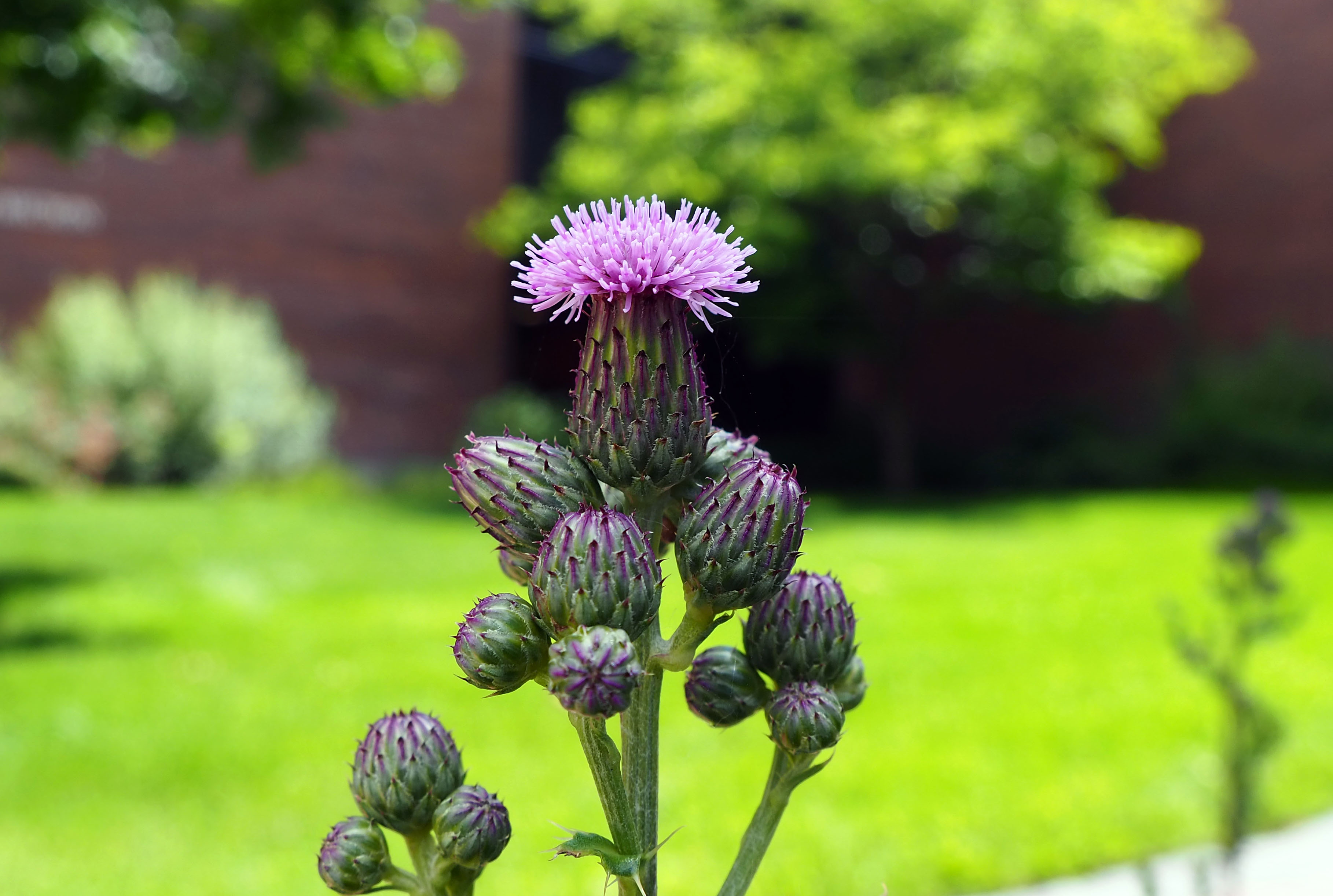
The stresses of added heat, pollution, trampling, and poor care are enough for plants to put up with. Cut off their irrigation supply, and parking lot plants are sure to give up the ghost. A situation like this is an excellent place to familiarize yourself with your wild urban flora. Many weeds seemingly have no problem tolerating these conditions. To demonstrate this, I inventoried the weeds found in neglected parking lot islands at the post office on 13th Street and Shoreline Lane. What follows are a few photos and a list of the weeds I’ve identified so far. Like all posts in the Weeds of Boise series, this list may be updated as I continue to check back in on this location.
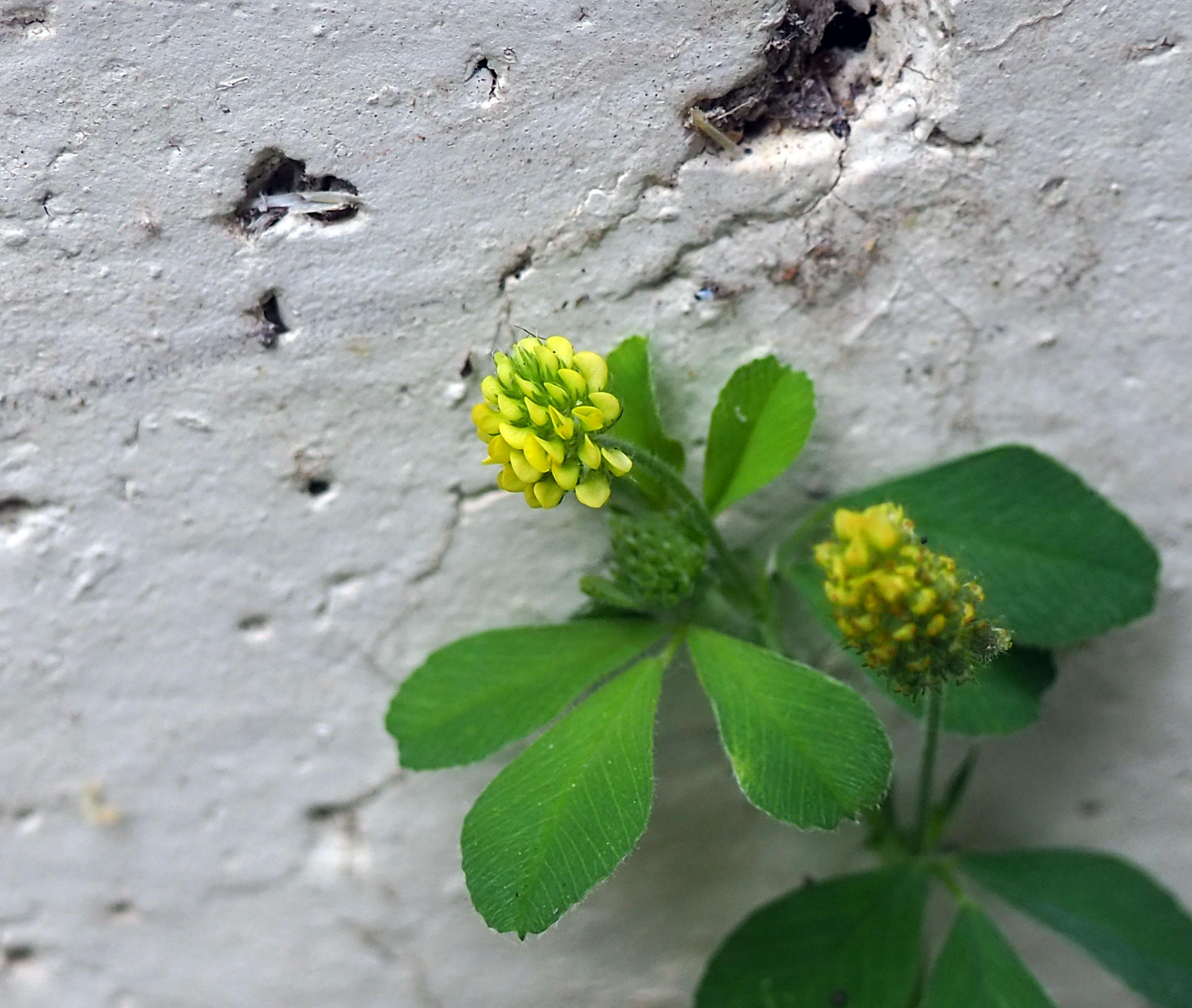
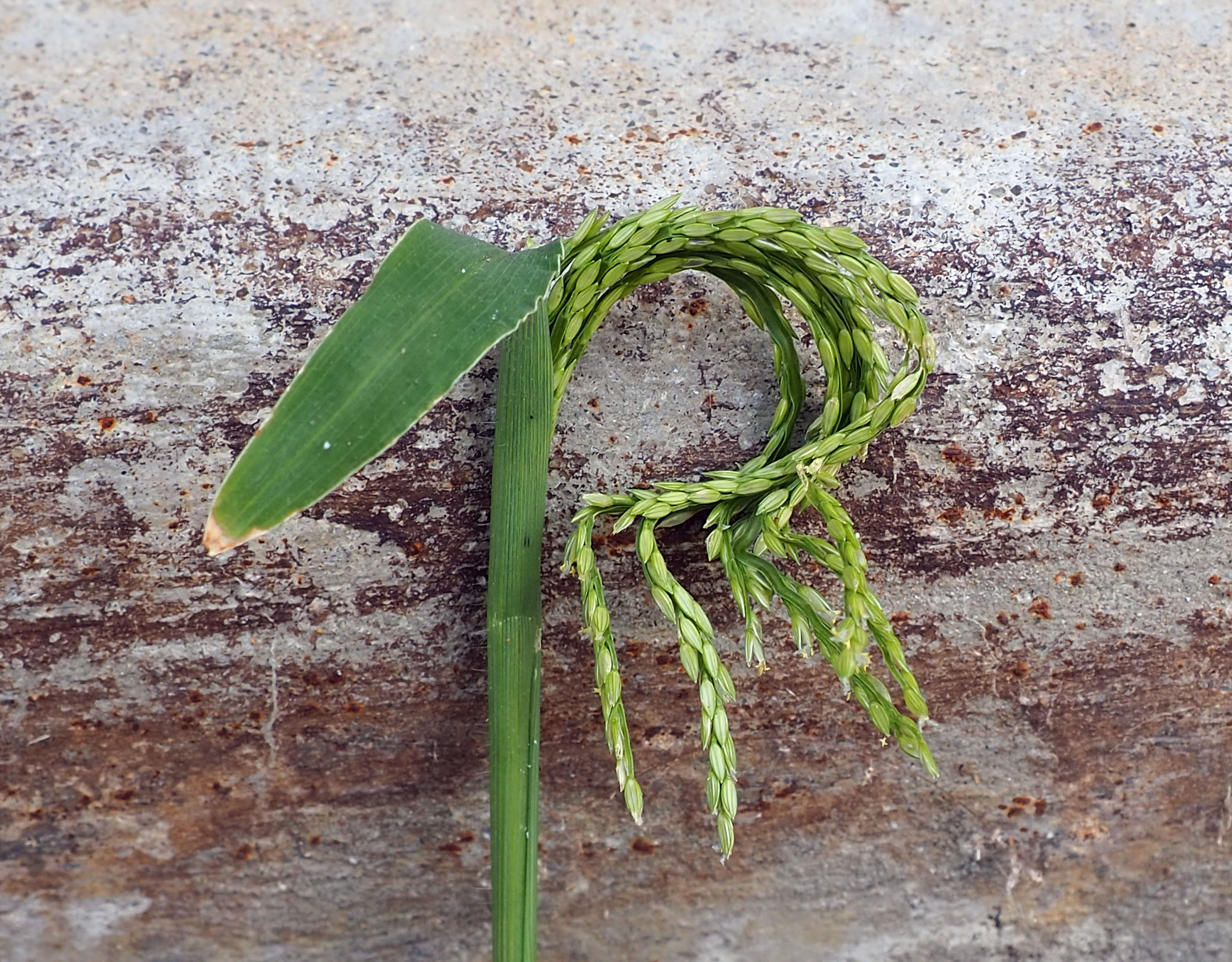
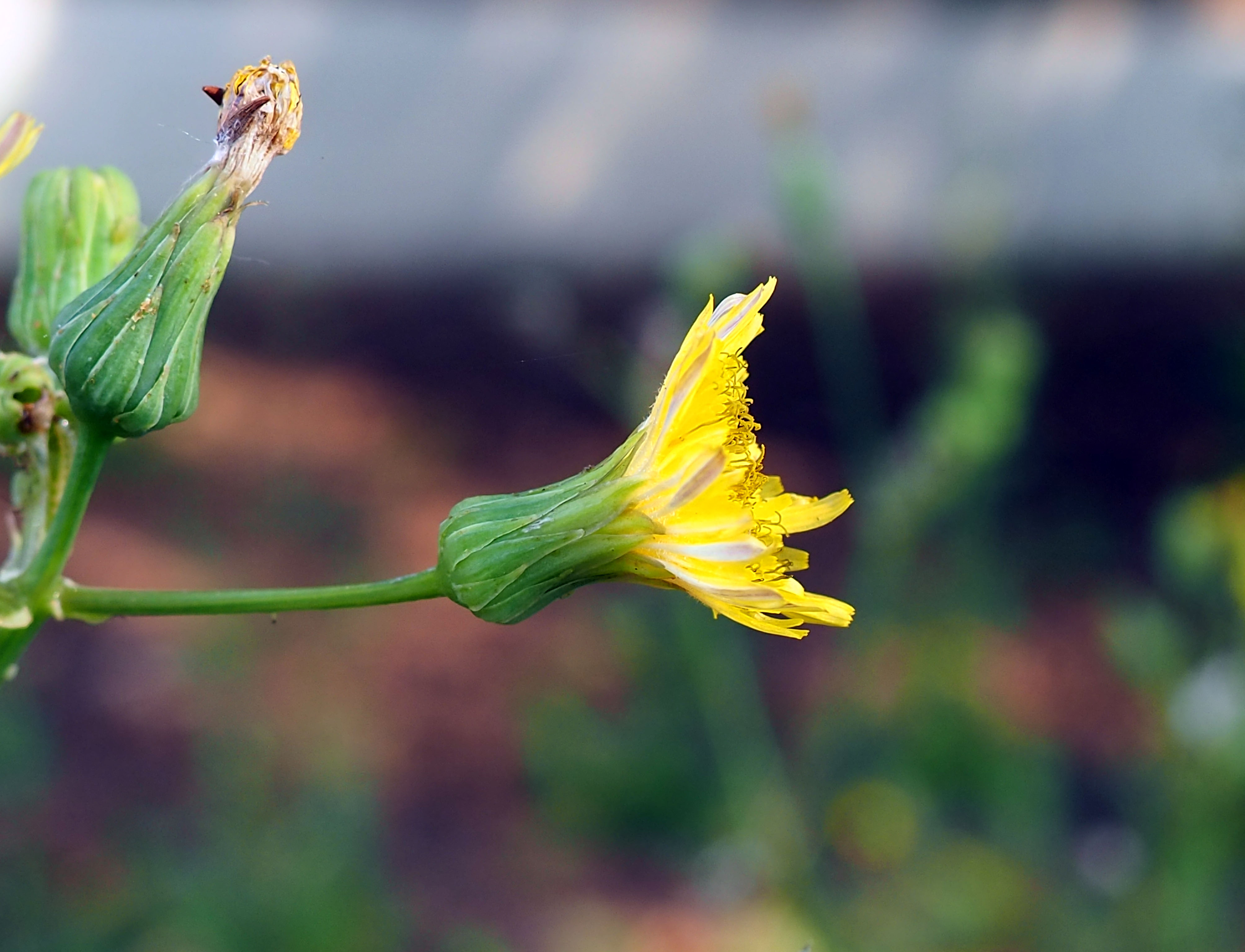
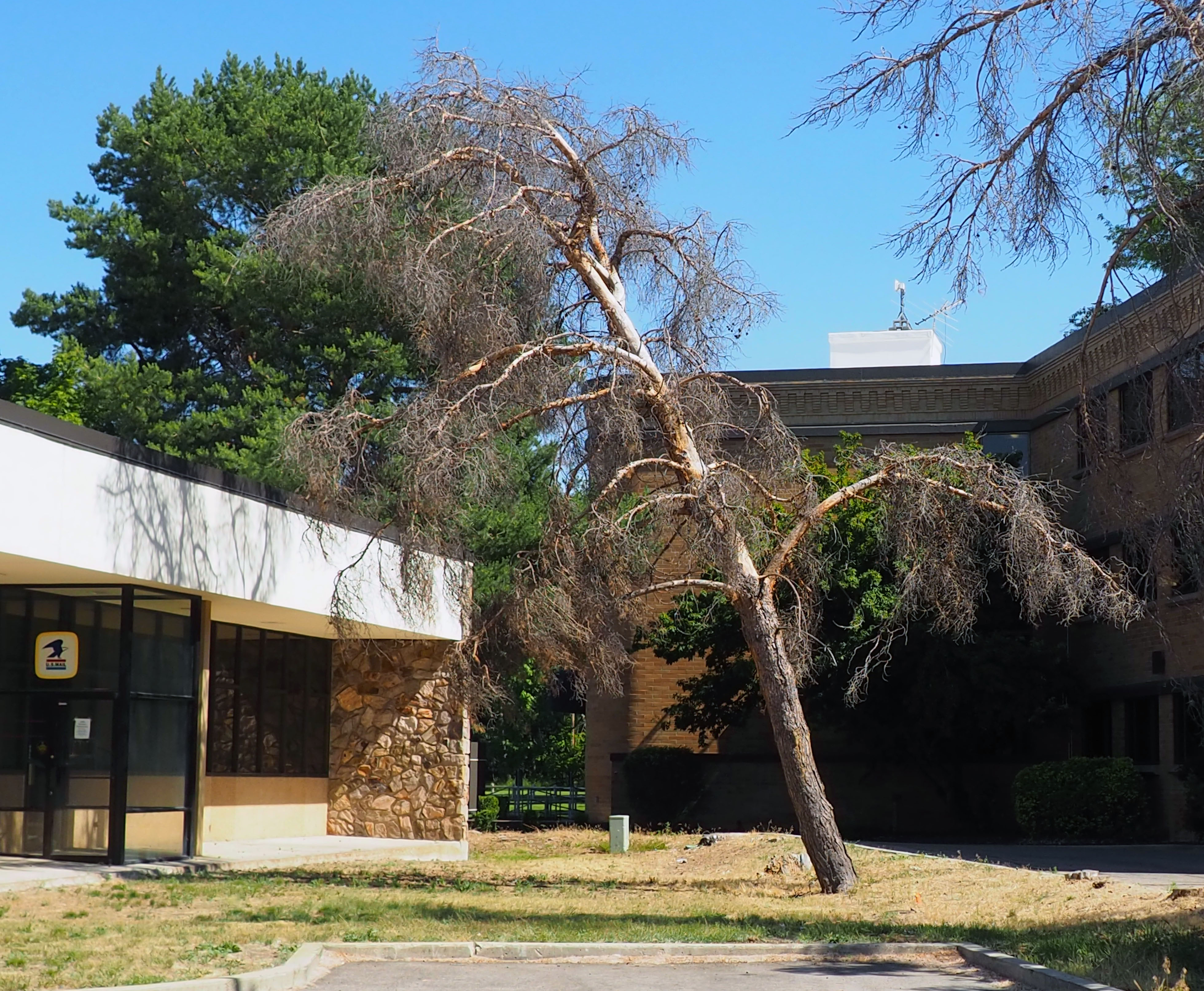
- Anthriscus caucalis (bur chervil)
- Bromus tectorum (cheatgrass)
- Capsella bursa-pastoris (shepherd’s purse)
- Ceratocephala testiculata (bur buttercup)
- Chondrilla juncea (rush skeletonweed)
- Claytonia perfoliata (miner’s lettuce)
- Convolvulus arvensis (field bindweed)
- Conyza canadensis (horseweed)
- Digitaria sanguinalis (crabgrass)
- Draba verna (spring draba)
- Elymus repens (quackgrass)
- Epilobium ciliatum (willowherb)
- Erodium cicutarium (redstem filare)
- Euphorbia maculata (spotted spurge)
- Holosteum umbellatum (jagged chickweed)
- Hordeum jubatum (foxtail barley)
- Lactuca serriola (prickly lettuce)
- Lamium amplexicaule (henbit)
- Malva neglecta (common mallow)
- Medicago lupulina (black medic)
- Parthenocissus quinquefolia (Virginia creeper)
- Poa annua (annual bluegrass)
- Polygonum aviculare (prostrate knotweed)
- Portulaca oleracea (purslane)
- Senecio vulgaris (common groundsel)
- Sonchus oleraceus (annual sow thistle)
- Taraxacum officinale (dandelion)
- Tragopogon dubius (salsify)
- Tribulus terrestris (puncturevine)
- Trifolium sp. (clover)
Where there are parking lot islands, there are bound to be weeds whether the islands are being maintained or not. What have you found growing in the parking lot islands in your city? Feel free to share in the comment section below.


 awkward botany