
In part one of this two part series, I introduced you to the Boise State University campus, located in the heart of Boise, Idaho. I’ve been spending the past year walking the campus and cataloging the weeds that I find there. Boise has a fairly mild climate compared to the rest of Idaho, so weeds are generally easy to find just about any time of year. What weeds are present depends on what time of year it is. To get a complete picture of the suite of weeds that can be found on a site, it’s important to make observations throughout the year. Weeds can also come and go, with certain species becoming more abundant in some years than others, so making observations over multiple years also helps. This is why I try to update posts that are part of the Weeds of Boise series as I make return visits and encounter additional weed species.

What follows is the second half of the list of weeds I’ve documented so far at Boise State University. I’m including a photograph for each month of the year (July – December), as well as a list of what I’ve encountered up to this point. I’m also including a list of weeds that I didn’t come across but that are documented on iNaturalist.
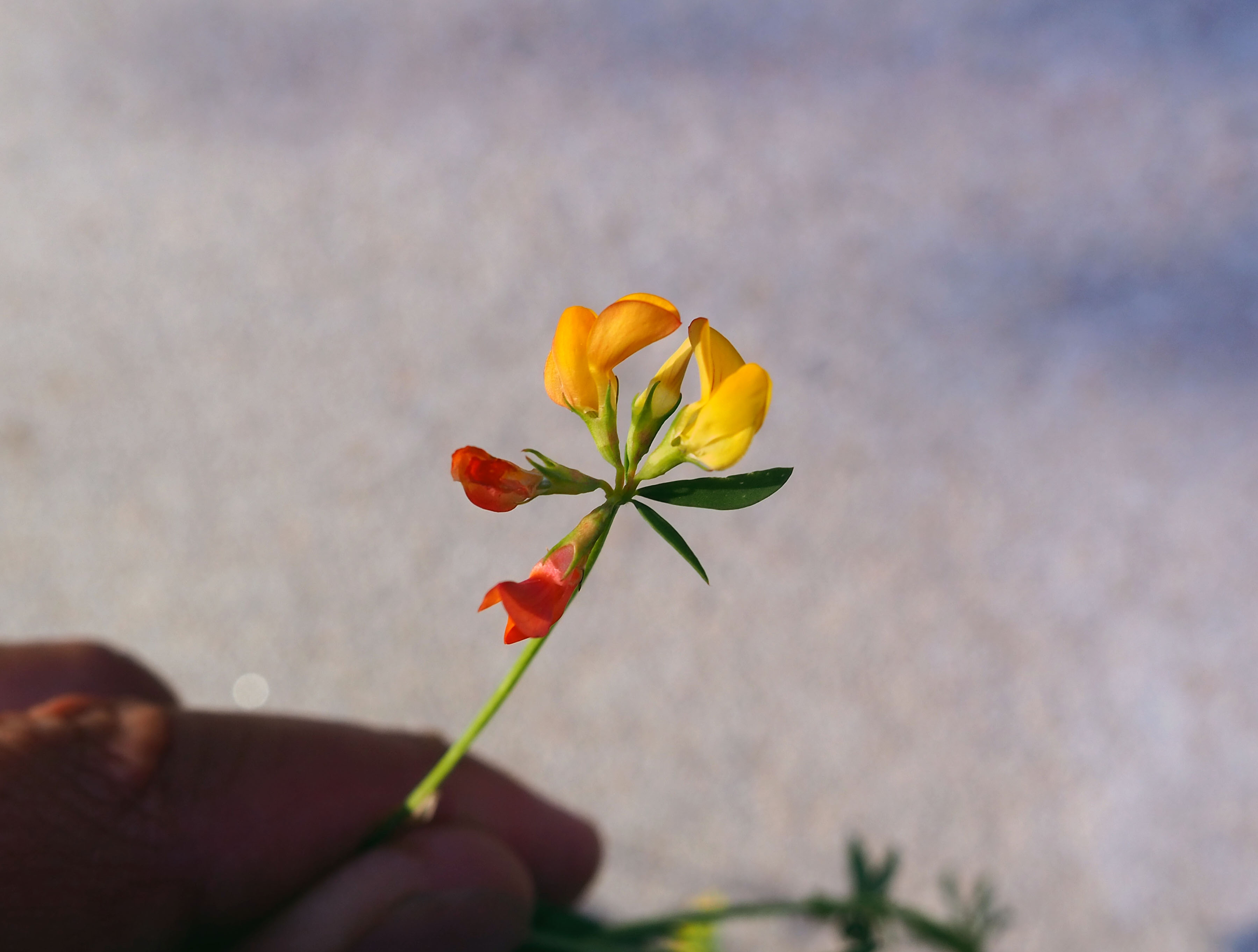

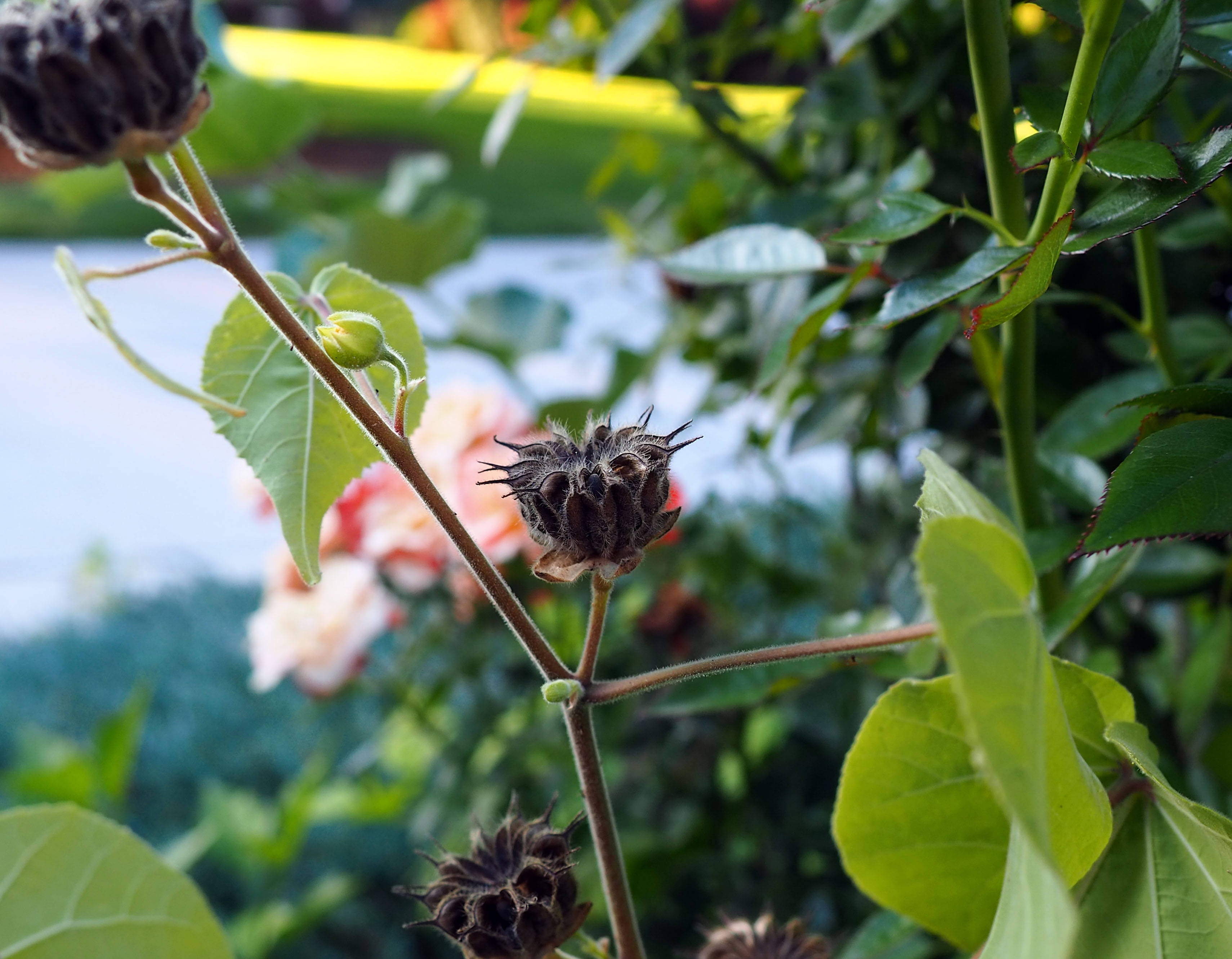


Additional weeds found on the BSU campus from July – December 2023:
- Abutilon theophrasti (velvetleaf)
- Cichorium intybus (chicory)
- Cirsium vulgare (bull thistle)
- Cyperus esculentus (yellow nutsedge)
- Eragrostis cilianensis (stinking lovegrass)
- Lotus corniculatus (birdsfoot trefoil)
- Medicago sativa (alfalfa)
- Melilotus alba (white sweetclover)
- Solanum nigrum (black nightshade)
- Sonchus asper (prickly sowthistle)
- Tribulus terrestris (puncturevine)
Additional weeds observed on the BSU campus by iNaturalist users as of December 2023:
- Aegilops cylindrica (jointed goatgrass)
- Bromus diandrus (ripgut brome)
- Cerastium nutans (nodding chickweed)
- Chorispora tenella (blue mustard)
- Elymus repens (quackgrass)
- Hypericum perforatum (St. John’s wort)
- Lepidium perfoliatum (clasping pepperweed)
- Matricaria discoidea (pineappleweed)
- Ornithogalum umbellatum (star-of-Bethlehem)
- Vicia tetrasperma (four-seeded vetch)
 awkward botany
Good Morning Daniel,
I enjoy your articles. Thank you for all your work in putting together very informative articles. I live near Colorado State University and of course it has beautiful lawns and flowers — and very few weeds — I often wonder what is the cost of such control over the landscape.
Your post this morning got me thinking about how and why a particular plant is considered a weed. I think it boils down to whether the plant is liked in a certain space by the people who live there, for reasons that might be rational or not. In the 20 years I have been on the same plot of land, I am still learning which plants (native or not) work best with the soil, weather, and other plants. Picture of my yard last spring — trying to manage after construction — I spread a few pounds of sunflower seeds. It was a riot! Lots of bees, birds, etc. Always a work in progress… The smaller, native plants enjoyed the extra shade for the most part. This next year, I am not going the sunflower route — but we will see how many come up. The birds seem to eat most of the seeds! [image: yard June 2023.jpg]
Map
Anyway, is there a consensus on what defines a weed? And would naturalized plant species that came over from other continents ever be considered native — thinking of Chicory.
Again, thank you for sharing your knowledge and wisdom of plants! Paula Brobst Laporte, CO
Thanks for reading and for your nice comments. It’s great to hear that you are enjoying the posts. And thank you for an update on your yard. I enjoy hearing about people’s gardening adventures, especially when they involve adding more natives and providing habitat for wildlife 🙂
The definition of a weed differs depending on who you ask. Generally it is a plant out of place, but that is only from a human’s perspective. I think naturalized plants have a place in the ecosystem, even if some would refuse to ever call them native. What I enjoy most about weeds is that there is no black and white/good or bad, it is all about the nuance.
Thanks again for you comment. Happy 2024!
Nice job!
What you guys call “Puncturevine” we call either cats heads or caltrops. The shape is the reason for these common names – (https://en.wikipedia.org/wiki/Caltrop) & acts heads should be obvious 🙂
Bloody things get caught in shoes, bike tyres and everywhere you don’t want them! First time I saw them, at a place about 250kms north of where I live. I thought them the worst weed I’d ever come across!! This was in an irrigation area and they were mainly in any site not irrigated.
Anyway, the buggers are endemic down my way now as well and I make sure that any I see before the seeds appear are kicked out or sprayed.
Caltrops is a great name for them. They are such a nuisance! Thanks for doing what you can to control them.
Pingback: 2023: Year in Review – awkward botany