Wildflower Walk: Spring 2013

This past weekend I ventured into the Boise National Forest. I was on the hunt for morels (or at least a good morel hunting spot). I chose a specific section of the Boise National Forest because a forest fire had occurred there the previous summer. Morel hunting is typically quite good in forests that have burned the previous year, and morel hunters, being well aware of this phenomenon, are found chomping at the bit, anxious to enter a recently burned site and collect their bounty.

Unfortunately, I was unable to  find any morels on this trip. I was a little too early, which I was assuming might be the case as I was heading out there, but I was just excited to go and check things out. Hopefully I will get a chance to go again within the next few weeks, and perhaps I’ll have better luck.

The trip was not a complete disappointment though. What started out as a mushroom hunt quickly turned into a wildflower walk as I was overwhelmed by the abundance and diversity of wildflowers that blanketed the mountainsides. Below is a small sampling of the plants that I saw on my trip into the woods.
SAMSUNG

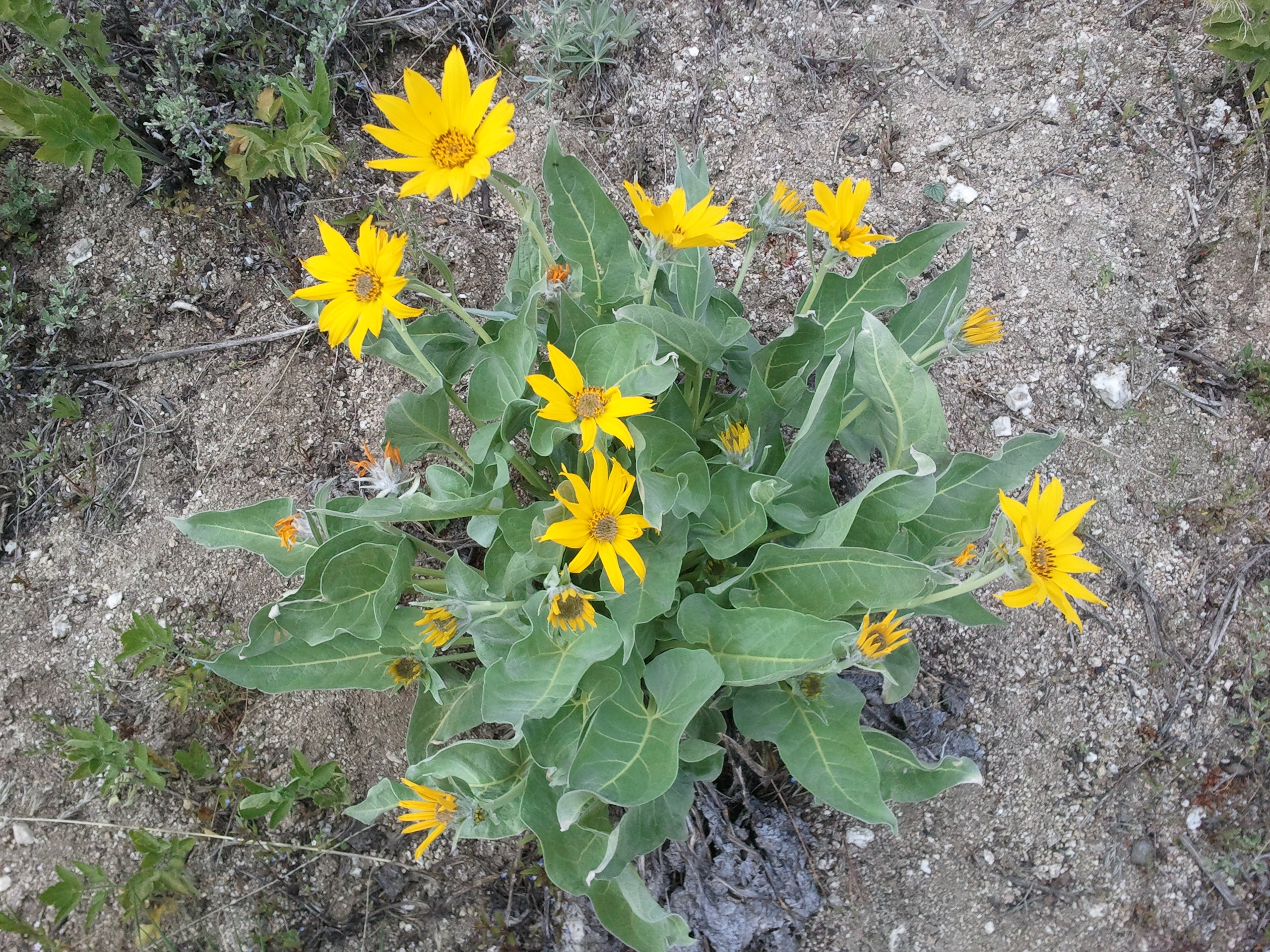
Balsamorhiza sagittata – arrowleaf balsamroot
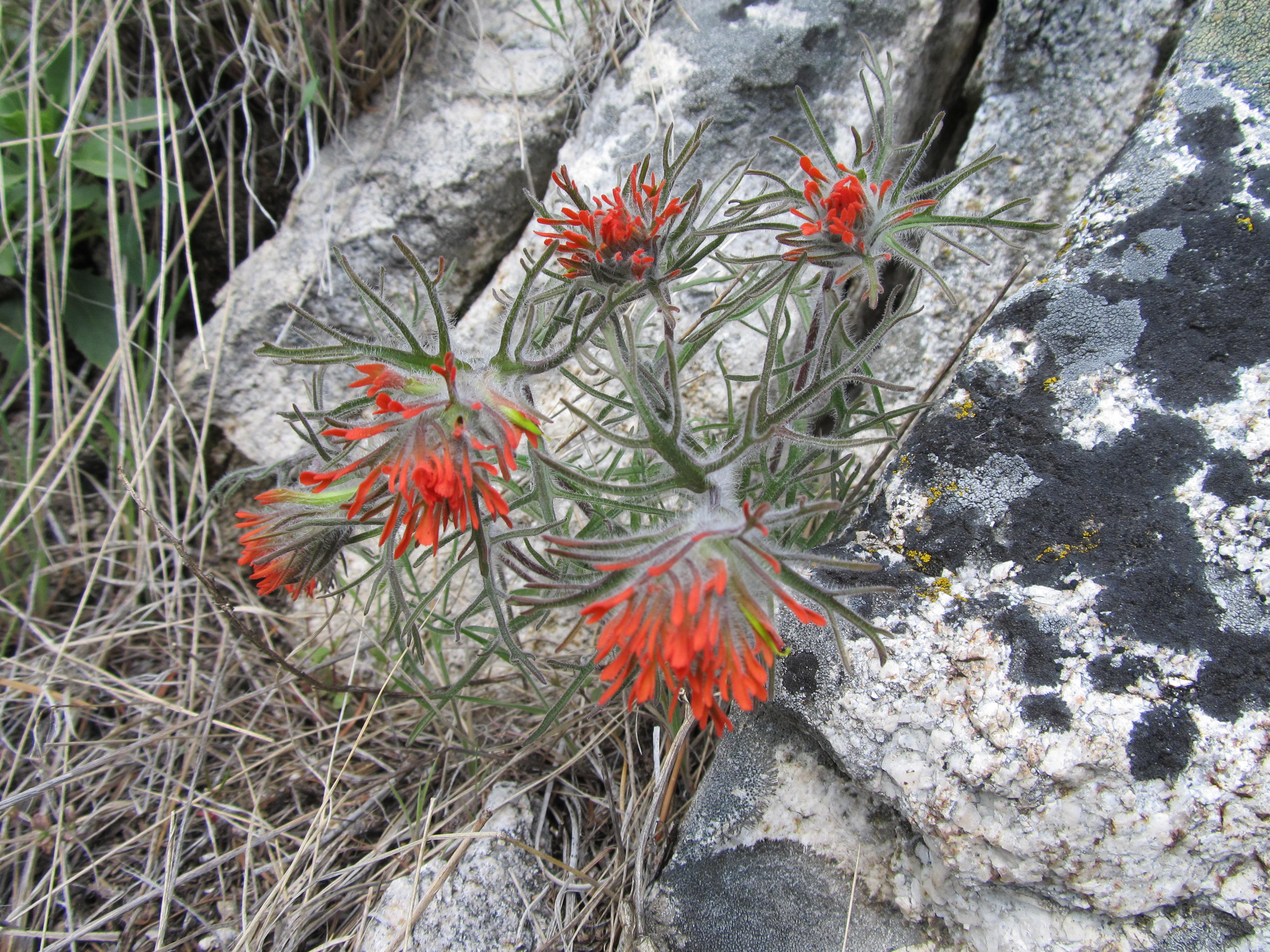
castilleja covilleana

Castilleja covilleana – rocky mountain paintbrush
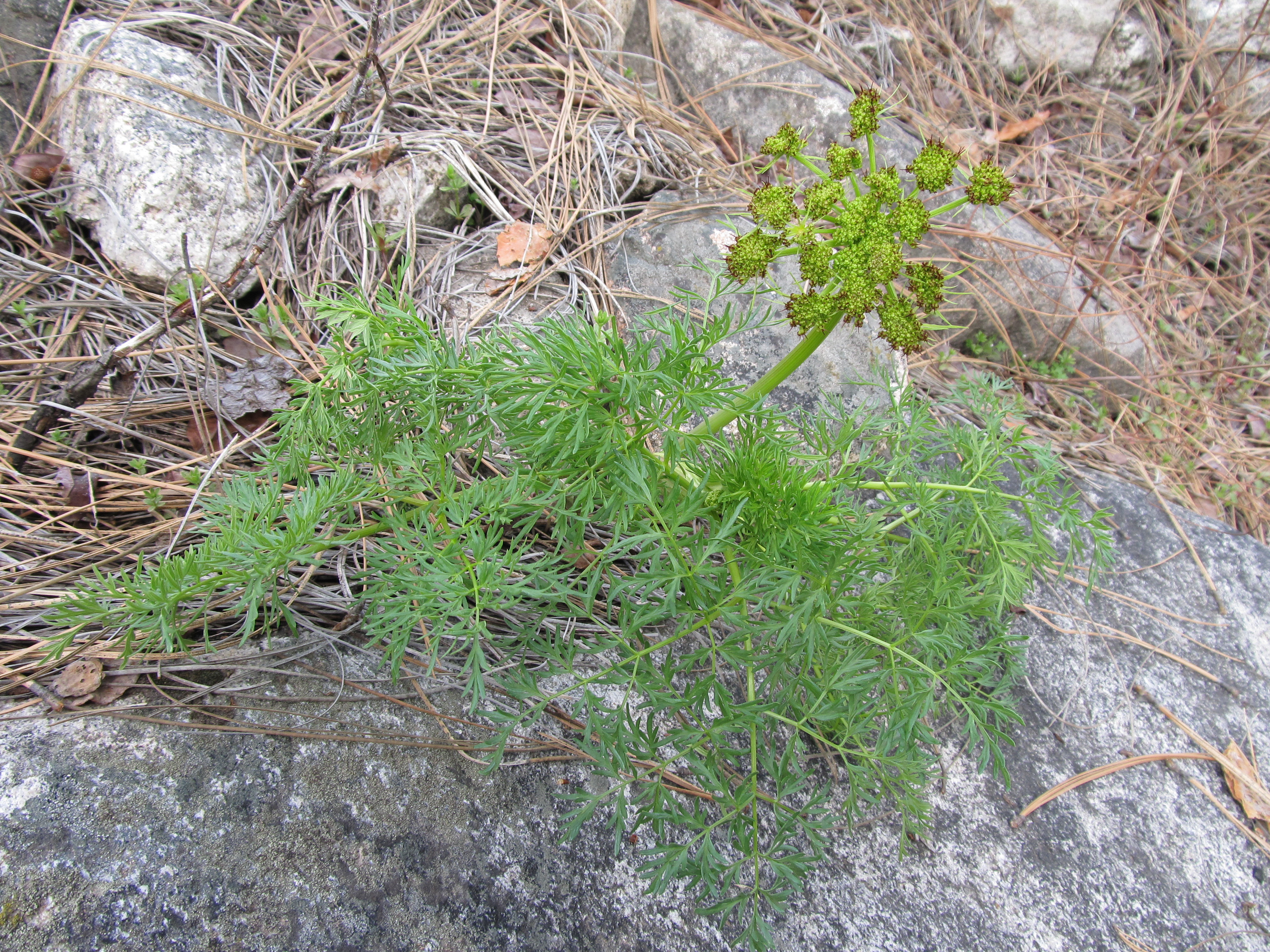
lomatium dissectum

Lomatium dissectum – fernleaf biscuitroot
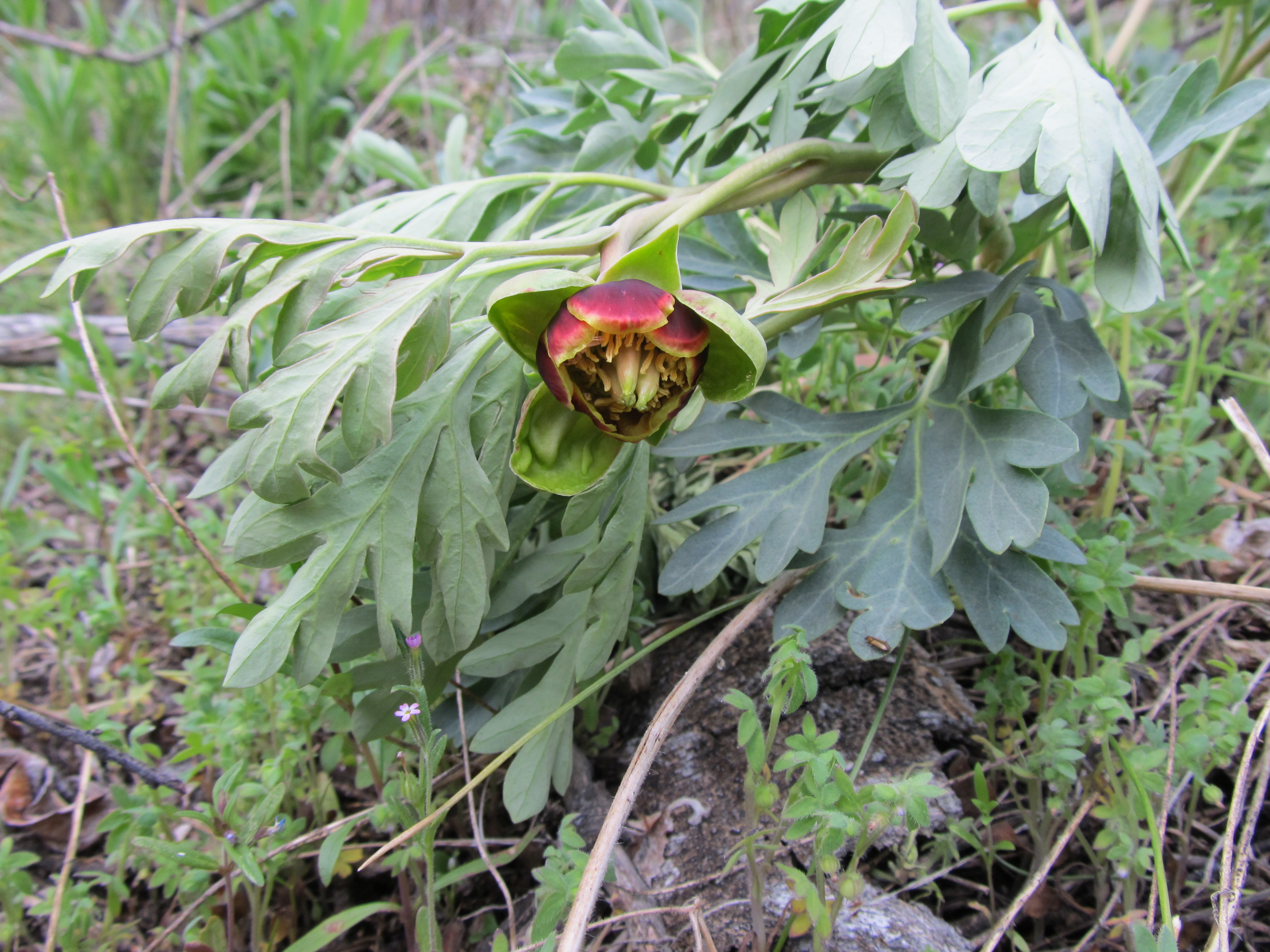
paeonia brownii

Paeonia brownii – brown’s peony

viola purpurea 1

Viola purpurea – yellow mountain violet
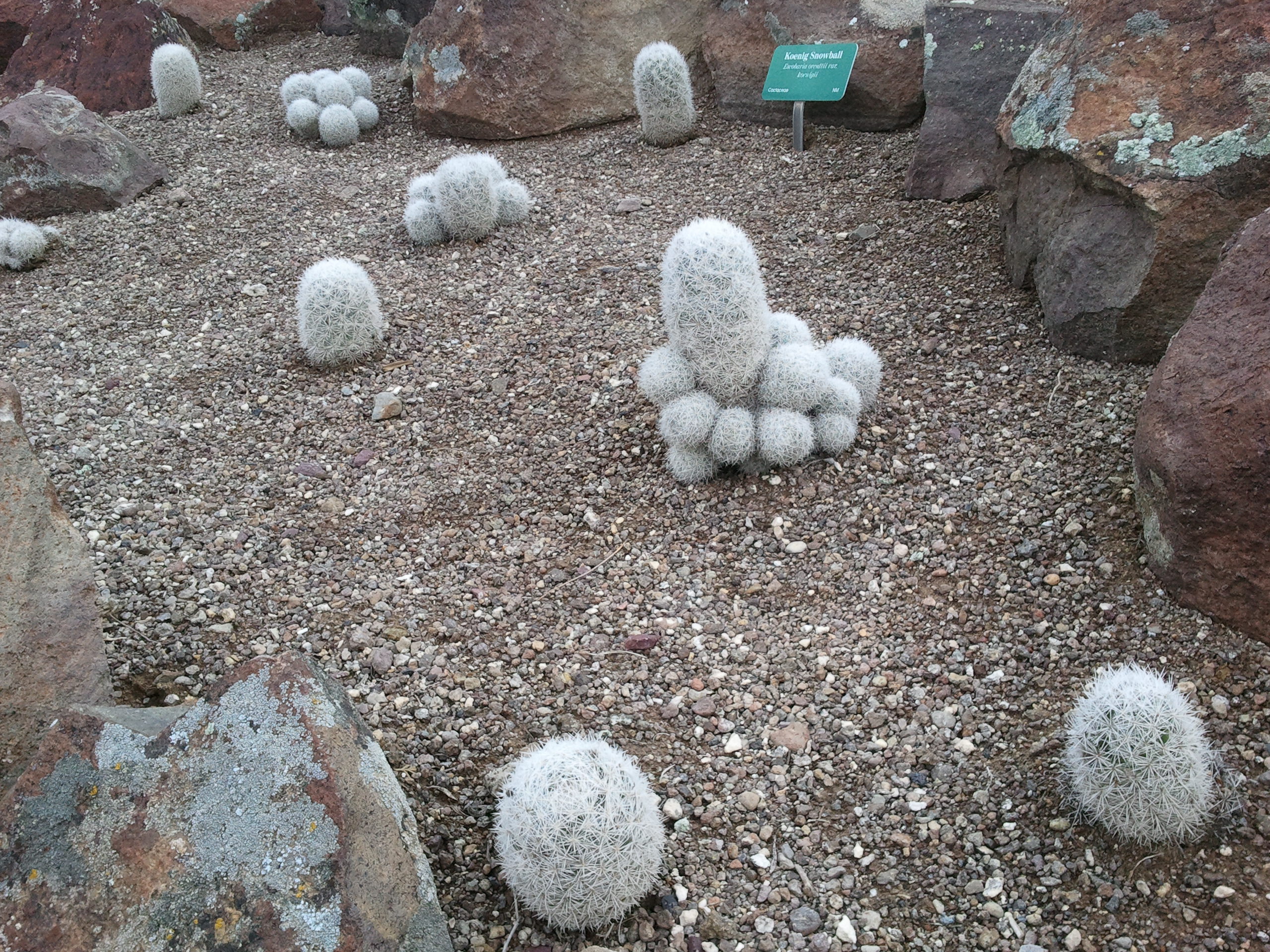
Plantasia Cactus Gardens

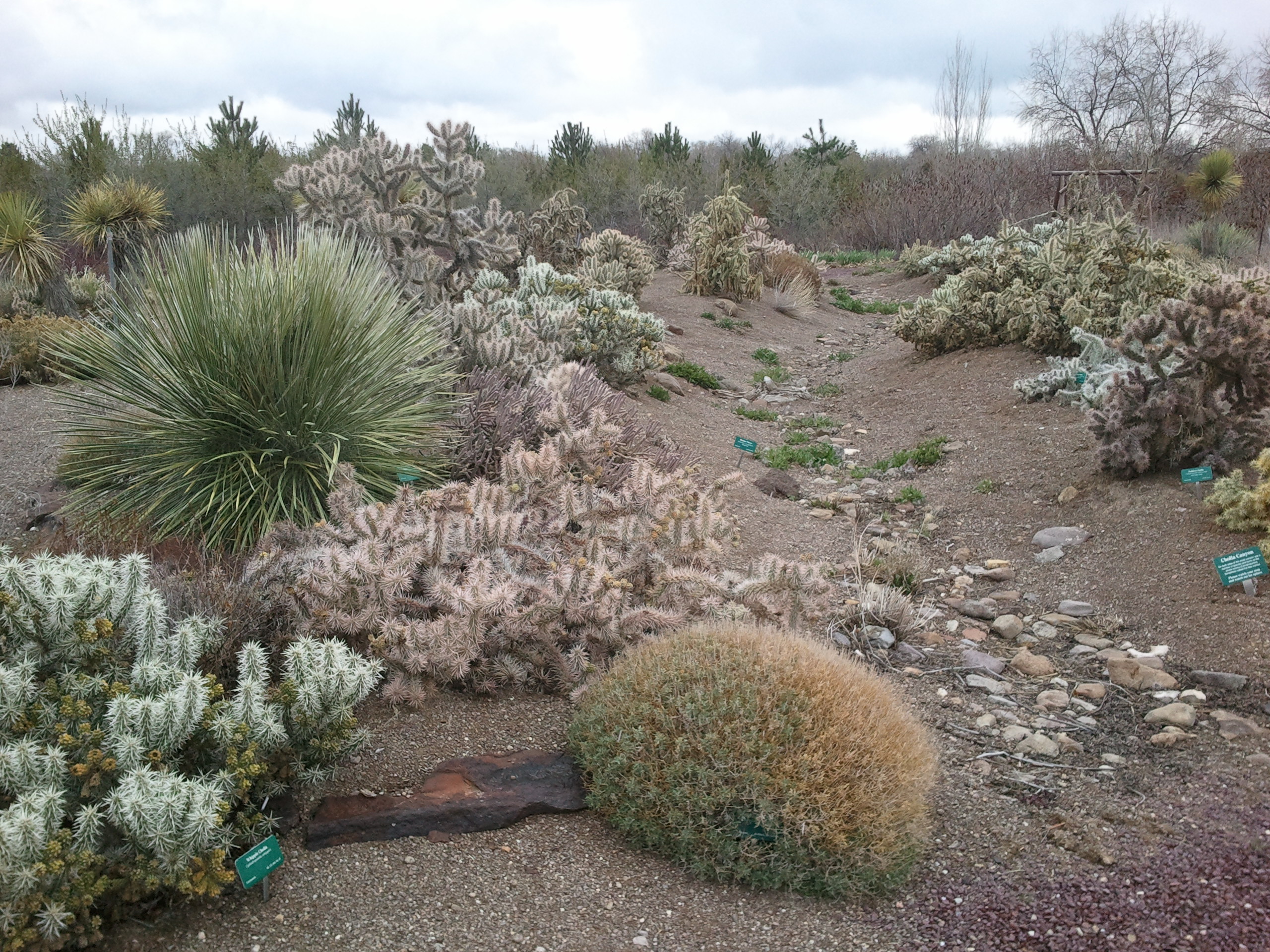
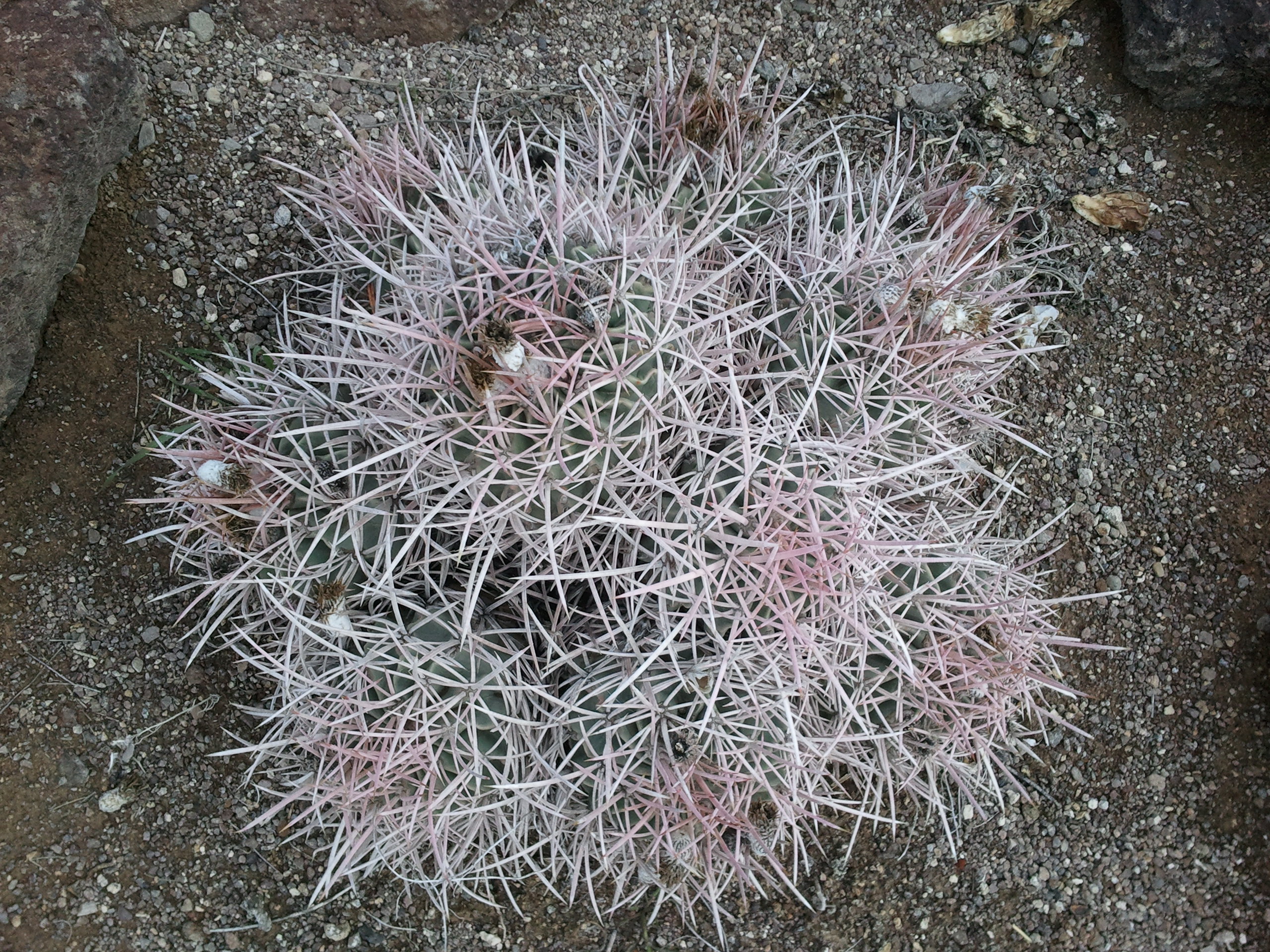
If you ever find yourself in southern Idaho, there is a secret garden that I highly recommend checking out. I say “secret” because it is a private garden, but if you make an appointment ahead of time, the owners will gladly let you see it. It’s called Plantasia Cactus Gardens, and it is 5 acres filled with a very impressive collection of cacti and other desert plants. Most of the plants are native to the western United States, but there are a few plants from other parts of the world as well. The gardens are beautifully designed and very well-kept. The owners are very friendly and incredibly knowledgable and could probably spend hours with you talking about each plant in their collection. Along with maintaining the garden, the owners also propagate cacti and other drought tolerant plants and sell them during an annual plant sale and through mail order. Check out their website (which is updated regularly) for more information.

SAMSUNG

SAMSUNG

SAMSUNG

Mountain Kittentails

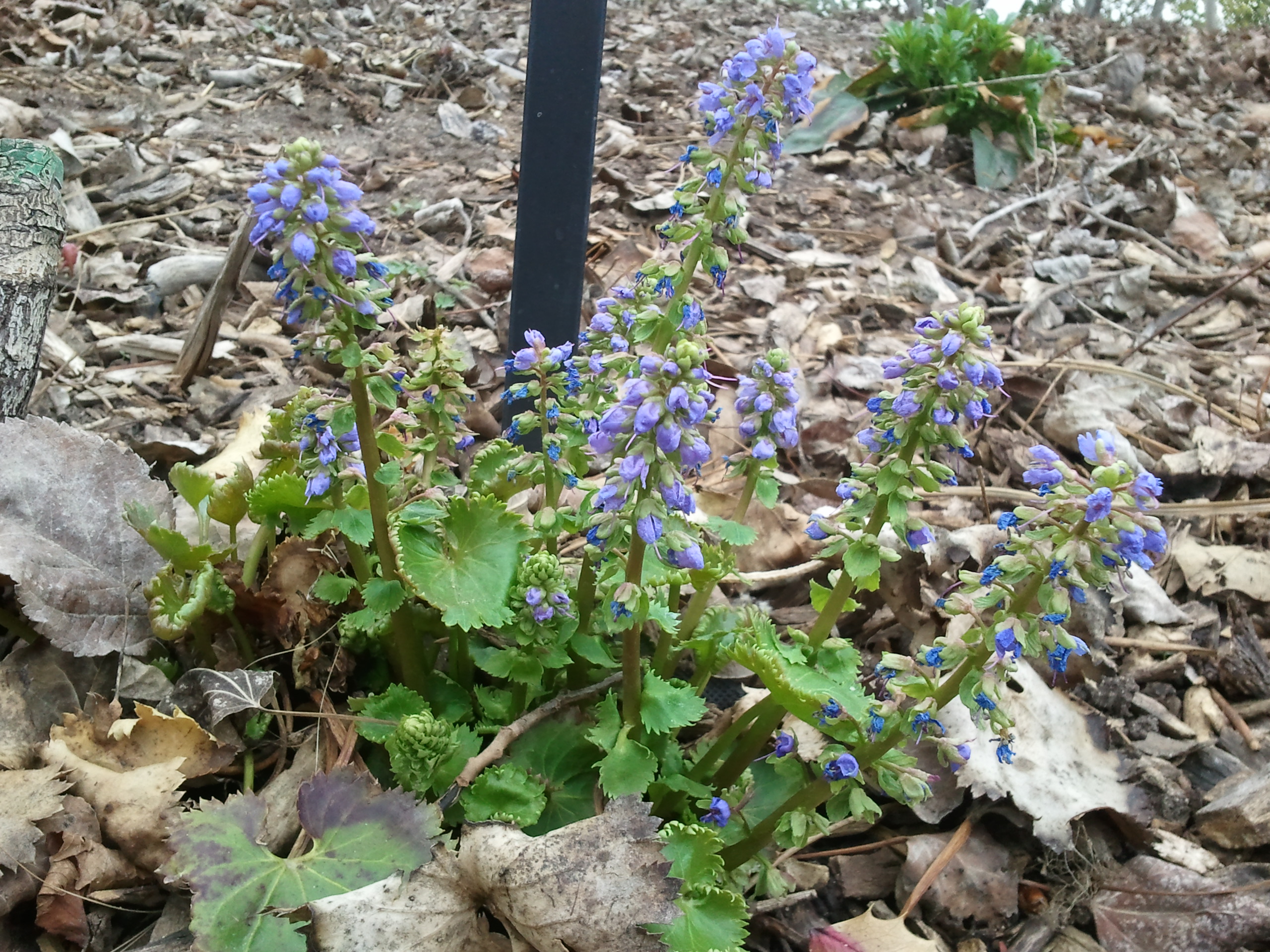
Spring has sprung, which is evidenced by warming temperatures, lengthening daylight, and plants turning green and producing flowers. For those of us living at low elevations, signs of spring have been around for a while. Our landscapes are green again and gardens are coming to life. However, up in the mountains (and at higher latitudes), spring takes a bit longer to manifest itself. Snow is still the dominant groundcover, and freezing temperatures remain the norm. Yet even in these harsh conditions there are signs of spring. The flowers of the perennial forb, mountain kittentails (Synthyris missurica), are one of those signs.

Mountain kittentails are one of the earliest plants to flower in the mountains, often flowering while there is still snow on the ground. For this reason, their flowers are not commonly seen in the wild. Their range extends from Washington and Oregon down into northern California and across into Idaho and Montana. They occur in rocky, shady areas at mid to high elevations. Mountain kittentails are low growing with rounded, toothed leaves. Their flowers appear in tight clusters on upright stalks and are blue to purple in color. They are a member of the figwort family (Scrophulariaceae), sharing that distinction with a popular group of flowering plants that is common in the west, the penstemons. Mountain kittentails were first collected during the Lewis and Clark expedition in 1806. The expedition discovered this plant as they passed through the mountains of northern Idaho.

Mountain kittentails are not a commonly cultivated plant, but the Idaho Botanical Garden in Boise, Idaho happens to have a few growing in one of their native plant collections, giving more people an opportunity to see them in bloom. Because the garden is located in a valley, their mountain kittentails flower a few weeks earlier than their native counterparts, which means you’ve probably already missed them – but there’s always next year!

SAMSUNG

Living Roof in Vancouver, B.C.

Consider this the first of many posts about plants in urban areas and the benefits that plants can bring to these locations. As an example, a group of people in Vancouver, B.C. developed an amazing green (or living) roof that incorporates plants native to the coastal grasslands found in that region. Watch this video to see how this project is helping to turn a landscape dominated by concrete and asphalt into a thriving and diverse ecosystem.