Why has this blog been so quiet lately? There are plenty of excuses for that. It doesn’t really matter either way, but since we’re on the subject, one thing that has kept me occupied recently is being back in school. I’m working on a certificate in GIS, and I’m hoping to make some cool maps. More on that later perhaps.
For now, I thought I’d share one of my final projects. I figured it was a good excuse to use something I’ve already been working on – namely, Weeds of Boise – and apply it to one of my GIS classes. If you’ve been following Weeds of Boise, not much here will be new. Except the interactive maps!
Using observations from iNaturalist, I created three different maps of weeds found around Boise. I published them, using ArcGIS StoryMaps, alongside more of my usual pontificating about weeds and urban areas, etc. The maps aren’t perfect, but they opened up some interesting possibilities for what Weeds of Boise might become. Something to explore further in the future.
In part one of this two part series, I introduced you to the Boise State University campus, located in the heart of Boise, Idaho. I’ve been spending the past year walking the campus and cataloging the weeds that I find there. Boise has a fairly mild climate compared to the rest of Idaho, so weeds are generally easy to find just about any time of year. What weeds are present depends on what time of year it is. To get a complete picture of the suite of weeds that can be found on a site, it’s important to make observations throughout the year. Weeds can also come and go, with certain species becoming more abundant in some years than others, so making observations over multiple years also helps. This is why I try to update posts that are part of the Weeds of Boise series as I make return visits and encounter additional weed species.
What follows is the second half of the list of weeds I’ve documented so far at Boise State University. I’m including a photograph for each month of the year (July – December), as well as a list of what I’ve encountered up to this point. I’m also including a list of weeds that I didn’t come across but that are documented on iNaturalist.
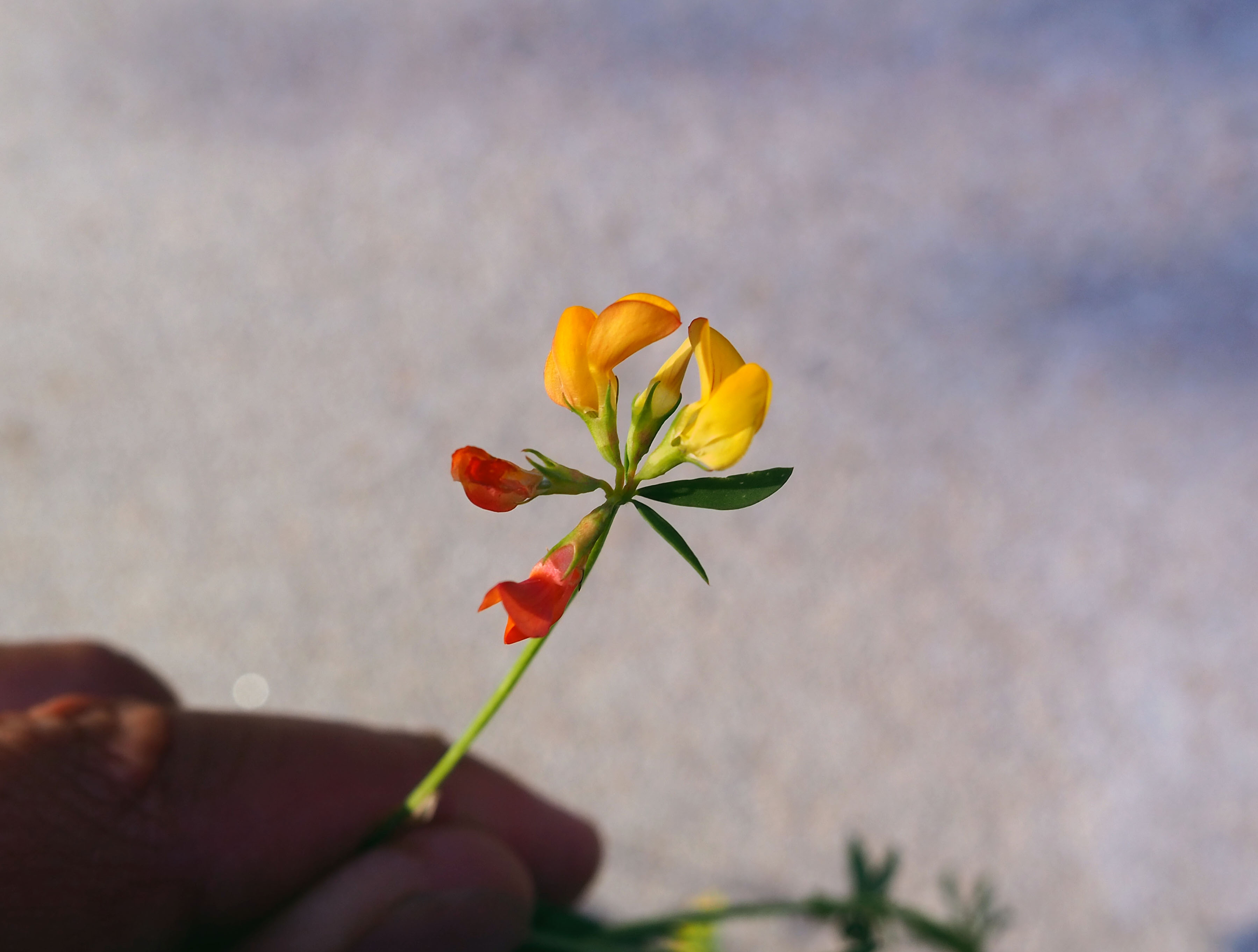
birdsfoot trefoil (Lotus corniculatus) at BSU in July 2023
yellow nutsedge (Cyperus esculentus) at BSU in August 2023
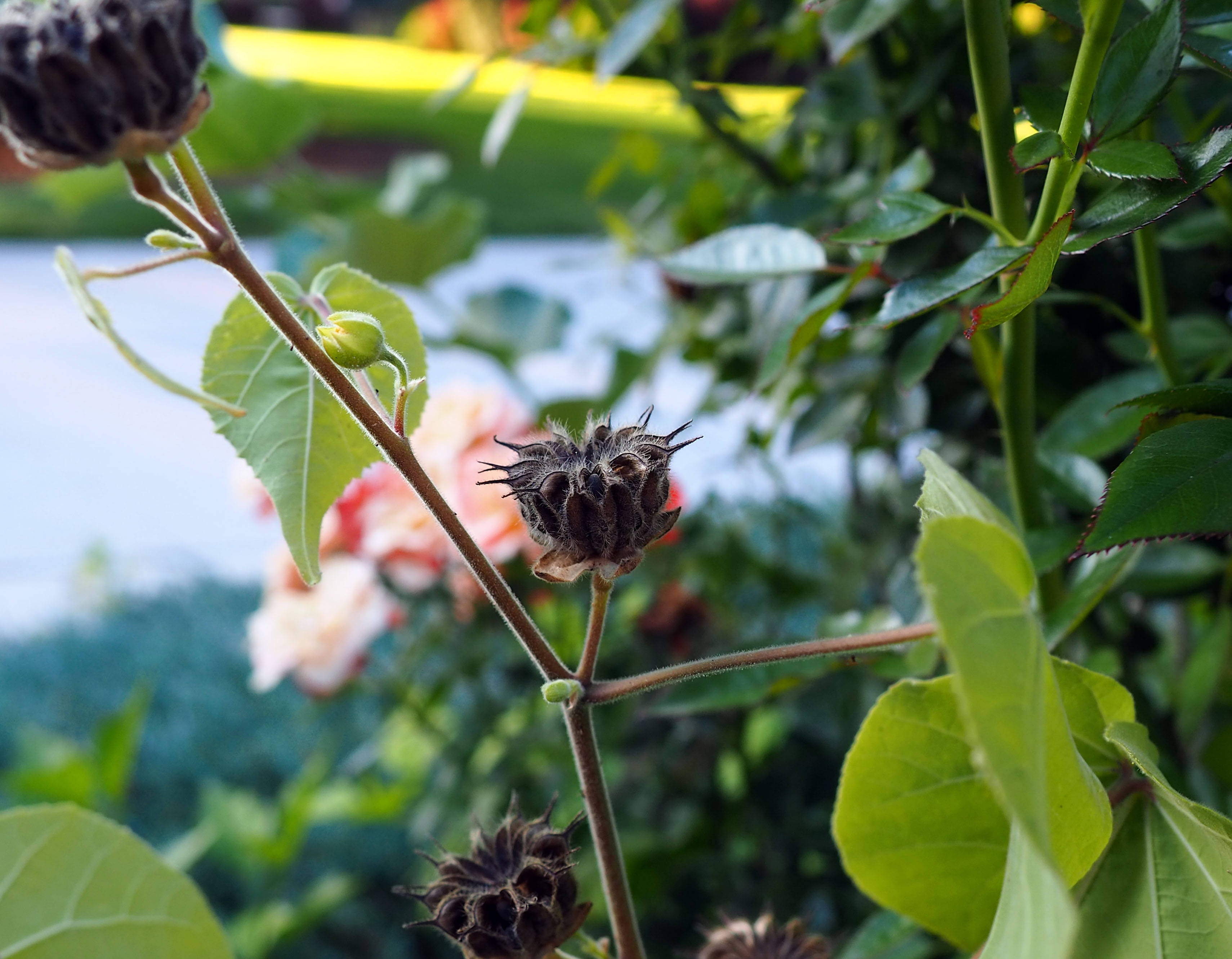
velvetleaf (Abutilon theophrasti) at BSU in September 2023
chicory (Cichorium intybus) at BSU on October 2023
puncturevine (Tribulus terrestris) at BSU in November 2023
bull thistle (Cirsium vulgare) at BSU in December 2023
Additional weeds found on the BSU campus from July – December 2023:
Abutilon theophrasti (velvetleaf)
Cichorium intybus (chicory)
Cirsium vulgare (bull thistle)
Cyperus esculentus (yellow nutsedge)
Eragrostis cilianensis (stinking lovegrass)
Lotus corniculatus (birdsfoot trefoil)
Medicago sativa (alfalfa)
Melilotus alba (white sweetclover)
Solanum nigrum (black nightshade)
Sonchus asper (prickly sowthistle)
Tribulus terrestris (puncturevine)
Additional weeds observed on the BSU campus by iNaturalist users as of December 2023:
So far, the lists of weeds at each of the Weeds of Boise sites look pretty similar, with several weed species showing up at nearly every site and other species only occasionally making an appearance. This isn’t a surprise really. The flora of any region typically has several species that are dominant, along with species that occur less frequently. Wild urban flora – or in other words, the naturalized weeds in urban areas – may follow a similar pattern. My unscientific and infrequent surveys, all of which have been pretty close to where I live, aren’t yet representative of the Boise area as a whole. However, something like iNaturalist might help with that. For this reason, I took a look at iNaturalist observations to get a better idea as to which species dominate the wild urban flora of Boise, Idaho.
iNaturalist is a website and app that allows users to identify, map, and share observations of living things with the rest of the world. It has been in use for over a decade and is easily one of the most popular community science, biodiversity mapping, and identification apps around. Even though it is not the primary mission of iNaturalist, the information gathered from user observations is frequently used in scientific research and conservation efforts. With over 80 million observations worldwide, iNaturalist offers a pretty decent picture of the plants, animals, fungi, and other living things found in just about any given location. You don’t even need to a registered user to browse the observations and find out what has been spotted near you or across the globe.
In order to come up with a list of weeds that have been observed in Boise by iNaturalist users, I entered “Boise City Metropolitan Area, ID, USA” into the Location field. It is possible to narrow your search to individual neighborhoods or even broaden your search to include a larger area. Clicking on the map allows you to see the area represented in your search. For my purposes, I figured that the number of observations would change if the area covered was either smaller or larger, but the list of weed species would largely remain the same. After you select your search area, you can filter out the results. Clicking on the plant icon limits the search to plants. At first I selected only introduced plants, but that seemed to eliminate a few of the plants that I would consider weeds, so instead I scanned through the entire list of plants and made a list of each of the weed species and how many times each had been observed.
There are of course limitations to using iNaturalist to create species lists, the main one being that you are relying on decisions made by iNaturalist users when it comes to what gets reported. In my case, in which I’m looking for a list of weed species found in Boise, I know there are plenty of weeds that iNaturalist users either aren’t noticing or aren’t bothering to report. The reported observations are also not likely to match the frequency at which they occur in the environment. Still, it’s interesting to see what gets reported and how often. It’s also interesting to see reports of things that I haven’t seen before. By clicking on individual observations, you can see where those observations were made, which means I know where I can go to find species I haven’t yet encountered.
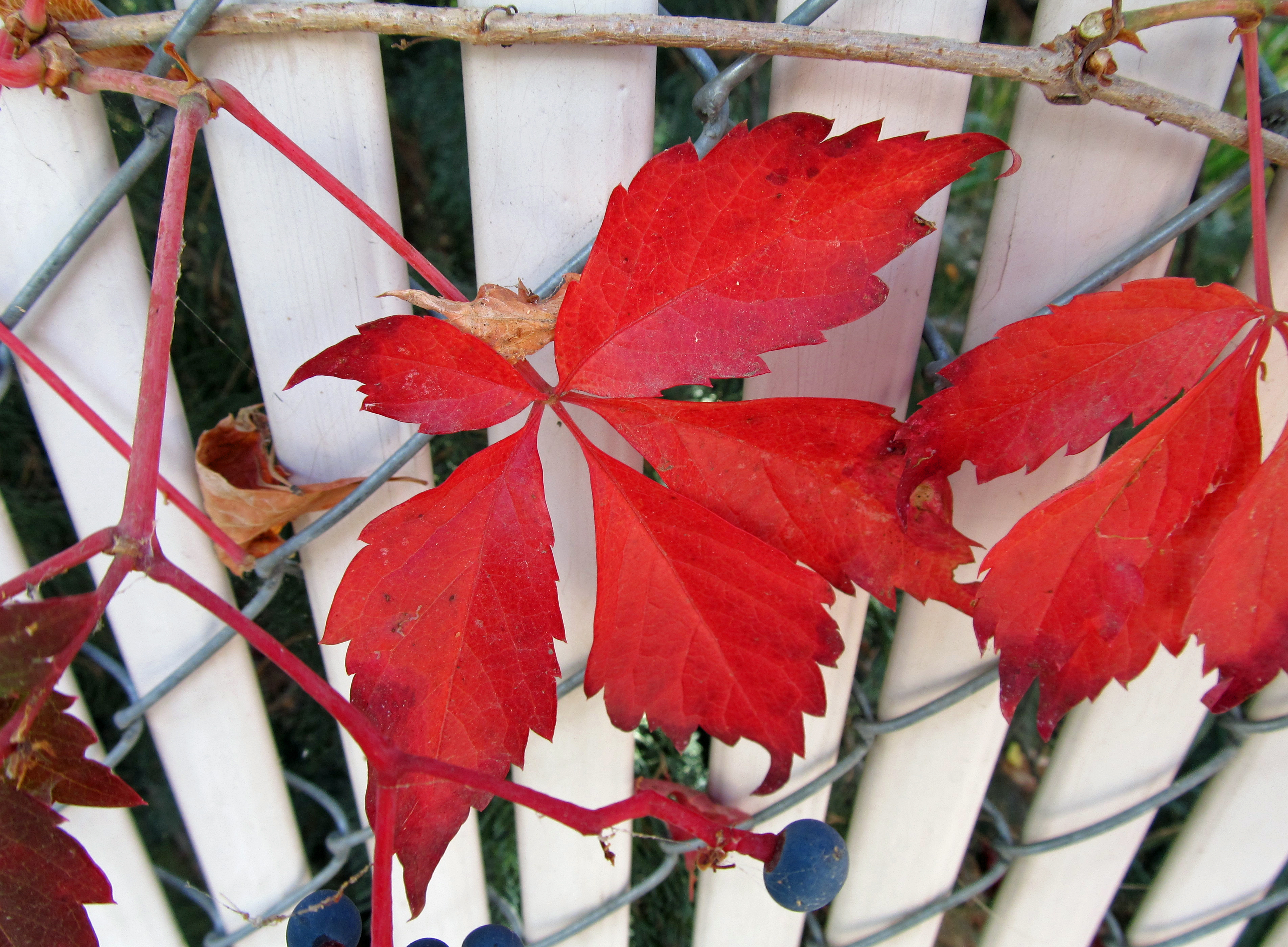
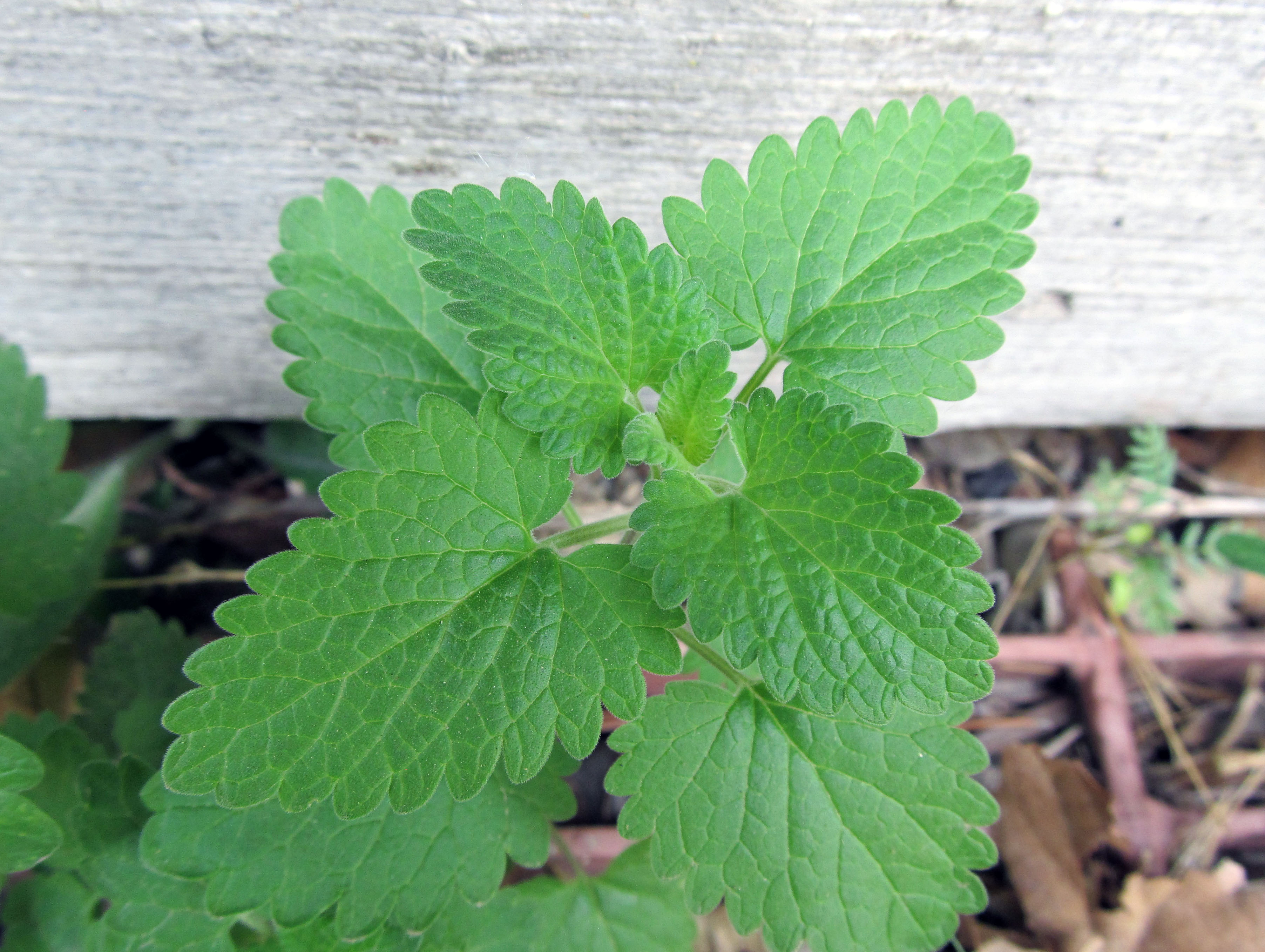
What follows is a list of the top 25 weeds in the Boise area based on the number of iNaturalist observations, along with photos of some of the most reported weeds. A few of the species on the list, like cornflower, straddle the line between weed and desirable plant. I included them anyway because they are known to be naturalized outside of garden borders, even though some of the reported observations may have been intentionally planted within garden borders.





 awkward botany