Weeds of Boise: Boise State University Campus, part two

In part one of this two part series, I introduced you to the Boise State University campus, located in the heart of Boise, Idaho. I’ve been spending the past year walking the campus and cataloging the weeds that I find there. Boise has a fairly mild climate compared to the rest of Idaho, so weeds are generally easy to find just about any time of year. What weeds are present depends on what time of year it is. To get a complete picture of the suite of weeds that can be found on a site, it’s important to make observations throughout the year. Weeds can also come and go, with certain species becoming more abundant in some years than others, so making observations over multiple years also helps. This is why I try to update posts that are part of the Weeds of Boise series as I make return visits and encounter additional weed species.

What follows is the second half of the list of weeds I’ve documented so far at Boise State University. I’m including a photograph for each month of the year (July – December), as well as a list of what I’ve encountered up to this point. I’m also including a list of weeds that I didn’t come across but that are documented on iNaturalist.
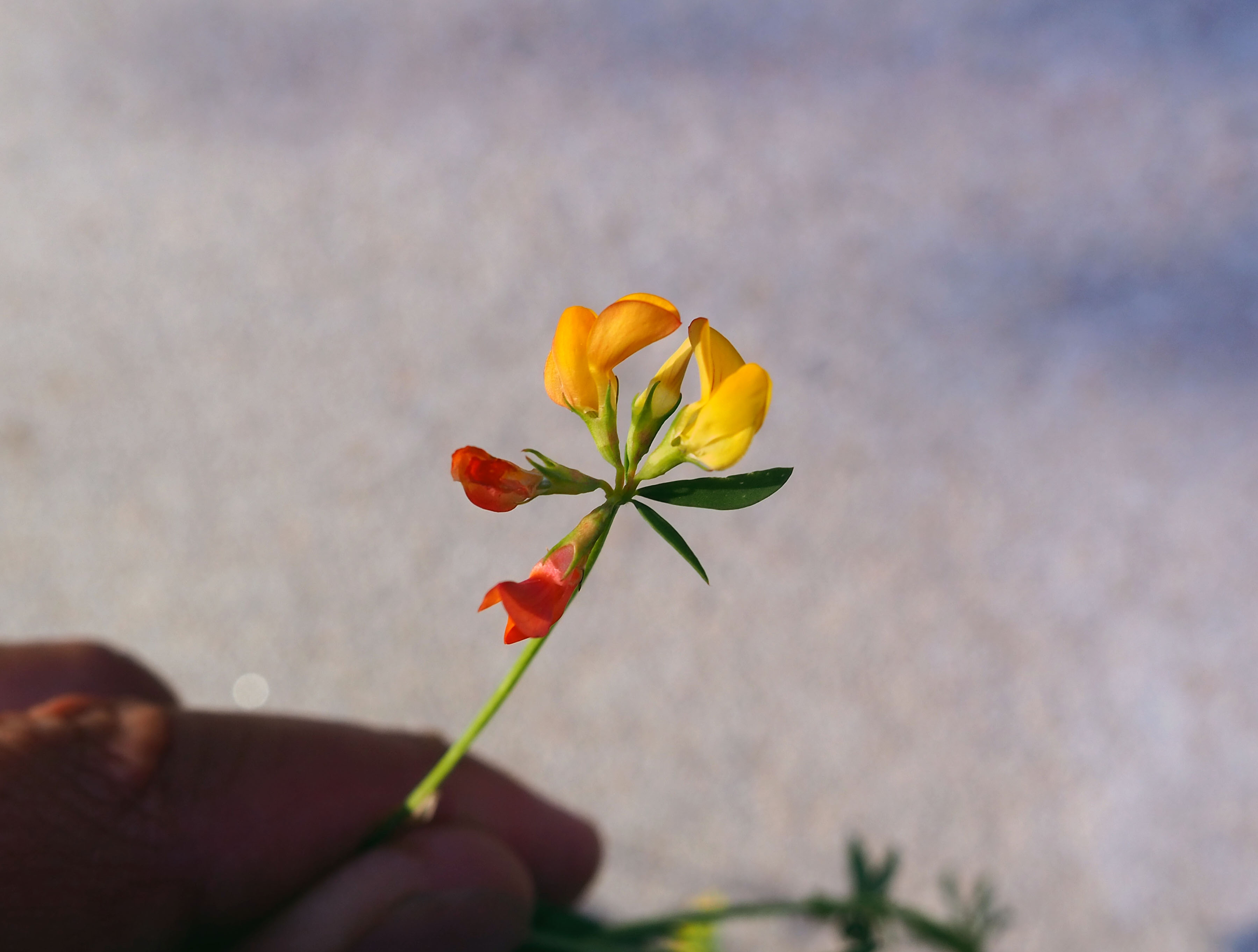
birdsfoot trefoil (Lotus corniculatus) at BSU in July 2023
yellow nutsedge (Cyperus esculentus) at BSU in August 2023
velvetleaf (Abutilon theophrasti) at BSU in September 2023
chicory (Cichorium intybus) at BSU on October 2023
puncturevine (Tribulus terrestris) at BSU in November 2023
bull thistle (Cirsium vulgare) at BSU in December 2023

Additional weeds found on the BSU campus from July – December 2023:

  • Abutilon theophrasti (velvetleaf)
  • Cichorium intybus (chicory)
  • Cirsium vulgare (bull thistle)
  • Cyperus esculentus (yellow nutsedge)
  • Eragrostis cilianensis (stinking lovegrass)
  • Lotus corniculatus (birdsfoot trefoil)
  • Medicago sativa (alfalfa)
  • Melilotus alba (white sweetclover)
  • Solanum nigrum (black nightshade)
  • Sonchus asper (prickly sowthistle)
  • Tribulus terrestris (puncturevine)

Additional weeds observed on the BSU campus by iNaturalist users as of December 2023:

  • Aegilops cylindrica (jointed goatgrass)
  • Bromus diandrus (ripgut brome)
  • Cerastium nutans (nodding chickweed)
  • Chorispora tenella (blue mustard)
  • Elymus repens (quackgrass)
  • Hypericum perforatum (St. John’s wort)
  • Lepidium perfoliatum (clasping pepperweed)
  • Matricaria discoidea (pineappleweed)
  • Ornithogalum umbellatum (star-of-Bethlehem)
  • Vicia tetrasperma (four-seeded vetch)

Party Time for Puncture Vine During COVID Times

In spite of a global pandemic, the third annual Boise Goathead Fest took place last Saturday in Boise, Idaho. In order to make it happen, organizers had to think creatively, completely reenvisioning the event in order to keep the community safe and healthy. This, of course, meant no giant bike parade and no large gathering in the park. Instead, members of individual households embarked on their own socially-distanced bike rides, meeting up in small groups for a wide variety of mini-events across town. An online radio show made possible by Radio Boise provided the day’s soundtrack and kept us all up to date with regular live announcements.

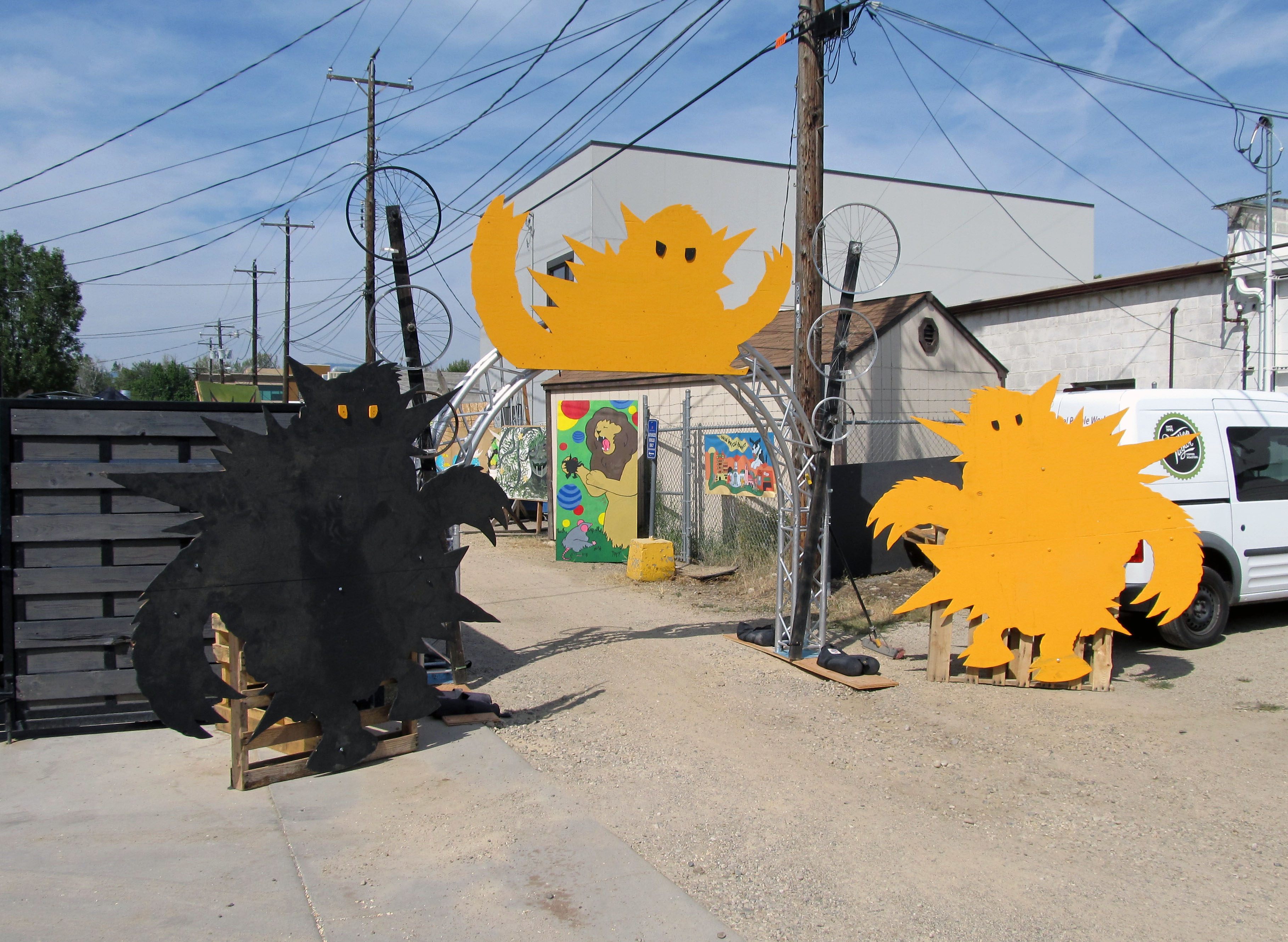
On Saturday morning, Sierra and I decorated our bikes and ourselves and headed out on our two-person bike parade. Our first stop was the Goathead Monster’s Lair located in the alley behind Boise Bicycle Project. There we picked up food, beverages, and a map. The list of places to go and things to see was extensive. At our relaxed pace, there was no way we were going to see it all, which wasn’t really our goal anyway. Times are strange, and we were just happy to be out in the world taking part in another Goathead Fest.

Entrance to the Goathead Monster’s Lair

2020 COVID Edition Boise Goathead Fest Map

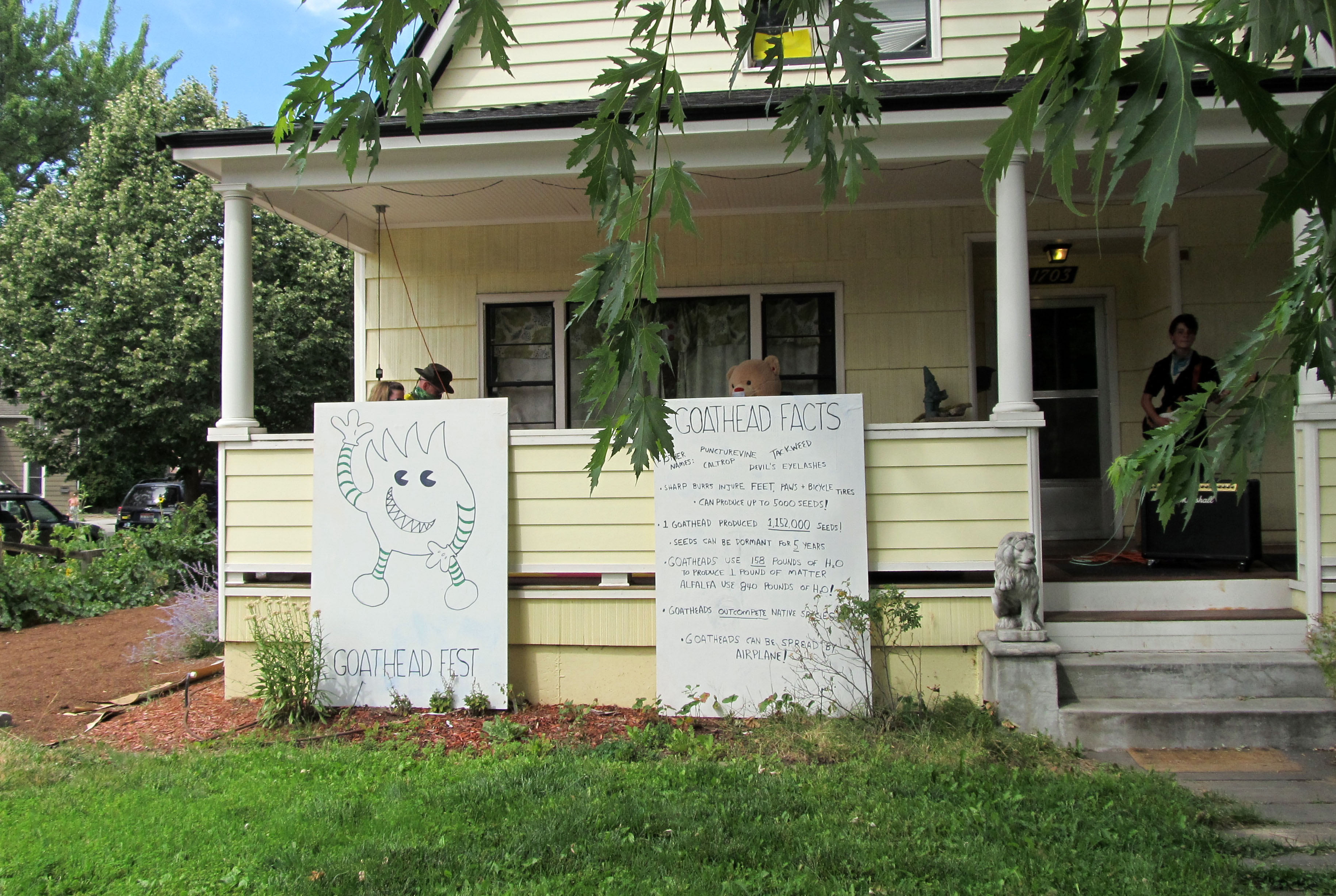
Learning some facts about goatheads with Mr. A on guitar and violin

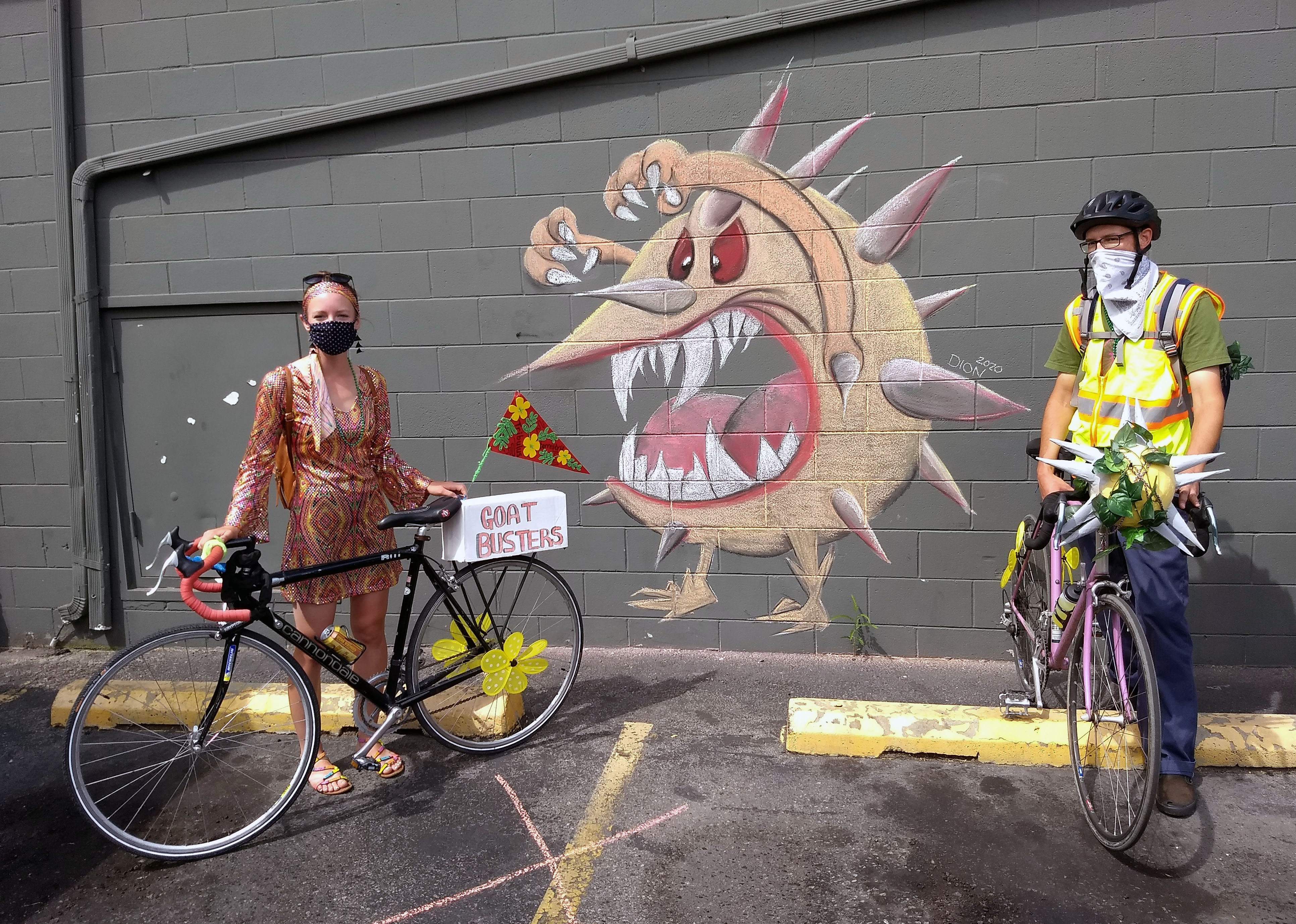
Sierra and I next to one of many goathead-themed art installations featured around town

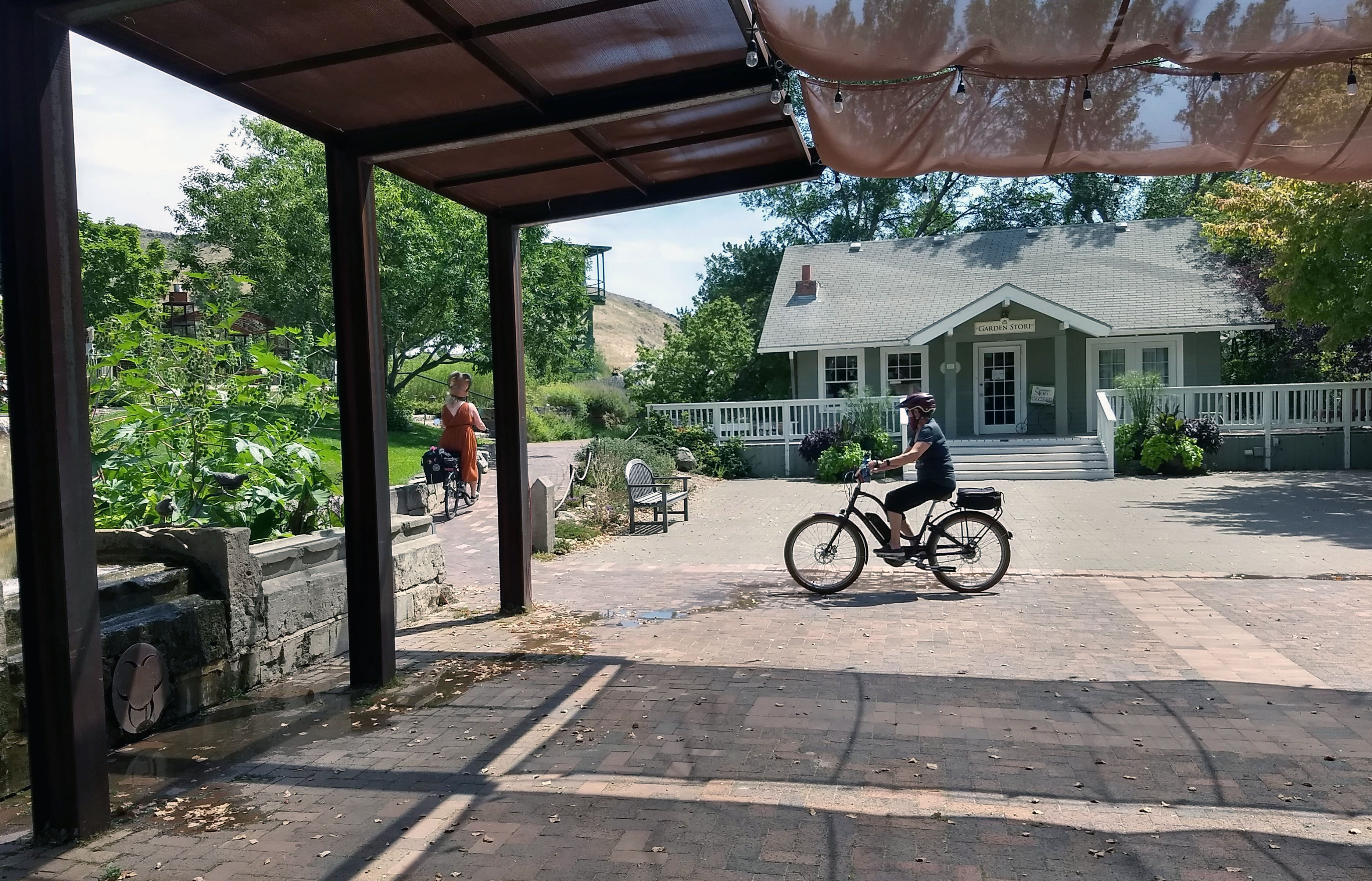
Bikes were allowed at Idaho Botanical Garden for one hour only – a Goathead Fest exclusive!

Not only is the Goathead Fest a celebration of bicycles and community and an opportunity to raise money for pedal-powered non-profits in the Treasure Valley, it’s also a way to bring awareness to a noxious weed responsible for countless flat tires year in and year out. Tribulus terrestris is the bane of bicyclists. Its round, spiky fruits lie in wait to royally ruin our rides. Thanks to collection efforts that take place in the months leading up to the Goathead Fest, thousands of pounds of puncture vine are removed from our streets each year.

This year, another round, spiky ball threatened to ruin our ride. This threat is much smaller and considerably more damaging. Invisible to the naked eye, it has infected hundreds of members of our community, killing many of them, much like it has done in communities across the world. With the threat of COVID-19 looming over our heads, the Boise Goathead Fest felt and looked much different. We masked up and tried to keep our distance from each other. We dispersed ourselves across the city and enjoyed the company of much smaller crowds. As someone who, apart from work and occassional trips to the store, has largely removed himself from social gatherings, I felt nervous to be out. Thanks to the thoughtfulness and awareness of Goathead Fest organizers, my fears were largely soothed. It was important for me to, once again, be together with Boise’s bicylce community and feel a renewed sense of hope for the future.

We are all looking forward to the day when the only round, spiky ball that threatens to keep us off our bikes are those blasted goatheads, and even those – if we keep at it – might someday be a thing of the past.

More Party Time for Puncture Vine on Awkward Botany

Awkward Botanical Sketches #4: Boise Goathead Fest Edition

Covid-19 be damned, Boise Goathead Fest is happening in 2020. However, since we’re in the middle of a pandemic and the number of infections in Idaho have been far greater than we’d like them to be, this beloved, summertime event (now in its third year) is going to look quite a bit different this time around. No giant bicycle parade snaking through downtown Boise, no big gathering in the park to celebrate bicycles and recogonize all who helped pull goatheads across the Treasure Valley, and (I have to assume) no bike sumo. But we’re still going to decorate our bikes and ourselves like a noxious weed and go for a bike ride, and even though we won’t all be able to gather together in one spot, the sentiment will undoubtedly be the same.

I’m a big fan of the Goathead Fest, and not simply because I love bicycles and bike-culture. In fact, it’s mostly because a plant – while despised by all who ride bikes in this area – takes centerstage in the celebration. Not too many plants get this kind of attention. And sure, it may only find itself in the spotlight because of its bad behavior, but at least it has people paying more mind to green things.

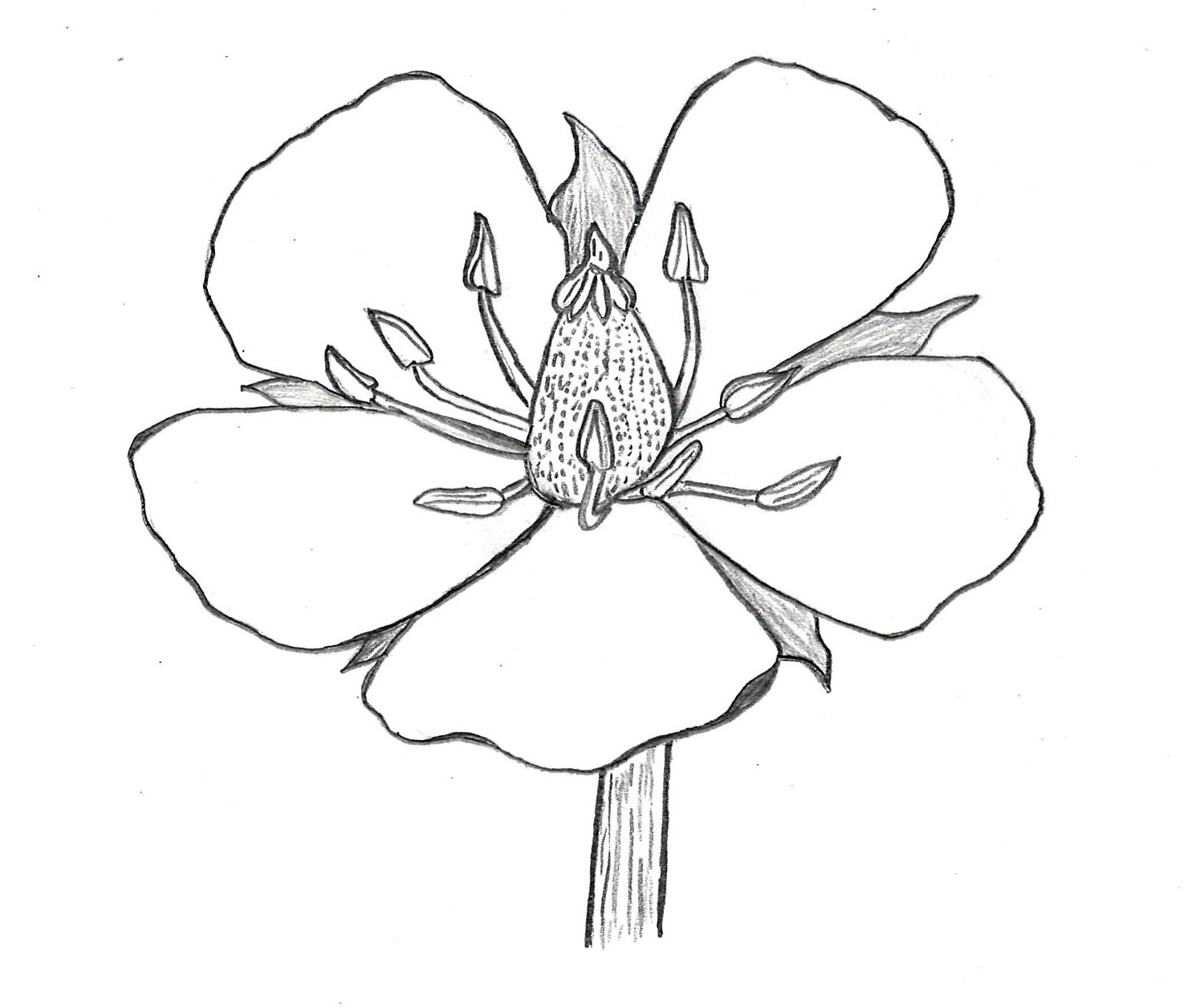
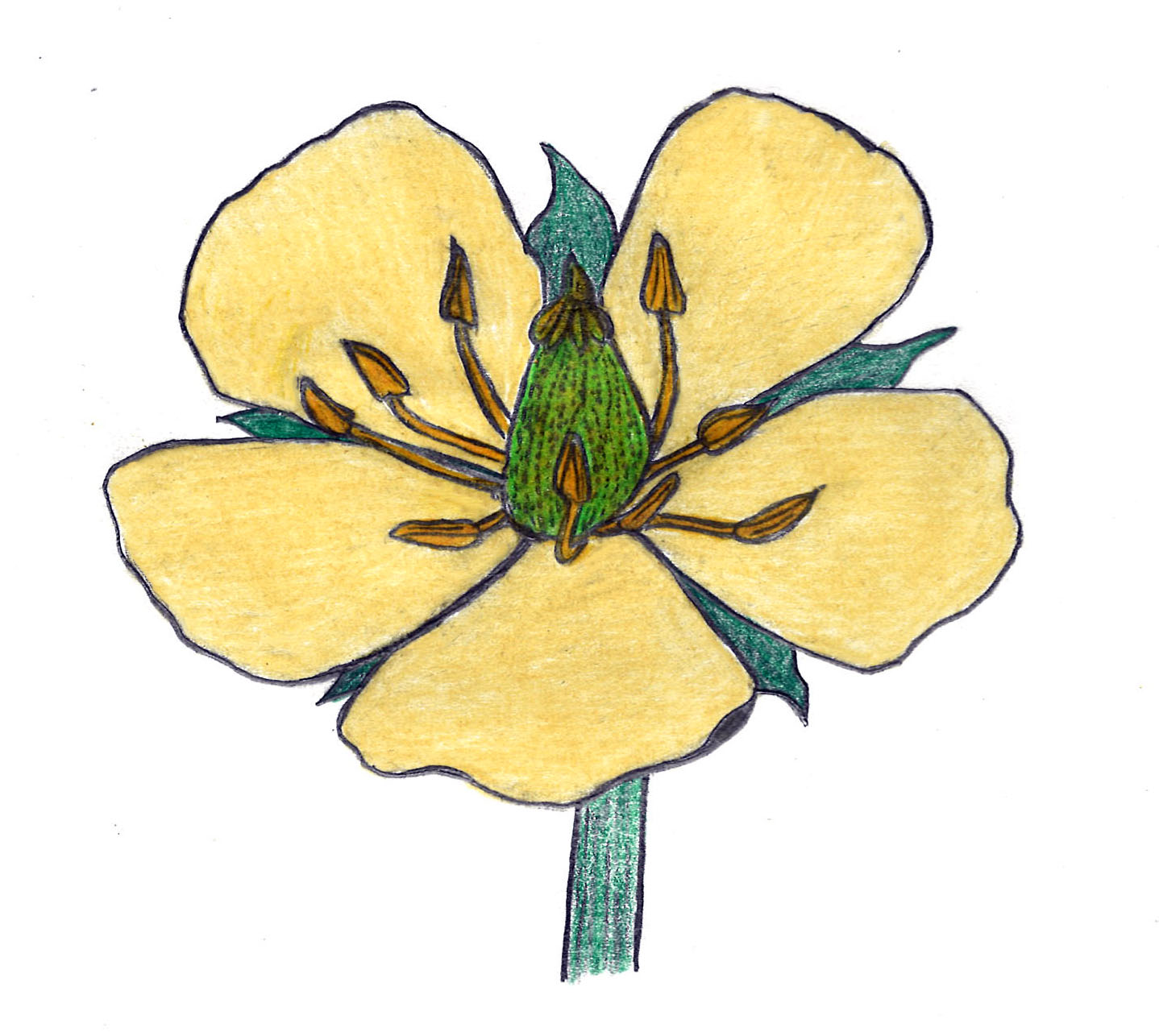
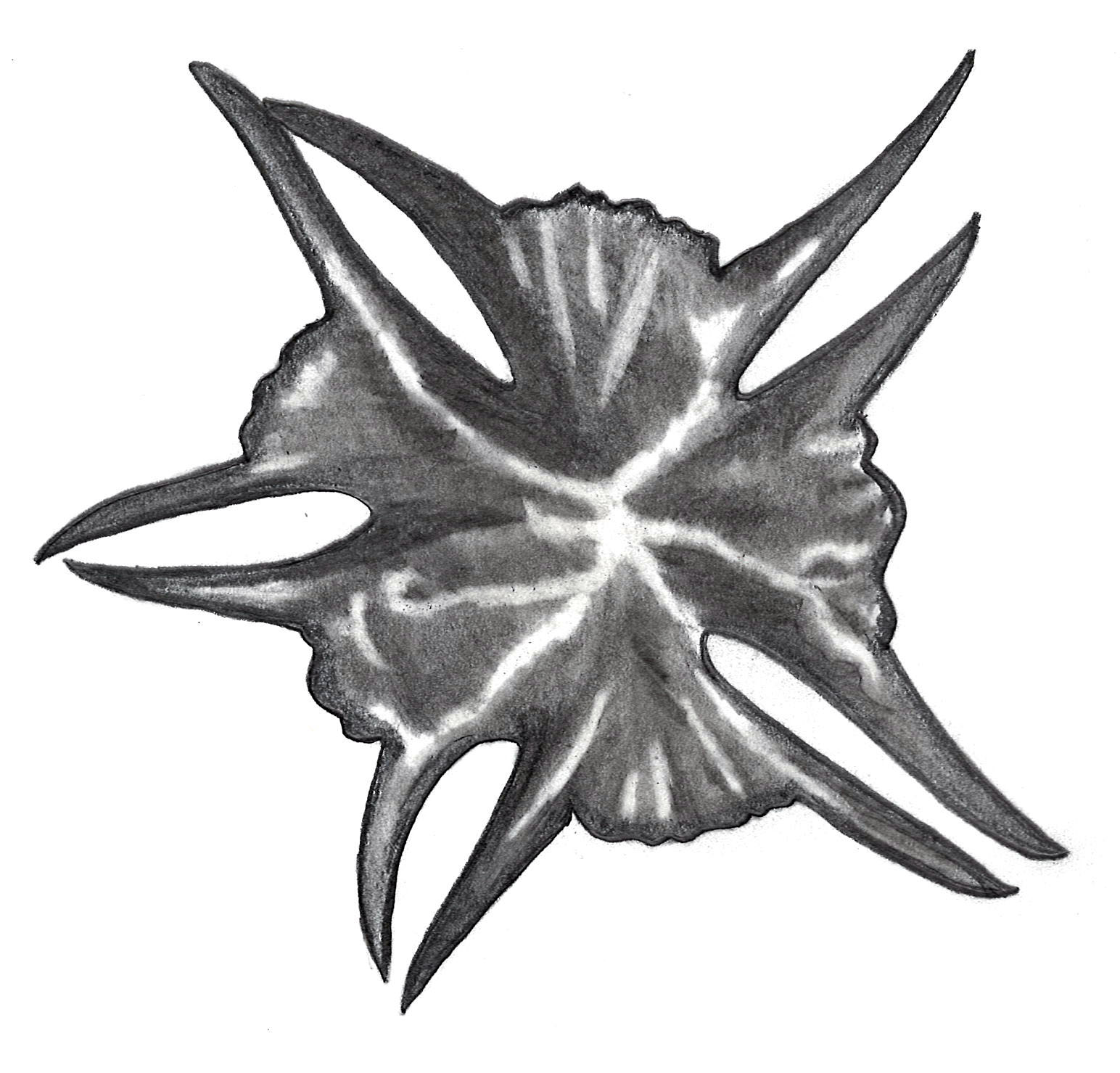
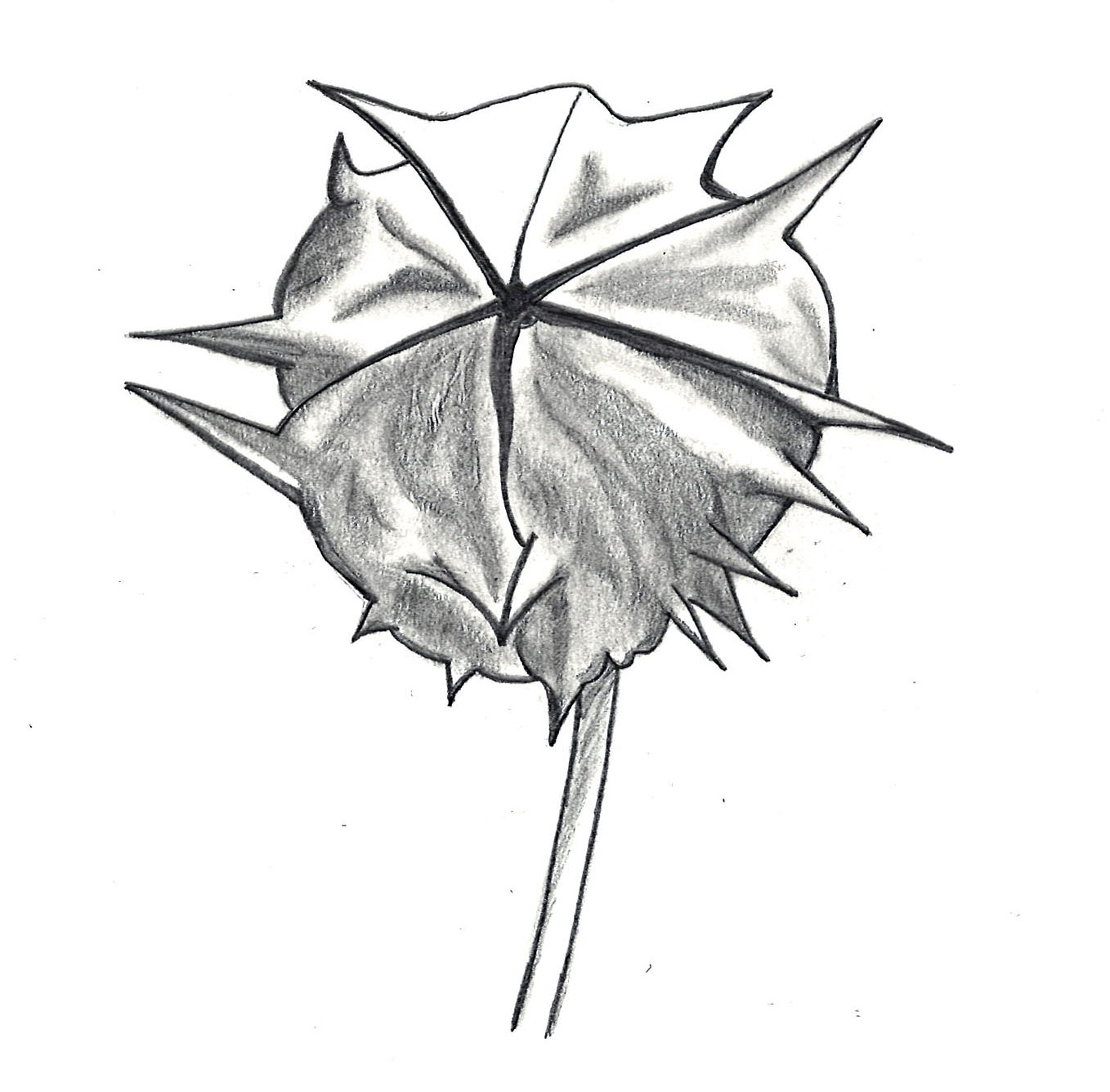
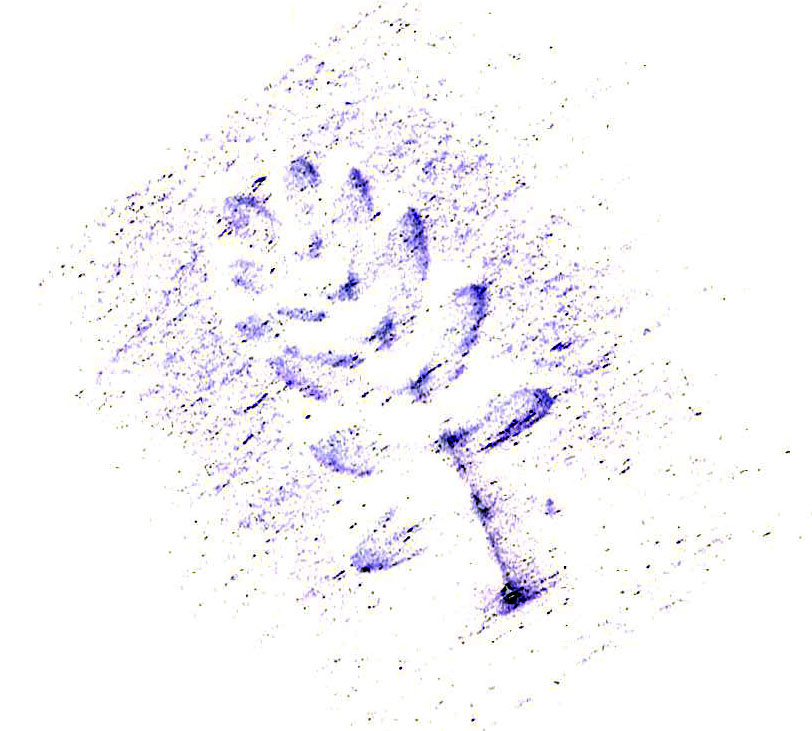
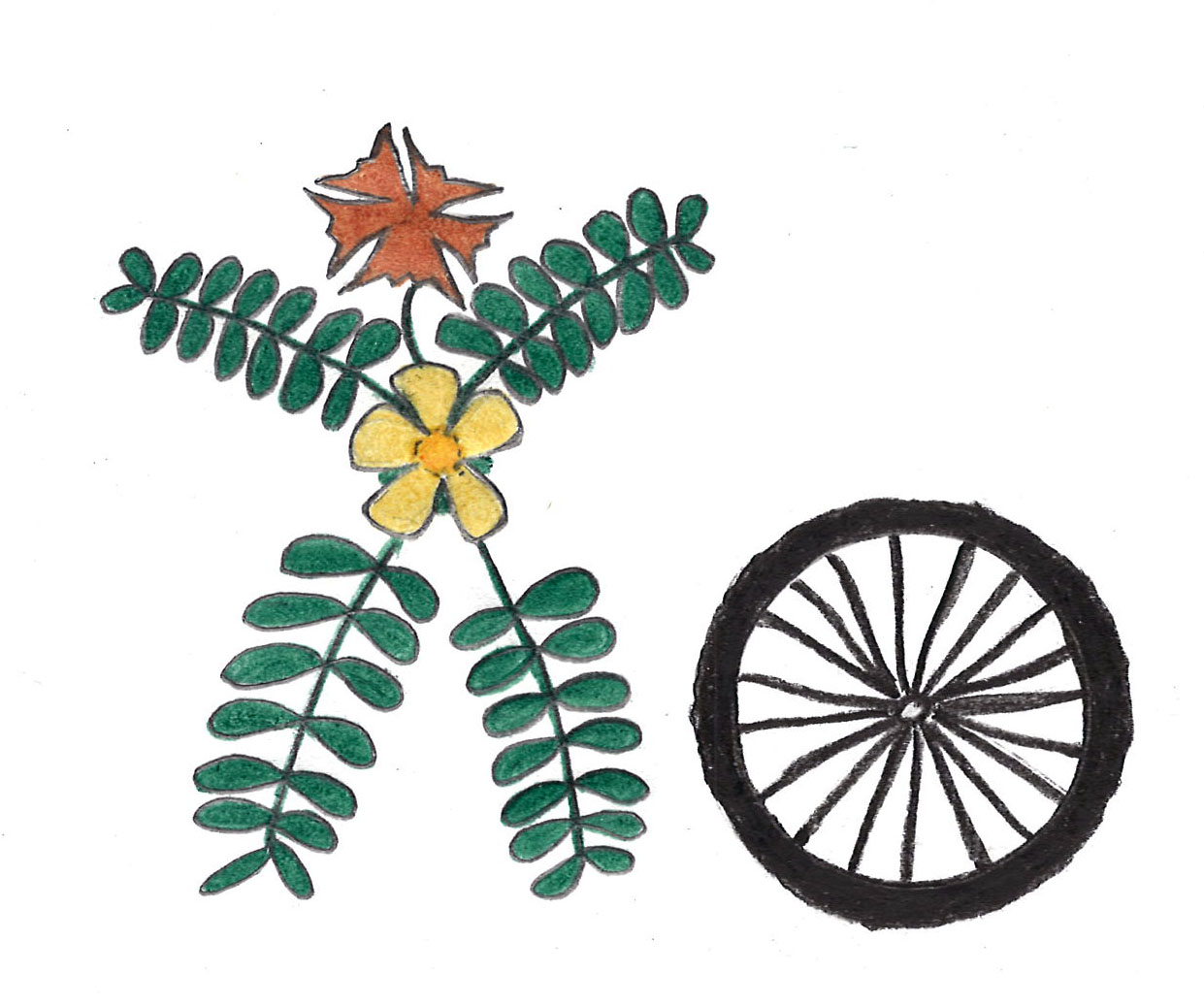
In anticipation of this year’s Goathead Fest, I decided to make a few attempts at drawing Tribulus terrestris. Goathead art has played a big part in the festivities since year one, and this year is no exception. In a normal year, all of the artwork would be displayed together in Cecil D. Andrus Park. This year, pieces of art will be displayed around town for us all to happen upon as we embark on our socially distanced bike rides. However, you won’t see any of my artwork out there (for good reason). Maybe someday (one can dream, I guess). Until then, I’ll include a few of my awkward attempts below.

the flower of Tribulus terrestris

an attempt to color the flower of Tribulus terrestris

goathead nutlets #1

goathead nutlets #2

Tribulus terrestris leaf rubbing

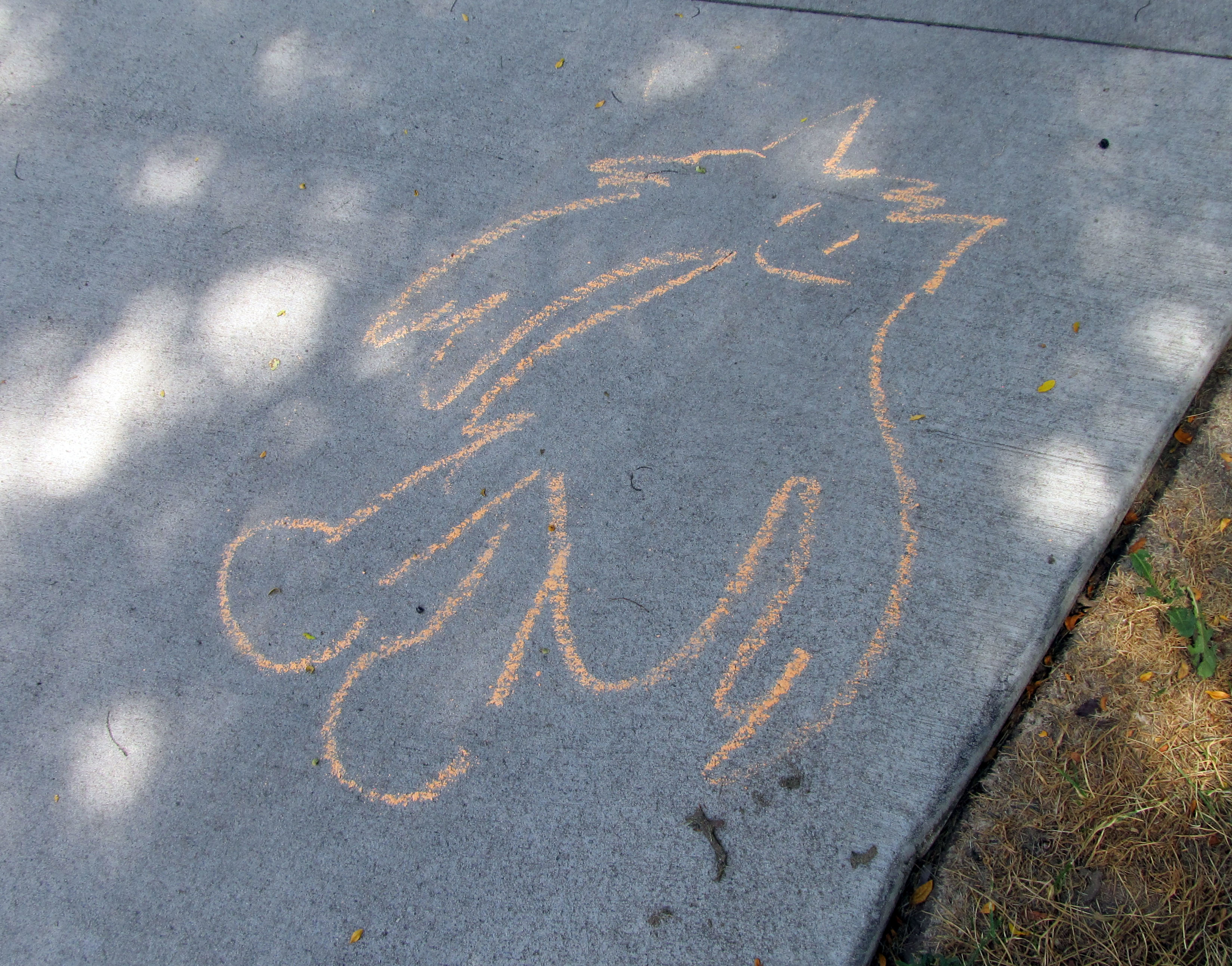
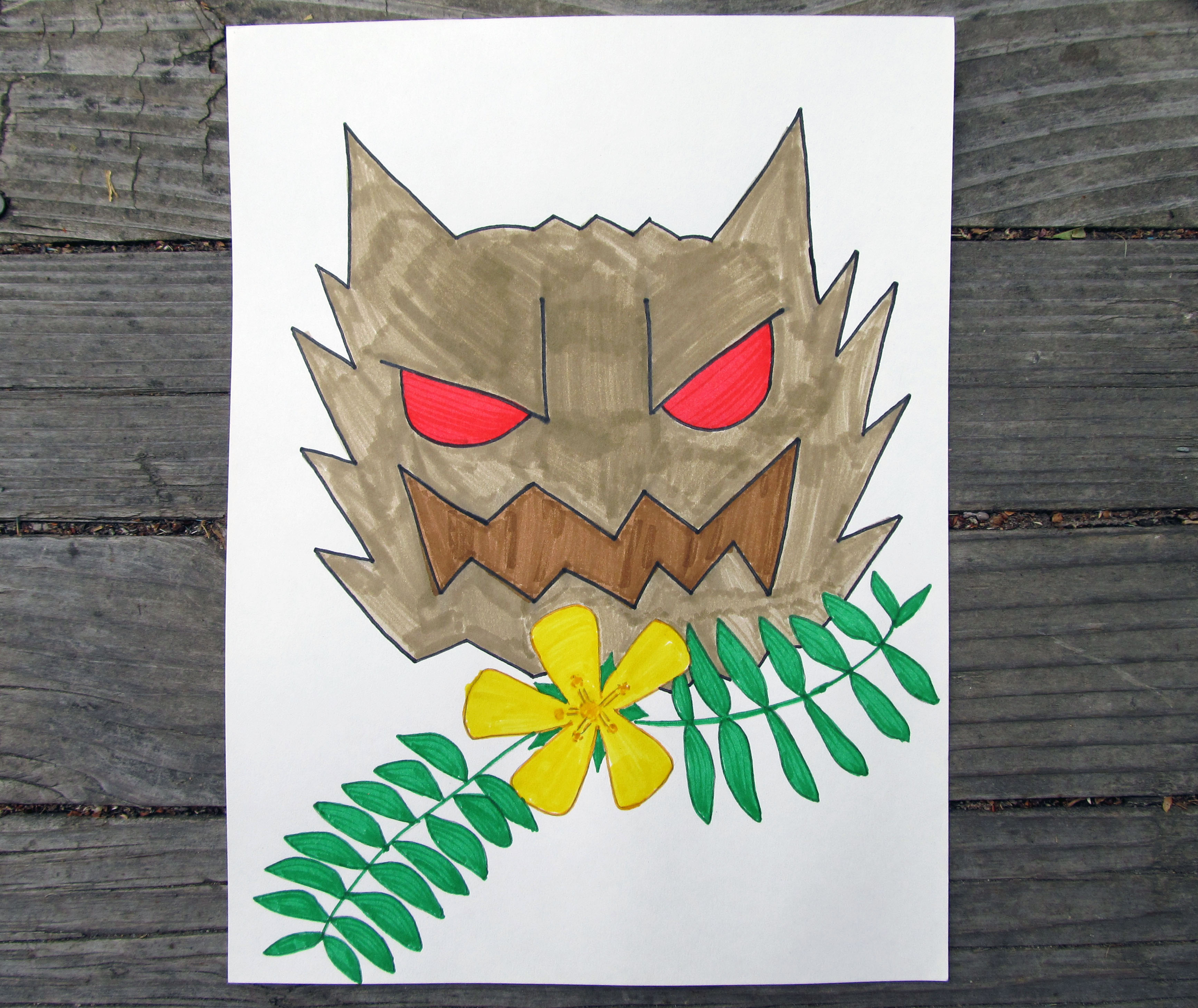
Goathead Monster #1

Goathead Monster #2

More Awkward Botanical Sketches: