Documentary: What Plants Talk About

Earlier this summer I posted a review of a book called, What a Plant Knows, by Daniel Chamovitz. It’s a book that describes plant senses – senses that are similar to human senses (i.e. seeing, hearing, smelling, etc.). Plants are much more aware of their surroundings than we might initially think, and so I recommend this book to anyone interested in gaining a better understanding of plants and their “awareness”. However, I also understand that this can be an intimidating subject – especially for those who haven’t spent much time studying plants and their biology. Chamovitz wrote his book with the intention of making this subject accessible to everyone. Anyone with even a limited understanding of biology should be able to understand the basic concepts in Chamovitz’s book. However, the subject can still be challenging.

Luckily, a recent documentary by PBS explores similar concepts. It simplifies things even more – exploring the ways in which plants communicate with the world around them, even without having the organs we typically attribute to communication and awareness (i.e. brains, ears, eyes, etc.). The documentary is called What Plants Talk About. I watched it recently and was reminded of Chamovitz’s book. They fit together so well. If you have any interest in this subject at all, I recommend both. If all you are after is a simple introduction, watch the documentary. If the documentary intrigues you, read the book.

There is a lot more to learn about plants and their “awareness,” but these sources are a great start. Watch the documentary and/or read the book and then let me know what you think in the comments below. Meanwhile, we wait in anticipation of what science might discover next concerning this remarkable aspect of the plant kingdom.

A Plant Community’s Response to Climate Change

The threat of ensuing climate change has led many to consider what the future might look like for life on earth. Plant life will undoubtedly be affected, and numerous observations have already been made indicating that plants and plant communities are responding to changing climates.

A recent study, published in Ecology and Evolution, documented changes in the lower elevation boundaries and elevation ranges of common plants found on the Santa Catalina Mountains (near Tucson, Arizona). A study of this caliber is rare because there is relatively little data available to observe such changes over a long period of time. The scientists that carried out this study were able to use survey data collected by Robert Whittaker (the father of modern plant ecology) and William Niering in 1963. Whittaker and Niering conducted an extensive survey of plants along the Catalina Highway, which still exists today and runs along the southern slopes of the Santa Catalinas. Following similar data collection methods, researchers from the University of Arizona surveyed plants along the Catalina Highway nearly 50 years after the original survey. What they found confirmed predictions: montane plants in the southwest are responding to a warmer and drier climate by shifting their lower elevation limits upward.

The average annual air temperature in this region has increased an average of 0.25 degrees Celsius per decade since 1949. Also, rainfall has decreased significantly since Whittaker and Niering’s original plant survey. Twenty seven of the most common plant species were selected from the new survey and compared to the original survey data. Fifteen of the twenty seven species (56%) have significantly shifted their lower elevation boundaries, moving further up the slopes of the mountains to escape higher temperatures and reduced rainfall. Some of the plant species have also shifted their upper elevation boundaries, with four of them moving further upslope and eight of them moving further downslope.

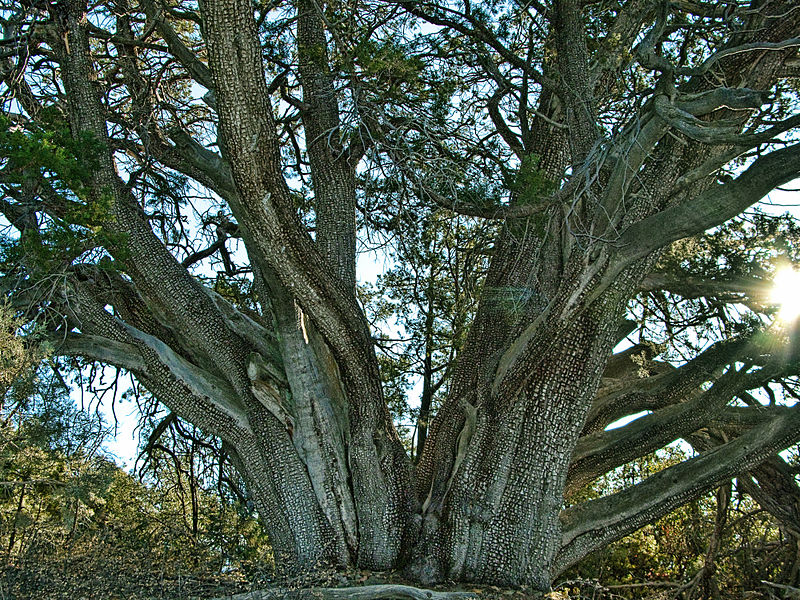
The authors of this study state that “even a casual observer could recognize changes in plant elevation boundaries.” Alligator juniper, bracken fern, beargrass, and sotol are examples of plants in the Catalinas that have noticeably migrated upslope and are no longer found at lower elevations where they were once common. Alligator Juniper (Juniperus deppeana), for one, was once documented growing at least as low as 3500 feet, but now does not occur until after the 5000 feet mark.

This rare opportunity to compare current plant survey data with old data paints a stark picture regarding the effects of climate change. As plants and animals are forced upslope to escape warmer and drier climates, they may eventually find themselves with nowhere to go and ultimately end up extinct, reducing overall biodiversity on the planet. The authors of this study conclude their findings with this statement: “The shifts in plant ranges we observed in the Santa Catalina Mountains indicate that the area occupied by montane woodland and conifer forests in the Desert Southwest is likely to decrease even more with predicted increases in temperature, and that regional plant community composition has and will continue to change with further warming as plant species respond individualistically to changing climates.”

Read more about this study at the University of Arizona news site.

alligator juniper_juniperus deppeana

Alligator Juniper (Juniperus deppeana)

photo credit: wikimedia commons

Wetlands!

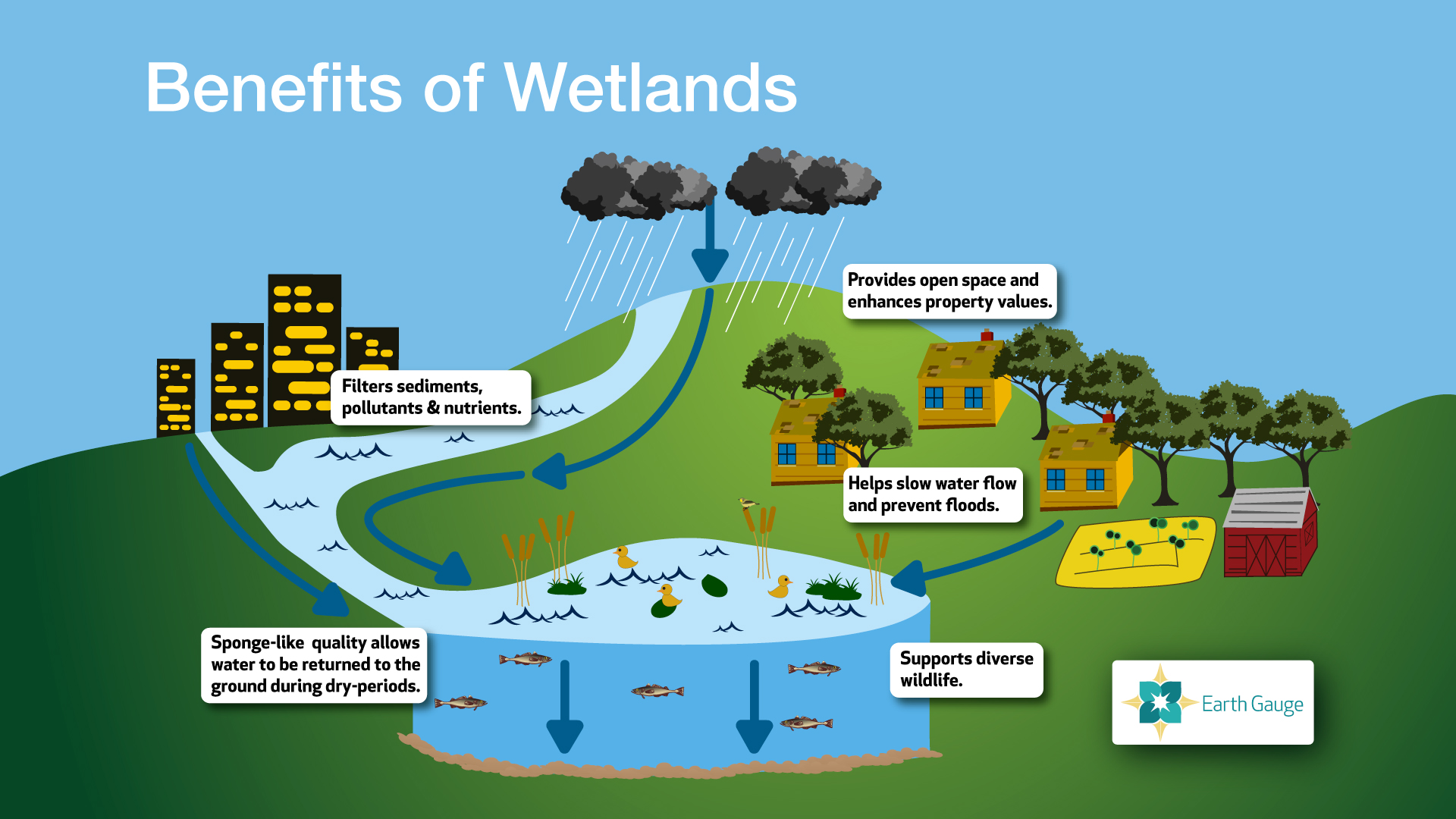
From www.earthgauge.net:

“May is American Wetlands Month! No matter where you live, chances are there’s a wetland nearby that provides important environmental benefits to your community. Wetlands support diverse fish and wildlife species, filter pollutants from rain water runoff, help recharge groundwater supplies, prevent flooding and enhance property values.”

Wetlands are ecosystems that are characterized by their vegetation (aquatic plants), their soils (formed during anaerobic conditions caused by being flooded or saturated with standing water), and, of course, their state of being largely saturated with water either seasonally or permanently. Examples of natural wetlands include bogs, fens, marshes, and swamps. Wetlands can also be constructed by humans for the purpose of collecting storm water runoff from urban areas in an effort to reduce the risk of flooding and avoid overwhelming municipal sewer systems during large rainstorms.

Wetlands are the most threatened type of ecosystem on earth, and we are losing them at a steady clip. Major threats to wetlands include land development, pollution (agricultural and otherwise), and the introduction of invasive species. Considering the benefits we receive from having wetlands around, it is imperative that we protect them. Earth Gauge offers some suggestions on how to do so.

wetland benefits

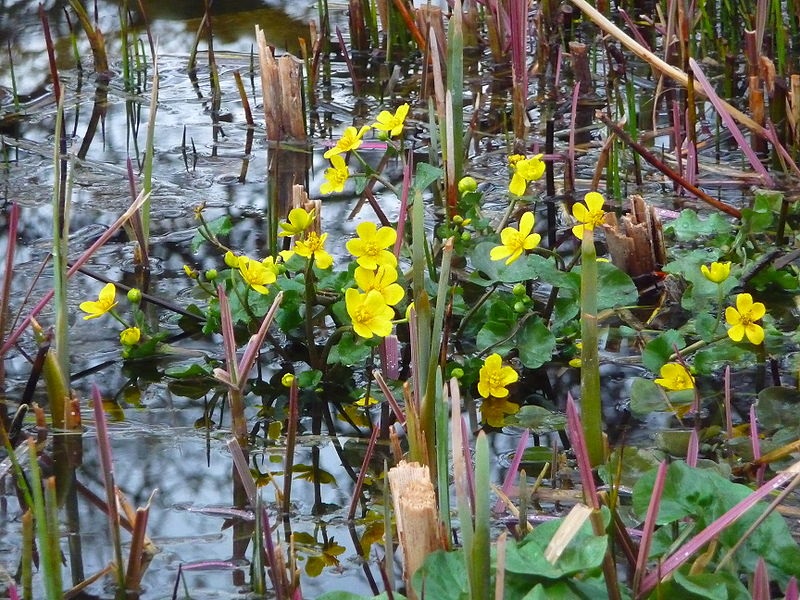
Speaking of wetlands, one of my favorite wetland plant species is marsh marigold (Caltha palustris). It is in the buttercup family (Ranunculaceae) and is common in wetlands throughout the Northern Hemisphere. I became familiar with this plant when I was volunteering at a wetland in Edwardsville, IL. Perhaps you’ve seen it growing in a wetland near you.

caltha palustris

marsh marigold (Caltha palustris) photo credit: wikimedia commons

Northern Pitcher Plant: A model for understanding food webs

Carnivorous plants are endlessly fascinating. Even people who aren’t typically interested in plants are likely to find plants that eat animals to be of some interest. These plants not only provide fascination for plant lovers and the plant ambivalent alike, but they are also of great interest to science, providing insight into the workings of the world beyond the swamps and bogs that they inhabit.

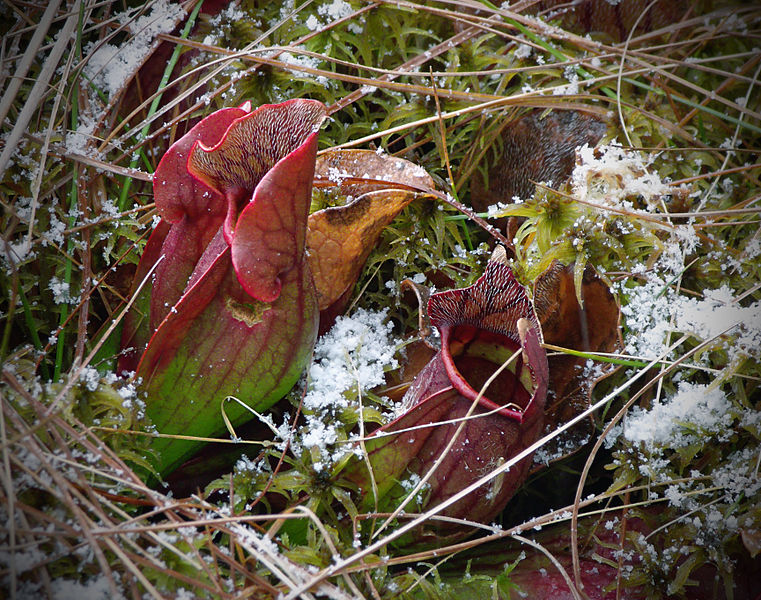
A recent study published in the journal, Oikos, examined the complex food web that exists inside the northern pitcher plant (Sarracenia purpurea) in order to come to a better understanding of food webs in general and to construct a model that will aid in further research involving food webs in all types of ecosystems.

The food web that exists inside a pitcher plant is quite interesting. The tubular leaves of the pitcher plant capture rain water and draw in a variety of insects including beetles, ants, and flies. The pool of water also becomes home to the larvae of midges, mosquitoes, and flesh flies, as well as various other tiny creatures including rotifers, mites, copepods, nematodes, and multicellular algae. And thus begins a complex food cycle. Midge larvae attack the drowning insects and tear them to pieces, then bacteria go after the tiny insect parts, after which rotifers consume the bacteria. Finally, the walls of the pitcher plant absorb the waste of the rotifers. Meanwhile, fly larvae consume the rotifers, midge larvae, and other fly larvae, while bacteria is being consumed by all participants.

You can see why this food web is an ideal subject of study. Not only is it complex, with numerous players, but it is also all taking place in a small, confined space – easily observable. By studying such a system, models can be derived for larger, more widespread food webs.

Carnivorous plants have diverse mechanisms for extracting nutrients from other living things – this is just one of those mechanisms. I will plan to profile other carnivorous plants on this blog, because like I said, they are endlessly fascinating. Meanwhile, you can read more about this particular study at Science Daily.

northern pitcher plant

northern pitcher plants (Sarracenia purpurea) photo credit: wikimedia commons

Living Roof in Vancouver, B.C.

Consider this the first of many posts about plants in urban areas and the benefits that plants can bring to these locations. As an example, a group of people in Vancouver, B.C. developed an amazing green (or living) roof that incorporates plants native to the coastal grasslands found in that region. Watch this video to see how this project is helping to turn a landscape dominated by concrete and asphalt into a thriving and diverse ecosystem.

Cushion Plants and Species Richness

Cushion plants are in the news. A study published in the journal, Ecology Letters, has demonstrated that cushion plants can help increase species richness (the number of unique species in an ecological community) by modifying their micro-environment, which in turn allows certain species to exist in the community that would otherwise be unable to survive the harsh conditions. Other studies have had similar conclusions, but what is unique about this study is how extensive it was, involving 77 alpine plant communities on 5 continents.

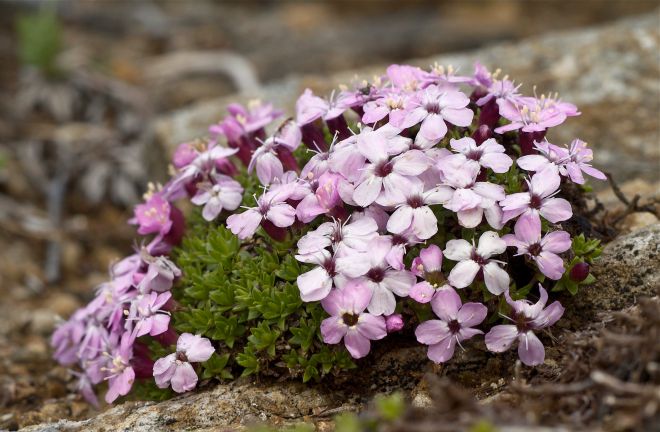
The term “cushion plant” refers to a specific growth form. It describes a plant that grows low to the ground, has numerous small leaves and a closed, tightly-packed canopy with dense non-photosynthetic living and dead plant tissues below the canopy. Above ground it appears as a lush, thick, spreading, green mat; below ground it has a long taproot and an extensive root system. There are around 338 species of cushion plants, spanning 78 genera and 34 plant families, which can be found around the world mainly in alpine (high-altitude, tree-less) environments. Around half of the cushion plant species are native to the Andes in South America.

So, how are cushion plants able to increase species richness in their communities? There are a few unique characteristics of cushion plants that lead to this result:

– The tightly-packed, low to the ground growth form of cushion plants helps to modify the temperature of the underlying soil, working as a living mulch to keep the ground warmer in the winter and cooler in the summer. Plants that otherwise could not abide in extremely cold soil conditions, can thrive inside of a cushion plant due to this modification.

– The shading and covering of the ground also helps to maintain a higher level of soil moisture below cushion plants, resulting in more available water throughout the growing season, which is especially important during warm months of the year when water becomes scarce elsewhere.

– Cushion plants may also increase nutrient availability in the surrounding soil. This could be due to their long taproots and extensive root systems allowing them to “mine” the soil and pull up nutrients (and water) that would otherwise be unavailable to shallow-rooted plants. It could also be due to the high degree of dead plant material found within cushion plants that leads to an increase in the amount of organic material in the soil below. The warm, moist conditions of a cushion plant’s underbelly could speed up the rate of decomposition and nutrient cycling, making essential nutrients available to plants growing within them.

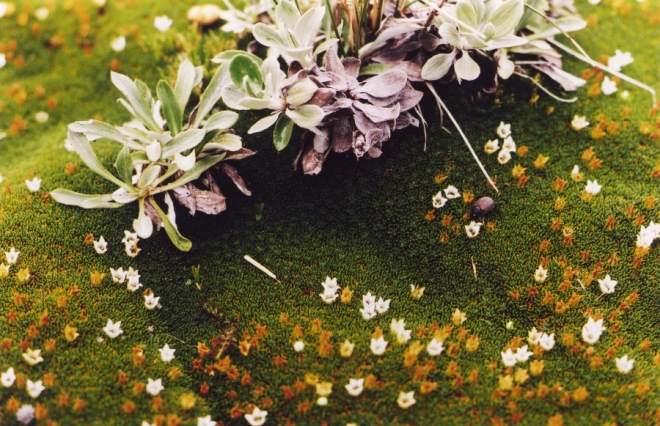
Because of these features, cushion plants act as “nurse plants” to species that grow within their mats, providing them with more accommodating soil temperatures, greater access to water, and a higher level of nutrients compared to the surrounding open ground. Some of these plant species would have little or no chance of survival in the harsh environment outside of the cushion plant. Cushion plants are also considered foundation species or keystone species because they play such a strong role in structuring their ecological community, affecting the diversity of species found in the landscape and the abundances of those species.
Silene acualis

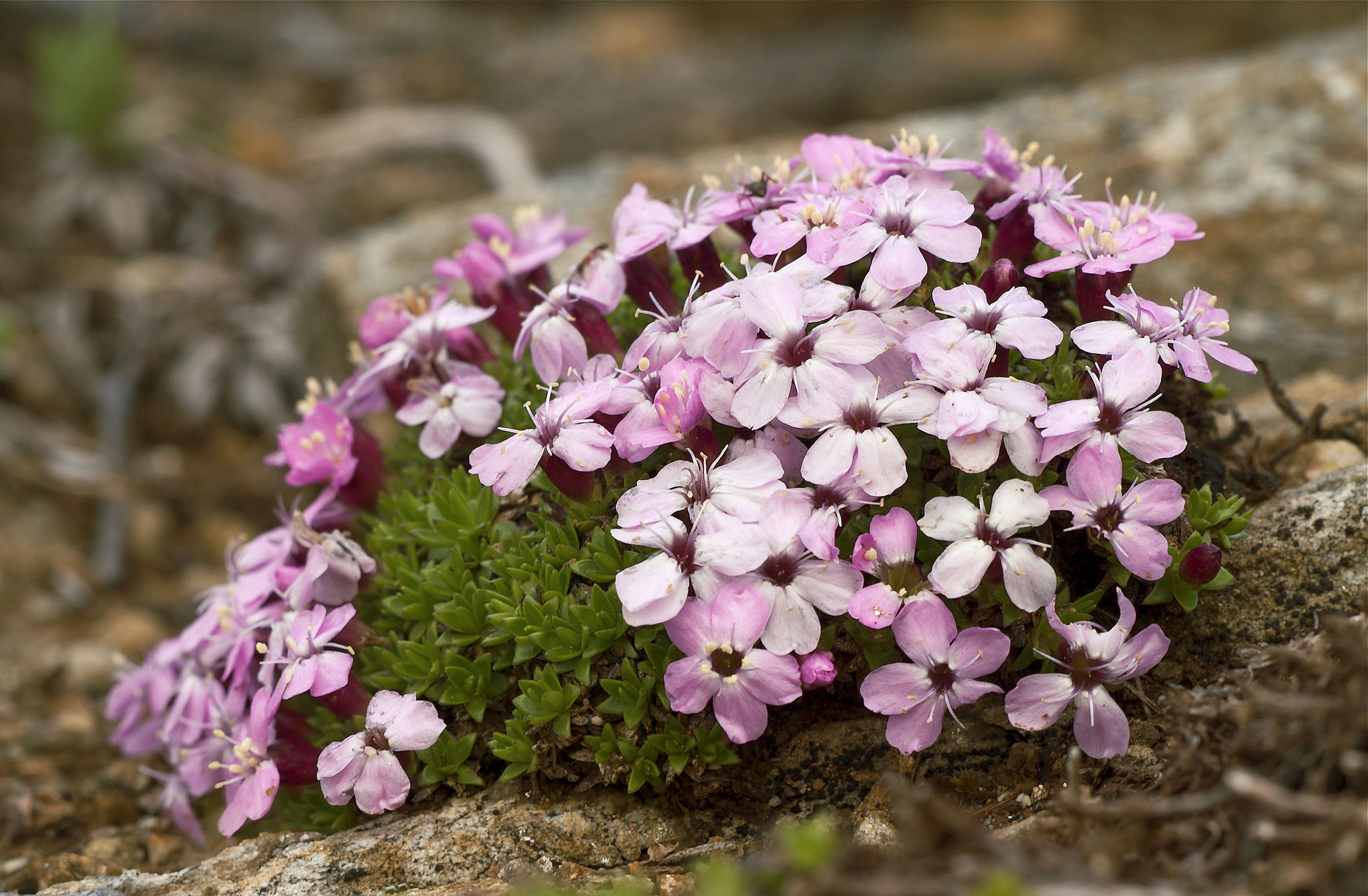
A common and popular cushion plant: Silene acaulis. Common name: moss campion. Plant family: Caryophyllaceae. Occurs in high mountains of North America and Eurasia. Photo credit: wikimedia commons.
cushion plant as nurse plant

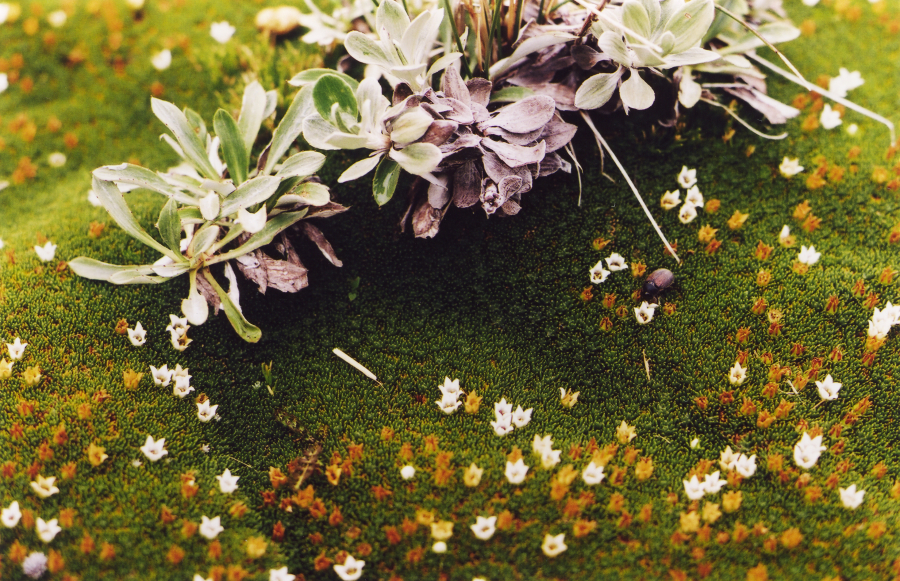
An example of a cushion plant with another plant species growing within it. Photo credit: wikimedia commons.