The Real Dirt on the Hudson Valley Seed Library

Last month on Ken Druse Real Dirt podcast, Druse talked to Ken Greene, the founder of  Hudson Valley Seed Library. Greene came up with the idea for a seed library while working as a public librarian. The concept: people check out seeds from the library, they plant those seeds in their gardens, they save some of the seeds from the plants they’ve grown, and then they return the saved seeds to the library, at which point the seeds are available for someone else to check out and do the same. Greene started his seed library at the public library where he worked. He soon discovered the great need for educating the public about seed saving, and so he quit his day job and founded his own seed company. Along with carrying on Greene’s original vision of a seed library, Hudson Valley Seed Library is a producer and distributor of seeds, as well as a great resource for information concerning seed saving and other farm and garden related topics (just check out their blog to see proof of this).
IMG_0763

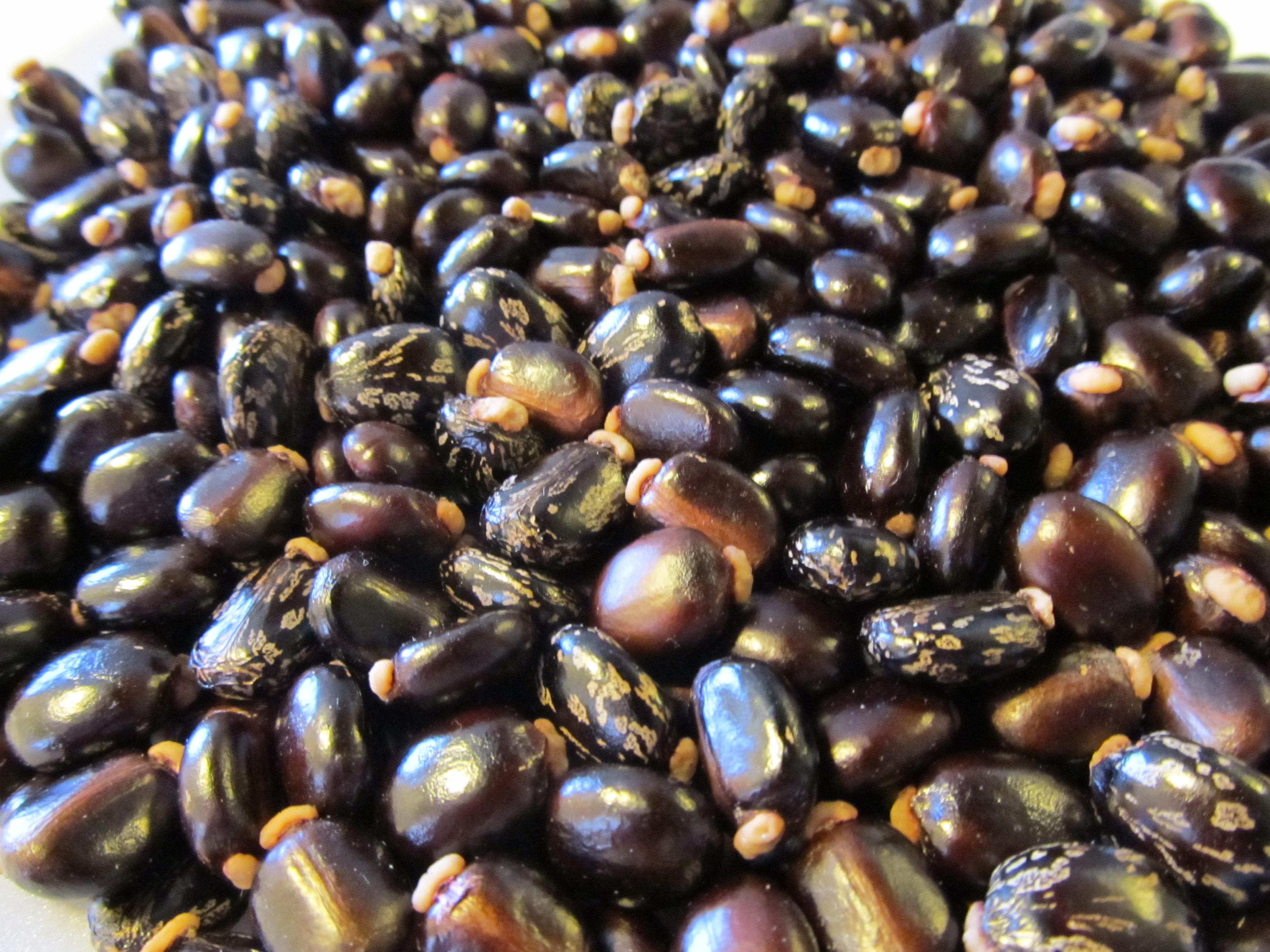
Castor Bean Seeds (Ricinus communis)

When Greene first started his seed library, there were very few others. But the idea is catching on. Perhaps you have one in your region. My local seed library is called Common Wealth Seed Library. And speaking of local, in the interview with Druse, Greene talks about local seed growers. They used to be common, but many were bought up by larger companies. However, they are making a comeback. My local seed grower is called Earthly Delights Farm. Local seed growers are worth supporting because the seeds they offer have been produced in that particular region. Ideally, they are varieties that have been trialed against similar varieties and selected for their superiority. This means that the selected varieties are likely to do well in that region.

Expect more posts about seeds, seed saving, and seed banking in the future. In the meantime, share your thoughts about anything seed-wise in the comment section below. 
Field Trip: University of California Botanical Garden at Berkeley

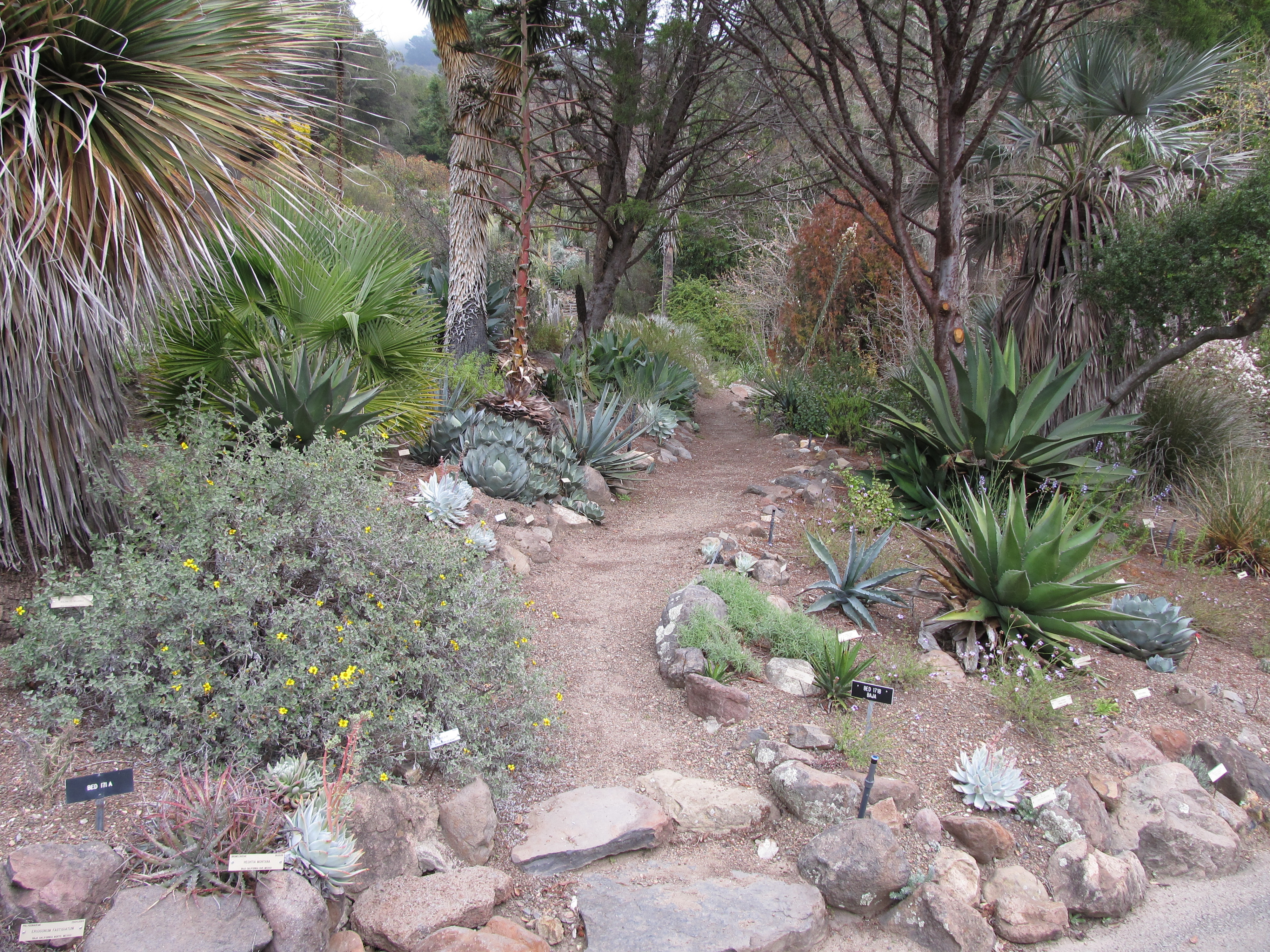
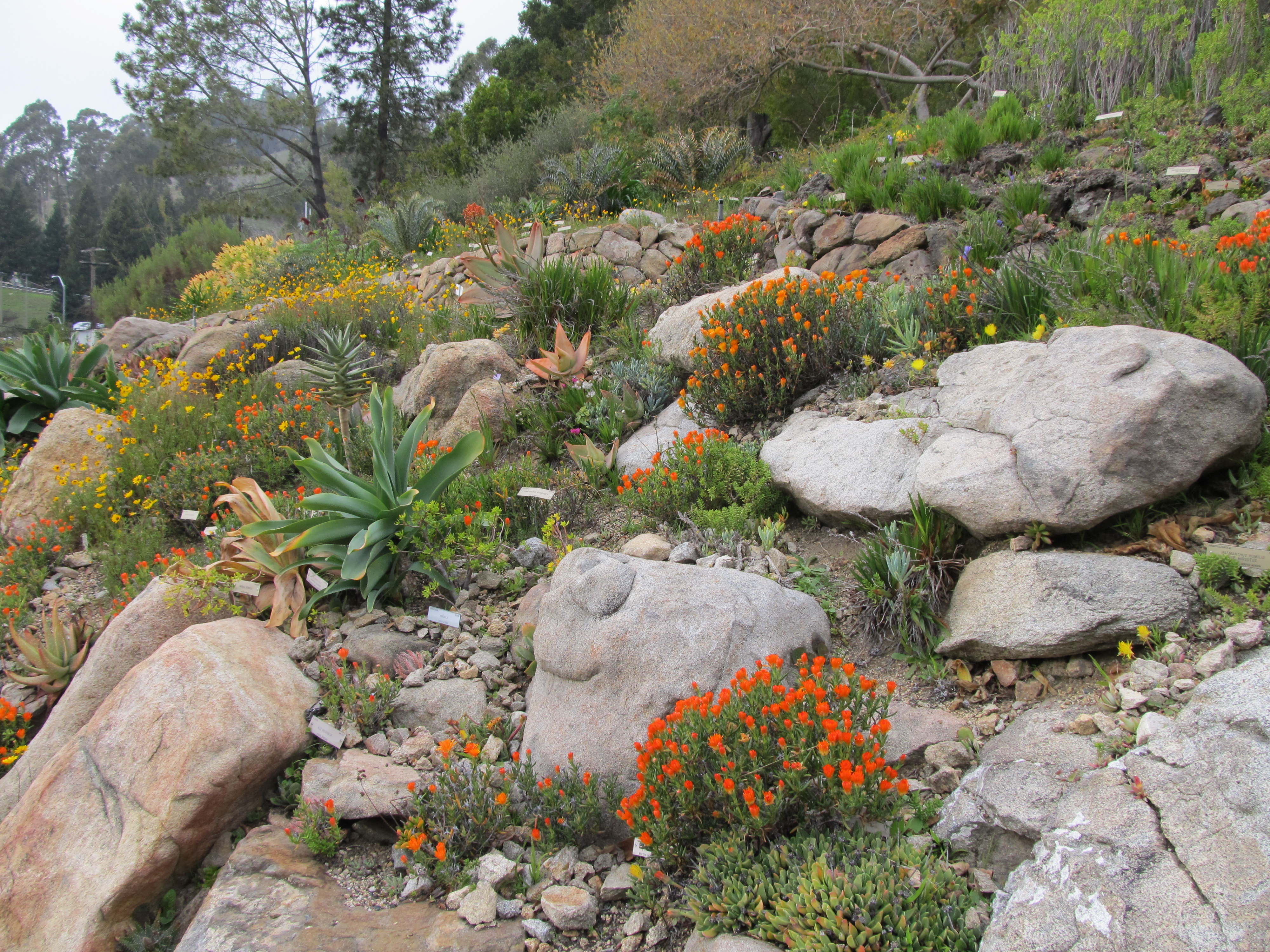
Last week I attended a workshop at the University of California Botanical Garden at Berkeley. Apart from receiving valuable training on how to monitor for and report plant pests and diseases in a public garden setting, I also had a chance to explore the garden. UC Berkeley’s botanical garden is located in Strawberry Canyon in the Berkeley Hills. It covers 34 acres and features plant collections from around the world, including South Africa, Asia, Australia, New Zealand, the Mediterranean, and the Americas. Most of the plants were collected from the wild or cultivated from wild collected plants, and a large number of them are rare or endangered species. I was very impressed with how beautifully designed the various gardens are, each display loaded with hundreds of different plant species all meticulously labeled. Because the garden is located in a canyon, the majority of the beds are on slopes, so there has been lots of great rock work and terracing done to create them, and there are numerous side paths that take you off the main path and up into the gardens, giving you the feeling that you are exploring a natural area. Also impressive is the garden’s focus on plant conservation. If you ever find yourself in the San Francisco Bay area, I highly recommend spending some time at this garden. With any luck, I’ll make it back there again someday. The limited time I had to spend there certainly wasn’t enough to explore it fully.

southern africa

Southern African Collection

new world desert

New World Desert Collection

SAMSUNG

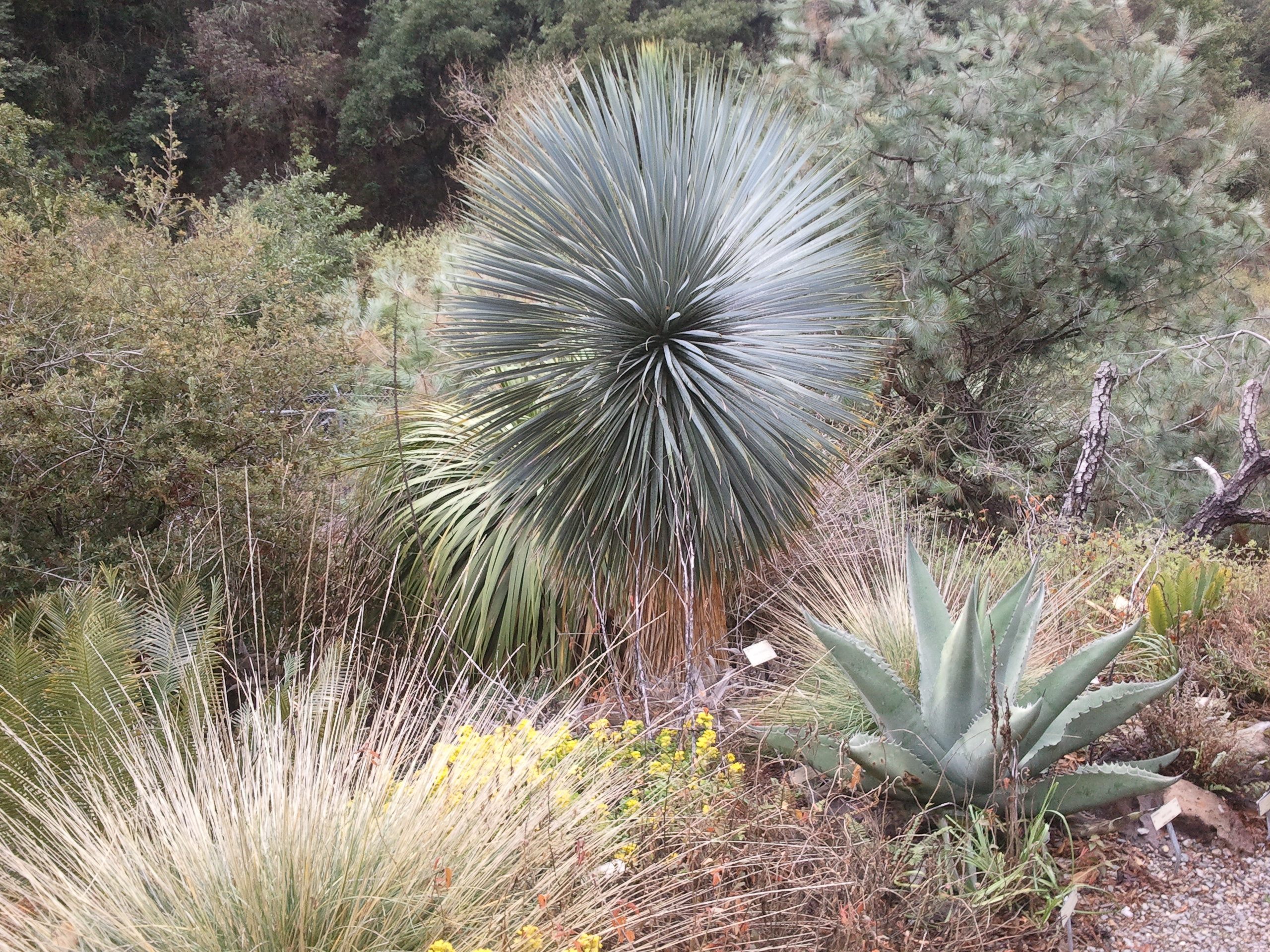
Mexico/Central America Collection

alabama snow wreath

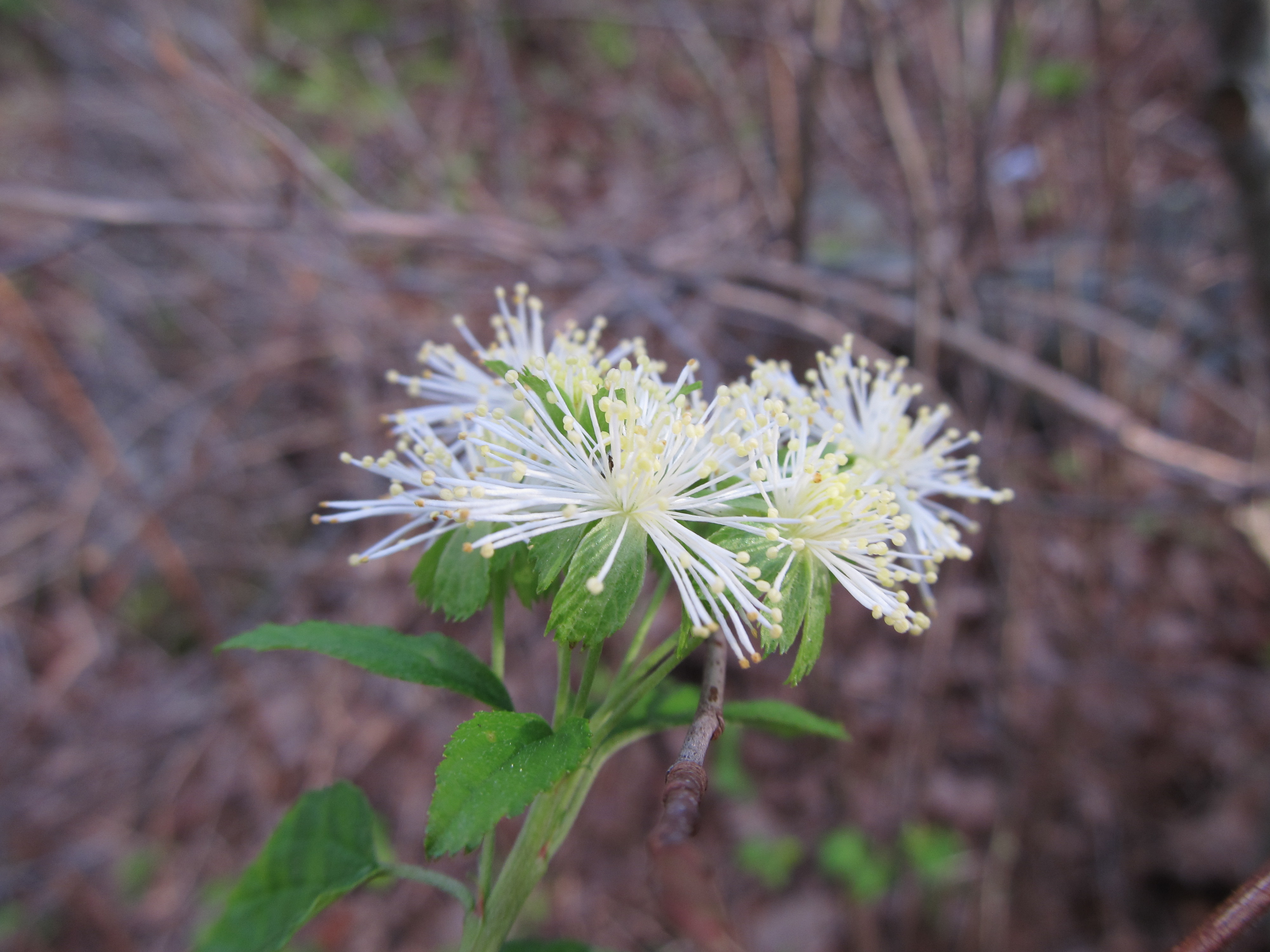
Alabama Snow-Wreath (Neviusia alabamensis) from Alabama, USA

lilac verbena_verbena lilacina

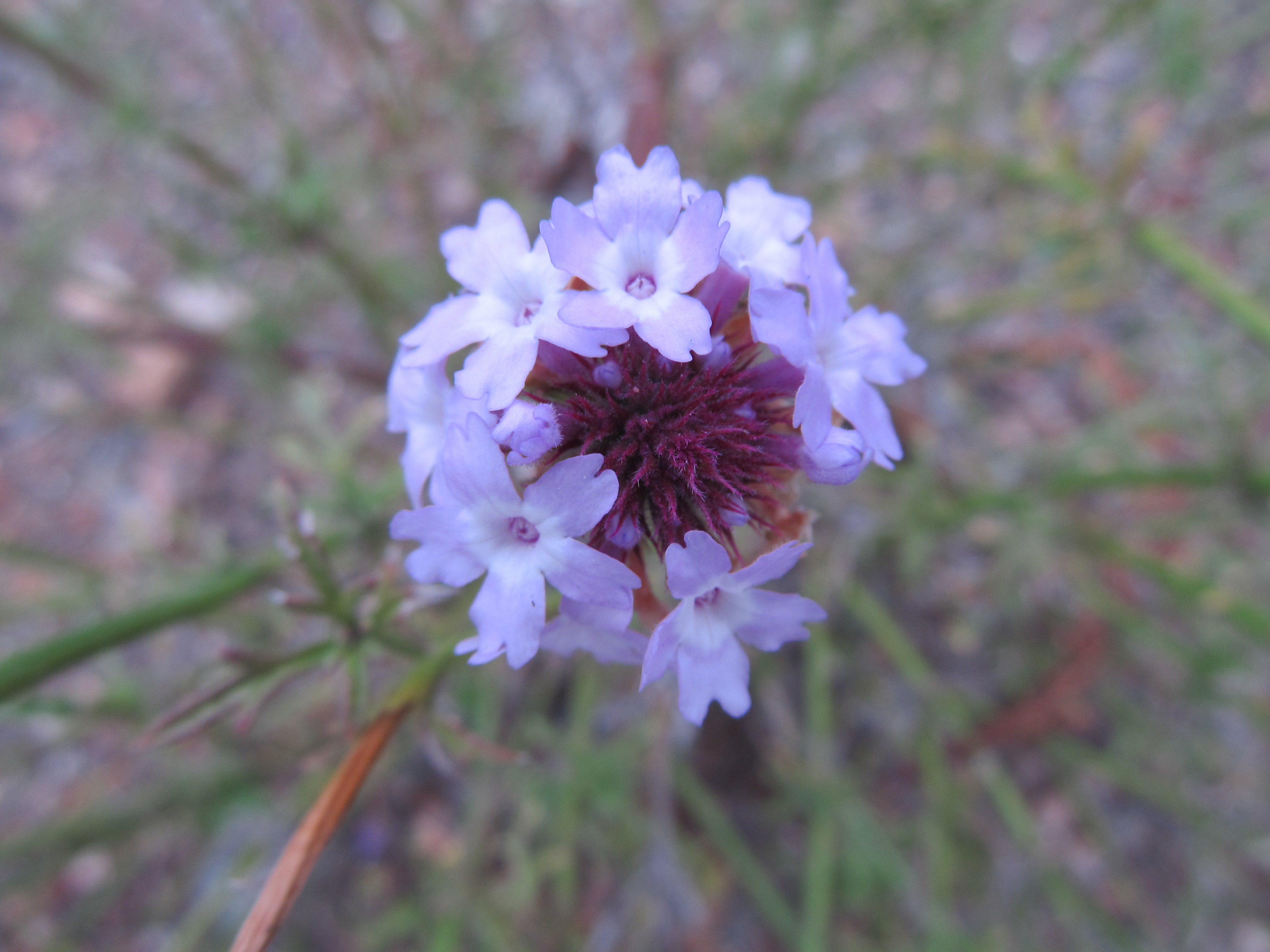
Lilac Verbena (Verbena lilacina) from Mexico

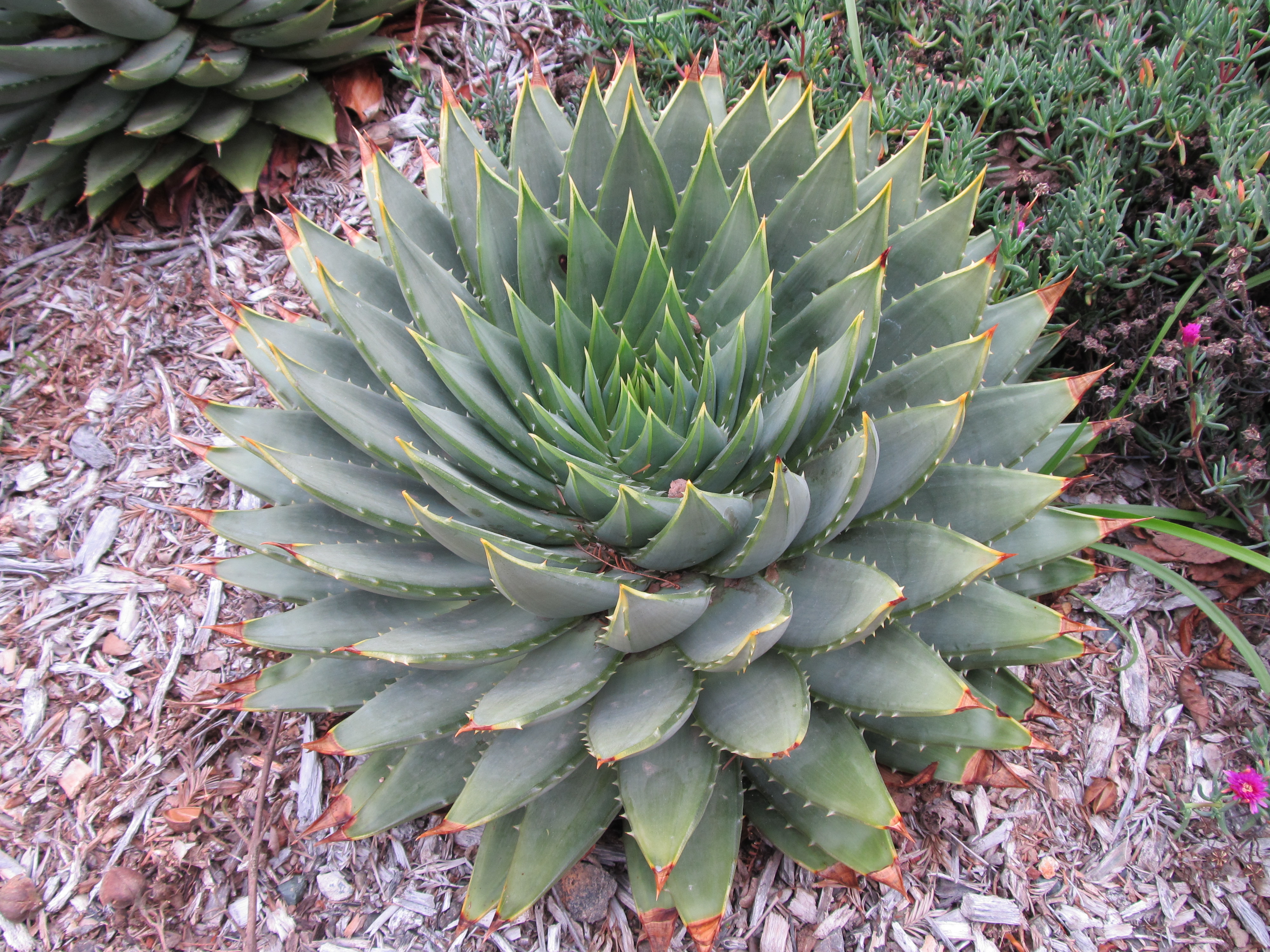
spiral aloe

Spiral Aloe (Aloe polyphylla) from South Africa

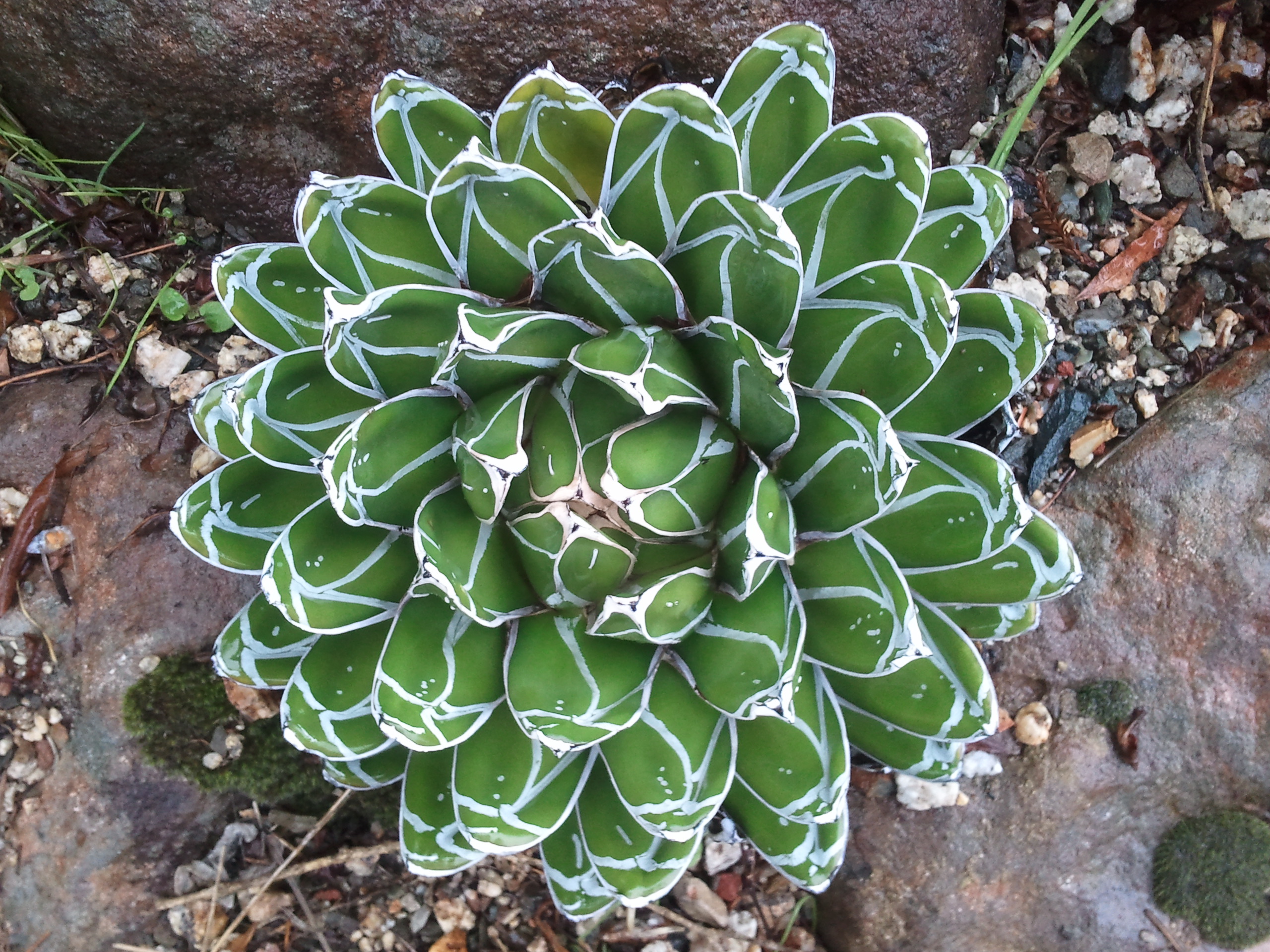
SAMSUNG

Agave victoriae-reginae from Mexico

Book Review: Seedswap

Seedswap: The Gardener’s Guide to Saving and Swapping Seeds by Josie Jeffery

Continuing debate and concern over genetically modified crops has resulted in increased interest in heirloom and open-pollinated seed varieties. The communities and groups that have emerged from this movement are both the impetus and the target for Josie Jeffrey’s recent book, Seedswap.

Seed swaps are nothing new, of course. Humans have likely gathered in some form or another to exchange seeds since the invention of agriculture, but recent interest in saving, sharing, and trading seeds parallels the GMO debate and the rise of urban agriculture. In that regard, Jeffrey’s book is a timely resource for anyone interested in joining the seed banking, seed swapping, and seed activism movements.

While much of this book is devoted to explaining the how-to’s of seed saving (including specific information on how to grow and save seed from 49 vegetable, herb, and flower varieties), the content that really sets it apart from other seed saving guides is, unsurprisingly, the focus on seed banking and seed swapping. Jeffrey provides a brief history of seed banks, the reasons behind them, descriptions of some of the more prominent ones, and some tips for starting a seed library. For seed swap novices, Jeffrey’s advice concerning where to find them and what to expect when attending them, as well as tips and etiquette to keep in mind are incredibly useful. After spending a few moments with Seedswap, every gardener should find themselves inspired and motivated to start saving and sharing seeds.

Jeffrey’s book is beautifully designed and well put together. Apart from the fact that it jumps around a bit and could stand to be better organized, it’s a nice little reference for anyone involved or looking to be involved in the world of seeds.

seed swap book

‘Tis the season for seed swaps. Find fellow gardeners to swap seeds with here.

Related Posts

Starting Seeds Indoors: The Planning Stage

Seed Swaps

Onion Seed Viability, etc.

Wise Management of Invaded Plant Communities

Late last year the journal Nature published an article by Katherine Suding called “A Leak in the Loop,” which discussed the findings from long-term observations of an invaded plant community in Hawai’i. (A report authored by the researchers can be found in the same issue of Nature.) Once introduced, exotic species can become invasive by modifying their surroundings in such a way that ensures their survival and spread. Examples include modifications to fire and disturbance regimes, nutrient cycles, hydrology, and soil microbe communities. This self-reinforcement strategy is called a positive feedback loop. However, positive feedback loops are not eternally stable and can at some point be interrupted by negative feedback. In the case of invasive species, these “leaks in the loop” can result in population declines  and opportunities for restoration.

Back in the 1960’s, woodlands in Hawai’i Volcanoes National Park that were traditionally dominated by Metrosideros polymorpha, a flowering evergreen tree in the myrtle family (Myrtaceae), were invaded by a perennial grass from Africa commonly known as molasses grass (Melinis minutiflora). Molasses grass was successful because its presence increased the frequency and size of fires which reduced populations of native plant species without negatively affecting itself. Additionally, accelerated nitrogen cycling rates resulted due to the presence of the exotic grass, which benefited the invader. But now things have changed.

Returning to these sites 50 years later, researches have discovered that nitrogen cycling rates have returned to pre-invasion levels. Since molasses grass requires high levels of nitrogen, it is now on the decline. What exactly caused this reduction in nitrogen availability is unclear. It could be because winter rains flush nitrogen from the soil, making it unavailable when the grass begins to actively grow again in the spring. Several years of reduced growth resulting from reduced nitrogen availability diminishes the grass’s initial contribution to accelerated nitrogen cycling, hence a breakdown in the positive feedback loop.

With the invader on the decline, the woodlands should be able to restore themselves. Ideally, anyway. Instead what the researchers observed is that another invader, Morella faya – a nitrogen fixing evergreen shrub from Europe, is moving in. Acacia koa, a native nitrogen fixing tree, is the ideal candidate for restoring these woodlands, however its seeds are heavy and don’t spread easily. Seeds of M. faya are bird-dispersed, and so they find their way into these sites first. In order to restore these sites and avoid further invasions, land managers must recognize when and where molasses grass is declining and start planting Acacia koa trees in large numbers, getting them established before M. faya arrives.

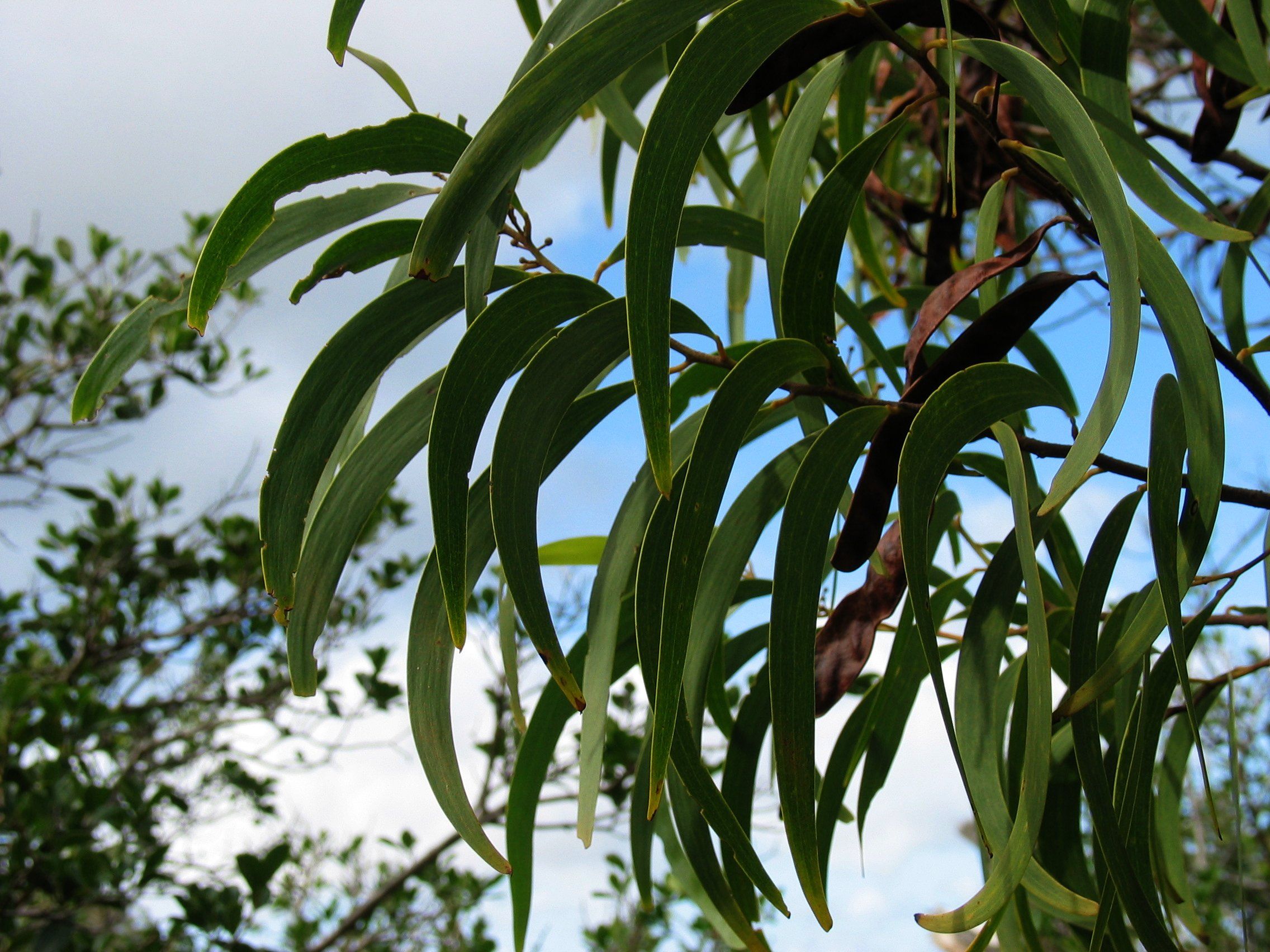
acacia koa

Acacia koa (photo credit: eol.org)

This research is important for anyone in the business of managing invaded plant communities. As Suding concludes in her article, “this new perspective will inform where and when we might best intervene in systems to capitalize on their changing dynamics.” Millions of dollars are spent each year in an attempt to reduce and ultimately eradicate invasive plant species. Long-term studies of invaded plant communities can help us recognize when the best times to employ restoration strategies might be. When we find a leak in the loop, we should take advantage of it, otherwise we may just be wasting resources.

Related Post:

Invasivore: One Who Consumes Invasive Species

Venus Flytrap: A Species of Special Concern

The Venus flytrap is likely the most popular and well-known (as well as the most purchased and widely owned) of any carnivorous plant. It is a proud representative of a diverse group of plants that continues to astound most everyone from plant experts to plant amateurs and even the plant ambivalent. With its leaves shaped like gaping mouths with sharp teeth and its ability to snap shut and devour insect prey, it is a remarkable species, but would you believe that it is also a rare one?

The Venus flytrap (Dionaea muscipula) is native to a small region on the east coast of the United States near the border of North and South Carolina. Its range extends to about a 100 mile radius from Wilmington, NC. Within this region, the habitat of the Venus flytrap is mainly wet savannahs with sandy, peaty, acidic soils on the edges of swamps and fens. Thus with its limited range and specific habitat requirements, the Venus flytrap has always been a rare species, even before it became a popular houseplant.

Apart from being naturally rare, the Venus flytrap now faces numerous threats to its continued survival in the wild. The obvious one is its popularity, which has led to the harvesting of hundreds of thousands of wild plants to be cultivated and sold in the plant trade. Other threats involve its habitat. Wetlands are one of the most threatened ecosystems. They are frequently drained and developed for real estate, agriculture, and recreation, and they are regular victims of pollution and exotic species invasions. The wetlands that Venus flytraps call their home are no exception. Additionally, naturally occurring fires are being suppressed in this region, allowing larger plants normally kept in check by occasional fires to thrive and choke out low-growing Venus flytraps.

Despite these threats, the Venus flytrap has not yet been listed as a federally endangered species. However, it is currently listed as a species of special concern in North Carolina and is listed as Vulnerable on the IUCN Red List. Fortunately, wildlife officers in North Carolina do issue citations to anyone caught illegally harvesting Venus flytraps in order to deter such activity.

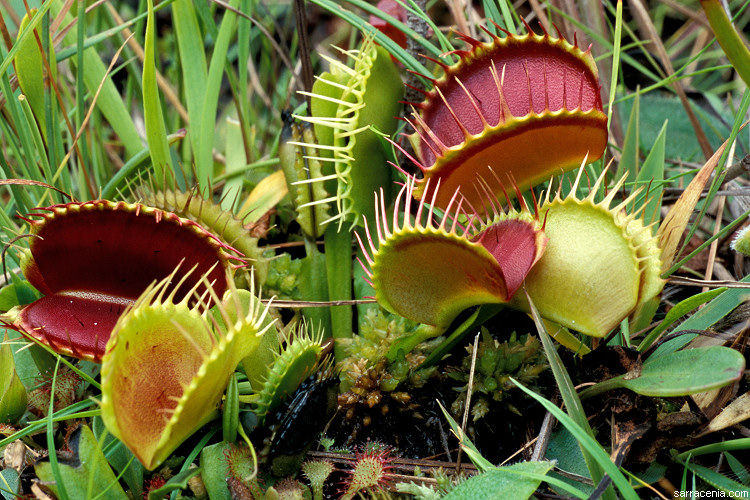
venus flytrap

Dionaea muscipula   © 2006 Barry Rice

If you are interested in owning a Venus flytrap, make certain that you are purchasing a nursery grown plant and not a wild harvested one. The plant label should specify this. To be sure you are purchasing a nursery grown plant, look for cultivar names, like ‘Red Dragon’ or ‘Royal Red’ (and many others). These are plant varieties that have been bred in tissue culture labs from cultivated plants.

To learn more about the Venus flytrap and its current conservation concerns, see this Encyclopedia of Life page.

Related Posts:

Northern Pitcher Plants: A Model for Understanding Food Webs

The Sundews

Overwintering Carnivorous Plants

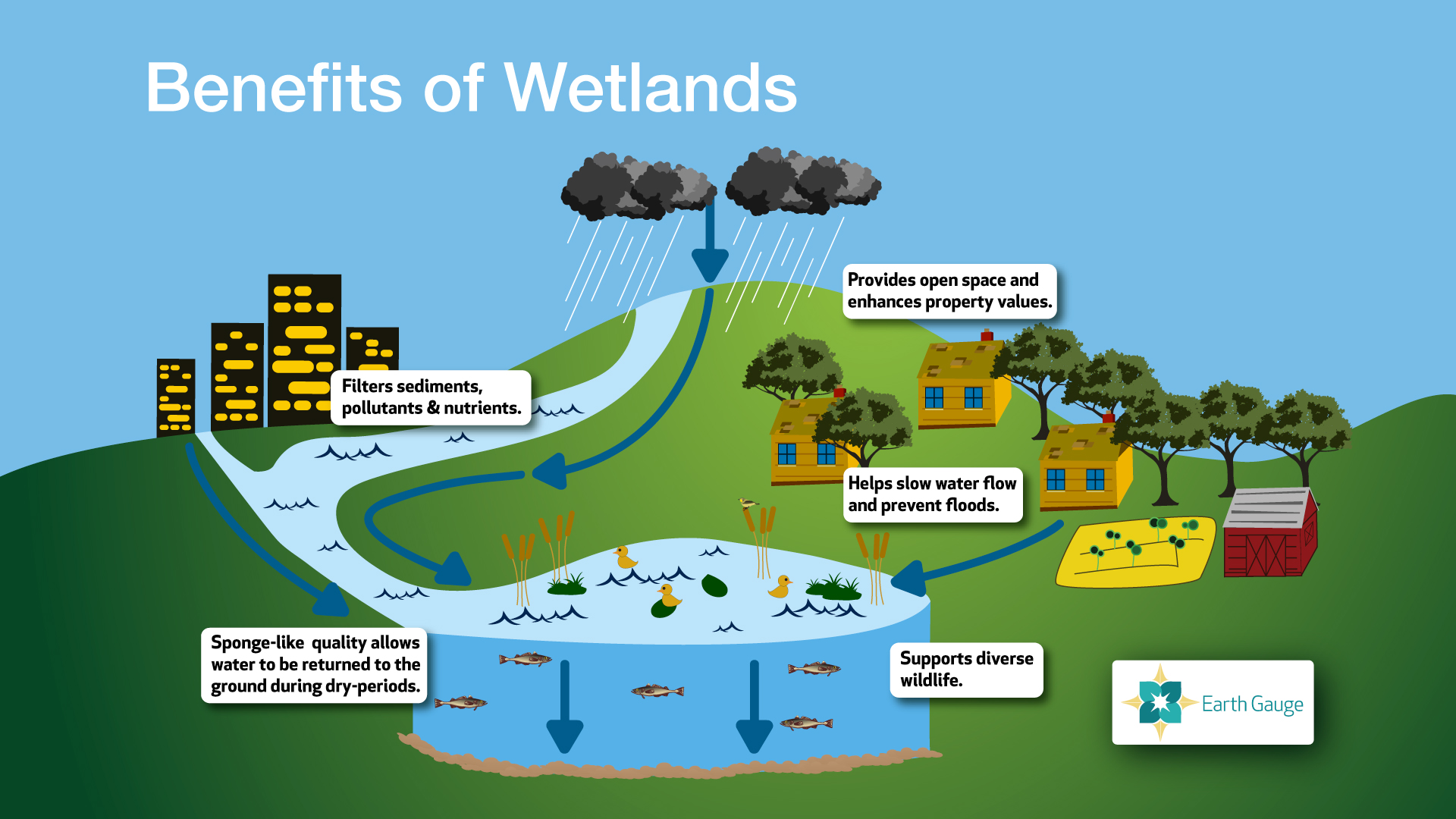
Wetlands!

Wetlands!

From www.earthgauge.net:

“May is American Wetlands Month! No matter where you live, chances are there’s a wetland nearby that provides important environmental benefits to your community. Wetlands support diverse fish and wildlife species, filter pollutants from rain water runoff, help recharge groundwater supplies, prevent flooding and enhance property values.”

Wetlands are ecosystems that are characterized by their vegetation (aquatic plants), their soils (formed during anaerobic conditions caused by being flooded or saturated with standing water), and, of course, their state of being largely saturated with water either seasonally or permanently. Examples of natural wetlands include bogs, fens, marshes, and swamps. Wetlands can also be constructed by humans for the purpose of collecting storm water runoff from urban areas in an effort to reduce the risk of flooding and avoid overwhelming municipal sewer systems during large rainstorms.

Wetlands are the most threatened type of ecosystem on earth, and we are losing them at a steady clip. Major threats to wetlands include land development, pollution (agricultural and otherwise), and the introduction of invasive species. Considering the benefits we receive from having wetlands around, it is imperative that we protect them. Earth Gauge offers some suggestions on how to do so.

wetland benefits

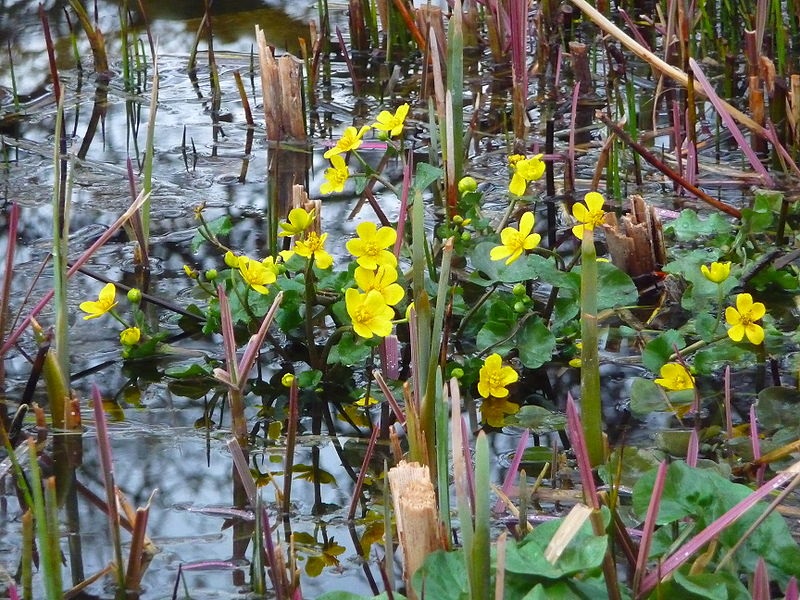
Speaking of wetlands, one of my favorite wetland plant species is marsh marigold (Caltha palustris). It is in the buttercup family (Ranunculaceae) and is common in wetlands throughout the Northern Hemisphere. I became familiar with this plant when I was volunteering at a wetland in Edwardsville, IL. Perhaps you’ve seen it growing in a wetland near you.

caltha palustris

marsh marigold (Caltha palustris) photo credit: wikimedia commons