Plantasia Cactus Gardens

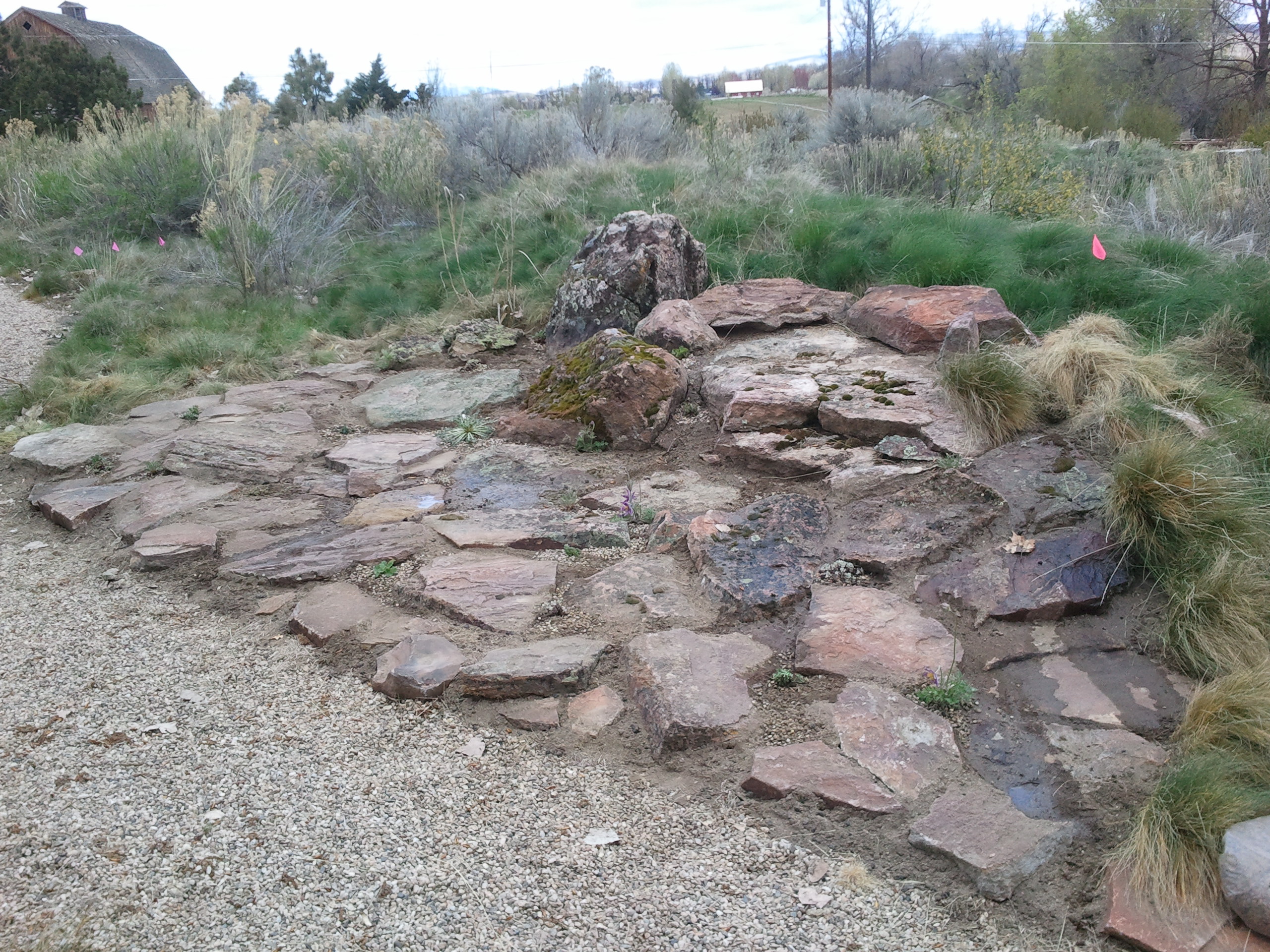
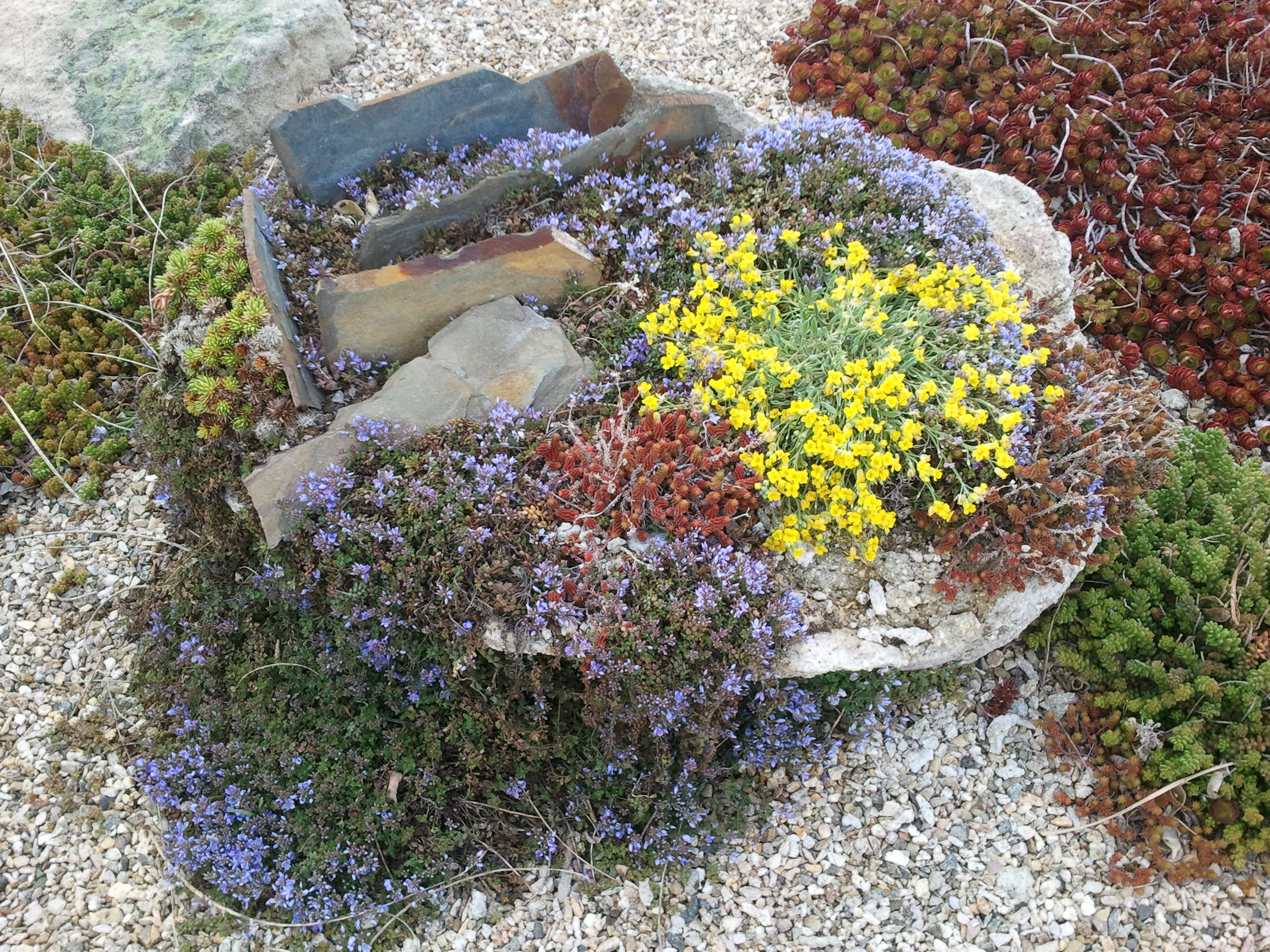
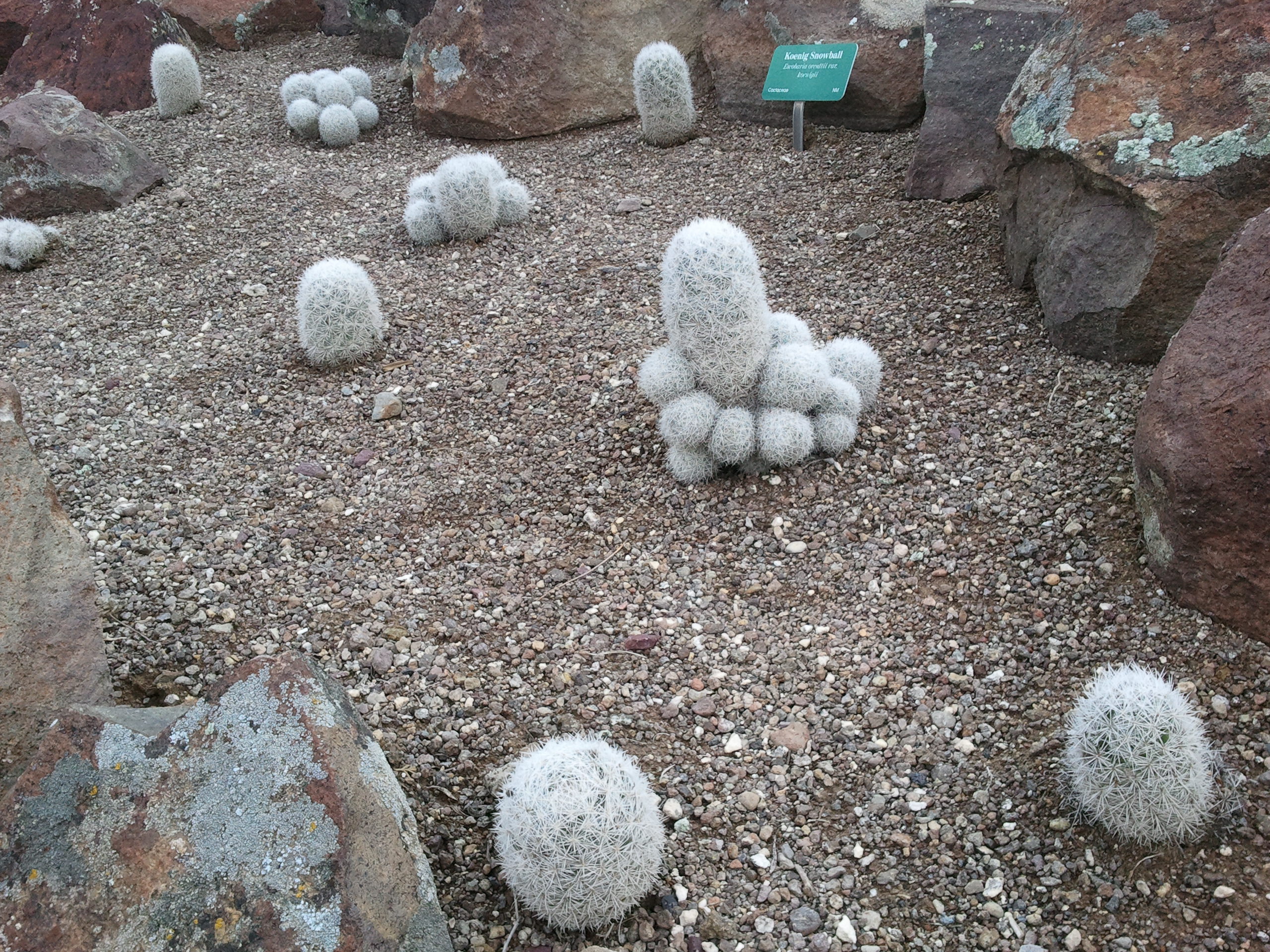
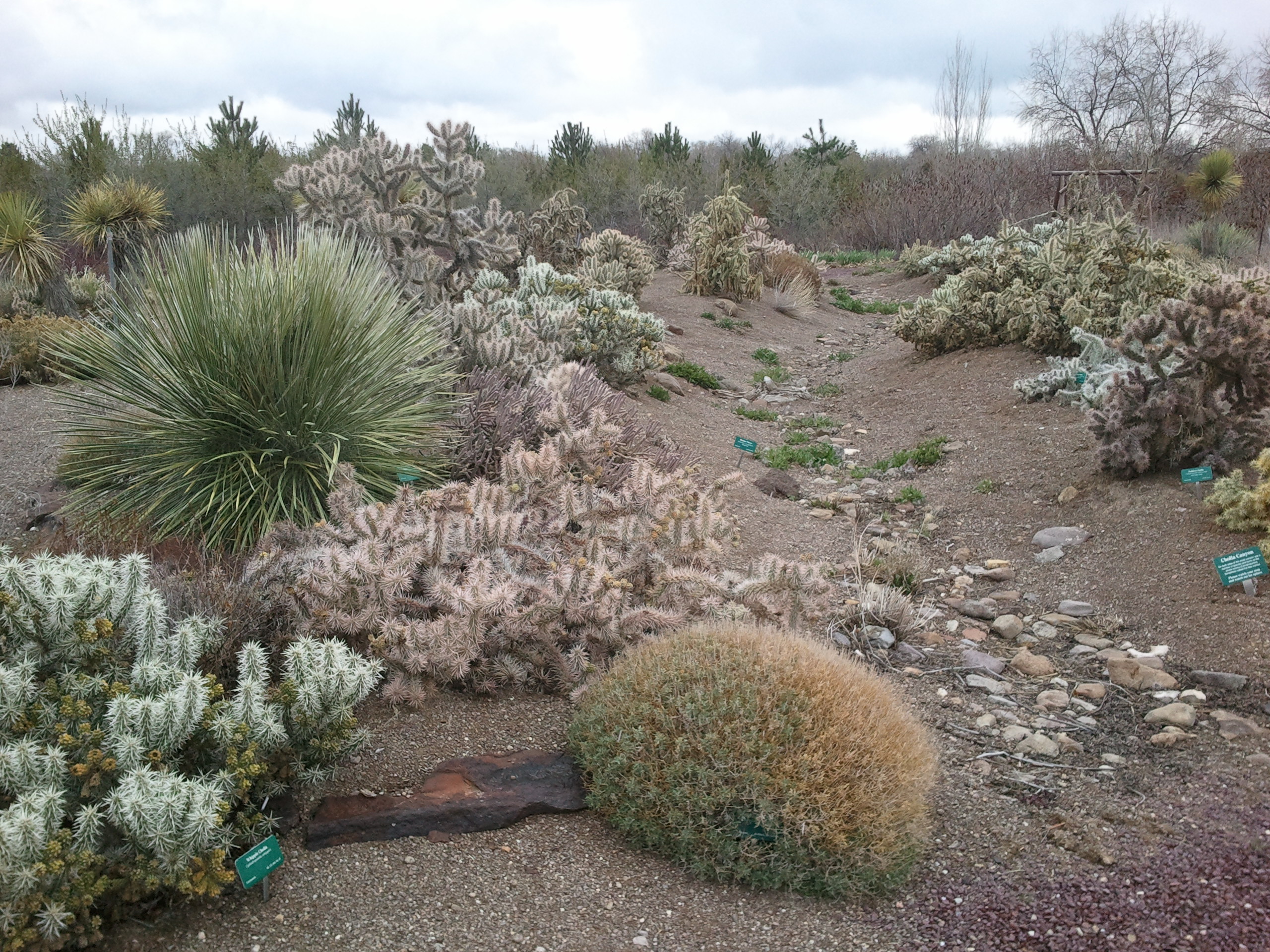
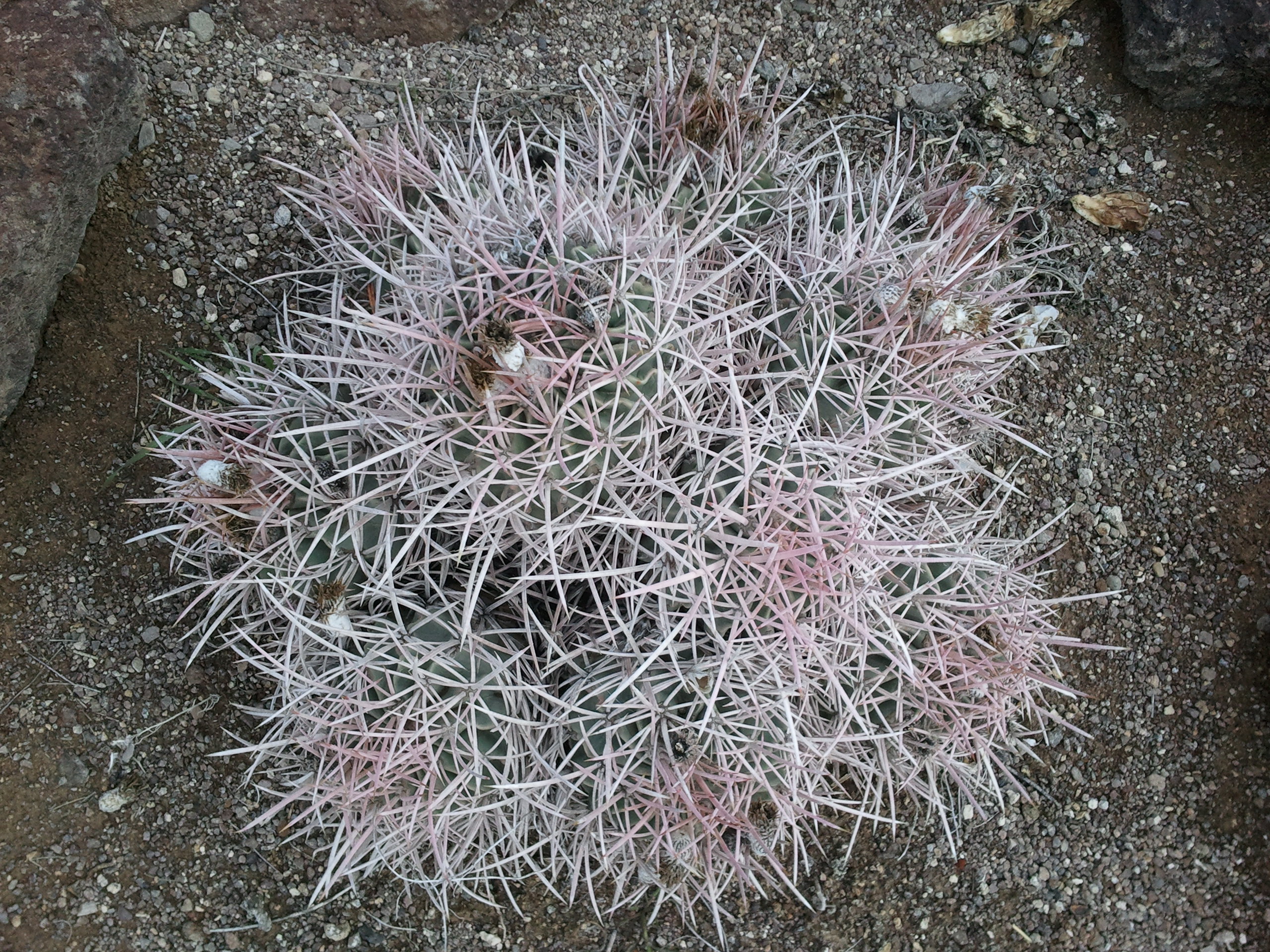
If you ever find yourself in southern Idaho, there is a secret garden that I highly recommend checking out. I say “secret” because it is a private garden, but if you make an appointment ahead of time, the owners will gladly let you see it. It’s called Plantasia Cactus Gardens, and it is 5 acres filled with a very impressive collection of cacti and other desert plants. Most of the plants are native to the western United States, but there are a few plants from other parts of the world as well. The gardens are beautifully designed and very well-kept. The owners are very friendly and incredibly knowledgable and could probably spend hours with you talking about each plant in their collection. Along with maintaining the garden, the owners also propagate cacti and other drought tolerant plants and sell them during an annual plant sale and through mail order. Check out their website (which is updated regularly) for more information.

SAMSUNG

SAMSUNG

SAMSUNG

Crape Murder and Other Crimes

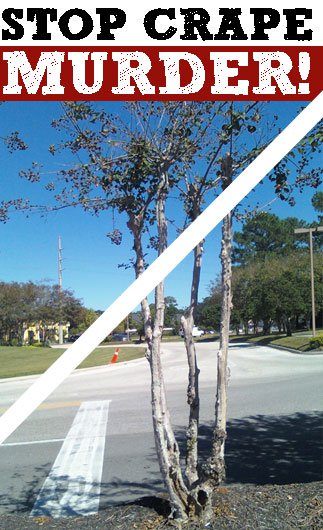
Here is something that will hopefully provide you with a little comic relief…and perhaps bring a little contempt as well. Recently, I was talking with a woman from Texas, and she informed me of an appalling ritual referred to, by those opposed to it, as “Crape Murder.” It’s being carried out on an ornamental tree that was brought over to the United States from Asia. The tree is commonly known as crape myrtle (Lagerstroemia spp.). It is very popular throughout the southern United States and has a reputation of being one of the most beautiful additions to a landscape due to its appealing natural shape, its propensity to flower all summer long, and its attractive bark. The “murder” aspect comes in when folks who, ignorant of proper horticulture techniques (and with a poor opinion on what might be considered “aesthetically appealing”) hack the branches of crape myrtles back at the end of the season so that all that is left of the poor things are nubby trunks. Apparently they think they are doing the tree and themselves a service, but the results of this action aren’t serving anyone – especially the trees. There are a number of passionate arguments against this heinous act found on the internet. Here is a link to one. There is also a facebook page devoted to bringing an end to Crape Murder.

This discussion reminded me of a post that I read on Garden Rant a little while back. The author was ranting against what he calls “plant janitors,” pointing out the atrocities that are carried out by these nefarious creatures on a daily basis. It turns out that the author of this rant also has a facebook page devoted to “crimes against horticulture.”

All of this is quite comforting to me, because it has helped me to realize that I am not the only one who gets squeamish when I see the hideous things that people decide to do to their plants and to their landscapes. Now that I am aware that there are plenty of other places on the internet to let off steam and rant about these issues, I can assure you that I will refrain from doing such things here. For the most part anyway…

crape murder

Microgreens!

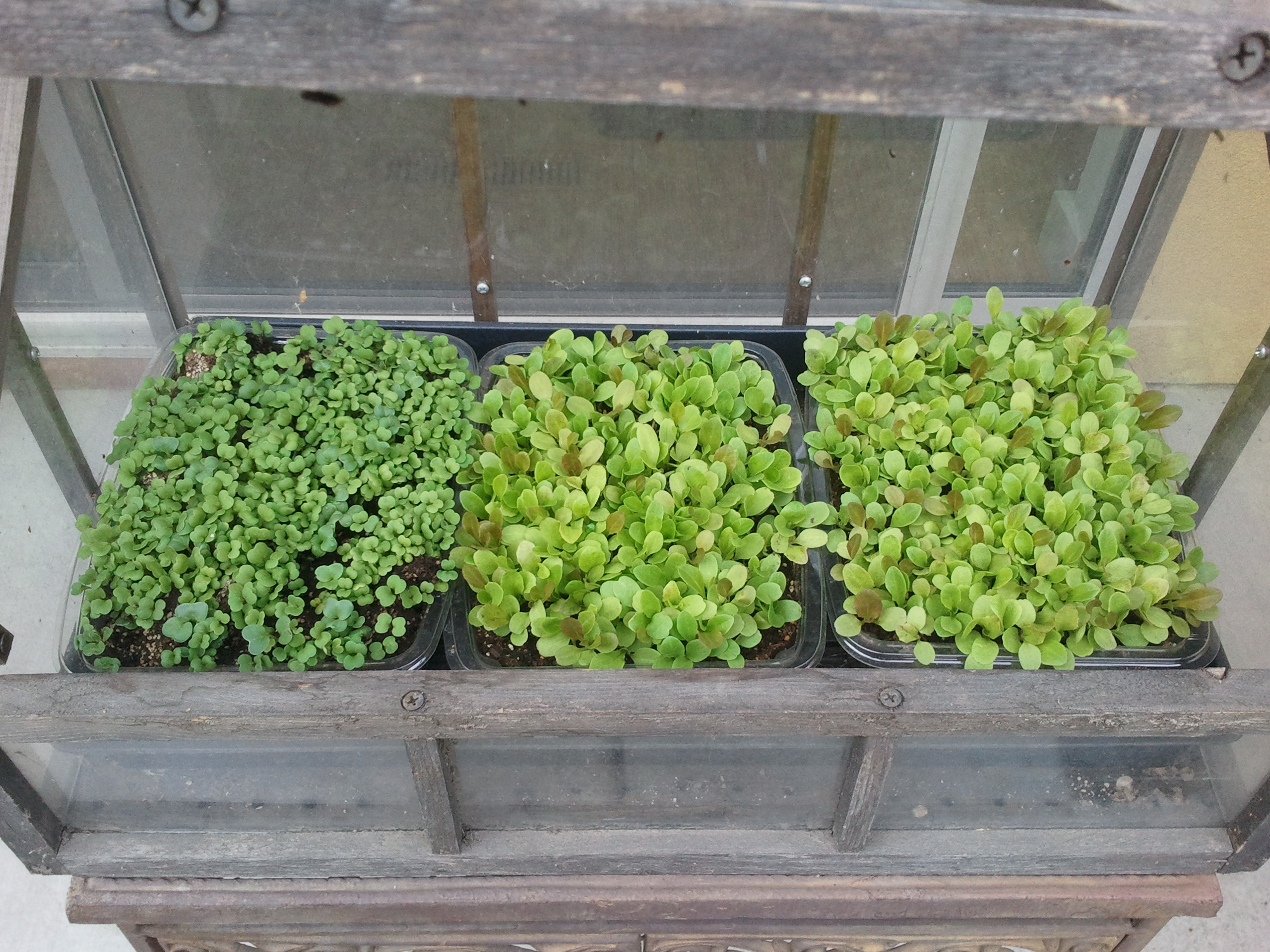
Microgreens are quite popular these days. They are larger than sprouts and smaller than baby greens, and new research has verified that they are packed with nutrients. Microgreens are easily grown year-round on a countertop or windowsill, even if the lighting situation is less than ideal for growing other plants. I am growing some now in clear, plastic, salad mix containers. I punched a few holes in the bottoms of the containers for drainage, filled them with moist potting soil, scattered seeds on top of the soil, covered the seeds with a bit more potting soil, and placed them outside in a small cold frame. I planted two with lettuce mix and one with radishes and arugula. The plants are ready to cut in a week or two and can be eaten in salads, sandwiches, stir-fries, etc.

To be considered true microgreens, the plants should be harvested very young (up to 14 days old and about an inch tall). After they are harvested, they will need to be replanted – unlike baby greens and typical salad mix which will produce multiple harvests – because they will not be large to enough to recover from being chopped down.

A wide variety of seeds can be grown as microgreens, including lettuces and other salad greens, brassicas (radishes, mustards, arugulas, etc.), and herbs. You can select a pre-packaged lettuce mix, or you can make a special mix of your own. Microgreens are great for people who want to grow some of their own food but have little or no space for a traditional garden because they are easily grown in containers indoors. They can also be grown throughout the winter when outdoor gardens have been put to bed for the season.

Learn more about growing microgreens at You Grow Girl and Organic Gardening.

SAMSUNG

Onion Seed Viability, etc.

Seeds don’t remain viable forever. However, each species is different – the seeds of some species can remain viable for many years (decades even), while some species have seeds that will no longer be viable after a single year. This, of course, is something to keep in mind when planting seeds.

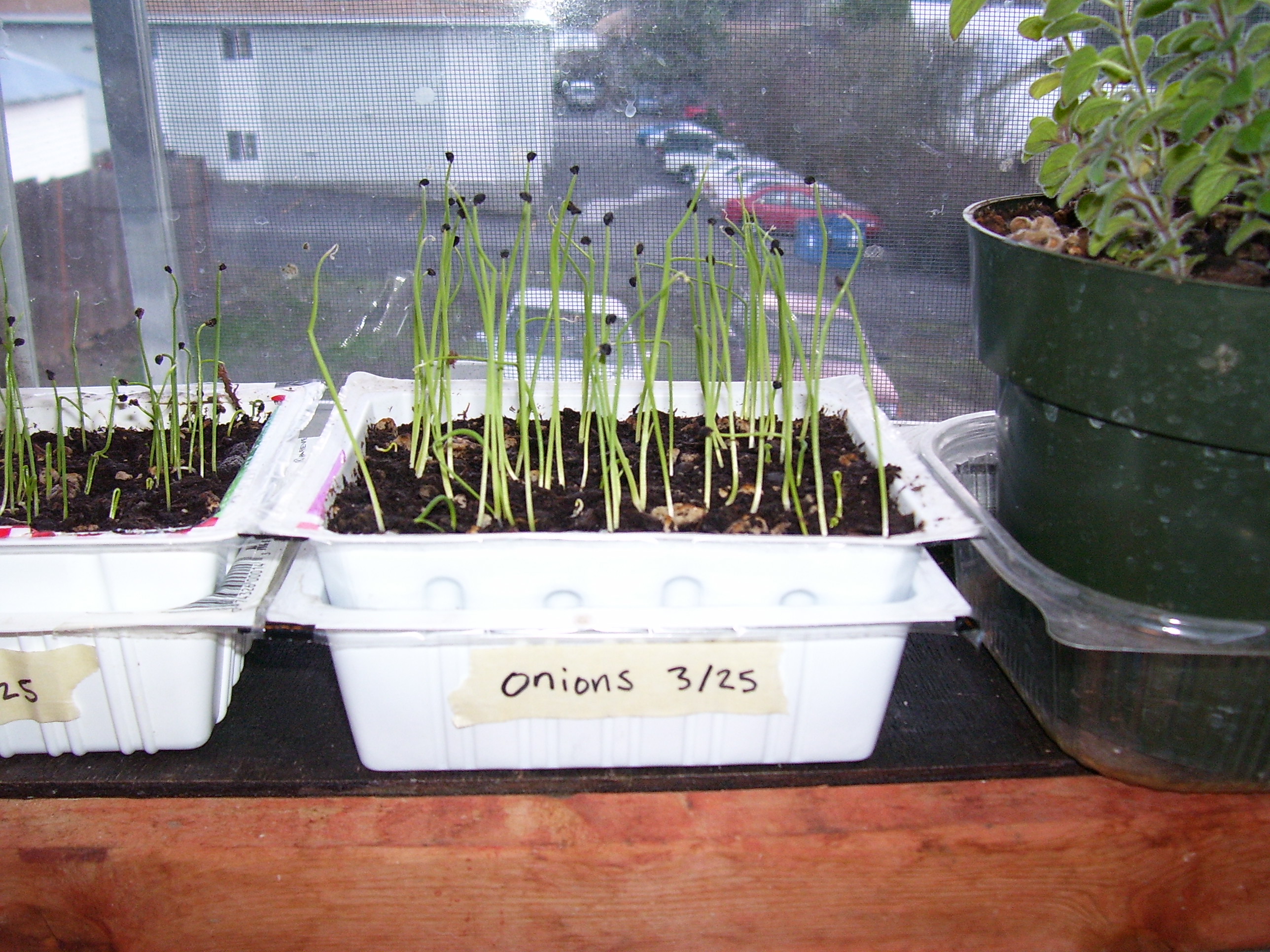
Recently I planted some onion seeds. I was curious to see if they would germinate because they were a few years old –  collected in 2007. My experience with onion seeds is that they germinate fairly quickly, within a week or so. However, three weeks have passed and my seeds have not yet germinated, despite being kept in moist potting soil in a sunny, warm corner of the house. This experience has led to me to think about seed viability.

Like I said, seeds of different species remain viable for different lengths of time. For vegetable gardeners, there are a variety of places to go to learn more about seed viability. Iowa State University Extension has a great chart which shows the number of years that the seeds of popular vegetable crops should remain viable. It is interesting to note that onion seeds only remain viable for one year. As it turns out, my seeds were far past their prime.

Seed storage can make a huge difference, though. Ideally, seeds should be stored in a cool, dry location. If they are exposed to too much heat or moisture, their metabolism will increase and their viability will decrease. This is because seeds are living organisms, despite appearing dead or dormant. Their metabolic processes are proceeding at an extremely slow rate,  but they are still proceeding. If metabolism increases (due to excessive heat or moisture, for example), the embryonic resources of seeds can become depleted, and viability (or germination potential) decreases.

Some sources recommend that you keep your seeds in the refrigerator, provided that they are sealed in plastic to keep them dry. Regardless, the ideal conditions for seed storage are cool and dry. I have always kept my seeds in a shoebox at room temperature (which isn’t always that cool because in the summer I refrain from using the air conditioner as much as possible). Thus, the viability of my seeds may in fact be reduced simply due to the conditions in which they are being stored.

There is a way to determine the viability of your seeds if you are curious. Just place some seeds on a moist paper towel, roll up the paper towel, and place it inside of a plastic bag. Wait a few days and then remove the paper towel from the plastic bag. Count the number of germinated seeds and divide that number by the total number of seeds originally placed on the paper towel. This will give you the germination percentage and will help you determine how many seeds to place in each hole or pot when you are planting them.

onion seed packet

This is the seed packet for the onion seeds that I planted. 2/15/2013 is the date that I planted them. After three weeks they had not germinated. I guess I’ll have to try some newer seeds.

Assessing Your Soil

The latest issue of the magazine, Heirloom Gardener, has a great article on assessing your garden soil to be sure that it is ready for the coming growing season. The article addresses four main points that every gardener should be thinking about at the beginning of each growing season.

  1. Soil pH. This is a measure of the acidity of your soil. A pH of 7 is neutral – anything below that is acidic and anything above that is alkaline. Soil pH is important because it affects nutrient availability. The ideal soil pH for a vegetable garden (depending on what you read) is somewhere between 5.5 and 7.5 – if a soil has a pH above or below this range, certain essential plant nutrients will become less available, affecting the growth of plants in your garden and their potential yield.
  2. Soil Test. Determining your soil pH can be done by doing a simple soil test. The soil test will also let you know what nutrients are available in your soil and to what extent. Knowing the fertility of your soil will help you decide what steps to take in terms of adding organic matter and fertilizer to your soil. What amendments are needed will also be determined by what plants you are planning to grow, but having that soil test will at least give you a baseline to work from. Check with your local county extension agent for more information on how to take a soil sample and where to send it for analysis.
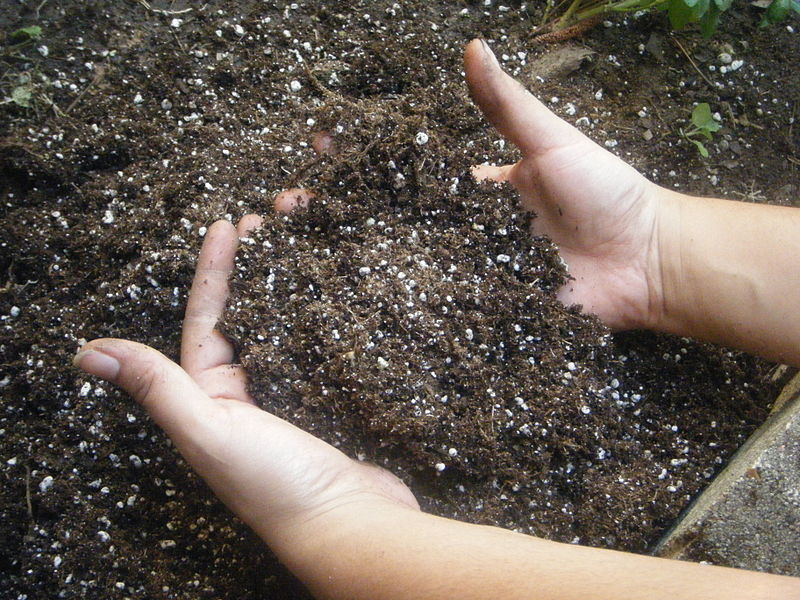
  3.  Soil Amendments. The spring is a good time to add amendments to your soil. The ideal thing to add is mature compost. The best soil for a productive vegetable garden is one that is loamy (referring to a mixture of sand, silt, and clay particles) and contains a large amount of organic matter. The organic matter (especially when highly decomposed) provides structure, drainage, fertility, and a flourishing microbial population to the soil. I have to emphasize “highly decomposed” because organic matter that is not well decomposed could end up being detrimental to your plants. This is because soil microbes, whose job it is to decompose organic matter, need nitrogen to do their job and can “rob” available nitrogen from nearby plants, resulting in a temporary nitrogen deficiency and stunted plant growth.
  4. Soil Drainage. The water-holding capacity of your soil is incredibly important and is something you should think about addressing in the spring. Soil that drains too quickly or not quickly enough are both scenarios that are not ideal for a vegetable garden. To test soil drainage in your garden, dig several holes that are at least 2 feet deep and fill them with water. After the holes have drained completely, fill them with water again and keep track of how long they take to drain. A rate of 1-2 inches per hour is ideal. If the test results from your garden are more or less than this standard, the soil should be amended. Adding lots of compost to the soil should address the problem whether it is slow or fast drainage.

The health (or condition) of the soil in your vegetable garden is hugely important and will have a large influence on the success and productivity of this year’s crops. So while you’re thinking about all of the things you want to grow this year, take a little time and think about the soil that they’ll be growing in. While it may not seem as interesting as the plants that will be growing in it, good soil will certainly make a huge difference in the long run.

Read the article, “Is Your Soil Ready for Spring?”, in the Spring 2013 issue of Heirloom Gardener for more detailed information.

800px-HandsInSoil

Photo credit: wikimedia commons

Seed Swaps

I am a huge proponent of sharing and the free exchange of ideas and items, which is why when I learned that there was a seed swap happening in my current hometown, I was happy to participate.

Seed swaps are events where people can bring seeds that they have either saved themselves (i.e. collected from plants they grew in their garden or found growing elsewhere) or have purchased and trade them for seeds brought in by other participants. Bringing seeds isn’t always a requirement though – in some cases, if you have no seeds to offer, you can take what seeds you need and then plan to bring some to the following year’s swap.

Seed swaps are great ways to be introduced to plant varieties that you may not be familiar with and to get ideas for what to grow in your garden. They are also a huge benefit to people who would really like to have a garden but have limited money to purchase seeds. Another benefit, of course, is that it gives you an opportunity to unload all of your old seeds – seeds that you may no longer be interested in but someone else might.

There are also social and educational benefits to seed swaps. Mingling with other gardeners gives you a chance to meet new friends and learn from their gardening experiences. Depending on the seed swap, there may also be classes and workshops to attend where one can learn more about seed saving and general gardening.

The seed swap that I attended was called Seedy Saturday, and it was hosted by the Treasure Valley Food Coalition. I highly recommend finding a seed swap in your area and giving it a try. If there is no seed swap where you are, start one!

SAMSUNG

Starting Seeds Indoors: The Planning Stage

It’s February – time to start thinking seriously about this year’s garden. By now you’ve probably received multiple seed catalogs in the mail and you are already starting to think about what you want to grow this year. Now it’s time to think about starting some seeds indoors so that you’ll have some plants ready to go into the garden as soon as it warms up outside. I haven’t had the best luck with starting seeds indoors, probably mostly due to lighting and temperature issues, but hopefully this year will be different.

Something that may be helpful in the planning process is a seed starting chart, which will help you decide when to start each of your seeds. After all, you don’t want to start all your seeds at once because some plants will be ready to transplant faster than others and some plants can be placed outside earlier than others. There are several resources that offer seed starting charts. Two that come to mind are Organic Gardening and You Grow Girl. In order to successfully use these charts, you will need to know the Spring Frost-Free Date for your region. A good place to figure that out is Dave’s Garden.

Once you know what you want to plant and when to plant it, and you have your pots, growing media, lighting, and temperature issues in order, you’ll be ready to go. With dedication, determination, and a little luck, you should have a healthy batch of plants to fill your garden come spring. Happy planting!

100_0510