Feeding the World with Microbes

Back in the mid 1900’s, after the tragic days of the Dust Bowl in North America, new agricultural techniques and technologies were developed and distributed in the name of food security. These developments included higher yielding plant varieties, synthetic fertilizers and pesticides, and advancements in irrigation and other management practices. This period in time was termed the Green Revolution, and it truly was a remarkable time. Agricultural advancements that came out of this period have helped us feed the world and stave of starvation for millions of people. Today, issues of hunger and starvation are political problems, not necessarily agricultural ones. However, the human population continues to grow, and today’s 7 billion people is projected to reach up to 10 billion (or more) in the coming decades. The world’s best farmland is either already in use, degraded, or being used for other things. This means that we must find a way to feed a growing population with the diminishing farmland that is available. We may be producing enough food now (despite the distribution problem), but will we be able to produce enough in the future? The hunt for the Green Revolution 2.0 is on.

“According to the [UN’s Food and Agriculture Organization], most of the growth in production…has to come from increasing yields from crops. Selective breeding doesn’t seem to be offering the types of dramatic yield increases seen in the past. Meanwhile, genetic engineering has yet to lead to any significant increase in yields. Now, many scientists are saying that we’ve been looking at the wrong set of genes.”

These are the words of Cynthia Graber, author of an article that appeared last month on PBS Online’s NOVANext entitled, “The Next Green Revolution May Rely on Microbes.” In it she explores the argument that increasing future yields will depend on better understanding the soil’s microbial community and its complex interaction with the plant community. The big question: if microbes can be artificially bred – the same way virtually all agricultural plants have been – might they help us increase food production?

Microbial life in the soil is incredibly diverse. In one teaspoon of soil, there can be millions of individual microbes including bacteria, fungi, protozoa, algae, and nematodes. Our current understanding of soil life is extremely limited, akin to our understanding of outer space and the depths of the oceans. That is because, as stated in Graber’s article, “perhaps 1% of all soil microbes can be grown in a petri dish, the conventional model for such research.” This limits our ability to study soil microbes and their interactions with other living things. We do, however, acknowledge that the interactions between the roots of plants and soil microbes is incredibly important.

Fruiting Body of an Ectomycorrhizal Fungus (photo credit: eol.org)

Fruiting Body of an Ectomycorrhizal Fungus (photo credit: eol.org)

One major player in these interactions is a group of fungi called mycorrhizae. “Mycorrhizal fungi cannot survive without plants, and most plants cannot thrive without mycorrhizal fungi.” It is a symbiotic relationship, in which the fungi offer plants greater access to water and nutrients, and plants feed sugars derived from photosynthesis to fungi. Recent advancements in genetics have allowed researchers to better analyze the genes in microbes like mychorrizal fungi and determine the functions of them. Through selective breeding, microbes can be produced that will offer even greater benefits to plants, thereby increasing yields. For example, some microbes help plants tolerate heat and drought. Isolating the genes that give microbes these abilities, and then breeding these genes into other microbes might allow for a wider palette of plants to receive this kind of assistance.

In researching this article, Graber followed a Swiss researcher to Colombia where he was testing lines of mychorrhizal fungi on cassava. The fungi were specifically selected to increase a plant’s access to phosphorous. This is one of many experiments that are now under way or in the works looking at specially bred microbes in agricultural production. It’s an exciting new movement, and rather than spoil too much more of Graber’s article, I implore you to read it for yourself. Share any comments you may have in the comment section below, and expect more posts about plant and microbe interactions in the future.

Cynthia Graber appeared at the beginning of a recent episode of Inquiring Minds podcast to talk about her article. I recommend listening to that as well.
Horticulture Students Wanted

“Horticulture is under siege.” At least that’s the claim made in a letter and action plan penned by the top administrators of six prominent horticulture institutions based in North America. In their letter addressed to “Colleague[s] in Horticulture,” they claim that among the general public there is a “lack of horticulture awareness and poor perception of horticulture careers”. This has lead to low enrollment in high school and college horticulture programs and a dearth of qualified, young horticulturists entering the work force. Because the youth of today “appear to have little or no awareness of the importance and value of horticulture,” they are not choosing to pursue “interesting, challenging, and impactful careers” in the field.

In order to address this issue, this team of horticulture professionals has developed a plan “to increase public awareness of the positive attributes of horticulture.” Plants are essential for life on earth; humans could not exist here without them. It is the field of horticulture that supplies humanity with much of the food that it consumes, including fruits, vegetables, nuts, and herbs. Horticulture also fills our landscapes with plants that provide the backdrop to our daily lives, transforming otherwise drab and harsh urban areas into lush green spaces. And speaking of “green,” horticulture is helping us save our planet. Through teaming up with engineers and other professionals, horticulturists are helping to develop solutions to issues like climate change, water quality, storm water runoff, energy production, and biodiversity loss. Innovative and emerging strategies such as green roofs, wildlife gardens, carbon sequestration, biofuels, and sustainable agriculture require horticulture expertise in order to succeed.

These are just some of the benefits of horticulture that the authors of this plan hope to share with the general public in an effort to change public perception and attract young recruits. If they don’t succeed, the consequences may be dire – or at least that’s how they make it sound. An article on philly.com regarding the recent letter put it this way: “if something isn’t done soon…horticulture could become a lost art and a forgotten science.”

Yeah, it’s a bit dramatic sounding. It’s hard for me to believe that the situation is really that desperate. However, what I will say is that a career in horticulture is not for everyone. It certainly isn’t for anyone who dreams of being rich and/or famous one day. That’s probably not going to happen. People who choose a career in this field do so because they have a passion for plants, a love of beautiful, inviting landscapes, and perhaps a proclivity for fresh, homegrown fruits and vegetables. A career in horticulture is not glamorous by any means, but it is highly rewarding – at least from my perspective. So sure, youngsters should consider it…but they should also consider themselves warned.

And now it’s time for show and tell. I graduated with a degree in horticulture at a four year university in the intermountain northwest. After that, I ventured off to the Midwest to pursue a graduate degree researching green roof technology. Perhaps the following pictorial of some of my adventures will inspire a few of you young folks to consider a similar path. Either that or there is always that liberal arts degree you’ve been dreaming of…

100_0410

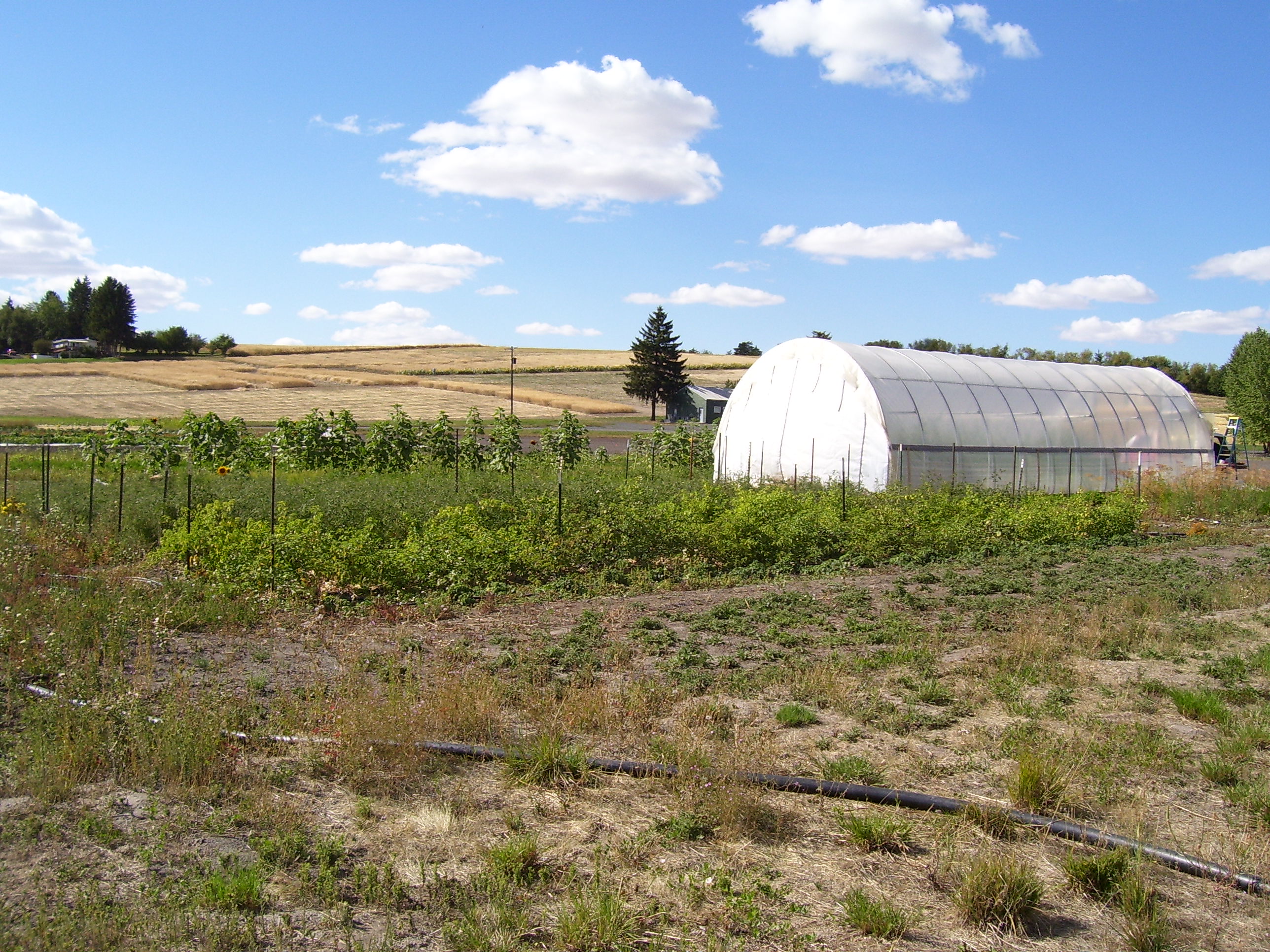
As an undergraduate, I helped manage a student-run organic farm

community garden plot

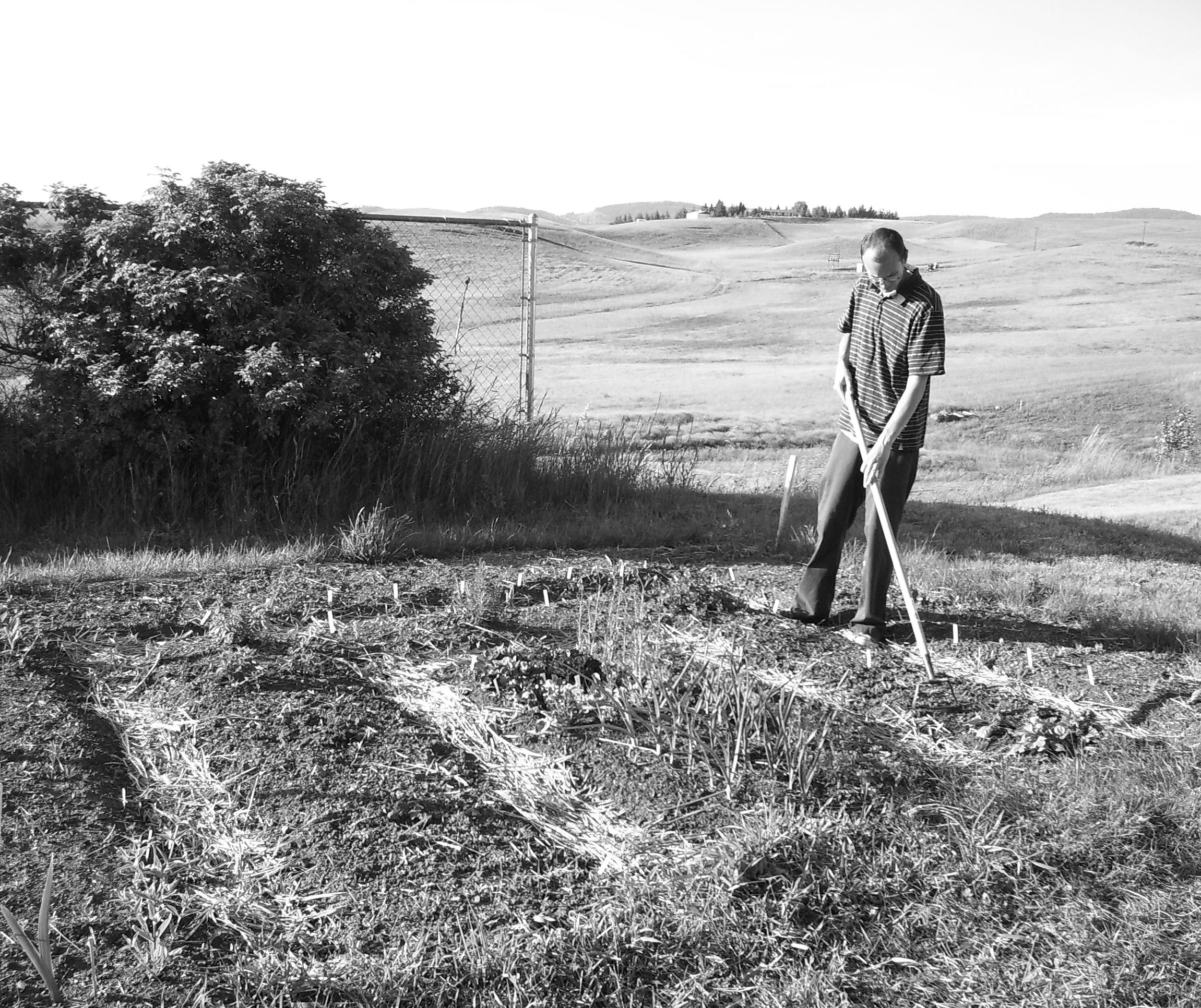
I had a community garden plot overlooking the rolling hills of the Palouse

100_0265

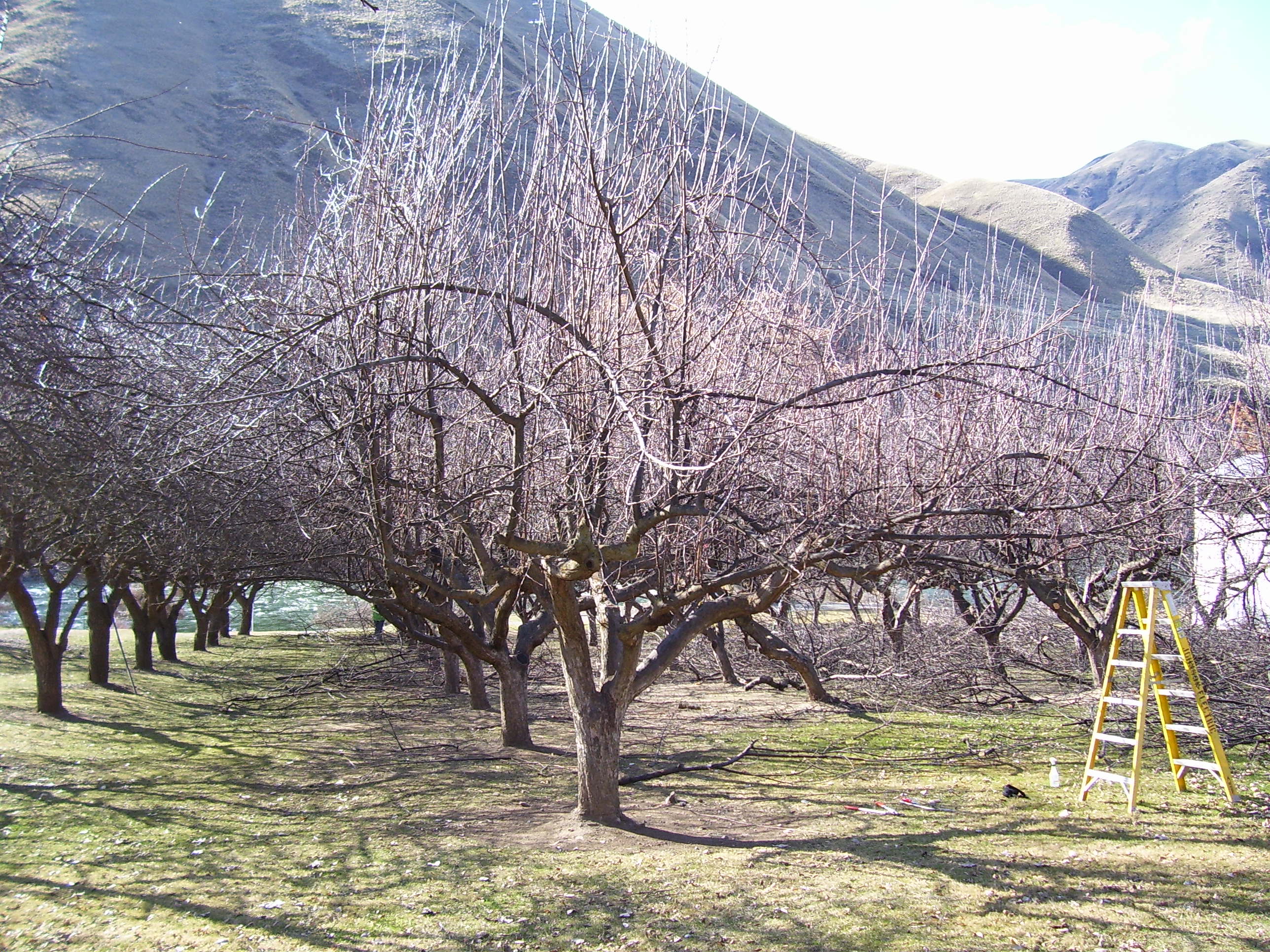
I took a jet boat trip up the Snake River to help prune an abandoned apple orchard

100_0650

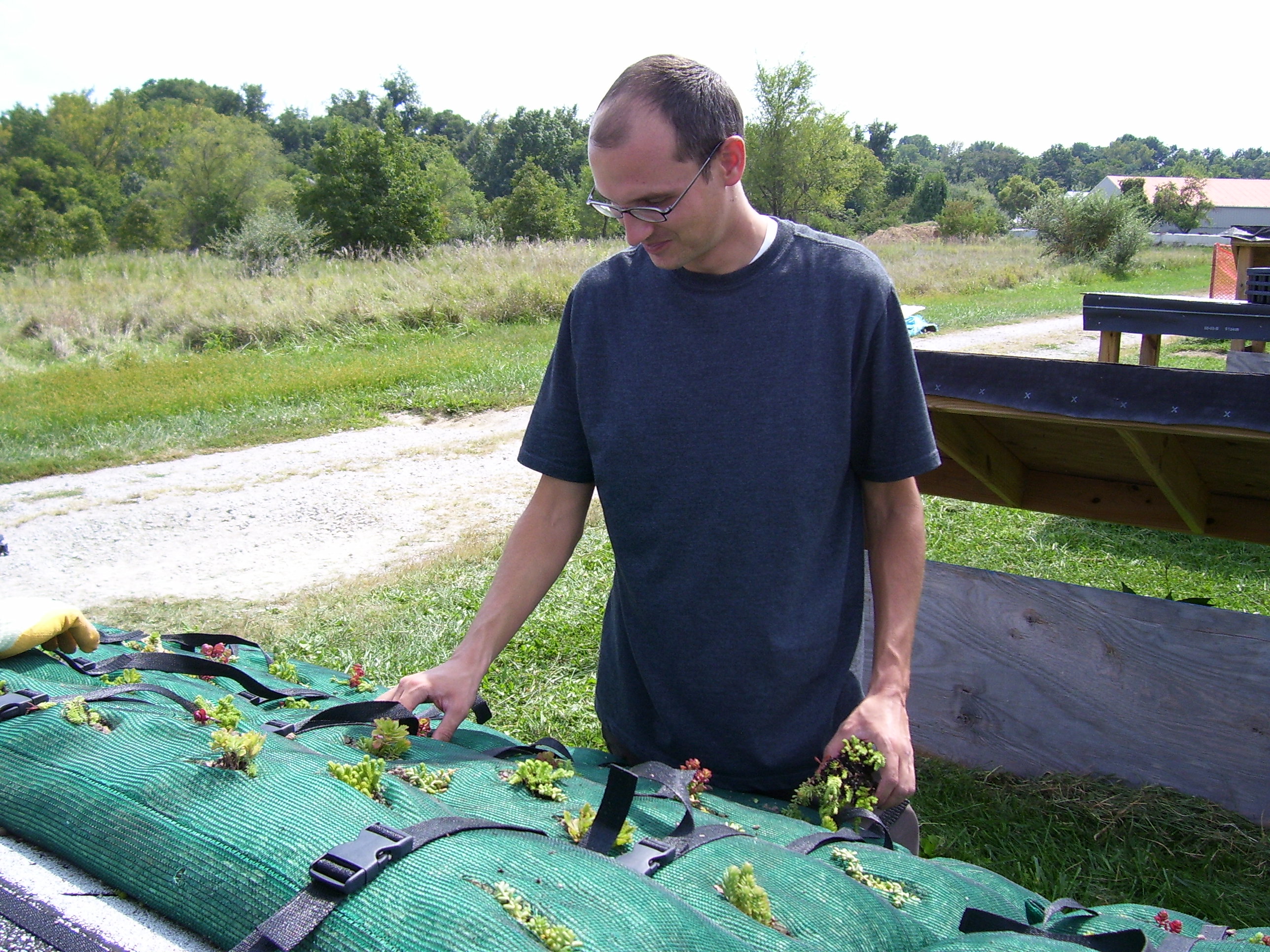
Then I went to Illinois to study green roof technology as a graduate student

???????????????????????????????

I presented my research findings at a big conference in Philadelphia

And so can you…or something like it. Comment below if you would like to put in your plug (or caveat) for pursuing a career in horticulture. The world needs you.

White Rot and the Quarantine Zone

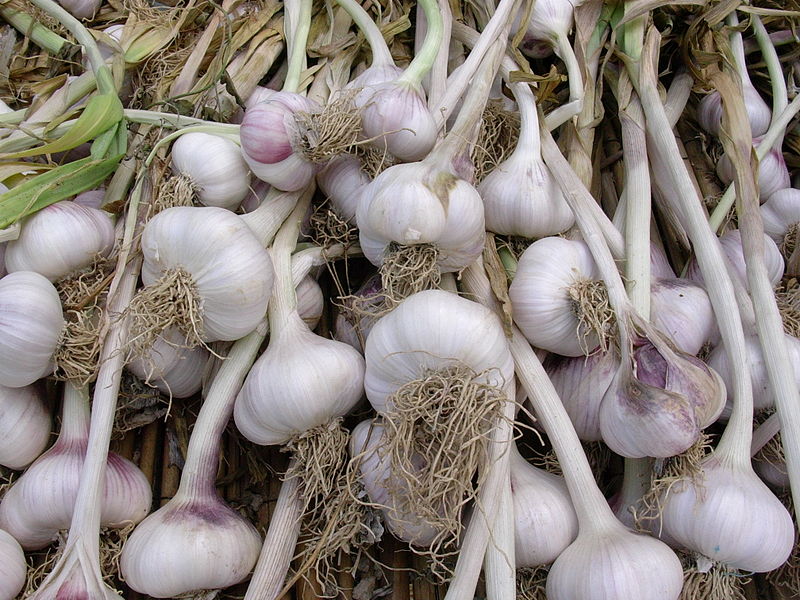
It’s garlic harvesting season in the northern hemisphere, so recently while helping out with the harvest at a local farm, I had the chance to learn about a challenge involving growing garlic in southern Idaho. The challenge stems from a disease called white rot. It’s caused by a fungus (Sclerotium cepivorum), and it affects all alliums, including garlic, onions, chives, and ornamental alliums. This disease causes the leaves of alliums to die back, their bulbs to decay, and their roots to rot, ultimately turning the plants to mush. Sclerotia, the dormant stage of the fungus, are small (about the size of a poppy seed), black, spherical structures that can survive in soil for more than 20 years. They remain dormant until the exudates of allium plants awaken them, at which point they begin to grow, unleashing their destruction. Sclerotia can be moved around by farm equipment, flood and irrigation water, wind, and by attaching themselves to plant material. Once this fungus has established itself in a field, it is extremely difficult to eradicate, making the field virtually unfit for allium crops.

The threat of white rot and the monetary damage that it can cause led to the establishment of a quarantine zone in southern Idaho in order to protect its $55 million dollar a year onion industry. Due to the quarantine zone, all garlic that is grown for seed within the zone must be inspected and certified, and any garlic seed (i.e. garlic cloves) that are brought into the zone must go through a rigorous testing process in order to be certain it is free of the white rot pathogen before it can be planted. Garlic is a specific threat, because while onions in the zone are typically grown from seed and so are largely free from harboring sclerotia, garlic is grown from cloves, which can readily carry sclerotia. This process significantly limits the amount and the variety of garlic that can be grown in the quarantine zone. While the quarantine is essential for warding off the threat of this particular pathogen, it stifles the garlic growing industry and makes it difficult for new garlic growers to establish themselves.

Growing garlic is already an incredibly challenging pursuit due to the amount of time and physical labor that goes into planting, harvesting, drying, grading, etc. The quarantine, while understandable, is yet another added challenge. Learn more about this issue by reading this article found at Northwest Food News.

garlic

photo credit: wikimedia commons