Book Review: Wild Wasatch Front

If it isn’t clear by now from my Weeds of Boise series and countless other posts, I happen to be interested in the flora and fauna of urban areas. Urban ecology is a fascinating field of study, and I’m not sure that it gets the attention it deserves. Nature is not some far away place, and you shouldn’t have to leave city limits to go in search of it. Remarkably, nature exists right outside your front door, even if you live in the middle of a massive city. It may be a different sort of nature than the one you might find in a national forest or a state park, and it may be composed of species introduced from all corners of the world, but it is still a collection of living organisms interacting with each other and the surrounding environment in unique and important ways. The question is, can you grow to appreciate nearby nature and recognize that the ecological interactions that exist within the context of a city are just as valid as those you’ll find outside of our built environments?

Luckily, there are resources that can help you with that, including a recent book compiled by Lisa Thompson and others at the Natural History Museum of Utah (NHMU). It’s called Wild Wasatch Front, and it’s of particular interest to me because it covers a region that’s relatively close by, and our two locations share a number of similarities. Plus, I played a small role in reviewing some of the plants (specifically the weeds) that ended up in the book (Sierra would insist that I mention this, so there you go). Similar books exist for other regions across North America and elsewhere, so I encourage you to seek out a book that applies to your hometown.
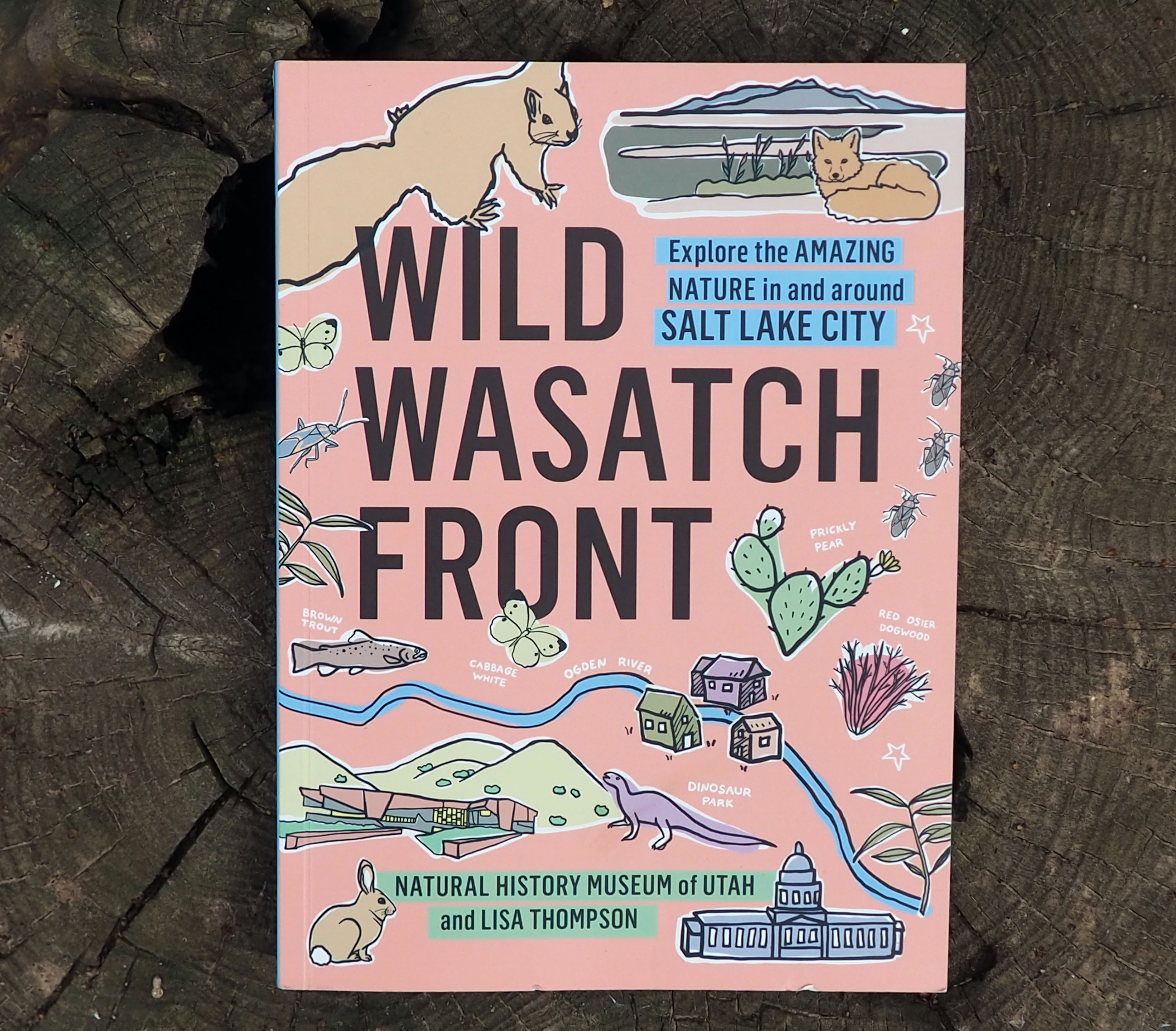
The Wasatch Front is a metropolitan region in north-central Utah that spans the western side of the Wasatch Mountains and includes a long string of cities and towns extending for many miles in all directions. Included in that list of cities is Salt Lake City, the state’s capitol and largest city in the state. The idea for a book about urban nature in the Wasatch Front was inspired by an exhibit at NHMU called “Nature All Around Us.” The exhibit and resulting book offer a new perspective for those insisting that “nature and cities cannot coexist” or that the nature found in cities is influenced by humans and therefore shouldn’t be considered “real.” Hundreds of organisms making a life for themselves within the boundaries of our cities might argue otherwise.

Wild Wasatch Front is divided into three main sections, with each section being worth the price of the book on its own. First there are a series of essays about urban nature and ecology. Names you might recognize, including Emma Marris and Riley Black, contributed to the book, as well as several other people that live and work in the western U.S. and have an interest in nature and environmental issues, especially as they relate to cities. Novel ecosystems is a reoccurring theme, not just in the essays but throughout the book. In her essay, Sarah Jack Hinners writes, “urban nature is a mixture of the intentional and the unintentional,” adding that “for every tree or rosebush or lawn that we plant and carefully nurture, there are multitudes of other plants and animals that grow and thrive uninvited and unnurtured by us.”

The largest section in the book is a field guide, profiling 127 plus species that call the Wasatch Front home, some native and some transplants. This section is divided into subsections that include birds, invertebrates, fungi and lichen, mammals, reptiles and amphibians, street trees, and wild plants. The entry for each species includes a brief description, a few interesting facts, and details on how and where to find them, accompanied by images. With the variety of creatures covered, you are sure to find something that interests you and a reason to go out looking for your favorites. You may even learn something new about a species you’ve been seeing for years, such as house finches. It turns out that the colorful patches on a male house finch are the result of the plants they eat. These patches can be red, orange, or yellow. The redder the better though, because female house finches seek out mates with this coloration.

Naturally, my focus was mainly aimed at the plants covered in this section. I appreciated the mixture of native and introduced plants, even the inclusion of plants considered to be invasive. Instead of vilifying these species, there is an attempt to understand them and find value in them, even in spite of the concerns and negative opinions held about them. Box elder (Acer negundo) is an example of a plant that has both native and introduced populations. Once widely planted in yards and on farms, this tree has “fallen out of favor.” Its weak wood (a result of growing so quickly), can result in a messy, unattractive tree, making it a poor choice for a street tree. However, it propagates itself readily and shows up in vacant lots and other urban locations that receive minimal management and human attention. In the Wasatch Front, you can find box elders that are native, naturalized, and cultivated, an unlikely scenario unique to urban areas.
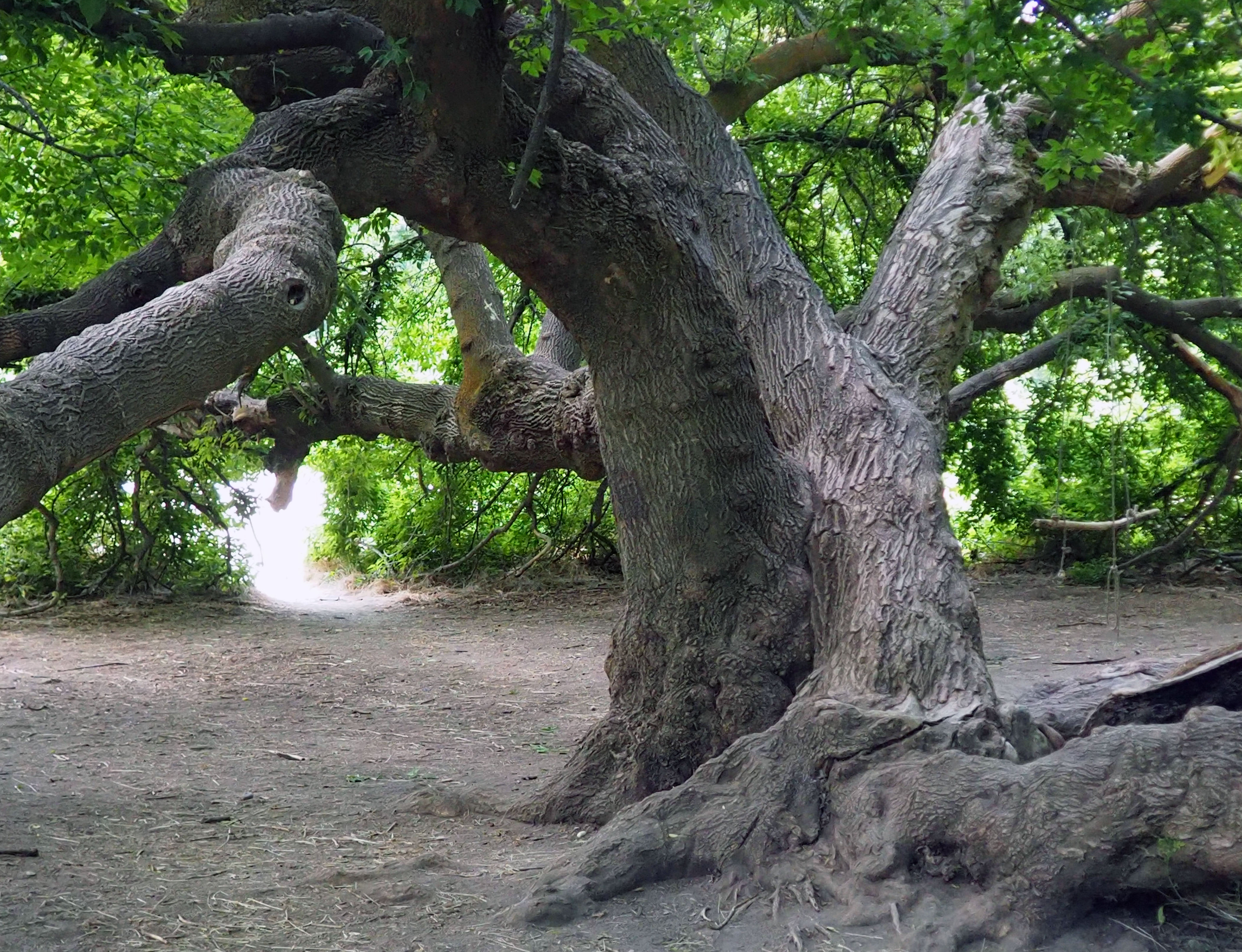
massive box elder (Acer negundo) in Boise, Idaho

The third and final section of the book is a guide to 21 different hikes and field trips in and around the Wasatch Front. Each field trip features a hand-drawn map and some basic notes about the hike. Details about what can be seen along the way are included in the descriptions, which are sure to entice you into visiting. Whether or not you think you’ll ever make it out to any of these spots, this section is still worth reading if only for the ongoing discussions about urban ecology. For example, in the entry for Gib’s Loop, abrupt changes in land ownership and land use (a common experience when hiking in urban areas) is addressed: “Human impacts in the foothills…don’t end at backyard fences, and many animals use resources in both habitats. It’s more interesting to think of cities and the surrounding foothills as part of an interconnected system rather than separate and distinct.”

The field trip section is also used as a teaching opportunity to describe more of the species you’ll find in the Wasatch Front. In the entry for Creekside Park, learn how to identify creeping mahonia (Berberis repens), with its low growing habit and matte leaves, and compare it to Oregon grape (B. aquifolium), with its more upright habit and shinier leaves.
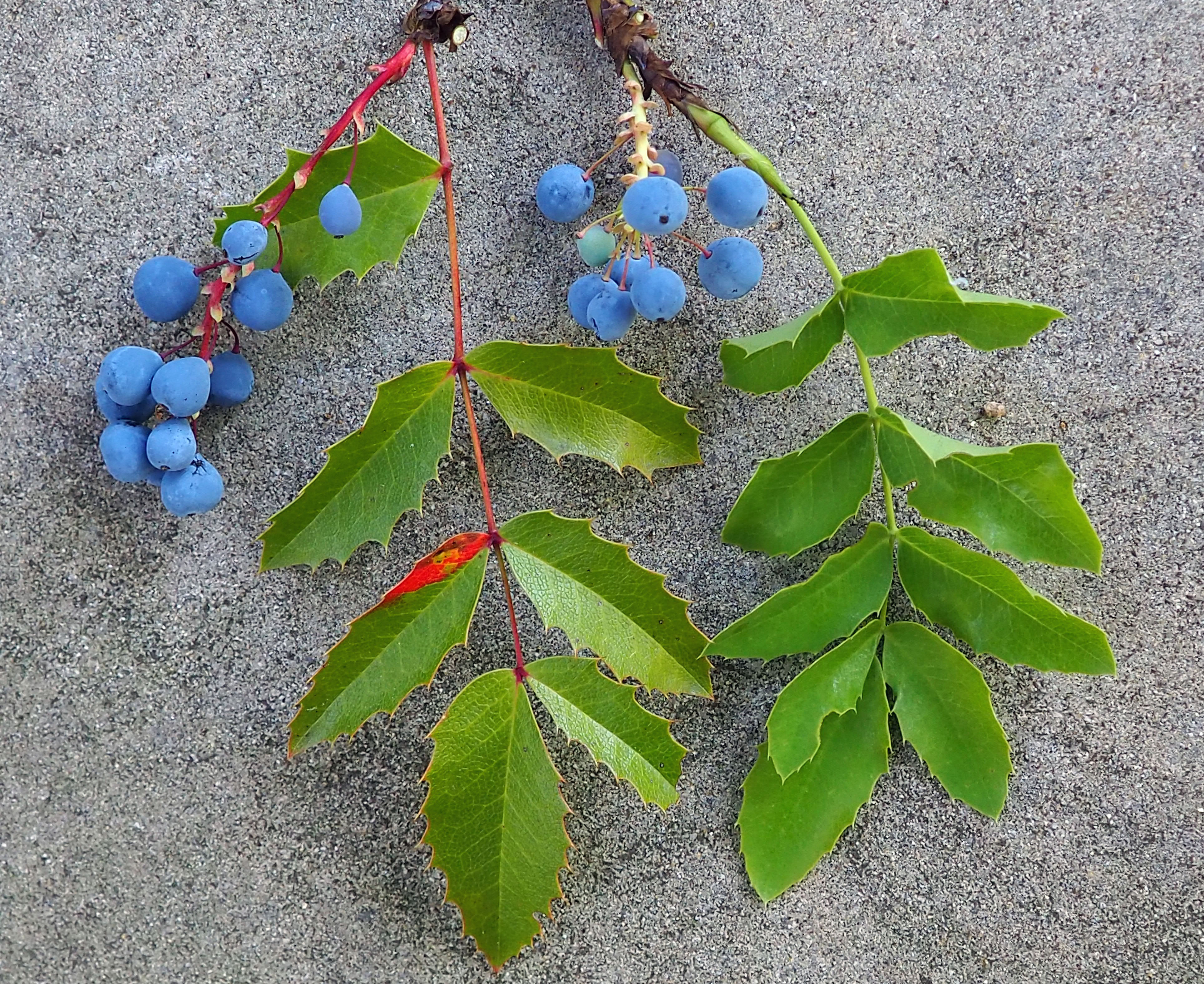
Berberis aquifolium (on the left) compared to Berberis repens (on the right)

Last year, in anticipation of Wild Wasatch Front, I came across another book with a similar focus. This book was put out by a group called The Urban Field Naturalist Project, headquartered in Australia. Their book, A Guide to the Creatures in Your Neighbourhood, encourages its readers to become urban naturalists and offers resources to help them get started. Just like Wild Wasatch Front, the bulk of the book is a field guide to species found in and around urban areas (in Australia, of course). In place of a guide to hikes and field trips, there are instructions on how to start nature journaling, which is a key component of becoming an urban field naturalist. Getting outside and learning to recognize nearby nature is step one, documenting what you see and sharing those observations with others is step two. Taken together, these two books will help you gain a better appreciation for urban nature and will hopefully inspire you to work to conserve what is there and make room for more.

More Book Reviews:

How a Plant Could Just Kill a Man, part two

Plants falling on people was a major theme in the Caustic Soda podcast Killer Plants episode, which is why part one of this two part series was devoted entirely to the subject. Yet, in the process of discussing death by falling branches and fruits, the hosts also mentioned at least three other highly dangerous and potentially deadly plants: ongaonga, gympie gympie, and the little apple of death. Those plants are featured here.

The nettle family, Urticaceae, includes a number of species that are best admired from a distance. Several genera (out of around 53 total) in this family are equipped with stinging hairs – sharp protrusions on leaves and stems that contain a variety of toxic compounds. Contact with these plants is ill-advised. Reactions vary from mild to extreme depending on the extent of the contact and the species in question. Two of the plant species mentioned by the hosts of Caustic Soda are members of this family – ongaonga (Urtica ferox) and gympie gympie (Dendrocnide moroides) – both of which are on the extreme side of the scale.

Urtica ferox is a New Zealand endemic that is commonly found in coastal and lowland areas as well as forest edges and shrublands. It is a shrub that reaches up to three meters tall and often occurs in dense thickets. The margins and midribs of its leaves are adorned with stiff hairs that are just a few millimeters long and poised to inject toxic compounds including histamine and acetylcholine upon contact. The “sting” is painful and can cause a variety of reactions including itching, inflammation, difficulty breathing, paralysis, blurred vision, and convulsions. Symptoms can last for several days, and neurological disorders occur in extreme cases.

Ongaonga has been blamed for killing several animals, including dogs and horses, but is charged with only one human death. In 1961, two hikers ventured into a patch of the stinging nettles. Shortly after contact they had trouble walking, breathing, and seeing. One of the men died a few hours later; the other recovered.

Ongaonga (Urtica ferox) - photo credit: www.eol.org

Ongaonga (Urtica ferox) – photo credit: www.eol.org

Several species in the nettle family can be found in Australia, one of which is particularly dangerous. Dendrocnide moroides, commonly known as stinging tree or suicide plant, is an early successional species, colonizing disturbed sites and sunlit gaps in the rainforest canopy. It grows to about three meters tall and has large heart-shaped leaves with sawtooth margins. All aboveground parts of the plant are covered in silicon hairs that are packed with a highly potent neurotoxin. The hairs detach easily from the plant and embed themselves in the skin of its victims. The “sting” is extremely painful and can last anywhere from days to months, possibly even returning from time to time years after contact. A rash, swelling, and itching sensation accompany the intense pain.

Following an encounter with the stinging tree, the “stingers” should be removed from the skin with a hair removal strip or some other sticky material, taking care not to break off the embedded tips. The affected area can be treated with diluted hydrochloric acid (1:10 by volume) to reduce the pain. Live plants are not the only ones to be wary of, as even old herbarium specimens have been said to sting those that handle them. Touching the plant isn’t even necessary, as the hairs easily dislodge from the plant in the wind and can be breathed in. One researcher reports developing a severe allergic reaction to the plant after working around it for several years and was advised by a doctor to abandon her research.

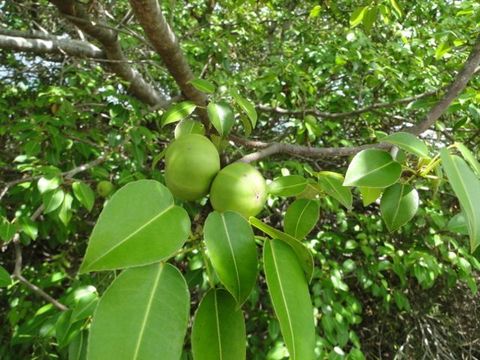
The spurge family, Euphorbiaceae, has many toxic plants among its ranks, including a species that Guiness World Records has awarded the world’s most dangerous tree. Commonly known as manchineel or beach apple, Hippomane mancinella demands respect, as a highly toxic latex sap is found throughout the entire plant. Just standing near it can result in painful blistering of the skin. Manchineel occurs along shorelines and in coastal woodlands and swamps in Central America and the West Indies, including southern Florida and the Florida Keys. It is a deciduous tree that grows to about fifteen meters tall, has thick grey bark, and glossy, elliptical leaves. Its fruits look like yellow-green crabapples and are sweet smelling and initially sweet tasting, that is until the burning and swelling starts followed by severe gastroenteritis.

Manchineel tree a.k.a. little apple of death (Hippomane mancinella) - photo credit: www.eol.org

Manchineel tree a.k.a. little apple of death (Hippomane mancinella) – photo credit: www.eol.org

Interaction with manchineel is inadvisable. The thick, milky sap seeps out of leaves, branches, bark, and fruits and causes intense blistering of the skin and temporary blindness if it gets near the eyes. During rainstorms, the sap becomes incorporated in raindrops and can drip or splash onto unwitting bystanders. Smoke from burning trees can also irritate the skin and eyes, and inhalation of the sawdust can result in bronchitis, laryngitis, and other respiratory issues. Modern history does not include reports of human fatalities resulting from eating the little apples of death, but descriptions offered by those who have consumed it confirm that it is an incredibly unpleasant experience.

Related Posts:

How a Plant Could Just Kill a Man, part one

Plants have killed plenty of people. When plants are implicated in the death of a human, we typically think of plant poisonings. Rightly so since their are a slew of poisonous plants with the potential to kill. However, oftentimes plants kill (or seriously injure) people without employing toxic substances. One of the best examples of this is falling plant parts. Gravity couples with sheer coincidence and/or human error, and tragedy ensues. In an episode entitled Killer Plants of the now defunct podcast, Caustic Soda, the hosts present some of these distressing scenarios. What follows is a summary of the plants that made their list.

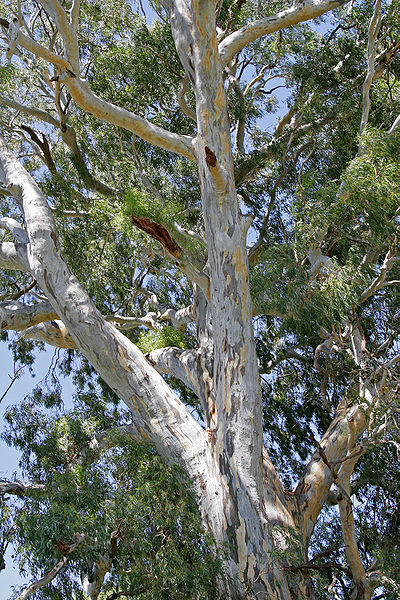
Branches falling from trees, whether dead or alive, can cause some serious damage. Trees in the genus Eucalyptus, commonly known as gum trees, are one group to be particularly wary of. There are more than 700 species of Eucalyptus, most of which occur in Australia. Not all are large trees, but those that are can be massive, reaching from 100 to 200 feet and taller. Eucalyptus trees regularly shed branches, often unexpectedly, leading to serious injury or death to anyone who may find themselves on the ground below. Shedding branches is likely a strategy for conserving water during hot, dry summers, and it is common enough that Australian parks departments issue safety advisories to avoid parking or camping below the trees. Even arborists don’t take their chances with these unpredictable trees.

Red River Gum Tree Eucalyptus camaldulensis - photo credit: wikimedia commons

River red gum (Eucalyptus camaldulensis) – photo credit: wikimedia commons

Of course, eucalyptus trees are not the only trees that drop their branches without warning. A falling branch in Yosemite National Park claimed two victims last summer, for example; and falling branches have claimed the lives of a great deal of forest workers, wildland firefighters, and other forest visitors. This happens frequently enough that the branches in question have been given the ominous name widowmakers, and the U.S. Department of Labor lists them as one of many “potential hazards” in the logging industry. What are the chances of being killed by a falling tree? The Ranger’s Blog set out to answer that question and, to set your mind at ease, determined that the chances are pretty slim.

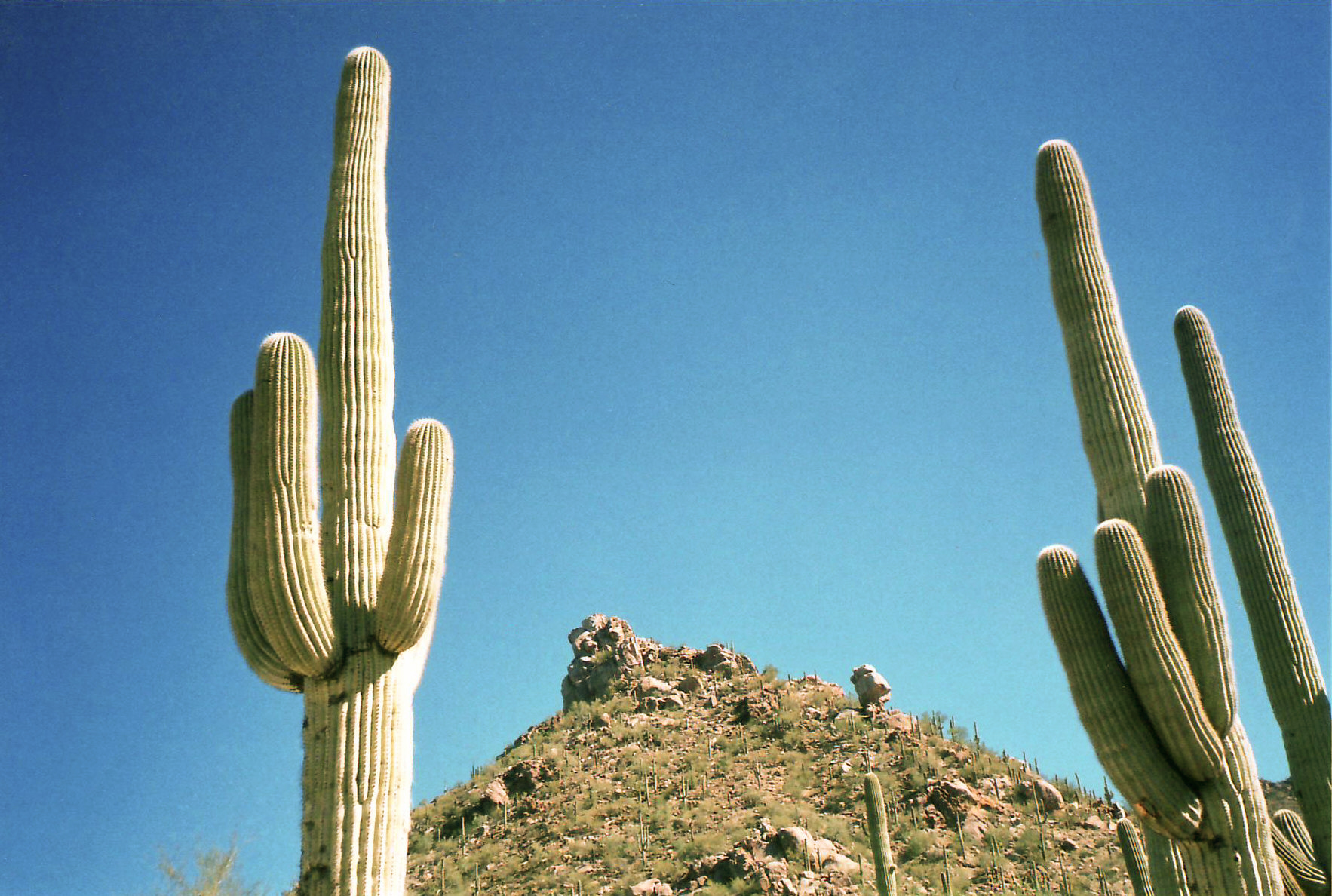
What about other falling plants? Saguaro cactus, for example. Carnegiea gigantea is a tree-like, columnar cactus native to the Sonoran Desert. It is a very slow growing and long-lived species that generally reaches around 40 feet tall but can potentially grow much taller. Saguaros are considered tree-like for their tall stature and branching habit, although not all saguaros develop branches. Some saguaro branches (or “arms”) can be quite large and considerably heavy. In 1982, an Arizona man discovered this when he and a friend were out shooting saguaros. Stupidly, the man repeatedly shot at the arm of an enormous cactus. Ultimately the arm split off and landed on the man, crushing him to death. Of course, saguaros don’t have to be shot at to fall on you. Another Arizona man was fixing a water leak in a Yuma subdivision when a sixteen foot tall saguaro toppled over on him. The man was crushed but lived to tell about it.

Saguaro cactus (Carnegiea gigantea) - photo credit: wikimedia commons

Saguaro cactus (Carnegiea gigantea) – photo credit: wikimedia commons

Palm trees drop things on people, too. One tragic example involves a man in Los Angeles standing below a Canary Island date palm (Phoenix canariensis) waiting for a ride to a funeral. The 2000 pound crown of the palm tree split and fell, pinning the man to the ground. Bystanders were unable to remove the crown, and the man died.

The coconut palm (Cocos nucifera) has an additional deadly weapon – its fruit. While the number of deaths by coconut are often exaggerated, they do occasionally occur. Injuries by coconut are more frequent, so precaution around the trees should be taken. After all, coconut palms can reach heights of 80 feet or more, and mature coconuts can weigh more than three pounds (considerably more when they are wet). A falling coconut is something to be mindful of, an observation that led Dr. Peter Barss to study coconut related injuries in Papa New Guinea over a period of 4 years. His research was published in 1984 in the Journal of Trauma and was later taken out of context and used to make the claim that coconuts kill significantly more people per year than sharks. Publicity spawned by this urban myth helped Barss earn an Ig Noble Prize in 2001. Concerns about coconut related injuries also led officials in India to order the removal of coconut palms around the Gandhi Museum in preparations for President Barack Obama’s 2010 visit.

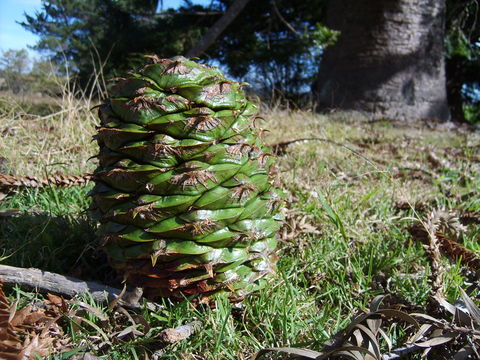
Back in Australia, the towering bunya pine (Araucaria bidwillii) has its equivalent to the coconut in its massive cone. Measuring around a foot long and weighing in at 20+ pounds, these cones make living near bunya pines an act that is “not for the faint hearted.” When the cones are falling, they warrant warnings from the Australian government to keep away from these 90 foot tall trees. This harrowing feature puts bunya pines on a list of infamous plants in Australia with the potential to kill.

Bunya pine cone (Araucaria bidwillii) - photo credit: www.eol.org

Seed cone of bunya pine (Araucaria bidwillii) – photo credit: www.eol.org