Overwintering Carnivorous Plants

I once assumed that all carnivorous plants were tropical. I’m not sure exactly why. Perhaps it’s because they are so bizarre (both in their appearance and behavior), nothing like the plants that I was accustomed to seeing growing up in the Intermountain West. Or maybe it’s because the one carnivorous plant that I was most familiar with, the Venus flytrap, is commonly sold in the houseplant section of department stores. If it’s a houseplant, it must be tropical, right?

Eventually I learned the truth. Much to my surprise, there are numerous carnivorous plants that are native to temperate regions – in fact, carnivorous plants can be found on every continent except Antarctica. Even more surprising, Venus flytraps are temperate plants! It’s true. They are native to a small region in North Carolina, within about a 100-mile radius from Wilmington.

Plant species native to temperate regions require a dormant period. In the winter, the temperature drops, day length decreases, and, in some cases, drought ensues. During this time plants go dormant – they hibernate – and wait for the warmer, brighter days of spring to continue on with their metabolic and reproductive processes. It’s a period of rest.

Carnivorous plants native to temperate regions fall into this category – they require a period of dormancy in order to stay healthy and productive. In his book, The Savage Garden, Peter D’Amato asserts that, “Dormancy in carnivorous plants that require it must be respected and permitted to occur. Otherwise, the plant may die.” He goes on to say that a Venus flytrap grown year-round in a warm environment exposed to grow lights for the majority of the day “will eventually get sickly and die.” In short, these plants need a rest, and so it’s best to grow them outdoors where they will be exposed to the elements, thereby entering a period of dormancy as nature intended.

Venus flytraps (Dionaea spp.), North American pitcher plants (Sarracenia spp.), and serveral species of sundews (Drosera spp.) can all be grown outdoors year-round in temperate climates. In order to ensure their survival, it’s best to give them a little protection during the winter months – especially when temperatures are projected to reach below 20 degrees for several consecutive nights.

Recently, I helped put the carnivorous plant display at Idaho Botanical Garden to bed for the winter. The carnivorous plants are being grown in an old stock water trough. First we cut back the plants, reducing their size by at least a third and being especially careful to remove dead or rotting plant material. Next, we placed several straw bales around the sides of the trough. Then we covered the plants with three layers of material: black plastic, evergreen boughs, and dead leaves. Dave Nelson, of killergarden.com, suggests a similar winterizing treatment: “the plants can be placed on the ground, covered with a tarp, and then covered with six inches or so of dead leaves, pine needles, straw, or other mulch.”

After the threat of freezing temperatures has passed, the plants can be uncovered. As temperatures continue to warm, the plants will awake from their dormant state and prepare themselves for another spectacular season of devouring bugs and looking awesome.

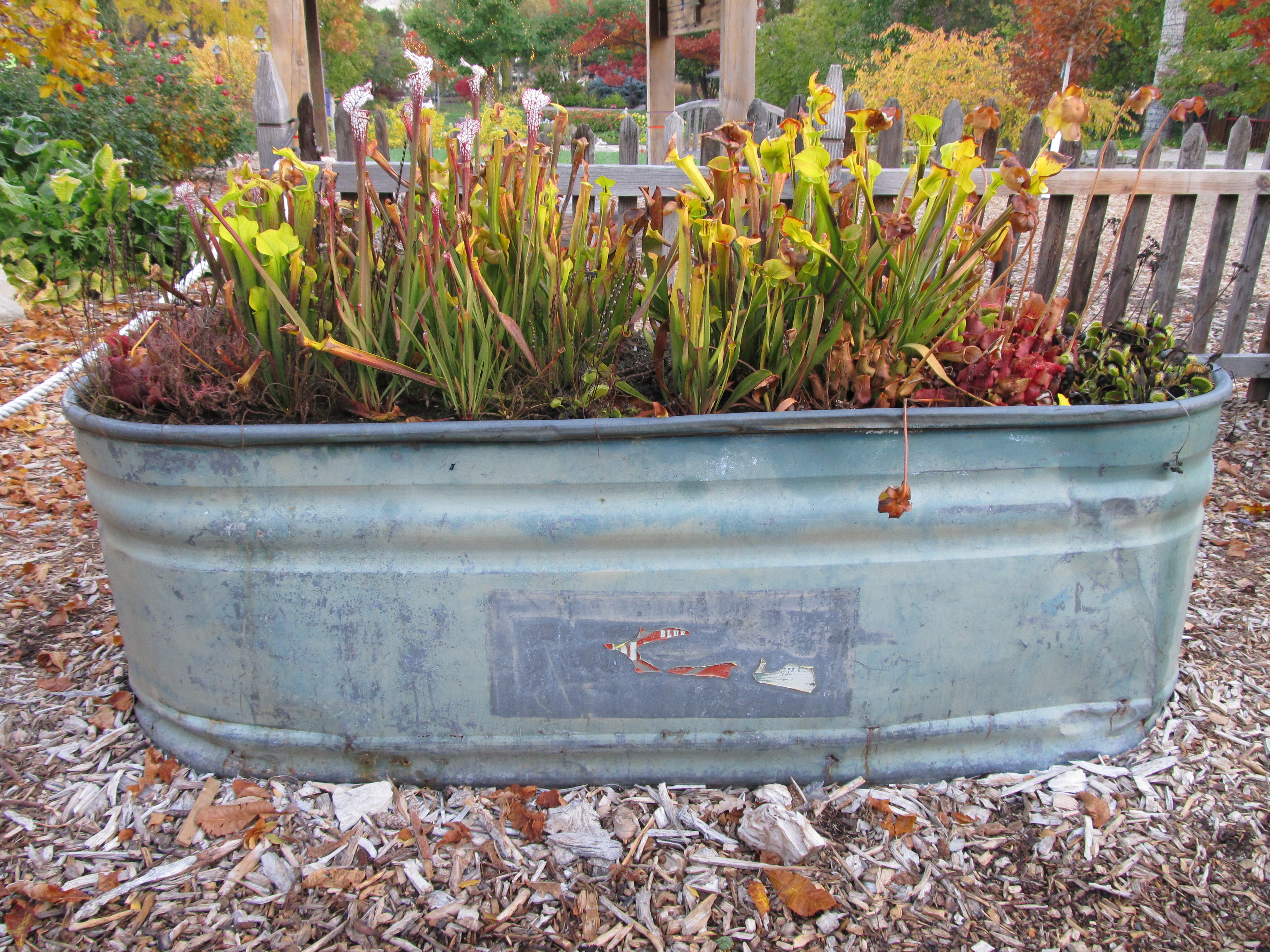
IBG_carnivorous plants_fall

Carnivorous Plant Display at Idaho Botanical Garden

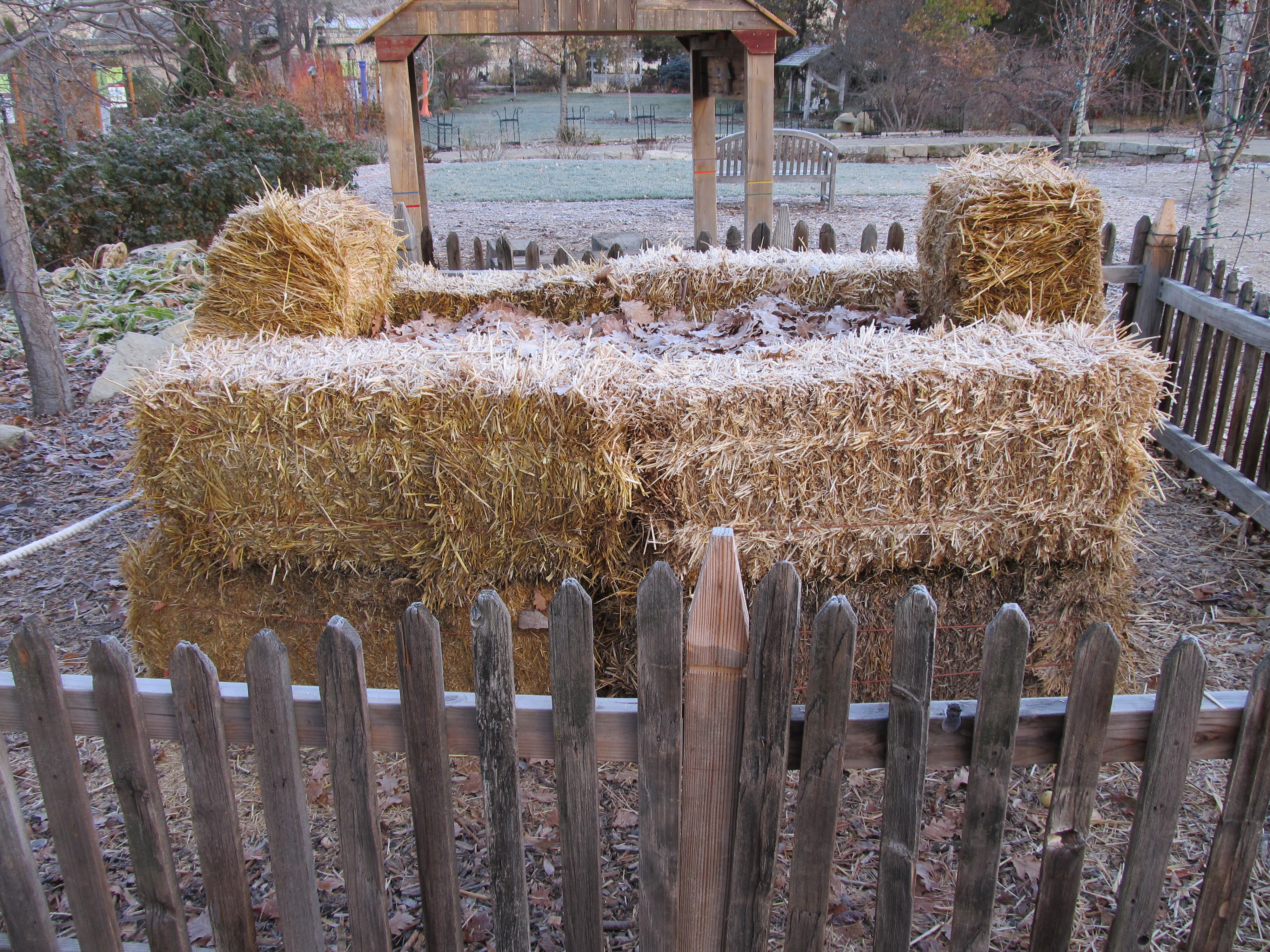
IBG_carnivorous plants_winter

Winterized Carnivorous Plant Display

A final word from Paul D’Amato: “You should never force a carnivorous plant into growth during a season when it should be resting.”

Excerpt from Amanda Thomsen Interview

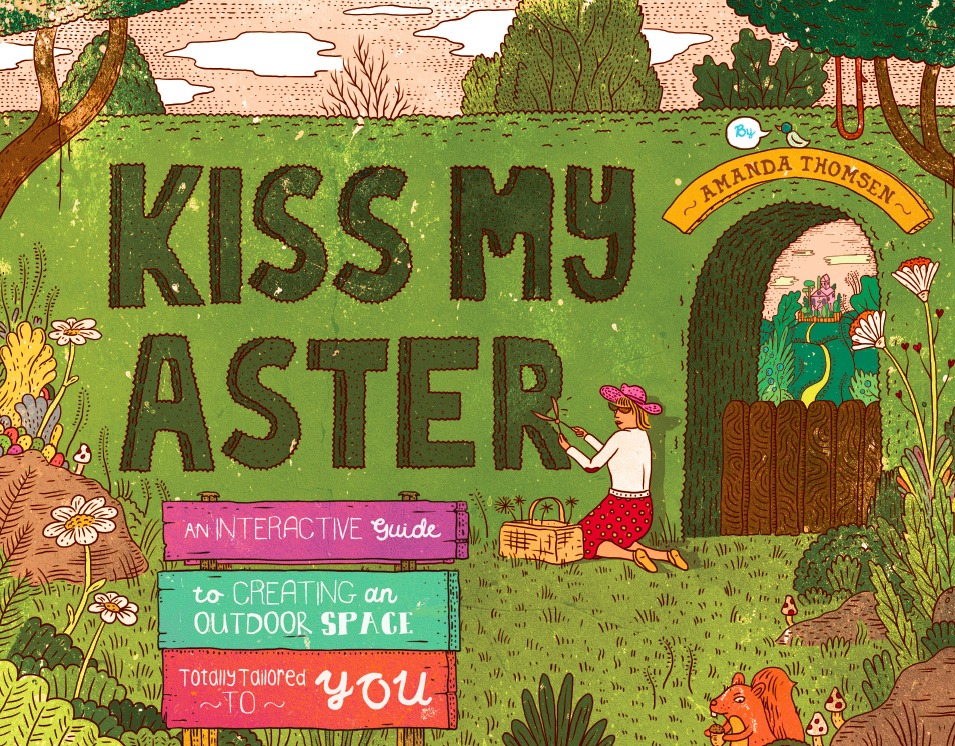
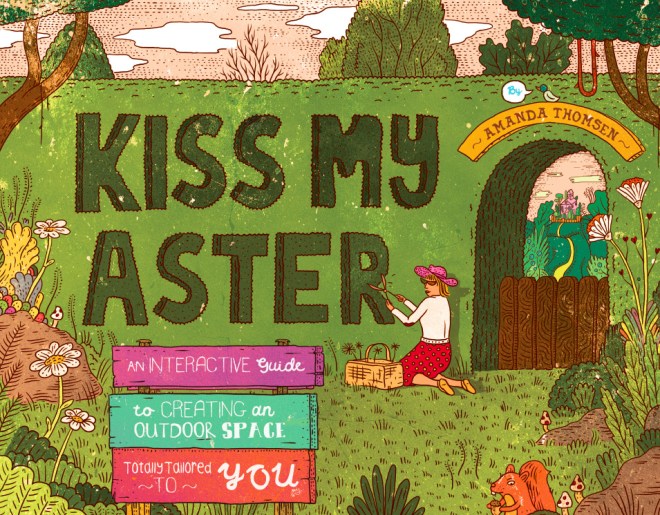
Plenty of books have been written about gardening and landscaping 101, but none are quite like Kiss My Aster by Amanda Thomsen. The title alone should clue you in that Thomsen’s approach is unique. Flipping through the pages it becomes more apparent. It’s a graphic novel. It’s a choose your own adventure book. There is a pink unicorn and a vampire reference, but there is also great information for those interested in gardening. Much of it is geared towards beginners, but seasoned gardeners will find it useful as well. This book is in a league of it’s own…so it’s certainly worth a look.

In the latest issue of Greenwoman Magazine, Sandra Knauf interviews Amanda Thomsen. It’s a lively conversation, in which Thomsen reveals how the book came about, among other things. What follows is an excerpt from that interview. Get your hands on a copy of the magazine for the full conversation.

Knauf: Who or what inspired you to become a gardener? A writer?

Thomsen: When I was little I wanted to do three things when I grew up: 1. Be a writer, 2. Recycle, and 3. Wear red lipstick. Happily, I have achieved these three goals. Although I always wanted to be a writer, I did ABSOLUTELY NOTHING to make that happen growing up. No one pointed me in the right direction. I’ve taken a few writing classes, but overall nothing that was memorable. I have always been super creative and have just looked for ways to demonstrate that!

My parents were the prototypes for yuppies. For some reason, and I think it was my dad’s Indiana upbringing, they were SUPER into Crockett’s Victory Gardening on PBS and did, literally, everything he did. We have a 30′ x 50′ victory garden each summer and I just grew up in it. They had a greenhouse added to the house, canned up everything from applesauce to giardiniera. It was a delicious way to grow up, and I didn’t realize that EVERYBODY didn’t have that until I was, like, 20. Maybe older. I didn’t realize there were jobs in gardening and horticulture.

Knauf: You have this funny, sassy, sexy, free-spirited, curse-word-strewn, delightfully naughty blog for a few years, and you’re a landscaper, and suddenly you’re blogging for Horticulture magazine’s website, and now you blog for Fine Gardening. I don’t want to disrespect these fine publications, but, well, they can be at times just a bit, shall we say, dry. How did you get together with them?

Thomsen: Horticulture asked me to join this contest they were having for a blogger. I did and I won. It was hard on me to blog exclusively for them and not on my personal blog at all – not even about personal stuff – but that was the deal. Fine Gardening has been a great, laid back home for my more horty things to say. I leave the eff-bombs at the door and get my freak on over there and I’ve loved it. AND they’ve given me a chance to write articles, which is seriously one of my happiest achievements in life…

All these magazines KNOW that if they are going to survive, they have to get new, younger readers, and I’m happy as a salami at a mustard party to help do that for them.

Knauf: How did the idea for a book come about?

Thomsen: I was dreaming about how to make books more interactive when I thought of the idea. Originally it was going to be SO comprehensive that I thought I’d need help writing it. You know, a backyard bible of sorts. Then I got this wack-a-doo idea of having a hipster gardening book that was illustrated with, you know those terrible IKEA instructions with no words and very vague symbolism? I wanted to do it like that. Carleen Madigan at Storey literally found me in a dumpster and asked me if I had ideas for books. We met up in Boston while I was there speaking, and I just LOVED her. She was totally the midwife of this book. I literally wrote the whole book for her and if I could make her laugh then I was golden. I wrote the whole book, and then they found the illustrators, which completely adds everything.  The illustrations are way better than the writing!
kissmyaster

Visit Amanda Thomsen’s blog: www.kissmyaster.co

Read the entire interview and more at Flora’s Forum.

An Emerging Botanical Garden in Louisville, Kentucky

There is a new botanical garden being constructed in Louisville, Kentucky. It’s called Waterfront Botanical Gardens, and it is being built on top of an old landfill. The landfill was in use for several decades during the mid-1900’s and officially closed in 1973 when a new landfill site was opened. Recently, there was discussion about what to do with the old landfill site. Botanica, a group of plant lovers and devoted gardeners in Louisville, was able to work out a deal with the city to secure the 23 acre site and is currently moving forward with plans to turn it into a botanical garden.

Botanica’s vision for the garden is broad, but part of that vision includes educating the public about native flora and promoting environmental stewardship. Planning and construction are still at their early stages and there is tons of work ahead, but considering that people in Louisville have been wanting to see a botanical garden in their city for at least 30 years, watching it finally start to happen must be exciting. To celebrate the emergence of Waterfront Botanical Gardens, the Founders’ Garden was constructed and planted this spring. It is located near the site of the future botanical garden and is a small token of things to come. A picture of that garden (taken from the website) can be seen below.

I am excited to watch from afar as this new botanical garden emerges, and I hope to be able to visit someday after the garden has been constructed. To learn more about this garden and to follow its progress, visit their website: www.waterfrontgardens.org

waterfront botanical_founders garden

The Founder’s Garden at Waterfront Botanical Gardens

Louisville, Kentucky

Rock Gardens: An Introduction

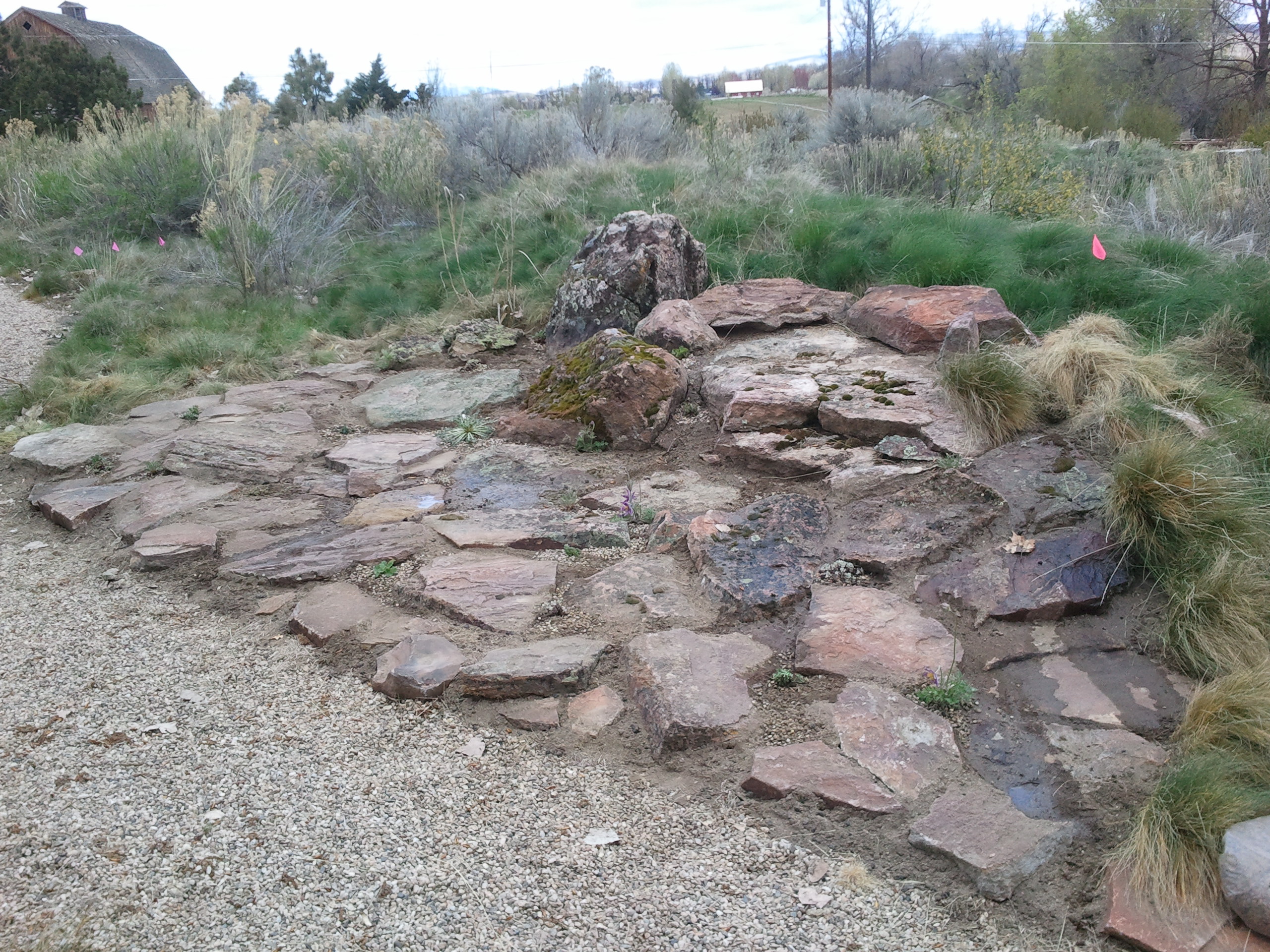
Recently I helped build and plant a rock garden. It was a first for me, but something I had been wanting to do for a while. Rock gardens consist of plants that grow in rocky environments, such as rock outcrops on mountains or accumulations of rocks at the bases of cliffs or steep slopes. Rock garden plants are commonly called alpine plants – alpine refers to an environment that is very high in elevation or, in other words, in mountains above the tree line. Not all rock garden plants are native to alpine environments; however, in the rock garden community, the term “alpine” often refers to small, hardy plants that are ideal for rock gardens.

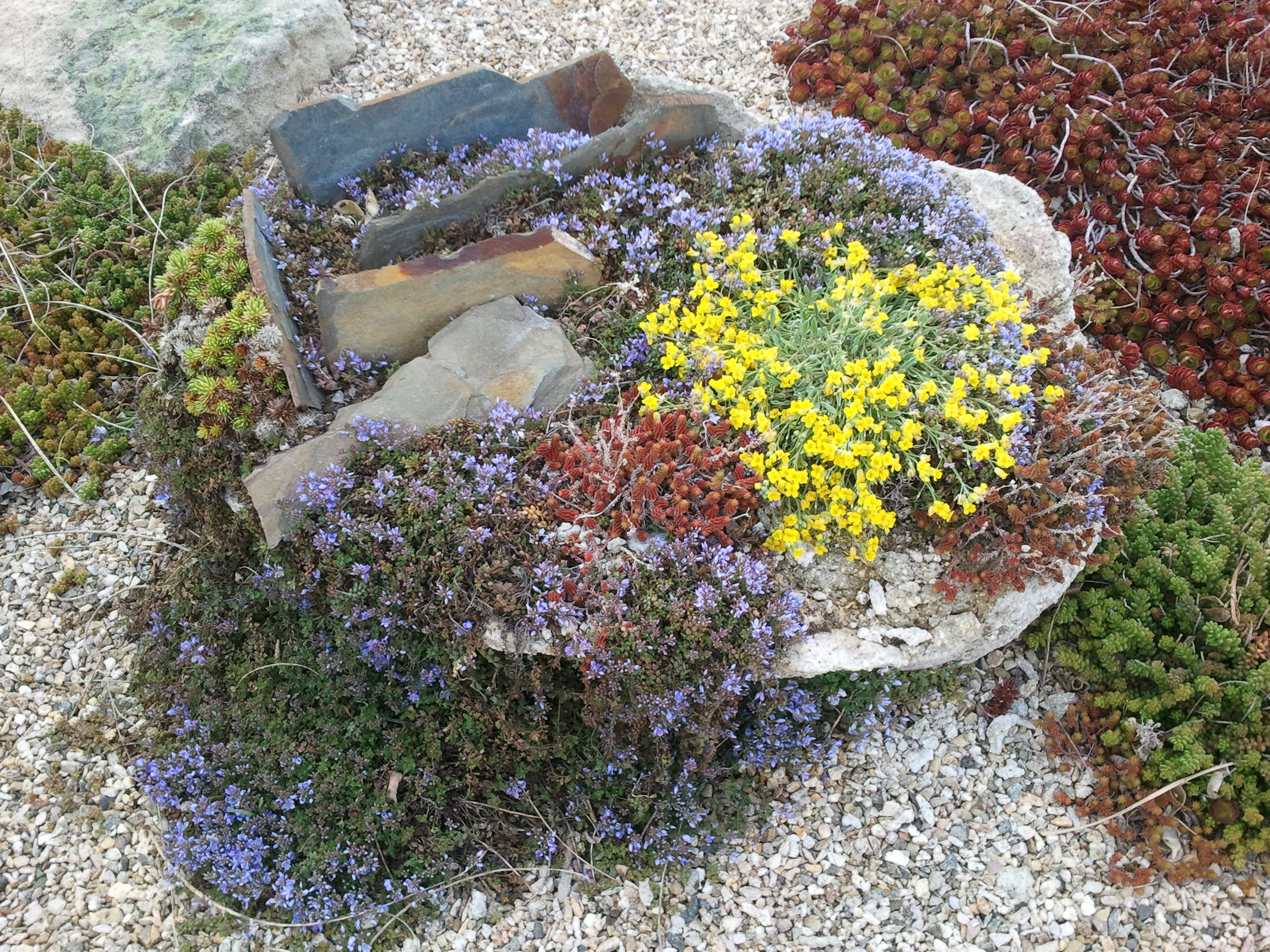
A rock garden mimics the environments of alpine plants by incorporating a mixture of large and small rocks placed in an aesthetically pleasing manner. Well-draining soil is brought in to fill the spaces between the rocks, and the plants are planted in these spaces. Rock garden plants are typically small and compact. Cushion plants (Silene acaulis, Saxifraga spp., etc.) are one example of a type of rock garden plant. Other popular rock garden plants include the following genera: Pulsatilla, Viola, SedumDaphne, DelospermaDianthus, Thymus, Primula, and Scutellaria. The list goes on. Many rock garden plants can be found at local garden centers, while others will require some searching, but there should be enough of them available to at least get you started.

A rock garden doesn’t have to mean a scattering of rocks laid out on the ground. They can also be built in raised beds or they can consist of a series of troughs or planters. Rock garden troughs are typically made of tufa or hypertufa. Tufa is a naturally occurring variety of limestone. Hypertufa is a human-made version of tufa that is composed of various aggregates cemented together.

To learn more about rock gardening and to join a community of rock gardeners, check out the North American Rock Garden Society, and stay tuned to Awkward Botany for future posts on rock gardens.

SAMSUNG

Here is an example of a rock garden in a hypertufa trough. You can see this and more like it at Idaho Botanical Garden.

SAMSUNG

Crape Murder and Other Crimes

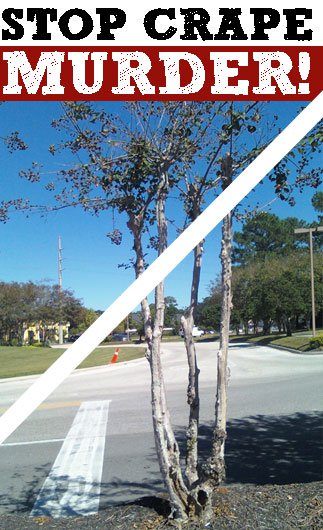
Here is something that will hopefully provide you with a little comic relief…and perhaps bring a little contempt as well. Recently, I was talking with a woman from Texas, and she informed me of an appalling ritual referred to, by those opposed to it, as “Crape Murder.” It’s being carried out on an ornamental tree that was brought over to the United States from Asia. The tree is commonly known as crape myrtle (Lagerstroemia spp.). It is very popular throughout the southern United States and has a reputation of being one of the most beautiful additions to a landscape due to its appealing natural shape, its propensity to flower all summer long, and its attractive bark. The “murder” aspect comes in when folks who, ignorant of proper horticulture techniques (and with a poor opinion on what might be considered “aesthetically appealing”) hack the branches of crape myrtles back at the end of the season so that all that is left of the poor things are nubby trunks. Apparently they think they are doing the tree and themselves a service, but the results of this action aren’t serving anyone – especially the trees. There are a number of passionate arguments against this heinous act found on the internet. Here is a link to one. There is also a facebook page devoted to bringing an end to Crape Murder.

This discussion reminded me of a post that I read on Garden Rant a little while back. The author was ranting against what he calls “plant janitors,” pointing out the atrocities that are carried out by these nefarious creatures on a daily basis. It turns out that the author of this rant also has a facebook page devoted to “crimes against horticulture.”

All of this is quite comforting to me, because it has helped me to realize that I am not the only one who gets squeamish when I see the hideous things that people decide to do to their plants and to their landscapes. Now that I am aware that there are plenty of other places on the internet to let off steam and rant about these issues, I can assure you that I will refrain from doing such things here. For the most part anyway…

crape murder