Common Backyard Weeds of the Pacific Northwest is out now! The book is a quick guide to many of the common weeds you will find across Idaho, Oregon, Washington, and parts of British Columbia and Alaska. It’s small enough to fit in your pocket and approachable enough for those who know nothing about plants to get something out of it. My hope is that it has something to offer plant people too. Purchase it today from your favorite bookseller. You can also order it directly from the publisher, AdventureKEEN, or through my Bookshop store.
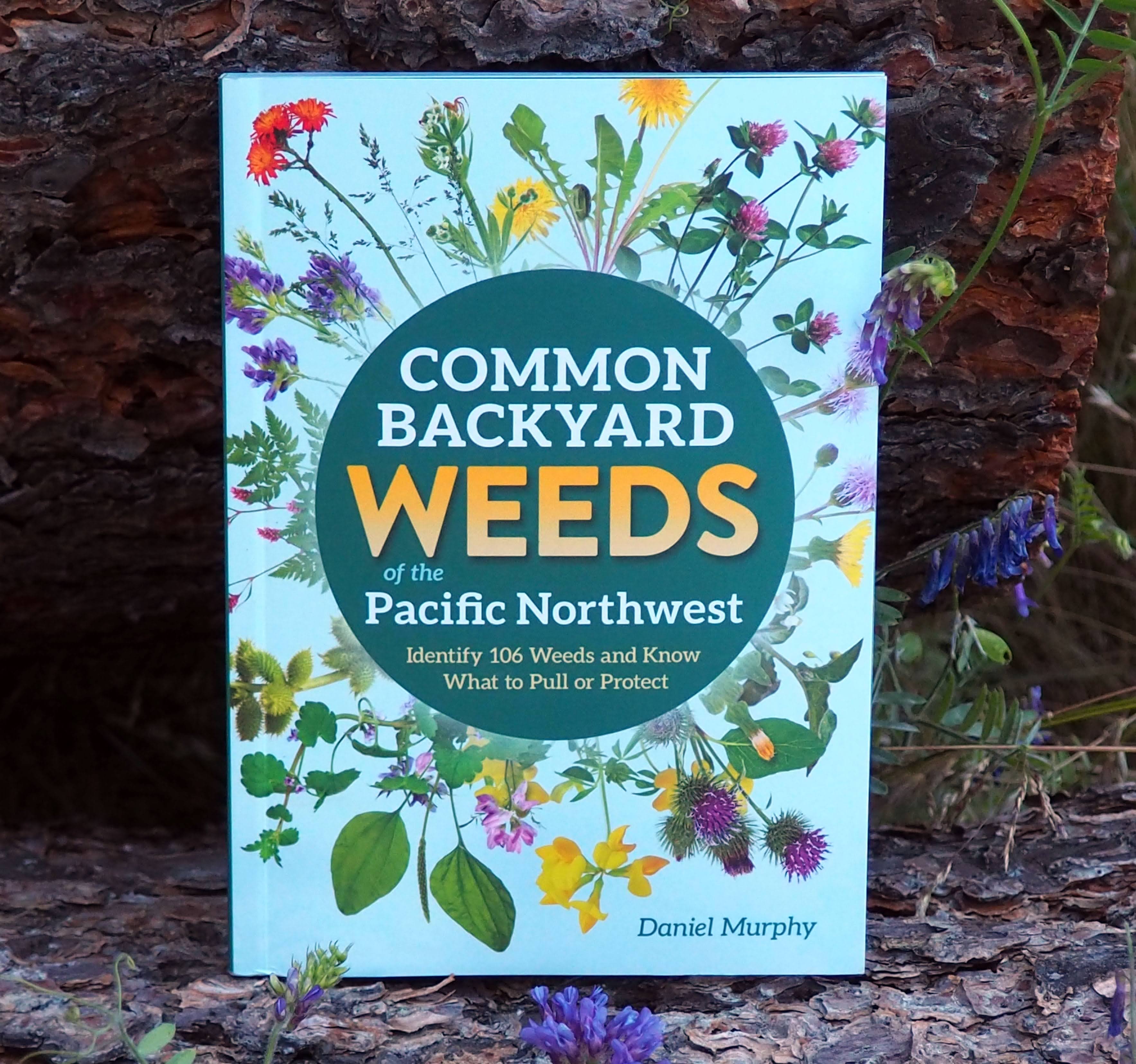
A few more details about the book. The introduction defines weeds, gives a broad overview on how to identify plants, and shares some basic information on how to manage weeds. The weeds themselves are organized into general life forms: low-growing, upright broadleaf, vining, and grass or grass-like. The book does not cover trees, shrubs, or aquatic weeds. Plant profiles include a brief introduction, habitat preferences, plant descriptions, and some look-alikes. There is some general guidance on how to manage the weed, along with a sentence or two on how to use them (ethnobotany!) or how they might be used (wildlife or ecological value!). Photos are included to help with identification, and resources are listed to keep you learning.
 awkward botany